






Here's the truth: mountaineering asks a lot of your body. You need endurance to keep moving for hours. Strength to haul a heavy pack uphill. Balance to navigate tricky terrain. And the flexibility to recover quickly when conditions change.
Whether you're planning a multi-day expedition on Mount Rainier or heading for steep alpine routes elsewhere, a well-structured training program makes all the difference. You'll perform better, reduce your injury risk, and actually enjoy the climb instead of just surviving it.
This guide breaks down how to build your own mountaineering training plan. We'll cover the phases of smart periodization, how to develop a broad endurance base, and the essential components that make a strong mountain athlete. By the end, you'll have a personalized roadmap to get you summit-ready and apply to your 16 Week Training Plan template.
Why a Structured Training Plan Matters
At its core, a solid mountain athlete is an endurance athlete. You need to handle a variety of intensity levels for long periods. Think carrying a heavy pack for hours of steady uphill, plus bursts of higher-intensity work when you hit challenging sections or need to move quickly through exposed terrain.
True endurance athletes excel at balancing long-and-steady efforts with short-and-explosive bursts on the same outing. That's exactly what mountains demand.
Your Training Needs to Build Two Main Areas:
- Cardiovascular Fitness: This is your aerobic capacity, or how well your body delivers oxygen to your muscles. Strong aerobic conditioning is the foundation for sustaining hours of uphill travel.
- Motor Fitness: This covers endurance, strength, power, balance, agility, and flexibility. It supports your ability to move efficiently on steep, uneven terrain and to recover quickly from repeated efforts.
In the mountains, you need both working together so you can climb smoothly under load, adapt to unexpected terrain, and handle the demands of altitude.
Set Your Training Goals
"Training goals are critically important given the time constraints placed by weather, route conditions, objective hazards, and the effects of altitude."
Before you dive into the specifics, ask yourself these questions:
- What is the climb's physical requirement? How many days, how many miles, how much elevation gain each day?
- What type of terrain and altitude? Steep snow, rock scrambling, glaciers, high altitude, etc.
- How heavy will your pack be? 20 pounds for a day climb versus 40+ pounds for multi-day expeditions makes a big difference.
- What is your current fitness? Identify your cardiovascular and motor fitness strengths and weaknesses.
- What is your time frame? A short window (6 to 8 weeks) versus a longer horizon (3 to 6 months) changes how you schedule your phases.
Getting clear on these points helps you design a realistic, purpose-driven plan that actually prepares you for what's ahead.
Divide Your Timeline into Three Phases
Phase 1: Building Base Fitness
- Primary Focus: Foundational aerobic capacity and basic strength.
- Both cardiovascular fitness and motor fitness begin here.
- As you get into a routine, your body adjusts to regular workouts without overload or injury.
Phase 2: Mountaineering-Specific Training
- Primary Focus: Maintain your aerobic base while adding interval training and more sport-specific workouts (like hiking with a weighted pack).
- Introduce moderate intervals to broaden your comfort range across different intensity zones.
- Develop motor skills like balance, agility, and progressive strength.
Phase 3: Tailor for the Climb Ahead
- Primary Focus: Simulate real climbing conditions/terrain with similar steepness, heavier pack weights, and multi-day back-to-back efforts.
- Add interval sessions to boost speed and anaerobic threshold.
- Taper in the final week or so. Arrive fresh, not exhausted.
The Core Components of a Mountaineering Training Plan
Cardiovascular Fitness
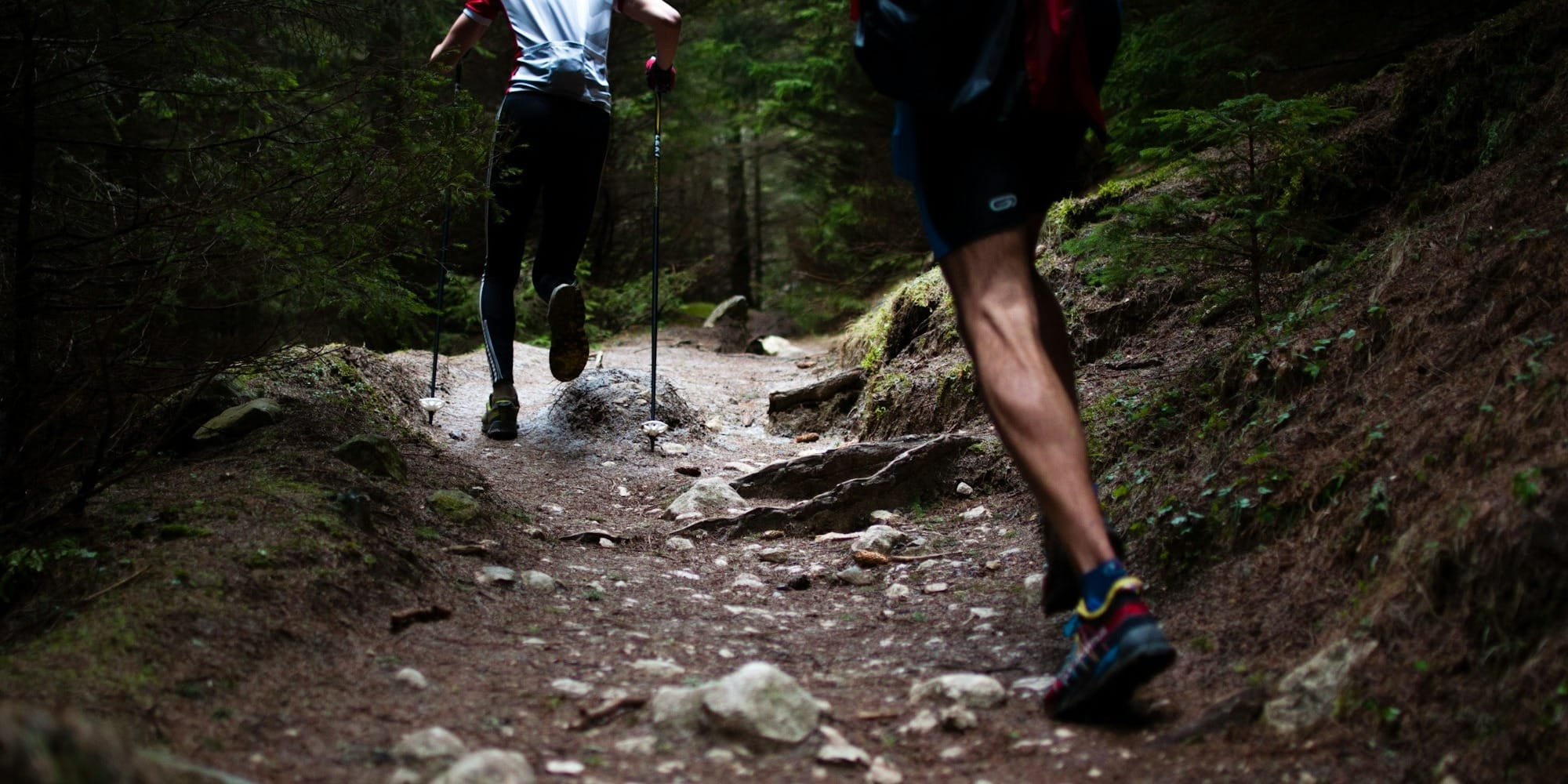
Aerobic Training
- Goal: Sustain moderate-intensity work (65 to 85 percent of max heart rate) for extended durations.
- Examples: Climbing hills/stairs, running, cycling, or any steady-state activity.
- Progression: Begin with shorter sessions (30 to 45 minutes) and gradually increase volume to match your anticipated climbing days (2 to 4 hours at a time).
- Terrain Prep: Include downhill or variable terrain to train descending skills and foot/ankle stability.
"In order to train for the exhausting days in the mountains, you've got to get out and do lengthy training climbs. Nothing else will prepare you as adequately."
Interval Training
- Goal: Increase your capacity for higher-intensity work, letting you respond to steep sections or quickly changing conditions.
- Technique: Vary pace or resistance. For example, run or cycle at high intensity for 2 to 5 minutes, then recover at a moderate pace. Repeat for several cycles.
- Frequency: 1 to 2 times weekly, after at least a base of 3 to 4 weeks of aerobic training.
- Sample Workouts: 5-minute running intervals, 30-minute time trial on a bike, or speed hikes (1 hour) with bursts of faster uphill effort.
Motor Fitness

Endurance (Motor Skill)
- Progressive Overload: Constantly push yourself slightly further: longer distances, heavier pack, faster times on your standard loop.
- Variety: Don't rely on the same 45-minute flat run. Mix in slope hikes, heavier packs, or new routes to challenge your body.
"Endurance isn't just about your lungs. Your muscles and connective tissues need resilience too."
Strength & Power Training
- Primary Moves: Squats, lunges, deadlifts, push-ups, pull-ups, and military presses.
- Core Emphasis: Sit-ups, planks, and back exercises help you handle the extra stress of carrying a pack.
- Upper Body: Strength in shoulders, arms, and upper back helps you swing an axe and carry a load.
- Frequency: 2 to 3 strength sessions per week. Focus on controlled form and gradually increase resistance or reps.
"In addition to leg strength, mountaineering requires a strong core (back and stomach) as heavy pack weights add a new dimension to climbing."
Balance & Agility
- Static Balance: Stand on one leg (eyes open, then eyes closed).
- Dynamic Balance: Walk on a line or try slacklining.
- Progressive Challenge: Increase difficulty by adding a light pack or doing single-leg squats.
"Balance exercises give you increased body awareness and aid in your ability to negotiate tricky terrain."
Stretching & Flexibility
- Static Stretching: Hold each pose 30 to 60 seconds.
- Focus Areas: Calves, hamstrings, quads, hips, shoulders, and back.
- Timing: Post-workout is ideal for relaxing warm muscles and reducing tightness.
"Stretching helps reduce muscular tension and increases flexibility. Don't stretch through pain. Hold each stretch at the point of tension."
Sample Weekly Structure
A general schedule might look like this with aerobic, strength, balance, and stretching all get woven in, and interval or strength training spaced about every third day to allow recovery.
Benchmarking Your Progress
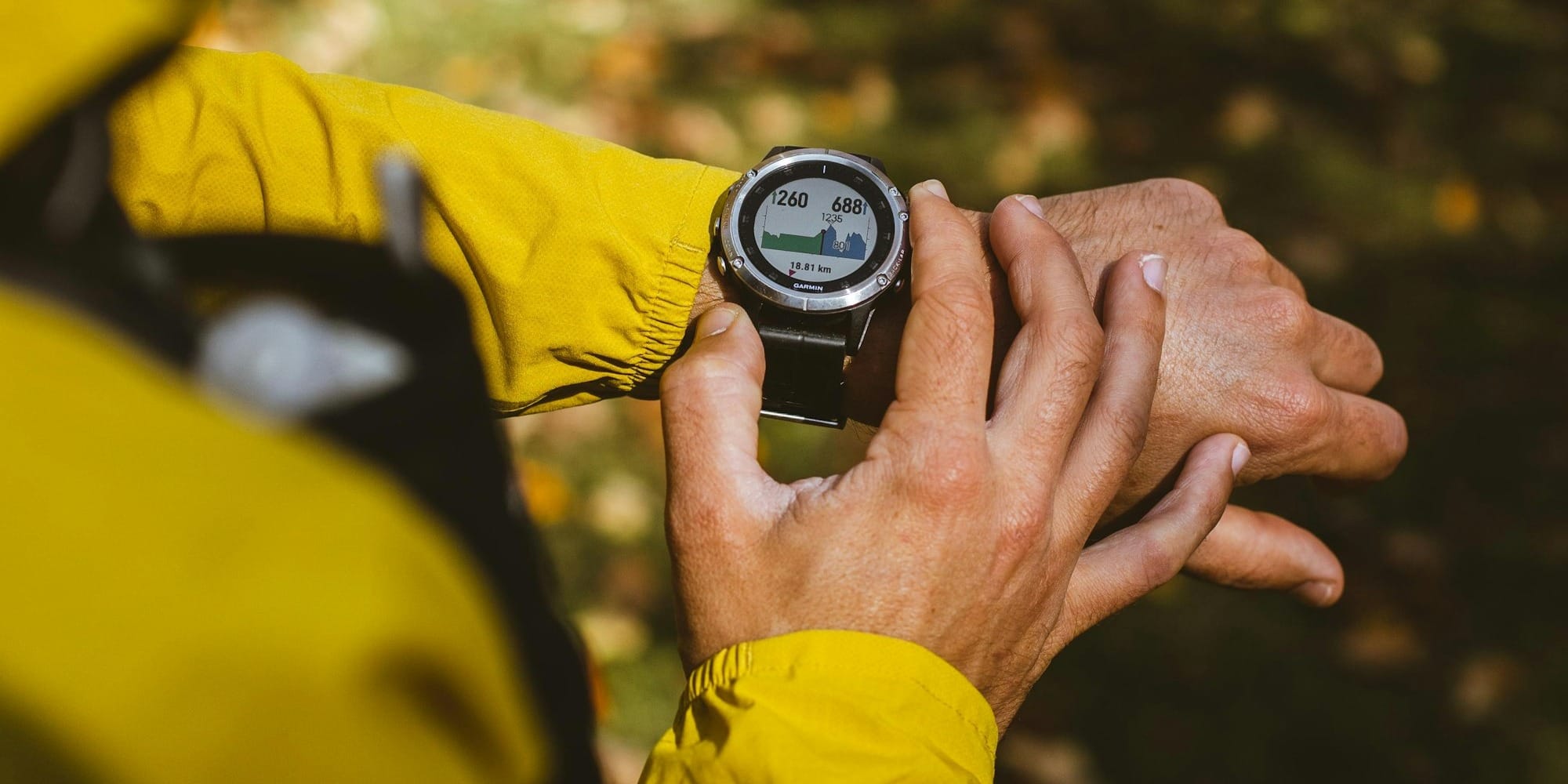
Regularly measuring your gains keeps you motivated and shows if your training needs adjustment:
Aerobic Endurance Tests
- Uphill time trial (a known 1,000 vertical feet route). Track your time at a steady heart rate.
- Treadmill test with a consistent incline and speed, aiming to keep your heart rate in Zone 2.
Strength & Core Tests
- Sit-ups, push-ups, or pull-ups: Max reps in 1 minute, rest, then repeat.
- Weighted pack step-ups: Count how many reps you can do in a set time.
Interval / High-Intensity Tests
- Short sprints uphill or a 3,000-meter track run.
- See if your times improve while your perceived exertion stays the same.
Frequency: Test every 4 to 6 weeks. Use the data to adjust your plan. If your interval performance stalls, consider adding more rest or varying the intensity of your intervals.
Putting It All Together
Phase-by-Phase Overview
Phase 1: Base Fitness
- Aerobic: 3 to 5 sessions per week, 30 to 60 minutes each, mostly in Zone 1 to 2.
- Strength: 2 sessions per week (full-body focus).
- Balance & Flexibility: Quick daily or near-daily routines.
Phase 2: Mountaineering-Specific Emphasis
- Aerobic: Maintain volume or slightly increase it.
- Intervals: 1 to 2 times per week.
- Strength: Shift to heavier loads or more advanced bodyweight moves.
- Weighted Pack Hikes: Start with a moderate weight and gradually progress.
Phase 3: Final Climb Prep
- Terrain Simulation: Long hikes matching climb steepness, heavier pack, or multi-day back-to-back workouts.
- Short Anaerobic Sessions: Boost threshold capacity.
- Taper: Reduce volume in the last week or two to arrive rested and strong.
Weekly Template Example
(Adjust according to your phase, local terrain, and personal schedule.)
Additional Tips & Considerations
- Gradual Increases: Build distance or pack weight slowly to avoid overuse injuries.
- Prevent Overtraining: Listen to your body. If you're feeling overly fatigued or notice a drop in performance, schedule extra rest or easy days.
- Altitude Preparedness: No training at sea level can fully replicate high-altitude climbing, but strong aerobic capacity and recovery strategies reduce the impact of thinner air.
- Gear Testing: Practice with the same boots, backpack, or trekking poles you'll use on the climb. Work out any discomfort early.
- Nutrition & Hydration: Support your workouts with balanced meals and adequate fluids. Proper fueling is as important as the workouts themselves.
Putting Your Plan into Action
- Define Your Timeline: Mark your climb date and work backward to allocate time for each phase.
- Create a Weekly Schedule: Build in the recommended sessions for aerobic, strength, interval, and rest.
- Monitor & Adjust: Use benchmark tests to see where you're improving or hitting plateaus.
- Stay Motivated: Join a local hiking or gym group, share your progress on Strava, or find a training partner for accountability.


Join our Strava Community!

Final Thoughts
Designing a mountaineering training program isn't just about logging miles or lifting weights. It's about sustainable progression, focused skill-building, and strategic rest. By weaving cardiovascular and motor fitness together over a three-phase timeline and layering in benchmarks along the way, you'll arrive at your expedition stronger, more confident, and ready for what's ahead.
No plan is set in stone. Adapt your routine to life's demands, weather, or emerging weaknesses you discover in training. The key is to stay flexible and committed. With a clear structure and balanced emphasis on endurance, strength, and skill, you'll enjoy the climb more, reduce the risk of injury, and come home with summit photos and a deeper appreciation for the journey.
Train well, climb safely, and savor every step of your mountaineering adventure.


