Travel, Logistics, and Group Structure
Where do most climbers stay the night before the program, and can I camp instead of staying in a hotel?
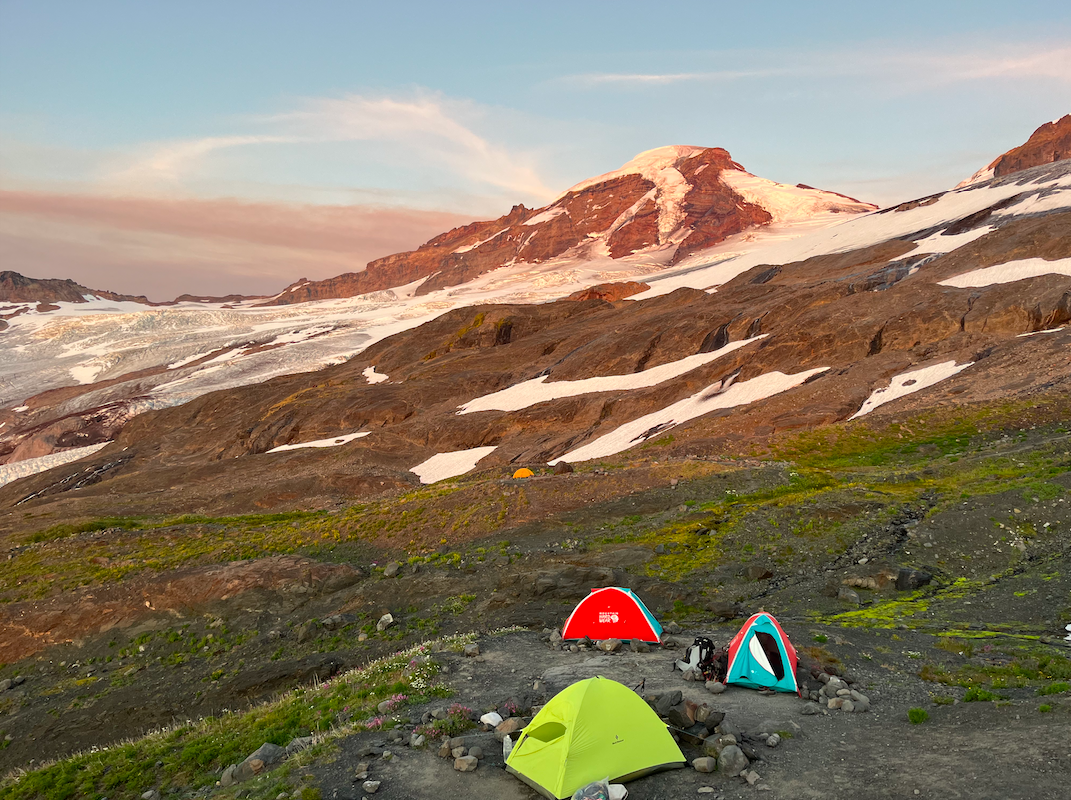
Most climbers stay in or around Bellingham the night before the program, which offers the widest range of lodging options and an easy drive to the meeting location. Camping is also an option for climbers who prefer it, provided you arrive rested and ready for an early start.
What airport should I fly into?
Most climbers fly into Seattle-Tacoma International Airport (SEA) and rent a car for the drive north.
Where do we meet for the Mount Baker – North Ridge climb, and when should I arrive in the area before the climb?
The program begins with a team meeting at the Glacier Public Service Center in Glacier, Washington. Climbers should plan to arrive in the area the evening before the program to allow time for rest, food, and any last-minute preparation.
How do we get from the meeting location to the trailhead? Do I need my own vehicle, and is carpooling available?
After the initial team meeting, the group drives to the trailhead. You are responsible for your own transportation to the meeting location. Carpooling with other team members is often possible, and RMI provides a forum for climbers who wish to coordinate rides in advance. Once at the trailhead, personal vehicles typically remain parked for the duration of the climb.
Do I need a parking pass at the trailhead?
Yes. A Northwest Forest Service parking pass is required to leave a vehicle at the trailhead. Passes are available for purchase locally and are valid for one year.
What is the climber-to-guide ratio on this program?
The Mount Baker – North Ridge climb is guided at a 2:1 climber-to-guide ratio, which supports efficient rope team travel and close guide oversight on technical terrain.
Fitness and Readiness
How fit do I need to be for the North Ridge?
You should arrive in excellent physical condition, prepared for multiple long days that include steep climbing, glacier travel, and sustained effort. Fitness directly affects movement efficiency, decision-making, and overall experience on this route.
How long and demanding is summit day?
Summit day is long and physically demanding, often lasting 12 hours or more. The day includes sustained climbing on snow and ice, roped glacier travel, and extended time on your feet at altitude.
What pack weights should I expect to carry?
Climbers should be comfortable carrying heavier packs during approach and descent days, typically in the range of 40 to 45 pounds. Pack weights are lighter during summit day but still require strength and endurance.
What happens if I am struggling physically during the climb?
Guides monitor climbers closely throughout the program. If someone is struggling, guides may adjust pacing, provide coaching, or modify objectives as needed to maintain appropriate margins for the team. Because this is a goal-oriented climb, climbers must be capable of meeting the baseline physical demands of the route.
Route, Terrain, and On-Mountain Experience
What kind of climbing does the North Ridge involve?
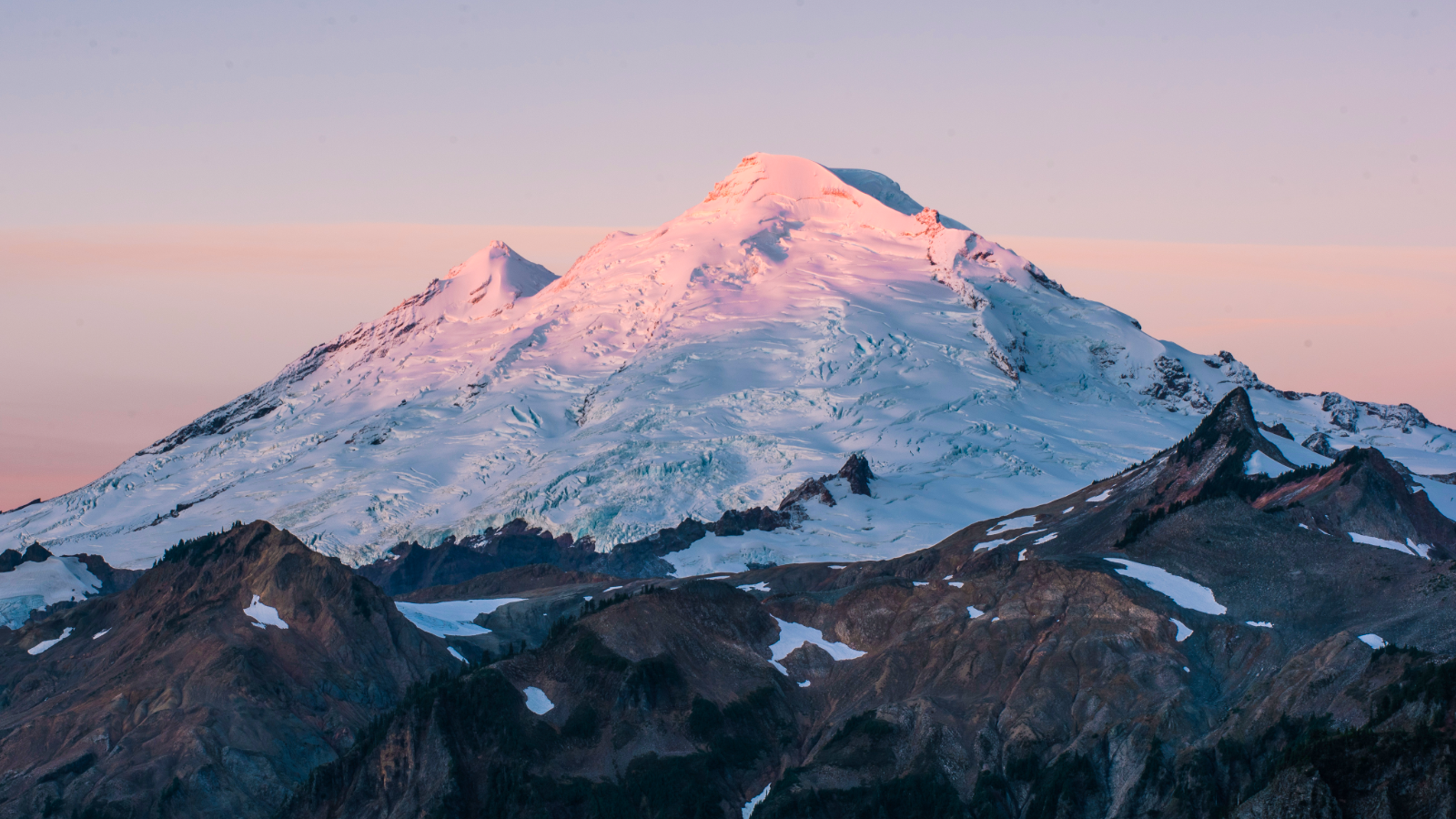
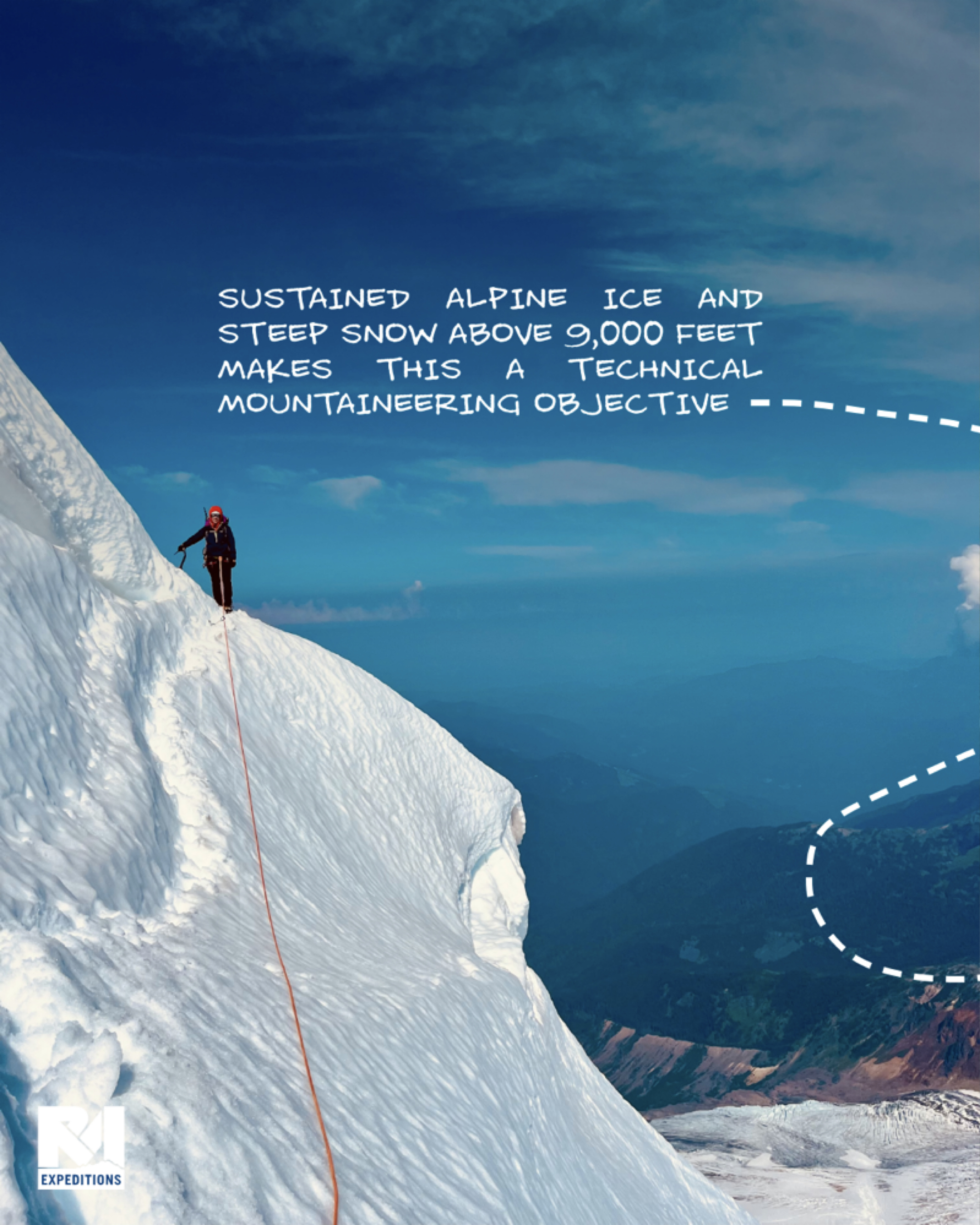
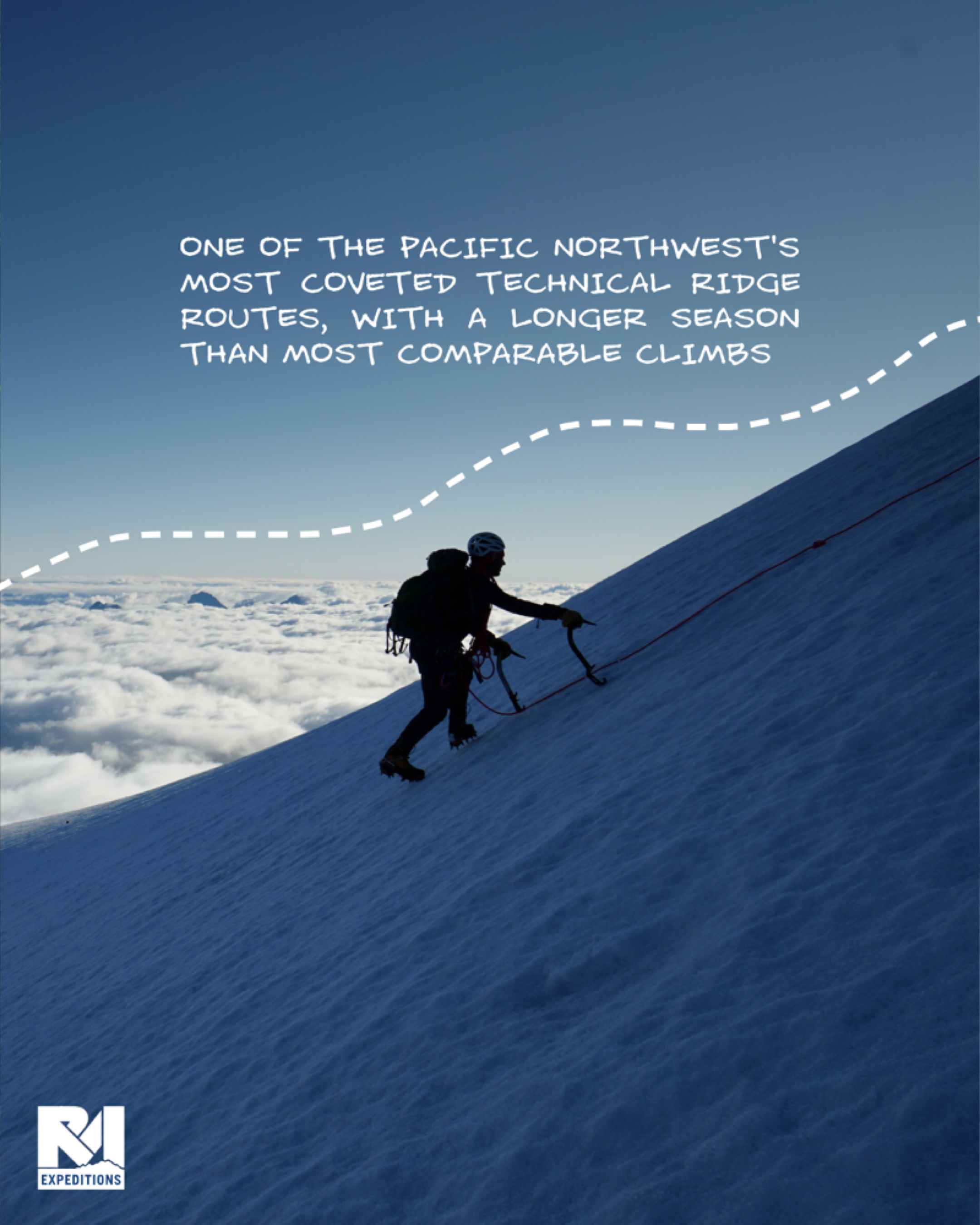
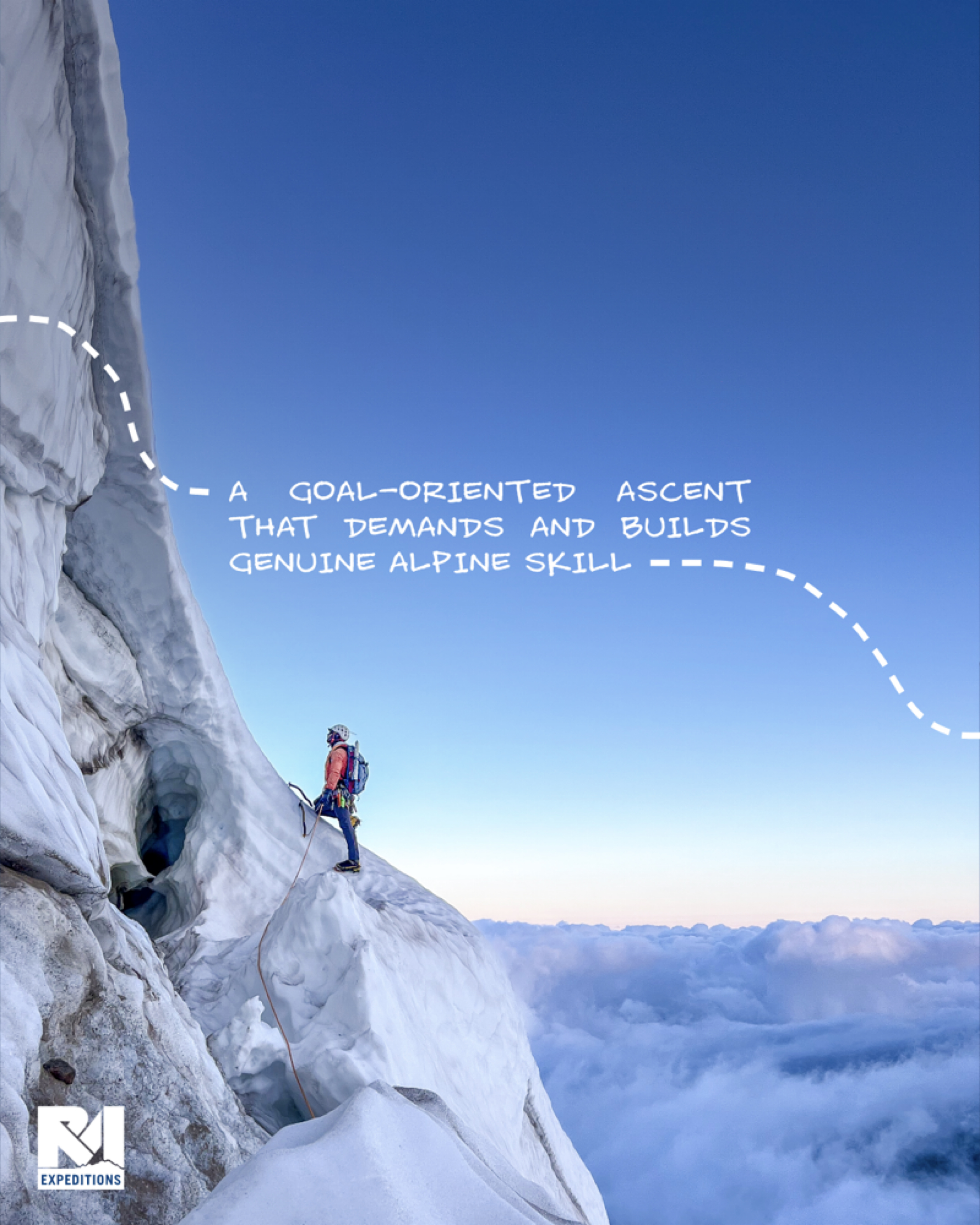
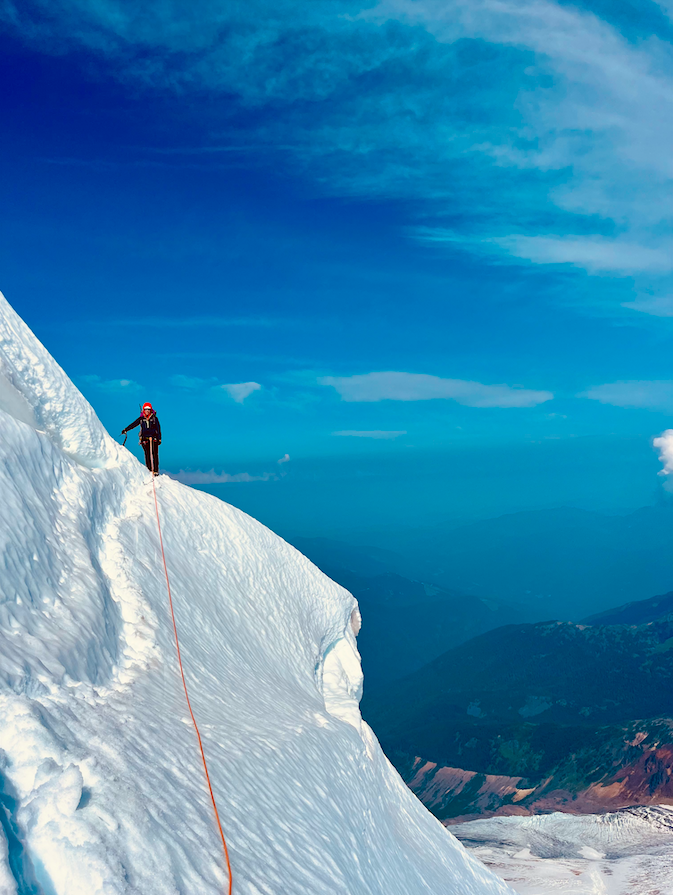
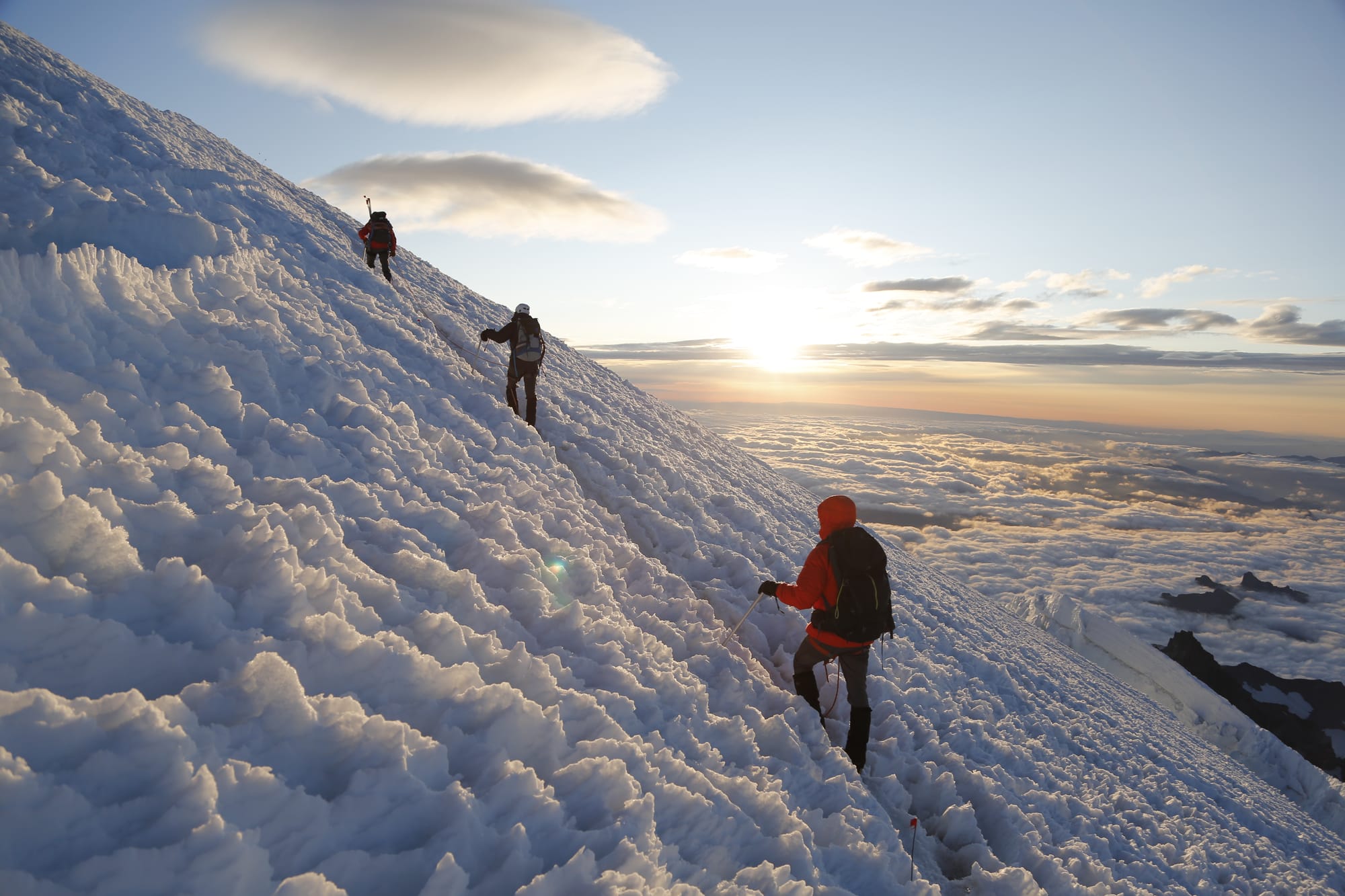
The North Ridge combines glacier travel, steep snow climbing, and multiple pitches of alpine ice. The route requires efficient rope systems, comfort on exposed terrain, and the ability to move deliberately for long periods.
How technical is the ice climbing on this route?
The route includes sustained sections of steep alpine ice. Climbers should be comfortable following technical ice and snow on a rope and managing transitions between different types of terrain.
Is this climb instructional or goal-oriented?
This is a goal-oriented climb. While guides may review techniques as needed, the program assumes climbers arrive with established skills and are ready to apply them in a committing alpine environment.
How does the North Ridge differ from other Mount Baker routes?
Compared to standard Mount Baker routes, the North Ridge is more technical and sustained, with steeper snow and ice climbing and a greater emphasis on rope systems and efficiency. It is generally chosen by climbers seeking a more committing alpine experience.
Weather, Conditions, and Decision-Making
What kind of weather should I expect on Mount Baker?
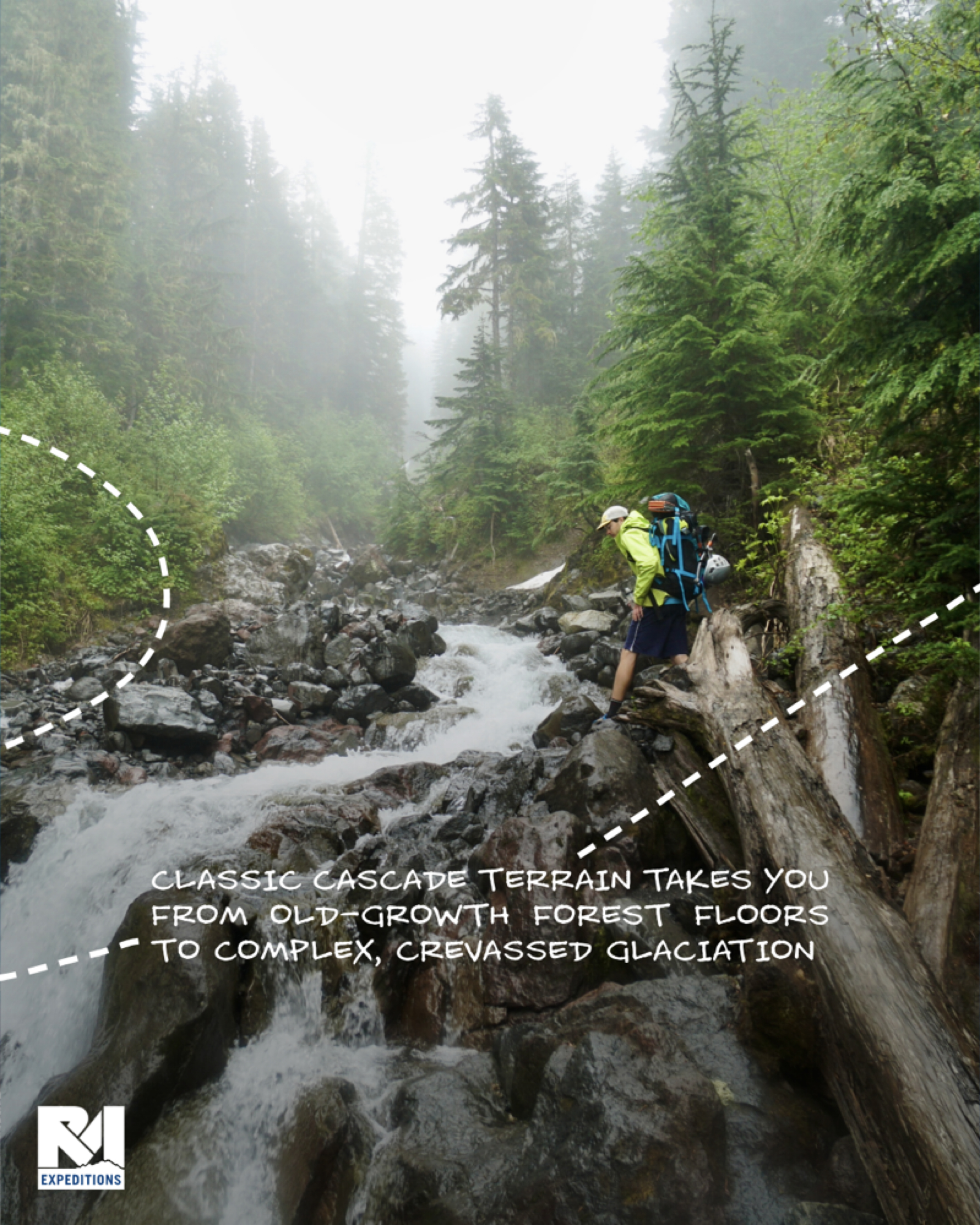
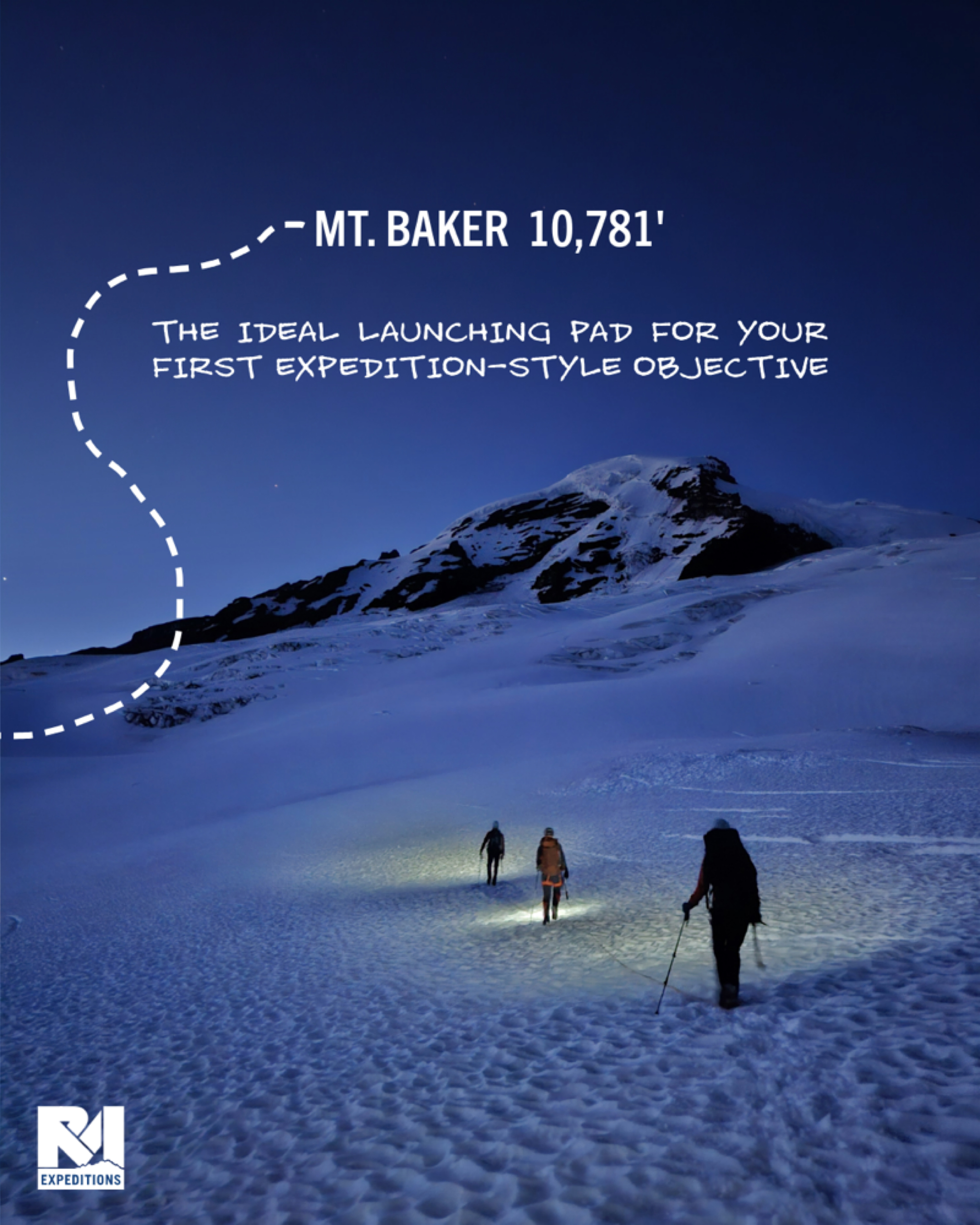
Mount Baker is known for rapidly changing weather. Climbers should be prepared for cold temperatures, wind, precipitation, and limited visibility, even during the summer season.
How do guides make decisions when conditions change?
Guides continuously assess weather, route conditions, and team performance. Decisions are based on disciplined risk management, current conditions, and maintaining appropriate margins for the entire group.
Who makes the final decision to turn around?
The guide team makes all final decisions on the mountain, prioritizing client security and long-term success over reaching the summit.
What factors most commonly prevent a summit attempt?
Weather, route conditions, and individual fitness are the primary factors that influence whether a summit attempt is possible. Guides evaluate these factors in real time and adjust plans accordingly.
What happens if someone is injured or becomes ill on the mountain, and how are emergencies handled?
Guides are trained in remote medicine and rescue techniques and are equipped to manage injuries or illness in the field. Responses depend on severity and conditions and may include descent, on-site care, or evacuation if necessary.
What medical and communication systems do guides carry?
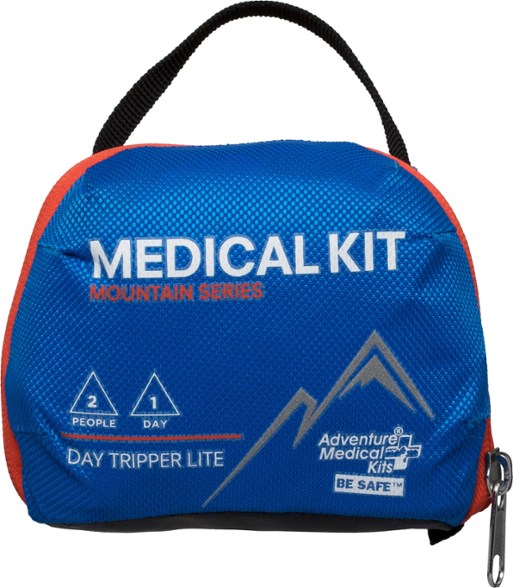
Guides carry medical kits, rescue equipment, and communication devices to support decision-making and coordination in the event of an emergency.






.jpg)
.jpg)
.JPG)
.JPG)
.JPG)
%20(1).jpg)



.png)


































Additional Comments
Impeccable navigation across the glacier in the dark and very good decision making regarding protection on the climb. Fun and easy going at camp, but efficient and focused during the climb.