85+ Liter Backpack
A technical climbing pack large enough to carry personal gear, layers, food, water, and a share of group equipment including tent portions. You will not need a separate summit pack.

6 Days
|
Skill Development
|
$3,795
|
$600
Deposit
|
Intermediate


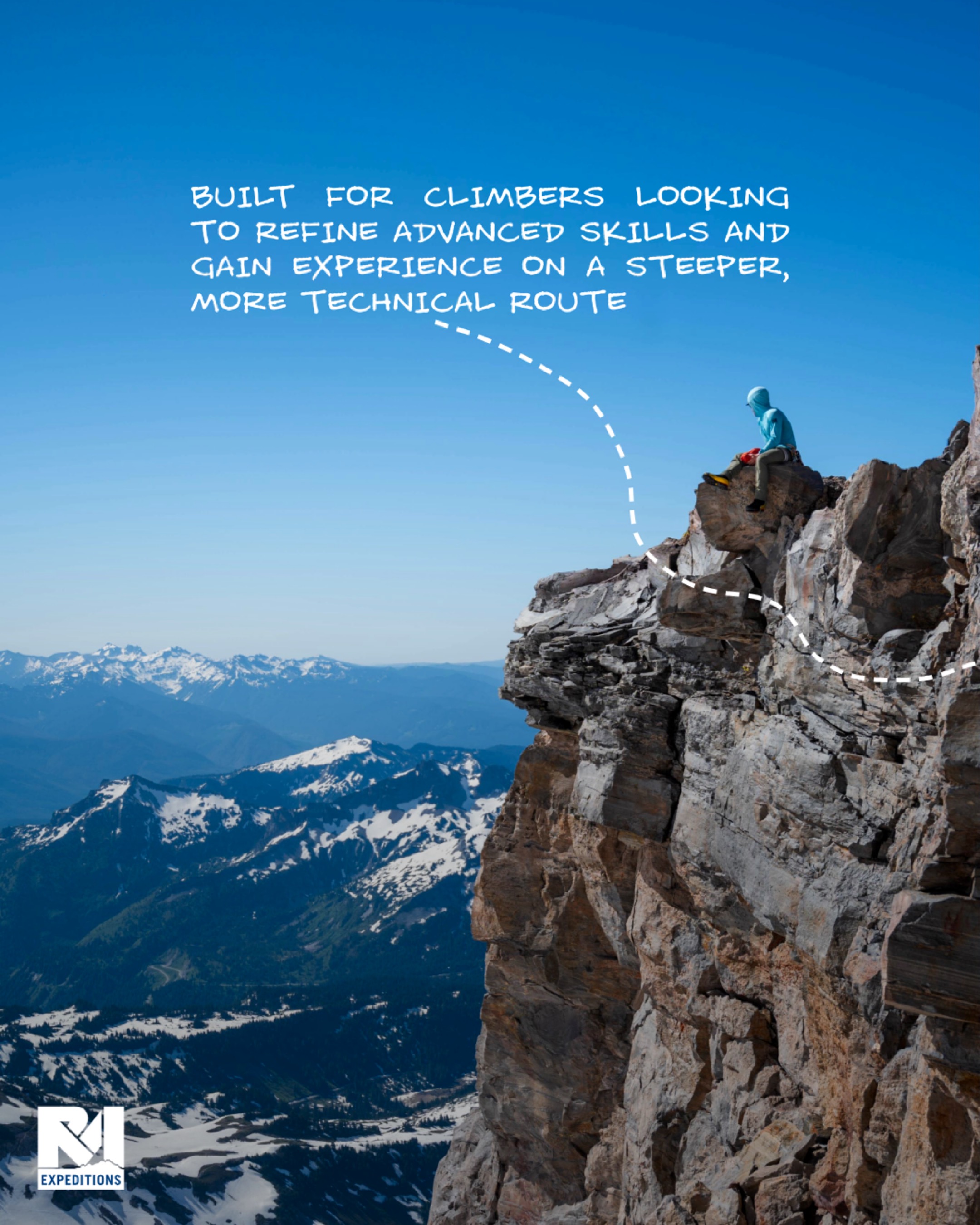
The technical seminar — steep snow and ice through the Kautz Ice Chute, for climbers ready to move up a skill tier.
Day-by-day program overview.
Fitness, experience, and preparation.
Gear requirements for this program.
Meals and nutrition on the mountain.
Getting there and local logistics.
Booking, cancellations, and requirements.
Common questions, direct answers.
What climbers are saying.

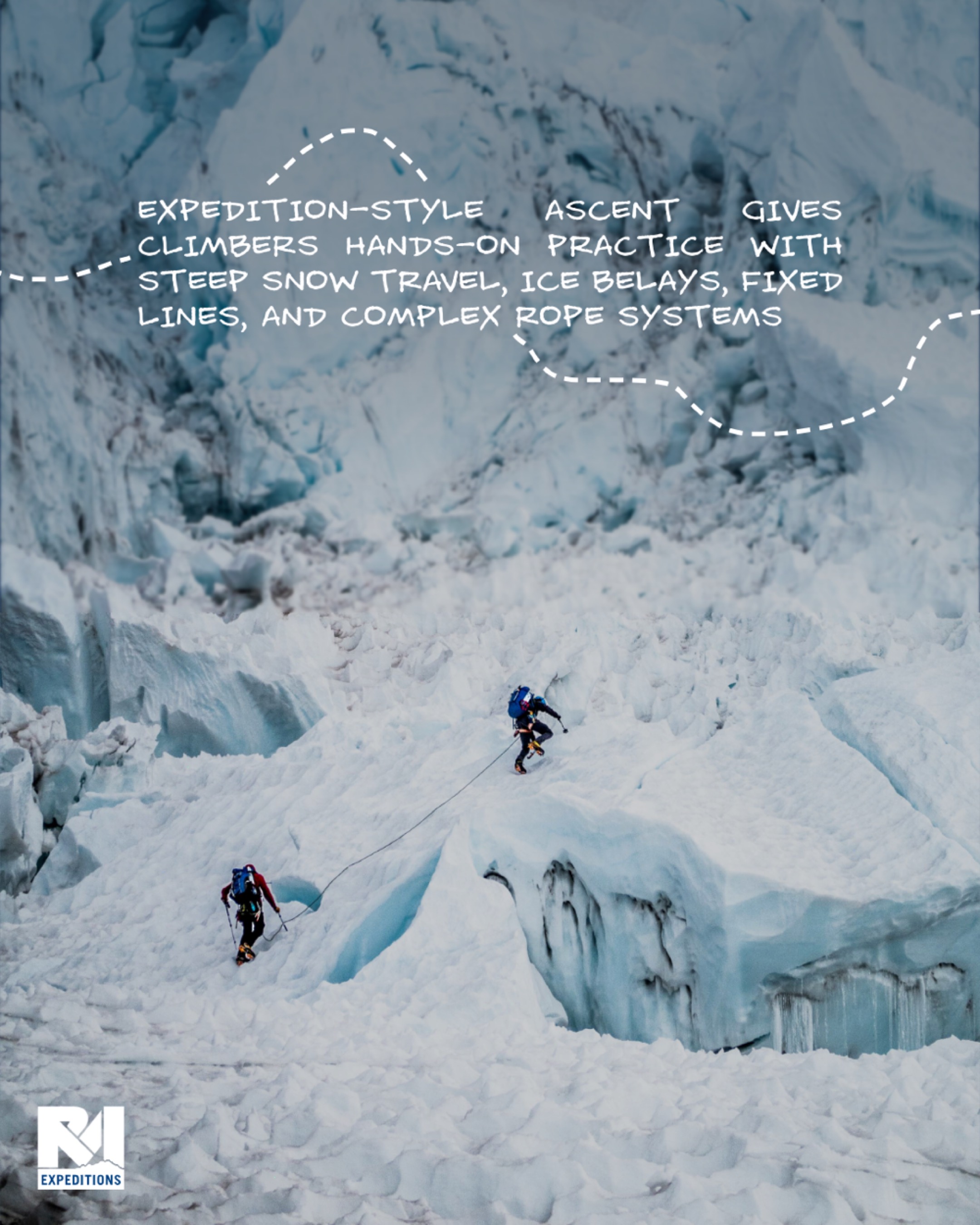
An expedition-style ascent with successive camps that mirrors the structure of larger mountain objectives.

A seminar designed for climbers seeking deeper exposure to steeper snow, ice, and technical movement.

A natural step for climbers ready to build confidence and competence on more technical alpine terrain.
Pushed my comfort zone to the max and came out stronger on the other side. Don't think I would have been able to do that without the amazing support from all the guides.
Tim D.
The Expedition Skills Seminar – Kautz is a six-day instructional mountaineering course focused on developing technical proficiency in steeper, more complex alpine terrain. Built around an expedition-style ascent of the Kautz Glacier, this seminar uses one of Mount Rainier’s more challenging routes to teach efficient movement, systems-based decision-making, and technical climbing skills in a committing environment.
Following initial technical training and a Mountaineering Day School, climbers progress onto the Kautz Route, establishing successive tented camps as the climb advances. Instruction is fully integrated into the terrain, allowing skills to be practiced and refined under increasing technical and logistical demands. The seminar culminates with a summit attempt from high camp, reinforcing the application of technical systems in a real expedition context.
Mount Rainier is where RMI built its reputation, and the Expedition Skills Seminar – Kautz reflects decades of experience guiding and teaching in increasingly technical alpine terrain. Since 1969, RMI has developed a disciplined, systems-driven approach to instruction grounded in judgment, consistency, and decision-making under real consequences. That experience is especially relevant on routes like the Kautz, where terrain complexity leaves little room for inefficiency or error.
RMI guides are professional educators as well as climbers. On the Kautz Route, instruction emphasizes clear communication, deliberate movement, and applying technical skills directly in steeper snow and ice. Rather than isolating techniques, guides integrate instruction into the terrain itself, reinforcing precision and efficiency as conditions become more demanding.
“RMI has an IT factor as an organization. They have thought of everything to ensure a client has the best experience possible.” — Allyson K.
Risk management throughout the seminar is shaped by experience and process. Guides draw on formal training in avalanche assessment, technical rescue, and remote medicine, combined with careful planning and continuous evaluation of weather, route conditions, and team dynamics. This allows instruction to progress while maintaining appropriate margins as the climb becomes more committing.
From managing exposure in the Kautz Ice Chute to operating efficiently in expedition-style camps, the seminar is designed to support technical progression in a realistic alpine setting. The goal is to prepare climbers for more complex objectives by building sound habits, confidence, and judgment in terrain that demands all three.
Rainier Mountaineering, Inc. is an authorized Concessioner of the National Park Service, Department of the Interior. Rainier Mountaineering, Inc. is authorized to provide guided mountaineering services, mountaineering day school, alpine training, and guided winter activities within Mount Rainier National Park.
Address comments to:
Superintendent | Mount Rainier National Park
55210 238th Avenue East
Ashford, WA 98304

All our climbs in Mt. Rainier & Denali National Parks are 100% carbon neutral. We have acquired offsets for greenhouse gas emissions through our partnership with Ostrom Climate, Canada's top carbon management solutions provider. Their carbon offset projects undergo rigorous verification by third parties to validate that emission reductions are genuine and permanent, ensuring that our contribution is making a tangible impact.
Learn advanced snow and ice mountaineering techniques on one of Rainier’s most technical routes. This itinerary combines structured instruction with a progressive ascent of the Kautz Glacier, allowing skills to be practiced and refined in steep, committing alpine terrain.
Ashford, WA
6 Days
Tents
4
14,410' / 4,392 m
2
12+ Hours
The Expedition Skills Seminar – Kautz focuses on building reliable technical systems for steeper, more consequential alpine terrain. Skills are learned in sequence and applied directly on the route, culminating in sustained snow and ice climbing on the Kautz Ice Chute and upper mountain.
By the end of the seminar, climbers will have practical experience with:
“I learned a lot during the clinics on belays and crevasse rescue. I also was impressed with the level of attention the guides paid to safety and explaining the protection they were building, particularly as we climbed the Kautz ice chute.” — Scott W.
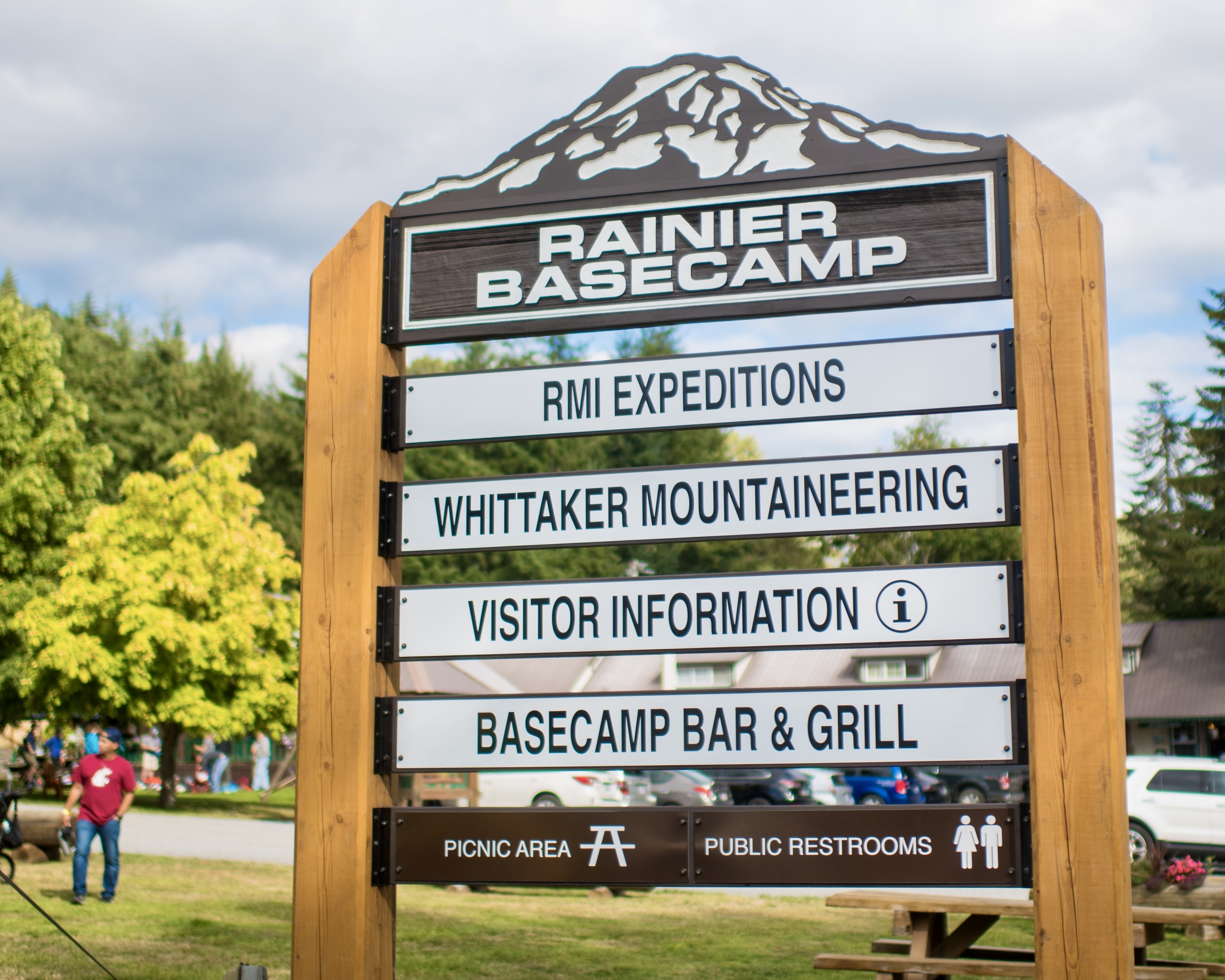
8:00 a.m. - 6:00 p.m.: Meet at 8:00 a.m. at Rainier BaseCamp in Ashford, WA. Please dress casually and bring your climbing equipment and clothing.
We begin our Technical Training Day with a welcome and introduction of team members and guides. Throughout the day, the guides provide a focused introduction to a variety of topics. These include a detailed equipment discussion and gear check; an introduction to safety practices such as use of helmets, harnesses, and avalanche transceivers; route planning and preparation, instruction regarding Leave No Trace practices and environmental considerations; and a discussion/demonstration of knots, anchors and the first steps toward understanding crevasse rescue. These skills prepare us for our adventure on Mt. Rainier and increase the likelihood of a safe, successful ascent of the mountain.
Please make your own arrangements for the day's meals and a place to stay in the Ashford area for this evening.
.jpg)
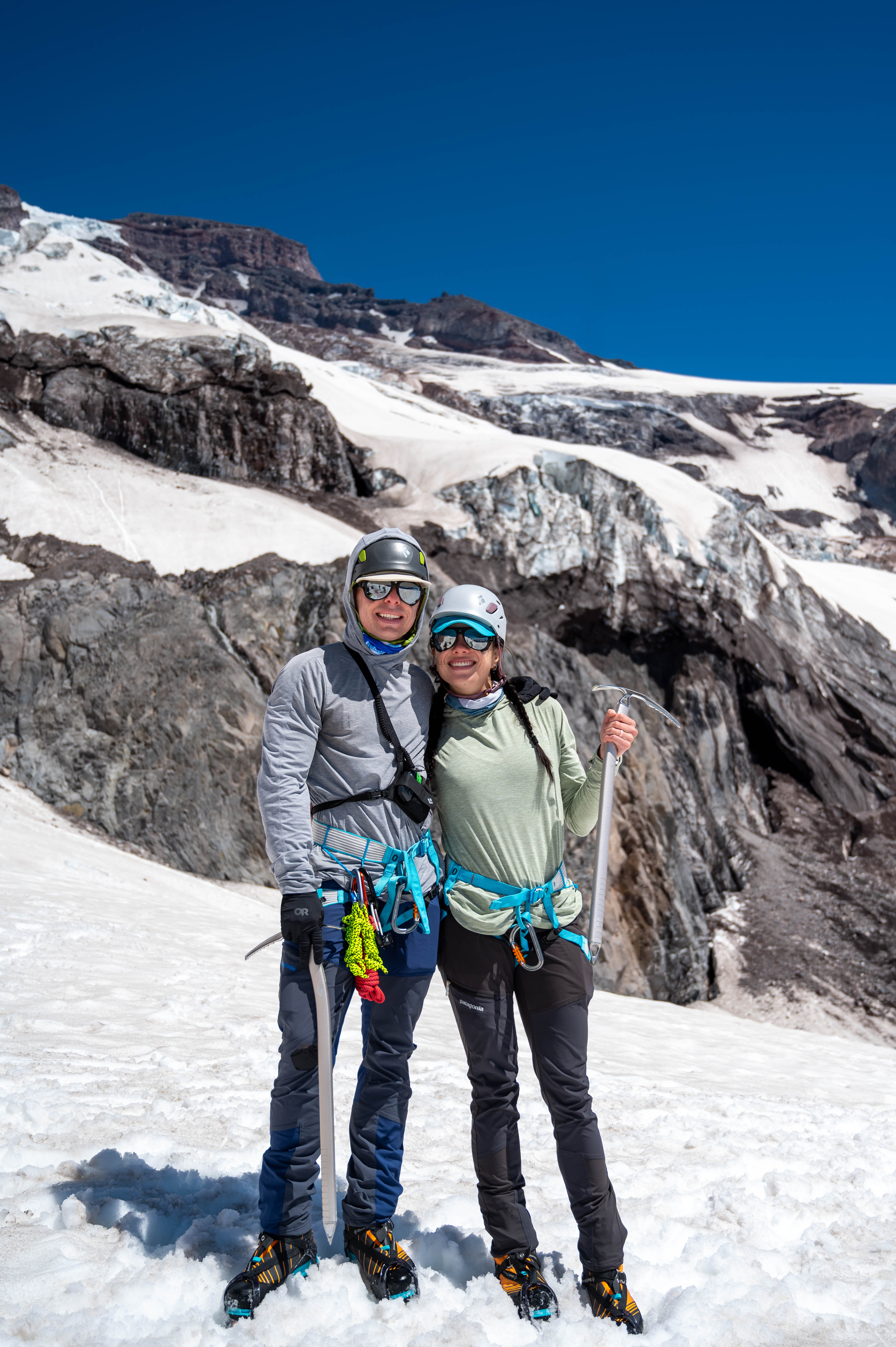
8:15 a.m. - 5:00 p.m.: Meet at 8:15 a.m. at Rainier BaseCamp. Please arrive dressed for hiking, packed with your Mountaineering Day School gear. After a team meeting a shuttle takes our group to Paradise.
The Mountaineering Day School is spent training in the field on the lower slopes of Mt. Rainier. Climbers are introduced to many skills, from the basic techniques of efficient mountain travel (rest-stepping and pressure breathing), to various safety practices including use of helmets, harnesses, and avalanche transceivers, cramponing, roped travel, ice axe arrest practice, anchors and running belays, fixed line travel, and the basics of crevasse rescue.
Please make your own arrangements for the day's meals and a place to stay in the Ashford area for this evening.
8:15 a.m.: Meet at Rainier BaseCamp. After a team meeting a shuttle takes our group to the trailhead at Paradise.
From Paradise (5,400'), we cross the Nisqually Glacier to our first camp on the mountain, between 7,000' - 8,000'. As we move towards camp, we review the foundational skills that make us more efficient and capable climbers, including dressing appropriately for the weather and workload, kicking steps and climbing in balance on snow, and efficient pacing that allows us to climb comfortably.
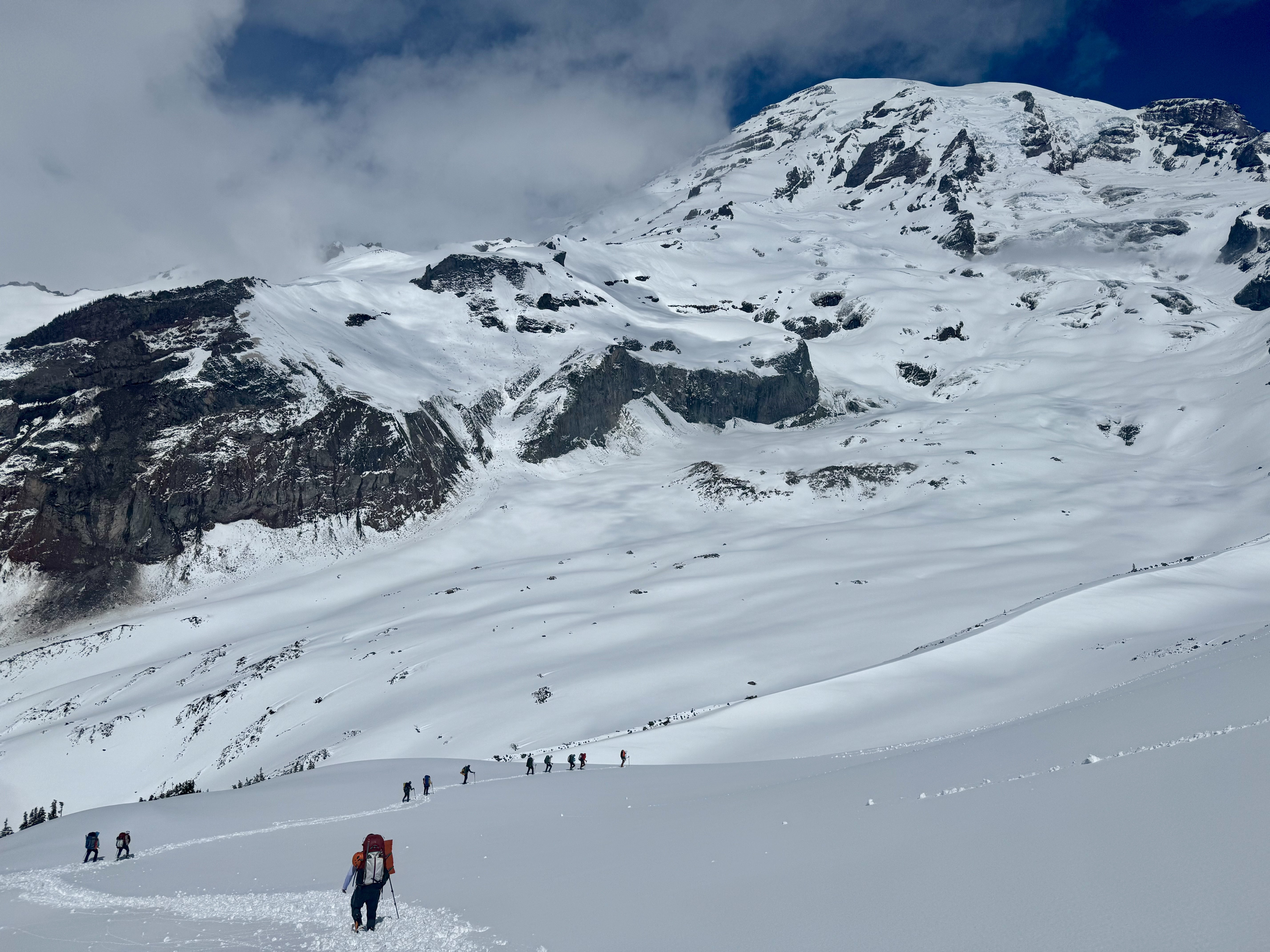
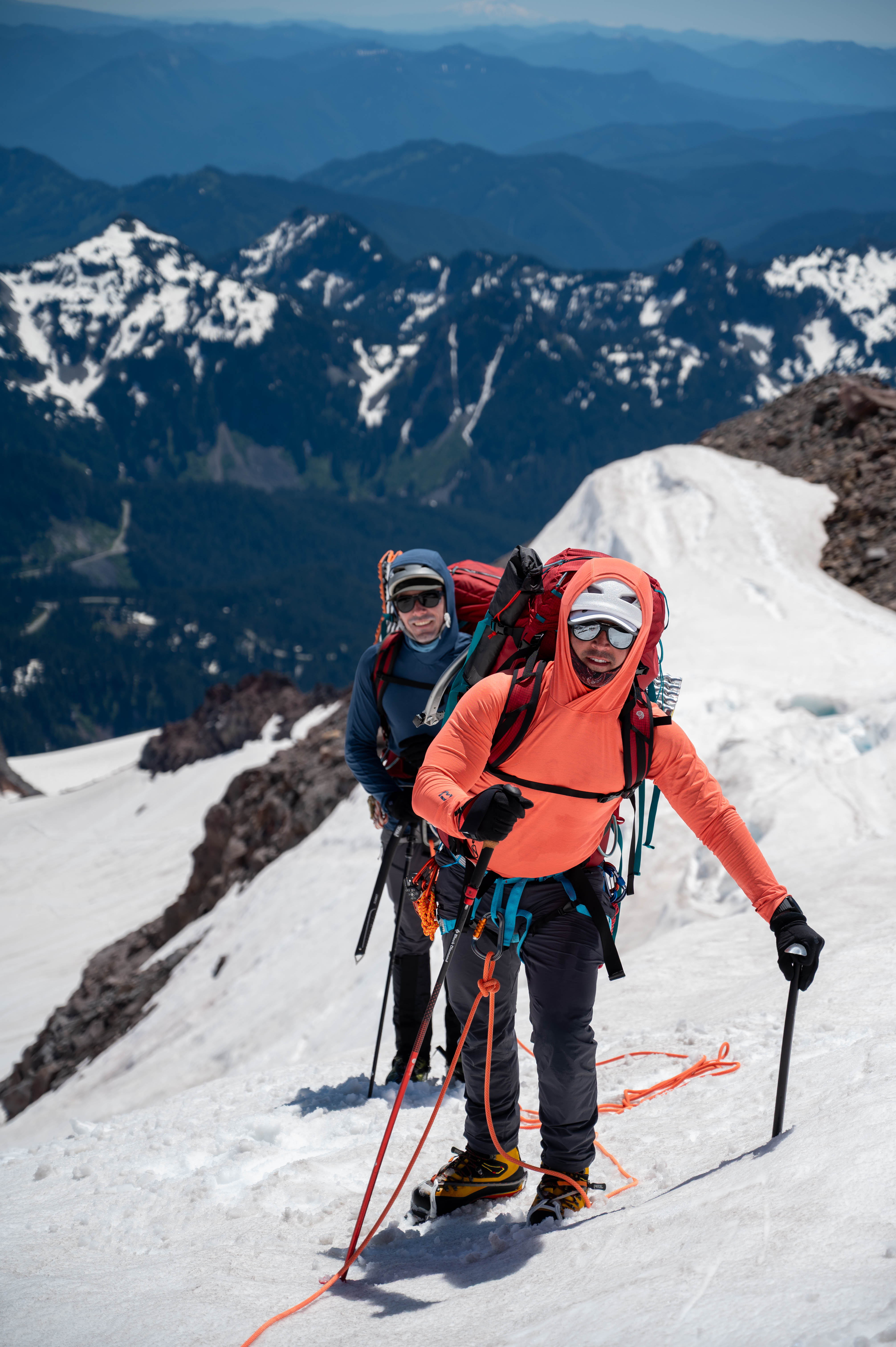
We use the western edge of the Wilson Glacier as our classroom before breaking camp and moving to our High Camp at the western edge of the Turtle snowfield between 9,400' - 10,500'. In the afternoon, we focus on the skills and preparation necessary for a successful ascent, and pay specific attention to the techniques required for current conditions on the upper mountain.
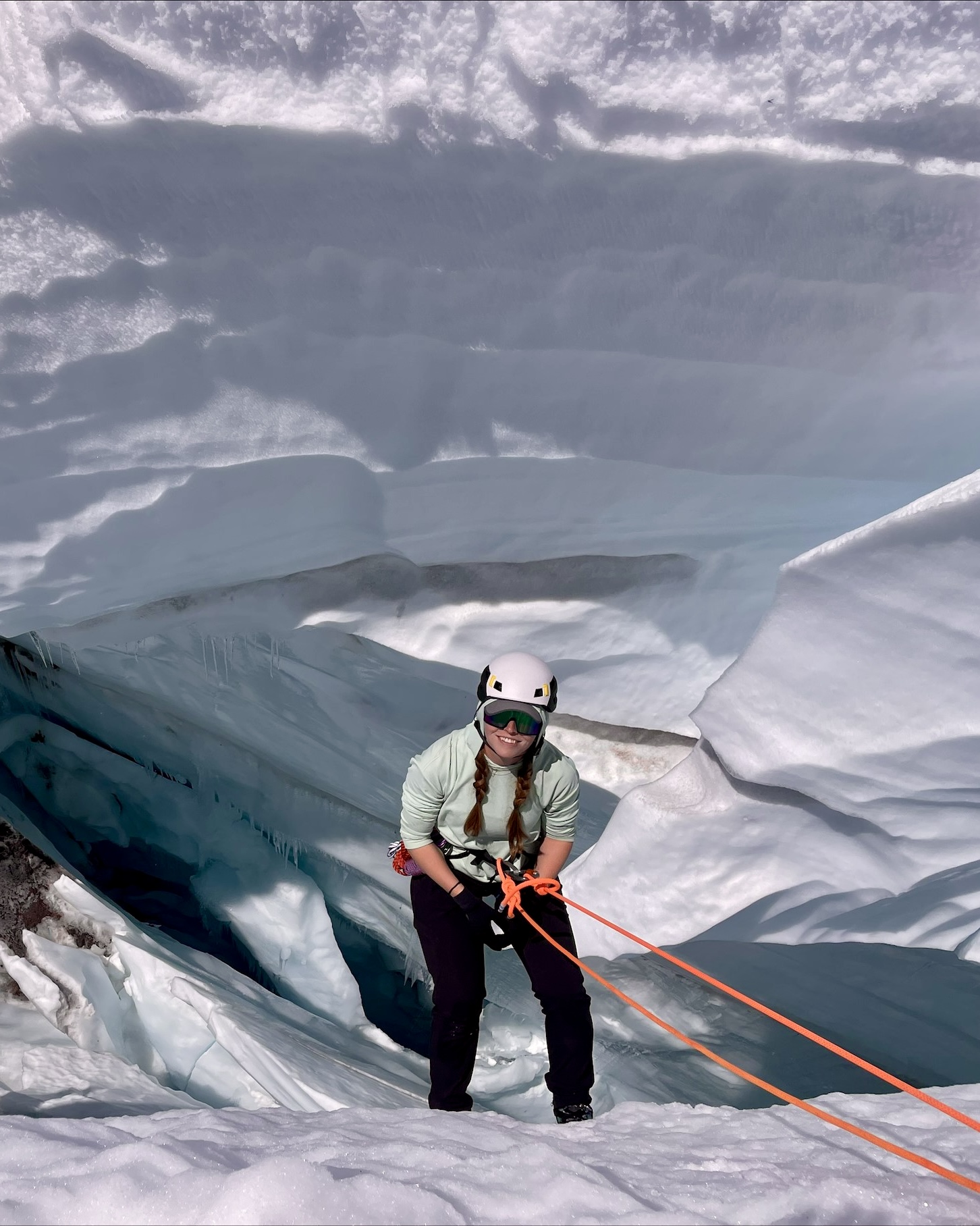
.jpg)
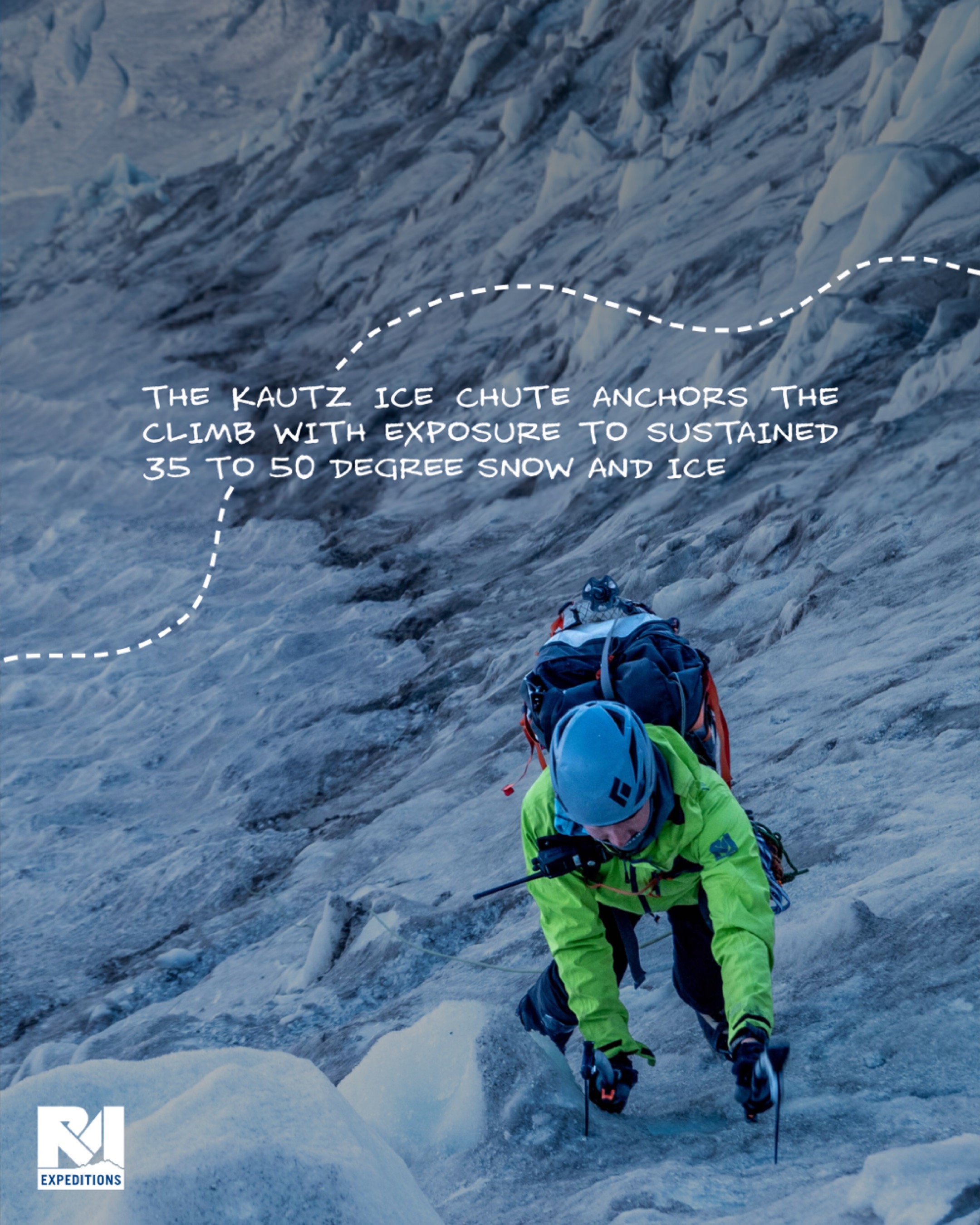
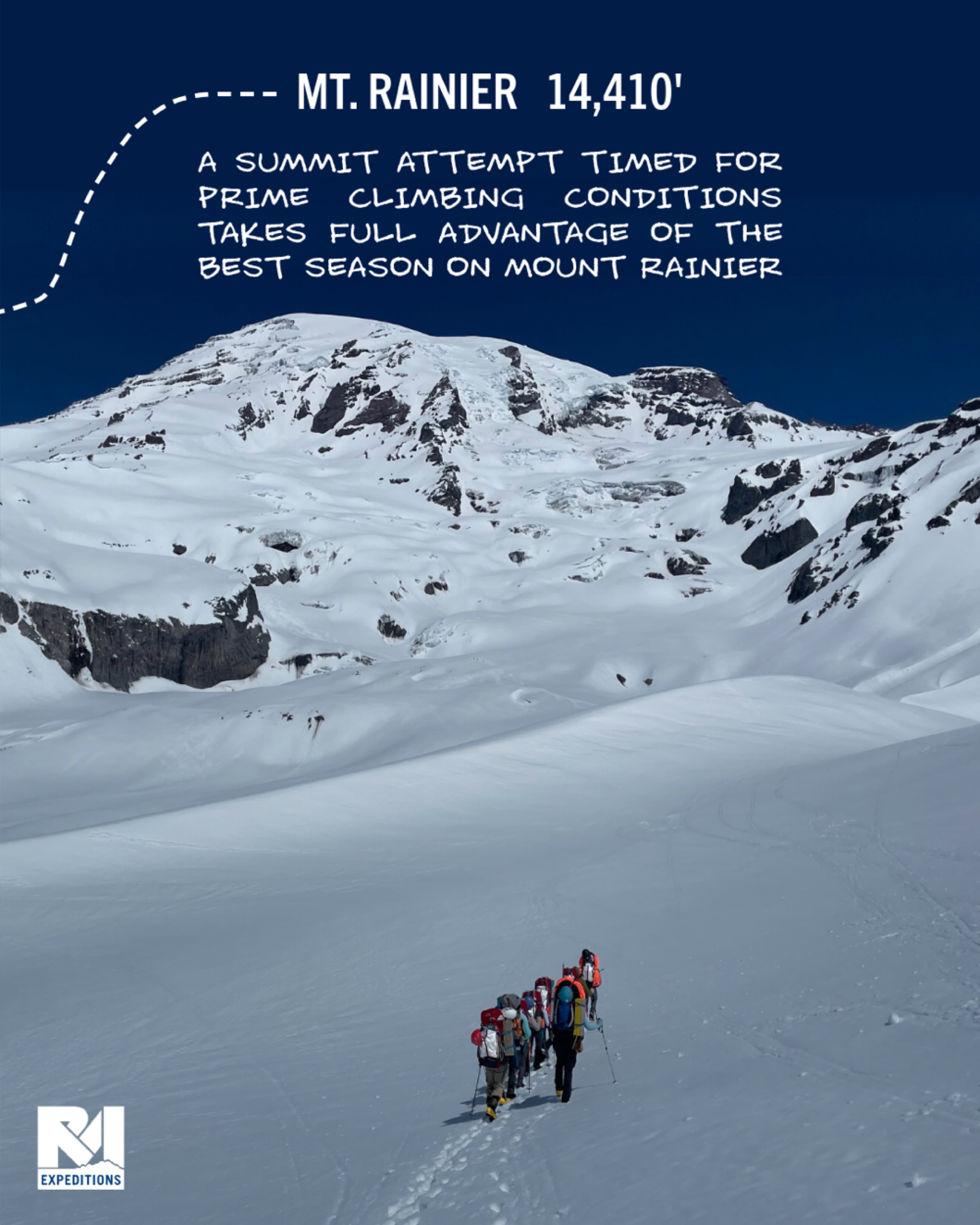
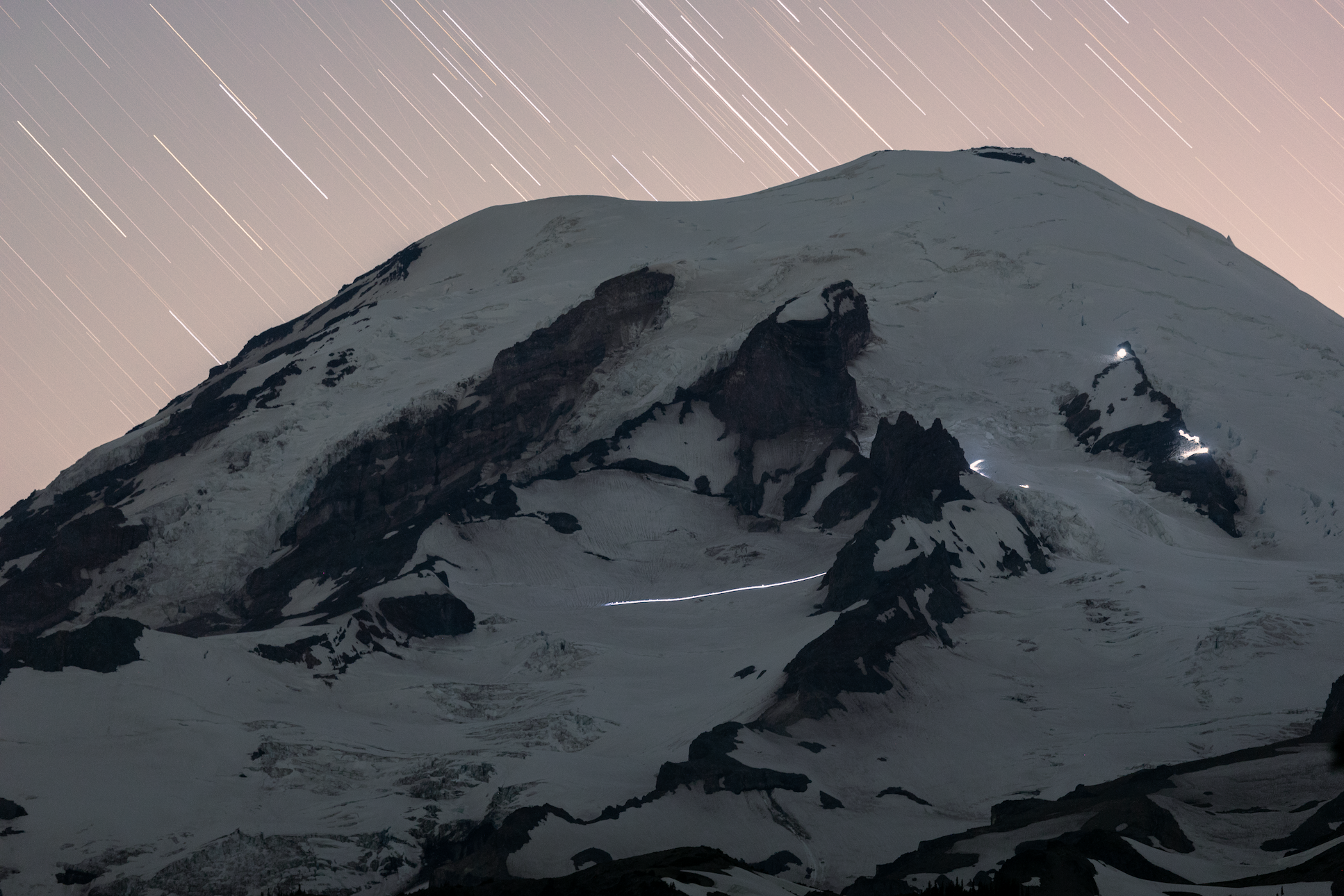
Today we put it all together and make our attempt on the summit. The spectacular 35-50 degree Kautz ice chute begins the ascent. Pouring through the ring of ice cliffs above 11,000', this is exciting and challenging climbing as the route climbs steeply for several hundred feet to access the glaciers leading to the summit. We may utilize running belays or fixed lines for this part of the ascent, as dictated by the route conditions. The higher slopes of the mountain then take us up the upper Kautz and Nisqually glaciers to the summit of the mountain.
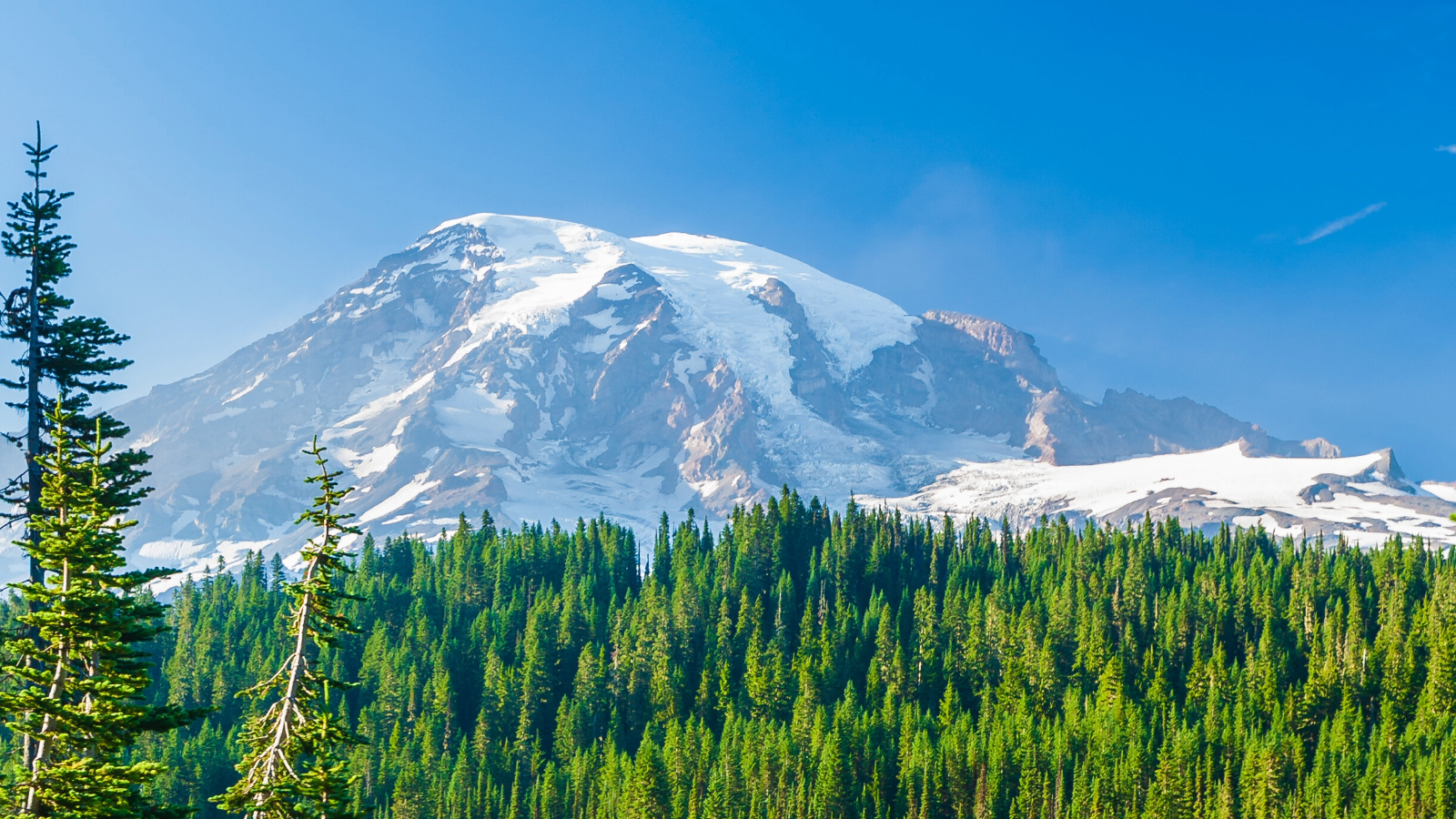
At 14,410 feet, Mt. Rainier is the highest point in Washington. The summit is spectacular with panoramic views from the Pacific to the eastern side of the Cascades when the weather is clear. A large crater dominates the summit, with steam rising out of the cavernous summit vents and the bare ground near the summit is often warm to the touch.
After reaching the summit, we descend back to High Camp. The descent typically requires half the amount of time of the ascent but requires significant effort as we retrace our route down the mountain. The duration of the climb depends on many variables including snow conditions, the time of the year, the route conditions, the weather, and temperature among others. It is a long and challenging, but rewarding day!
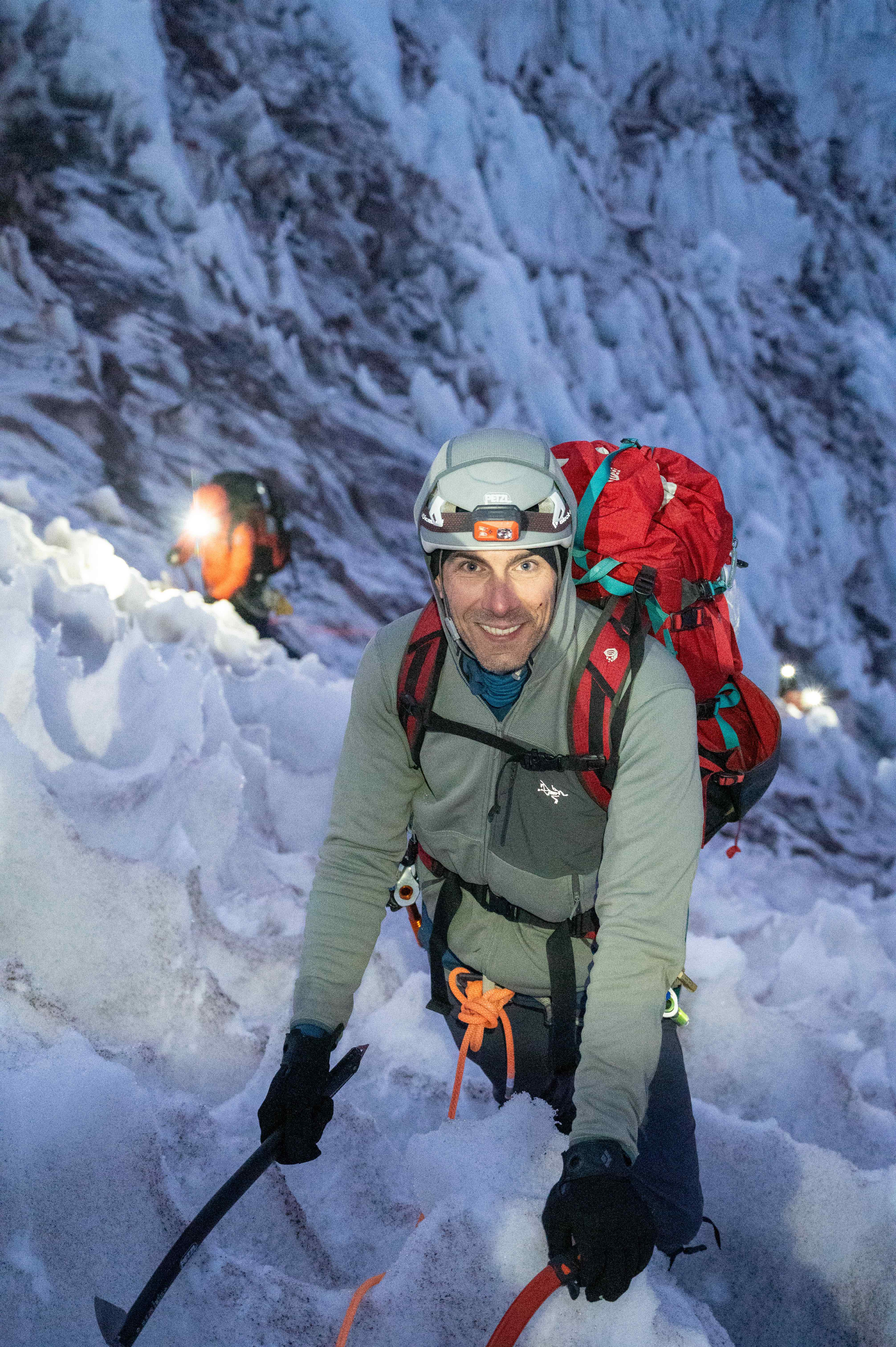
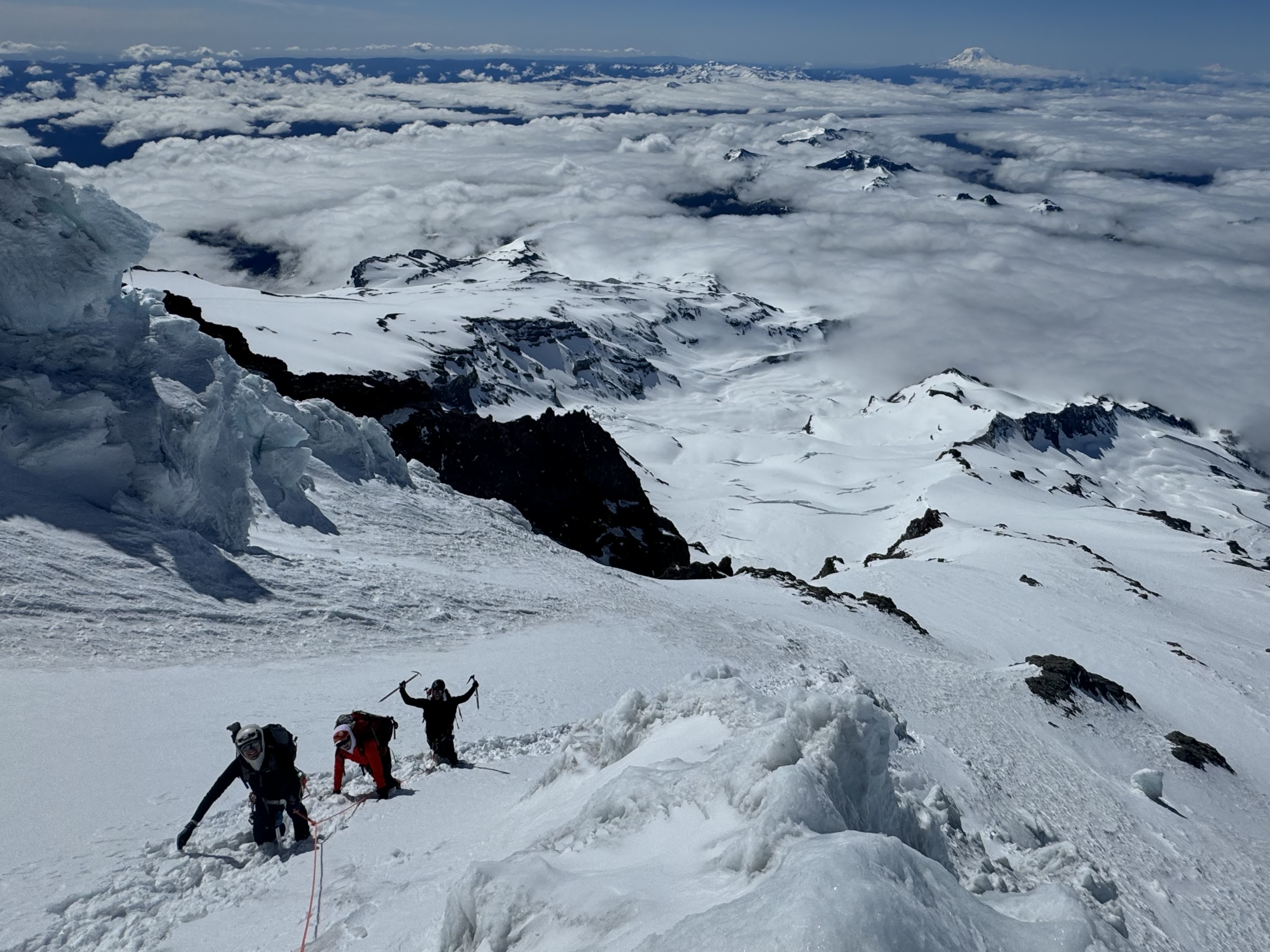
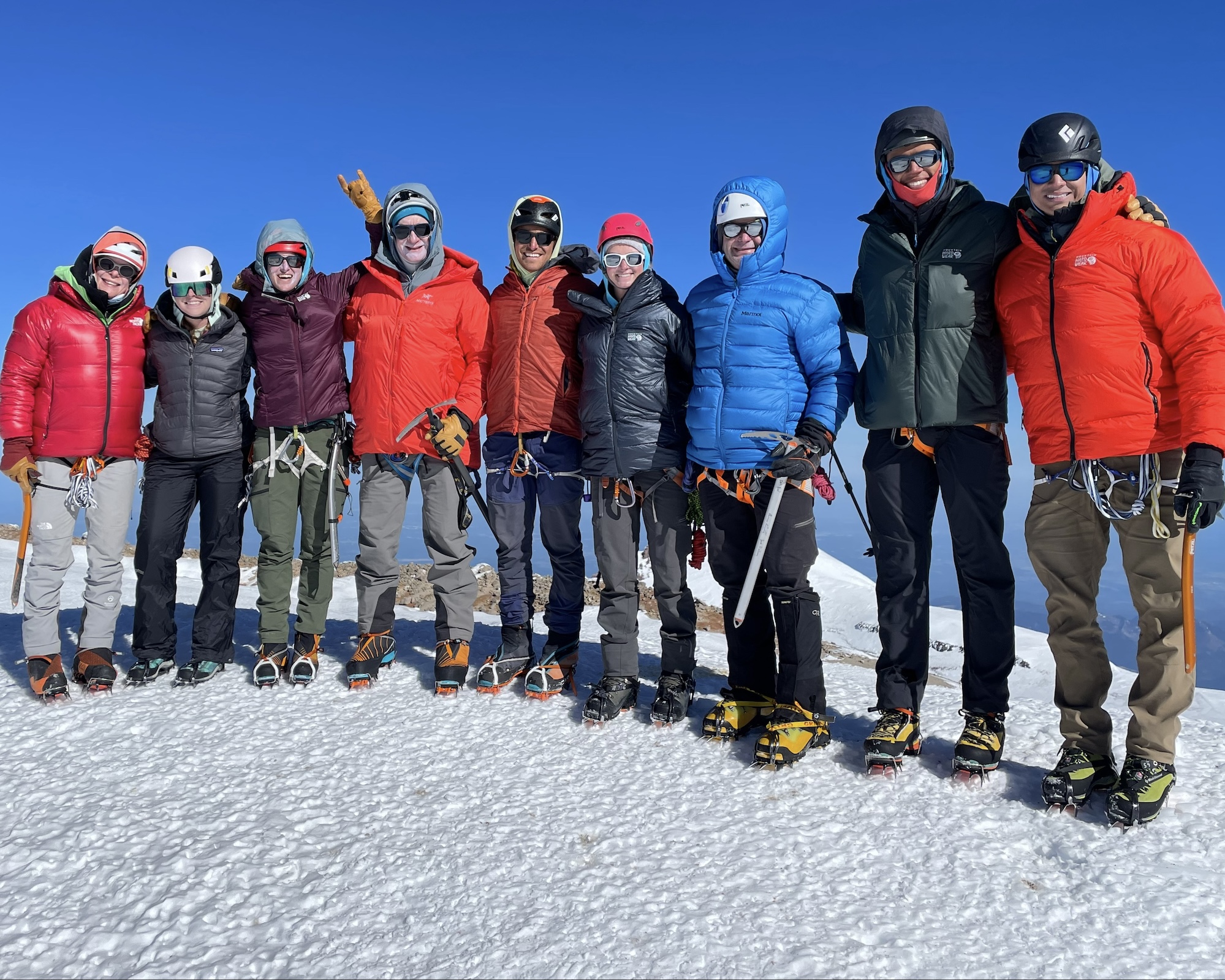
On the final day of the program we descend to Paradise and return to Rainier BaseCamp in Ashford. After all the gear is unpacked, we gather as a team to celebrate our adventure.
The duration of the climb depends on many variables including snow conditions, the time of year, the route conditions, the weather during our climb, the temperature, etc. Those variables often affect our arrival time to Ashford, which might vary dramatically from climb to climb. For this reason we do not recommend scheduling an airline flight before midnight on the last day of your program.
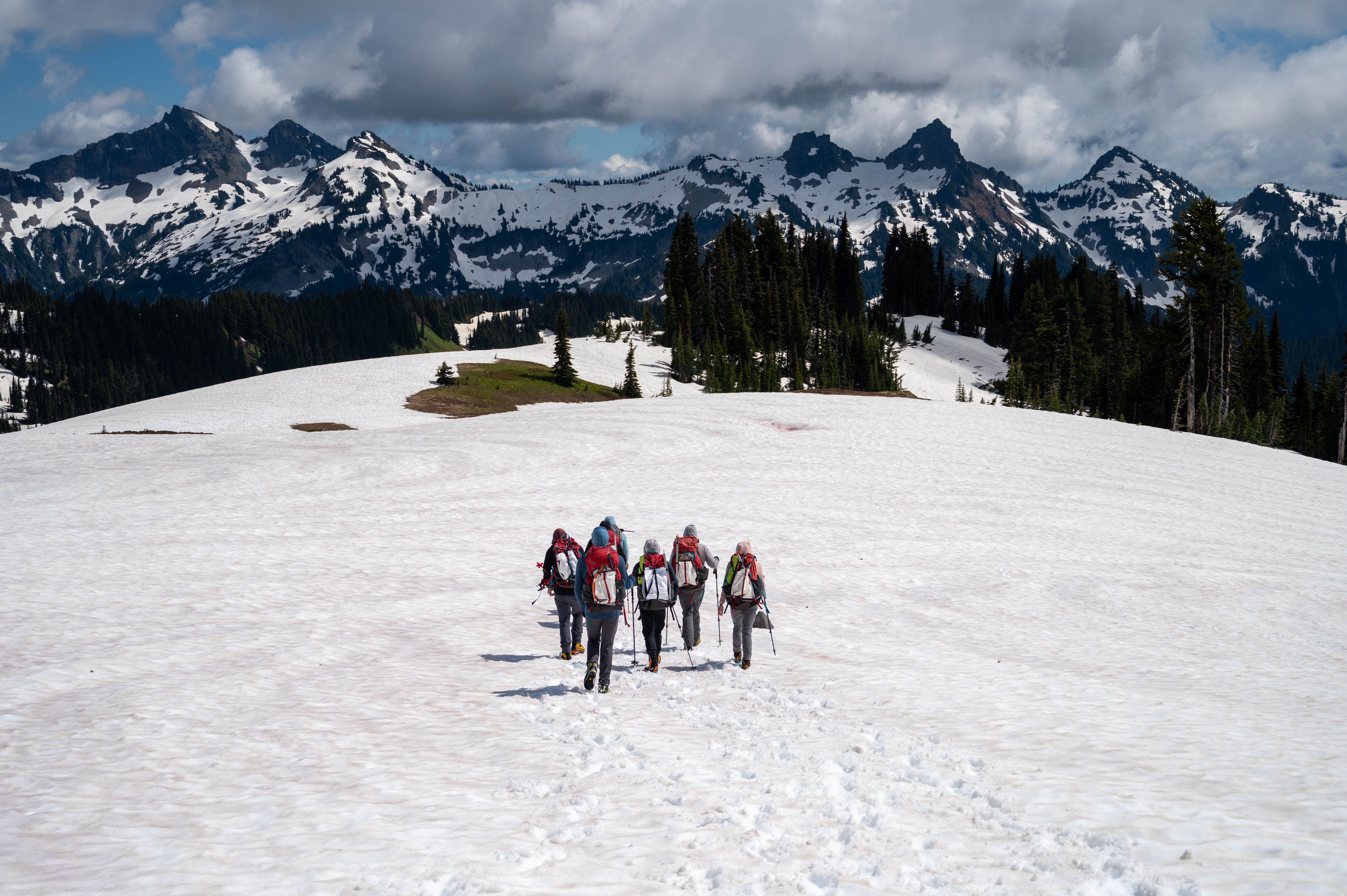

You should arrive in excellent physical condition and prepared for sustained effort over multiple days while carrying heavy loads in steep, technical alpine terrain.

There are no formal technical prerequisites, but this seminar is best suited for climbers ready to engage with steeper snow, ice, and more technical movement.

This program reaches high alpine elevations on Mount Rainier, and climbers should be prepared to perform physically and mentally above 10,000 feet.
The Expedition Skills Seminar – Kautz is physically demanding and requires a high level of fitness, durability, and focus. Climbers must be capable of multiple days of uphill travel with heavy packs, sustained glacier movement, and a long summit day on steeper, more technical terrain than other Rainier seminars. The instructional format allows time to learn and practice skills, but participants must arrive prepared to meet the physical demands of the route while maintaining consistent performance throughout the expedition.
“The climb was a little harder that I expected (particularly on summit day) and I was glad I trained as much as I did.” — Kevin C.
Strong fitness directly impacts learning, movement efficiency, and overall experience. Climbers should plan to train with an emphasis on uphill endurance, load carrying, core strength, and movement on snow and ice. Arriving well prepared allows you to fully engage with the technical instruction and challenges that define this seminar.
Recommended climbing experiences include:
Your climbing resumé should include:

Strong aerobic fitness with experience hiking or climbing steep terrain
Comfort carrying heavy packs for multiple days
Prior exposure to snow travel or alpine environments
Consistent training focused on endurance and strength
Items marked with an Asterix (*) are considered mandatory prerequisites for this program.
Mountaineering places sustained demands on your body and your ability to stay composed under effort. Even very fit people find that moving uphill with weight, for long hours, in variable weather is a different kind of challenge than most everyday training.
Preparation matters. Fitness directly affects how well you move, how much you learn, how the team functions, and how enjoyable the experience is overall.
Start early. Begin training well in advance of your program with the goal of arriving rested, resilient, and confident in your capacity for sustained effort.
Train intentionally. Emphasize aerobic endurance, uphill movement, and strength that supports long days on your feet. Core stability, balance, and mobility all play an important role in efficiency and injury prevention.
Train specifically. The closer you get to your program date, the more your training should resemble the demands of mountaineering: hiking uphill with weight, moving steadily for hours, and recovering well enough to do it again the next day.
Across RMI programs, strong preparation typically means being comfortable with long days of continuous movement, carrying a pack appropriate to the objective, and maintaining focus and decision-making when tired. Technical skills are taught or reviewed as appropriate to each program, but fitness is something you bring with you.
Nothing contributes more to a successful and rewarding experience than arriving well prepared. Plan to be in excellent physical condition and ready for a demanding day in the mountains.
Total Hiking Time
Elevation Gain / Loss
Total Distance
Pack Weight
DAY 1
n/a
n/a
n/a
n/a
DAY 2
2 - 2 ½ Hours Round Trip
Gain = 1000' | Loss = 1000'
4 Miles Round Trip
20 - 25 lbs
DAY 3
3 hours
Gain = 2,100' - 3,100' | Loss = 500'
1.5 - 2 Miles
50 - 60 lbs
DAY 4
4 - 5 Hours
Gain = 1,400' - 3,500'
1 - 1.5 Miles
50 - 60 lbs
DAY 5
12 + Hours Round Trip
Gain = 4,000' | Loss = 4,000'
8 Miles Round Trip
20 - 25 lbs
DAY 6
3 - 4 Hours
Loss = 5,000'
3 Miles
50 - 60 lbs
Our guides have decades of experience training for alpine objectives, and we've done our best to put together relevant resources to help you with your expedition preparation.
Climbing Rainier takes more than fitness—build the mindset, skills, and altitude strategy you need for success on and off the mountain.
Rainier
Develop your aerobic base for endurance, strength, and performance in alpine environments with RMI’s expert guidance. Level up your training today.
Fitness & Training
Fueling Long-Duration Climbs with Enhanced Fat Metabolism
Fitness & Training
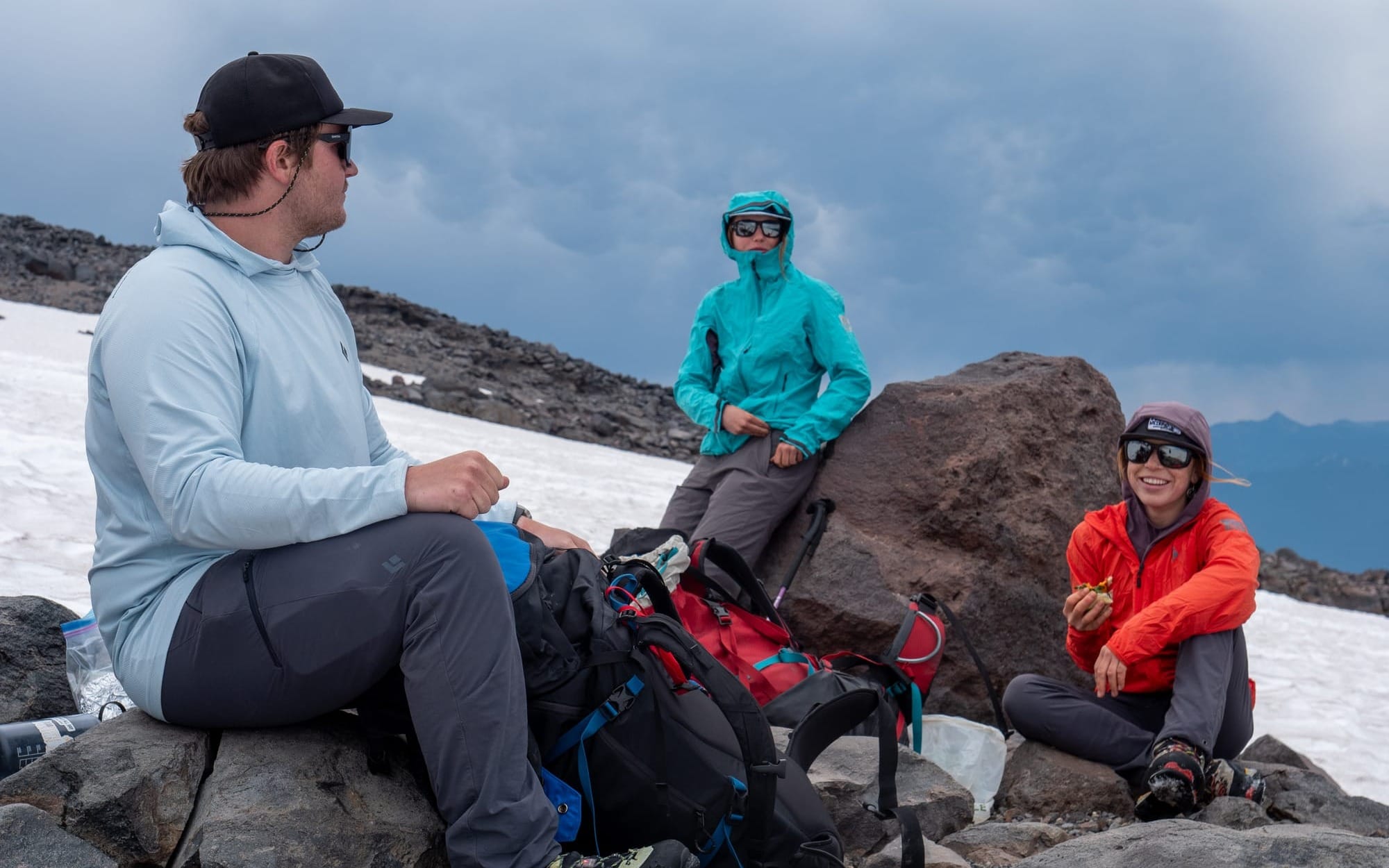
Strengthen your mountaineering training with a community of like-minded climbers who motivate and share the journey. Join us and explore.
Rainier
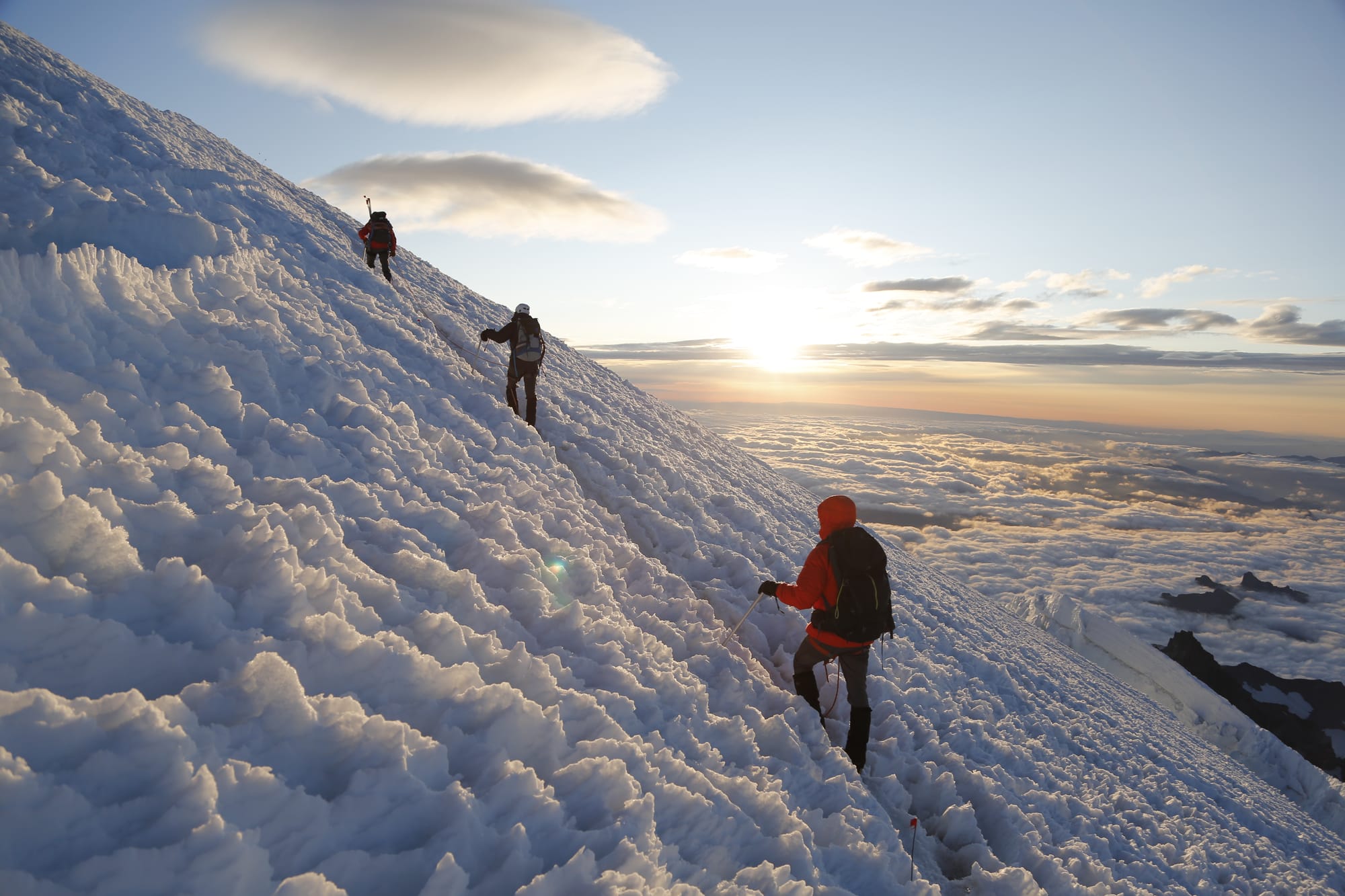
A Comprehensive Guide to Crafting Your Own Progressive, Goal-Oriented Program
Fitness & Training
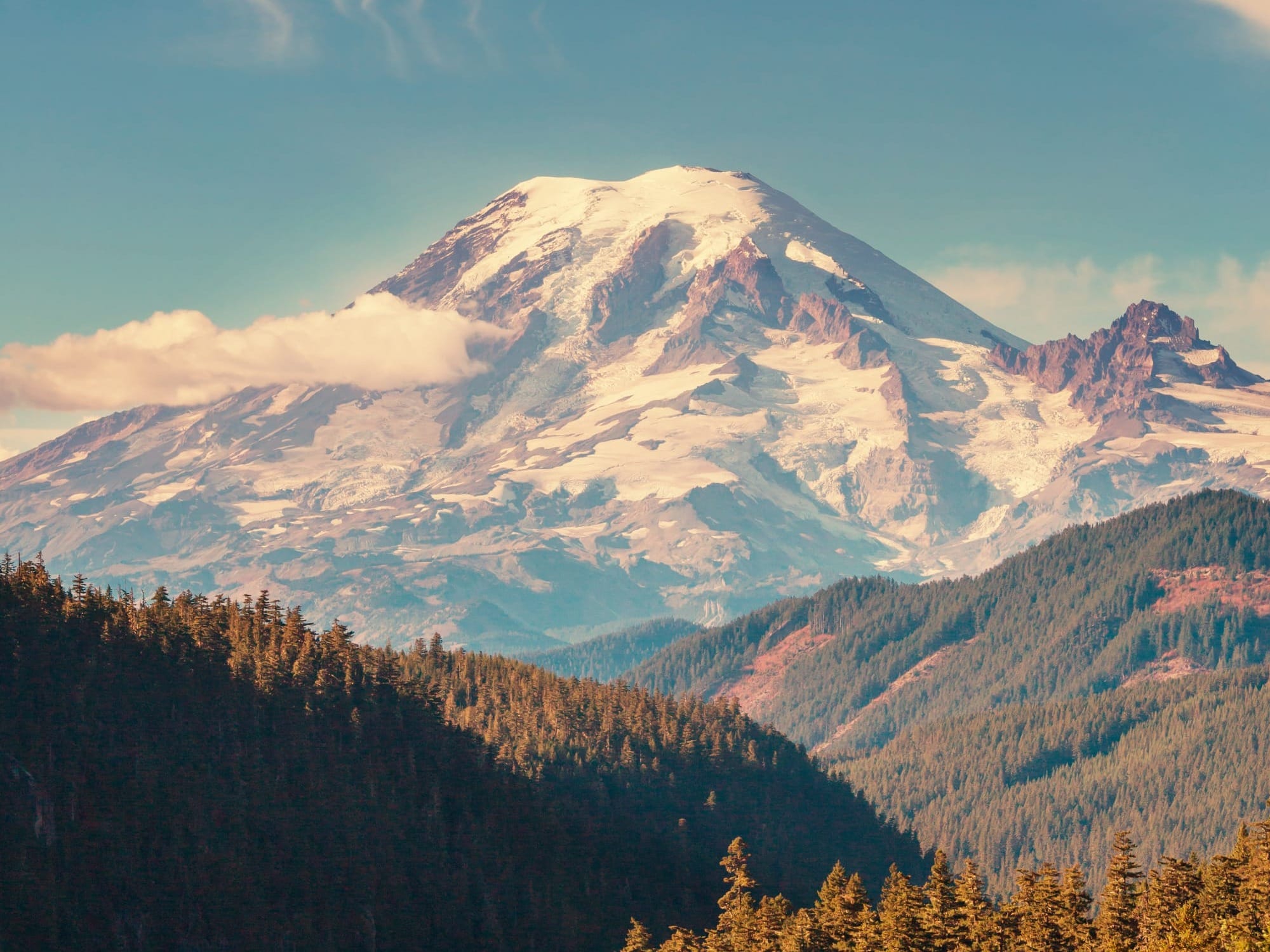
Learn what works from a climber who successfully trained for Mt. Rainier with practical tips and preparation advice. Read the full article.
Fitness & Training
Acclimatization is the process by which your body adjusts to lower oxygen levels at altitude. How well this happens has a direct impact on how you feel, how you perform, and how much margin you have as the climb progresses.
Program length and structure matter. Longer expeditions are designed with ascent profiles that allow your body more time to adapt. Shorter programs often move through altitude faster than the body can fully adjust. In these cases, climbers typically experience mild but normal symptoms associated with early acclimatization rather than full adaptation. This is expected and accounted for in program design.
Physical conditioning plays a major role. Well-conditioned climbers generally have more energy available to support the acclimatization process over consecutive days. Fitness does not prevent altitude exposure, but it improves resilience, recovery, and the ability to function well while your body is adapting.
How you take care of yourself matters just as much as the itinerary. Arriving healthy and rested, staying well hydrated, eating consistently, and managing heat loss all support acclimatization and performance. These factors become increasingly important as altitude, duration, and cumulative fatigue increase.
RMI programs are structured to balance objective goals with appropriate acclimatization strategies for the terrain and timeframe involved. Individual responses to altitude vary, but strong preparation and good self-care remain the most reliable ways to support a positive experience at elevation.
Mountaineering is both an individual challenge and a team endeavor. Before any program begins, RMI works directly with prospective climbers to confirm that everyone joining a team is genuinely prepared for the demands ahead. Depending on the program, this may involve conversations with our office staff, a review of your climbing history, or feedback from guides and other climbers who know your abilities. The goal is straightforward: to ensure that every person on the rope belongs there. We ask that each climber hold themselves to the same standard:
The standards we set exist to protect everyone on the team. RMI holds all climbers accountable to them, and we take seriously our responsibility to build teams of people who are ready to be in the mountains together. RMI reserves the right to remove a participant from a program or send them to a lower altitude if our guide staff determines, in their sole discretion, that the participant is not physically, technically, or psychologically prepared or capable of participating, or for any other reason that may compromise the safety, health, or well-being of the participant or the group. In such cases, no refunds or credits will be issued, and the participant will be financially responsible for any additional costs associated with an early departure, including evacuation, transportation, lodging, and meals.
The Expedition Skills Seminar – Kautz takes place on one of Mount Rainier’s more technical routes and requires a full, expedition-ready equipment kit. This gear list reflects decades of guiding experience on Rainier and is designed to support technical climbing, extended glacier travel, and multi-day camp systems on steeper terrain.
Every experienced mountaineer will refine their kit over time, but this list represents what RMI expects climbers to bring to the mountain. Not every item may be used during the climb, but all required equipment must be carried and available. Conditions, objectives, and risk management needs can change quickly on the Kautz Route.
Each RMI program includes a required personal equipment list built around the specific terrain, conditions, and objectives of the climb. Every item serves a purpose and supports safety, efficiency, and comfort in the mountains.
Guide Picks™ are examples that meet our performance standards and illustrate the type of gear we recommend. Each year, our partners at Whittaker Mountaineering survey our staff of 70+ guides to get a consensus on the best gear for the job. You do not need to purchase the exact item shown, but any alternative must offer comparable function and durability.
All listed items are required for the gear check. Final adjustments may be recommended by your guide based on conditions and team needs once the expedition begins.
Most of the required equipment is available for rent or purchase from our affiliate Whittaker Mountaineering. RMI climbers receive a 10% discount on new clothing and equipment items ordered from Whittaker Mountaineering.

We recommend a bag rated between 20° and 0° F. Allow ample room for movement. We recommend down over synthetic for its light weight, warmth, and packability. If you know you sleep cold, consider a 0° F bag.
10- or 12-point adjustable steel crampons with anti-balling plates for general mountaineering and glacier travel. Automatic, semi-automatic, or strap-on attachment depending on boot compatibility. Ensure crampons are compatible with your specific boots before your program.
Glacier glasses are protective sunglasses that provide close to 100% frame coverage (wrap-around frames and side shields ensure no light can enter from the top, bottom, and sides of the glasses) and transmit less than 10% of visual light.
We recommend a minimum of five upper body layers, all of which can be used in conjunction with each other. Two of these should be insulating layers, one light, and one medium, that fit well together. Today there are many different layering systems to choose from, including fleece, softshell, down, and synthetic options.
A lightweight, breathable long-sleeve shirt in synthetic or merino wool for sun protection and moisture management during active climbing.
One step up in warmth and bulk from a baselayer. A technical fleece makes an ideal light weight insulating layer.
An insulated jacket or softshell for warmth during low-output activity and extended rest breaks. Should fit over baselayers and midlayers, and under a shell.
An expedition-style down parka that extends below the waist with an insulated hood, designed to fit over all other layers. Worn primarily in camp, during rest breaks, and on summit day. Down fill recommended over synthetic.
We recommend a system of four layers, all of which can be used in conjunction with each other. Products which combine several layers into one garment, such as traditional ski pants, don’t work well as they don’t offer the versatility of a layering system.
Lightweight synthetic or merino wool baselayer bottoms for moisture management and temperature regulation during active climbing.
Softshell climbing pants can be worn in combination with a base layer on colder days, or alone on warmer days.
Non-insulated, waterproof shell pants must be able to fit comfortable over your baselayer bottoms and softshell climbing pants. Full side zippers or 7/8 side zippers are required so that shell pants can be put on while wearing boots and crampons.
Boots are one of the most important pieces of mountaineering gear, and bringing the right pair is critical to your safety and success on Mt. Rainier. You will need one pair of boots for this climb, and the type of boot you wear will be dictated by freezing level. If the freezing level is below 10,000 feet, your guide will require the use of double boots. If the freezing level is above 10,000 feet, you may use either single or double boots. We consistently see freezing levels below 10,000 feet in April, May, June, and September, though periods of cold weather are not uncommon in July and August.
Lightweight approach shoes or trail runners for hiking on rugged terrain and use as camp shoes. Particularly useful after snowmelt on lower-elevation approaches.
A knee-length pair of gaiters, large enough to fit over your mountaineering boots. This will protect you from catching your crampon spikes on loose clothing. Not needed if using a boot with an integrated gaiter.
Either wool or synthetic. Whatever sock combination you are accustomed to wearing during your training or previous adventures (whether single medium weight socks, a medium weight with a liner sock, two medium weight socks together, etc.), should work just fine for this climb.
Our guides carry comprehensive medical kits, so keep yours small and light. We recommend a selection of adhesive bandages, antibiotic ointment, Moleskin and blister care, medical tape and/or duct tape, basic pain reliever, and personal medications.
You are responsible for providing your own meals and snack food in town and while on your program. See the Food tab for suggestions and quantities.
This will be your personal trash bag.
Heavy-duty trash compacter bags for use as waterproof pack/stuff sack liners. You can also use a waterproof pack liner.
Disposable or reusable ear plugs for sleeping in shared tent or hut accommodations.
Spare prescription glasses if you wear contact lenses/eyeglasses.
Many smartphones have excellent cameras. Action cameras, small point-and-shoots, and compact dSLRs are lightweight and work well at altitude.
A small power bank, enough to charge a phone or e-reader several times.
We recommend bringing a selection of clothing to wear while traveling, sightseeing and dining.
Purchase travel insurance.
Arrange transportation and lodging - see more on the Travel tab.
Reserve rental equipment.
Be in the best shape of your life!
RMI provides the following equipment for your program: tents, group cooking gear, shovels, climbing ropes, and blue bags (for solid waste disposal).
Every guide on your climb will carry rescue equipment and a first aid kit. Each climb has two-way radios and a cell phone for emergency contact.
On the Expedition Skills Seminar - Kautz you will need five days of climbing food, including five mountain lunches, three dinners, and three breakfasts while on the mountain.
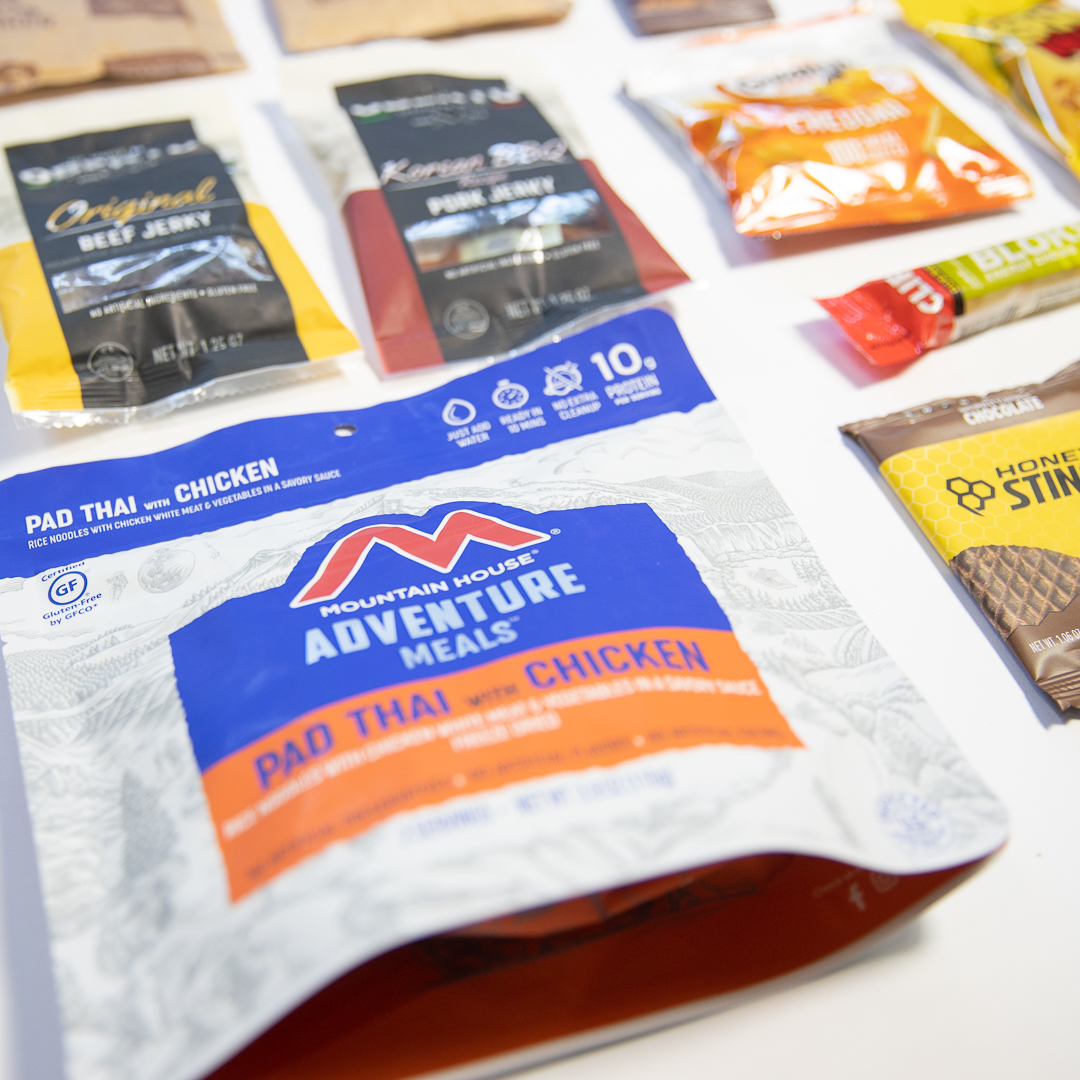
Don't want to plan out your food for your RMI climb? Whittaker Mountaineering has optimized Meal Packages that include everything you need for your Rainier summit attempt.
Nutrition while training and nutrition while climbing are two very different things. You may follow a pretty specific nutrition regimen while you are training to aid your desired outcomes, but once it comes to the climb, calories are what count the most. While climbing, you are trying to maximize energy and performance over a short period of time.
Our food priorities when climbing are:
Caloric requirements will vary widely from climber to climber based on physical size and metabolism. It is important for you to know what your body requires. One of the normal, albeit disconcerting, adjustments to altitude is a slight loss of appetite. Bring food you enjoy. If you don't love a food at home, you certainly won't like it on the mountain!
At camp, hot and cold water will be provided for your meals, drinks, and refilling water bottles. When planning your menu, don't bring any items that require extensive preparation, cooking, or simmering. We are able to provide you with boiling water but do not have the ability to actually cook food items.
Things to keep in mind as you plan your meals:
Consider repacking items into smaller Ziploc bags to minimize the space in your pack. Your food will get crammed into your backpack, jostled around, exposed to extreme temperatures, and even sat on (by you, of course!). What holds up better in these conditions, two slices of bread or a bagel? When packing, it is essential to consider the waste you will produce on the climb; after all, you have to carry it off the mountain. We've already mentioned repacking items to minimize space. Repacking items can also eliminate waste!
Mountain lunches, aka snacks, are eaten during short breaks throughout the day. We continually snack to keep our energy levels up while we climb. We typically take rest breaks every hour or so to adjust our clothing layers, eat, and hydrate. Avoid packing any items that require preparation or hot water at each break. In terms of quantity, aim to bring 1 lb. of climbing food per day. We suggest using snack or sandwich size Ziploc bags to portion out snack food.
The importance of having foods that you genuinely enjoy cannot be overstated. Eating properly is the key to maintaining strength while in the mountains. To combat the loss of appetite at altitude, we aim to have a variety of foods that stimulate the whole palate, from sweet to sour to salty. Here are some ideas but be sure to see the sample menu and packing list below for more ideas!
PRO TIP: Feel fancy! Charcuterie (cured meat, cheese, and crackers) makes a great mountain lunch!
Single-serving instant oatmeal, Cream-of-Wheat, or granola make a good main course fare. A variety of granola bars, pastries, fruit, and a hot drink mix of coffee, tea, cocoa, or cider are suggested. Plan on eating a breakfast that tastes good, and you find filling. Here are some ideas but be sure to see the sample menu and packing list below for more ideas!
PRO TIP: Think outside the box. Peanut butter and jelly sandwiches (on bagels) or ramen make great breakfast options!
This meal will give your body the initial fuel it needs during your summit attempt. Spend time considering your options so that you go to bed nourished and ready for the climb ahead of you. Freeze-dried entrees are very convenient mountain dinners. Pay attention to the caloric quantity – it varies from meal to meal. Here are some ideas but be sure to see the sample menu and packing list below for more ideas!
PRO TIP: Have a tasting party of freeze-dried entrees to test them out before your climb.
Staying hydrated on the climb is crucial. You will have access to ample cold water while at camp for drinking and replenishing water bottles. When you are climbing, you will want to ration how much water you drink at each rest break to ensure you have water throughout the entirety of your climb. You can expect breaks to occur approximately every hour or so of climbing.
Just as with food, it is important to have a variety of things to drink that excite your taste buds. You may love water, but it may not sound good at 10,000'! Drink mixes such as Gatorade, Kool-Aid, Liquid IV, Nuun, etc., are great for flavor. Hot beverage options are also an important component to consider while at camp. Instant coffee, tea, cocoa, and cider are great ways to warm up in the evening before bed, when you wake up for your alpine start on summit day, and to recharge once back at camp.
PRO TIP: Skip the water bladder and practice rationing your water while training.
This is an example of what someone may eat for each meal on the Expedition Skills Seminar - Kautz. Use this to guide and inspire your own meal planning.
Altitude often changes appetite. Bring food you know you can eat when tired, cold, or not very hungry. Variety helps, but simplicity wins. If you are unsure about food choices or quantities, this is an excellent topic to review during your gear check.
This page covers the practical details you’ll want to review before your trip, including travel logistics, entry requirements, local considerations, and required policies. Taking time to understand these details ahead of departure helps ensure a smoother experience once you’re on the ground and focused on the climb.
RMI has partnered with Erin Rountree to provide comprehensive travel support. We have been working with Erin for many years. As an independent agent of the Travel Society, she has booked countless miles for adventure travelers across the globe and is extremely knowledgeable about the travel needs of our programs. Please call (208) 788-2870 or send email to [email protected].
Rainier BaseCamp is located in Ashford, WA, and is the home of RMI Expeditions, Whittaker Mountaineering, Whittaker's Bunkhouse, and BaseCamp Bar and Grill. Ashford is located 75 miles from the Sea-Tac Airport.
Note: Every air traveler 18 years of age and older needs a REAL ID compliant driver’s license, state-issued enhanced driver’s license, or another acceptable form of ID to fly within the United States.
Most climbers traveling to Ashford will want to rent a car from the airport. This is the most convenient and reliable way to get here.
Ride Share: If you are interested in sharing a ride, please go to your RMI Account, then to "Discussion Board" and "Ride Share" to post your information.
All our Mt. Rainier programs begin at Rainier BaseCamp in Ashford. All Mt. Rainier climbs, seminars, and schools include transportation and park entry for our climbers from Rainier BaseCamp to Paradise or to the White River Entrance.
You may also go to VisitRainier.com to search for accommodations in the Ashford Area.
Your travel insurance policy should include trip cancellation, trip interruption, travel delay, baggage loss or delay, medical expenses, and evacuation.
Navigating through the different options for travel insurance can be challenging. When purchasing Travel Insurance, here are a few items to consider:

In today’s changing travel environment, it’s important to protect your travel investment. Unforeseen events such as flight delays, baggage loss or even a sudden sickness or injury could impact your travel plans. For your convenience, we offer Travelex Insurance protection plans to help protect you and your travel investment against the unexpected.
For more information on the available plans visit Travelex Insurance Services or contact Travelex Insurance (800) 228-9792 and reference location number 47-0370.
The product descriptions provided here are only brief summaries and may be changed without notice. The full coverage terms and details, including limitations and exclusions, are contained in the insurance policy. Travelex Insurance Services, Inc. CA Agency License #0D10209. Insurance coverages underwritten by individual member companies of Zurich in North America, including Zurich American Insurance Company (NAIC #16535, state of domicile: New York). RETWEB

Harbor Travel Insurance covers the following critical benefits:
Harbor Travel Insurance is powered by Redpoint Resolutions, a medical and travel security risk company. Their team is comprised of special operations veterans, paramedics, Stanford Medicine affiliated physicians, former intelligence officers, insurance actuaries, and global security experts with dozens of years of experience in theaters around the world. The Redpoint network covers the globe, making them uniquely equipped to provide elite rescue travel insurance – in every sense of the word.
RMI has partnered with Erin Rountree to provide travel planning support. Erin is an independent agent with extensive experience booking travel for adventure programs worldwide and understands the specific needs of RMI expeditions.
Phone: (208) 788-2870
Email: [email protected]
It is your responsibility to ensure that your travel insurance policy provides appropriate coverage for your specific program and activities. Review policy details carefully before purchasing, and confirm coverage well in advance of your departure.
For updated Mt. Rainier weather forecasts, click here. Please click on the links below to see the Mt. Rainier webcams:
Our guides put considerable effort into ensuring your safety and success on the mountain. If you had a positive experience, leaving a gratuity is a wonderful gesture to show your appreciation. The amount is up to you and should reflect how much you enjoyed the service. Typically, tips for excellent service range from 10% to 15% of the program cost. Guides can accept gratuities in cash, Venmo, or by check. If you prefer, you can also pay tips using a credit card through the RMI Office.
Mt Rainier became the nation's fifth National Park in 1899, some twenty-nine years after it was first climbed. Mt. Rainier National Park encompasses 235,625 acres and is 97% wilderness and 3% National Historic Landmark District. At 14,410', Mt. Rainier is the most prominent peak in the Cascade Range. It is an active volcano; its most recent confirmed eruptive activity was in the 1890s.
Guided mountaineering activity has taken place since the late 1800s, and The Mountain is still considered a prime training ground for climbing in Alaska, South America, and the Himalayas. With more than 20 active glaciers encompassing some 36 square miles of ice, Rainier boasts the largest ice cover of any peak in the lower 48 United States. Its weather can be deceptively gentle or as fierce as encountered on any high mountain anywhere in the world. There is a wealth of information on the Mt. Rainier National Park website. We encourage you to enhance your enjoyment of the climb with some fun facts about the Park and the history of climbing there.
The following policies are applicable for this expedition.
Rainier Mountaineering, Inc. reserves the right to modify the land cost of a trip at any time before departure.
Deposit Payments: A non-refundable deposit of $600 per person is required to secure your reservation.
Balance Payments: The remaining balance is due 120 days before your program's start date.
*Note: A 3% surcharge applies to all credit/debit card transactions.
**Wire transfers must include all fees charged by your bank. The amount received by our bank must match the deposit amount.
The deposit is non-refundable and non-transferable.
We do not offer refunds. Please remember this before registering for this program. Due to the time-sensitive nature of this program, no exceptions will be made to the cancellation policy.
Date changes are subject to availability and can only be applied to the current climbing season. Changes must be requested at least 90 days before the departure date and will incur a $200 fee per person. No date changes are allowed within 90 days of departure.
Please clearly understand that mountaineering is inherently hazardous. Managing risk is RMI’s number one priority. Our guides manage significant hazards inherent in mountaineering, but they cannot eliminate them. Objective hazards include rockfall, icefall, avalanches, slides or falls by individuals and rope teams on steeper slopes, weather-related problems including cold, heat, high winds, and other unnamed dangers that can occur while climbing.
You are choosing to engage in an activity in which guided and non-guided climbers have been injured or killed. While those accidents are indeed infrequent, they may occur at any time and be out of our control. We ask that participants acknowledge the risks and hazards of mountaineering and make their own choices about whether or not to engage in this activity.
Mountaineering is both an individual challenge and a team effort. Each participant shares responsibility for the safety and success of the group. Therefore, we ask that each participant:
RMI reserves the right to remove a participant from the program or to send them to a lower altitude if the guide staff determines, at their discretion, that the participant is not adequately prepared or capable of participating safely. This decision may be based on physical, technical, or psychological factors, or any other reason that might affect the safety, health, or well-being of the participant or the group. If removed, the participant will not receive refunds or credits and will be responsible for all additional costs associated with early departure, including evacuation, transportation, hotel reservations, and meals.
RMI cannot guarantee that you will reach the summit. Weather, route conditions, your own abilities, or the abilities of other climbers may create circumstances that make an ascent unsafe, and you or your entire group may have to turnaround without reaching the summit.
Failure to reach the summit due to a person’s own lack of fitness or to any of the events associated with mountaineering (such as weather, route conditions, avalanche hazard, team dynamics, etc.), are not Rainier Mountaineering, Inc.’s responsibility and will not result in a refund, credit, or reschedule.
Rainier Mountaineering, Inc. (RMI) does not tolerate harassment or mistreatment of our participants or employees. Inappropriate conduct under this policy may include conduct that creates a disrespectful, intimidating, hostile, degrading, humiliating, or offensive environment for a participant or employee. Engaging in such conduct is a violation of this policy.
RMI may consider conduct to violate the policy even if it falls short of unlawful harassment under applicable law. When determining whether conduct violates this policy, we will consider whether a reasonable person could conclude that the conduct created an intimidating, hostile, degrading, or demeaning environment.
Violation of this policy may result in removal from a program, as well as refusal to provide services indefinitely. We place the utmost value on the safety of our participants and employees. Please report any incidents to RMI management.
All participants must be 18 years old at the time of registration.
RMI’s Photo Release outlines the terms and conditions for using your likeness in photographs, videos, or other digital media.
I hereby grant Rainier Mountaineering, Inc. (RMI) or its affiliates permission to use my likeness in a photograph, video, or other digital media (“photo”) in any and all of its publications, including web-based publications. By granting permission, you allow RMI to utilize these media for lawful purposes.
Here are the key points:
RMI’s program schedule and itineraries are subject to change or adjustment based on a number of factors. These include, but are not limited to, route conditions, weather, group strength, terrain, or other environmental factors, and many other factors. RMI has complete discretion to change plans to accommodate any of these or other factors, including but not limited to, increases in program fees, changes to program schedule or itinerary, and changes to guides or staff, as necessary for the proper and safe conduct of the program. Once the program has started, the Lead Guide will decide on any changes to the itinerary, including ending the program early if the continuation of the program may compromise the safety, health, or well-being of the group.
We reserve the right to cancel any program due to inadequate signups, weather, route conditions, or for any other reason. In such a case, we will make every effort to reschedule the Participant on a different program date. If rescheduling is not possible, we will issue the Participant a refund for all program fees paid to RMI, less any non-refundable payments made on behalf of the Participant to secure any of the included land costs provided for this program, including but not limited to, hotel accommodations, transportation, transfers, tours, group equipment and food, permits, and local outfitter services, prior to the cancellation of the program. Additionally, RMI cannot be responsible for any non-refundable expenses the Participant incurred in preparation for the program (i.e., airline tickets, hotel reservations, rental cars, equipment purchases or rentals, etc.).
Once a program begins, there are no refunds or credits for weather-related cancellations or for a program that may end early due to weather, route conditions, or any other circumstances that may compromise the health, safety, or well-being of the group. Furthermore, if the Participant decides for any reason not to begin a program or discontinue a program at any time, no refunds or credits will be issued. The Participant will be responsible for all additional costs associated with an early departure, including but not limited to evacuation, transportation, hotel reservations, meals, etc.
Land Costs are provided as a package, and refunds or credits will not be issued for any unused meals, accommodations, group transportation, or other unused costs. Accommodations are based on double occupancy. A Single Supplement Fee will be charged to those Participants occupying single accommodations either by choice or circumstance. If you are willing to share a room, we will make every effort to pair you with another same-gender team member. We will match willing same-gender team members based on the order of registration date. If we are unable to match you with another same- gender team member, a single supplement fee will be charged. The availability of single accommodations is limited in most of the hotels where we stay, and single accommodations are not available while in the mountains.
The Participant understands and agrees that RMI assumes no responsibility or liability in connection with any travel and hospitality services provided to the Participant by other companies in connection with the program, including but not limited to, the services provided by airlines, hotels, rental cars, and transportation companies. In addition, RMI is not responsible for any act, error, omission, or any injury, loss, accident, delay, irregularity, or danger by a supplier of travel or hospitality services to the Participant in connection with the RMI program. The Participant will be responsible for all costs associated with any travel delays, missed connections, or missing baggage that requires additional arrangements (separate transportation, hotel accommodations, meals, etc.) to be made on your behalf for you or your baggage to rejoin the program.
The Expedition Skills Seminar – Kautz combines technical instruction with an expedition-style ascent on one of Mount Rainier’s more demanding routes. The questions below address how the seminar is structured, what to expect on the Kautz Route, and how this program fits into a longer-term progression in mountaineering.
“I enjoyed every aspect of the trip. It was very well organized. The guides and the participants were quite helpful and wonderful people. Had a blast.” — Vishwanath K.
The climber-to-guide ratio is 2:1 on the Kautz Route. This ratio supports technical instruction, rope team management, and deliberate decision-making throughout the seminar.
You should arrive in excellent physical condition and prepared for sustained, multi-day effort. The Kautz Seminar involves steep hiking, glacier travel, technical terrain, and long days while carrying heavy loads. Fitness directly affects learning capacity, performance, and overall experience.
Pack weights are heavier than on standard Rainier climbs. Climbers should expect to carry 50 to 60 lb loads during approach and carry days, with lighter packs on summit day. Comfort moving uphill with heavy loads is essential.
Guides monitor climbers throughout the seminar and may adjust pacing, provide coaching, or modify plans to maintain appropriate risk management for the team. The instructional format allows challenges to be addressed in real time, but climbers must be capable of meeting the physical demands of the program.
The Kautz Route is more technical and committing than the Disappointment Cleaver. It involves steeper snow and ice, more complex terrain, and greater emphasis on technical movement and systems, making it well suited for climbers seeking deeper technical experience.
Summit day is a long, demanding effort that begins from high camp and includes glacier travel and steeper snow and ice climbing. Teams move deliberately and roped, applying technical skills developed throughout the seminar.
Summit day typically begins very early in the morning to take advantage of firmer snow conditions and more stable weather.
The Kautz Route provides sustained technical terrain that supports hands-on instruction in snow and ice climbing, anchors, belays, fixed lines, and rope team management. Its complexity allows skills to be practiced in context rather than in isolation.
Mount Rainier creates its own weather. Climbers should be prepared for wind, cold temperatures, precipitation, and rapid changes in visibility.
Three main categories generally prevent climbers from reaching the summit: weather, route conditions, and individual fitness.
Weather
Avalanche hazards, high winds, poor visibility, rain, and snow can individually or collectively affect climbing conditions. Guides manage these variables with a focus on maintaining an appropriate margin of safety.
If conditions reduce that margin beyond acceptable limits, the team may turn around or remain below the summit.
The Route
Route conditions evolve throughout the season. Guides continuously assess hazards such as icefall, crevasses, and steep snow or ice. Adjustments may include rerouting, same-day protection such as running belays, or other mitigation strategies. Some changes occur daily, while larger reroutes require coordinated effort over multiple days.
Fitness
Fitness is the factor climbers have the most control over and has the greatest impact on success, security, and enjoyment. Rope teams move at a steady pace determined by route complexity and conditions. Improving fitness is the most effective way to increase summit opportunities.
Guides continuously evaluate weather, route conditions, and team performance. Decisions are based on maintaining an appropriate margin of safety for the entire group.
The guide team makes final decisions on the mountain. These decisions prioritize group security and long-term climber development.
Guides are trained in remote medicine and rescue techniques and carry appropriate medical and communication equipment. Situations are managed based on severity and conditions, which may include descent or evacuation.
An Expedition Skills Seminar is instructional by design. Time is intentionally built into the climb for learning and practicing skills in real terrain. Instruction is integrated throughout the ascent, allowing climbers to actively apply technical systems rather than focusing solely on reaching the summit.
Yes. The Expedition Skills Seminar – Kautz is well suited for climbers preparing for larger, more technical objectives. Its emphasis on technical movement, expedition systems, load carries, and decision-making closely mirrors the demands of major glaciated peaks.
Mount Baker and Mount Rainier both offer valuable alpine experiences. Mount Rainier presents greater physical and technical challenges, making it a stronger platform for climbers focused on technical progression.
We run four Expedition Skills Seminars on Mount Rainier, and they are built for different climbers. Paradise is the foundational course — start here if you are new to glaciated mountaineering, with no prior technical experience required. Camp Muir is the immersion course, with four nights at 10,080 feet in the hut RMI has to itself, living at altitude rather than commuting to it. Emmons is the expedition course — the big remote glacier, successive camps, and the closest thing on Rainier to how a Mt. McKinley expedition actually runs. Kautz is the technical course, on steep snow and ice through the Kautz Ice Chute, for climbers ready for the next skill tier. If you are unsure which fits, call us — we would rather place you correctly than sell you the wrong week.
When you've been in business since 1969, you pick up a thing or two about mountains you guide. Below are the resources relevant to this program, but you can check out our full Resources section for all of our hard earned knowledge.
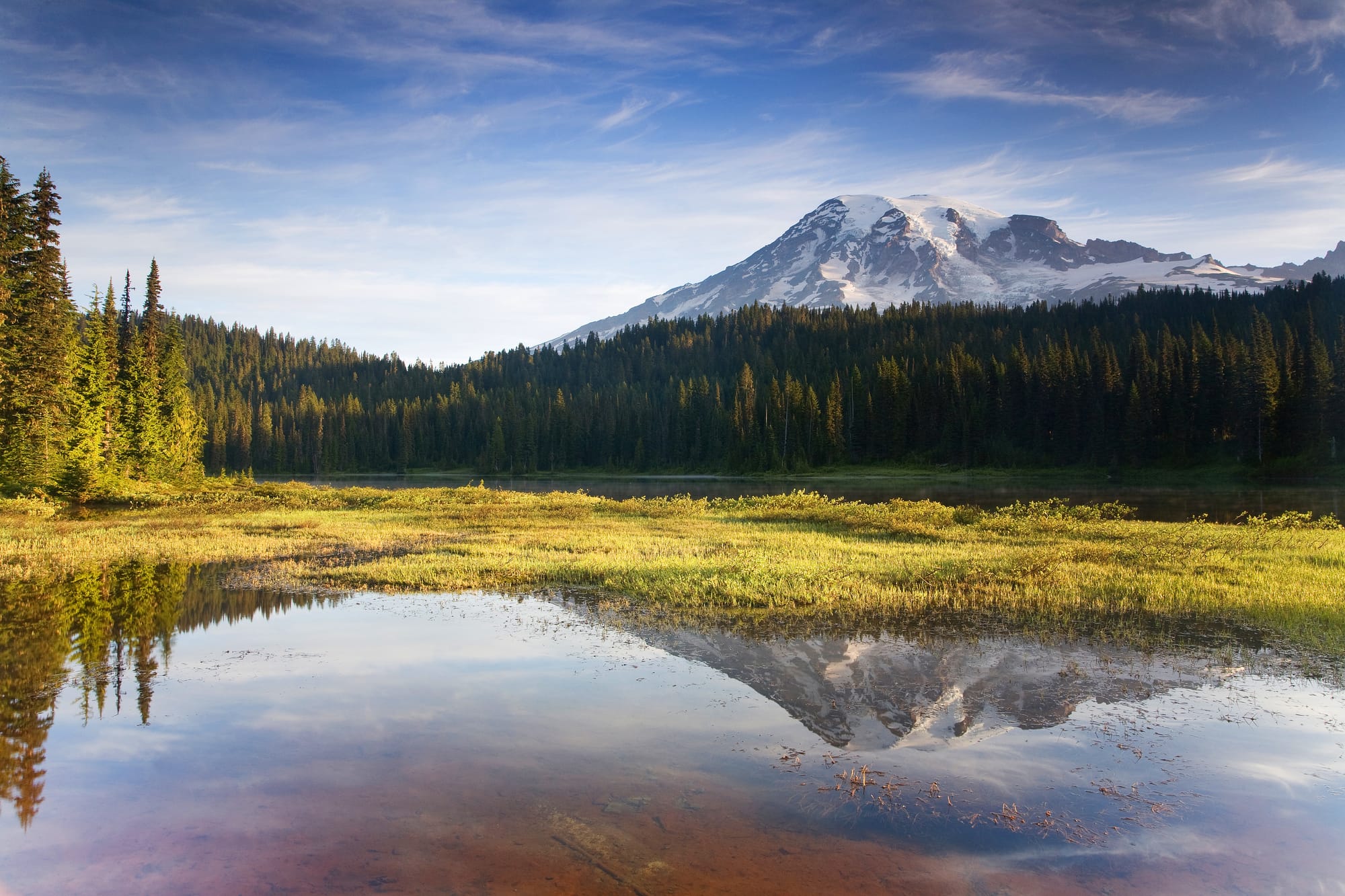
Early, peak, or late season, learn what to expect when climbing Mount Rainier at different times of year and how to prepare for changing conditions.
Rainier
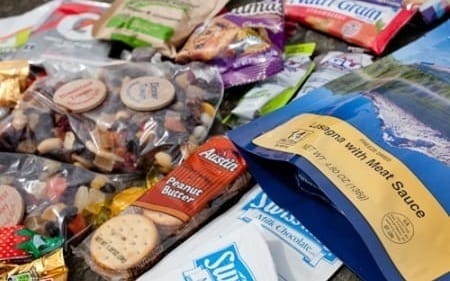
Plan your food for Mount Rainier with this expert guide to calories, snacks, and hydration for summit success. Start planning your adventure.
Rainier
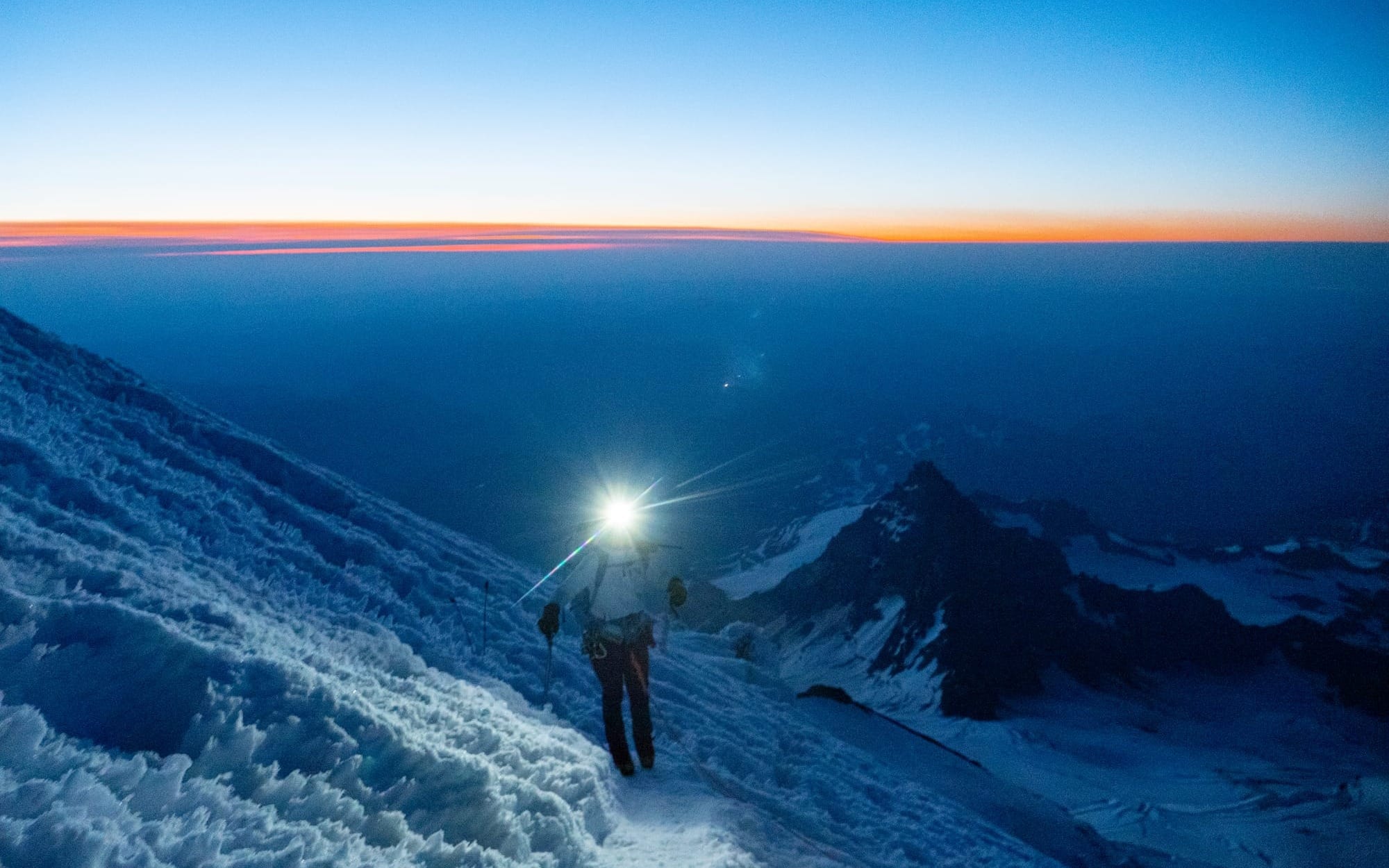
Learn what it takes to climb Mount Rainier, from crampon skills to glacier travel. Explore route options, training tips, and expert advice.
Rainier
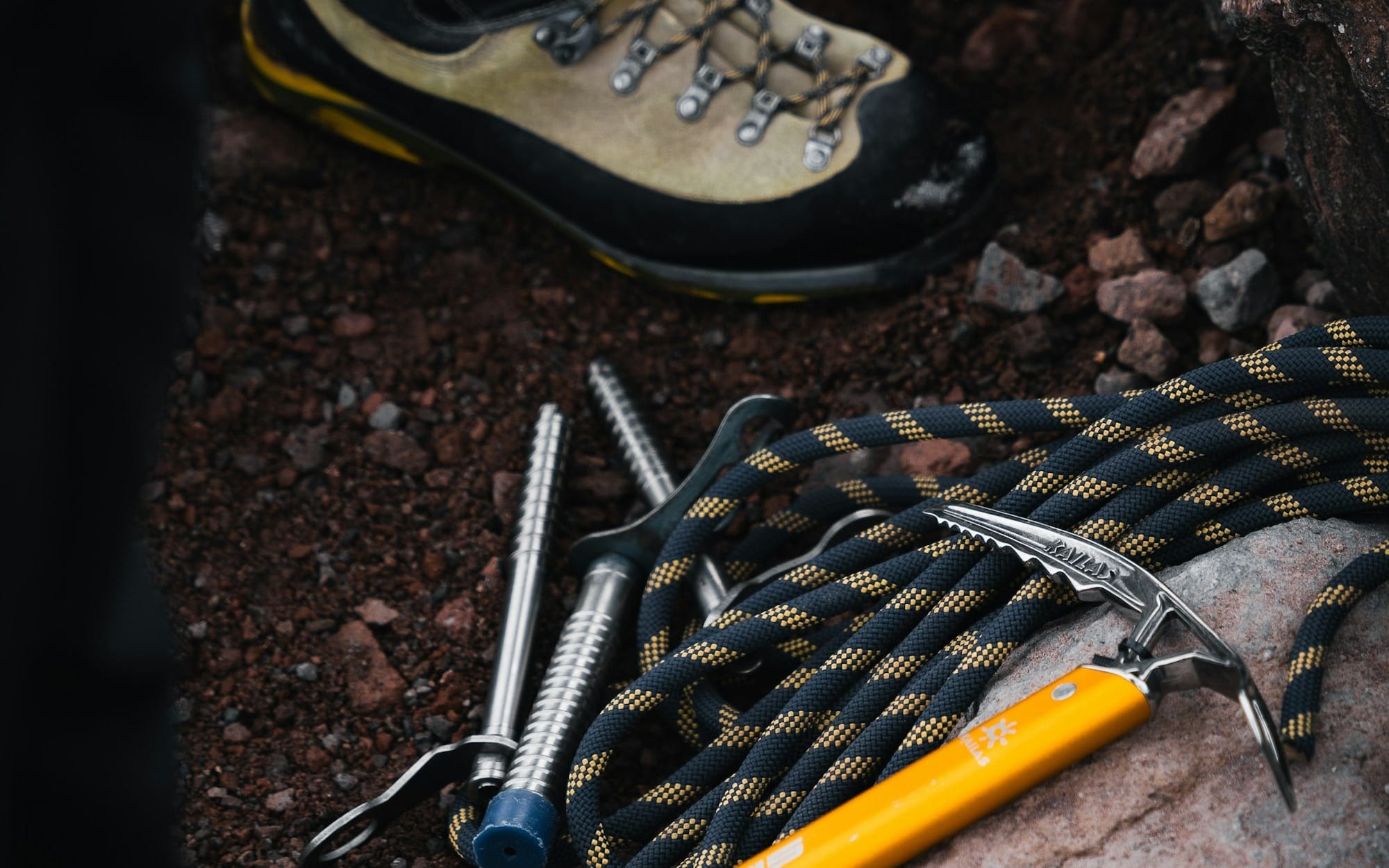
Get expert gear advice for climbing Mount Rainier—from layers to crampons to stoves. Learn what to bring, how to test it, and what to rent.
Rainier
Climbing Rainier takes more than fitness—build the mindset, skills, and altitude strategy you need for success on and off the mountain.
Rainier
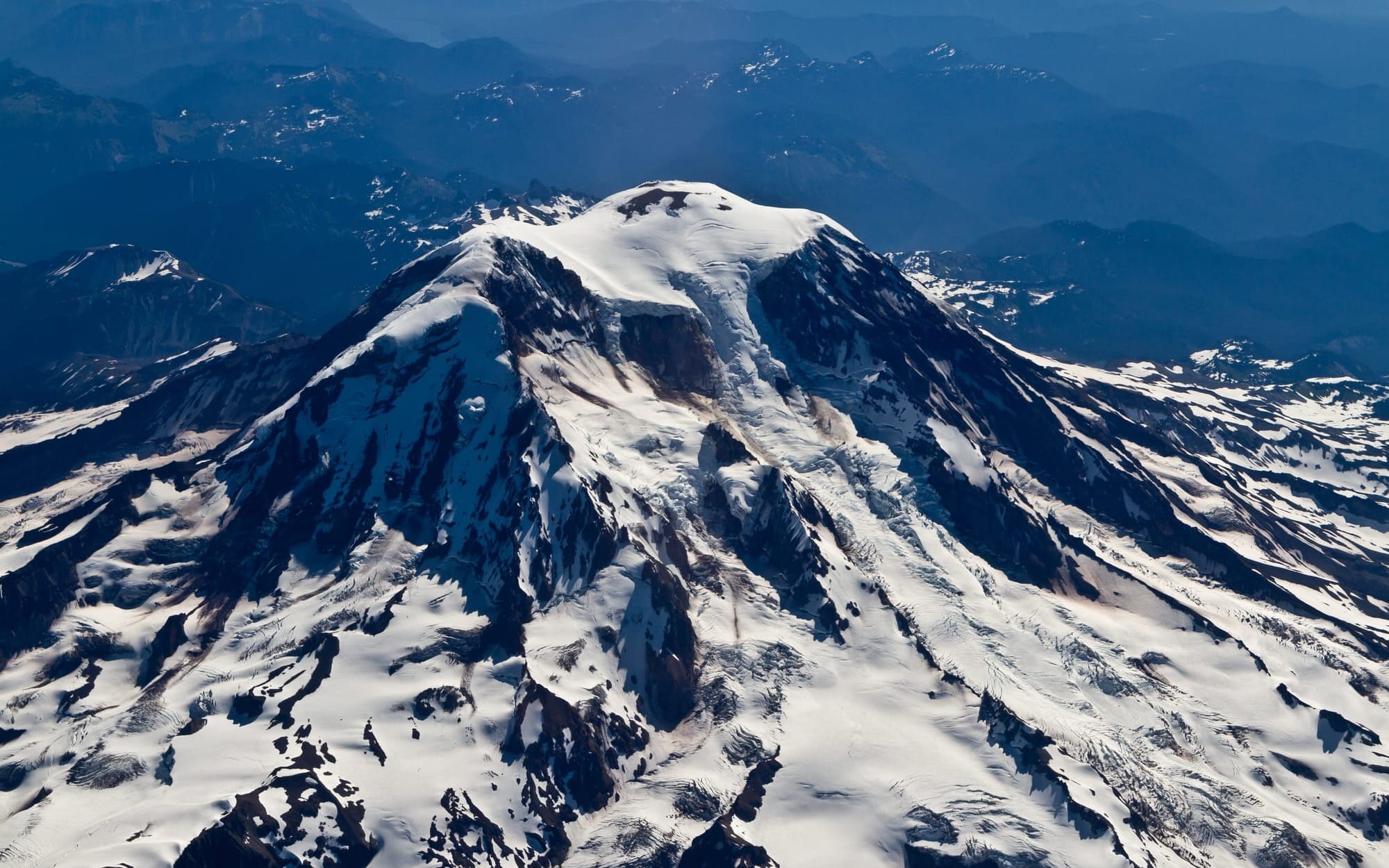
Mount Rainier’s diverse routes vary significantly in technical difficulty, exposure, and popularity. Choosing the right route depends on experience level, climbing goals, and seasonal conditions.
Rainier
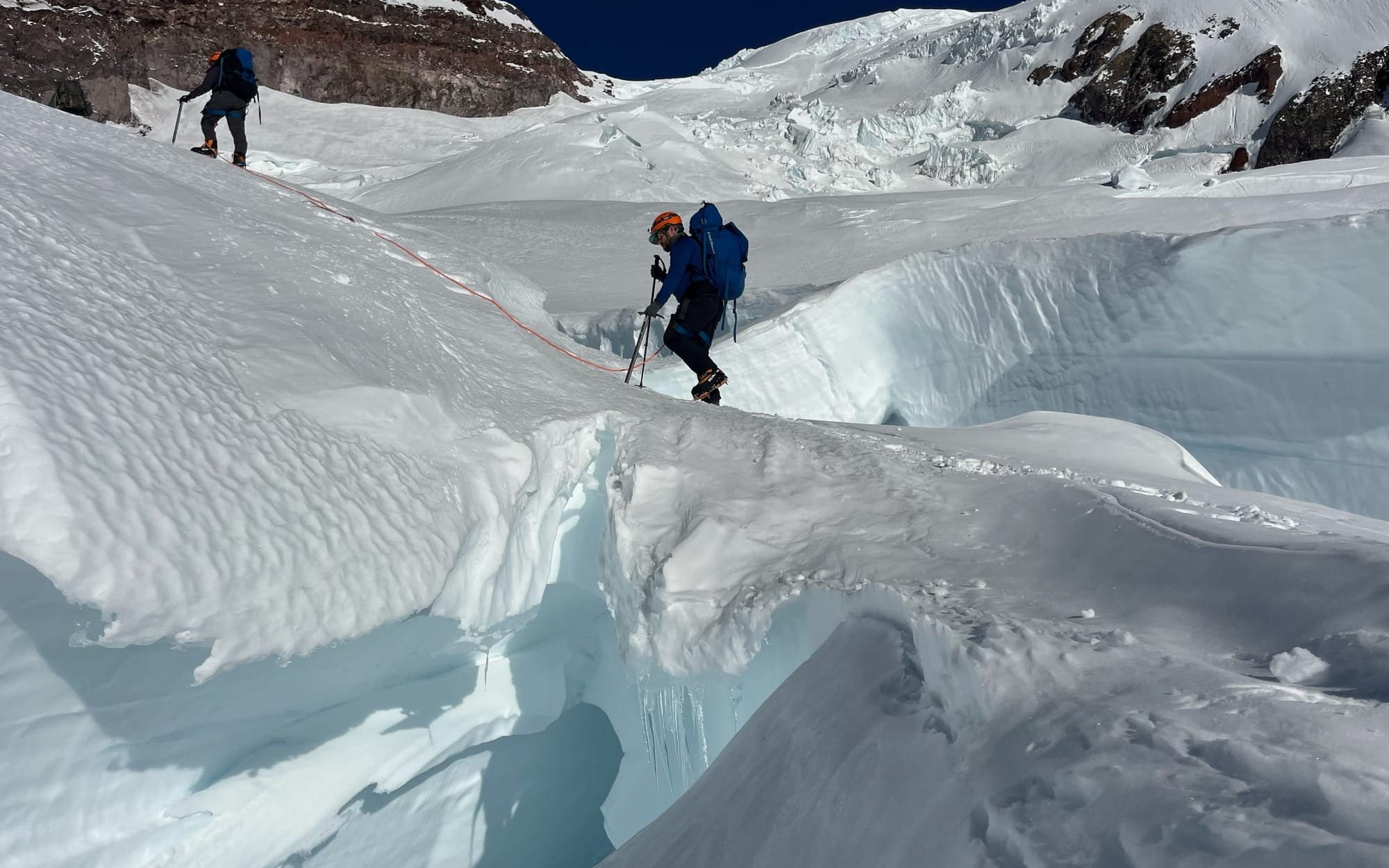
Get to know the key safety concerns of Mt. Rainier climbs and how to prepare for them effectively. Learn more today.
Rainier

Climbers rated RMI with an average of 5 stars across 0 ratings
Climber reviews of the Expedition Skills Seminar – Kautz reflect the depth, challenge, and technical focus of this program. These experiences highlight the value of extended instruction in complex terrain, deliberate progression of skills, and the confidence gained from applying technical systems on one of Mount Rainier’s more demanding routes.
August 7, 2026
Expedition Skills Seminar - Kautz
I most enjoyed the in-depth skills that we learned that will help me go out and do more indipendent mountaineering trips in the future
Brandon F

August 7, 2026
I most enjoyed the in-depth skills that we learned that will help me go out and do more indipendent mountaineering trips in the future
What did you enjoy most?
I most enjoyed the in-depth skills that we learned that will help me go out and do more indipendent mountaineering trips in the future
What needs improvement?
I got a faulty sleeping mat from the rental shop. Also I did not mention this during the program, but It seemed basically from the start that there was a very low likelihood that we would even make a summit attempt on the Kautz route based on route conditions and recent injures. I think the program was fantastic and I'm happy with how it went, I would not have changed it. However, I did think that there should perhaps be some option that at least is considered to change the route. why does the seminar have to stick with the Kautz route even though we knew it was dangerour? Maybe it would be possible in the future for guides to discuss with the clients on the first or second day, and they could at least consider taking a different route, if the original planned route conditions were bad enough. Again, I think we had a fantastic experience, but it seemed odd that there was no discussion of changing routes when we knew the Kautz was dangerous.
July 28, 2026
Expedition Skills Seminar - Kautz
The guides - their encouragement and support, learning from them and benefitting from their experience
Rachael H
July 28, 2026
The guides - their encouragement and support, learning from them and benefitting from their experience
Additional Comments
We all owe our successful summit to Mike's incredible experience and knowledge of Mount Rainier and its weather. I am so grateful that he adjusted the plan to enable us to summit safely. I loved that he gave the other guides opportunities to lead and asked for their thoughts and input throughout the climb. Mike kept things fun, and I always felt that we were safe and in good hands. Thank you Mike for a fantastic experience!
Additional Comments
My only suggestion would be to review the technical gear section. There were a couple items that were a little unclear to me exactly what to get, so I called the RMI office and ended up being advised to get different things than what was on the website, and then there were some items of technical gear that were required but that I never needed, not because of conditions but because the guides always had what was required - I could have saved both money and weight on those.
Additional Comments
The shuttles between Ashford and the park were excellent. My only suggestion here would be to consider offering a shuttle from the airport, even just one or two per day. Even if there were an added fee for this, it would almost certainly be cheaper than everyone renting their own cars (which was prohibitive for me). Another option might be to have a place on the website for arranging carpools across all RMI trips, not just the trip you are on - none of the other people on my 8-person trip needed to carpool, but I probably could have found someone if there had been a way to communicate with more people on other trips.
What did you enjoy most?
The guides - their encouragement and support, learning from them and benefitting from their experience
What needs improvement?
Please see above for a couple ideas on gear list and transportation to Ashford
July 27, 2026
Expedition Skills Seminar - Kautz
The Katuz seminar was really fantastic. The three days climbing on the Katuz was a rare level of isolation and independence on a mountain with thousands of climbers each year. No established paths kicked in, no wands, no prebuilt anchors, only six other independent climbers. In part because of this, in part because it was a small group, and largely because we had four awesome guides, the trip felt like a proper expedition. We felt included in conversations about trip plans and mitigations, and my sense was that the six climbers and four guides developed solid camaraderie. I genuinely felt that all four guides cared about us developing skills and competence on the mountain, rather than having their role as guide be simply to get us to the top and back down. The only downside is that it will be hard to find another RMI trip this great : )
Peter N
July 27, 2026
The Katuz seminar was really fantastic. The three days climbing on the Katuz was a rare level of isolation and independence on a mountain with thousands of climbers each year. No established paths kicked in, no wands, no prebuilt anchors, only six other independent climbers. In part because of this, in part because it was a small group, and largely because we had four awesome guides, the trip felt like a proper expedition. We felt included in conversations about trip plans and mitigations, and my sense was that the six climbers and four guides developed solid camaraderie. I genuinely felt that all four guides cared about us developing skills and competence on the mountain, rather than having their role as guide be simply to get us to the top and back down. The only downside is that it will be hard to find another RMI trip this great : )
Additional Comments
I was certainly impressed that Mike was able to adapt to some tricky weather conditions and get us into position for the summit push. But what really made the trip for me was that he and the supporting guides talked us through the various options and mitigations so that we could better understand how an experienced professional approaches these decisions. Additional kudos to Mike for showing a lot of trust and respect to his team of guides, creating space for them to do their best work.
Additional Comments
This is my third climb with RMI, and in each of these the equipment the guides recommend or require deviates a fair amount from the RMI issued equipment list. This is particularly true for the technical gear, for example which ice axe(s) are more or less appropriate for the climb, do we actually need 7mm accessory cord or are we cutting it up into prusik loops, is the optional pulley or ascender actually going to be used for anything? And often the guides have some good suggestions that aren't on the list. It would be great if one of the guides could contextualize the gear reqs at some point.
Additional Comments
RMI vans are awesome, and much love to the drivers for getting us in and out of the park <3. And every interaction with RMI I've had has fully embraced LNT backcountry travel. On my previous RMI trips I've felt like day 1 orientation is a bit boring and thin on material... kudos to the Kautz Seminar planners that with the ice climbing wall, self-rescue, and tent assembly practice sessions we had a very full day. My only nitpick is that I've had some life experience teaching knots, and you might consider a session where knots are taught in context of doing things (tying into a belay with harnesses on, making a prusik or auto block and using it as a third-hand or progress capture, etc.)
What did you enjoy most?
The Katuz seminar was really fantastic. The three days climbing on the Katuz was a rare level of isolation and independence on a mountain with thousands of climbers each year. No established paths kicked in, no wands, no prebuilt anchors, only six other independent climbers. In part because of this, in part because it was a small group, and largely because we had four awesome guides, the trip felt like a proper expedition. We felt included in conversations about trip plans and mitigations, and my sense was that the six climbers and four guides developed solid camaraderie. I genuinely felt that all four guides cared about us developing skills and competence on the mountain, rather than having their role as guide be simply to get us to the top and back down. The only downside is that it will be hard to find another RMI trip this great : )
July 22, 2026
Expedition Skills Seminar - Kautz
The education and face time with the guides on the mountain exceeded my expectations
William J
July 22, 2026
The education and face time with the guides on the mountain exceeded my expectations
Additional Comments
Mike’s leadership and experience were evident throughout the climb. He managed the guides and climbers extremely well. I would love to climb with him again.
What did you enjoy most?
The education and face time with the guides on the mountain exceeded my expectations
July 16, 2026
Expedition Skills Seminar - Kautz
I would recommend RMI to any of my family and the only reason I would do so is the guides. They made us all feel safe and important. They are RMI's greatest resource, and RMI should never forget that.
Cody W
July 16, 2026
I would recommend RMI to any of my family and the only reason I would do so is the guides. They made us all feel safe and important. They are RMI's greatest resource, and RMI should never forget that.
Additional Comments
I have been on several tours and expeditions, and Mike Haugen was the best guide I've ever had. What set him apart from other guides was the confidence he had in our teams' skills and abilities. The confidence he had in us made us all feel like we could accomplish something hard. He made it clear that he expected us to be on task and perform, but did so in such a pleasant and respectable way. Not many people can set those high expectations without coming across as stern or mean. Also, I had complete confidence in his ability to plan our expedition, route. I also liked how he let the junior guides make decisions and he backed them up; it shows that he's committed to the next generation of mountain guides and he wants them to succeed. I think there is a huge amount of gate keeping in the outdoor recreation industry, and mountaineering is probably the biggest offender of the outdoor sports, but this is not a mentality that Mike has. I think he believes the mountains are for everyone and everyone can enjoy them. I would love to go on another trip with Mike. Thank you so much for such a great experience -- I will remember this for the rest of my life. He deserves a massive raise!
Additional Comments
Some of the equipment we did not use or need. The less we have to buy or rent the better. But its as mostly okay. The guides worked well with us to make sure we had what we needed. I think more specific food recommendations would have been helpful; most of us have *no idea* how much food to bring (in terms of calories and weight), so more guidance from RMI would have been helpful because I think most of us packed up way more food than we actually ate.
Additional Comments
I think the first day (going over equipment) could have been shorter. I think some of us are arriving into town from Seattle or PDX and if we had an extra hour to get there, that would have been appreciated. It's so expensive to stay in Ashford and if we can cut down on the #nights we need to spend there, that would be nice. The seats in the van were okay.
What did you enjoy most?
The guides. 100%. They are what made this trip. Anyone can haul someone up a mountain, not everyone can make it enjoyable. They all must get raises immediately!
What needs improvement?
All of the following suggestions are for RMI (and not the guides): 1). The first day could be a little bit shorter. Maybe a later start time. The most fun part was the ice climbing and crevasse rescue, I think it would be fun to spend more time doing that than going over the gear. 2). I think our harnesses are really the most important piece of personal safety gear and RMI might want to consider issuing one to the clients, because if someone was using a bad harness that could be bad. The guides looked over our harnesses, which was great, but I can't imagine this is 100% fool proof. 3). It would be fun to have a lunch provided by RMI, even if it were built into the cost of the trip, I think it would help with team cohesion. 4). An idea for a future seminar: if someone has done a seminar or DC trip, they should be able to skip the crampon, rope and self arrest tutorial. I think a better idea would be more crevasse rescue time or more extensive rope training or alternate self arrest techniques. 5). Personally, I think there should be more pre requisites for the Kautz seminar. This is a hard route on a hard mountain. If someone has NO mountain experience at all, I do not think they should be allowed on this trip. Allowing un prepared people could potentially make the trip bad for the other clients. It could also put the guides at risk, having to help or rescue someone from a situation they were not prepared for. It's also kind of a waste of their money. They would be better served on other trips and more intro skills seminars. It would also make the trip better for the other clients because then the guides can focus on more advanced skills.
July 2, 2026
Expedition Skills Seminar - Kautz
I enjoyed how structured the trip was, I got the sense from the guides they are pro's and it was great to be able to work with people you can learn alot from and also have a good time.
Dylan W
July 2, 2026
I enjoyed how structured the trip was, I got the sense from the guides they are pro's and it was great to be able to work with people you can learn alot from and also have a good time.
Additional Comments
Henry knows his stuff and is an excellent lead guide, very good at teaching from basics to technical aswell as leading our team to have a super successful climb.
Additional Comments
I signed up about 1 week before but any questions I had were answered same day
What did you enjoy most?
I enjoyed how structured the trip was, I got the sense from the guides they are pro's and it was great to be able to work with people you can learn alot from and also have a good time.
June 9, 2026
Expedition Skills Seminar - Kautz
I mostly enjoyed learning new skills and the camaraderie between other climbers and the guides throughout the whole skills seminar.
Joshua S
June 9, 2026
I mostly enjoyed learning new skills and the camaraderie between other climbers and the guides throughout the whole skills seminar.
What did you enjoy most?
I mostly enjoyed learning new skills and the camaraderie between other climbers and the guides throughout the whole skills seminar.
August 12, 2025
Expedition Skills Seminar - Kautz
I really learned a lot in five days. We did not summit - which, of course, stings - but that's the way the cookie crumbles. We had a beautiful campsite for three days, and we liked Sam's approach to climbing the Kautz
Patrick S
August 12, 2025
I really learned a lot in five days. We did not summit - which, of course, stings - but that's the way the cookie crumbles. We had a beautiful campsite for three days, and we liked Sam's approach to climbing the Kautz
Additional Comments
Sam was an awesome leader. He took time to explain things to us, was very patient, and we all respected his authority and decision making. He was always glad to explain why he was doing things a certain way. I hope to climb with him again. Sam made sure the other climbers got to know one another, and I think it was a pretty cohesive group
What did you enjoy most?
I really learned a lot in five days. We did not summit - which, of course, stings - but that's the way the cookie crumbles. We had a beautiful campsite for three days, and we liked Sam's approach to climbing the Kautz
July 28, 2025
Expedition Skills Seminar - Kautz
I enjoyed the challenge that Mt Rainier presented and the fact that the guides pushed us out of our comfort zones while still keeping us safe.
Pete P
July 28, 2025
I enjoyed the challenge that Mt Rainier presented and the fact that the guides pushed us out of our comfort zones while still keeping us safe.
Additional Comments
Tatum did a great job giving the team clear instructions and exercised great judgment on our summit day when there was a questionable forecast.
Additional Comments
I understand that booking a trip 6 months out, it's difficult to predict all equipment that will be needed so I think the gear list was a great starting point.
Additional Comments
There was definitely a focus on " Leave no trace" which I thought was great as well as minimizing out impact to the environment.
What did you enjoy most?
I enjoyed the challenge that Mt Rainier presented and the fact that the guides pushed us out of our comfort zones while still keeping us safe.
What needs improvement?
I think that discussing the importance to the guests before arriving that they be more familiar with knot tying and their personal gear. Also to stress the importance of taking care of issues that the guides cant see, ie blisters/ hot spots.
July 25, 2025
Expedition Skills Seminar - Kautz
I truly appreciated being part of a team that showed up fit, prepared, and ready to take on the challenge. While the outcome wasn’t what we had hoped for, that’s part of the nature of mountaineering. What stood out most was how our guides prioritized safety without sacrificing the experience — they kept the stoke high, even in tough conditions. Huge shoutout to the entire guiding team for their leadership, energy, and support throughout the climb.
Rahim C
July 25, 2025
I truly appreciated being part of a team that showed up fit, prepared, and ready to take on the challenge. While the outcome wasn’t what we had hoped for, that’s part of the nature of mountaineering. What stood out most was how our guides prioritized safety without sacrificing the experience — they kept the stoke high, even in tough conditions. Huge shoutout to the entire guiding team for their leadership, energy, and support throughout the climb.
Additional Comments
Tatum was an outstanding lead guide. She prioritized safety at every step while ensuring the experience was fun and engaging. Her deep knowledge of mountaineering was a tremendous asset to the team, especially when navigating the challenges of the Kautz route. Her leadership made a tough climb both manageable and memorable.
What did you enjoy most?
I truly appreciated being part of a team that showed up fit, prepared, and ready to take on the challenge. While the outcome wasn’t what we had hoped for, that’s part of the nature of mountaineering. What stood out most was how our guides prioritized safety without sacrificing the experience — they kept the stoke high, even in tough conditions. Huge shoutout to the entire guiding team for their leadership, energy, and support throughout the climb.
What needs improvement?
The only area for improvement I noticed would be standardizing the medical kits issued to guides. It seemed like there was some variation in what each guide carried, and having a consistent, comprehensive kit across the team could enhance preparedness in the field.
July 23, 2025
Expedition Skills Seminar - Kautz
I really enjoyed working and conversing with our guides, they were all extremely helpful, and taught me a lot.
Conner M
July 23, 2025
I really enjoyed working and conversing with our guides, they were all extremely helpful, and taught me a lot.
Additional Comments
Tatum was awesome, she has a wealth of knowledge and experience and was very willing to explain what was going on and to help us at any given moment.
Additional Comments
Equipment list could be a bit more detailed, for example it said 1 ice axe and ice tool, but we ended up swapping our axe for a second tool for the ice climb.
What did you enjoy most?
I really enjoyed working and conversing with our guides, they were all extremely helpful, and taught me a lot.
July 18, 2025
Expedition Skills Seminar - Kautz
I'm signing up for Ecuador volcanoes, totally addicted to mountaineering now!
Austin B
July 18, 2025
I'm signing up for Ecuador volcanoes, totally addicted to mountaineering now!
Additional Comments
Went above and beyond to ensure our success. Came to our tents and addressed our concerns, prepared the route in extremely high winds, unmatched positivity. Freaking love this guy!
Additional Comments
I really didn't contact anybody before the climb but I bet they would've been helpful lol
Additional Comments
Van was on time, joe was cool, the whole trip went super buttery smooth.
What did you enjoy most?
Learning knew skills and then immediately putting them to the test in a pretty epic ice chute was unreal. I would never have had the confidence to do that without super knowledgeable and encouraging guides. Couldn't have asked for a better trip!
What needs improvement?
Literally nothing.
July 14, 2025
Expedition Skills Seminar - Kautz
loved the guide team, the route...it was great to see that RMI, the rentals, the store, Mountain Haus were all connected, i think this should be more heavily advertised / communciated..i would have chosen a bunk room
Michael H
July 14, 2025
loved the guide team, the route...it was great to see that RMI, the rentals, the store, Mountain Haus were all connected, i think this should be more heavily advertised / communciated..i would have chosen a bunk room
Additional Comments
In short, Mike was excellent. He is clearly accomplished, robust on all technical matters and superb on the client side. I came w two friends, we werent the fastest or strongest but we felt safe and supported by Mike at every stage. It helped us accomplish a successful summit. He also adapted our route to do an up an over journey. I could see in the younger guides their admiration of Mike and every client on the trip felt like we had won a lottery ticket getting Mike as our lead guide. I would do any trip w RMI if I knew i was getting Mike.
Additional Comments
na
Additional Comments
na
What did you enjoy most?
loved the guide team, the route...it was great to see that RMI, the rentals, the store, Mountain Haus were all connected, i think this should be more heavily advertised / communciated..i would have chosen a bunk room
What needs improvement?
maybe sell more RMI branded gear, example, light jackets, fleece, etc...i only found t shirts
July 6, 2025
Expedition Skills Seminar - Kautz
I enjoyed learning ice climbing and taking on a more difficult route up the mountain. That is not something I could have done myself, and something I'm learning as I do more trips with RMI is the truly professional level of the guides on each trip. Not only this, the guides know how to have fun and push us ways I wouldn't do on my own ... on the day in between our hike to high camp and the summit day, the guides set up a top rope for rock climbing - this isn't something I typically do, but had a nice nudge to try it out and that turned out to be one of my best memories of the trip. In addition to that, as I mentioned above, the "chill" times with the group were valuable to me. Just having more time to hang out, chat, listen to, and pick the brains of our guides was an another amazing piece of the trip that I will take away.
Connor L
July 6, 2025
I enjoyed learning ice climbing and taking on a more difficult route up the mountain. That is not something I could have done myself, and something I'm learning as I do more trips with RMI is the truly professional level of the guides on each trip. Not only this, the guides know how to have fun and push us ways I wouldn't do on my own ... on the day in between our hike to high camp and the summit day, the guides set up a top rope for rock climbing - this isn't something I typically do, but had a nice nudge to try it out and that turned out to be one of my best memories of the trip. In addition to that, as I mentioned above, the "chill" times with the group were valuable to me. Just having more time to hang out, chat, listen to, and pick the brains of our guides was an another amazing piece of the trip that I will take away.
Additional Comments
Seth is a fantastic guide with a high level of professionalism. He of course kept us safe on the mountain and inspired us to keep going after more objectives after this trip! His passion for the mountains clear and his commitment to his climbers is amazing to see.
Additional Comments
The equipment list is top notch and extremely helpful in knowing what we need for the climb. This is a big area where RMI provides differentiated value (beyond having great trips and exceptional guides) compared to competitors. There is no question about what is needed and the Guide Picks are where RMI truly goes above and beyond.
Additional Comments
The itinerary for the Kautz route is perfect. It's a "slower" trip compared to the 4 day climbs on the DC route and it made for a more enjoyable time on the mountain, in addition to the extra day to practice and learn crevasse rescue, etc. I really appreciated dinner times on the mountain with the guides, being able to hear their stories and get perspectives on our own climbing goals and questions as well.
What did you enjoy most?
I enjoyed learning ice climbing and taking on a more difficult route up the mountain. That is not something I could have done myself, and something I'm learning as I do more trips with RMI is the truly professional level of the guides on each trip. Not only this, the guides know how to have fun and push us ways I wouldn't do on my own ... on the day in between our hike to high camp and the summit day, the guides set up a top rope for rock climbing - this isn't something I typically do, but had a nice nudge to try it out and that turned out to be one of my best memories of the trip. In addition to that, as I mentioned above, the "chill" times with the group were valuable to me. Just having more time to hang out, chat, listen to, and pick the brains of our guides was an another amazing piece of the trip that I will take away.
July 6, 2025
Expedition Skills Seminar - Kautz
I loved the pace of this trip and how we could ask lots of questions catered to our own goals. I liked having a day between our hike to high camp and our summit push to work on skills up high with the guides.
Aleeza Y
July 6, 2025
I loved the pace of this trip and how we could ask lots of questions catered to our own goals. I liked having a day between our hike to high camp and our summit push to work on skills up high with the guides.
Additional Comments
Seth was an amazing guide with so much knowledge. He made us feel safe and confident during the entire trip and gave us lots of guidance on new skills.
What did you enjoy most?
I loved the pace of this trip and how we could ask lots of questions catered to our own goals. I liked having a day between our hike to high camp and our summit push to work on skills up high with the guides.
June 22, 2025
Expedition Skills Seminar - Kautz
The climb was awesome. It was exactly what I was hoping for.
Blake K
June 22, 2025
The climb was awesome. It was exactly what I was hoping for.
Additional Comments
Eric was awesome. Couldn’t have asked for a better guide. I will definitely be climbing more mountains with him in the future. Eric is everything you want in a mountain guide and is very friendly, professional, and just an all around great guy. He was extremely patient and always took his time to answer questions we had. I don’t have enough good things to say about Eric.
What did you enjoy most?
The climb was awesome. It was exactly what I was hoping for.
What needs improvement?
The only slightly frustrating thing was when we submitted we knew we didn’t have much time up there. Some of the guys asked Tom about walking over to the highest point (about a 2 min walk) and he was kind of dismissive about that and said that making it to the crater rim was making it to the top in his book. There were several people that standing on the highest point was important to and it was disappointing how dismissive he was of going over there. Fortunately Eric heard and told us we could head over to the highest point quickly before heading down. I get why it doesn’t matter much to Tom, but he should realize that there are a lot of people who really care about actually standing on the highest point.
June 12, 2025
Expedition Skills Seminar - Kautz
Pushed my comfort zone to the max and came out stronger on the other side. Don't think I would have been able to do that without the amazing support from all the guides .
Tim D
June 12, 2025
Pushed my comfort zone to the max and came out stronger on the other side. Don't think I would have been able to do that without the amazing support from all the guides .
Additional Comments
Sam did an incredible job leading. I had a lot of fear and anxiety headed into the trip, so was very grateful for Sam's very calm demeanor throughout. He was incredibly kind but also lead with a high level of professionalism.
Additional Comments
Ended up buying a few items I didn't need, like a belay device, base layer pants, and rope.
What did you enjoy most?
Pushed my comfort zone to the max and came out stronger on the other side. Don't think I would have been able to do that without the amazing support from all the guides .
June 3, 2025
Expedition Skills Seminar - Kautz
The guides definitely made this trip a 10. They took what could have been a disappointing and stressful summit day into a fun, learning opportunity, and overall a positive experience.
Marc David A
June 3, 2025
The guides definitely made this trip a 10. They took what could have been a disappointing and stressful summit day into a fun, learning opportunity, and overall a positive experience.
Additional Comments
Ben is awesome, took great care of us all, learned alot from him and always felt safe. Hope to climb with him again one day.
Additional Comments
This trip could have been done with a smaller pack; had I known that in advance I would have brought smaller one. I would recommend changing the gear rec to a slightly smaller pack, 85+ liters is overkill.
What did you enjoy most?
The guides definitely made this trip a 10. They took what could have been a disappointing and stressful summit day into a fun, learning opportunity, and overall a positive experience.
What needs improvement?
I recognize that the crevasses weren't "in season" yet but would have definitely loved to simulate a crevasse rescue in the field.
August 11, 2024
Expedition Skills Seminar - Kautz
It was exactly what I was looking for. Felt it had the right balance between instruction, skill development and practical application in the field.
Chris M
August 11, 2024
It was exactly what I was looking for. Felt it had the right balance between instruction, skill development and practical application in the field.
Additional Comments
Leif was an excellent leader and guide. Good instruction and pacing.
Additional Comments
Generally very clear guidance on trip and itinerary. Only snafu for me is I failed to understand we intended to stay in Ashford for the night after skills training so did not book a reservation.
What did you enjoy most?
It was exactly what I was looking for. Felt it had the right balance between instruction, skill development and practical application in the field.
What needs improvement?
I under-estimated the weight I was required to carry. Primarily my own fault but setting expectations about need to train with significant weight might have helped.
August 9, 2024
Expedition Skills Seminar - Kautz
The guides were great, very knowledgeable and personable. Route was beautiful and interesting. Excellent experience.
Ryan B
August 9, 2024
The guides were great, very knowledgeable and personable. Route was beautiful and interesting. Excellent experience.
Additional Comments
Had some health issues during the climb, Leif and the other guides were incredibly accommodating. I really appreciate that.
What did you enjoy most?
The guides were great, very knowledgeable and personable. Route was beautiful and interesting. Excellent experience.
What needs improvement?
Would be nice if you would create a climb of the Kautz route that is not the seminar. I enjoyed the seminar but there were a number of factors that prevented us from summiting (weather, a personal illness). I would love to repeat the climb but I would prefer to do something a little more expedited rather than repeat the seminar.
July 23, 2024
Expedition Skills Seminar - Kautz
Wow….this was my 7th trip with RMI and the whole overall trip experience was awesome. My climbing partners and guides helped make this the most meaningful of my 5 Rainier summits and 7 trips with you guys just a great and fun experience all around. The summit was the icing on the cake!
Brian P
July 23, 2024
Wow….this was my 7th trip with RMI and the whole overall trip experience was awesome. My climbing partners and guides helped make this the most meaningful of my 5 Rainier summits and 7 trips with you guys just a great and fun experience all around. The summit was the icing on the cake!
Additional Comments
Walt was a great lead guide for our trip. He has a great personality, is really knowledgeable and showed he cared about our experiences on the mountain. He really helped us learn practical skills for future expeditions. He set a good pace for our entire climb, and his decisions really led to our success and safety on the mountain. He also told great stories about some of his past expeditions!
What did you enjoy most?
Wow….this was my 7th trip with RMI and the whole overall trip experience was awesome. My climbing partners and guides helped make this the most meaningful of my 5 Rainier summits and 7 trips with you guys just a great and fun experience all around. The summit was the icing on the cake!
July 21, 2024
Expedition Skills Seminar - Kautz
I enjoyed that the guides cultivated an environment that was inclusive. They engaged with all of the clients on a level that created trust between the guides and the climbers, and helped the climbers trust each other. This made the trip very enjoyable.
Dan H
July 21, 2024
I enjoyed that the guides cultivated an environment that was inclusive. They engaged with all of the clients on a level that created trust between the guides and the climbers, and helped the climbers trust each other. This made the trip very enjoyable.
Additional Comments
Walt was really good at getting everyone to be engaged with each other. Calm and collected, never got annoyed with the 100's of questions we asked, over all I really enjoyed being on his team. I would be happy if I ended up on another trip with Walt- I enjoyed his company and leadership.
Additional Comments
Joe was a great with the transportation, and giving us cold water, he's also a good driver.
What did you enjoy most?
I enjoyed that the guides cultivated an environment that was inclusive. They engaged with all of the clients on a level that created trust between the guides and the climbers, and helped the climbers trust each other. This made the trip very enjoyable.
What needs improvement?
I'm not really sure how you guys could improve? You set the bar really high, I'll remember this trip forever.
June 21, 2024
Expedition Skills Seminar - Kautz
The job got done despite some conditions that weren't looking to be in our favor.
Joseph C
June 21, 2024
The job got done despite some conditions that weren't looking to be in our favor.
Additional Comments
You can tell Mike has put in his time as a guide. He is very knowledgeable and you can tell he has a good understanding of the environment in front of him. He recognized the hunger in the group and made sure we all got what we came for.
Additional Comments
Top notch.
What did you enjoy most?
The job got done despite some conditions that weren't looking to be in our favor.
June 20, 2024
Expedition Skills Seminar - Kautz
The part I most enjoyed about the trip was the guides. It was clear from the start that we truly had an all-start guide team. Mike is a veteran leader who knows the mountain like the back of his hand and Jackson, Mike Bennett and Calvin are all rising stars for RMI. Without their leadership the Kautz climb never would have come together the way it did. But even had we not summited (or been one of the first teams to climb the newly accessible Kautz ice cliff), the trip would have been great learning mountaineering skills from these four guides.
Alexander B
June 20, 2024
The part I most enjoyed about the trip was the guides. It was clear from the start that we truly had an all-start guide team. Mike is a veteran leader who knows the mountain like the back of his hand and Jackson, Mike Bennett and Calvin are all rising stars for RMI. Without their leadership the Kautz climb never would have come together the way it did. But even had we not summited (or been one of the first teams to climb the newly accessible Kautz ice cliff), the trip would have been great learning mountaineering skills from these four guides.
Additional Comments
Mike was an outstanding team leader. Our trip never could have come together the way it did without his leadership and skills in the mountains. I consider myself very lucky to land on a trip led by Mike
What did you enjoy most?
The part I most enjoyed about the trip was the guides. It was clear from the start that we truly had an all-start guide team. Mike is a veteran leader who knows the mountain like the back of his hand and Jackson, Mike Bennett and Calvin are all rising stars for RMI. Without their leadership the Kautz climb never would have come together the way it did. But even had we not summited (or been one of the first teams to climb the newly accessible Kautz ice cliff), the trip would have been great learning mountaineering skills from these four guides.
May 31, 2024
Expedition Skills Seminar - Kautz
It is the attention to detail and personal service why I continue to climb with RMI. The team was able to tailor our trip to become an amazing experience in light of the snow and weather conditions.
Nick B
May 31, 2024
It is the attention to detail and personal service why I continue to climb with RMI. The team was able to tailor our trip to become an amazing experience in light of the snow and weather conditions.
Additional Comments
James was an excellent lead guide. He worked well with the client team and utilized the strengths of his other guides throughout the trip. James knew when to be one of the team and when to be the decision maker. James kept us safe in tricky conditions and demonstrated a level of risk assessment and preparedness that I will continue to strive for.
Additional Comments
The RMI guides and office team did a great job making our trip memorable and educational in the face of dangerous snow conditions and adverse weather.
What did you enjoy most?
It is the attention to detail and personal service why I continue to climb with RMI. The team was able to tailor our trip to become an amazing experience in light of the snow and weather conditions.
May 30, 2024
Expedition Skills Seminar - Kautz
This was deeply enjoyable and educational. Greatly appreciated the depth and breadth of experience of the guide team. Would highly recommend to friends and family!
Jennifer P
May 30, 2024
This was deeply enjoyable and educational. Greatly appreciated the depth and breadth of experience of the guide team. Would highly recommend to friends and family!
Additional Comments
James provided our team a well rounded experience. From day one, emphasis on necessary skills and safety were at the fore. When the conditions proved formidable, James and the guide team devised a modified schedule for our group which proved to be an exhilarating challenge. He provided encouragement when the route was tough. Great guide!
Additional Comments
Conditions were formidable, but the team worked to create a great experience despite the weather
What did you enjoy most?
The physical and mental challenge of mixed climbing at 9800 feet. The team was encouraging throughout!
What needs improvement?
None.
August 1, 2023
Expedition Skills Seminar - Kautz
My favorite part of the trip was spending time with and learning from the guides. This group of guides was incredible and I feel so lucky to have completed my trip with them. I have completed several other training programs outside of RMI and this experience was hands down better than any other I have had.
Austin B
August 1, 2023
My favorite part of the trip was spending time with and learning from the guides. This group of guides was incredible and I feel so lucky to have completed my trip with them. I have completed several other training programs outside of RMI and this experience was hands down better than any other I have had.
Additional Comments
Mike was everything I could have asked for in a lead guide. He took the trip very seriously and held us to a defined schedule. He always kept us informed on what to expect for the next leg of our training and climb as well as an overall idea for what to expect for the day. I felt very safe and in good hands with Mike. I observed how experienced he is in the mountains and dealing with clients and other climbers.
What did you enjoy most?
My favorite part of the trip was spending time with and learning from the guides. This group of guides was incredible and I feel so lucky to have completed my trip with them. I have completed several other training programs outside of RMI and this experience was hands down better than any other I have had.
July 30, 2023
Expedition Skills Seminar - Kautz
Seth, Sam and Lacie were an excellent team, and it is because of them that I was able to accomplish my long-time goal of summiting Mt. Rainier. In addition, it was a true pleasure getting to know the other climbers. All terrific humans.
Christopher B
July 30, 2023
Seth, Sam and Lacie were an excellent team, and it is because of them that I was able to accomplish my long-time goal of summiting Mt. Rainier. In addition, it was a true pleasure getting to know the other climbers. All terrific humans.
Additional Comments
Seth’s superior mountaineering skills, physical strength, risk assessment capabilities and overall character is what allowed us to have a successful summit climb. Personally, Seth’s positive attitude is what kept me going when I felt physically drained. His firm instructions at high consequence moments helped provide the mental focus needed to overcome obstacles and return home having accomplished a long-time goal.
Additional Comments
More resources for local accommodations would be helpful.
What did you enjoy most?
Seth, Sam and Lacie were an excellent team, and it is because of them that I was able to accomplish my long-time goal of summiting Mt. Rainier. In addition, it was a true pleasure getting to know the other climbers. All terrific humans.
July 24, 2023
Expedition Skills Seminar - Kautz
All of the guides were exceptional! This played a big role in making this a high quality trip! They were engaged with the group, very informative and truly cared about our experience. I wish I could climb with this group of guides on every RMI trip.
James M
July 24, 2023
All of the guides were exceptional! This played a big role in making this a high quality trip! They were engaged with the group, very informative and truly cared about our experience. I wish I could climb with this group of guides on every RMI trip.
What did you enjoy most?
All of the guides were exceptional! This played a big role in making this a high quality trip! They were engaged with the group, very informative and truly cared about our experience. I wish I could climb with this group of guides on every RMI trip.
July 20, 2023
Expedition Skills Seminar - Kautz
The guides were top notch. They ran the program to the letter, yet flexed to make it better.
Greg S
July 20, 2023
The guides were top notch. They ran the program to the letter, yet flexed to make it better.
Additional Comments
Mike is an exceptional leader, guide, and human being. It’s obvious how passionate he is about climbing, representing RMI in the most professional manner, and service to the groups he leads.
Additional Comments
There are a few items on the list that were not needed and the list needs to be updated. Ascender (not used on the route) first aid kit (guides carry them) and a few things should probably be tagged as optional or seasonal.
What did you enjoy most?
The guides were top notch. They ran the program to the letter, yet flexed to make it better.
What needs improvement?
Install a pay by use shower facility for climbers to use before departing the base camp after a climb. It’s not a great feeling to leave base camp smelling like garbage. Improve the Wi-Fi signal. It’s awesome that the base camp allows guests to use the Wi-Fi, but holy smokes, I think the city of Ashford uses RMIs Wi-Fi service bc it is sloooooow.
Sorry! there are no available dates that meet your current criteria
You might consdier one of these trips instead:
Mt. Rainier - Four Day Climb
May 5, 2026
Guides: Jack Delaney, Jess Wedel, Calvin Jiricko
Mt McKinley - West Buttress Expedition
May 5, 2026
Mt. Rainier - Four Day Climb
May 5, 2026


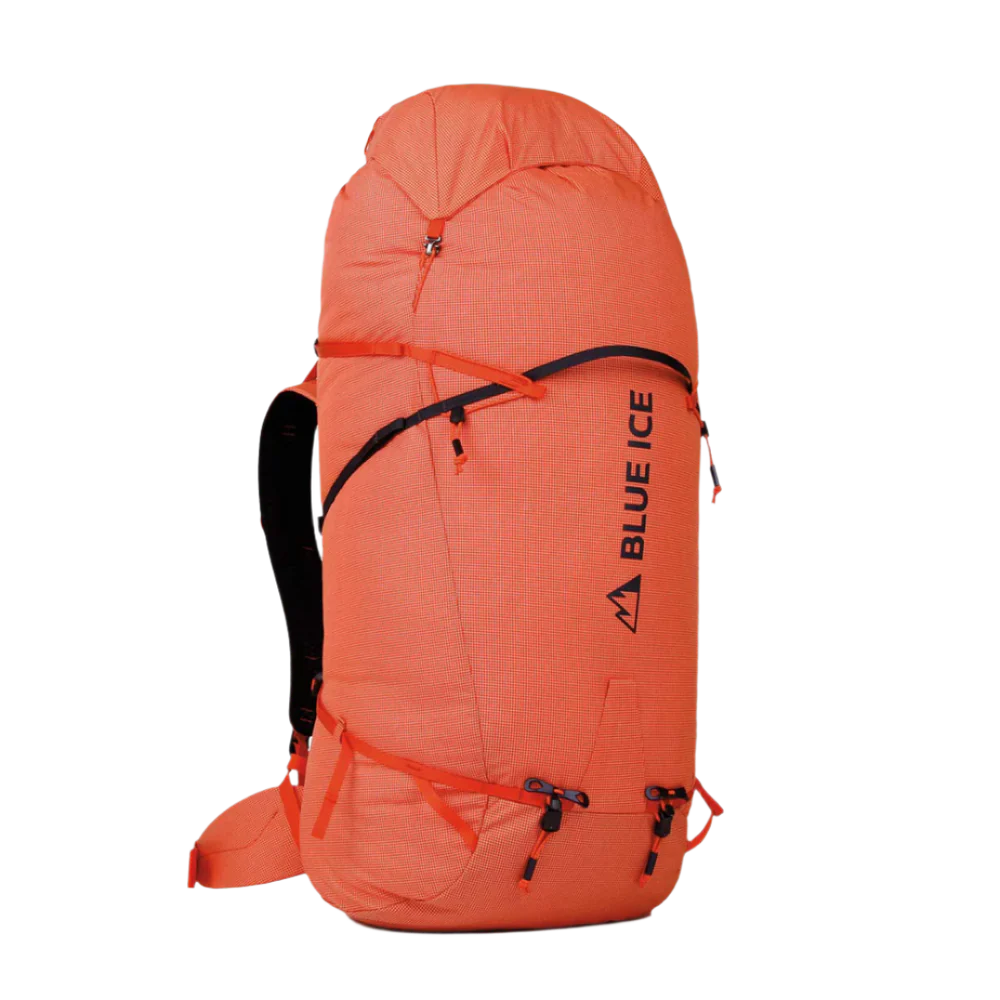
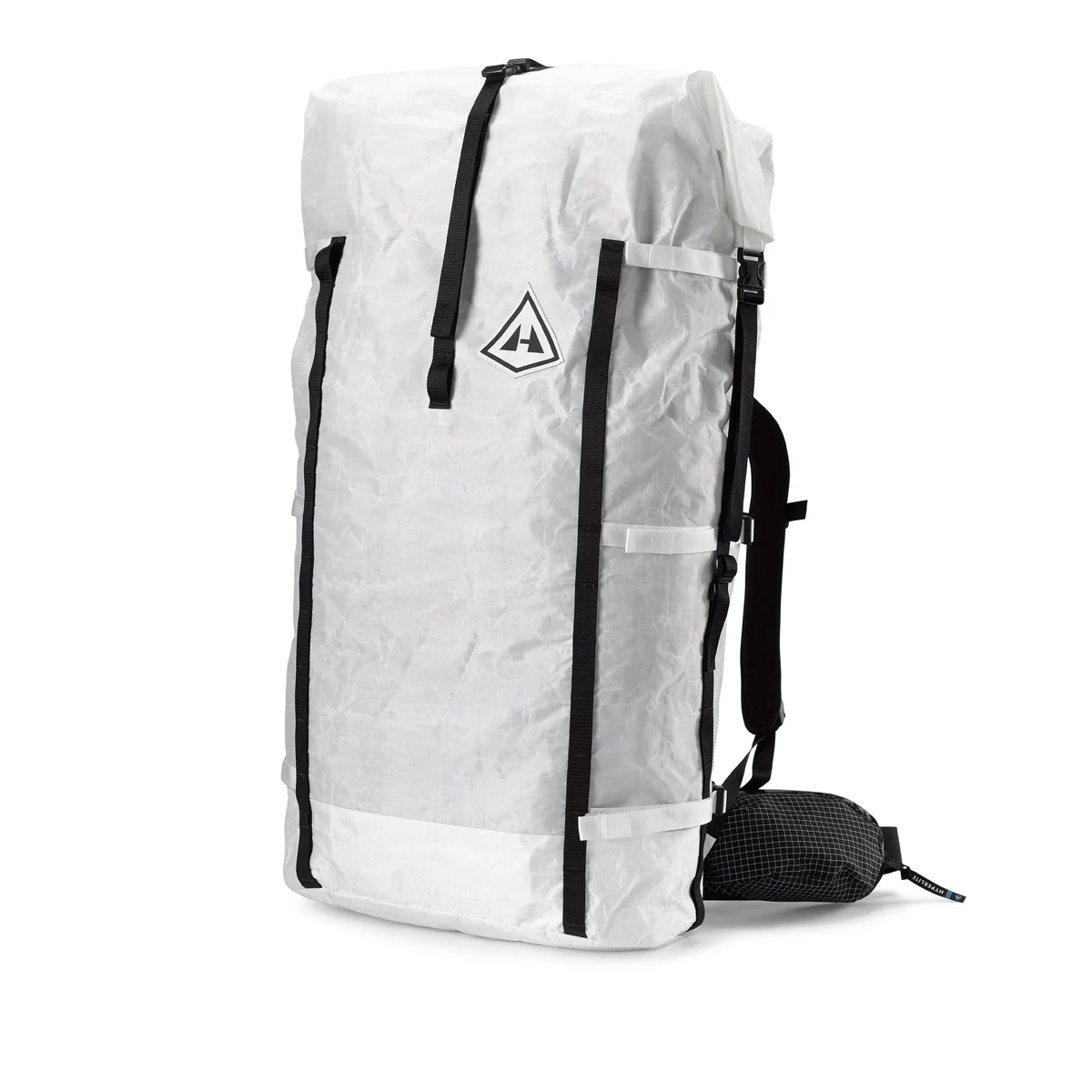

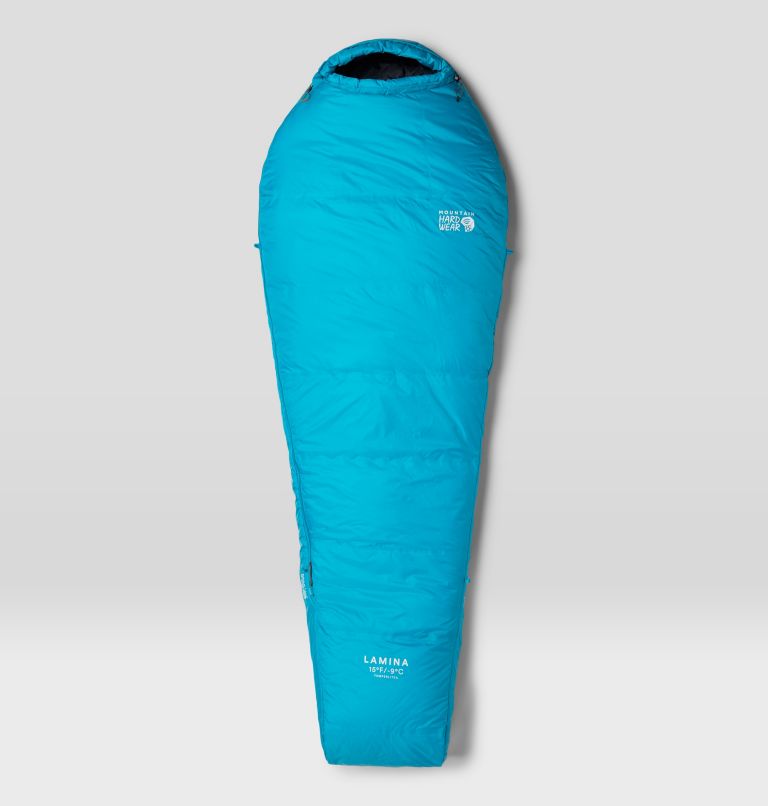
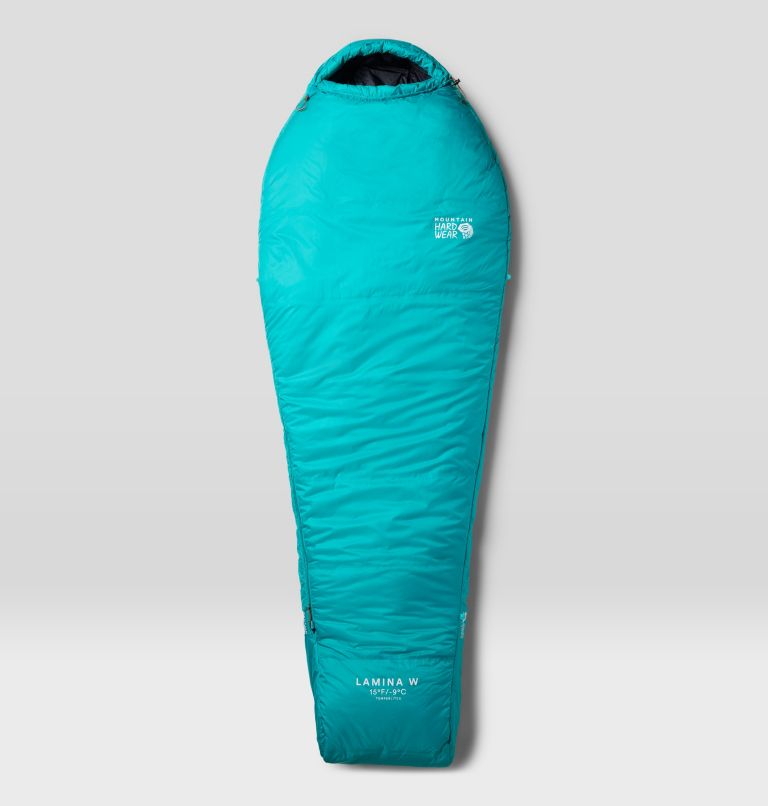
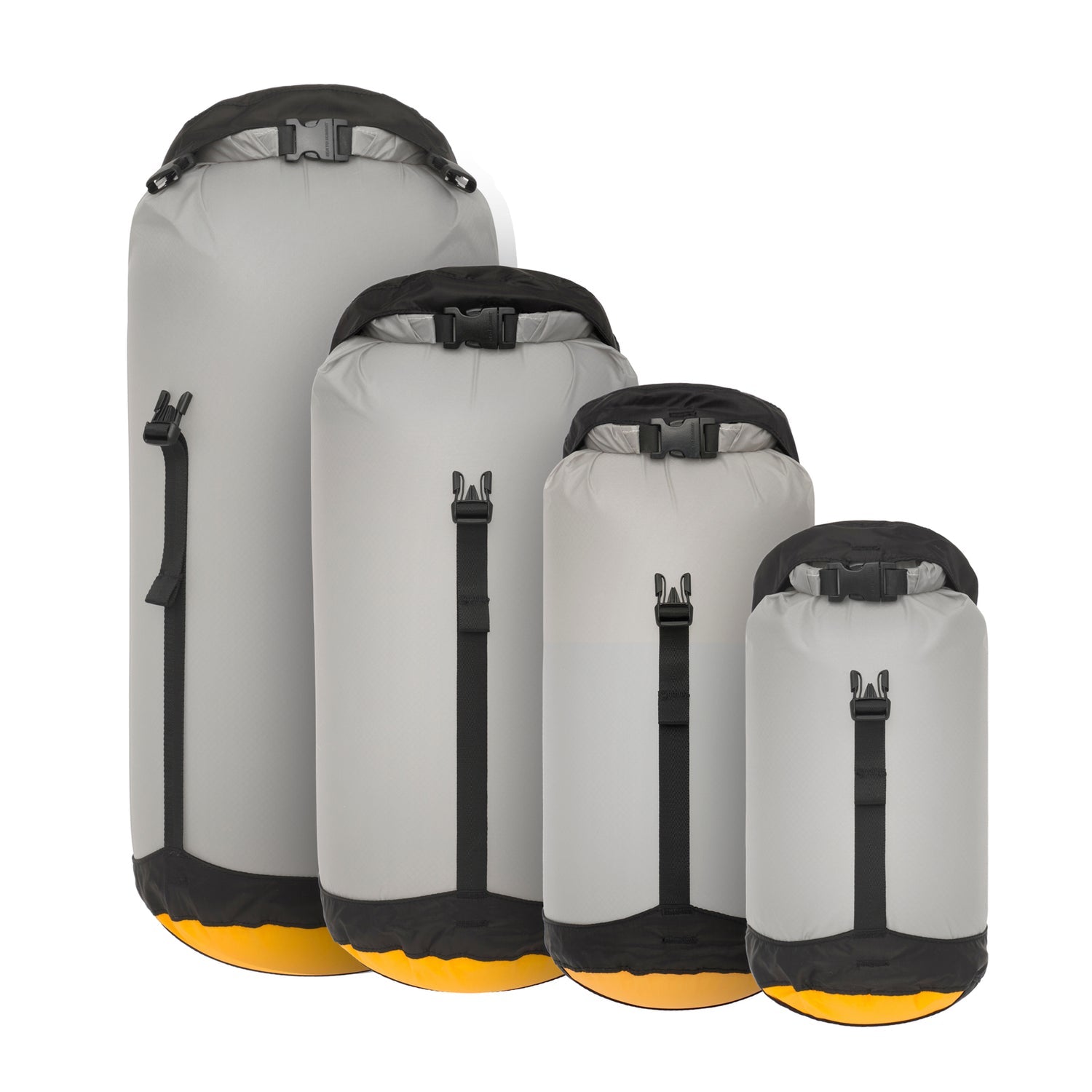
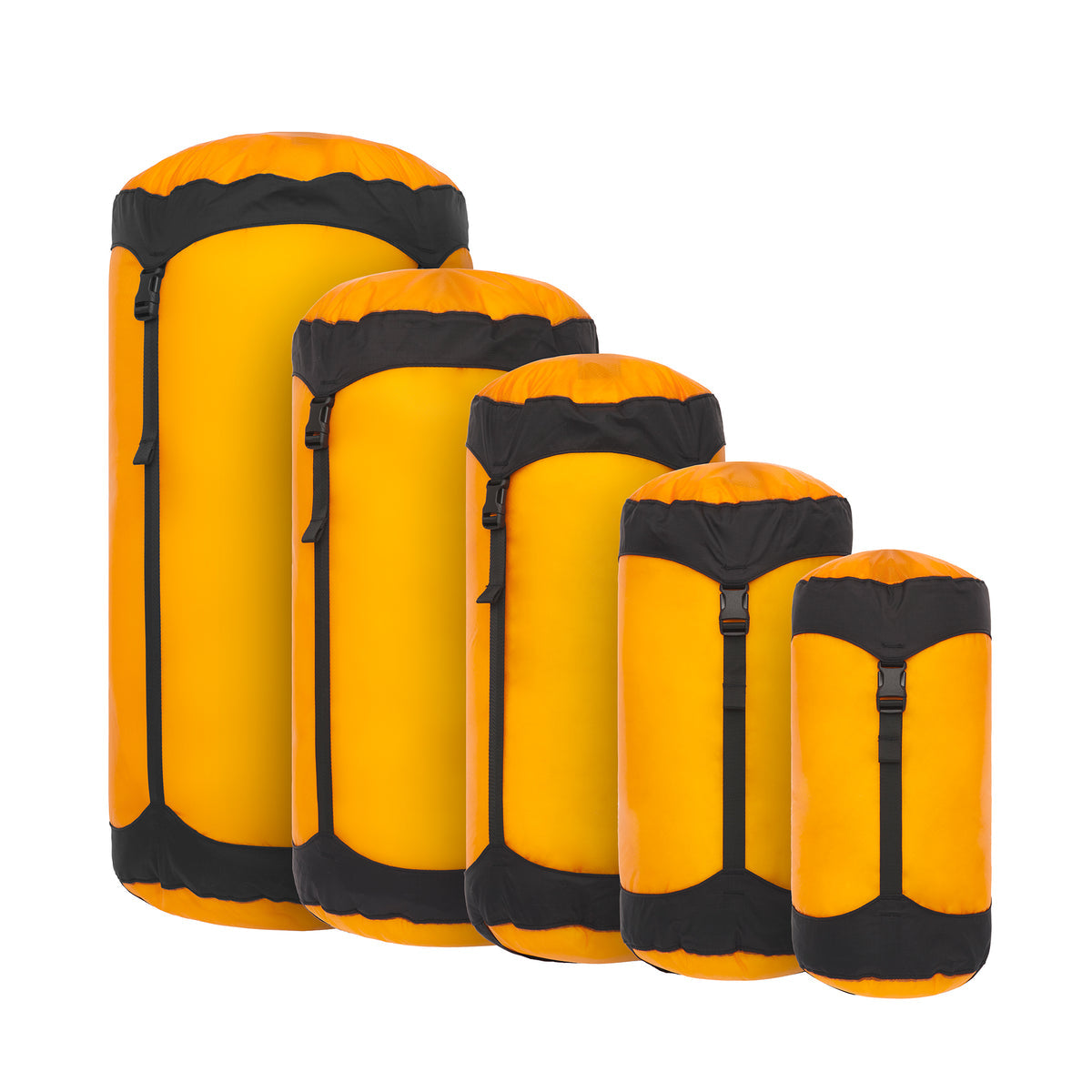
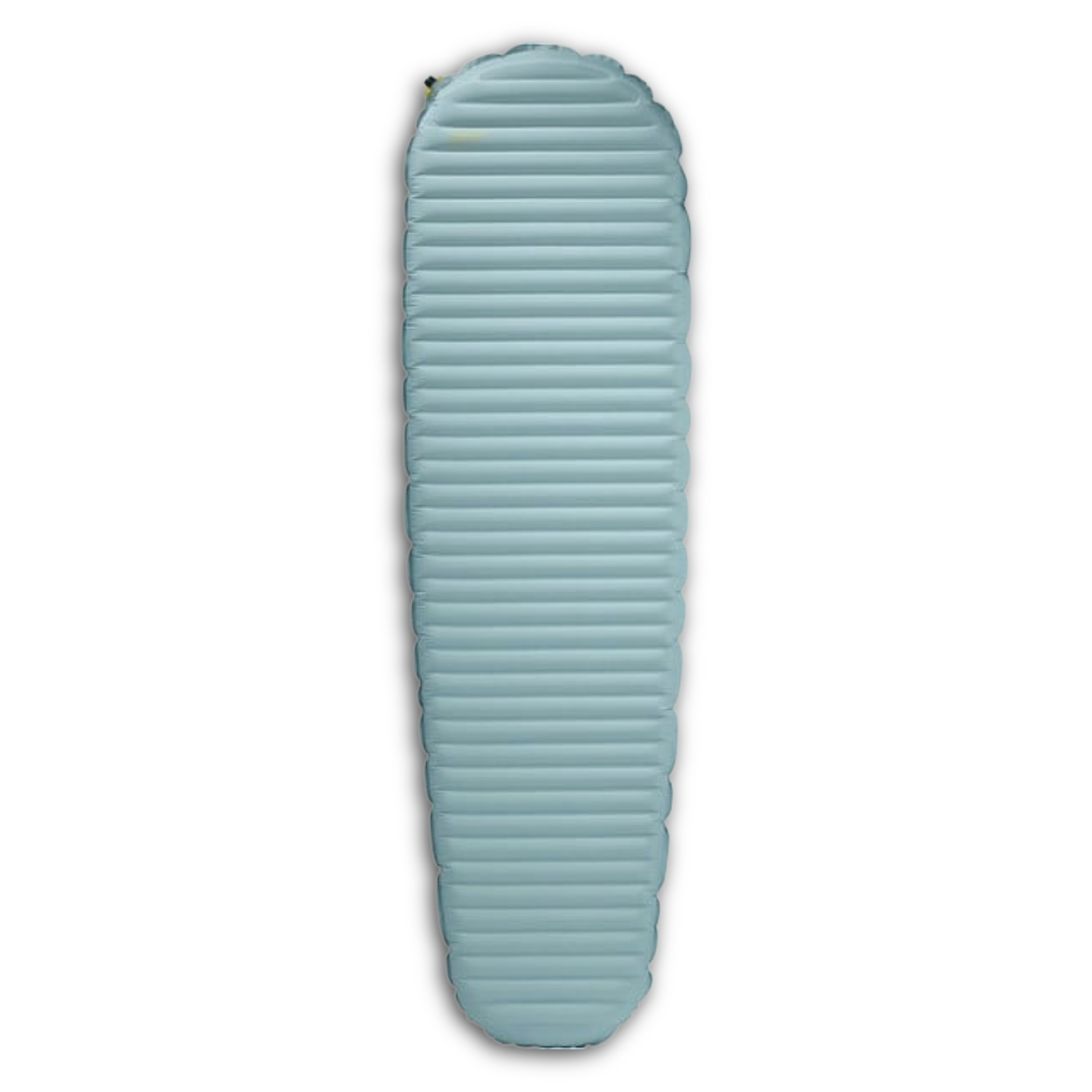
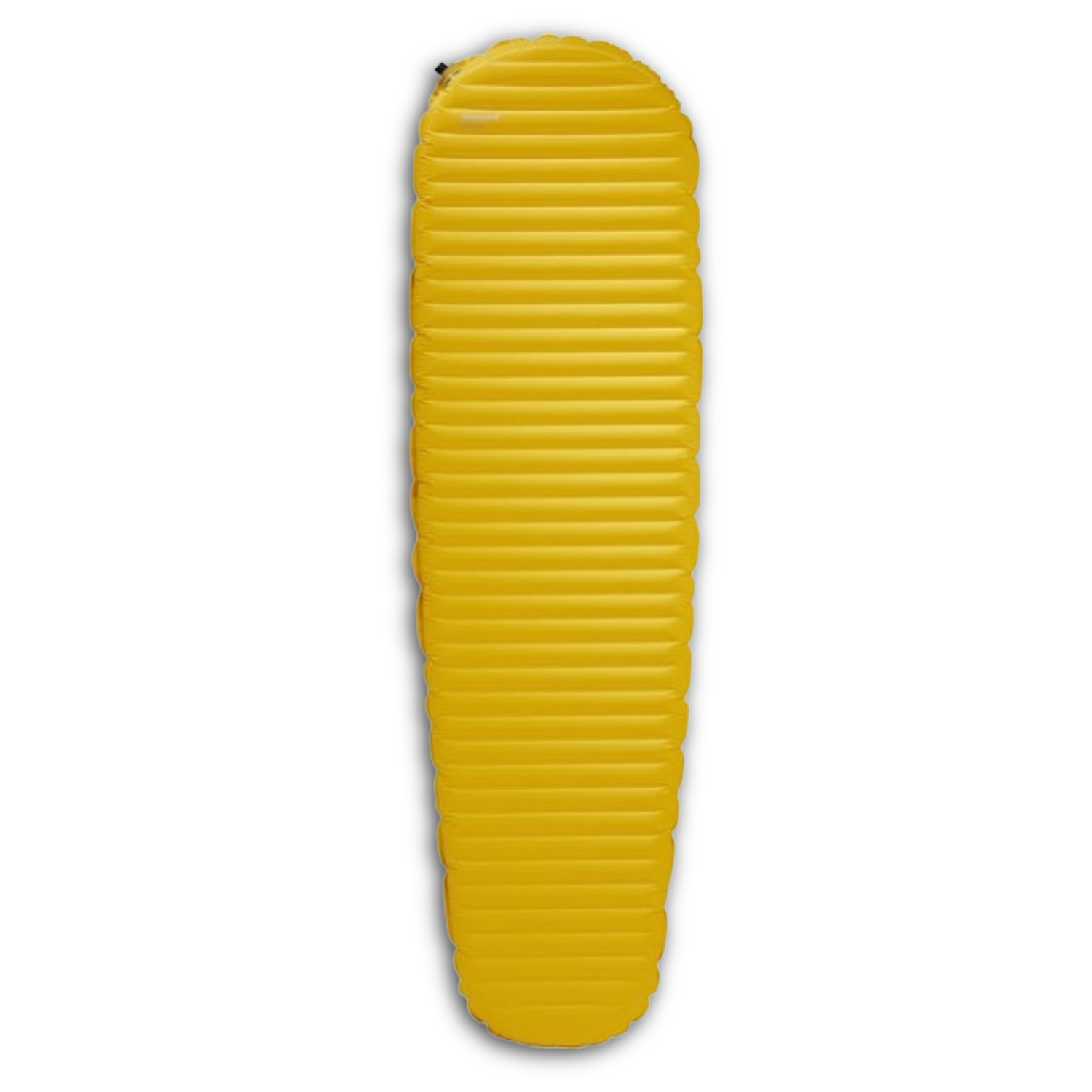
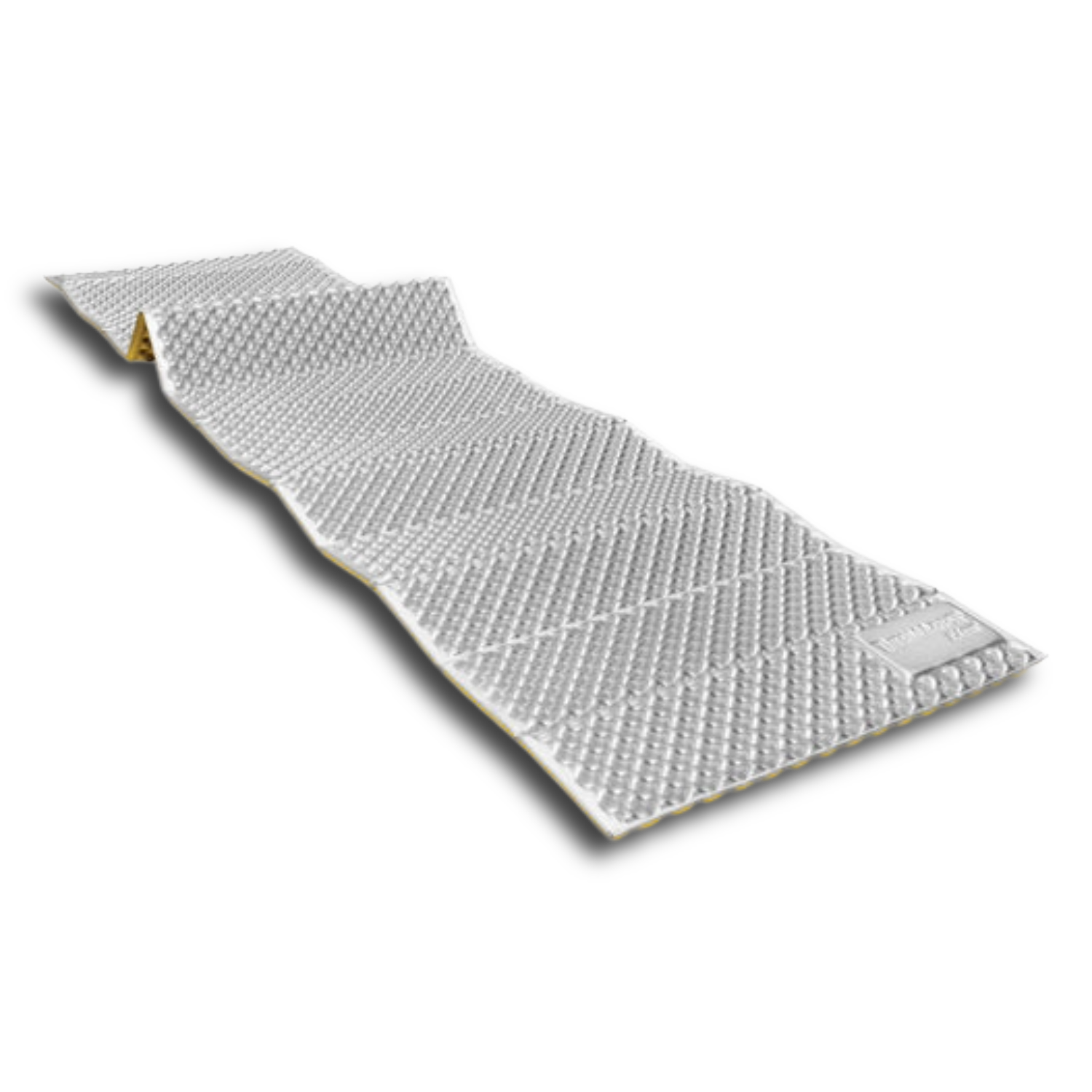
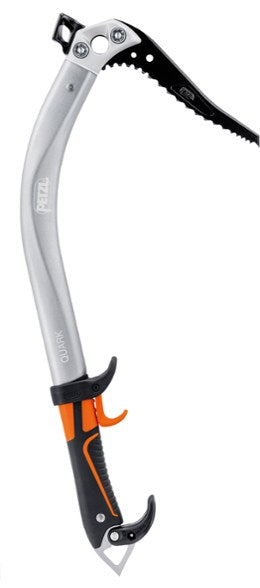
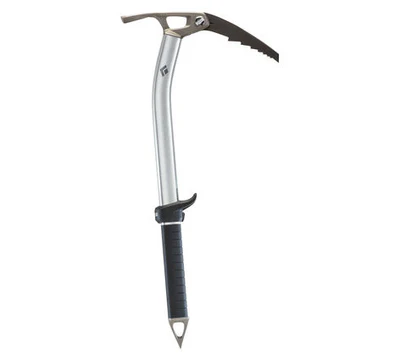
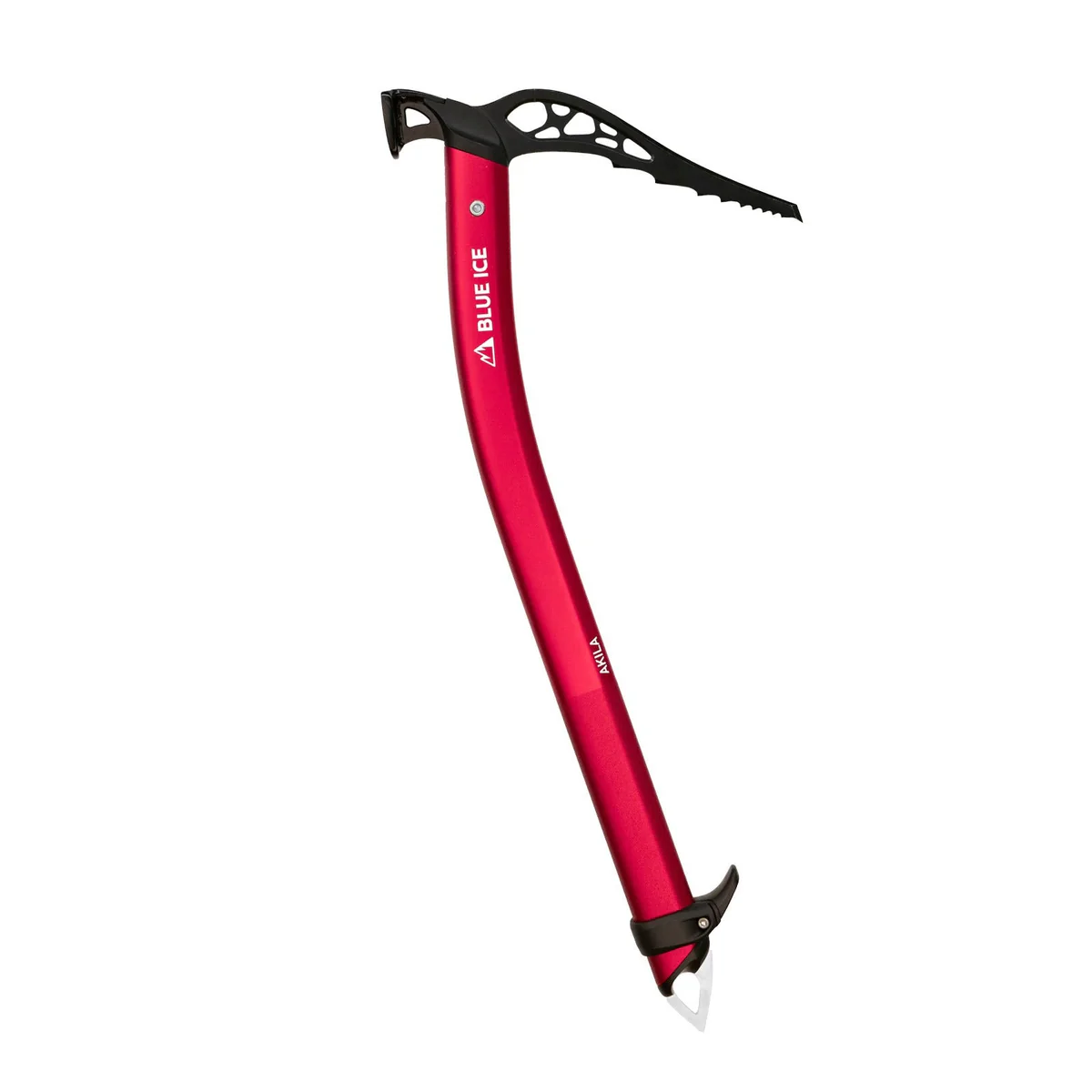
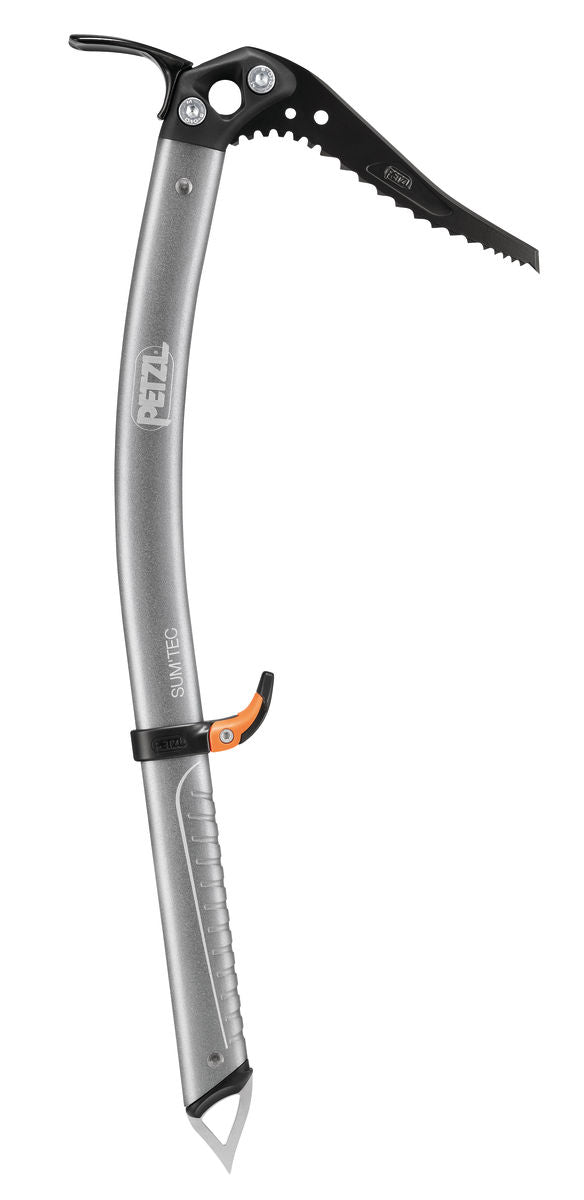
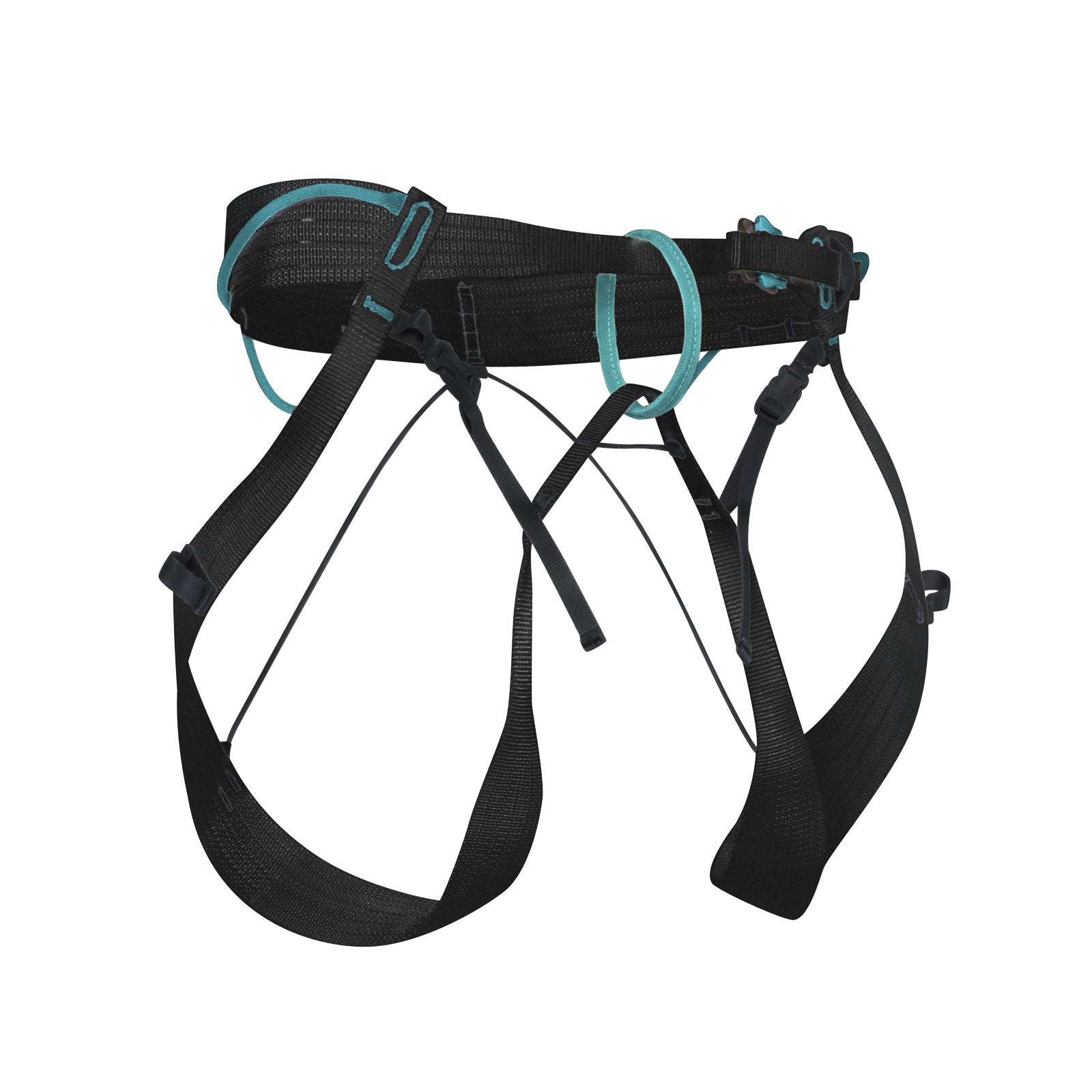
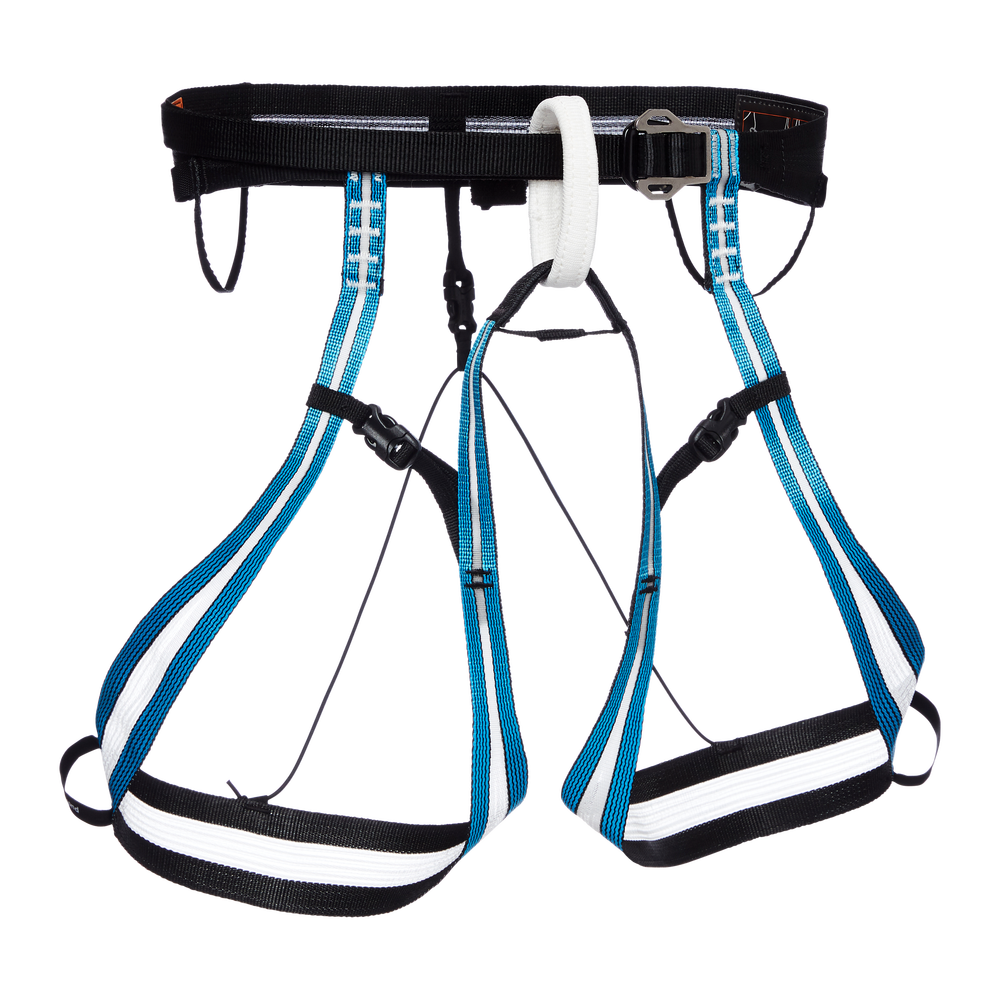
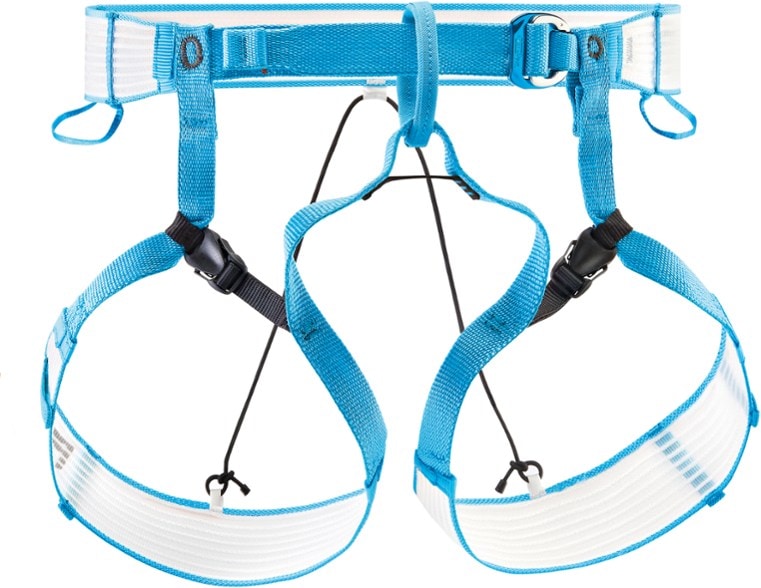
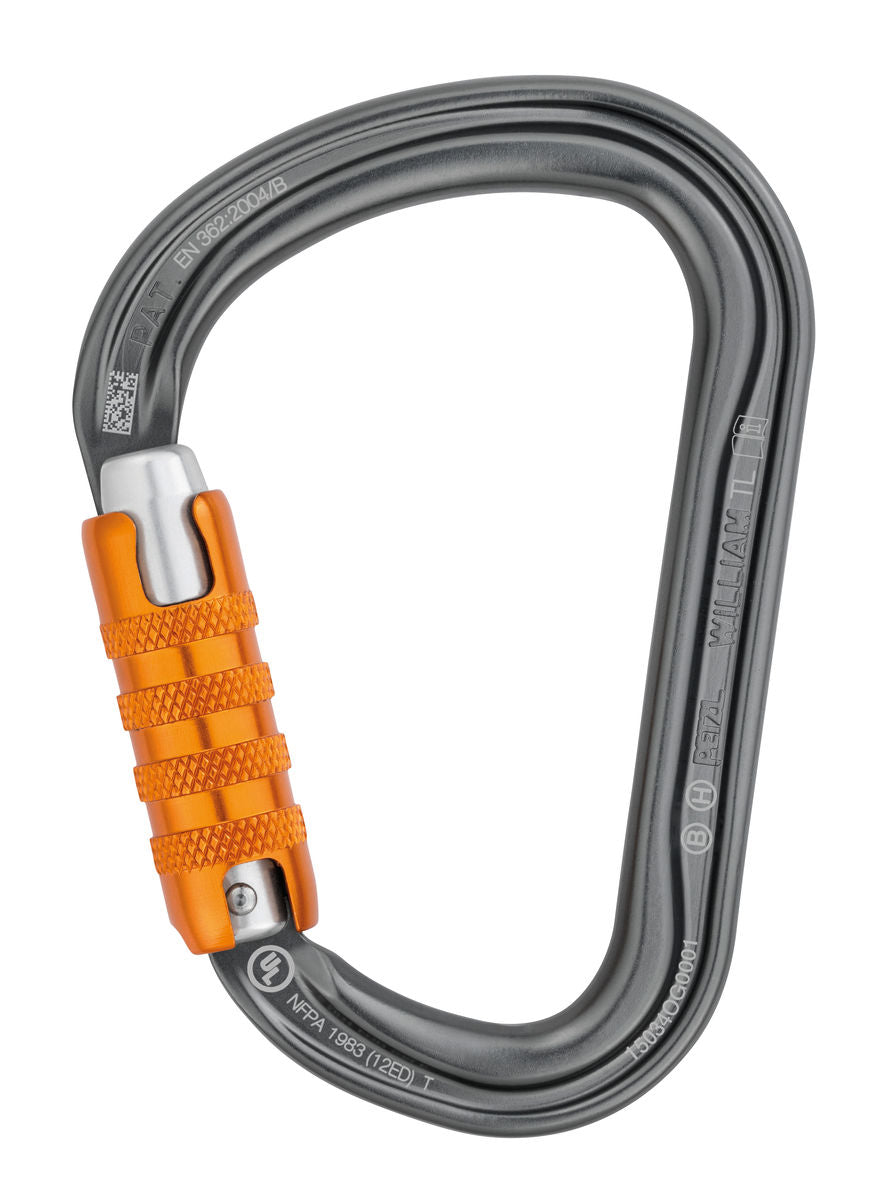
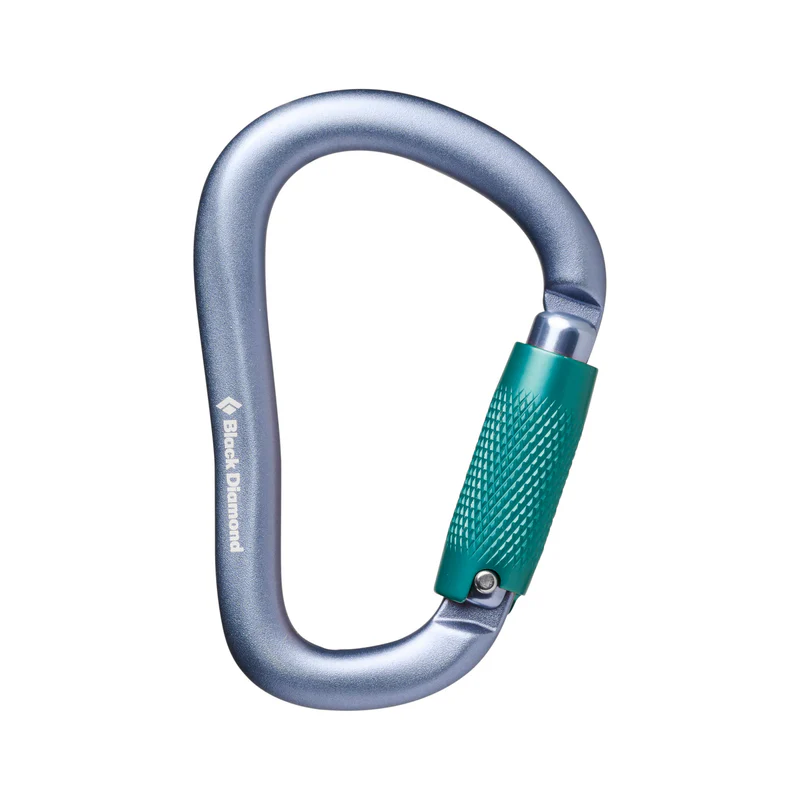
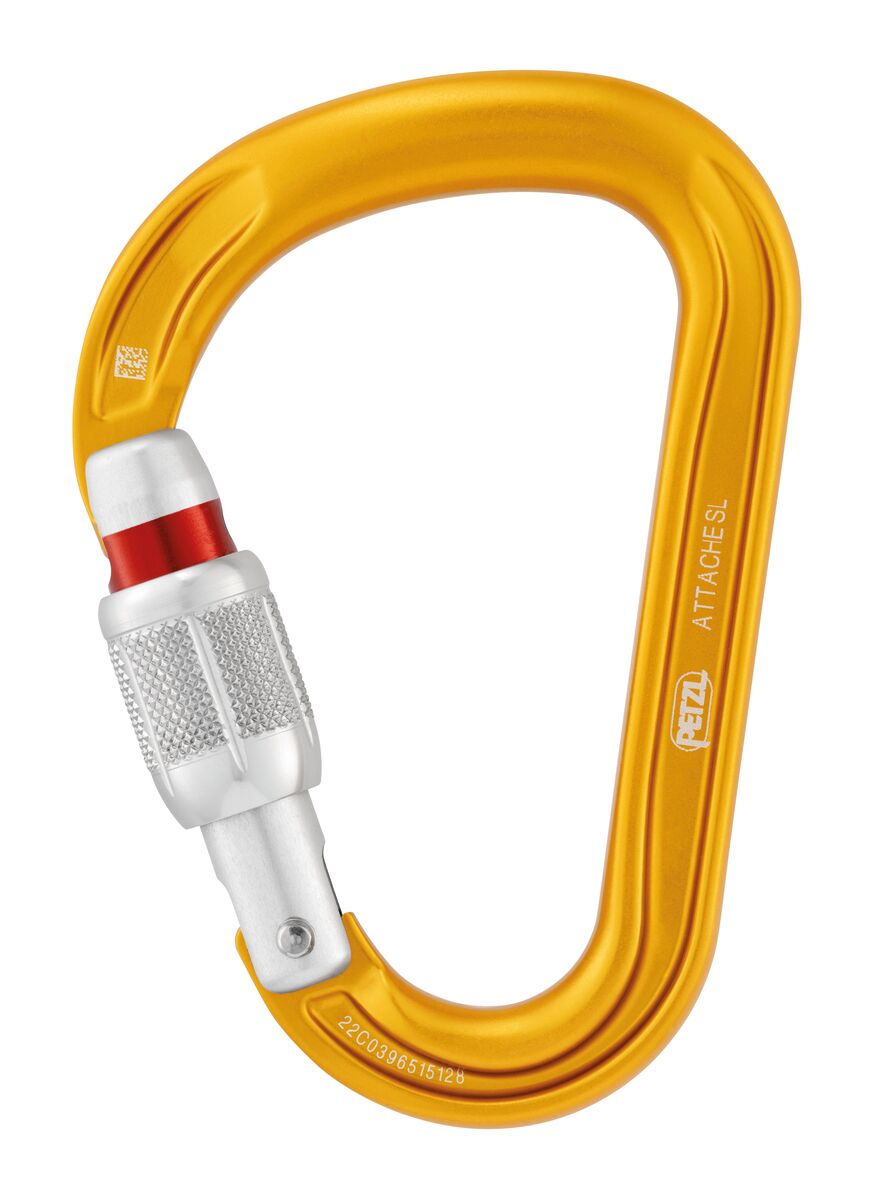
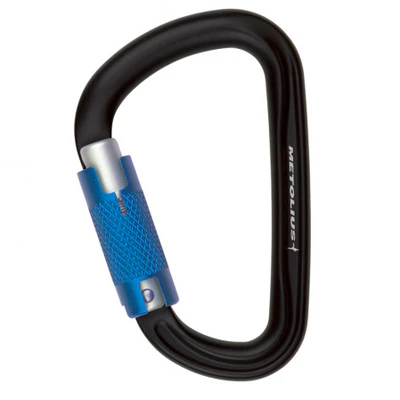
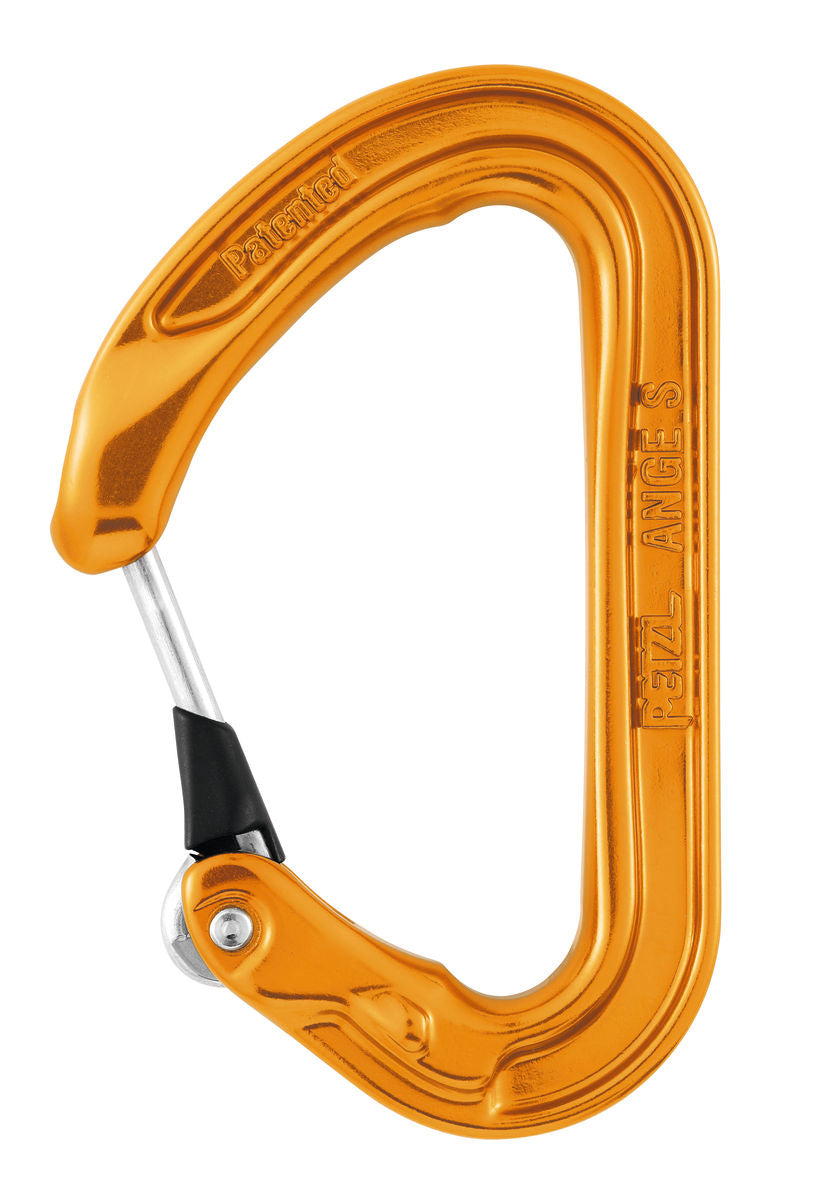
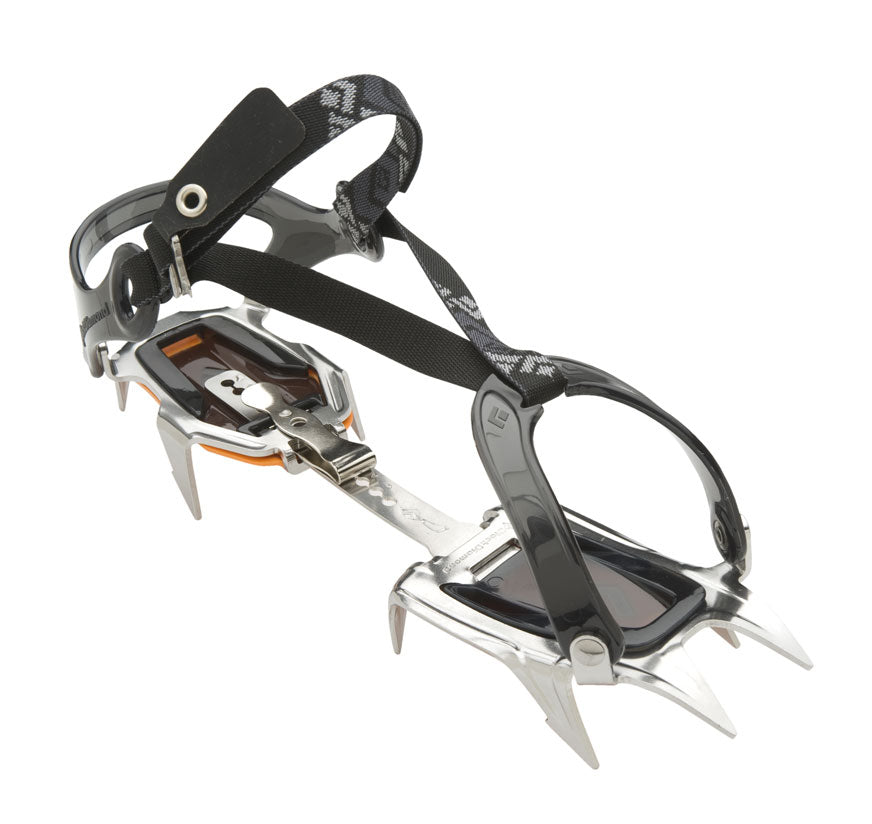
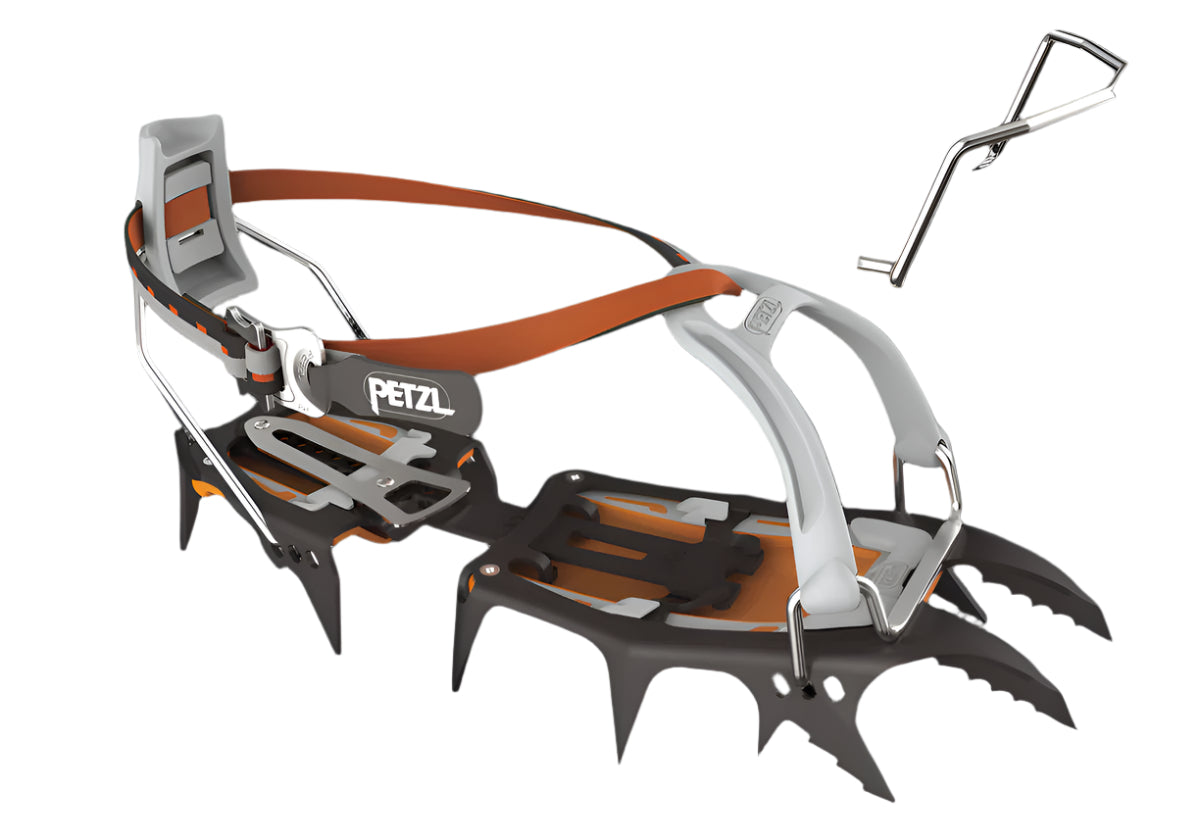


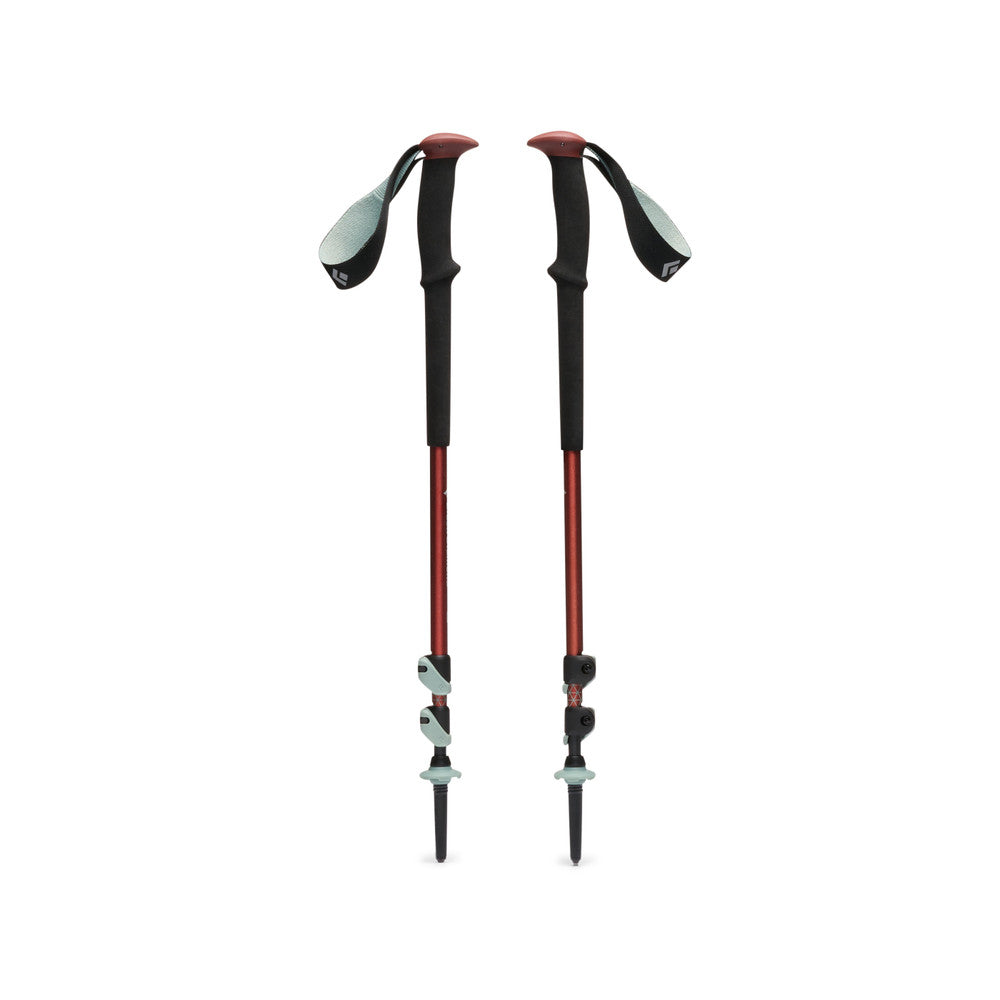
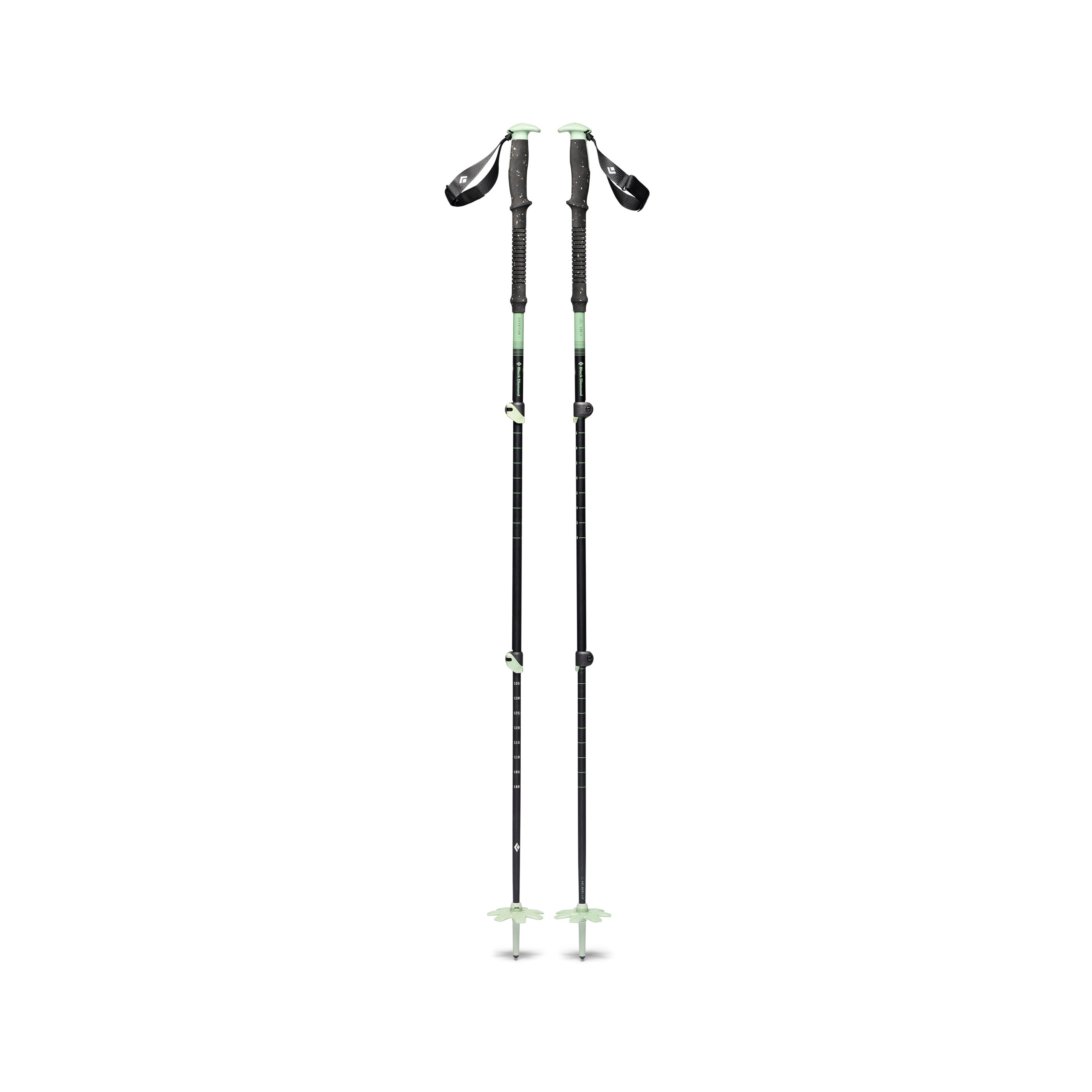
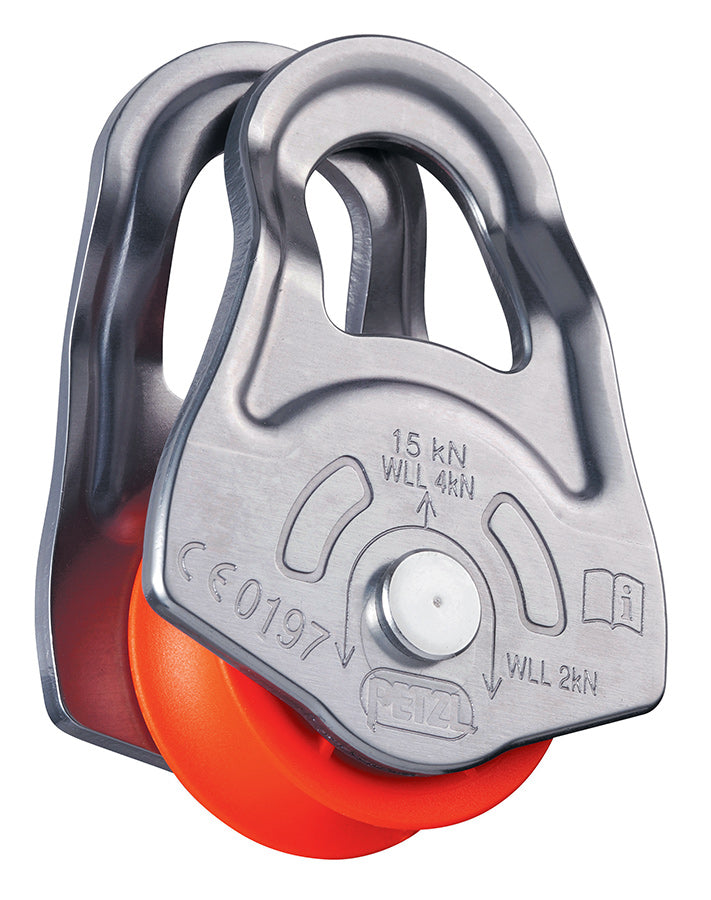
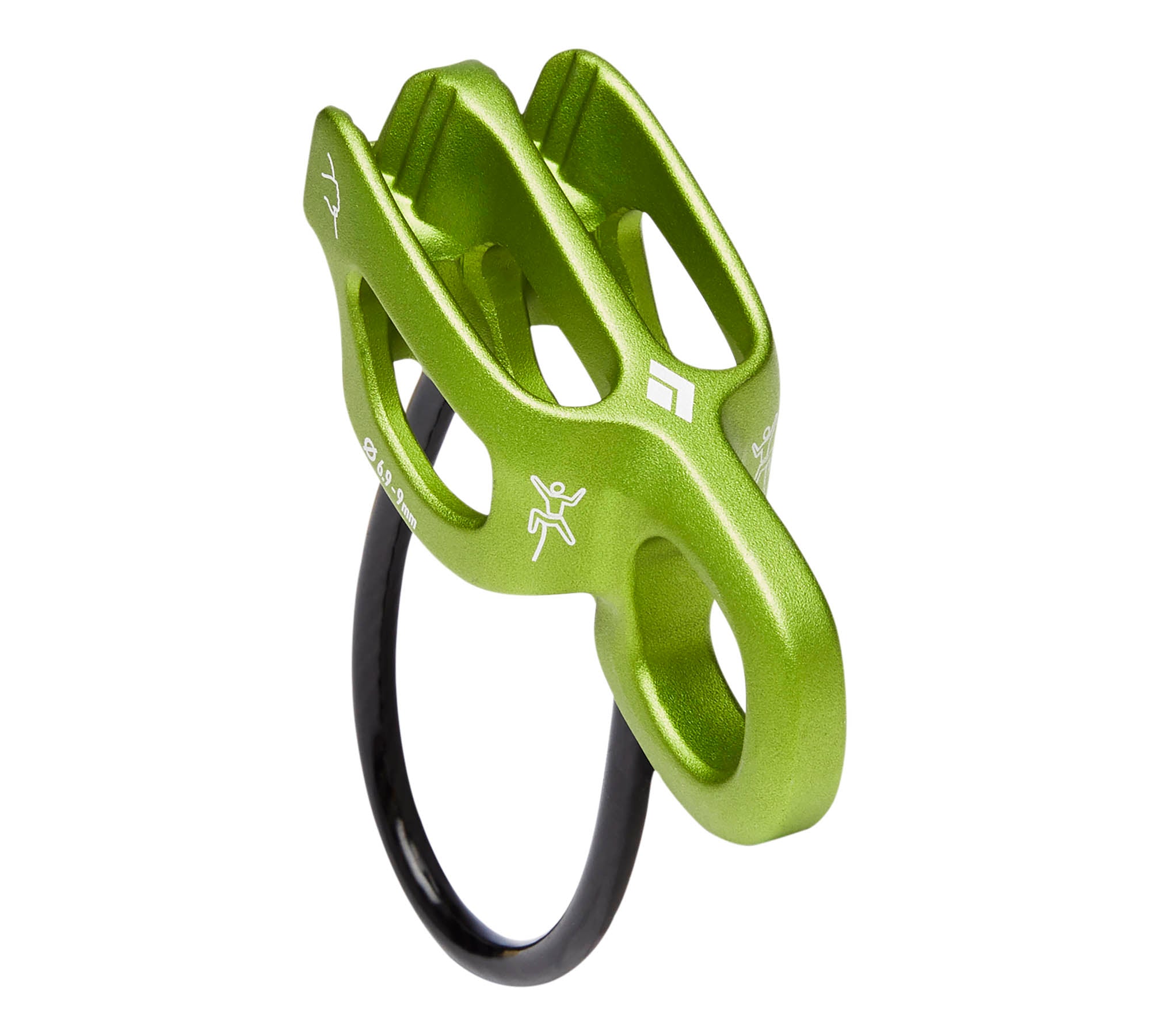
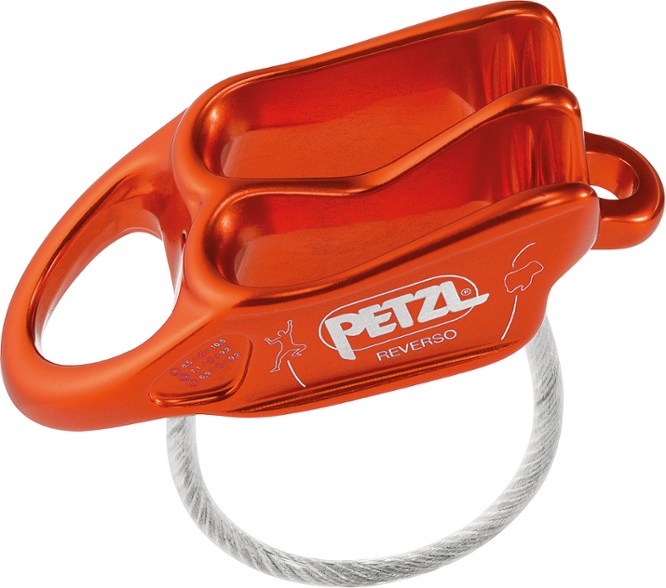
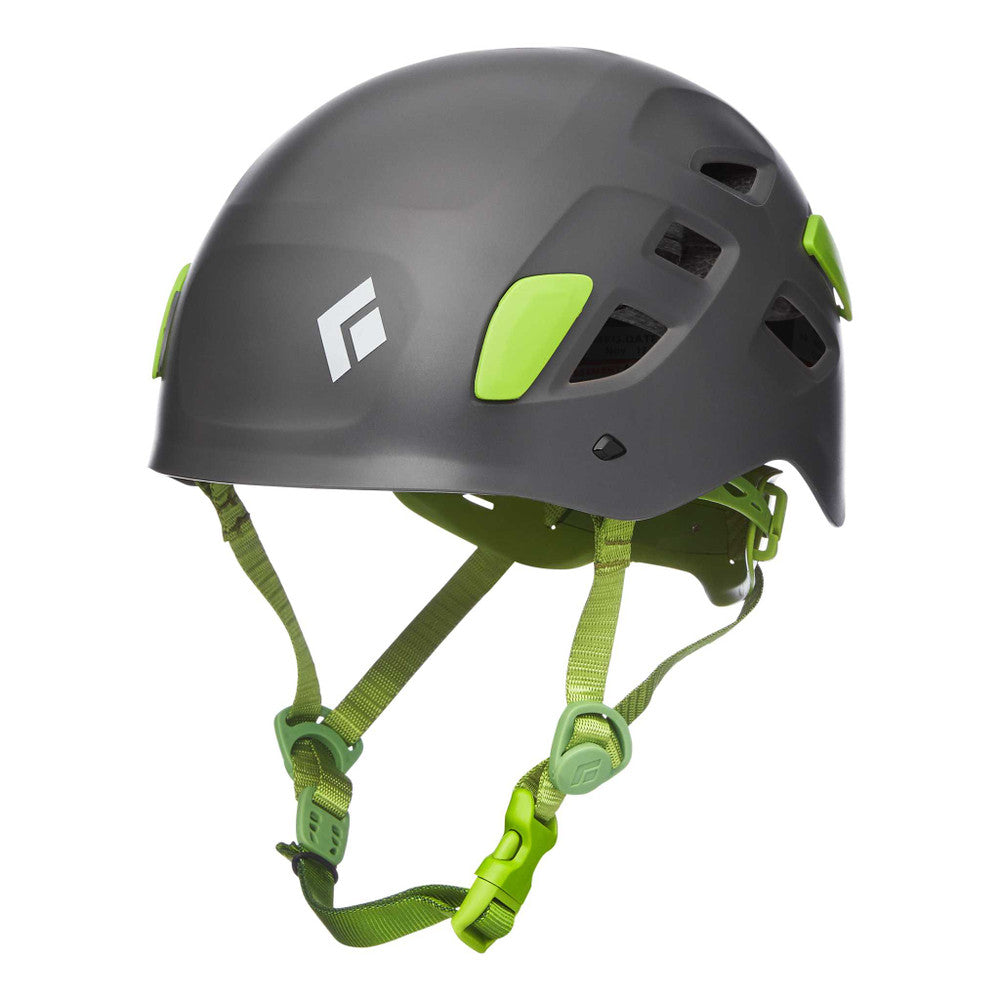
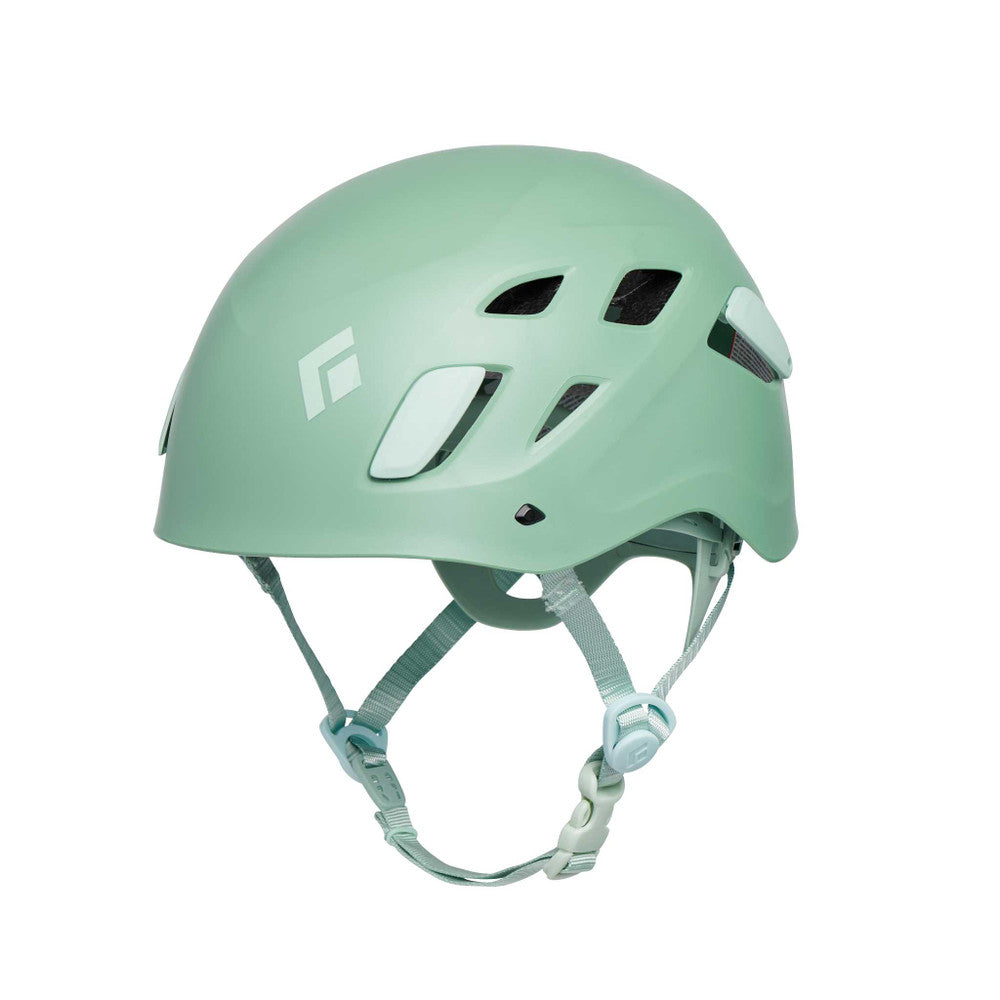
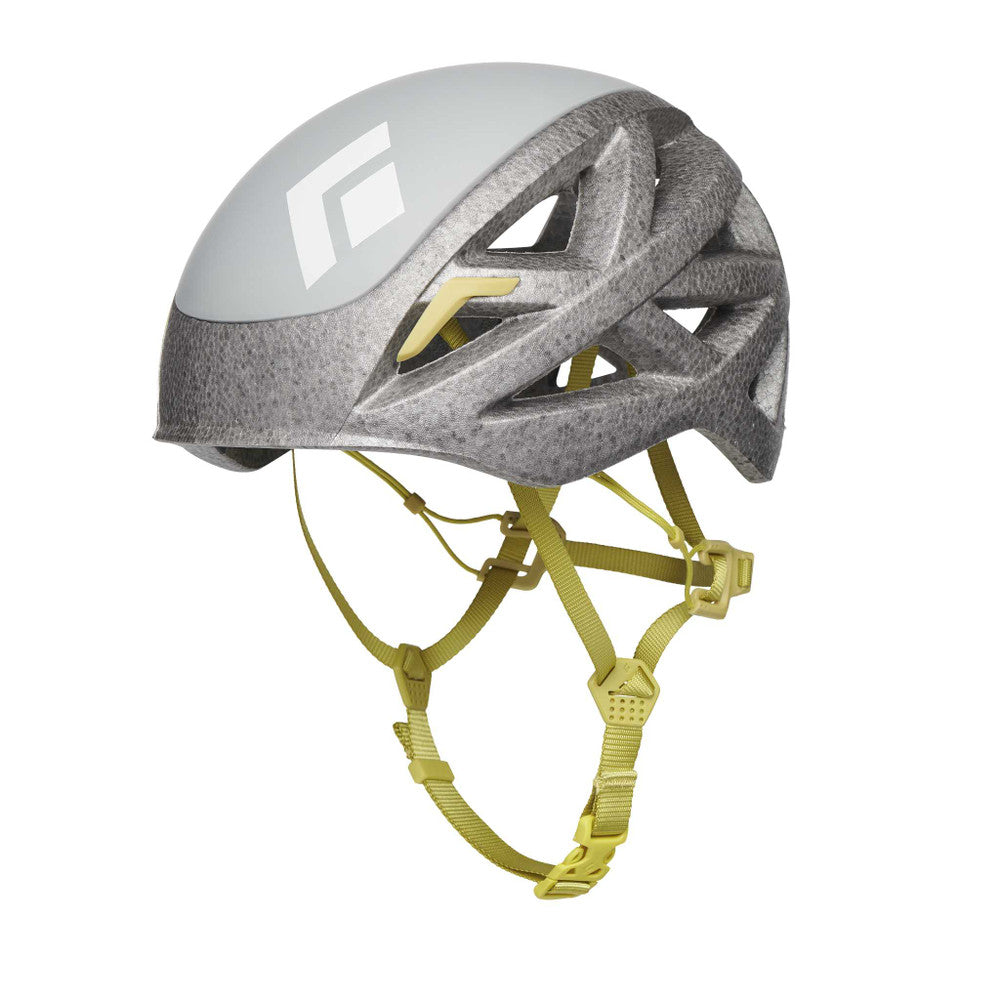
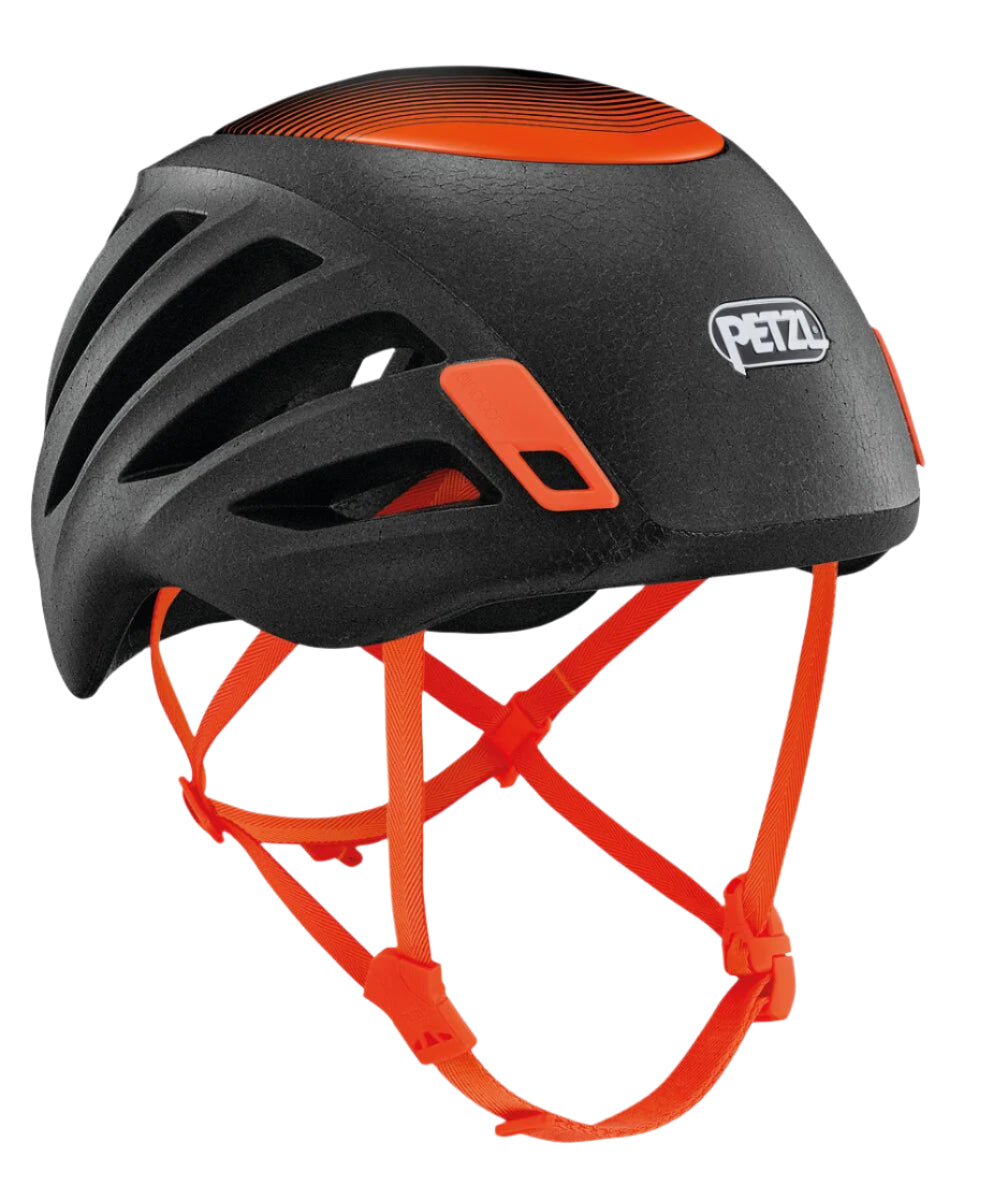
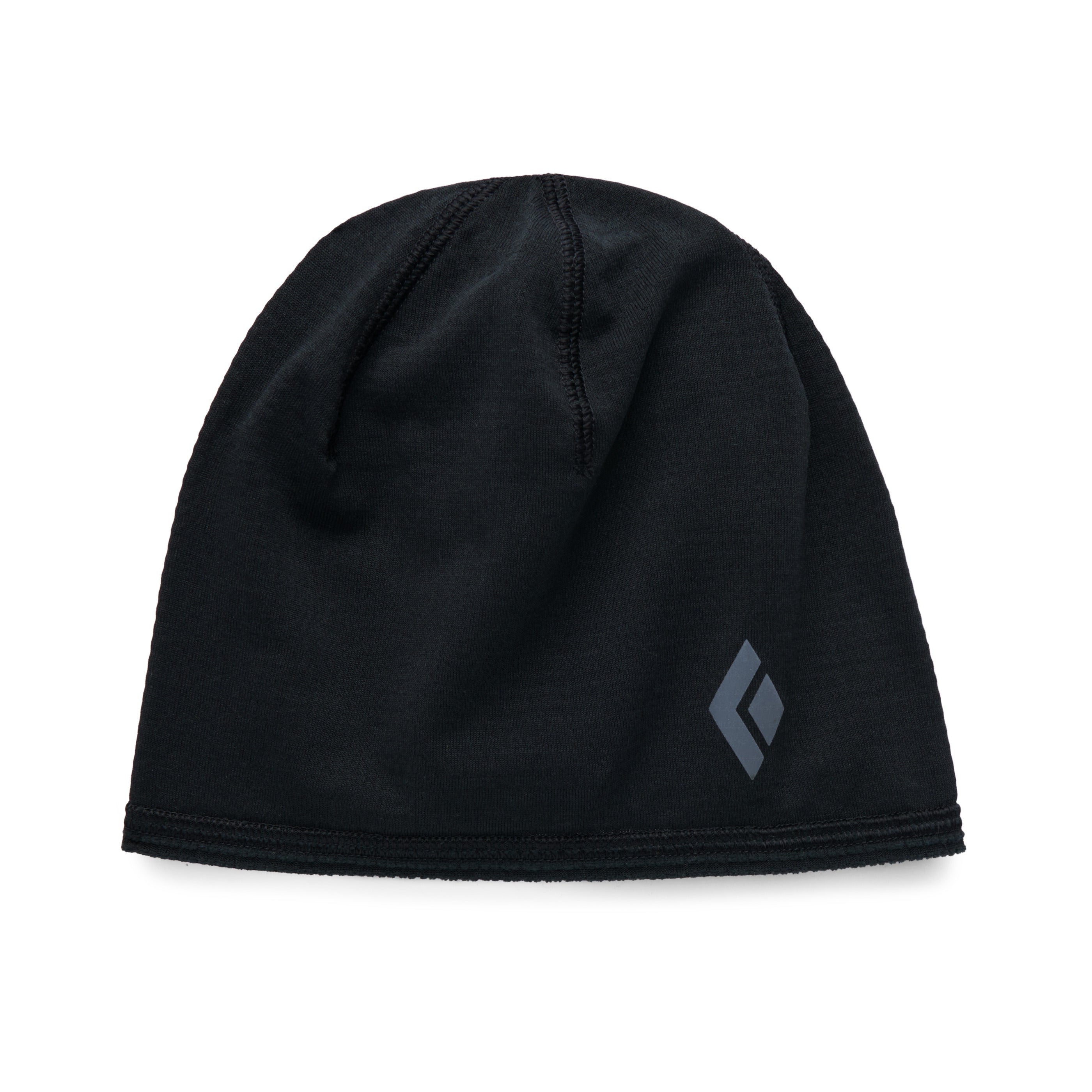
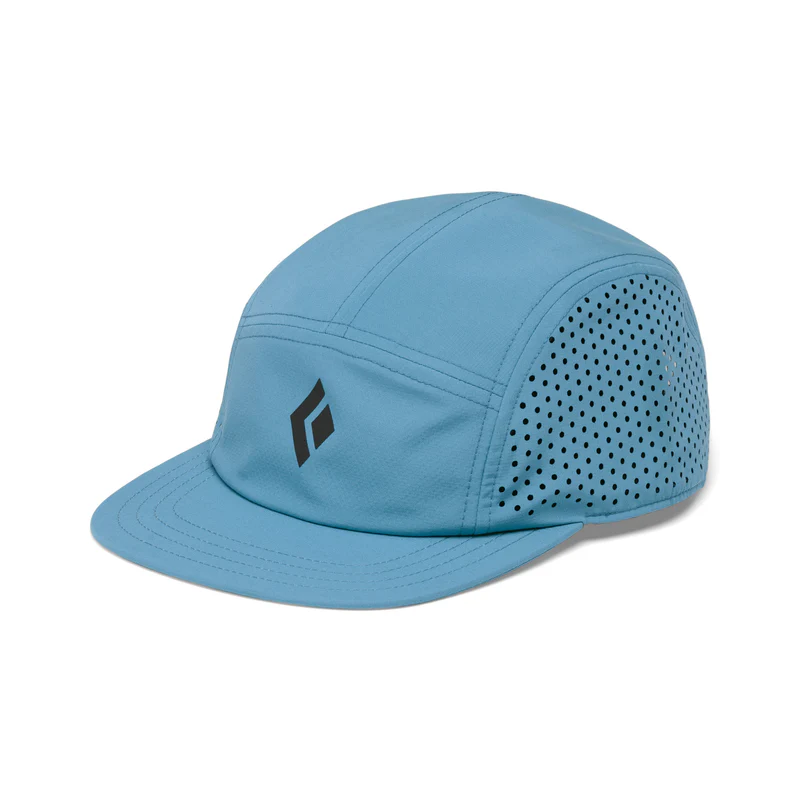
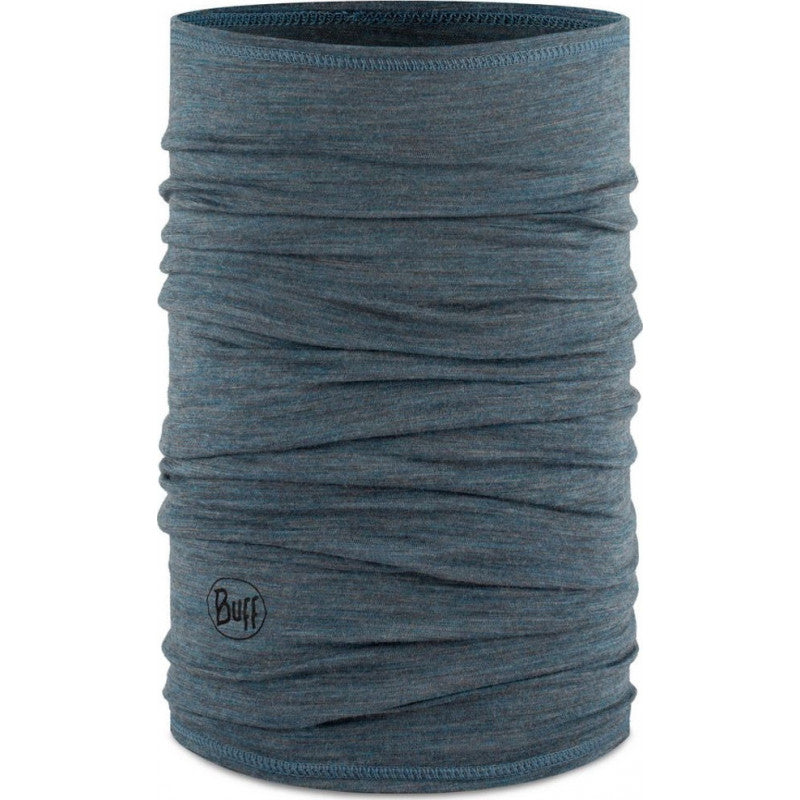

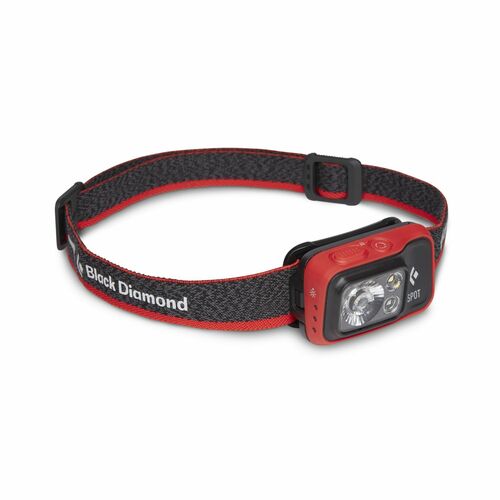
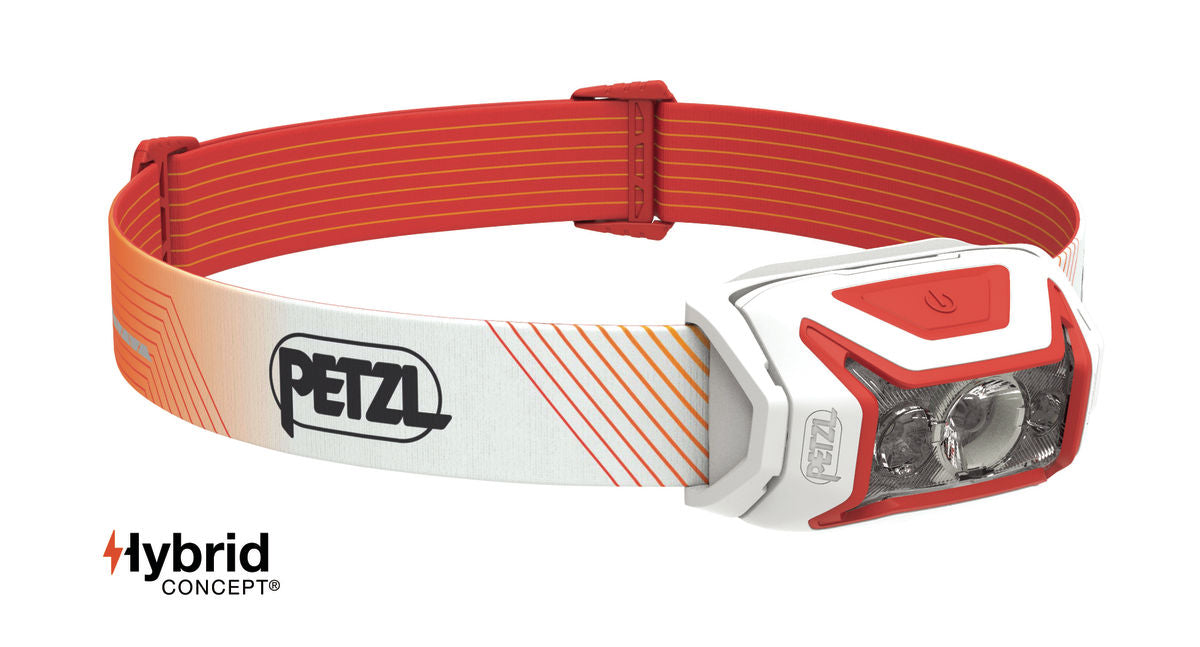
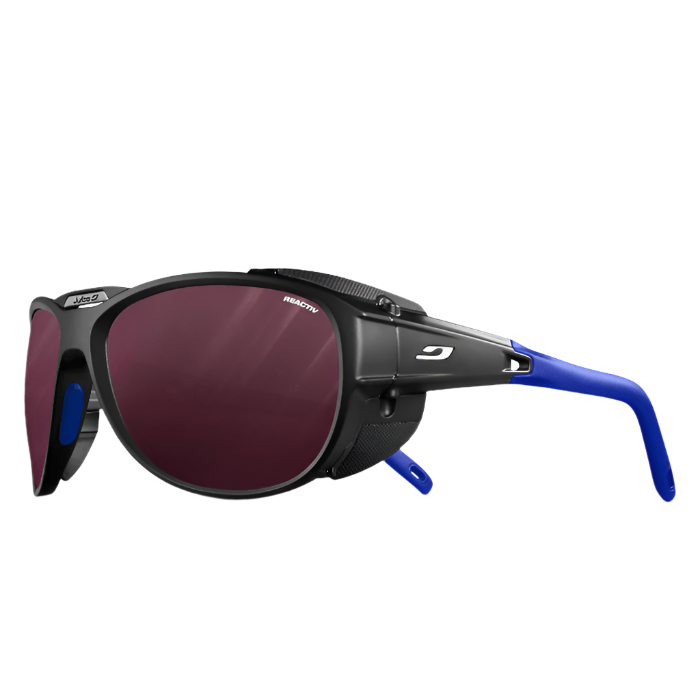
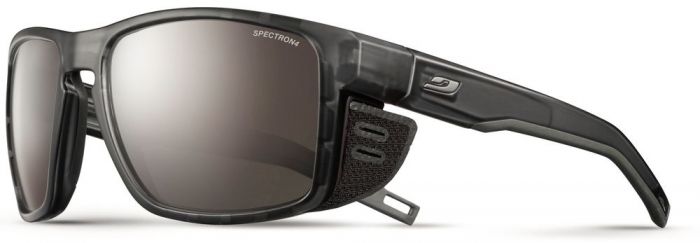
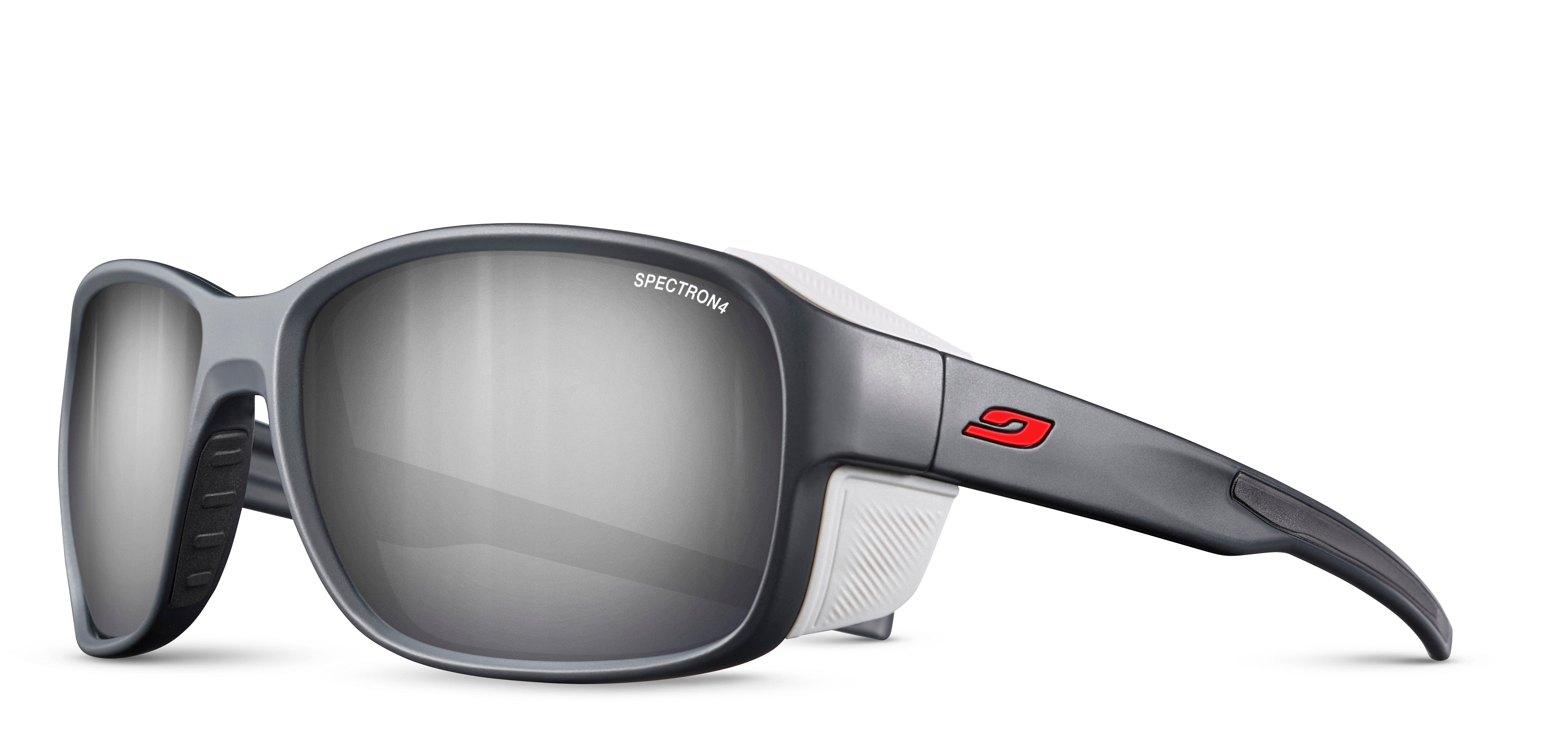
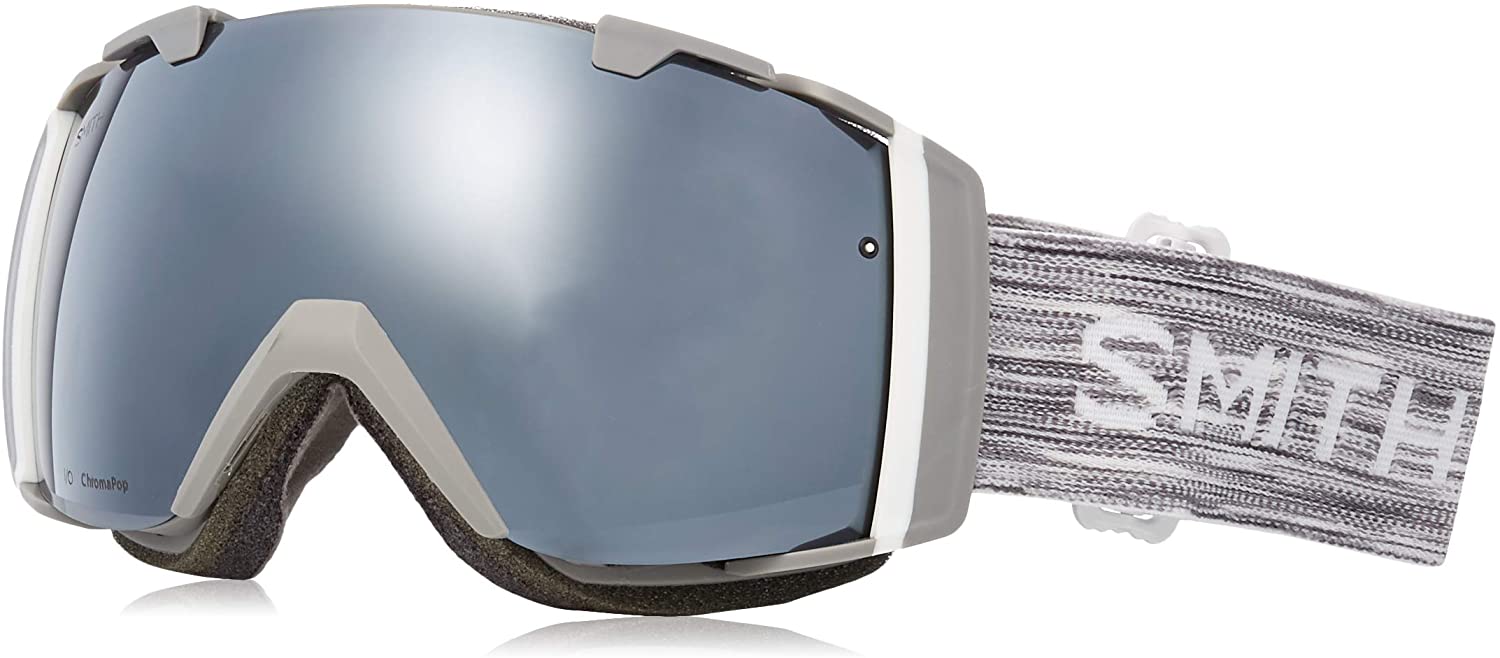
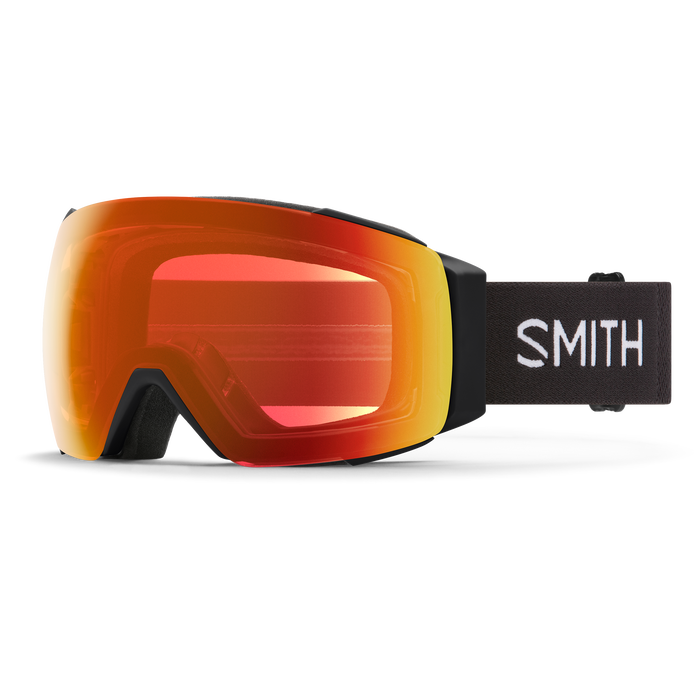
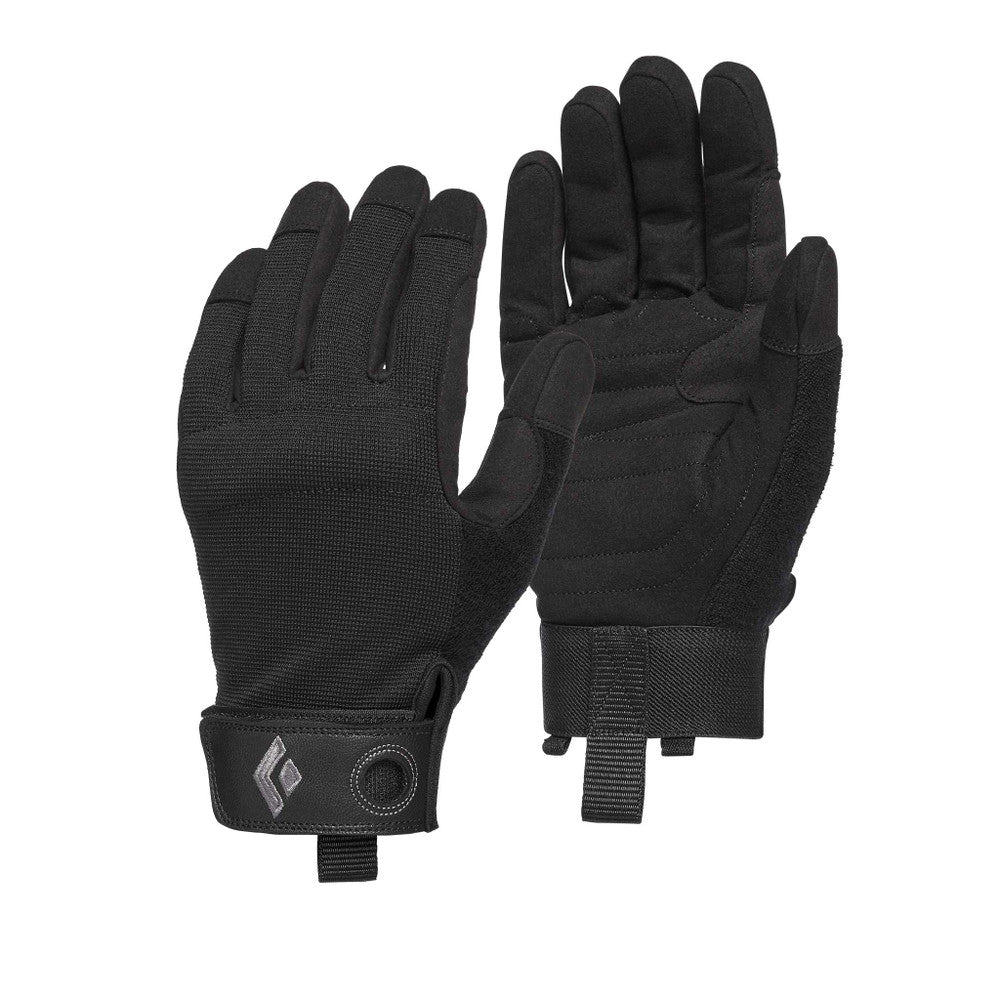

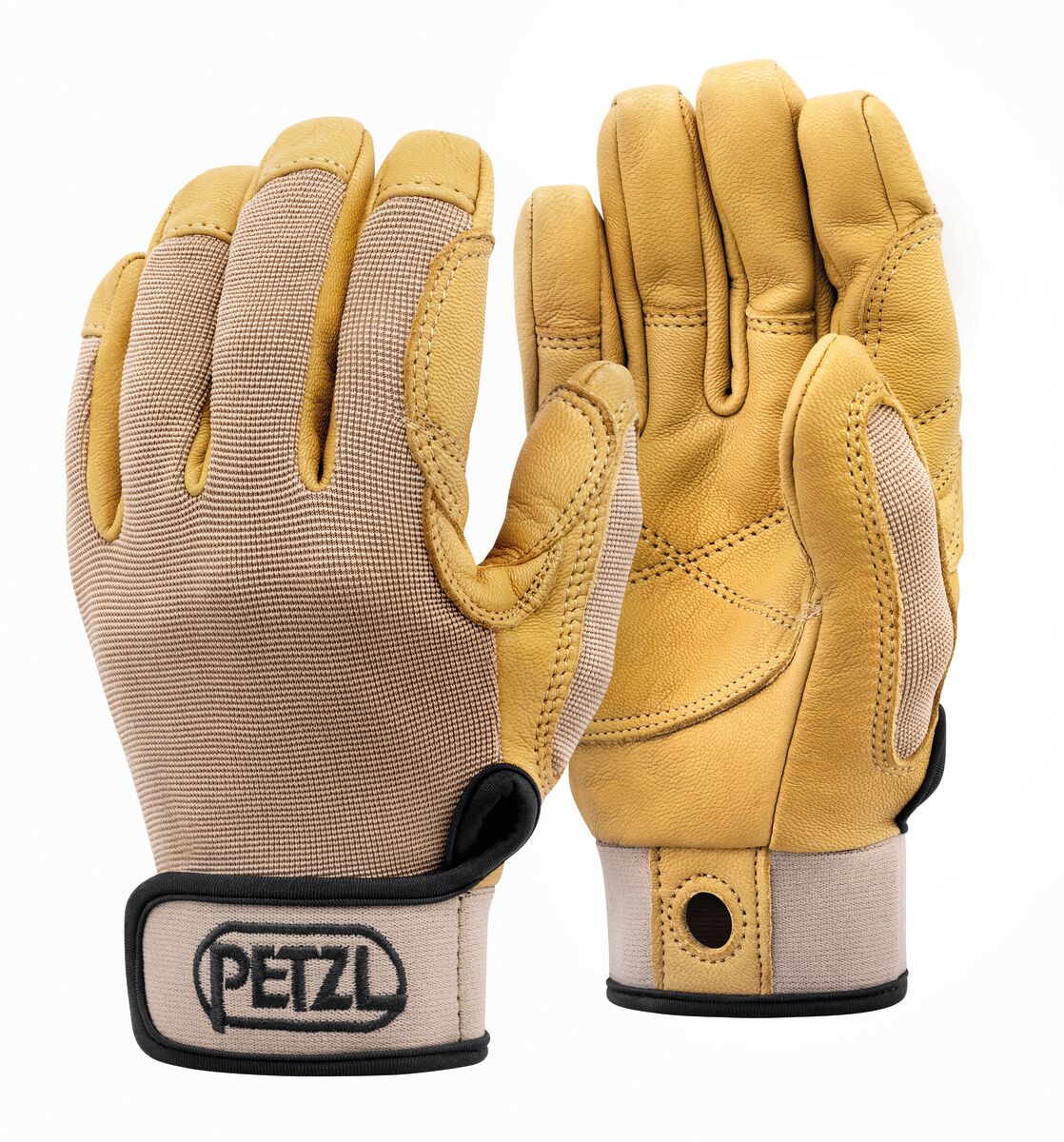
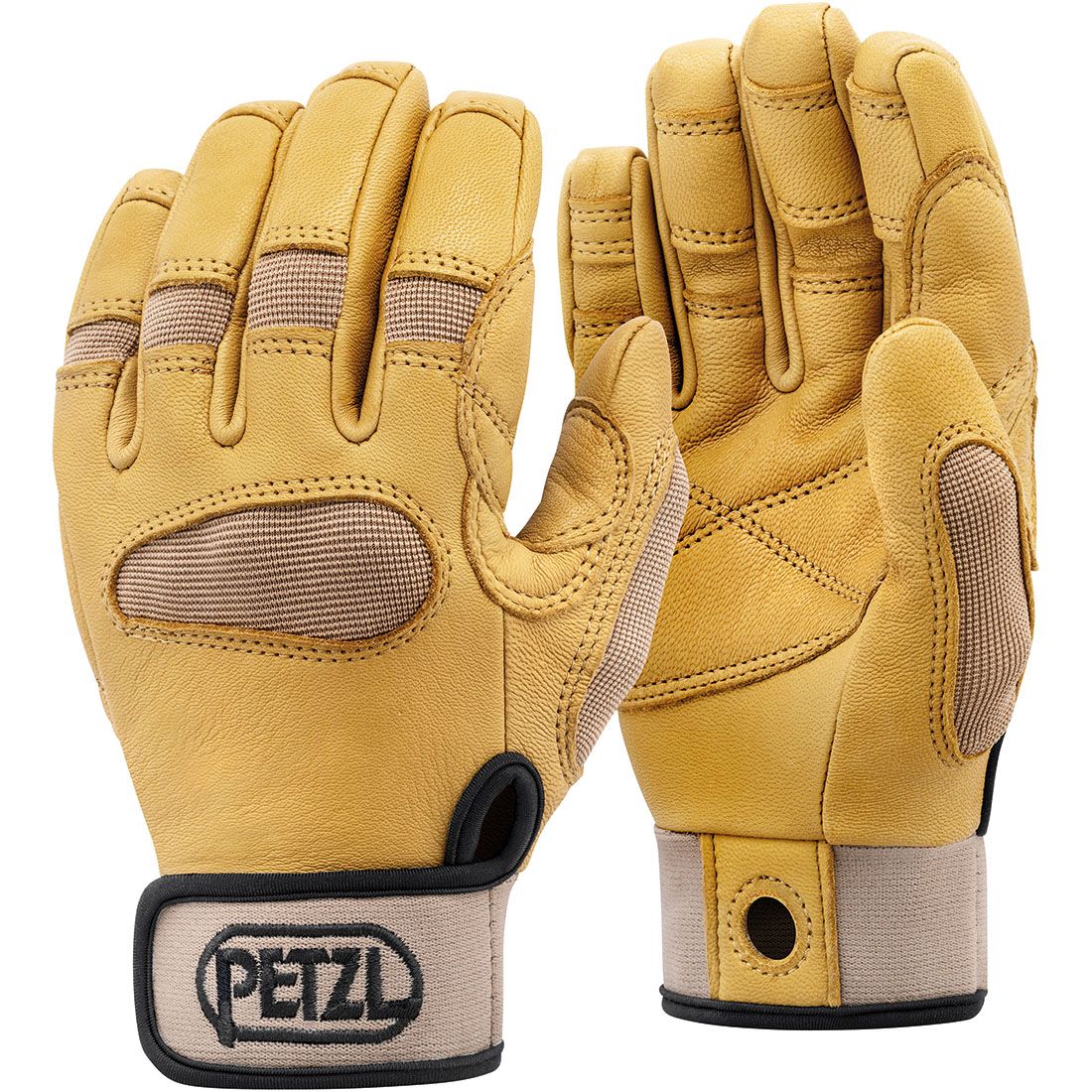
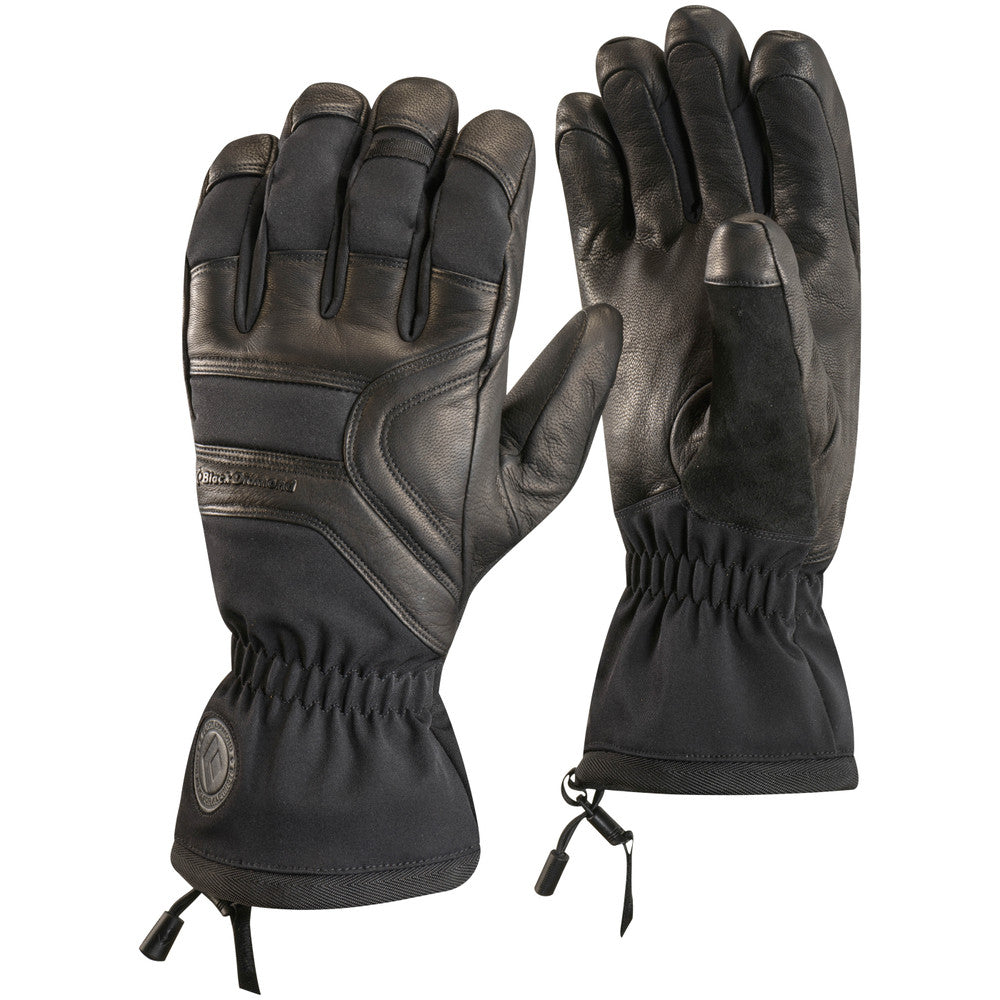
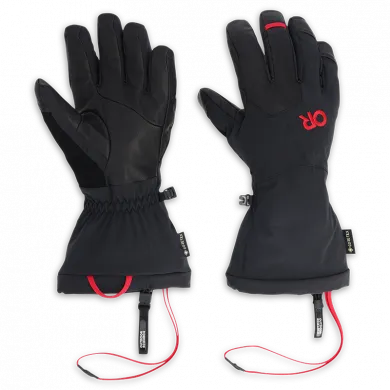

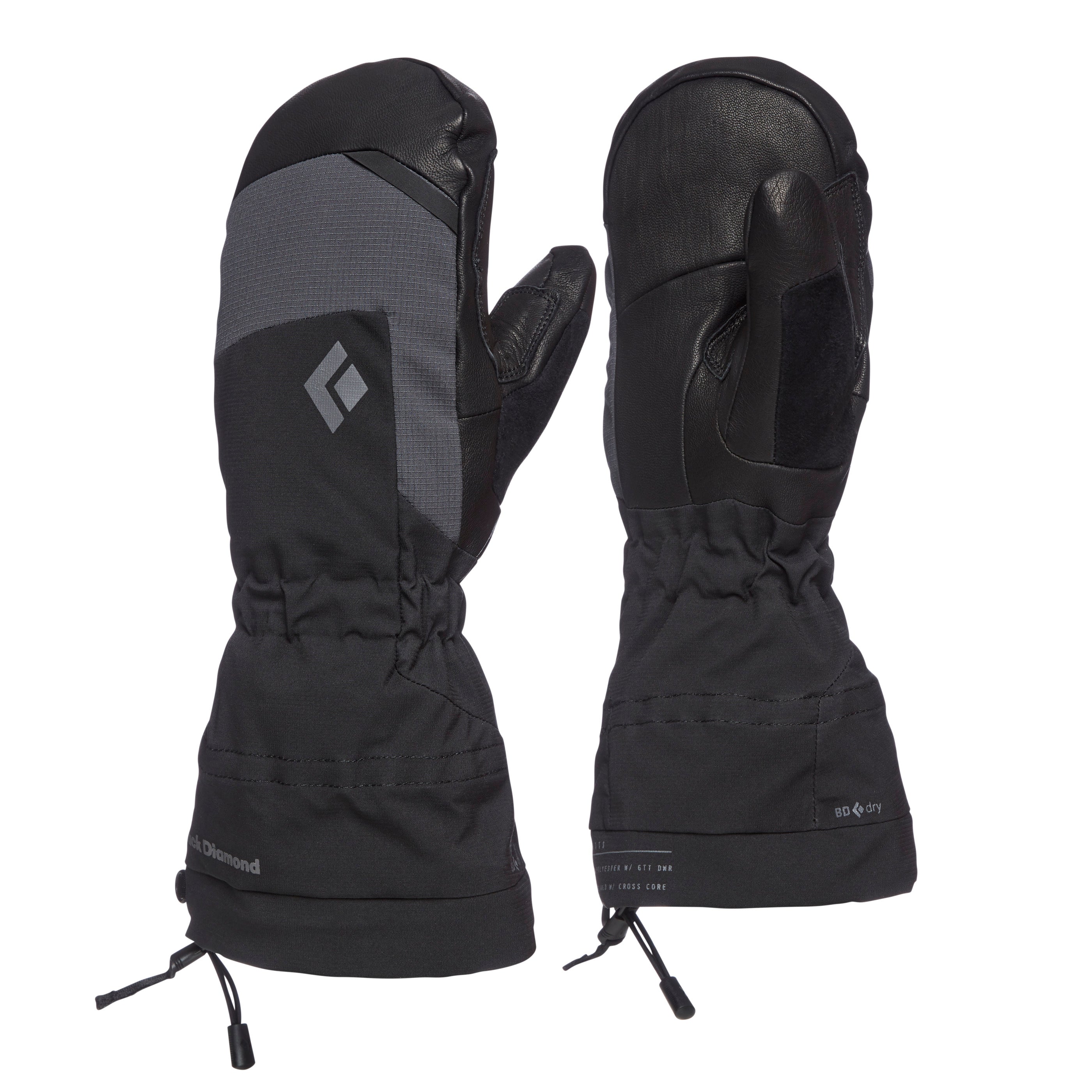
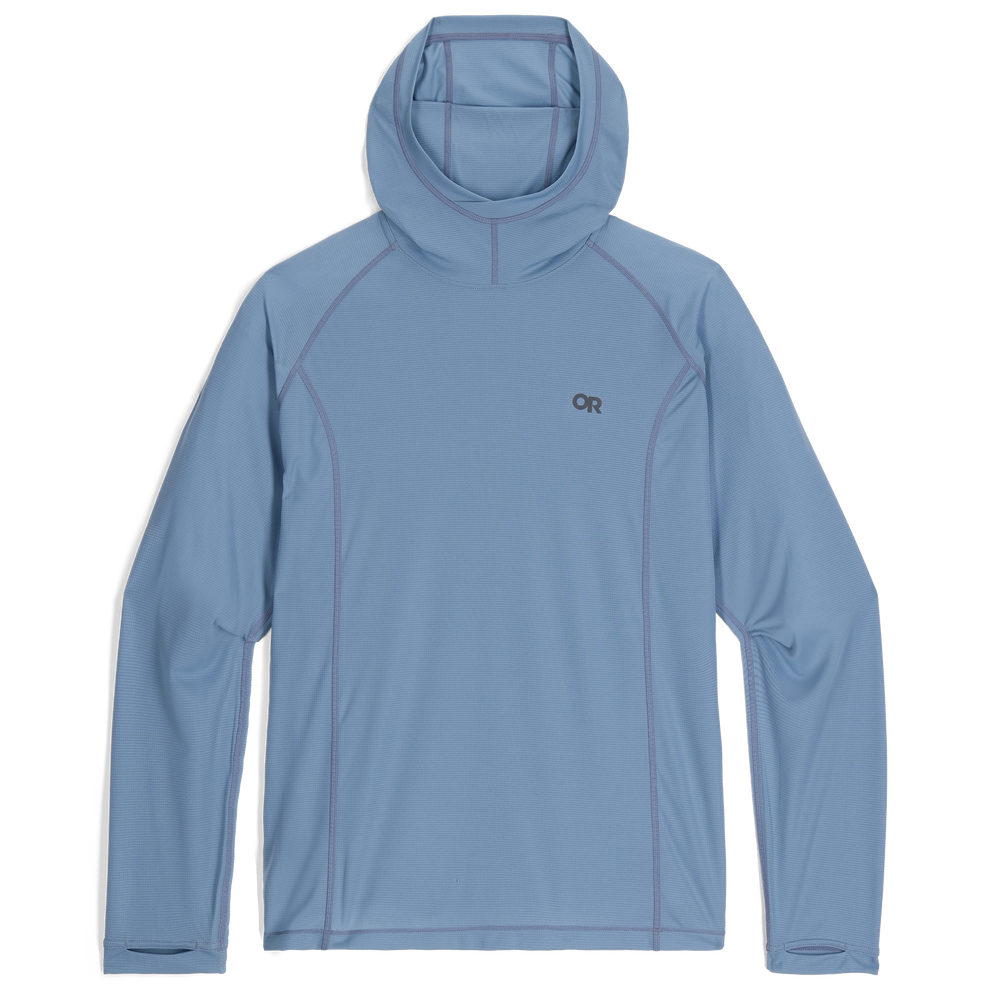
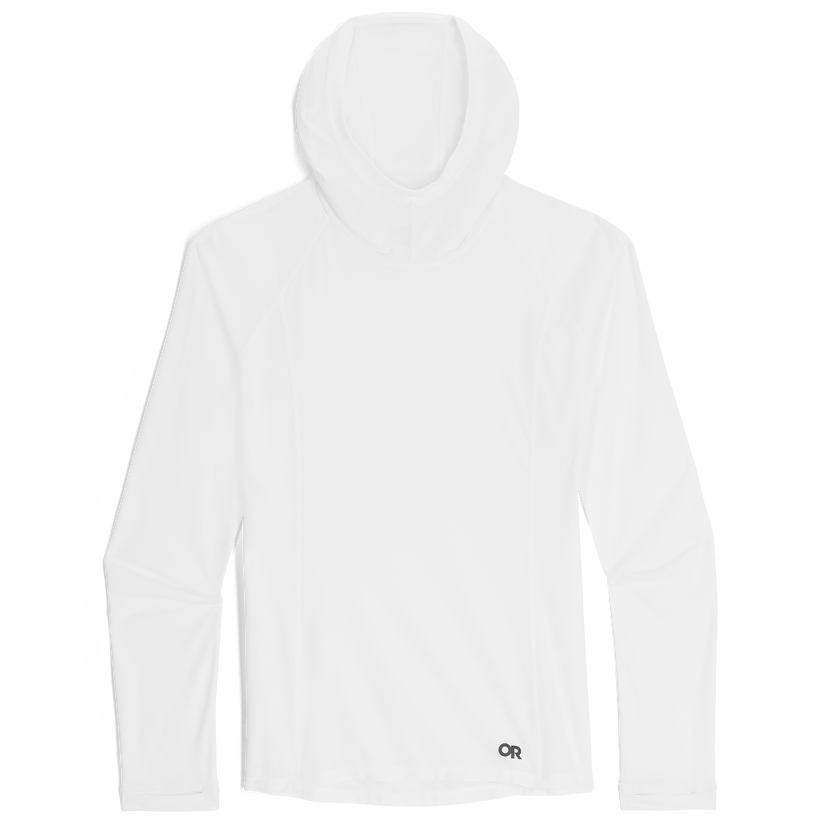
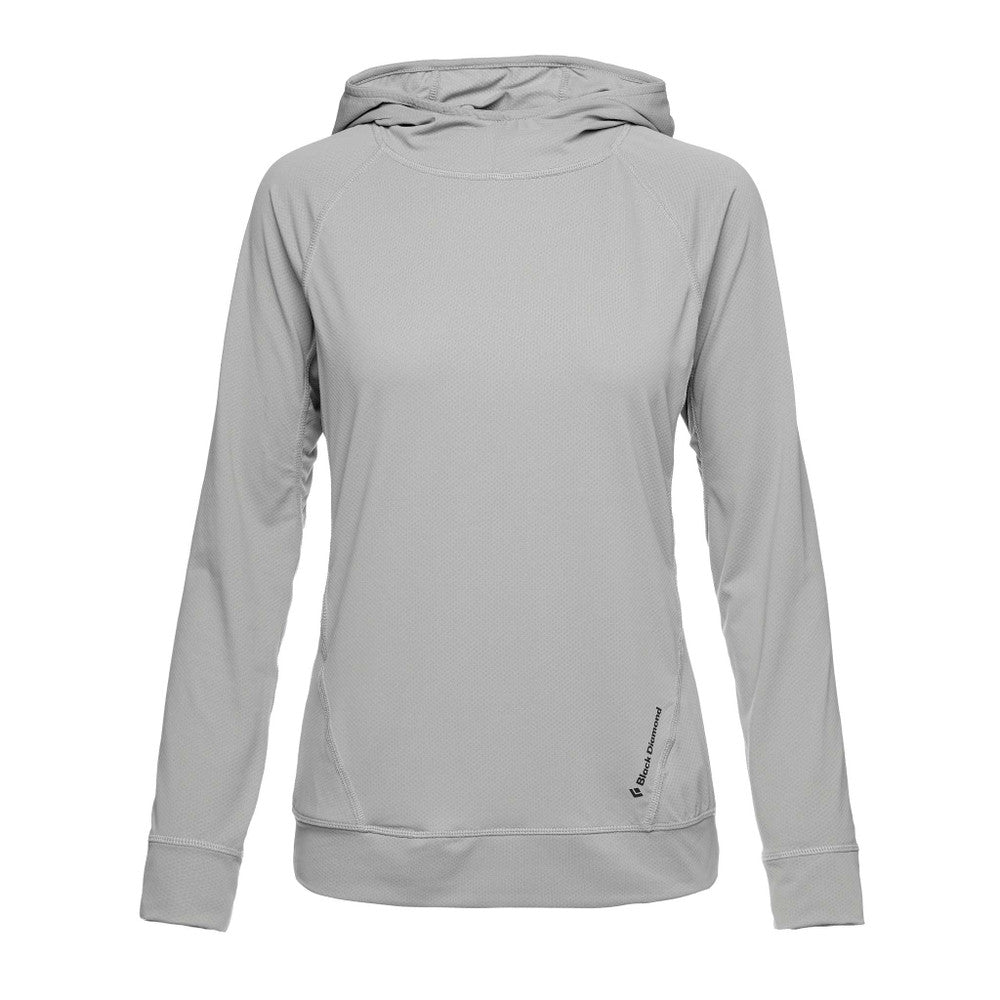
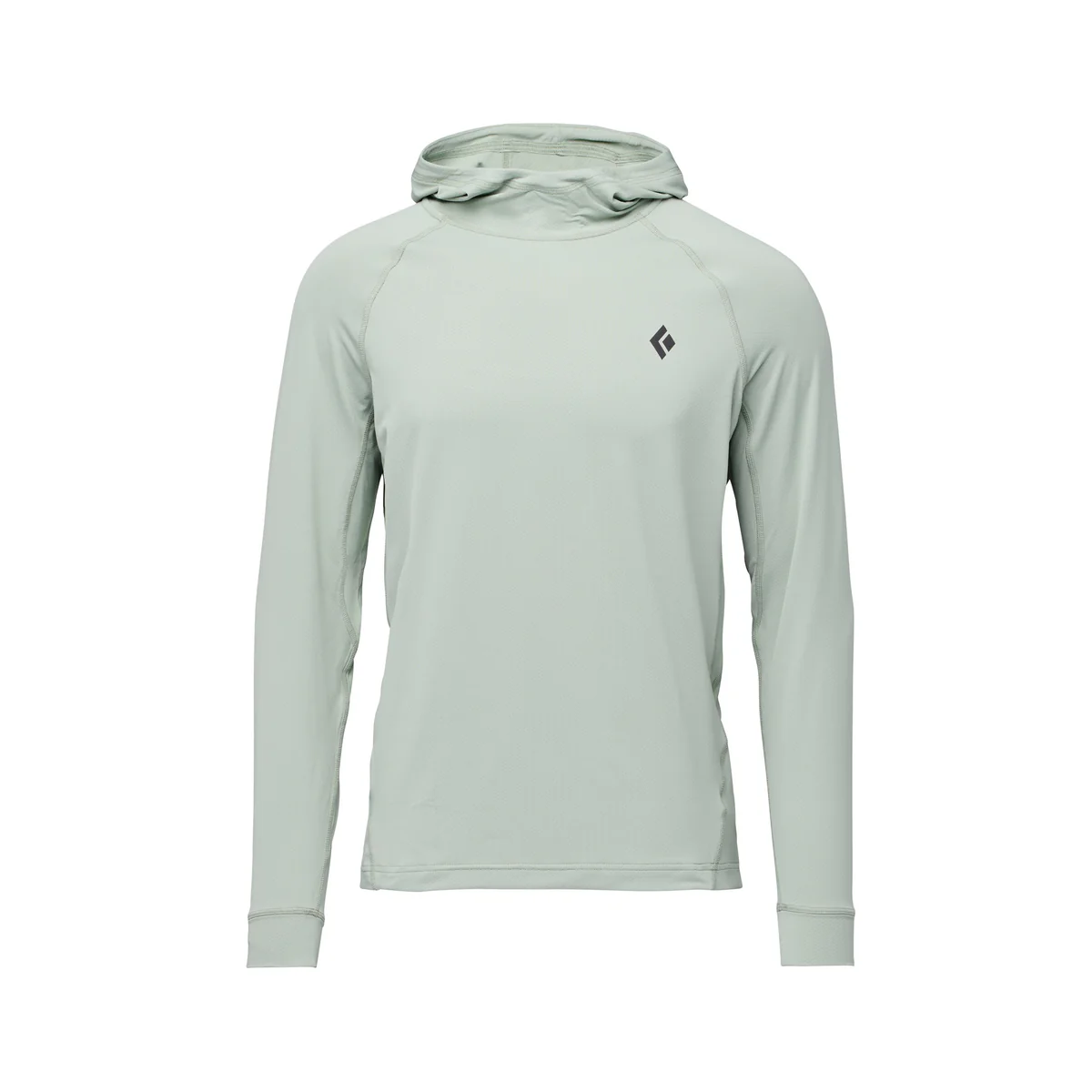
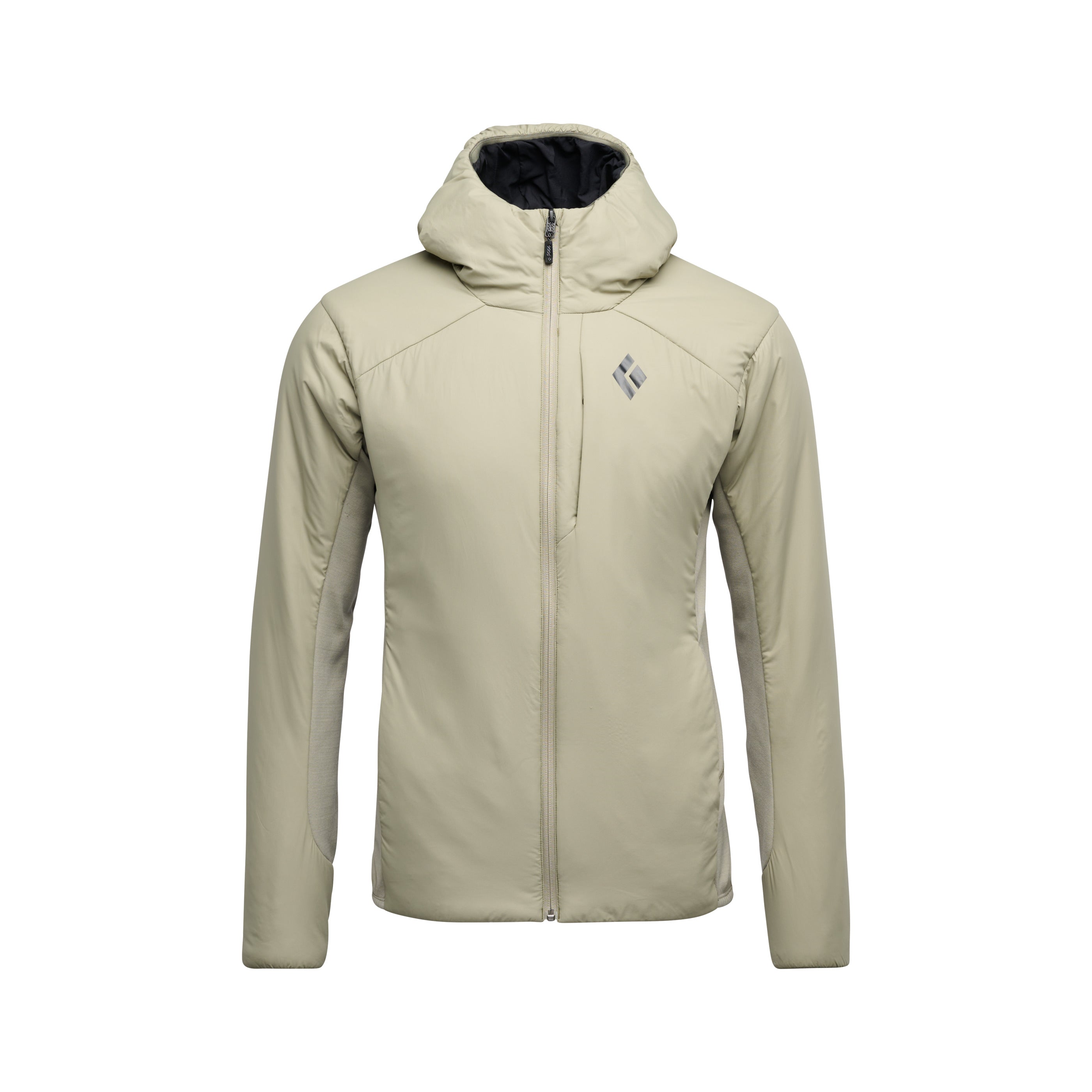
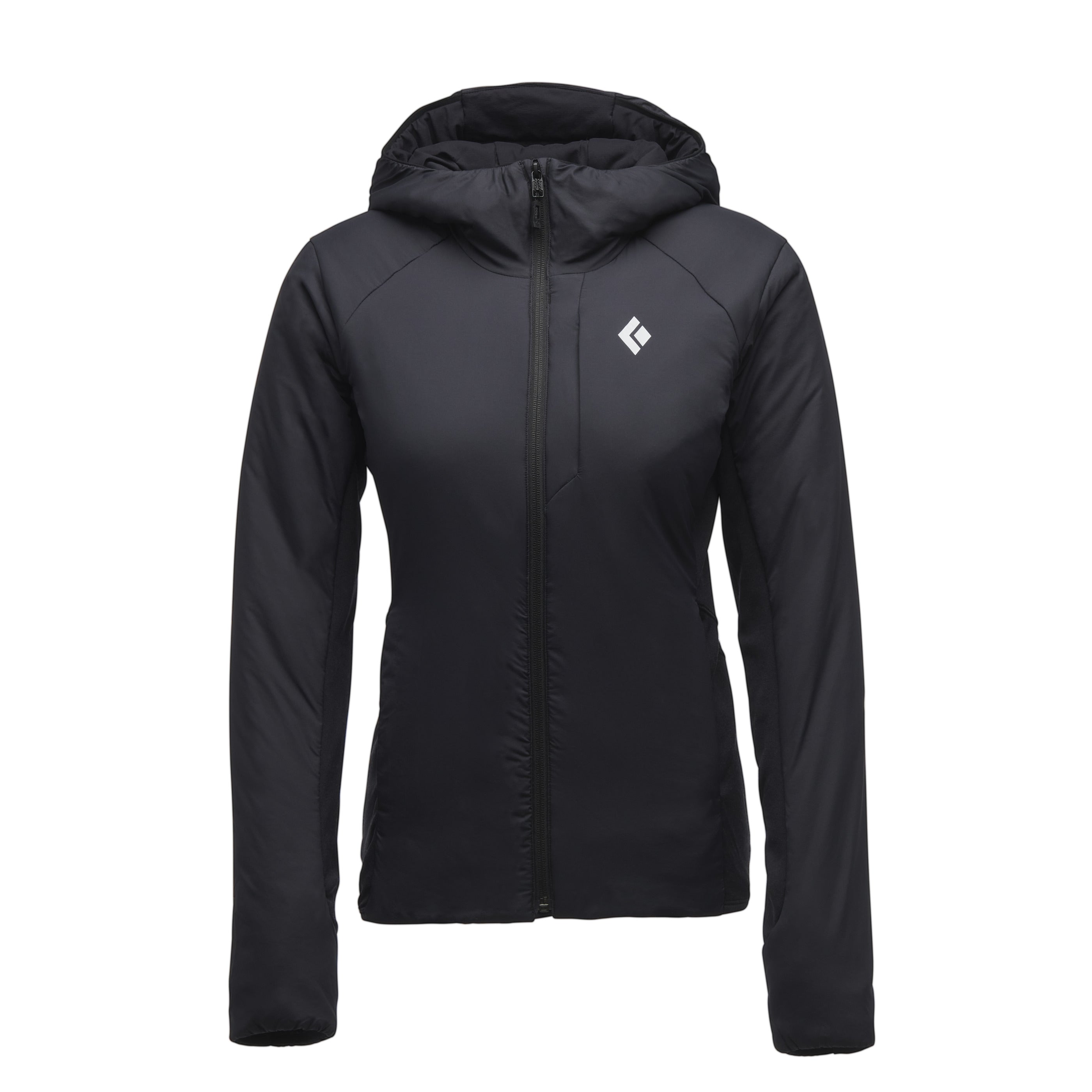
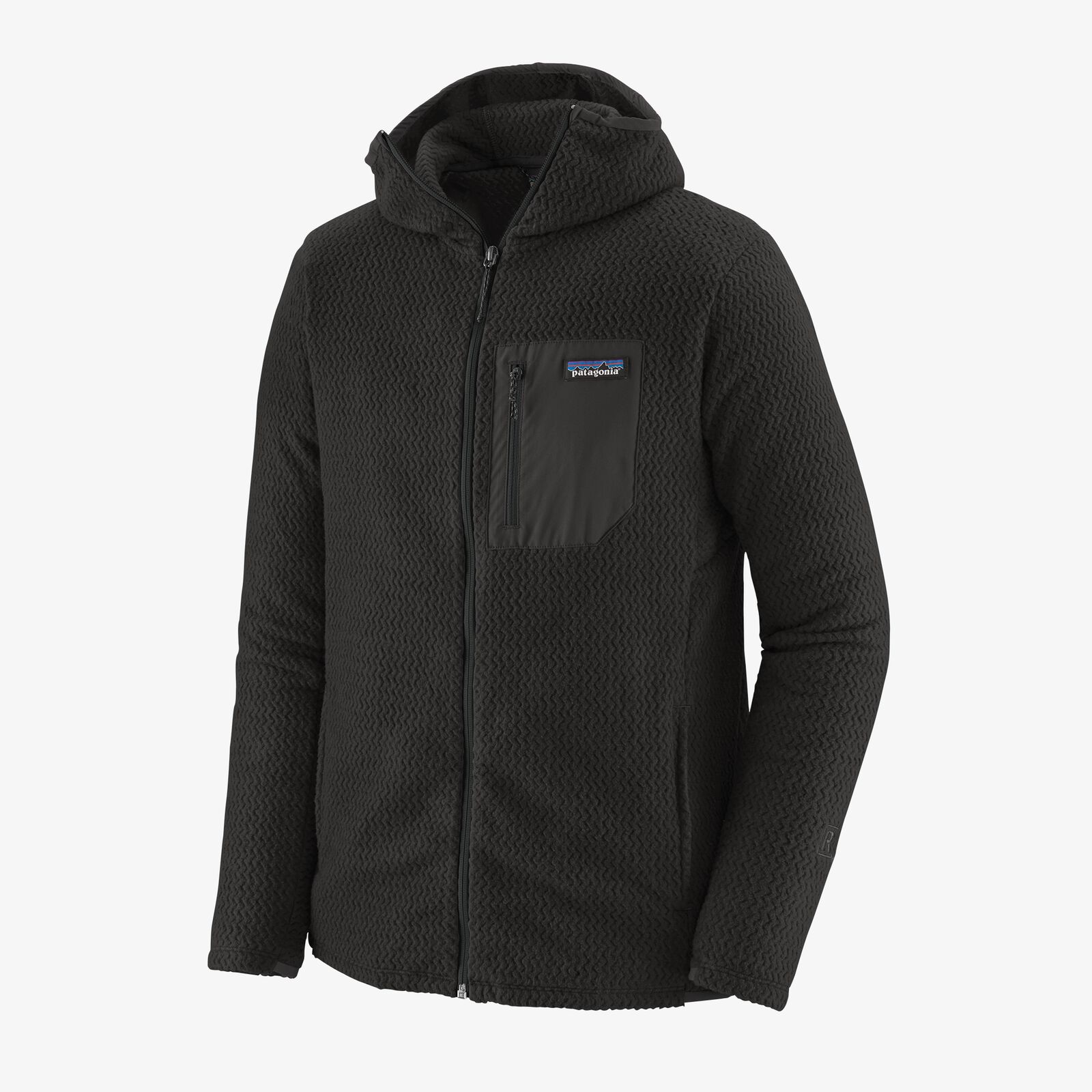
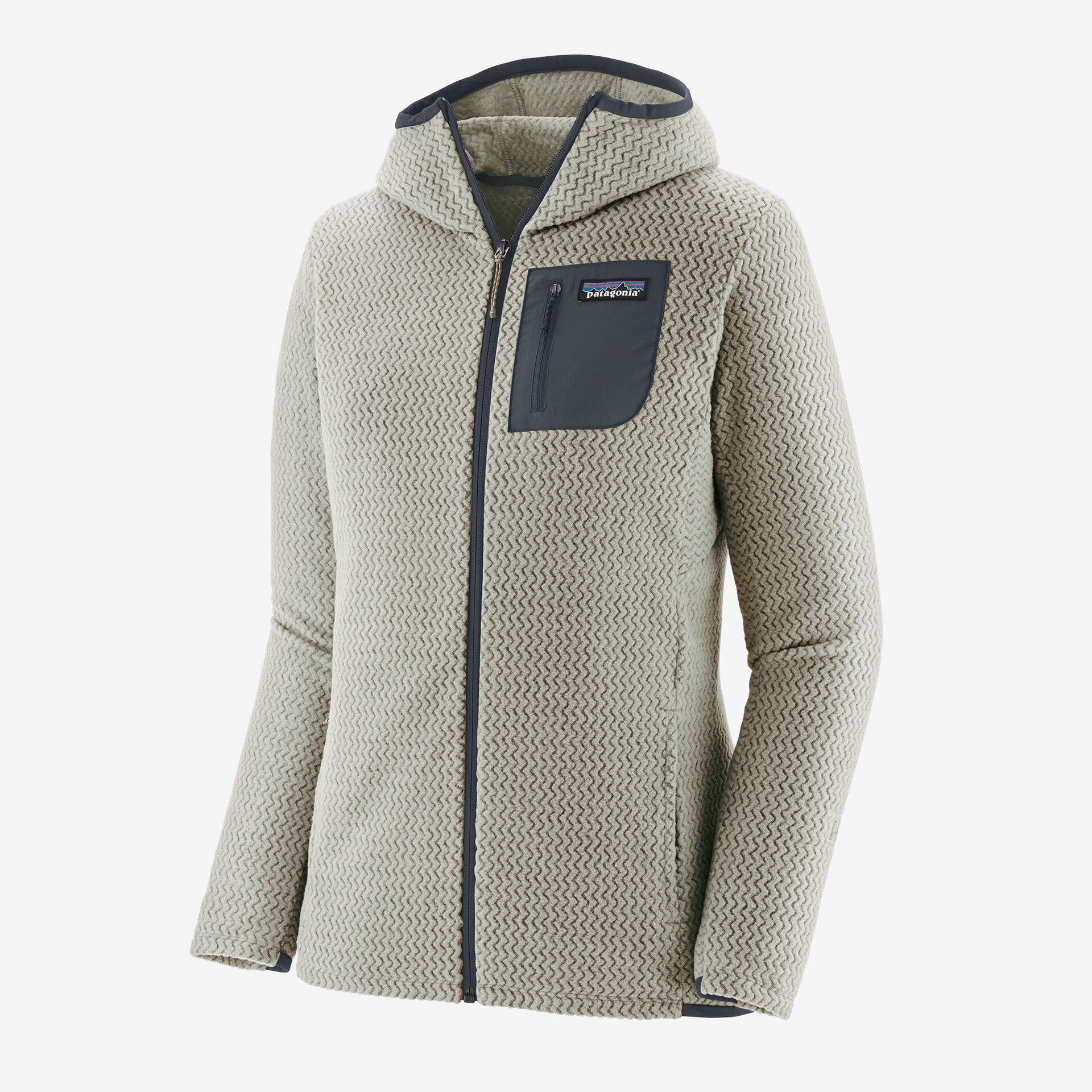
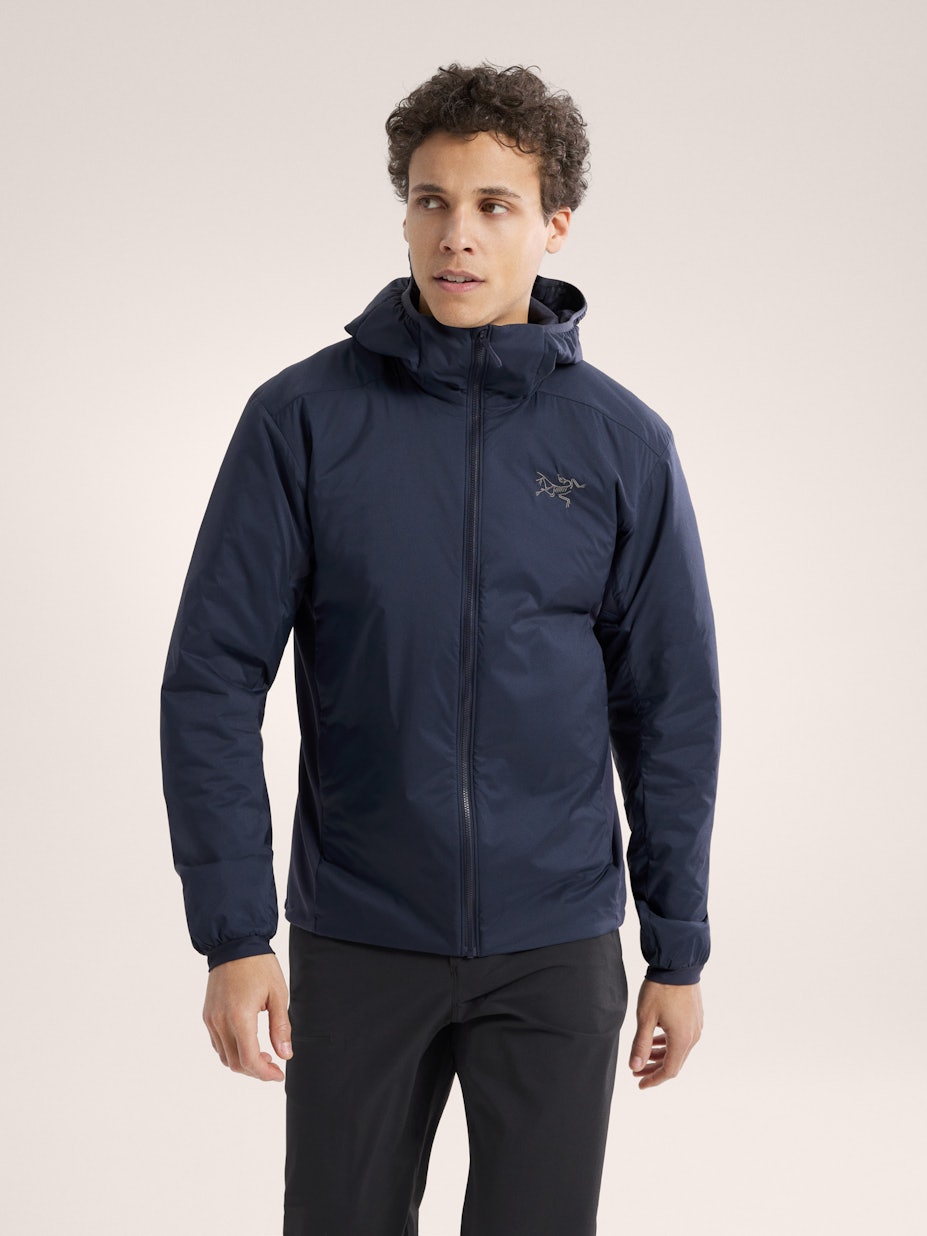
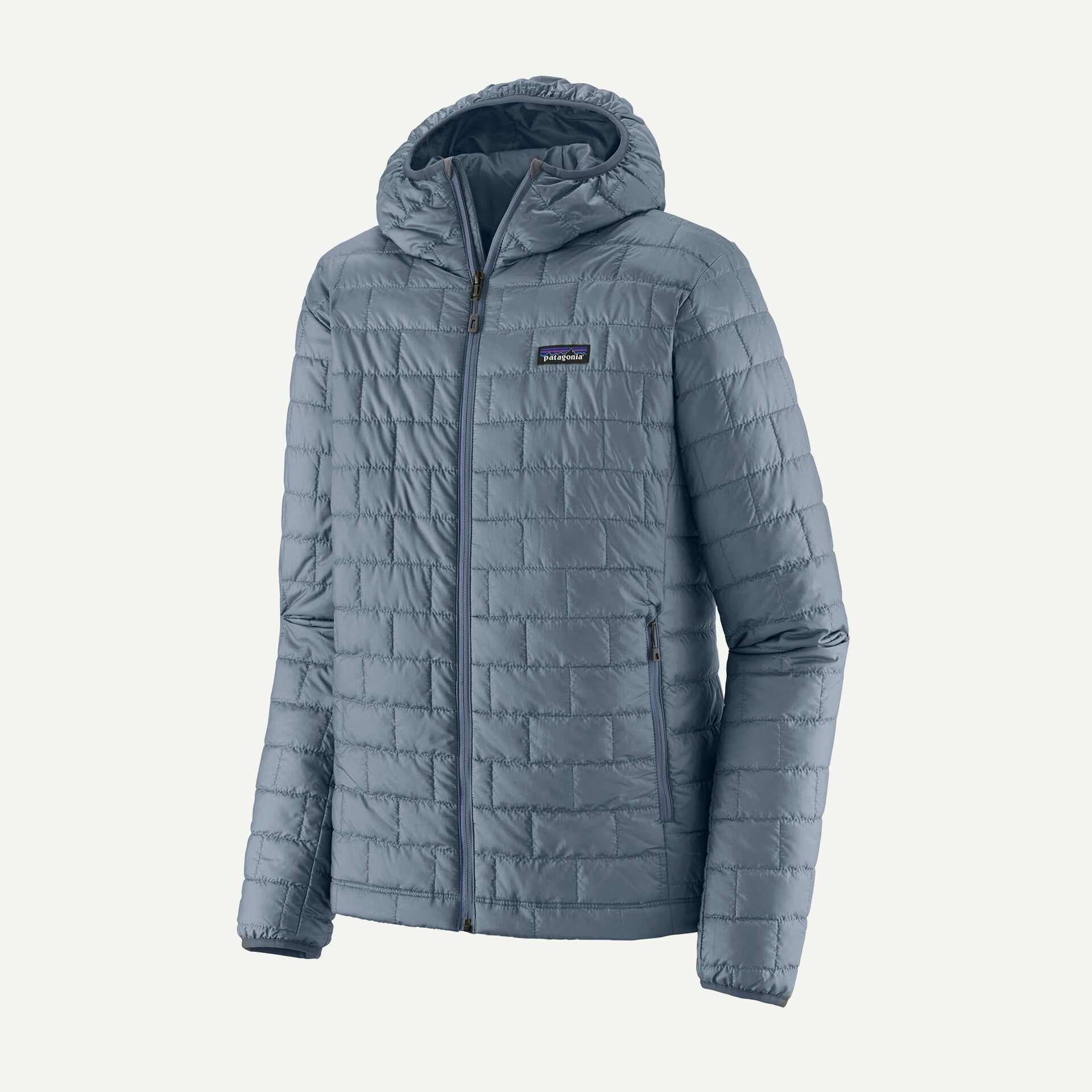
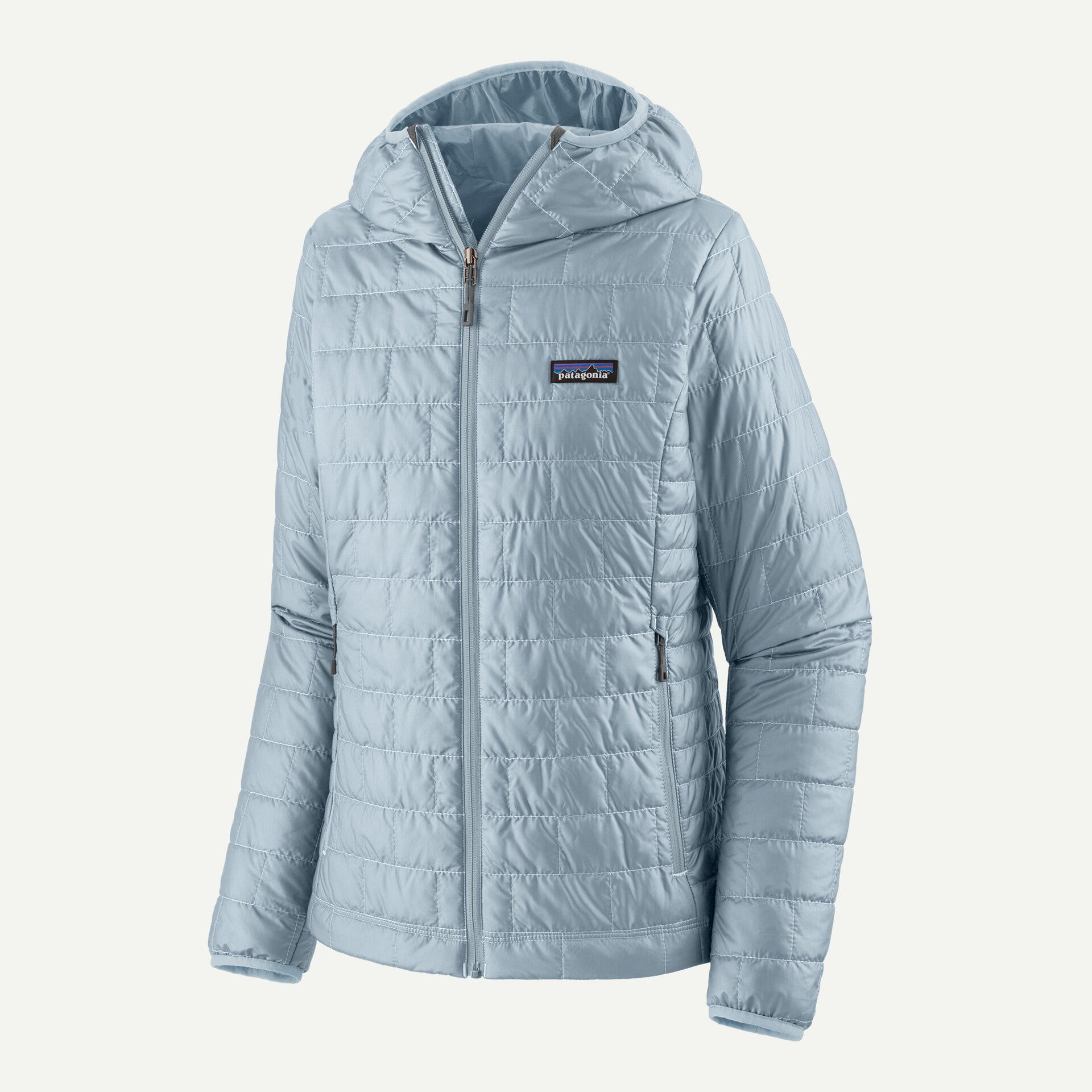
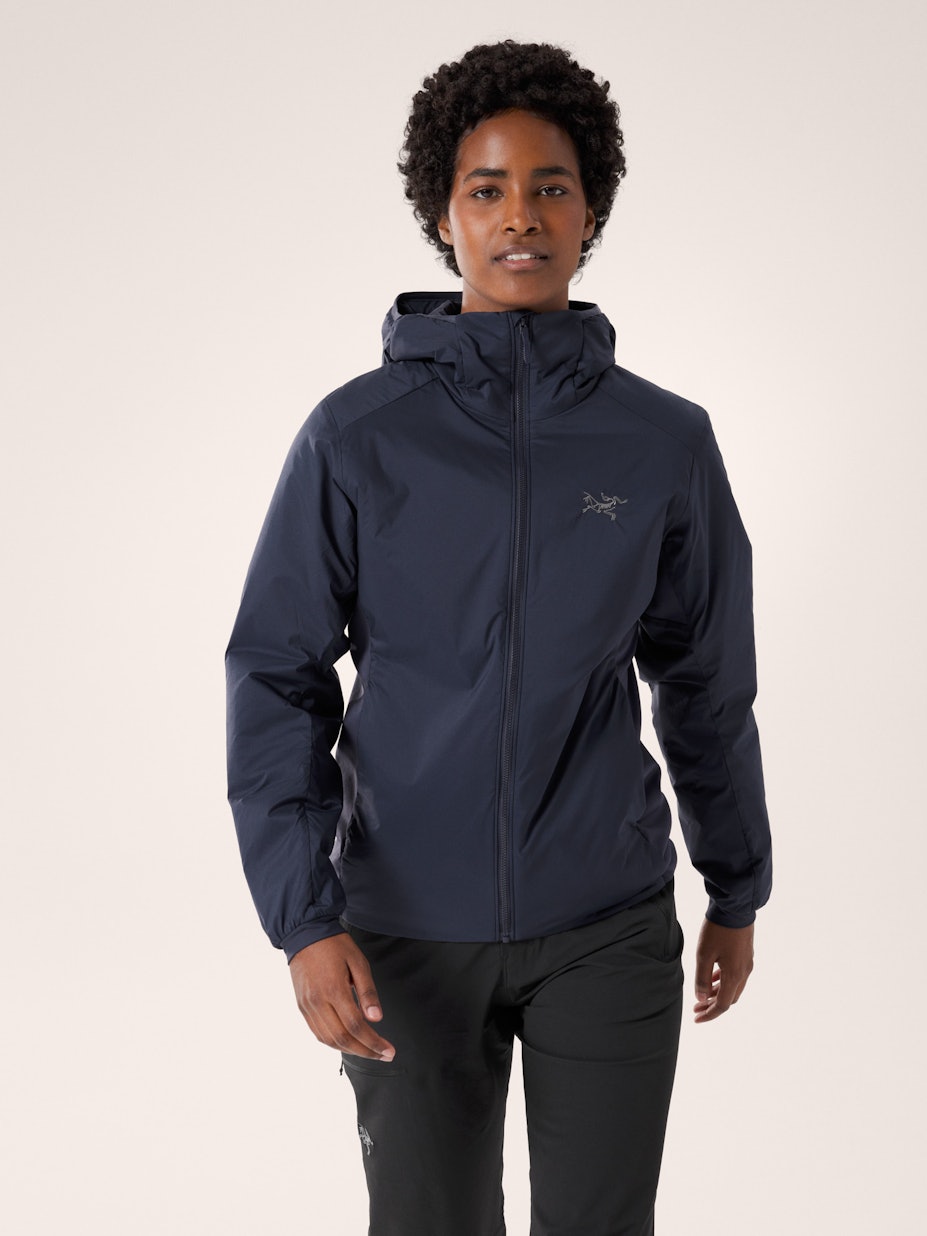
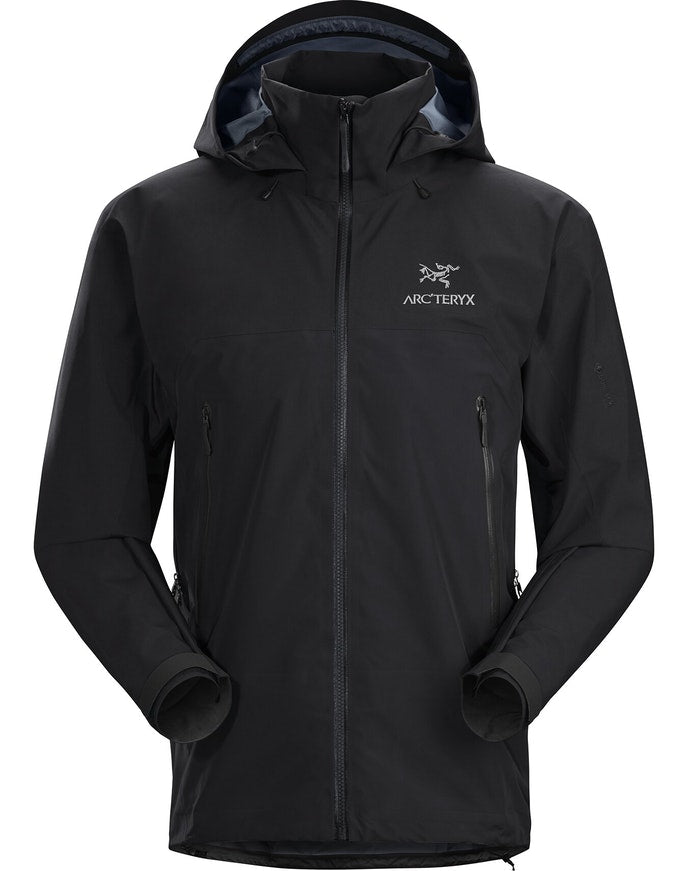
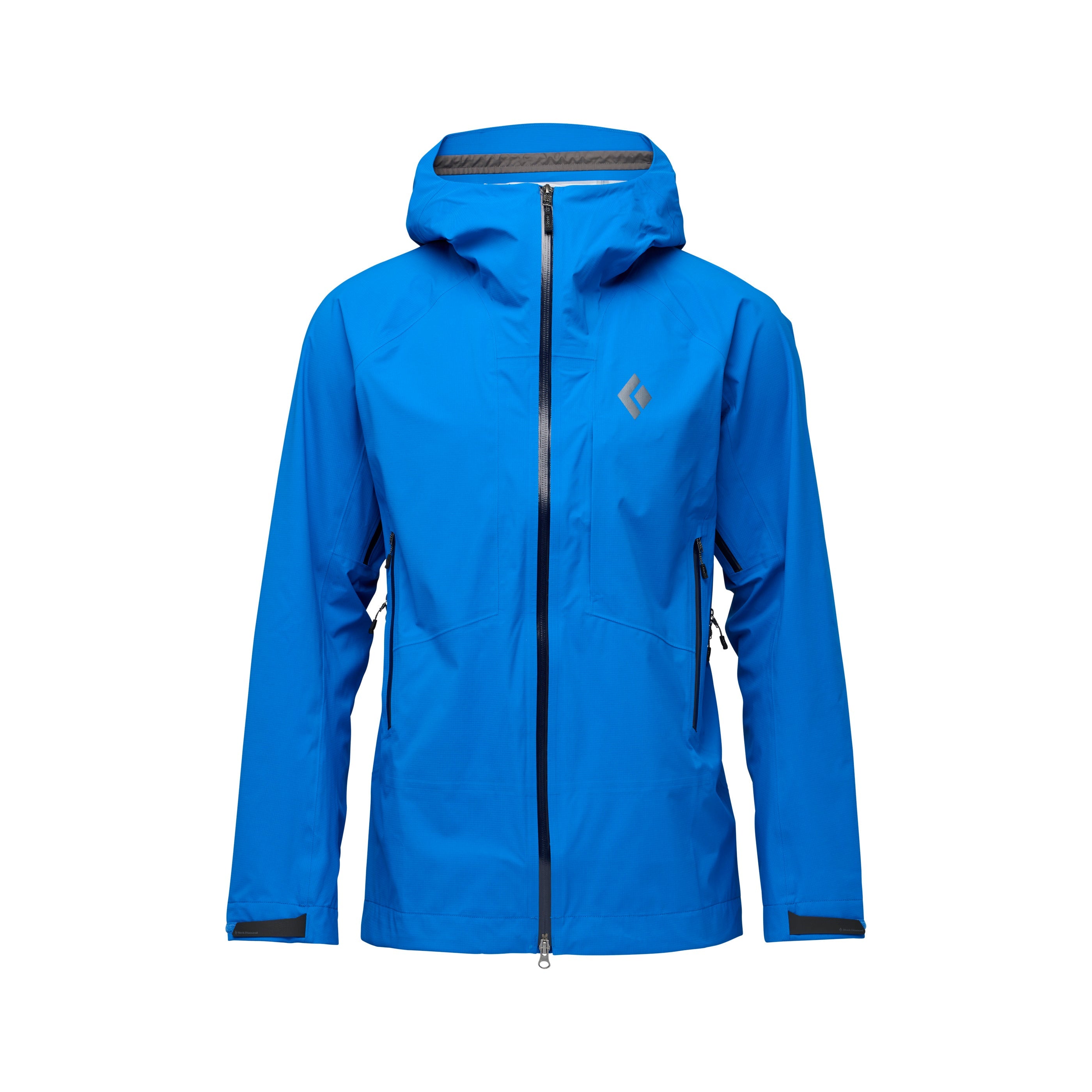
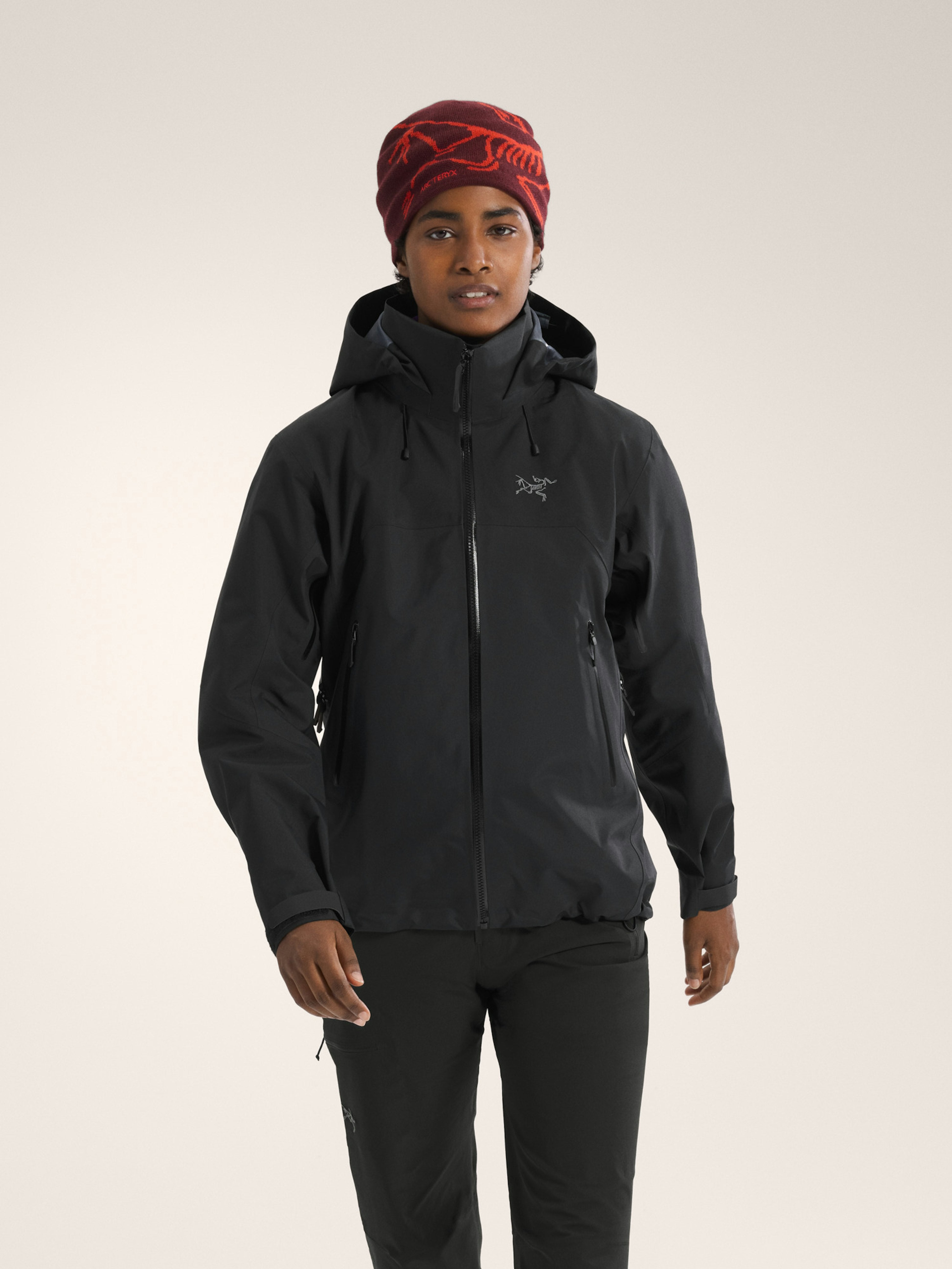
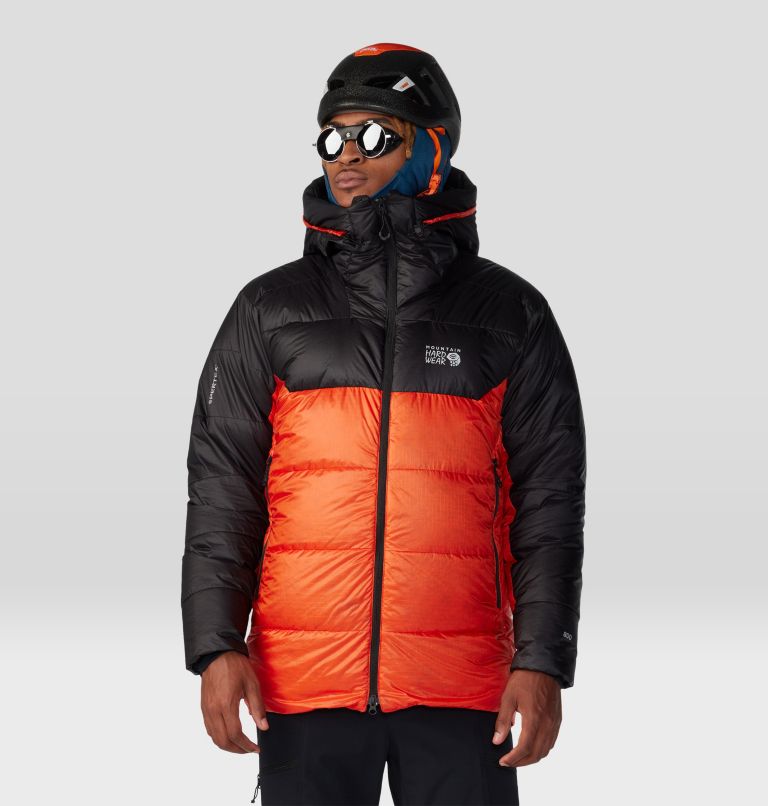
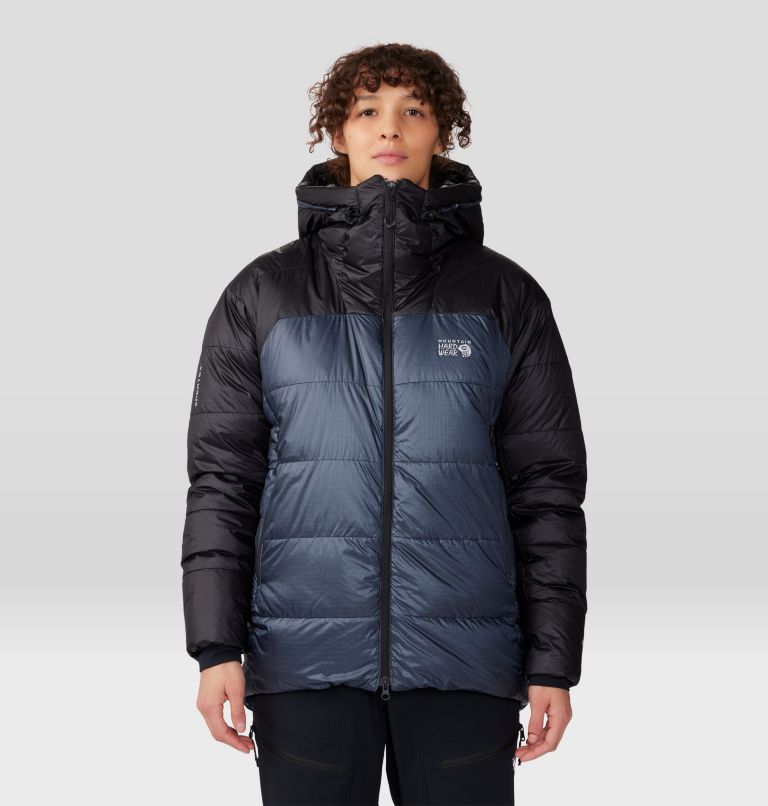
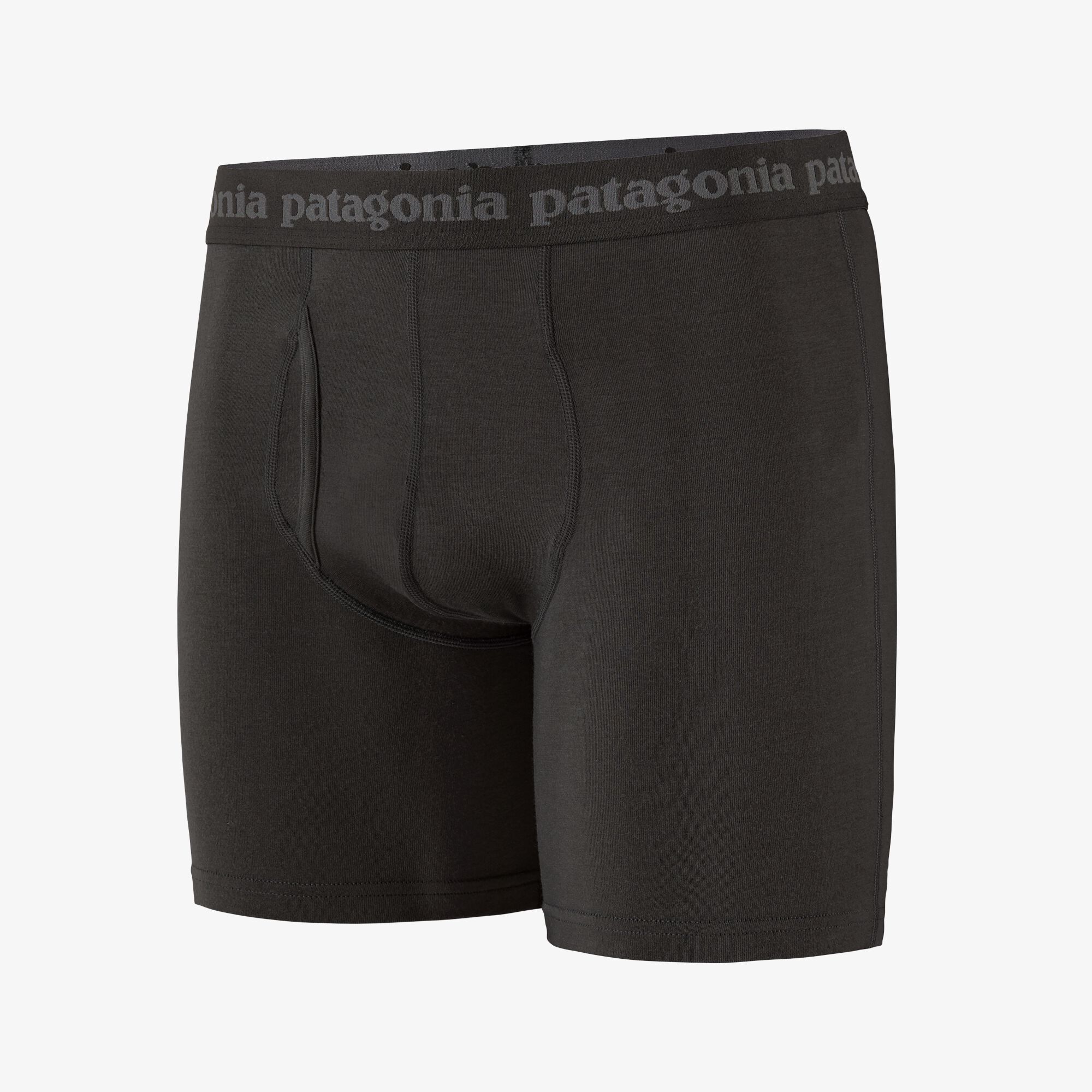

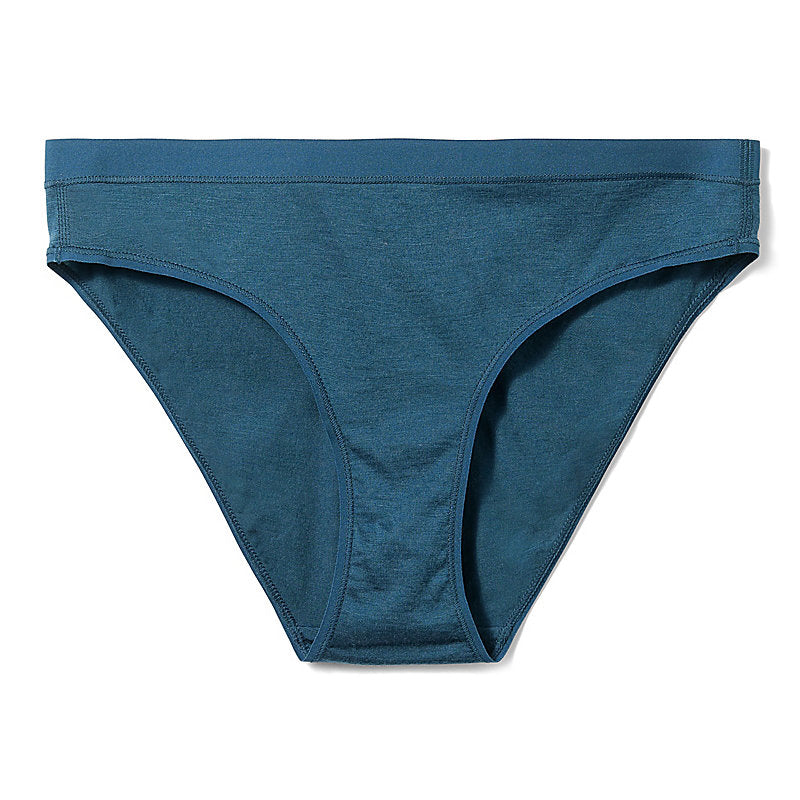
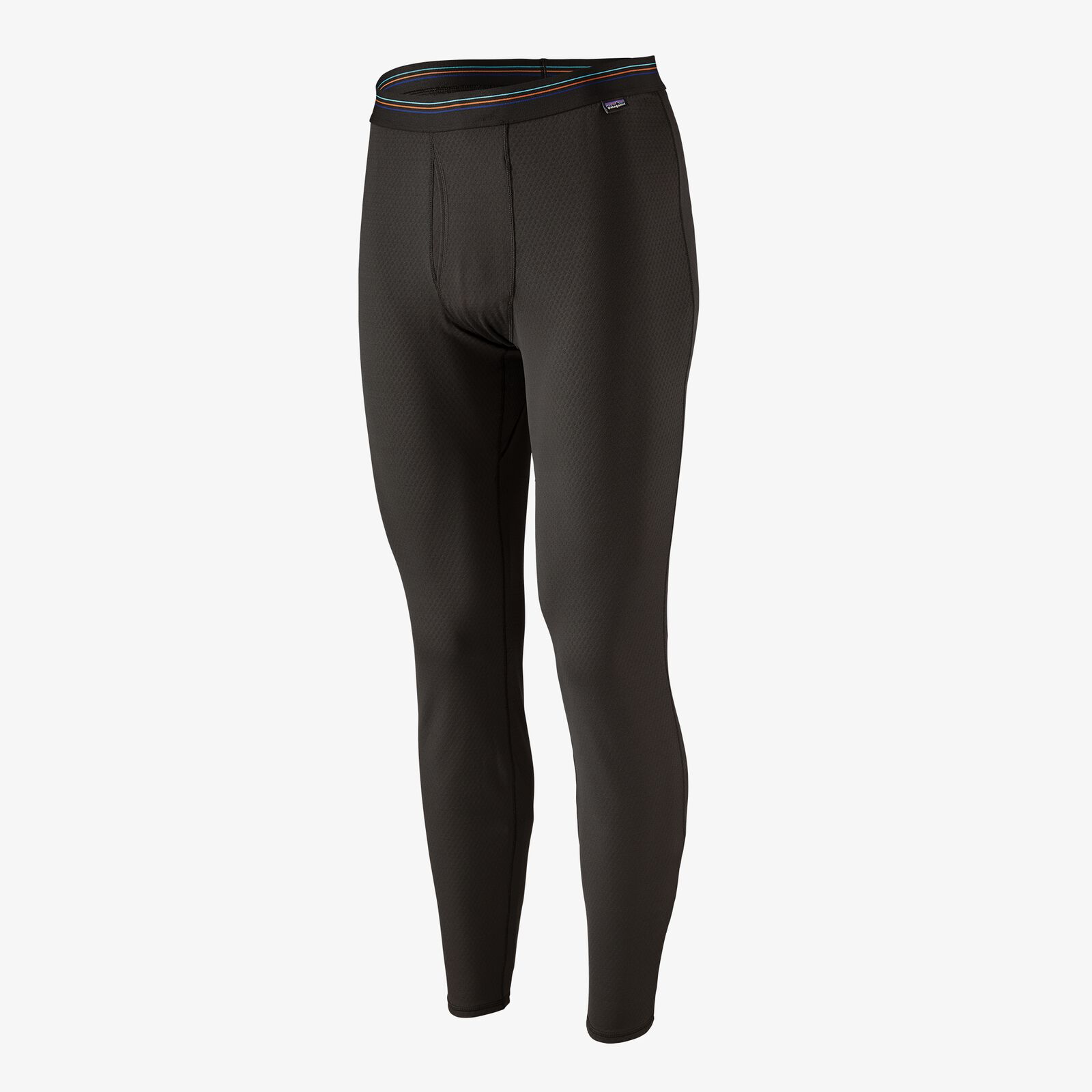
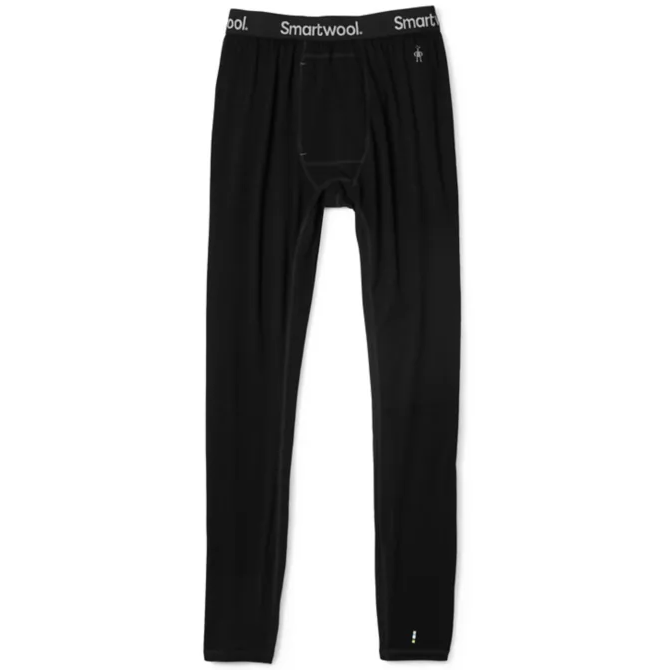
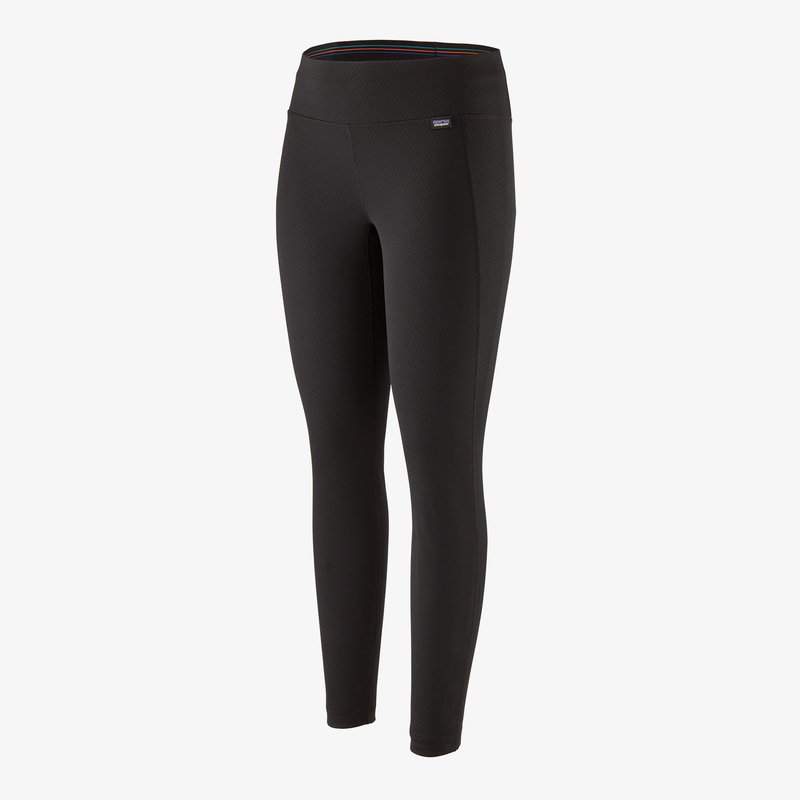

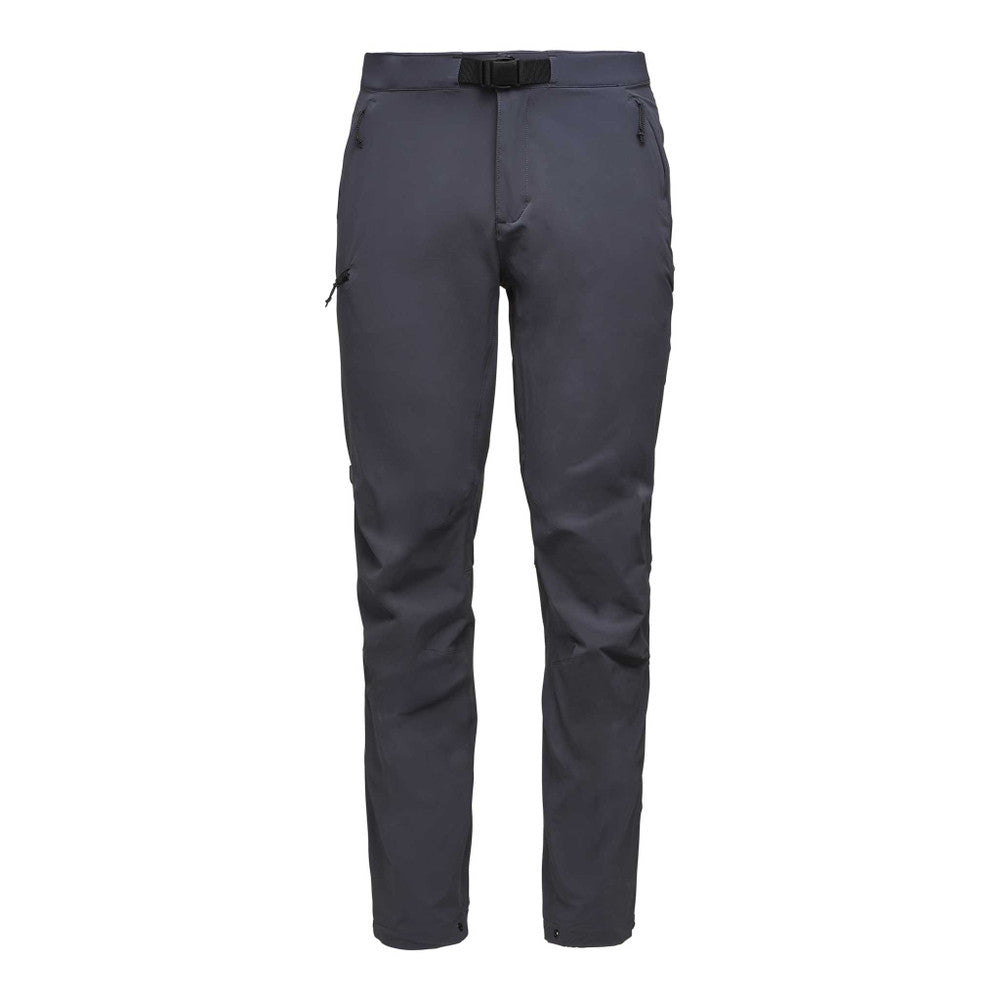
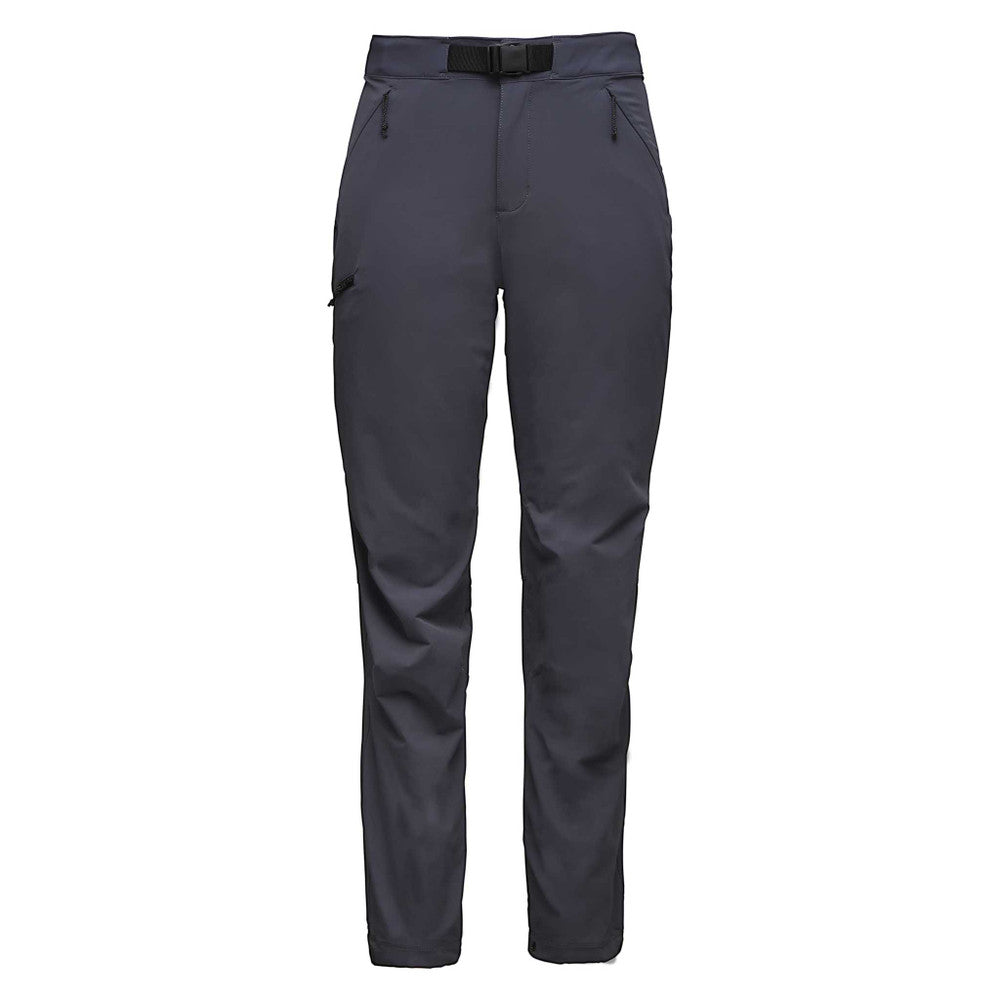
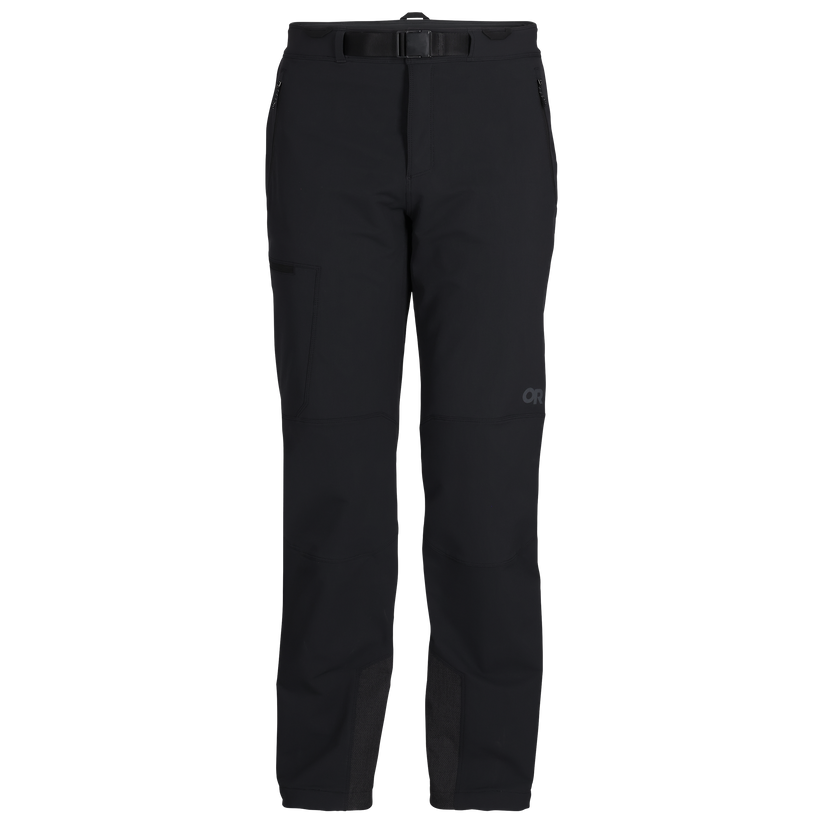

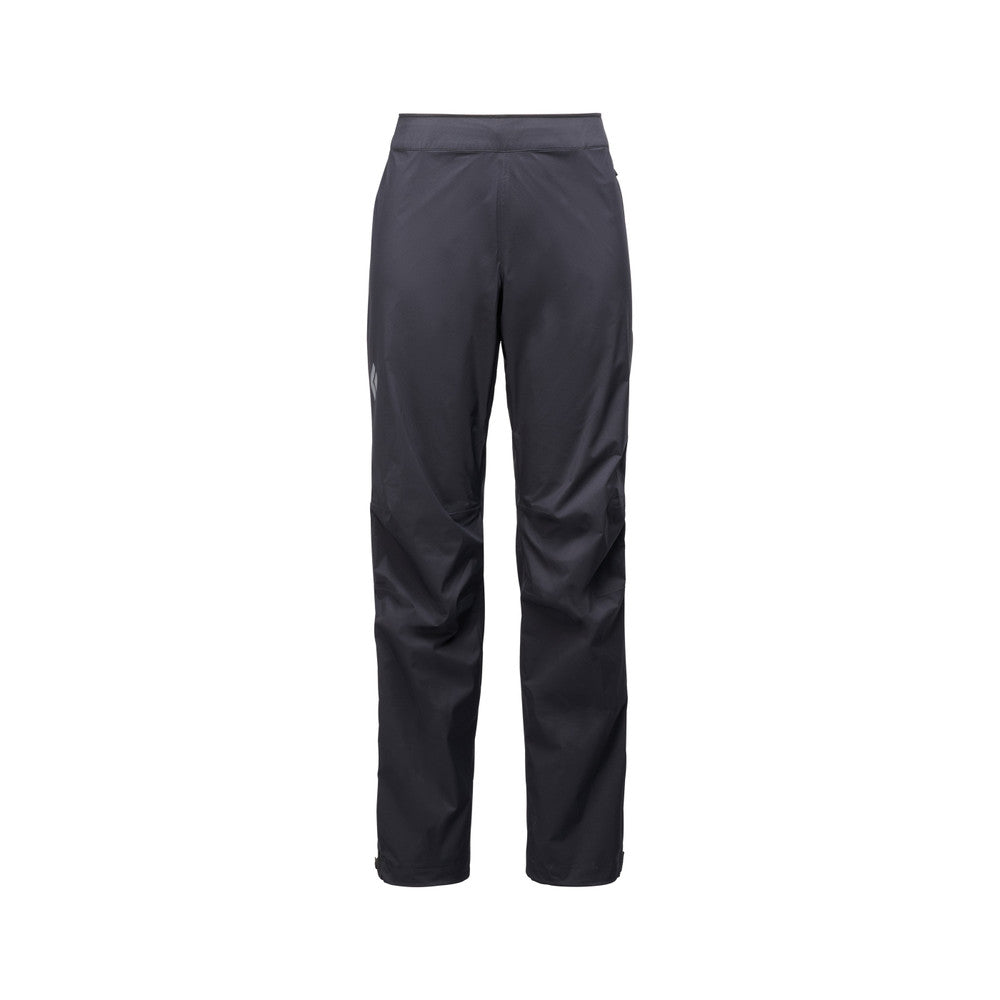
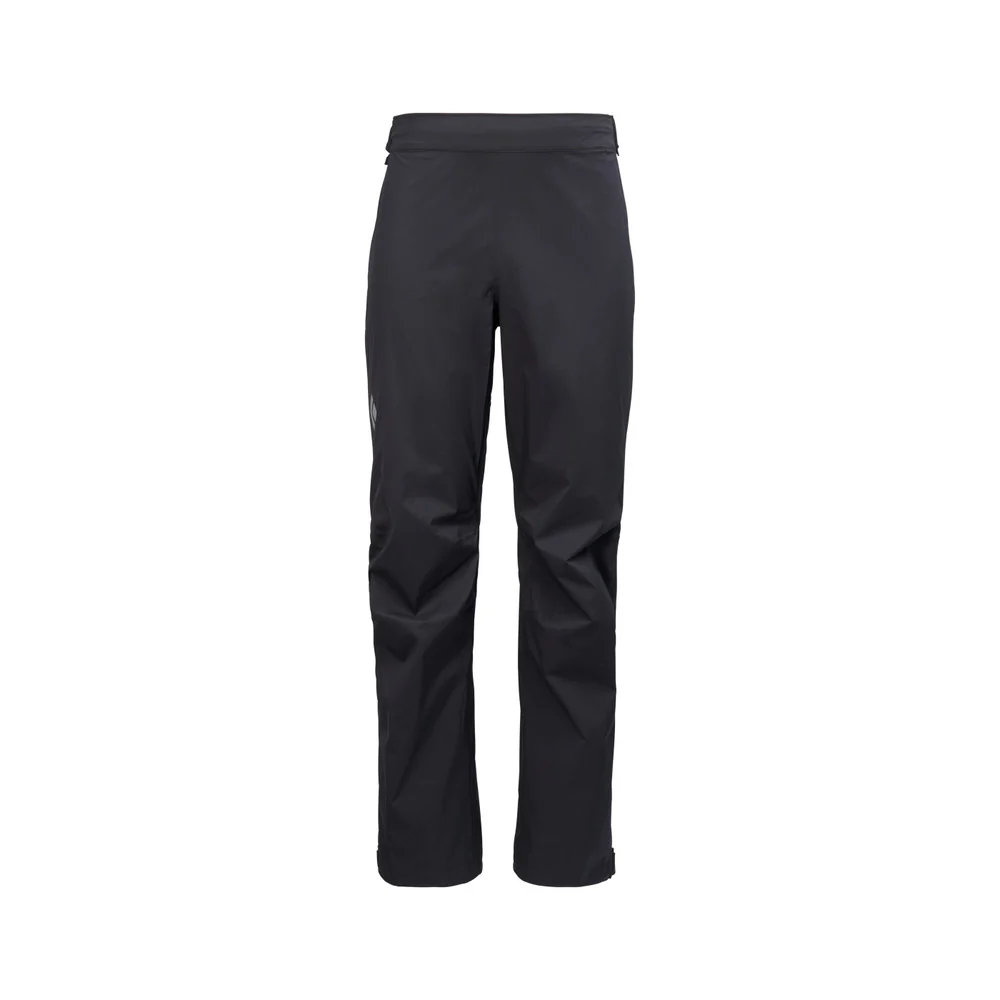
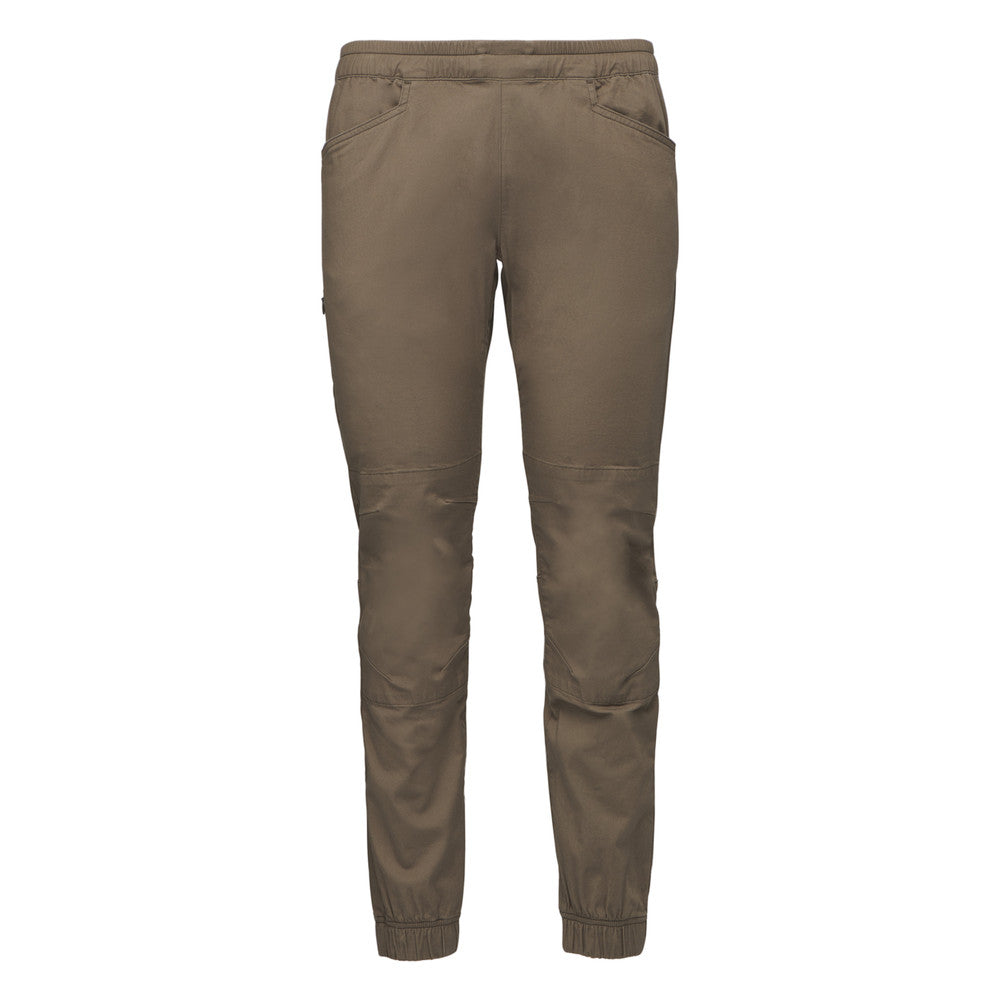
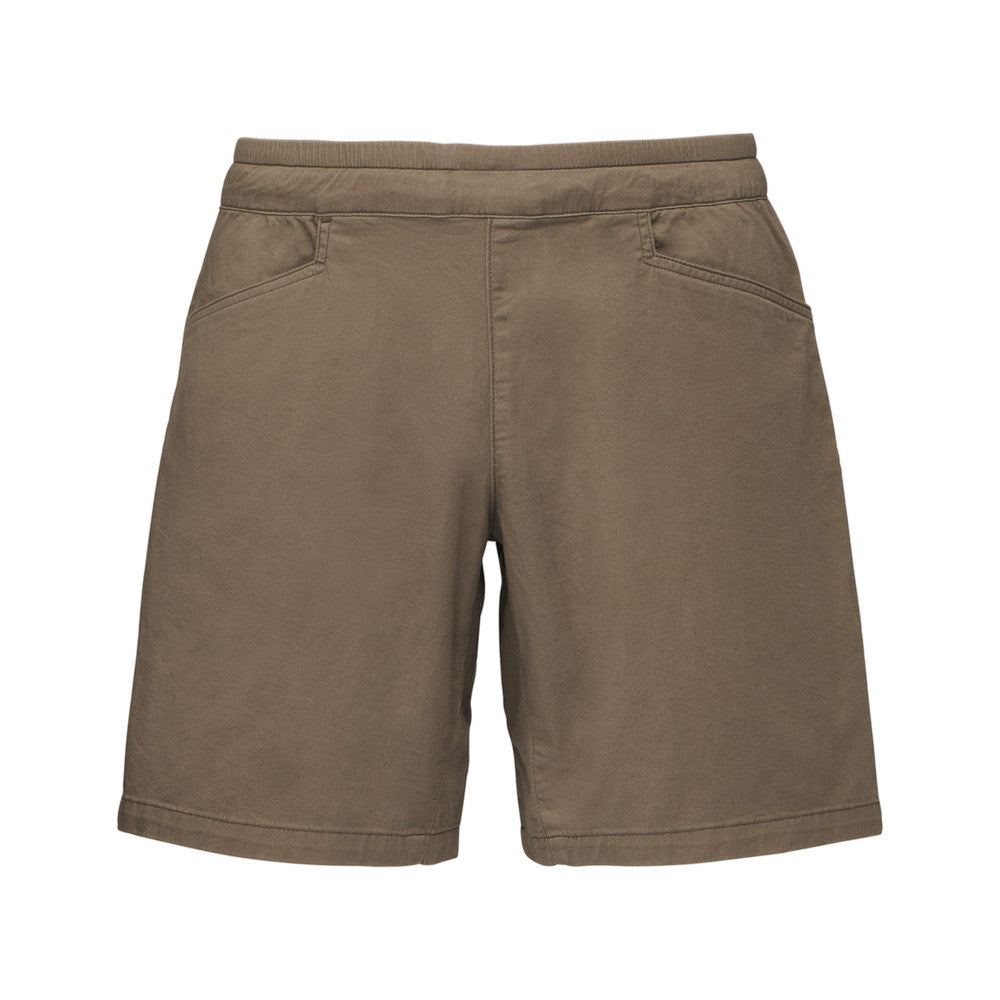
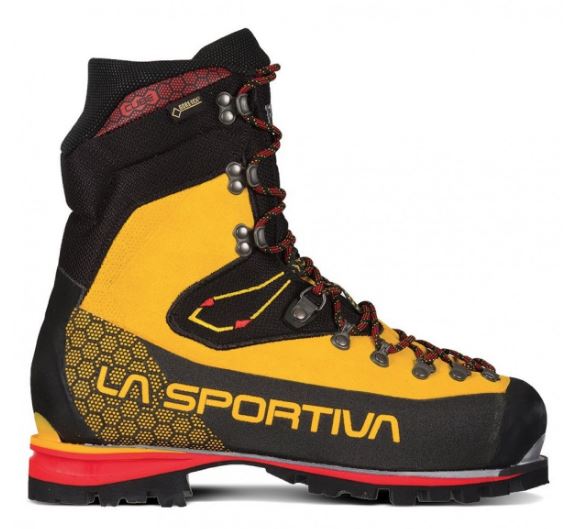
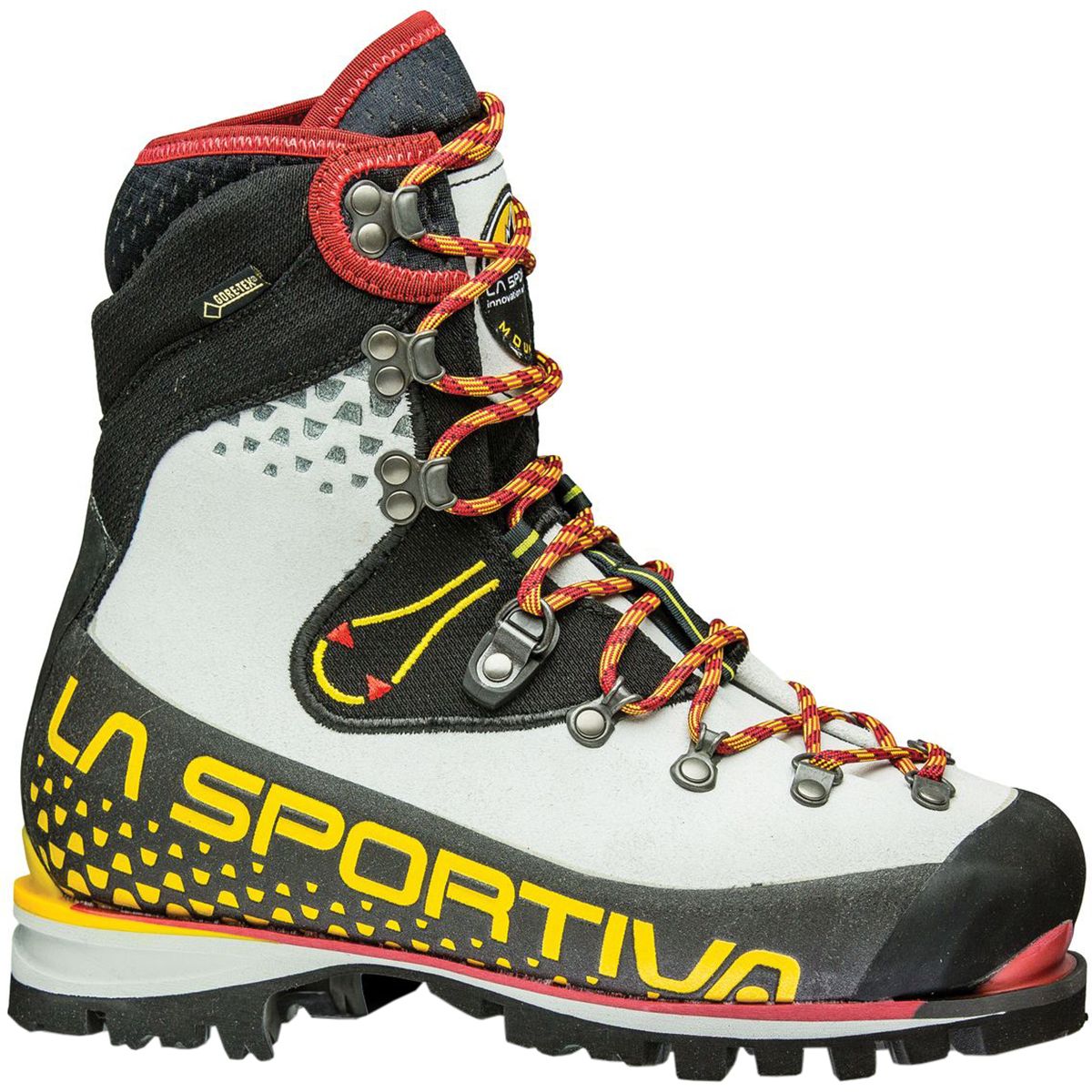
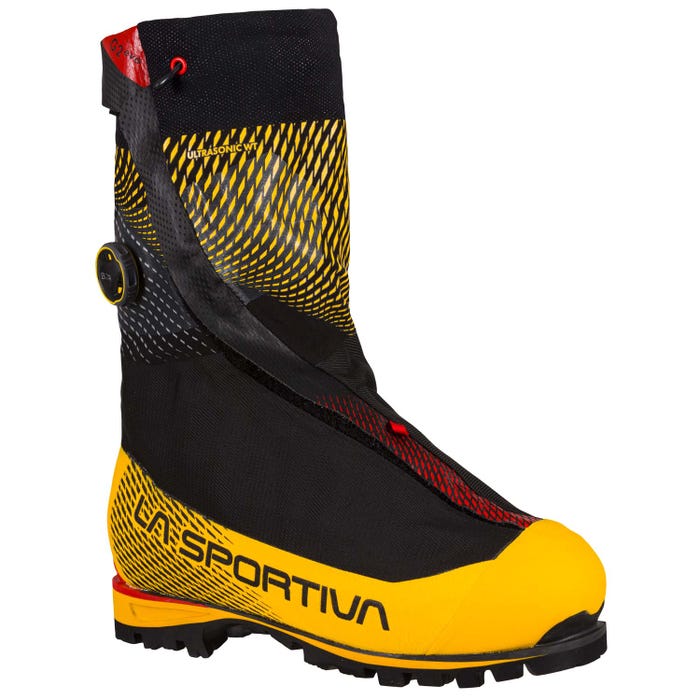
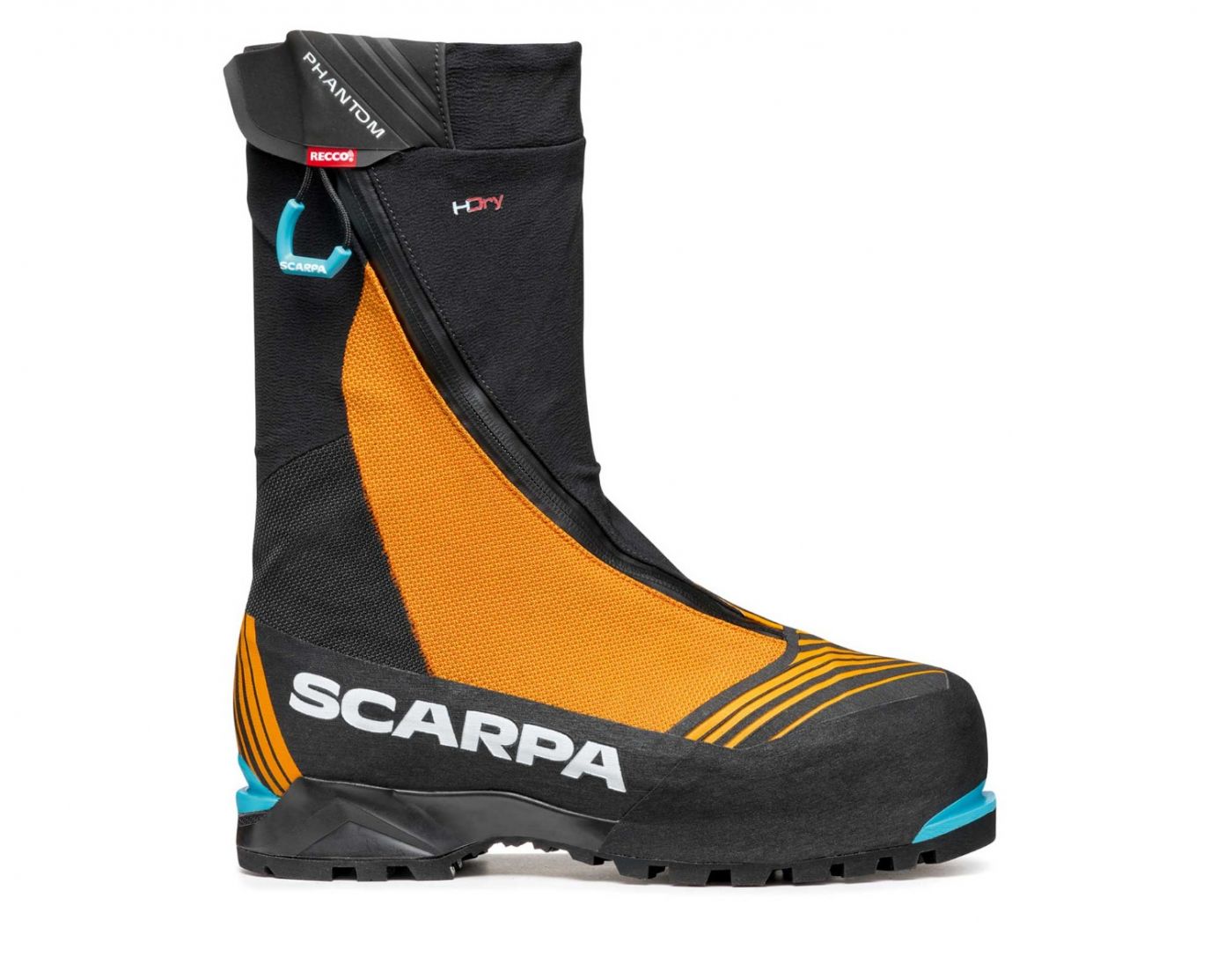
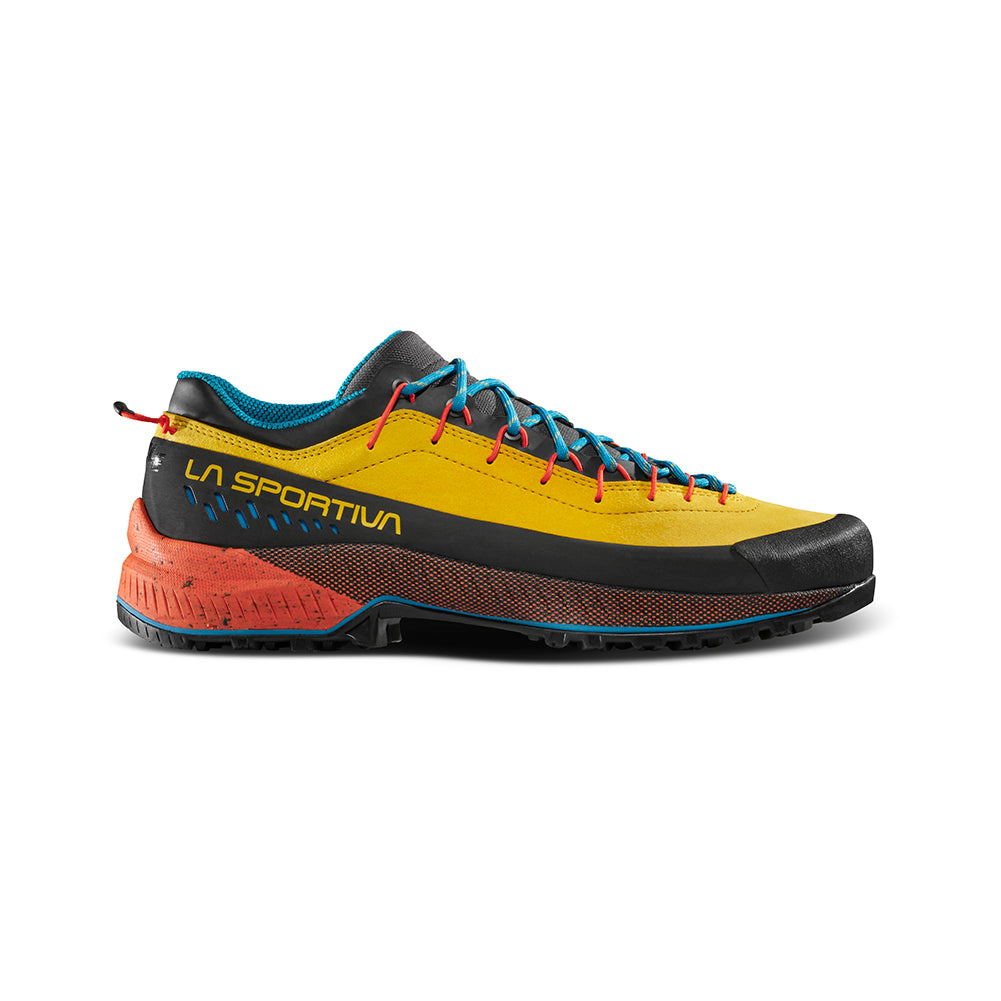
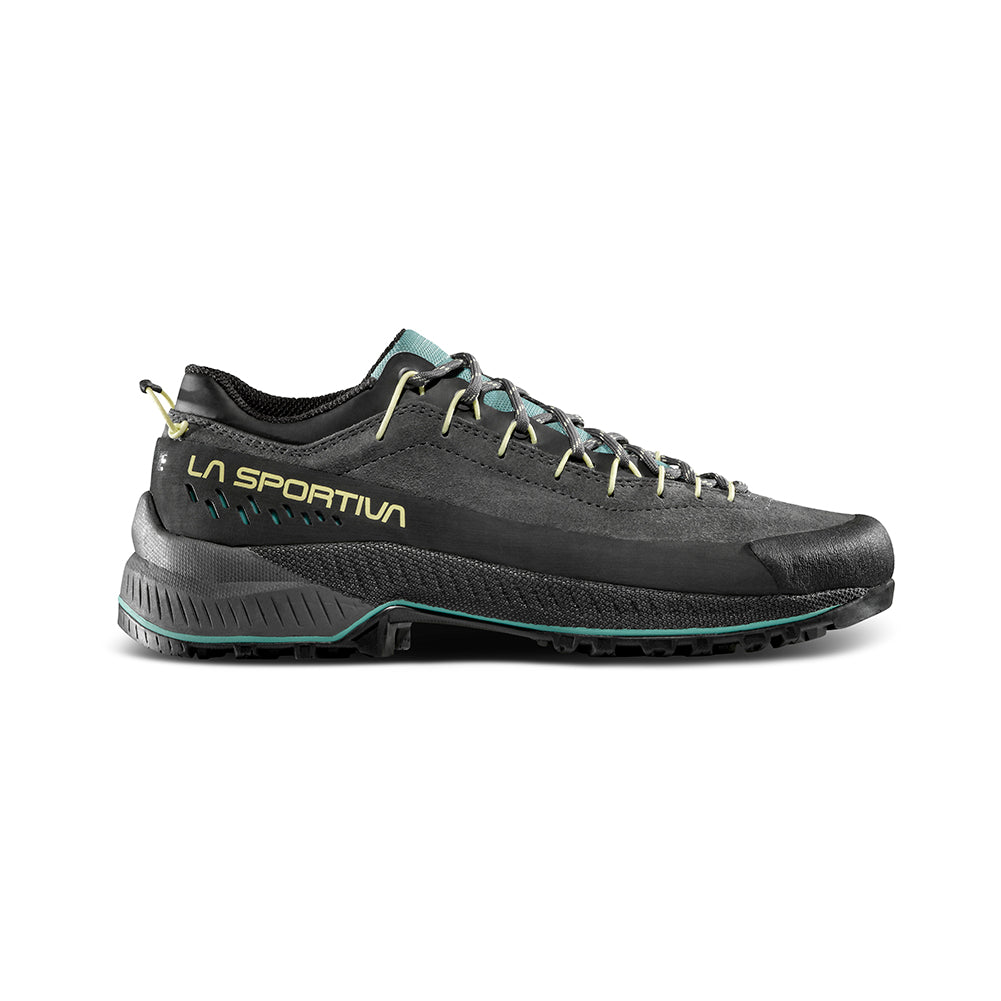
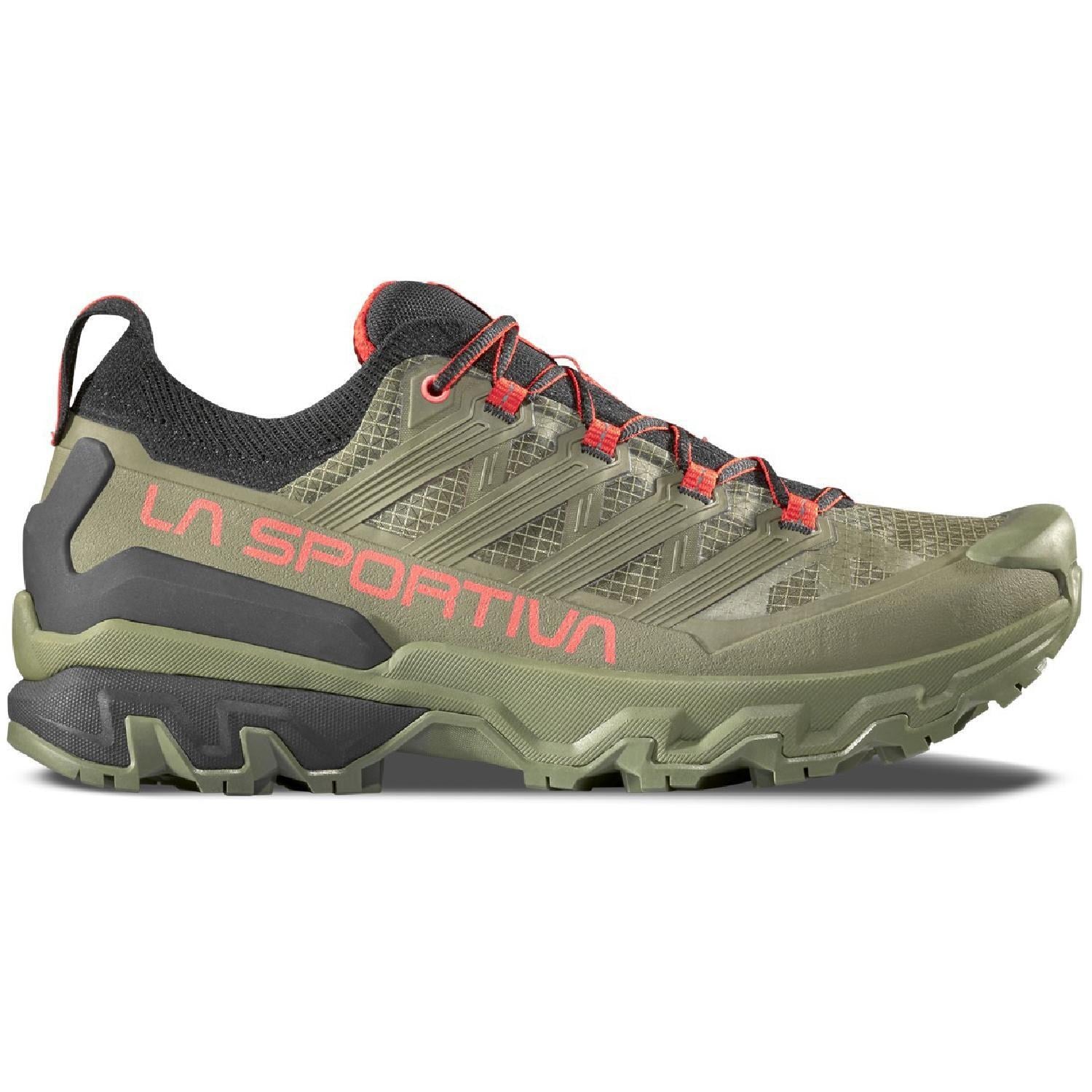
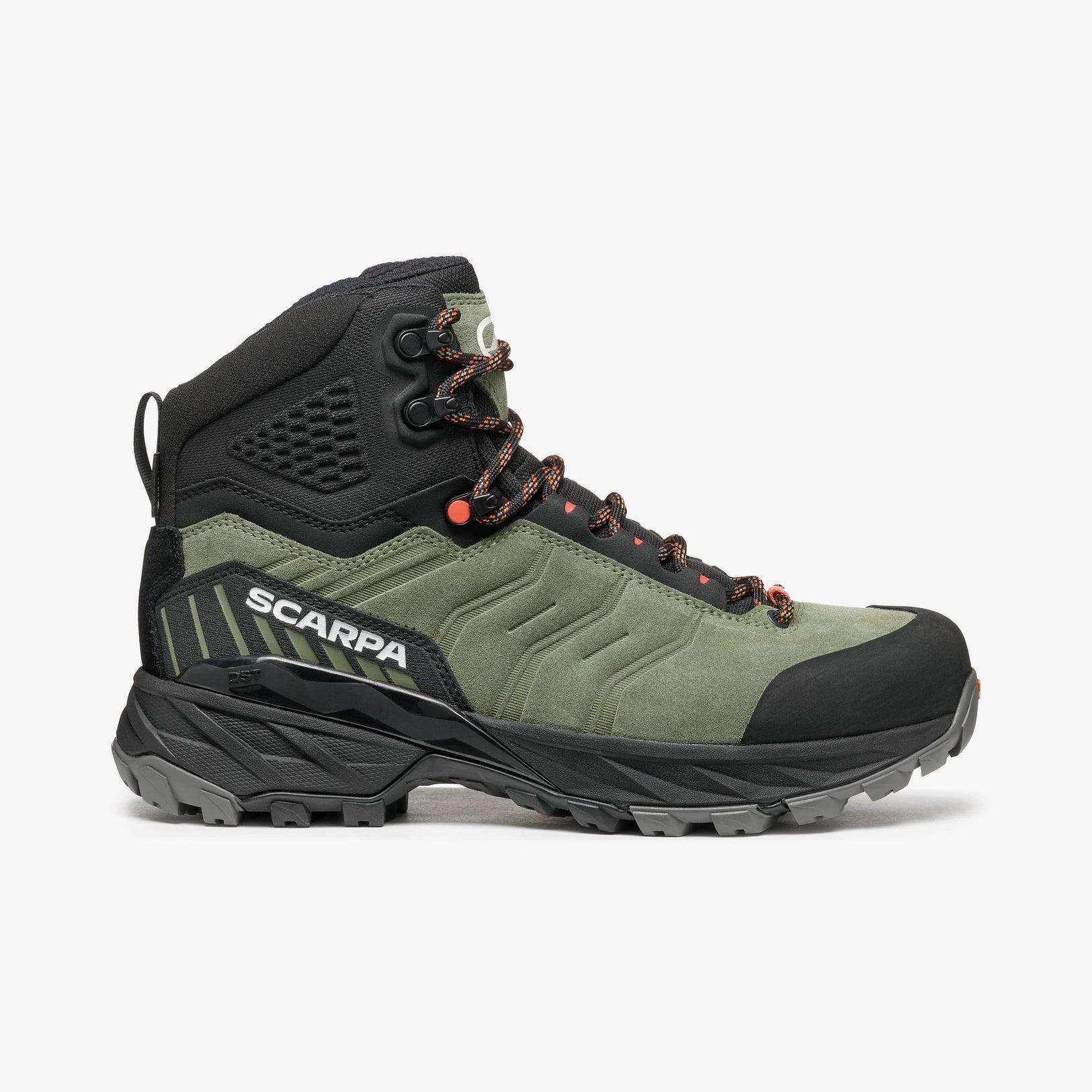
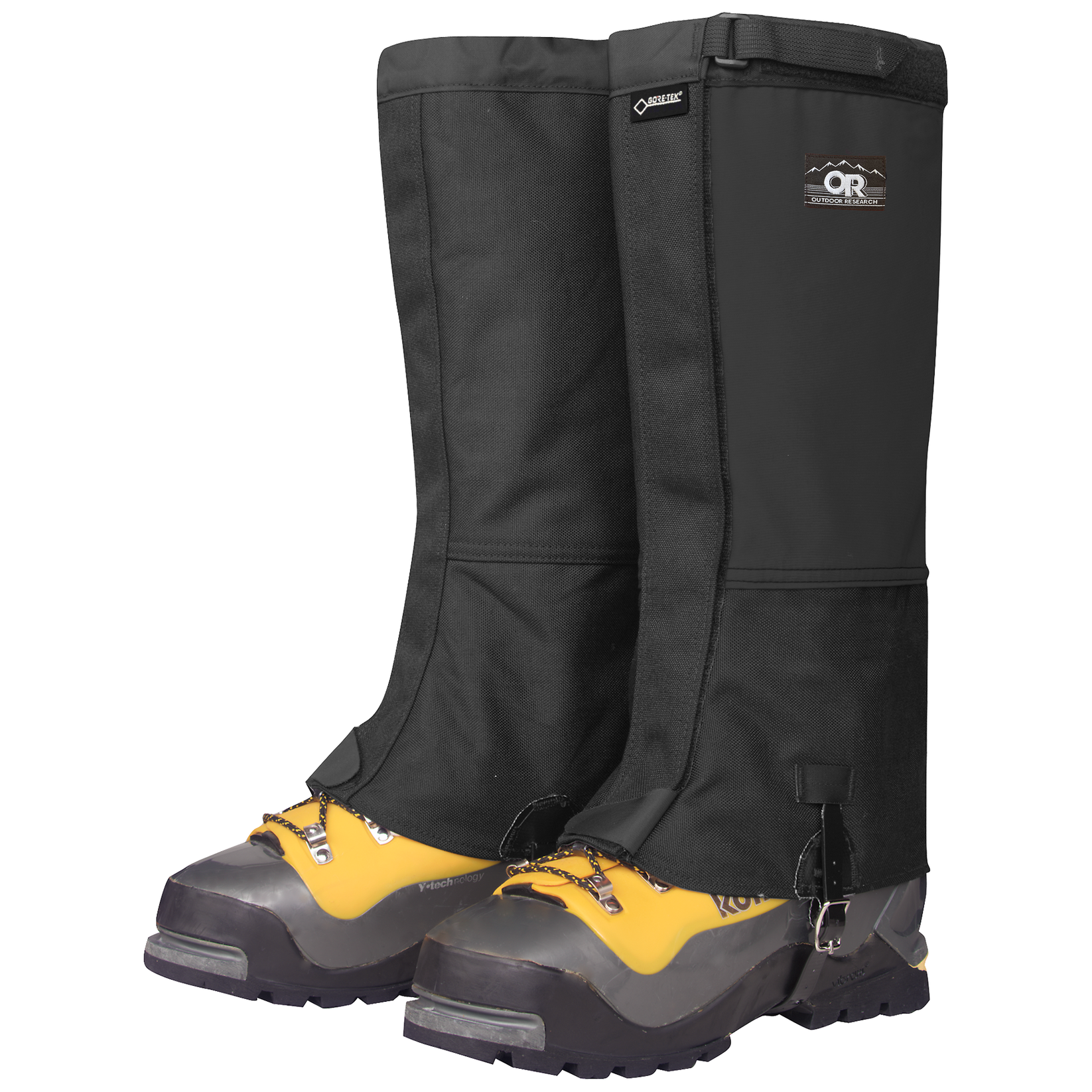
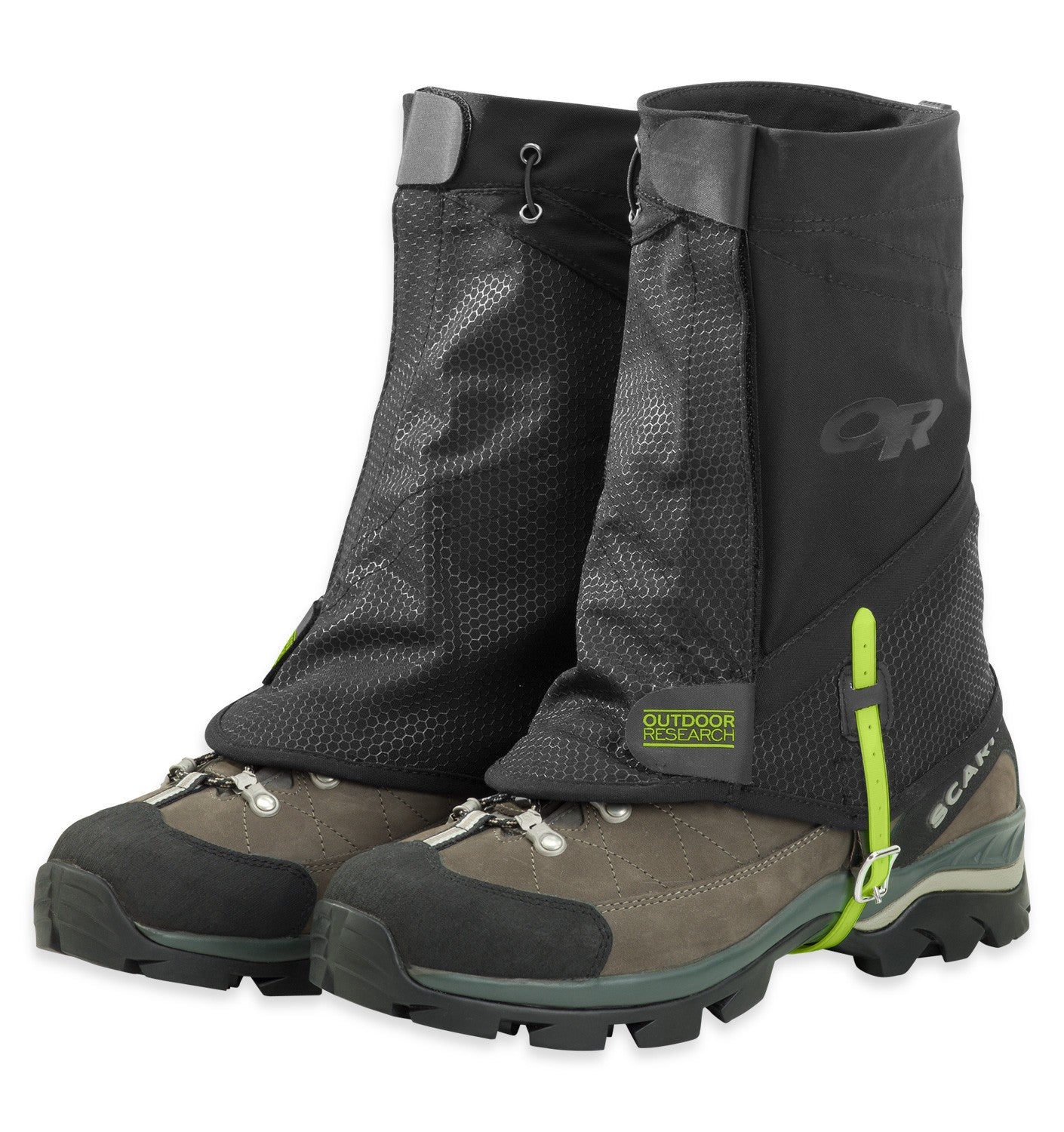
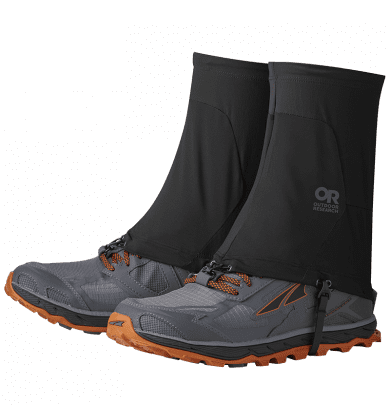
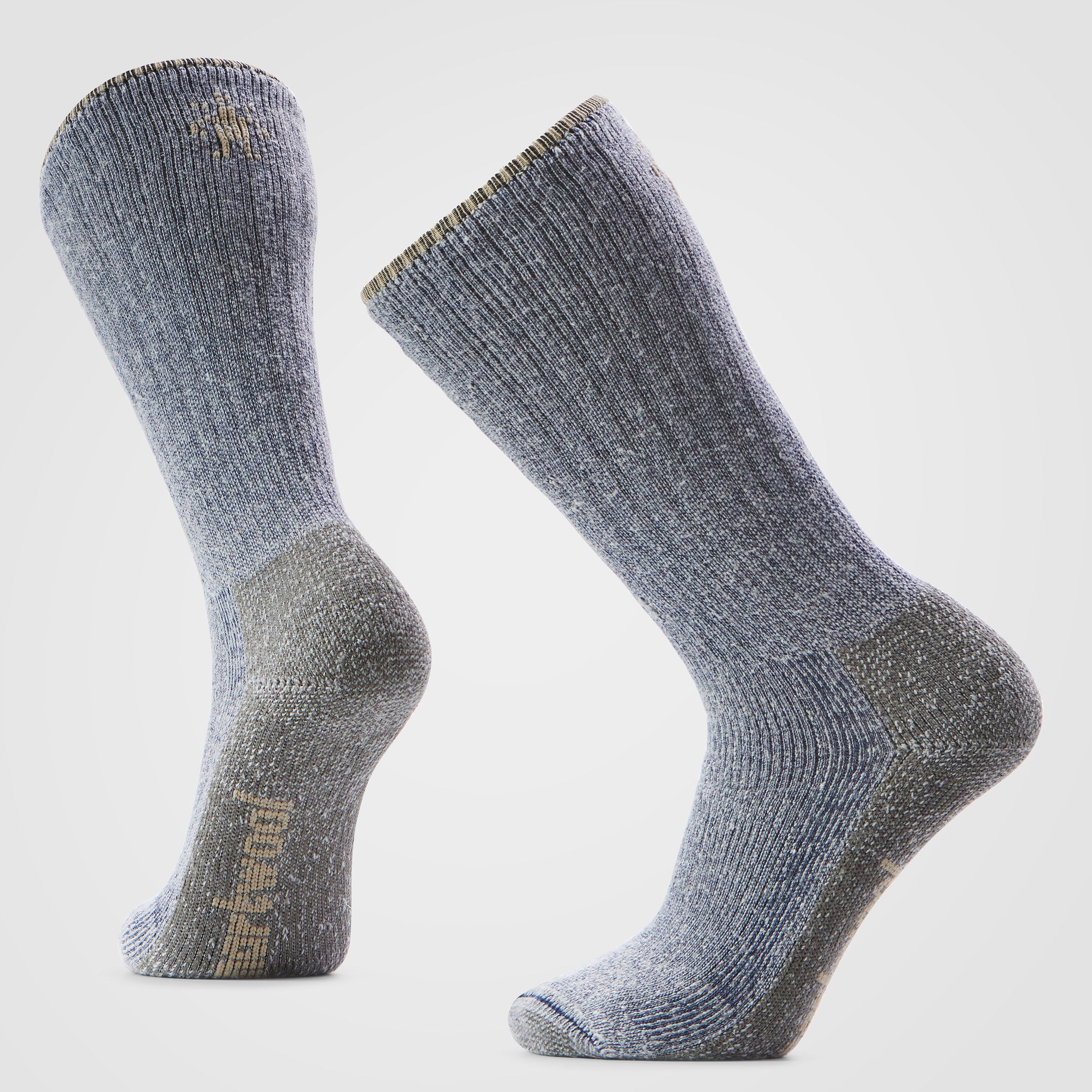
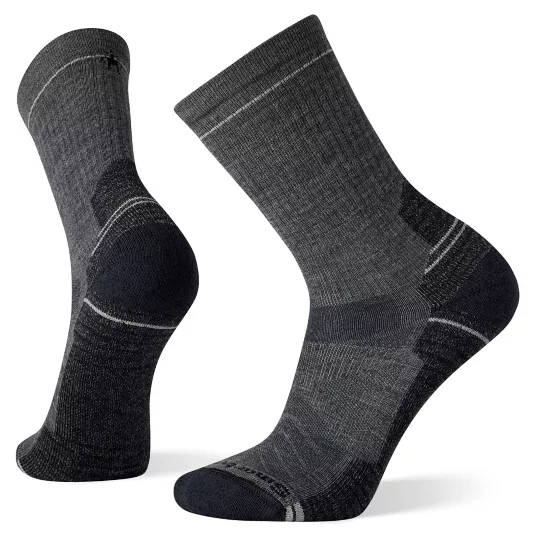

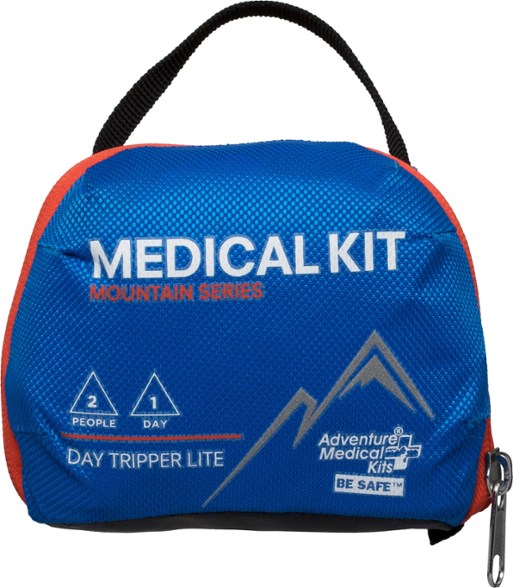
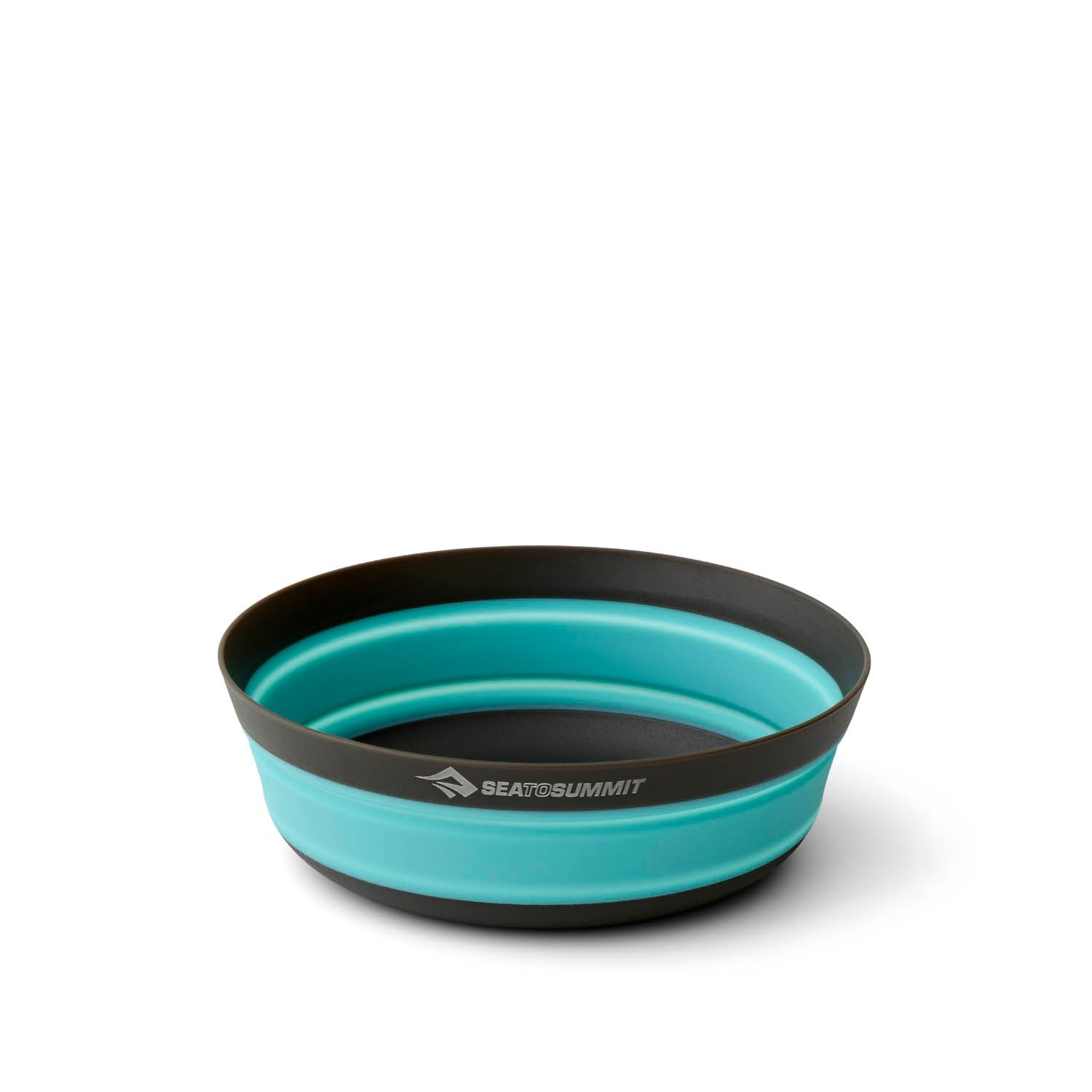
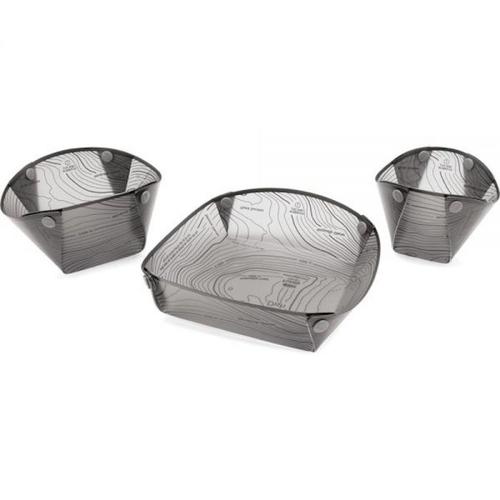
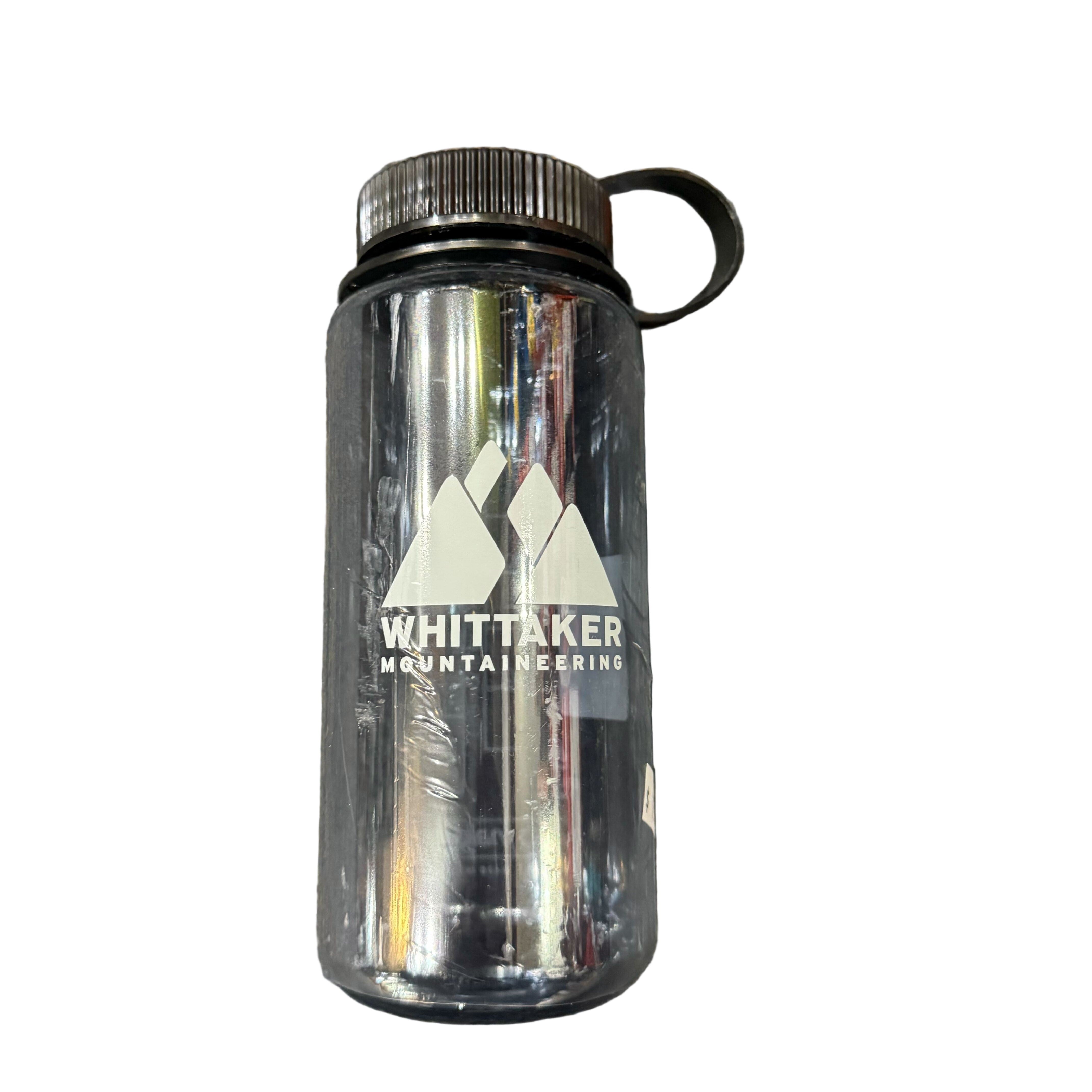
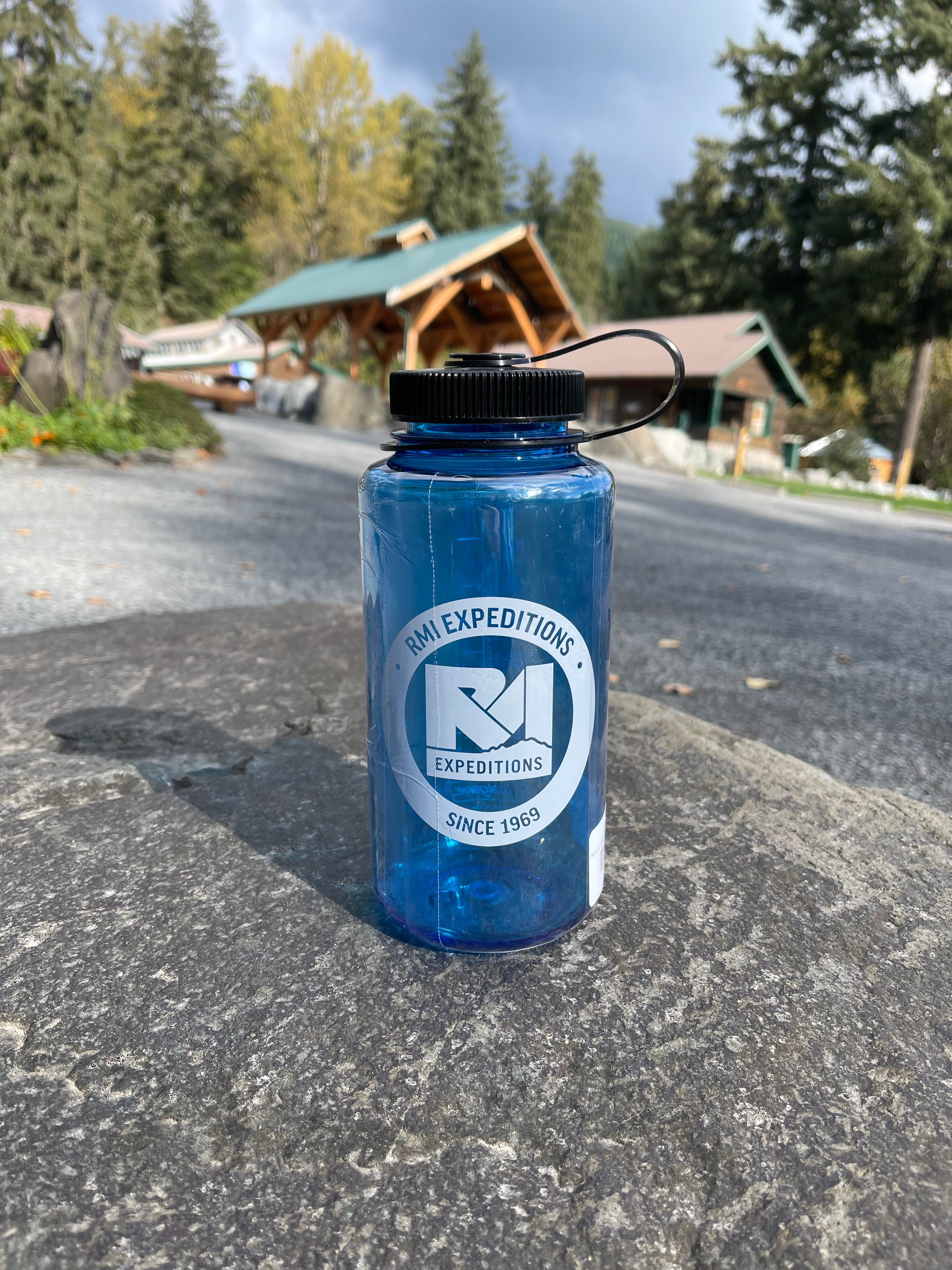
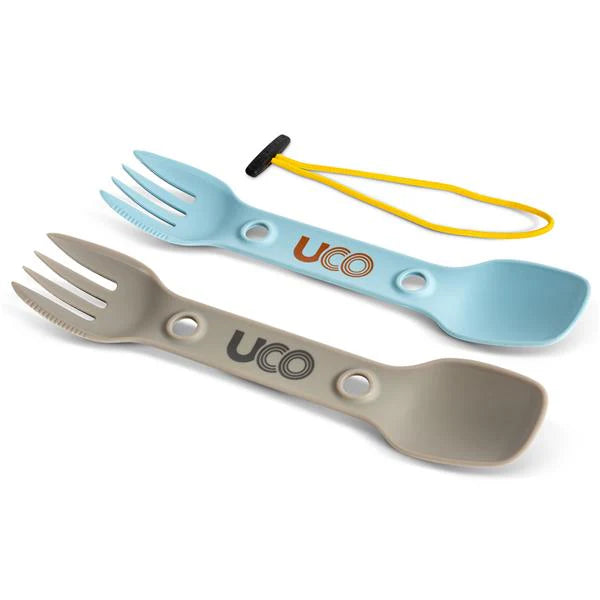

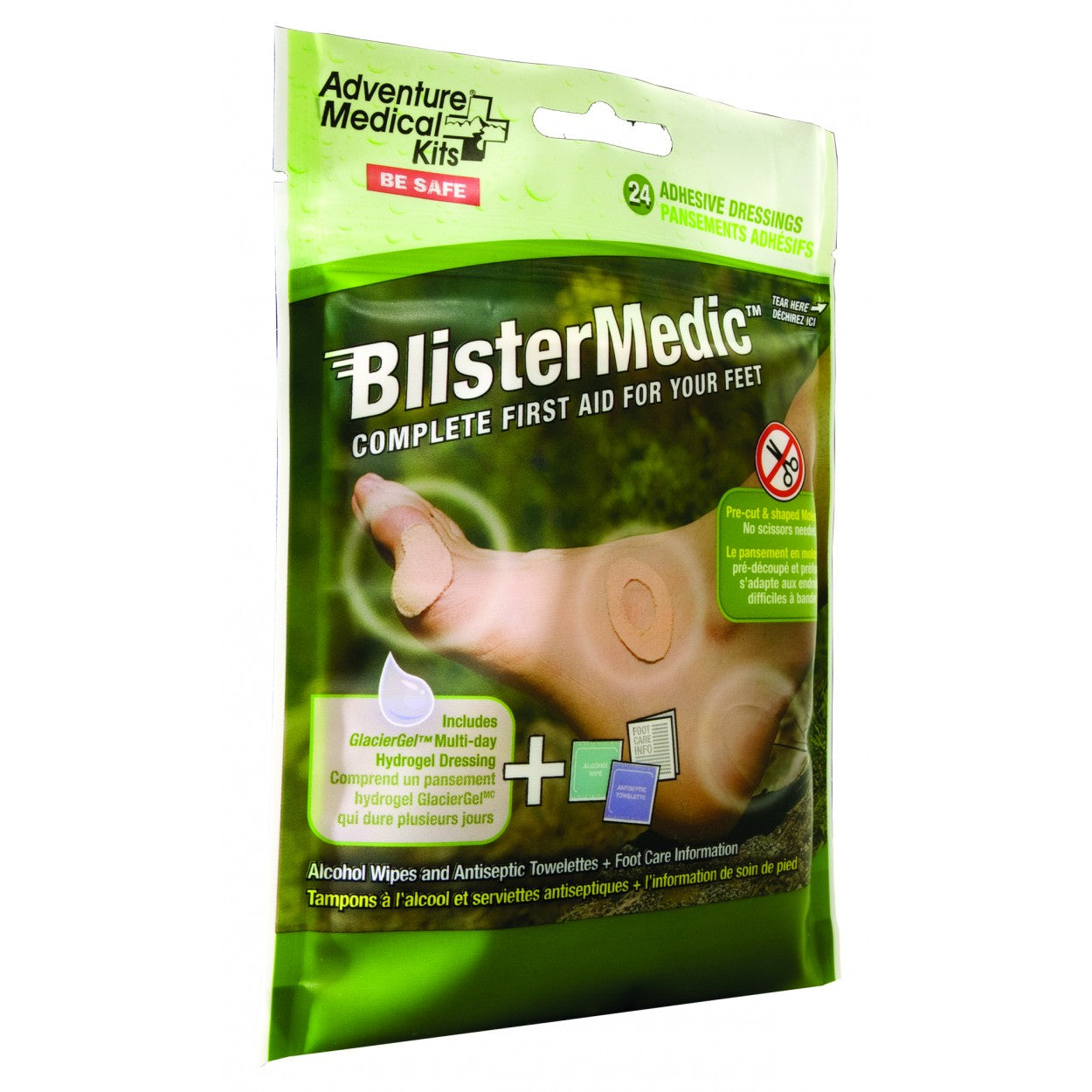
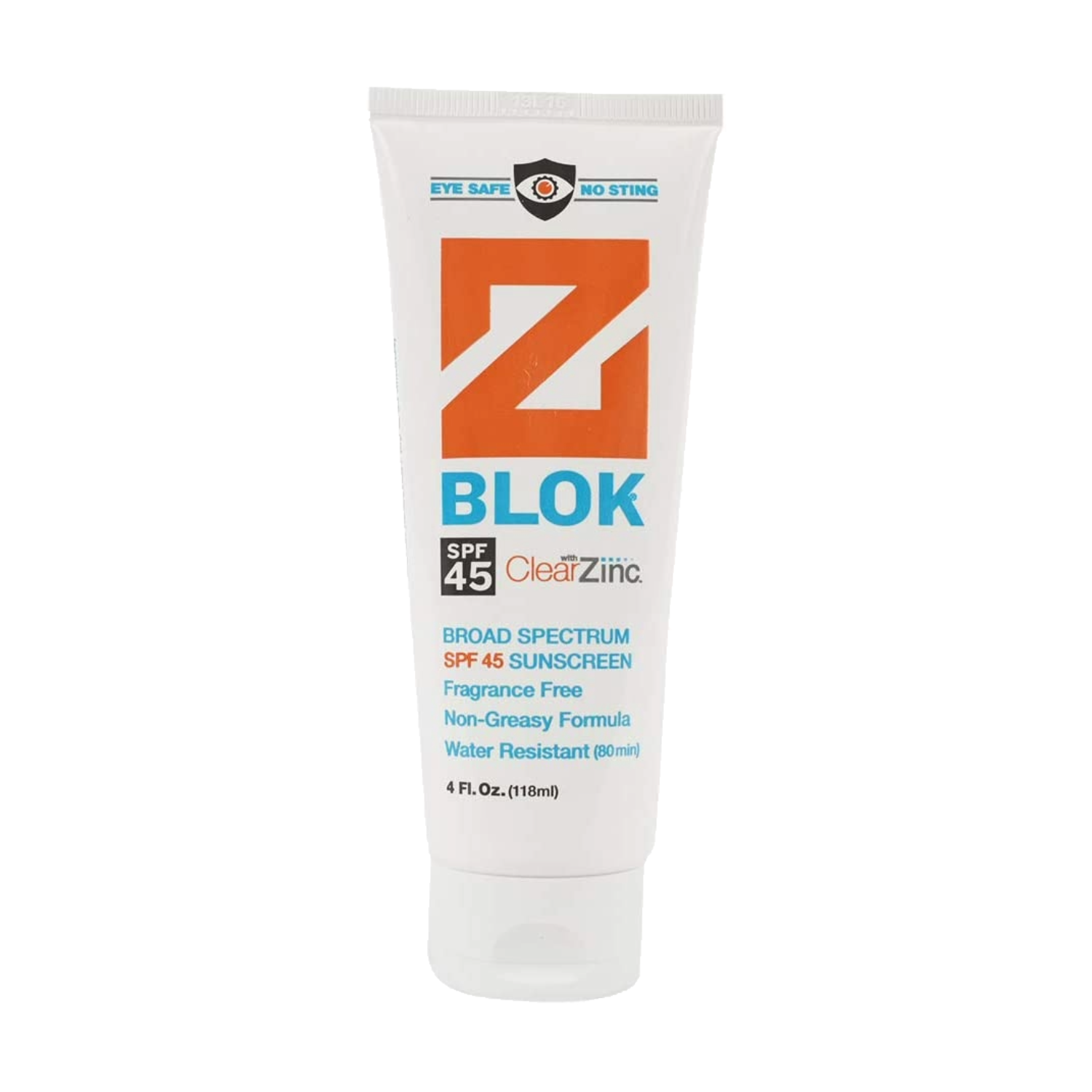
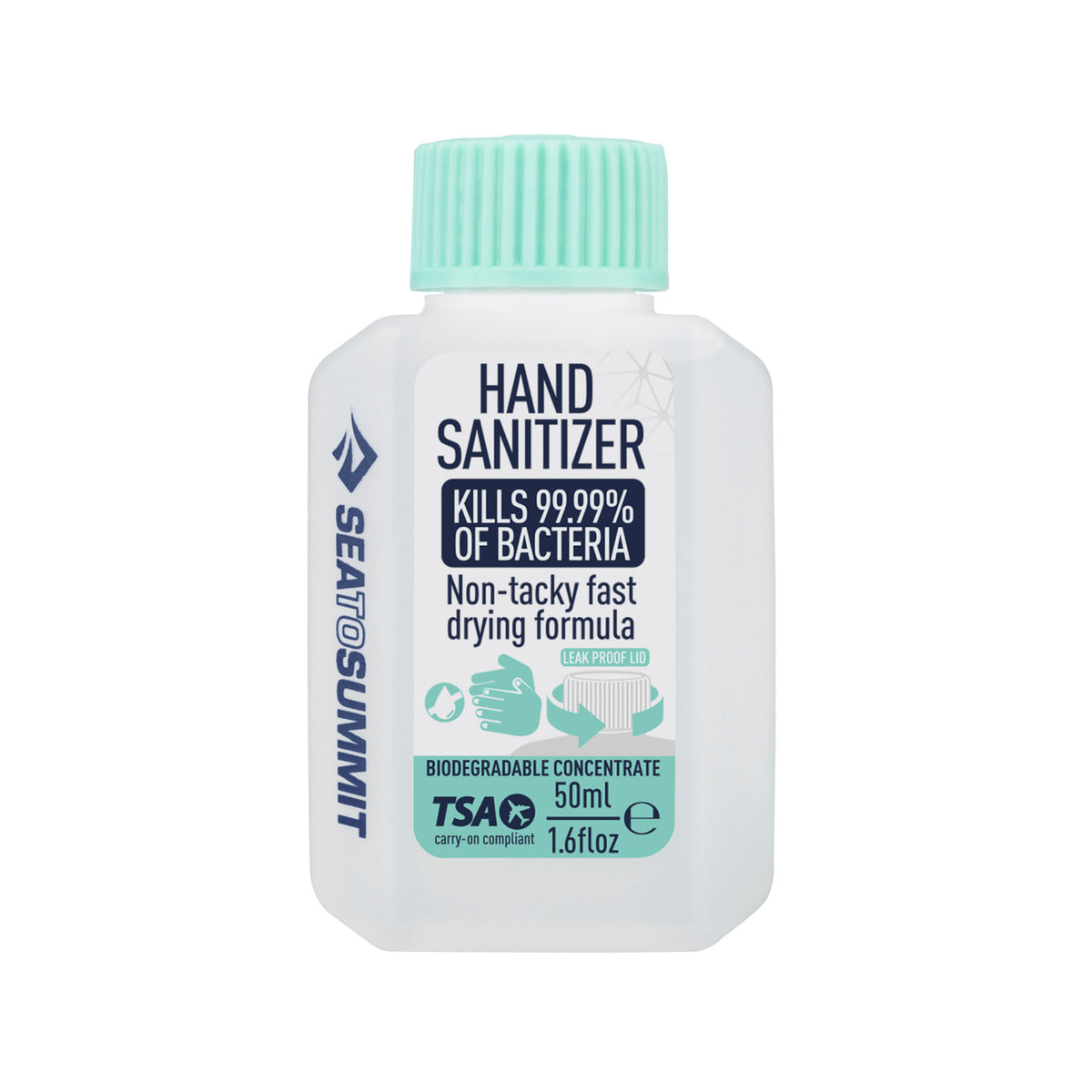
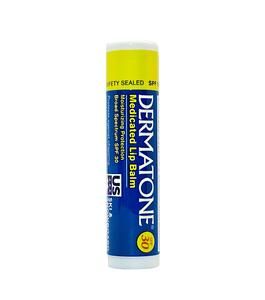
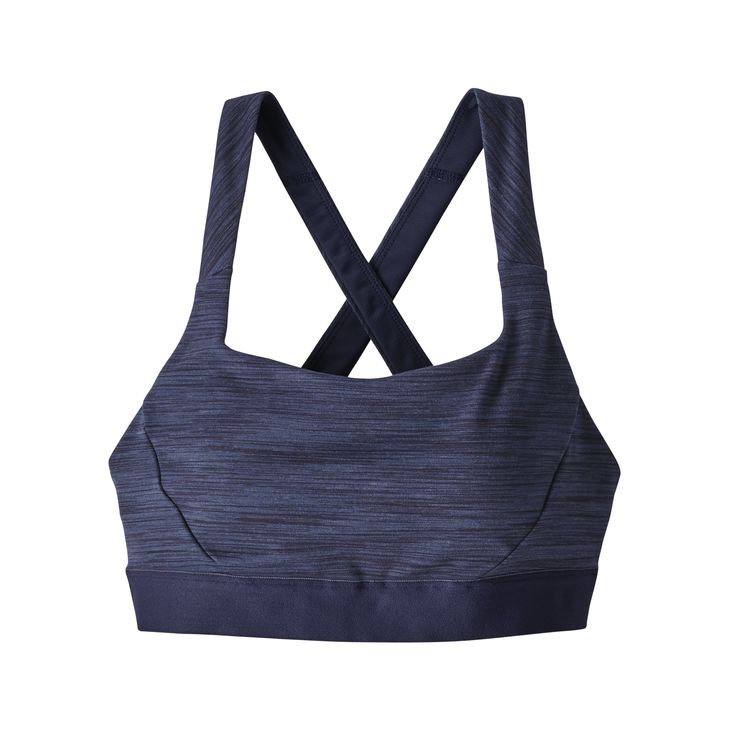
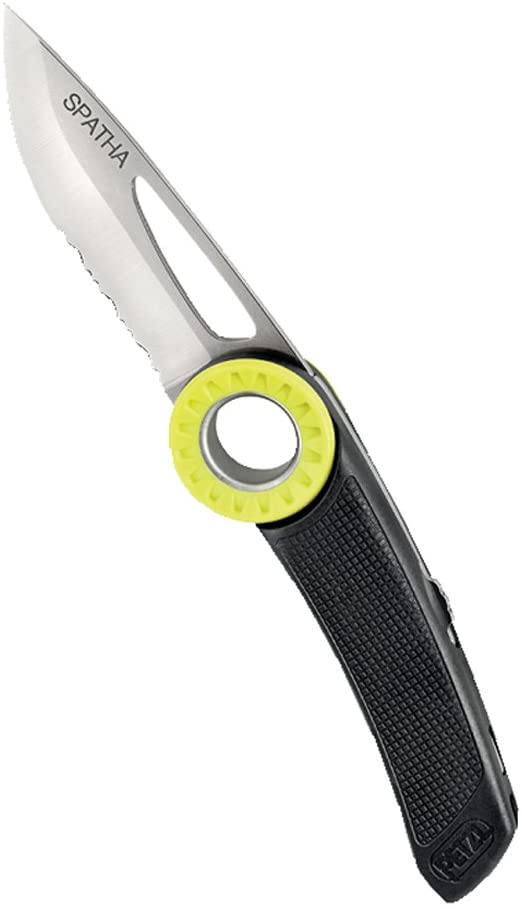
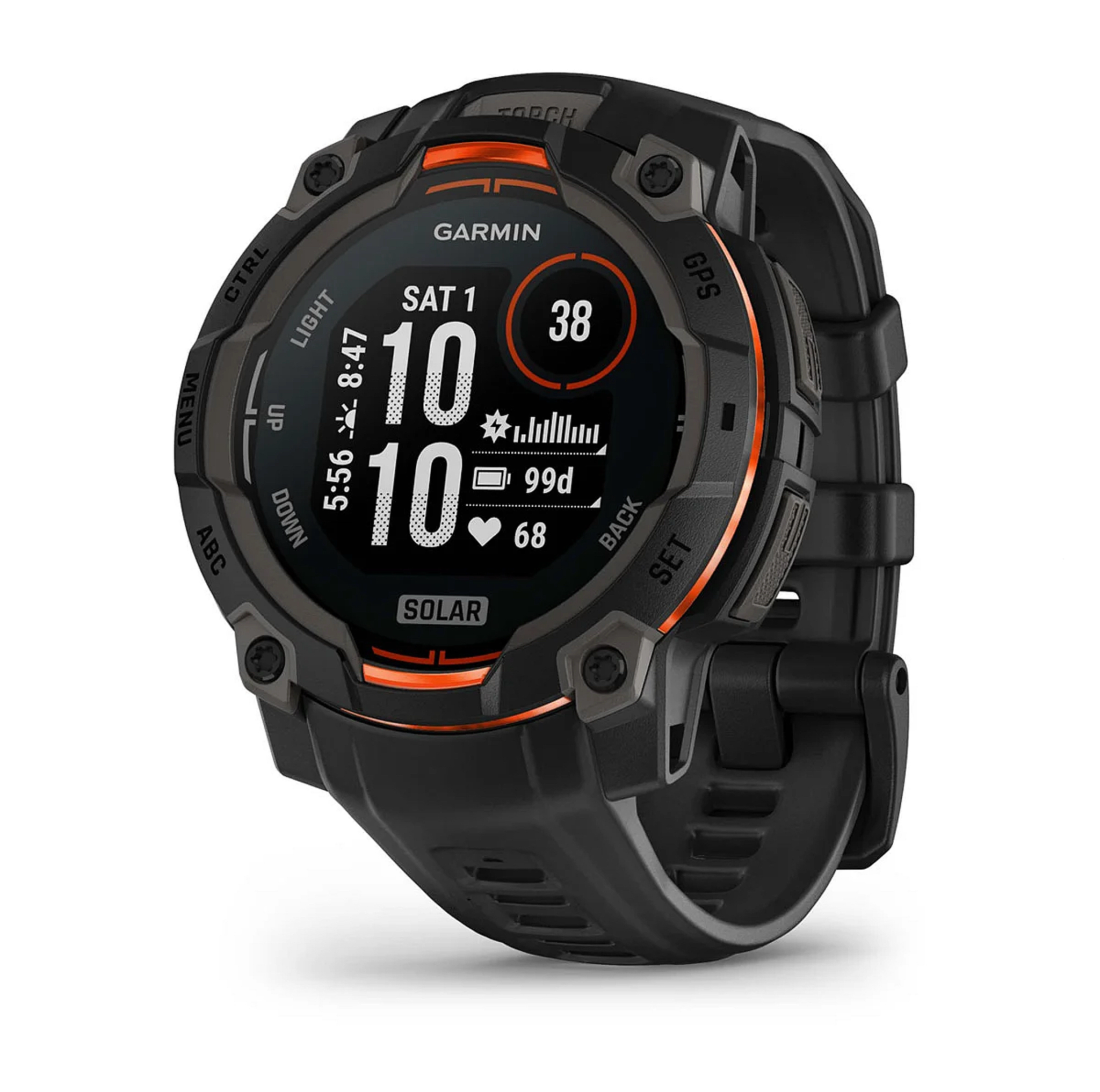
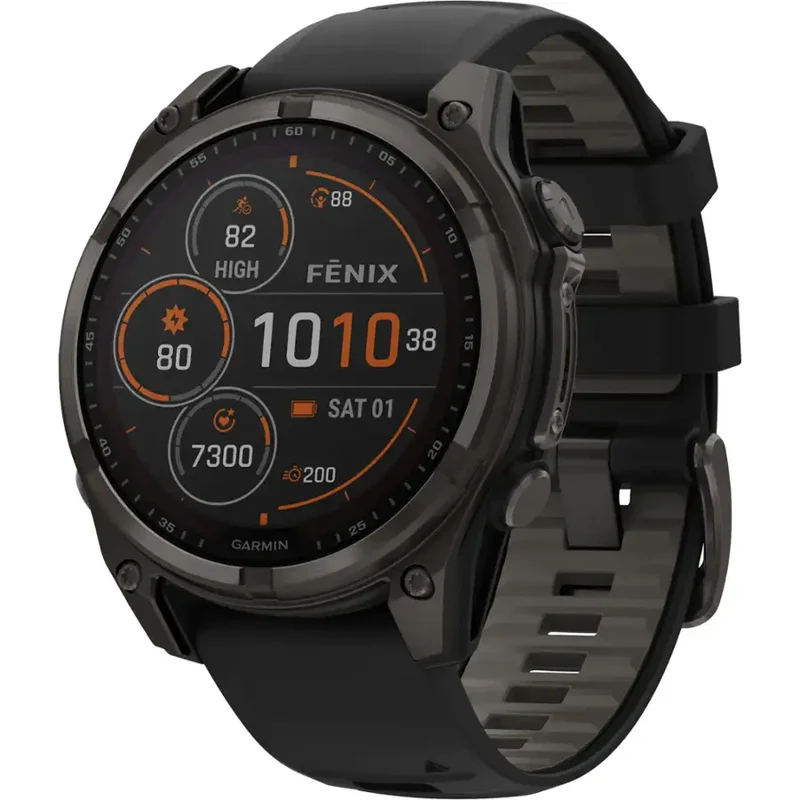
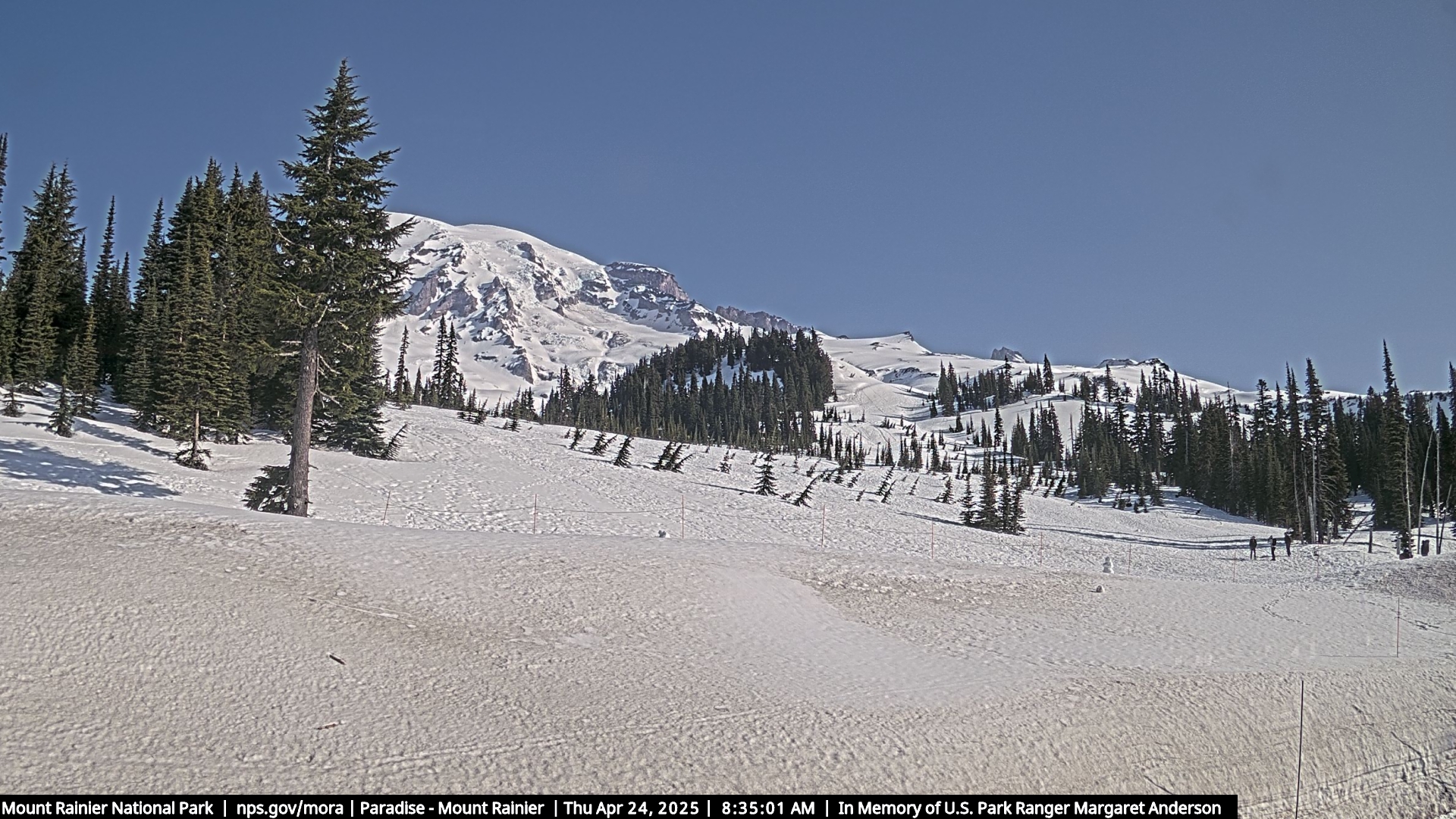
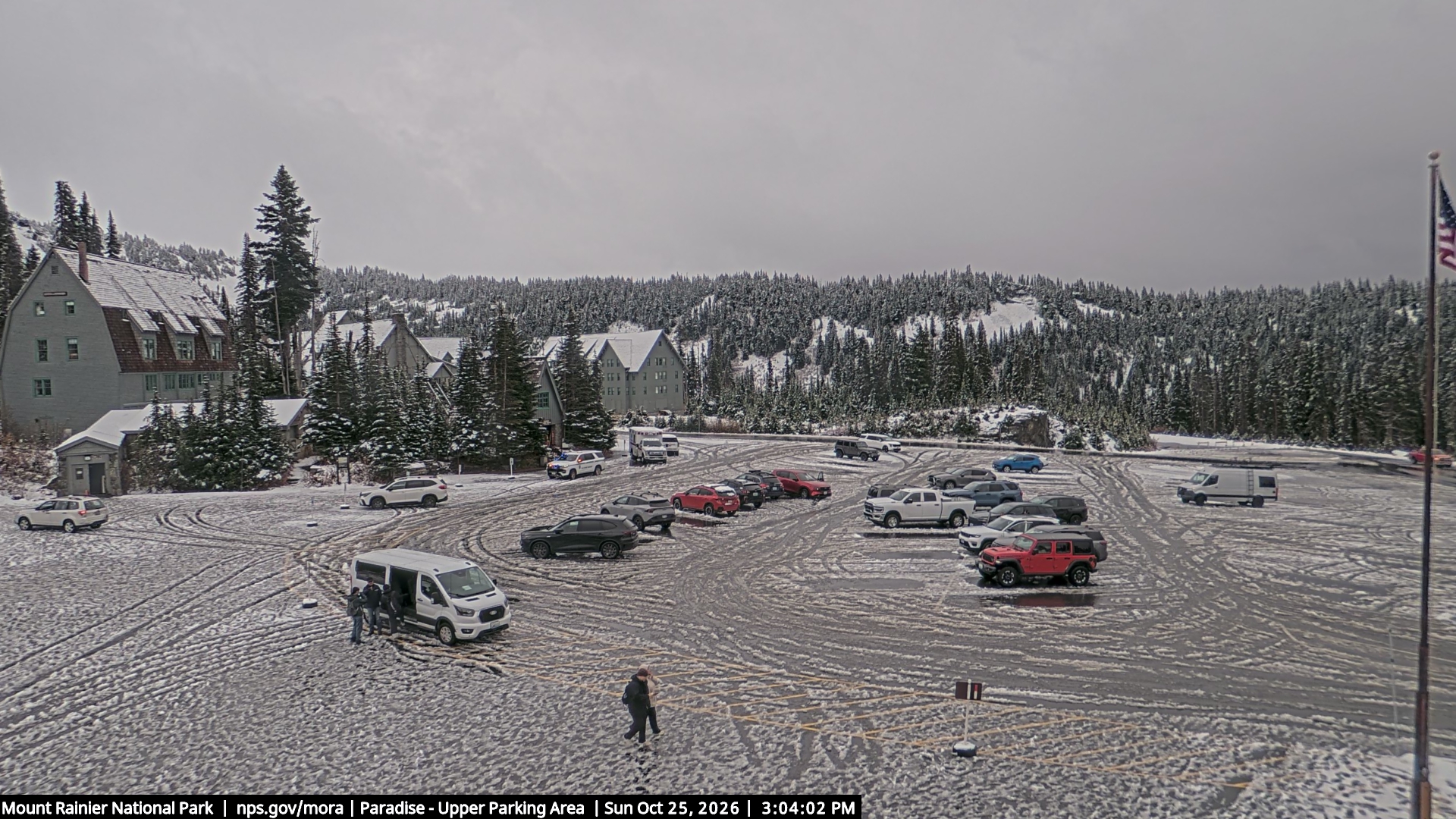


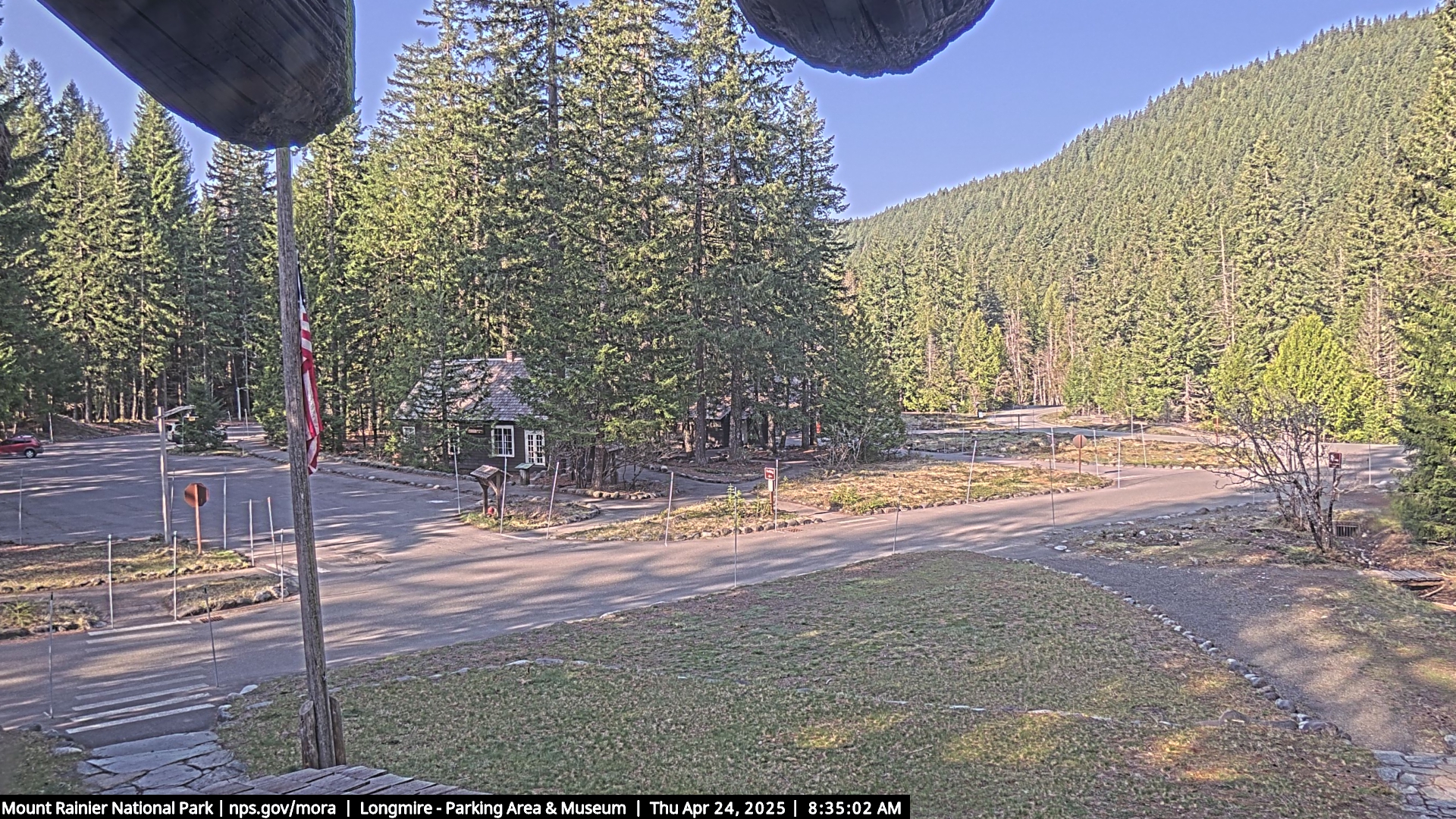
Additional Comments
The equipment list for this trip could be updated some, and perhaps the equipment list could include more detailed explenations of the equipment and its use (for example some of the climbing equipment).