Travel, Logistics, and Group Structure
Where do we meet to start the Mt. Shuksan Fisher Chimneys climb?
The program begins at 8:00 a.m. at the Glacier Public Service Center in Glacier, Washington.
Do I need my own vehicle?
You are responsible for your own transportation to the meeting location. The team will carpool from the Glacier Public Service Center to the Artist Point trailhead.
What is the climber-to-guide ratio on this program?
The Mt. Shuksan Fisher Chimneys climb is guided at a 2:1 climber-to-guide ratio.
Fitness and Readiness
How fit do I really need to be for this climb?
You should arrive in excellent physical condition and prepared for sustained effort over three consecutive days. Day 1 involves technical rock climbing with a 45-50 lb pack, Day 2 is a long summit day involving three glaciers and exposed climbing, and Day 3 requires descending the full route with a loaded pack. Fitness directly affects your ability to move efficiently on technical terrain, recover between efforts, and perform safely when conditions become committing.
How much weight will I carry on the climb?
Expect to carry 45-50 lbs during the approach on Day 1 and the descent on Day 3. On summit day, packs are lighter, typically 20-25 lbs.
What happens if I am struggling physically during the climb?
Guides closely monitor climbers throughout the program. If someone is struggling, guides may adjust pacing, provide coaching, or modify objectives to maintain appropriate risk management for the team. Because this is a goal-oriented climb with technical demands across three days, climbers must be capable of meeting the baseline physical and technical requirements.
Do I need previous experience with technical rock climbing?
Yes. Climbers should arrive with comfort and competence on 3rd and 4th class rock. The Fisher Chimneys involve sustained technical climbing with exposure while wearing a heavy pack, and the summit pyramid includes belayed moves up to low 5th class.
Route, Terrain, and On-Mountain Experience
What are the Fisher Chimneys like?
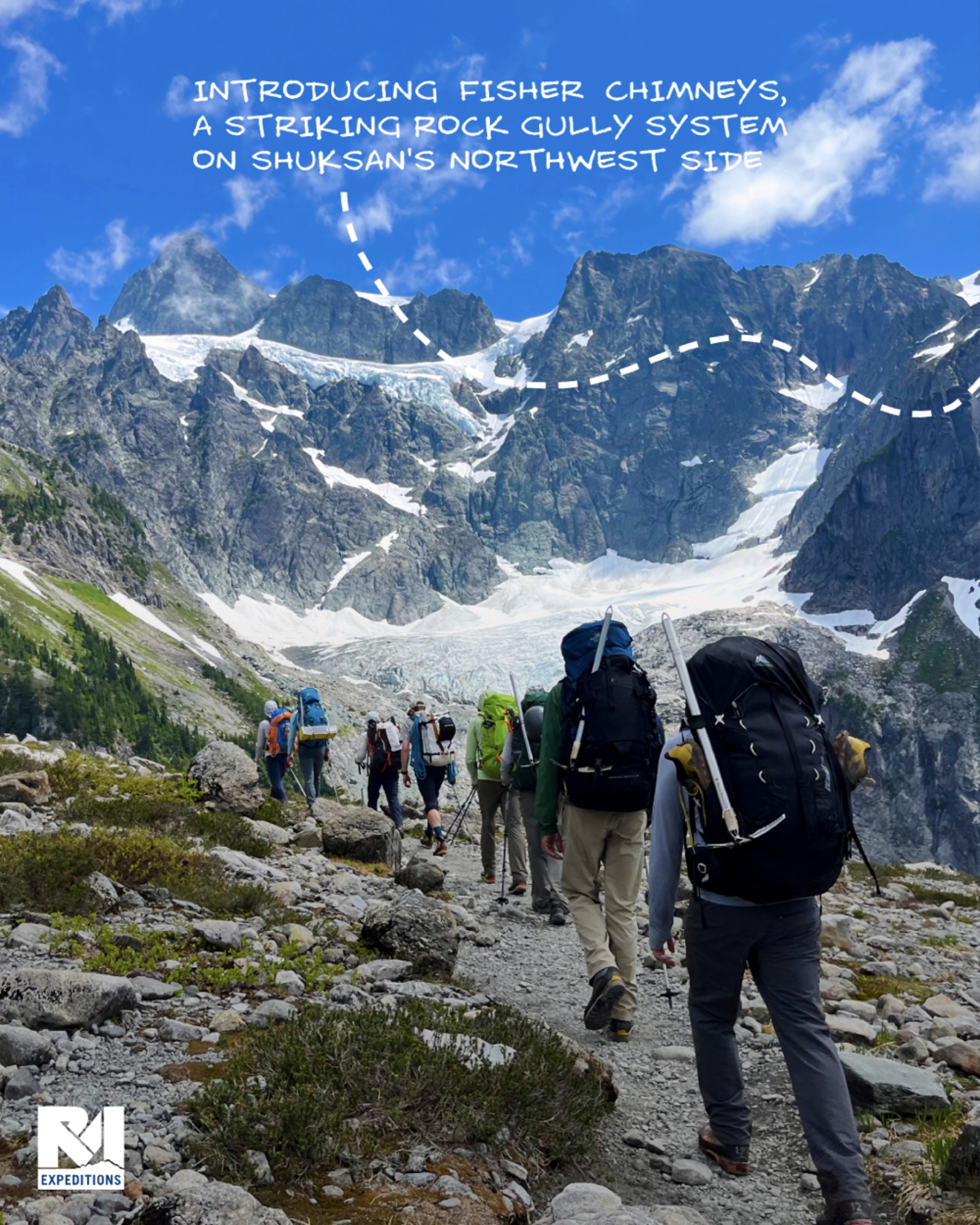
The Fisher Chimneys are a series of exposed rock gullies requiring sustained 3rd and 4th class climbing. The chimneys take one to two hours to ascend while roped and wearing a heavy pack. The terrain is technical, committing, and requires confident movement on rock.
What is high camp like?
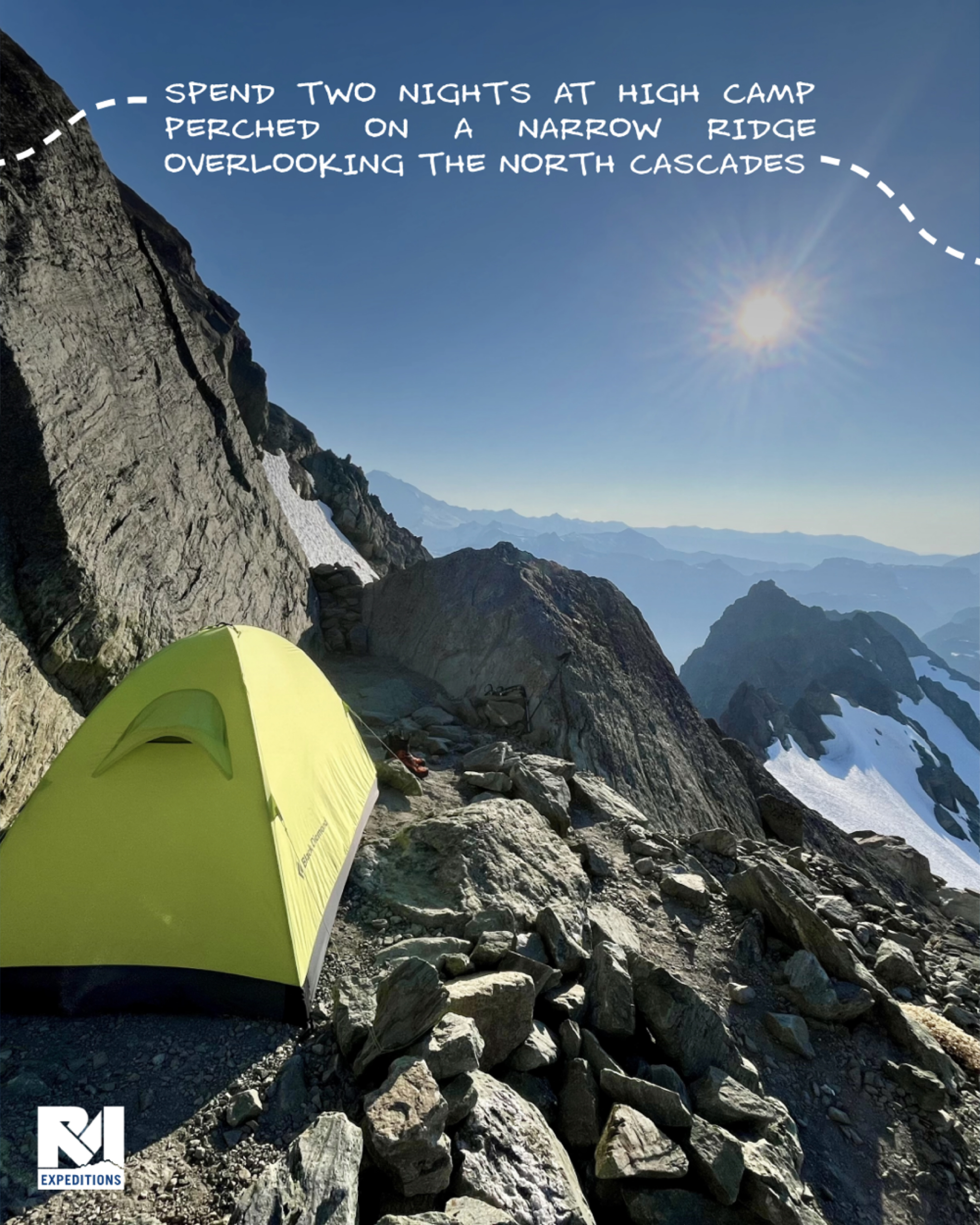
High camp sits on a narrow ridge at 6,700 feet at the top of the White Salmon Glacier. The location is exposed and remote, offering dramatic views of the North Cascades. Climbers spend two nights at this camp.
What glaciers do we cross on summit day?
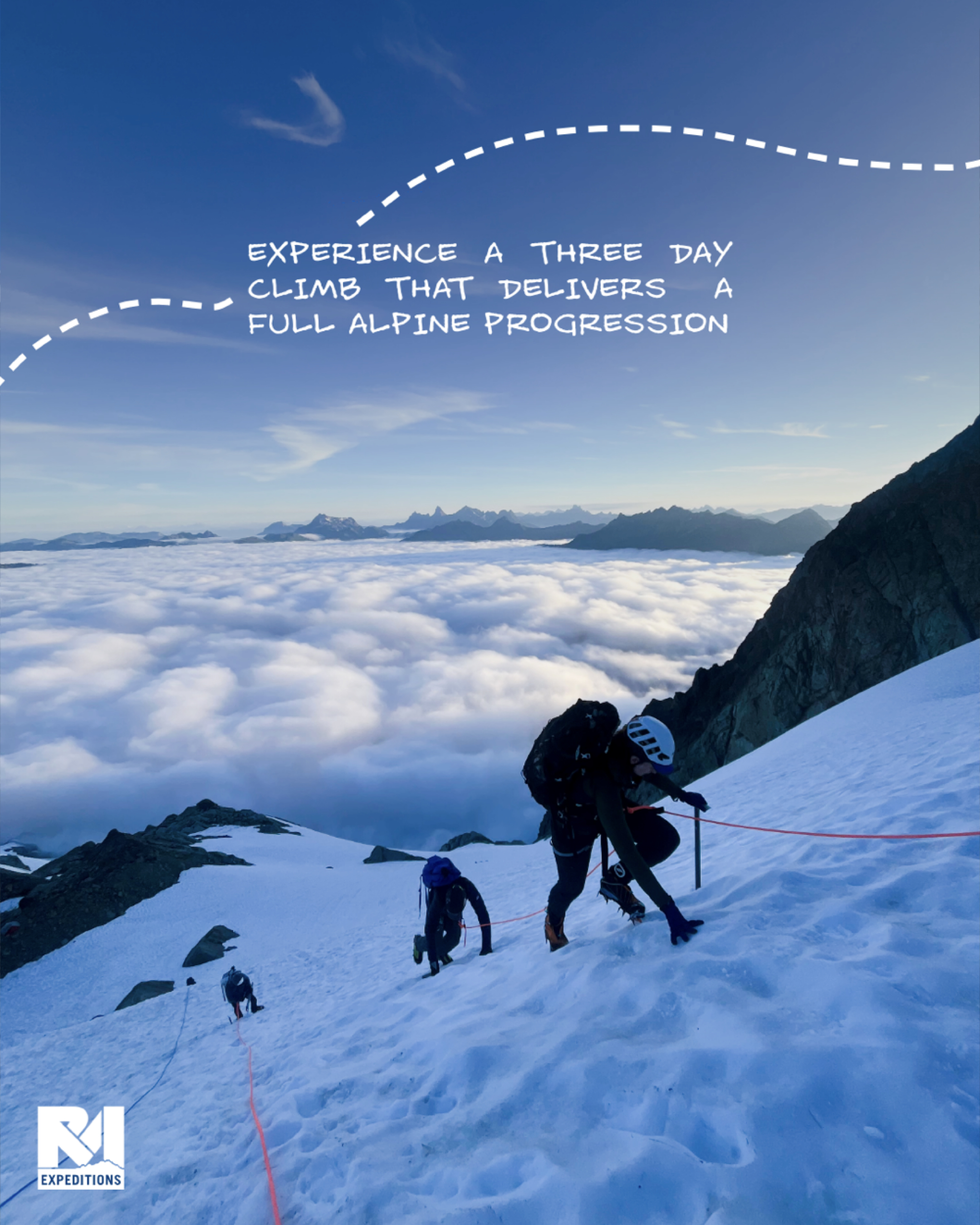
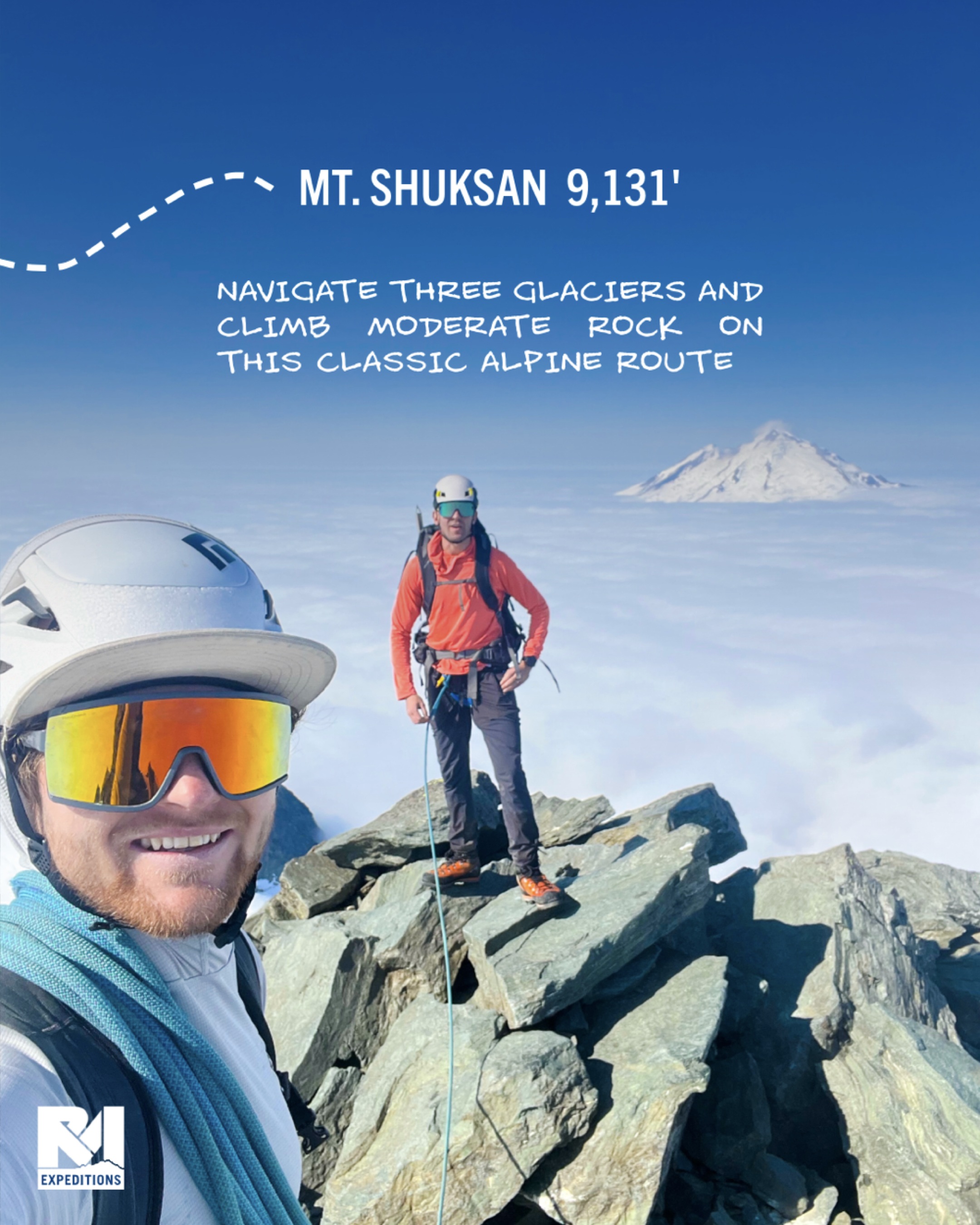
Summit day crosses three distinct glaciers — the White Salmon, the Upper Curtis and the Sulphide — linked by the steep snow-and-ice step of Winnie’s Slide and by Hell’s Highway. Winnie’s Slide is not itself a glacier, but it is the steepest ice on the route.
What is the summit pyramid like?
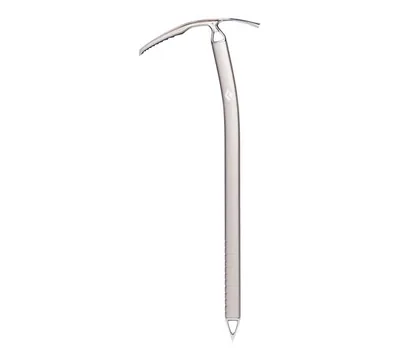
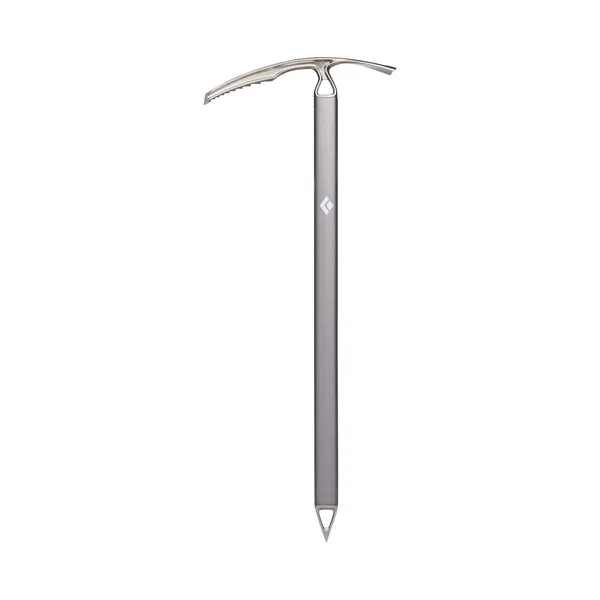
The summit pyramid involves approximately 600 feet of steep snow climbing and exposed rock moves up to 4th and 5th class. Climbers use ice axes for balance, kick steps in steep snow, and make belayed moves on rock. The terrain is committing and exposed.
How technical is the descent?
The descent involves rappels and belayed down-climbing from the summit pyramid, reversing the three glaciers back to high camp on Day 2, then descending through the Fisher Chimneys and hiking out on Day 3. The descent requires focus, technical competence, and sustained effort.
How does the Fisher Chimneys route compare to the Sulphide Glacier route?
The Fisher Chimneys route is longer, more technical, and more committing. It requires three days instead of four, involves sustained rock climbing with a heavy pack, and crosses more varied terrain. The Sulphide Glacier route emphasizes moderate glacier travel with an exposed summit finish, while the Fisher Chimneys route demands technical rock competence from the start.
Weather, Conditions, and Decision-Making
What kind of weather should I expect on Mt. Shuksan?
North Cascades weather is highly variable. Climbers should be prepared for wind, cold temperatures, precipitation, and rapid changes in visibility, even during summer months.
What are my chances of reaching the summit?
Three main factors generally prevent climbers from reaching the summit: weather, route conditions, and individual fitness and technical competence.
Weather
Avalanche hazard, wind, precipitation, and visibility can impact the ability to climb while maintaining an appropriate margin of security. If conditions deteriorate, guides may delay, turn around, or adjust objectives.
Route Conditions
Guides continually assess crevasse patterns, snow stability, rock conditions in the Fisher Chimneys and on the summit pyramid, and overhead hazards. While there is often a way to the top, conditions may not always support a guided ascent with an acceptable margin of risk.
Fitness and Technical Competence
Fitness and technical skill are factors climbers have the most control over. This route demands sustained performance across three days on technical terrain. Improving fitness and refining technical skills are the most effective ways to increase your chances of a successful summit attempt.
How do guides make decisions when conditions change?
Guides continuously assess weather, route conditions, and team performance. Decisions are based on disciplined risk management and maintaining appropriate margins for the entire group.
Who makes the final decision to continue or turn around?
The guide team makes all final decisions on the mountain, with climber security and long-term success as the priority.
Safety and Emergency Response
What happens in the event of an injury or illness on the mountain?
Guides are trained in remote medicine and rescue techniques and carry medical and communication equipment. Responses vary based on severity and conditions and may include descent or evacuation if necessary.
What medical and communication systems do guides carry?
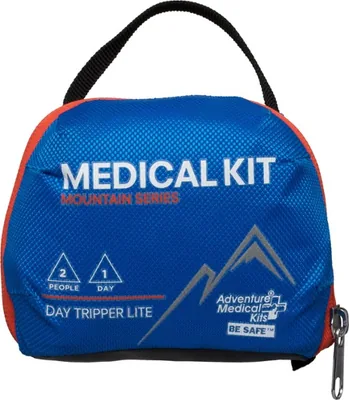
Guides carry comprehensive medical kits and radio communication equipment appropriate for remote alpine terrain to support emergency response and coordination.







.jpeg)
P2NEW.png)
.JPG)
.jpeg)
.jpeg)
.jpeg)












Additional Comments
Sam is an excellent guide with significant knowledge, calm demeanor and fun to climb with.