ABOUT YOUR MOUNTAIN MEALS
OVERVIEW
Nutrition while training and nutrition while climbing are two very different things. You may follow a pretty specific nutrition regimen while you are training to aid your desired outcomes, but once it comes to the climb, calories are what count the most. While climbing, you are trying to maximize energy and performance over a short period of time.
Our food priorities when climbing are:
- a high-calorie intake
- a variety of flavor profiles (sweet, salty, sour, etc.)
- durability/packability
- enjoyment
Caloric requirements will vary widely from climber to climber based on physical size and metabolism. It is important for you to know what your body requires. One of the normal, albeit disconcerting, adjustments to altitude is a slight loss of appetite. Bring food you enjoy. If you don't love a food at home, you certainly won't like it on the mountain!
At camp, hot and cold water will be provided for your meals, drinks, and refilling water bottles. When planning your menu, don't bring any items that require extensive preparation, cooking, or simmering. We are able to provide you with boiling water but do not have the ability to actually cook food items.
Things to keep in mind as you plan your meals:
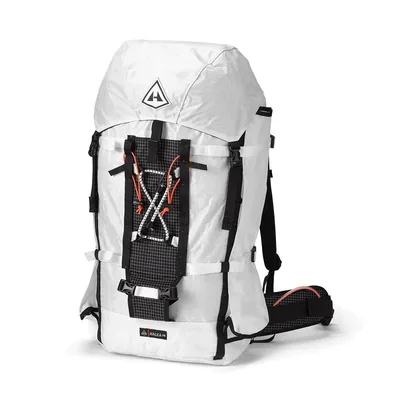
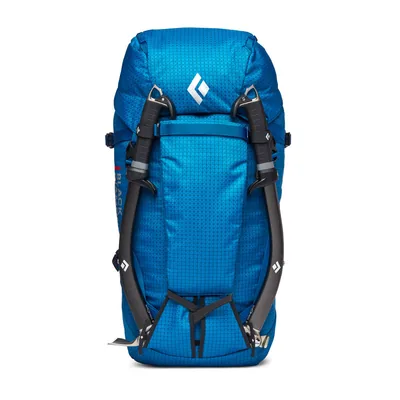
- How much space the food will take in your backpack
- How well the food will hold up throughout the trip in your backpack
- How much waste does the food produce
Consider repacking items into smaller Ziploc bags to minimize the space in your pack. Your food will get crammed into your backpack, jostled around, exposed to extreme temperatures, and even sat on (by you, of course!). What holds up better in these conditions, two slices of bread or a bagel? When packing, it is essential to consider the waste you will produce on the climb; after all, you have to carry it off the mountain. We've already mentioned repacking items to minimize space. Repacking items can also eliminate waste!
MOUNTAIN LUNCHES
Mountain lunches, aka snacks, are eaten during short breaks throughout the day. We continually snack to keep our energy levels up while we climb. We typically take rest breaks every hour or so to adjust our clothing layers, eat, and hydrate. Avoid packing any items that require preparation or hot water at each break. In terms of quantity, aim to bring 1 lb. of climbing food per day. We suggest using snack or sandwich size Ziploc bags to portion out snack food.
The importance of having foods that you genuinely enjoy cannot be overstated. Eating properly is the key to maintaining strength while in the mountains. To combat the loss of appetite at altitude, we aim to have a variety of foods that stimulate the whole palate, from sweet to sour to salty. Here are some ideas but be sure to see the sample menu and packing list below for more ideas!
- Cold pizza
- Trail mix
- Crackers
- Bagel sandwich
- Peanut butter pretzels
- Cookies
- Chewy candy
- Tortilla wraps
- Chocolate covered pretzels
- Candy bars
- Veggies and hummus
- Chips
- Apple slices
- Protein bars
PRO TIP: Feel fancy! Charcuterie (cured meat, cheese, and crackers) makes a great mountain lunch!
BREAKFAST
Single-serving instant oatmeal, Cream-of-Wheat, or granola make a good main course fare. A variety of granola bars, pastries, fruit, and a hot drink mix of coffee, tea, cocoa, or cider are suggested. Plan on eating a breakfast that tastes good, and you find filling. Here are some ideas but be sure to see the sample menu and packing list below for more ideas!
- Instant hot cereal (Oatmeal, Cream-of-Wheat, Cream-of-Rice, etc)
- Granola or cereal
- Freeze-dried breakfast (Mountain House, Peak Refuel, Mountain Zora, and Katadyn's Alpine Aire all have breakfast options)
- Add-ins such as individual servings of peanut butter or honey, raisins or craisins, or a few tablespoons of powdered milk can put your mountain cereal game over the top.
PRO TIP: Think outside the box. Peanut butter and jelly sandwiches (on bagels) or ramen make great breakfast options!
DINNER
This meal will give your body the initial fuel it needs during your summit attempt. Spend time considering your options so that you go to bed nourished and ready for the climb ahead of you. Freeze-dried entrees are very convenient mountain dinners. Pay attention to the caloric quantity – it varies from meal to meal. Here are some ideas but be sure to see the sample menu and packing list below for more ideas!
- Freeze-dried entrée (Mountain House, Peak Refuel, Mountain Zora, and Katadyn's Alpine Aire have a wide variety of options)
- Instant soups (including Cup-o'Noodles and ramen)
- Cold pizza
- Cold fried chicken
- Pasta salad
- Bagel sandwich
PRO TIP: Have a tasting party of freeze-dried entrees to test them out before your climb.
BEVERAGES
Staying hydrated on the climb is crucial. You will have access to ample cold water while at camp for drinking and replenishing water bottles. When you are climbing, you will want to ration how much water you drink at each rest break to ensure you have water throughout the entirety of your climb. You can expect breaks to occur approximately every hour or so of climbing.
Just as with food, it is important to have a variety of things to drink that excite your taste buds. You may love water, but it may not sound good at 10,000'! Drink mixes such as Gatorade, Kool-Aid, Liquid IV, Nuun, etc., are great for flavor. Hot beverage options are also an important component to consider while at camp. Instant coffee, tea, cocoa, and cider are great ways to warm up in the evening before bed, when you wake up for your alpine start on summit day, and to recharge once back at camp.
PRO TIP: Skip the water bladder and practice rationing your water while training.