
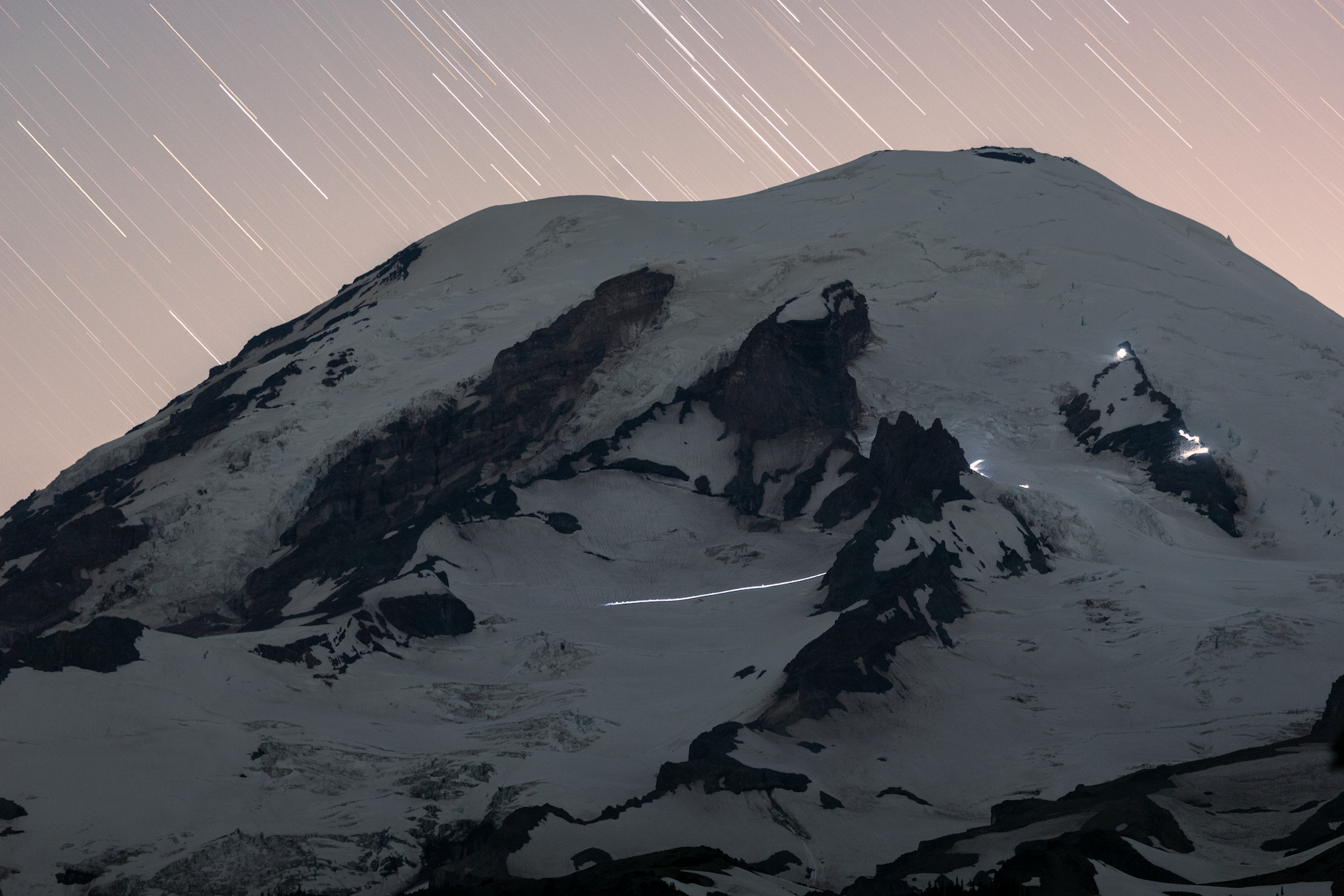
Mount Rainier makes its own weather. At 14,410 feet, the mountain is tall enough to generate its own lenticular cloud caps, sudden wind events, and whiteout conditions that can build in the time it takes to eat lunch at Camp Muir. Conditions on the Disappointment Cleaver, Emmons Glacier, and Kautz Glacier can change within a single season, and sometimes within a single day.
RMI's guides check the same live sources every morning before a team leaves camp: the National Park Service webcams below, current conditions from the National Weather Service and Open-Meteo forecast models, and the Northwest Avalanche Center's Paradise and Camp Muir weather stations. This page is built around those same sources, so you can see exactly what our guides see before you go.
National Park Service camera views across the park, refreshed automatically every few minutes.
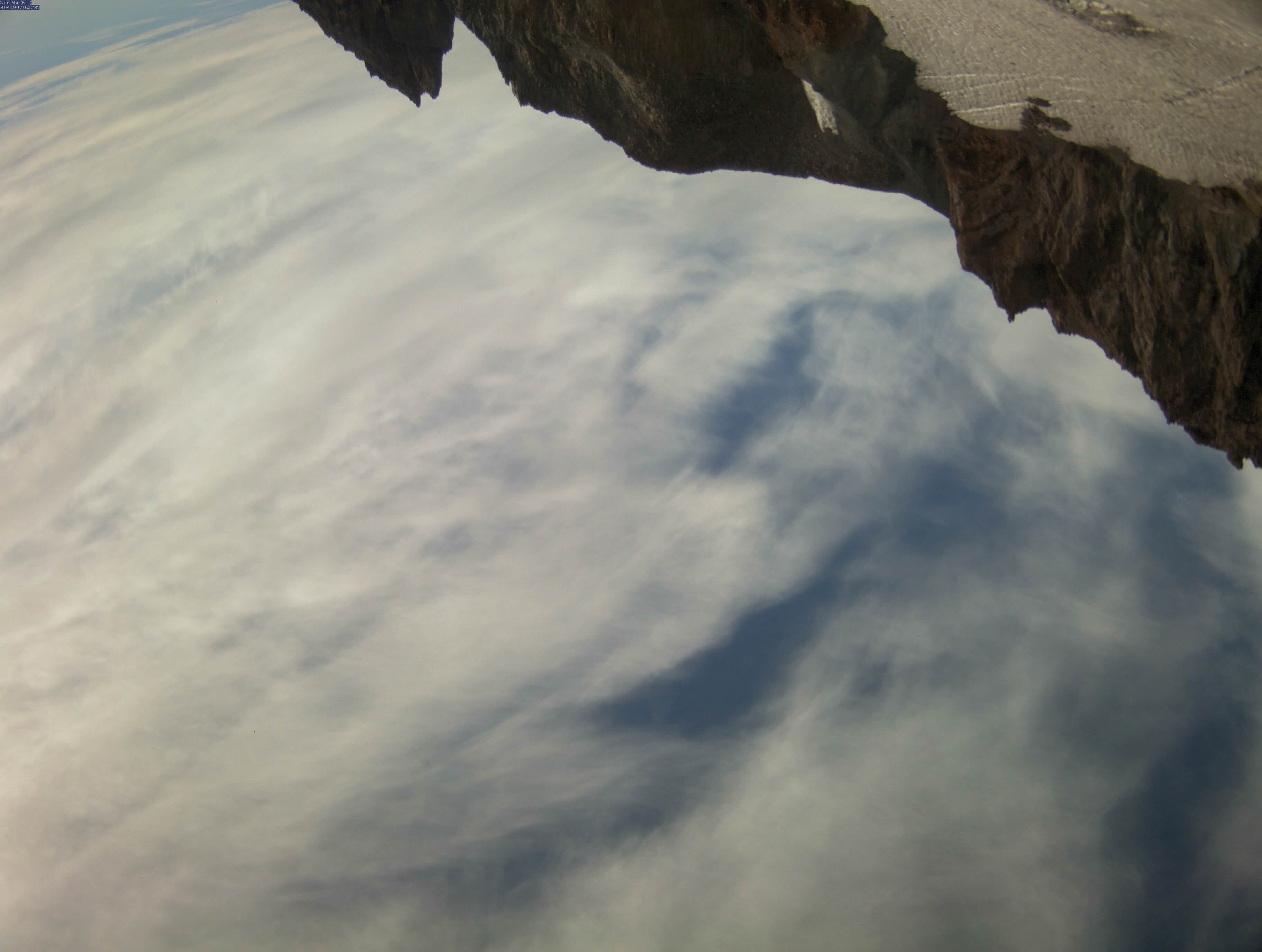 Camp Muir — East View
 Camp Muir — South View
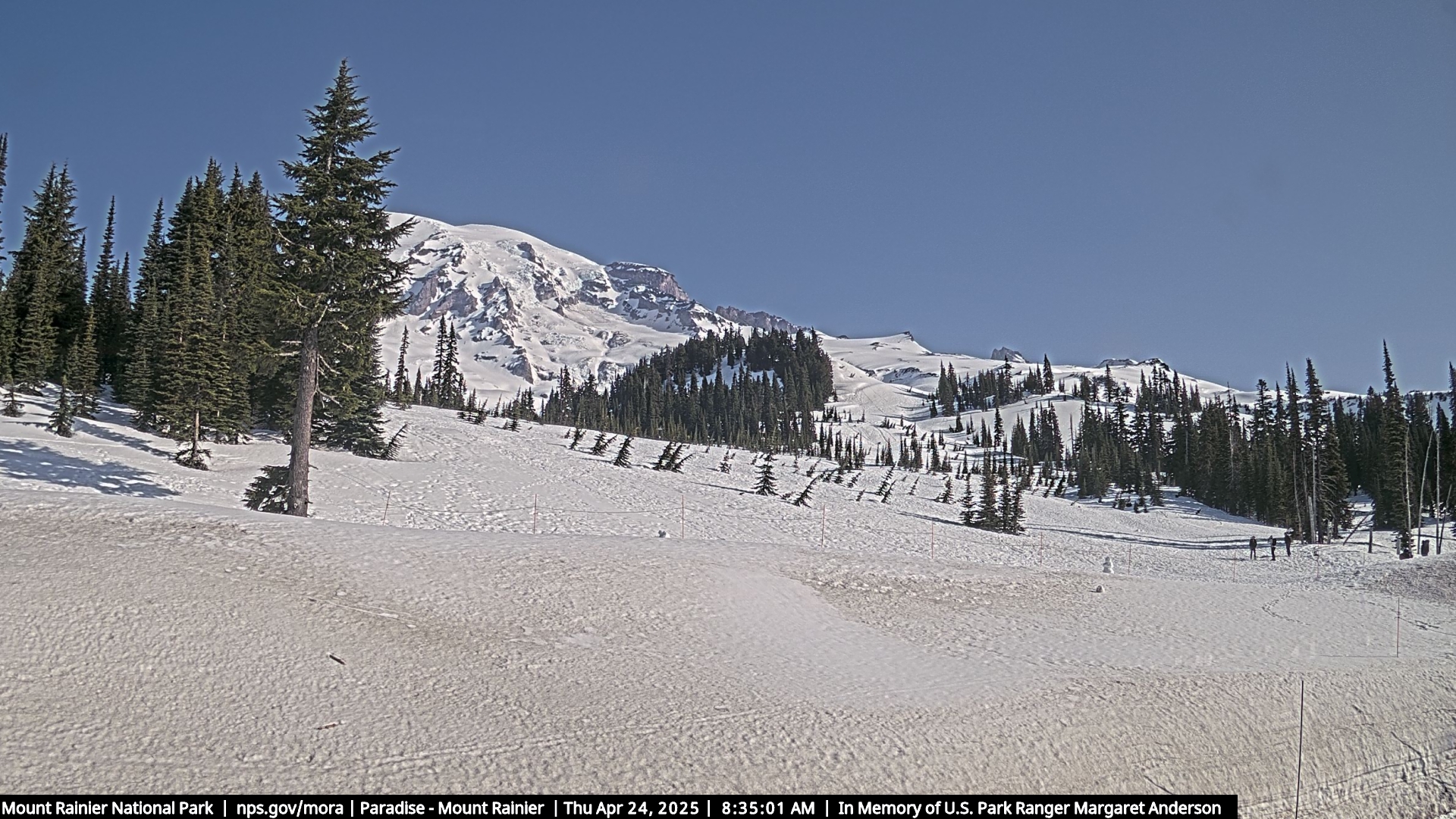 Mt. Rainier Summit
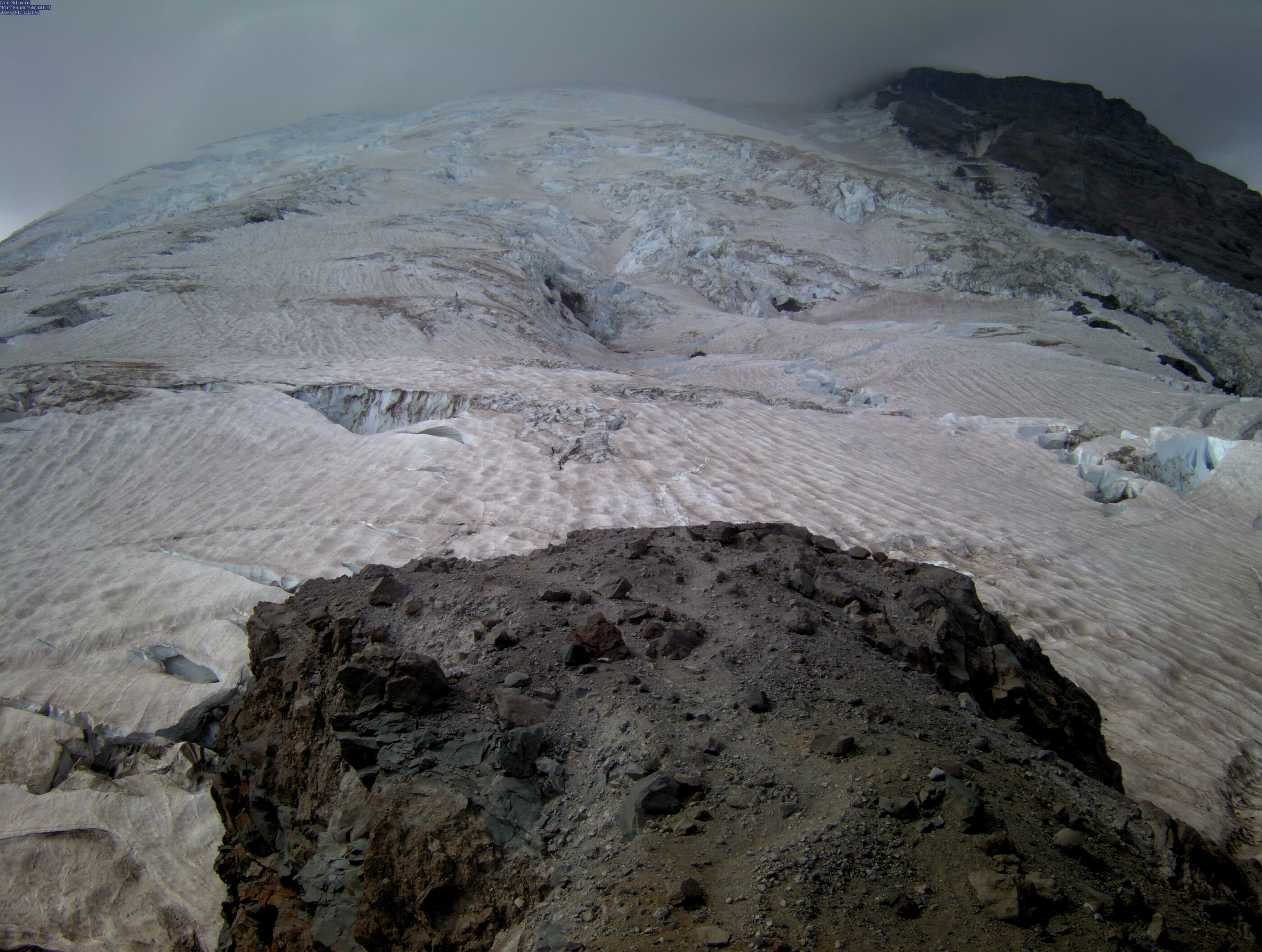 Camp Schurman
 Paradise — West View
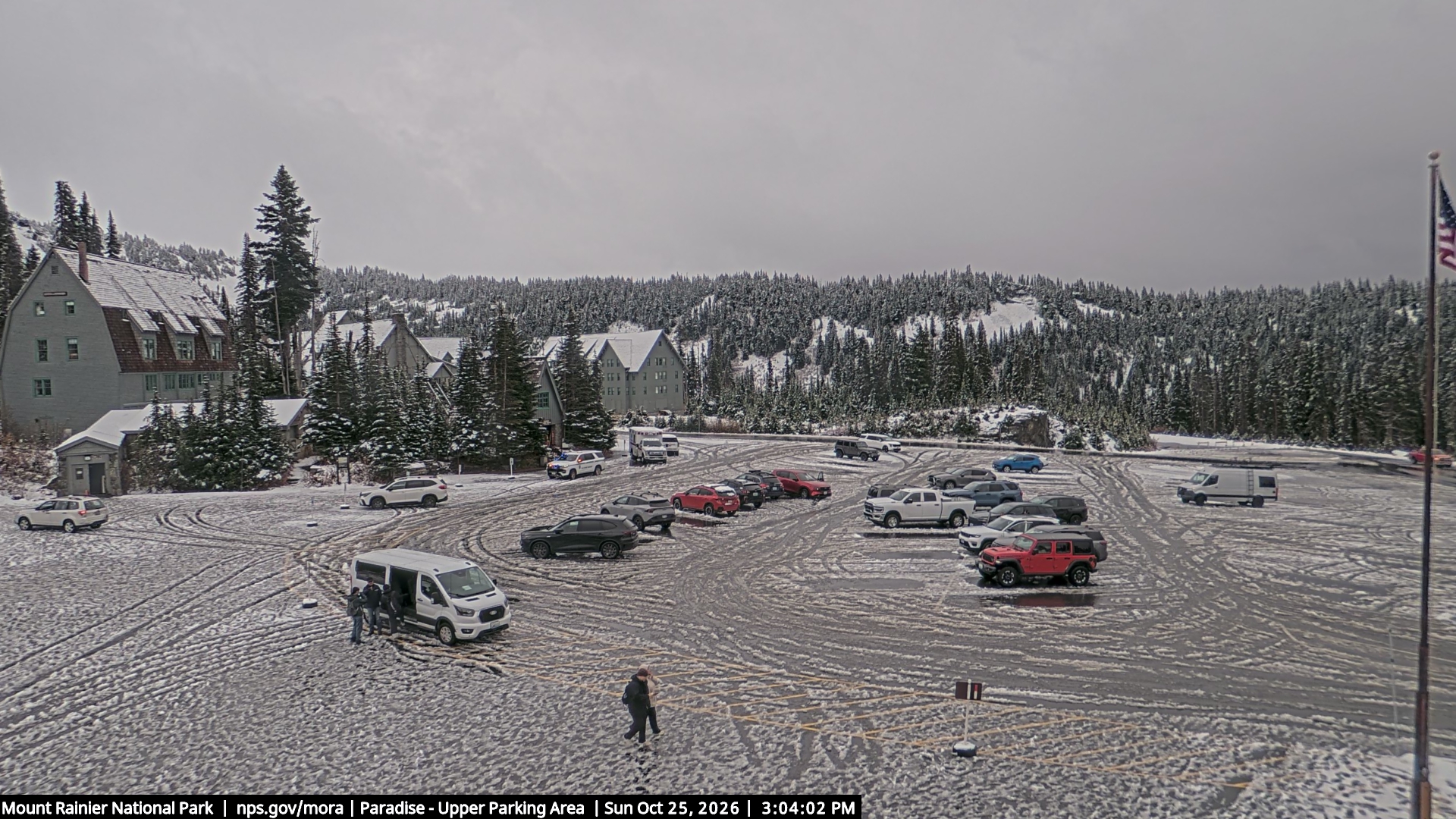 Paradise — East View
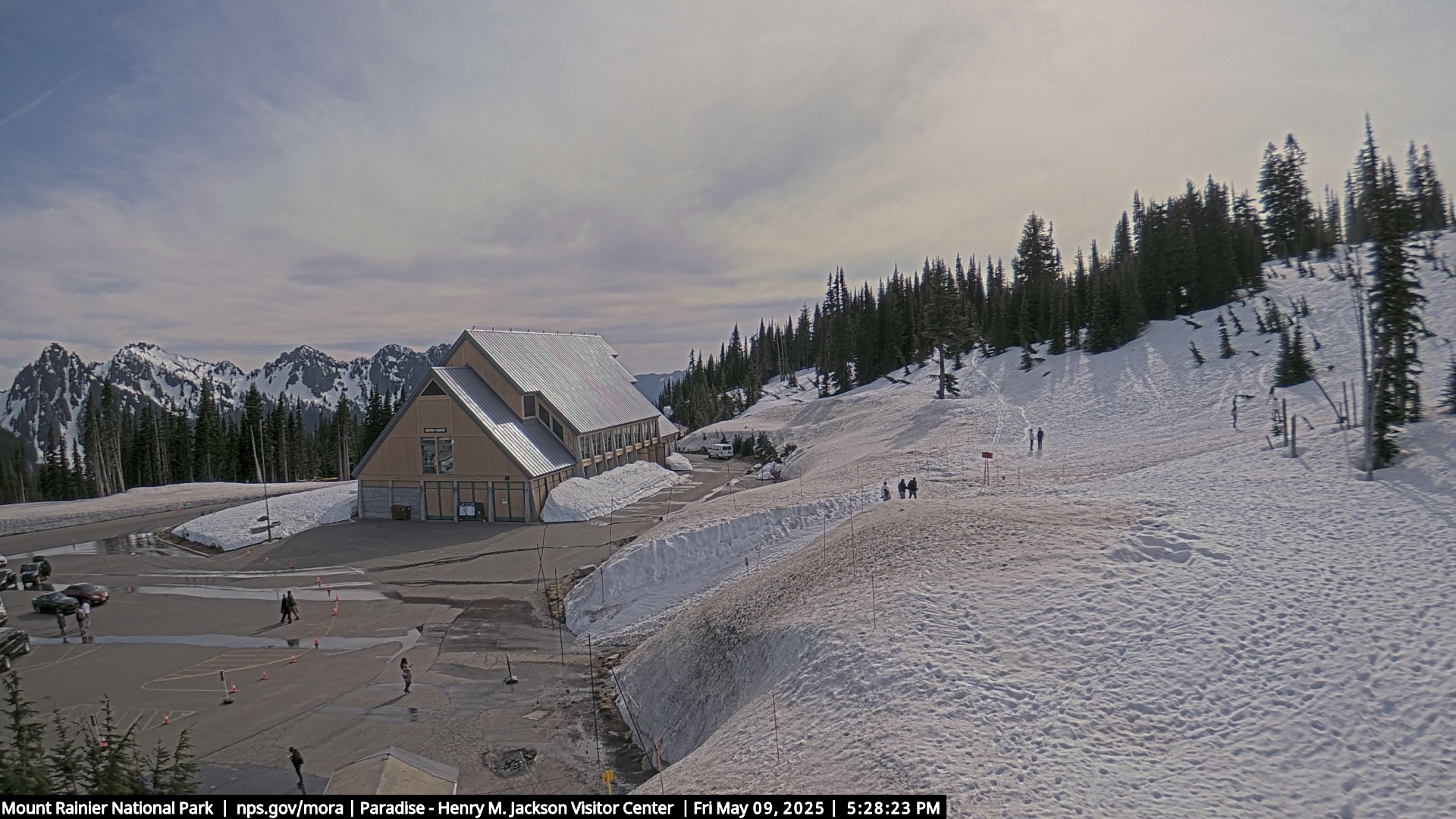 Jackson Visitor Center
 Tatoosh Range
Live temperature, wind, and short-term forecast at two key elevations on the mountain, pulled directly from the National Weather Service and Open-Meteo — the same public data our guides check.
Our guides check the Northwest Avalanche Center's Paradise and Camp Muir weather stations directly — hourly temperature, wind, precipitation, and snow depth from the instruments on the mountain itself.
5,400 ft — hourly NWAC station data: temperature, wind, precipitation, and snow depth.
10,080 ft — hourly NWAC station data at RMI's high camp on the Cowlitz-Ingraham route.
The University of Washington's live mountain weather report, updated continuously by the Department of Atmospheric Sciences.
Check out our resources on Weather, Mount Rainier National Park, and other Expedition Planning tools.
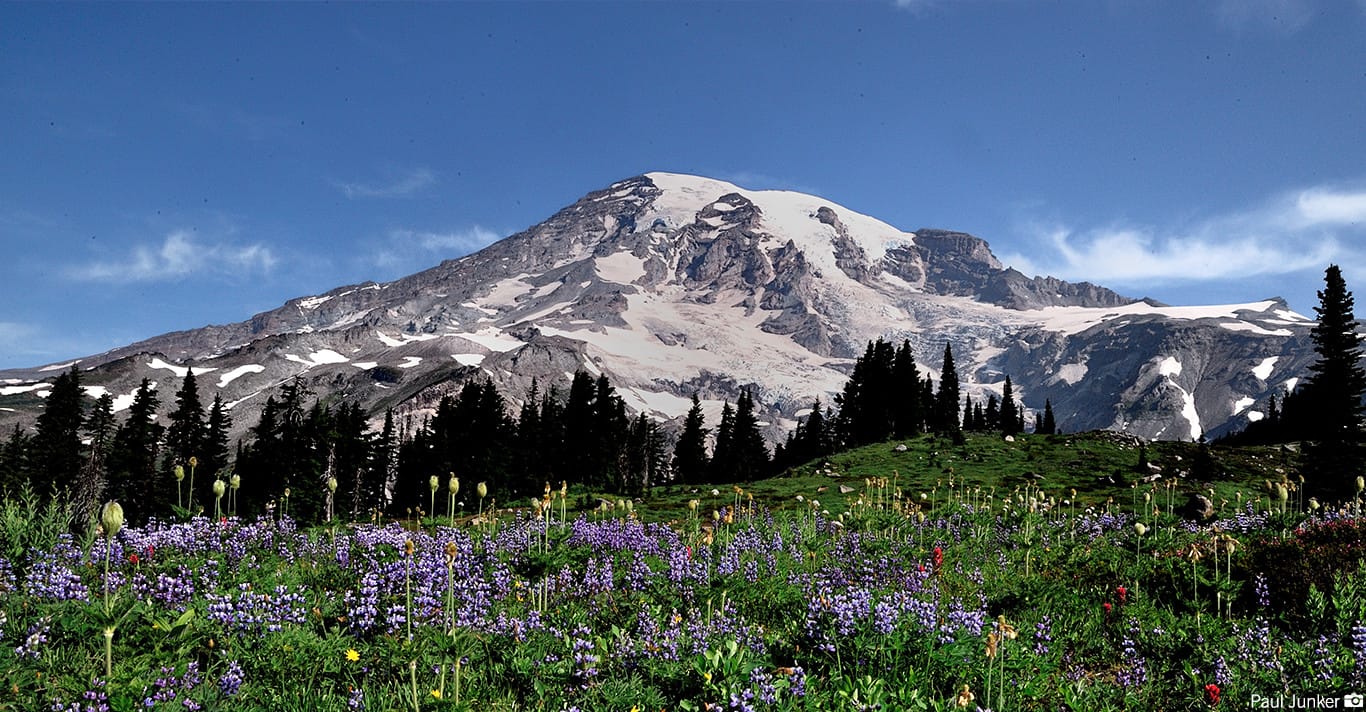
A cultural landscape is a geographic area, including both cultural and natural resources and the wildlife or domestic animals therein, associated with an historic event, activity, or person, or exhibiting other cultural or aesthetic values.
Not sure which RMI program is right for you? Learn the key differences between Summit Climbs, Courses, Seminars, and Expeditions—so you can train smart, climb strong, and reach your goals.
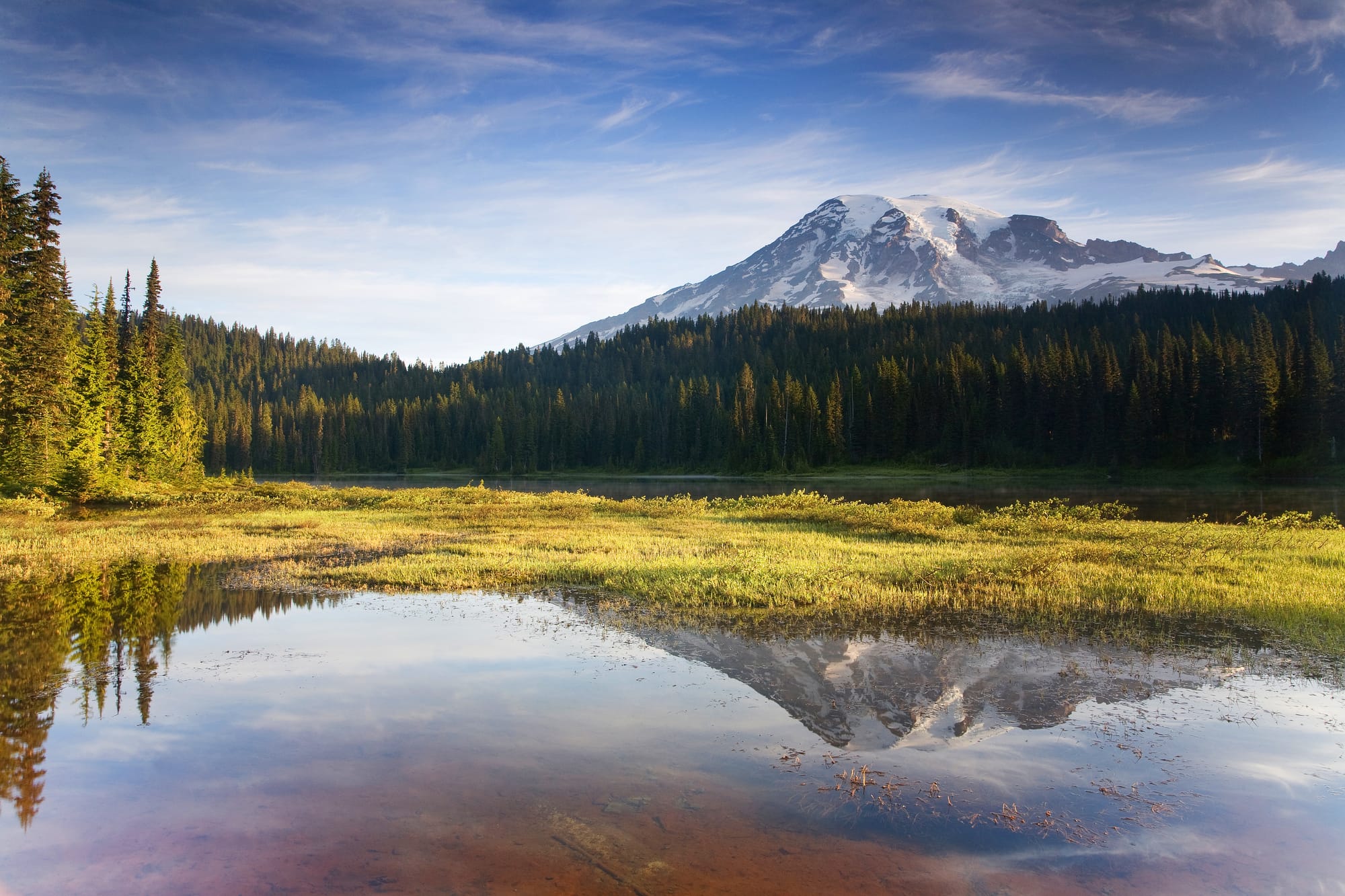
Early, peak, or late season, learn what to expect when climbing Mount Rainier at different times of year and how to prepare for changing conditions.
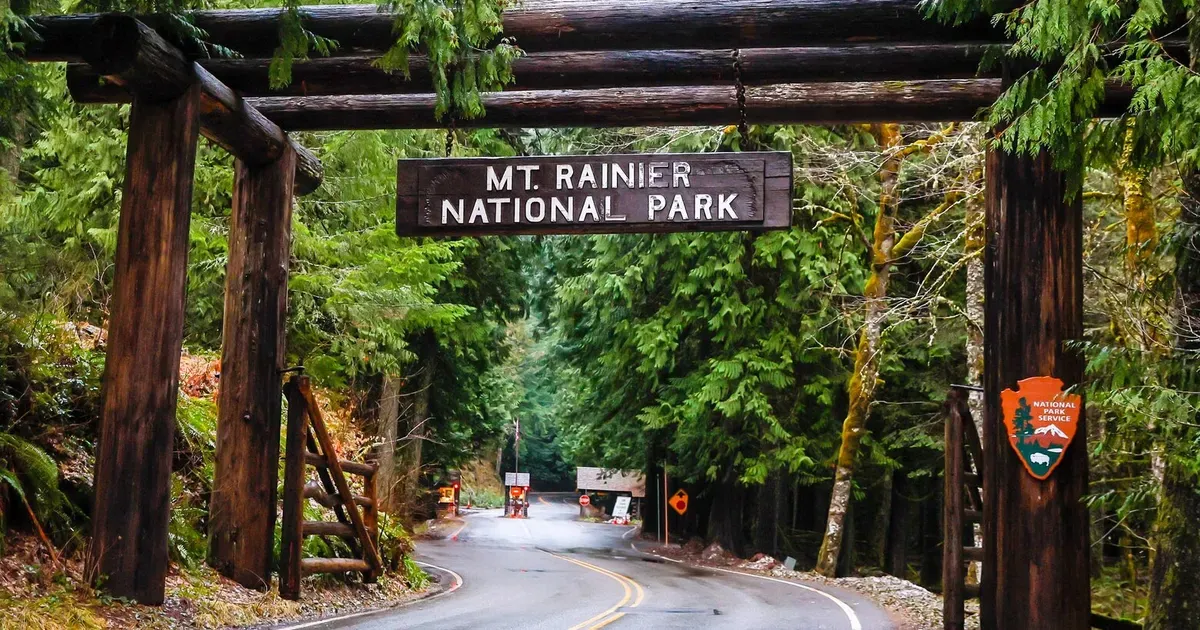
Learn the permits and rules required for climbing Mt. Rainier to ensure a safe and compliant adventure. Explore the full guide.
How conditions typically shift across a Rainier climbing year, and how it affects route choice, gear, and program scheduling.
Rainier's classic routes are still under a full winter snowpack in May and June. Crevasses stay bridged, glacier travel is generally more straightforward, and the mountain sees fewer parties on route. The tradeoff is weather: spring storm cycles can bring sustained wind and heavy snowfall with little warning, and whiteout conditions are common above Camp Muir. Early-season programs run the same itinerary as their peak-season counterparts, on routes like the Disappointment Cleaver and Emmons Glacier where the approach and camps are well established. Expect full four-season mountaineering conditions: insulated boots, a heavier sleeping bag, and complete glacier travel gear.
This is Rainier's main climbing season and the window for most RMI summit programs. Storms become shorter and less frequent, temperatures at Camp Muir and Camp Schurman are milder, and the standard routes are well-tracked. It's also when the mountain sees the most traffic and the most melt-out: crevasses that were bridged in May begin to open, rockfall risk rises on routes like the Kautz Glacier, and route conditions can shift week to week as the season progresses. Guides adjust route choice and turnaround times accordingly, and this is the best window for climbers building toward Mt. McKinley, Aconcagua, or other big mountaineering objectives who want representative glacier travel and altitude experience.
By late August the standard routes are typically at their driest and most broken-up, with more exposed glacier ice and fewer snow bridges over crevasses. Weather is often stable with long clear stretches, but the first fall storm systems can arrive quickly starting in September and bring the season's first real snow to the upper mountain. RMI schedules its last standard summit climbs and seminars in this window, timed around the transition and typically running more direct route variations than earlier in the summer.
Winter conditions return to Rainier by October: full snow cover, short days, and storm cycles that can deliver several feet of snow in 24 hours. RMI does not run standard guided summit climbs in this window, but it's an active season for custom expeditions, ski mountaineering, and technical route attempts for experienced teams willing to build in significant weather margin. Anyone considering an off-season objective on Rainier should watch the live data on this page — webcams, current conditions, and NWAC telemetry — even more closely than in summer, since storm systems here can develop and intensify quickly.
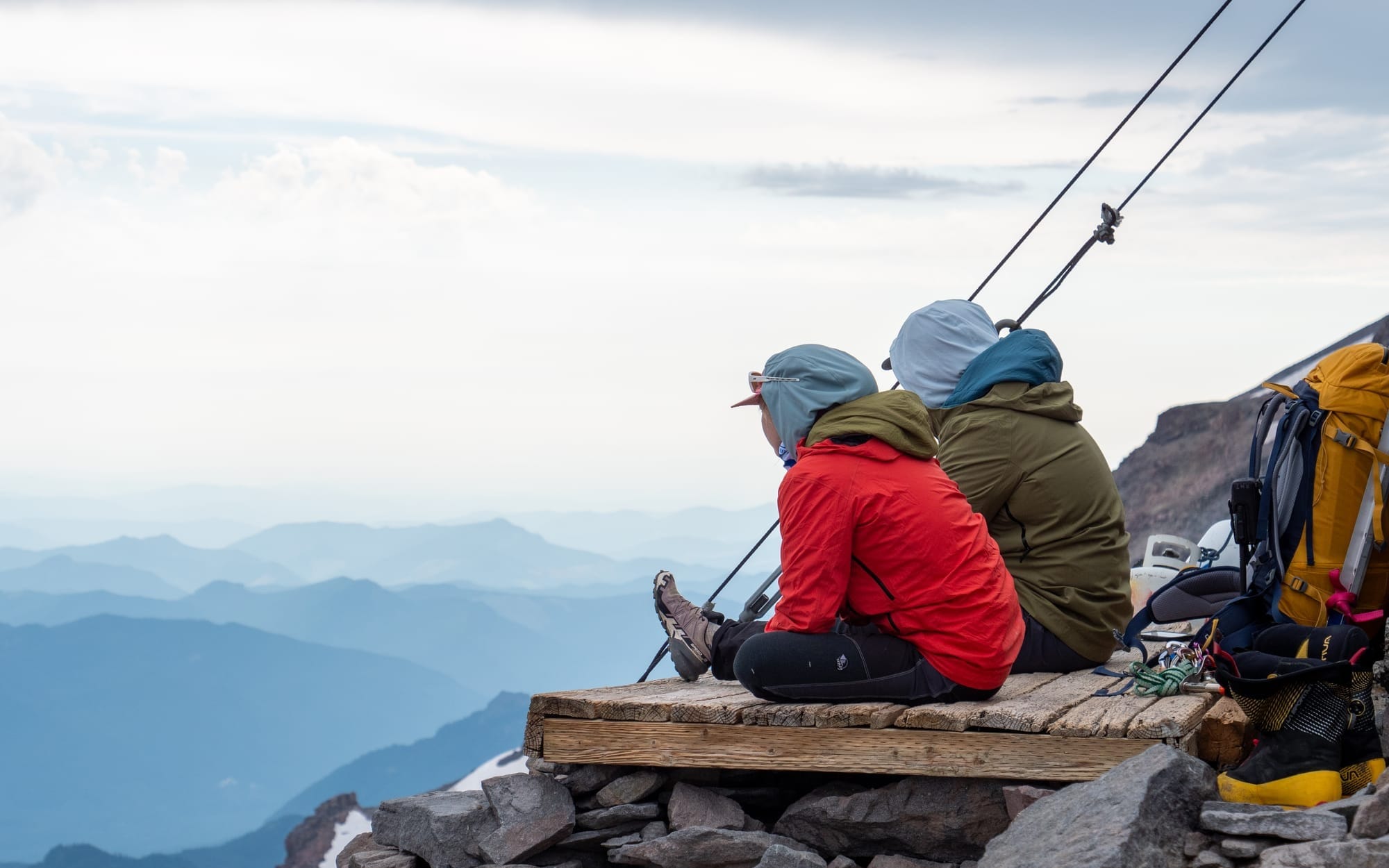
Check the conditions, then check the calendar. RMI runs guided summit climbs, expedition seminars, and skills courses on Mount Rainier all season long.


