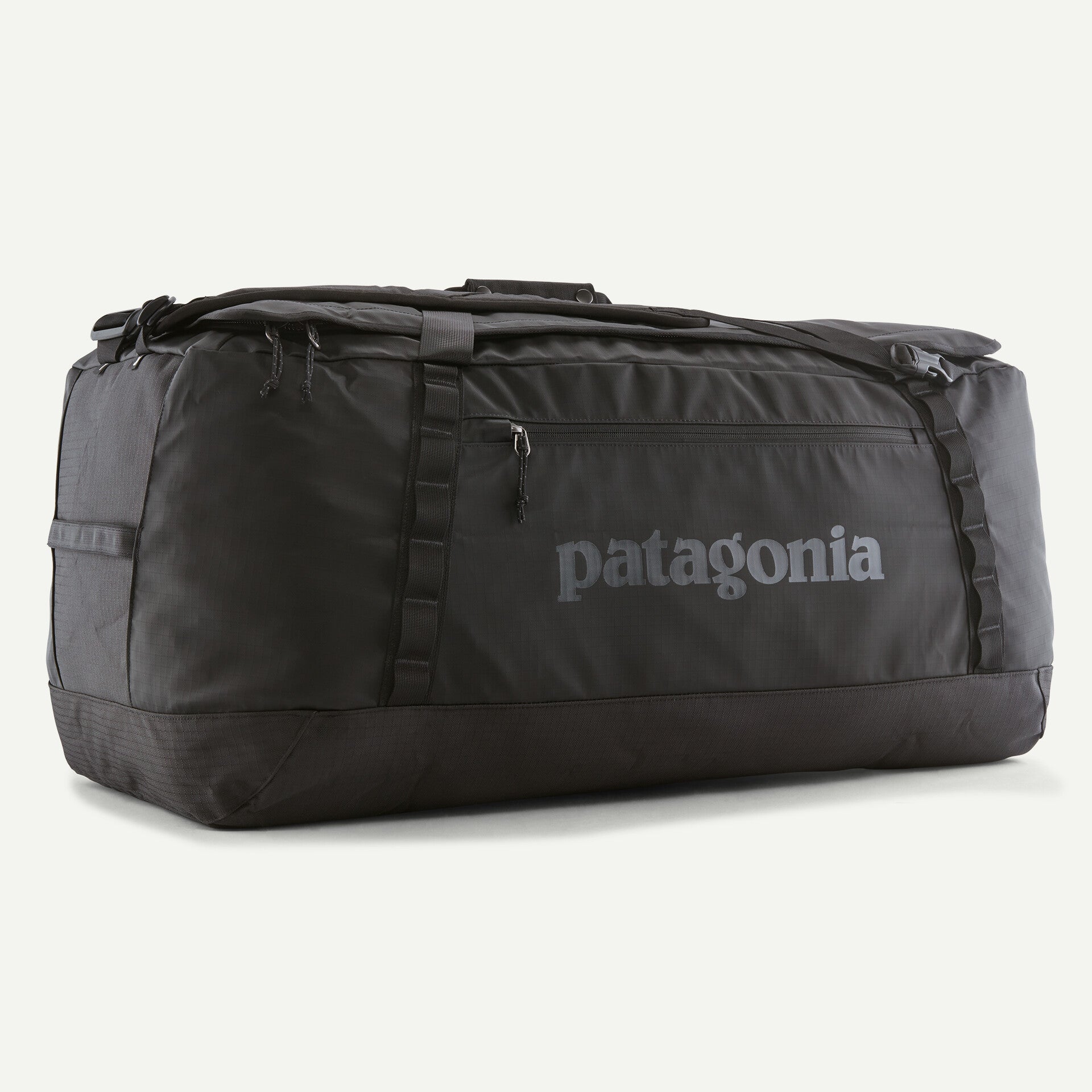
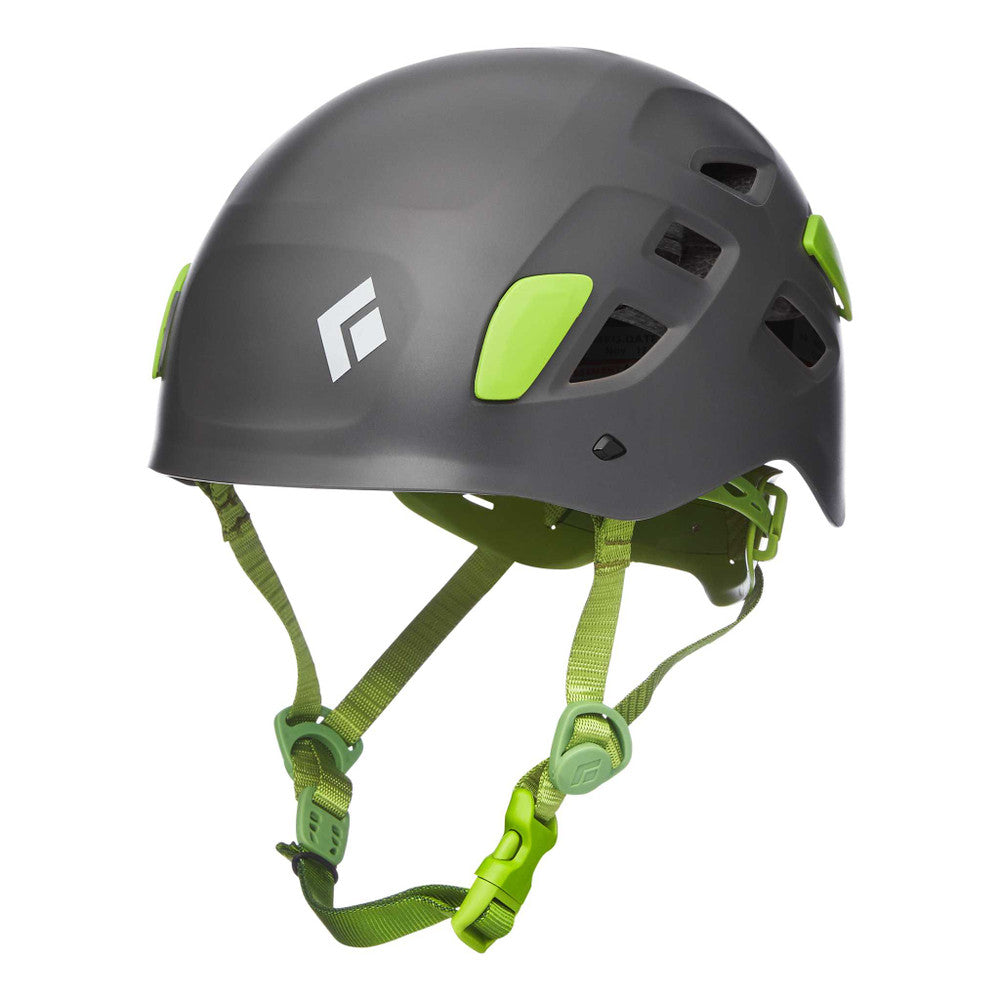
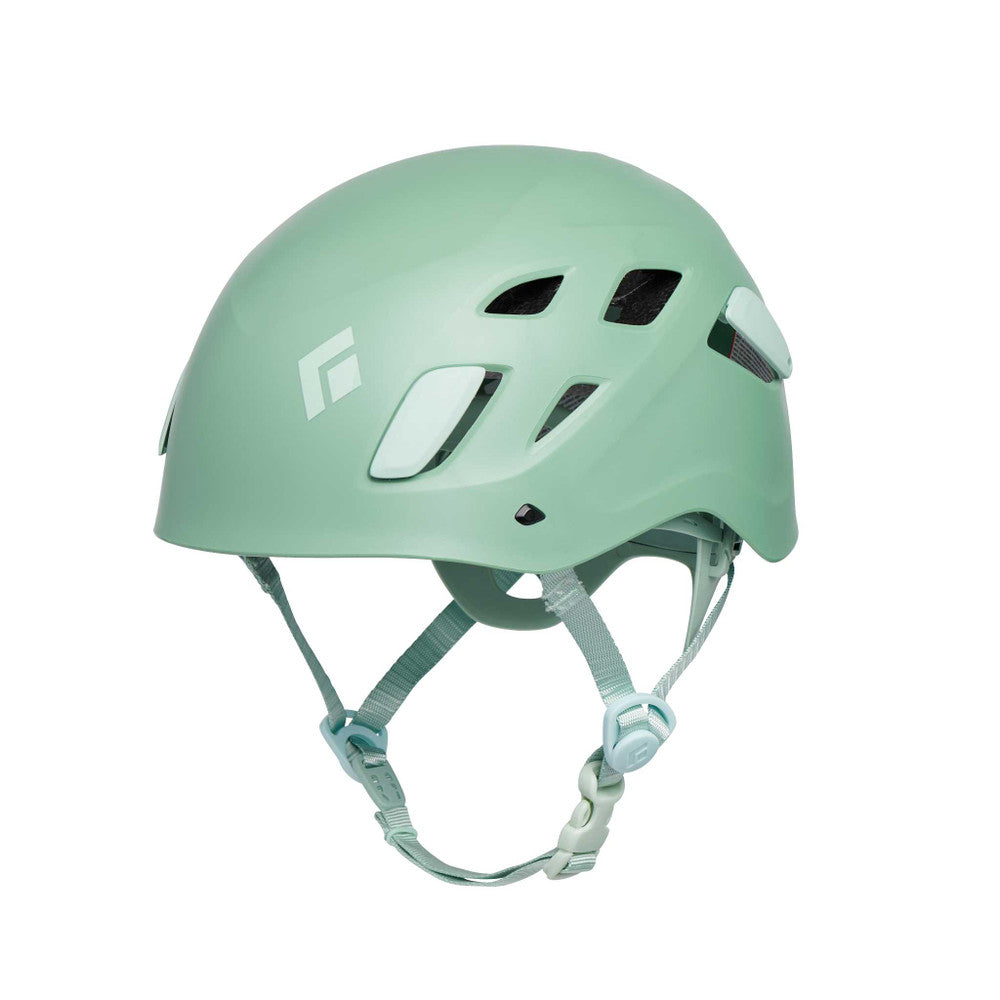
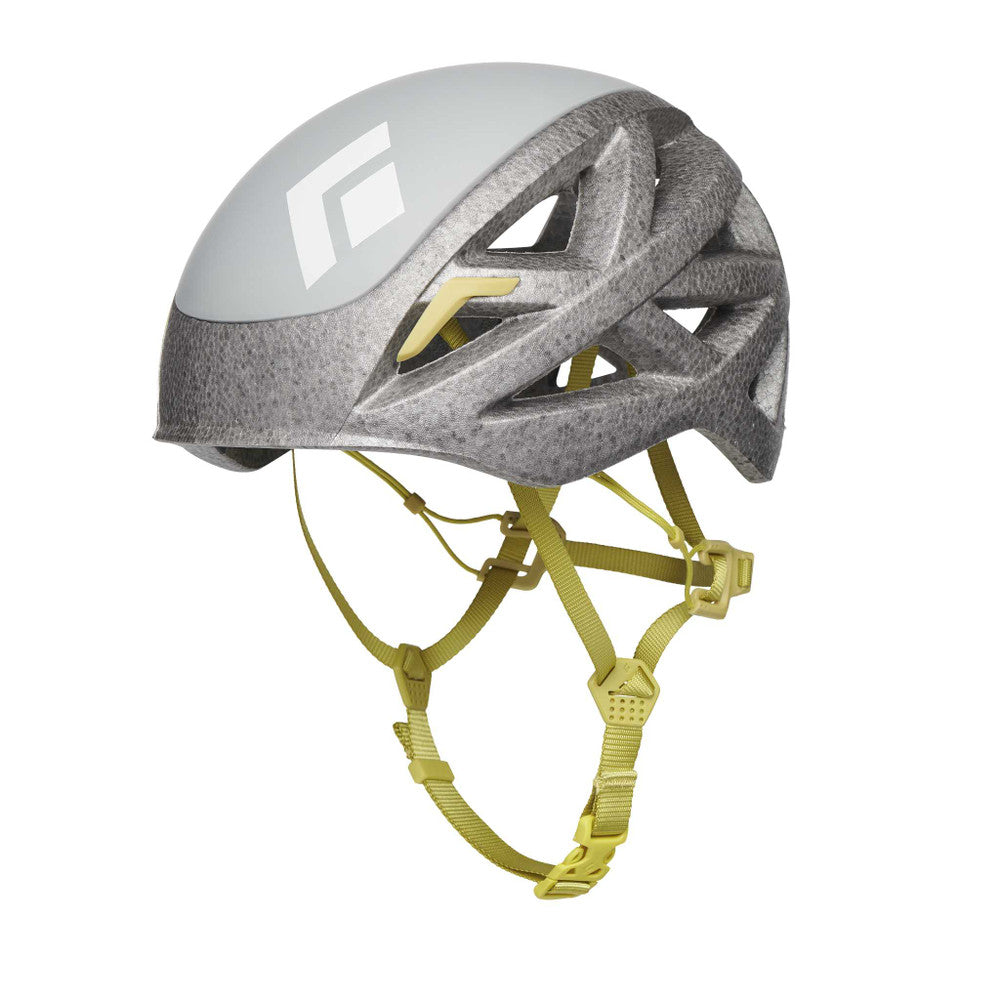
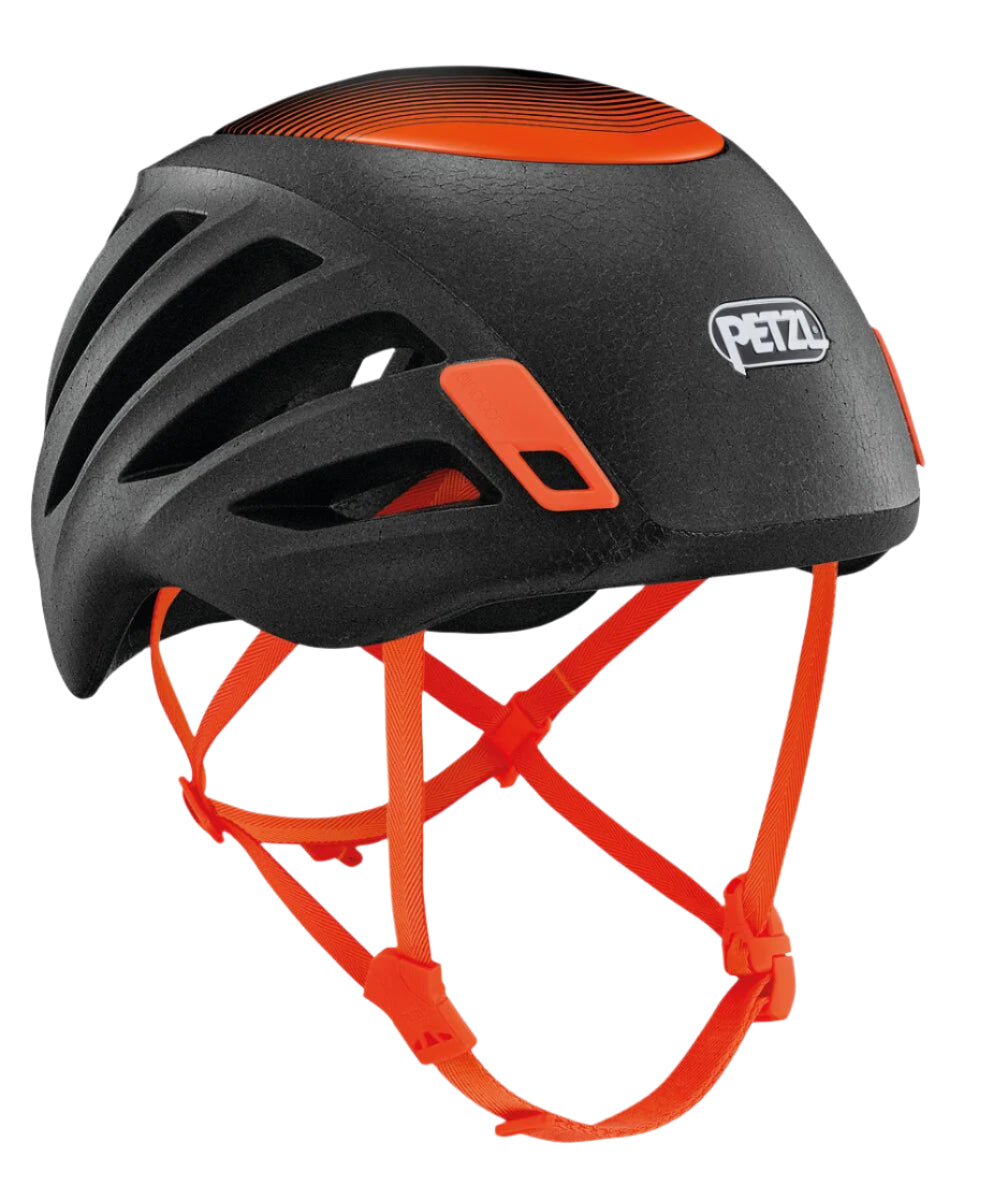
100+ Duffel Bag(s)
A durable duffel bag (100-120L) made of tough material with rugged zippers for gear transport and storage. Can be used as checked luggage and for organizing gear at base locations.

15 Days
|
Mountaineering
|
8100.00
|
$1,500
Deposit
|
Intermediate


A 15-day expedition to three accessible Altai summits — including Mt. Khuiten (14,350'), Mongolia's highest peak — combining Himalayan-style climbing with a deep cultural journey, fully supported by camels, horses, and camp staff.
Day-by-day program overview.
Fitness, experience, and preparation.
Gear requirements for this program.
Meals and nutrition on the mountain.
Getting there and local logistics.
Booking, cancellations, and requirements.
Common questions, direct answers.
What climbers are saying.

Climb Malchin (13,287'), Mt. Khuiten (14,350'), and Nairamdal (13,714') in Mongolia's remote Altai.

Himalayan-style climbing at accessible altitudes in Altai Tavan Bogd National Park.

Camp cooks, porters, camels, and jeeps keep packs light and the climbing enjoyable.
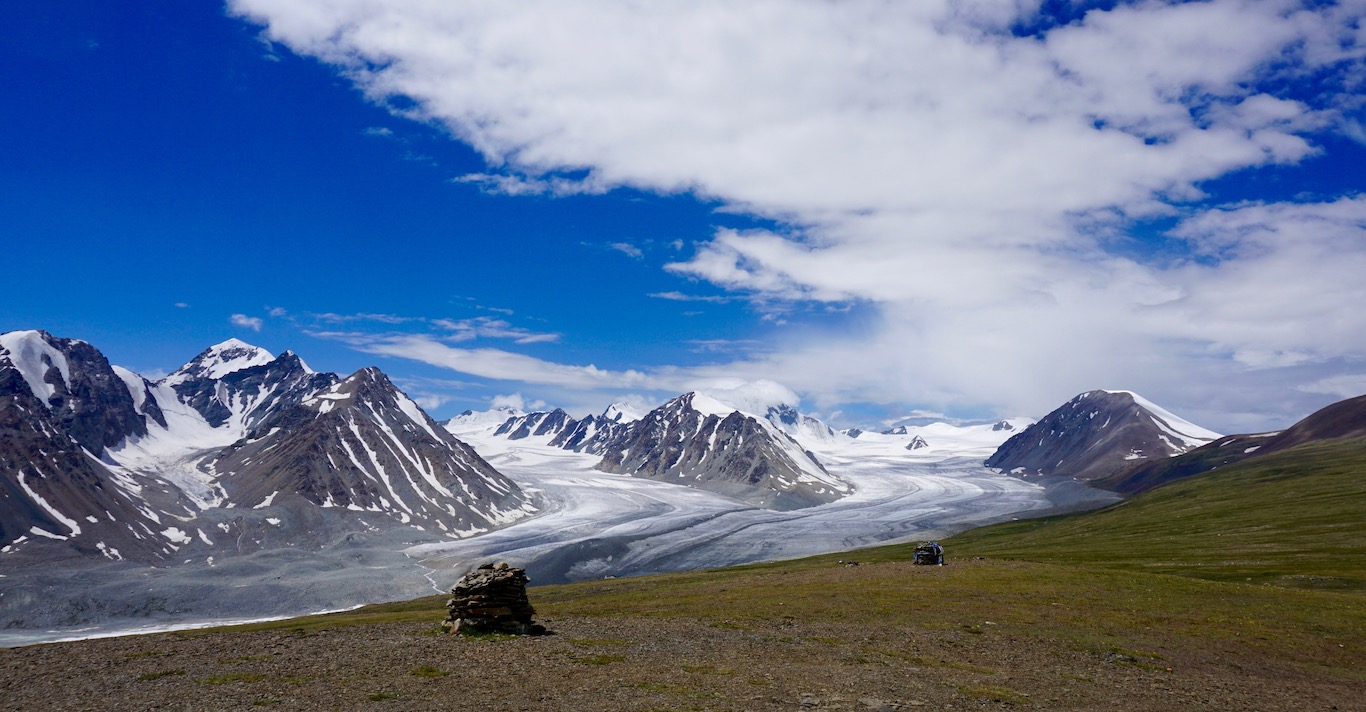
Climb three moderately challenging peaks in Mongolia's remote Altai Tavan Bogd (Five Saints) National Park, and experience the endless steppes, crystal-clear rivers, and distinctive nomadic culture that make Mongolia a destination unlike anywhere else. With accessible altitudes and Himalayan-style terrain, the Tavan Bogd massif is a superb introduction to expedition climbing.
Our journey begins in UlaanBaatar — where glass skyscrapers stand beside traditional ger camps. We then fly west to Olgii and drive six hours to Altai Tavan Bogd National Park. From Potaniin Base Camp we climb Malchin Peak (13,287'), then move to High Camp for summit attempts on Mt. Khuiten (14,350'), the highest peak in Mongolia, and Nairamdal Peak (13,714'), near the meeting point of Mongolia, Russia, and China.
First-class support — camp cooks, porters, Bactrian camels, horses, and jeep service — keeps packs light and the climbing enjoyable, and we run a 3:1 climber-to-guide ratio. The trek out, following the White River through the Tsagaan Gol Valley, is as memorable as the trek in.
Rainier Mountaineering, Inc. was established in 1969 and is one of America's oldest and most-trusted guide services — the largest on Mt. Rainier and Mt. McKinley and a leader in guiding climbs and treks around the globe. Decades of leading expeditions give us the experience to handle the details for you, from hotels and airport transfers to in-country logistics, so you can focus on the climb.
Renowned for their leadership and character, our guides are celebrated teachers and trainers with a rare blend of compassion, enthusiasm, and the ability to empower others — qualities found in those at the pinnacle of their profession. On a remote expedition like Mongolia, that experience and local network are invaluable.
Safety is our highest priority. Our guides undergo formal avalanche and technical rescue training, hold remote-medicine certification (WFR or comparable), and pursue continuing education each year. We carry comprehensive medical and rescue kits plus radio and satellite communication, and every climb involves thorough pre-trip planning and weather and avalanche forecasting. We use RMI's own climbing equipment, brought from the U.S., to ensure our standards of safety and reliability are met. To learn more about RMI's guides and guiding philosophy, visit our About page.
From UlaanBaatar we tour the capital during the Naadam festival, then fly west to Olgii and drive to Altai Tavan Bogd National Park. We trek to Potaniin Base Camp, climb Malchin Peak, move to High Camp, and make summit attempts on Mt. Khuiten and Nairamdal before trekking out through the Tsagaan Gol Valley and returning to UlaanBaatar. A contingency day is built in for weather or flight delays.
UlaanBaatar, Mongolia
14,350' / 4,374 m
3 (Malchin, Khuiten, Nairamdal)
15 Days
3:1
Level 3
Depart US for UlaanBaatar, Mongolia (ULN). During your flight you will cross the International Date Line and travel time is approximately 18 - 28 hours.
*If your flight/connections take more than 36 hours, you will need to book your trip to depart the US one day earlier.
Upon your arrival, a taxi ride takes you to our hotel. Overnight in UlaanBaatar.
We spend the day exploring UlaanBaatar with a local tour guide. We visit Sukhbaatar Square, Chingiss Khan Museum, the Mongolian National Museum and Russian Friendship Monument. Overnight in UlaanBaatar. (B, D)
Early in the morning we fly from the capital city to the western outpost of Olgii. After collecting our baggage and eating a quick lunch we will make the six-hour drive toward the entrance to Altai Tavan Bogd National Park and our camp in the Oigar River valley. Along the way we will pass nomads living in their traditional gers (yurts); deep valleys full of sheep, horses, and yaks; and unbroken steppes that stretch all the way from the Gobi Desert. Overnight in tents. (B, L, D)
Today we trek to Potaniin Base Camp. Our gear will be carried by Bactrian (two hump) camels and we will carry daypacks as we traverse the ten miles of tundra and rock-strewn streams to Base Camp. We pause about an hour from camp to take in the unrivaled views of the Altai mountain range. Overnight in tents. (B, L, D)
We spend the day at Base Camp getting settled. We take advantage of the beautiful scenery by exploring the surrounding hills and moraine. Overnight in tents. (B, L, D)
We stretch our legs by climbing Malchin Peak, a non-glaciated ascent. From Base Camp we follow the lateral moraine of the Potaniin Glacier for approximately two hours before veering east to climb 2,500’ up the rock and scree of Malchin. From the summit we enjoy views of the Tavan Bogd massif and Russia. We descend to Base Camp for the night. Overnight in tents. (B, L, D)
Today we ascend to Potaniin High Camp. As we did yesterday, we follow the lateral moraine of the Potaniin Glacier before climbing over the moraine and onto the glacier. The lower flow of the glacier is flat and icy. As we make our way up the glacier we move into heavily crevassed and often snow-covered terrain. We make camp on a high plateau below Mt. Khüiten. Overnight in tents. (B, L, D)
An early morning launch will take us from our camp and give us access to the 4,750' climb of the North Ridge of Khuiten. We climb in a variety of terrains from moderate to steep, and back to moderate. By the time we reach the summit of Mt. Khuiten we will be standing near the intersection of three countries: Mongolia, Russia and China. We return to Potaniin High Camp. Overnight in tents. (B, L, D)
Today we have the option to climb Nairamdal Peak. Located at the meeting point of Mongolia, Russia, and China, Nairamdal Peak is also known as Friendship Peak. We return to Base Camp. Overnight in tents. (B, L, D)
We depart Base Camp on horseback past the large bluish-white lake at the terminal moraine of the Potaniin Glacier. We continue following the turbulent silt and glacial melt filled White River through the Tsagaan Gol Valley. Overnight in tents. (B, L, D)
After waking in beautiful surroundings, we load into our transport vehicles and make the journey back to Olgii. We stop for lunch and at scenic overlooks allowing us to continue taking in the beauty of western Mongolia. Overnight in hotel. (B, L, D)
This day is available in case of delayed flights or if weather postpones our trip at any point.
We depart Olgii and return to UlaanBaatar on a morning flight. The afternoon is free to explore the city. There are several outlets of world-famous Mongolian cashmere within an easy cab ride of the hotel. Overnight in UlaanBaatar. (B, L, D)
Return flights from UlaanBaatar to the US. (B)
Key: B, L, D = Breakfast, Lunch, Dinner included.

Prepare for full days of trekking and glacier climbing with a daypack (camels and horses carry heavy gear) and a 4,750' summit day on Khuiten.

A moderate glaciated expedition and a fine introduction to Himalayan-style climbing; prior experience with rope travel, crampons, and ice-axe arrest is required, as there is no skills review on this trip.

Altitude is moderate by expedition standards, topping out on Mt. Khuiten at 14,350' from a high camp on the Potaniin Glacier.
Mongolia: Mt. Khuiten is a moderate glaciated mountaineering expedition and an excellent introduction to Himalayan-style climbing. The peaks are technically moderate — Malchin is a non-glaciated rock-and-scree ascent, while Khuiten and Nairamdal involve roped glacier travel and a ridge climb — but the expedition is remote and demands prior experience: you must arrive competent with rope travel, crampons, and ice-axe self-arrest, as the terrain leaves no opportunity to review mountaineering techniques on the trip.
Altitude is moderate by expedition standards: the highest point is Mt. Khuiten at 14,350', reached from a high camp on the Potaniin Glacier. The bigger challenges are the remoteness of the Altai, multi-day camp life, and the trekking, glacier travel, and long summit days the program demands.
Physically, prepare for full days of trekking and climbing with a daypack (camels and horses carry the heavy gear), glacier travel in crampons, and a 4,750' summit day on Khuiten's North Ridge. Training should emphasize aerobic endurance and uphill movement, along with a readiness for the cultural immersion and flexibility a Mongolia expedition involves.
Recommended climbing experiences include:
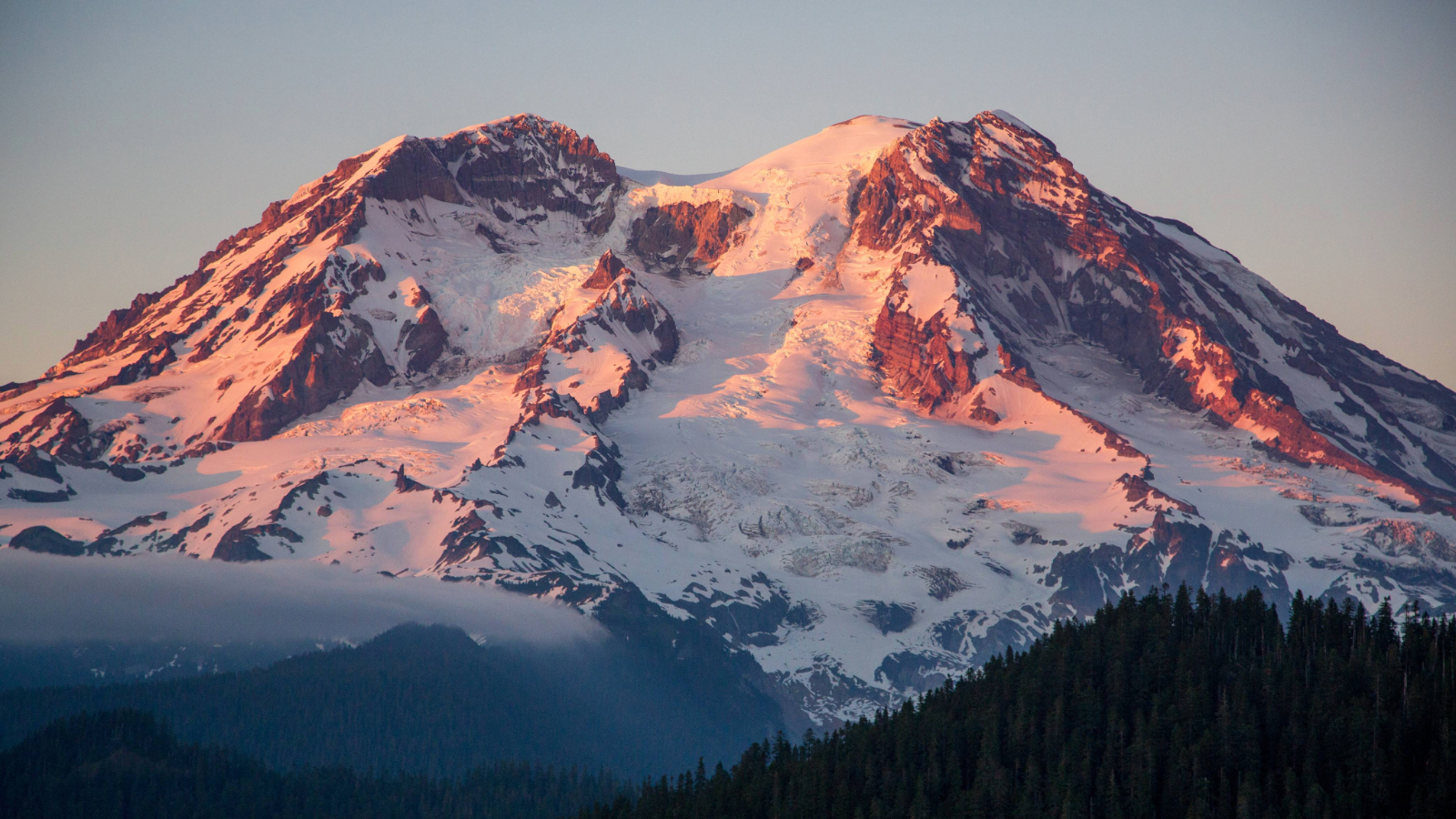
Skills Covered:
Glacier travel, rope teams, and a true high-altitude summit attempt.
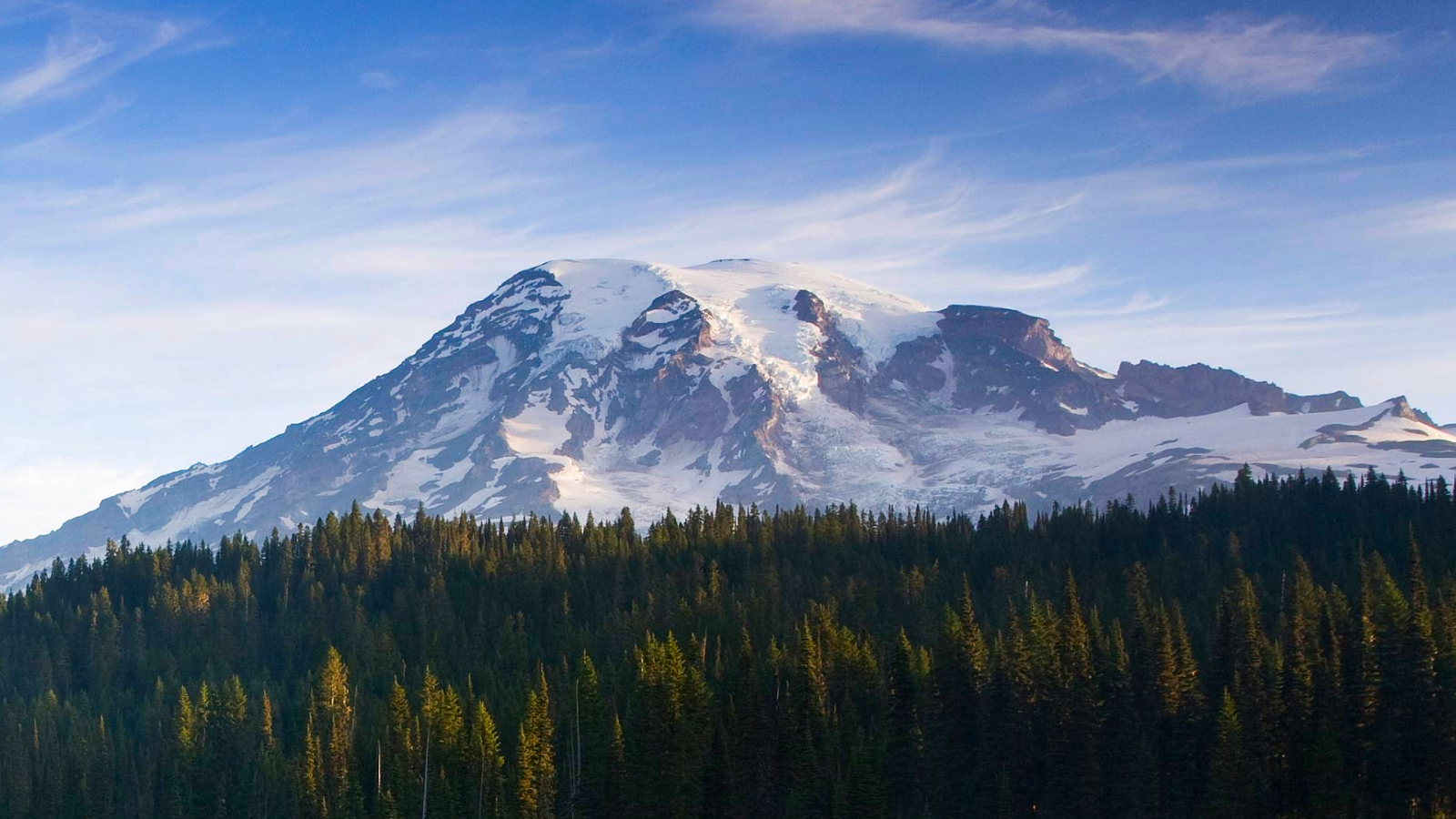
Skills Covered:
A solid foundation in snow and glacier travel, plus a first real summit experience at altitude.
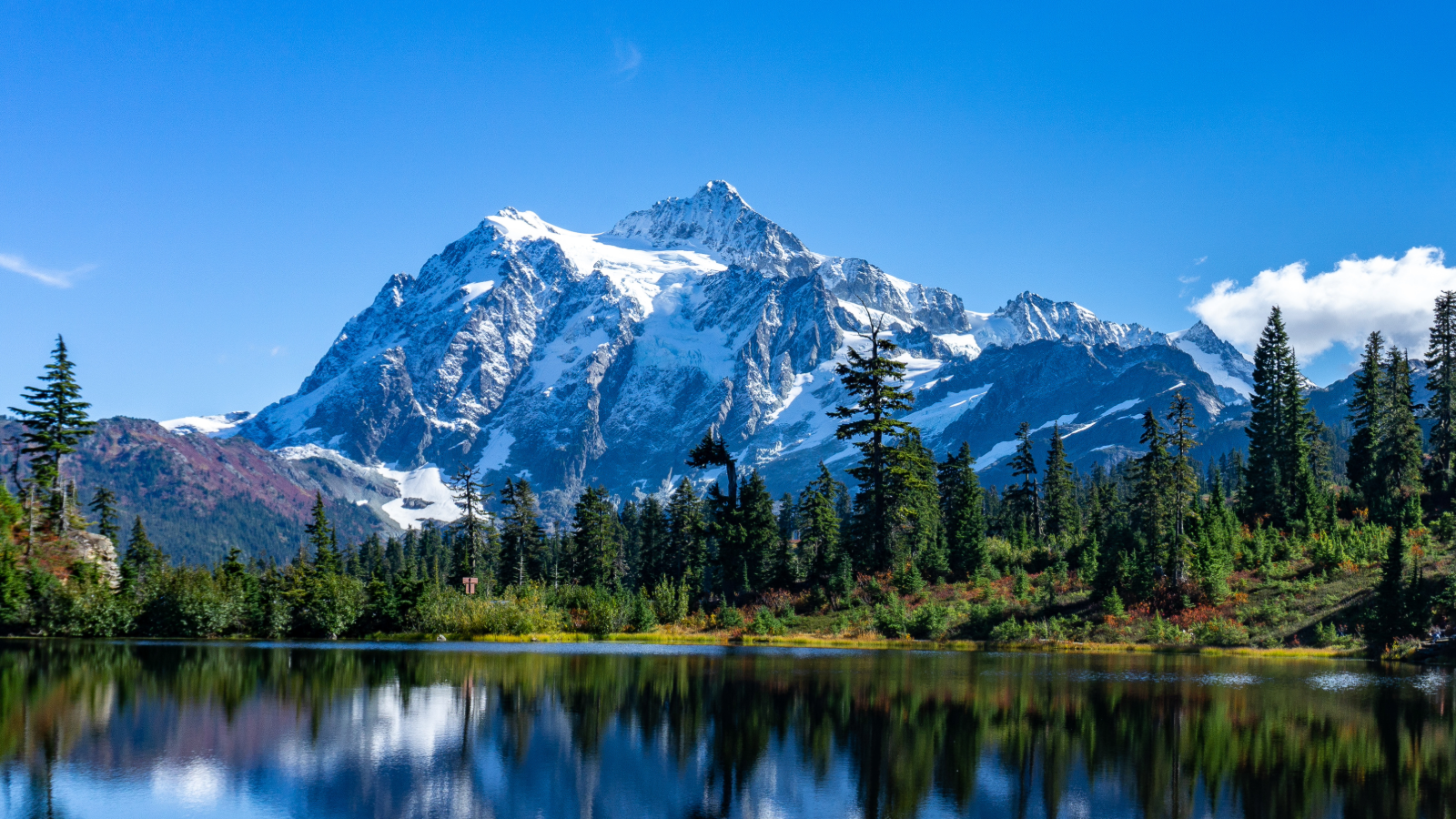
Skills Covered:
Basic glacier travel, ice axe use, crampon technique, and rope team movement applied in a real alpine environment.
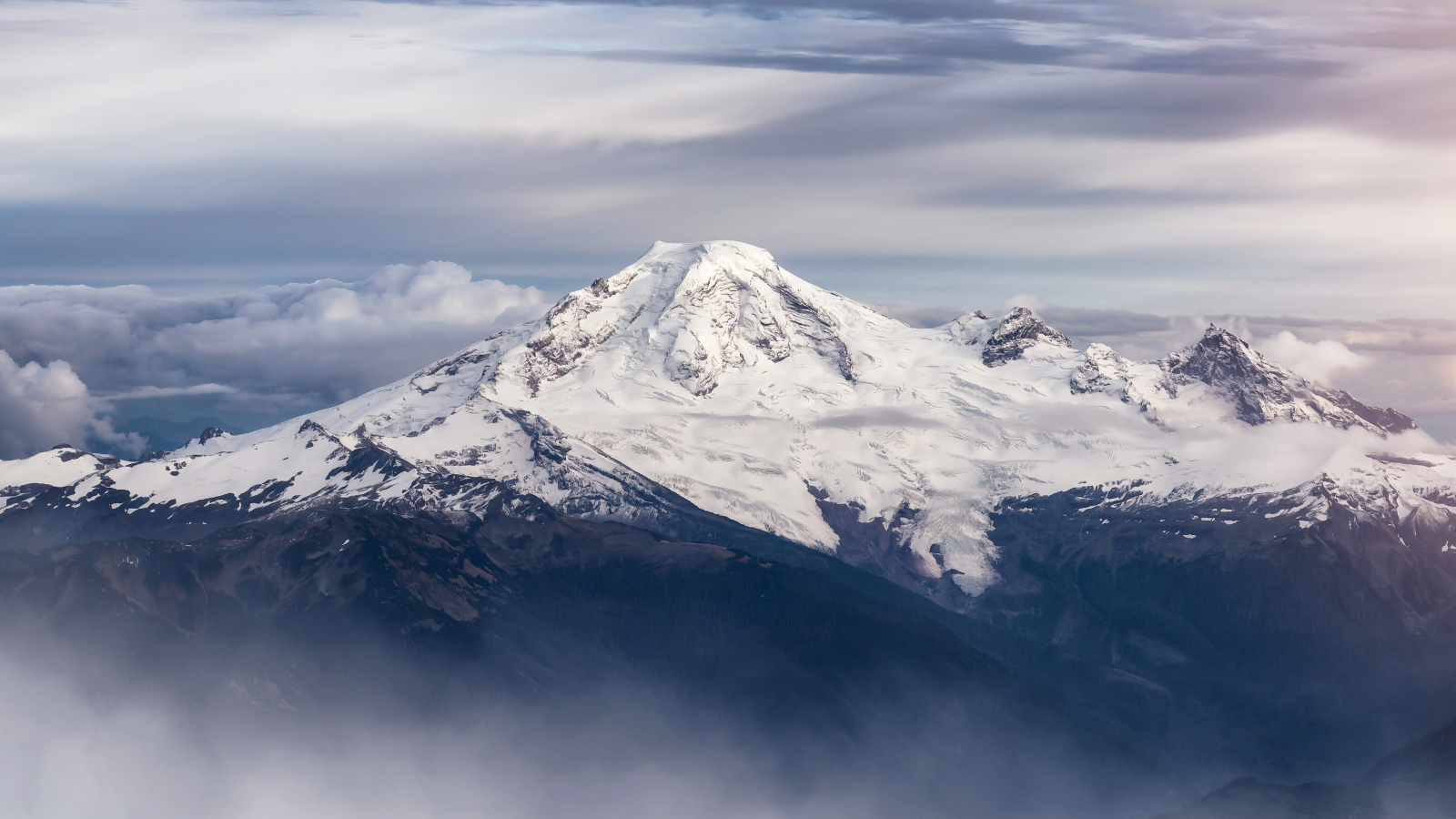
Skills Covered:
Foundational glacier travel and mountaineering skills applied on a classic Northwest route.
Your climbing resumé should include:

Good aerobic fitness and general health*
Comfort with multi-day camp life in a remote setting
Prior experience with roped glacier travel, crampons, and ice-axe self-arrest (required — there is no review of mountaineering techniques on this trip)
Ability to trek and climb with a daypack on long summit days
Flexibility and openness to a deep cultural experience
Items marked with an Asterix (*) are considered mandatory prerequisites for this program.
Mountaineering places sustained demands on your body and your ability to stay composed under effort. Even very fit people find that moving uphill with weight, for long hours, in variable weather is a different kind of challenge than most everyday training.
Preparation matters. Fitness directly affects how well you move, how much you learn, how the team functions, and how enjoyable the experience is overall.
Start early. Begin training well in advance of your program with the goal of arriving rested, resilient, and confident in your capacity for sustained effort.
Train intentionally. Emphasize aerobic endurance, uphill movement, and strength that supports long days on your feet. Core stability, balance, and mobility all play an important role in efficiency and injury prevention.
Train specifically. The closer you get to your program date, the more your training should resemble the demands of mountaineering: hiking uphill with weight, moving steadily for hours, and recovering well enough to do it again the next day.
Across RMI programs, strong preparation typically means being comfortable with long days of continuous movement, carrying a pack appropriate to the objective, and maintaining focus and decision-making when tired. Technical skills are taught or reviewed as appropriate to each program, but fitness is something you bring with you.
Nothing contributes more to a successful and rewarding experience than arriving well prepared. Plan to be in excellent physical condition and ready for a demanding day in the mountains.
A detailed daily distance and elevation table is not published for this expedition; the schedule and summit timing depend on weather, route conditions, flights, and the strength of the team, and a contingency day is built into the itinerary.
Our guides have decades of experience training for alpine objectives, and we've done our best to put together relevant resources to help you with your expedition preparation.
Acclimatization is the process by which your body adjusts to lower oxygen levels at altitude. How well this happens has a direct impact on how you feel, how you perform, and how much margin you have as the climb progresses.
Program length and structure matter. Longer expeditions are designed with ascent profiles that allow your body more time to adapt. Shorter programs often move through altitude faster than the body can fully adjust. In these cases, climbers typically experience mild but normal symptoms associated with early acclimatization rather than full adaptation. This is expected and accounted for in program design.
Physical conditioning plays a major role. Well-conditioned climbers generally have more energy available to support the acclimatization process over consecutive days. Fitness does not prevent altitude exposure, but it improves resilience, recovery, and the ability to function well while your body is adapting.
How you take care of yourself matters just as much as the itinerary. Arriving healthy and rested, staying well hydrated, eating consistently, and managing heat loss all support acclimatization and performance. These factors become increasingly important as altitude, duration, and cumulative fatigue increase.
RMI programs are structured to balance objective goals with appropriate acclimatization strategies for the terrain and timeframe involved. Individual responses to altitude vary, but strong preparation and good self-care remain the most reliable ways to support a positive experience at elevation.
Mountaineering is both an individual challenge and a team endeavor. Before any program begins, RMI works directly with prospective climbers to confirm that everyone joining a team is genuinely prepared for the demands ahead. Depending on the program, this may involve conversations with our office staff, a review of your climbing history, or feedback from guides and other climbers who know your abilities. The goal is straightforward: to ensure that every person on the rope belongs there. We ask that each climber hold themselves to the same standard:
The standards we set exist to protect everyone on the team. RMI holds all climbers accountable to them, and we take seriously our responsibility to build teams of people who are ready to be in the mountains together. RMI reserves the right to remove a participant from a program or send them to a lower altitude if our guide staff determines, in their sole discretion, that the participant is not physically, technically, or psychologically prepared or capable of participating, or for any other reason that may compromise the safety, health, or well-being of the participant or the group. In such cases, no refunds or credits will be issued, and the participant will be financially responsible for any additional costs associated with an early departure, including evacuation, transportation, lodging, and meals.
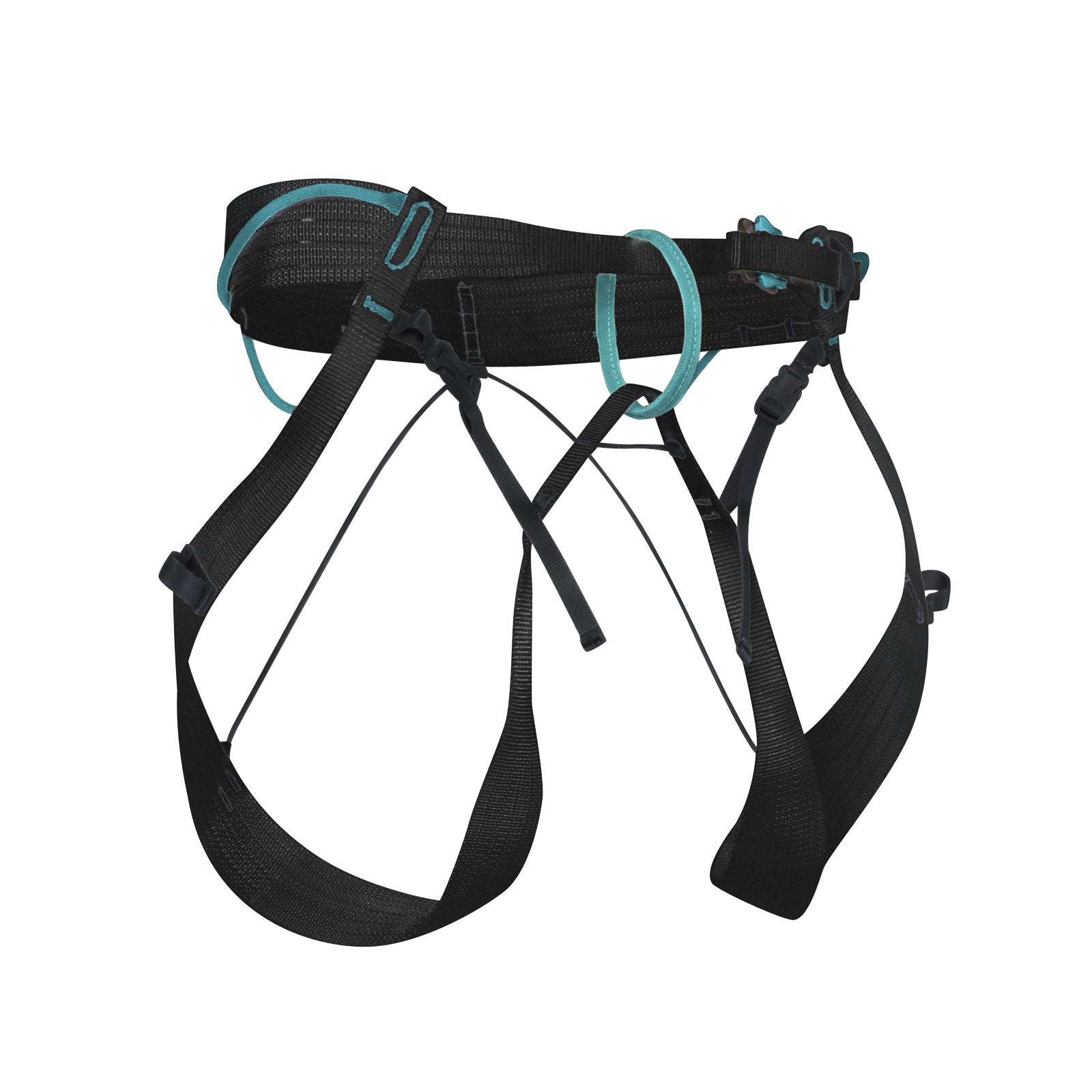
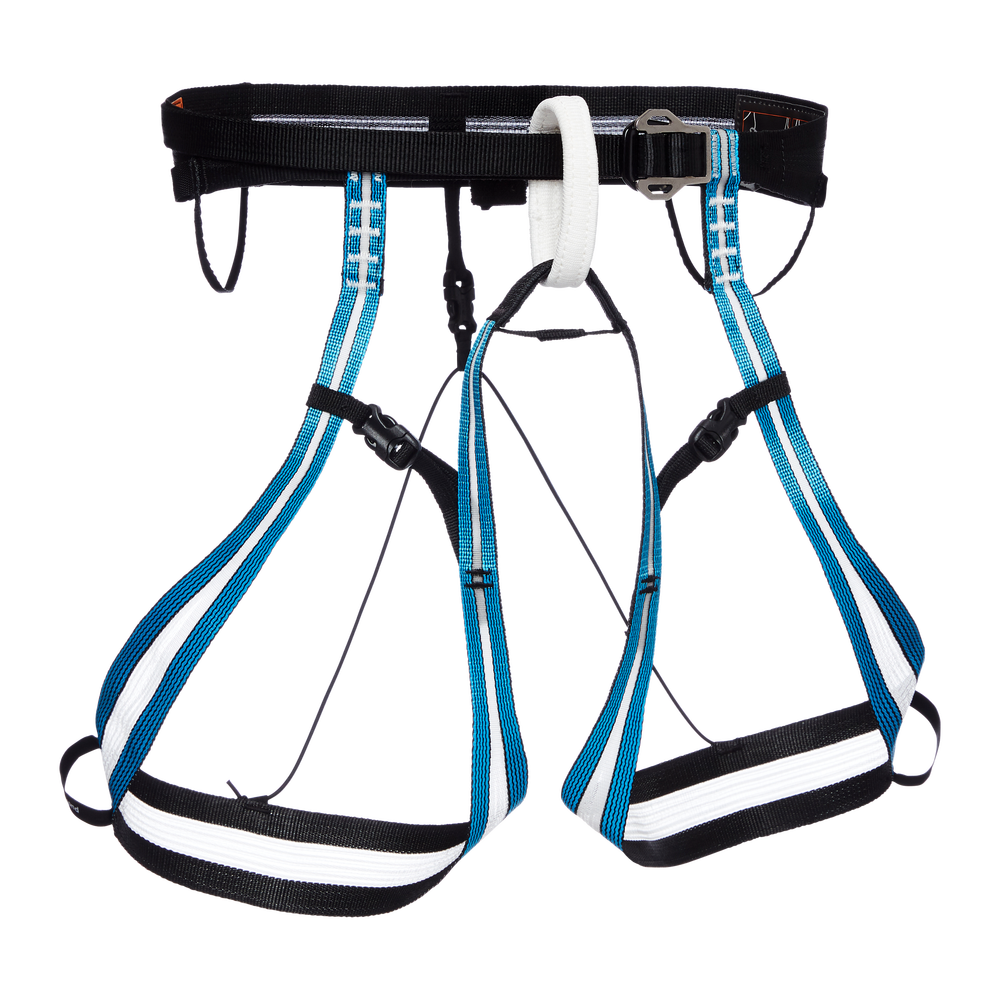
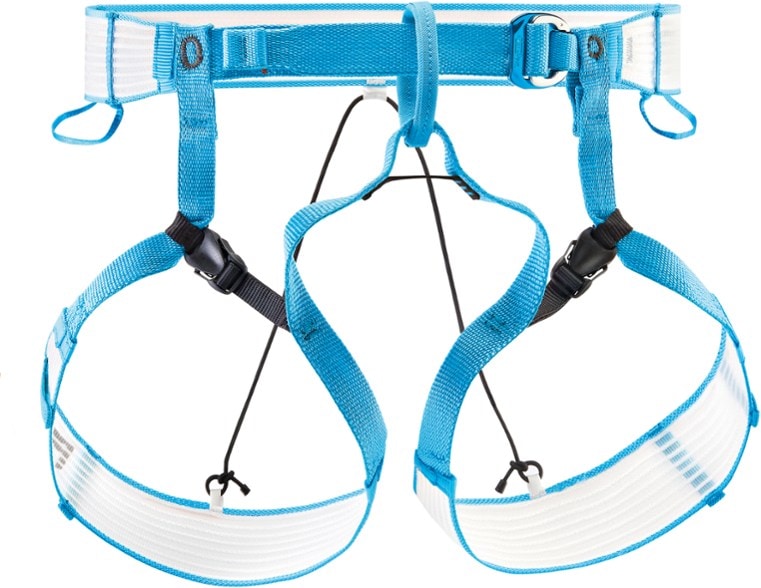
Mongolia: Mt. Khuiten is a glaciated mountaineering expedition with multi-day camp life in the remote Altai. This gear list reflects that: an alpine climbing kit (ice axe, crampons, harness, helmet), a full cold-weather clothing and sleep system, and footwear for both glacier climbing and approach trekking. Camels and horses carry the heavy loads, so you climb and trek with a daypack.
Most required equipment is available for rent or purchase from our affiliate, Whittaker Mountaineering, and RMI climbers receive a 10% discount on new clothing and equipment ordered from them. Guides conduct a thorough gear check before we leave for the mountains. If you have questions about specific items, contact the RMI office directly.
Each RMI program includes a required personal equipment list built around the specific terrain, conditions, and objectives of the climb. Every item serves a purpose and supports safety, efficiency, and comfort in the mountains.
Guide Picks™ are examples that meet our performance standards and illustrate the type of gear we recommend. Each year, our partners at Whittaker Mountaineering survey our staff of 70+ guides to get a consensus on the best gear for the job. You do not need to purchase the exact item shown, but any alternative must offer comparable function and durability.
All listed items are required for the gear check. Final adjustments may be recommended by your guide based on conditions and team needs once the expedition begins.
Most of the required equipment is available for rent or purchase from our affiliate Whittaker Mountaineering. RMI climbers receive a 10% discount on new clothing and equipment items ordered from Whittaker Mountaineering.
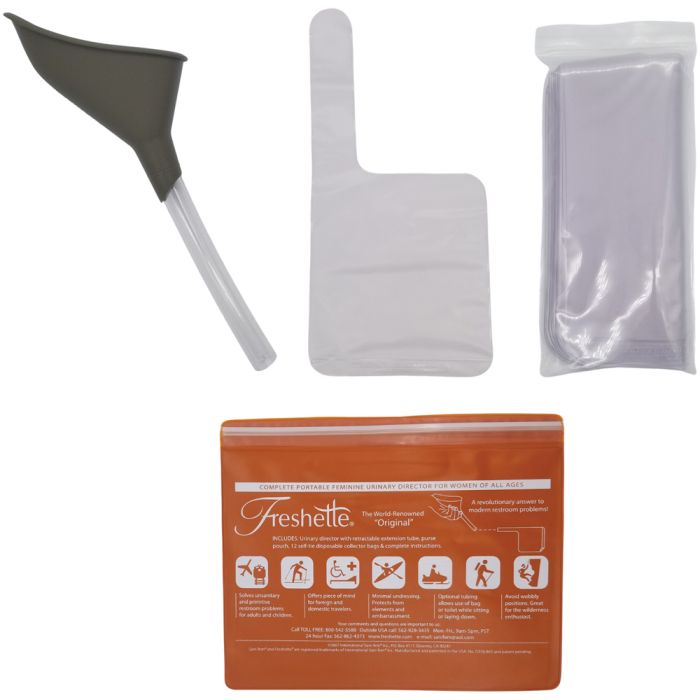
Bring as needed. Make sure these are TSA-compliant.
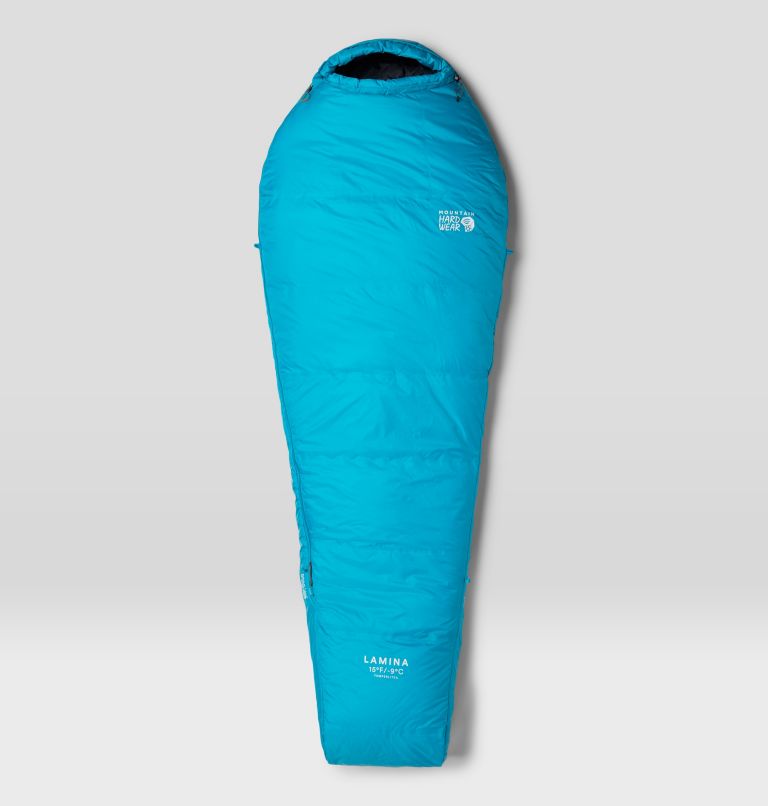
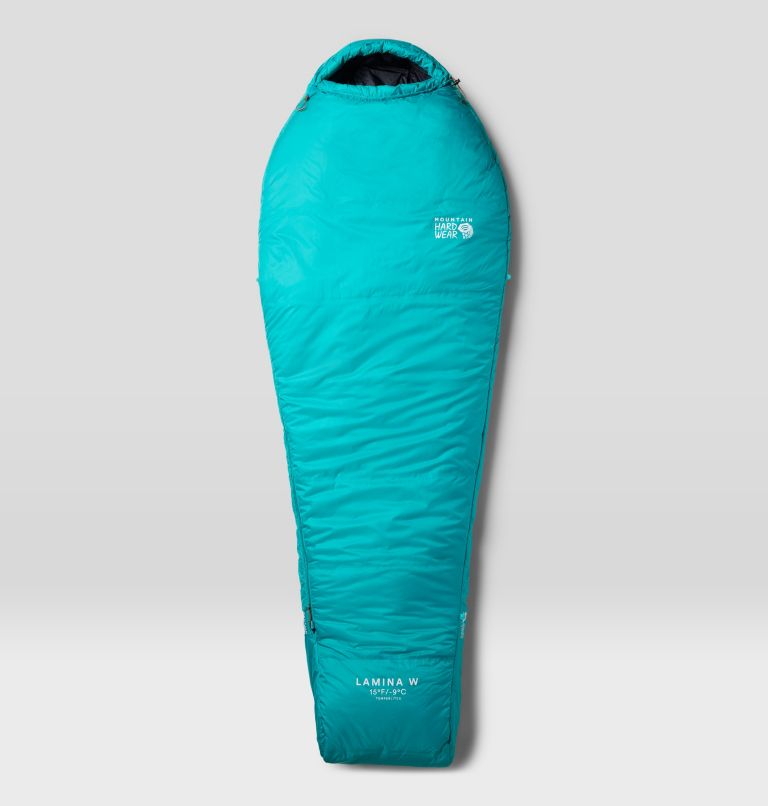
We recommend a bag rated between 20° and 0° F. Allow ample room for movement. We recommend down over synthetic for its light weight, warmth, and packability. If you know you sleep cold, consider a 0° F bag.
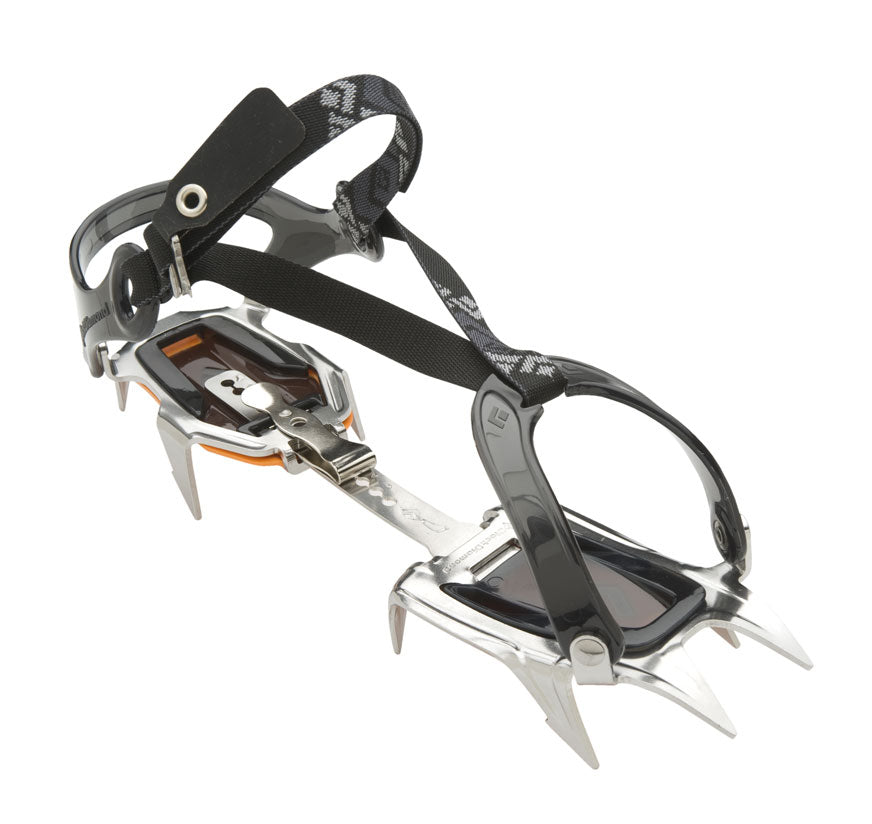
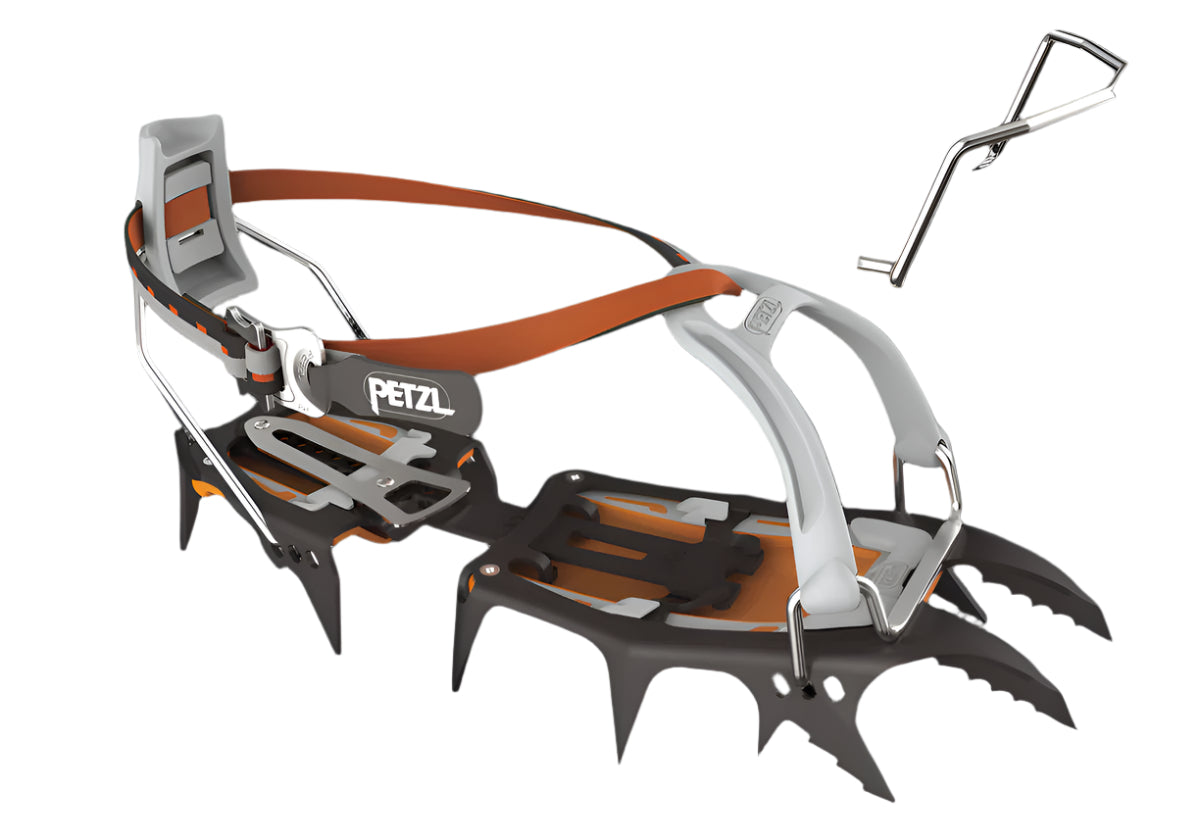
10- or 12-point adjustable steel crampons with anti-balling plates for general mountaineering and glacier travel. Automatic, semi-automatic, or strap-on attachment depending on boot compatibility. Ensure crampons are compatible with your specific boots before your program.
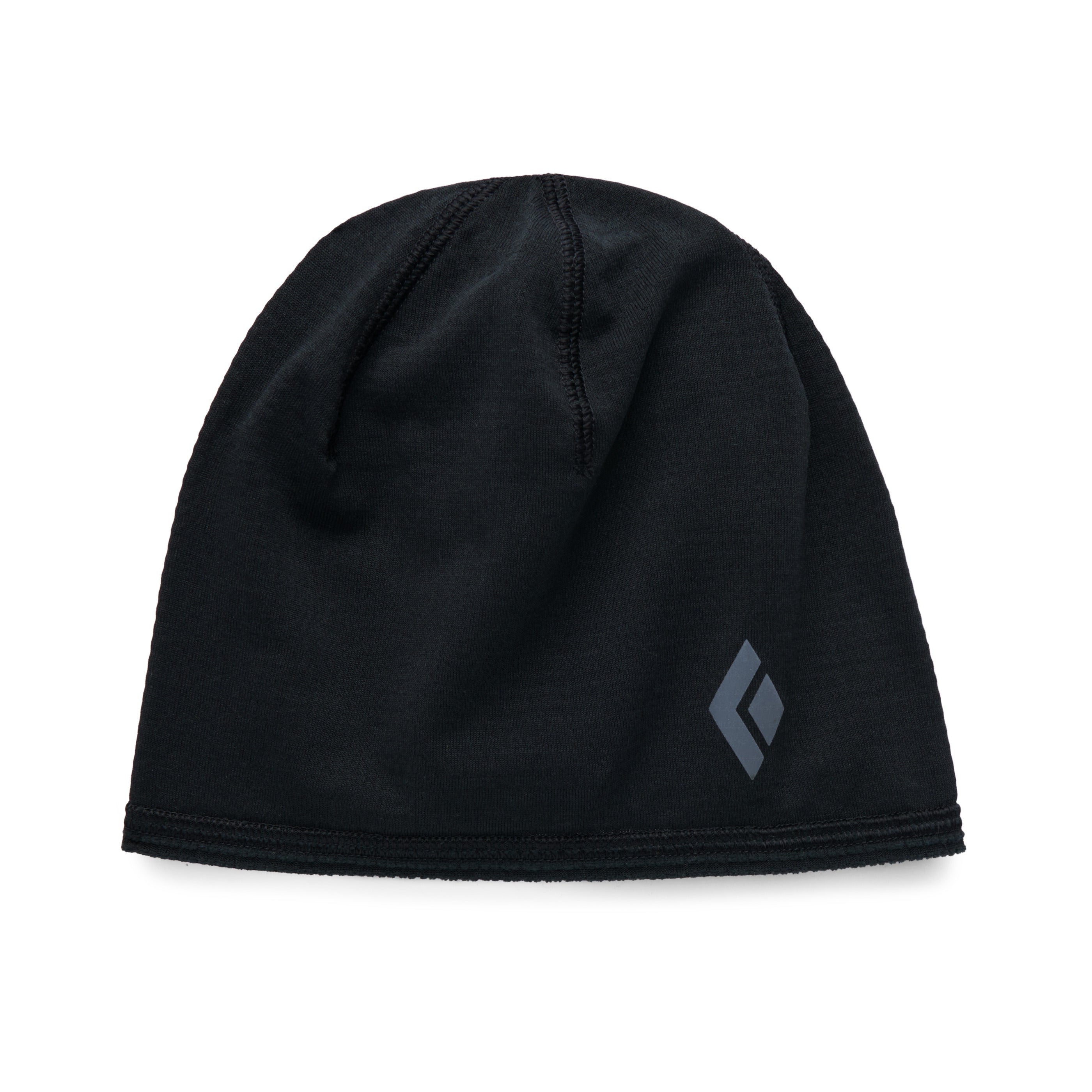
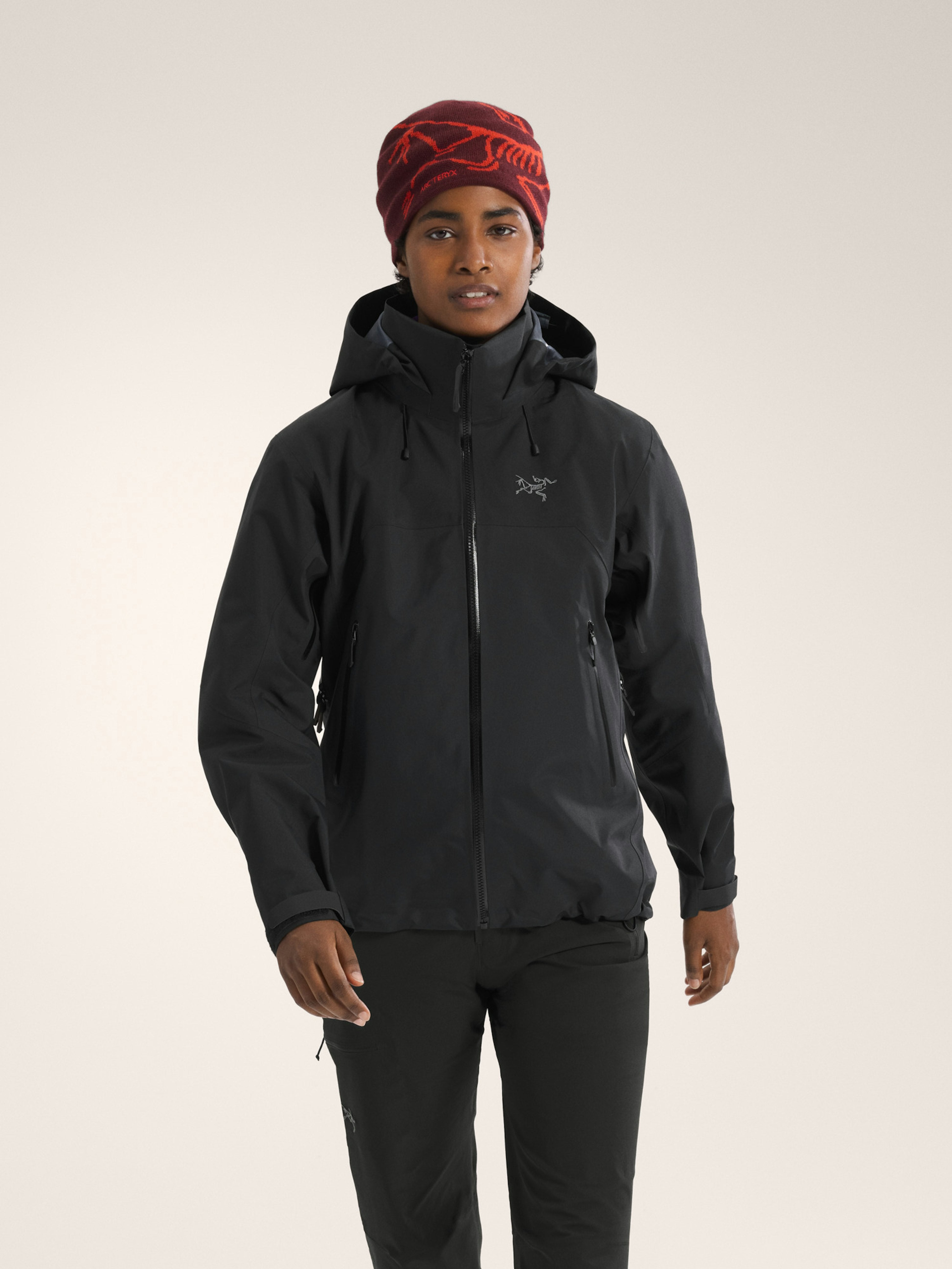
We recommend a minimum of five upper body layers, all of which can be used in conjunction with each other. Two of these should be insulating layers, one light, and one medium, that fit well together. Today there are many different layering systems to choose from, including fleece, softshell, down, and synthetic options.
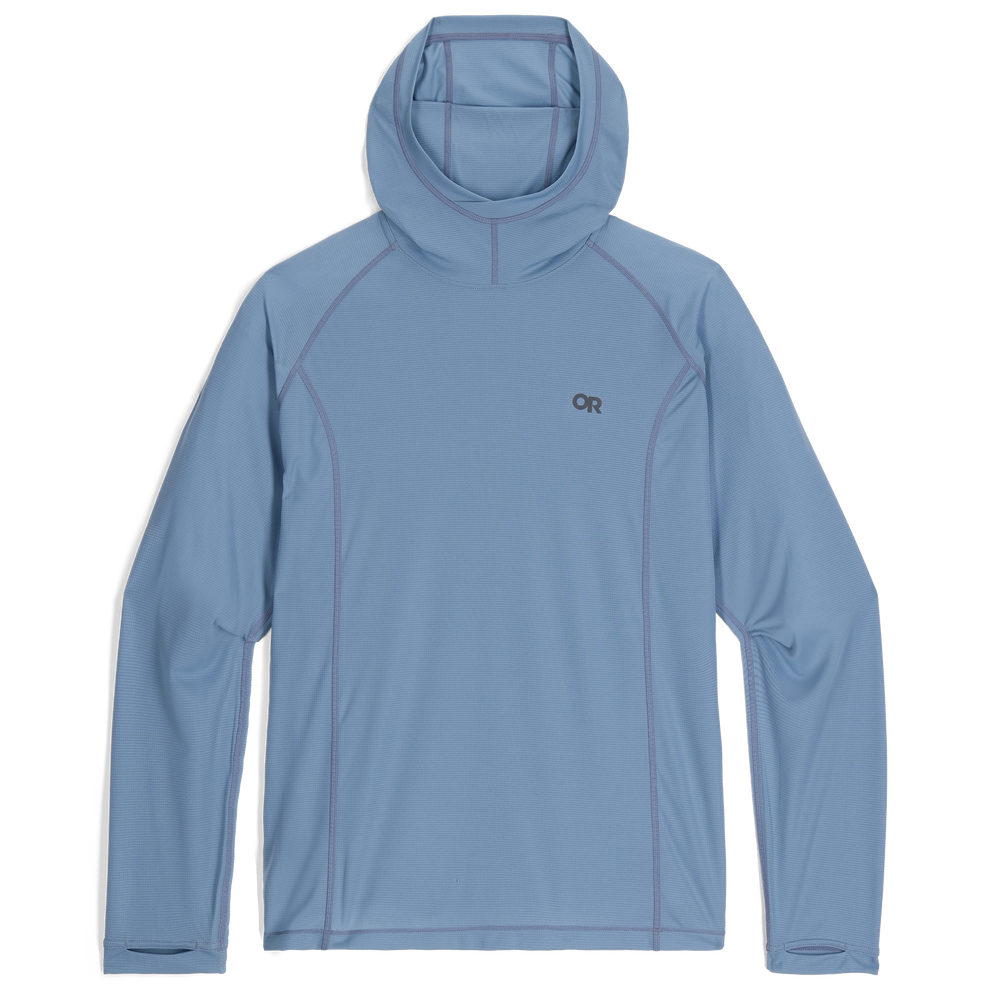
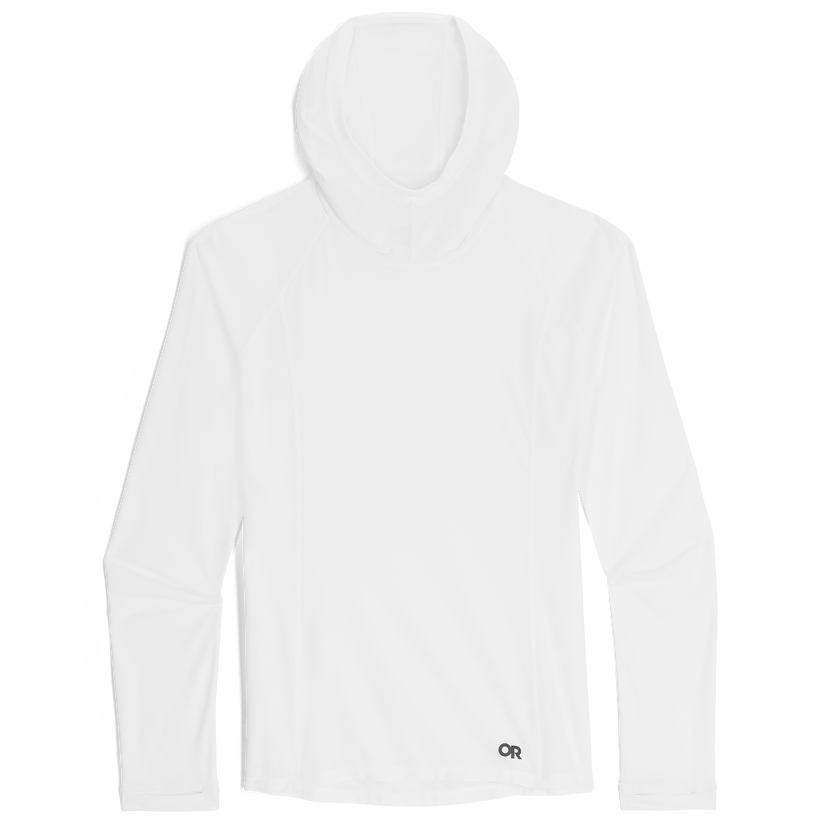
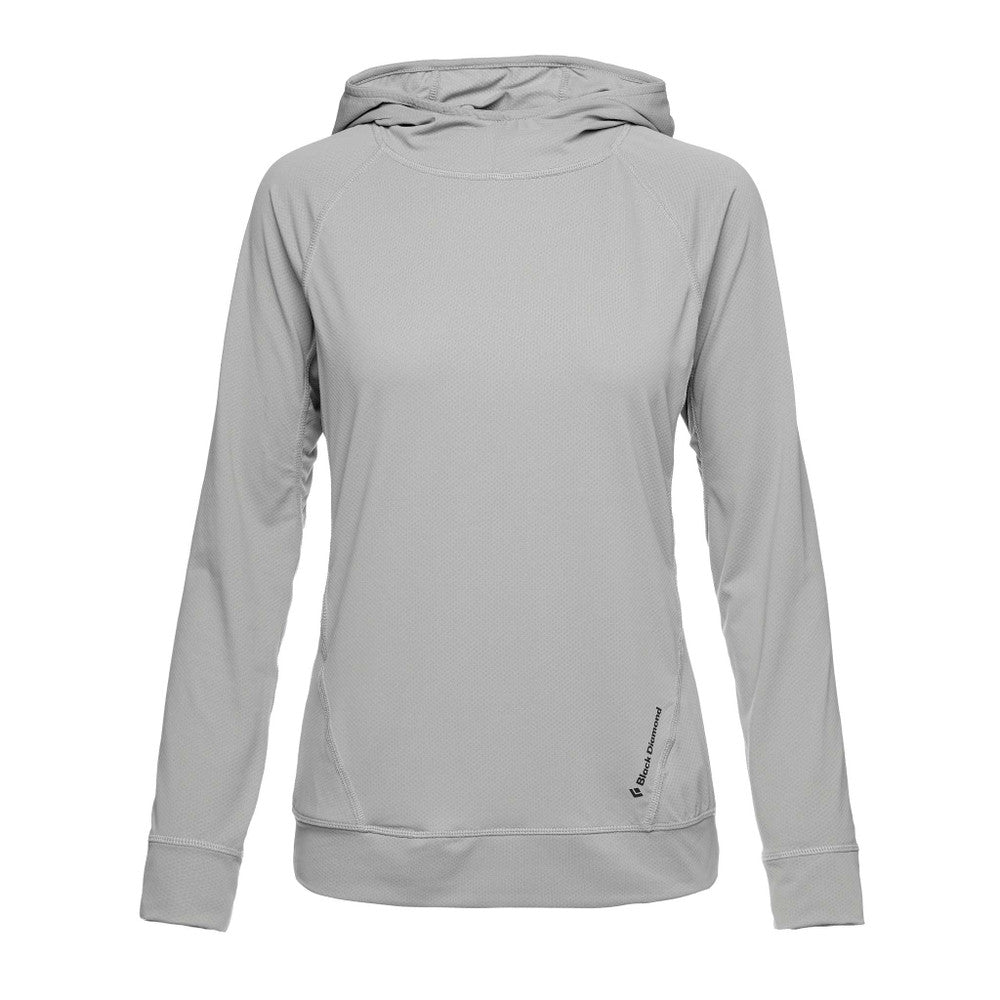
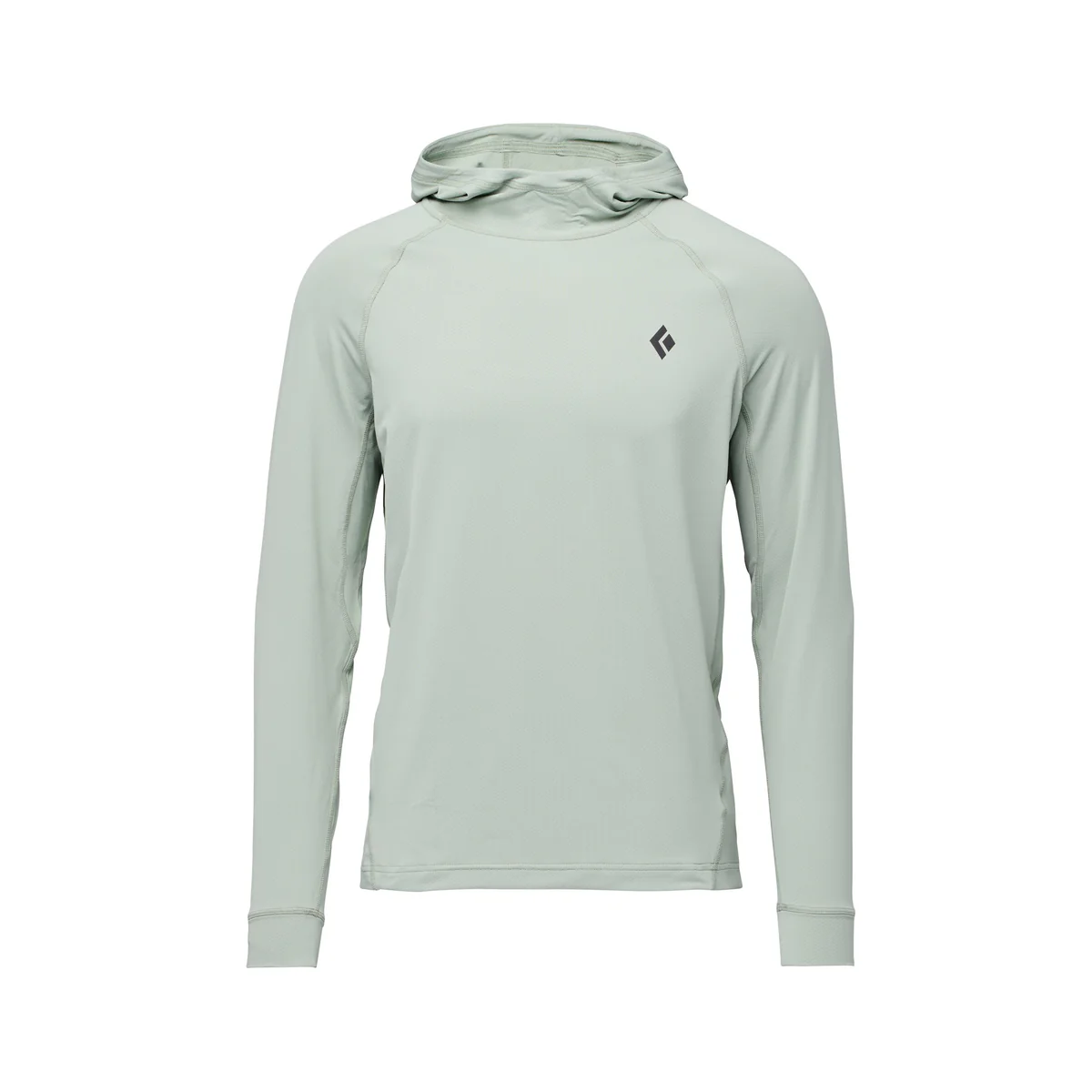
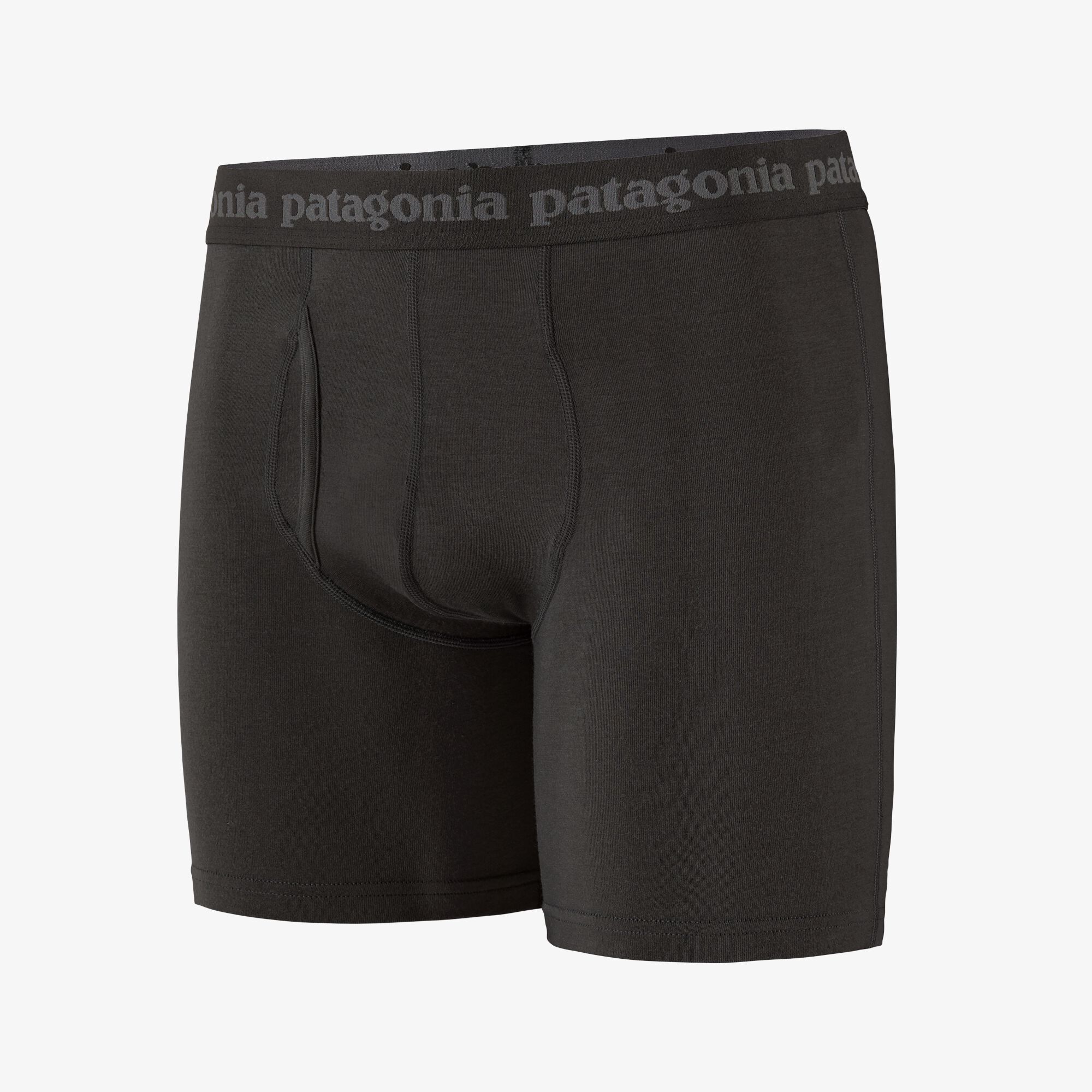
A lightweight, breathable long-sleeve shirt in synthetic or merino wool for sun protection and moisture management during active climbing.
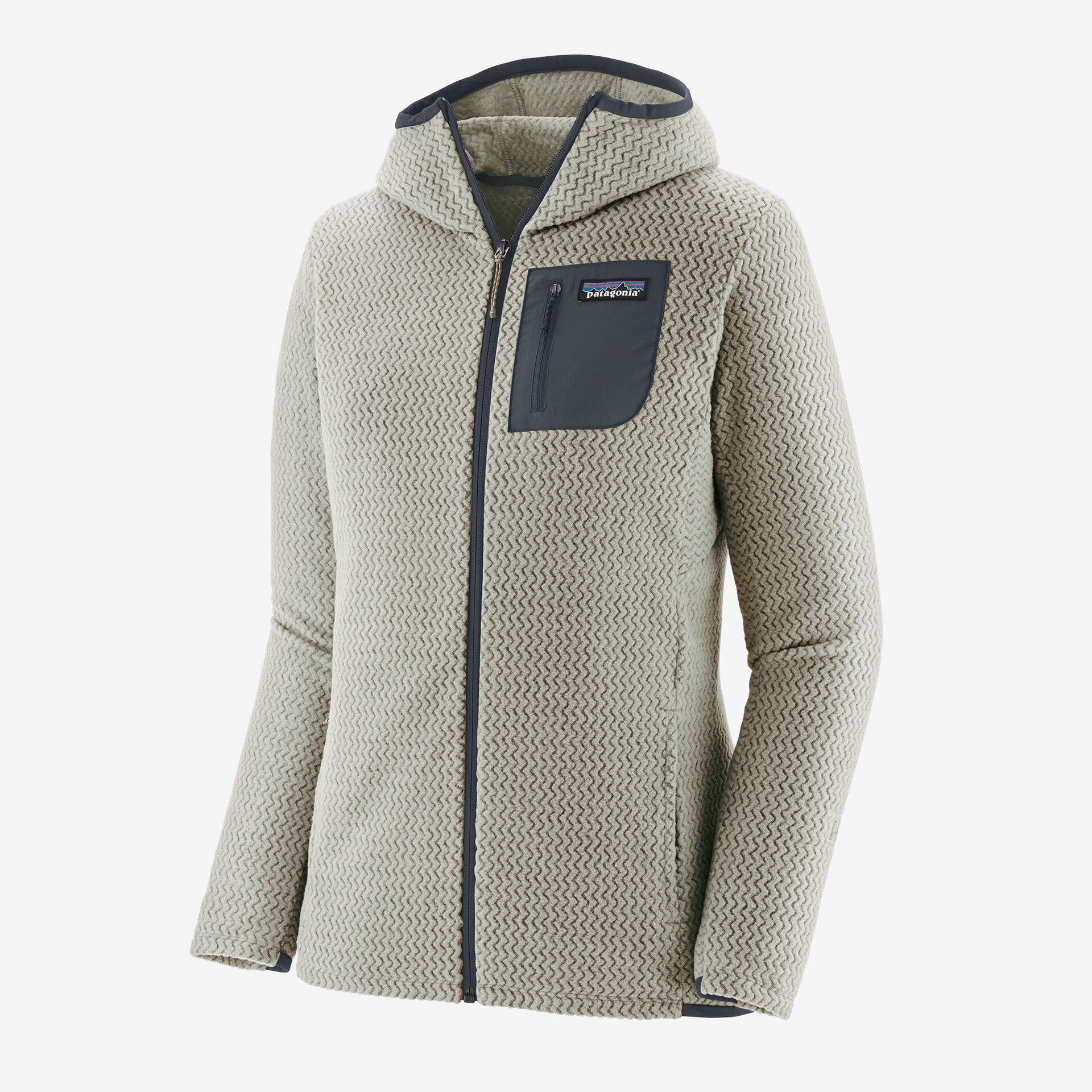
One step up in warmth and bulk from a baselayer. A technical fleece makes an ideal light weight insulating layer.
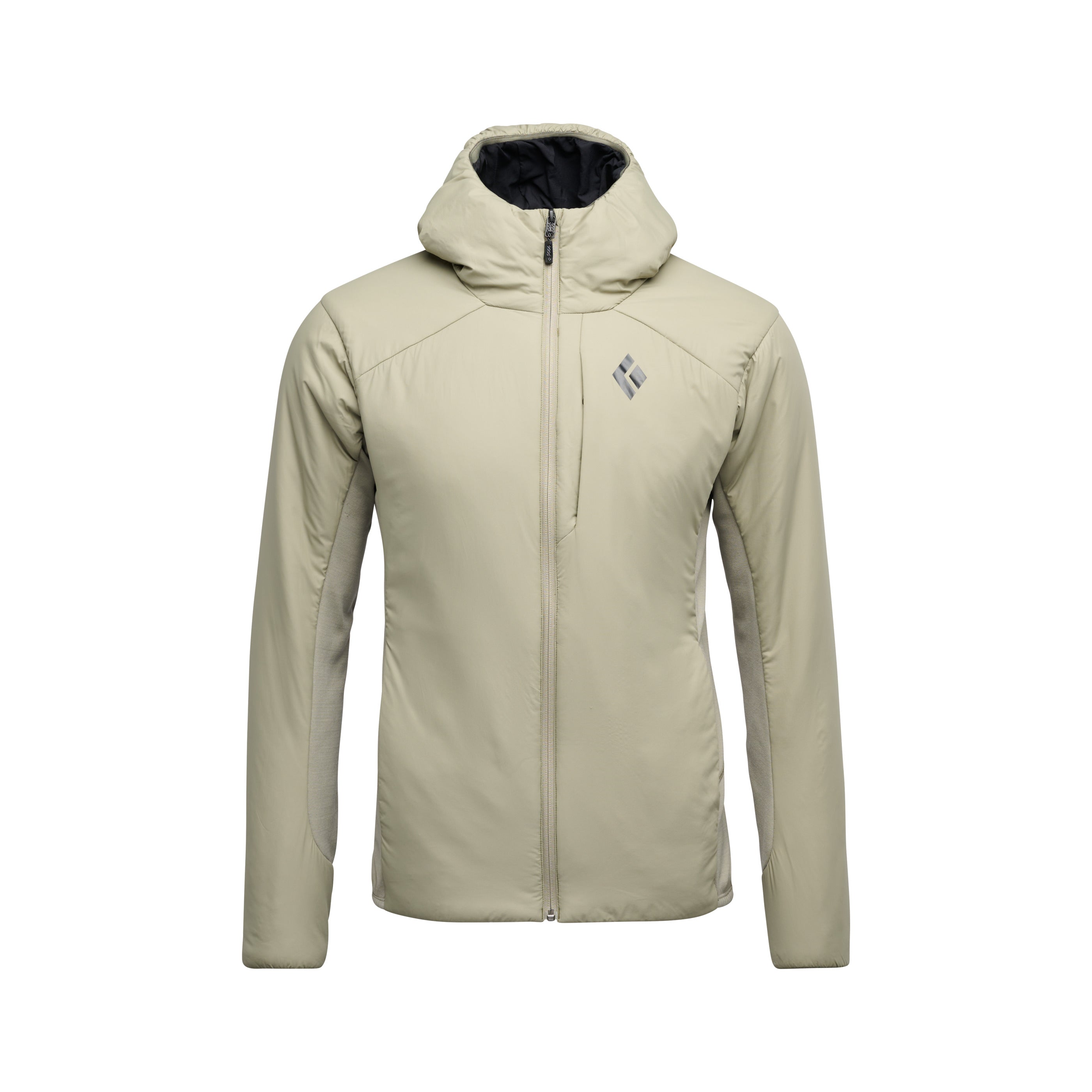
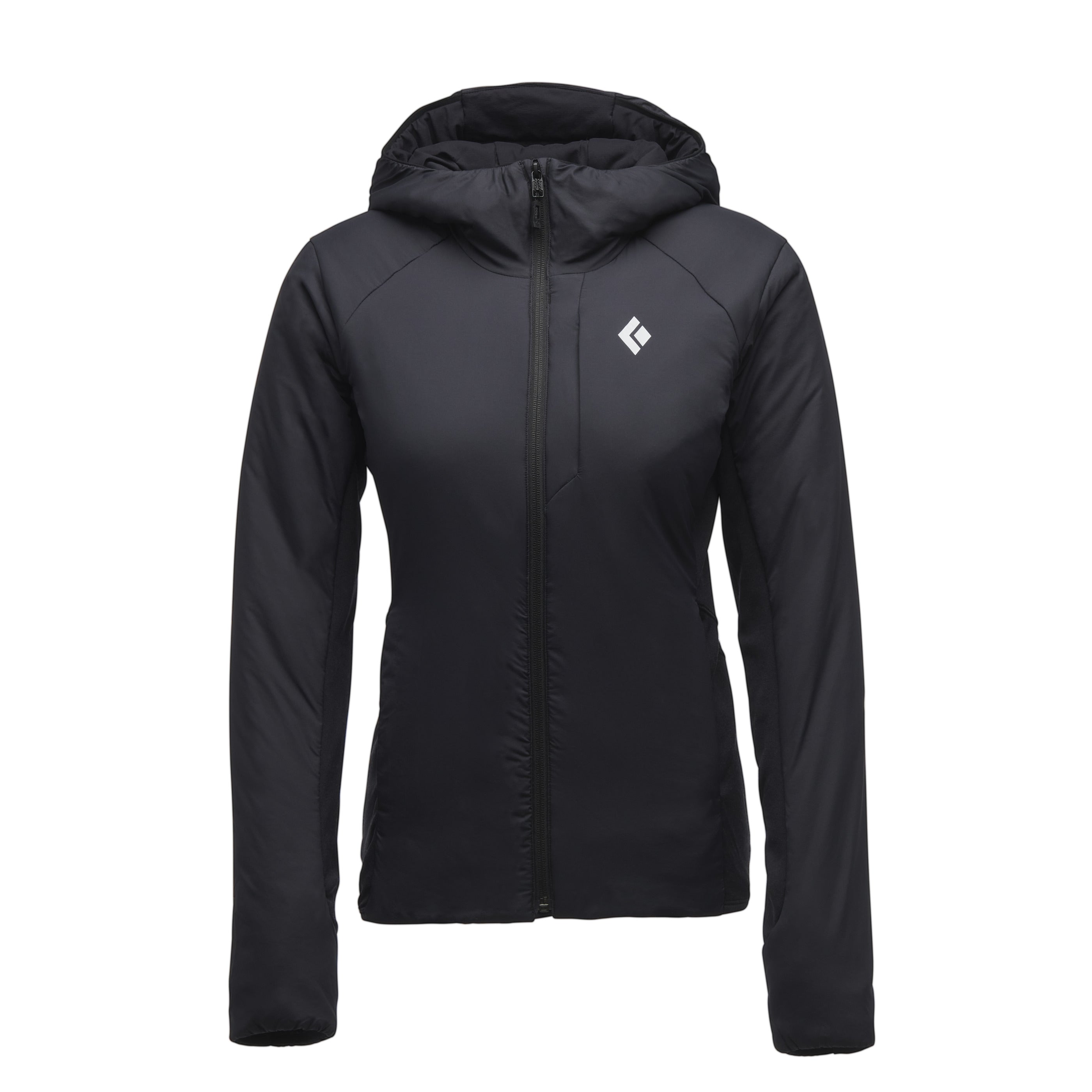
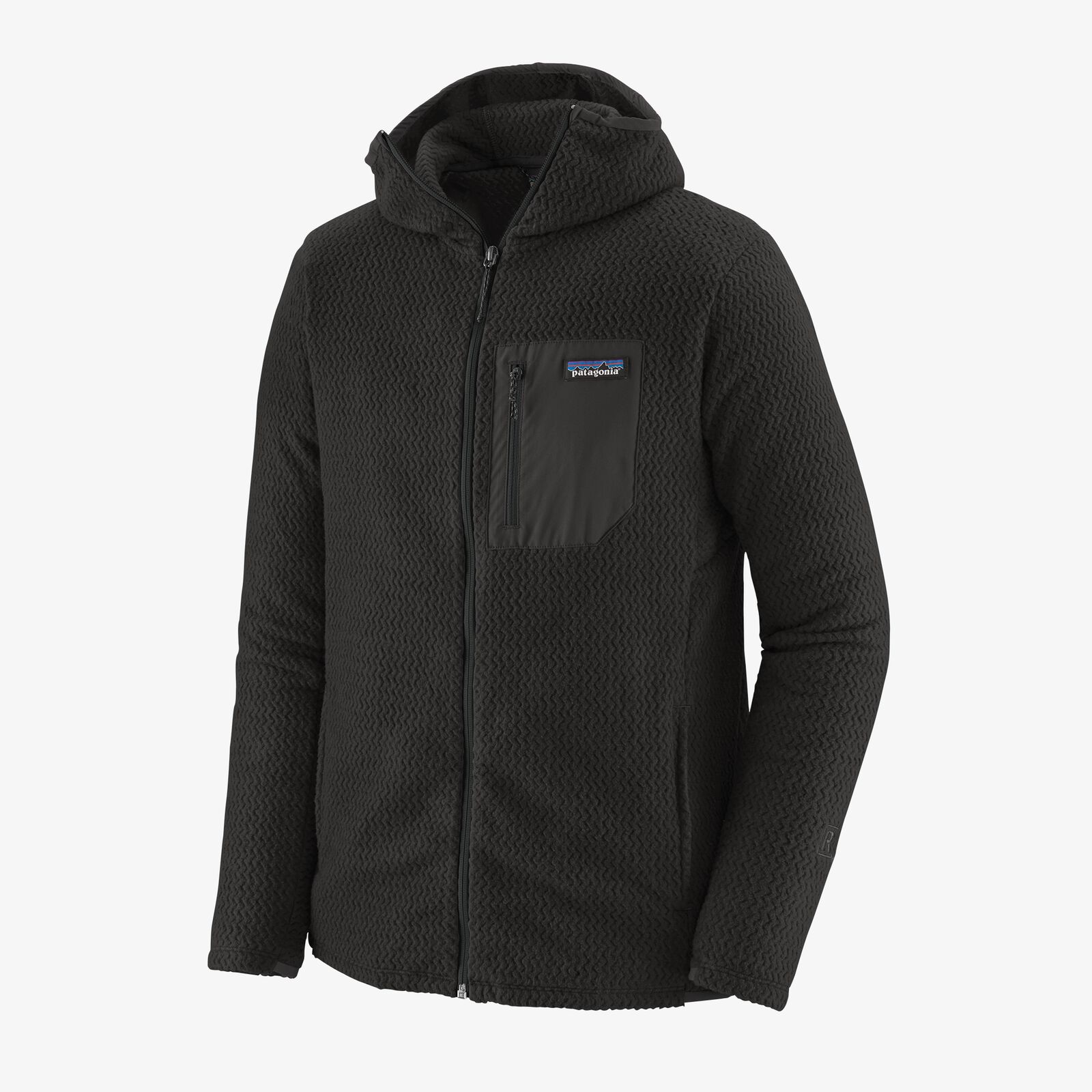
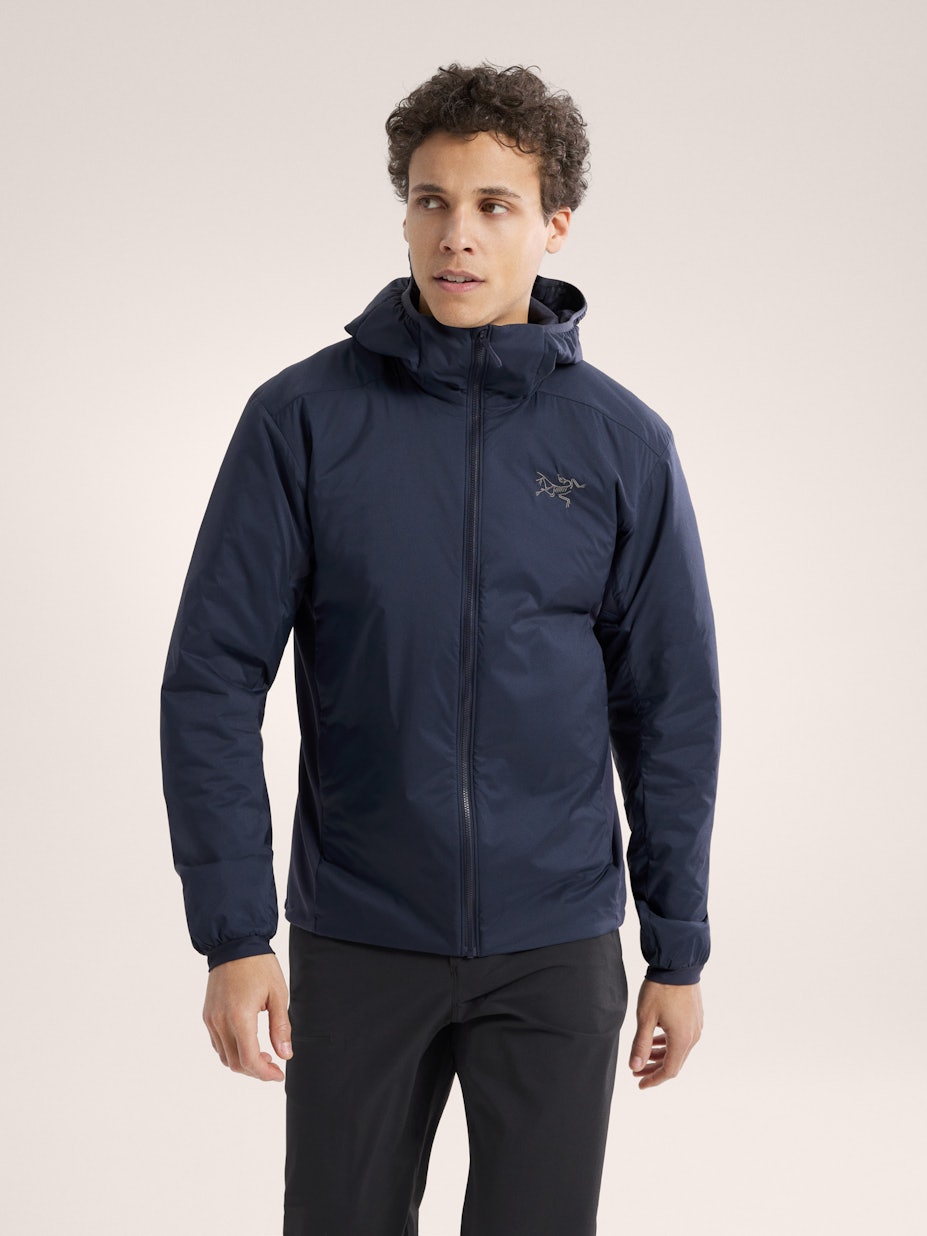
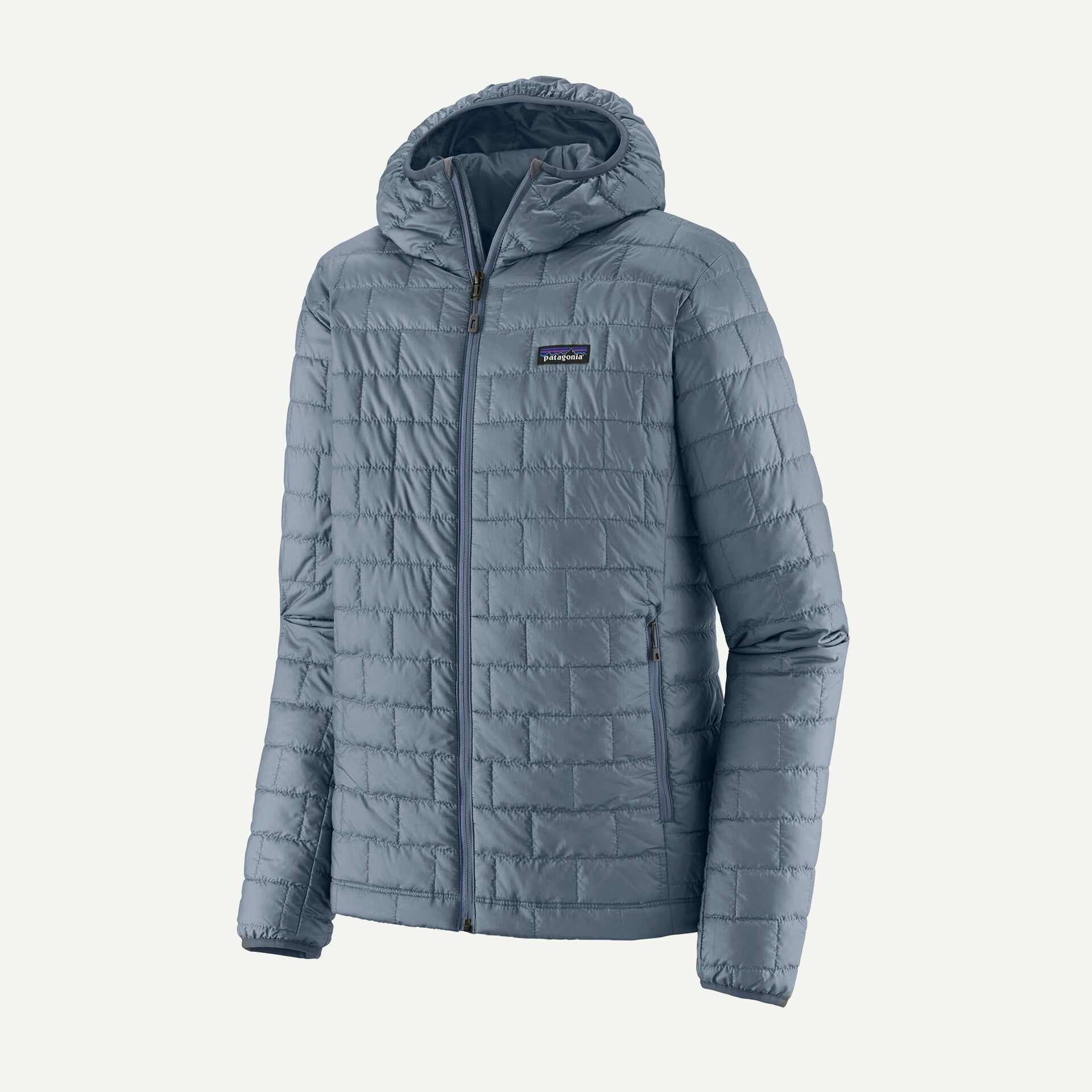
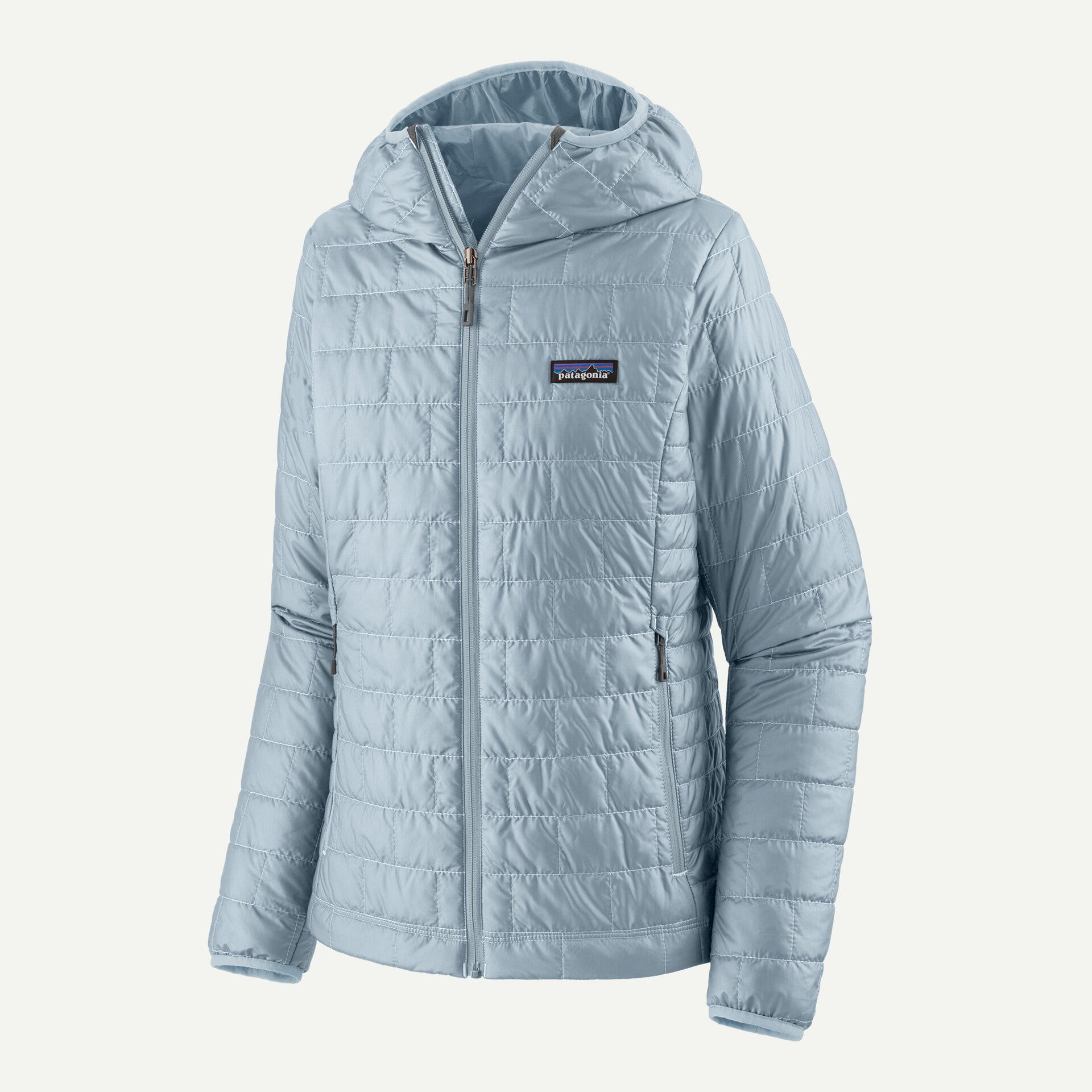
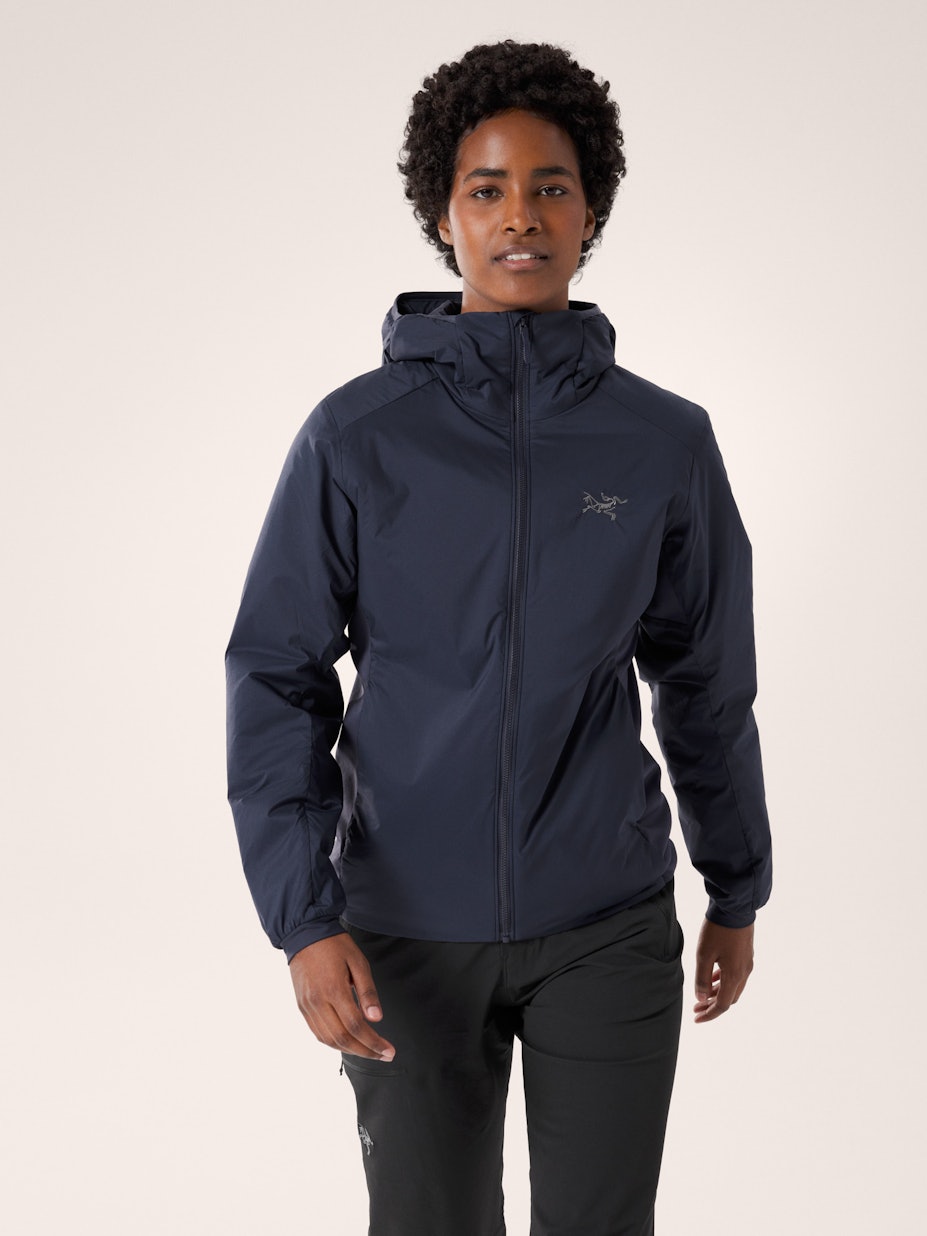
An insulated jacket or softshell for warmth during low-output activity and extended rest breaks. Should fit over baselayers and midlayers, and under a shell.
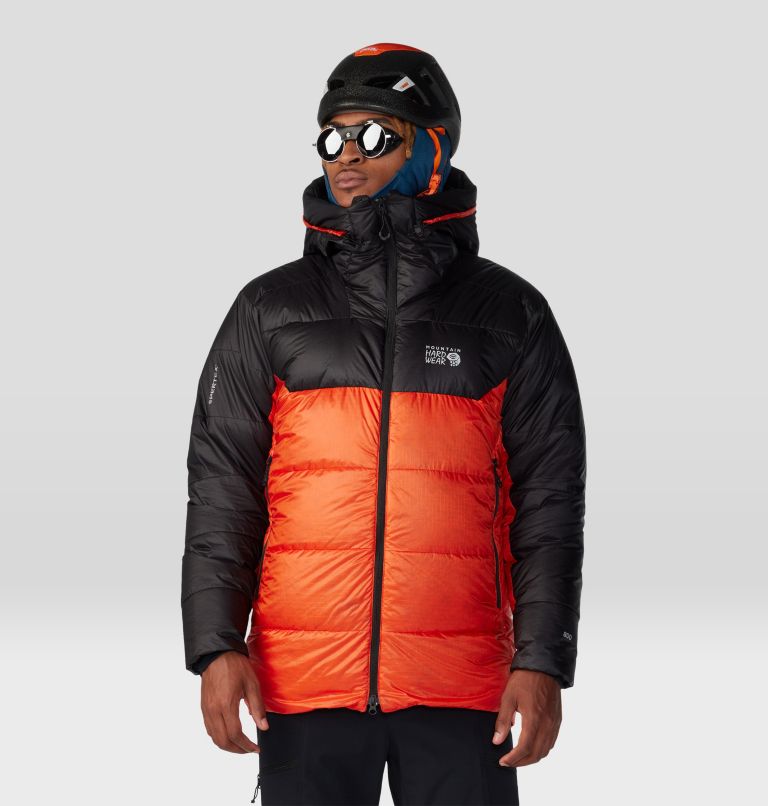
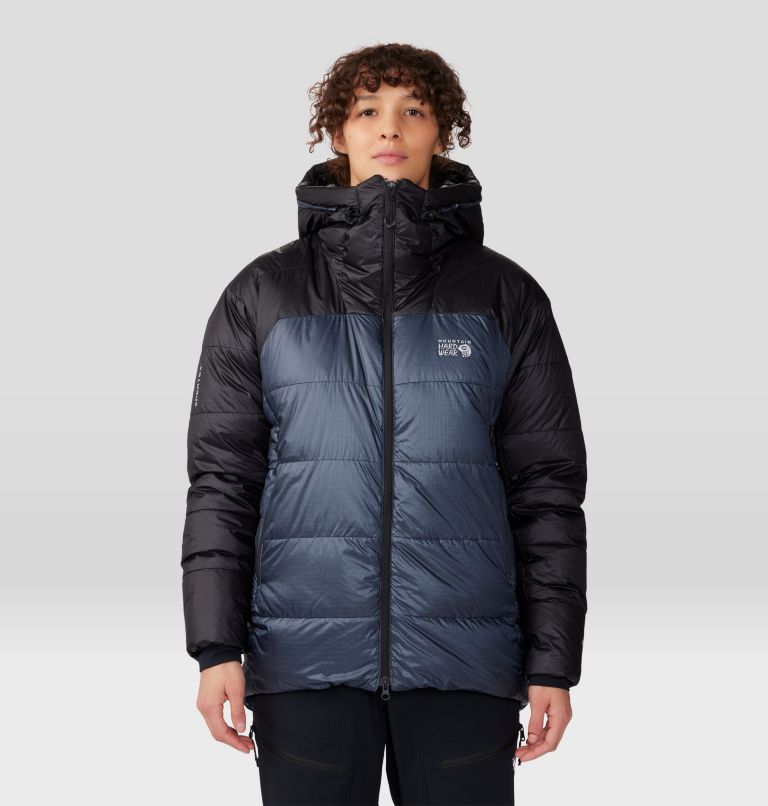
An expedition-style down parka that extends below the waist with an insulated hood, designed to fit over all other layers. Worn primarily in camp, during rest breaks, and on summit day. Down fill recommended over synthetic.
We recommend a system of four layers, all of which can be used in conjunction with each other. Products which combine several layers into one garment, such as traditional ski pants, don’t work well as they don’t offer the versatility of a layering system.
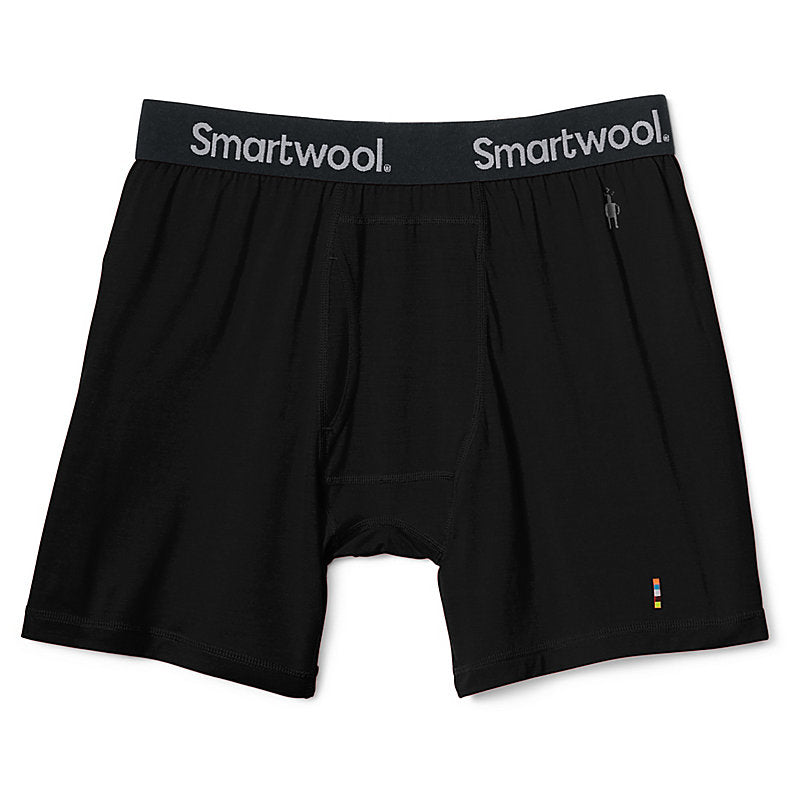
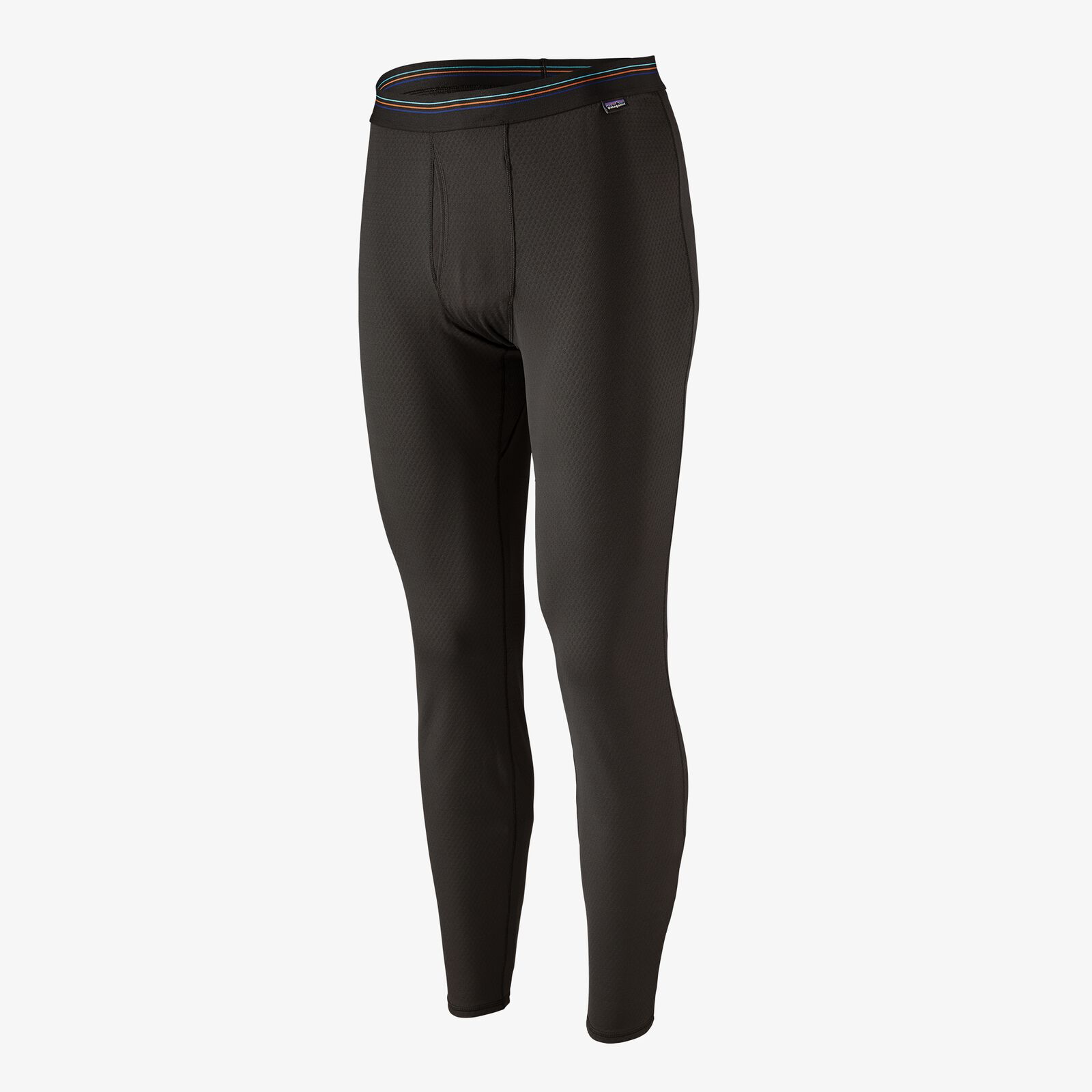
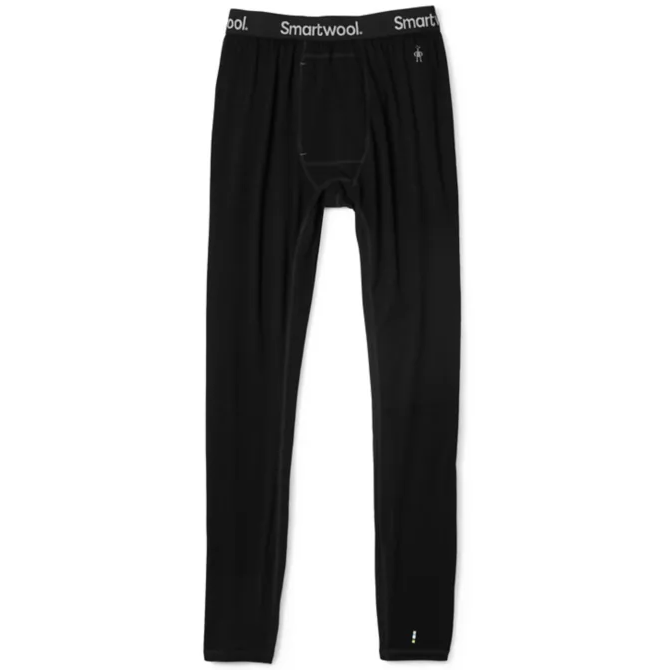
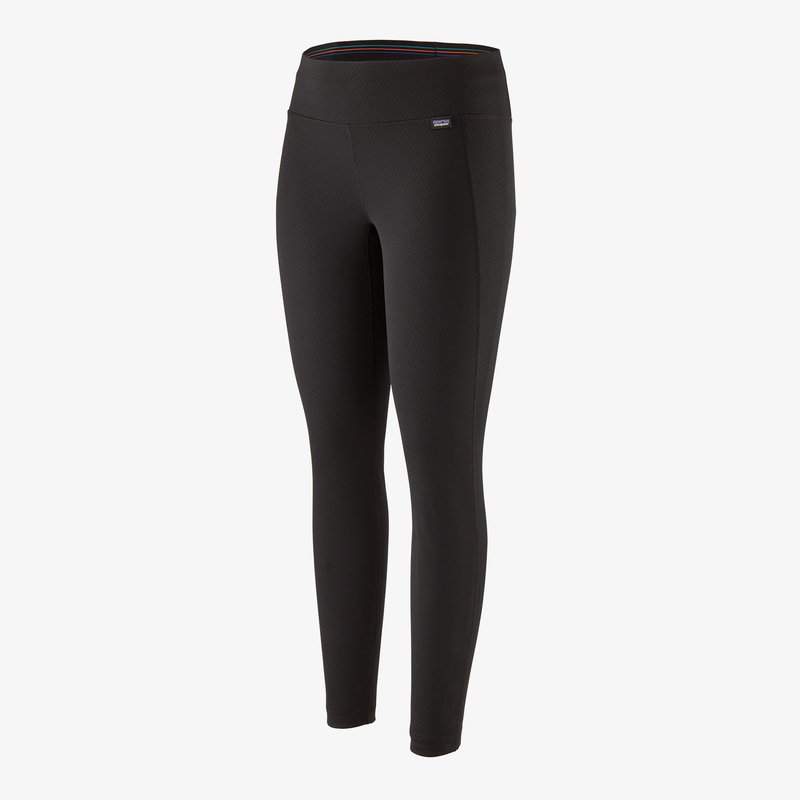
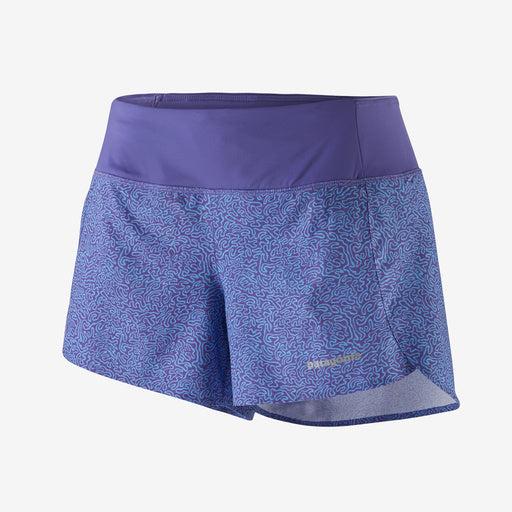
Lightweight synthetic or merino wool baselayer bottoms for moisture management and temperature regulation during active climbing.
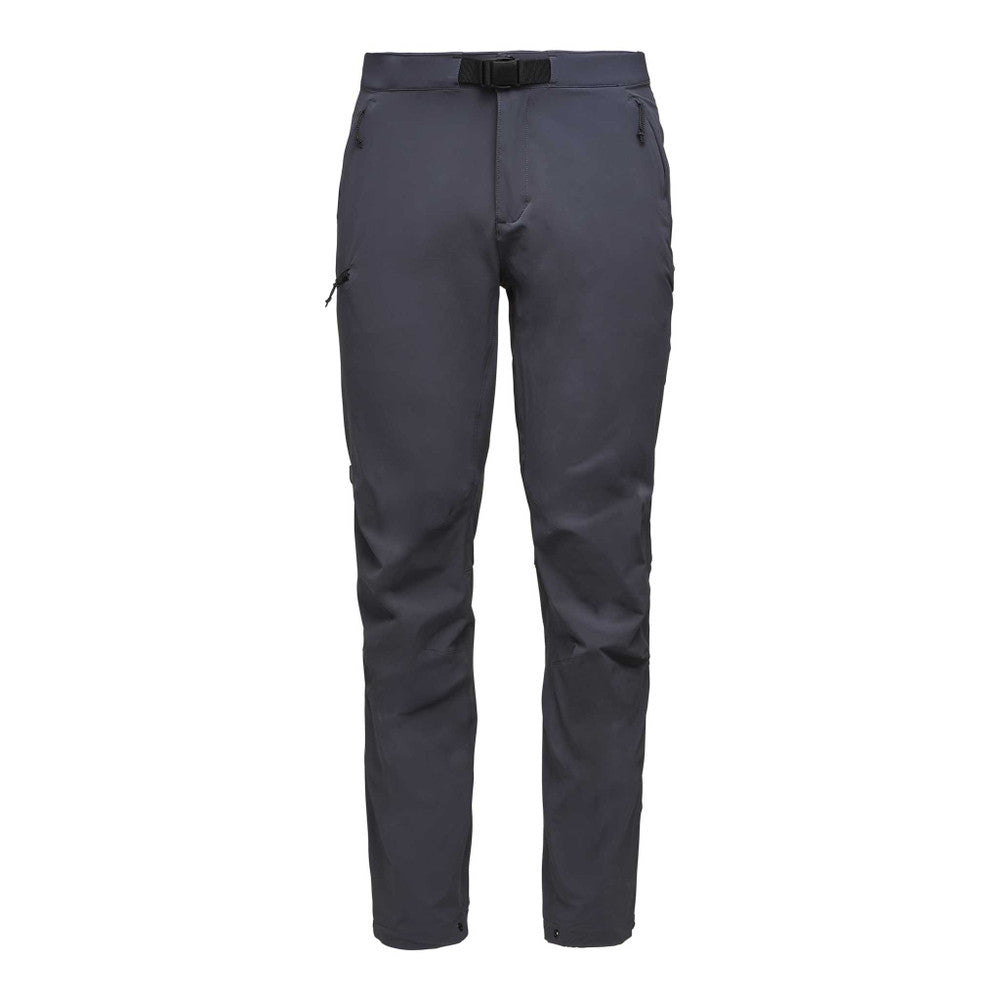
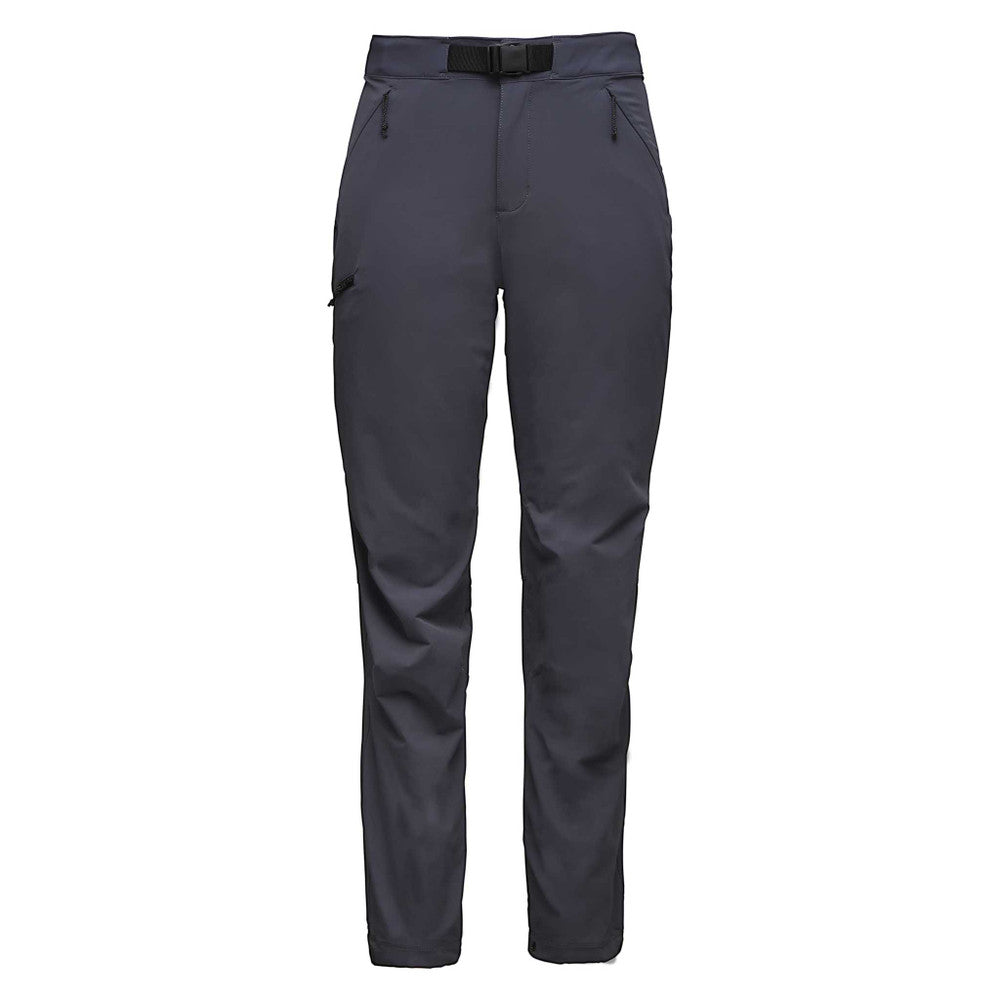
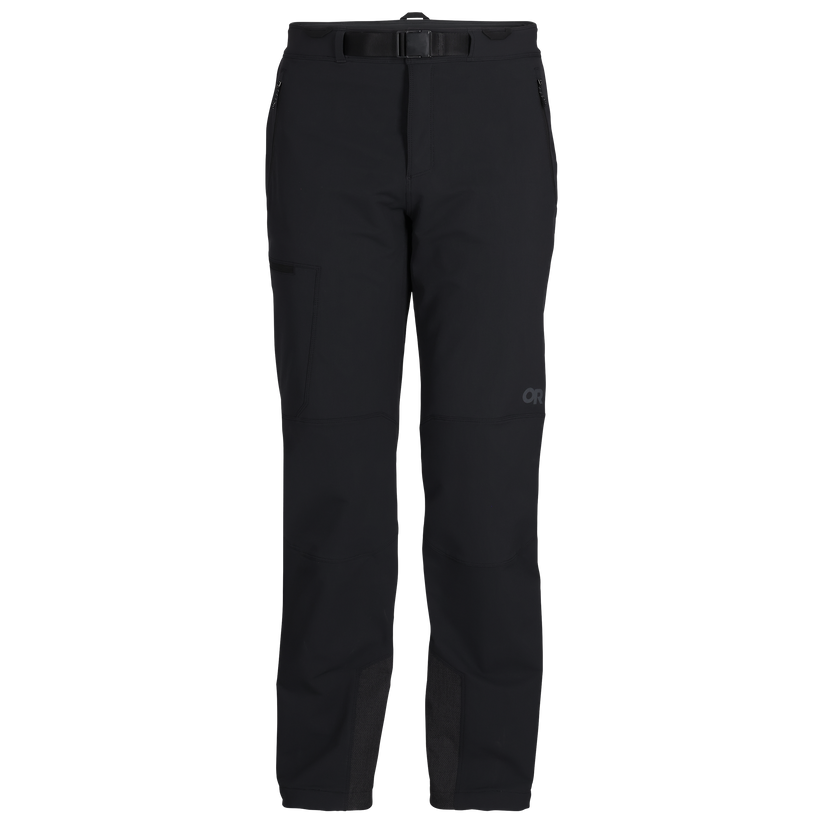
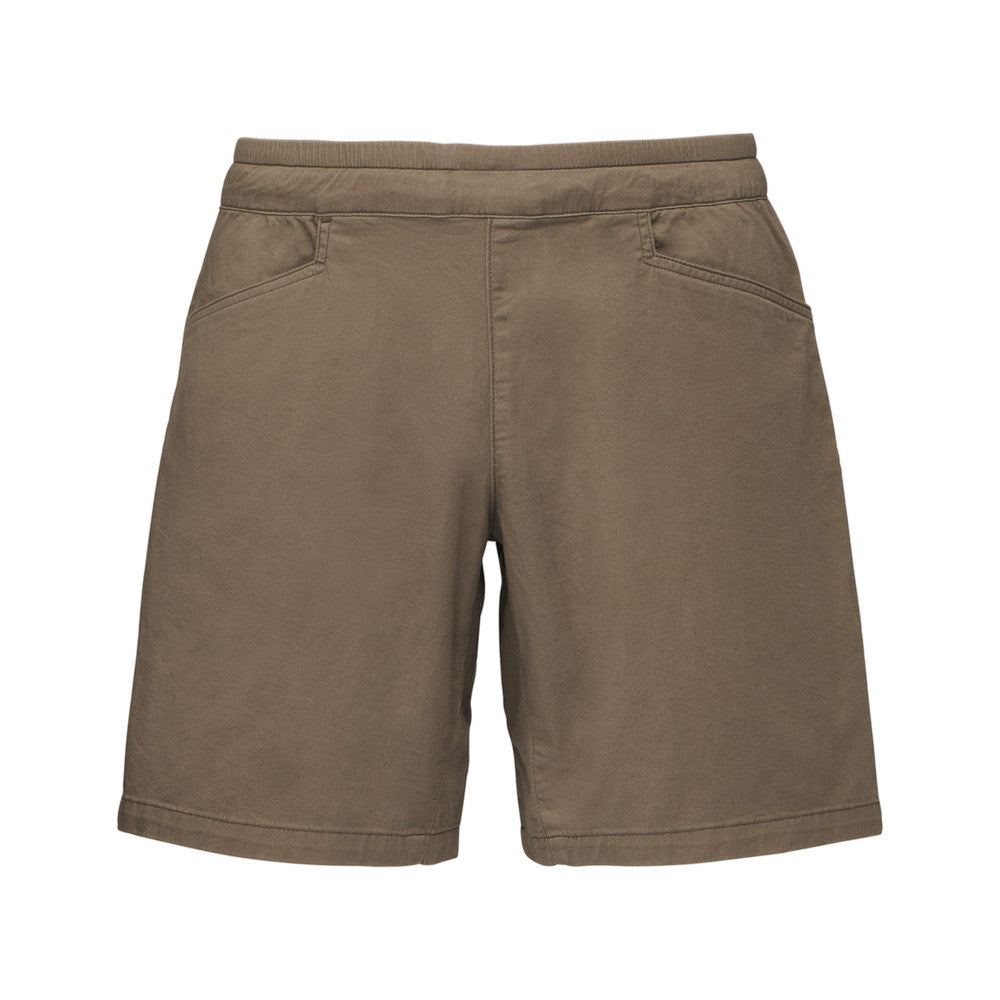
Softshell climbing pants can be worn in combination with a base layer on colder days, or alone on warmer days.
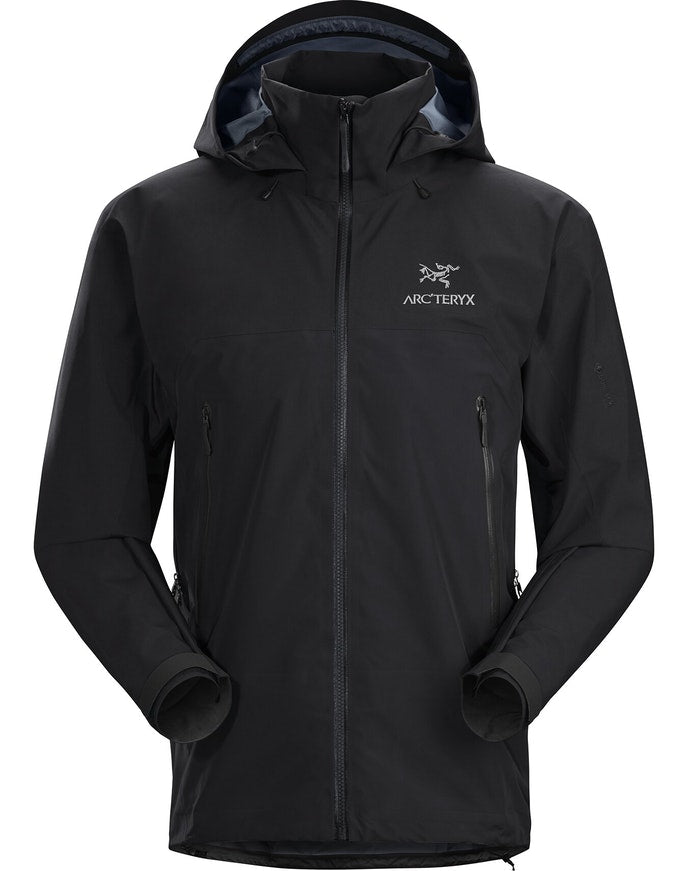
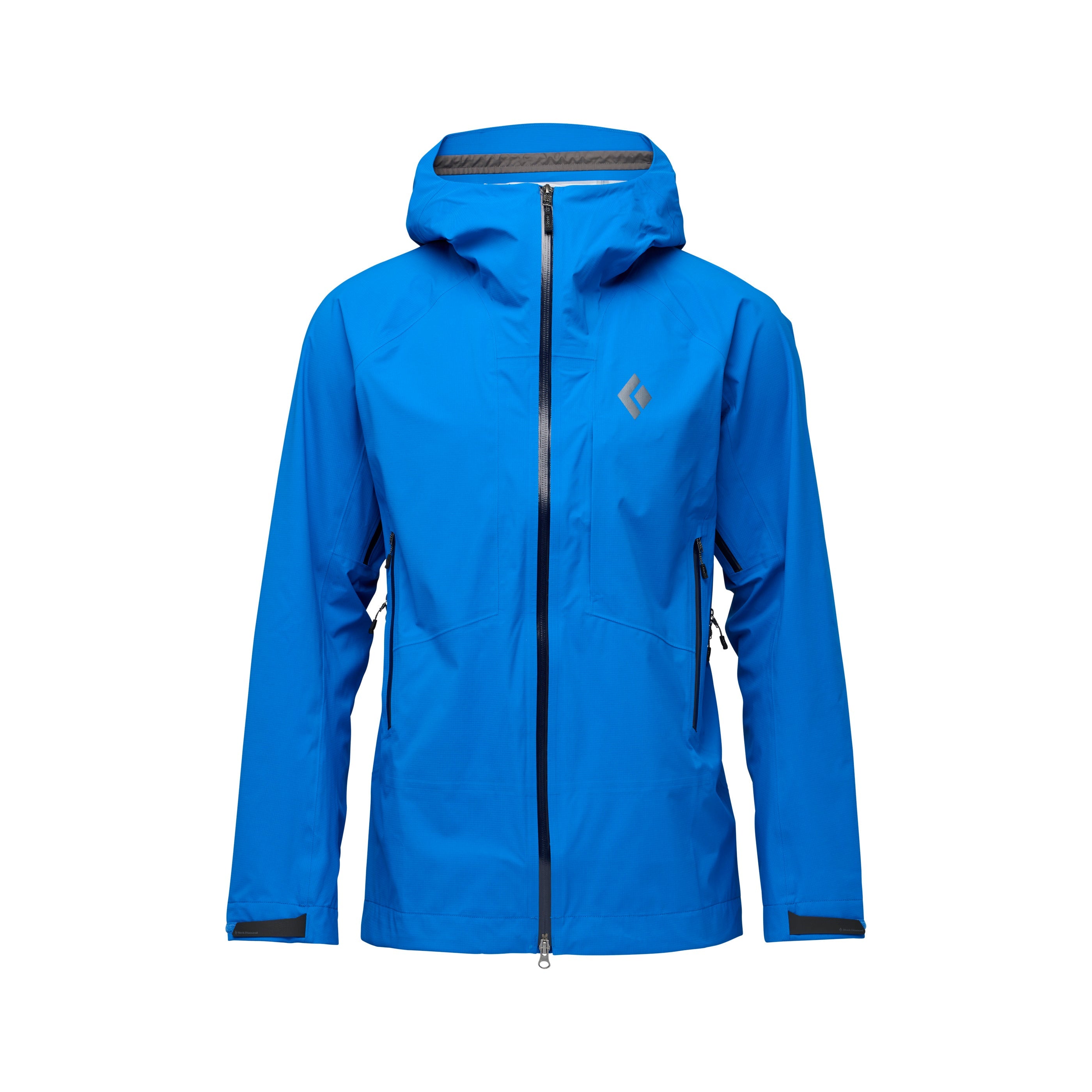
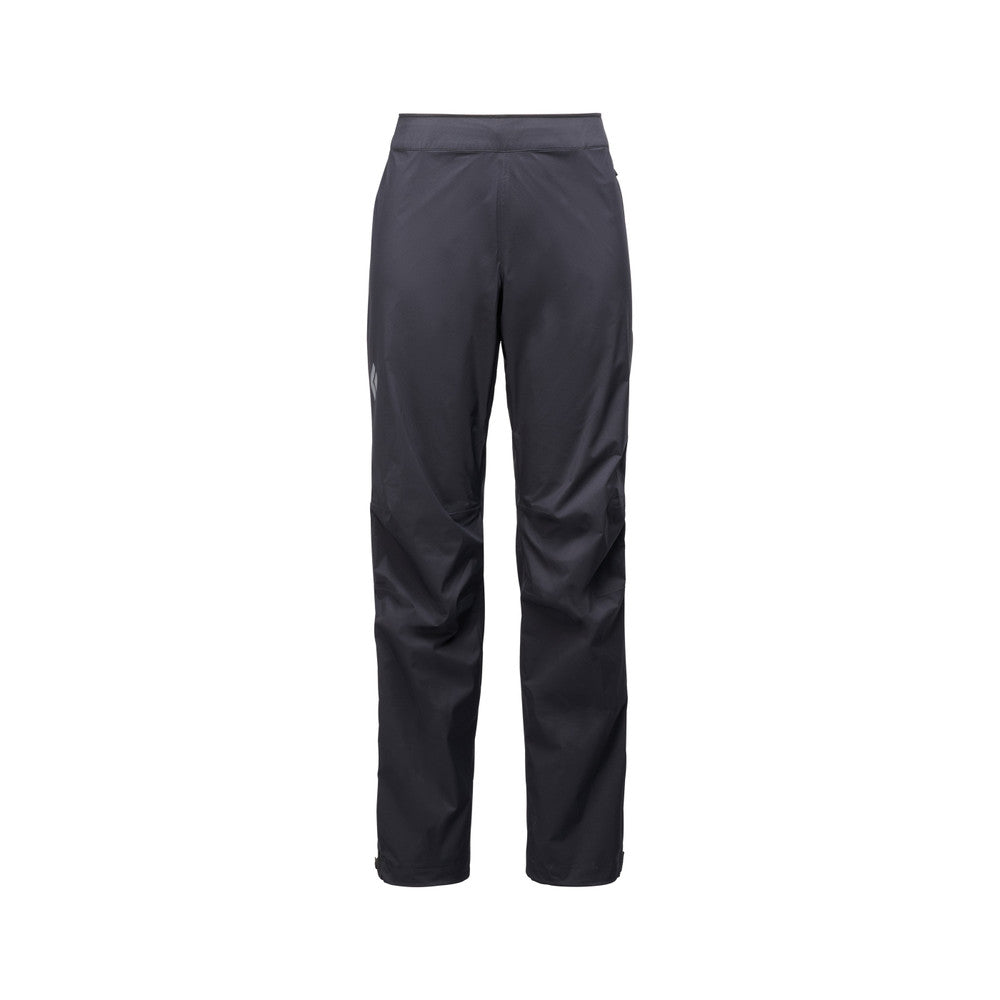
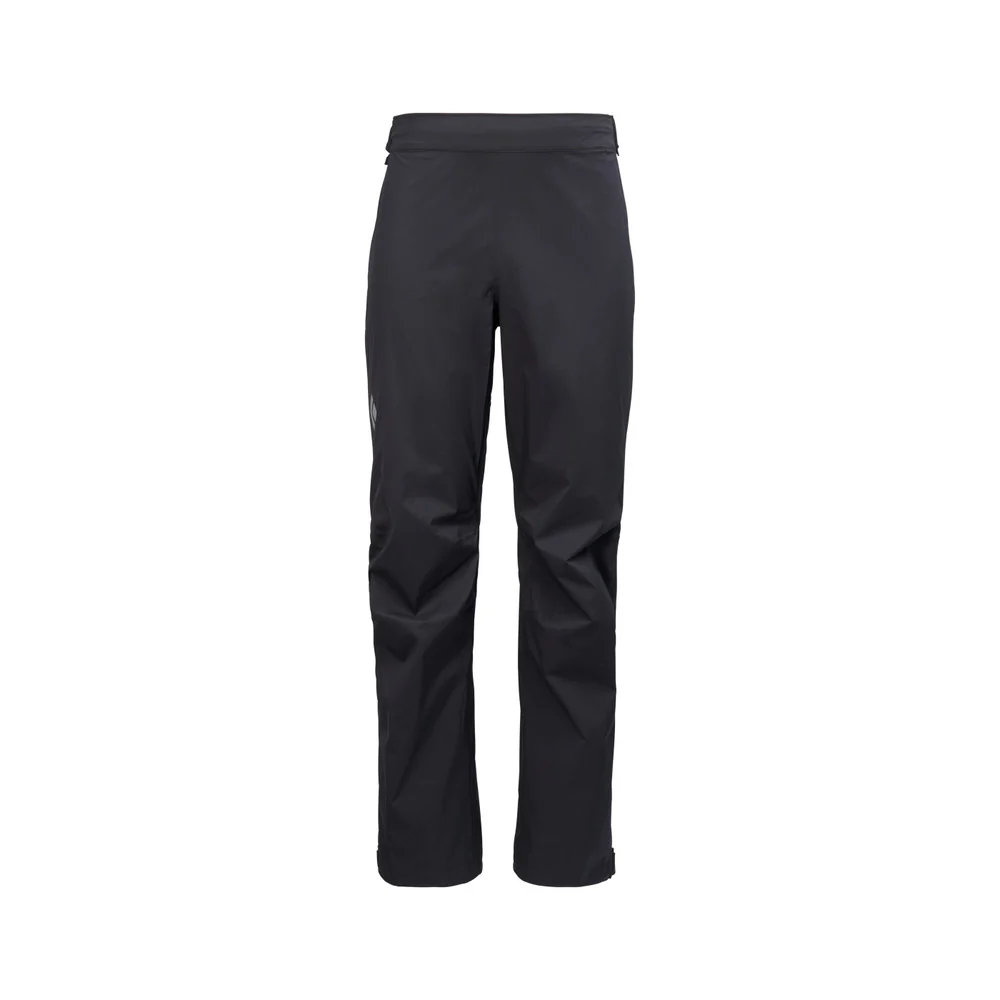
Non-insulated, waterproof shell pants must be able to fit comfortable over your baselayer bottoms and softshell climbing pants. Full side zippers or 7/8 side zippers are required so that shell pants can be put on while wearing boots and crampons.
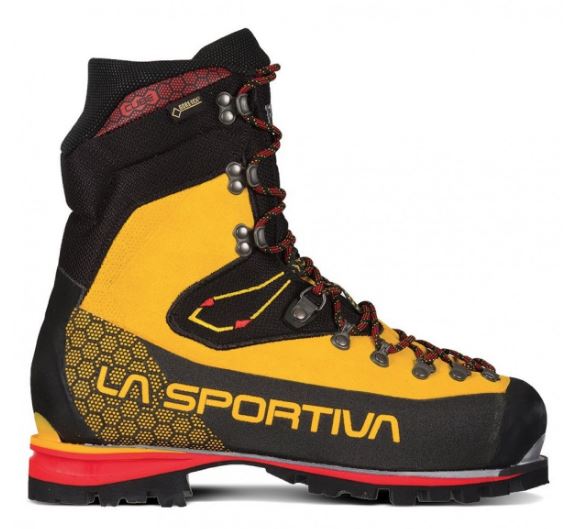
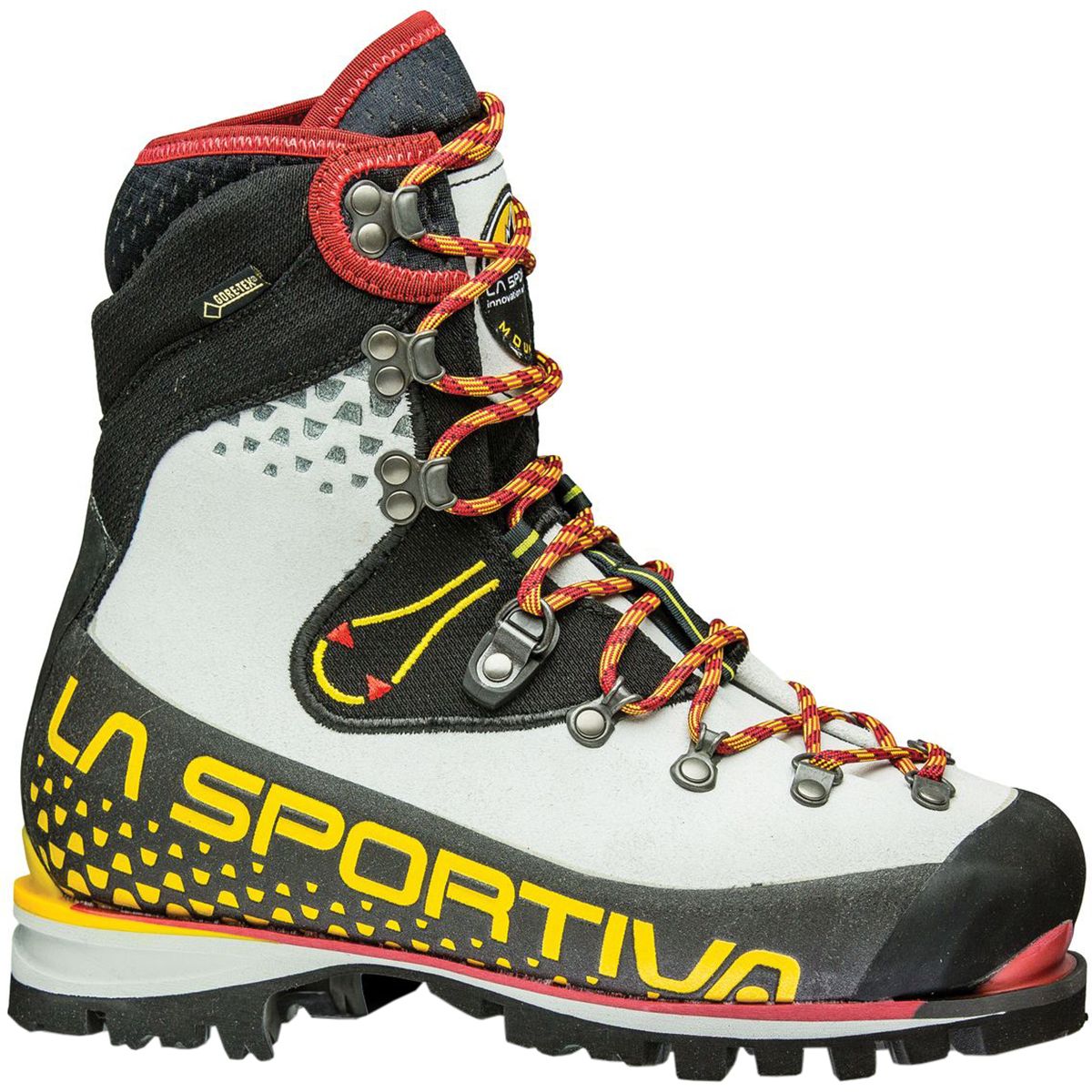
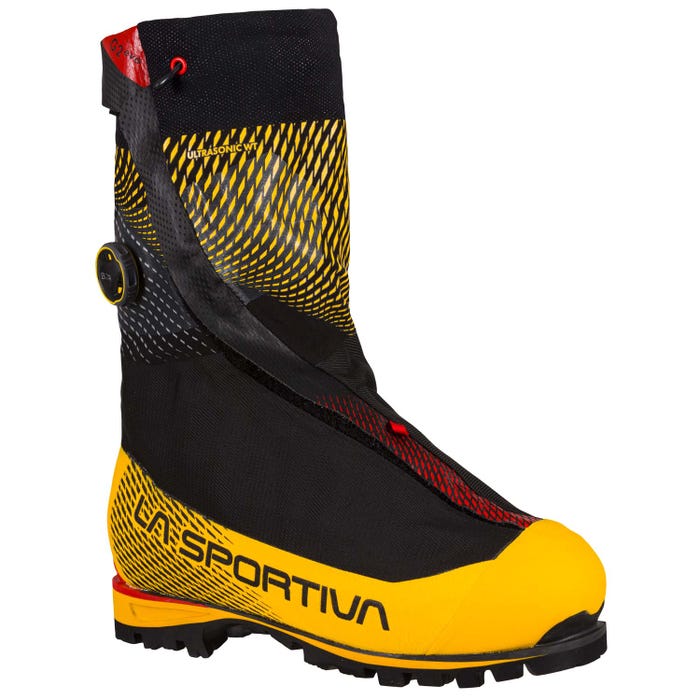
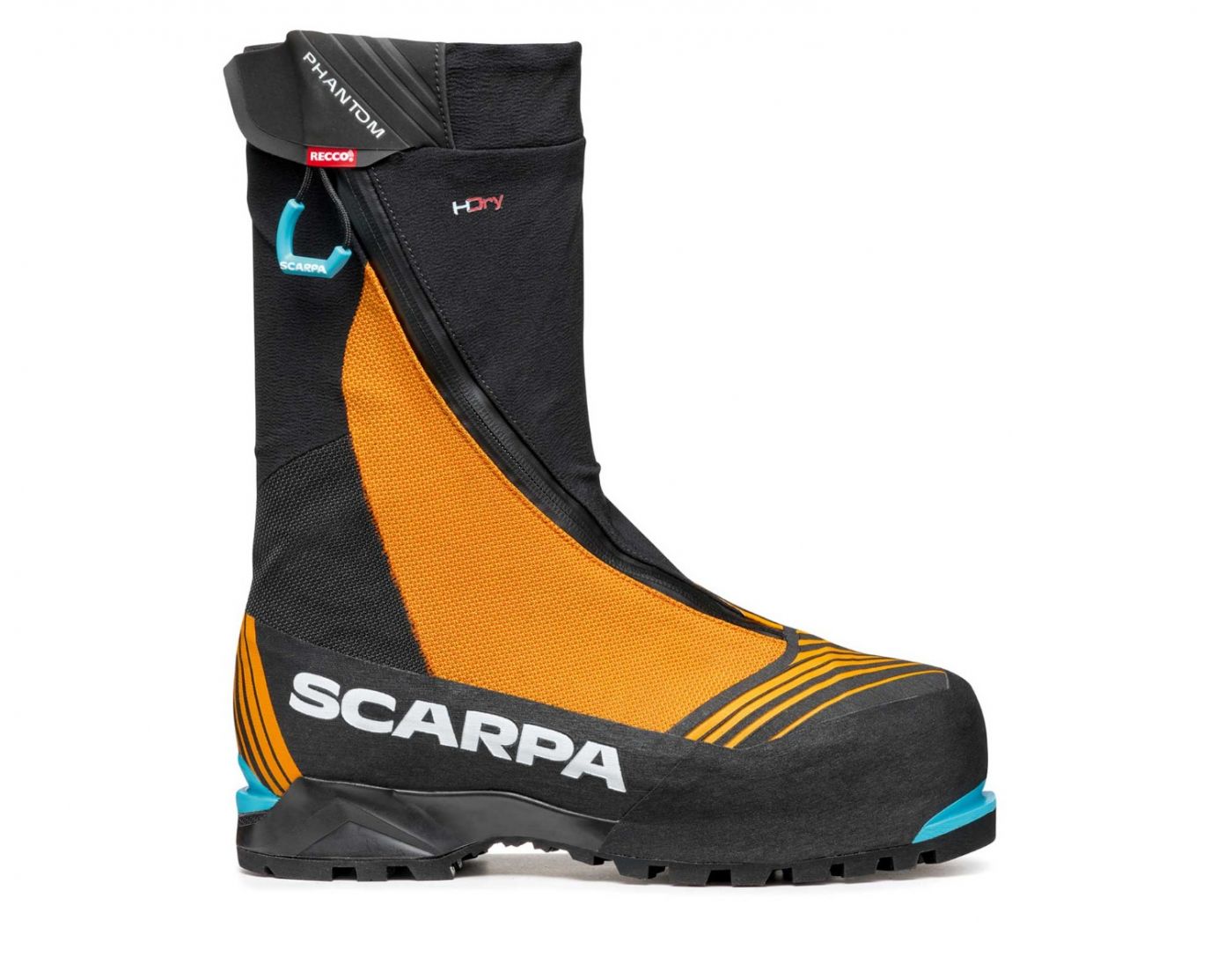
Boots are one of the most important pieces of mountaineering gear, and bringing the right pair is critical to your safety and success on Mt. Rainier. You will need one pair of boots for this climb, and the type of boot you wear will be dictated by freezing level. If the freezing level is below 10,000 feet, your guide will require the use of double boots. If the freezing level is above 10,000 feet, you may use either single or double boots. We consistently see freezing levels below 10,000 feet in April, May, June, and September, though periods of cold weather are not uncommon in July and August.
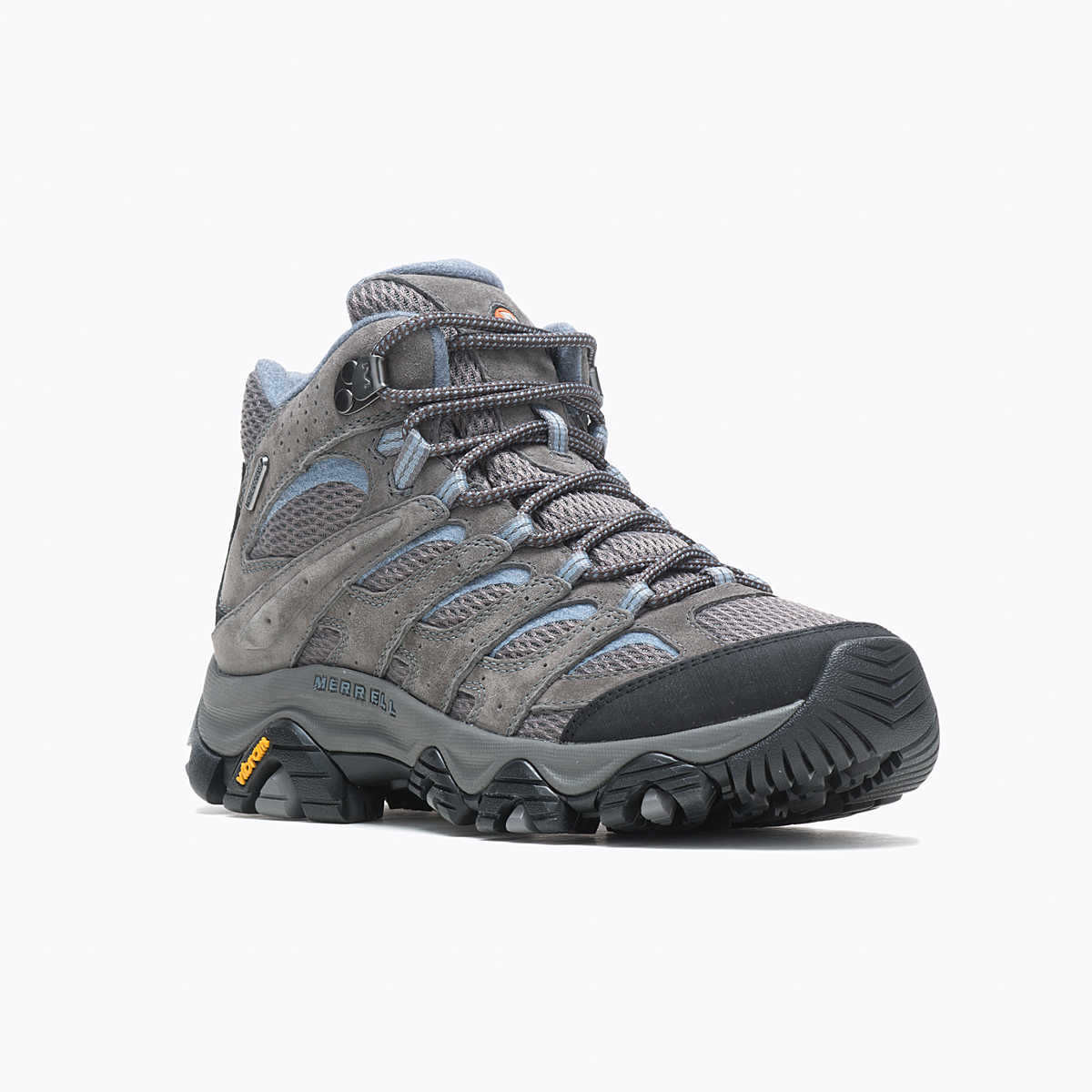
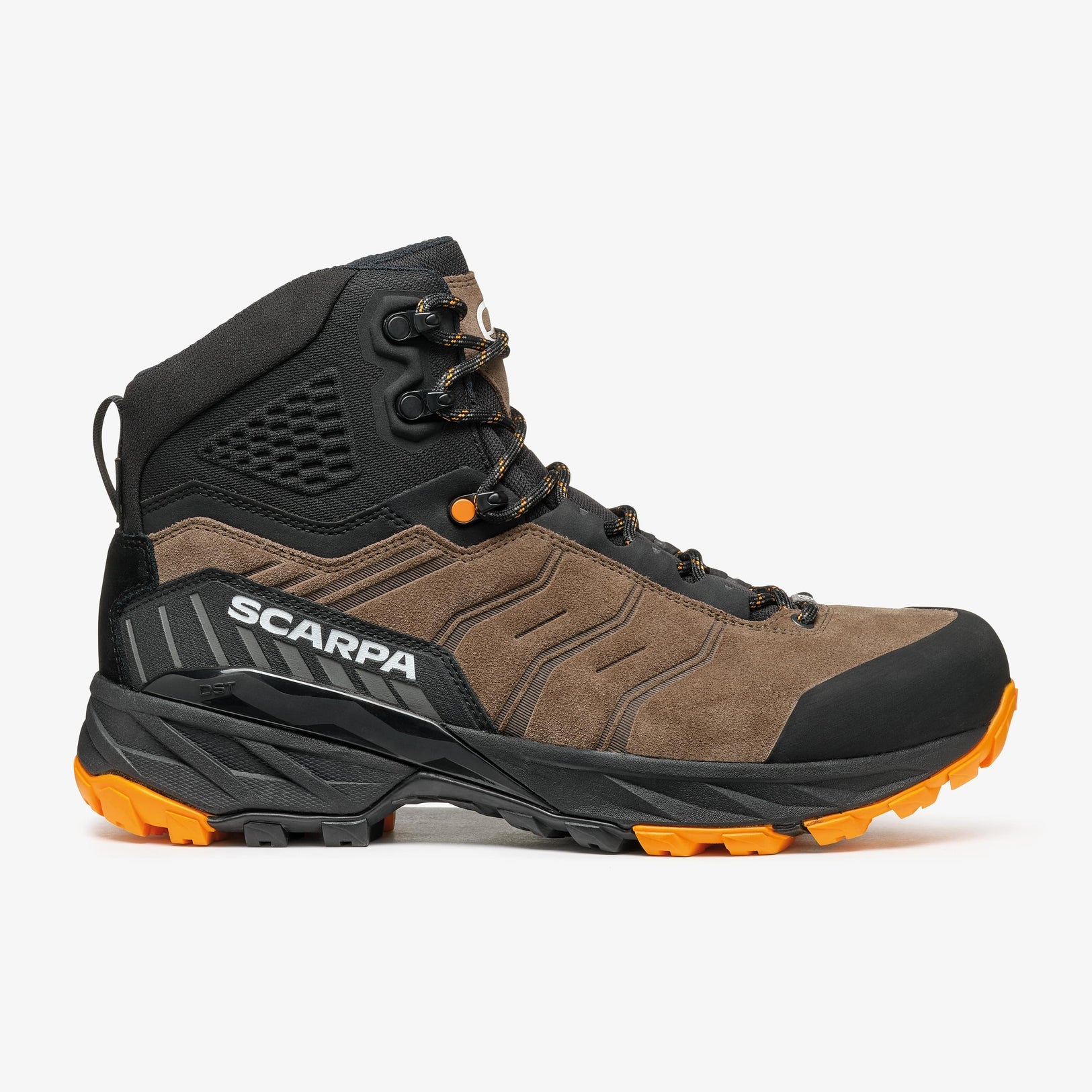
Great for traveling and wearing around town or camp. A pair of tennis shoes or light hikers works well.
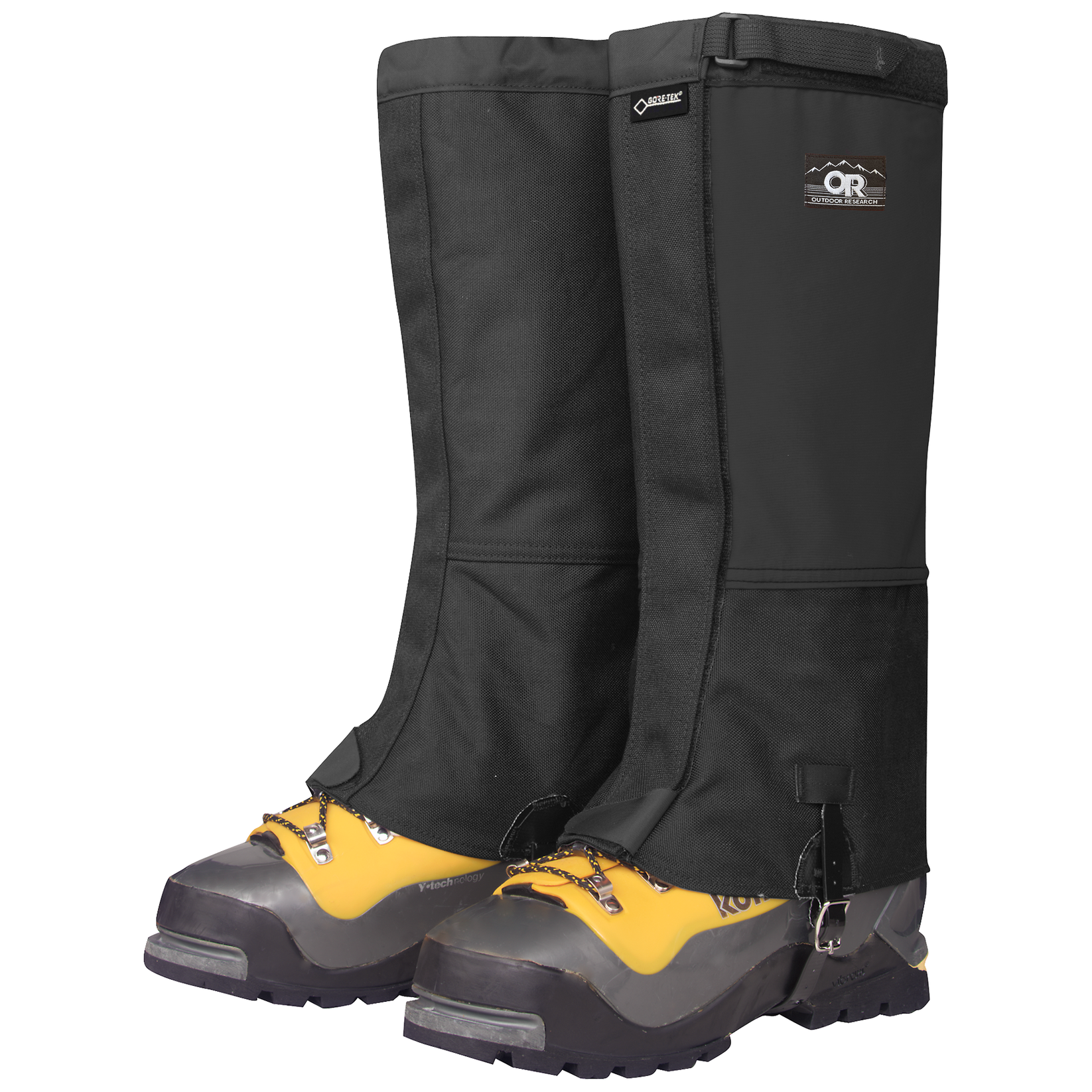
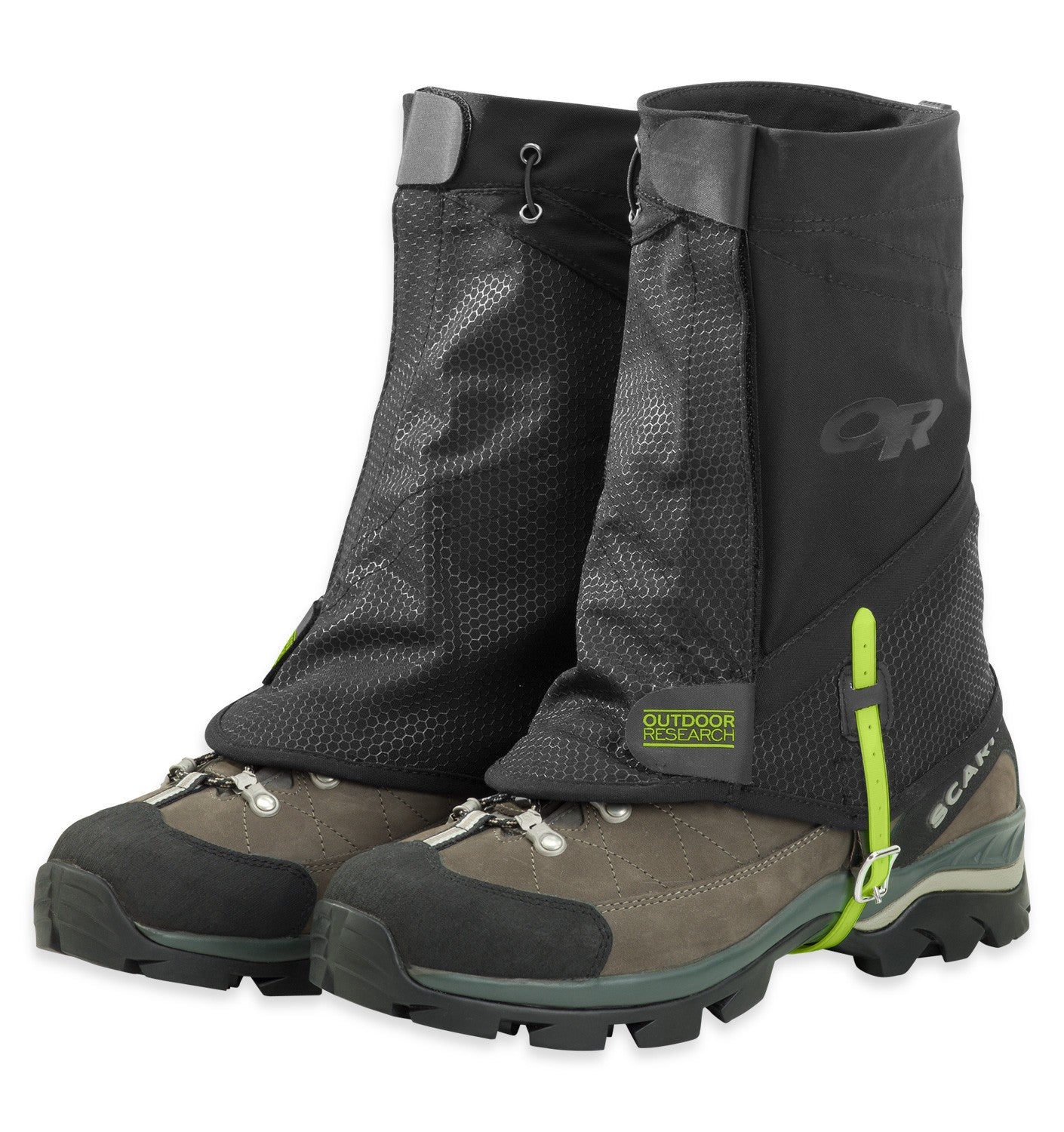
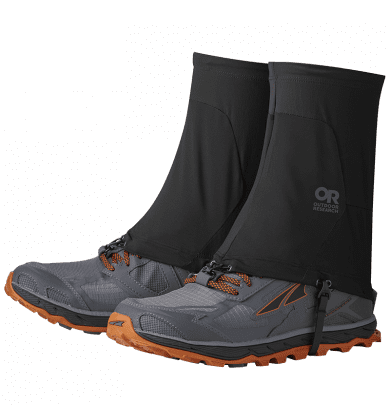
A knee-length pair of gaiters, large enough to fit over your mountaineering boots. This will protect you from catching your crampon spikes on loose clothing. Not needed if using a boot with an integrated gaiter.
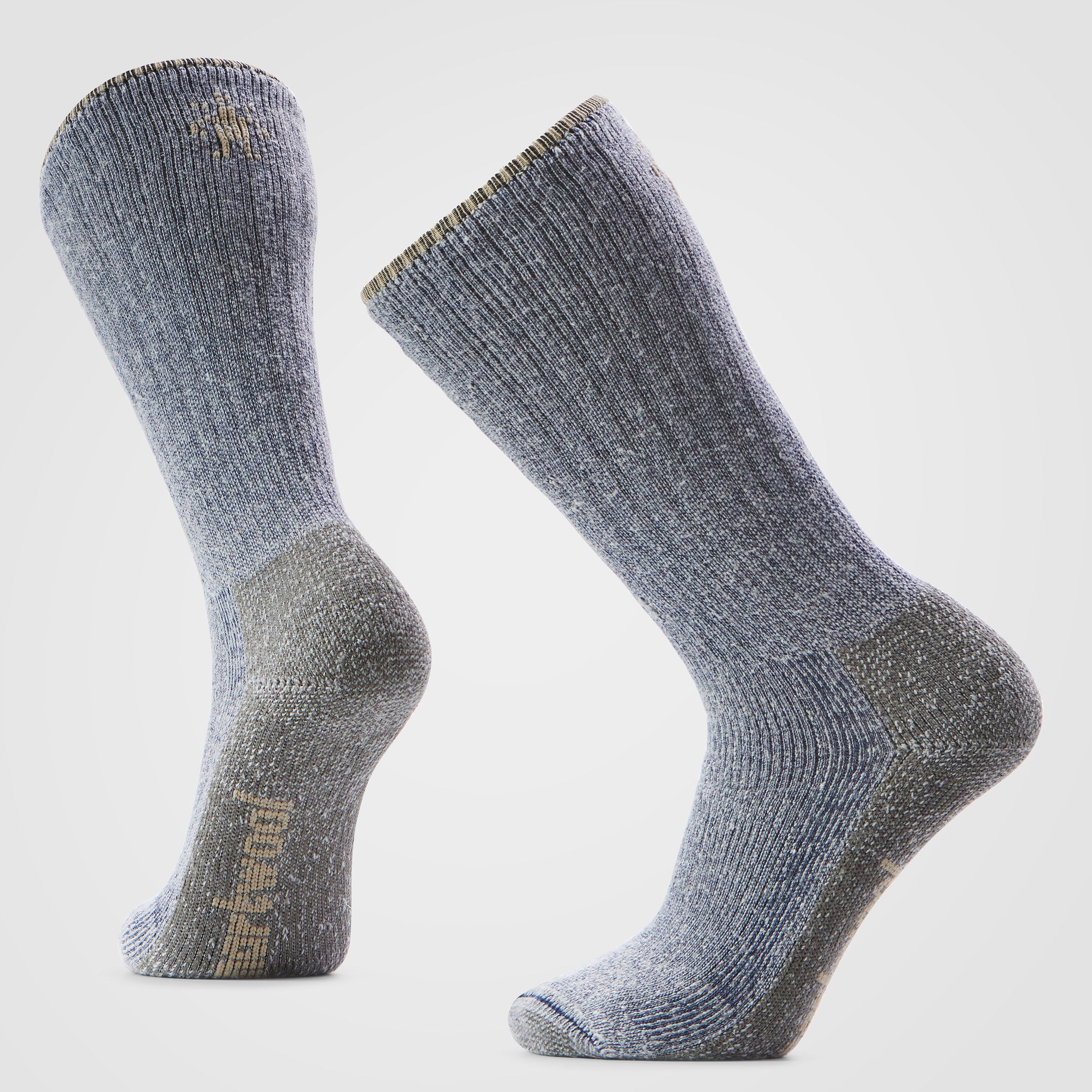
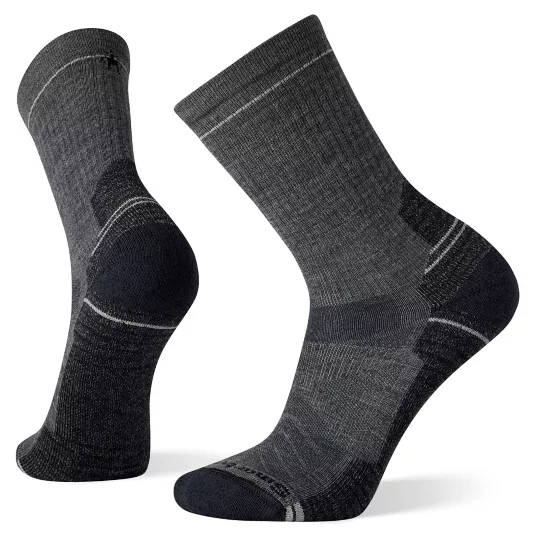
Either wool or synthetic. Whatever sock combination you are accustomed to wearing during your training or previous adventures (whether single medium weight socks, a medium weight with a liner sock, two medium weight socks together, etc.), should work just fine for this climb.
We recommend you speak with your physician about which medications you should have for high-altitude climbing. These medications are only used in emergency situations, and if someone is showing symptoms of HAPE or HACE, our standard protocol is for immediate descent. We do not take any of these medications prophylactically, and please talk with your guide before taking medications.
We require each climber to have the following medications:
Broad spectrum antibiotics for respiratory and gastrointestinal problems like Azithromycin (250mg tablets).
4mg tablets for the treatment of altitude illness. Recommend 12 tablets.
125mg tablets for the prevention or treatment of Acute Mountain Sickness. A normal prescription is 125mg tablets, twice a day. Recommend 15 - 20 tablets.
30mg slow-release tablets for the prevention or treatment of high-altitude pulmonary edema (HAPE). Recommend 8 - 10 tablets.
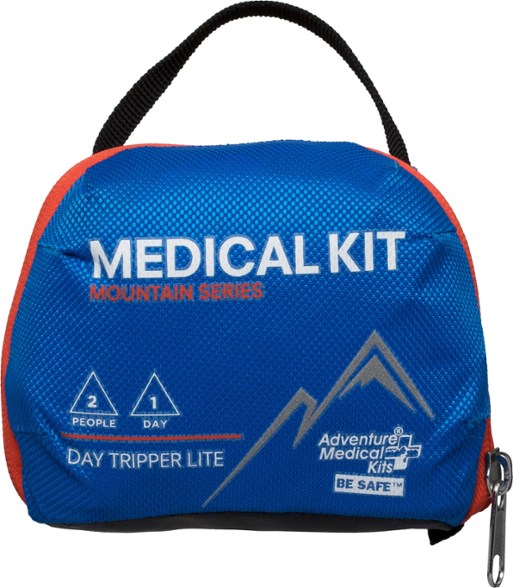
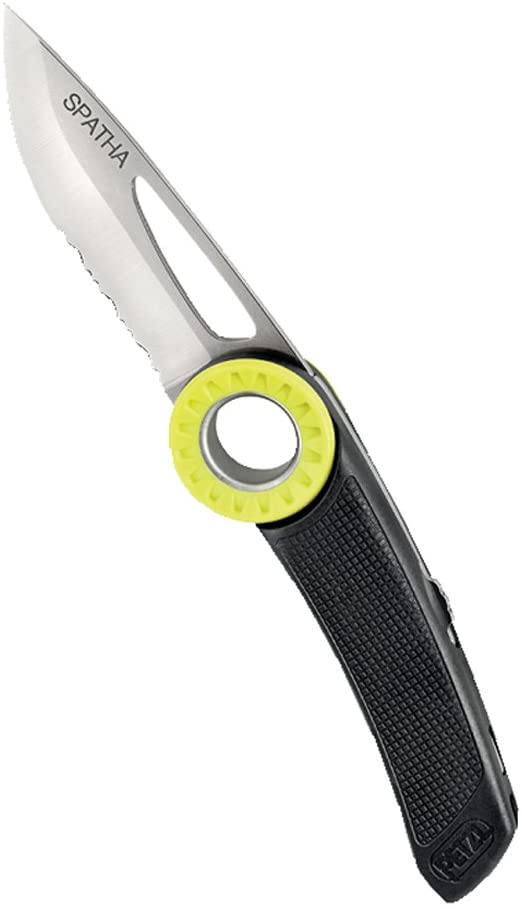
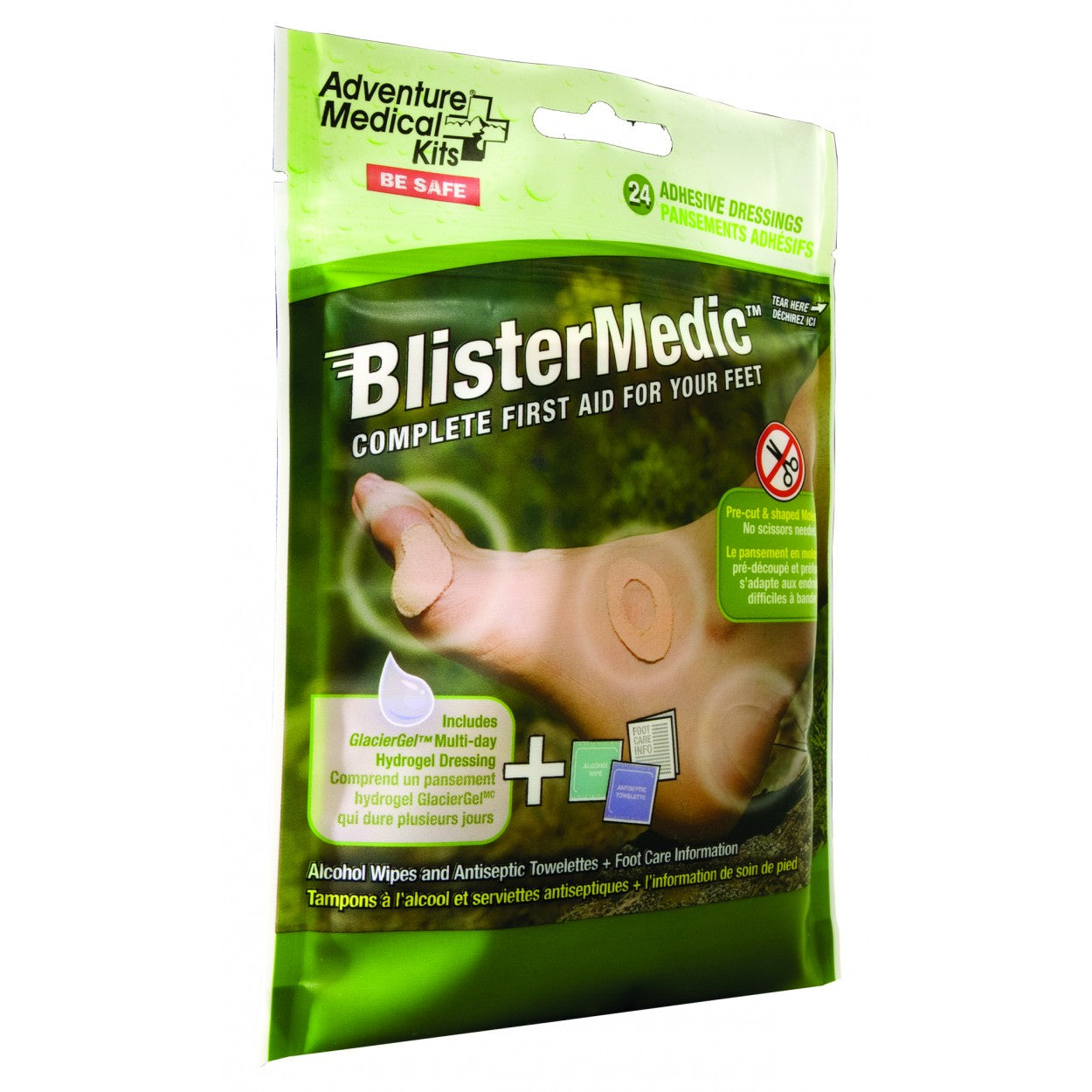
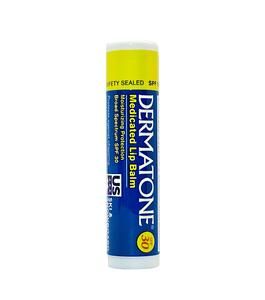
Our guides carry comprehensive medical kits, so keep yours small and light. We recommend a selection of adhesive bandages, antibiotic ointment, Moleskin and blister care, medical tape and/or duct tape, basic pain reliever, and personal medications.
You are responsible for providing your own meals and snack food in town and while on your program. See the Food tab for suggestions and quantities.
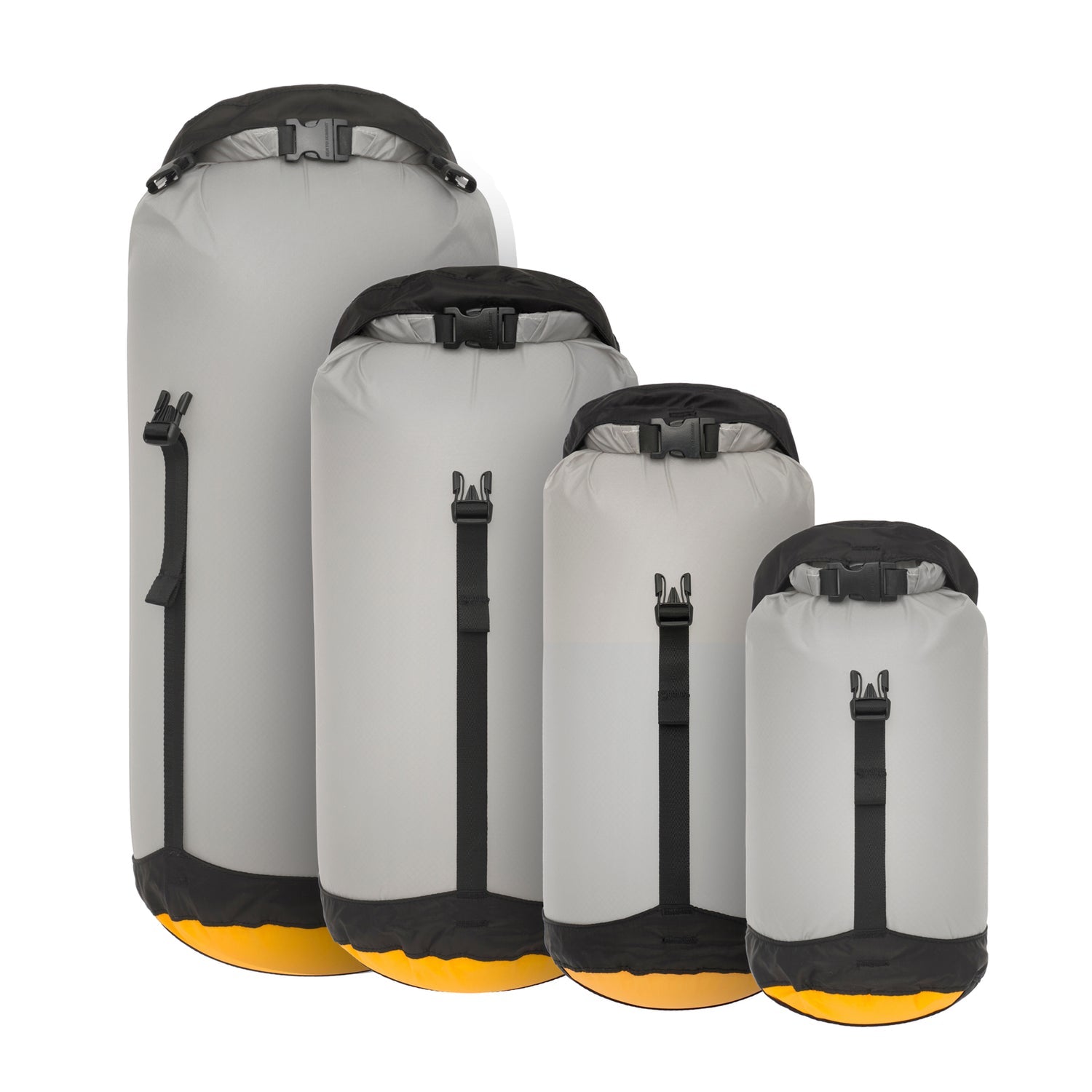
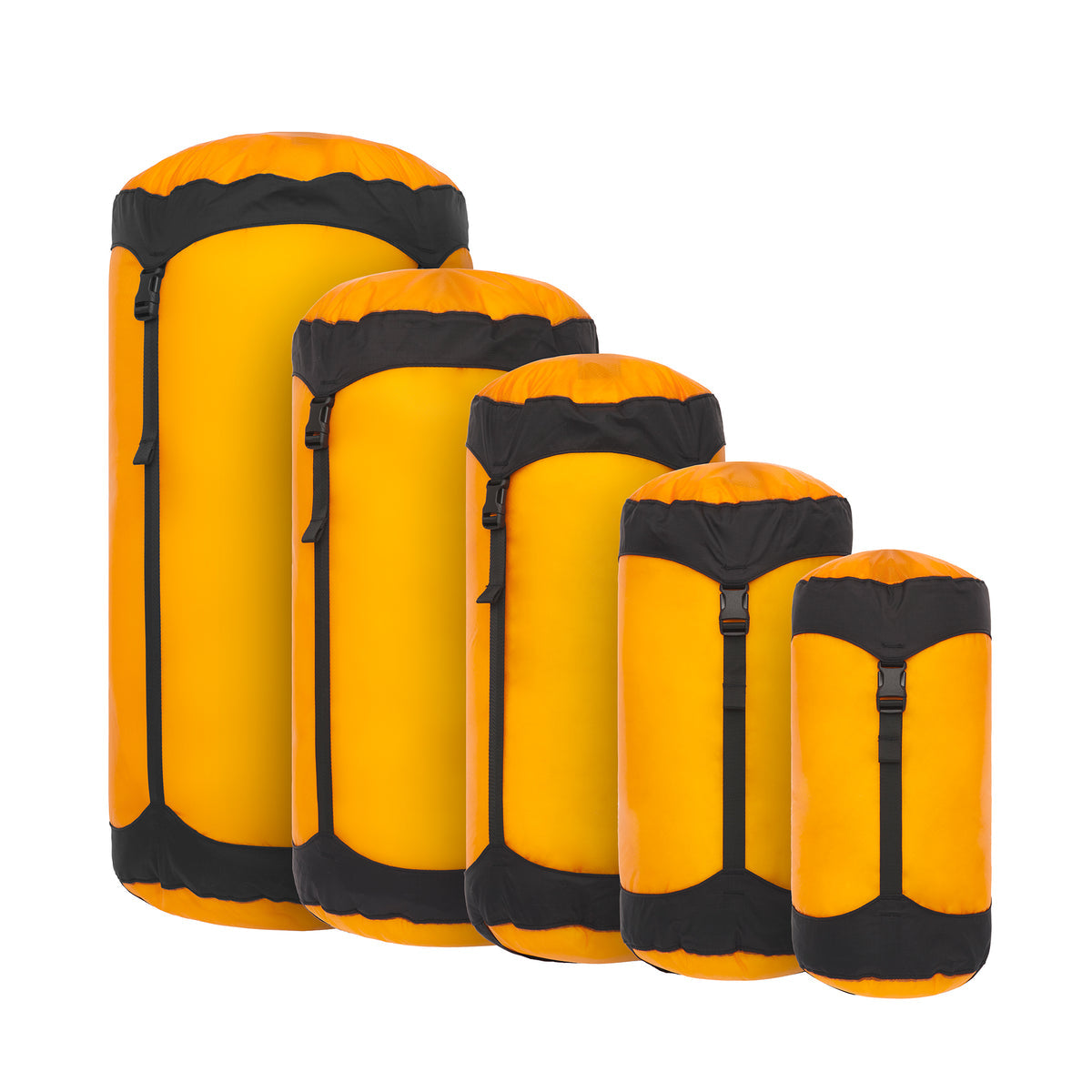
Heavy-duty trash compacter bags for use as waterproof pack/stuff sack liners. You can also use a waterproof pack liner.
Books, magazines, or a journal for downtime at camp; a Kindle or similar e-reader is a practical alternative for longer expeditions where weight and bulk matter. Choose based on program length and personal preference.
Disposable or reusable ear plugs for sleeping in shared tent or hut accommodations.
Spare prescription glasses if you wear contact lenses/eyeglasses.
Many smartphones have excellent cameras. Action cameras, small point-and-shoots, and compact dSLRs are lightweight and work well at altitude.
A small power bank, enough to charge a phone or e-reader several times.
For charging personal electronics while traveling internationally.
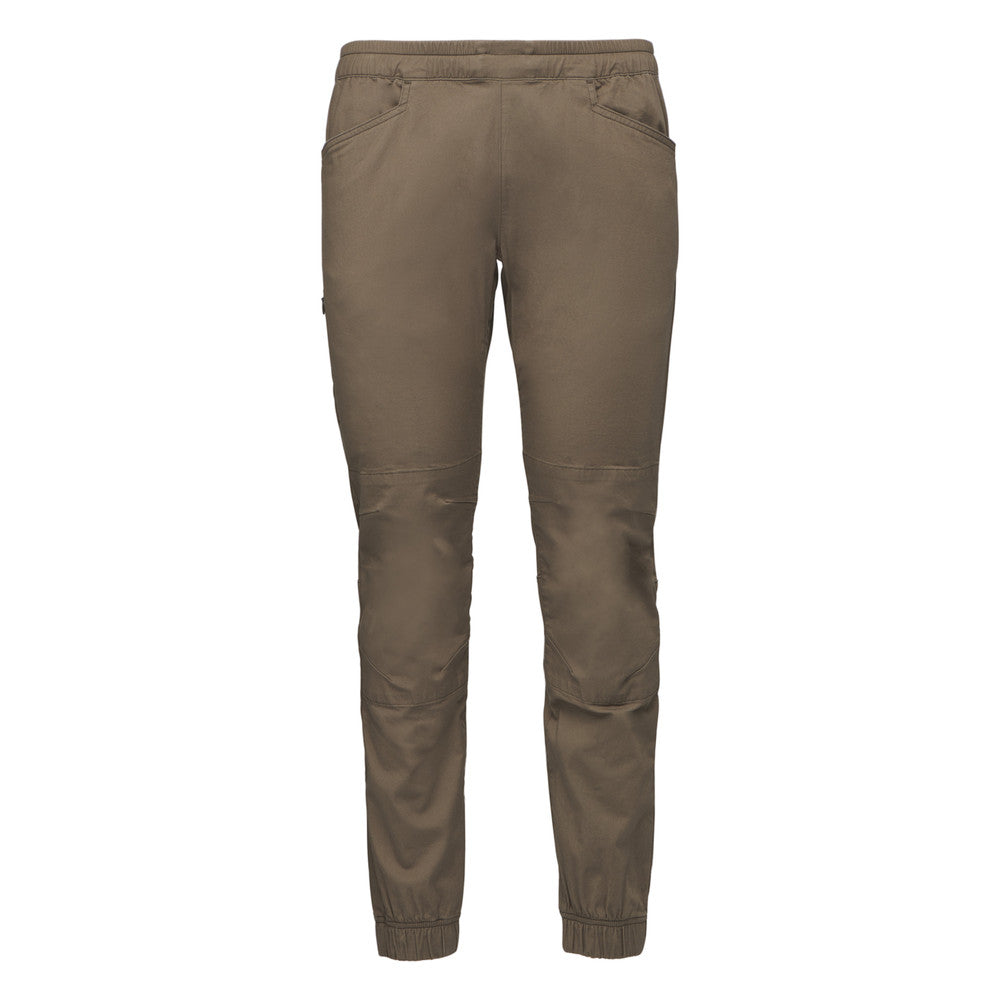
We recommend bringing a selection of clothing to wear while traveling, sightseeing and dining.
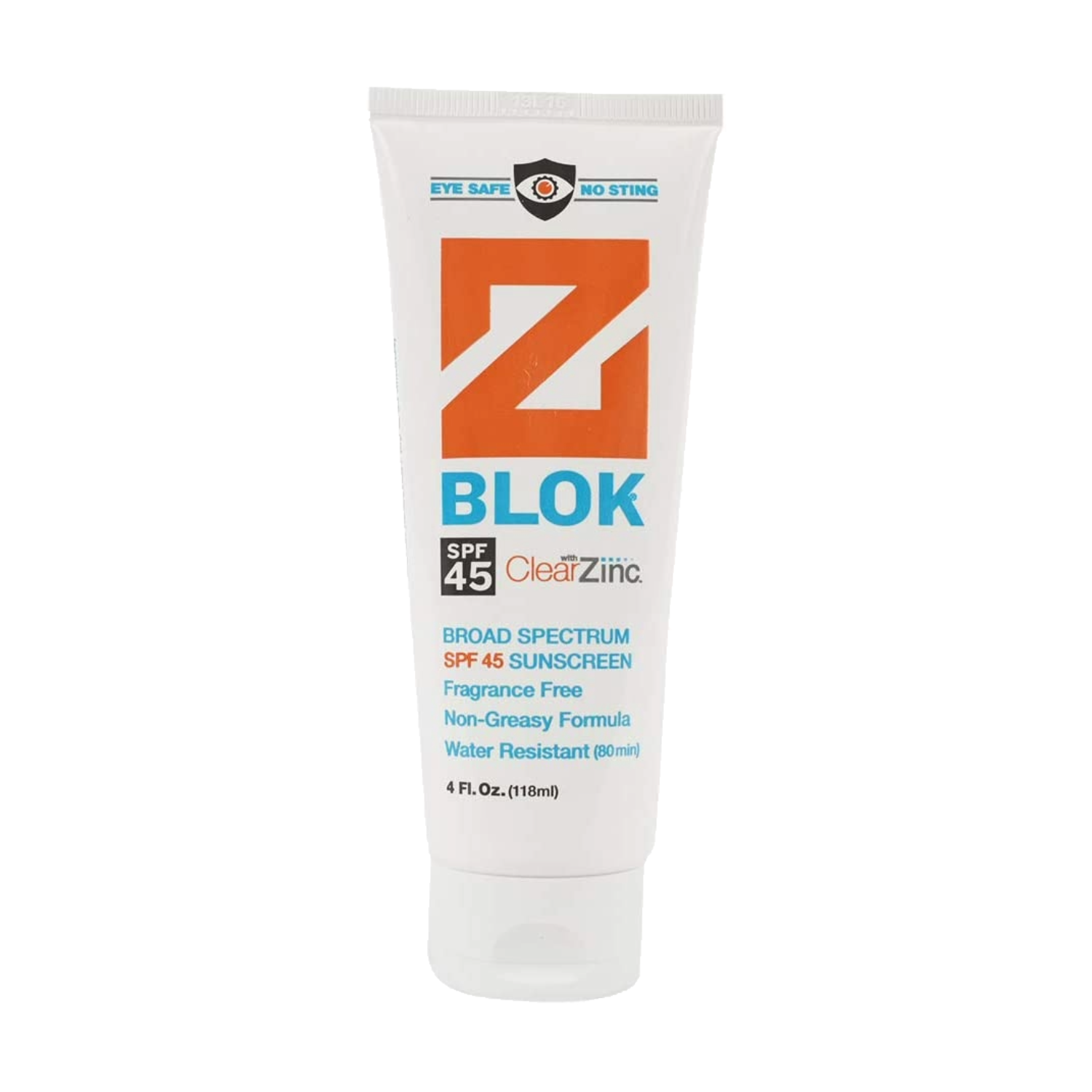
If Glacier Glasses are not required, regular sunglasses will suffice on this program.
Valid for six months beyond your return date.
The first two pages of your passport.
A printed or digital copy of your complete flight itinerary, including confirmation numbers and times, for reference during travel and check-in. Keep this easily accessible throughout your journey.
Purchase travel insurance.
Purchase airplane tickets.
Reserve rental equipment.
Be in the best shape of your life!
RMI provides the following equipment for your program: tents, group cooking equipment, climbing ropes, avalanche probes and shovels, and blue bags (for solid waste disposal).
Every guide on your climb will carry rescue equipment and a first aid kit. Each climb has two-way radios and a satellite phone for emergency contact.
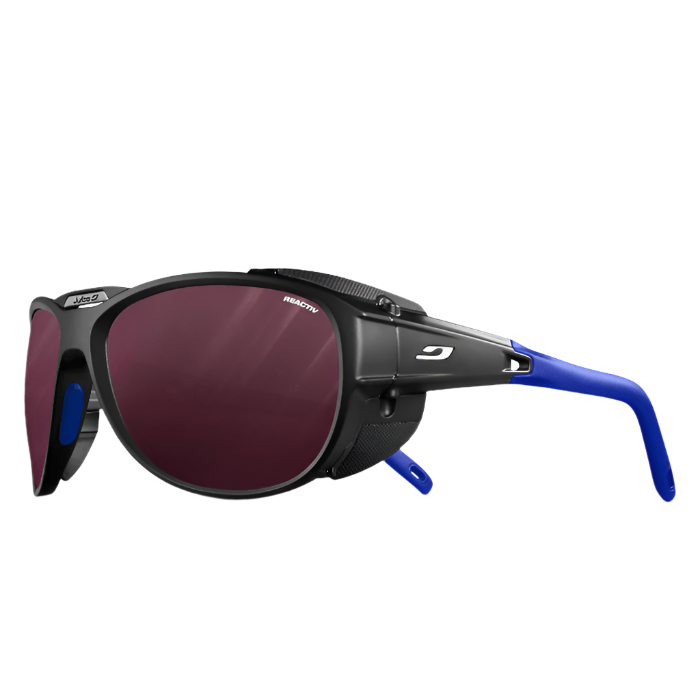
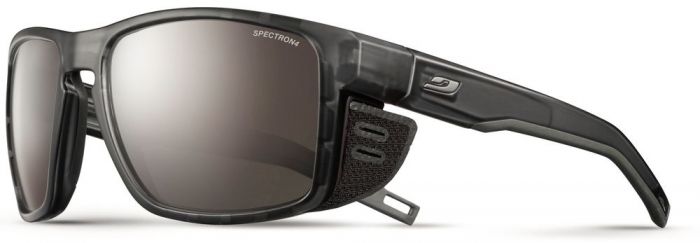
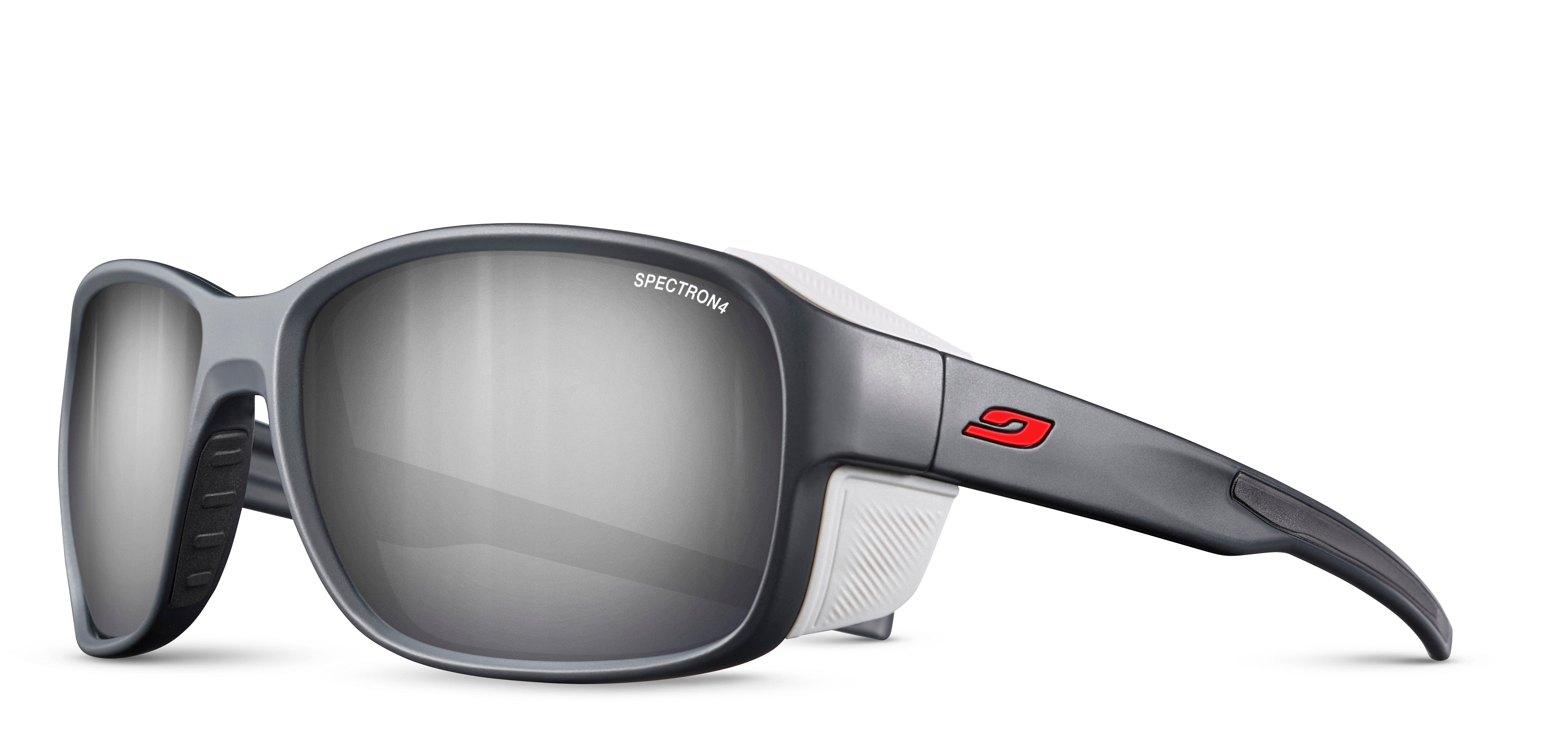
Glacier glasses are protective sunglasses that provide close to 100% frame coverage (wrap-around frames and side shields ensure no light can enter from the top, bottom, and sides of the glasses) and transmit less than 10% of visual light.
On Mongolia: Mt. Khuiten you will need mountain snacks for 7 days, totaling about 7 to 9 lb. Breakfast, lunch, and dinner on the mountain are included as indicated in the itinerary. Apart from hotel breakfasts, most restaurant meals while traveling are on your own, and you are responsible for your own bottled water and drinks. Given the intercultural nature of this program, vegetarian and lactose-free diets are very difficult to accommodate — contact the RMI office with any dietary questions.
Mountain snacks are eaten during short breaks throughout the day. We continually snack to keep our energy levels up while we climb — snacking begins just after breakfast and ends just before dinner. Avoid packing any items that require preparation or hot water.
The importance of having foods you genuinely enjoy cannot be overstated. Eating properly is the key to maintaining strength in the mountains, and to combat the loss of appetite at altitude we aim for a variety of foods that stimulate the whole palate, from sweet to sour to salty.
Recommended snack items: dry salami, smoked salmon, jerky (turkey, beef, fish), individually wrapped cheeses (Laughing Cow, Babybel), crackers, bagels, candy bars, hard candies (Jolly Ranchers, toffees, Life Savers), gummy bears, sour candies, cookies, dried fruit, nuts, energy bars, GORP mixes, and drink mixes (Gatorade/Kool-Aid). There may be a chance to buy additional food in Mongolia, but bring what you need and only supplement locally if necessary.
This page covers the practical details you’ll want to review before your trip, including travel logistics, entry requirements, local considerations, and required policies. Taking time to understand these details ahead of departure helps ensure a smoother experience once you’re on the ground and focused on the climb.
Travel to UlaanBaatar's Chinggis Khan International Airport (ULN) typically takes 18 to 28 hours from the U.S., depending on your departure city and connections, and crosses the International Date Line. Flights generally arrive in the evening on Day 2 of the itinerary; departing flights may be booked for any time on Day 15.
A passport valid for at least six months beyond your return date is required. Carry a copy of the first two pages separately and leave one with your emergency contact. Confirm current passport and visa requirements with the U.S. Department of State before departure.
After landing, proceed to baggage claim and then customs, where bags are selected at random for inspection; keep all of your bags together. A transfer from the airport to our hotel will be arranged for you.
Ground transportation in Mongolia, as stated in the itinerary, is by private vehicle.
For current inoculation requirements and recommendations, consult the U.S. Centers for Disease Control and Prevention.
Your travel insurance policy should include trip cancellation, trip interruption, travel delay, baggage loss or delay, medical expenses, and evacuation.
Navigating through the different options for travel insurance can be challenging. When purchasing Travel Insurance, here are a few items to consider:

In today’s changing travel environment, it’s important to protect your travel investment. Unforeseen events such as flight delays, baggage loss or even a sudden sickness or injury could impact your travel plans. For your convenience, we offer Travelex Insurance protection plans to help protect you and your travel investment against the unexpected.
For more information on the available plans visit Travelex Insurance Services or contact Travelex Insurance (800) 228-9792 and reference location number 47-0370.
The product descriptions provided here are only brief summaries and may be changed without notice. The full coverage terms and details, including limitations and exclusions, are contained in the insurance policy. Travelex Insurance Services, Inc. CA Agency License #0D10209. Insurance coverages underwritten by individual member companies of Zurich in North America, including Zurich American Insurance Company (NAIC #16535, state of domicile: New York). RETWEB
Ripcord Rescue Travel Insurance is travel insurance designed for adventurers, including the best evacuation and rescue services available.
Benefits are tailored for adventurers and include:
Ripcord Rescue Travel Insurance is powered by Redpoint Resolutions, a medical and travel security risk company. The Redpoint network covers the globe, making them uniquely equipped to provide elite rescue travel insurance. Travelex also provides travel insurance for this program.
RMI has partnered with Erin Rountree to provide travel planning support. Erin is an independent agent with extensive experience booking travel for adventure programs worldwide and understands the specific needs of RMI expeditions.
Phone: (208) 788-2870
Email: [email protected]
It is your responsibility to ensure that your travel insurance policy provides appropriate coverage for your specific program and activities. Review policy details carefully before purchasing, and confirm coverage well in advance of your departure.
Mongolia is the second-largest landlocked country in the world, bordered by China and Russia, and has the lowest population density of any independent nation — about 3 million people, nearly half of them in UlaanBaatar. The largest cultural festival is Naadam each July, featuring wrestling, horse racing, and archery; in the west, Olgii hosts the famous Golden Eagle Festival.
Known as the "Land of Blue Skies," Mongolia enjoys roughly 250 days of sun a year. Our climbing season (June–August) brings warm, mostly dry weather with occasional thunderstorms. While no mountain weather is guaranteed, we time the expedition to take advantage of the prime climbing months.
Dress modestly and comfortably. Receive items with the right hand, palm up; avoid pointing with the index finger (use an open palm); and never refuse offered food outright — take a small bite. Mongolians value a calm, composed demeanor, and haggling is generally frowned upon.
Mongolia uses type C and E sockets at 220V, 50 Hz. U.S. devices require a plug adaptor and, for some, a converter or transformer.
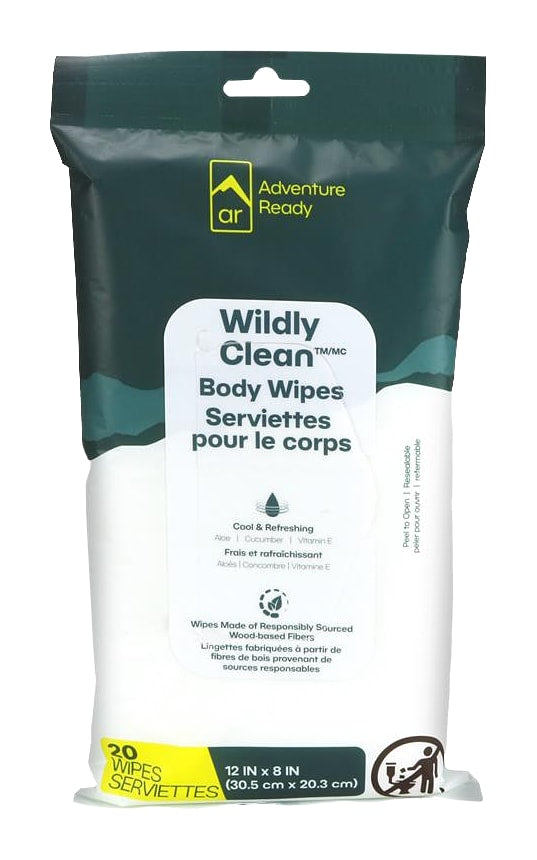
Stomach upsets are common when traveling abroad, and a few basics go a long way. Wash your hands before meals and after using the bathroom, and carry hand sanitizer for when water isn't available. Don't drink the tap water — including ice and shower water — and brush your teeth with purified or bottled water, checking that bottled-water seals are intact. With food, the rule of thumb is cook it, boil it, or peel it: wash or peel salads and fruit with purified water, be cautious with ice cream and shellfish, and avoid undercooked meat.
The currency is the Mongolian Tögrög (T). We suggest bringing $600–$900 for personal spending, including meals, drinks, and the Support Staff Tip Pool (suggested $200 per climber). Tipping in tourism is 10–20%, and guide gratuities are at your discretion, typically 10–15% of the program cost.
Wikitravel (wikitravel.org/en/Mongolia) and Lonely Planet (lonelyplanet.com/mongolia) offer a wealth of information.
The following policies are applicable for this expedition.
Rainier Mountaineering, Inc. reserves the right to modify the land cost of a trip at any time before departure.
Deposit Payments: A non-refundable deposit payment of $1,500 per person secures your reservation.
Balance Payments: The balance payment is due 120 days before the start of your program.
*There is a 3% surcharge on all credit/debit card transactions.
The $1,500 per person deposit is non-refundable and non-transferable.
Due to the time-sensitive nature of these programs, and the amount of preparation time required for this program, we strictly adhere to our policy and cannot make exceptions for any reason.
We require that everyone purchase travel insurance. Please see our Travel Tab for details.
Please clearly understand that mountaineering is inherently hazardous. Managing risk is RMI’s number one priority. Our guides manage significant hazards inherent in mountaineering, but they cannot eliminate them. Objective hazards include rockfall, icefall, avalanches, slides or falls by individuals and rope teams on steeper slopes, weather-related problems including cold, heat, high winds, and other unnamed dangers that can occur while climbing.
You are choosing to engage in an activity in which guided and non-guided climbers have been injured or killed. While those accidents are indeed infrequent, they may occur at any time and be out of our control. We ask that participants acknowledge the risks and hazards of mountaineering and make their own choices about whether or not to engage in this activity.
Mountaineering is both an individual challenge and a team endeavor. Each Participant is required to share in the responsibility of the safety and success of the team. For this reason, we ask that each Participant:
RMI reserves the right to dismiss the Participant from a program or to send the Participant to a lower altitude at any time if the RMI Guide Staff determines, in its sole discretion, that the Participant is not physically, technically, or psychologically prepared for or capable of participating in the program or for any other reason that may compromise the safety, health or well-being of the Participant or the entire group. If this decision is made, the Participant will not receive any refunds or credits and will be financially responsible for any additional costs associated with an early departure, including but not limited to, evacuation, transportation, hotels, meals, etc.
Rainier Mountaineering, Inc. (RMI) does not tolerate harassment or mistreatment of our participants or employees. Inappropriate conduct under this policy may include conduct that creates a disrespectful, intimidating, hostile, degrading, humiliating, or offensive environment for a participant or employee. Engaging in such conduct is a violation of this policy.
RMI may consider conduct to violate the policy even if it falls short of unlawful harassment under applicable law. When determining whether conduct violates this policy, we will consider whether a reasonable person could conclude that the conduct created an intimidating, hostile, degrading, or demeaning environment.
Violation of this policy may result in removal from a program, as well as refusal to provide services indefinitely. We place the utmost value on the safety of our participants and employees. Please report any incidents to RMI management.
All participants must be 18 years old at the time of registration.
RMI’s Photo Release outlines the terms and conditions for using your likeness in photographs, videos, or other digital media.
I hereby grant Rainier Mountaineering, Inc. (RMI) or its affiliates permission to use my likeness in a photograph, video, or other digital media (“photo”) in any and all of its publications, including web-based publications. By granting permission, you allow RMI to utilize these media for lawful purposes.
Here are the key points:
RMI cannot guarantee that you will reach the summit. Weather, route conditions, your own abilities, or the abilities of other climbers may create circumstances that make an ascent unsafe, and you or your entire group may have to turnaround without reaching the summit.
Failure to reach the summit due to a person’s own lack of fitness or to any of the events associated with mountaineering (such as weather, route conditions, avalanche hazard, team dynamics, etc.), are not Rainier Mountaineering, Inc.’s responsibility and will not result in a refund, credit, or reschedule.
RMI’s program schedule and itineraries are subject to change or adjustment based on a number of factors. These include, but are not limited to, route conditions, weather, group strength, terrain, or other environmental factors, and many other factors. RMI has complete discretion to change plans to accommodate any of these or other factors, including but not limited to, increases in program fees, changes to program schedule or itinerary, and changes to guides or staff, as necessary for the proper and safe conduct of the program. Once the program has started, the Lead Guide will decide on any changes to the itinerary, including ending the program early if the continuation of the program may compromise the safety, health, or well-being of the group.
We reserve the right to cancel any program due to inadequate signups, weather, route conditions, or for any other reason. In such a case, we will make every effort to reschedule the Participant on a different program date. If rescheduling is not possible, we will issue the Participant a refund for all program fees paid to RMI, less any non-refundable payments made on behalf of the Participant to secure any of the included land costs provided for this program, including but not limited to, hotel accommodations, transportation, transfers, tours, group equipment and food, permits, and local outfitter services, prior to the cancellation of the program. Additionally, RMI cannot be responsible for any non-refundable expenses the Participant incurred in preparation for the program (i.e., airline tickets, hotel reservations, rental cars, equipment purchases or rentals, etc.).
Once a program begins, there are no refunds or credits for weather-related cancellations or for a program that may end early due to weather, route conditions, or any other circumstances that may compromise the health, safety, or well-being of the group. Furthermore, if the Participant decides for any reason not to begin a program or discontinue a program at any time, no refunds or credits will be issued. The Participant will be responsible for all additional costs associated with an early departure, including but not limited to evacuation, transportation, hotel reservations, meals, etc.
Land Costs are provided as a package, and refunds or credits will not be issued for any unused meals, accommodations, group transportation, or other unused costs. Accommodations are based on double occupancy. A Single Supplement Fee will be charged to those Participants occupying single accommodations either by choice or circumstance. If you are willing to share a room, we will make every effort to pair you with another same-gender team member. We will match willing same-gender team members based on the order of registration date. If we are unable to match you with another same- gender team member, a single supplement fee will be charged. The availability of single accommodations is limited in most of the hotels where we stay, and single accommodations are not available while in the mountains.
The Participant understands and agrees that RMI assumes no responsibility or liability in connection with any travel and hospitality services provided to the Participant by other companies in connection with the program, including but not limited to, the services provided by airlines, hotels, rental cars, and transportation companies. In addition, RMI is not responsible for any act, error, omission, or any injury, loss, accident, delay, irregularity, or danger by a supplier of travel or hospitality services to the Participant in connection with the RMI program. The Participant will be responsible for all costs associated with any travel delays, missed connections, or missing baggage that requires additional arrangements (separate transportation, hotel accommodations, meals, etc.) to be made on your behalf for you or your baggage to rejoin the program.
Mongolia: Mt. Khuiten raises questions specific to a remote, fully supported expedition in the Altai. The answers below cover the climbing, the logistics and cultural experience, and how to prepare.
Up to three: Malchin Peak (13,287', a non-glaciated rock-and-scree ascent), Mt. Khuiten (14,350', the highest in Mongolia, via its North Ridge), and the optional Nairamdal Peak (13,714'), at the meeting point of Mongolia, Russia, and China.
This is a moderate (Level 3) glaciated mountaineering expedition — an ideal introduction to Himalayan-style climbing. Khuiten and Nairamdal involve roped glacier travel and a ridge climb; the altitude is moderate by expedition standards.
No. Bactrian camels and horses carry the heavy loads, and our camp cooks and porters handle camp logistics, so you climb and trek with a daypack. We run a 3:1 climber-to-guide ratio.
Substantial. It includes touring UlaanBaatar with a local guide and immerses the team in the nomadic and Kazakh cultures of western Mongolia on the drive and trek in and out.
Good fitness and comfort with multi-day camp life are essential, and prior experience with rope travel, crampons, and ice-axe arrest is required — because of the terrain, there is no review of mountaineering techniques on this trip. Contact the RMI office to discuss your background.
We try, but given the intercultural nature of this program, vegetarian and lactose-free diets are very difficult to accommodate. Please contact the RMI office with any dietary questions.

Climbers rated RMI with an average of 5 stars across 0 ratings
Climber reviews of RMI's Mongolia: Mt. Khuiten expedition reflect how rare and rewarding this adventure is — three accessible summits paired with a deep immersion in nomadic and Kazakh culture. Participants consistently highlight the seamless camel-and-camp support, the 3:1 ratio and expertise of RMI's guides, and the chance to climb Himalayan-style terrain in one of the least-traveled corners of the world.

Sorry! there are no available dates that meet your current criteria
You might consdier one of these trips instead:
Mt. Rainier - Four Day Climb
May 5, 2026
Guides: Jack Delaney, Jess Wedel, Calvin Jiricko
Mt McKinley - West Buttress Expedition
May 5, 2026
Mt. Rainier - Four Day Climb
May 5, 2026