Mt. Baker Coleman-Deming

3 Days

|

Mountaineering

|

$1,185

|

$500

Deposit

|

Beginner

Overview

Approachable

A moderate glacier route that offers a straightforward ascent of one of the North Cascades’ classic volcanoes.

Balanced

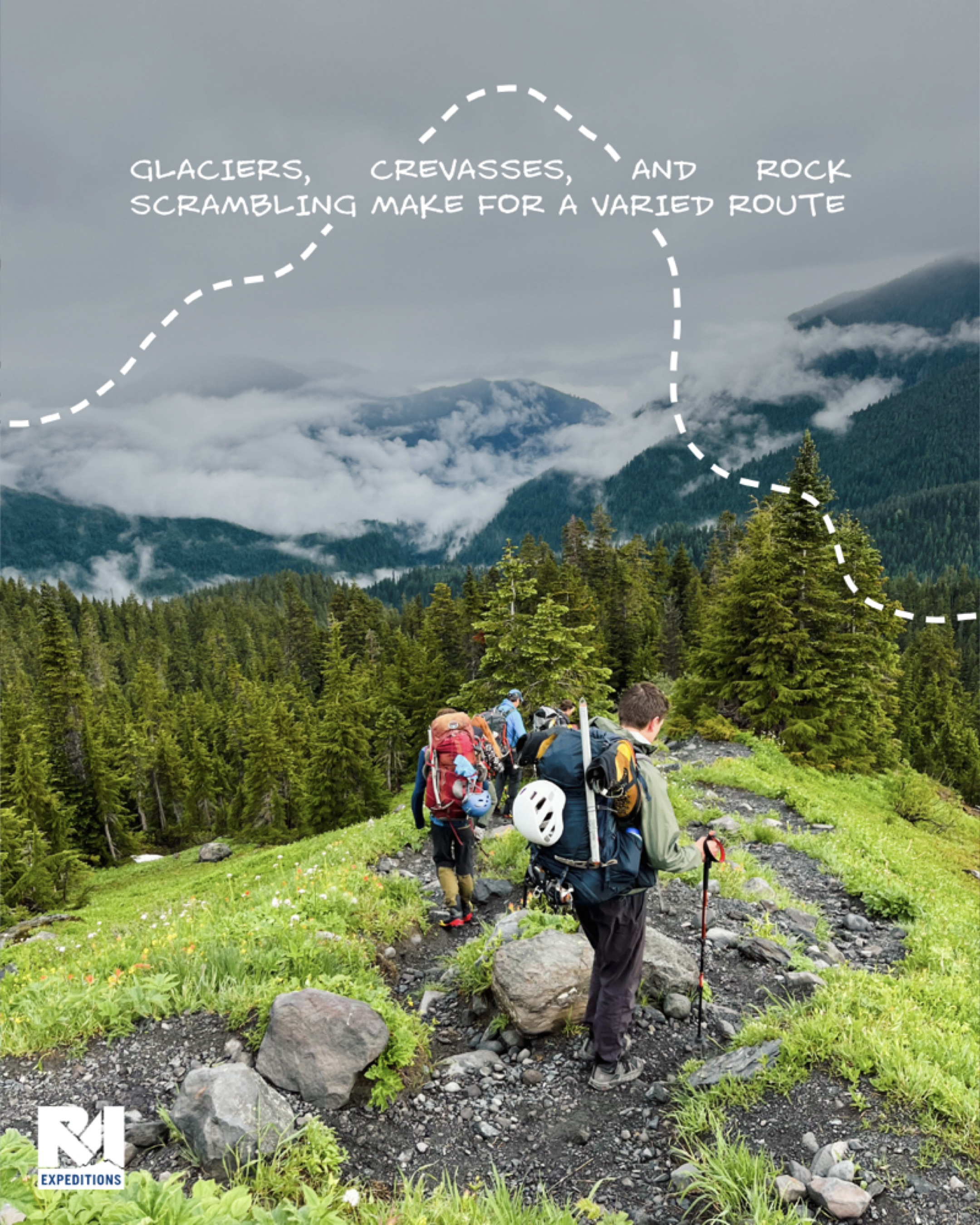
A well-rounded climb combining glacier travel, light alpine rock scrambling, and a broad summit experience.

Preparatory

A strong first glaciated climb or refresher ascent for climbers building toward larger Cascade objectives.

It is hard to list just one thing I enjoyed about the trip. Obviously the location and destination were absolutely beautiful. The guides were were great and made the trip that much better. The training helped give me confidence in my ability to be safe on the mountain.

Behan S.

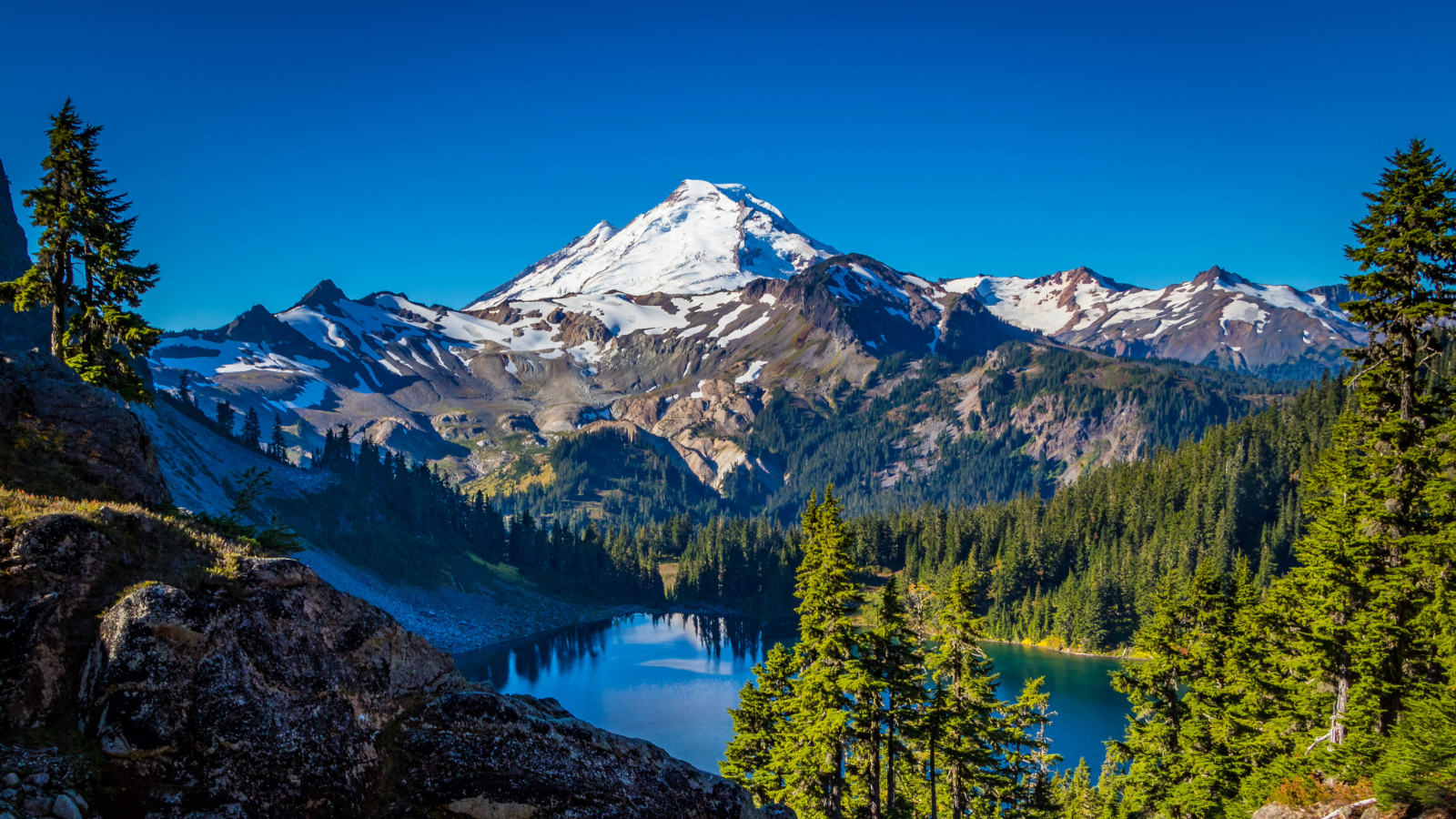
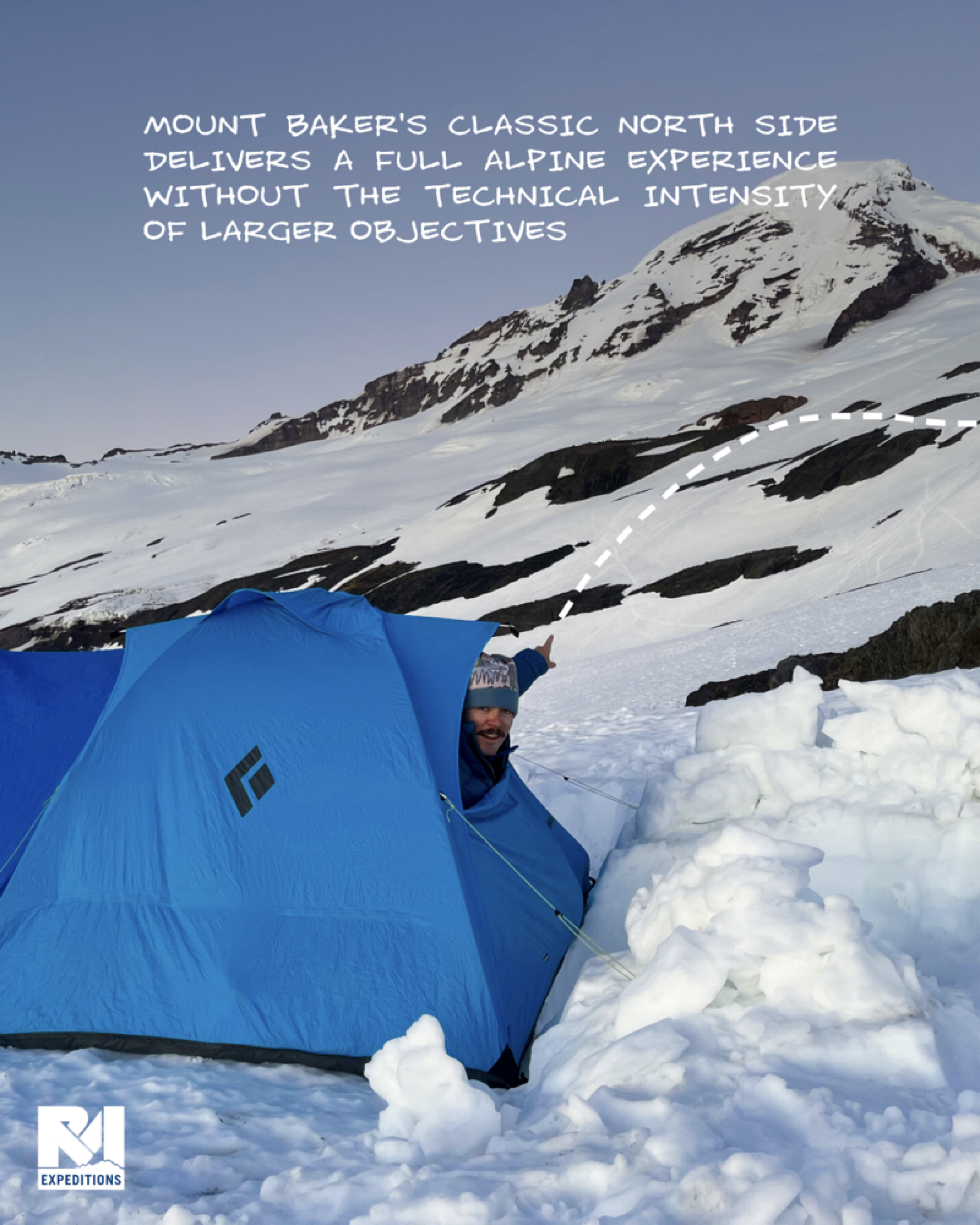
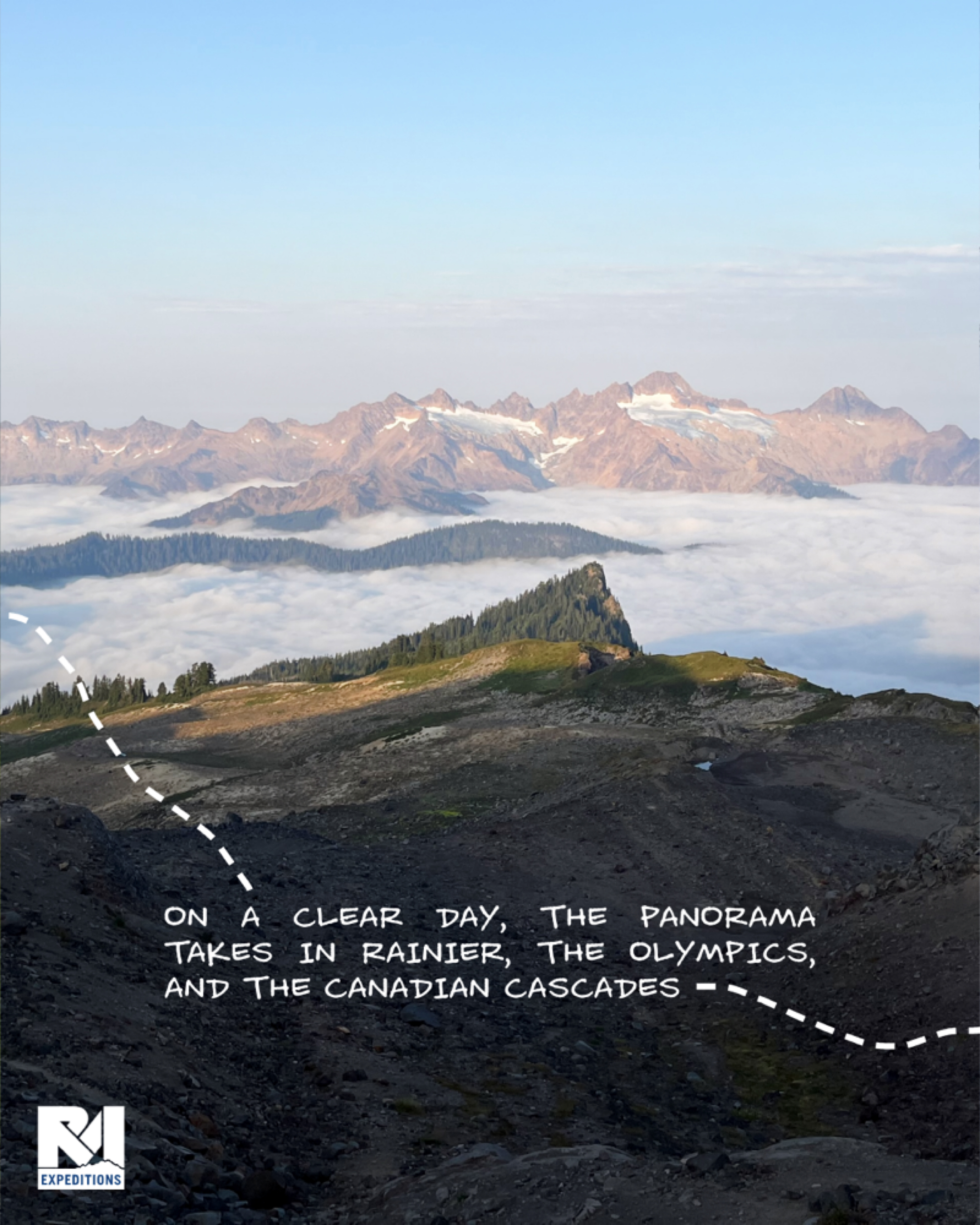
The Coleman-Deming Route on Mount Baker is a classic north-side ascent that offers moderate glacier travel, short sections of easy alpine rock scrambling, and expansive summit views. The route ascends broad glaciers with intricate crevasse patterns and delivers a distinctly alpine experience without the altitude or technical intensity of larger objectives.

This three-day climb is structured as a goal-oriented ascent rather than a course. While climbers will review core systems as needed, the emphasis is on moving efficiently through glaciated terrain, managing rope travel, and making a summit attempt under real mountain conditions. The route’s moderate angle and varied terrain create a forgiving environment for applying existing skills or learning through guided experience.

Designed for climbers in strong physical condition, the Coleman-Deming is appropriate for first-time glacier climbers as well as experienced climbers seeking a straightforward ascent of a Cascade classic. Its reliable conditions, moderate difficulty, and full summit experience make it a natural stepping stone toward more committing objectives such as Mount Rainier.

Why RMI

Setting the Standard Since 1969

The Coleman-Deming Route rewards steady pacing, efficient rope travel, and sound judgment in moderate glaciated terrain. RMI has decades of experience guiding climbs like this on Mount Baker, and that familiarity shapes how the program is planned and led. The focus is on moving deliberately, maintaining margin, and creating a smooth path to a full summit experience.

RMI guides bring deep experience managing glacier travel, camp systems, and route selection on Cascade volcanoes. On a goal-oriented climb like the Coleman-Deming, that experience shows up in how the team moves together, how transitions are handled, and how decisions are made as conditions evolve. Guides support climbers who are new to glaciated terrain while keeping the ascent efficient and purposeful for the entire group.

Risk management and client security are integral to how this climb operates. Guides apply thorough pre-trip planning, continuous assessment of weather and route conditions, and disciplined on-mountain decision-making. Every guide holds Wilderness First Responder and technical rescue certification; lead guides hold U.S. Level 2 avalanche certification. Our guides participate in ongoing professional development to keep systems and judgment current.

The result is a guided ascent that feels organized, well-paced, and confidence-building, allowing climbers to focus on the experience of moving through classic alpine terrain. To learn more about RMI Expeditions and how our history informs program design, visit our About page.

Expedition Highlights

Itinerary

Overview

Ascend Mount Baker over three days via a classic north-side glacier route, traveling through moderate glaciated terrain toward a broad volcanic summit. This itinerary emphasizes steady movement, efficient rope travel, and a full summit experience on one of the North Cascades’ most accessible alpine objectives.

Point of Origin

Glacier, WA

Highest Point

10,781' / 3,286 m

Total Program Duration

3 Days

Skills & Training Days

1

Climbing Days

2

Longest Day

8 - 9 Hours

Day 1

ORIENTATION & APPROACH  •  5,800' | 1,768m

7:30 a.m.  Meet at the Ranger Station in Glacier, WA

The group will meet at the Glacier Public Service Center in Glacier, Washington. Please see our Travel Details document for driving directions and carpool opportunities. Your RMI guides will meet you at the ranger station for introductions, a Leave No Trace primer, group gear distribution and personal gear check. From Glacier we follow the Glacier Creek Rd to the Heliotrope trailhead. During our hike into the Hogsback camp we gain approximately 2,200'. The hike winds through old growth forest and up into beautiful alpine meadows. As we move up towards camp we review some of the foundational skills that make us more efficient and capable climbers.

The approach will take us three to four hours and we generally get into camp at 5,800' in the early afternoon. After setting up a solid mountain camp, we spend the remaining afternoon hours learning basic mountaineering knots and becoming familiar with the safety gear which will be used in the next day’s training.

There are no opportunities to purchase or rent gear in Glacier. Participants should be confident with the fit and choice of their gear prior to arriving for the program. Please refer to the program Equipment List and then call the RMI office to speak with a guide about any gear questions you may have.

No items found.

Day 2

THE MOUNTAINEERING DAY SCHOOL  •  6,800' | 2,072m

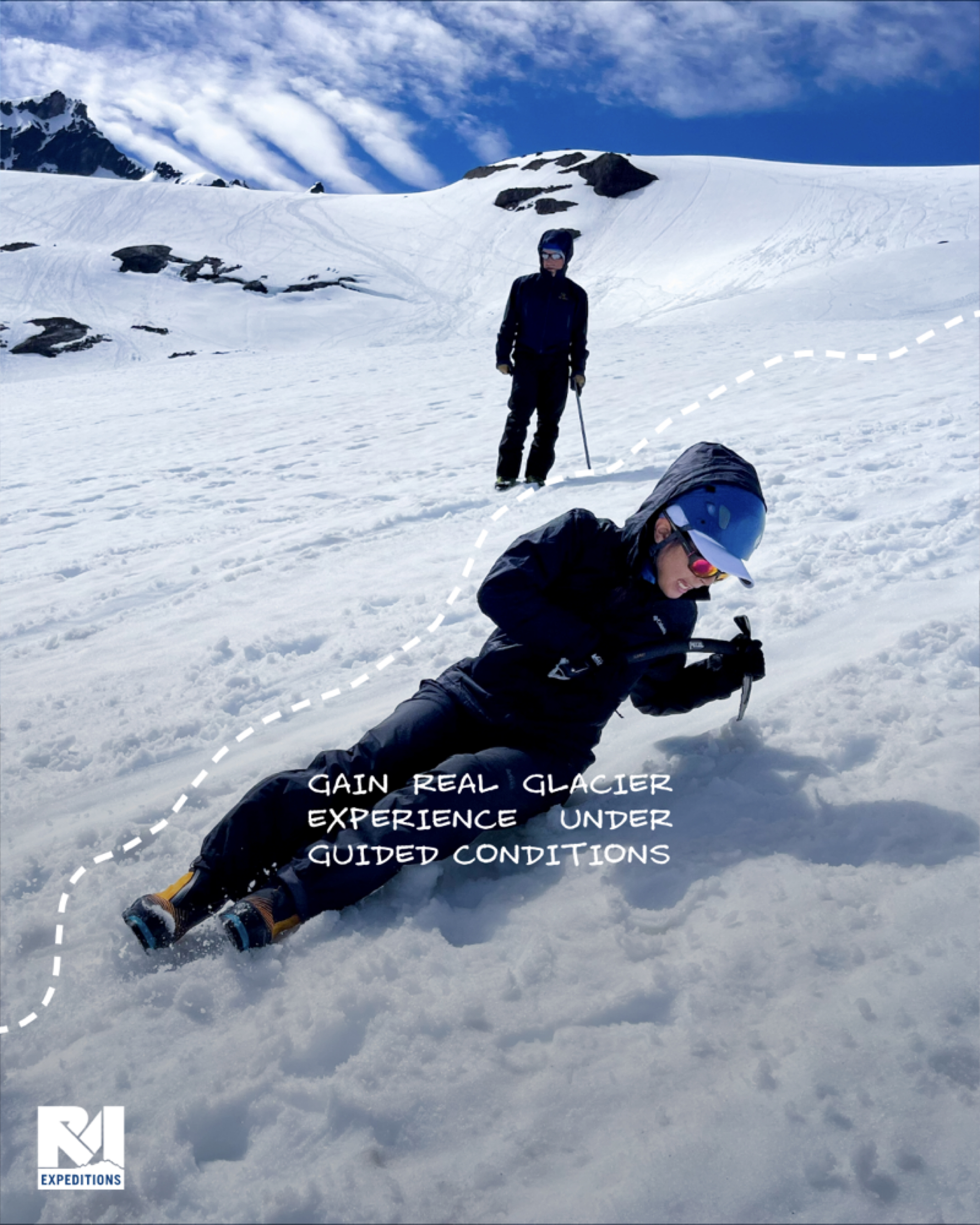
After breakfast we head out onto the glacier to begin our training. Our Mountaineering Day School offers participants an overview of various techniques which meet the challenges set forth by Mt. Baker. We practice basic mountaineering skills including; efficient mountain travel (rest-stepping and pressure breathing), various safety practices including use of helmets, harnesses, and avalanche transceivers, climbing in balance, proper use of our ice axe, self and team arrest, and moderate cramponing.

Our first priority is the safety of all team members. During the School you will be asked to demonstrate that your fitness will allow you to climb safely, and that you are able to perform the new climbing skills proficiently. We will continue to assess each team member throughout the course of the training and the climb.

After the day of skills training we return to camp where we make our final summit preparations, enjoy dinner, and go to bed early for the next day's climb.

No items found.

Day 3

SUMMIT CLIMB  •  10,781' | 3,286m

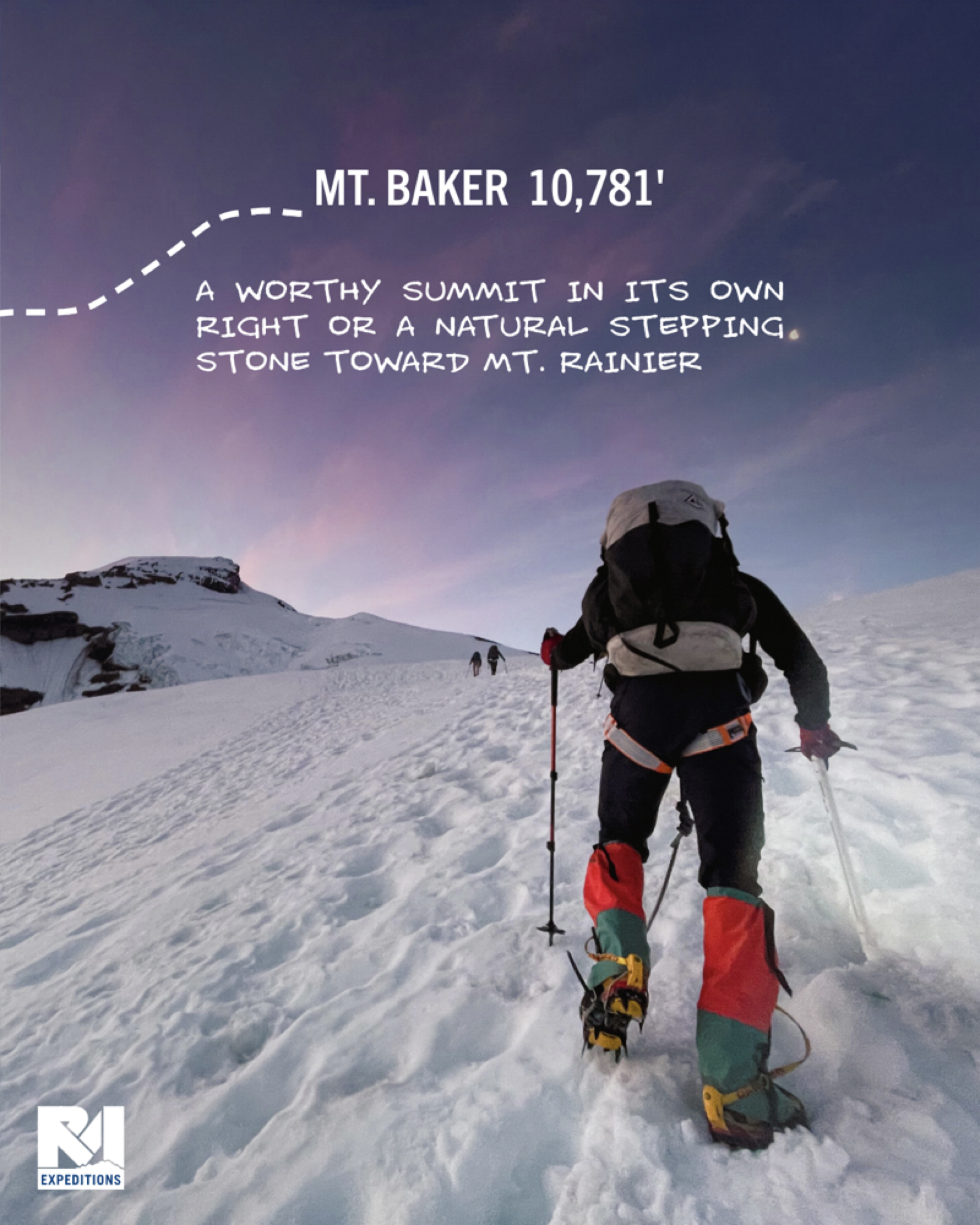
The summit ascent - Our day begins with a pre-dawn alpine start to give us ample time for this full day of climbing. The Coleman Glacier is a fun, moderate climb on which we employ our cramponing, route finding and navigational skills, as we ascend slowly, making our way past crevasses to the 9000’ point on the mountain. A moderate ridge takes us to the crux of the route, the Roman Wall. At about 1,000' of 35–40° snow this is the steepest section of the climb and leads us directly to the summit plateau.

After enjoying the views and summit congratulations we retrace our steps back to camp. An early lunch is in order after the climb and then we pack up and descend back to the trailhead.

We generally arrive back at the town of Glacier by early afternoon where we gather as a team to celebrate our adventure.

*We do not recommend scheduling an airline flight before midnight on the last day of your program.

No items found.

Qualifications

Fitness

You should arrive in excellent physical condition and prepared for long days that include sustained uphill travel and glacier movement while carrying a pack.

Experience

No prior mountaineering or technical climbing experience is required. This climb is appropriate for fit hikers and outdoor athletes who are comfortable with extended days in mountainous terrain.

Altitude

Mount Baker’s moderate elevation limits altitude stress, but climbers must be able to perform physically and mentally during a long summit day.

The Mount Baker – Coleman-Deming Climb is a goal-oriented glacier ascent designed for climbers in strong physical condition who want to experience a classic Cascade summit. While guides will review core systems as needed, this program is not structured as a course. The emphasis is on steady movement, efficient rope travel, and completing a full summit climb under real mountain conditions.

Physical preparation has a direct impact on how the climb feels. Long approach days, sustained glacier travel, and a demanding summit day require endurance, leg strength, and the ability to stay engaged when tired. Climbers who arrive well prepared tend to move more efficiently, manage fatigue better, and enjoy the overall experience more fully.

This climb is well suited for first-time glacier climbers ready to step beyond hiking and backpacking, as well as experienced climbers seeking a straightforward ascent of a Cascade classic. If you are unsure whether your fitness level aligns with these demands, a conversation with an RMI guide can help clarify readiness.

Recommended Climbing Resumé

Your climbing resumé should include:

Ability to hike uphill for multiple hours with a pack

Comfort carrying a 40–45 lb pack in mountainous terrain

Experience with long, full-day outdoor efforts

Strong aerobic fitness and leg endurance

Comfort traveling on snow and uneven terrain

Items marked with an Asterix (*) are considered mandatory prerequisites for this program.

Physical Fitness Training

Mountaineering places sustained demands on your body and your ability to stay composed under effort. Even very fit people find that moving uphill with weight, for long hours, in variable weather is a different kind of challenge than most everyday training.

Preparation matters. Fitness directly affects how well you move, how much you learn, how the team functions, and how enjoyable the experience is overall.

Start early. Begin training well in advance of your program with the goal of arriving rested, resilient, and confident in your capacity for sustained effort.

Train intentionally. Emphasize aerobic endurance, uphill movement, and strength that supports long days on your feet. Core stability, balance, and mobility all play an important role in efficiency and injury prevention.

Train specifically. The closer you get to your program date, the more your training should resemble the demands of mountaineering: hiking uphill with weight, moving steadily for hours, and recovering well enough to do it again the next day.

Across RMI programs, strong preparation typically means being comfortable with long days of continuous movement, carrying a pack appropriate to the objective, and maintaining focus and decision-making when tired. Technical skills are taught or reviewed as appropriate to each program, but fitness is something you bring with you.

Nothing contributes more to a successful and rewarding experience than arriving well prepared. Plan to be in excellent physical condition and ready for a demanding day in the mountains.

Total Hiking Time

Elevation Gain / Loss

Total Distance

Pack Weight

DAY 1 - Trailhead to Camp

3 - 4 Hours

Gain = 2,600'

3 Miles

40 - 45 lb

DAY 2 - Mountaineering School

8 Hours

Gain = 1,000' | Loss = 1,000'

2 Miles Round Trip

20 - 25 lb

DAY 3 - Summit Day and Descent to Trailhead

8 - 9 hours (summit) + 3 hours (descent)

Gain = 4,980' | Loss = 7,580'

9.5 Miles

40 - 45 lb

Fitness And Training Resources

Our guides have decades of experience training for alpine objectives, and we've done our best to put together relevant resources to help you with your expedition preparation.

No items found.

Your Role as a Climber

Mountaineering is both an individual challenge and a team endeavor. Before any program begins, RMI works directly with prospective climbers to confirm that everyone joining a team is genuinely prepared for the demands ahead. Depending on the program, this may involve conversations with our office staff, a review of your climbing history, or feedback from guides and other climbers who know your abilities. The goal is straightforward: to ensure that every person on the rope belongs there. We ask that each climber hold themselves to the same standard:

  • Meet Program Prerequisites: Arrive with the climbing experience, qualifications, and gear outlined for your program.
  • Arrive Prepared: Come in top physical and mental condition. Strong preparation directly affects your performance, your teammates' experience, and the team's overall safety.
  • Be Informed: Review all pre-departure materials and communicate any questions to the RMI office before your start date.
  • Medical Clearance: Provide any required medical documentation and inform the RMI office of any changes to your health before departure.
  • Team Consideration: Act considerately toward all team members and respect the customs and values of the areas you travel through.
  • Environmental Respect: Follow Leave No Trace practices throughout the program.
  • Communicate Honestly: Accurately represent your fitness, health, skills, and equipment to your guide staff, and keep them informed of any changes during the program.
  • Stay Accountable: Attend all briefings and gear checks, follow guide instructions, and take personal responsibility for your equipment, hygiene, and readiness for changing conditions.
  • Self-Assess Continuously: Evaluate your fitness and readiness honestly against the demands of the program. Your willingness to do so contributes directly to the safety of the entire team.

The standards we set exist to protect everyone on the team. RMI holds all climbers accountable to them, and we take seriously our responsibility to build teams of people who are ready to be in the mountains together. RMI reserves the right to remove a participant from a program or send them to a lower altitude if our guide staff determines, in their sole discretion, that the participant is not physically, technically, or psychologically prepared or capable of participating, or for any other reason that may compromise the safety, health, or well-being of the participant or the group. In such cases, no refunds or credits will be issued, and the participant will be financially responsible for any additional costs associated with an early departure, including evacuation, transportation, lodging, and meals.

Equipment

What You'll Need

The Mount Baker – Coleman-Deming Climb takes place on moderately angled glaciated terrain with variable weather and snow conditions. Climbers should expect cold temperatures, wind, sun exposure, and long days moving on snow and glacier, with equipment choices directly affecting comfort, efficiency, and overall experience on the mountain.

This equipment list reflects decades of guiding experience on Mount Baker and is designed to support a full summit ascent in changing conditions. It is intentionally comprehensive to account for weather, terrain, and individual needs. Not every item may be used, but all required items must be brought to the gear check. Guides may recommend leaving certain items behind once conditions and the team are assessed, but arriving fully equipped ensures appropriate margins and a smoother experience for everyone.

Guide pick™

Each RMI program includes a required personal equipment list built around the specific terrain, conditions, and objectives of the climb. Every item serves a purpose and supports safety, efficiency, and comfort in the mountains.

Guide Picks™ are examples that meet our performance standards and illustrate the type of gear we recommend. Each year, our partners at Whittaker Mountaineering survey our staff of 70+ guides to get a consensus on the best gear for the job. You do not need to purchase the exact item shown, but any alternative must offer comparable function and durability.

All listed items are required for the gear check. Final adjustments may be recommended by your guide based on conditions and team needs once the expedition begins.

Gear Up

Most of the required equipment is available for rent or purchase from our affiliate Whittaker Mountaineering. RMI climbers receive a 10% discount on new clothing and equipment items ordered from Whittaker Mountaineering.

Equipment List

Download PDF
Thank you! Your submission has been received!
Oops! Something went wrong while submitting the form.

Pack & Travel

Sleeping Bag & Pad

Technical Gear

Head

Hands

Upper Body

Lower Body

Feet

First Aid & Medications

Personal Items

Travel Clothes

Travel Documents

Pre-Trip Checklist

Provided Equipment

Pack & Travel

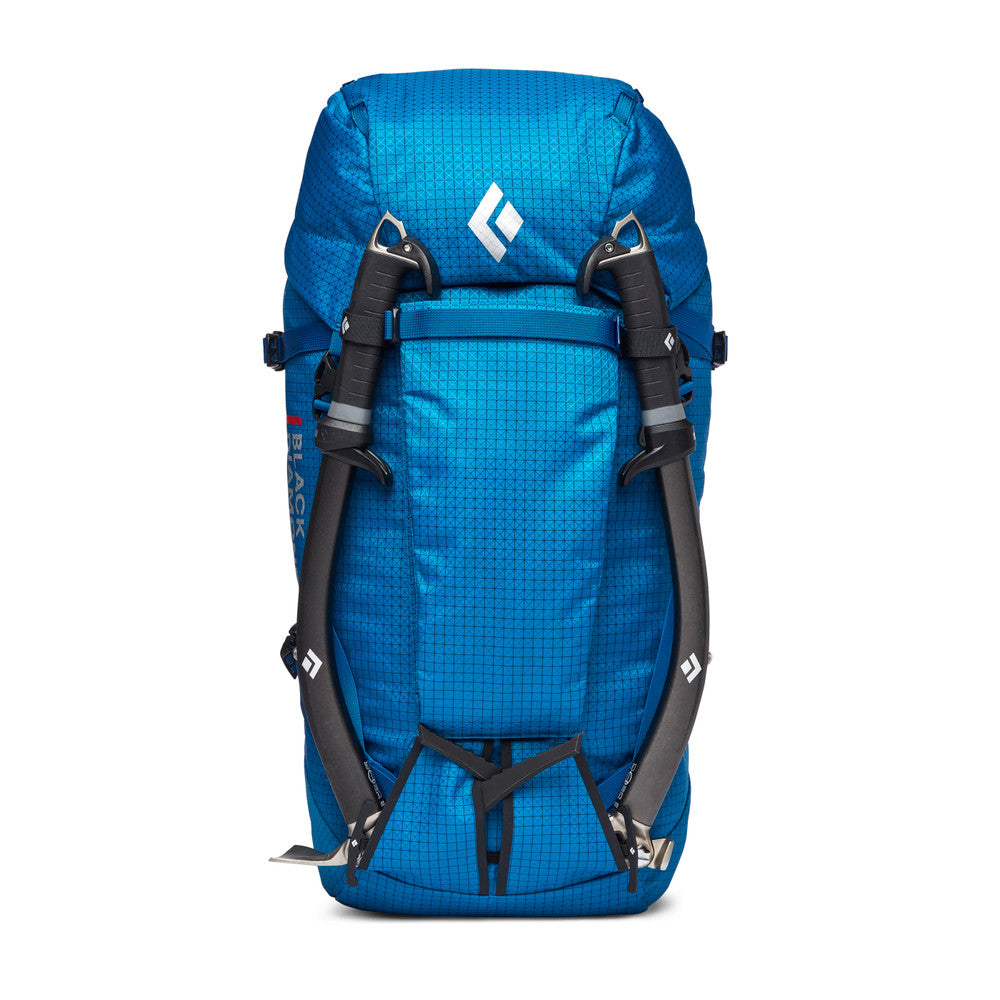
65+ Liter Backpack

A technical climbing pack large enough to carry personal gear, layers, food, water, and a share of group equipment including tent portions. You will not need a separate summit pack. For ski programs, a pack with ski-carrying capability is recommended.

Guide Pick™
Sleeping Bag & Pad

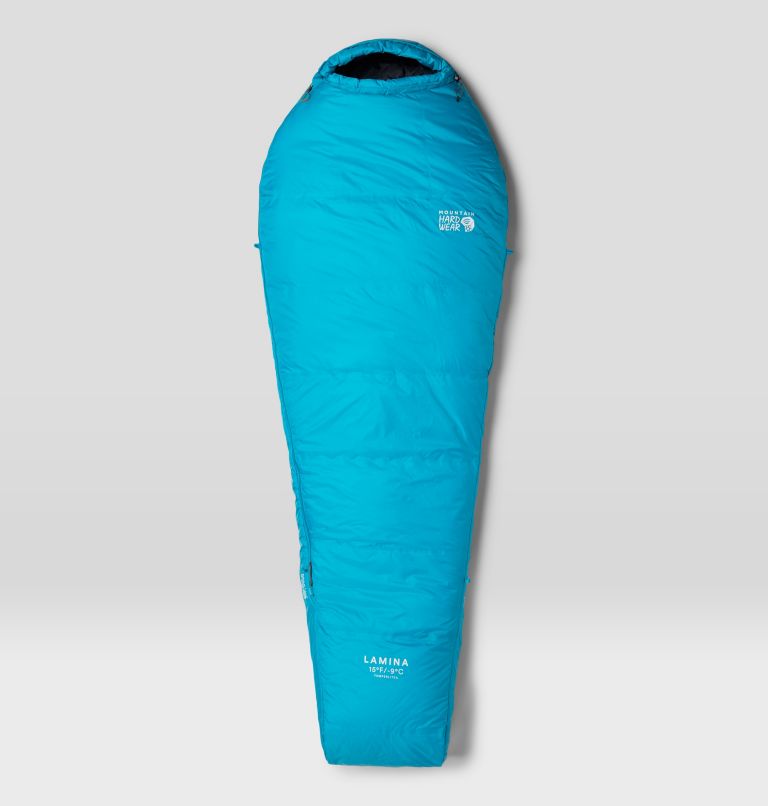
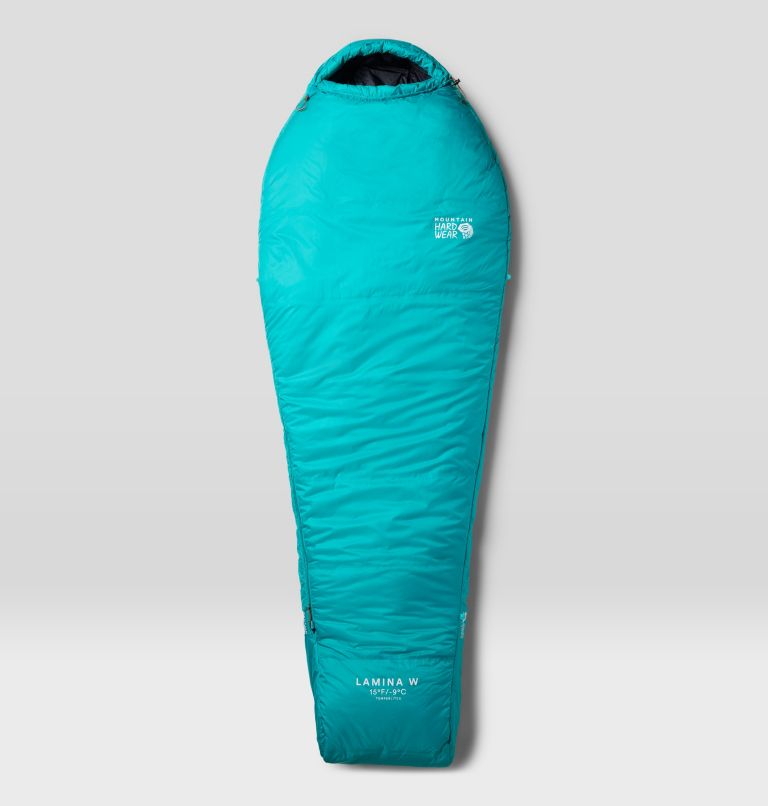
0° - 20°F Sleeping Bag

We recommend a bag rated between 20° and 0° F. Allow ample room for movement. We recommend down over synthetic for its light weight, warmth, and packability. If you know you sleep cold, consider a 0° F bag.

Guide Pick™
Sleeping Bag & Pad

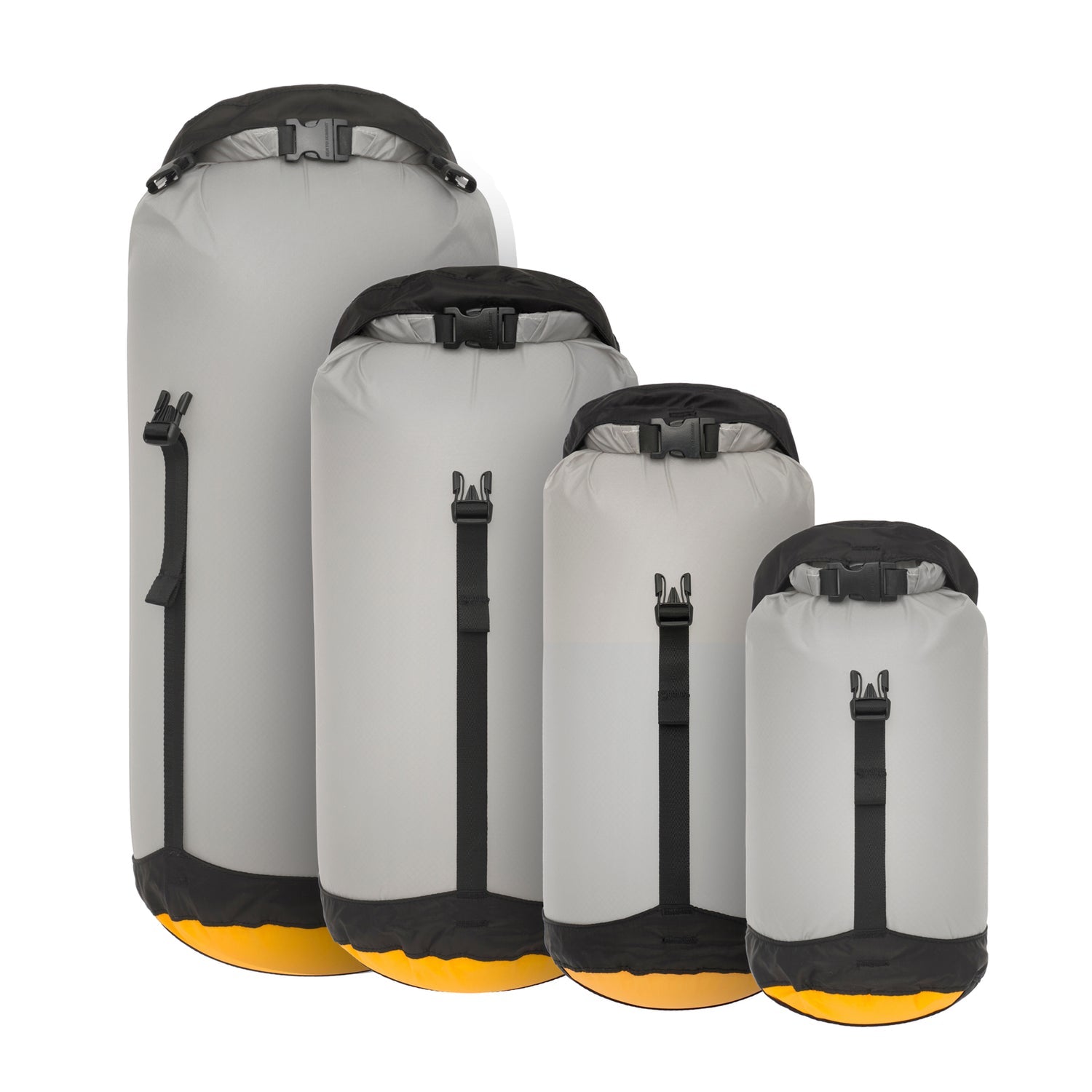
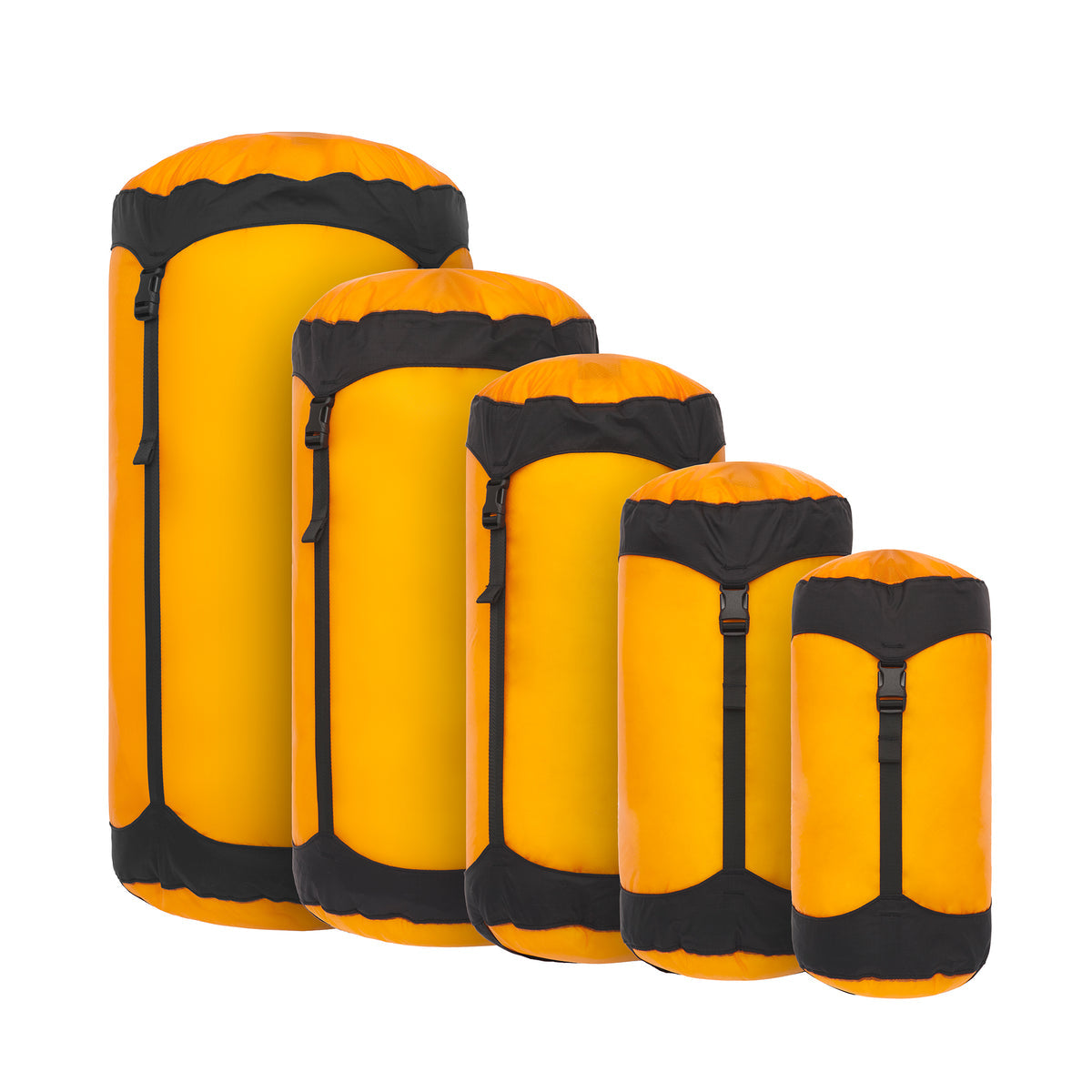
Compression Stuff Sack For Sleeping Bag

A compression stuff sack to reduce sleeping bag volume and protect it from moisture during transport and on the mountain.

Guide Pick™
Sleeping Bag & Pad

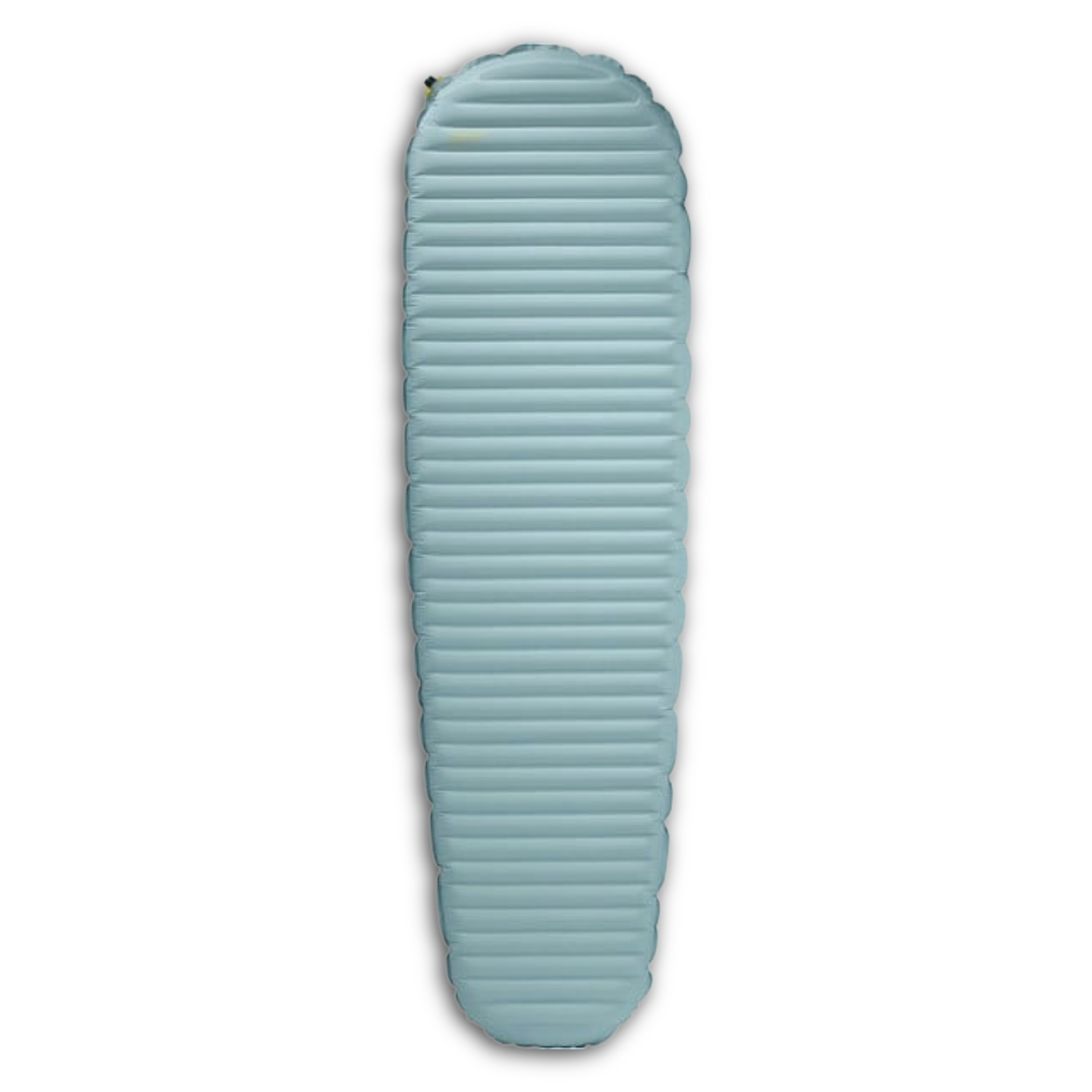
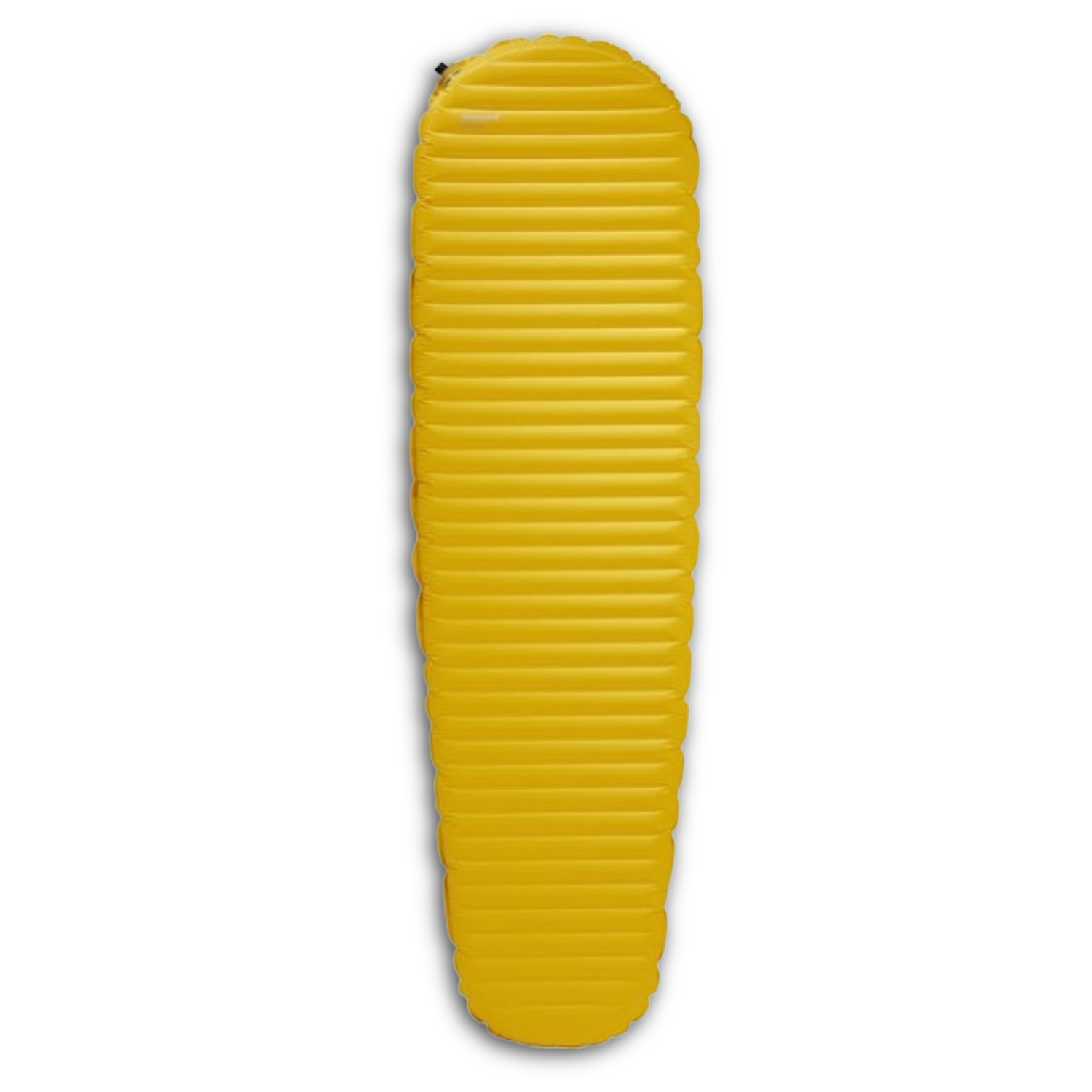
Inflatable Sleeping Pad

A full-length inflatable sleeping pad for warmth and comfort in alpine conditions.

Guide Pick™
Technical Gear

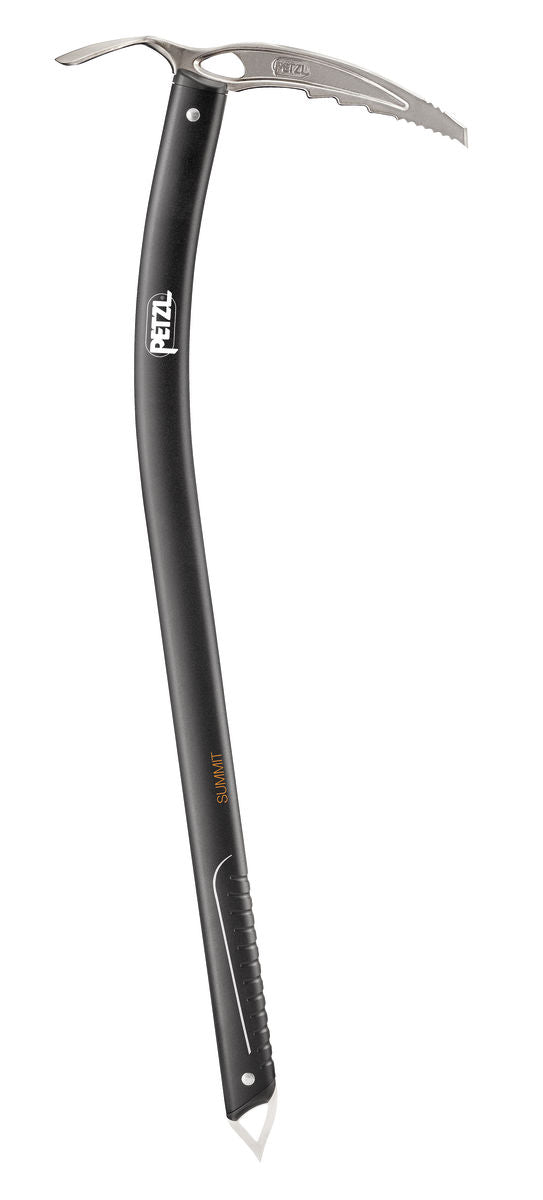
Ice Axe

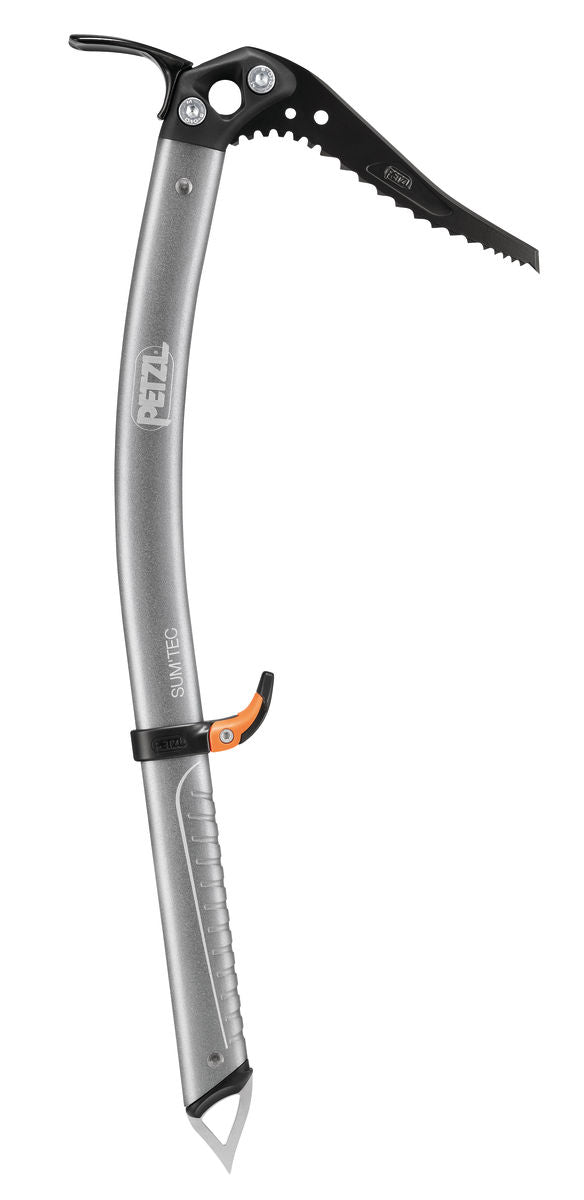
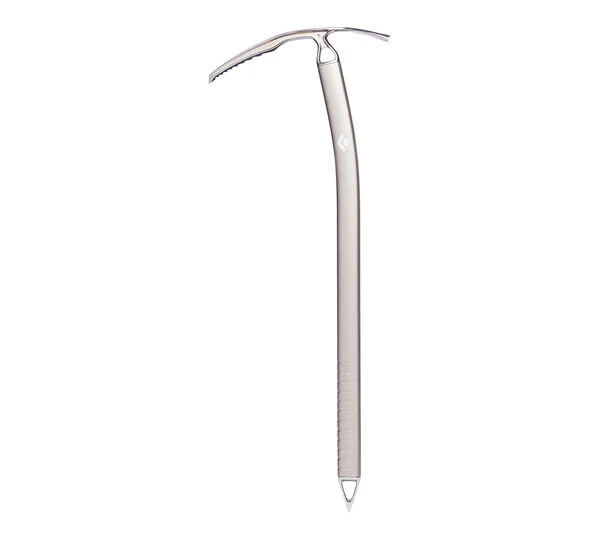
A straight-shaft ice axe with a classic pick and adze designed for glacier travel, self-arrest, and general snow climbing. Should be appropriately sized for your height.

Guide Pick™
Technical Gear

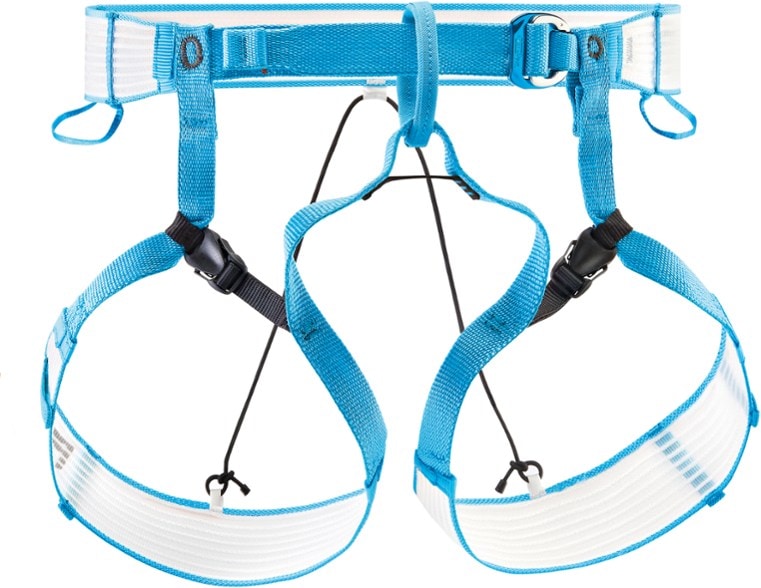
Climbing Harness

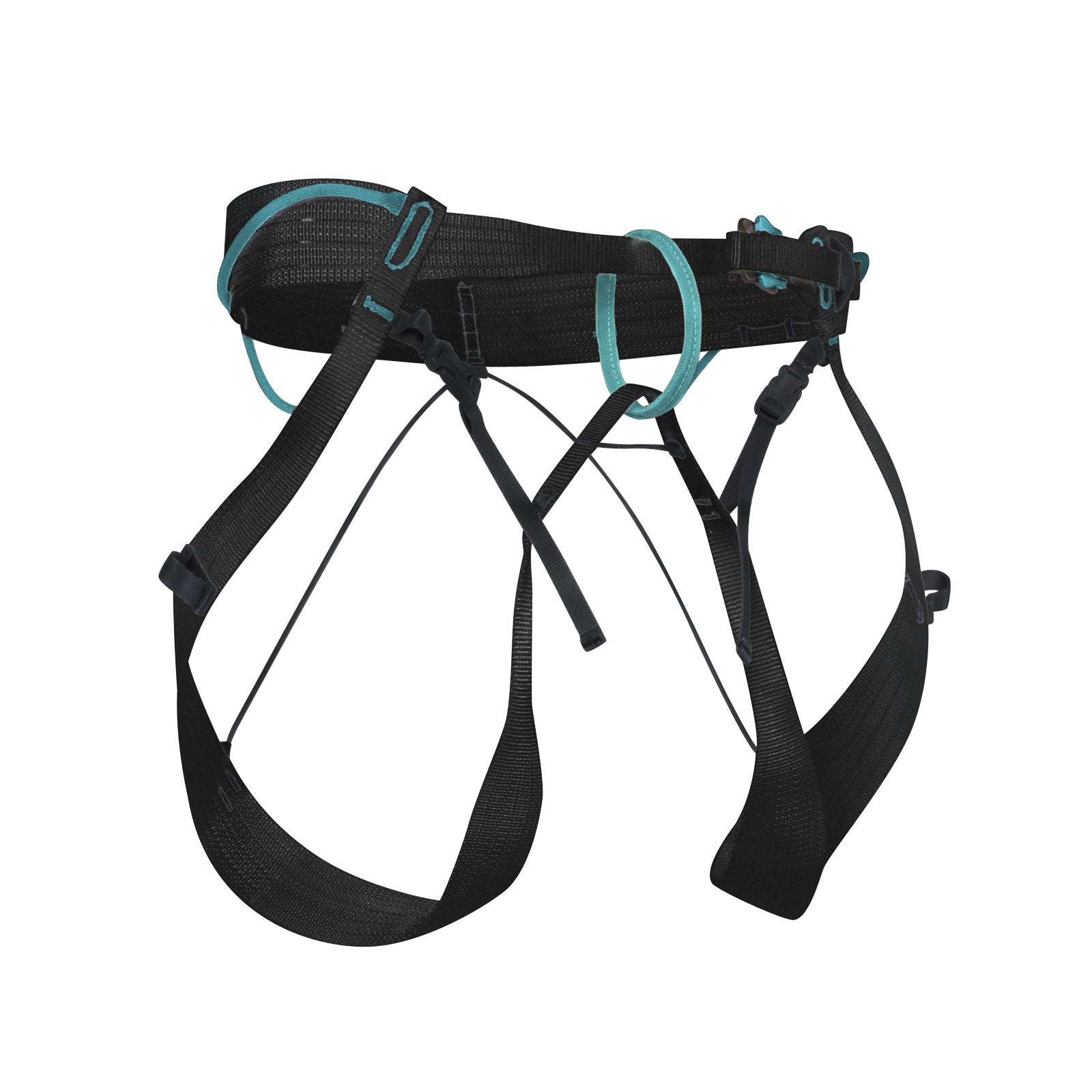
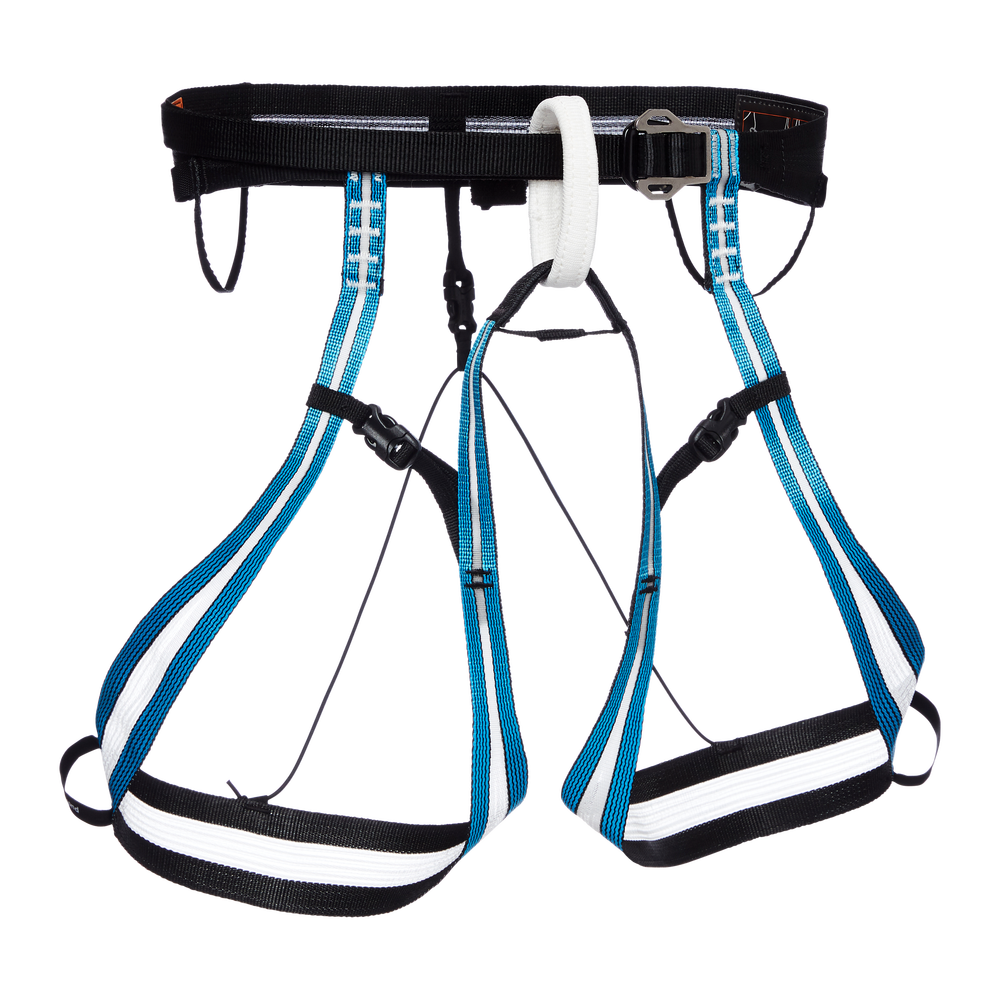
A comfortable, adjustable alpine climbing harness. Removable, drop-seat, or adjustable leg loops are recommended for managing layers and bathroom breaks in the mountains.

Guide Pick™
Technical Gear

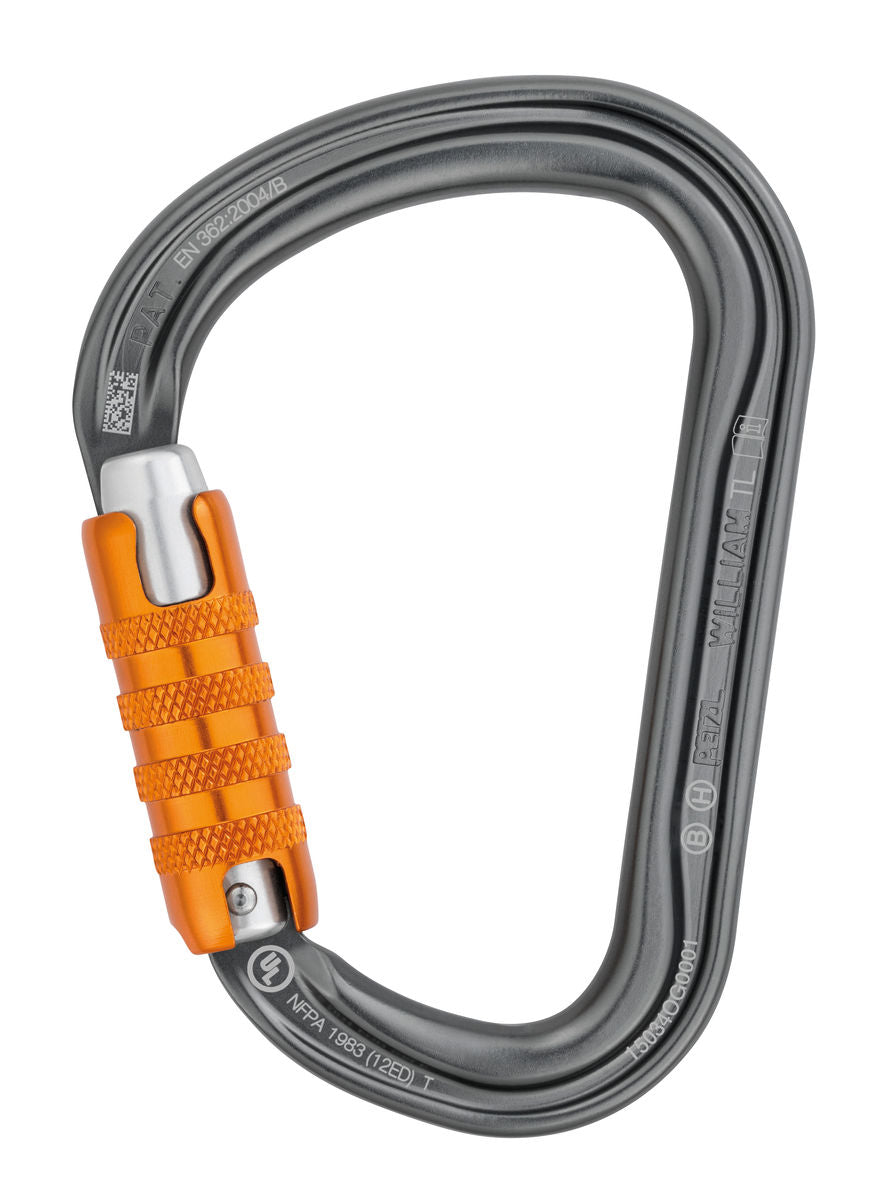
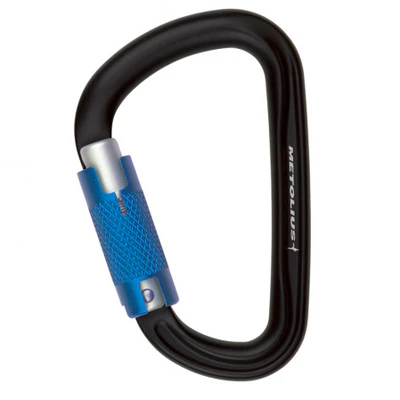
Triple-action Locking Carabiner

Used for clipping into the climbing rope.

Guide Pick™
Technical Gear

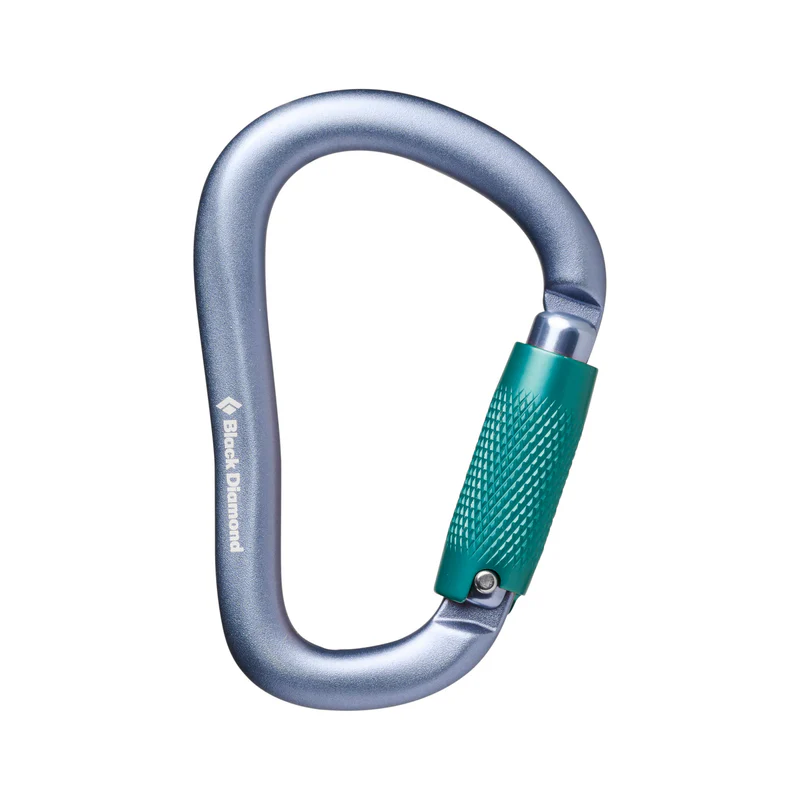
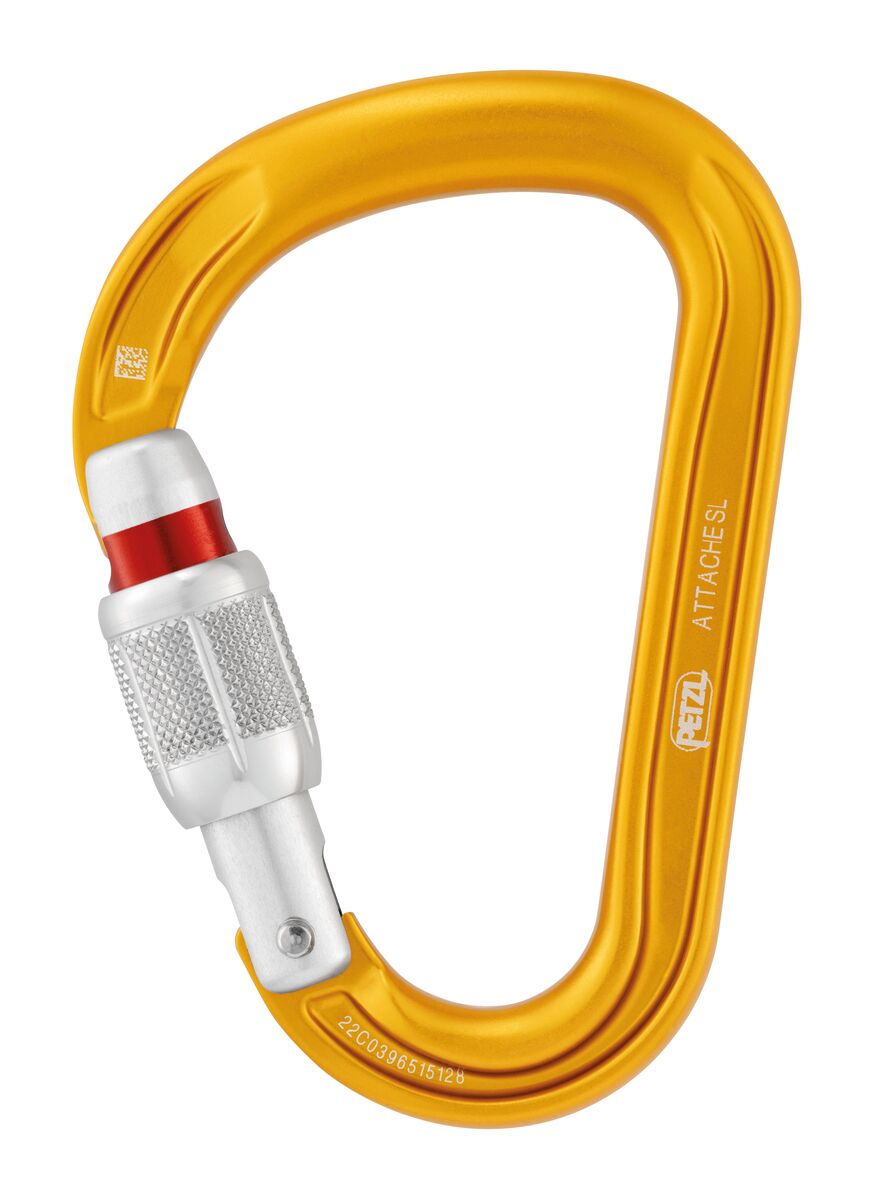
Locking Carabiner(s)

Used for clipping into anchors, etc.

Guide Pick™
Technical Gear

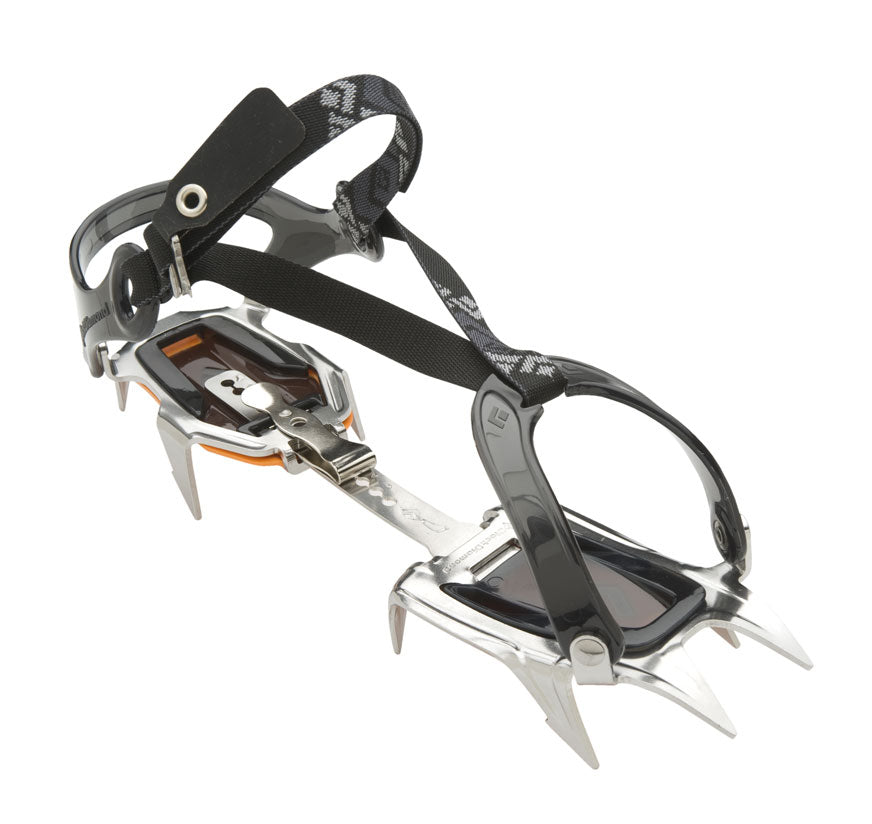
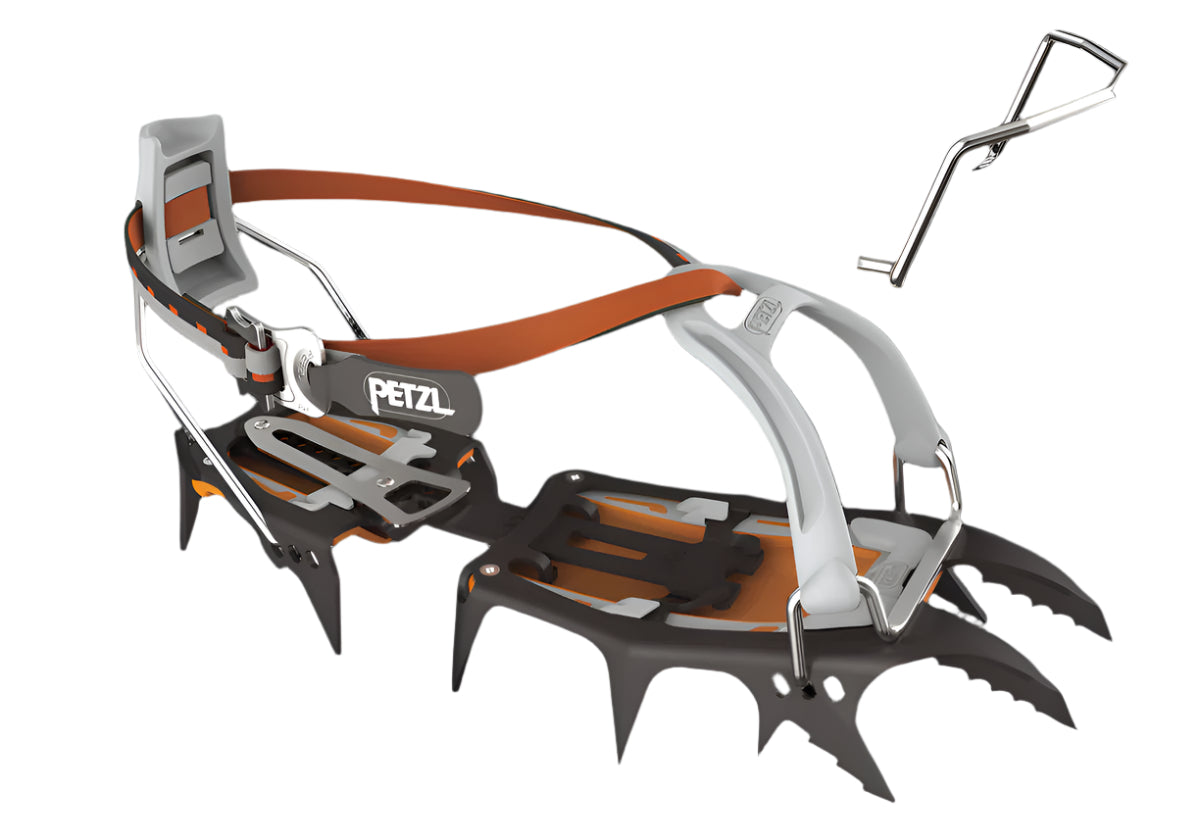
General Mountaineering Crampons

10- or 12-point adjustable steel crampons with anti-balling plates for general mountaineering and glacier travel. Automatic, semi-automatic, or strap-on attachment depending on boot compatibility. Ensure crampons are compatible with your specific boots before your program.

Guide Pick™
Technical Gear

Avalanche Transceiver With Fresh Batteries

A three-antenna avalanche transceiver with fresh batteries for travel in avalanche terrain. Bring extra batteries appropriate to the program duration.

Guide Pick™
Technical Gear

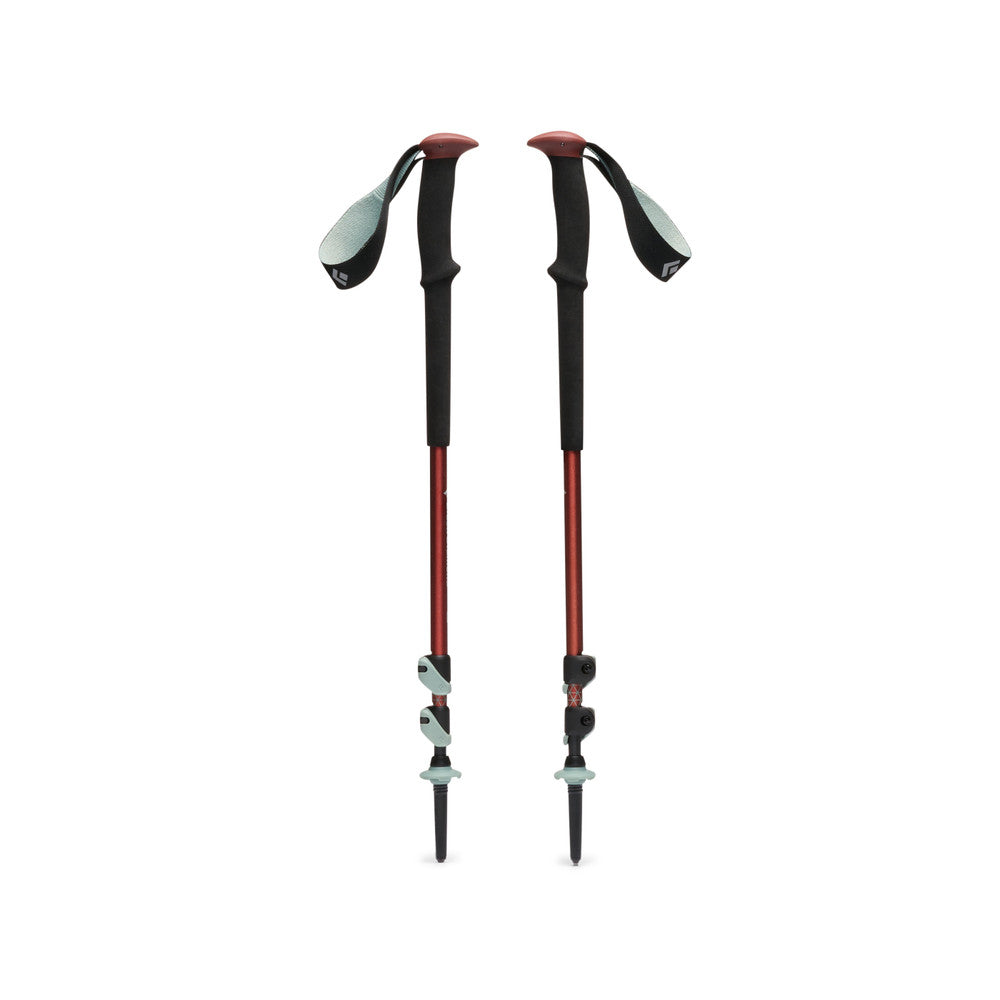
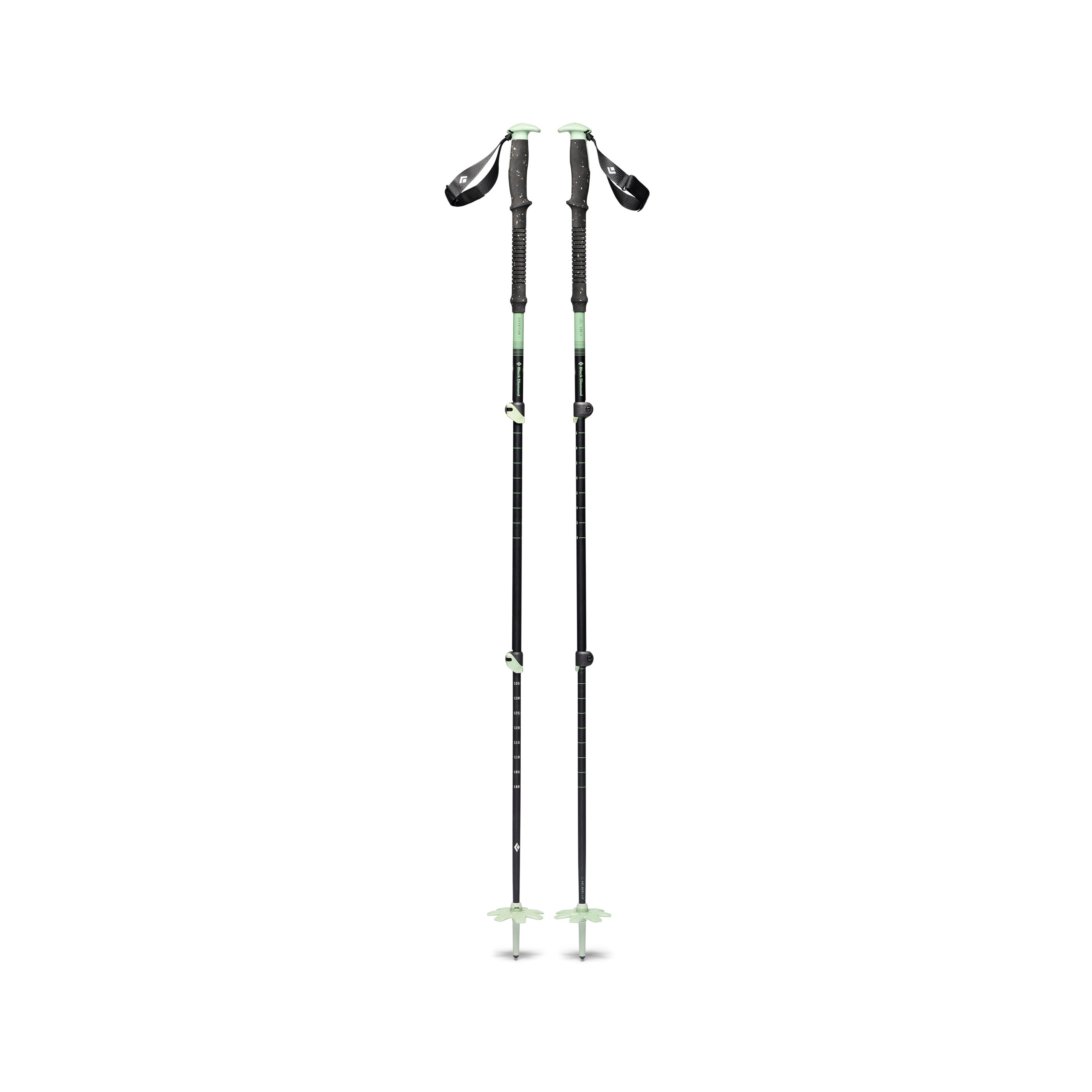
Trekking Poles

We recommend lightweight and collapsible poles with snow baskets.

Guide Pick™
Head

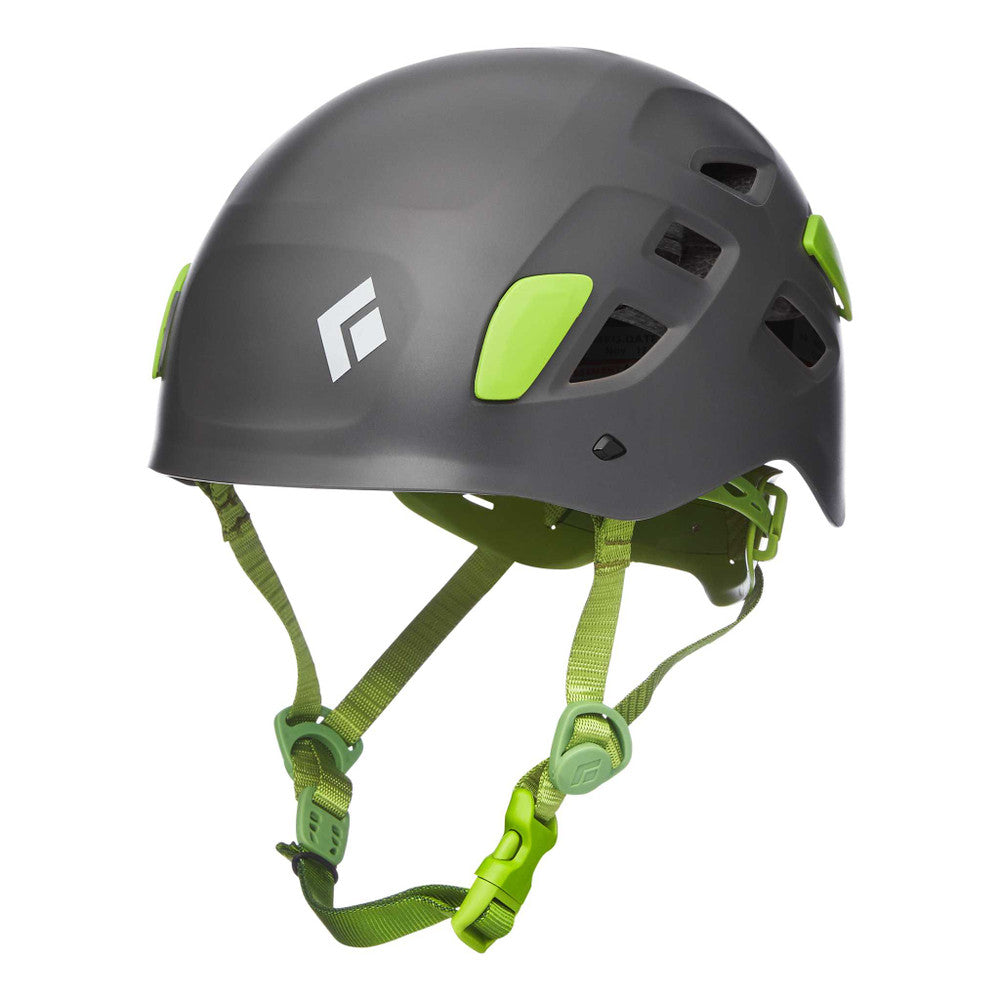
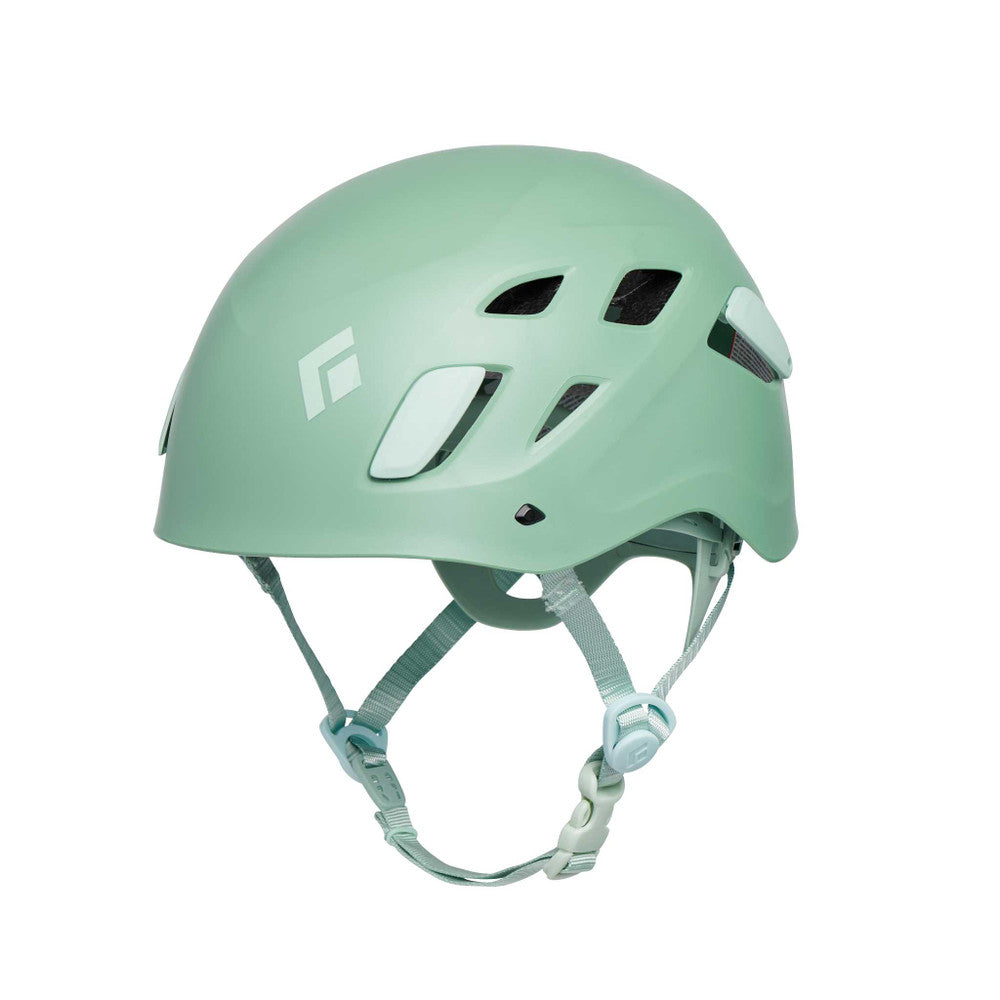
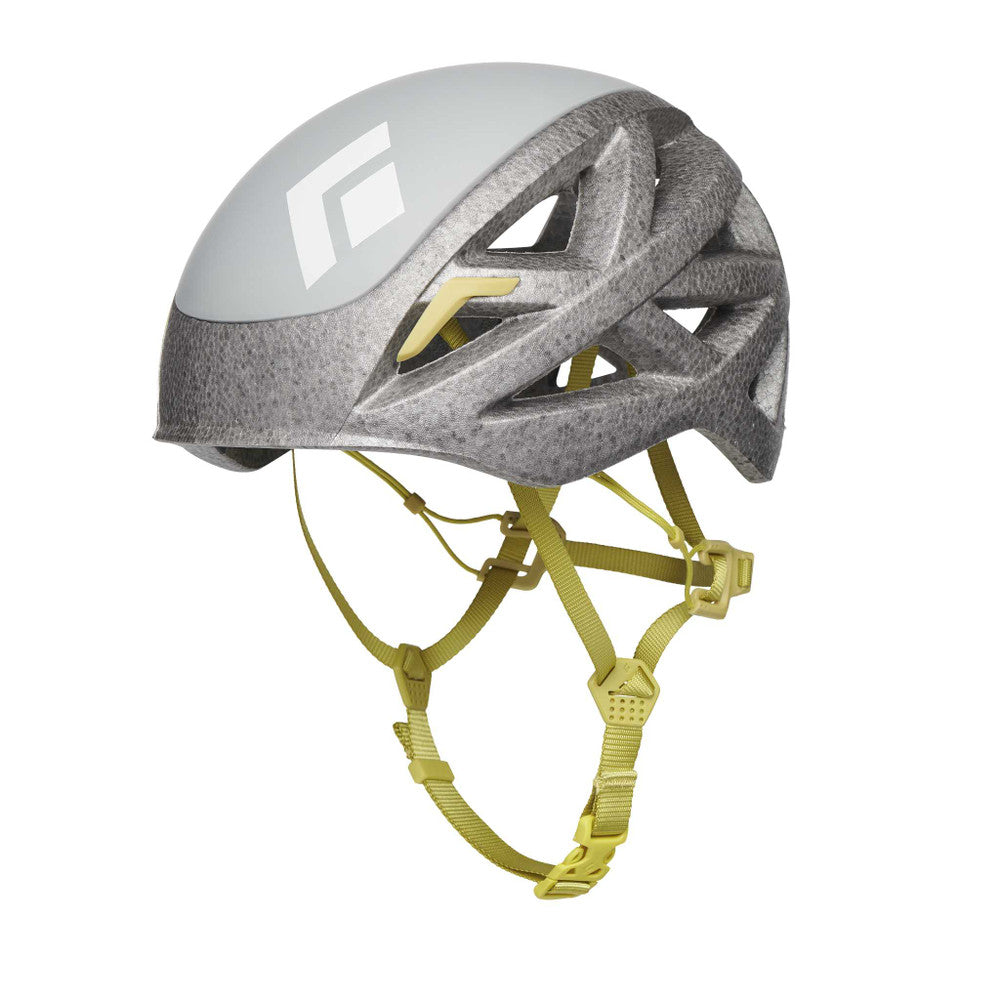
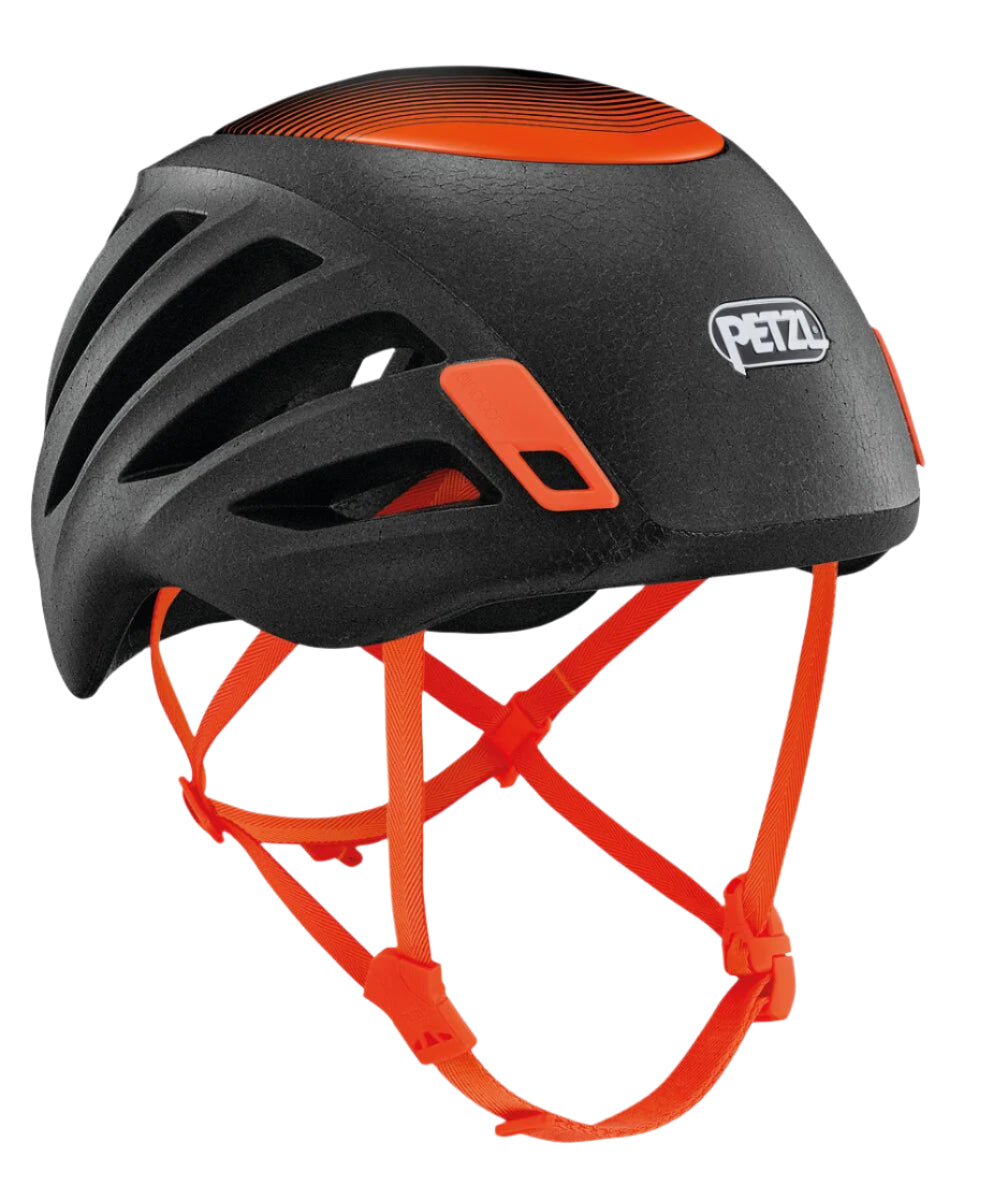
Helmet

A UIAA (Union Internationale des Associations d’Alpinisme) or CE (European Committee for Standardization) certified climbing helmet.

Guide Pick™
Head

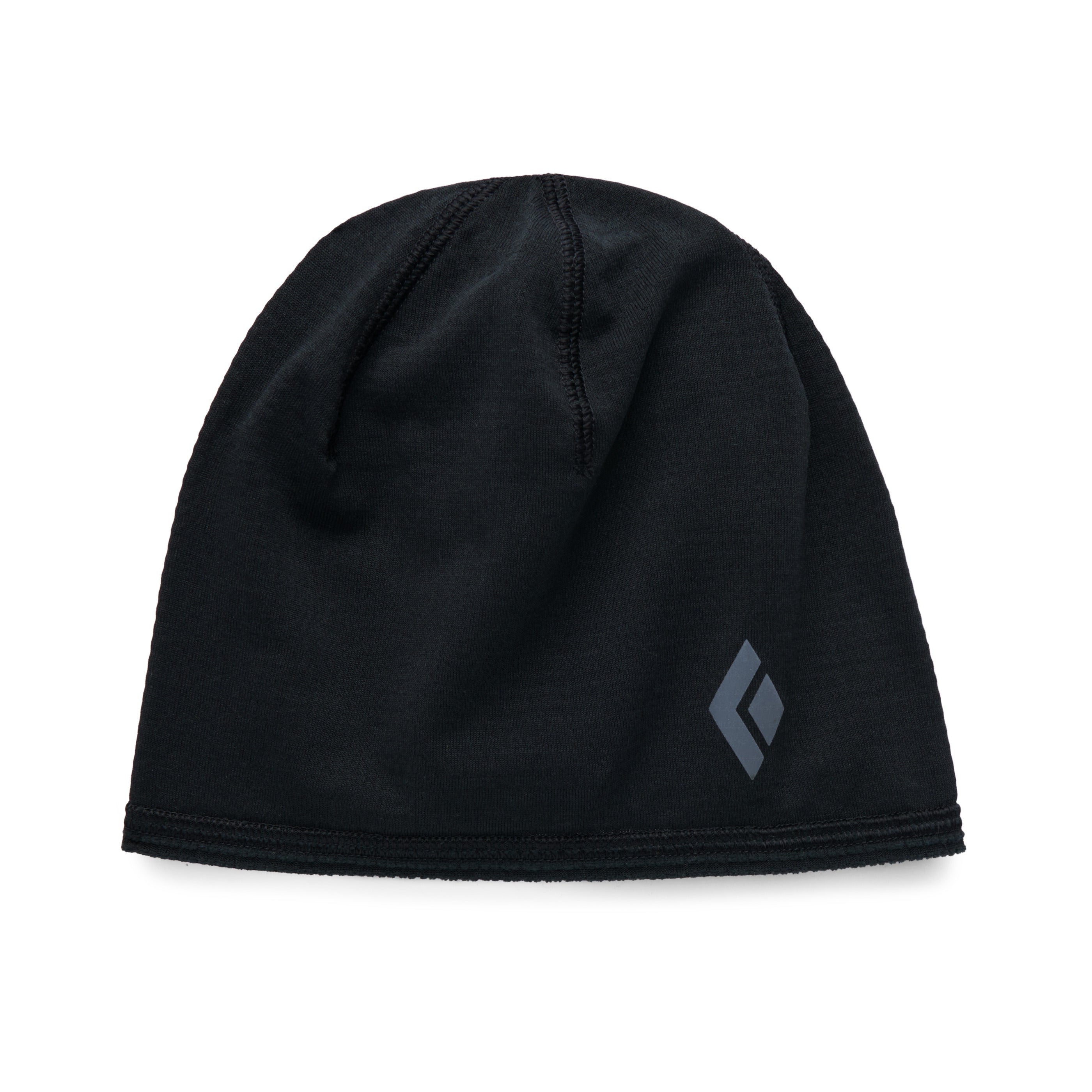
Beanie

Wool or synthetic. It should provide warmth but also be thin enough to fit underneath a climbing helmet.

Guide Pick™
Head

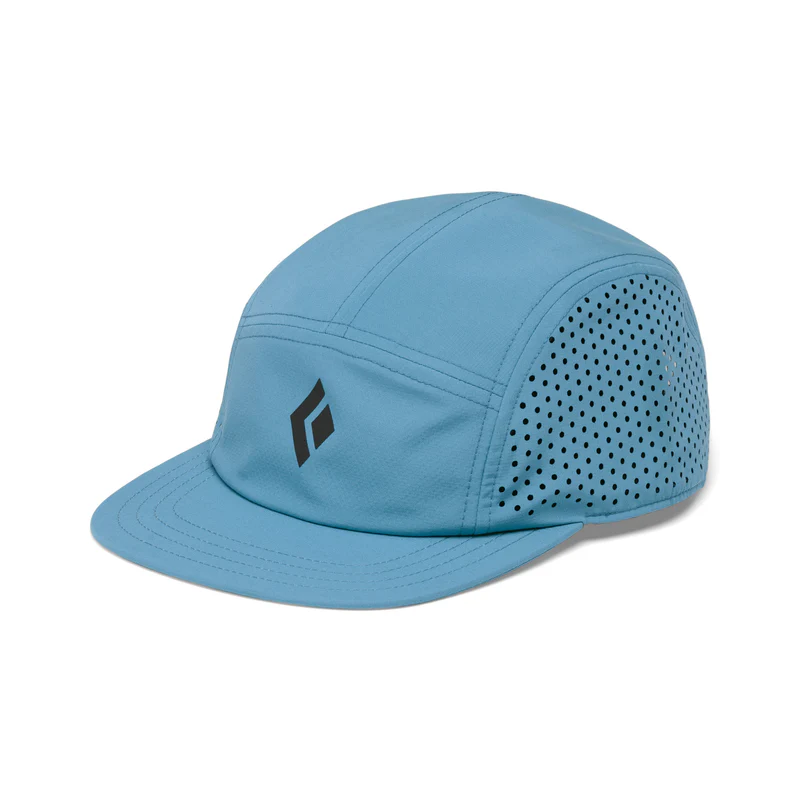
Ball Cap Or Sun Hat

A hat without a button on top will fit better and be more comfortable under a helmet.

Guide Pick™
Head

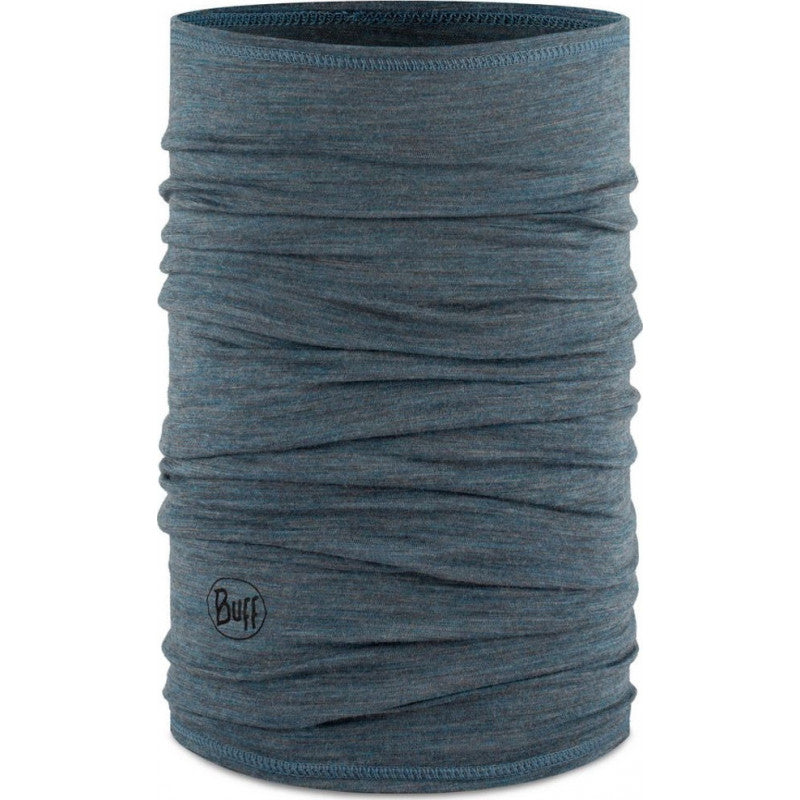
Buff or Neck Gaiter

A versatile neck gaiter or buff for head and neck protection in variable conditions.

Guide Pick™
Head

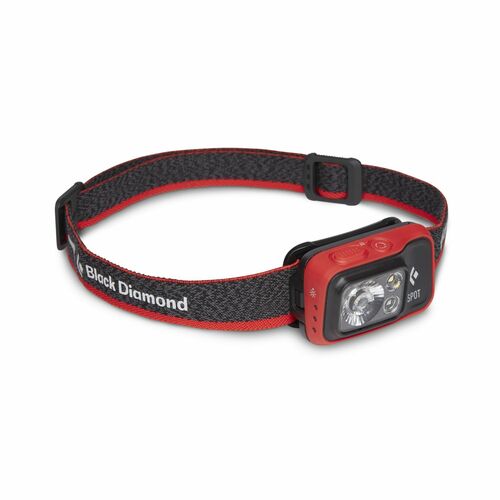
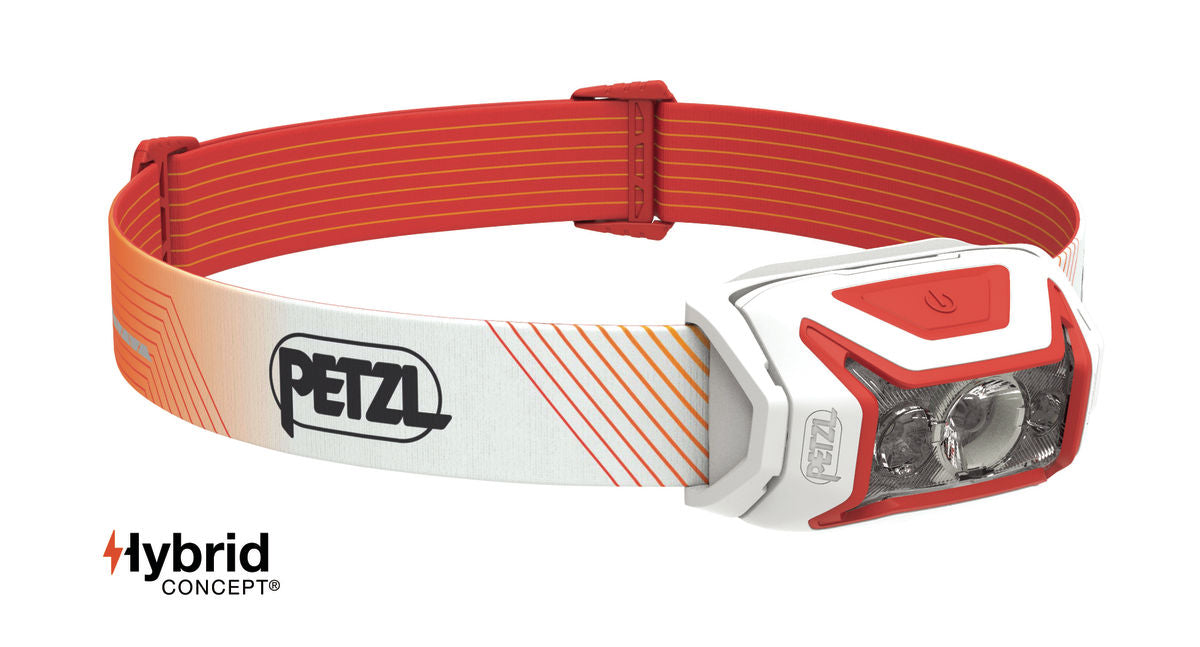
Headlamp

Start with fresh batteries and bring extra set(s) of batteries appropriate to the duration of the trip.

Guide Pick™
Head

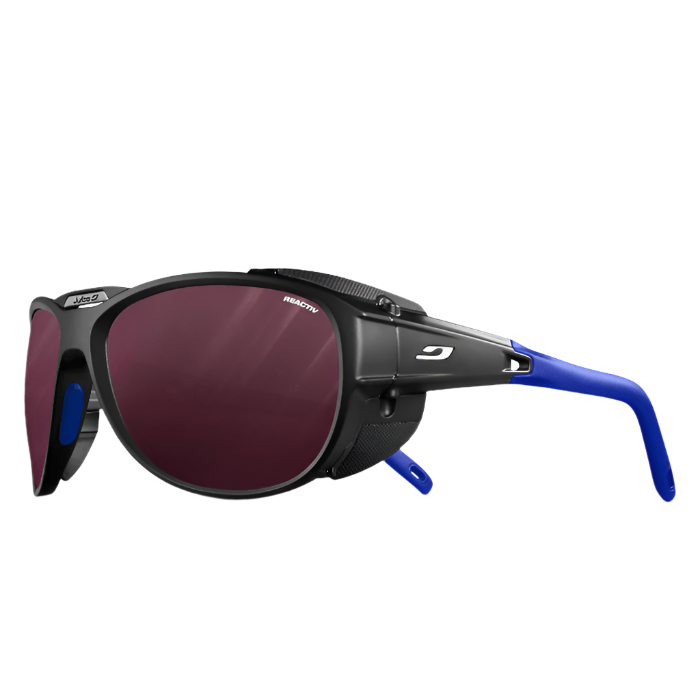
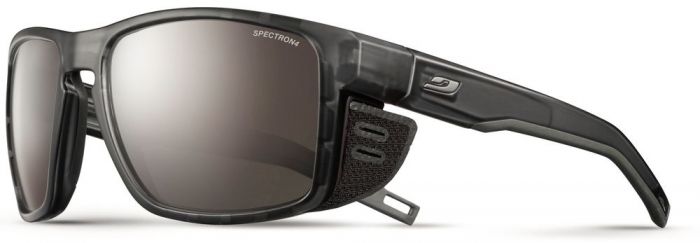
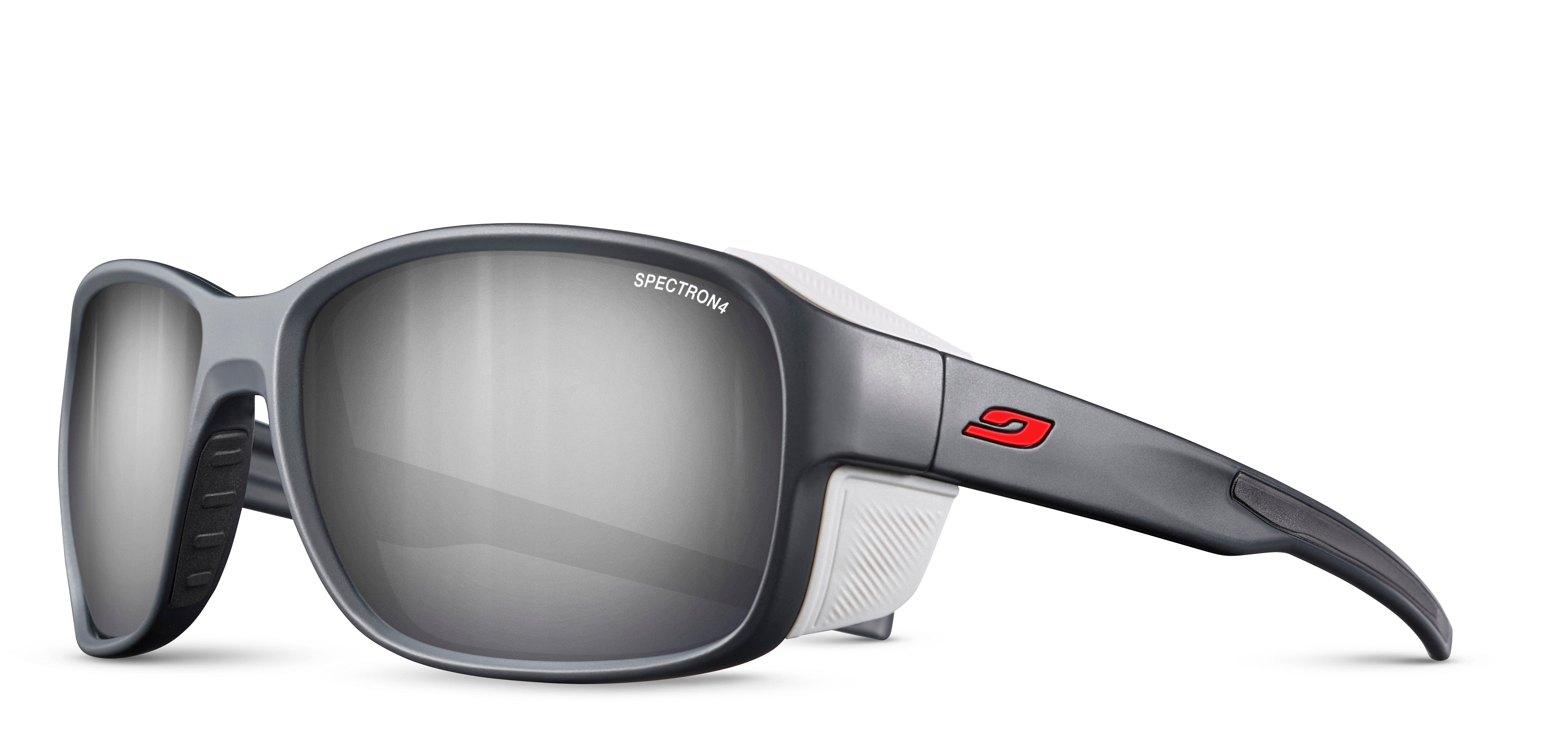
Glacier Glasses

Glacier glasses are protective sunglasses that provide close to 100% frame coverage (wrap-around frames and side shields ensure no light can enter from the top, bottom, and sides of the glasses) and transmit less than 10% of visual light.

Guide Pick™
Head

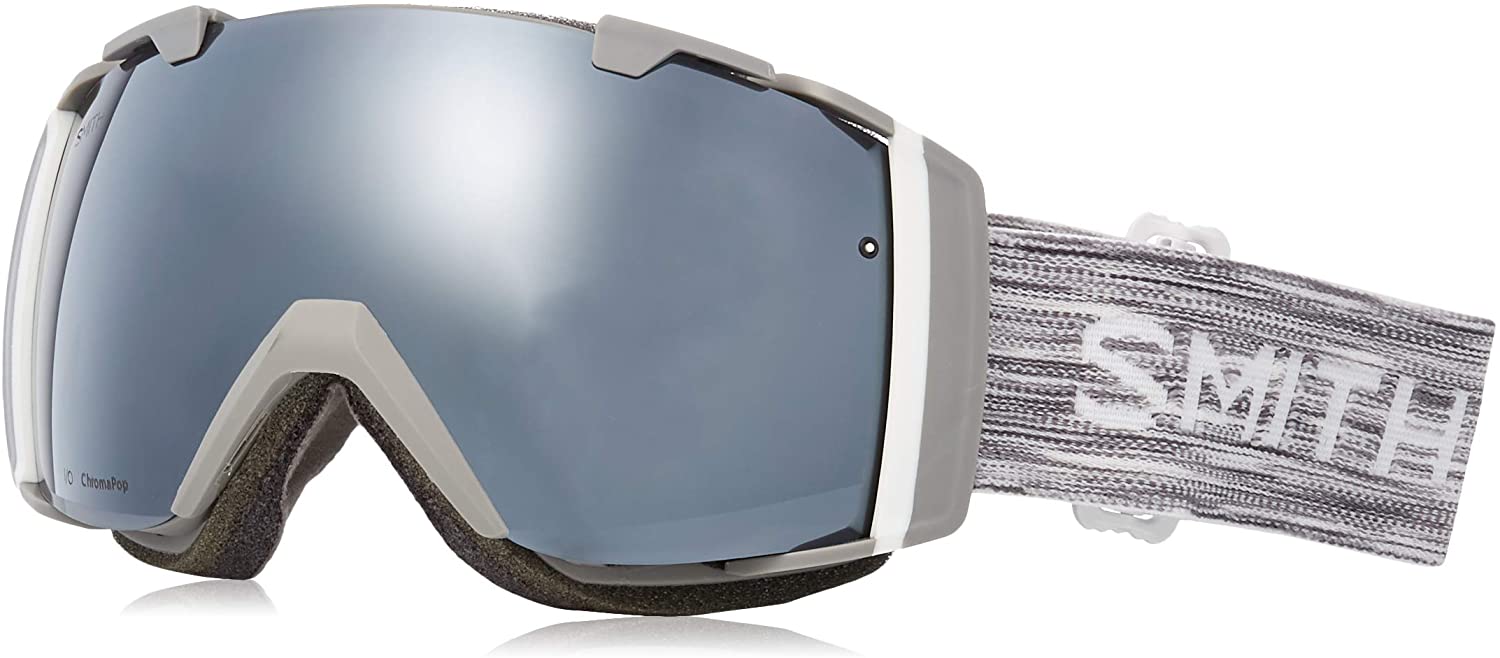
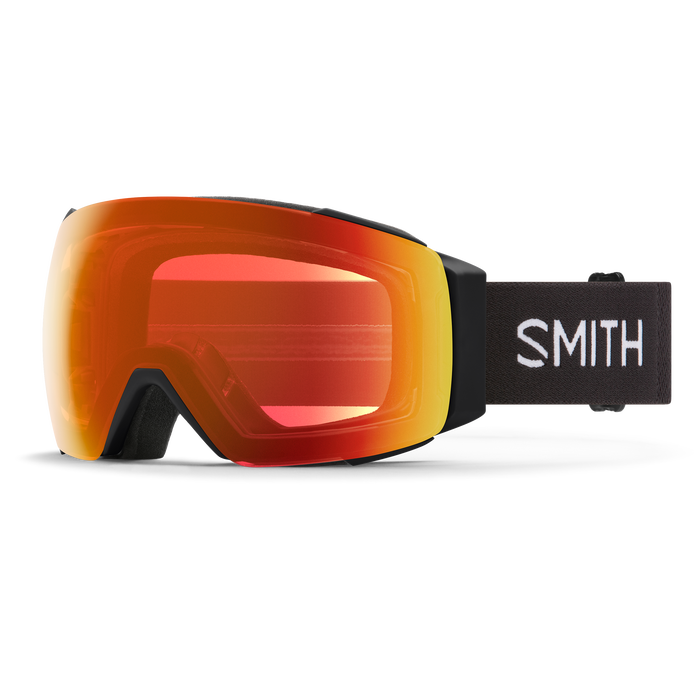
Goggles

Amber or rose-tinted goggles for adverse weather. On windy days, climbers, especially contact lens wearers, may find photochromatic lenses the most versatile in a variety of light conditions.

Guide Pick™
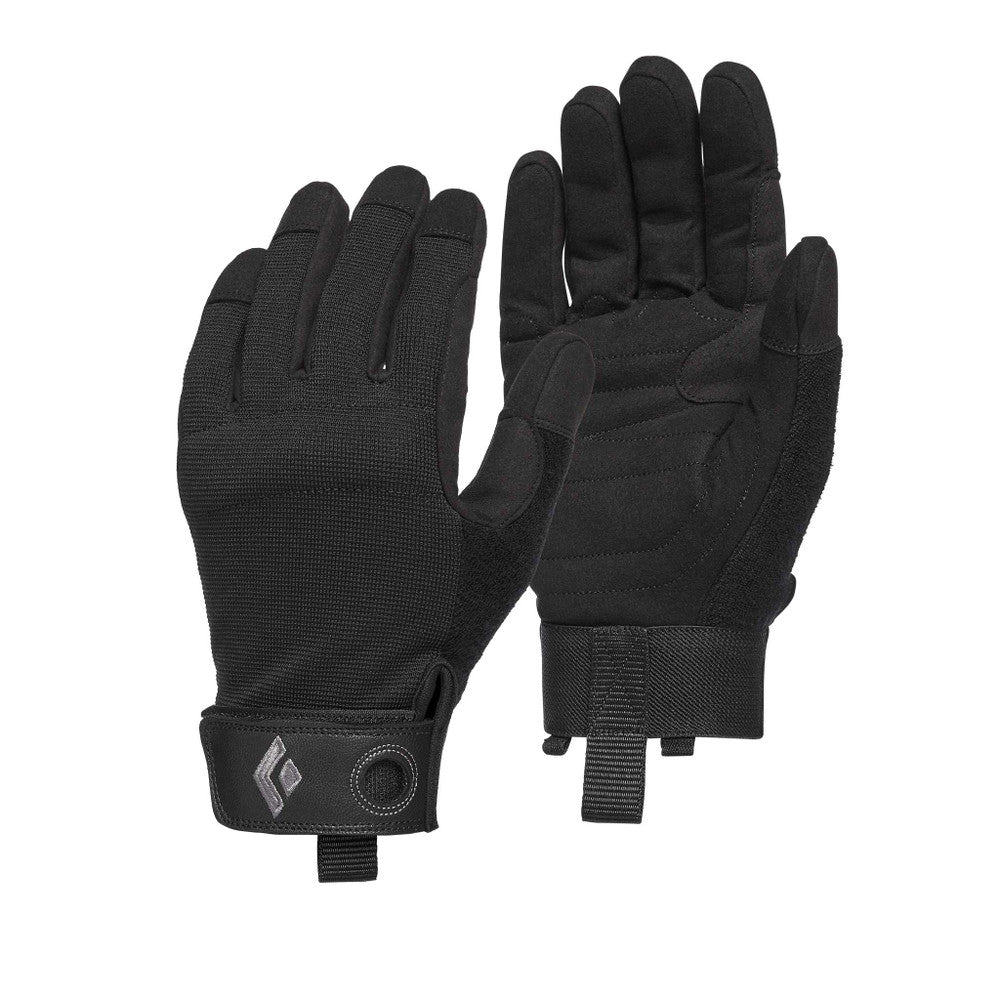
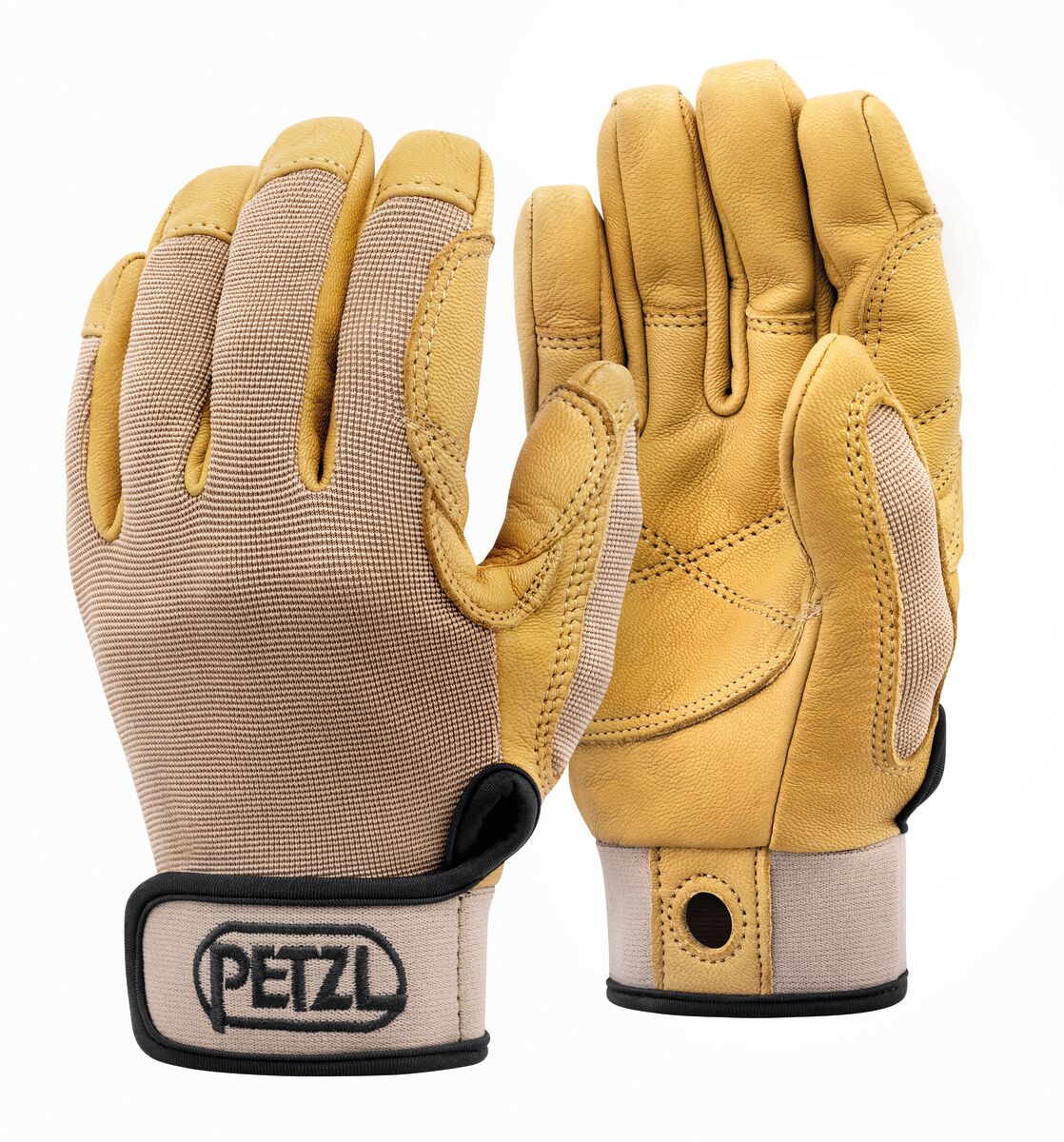
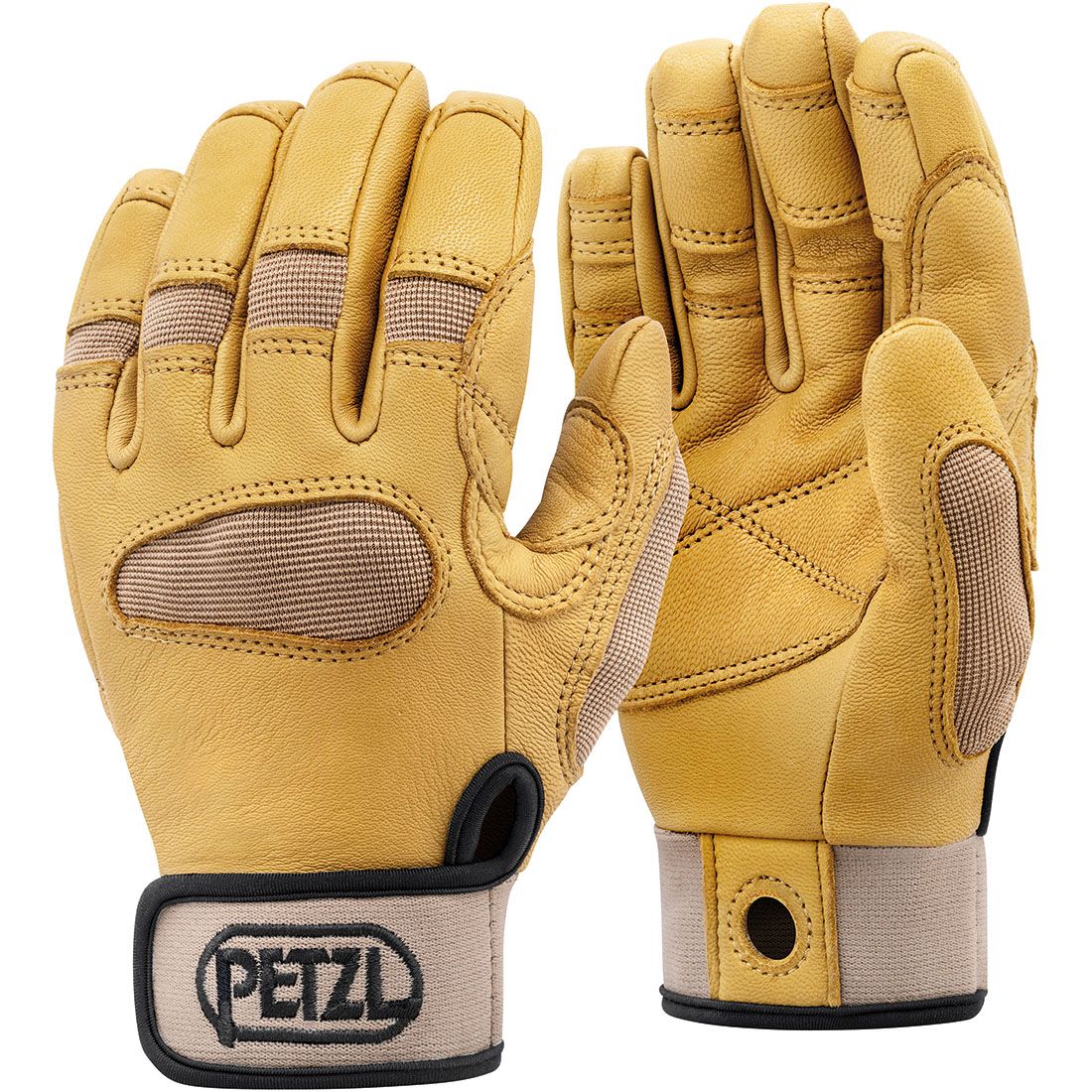
Hands

Lightweight Gloves

Light weight liner or softshell gloves. Lighter colors absorb less sunlight while still offering UV protection.

Guide Pick™
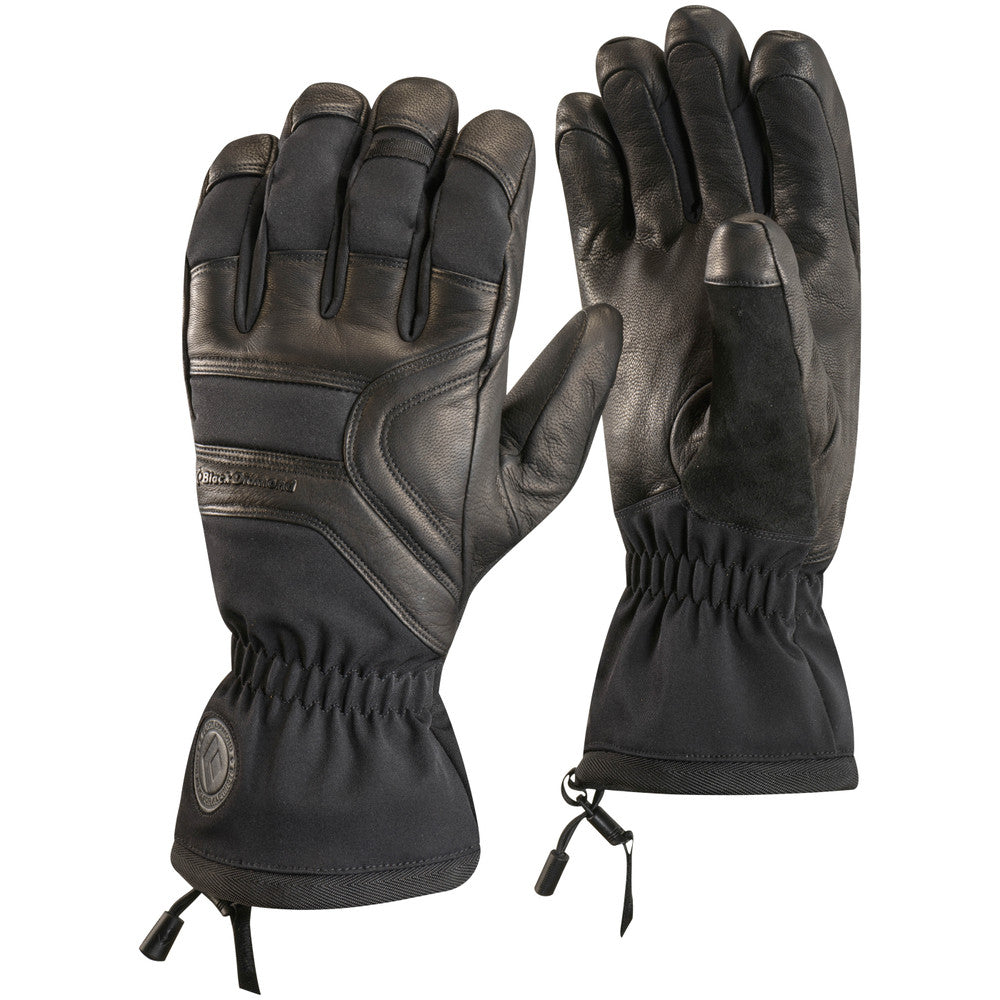
Hands

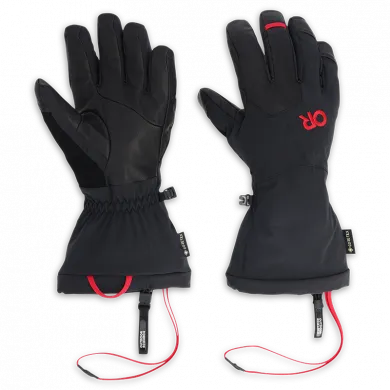
Medium Weight Gloves

Insulated gloves for active climbing and moderate cold conditions. Should allow adequate dexterity for handling gear while providing warmth.

Guide Pick™
Upper Body

Upper Body Layering

We recommend a minimum of five upper body layers, all of which can be used in conjunction with each other. Two of these should be insulating layers, one light, and one medium, that fit well together. Today there are many different layering systems to choose from, including fleece, softshell, down, and synthetic options.

Guide Pick™
No items found.
Upper Body

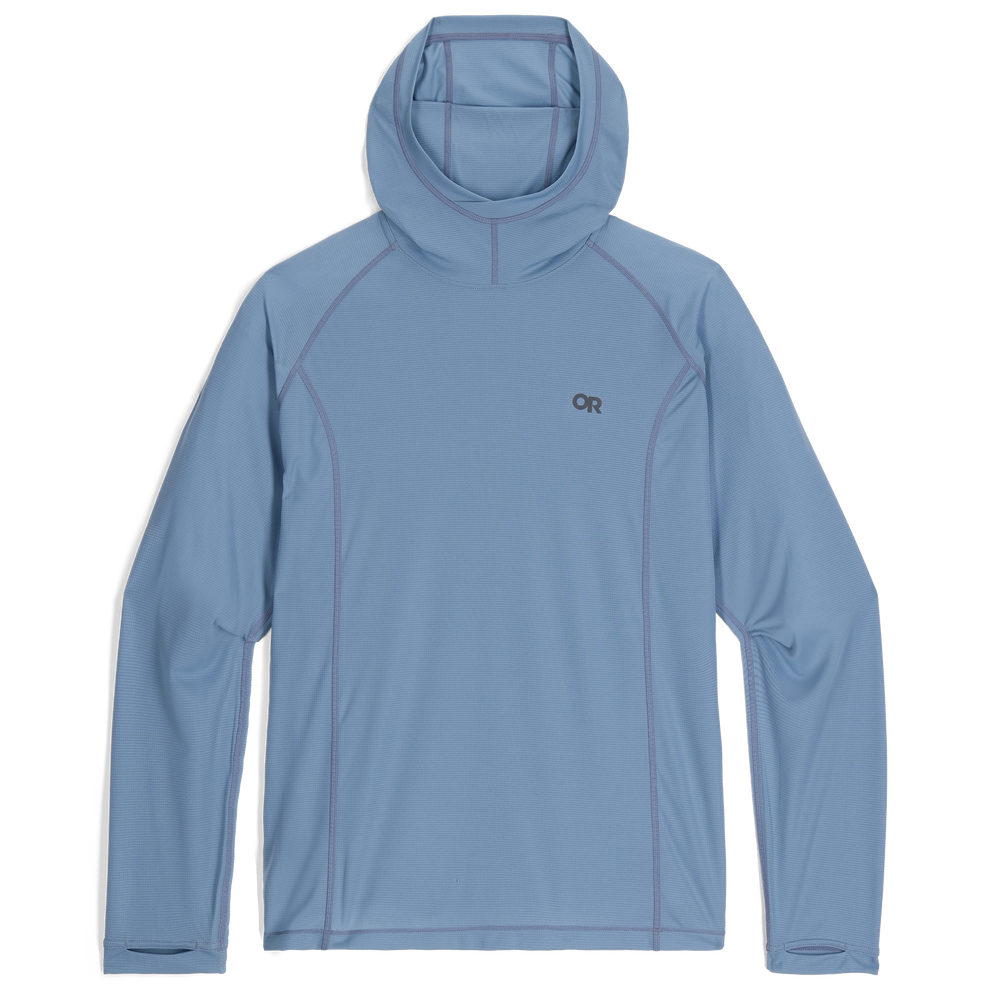
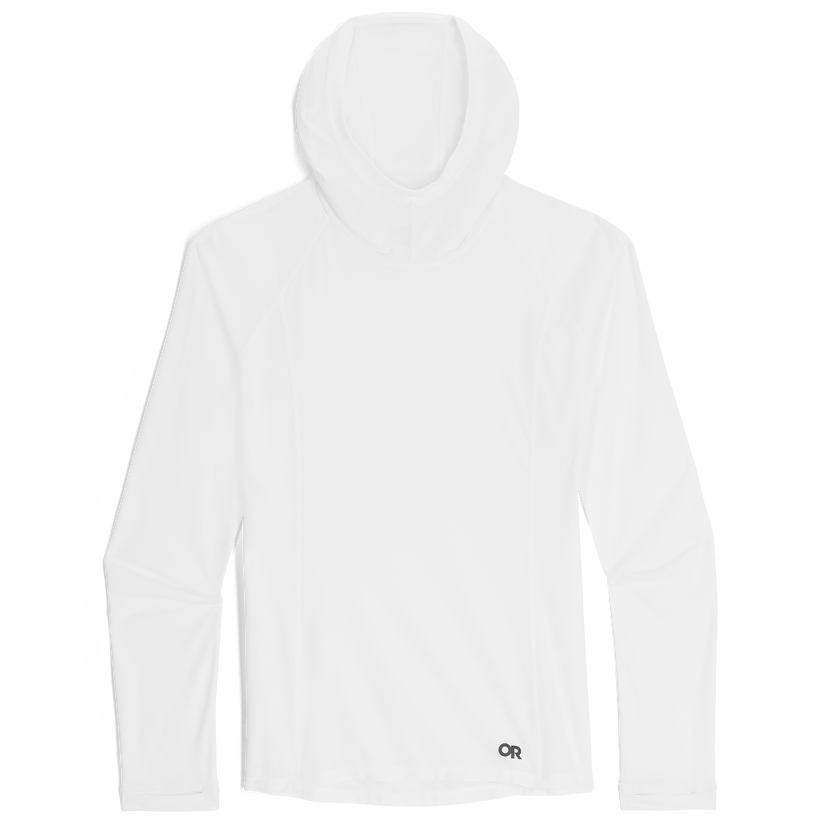
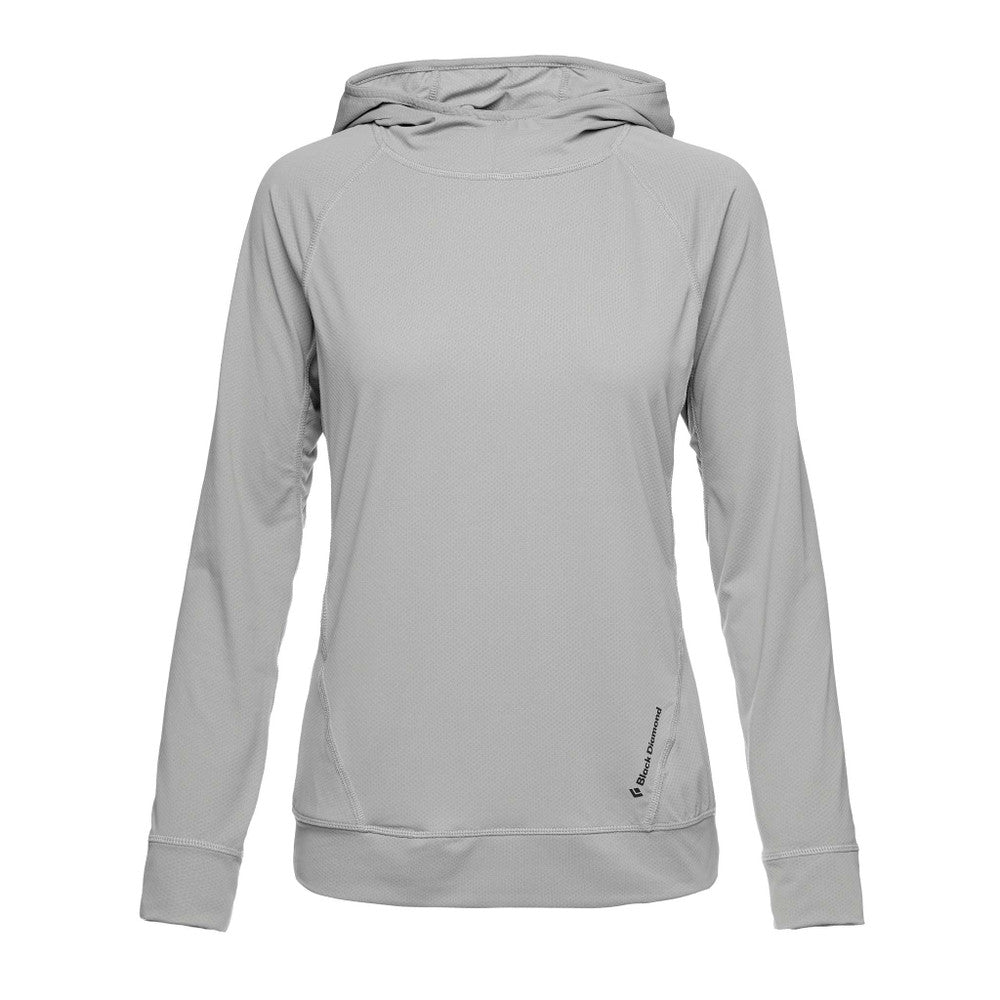
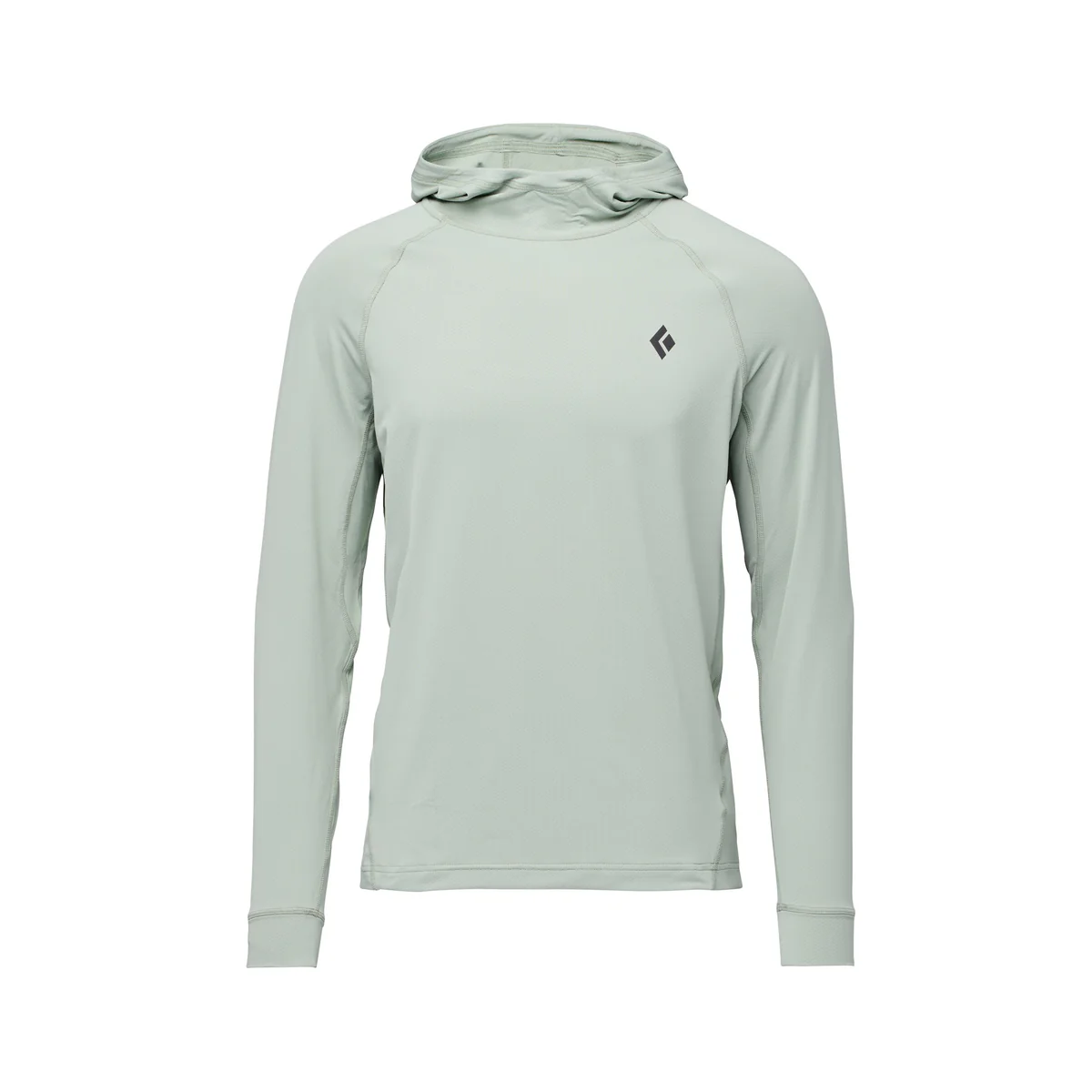
Lightweight Baselayer or Sun Hoody

A lightweight, breathable long-sleeve shirt in synthetic or merino wool for sun protection and moisture management during active climbing.

Guide Pick™
Upper Body

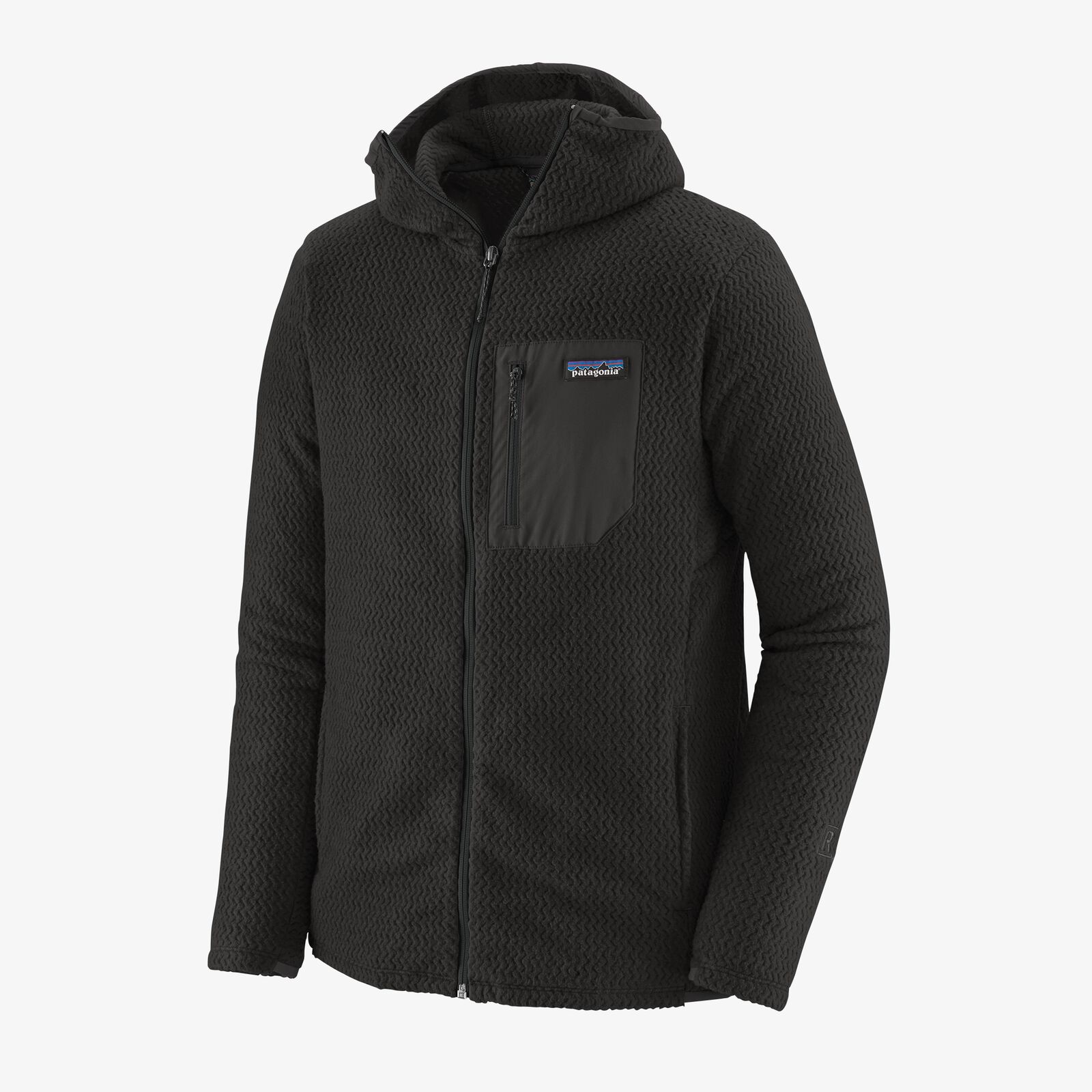
Lightweight Insulating Layer

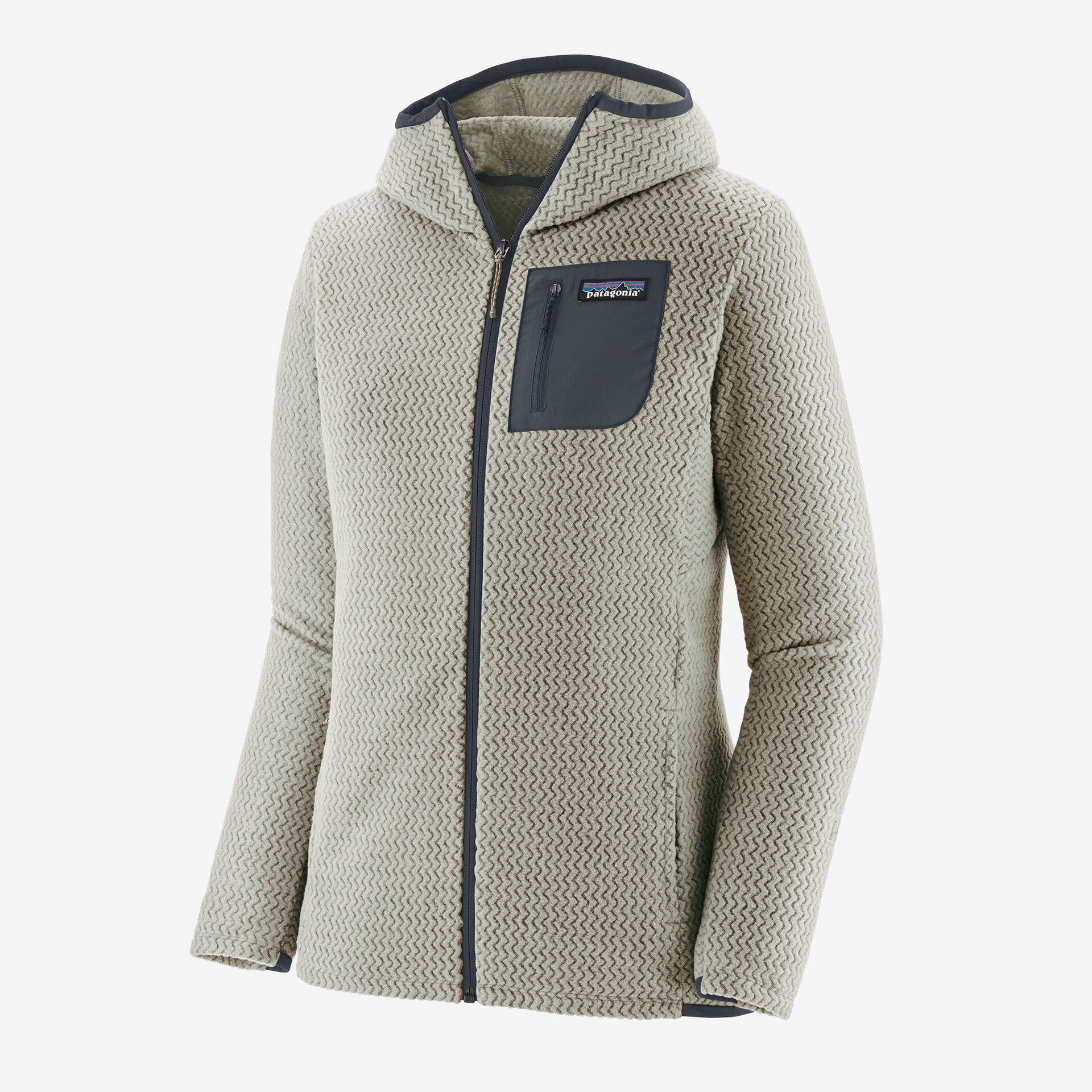
One step up in warmth and bulk from a baselayer. A technical fleece makes an ideal light weight insulating layer.

Guide Pick™
Upper Body

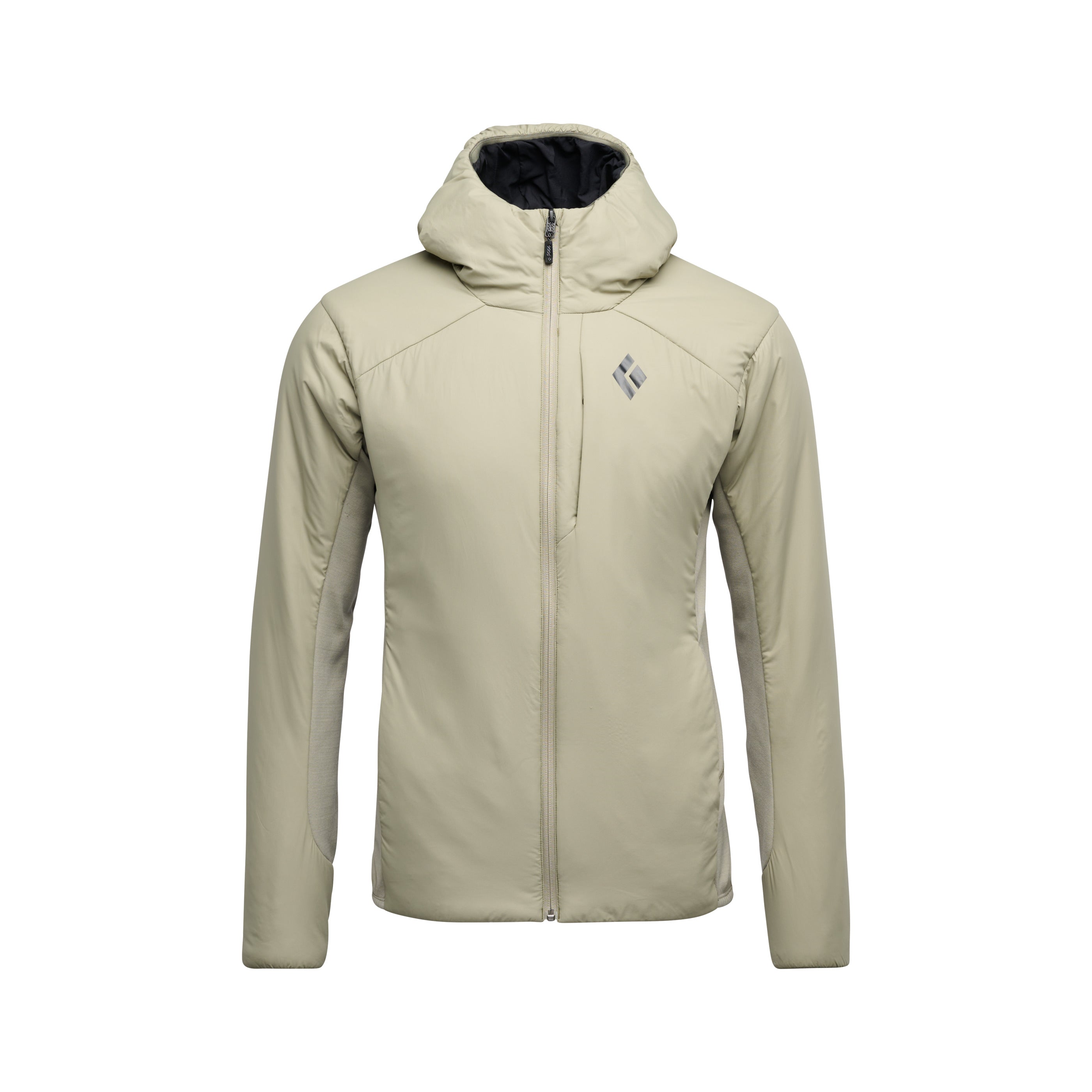
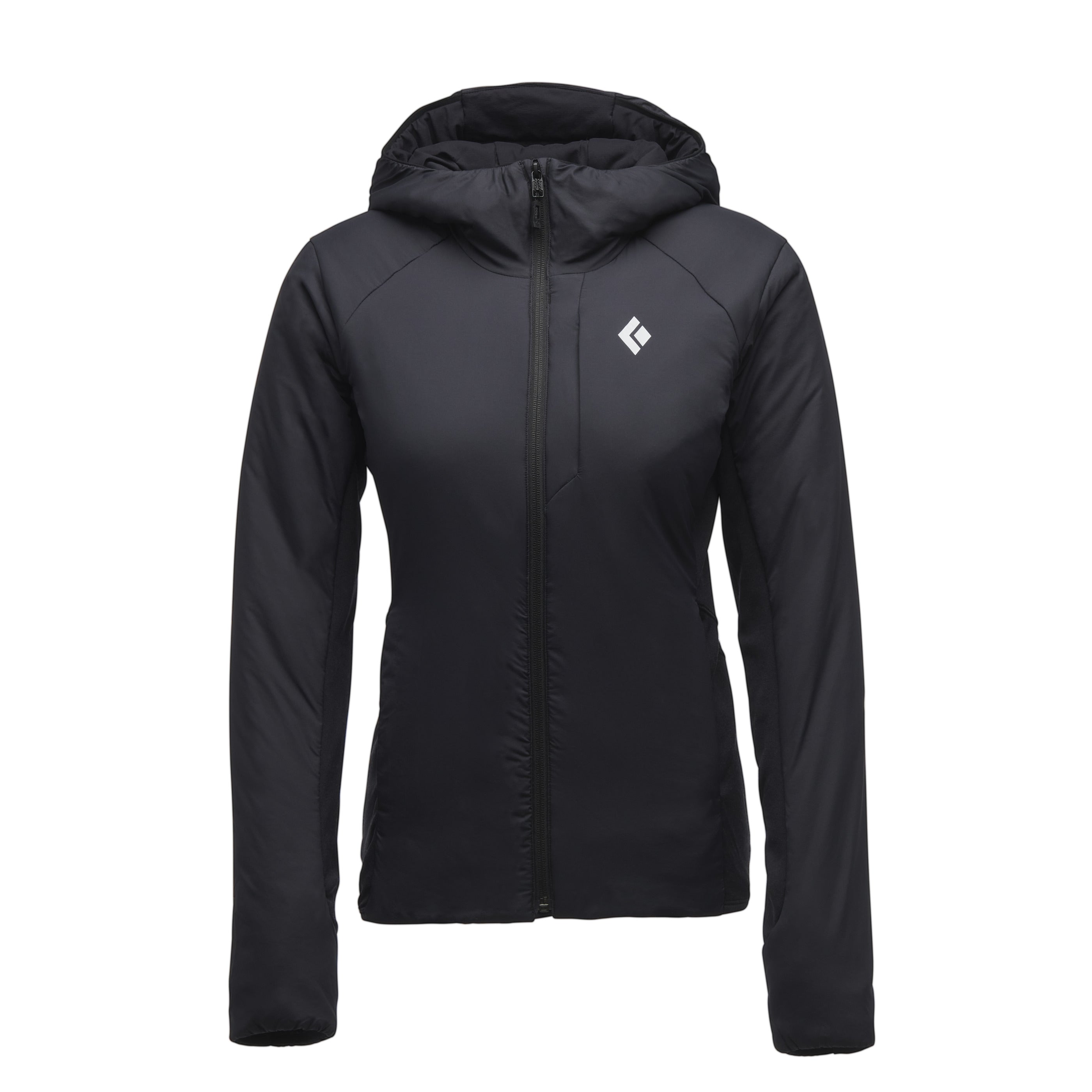
Medium Weight Insulating Layer

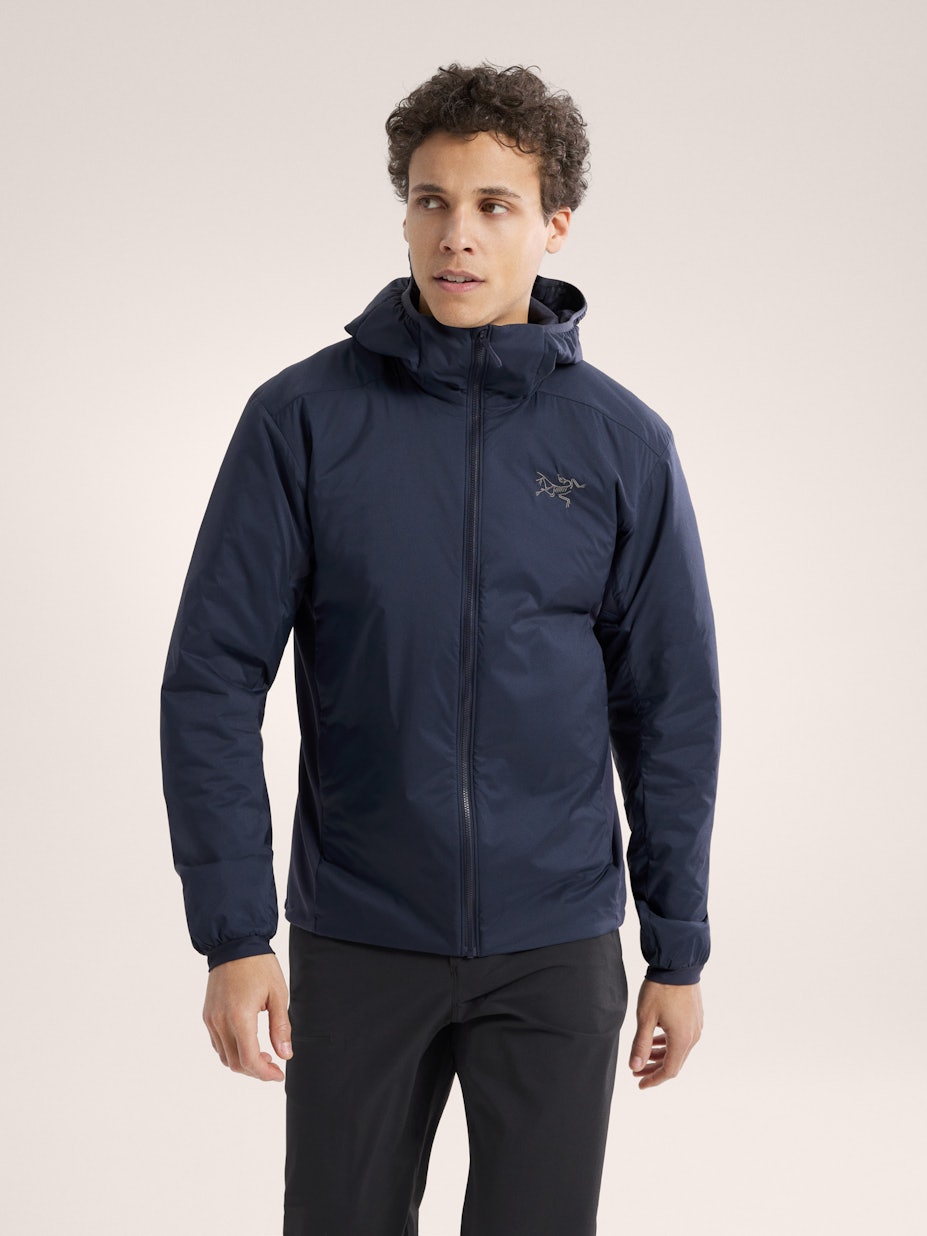
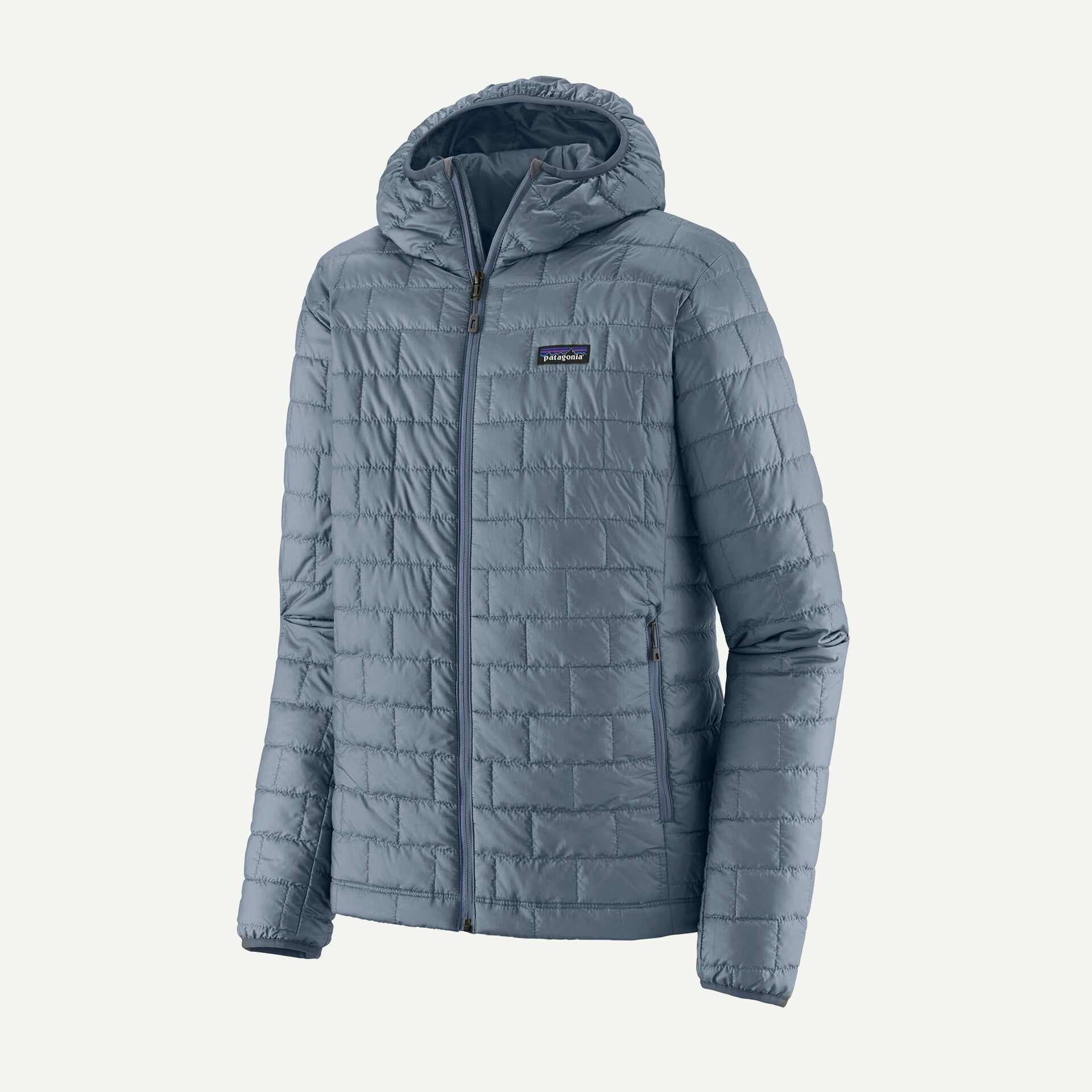
An insulated jacket or softshell for warmth during low-output activity and extended rest breaks. Should fit over baselayers and midlayers, and under a shell.

Guide Pick™
Upper Body

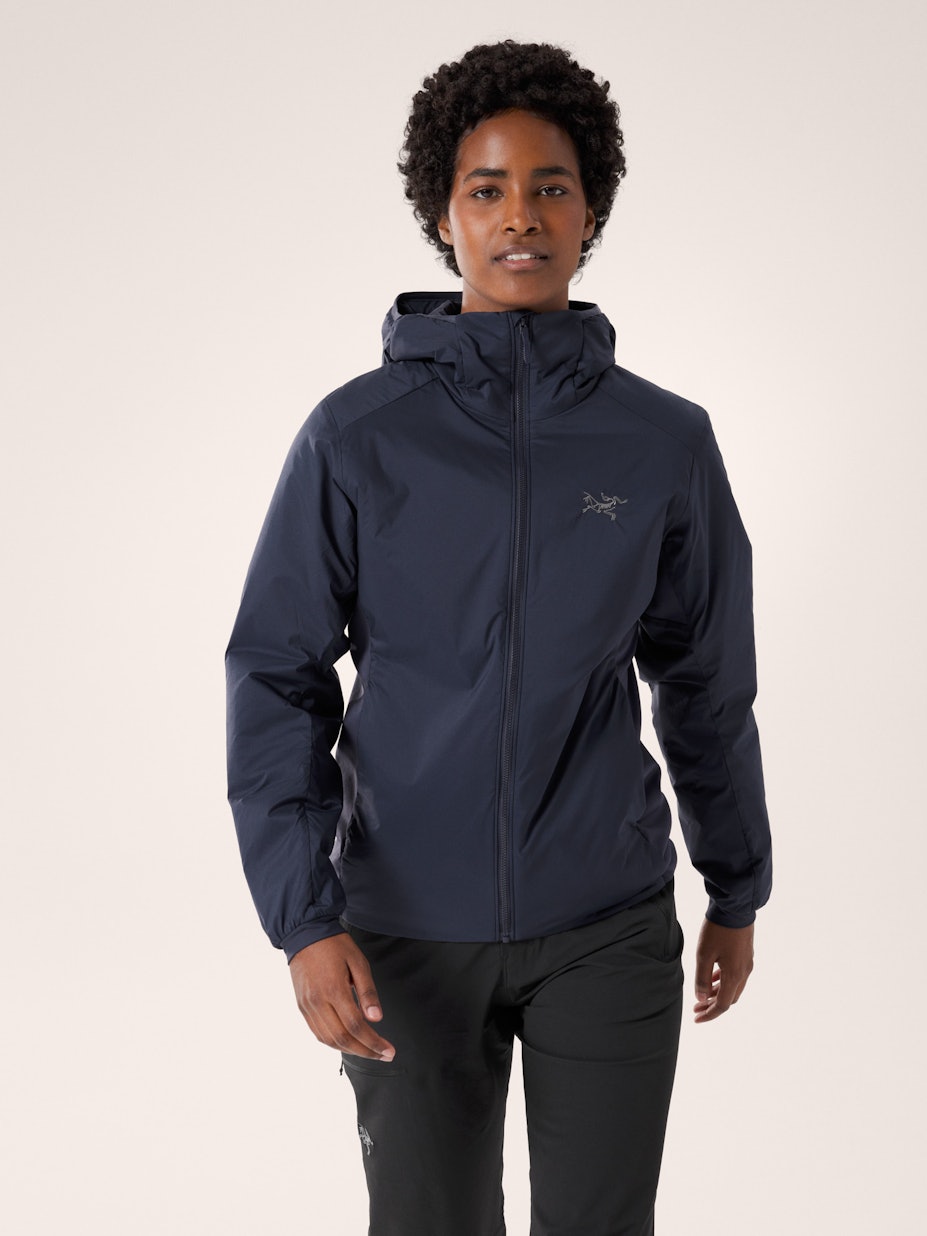
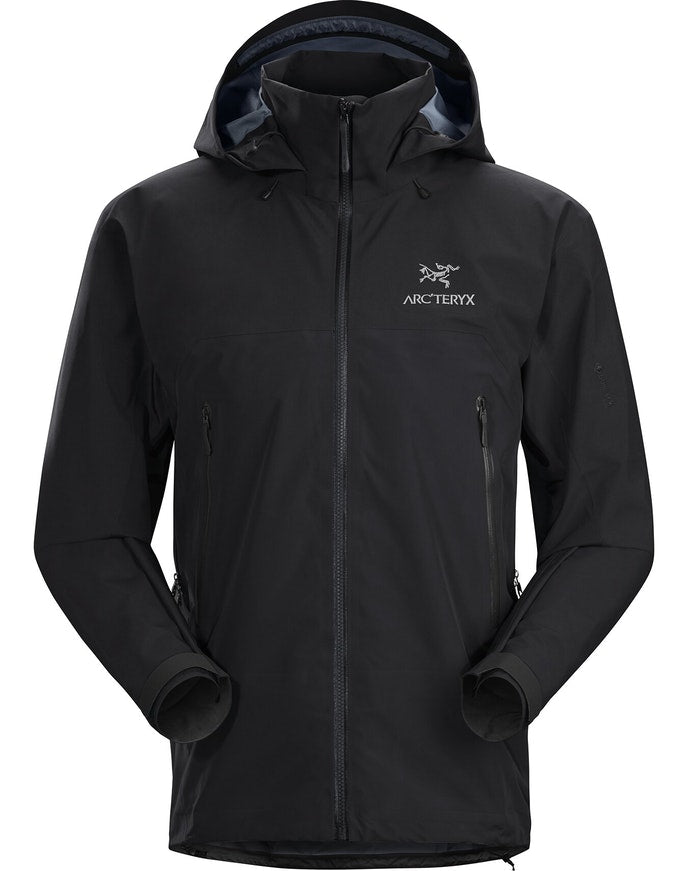
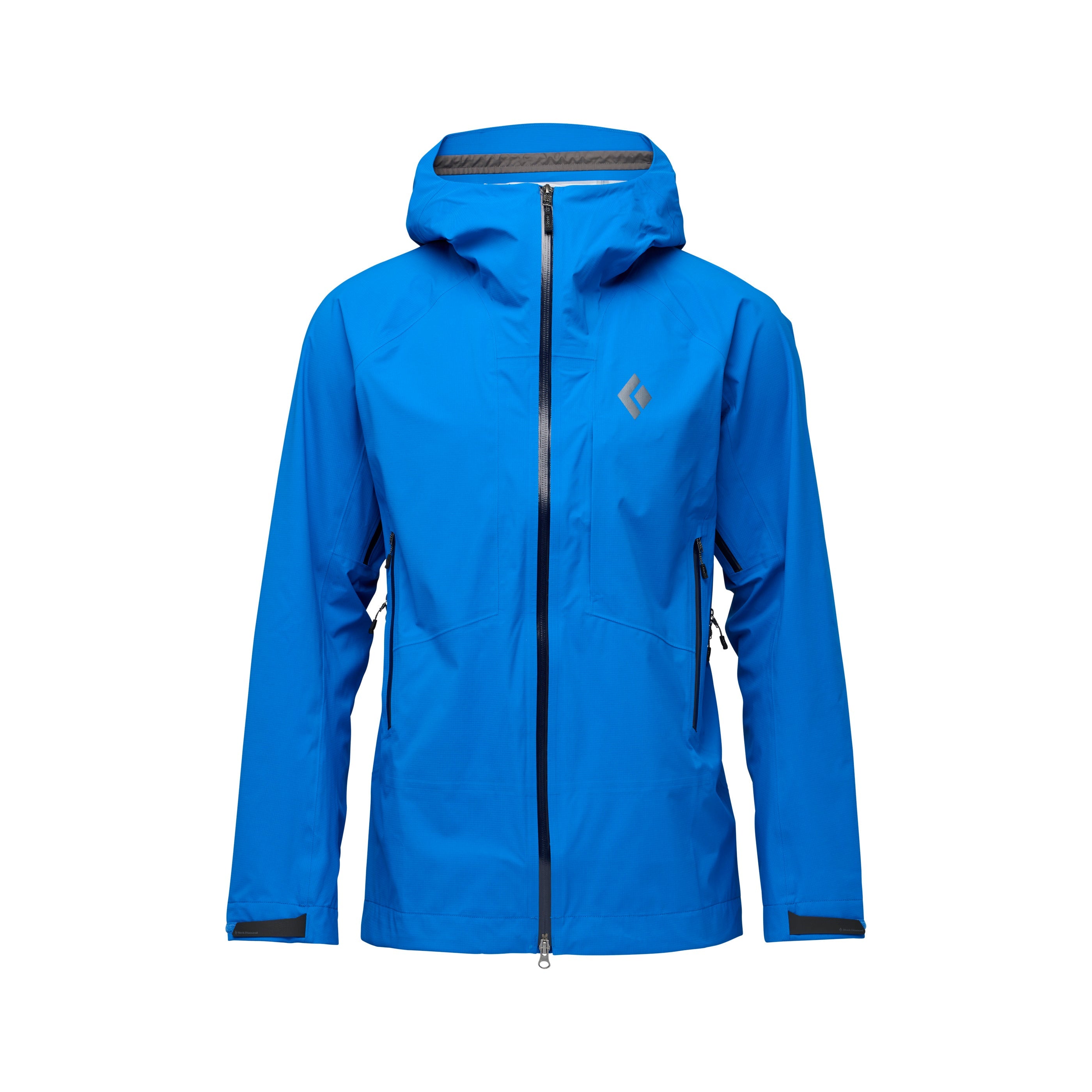
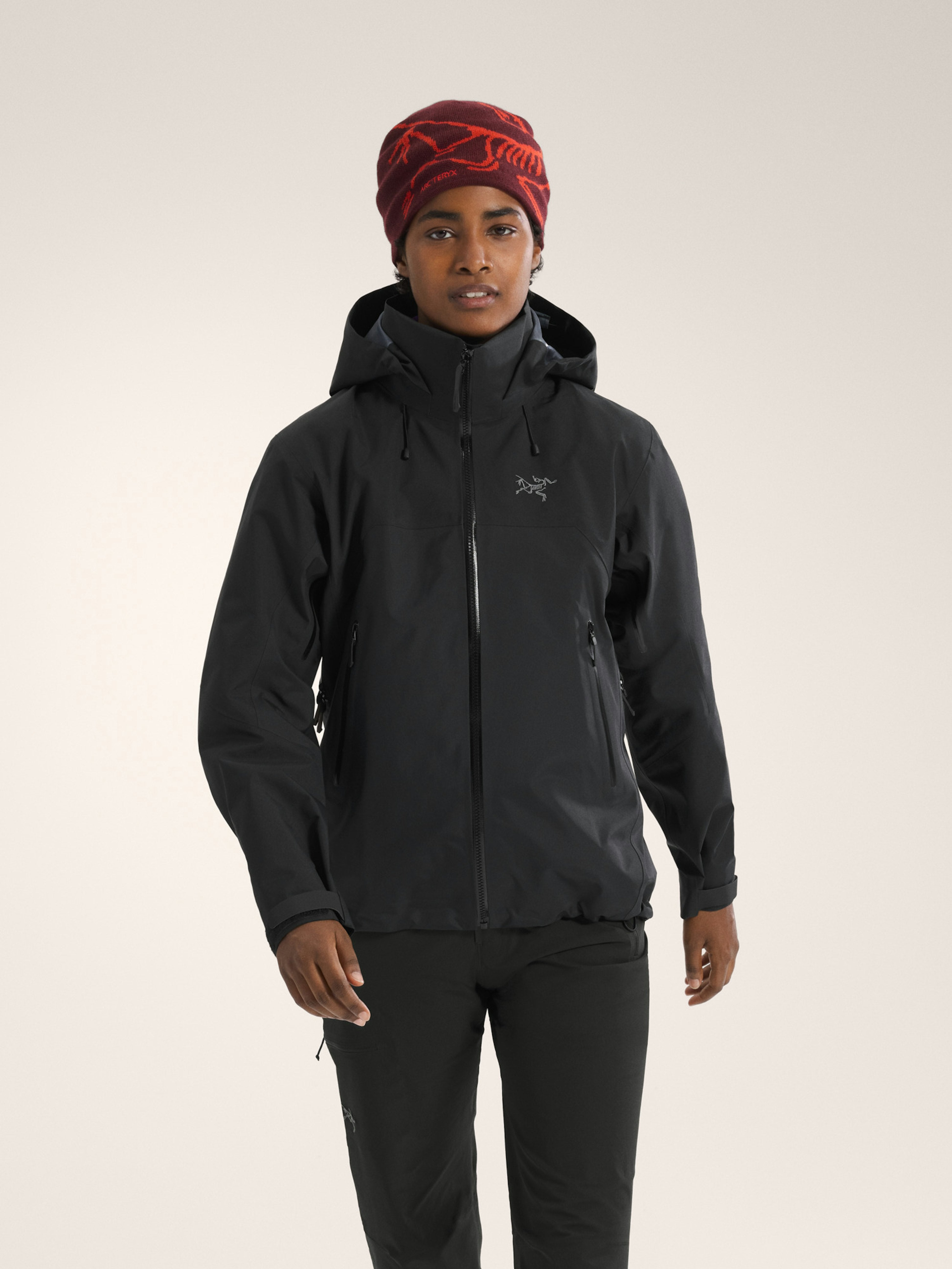
Hardshell Jacket

A waterproof jacket with a hood for protection against wind, rain, and snow. Should fit comfortably over all insulating layers.

Guide Pick™
Upper Body

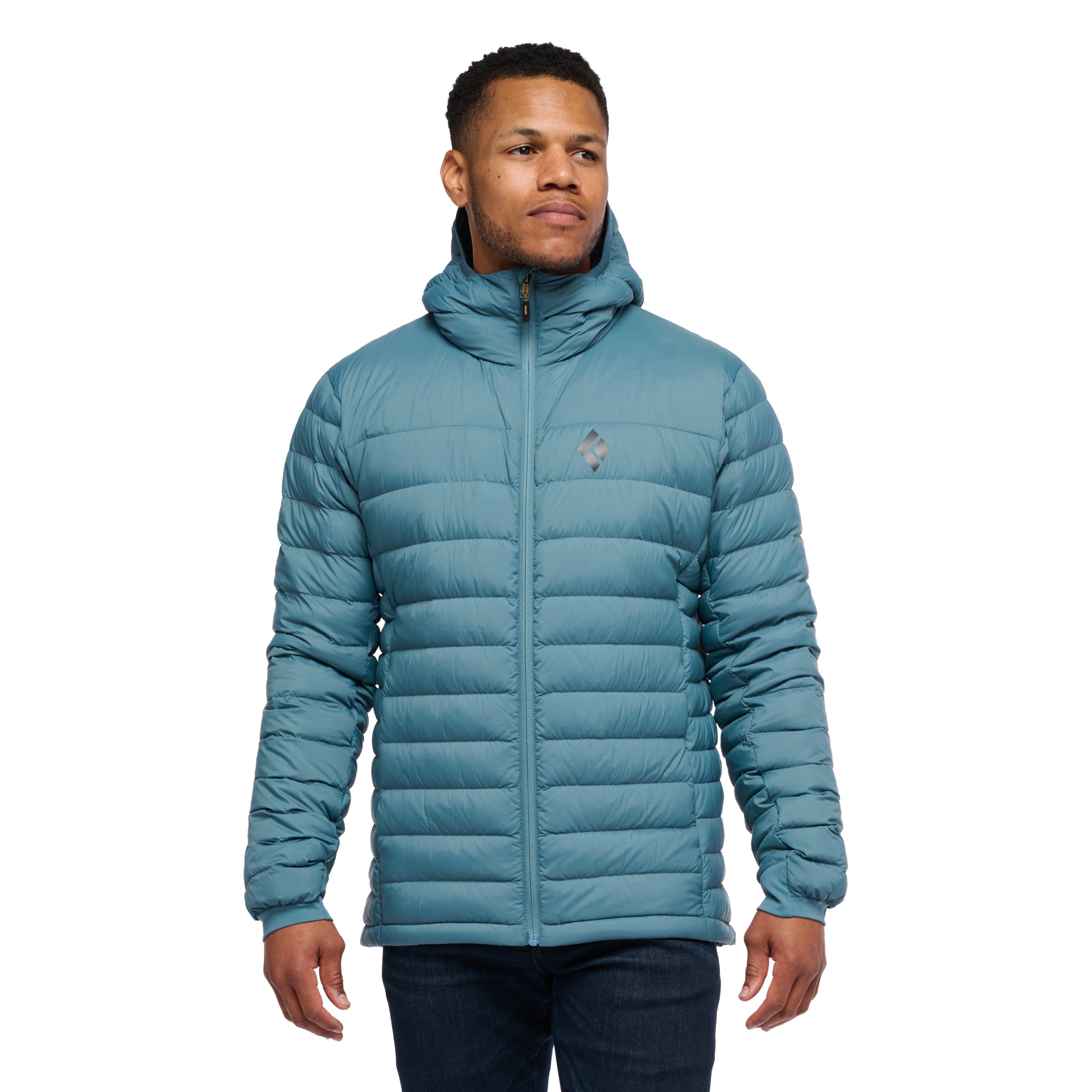
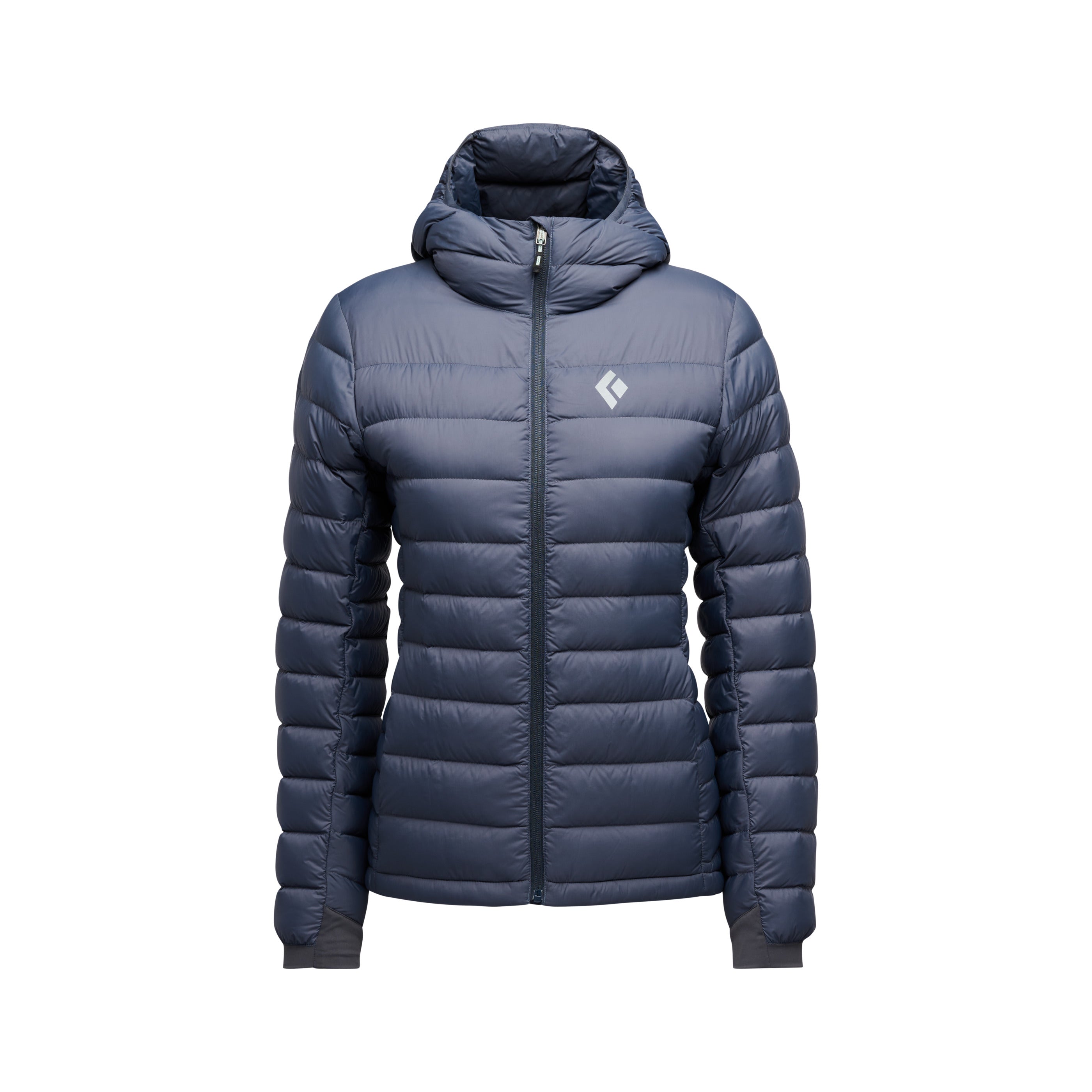
Heavy Weight Insulating Layer

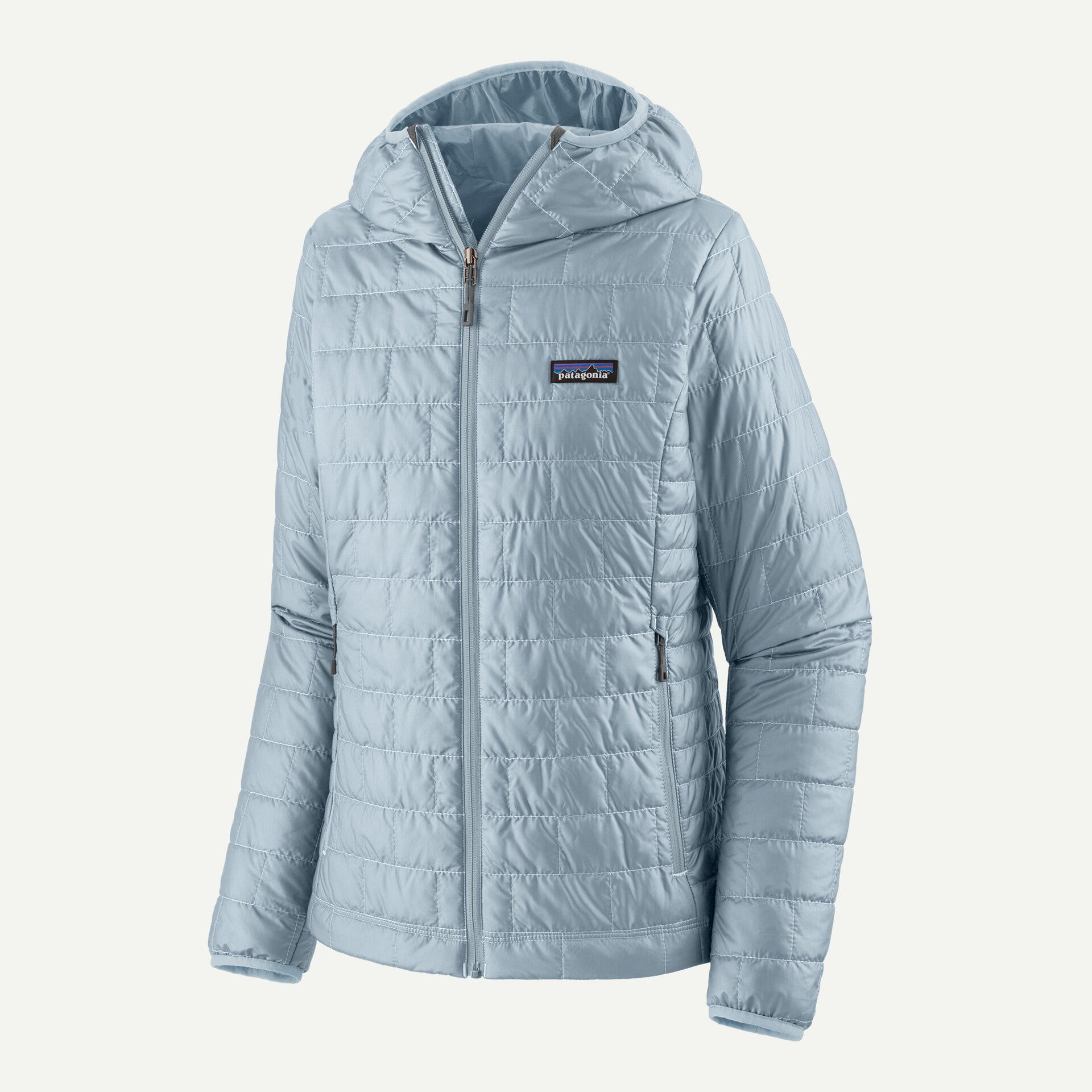
A hooded down or synthetic insulated jacket that fits over all other upper body layers. Primarily worn in camp and during rest breaks on summit day.

Guide Pick™
Upper Body

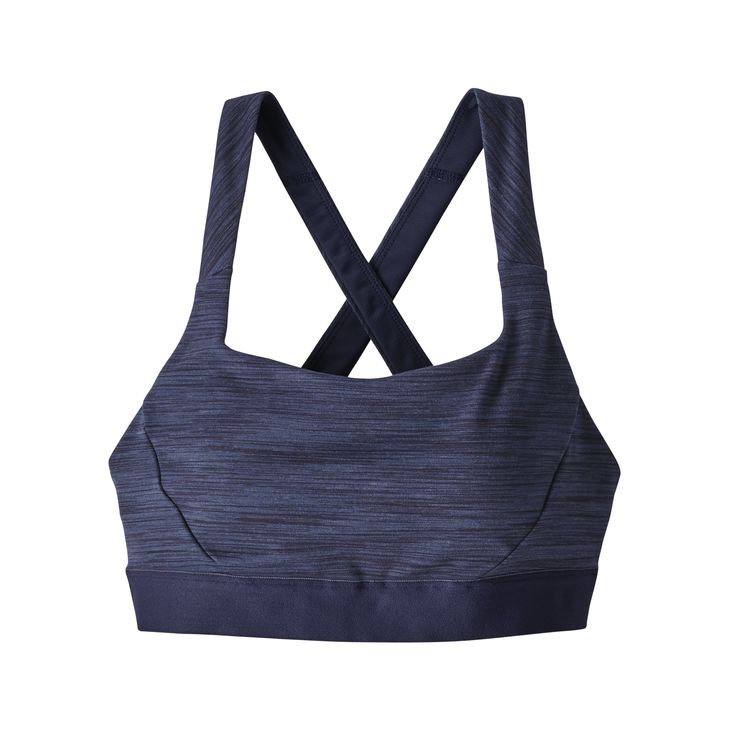
Sports Bra

We recommend a moisture-wicking, active-wear bra.

Guide Pick™
Lower Body

Lower Body Layering

We recommend a system of four layers, all of which can be used in conjunction with each other. Products which combine several layers into one garment, such as traditional ski pants, don’t work well as they don’t offer the versatility of a layering system.

Guide Pick™
No items found.
Lower Body

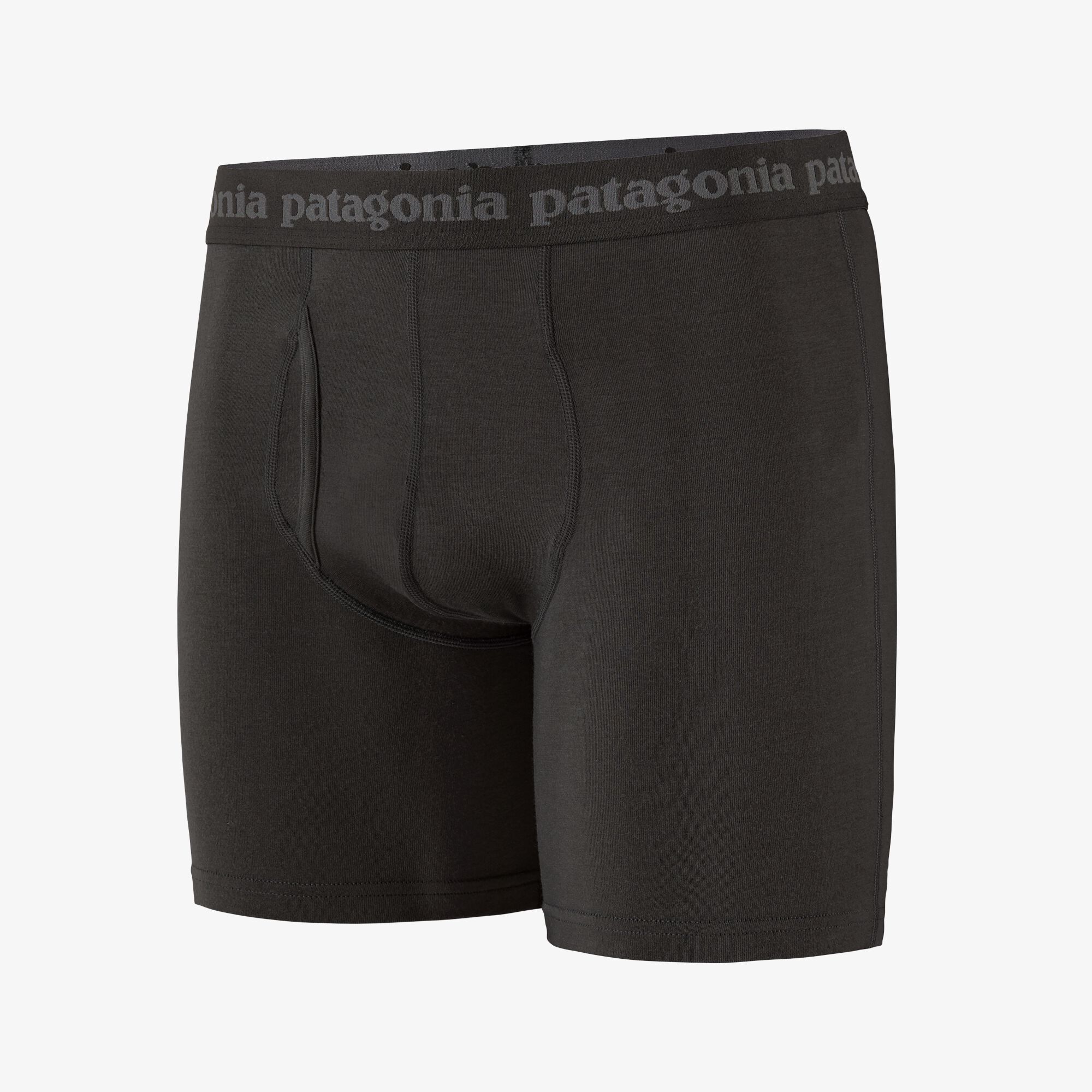
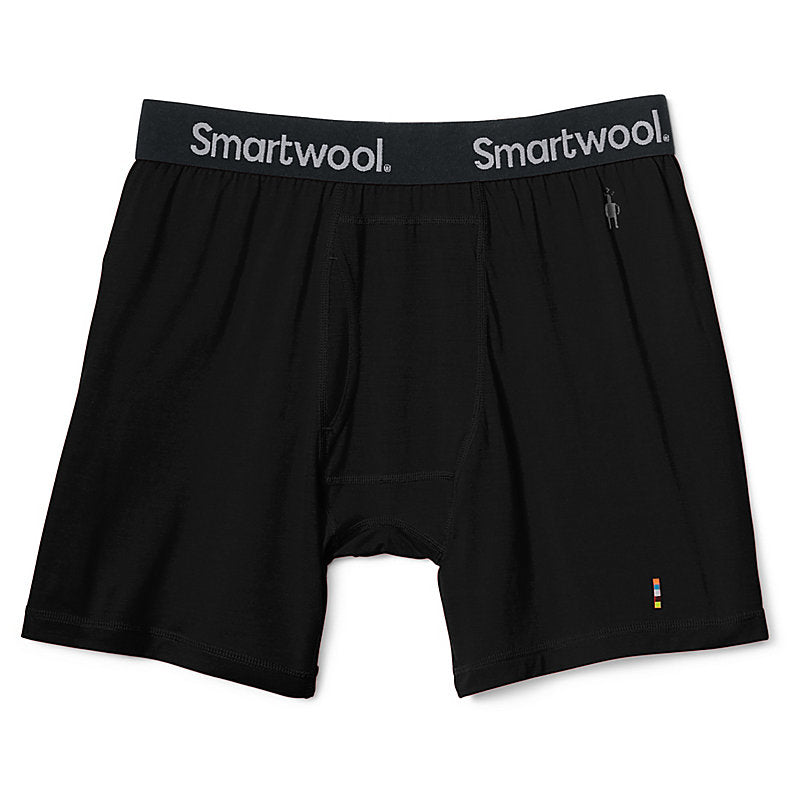
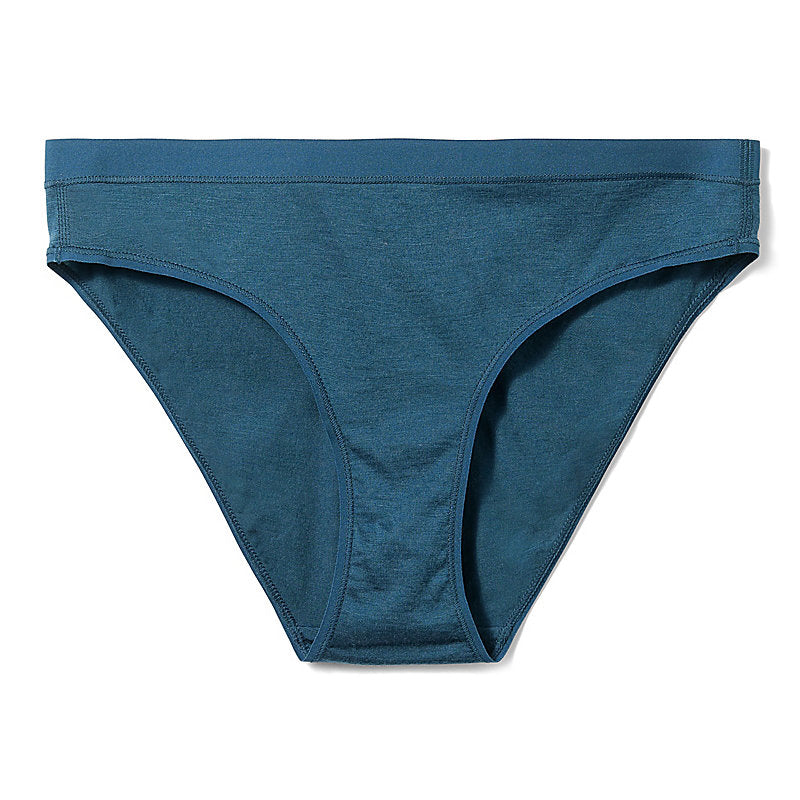
Pairs Of Underwear

Non-cotton briefs or boxers.

Guide Pick™
Lower Body

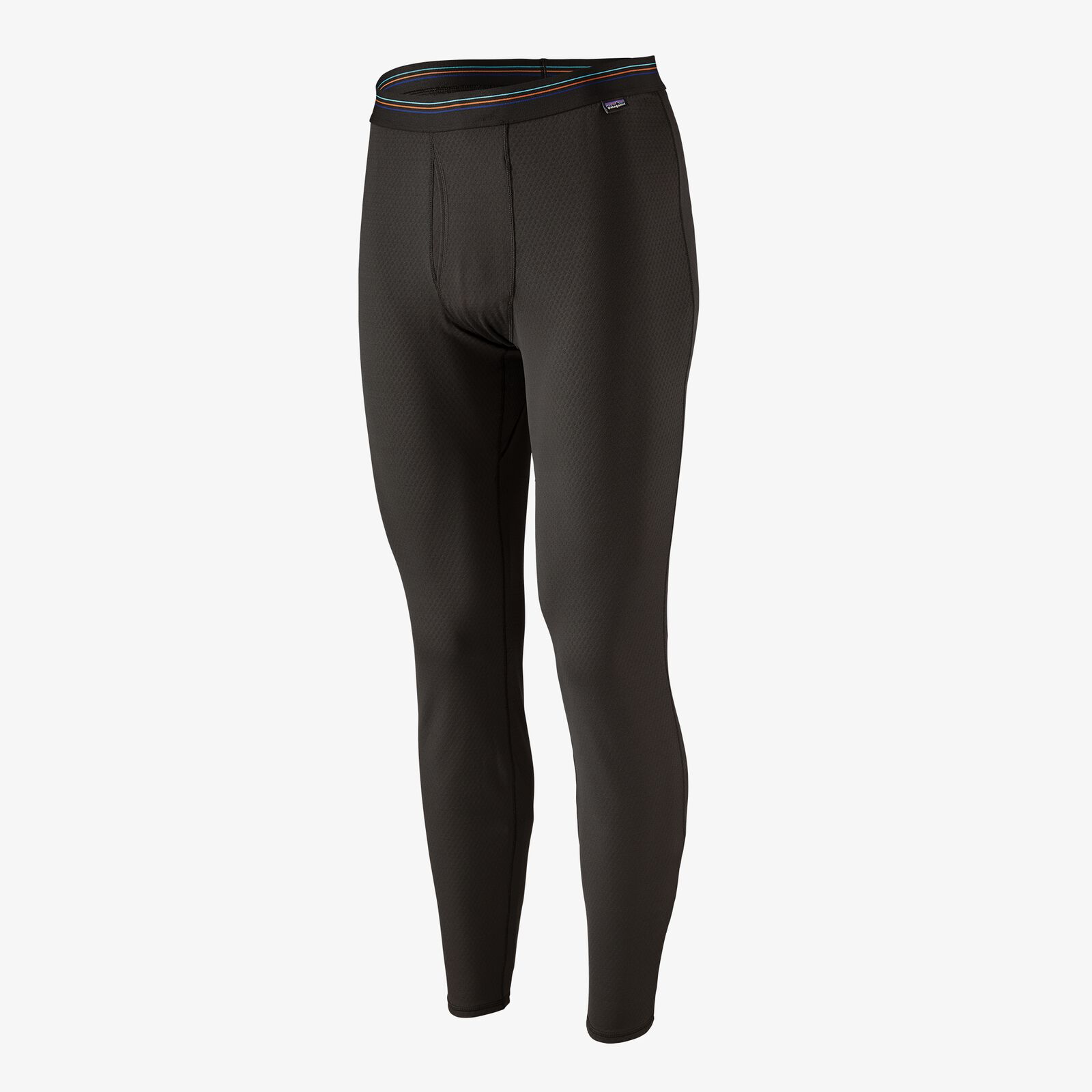
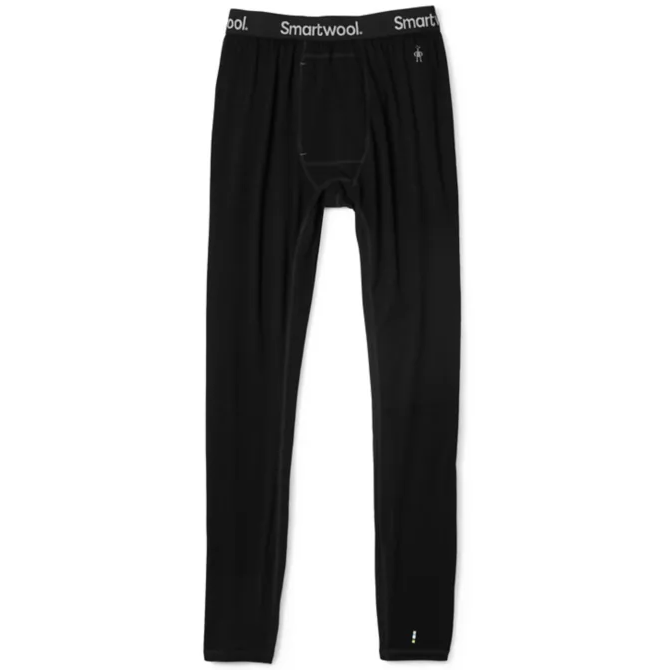
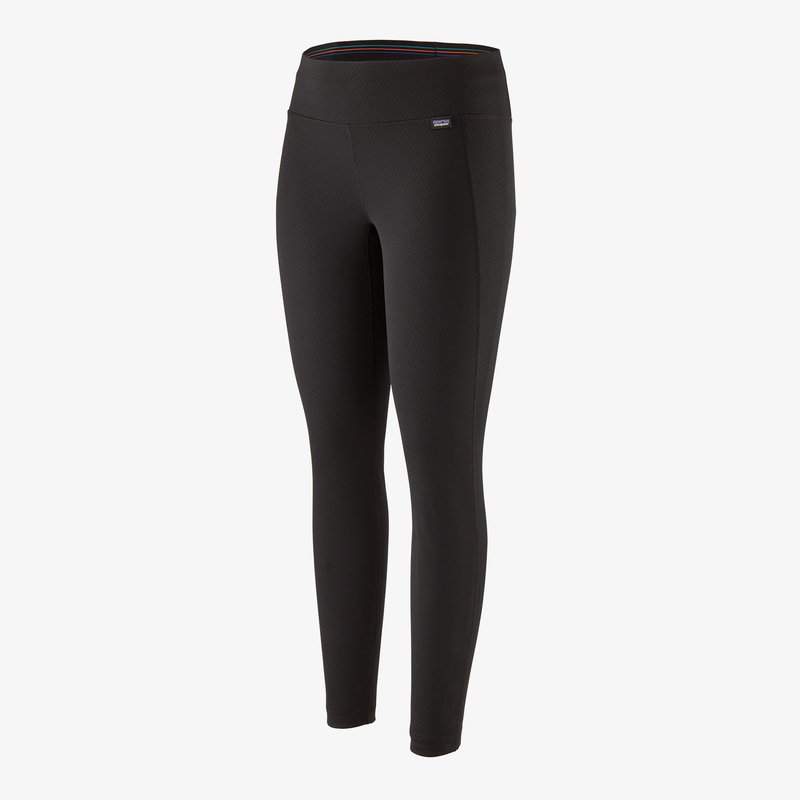
Lightweight Baselayer Bottoms

Lightweight synthetic or merino wool baselayer bottoms for moisture management and temperature regulation during active climbing.

Guide Pick™
Lower Body

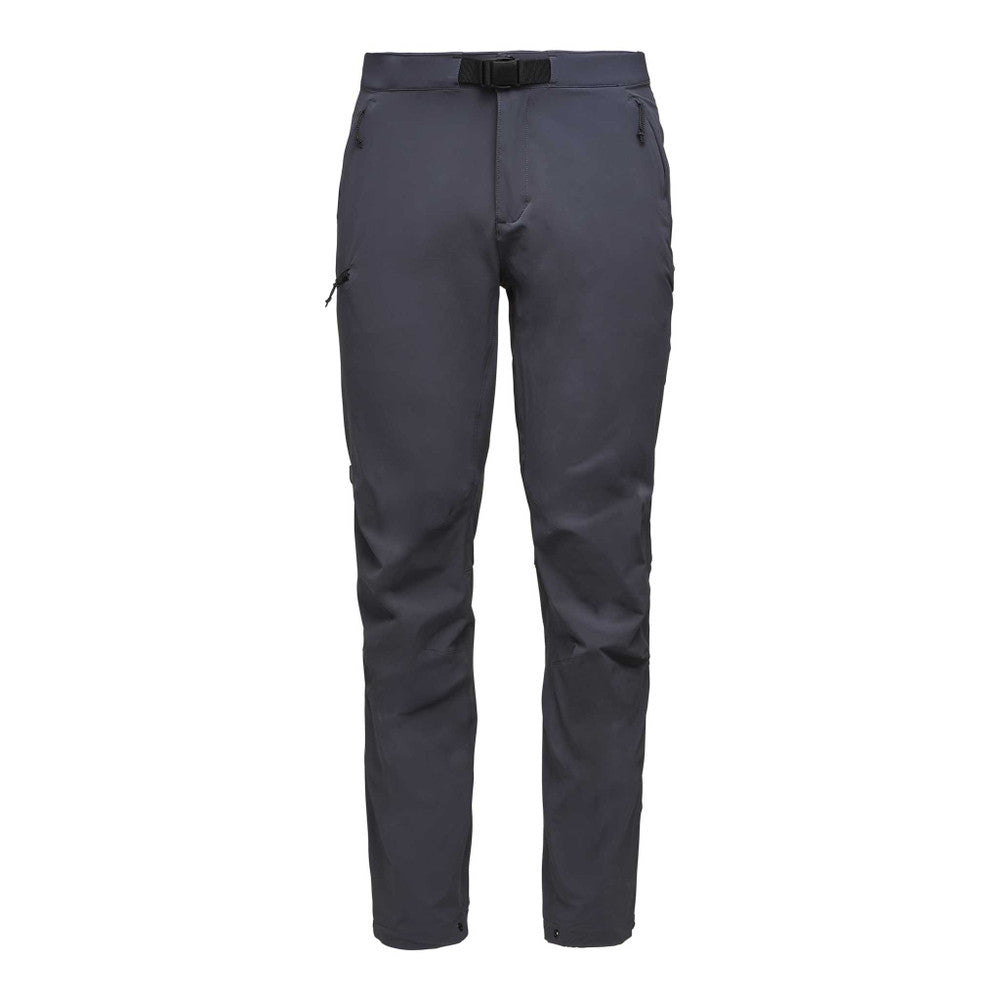
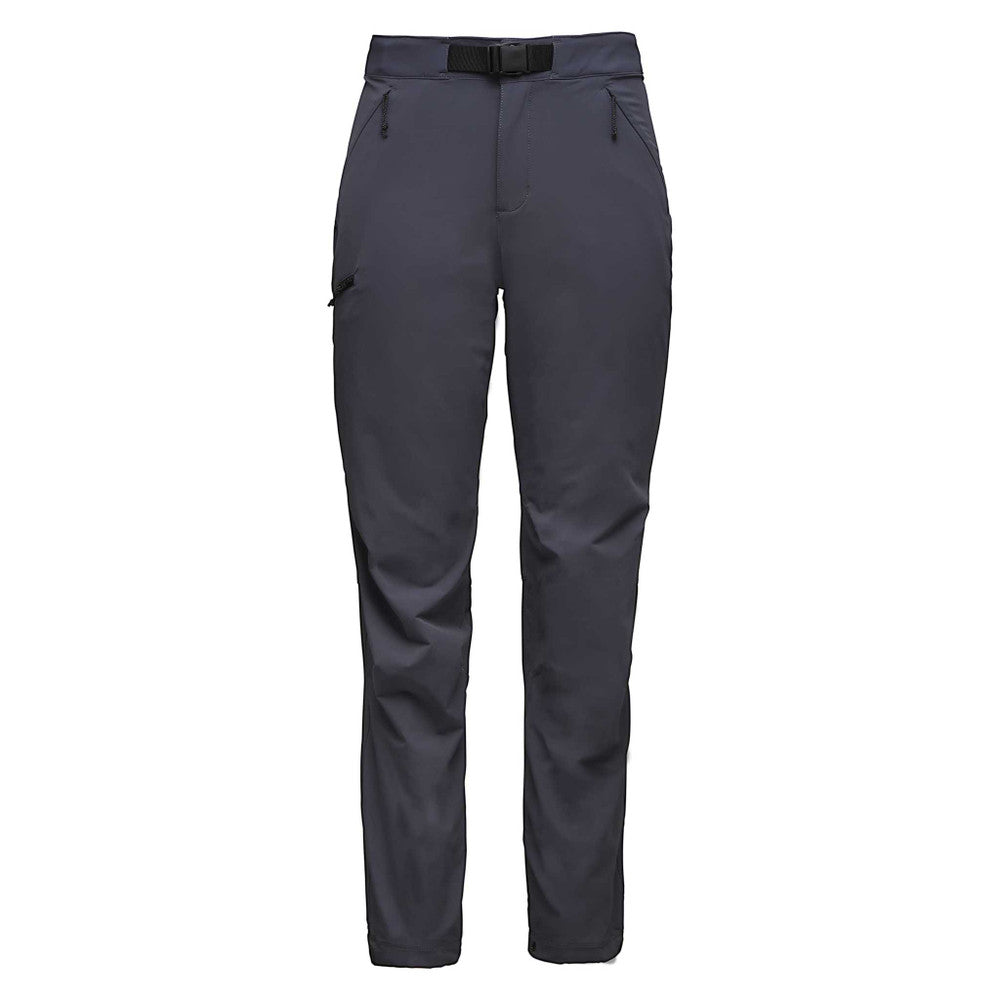
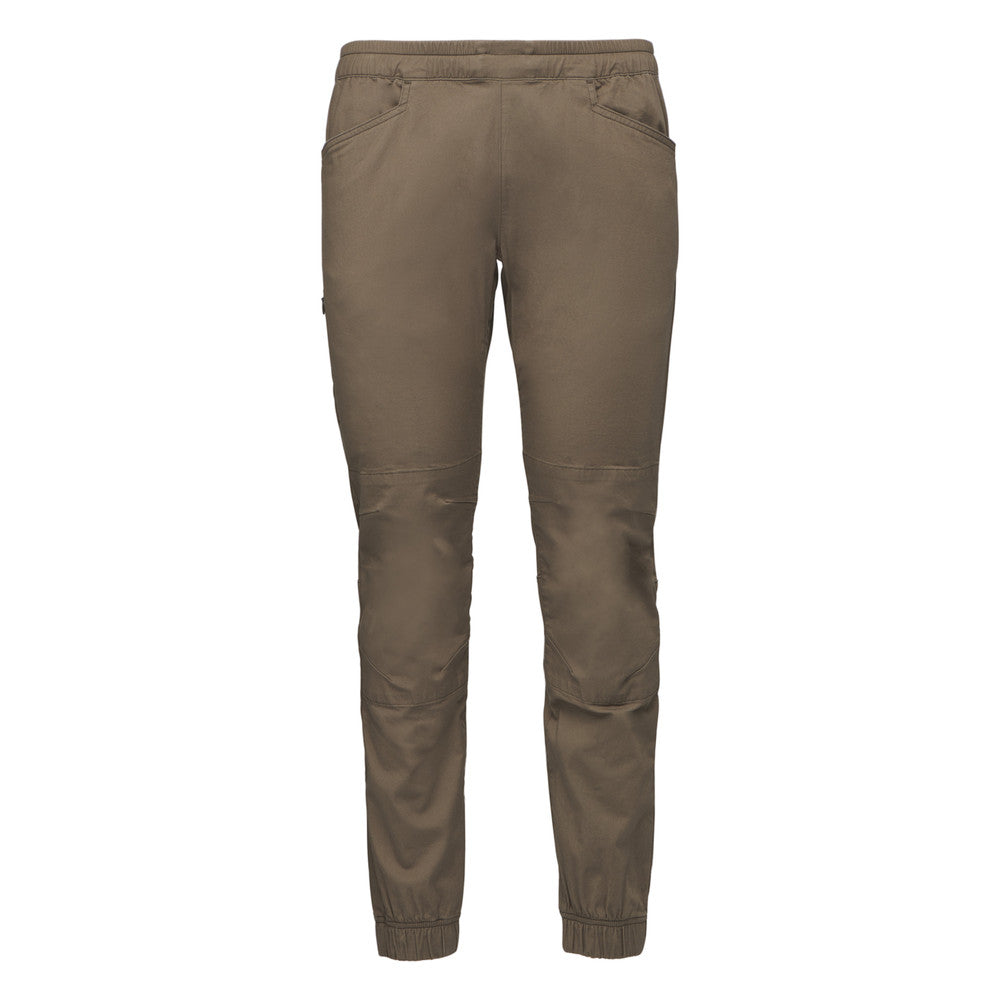
Climbing Pants

Softshell climbing pants can be worn in combination with a base layer on colder days, or alone on warmer days.

Guide Pick™
Lower Body

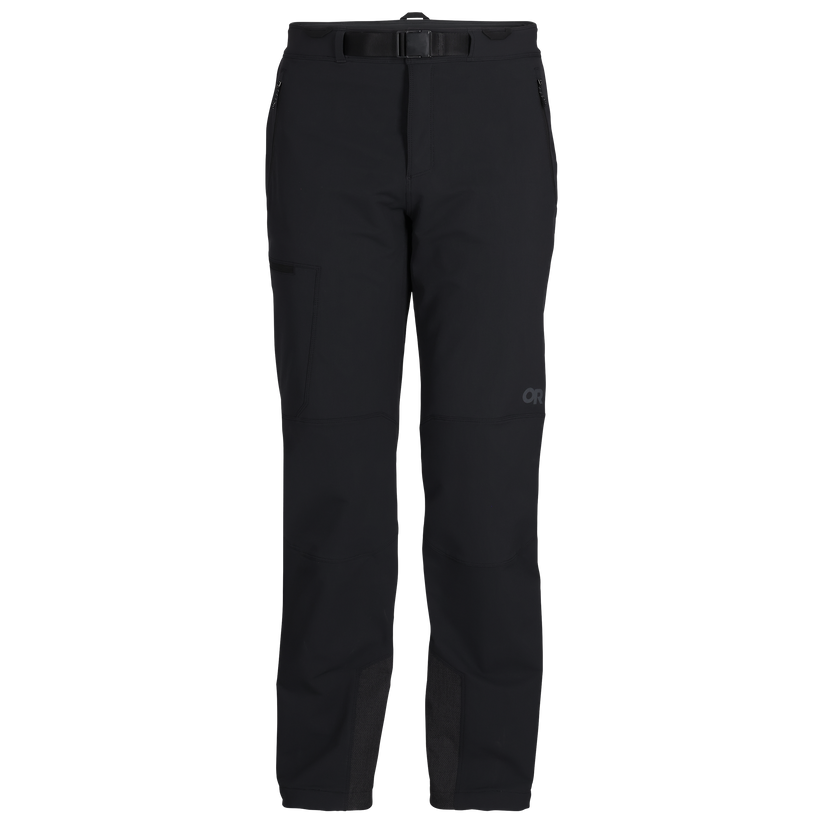
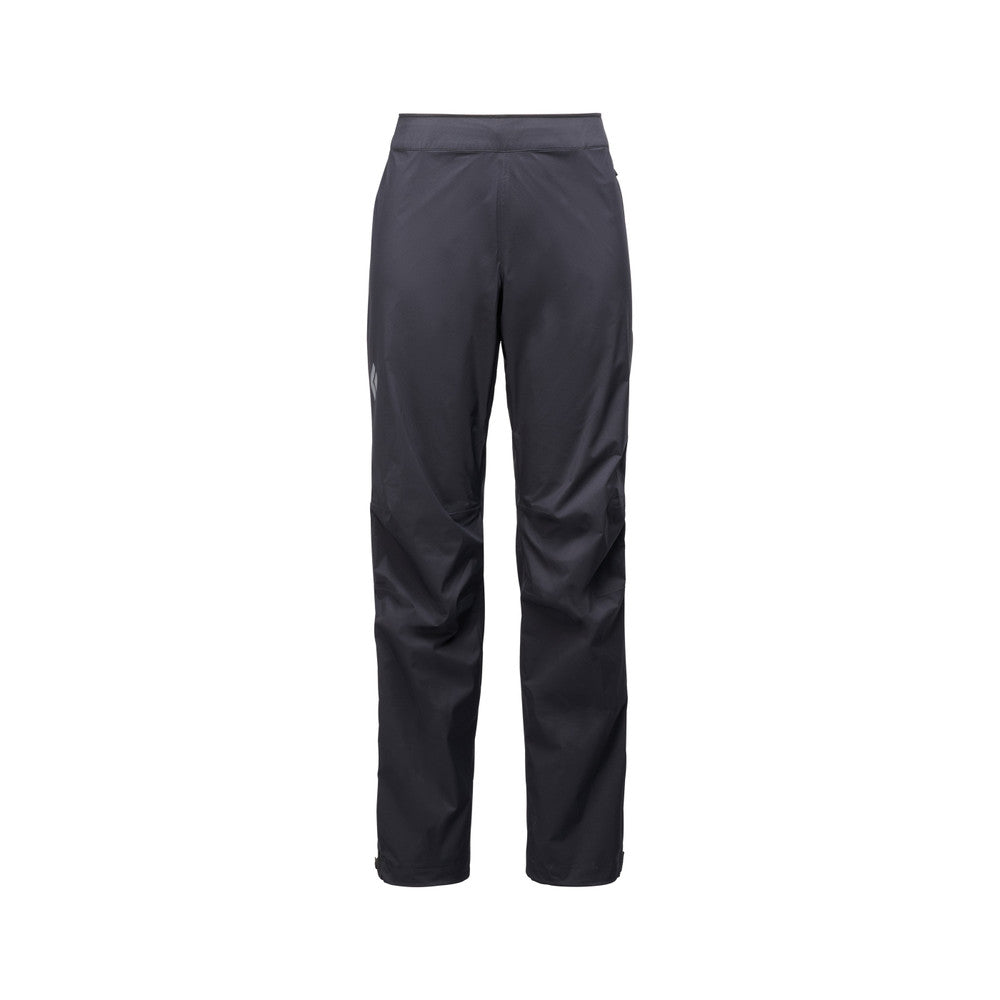
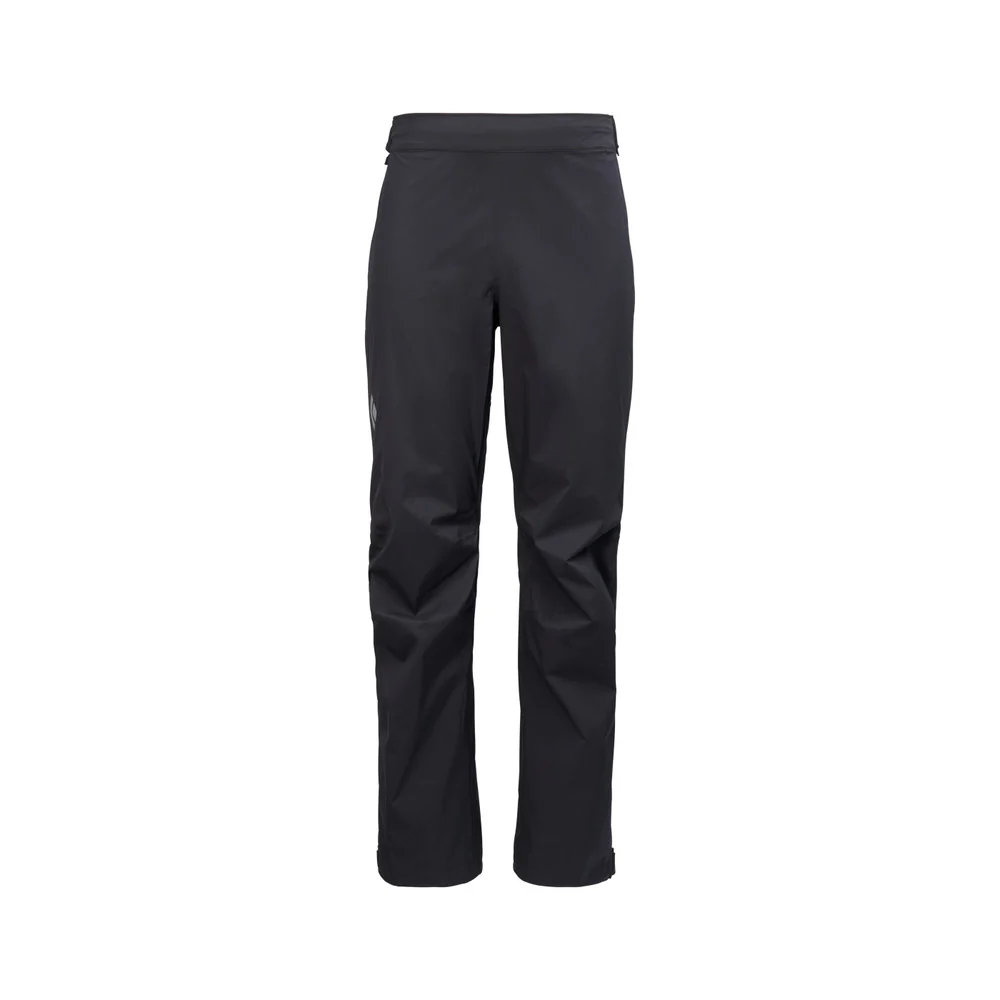
Hardshell Pants

Non-insulated, waterproof shell pants must be able to fit comfortable over your baselayer bottoms and softshell climbing pants. Full side zippers or 7/8 side zippers are required so that shell pants can be put on while wearing boots and crampons.

Guide Pick™
Lower Body

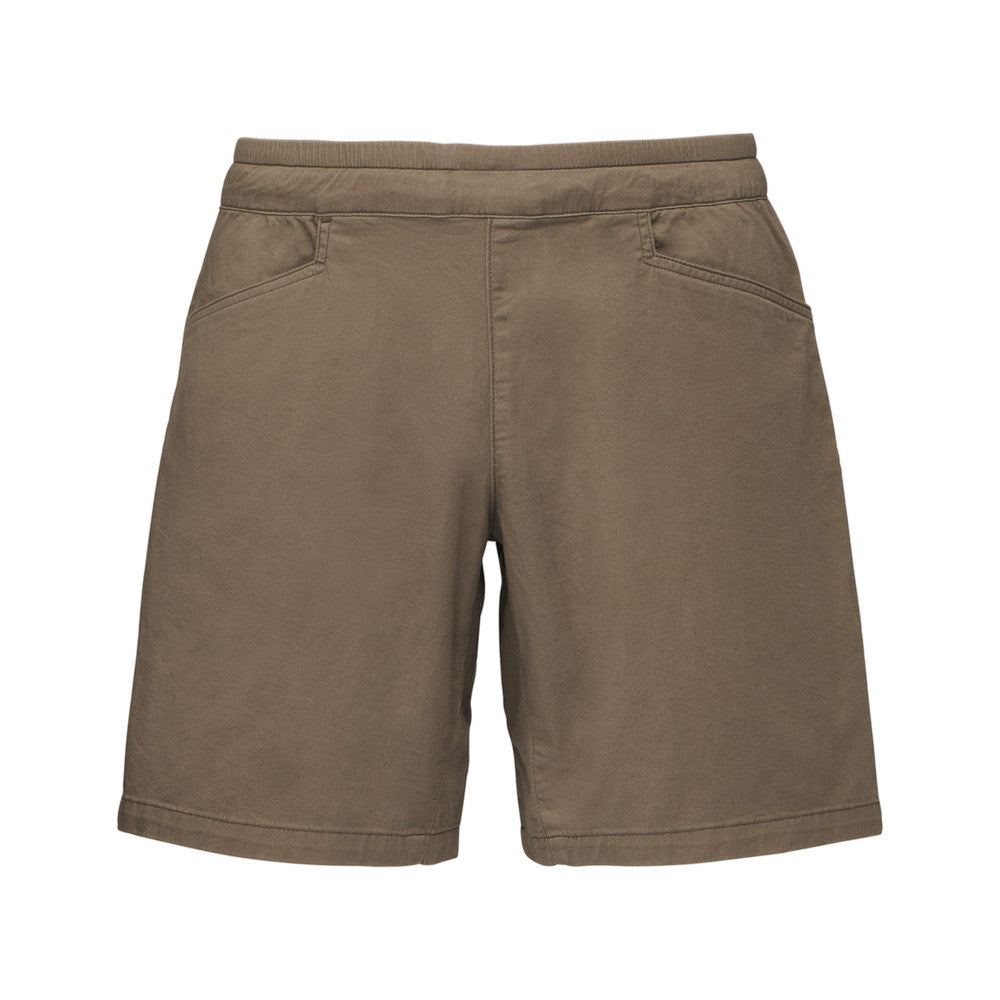
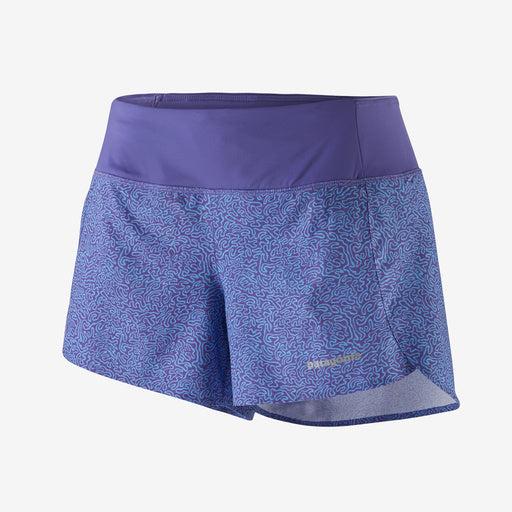
Light Weight Trekking Pants Or Shorts

A light weight, synthetic pair of pants is a good option for the approach trek when hiking at lower altitudes and in warm conditions.

Guide Pick™
Feet

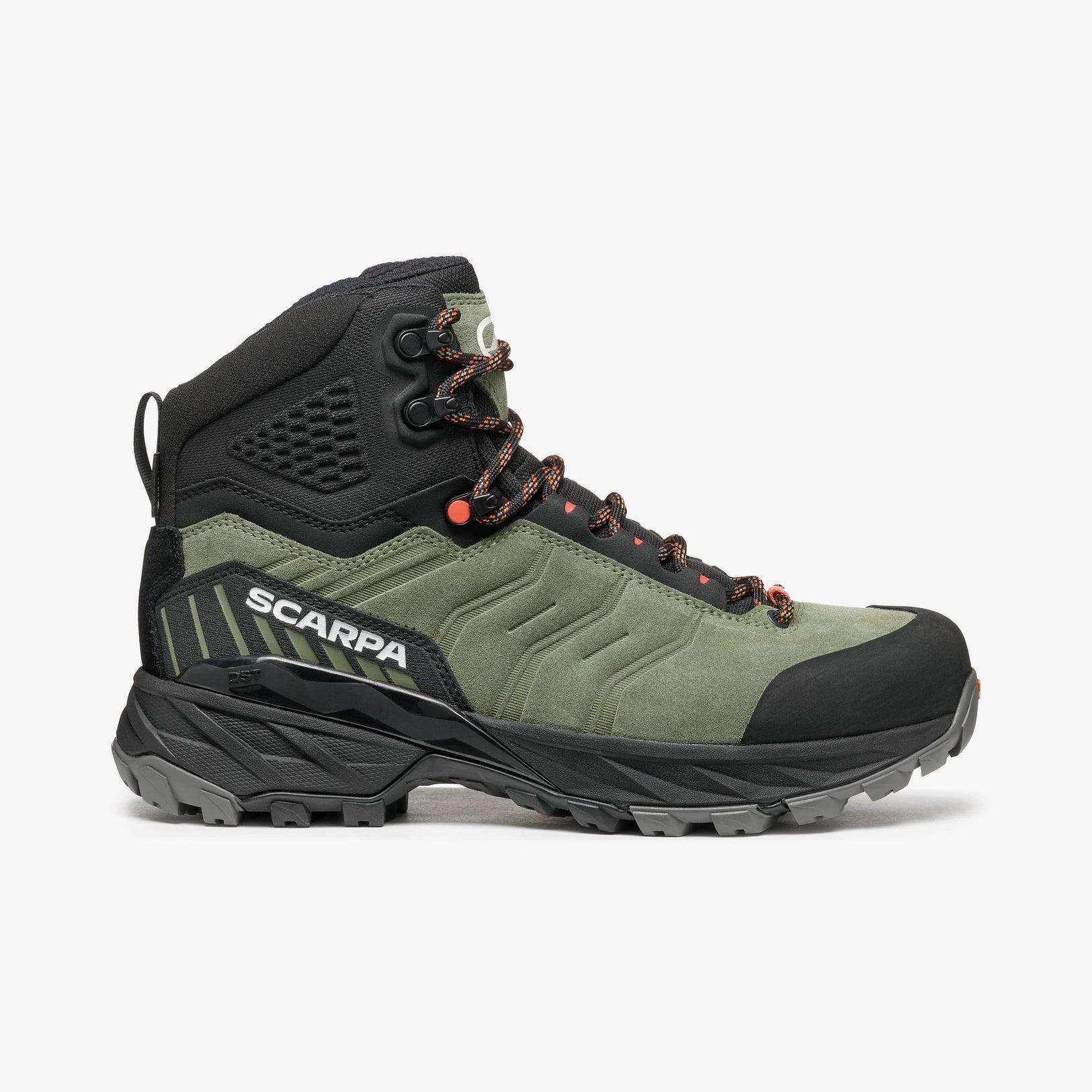
Single Mountaineering Boots

Insulated, full-shank, crampon-compatible leather or synthetic boots designed for general mountaineering. Lighter and more comfortable than double boots but with less insulation for extreme cold.

Guide Pick™
Feet

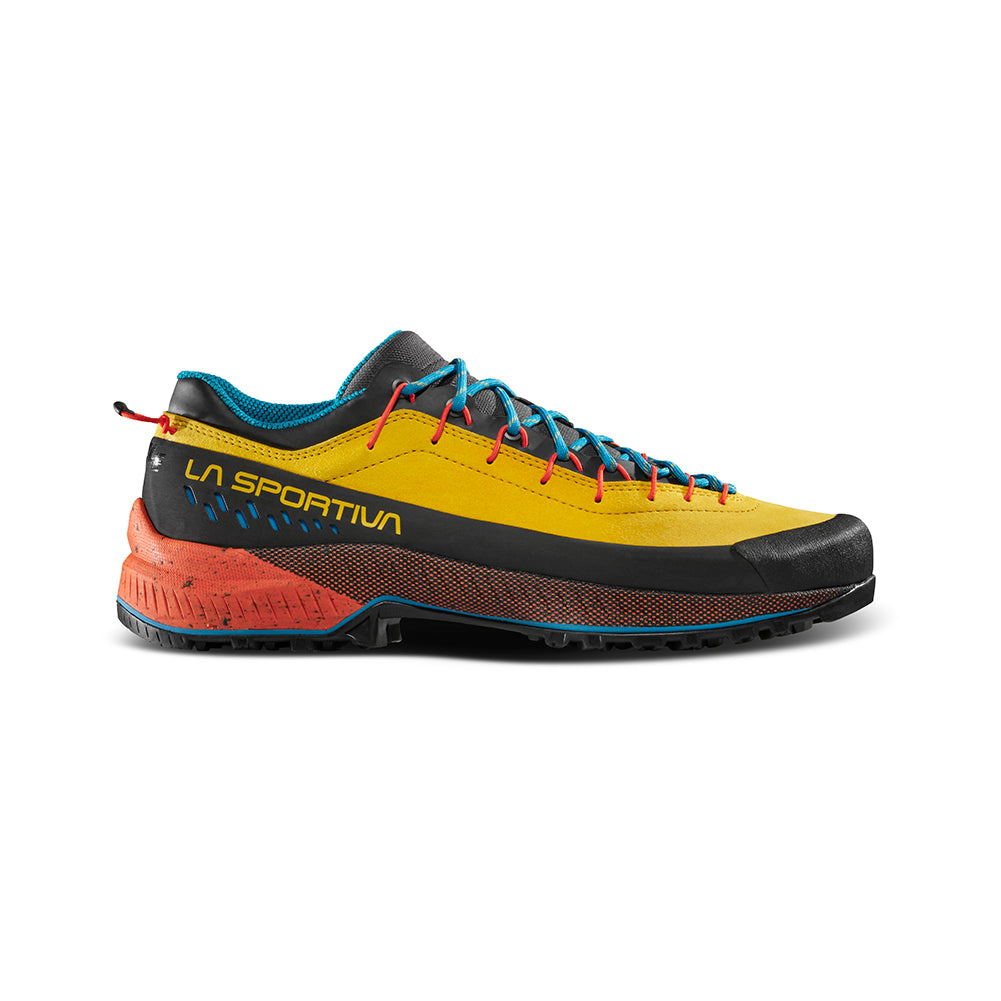
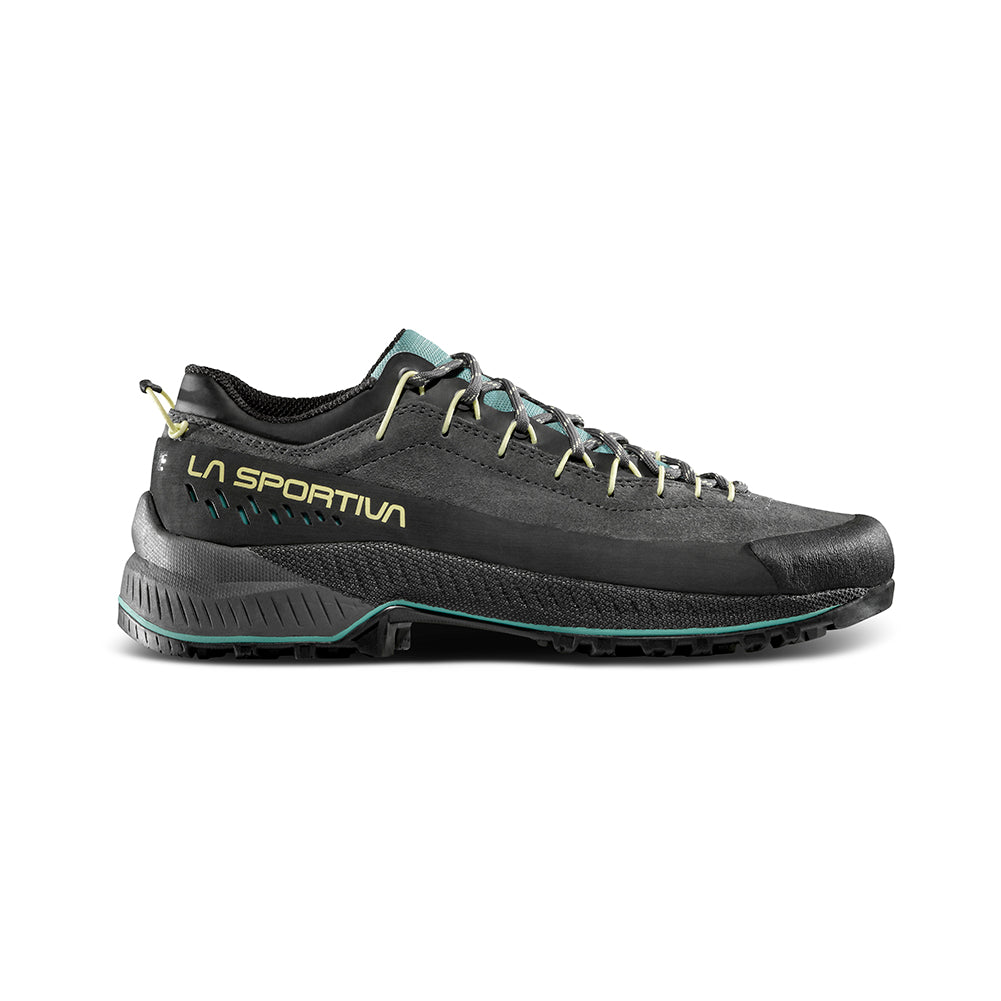
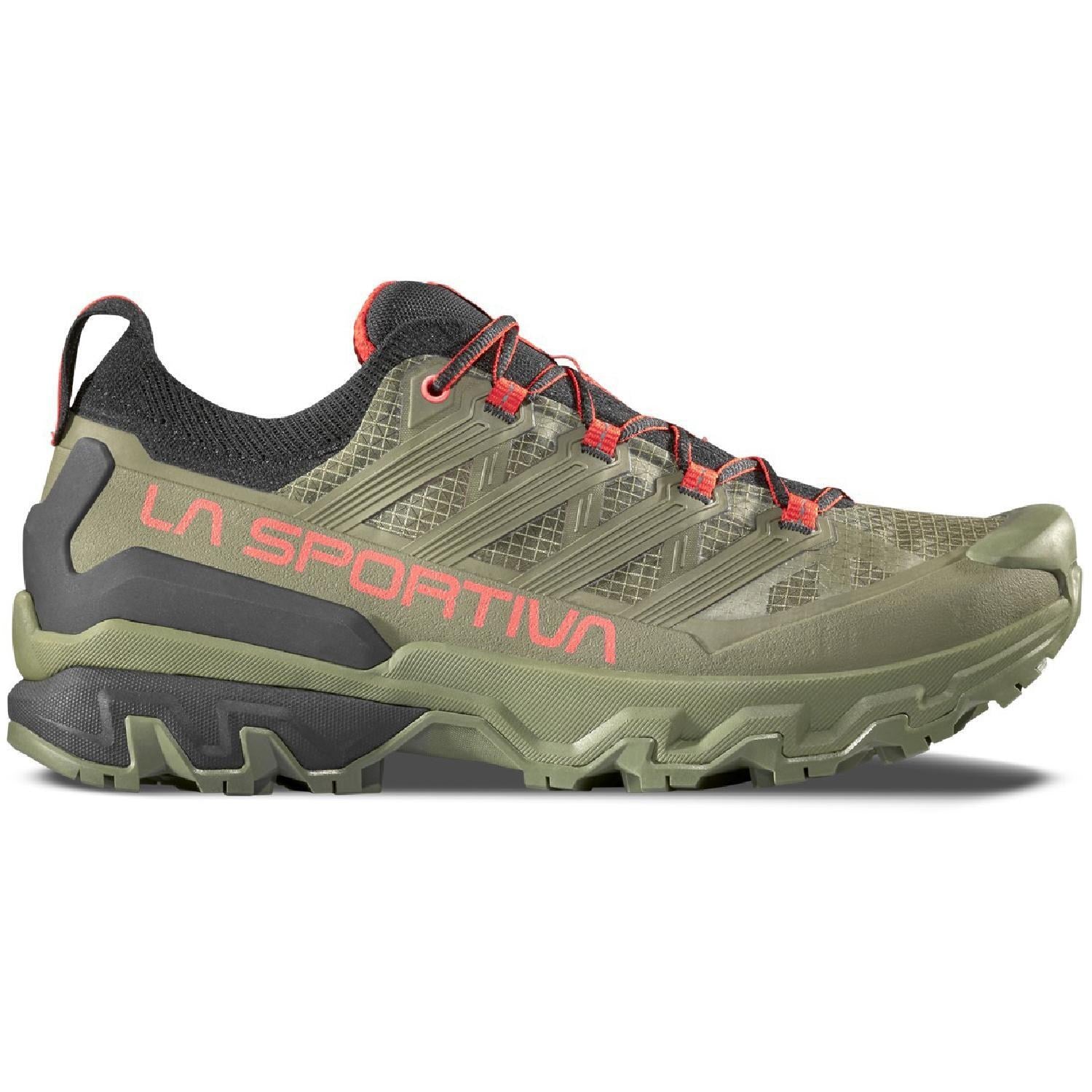
Approach Shoes (recommended)

Lightweight approach shoes or trail runners for hiking on rugged terrain and use as camp shoes. Particularly useful after snowmelt on lower-elevation approaches.

Guide Pick™
Feet

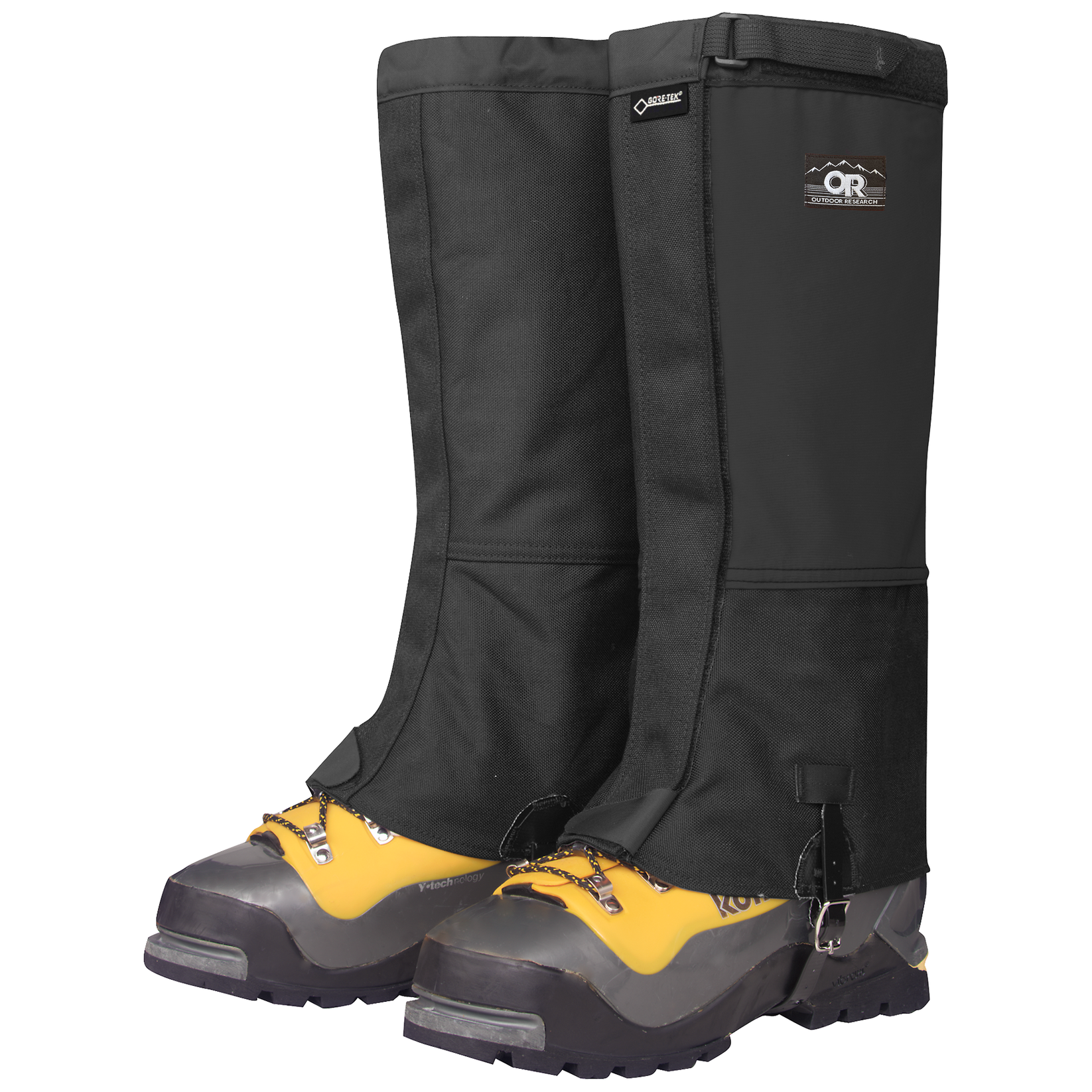
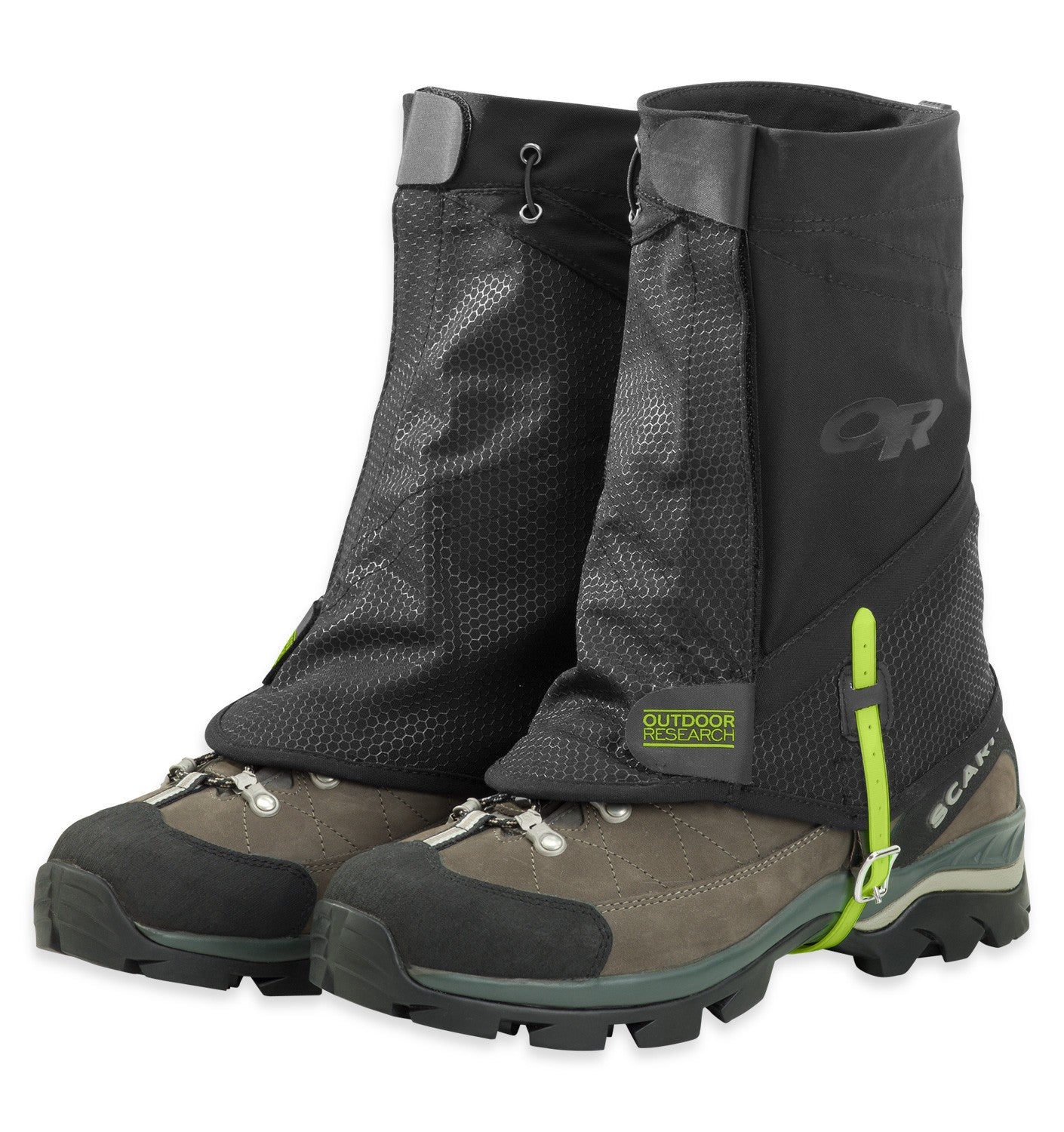
Gaiters

A knee-length pair of gaiters, large enough to fit over your mountaineering boots. This will protect you from catching your crampon spikes on loose clothing. Not needed if using a boot with an integrated gaiter.

Guide Pick™
Feet

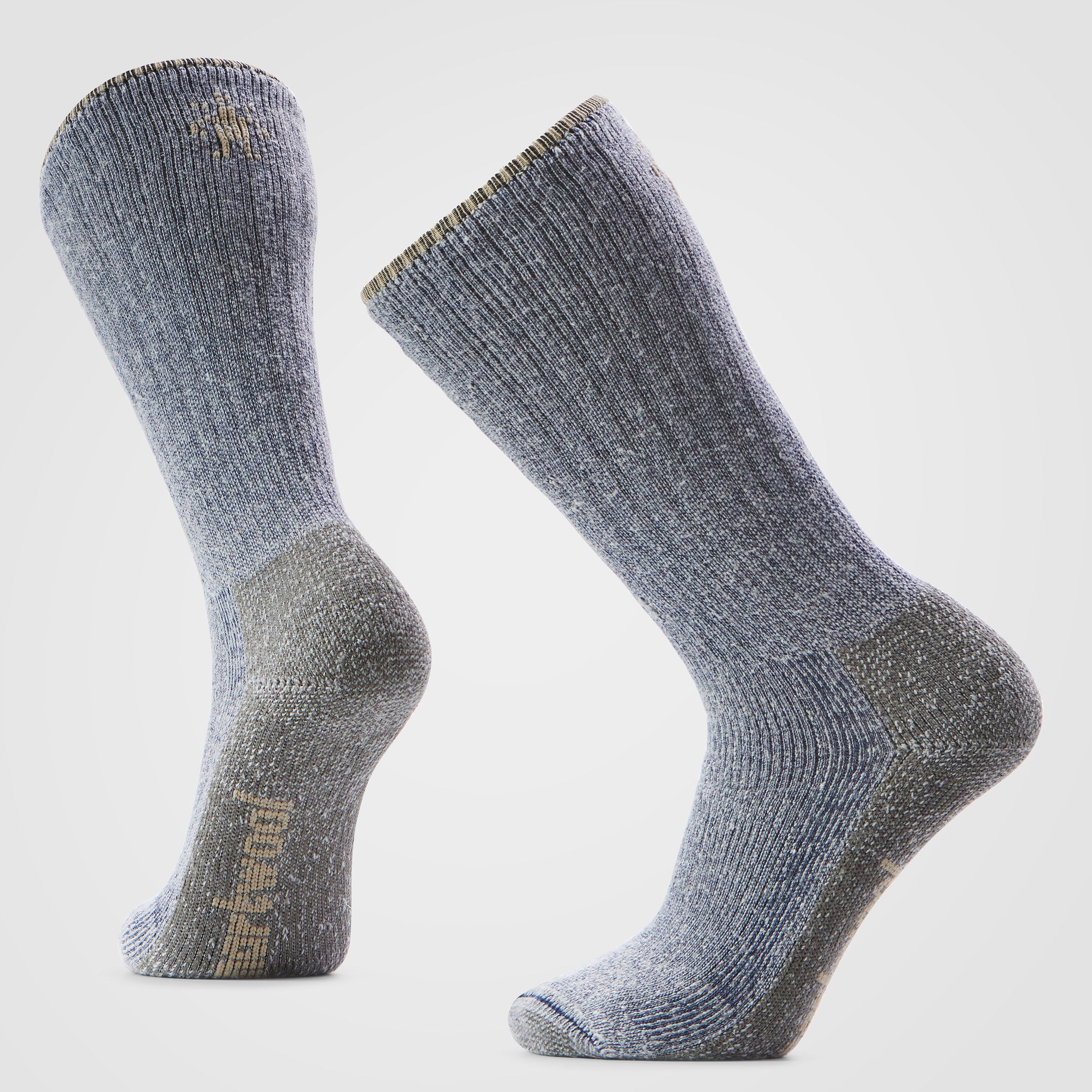
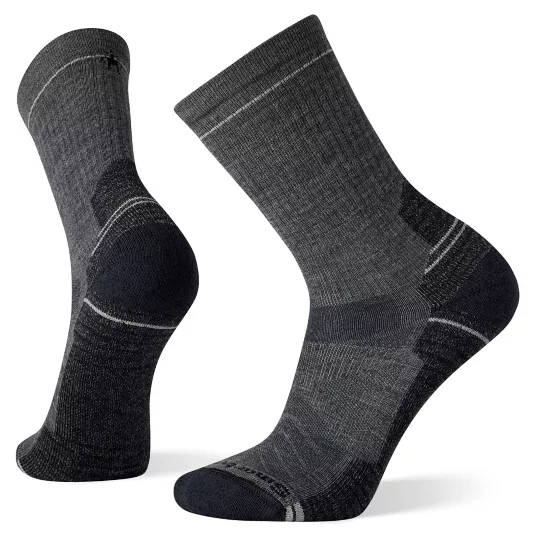
Pairs Of Socks

Either wool or synthetic. Whatever sock combination you are accustomed to wearing during your training or previous adventures (whether single medium weight socks, a medium weight with a liner sock, two medium weight socks together, etc.), should work just fine for this climb.

Guide Pick™
First Aid & Medications

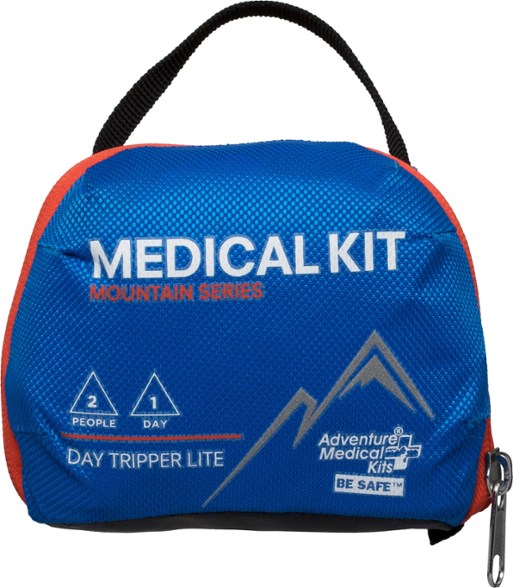
Small Personal First Aid Kit

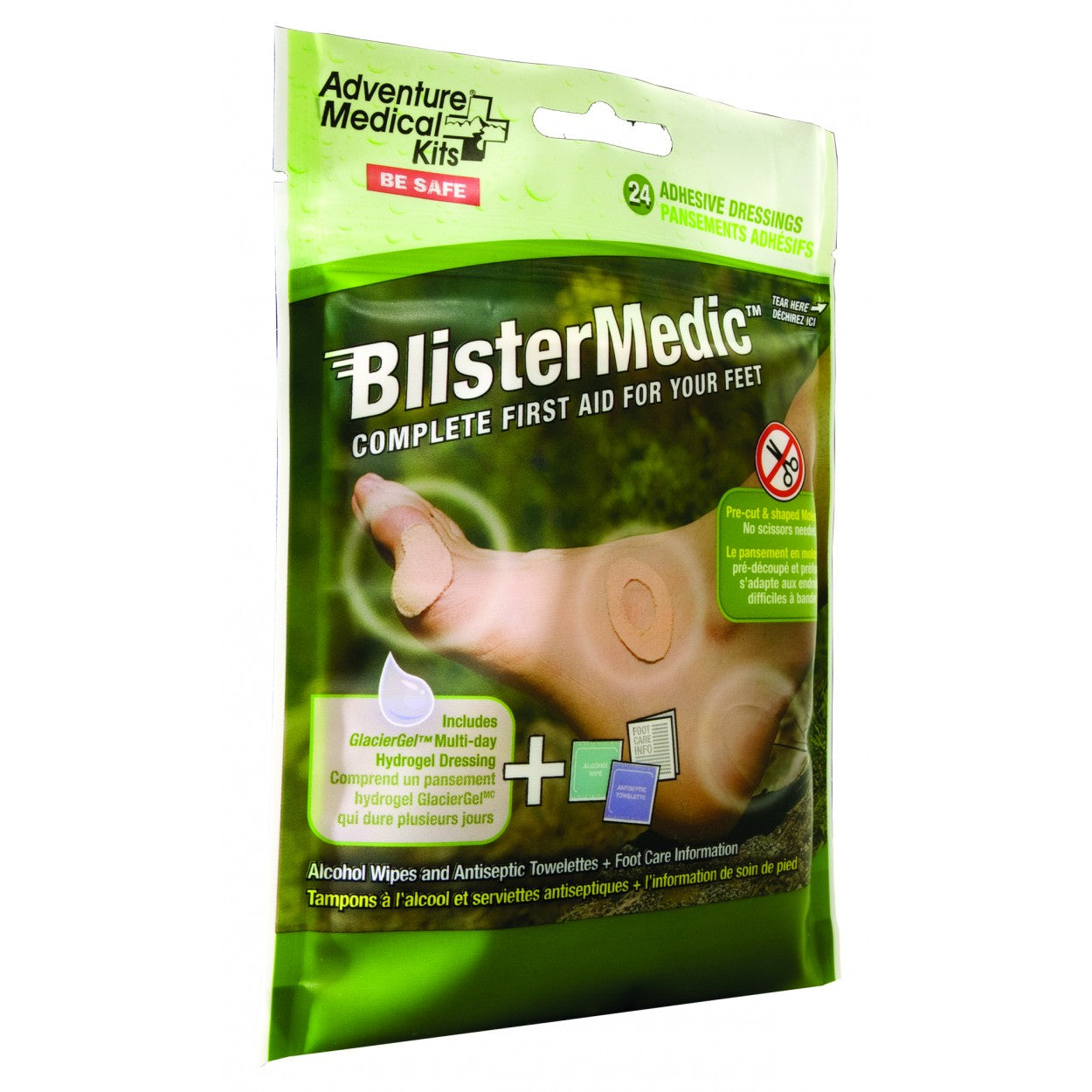
Our guides carry comprehensive medical kits, so keep yours small and light. We recommend a selection of adhesive bandages, antibiotic ointment, Moleskin and blister care, medical tape and/or duct tape, basic pain reliever, and personal medications.

Guide Pick™
Personal Items

Meals & Snacks

You are responsible for providing your own meals and snack food in town and while on your program. See the Food tab for suggestions and quantities.

Guide Pick™
No items found.
Personal Items

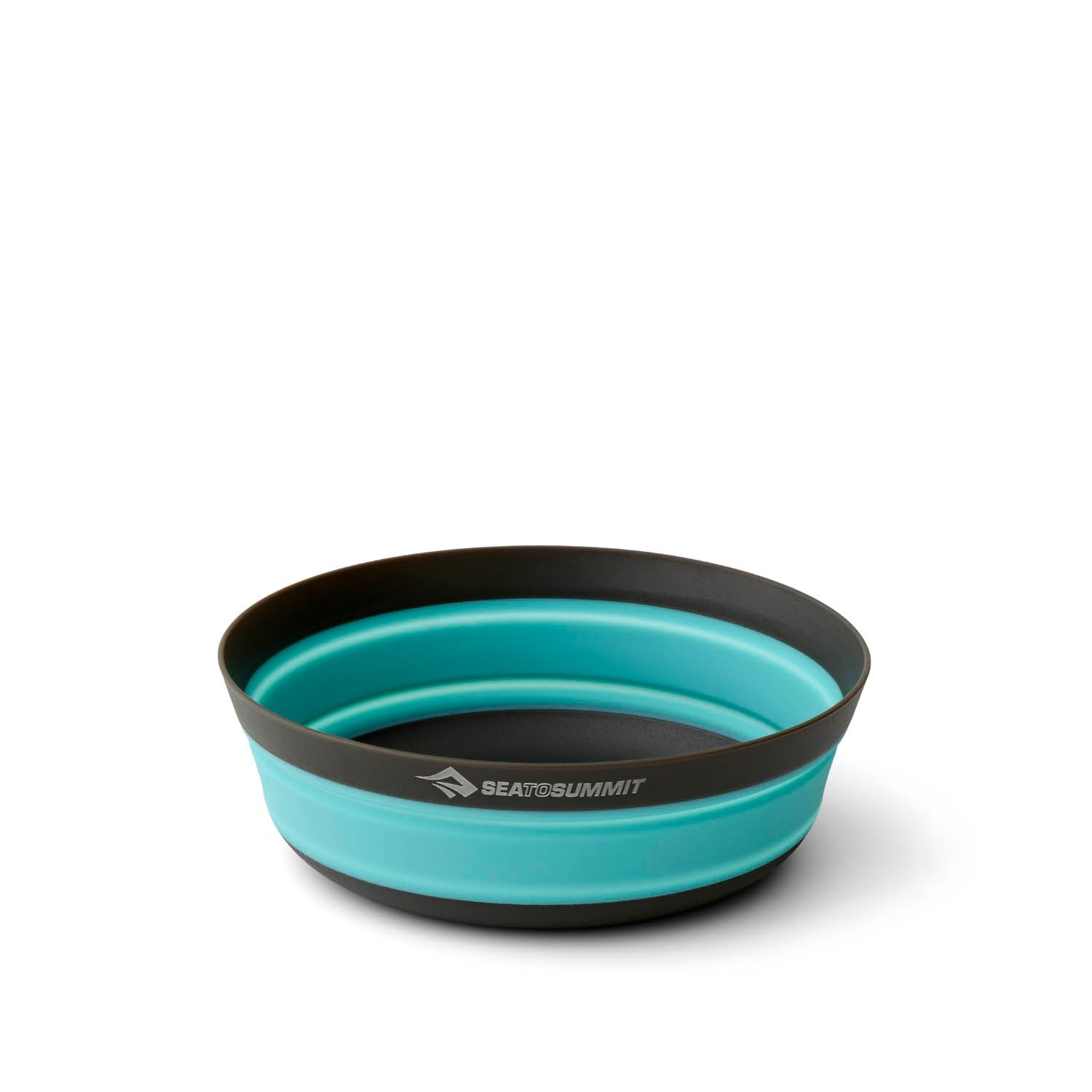
Bowl

Packable plastic bowl. Collapsable models can work but must be handled carefully to avoid unintended collapsing. A lid is a great feature.

Guide Pick™
Personal Items

Insulated Mug or Bottle

Insulated outdoor-style mug. We recommend a model with a removable lid, which helps retain heat and prevent spills. You may also choose to use 0.5L insulated bottle or a 0.5L Nalgene.

Guide Pick™
Personal Items

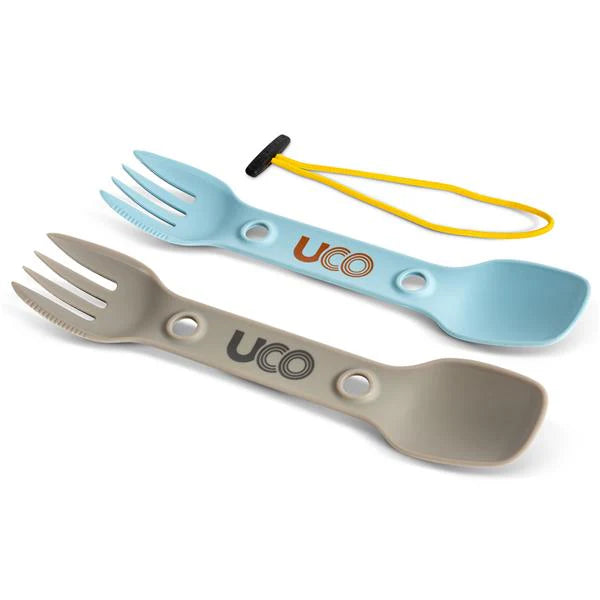
Utensils

A spoon or spork made of durable plastic or anodized metal. A long-handled spoon can be nice, especially if eating from a freeze-dried meal pouch.

Guide Pick™
Personal Items

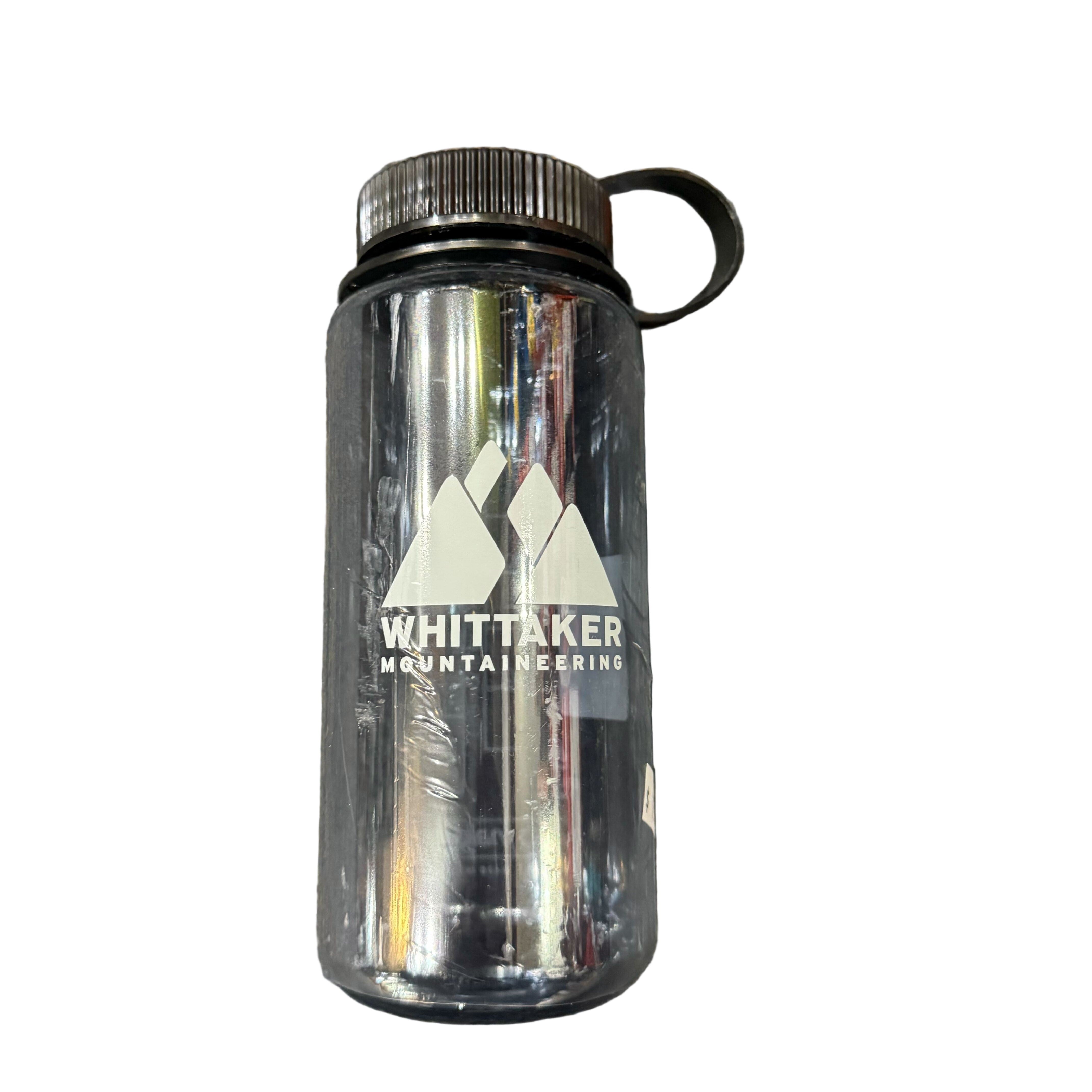
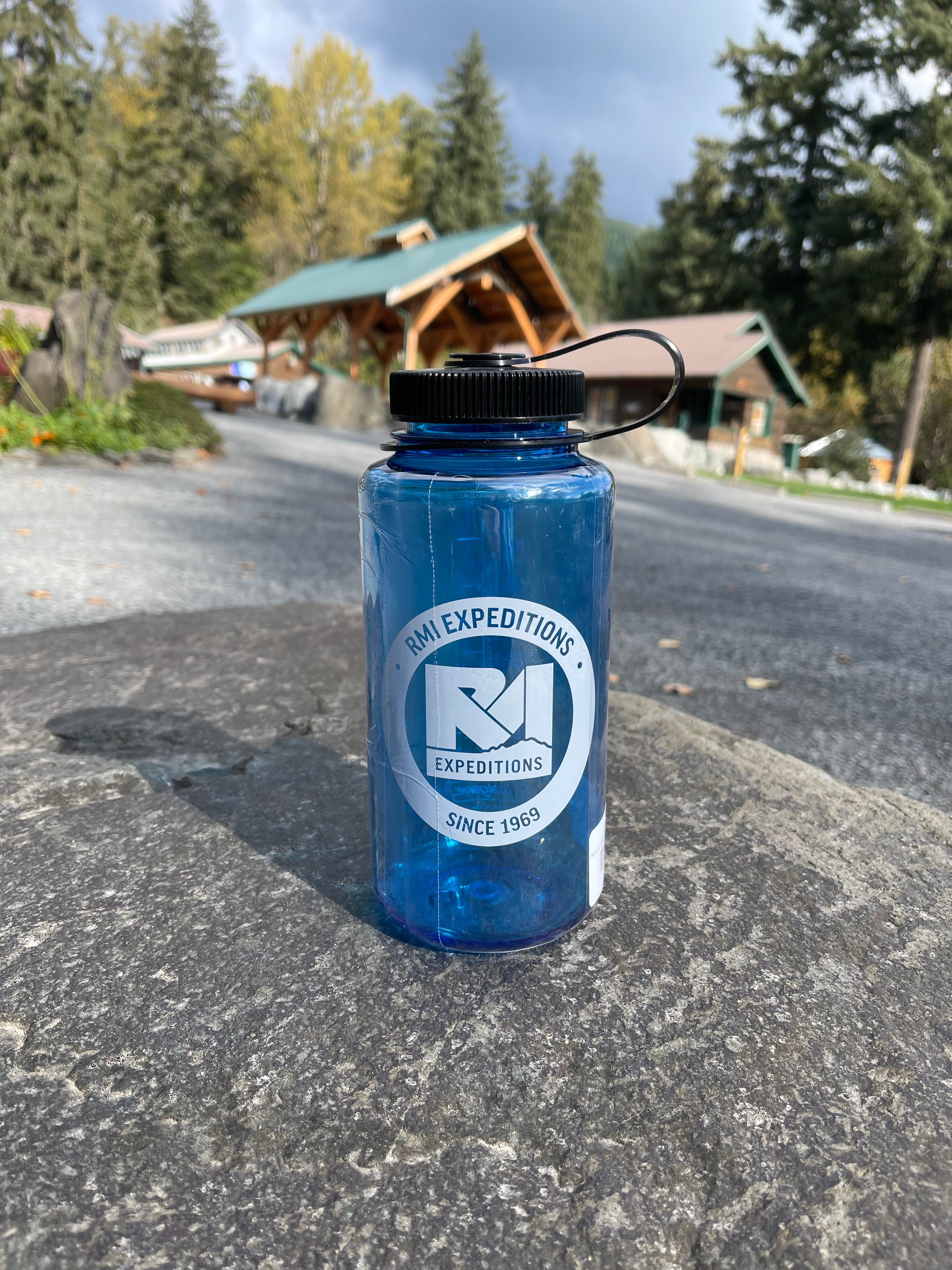
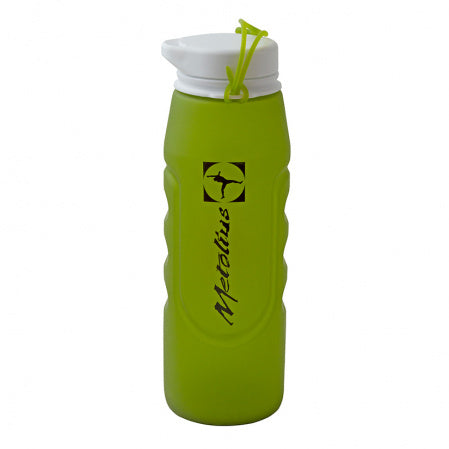
Water Bottles

One-liter water bottles with wide mouths made of co-polyester (BPA-free plastic).

Guide Pick™
Personal Items

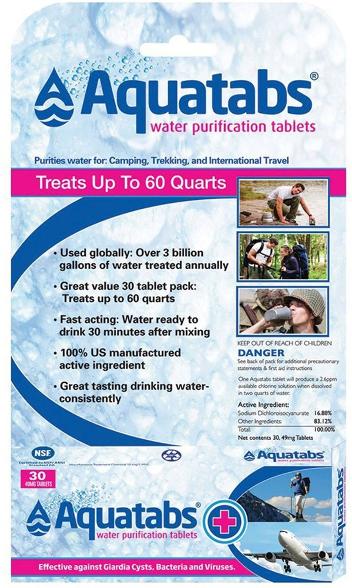
Water Treatment Drops

Chlorine Dioxide water purification drops. Make sure to select the 30-minute version.

Guide Pick™
Personal Items

Gallon Zip-lock Bag

This will be your personal trash bag.

Guide Pick™
No items found.
Personal Items

Large Garbage Bags

Heavy-duty trash compacter bags for use as waterproof pack/stuff sack liners. You can also use a waterproof pack liner.

Guide Pick™
No items found.
Personal Items

Personal Toiletries & Bag

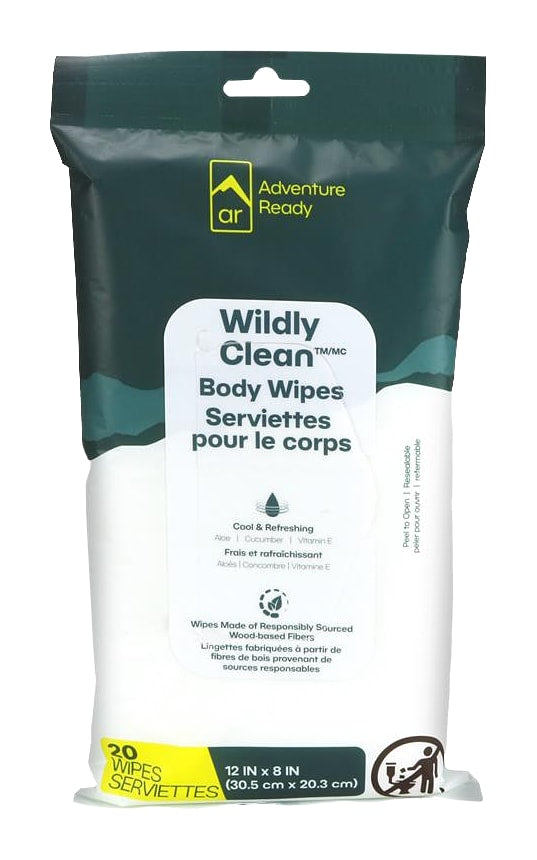
Include toilet paper, hand sanitizer, toothbrush and toothpaste, and wet wipes. Bring a quantity appropriate to the duration of your trip.

Guide Pick™
Personal Items

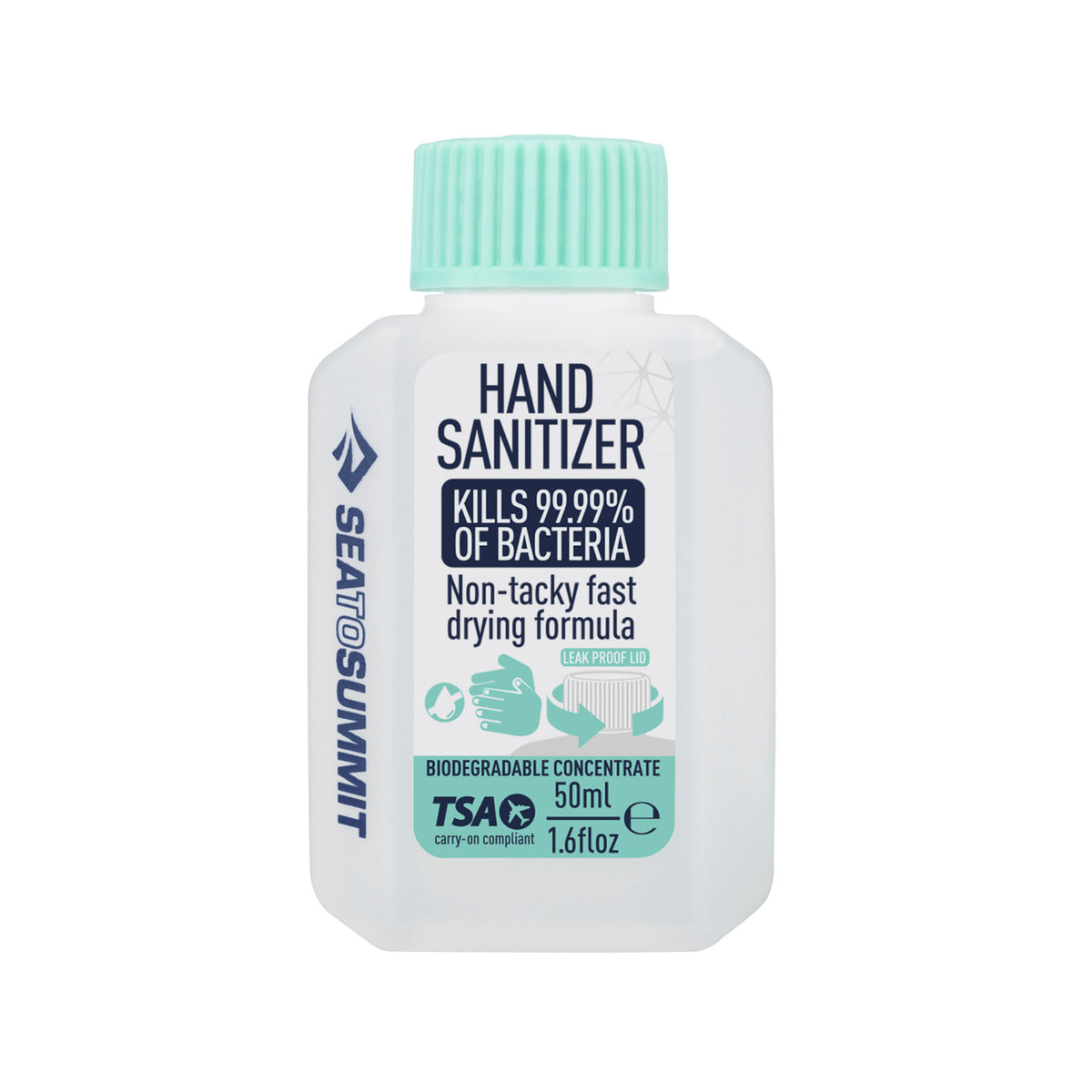
Travel Size Hand Sanitizer

A compact hand sanitizer for use when soap and water aren't available during approach and camp periods. Bring a bottle small enough to fit in a pack pocket.

Guide Pick™
Personal Items

Lip Balm

We recommend SPF 15 or higher.

Guide Pick™
Personal Items

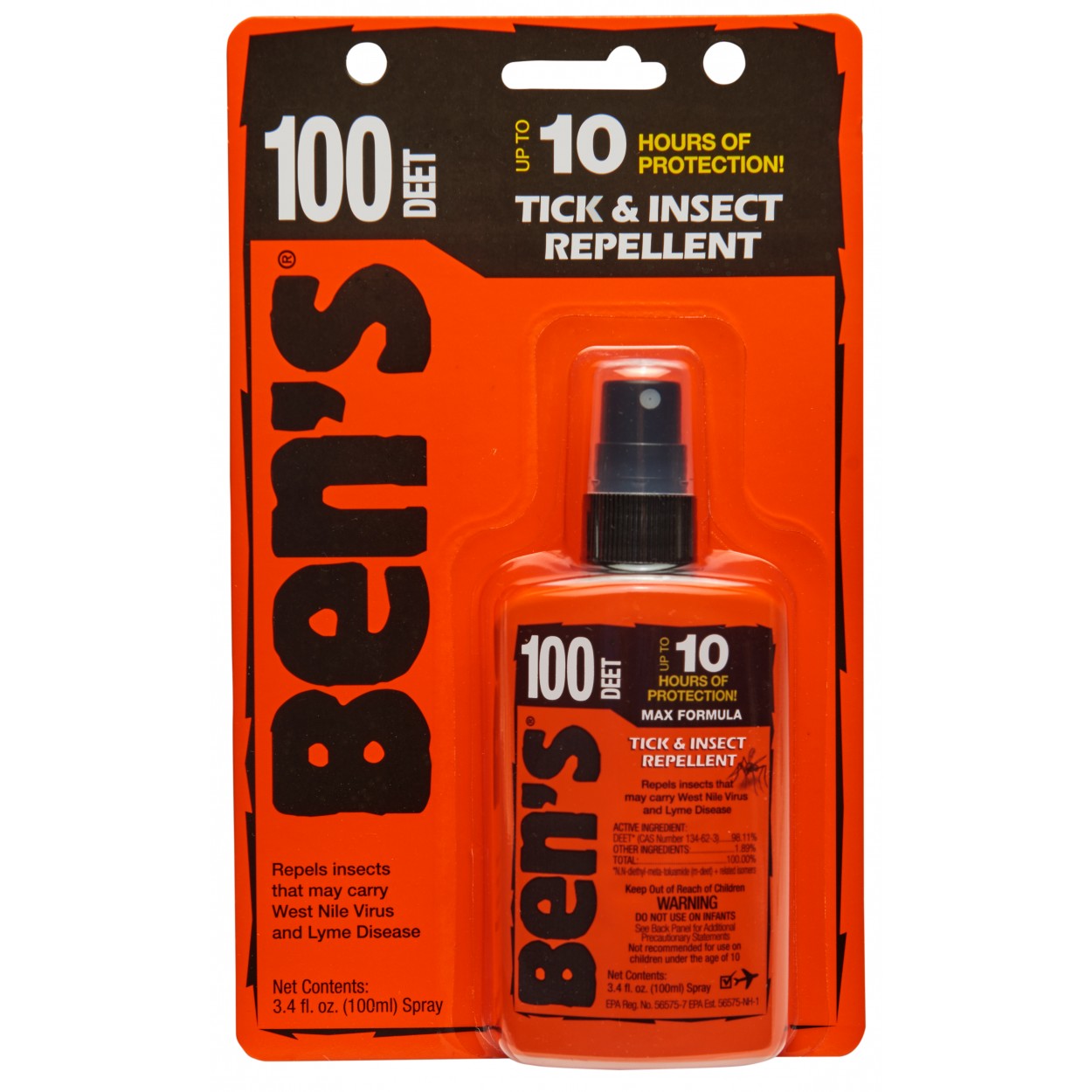
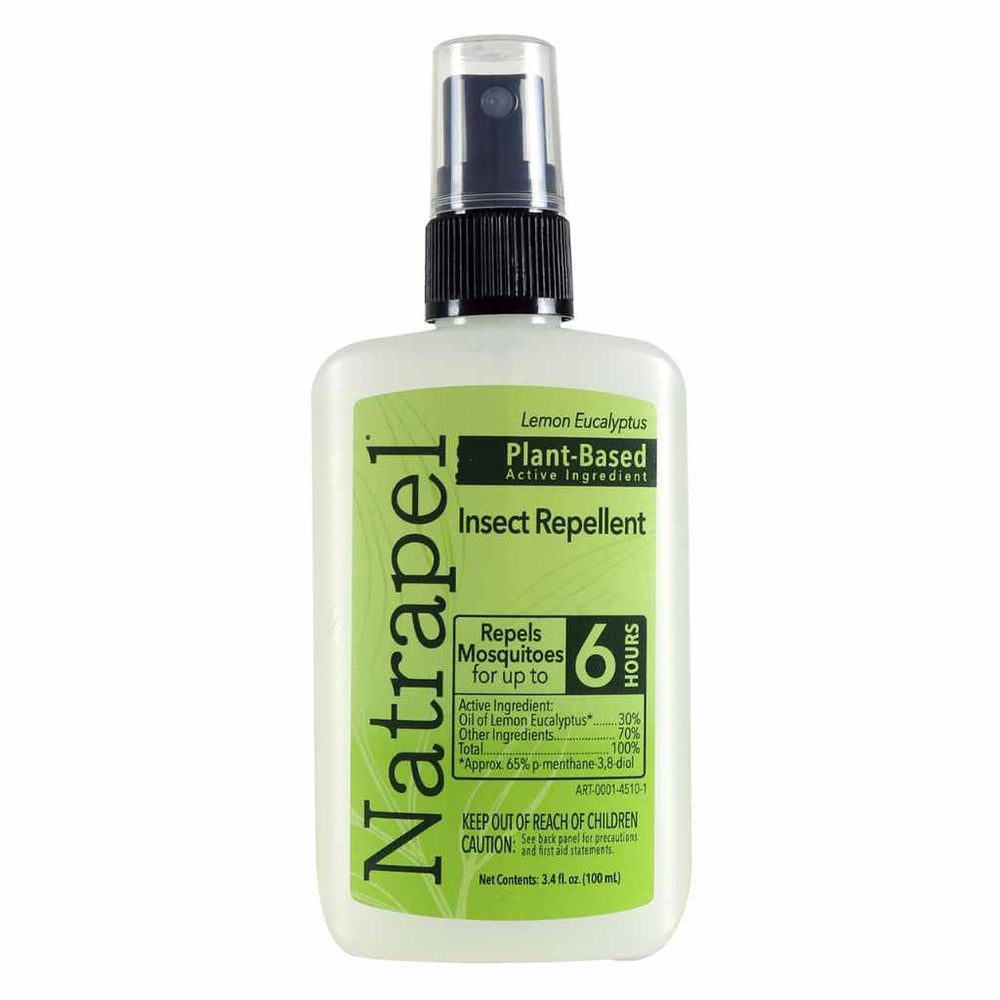
Insect Repellent

Insect repellent for protection against mosquitoes and biting insects at lower elevations and in camp.

Guide Pick™
Personal Items

Ear Plugs

Disposable or reusable ear plugs for sleeping in shared tent or hut accommodations.

Guide Pick™
No items found.
Personal Items

Spare Contact Lenses/ Eyeglasses

Spare prescription glasses if you wear contact lenses/eyeglasses.

Guide Pick™
No items found.
Personal Items

Pee Bottle

One clearly-marked wide-mouth or collapsible bottle for overnight use.

Guide Pick™
Personal Items

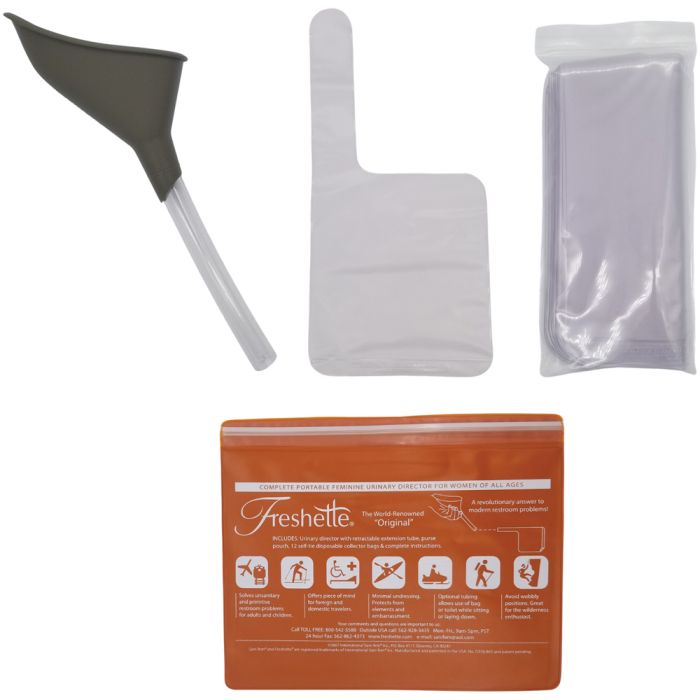
Pee Funnel (for Women)

Practice using this before coming on the climb!

Guide Pick™
Personal Items

Camera

Many smartphones have excellent cameras. Action cameras, small point-and-shoots, and compact dSLRs are lightweight and work well at altitude.

Guide Pick™
No items found.
Personal Items

Power Bank

A small power bank, enough to charge a phone or e-reader several times.

Guide Pick™
No items found.
Travel Clothes

Travel Clothes

We recommend bringing a selection of clothing to wear while traveling, sightseeing and dining.  

Guide Pick™
No items found.
Pre-Trip Checklist

Insurance

Purchase travel insurance.

Guide Pick™
No items found.
Pre-Trip Checklist

Transportation & Lodging

Arrange transportation and lodging - see more on the Travel tab.

Guide Pick™
No items found.
Pre-Trip Checklist

Equipment

Reserve rental equipment.

Guide Pick™
No items found.
Pre-Trip Checklist

Fitness

Be in the best shape of your life!

Guide Pick™
No items found.
Provided Equipment

Provided Equipment

RMI provides the following equipment for your program: tents, group cooking gear, shovels, climbing ropes, and blue bags (for solid waste disposal).

Every guide on your climb will carry rescue equipment and a first aid kit. Each climb has two-way radios and a cell phone for emergency contact.

Guide Pick™
No items found.
Personal Items

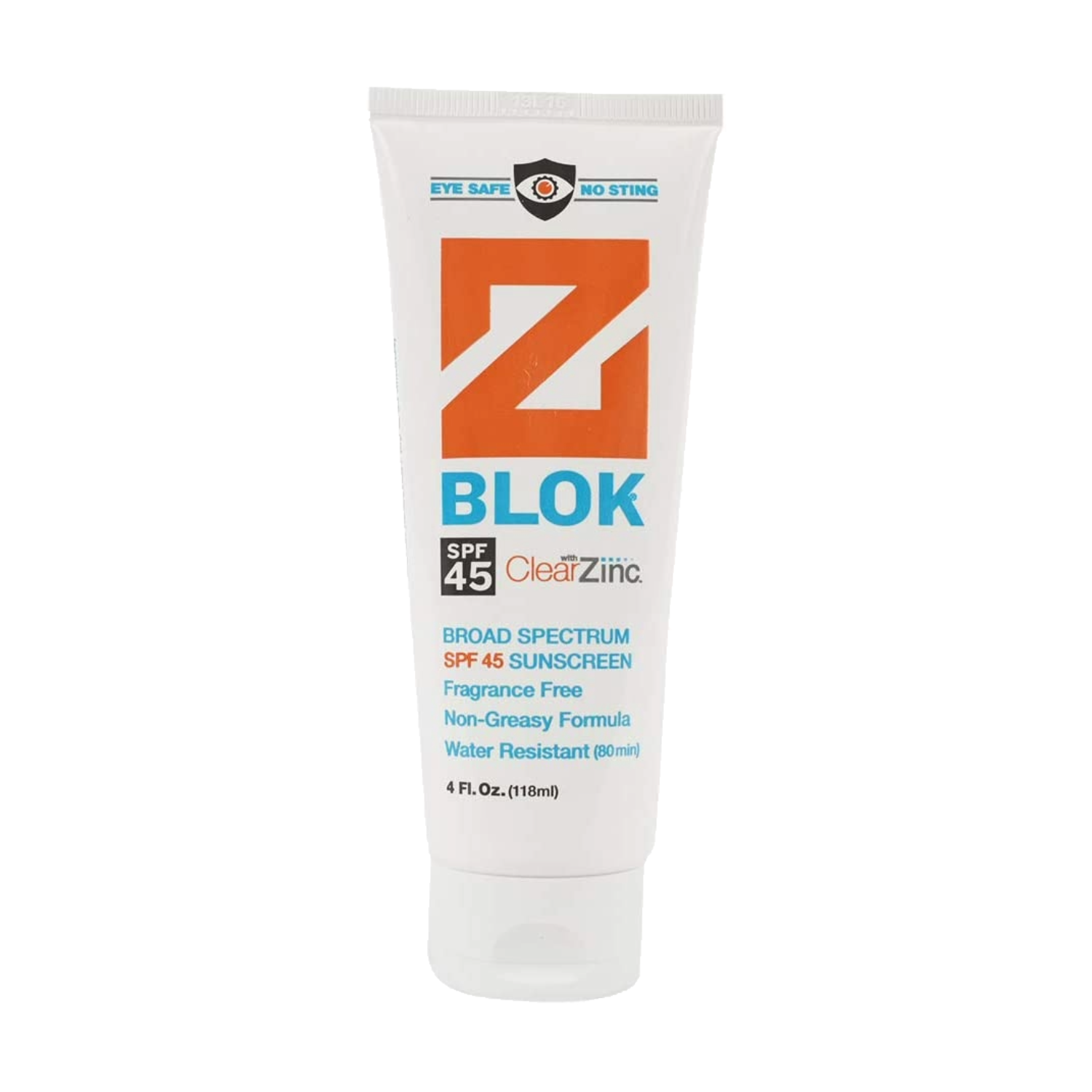
Sunscreen

We recommend small tubes of SPF 30 or higher, which can be carried in pockets for easy access and to prevent freezing.

Guide Pick™
Head

Sunglasses

If Glacier Glasses are not required, regular sunglasses will suffice on this program.

Guide Pick™
No items found.
Head

Thermal Facemask

A neoprene or insulated facemask for additional face protection in severe cold and wind.

Guide Pick™
No items found.
Personal Items

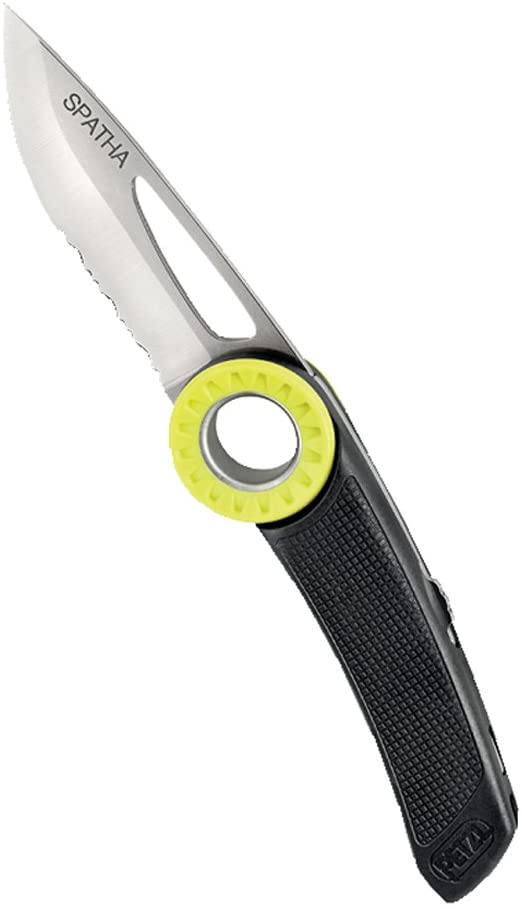
Pocket Knife

A small folding knife or multi-tool for general utility and gear repairs in the field.

Guide Pick™
Personal Items

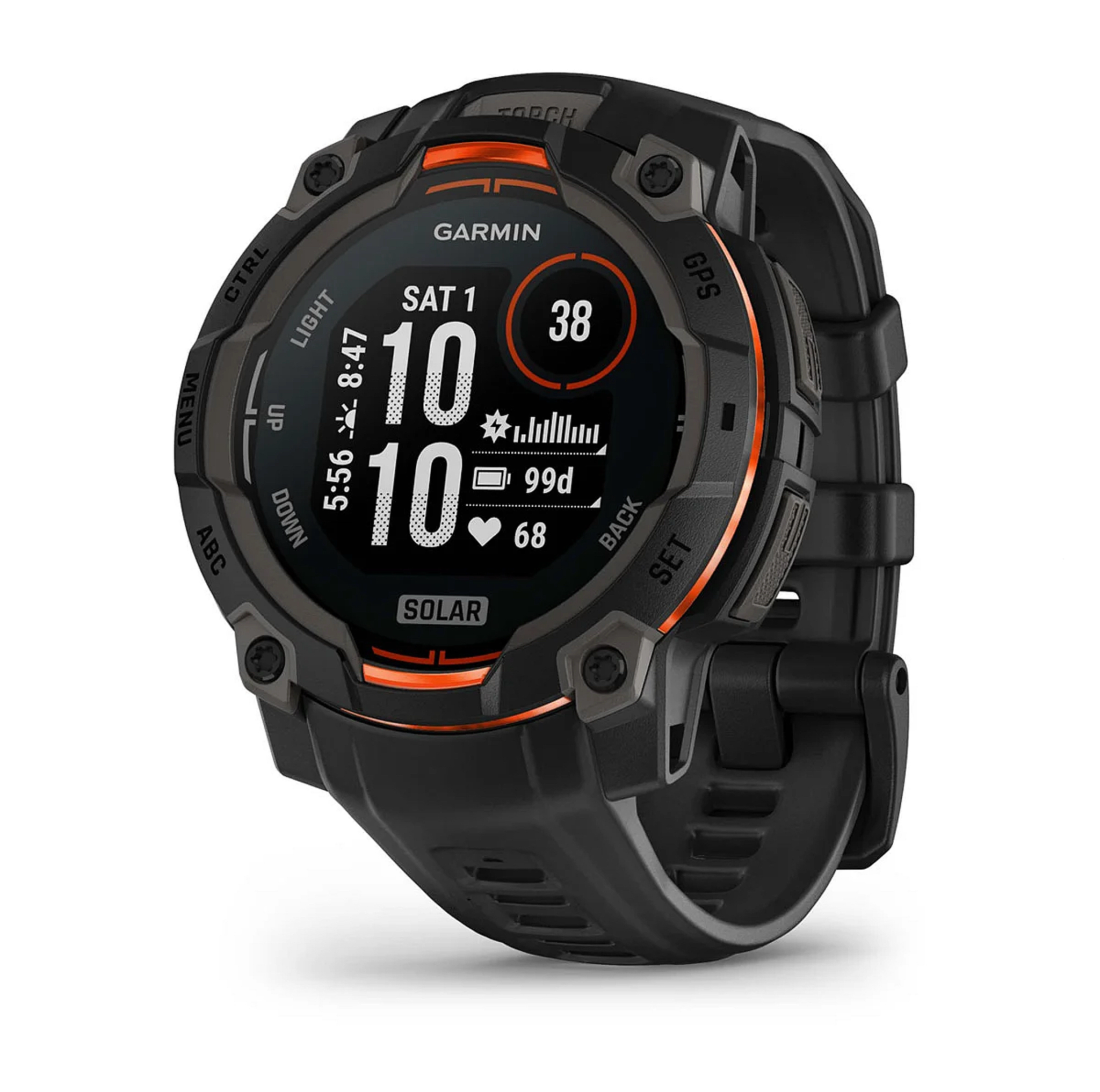
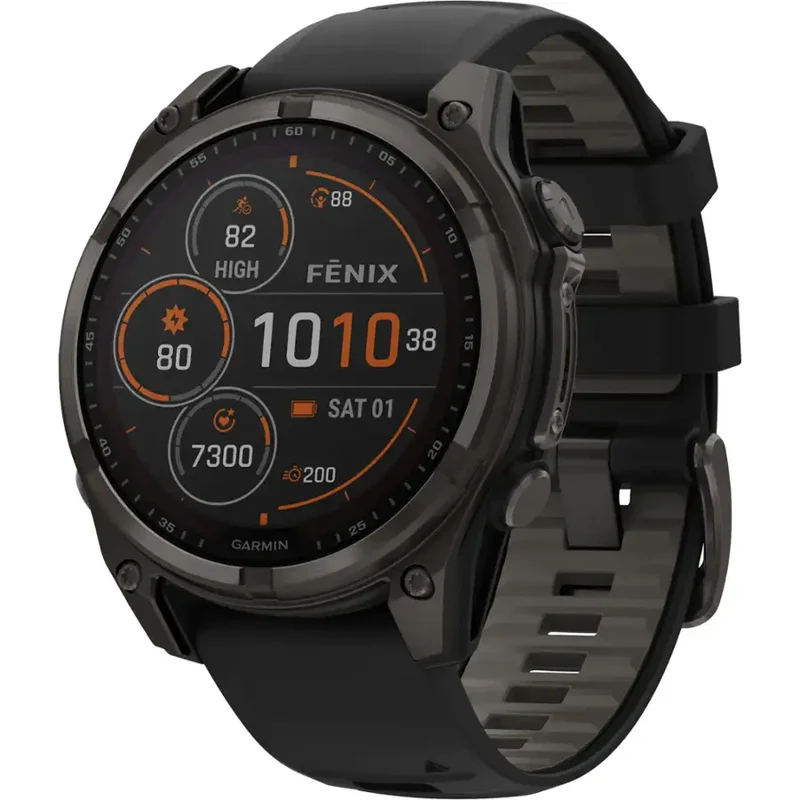
GPS Watch

A GPS-enabled watch with altimeter, barometer, and compass for navigation and weather monitoring. Many modern smart watches and dedicated outdoor watches offer this functionality.

Guide Pick™

fuel for the mountain

On the Mt. Baker Coleman-Deming climb you will need 3 mountain lunches, 2 dinners, and 2 breakfasts while on the mountain.

ABOUT YOUR MOUNTAIN MEALS

OVERVIEW

Nutrition while training and nutrition while climbing are two very different things. You may follow a pretty specific nutrition regimen while you are training to aid your desired outcomes, but once it comes to the climb, calories are what count the most. While climbing, you are trying to maximize energy and performance over a short period of time.

Our food priorities when climbing are:

  • a high-calorie intake
  • a variety of flavor profiles (sweet, salty, sour, etc.)
  • durability/packability
  • enjoyment

Caloric requirements will vary widely from climber to climber based on physical size and metabolism. It is important for you to know what your body requires. One of the normal, albeit disconcerting, adjustments to altitude is a slight loss of appetite. Bring food you enjoy. If you don't love a food at home, you certainly won't like it on the mountain!

At camp, hot and cold water will be provided for your meals, drinks, and refilling water bottles. When planning your menu, don't bring any items that require extensive preparation, cooking, or simmering. We are able to provide you with boiling water but do not have the ability to actually cook food items.

Things to keep in mind as you plan your meals:

  • How much space the food will take in your backpack
  • How well the food will hold up throughout the trip in your backpack
  • How much waste does the food produce

Consider repacking items into smaller Ziploc bags to minimize the space in your pack. Your food will get crammed into your backpack, jostled around, exposed to extreme temperatures, and even sat on (by you, of course!). What holds up better in these conditions, two slices of bread or a bagel? When packing, it is essential to consider the waste you will produce on the climb; after all, you have to carry it off the mountain. We've already mentioned repacking items to minimize space. Repacking items can also eliminate waste!

MOUNTAIN LUNCHES

Mountain lunches, aka snacks, are eaten during short breaks throughout the day. We continually snack to keep our energy levels up while we climb. We typically take rest breaks every hour or so to adjust our clothing layers, eat, and hydrate. Avoid packing any items that require preparation or hot water at each break. In terms of quantity, aim to bring 1 lb. of climbing food per day. We suggest using snack or sandwich size Ziploc bags to portion out snack food.

The importance of having foods that you genuinely enjoy cannot be overstated. Eating properly is the key to maintaining strength while in the mountains. To combat the loss of appetite at altitude, we aim to have a variety of foods that stimulate the whole palate, from sweet to sour to salty. Here are some ideas but be sure to see the sample menu and packing list below for more ideas!

  • Cold pizza
  • Trail mix
  • Crackers
  • Bagel sandwich
  • Peanut butter pretzels
  • Cookies
  • Chewy candy
  • Tortilla wraps
  • Chocolate covered pretzels
  • Candy bars
  • Veggies and hummus
  • Chips
  • Apple slices
  • Protein bars

PRO TIP: Feel fancy! Charcuterie (cured meat, cheese, and crackers) makes a great mountain lunch!

BREAKFAST

Single-serving instant oatmeal, Cream-of-Wheat, or granola make a good main course fare. A variety of granola bars, pastries, fruit, and a hot drink mix of coffee, tea, cocoa, or cider are suggested. Plan on eating a breakfast that tastes good, and you find filling. Here are some ideas but be sure to see the sample menu and packing list below for more ideas!

  • Instant hot cereal (Oatmeal, Cream-of-Wheat, Cream-of-Rice, etc)
  • Granola or cereal
  • Freeze-dried breakfast (Mountain House, Peak Refuel, Mountain Zora, and Katadyn's Alpine Aire all have breakfast options)
  • Add-ins such as individual servings of peanut butter or honey, raisins or craisins, or a few tablespoons of powdered milk can put your mountain cereal game over the top.

PRO TIP: Think outside the box. Peanut butter and jelly sandwiches (on bagels) or ramen make great breakfast options!

DINNER

This meal will give your body the initial fuel it needs during your summit attempt. Spend time considering your options so that you go to bed nourished and ready for the climb ahead of you. Freeze-dried entrees are very convenient mountain dinners. Pay attention to the caloric quantity – it varies from meal to meal. Here are some ideas but be sure to see the sample menu and packing list below for more ideas!

  • Freeze-dried entrée (Mountain House, Peak Refuel, Mountain Zora, and Katadyn's Alpine Aire have a wide variety of options)
  • Instant soups (including Cup-o'Noodles and ramen)
  • Cold pizza
  • Cold fried chicken
  • Pasta salad
  • Bagel sandwich

PRO TIP: Have a tasting party of freeze-dried entrees to test them out before your climb.

BEVERAGES

Staying hydrated on the climb is crucial. You will have access to ample cold water while at camp for drinking and replenishing water bottles. When you are climbing, you will want to ration how much water you drink at each rest break to ensure you have water throughout the entirety of your climb. You can expect breaks to occur approximately every hour or so of climbing.

Just as with food, it is important to have a variety of things to drink that excite your taste buds. You may love water, but it may not sound good at 10,000'! Drink mixes such as Gatorade, Kool-Aid, Liquid IV, Nuun, etc., are great for flavor. Hot beverage options are also an important component to consider while at camp. Instant coffee, tea, cocoa, and cider are great ways to warm up in the evening before bed, when you wake up for your alpine start on summit day, and to recharge once back at camp.

PRO TIP: Skip the water bladder and practice rationing your water while training.

Travel, culture, & logistics

This page covers the practical details you’ll want to review before your trip, including travel logistics, entry requirements, local considerations, and required policies. Taking time to understand these details ahead of departure helps ensure a smoother experience once you’re on the ground and focused on the climb.

TRAVEL INFORMATION

GETTING THERE

You are responsible for your own transportation to the program's trailheads. Most climbers will fly into Seattle-Tacoma International Airport (SEA) the evening before the program and rent a car for the 2-hour (depending on traffic congestion), 2.5-hour drive to Glacier, WA. Your team meets at the Glacier Public Service Center in Glacier, WA. We meet at 7:30 a.m. Click here for driving directions.

Note: Every air traveler 18 years of age and older needs a REAL ID compliant driver’s license, state-issued enhanced driver’s license, or another acceptable form of ID to fly within the United States.

The team meets at 7:30 a.m. on Day 1 at the Glacier Public Service Center (10091 Mt Baker Hwy, Glacier, WA 98244). Please click here for driving directions.

After a team meeting, we will drive to the climb's trailhead. You will need a Northwest Forest Service parking pass to leave your car at the trailhead. Passes are $30 and valid for one year. There may be an opportunity to leave some vehicles at the Ranger Station and carpool with other team members. Northwest Forest Service parking passes are available for sale at the ranger station.

Ride Share: If you are participating in a climb and are interested in sharing a ride, please post your information in the "Ride Share" forum of your North Cascades Discussion Board by logging into your RMI Account.

AREA ACCOMMODATIONS

Bellingham is 36 miles (about an hour drive) from the Glacier Ranger Station.
ADDITIONAL TRAVEL INFORMATION

WEATHER

For updated North Cascades weather forecasts, click here.

TIPPING

Our guides put considerable effort into ensuring your safety and success on the mountain. If you had a positive experience, leaving a gratuity is a wonderful gesture to show your appreciation. The amount is up to you and should reflect how much you enjoyed the service. Typically, tips for excellent service range from 10% to 15% of the program cost. Guides can accept gratuities in cash, Venmo, or by check. If you prefer, you can also pay tips using a credit card through the RMI Office.

FACTS

Mt. Baker holds the record for the most recorded snowfall in a single season at 1,140 inches.

Mt. Baker was volcanically active as recently as 1891.

For more facts click here, and for even more click here.

Expedition Policies

The following policies are applicable for this expedition.

Included

  • RMI guide leadership from experienced guides responsible for planning, decision-making, and on-mountain execution
  • All required climbing permits and fees
  • Group climbing equipment used during the program

Rainier Mountaineering, Inc. reserves the right to modify the land cost of a trip at any time before departure.

Not Included

  • Travel to and from Glacier, WA
  • Travel insurance and medical evacuation insurance
  • Accommodations before and after the program
  • All meals
  • Personal gear and equipment
  • Customary guide gratuities (10–15% of program cost recommended)
  • Personal expenses

PAYMENTS

Deposit Payments: A non-refundable deposit of $500 per person is required to secure your reservation.

  • Deposits can be paid using MasterCard*, Visa*, American Express*, e-check/ACH, U.S. bank check, or wire transfer**.

Balance Payments: The remaining balance is due 120 days before your program's start date.

  • Balance payments can be made via MasterCard*, Visa*, American Express*, e-check/ACH, U.S. bank check, or wire transfer**.
  • A payment reminder is emailed approximately three weeks before your payment due date. If your balance payment is not received 120 days before the start of your program, your reservation will be canceled, and all program fees will be forfeited.
  • Full payment is required when registering within 120 days of the program start date.

*Note: A 3% surcharge applies to all credit/debit card transactions. 

**Wire transfers must include all fees charged by your bank. The amount received by our bank must match the deposit amount.

Cancellation

The deposit is non-refundable and non-transferable.

  • Cancellations must be submitted in writing. Once received, the following policy applies:
    • Cancellations made 120 or more days before the program start date will forfeit the deposit.
    • Cancellations made less than 120 days before the program start date will not receive refunds or credits.

We do not offer refunds. Please remember this before registering for this program. Due to the time-sensitive nature of this program, no exceptions will be made to the cancellation policy.

CHANGE OF DATE

Date changes are subject to availability and can only be applied to the current climbing season. Changes must be requested at least 90 days before the departure date and will incur a $200 fee per person. No date changes are allowed within 90 days of departure.

Risk Management Policy

Please clearly understand that mountaineering is inherently hazardous. Managing risk is RMI’s number one priority. Our guides manage significant hazards inherent in mountaineering, but they cannot eliminate them. Objective hazards include rockfall, icefall, avalanches, slides or falls by individuals and rope teams on steeper slopes, weather-related problems including cold, heat, high winds, and other unnamed dangers that can occur while climbing.

You are choosing to engage in an activity in which guided and non-guided climbers have been injured or killed. While those accidents are indeed infrequent, they may occur at any time and be out of our control. We ask that participants acknowledge the risks and hazards of mountaineering and make their own choices about whether or not to engage in this activity.

PARTICIPANT RESPONSIBILITIES

Mountaineering is both an individual challenge and a team effort. Each participant shares responsibility for the safety and success of the group. Therefore, we ask that each participant:

  • Be physically and mentally fit for the program.
  • Review and understand all provided program information.
  • Notify the RMI Office of any changes to your health or medical information before departure.
  • Be properly attired and equipped according to the Equipment List.
  • Act considerately towards all team members.
  • Minimize environmental impact by following Leave No Trace practices.
  • Honestly and accurately describe your fitness, health, skills, abilities, and equipment to the guide staff.
  • Communicate any changes in medications or health to the guide staff during the program.
  • Follow the advice of your guide staff.
  • Continuously assess your fitness, health, skills, and abilities in relation to the program’s demands.

RMI reserves the right to remove a participant from the program or to send them to a lower altitude if the guide staff determines, at their discretion, that the participant is not adequately prepared or capable of participating safely. This decision may be based on physical, technical, or psychological factors, or any other reason that might affect the safety, health, or well-being of the participant or the group. If removed, the participant will not receive refunds or credits and will be responsible for all additional costs associated with early departure, including evacuation, transportation, hotel reservations, and meals.

Zero Tolerance Harassment Policy

Rainier Mountaineering, Inc. (RMI) does not tolerate harassment or mistreatment of our participants or employees. Inappropriate conduct under this policy may include conduct that creates a disrespectful, intimidating, hostile, degrading, humiliating, or offensive environment for a participant or employee. Engaging in such conduct is a violation of this policy.

RMI may consider conduct to violate the policy even if it falls short of unlawful harassment under applicable law. When determining whether conduct violates this policy, we will consider whether a reasonable person could conclude that the conduct created an intimidating, hostile, degrading, or demeaning environment.

Violation of this policy may result in removal from a program, as well as refusal to provide services indefinitely. We place the utmost value on the safety of our participants and employees. Please report any incidents to RMI management.

Age Requirements

All participants must be 18 years old at the time of registration.

Photo Release

RMI’s Photo Release outlines the terms and conditions for using your likeness in photographs, videos, or other digital media.

I hereby grant Rainier Mountaineering, Inc. (RMI) or its affiliates permission to use my likeness in a photograph, video, or other digital media (“photo”) in any and all of its publications, including web-based publications. By granting permission, you allow RMI to utilize these media for lawful purposes.

Here are the key points:

  1. Authorization: You authorize RMI to edit, alter, copy, exhibit, publish, or distribute the photos.
  2. Ownership: All photos become the property of RMI and will not be returned.
  3. Compensation: You will not be compensated for these uses.
  4. Rights: RMI exclusively owns all rights to the images, videos, and recordings and to any derivative works created from them.
  5. Waiver: You waive the right to inspect or approve printed or electronic copies.
  6. Release: You release Rainier Mountaineering, Inc. and its assigns and licensees from any claims arising from these uses, including defamation, invasion of privacy, rights of publicity, or copyright.
  7. Hold Harmless: You hold harmless, release, and forever discharge RMI or its affiliates from any and all claims, demands, and causes of action which I, my heirs, representatives, executors, administrators, or any other persons acting on my behalf or on behalf of my estate have or may have by reason of this authorization.

Summit Attempt Policy

RMI cannot guarantee that you will reach the summit. Weather, route conditions, your own abilities, or the abilities of other climbers may create circumstances that make an ascent unsafe, and you or your entire group may have to turnaround without reaching the summit.

Failure to reach the summit due to a person’s own lack of fitness or to any of the events associated with mountaineering (such as weather, route conditions, avalanche hazard, team dynamics, etc.), are not Rainier Mountaineering, Inc.’s responsibility and will not result in a refund, credit, or reschedule.

GENERAL POLICIES

RMI’s program schedule and itineraries are subject to change or adjustment based on a number of factors. These include, but are not limited to, route conditions, weather, group strength, terrain, or other environmental factors, and many other factors. RMI has complete discretion to change plans to accommodate any of these or other factors, including but not limited to, increases in program fees, changes to program schedule or itinerary, and changes to guides or staff, as necessary for the proper and safe conduct of the program. Once the program has started, the Lead Guide will decide on any changes to the itinerary, including ending the program early if the continuation of the program may compromise the safety, health, or well-being of the group.

We reserve the right to cancel any program due to inadequate signups, weather, route conditions, or for any other reason. In such a case, we will make every effort to reschedule the Participant on a different program date. If rescheduling is not possible, we will issue the Participant a refund for all program fees paid to RMI, less any non-refundable payments made on behalf of the Participant to secure any of the included land costs provided for this program, including but not limited to, hotel accommodations, transportation, transfers, tours, group equipment and food, permits, and local outfitter services, prior to the cancellation of the program. Additionally, RMI cannot be responsible for any non-refundable expenses the Participant incurred in preparation for the program (i.e., airline tickets, hotel reservations, rental cars, equipment purchases or rentals, etc.).

Once a program begins, there are no refunds or credits for weather-related cancellations or for a program that may end early due to weather, route conditions, or any other circumstances that may compromise the health, safety, or well-being of the group. Furthermore, if the Participant decides for any reason not to begin a program or discontinue a program at any time, no refunds or credits will be issued. The Participant will be responsible for all additional costs associated with an early departure, including but not limited to evacuation, transportation, hotel reservations, meals, etc.

Land Costs are provided as a package, and refunds or credits will not be issued for any unused meals, accommodations, group transportation, or other unused costs. Accommodations are based on double occupancy. A Single Supplement Fee will be charged to those Participants occupying single accommodations either by choice or circumstance. If you are willing to share a room, we will make every effort to pair you with another same-gender team member. We will match willing same-gender team members based on the order of registration date. If we are unable to match you with another same- gender team member, a single supplement fee will be charged. The availability of single accommodations is limited in most of the hotels where we stay, and single accommodations are not available while in the mountains.

The Participant understands and agrees that RMI assumes no responsibility or liability in connection with any travel and hospitality services provided to the Participant by other companies in connection with the program, including but not limited to, the services provided by airlines, hotels, rental cars, and transportation companies. In addition, RMI is not responsible for any act, error, omission, or any injury, loss, accident, delay, irregularity, or danger by a supplier of travel or hospitality services to the Participant in connection with the RMI program. The Participant will be responsible for all costs associated with any travel delays, missed connections, or missing baggage that requires additional arrangements (separate transportation, hotel accommodations, meals, etc.) to be made on your behalf for you or your baggage to rejoin the program.

Frequently Asked Questions

The Mount Baker – Coleman-Deming Climb raises different questions than both instructional seminars and more technical alpine routes. This program is a goal-oriented ascent on moderate glaciated terrain, and the questions below focus on how the climb operates, what preparation looks like, and how guides make decisions as conditions change.

Travel, Logistics, and Group Structure

Where do most climbers stay the night before the program, and can I camp instead of staying in a hotel?

Most climbers stay in or around Bellingham the night before the program, which offers easy access to food, lodging, and the meeting location. Camping is also an option, as long as you arrive rested and prepared for an early start.

What airport should I fly into?

Most climbers fly into Seattle-Tacoma International Airport (SEA) and rent a car for the drive north to the Mount Baker area.

Where do we meet for the Mount Baker – Coleman-Deming Climb, and when should I arrive in the area before the climb?

The program begins with a team meeting at the Glacier Public Service Center in Glacier, Washington. Climbers should plan to arrive in the area the evening before the program to allow time for rest and preparation.

How do we get from the meeting location to the trailhead? Do I need my own vehicle, and is carpooling available?

After the team meeting, the group drives to the trailhead. You are responsible for transportation to the meeting location. Carpooling with other team members is often possible, and RMI provides a forum to coordinate rides in advance.

Do I need a parking pass at the trailhead?

Yes. A Northwest Forest Service parking pass is required to leave a vehicle at the trailhead. Passes are valid for one year and are available locally.

What is the climber-to-guide ratio on this program?

The Coleman-Deming Climb is guided at a 3:1 climber-to-guide ratio, supporting efficient rope teams and attentive guide oversight on glaciated terrain.

Fitness and Readiness

How fit do I need to be for the Coleman-Deming Climb?

You should arrive in excellent physical condition and be prepared for long days of uphill travel with a pack. Fitness directly affects pacing, energy levels, and overall enjoyment of the climb.

How long and demanding is summit day?

Summit day is a sustained effort that typically lasts eight to nine hours and includes glacier travel, steady uphill movement, and a long descent back to camp.

What pack weights should I expect to carry?

Climbers should be comfortable carrying packs in the 40–45 lb range on approach and descent days, with lighter packs used during summit travel.

What happens if I am struggling physically during the climb?

Guides monitor climbers closely throughout the program. If someone is struggling, guides may adjust pacing or objectives to maintain appropriate margins and support the team.

Route, Terrain, and On-Mountain Experience

What kind of terrain does the Coleman-Deming Route involve?

The route consists primarily of moderately angled glacier travel with sections of snow and short stretches of easy alpine rock scrambling near the summit.

Is this climb instructional or goal-oriented?

This is a goal-oriented climb rather than a structured course. While guides review systems as needed, the emphasis is on completing a full summit ascent rather than extended skills instruction.

How does the Coleman-Deming Route differ from other Mount Baker routes?

Compared to more technical routes on Mount Baker, the Coleman-Deming offers a moderate angle and straightforward line, making it one of the mountain’s most accessible glaciated summit climbs.

Weather, Conditions, and Decision-Making

What kind of weather should I expect on Mount Baker?

Mount Baker is known for rapidly changing weather. Climbers should be prepared for cold temperatures, wind, sun exposure, and precipitation, even during the summer season.

How do guides make decisions when conditions change?

Guides continuously assess weather, snow conditions, glacier hazards, and team performance. Decisions are based on disciplined risk management and maintaining appropriate margins for the group.

Who makes the final decision to continue or turn around?

The guide team makes all final decisions on the mountain, prioritizing client security and long-term success over reaching the summit.

What factors most commonly prevent a summit attempt?

Weather, snow and glacier conditions, and individual fitness are the most common factors that influence whether a summit attempt is possible.

What happens if someone is injured or becomes ill on the mountain, and how are emergencies handled?

Guides are trained in remote medicine and rescue techniques and are equipped to manage injuries or illness in the field. Responses depend on severity and conditions and may include descent or evacuation if necessary.

What medical and communication systems do guides carry?

Guides carry medical kits, rescue equipment, and communication devices to support coordination and decision-making in the event of an emergency.

Reviews

Climbers rated RMI with an average of 5 stars across 0 ratings

Climber reviews of the Mount Baker – Coleman-Deming Climb often highlight the route’s approachable nature, scenic glacier travel, and the satisfaction of reaching a classic Cascade summit. Participants frequently mention guide pacing, decision-making, and how preparation influences the overall experience. For many climbers, this ascent stands out as a confidence-building first step into glaciated mountaineering or a straightforward, rewarding climb on Mount Baker.

September 6, 2024

Mt. Baker Coleman-Deming

I loved the whole thing but specifically the sunset hike and the flexibility in pacing was great.

Aspen H

July 21, 2022

Mt. Baker Coleman-Deming

RMI guides are the best. Great mix of personalities and energy.

William N

June 25, 2022

Mt. Baker Coleman-Deming

Steve, Leif, and Ellison are three hard working, diligent professionals. I really appreciated their efforts on my trip.

Jason M

July 26, 2021

Mt. Baker Coleman-Deming

This was my second climb with you and just as enjoyable. I have gone with another guide service but your guides continue to be more personable which makes the long summit days more enjoyable.

Heather H

August 29, 2017

Mt. Baker Coleman-Deming

It is hard to list just one thing I enjoyed about the trip. Obviously the location and destination were absolutely beautiful. The guides were were great and made the trip that much better. The training helped give me confidence in my ability to be safe on the mountain.

Behan S

August 22, 2017

Mt. Baker Coleman-Deming

Nothing - love RMI and will continue to use RMI for years to come.

George N

August 18, 2017

Mt. Baker Coleman-Deming

Had a wonderful experience, highly recommended and am looking forward to the next trip with RMI.

Bryan D

August 8, 2017

Mt. Baker Coleman-Deming

The American Lung Association and out Climb for Clean Air program loves working with RMI. Your team is professional, highly skilled, and just overall good people. They give our climbers confidence in themselves, know how to push them in an appropriate way, and knows they are there for the climbers and not themselves. Looking forward to next year!

Evan L

August 22, 2016

Mt. Baker Coleman-Deming

The guides are 100% what makes RMI the very best. I've now done two trips and have adored ALL of them!!!

Jill B