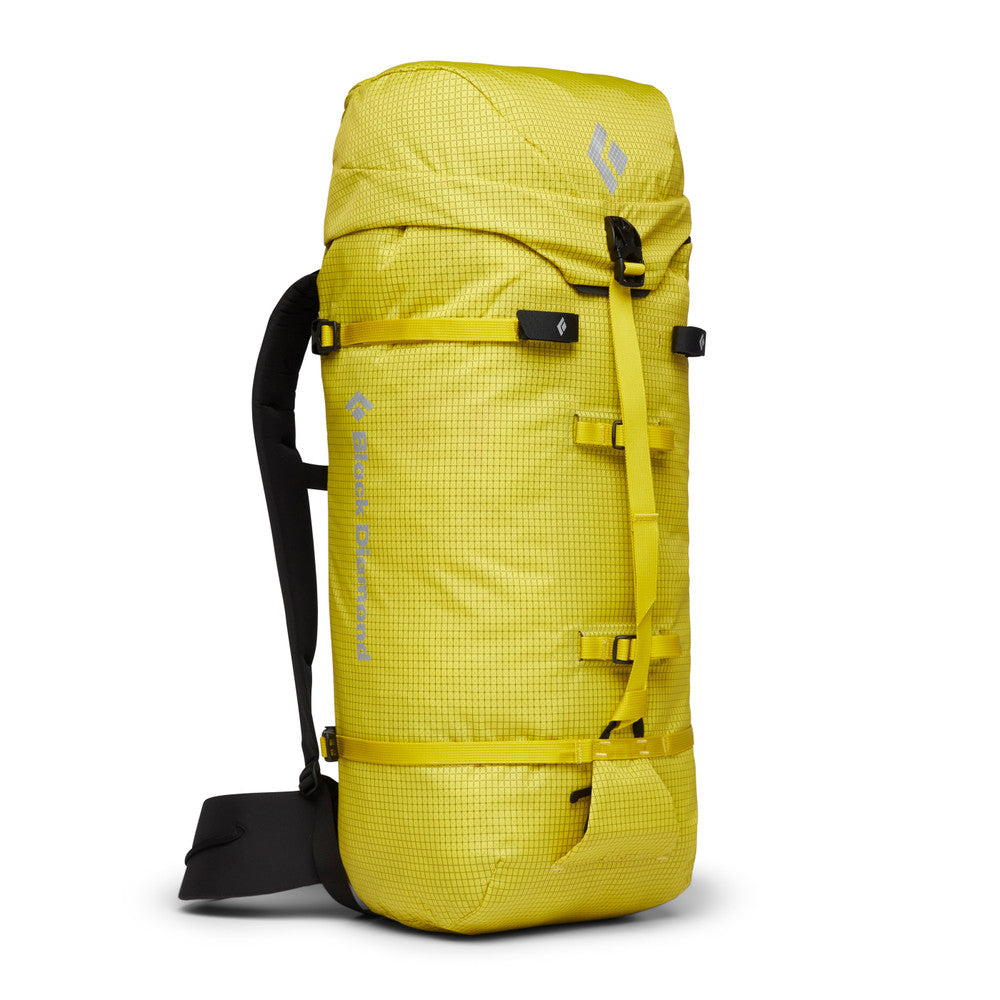
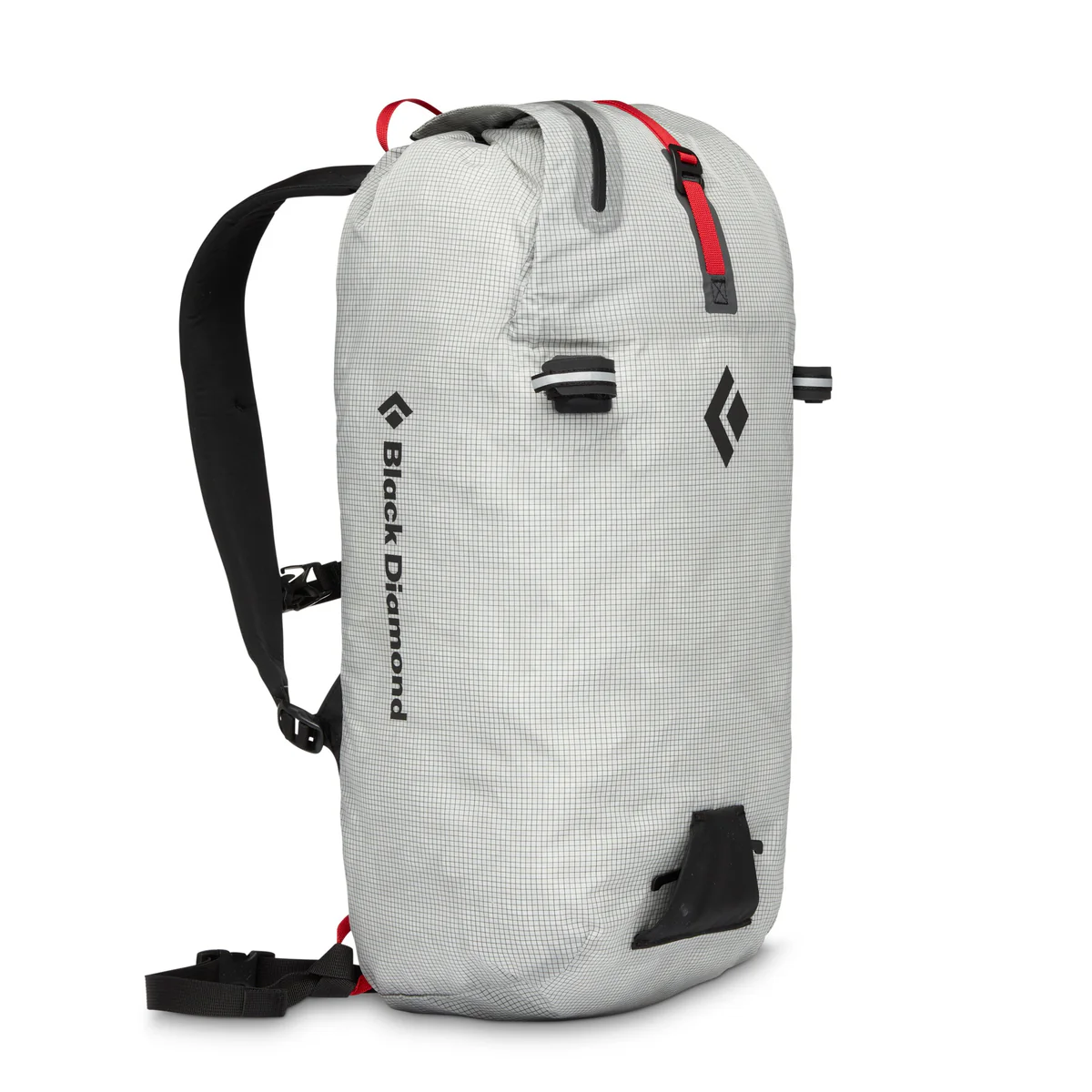
30+ Liter Backpack
A mid-sized pack for carrying personal gear, layers, food, and water during the climb. Can also serve as carry-on luggage and for sightseeing.

1 Day
|
Skill Development
|
$445
|
Pay in Full
Deposit
|
Novice


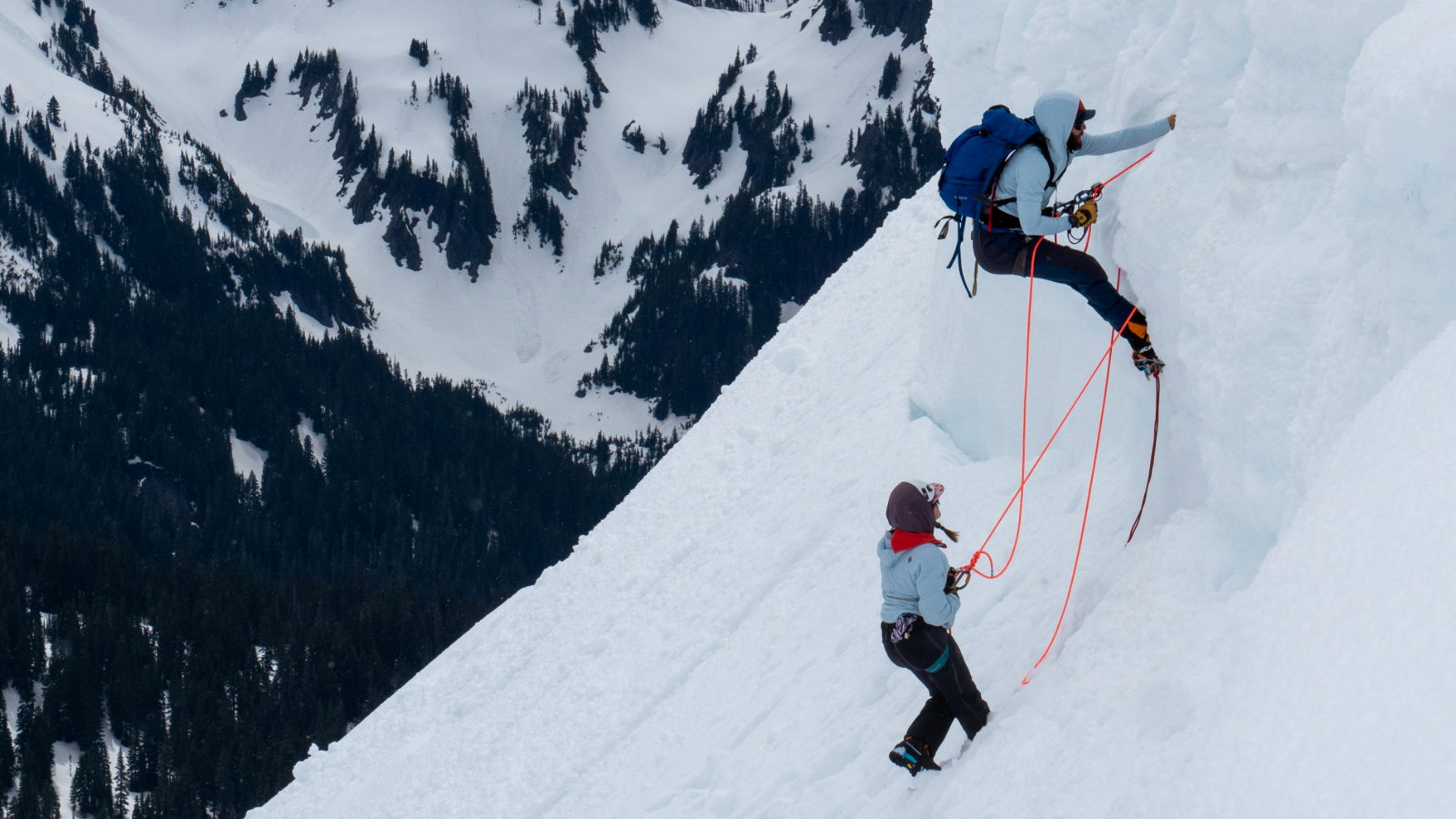
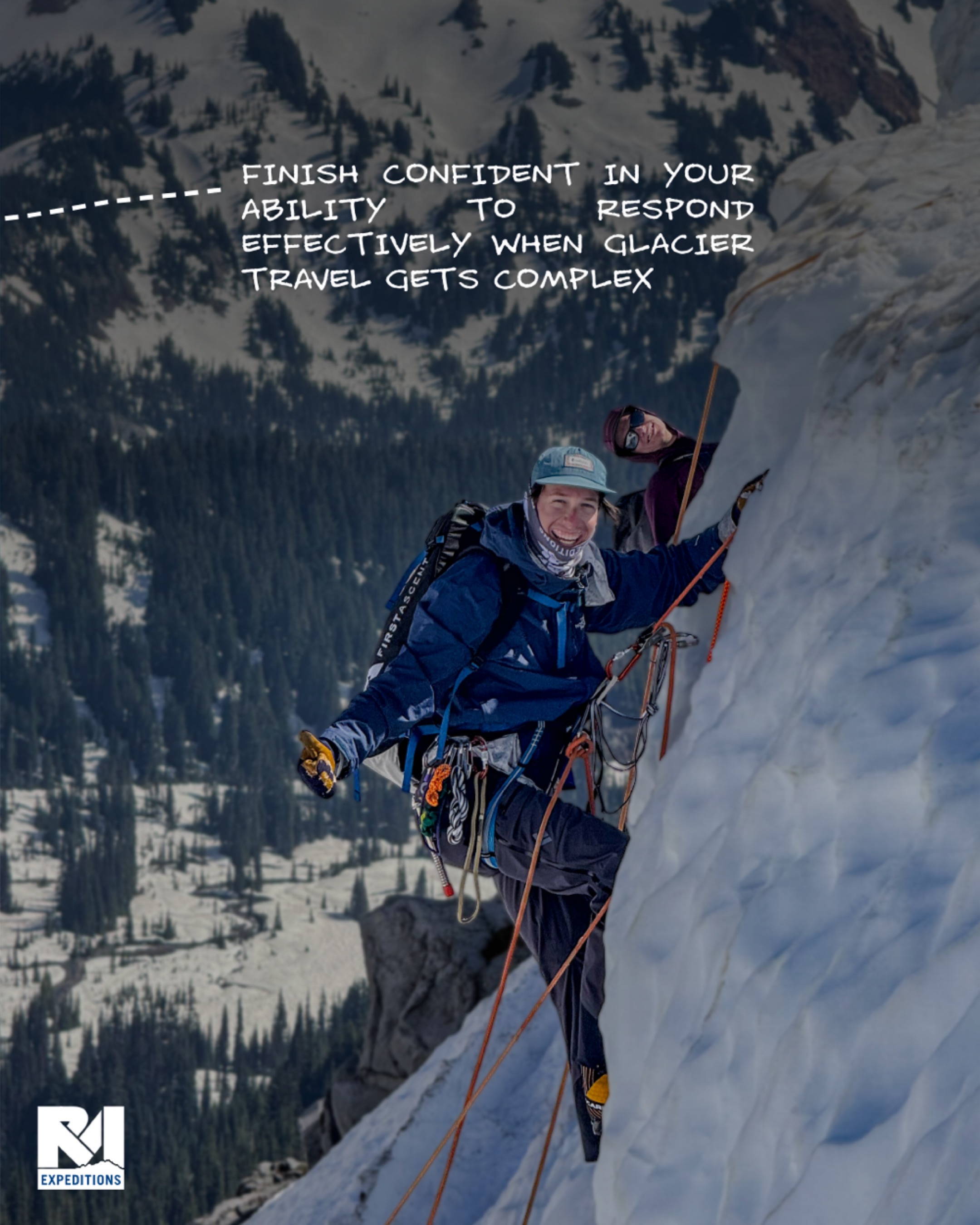
A one-day instructional course focused on crevasse rescue systems and safe travel on glaciated terrain.
Day-by-day program overview.
Fitness, experience, and preparation.
Gear requirements for this program.
Meals and nutrition on the mountain.
Getting there and local logistics.
Booking, cancellations, and requirements.
Common questions, direct answers.
What climbers are saying.

A focused, one-day course covering the systems used to manage crevasse hazards in glaciated terrain.

Hands-on instruction centered on real rescue scenarios, not abstract technique.

Designed to help climbers travel on glaciers with greater awareness, preparedness, and judgment.
Super pleased with the entire experience. From the emails preparing for the trip, to the facilities, transportation, instructors and class—it was all fantastic! RMI definitely exceeded my expectations and I look forward to doing more with them in the future. Thank you RMI for the great experience. Definitely money well spent.
John S.
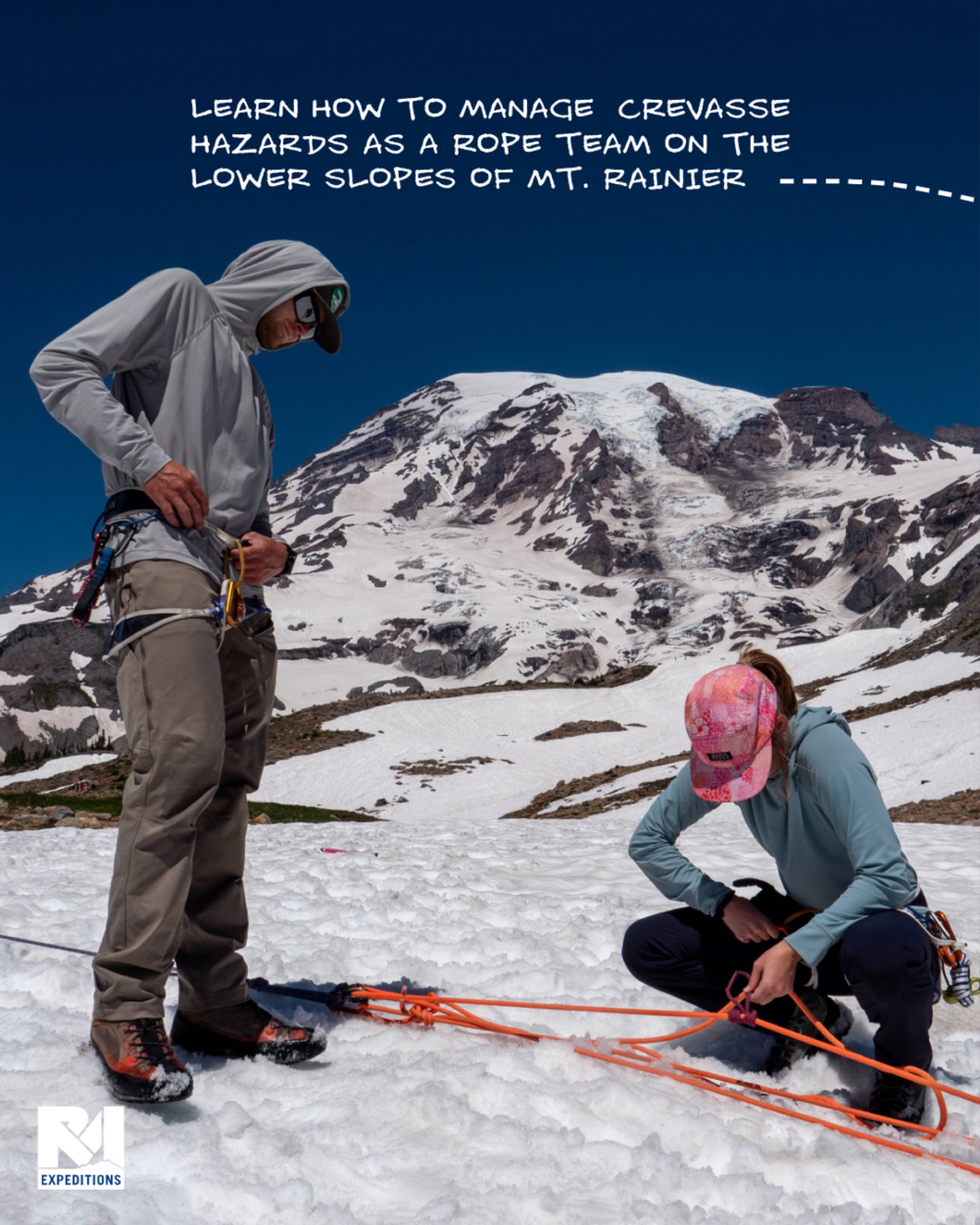
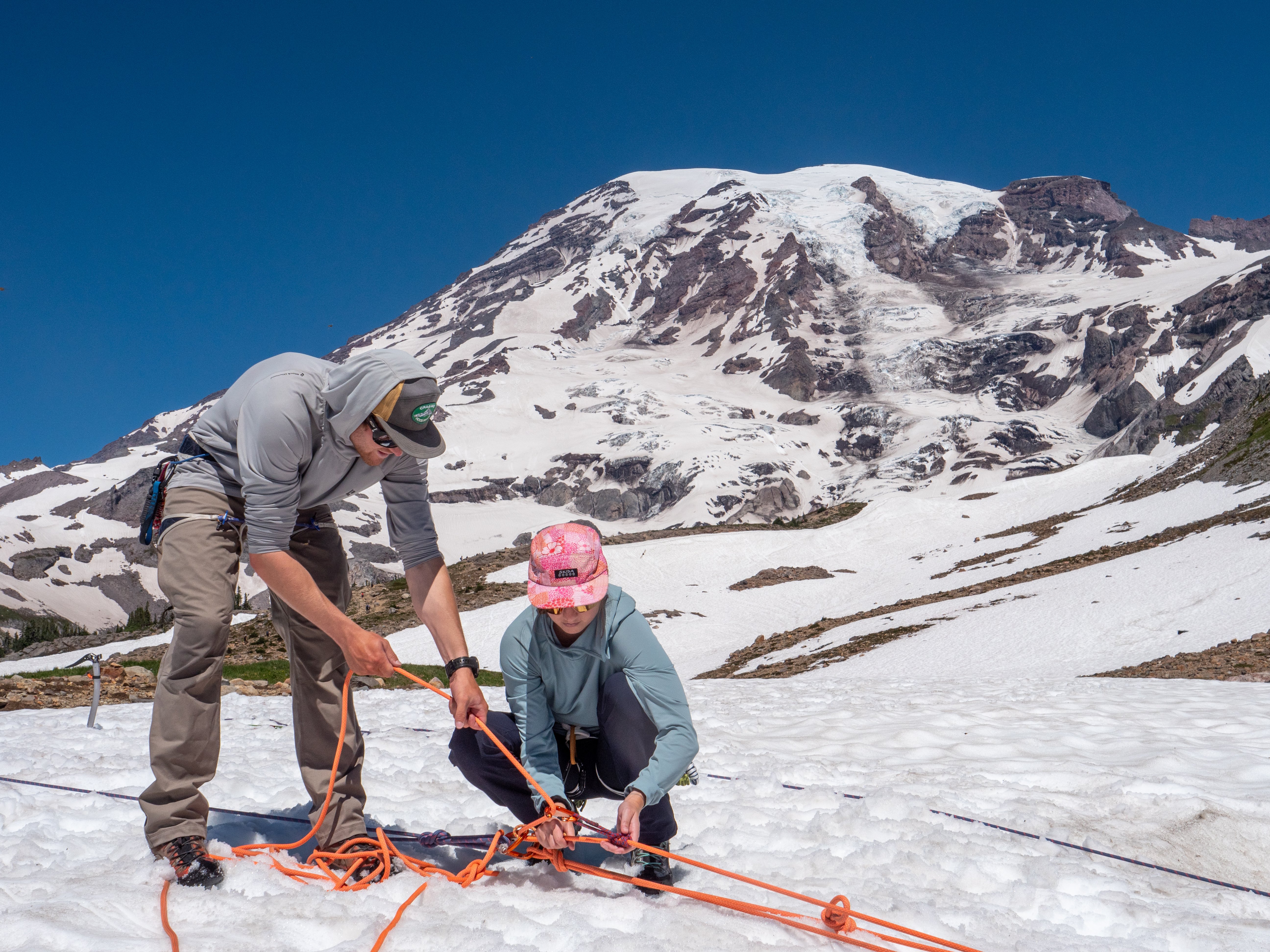
The Mount Rainier Crevasse Rescue School is a one-day instructional course focused on the skills required to travel safely and responsibly on glaciated terrain. Held on the lower slopes of Mount Rainier, the course provides a practical environment for learning how climbers manage crevasse hazards as part of a roped team.
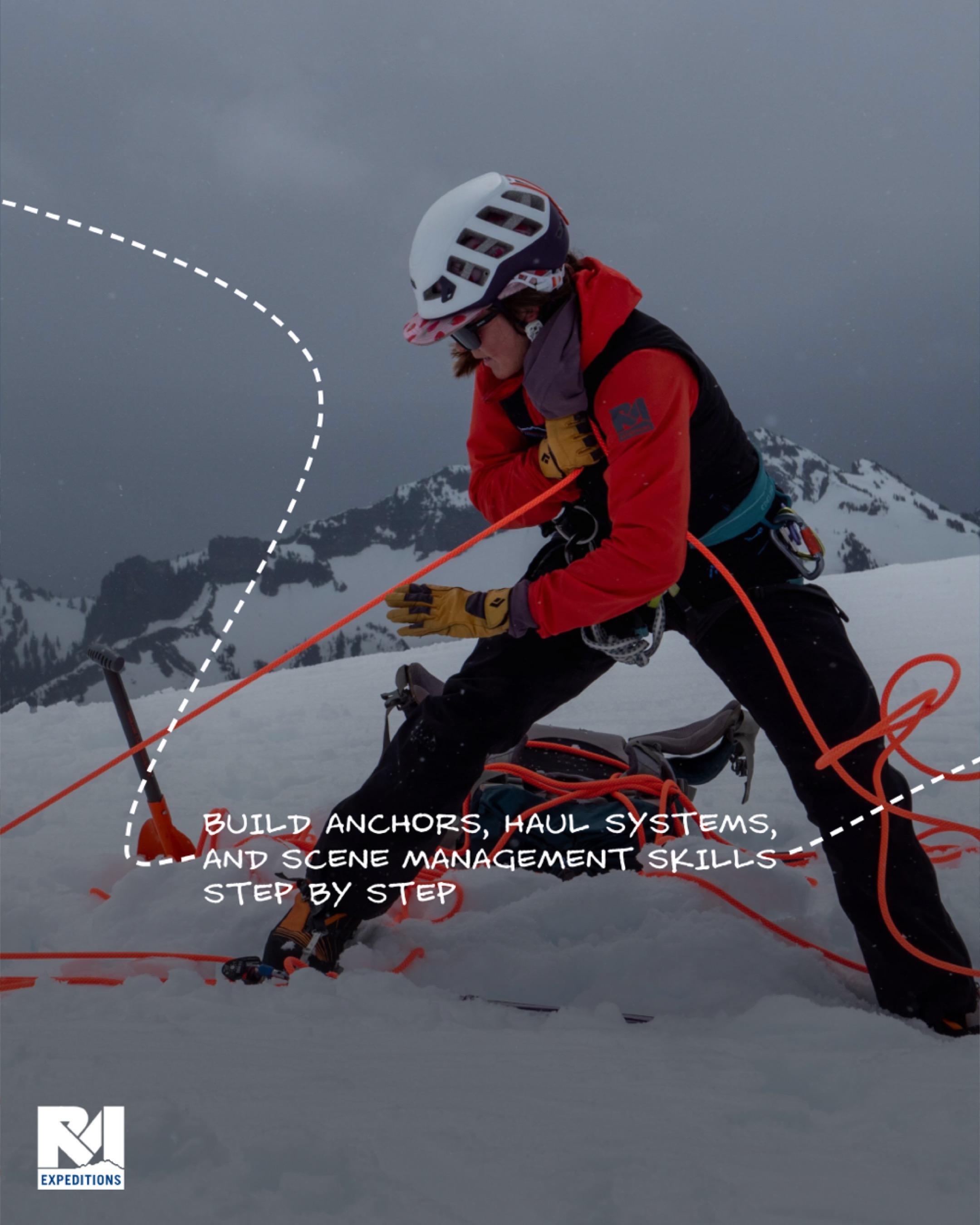
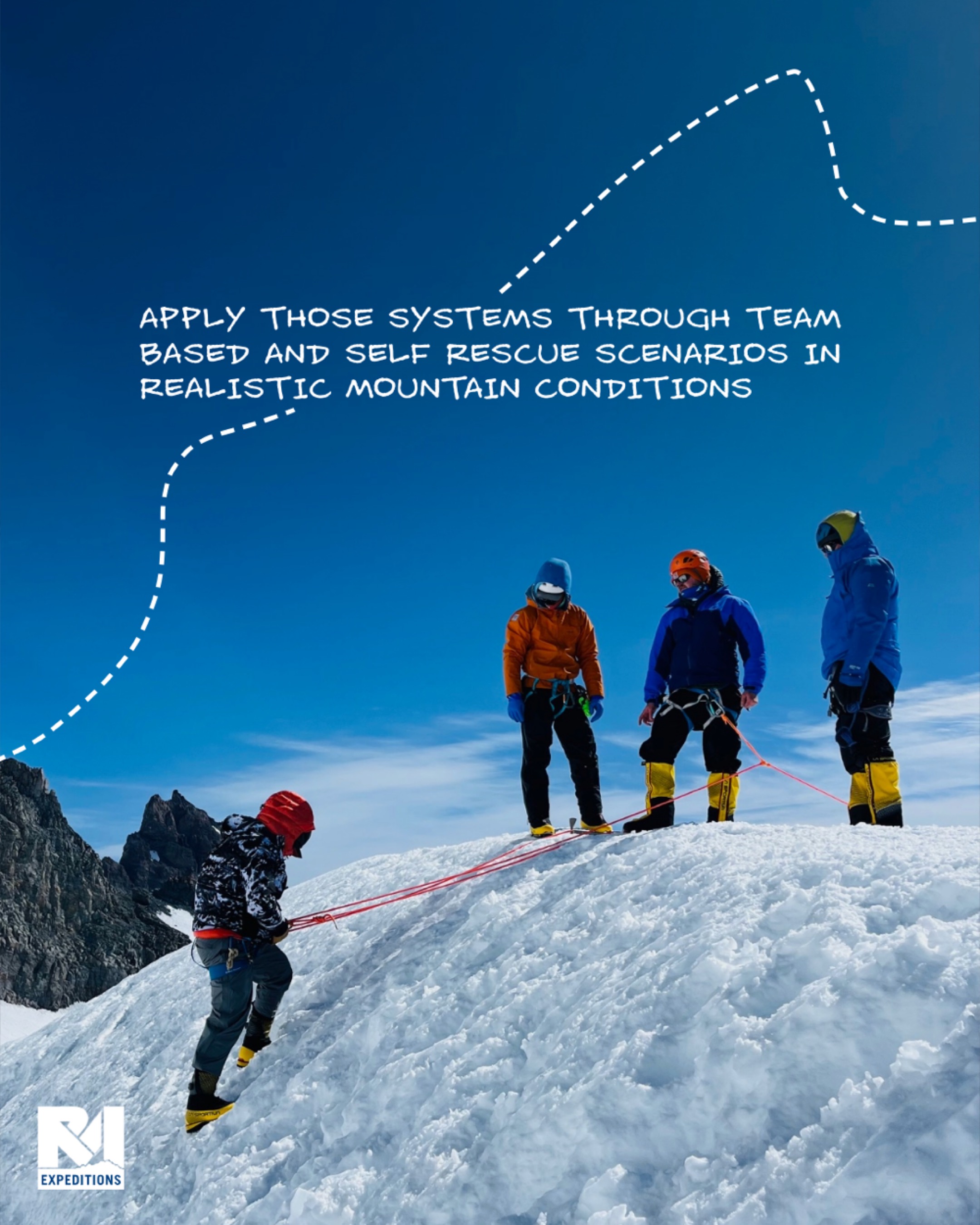
Throughout the day, participants work through the core systems used in crevasse rescue, including anchor construction, hauling systems, and scene management. Instruction emphasizes understanding how and why these systems work, then applying them through repeated practice and full rescue scenarios. Climbers learn both team-based rescue techniques and strategies for self-rescue, building familiarity with the decisions and movements required in real situations.
This course is well suited to climbers who are beginning to travel on glaciers, as well as those looking to refresh or refine their rescue skills. When paired with RMI’s Mountaineering School, the Crevasse Rescue School provides a strong foundation for climbers preparing to move into glaciated alpine terrain with greater confidence and competence.
Crevasse rescue is a critical skill set that demands clarity, precision, and repetition. Teaching it well requires more than technical competence; it requires guides who understand how rescue systems function under pressure and how climbers actually perform in real situations. RMI’s long history guiding on Mount Rainier directly informs how this course is taught: practical, methodical, and grounded in real mountain use.
RMI guides are experienced instructors who regularly apply crevasse rescue systems in glaciated terrain. That experience shapes a teaching approach focused on understanding why systems work, how to build them efficiently, and how to manage a rescue scene deliberately rather than reactively. Instruction emphasizes clean systems, clear communication, and decision-making that scales from practice environments to real alpine settings.
“Both guides did a great job explaining all aspects of crevasse rescue with detailed reasoning behind each. They made the whole process fun and entertaining while demonstrating and providing useful skills in the real world.” — Paul K.
Risk management is woven into every part of the course. Guides focus on crevasse site safety, anchor integrity, and team coordination alongside mechanical systems. This integrated approach helps participants understand crevasse rescue not as a single skill, but as a sequence of decisions that begins well before a fall occurs.
The result is instruction that prioritizes competence over speed and understanding over memorization. Whether climbers are new to glacier travel or refreshing existing skills, RMI’s Crevasse Rescue School reflects decades of experience teaching mountaineers how to operate responsibly in glaciated terrain.
Rainier Mountaineering, Inc. is an authorized Concessioner of the National Park Service, Department of the Interior. Rainier Mountaineering, Inc. is authorized to provide guided mountaineering services, mountaineering day school, alpine training, and guided winter activities within Mount Rainier National Park.
Address comments to:
Superintendent | Mount Rainier National Park
55210 238th Avenue East
Ashford, WA 98304

All our climbs in Mt. Rainier & Denali National Parks are 100% carbon neutral. We have acquired offsets for greenhouse gas emissions through our partnership with Ostrom Climate, Canada's top carbon management solutions provider. Their carbon offset projects undergo rigorous verification by third parties to validate that emission reductions are genuine and permanent, ensuring that our contribution is making a tangible impact.
Develop essential crevasse rescue skills on the snowfields of Mount Rainier's lower slopes. This itinerary focuses on practical systems, repetition, and decision-making, giving climbers the tools to respond effectively in complex glacier environments.
Ashford, WA
1 Day
Paradise Area
Novice
~6,600' / 2,012 m
1
8 - 10 Hours
The Crevasse Rescue School is designed to build confidence and competence in self and team rescue on glaciated terrain. Instruction focuses on repeatable, field-proven systems that climbers are expected to understand and execute before traveling roped on glaciers during RMI programs.
By the end of the course, climbers will have practical experience with:
“I really felt like I got way more out of the class than I paid for. The skills I learned and were able to practice are priceless and invaluable. The class was equal parts fun and informative.” — Jessica V.
7:00 a.m. - 5:00 p.m.: Meet at 7:00 a.m. at Rainier BaseCamp. Please arrive dressed for hiking and packed with your Crevasse Rescue School gear.
*Rainier BaseCamp in Ashford opens at 7:00 a.m. Climbers may register with RMI, pick up rental equipment, and purchase last-minute items from Whittaker Mountaineering during this time.
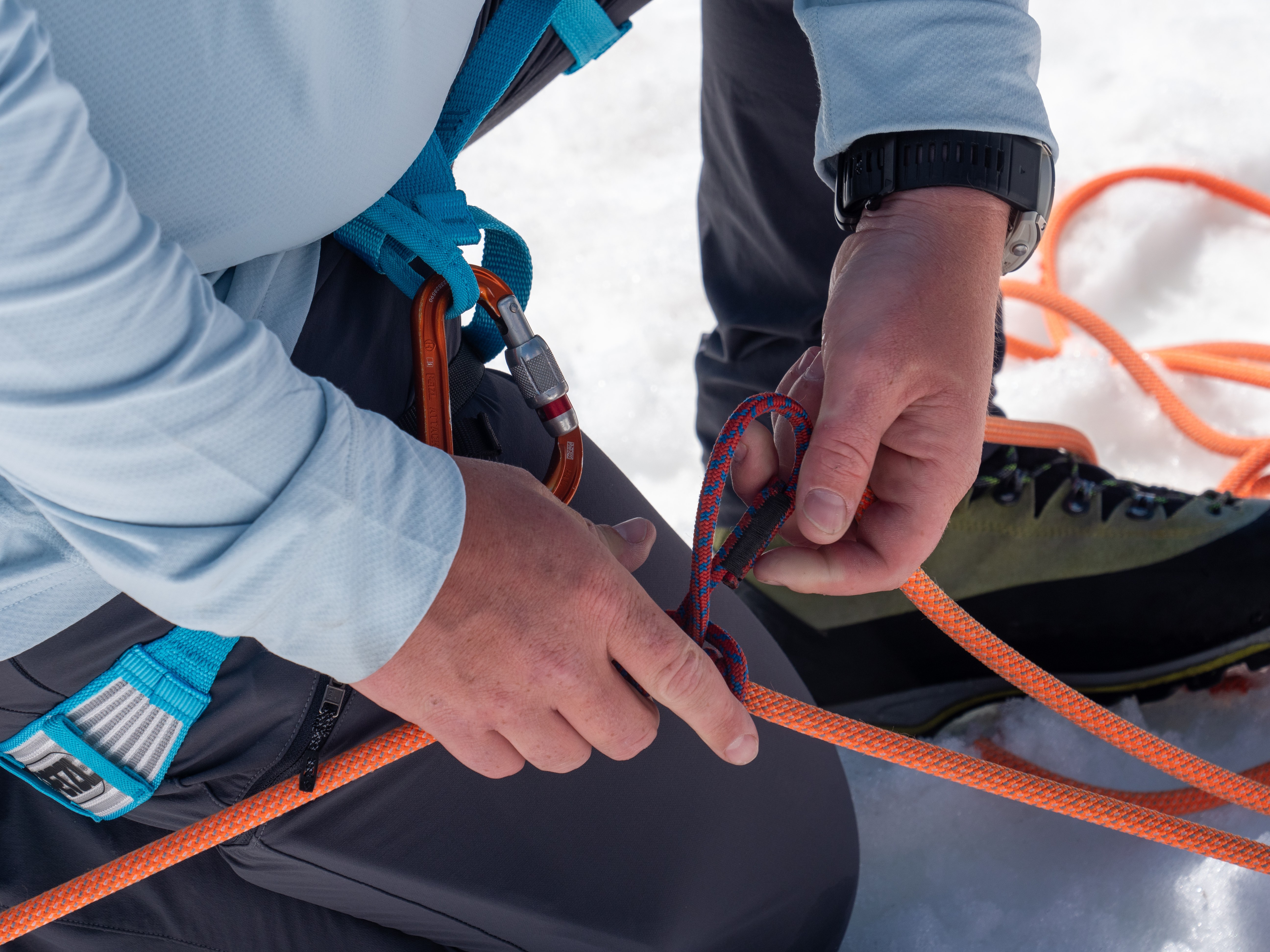
We begin the morning with a welcome and introduction of team members and guides. We spend an hour in the morning discussing knots and preparing our gear for the day of training. Guides will offer final packing and clothing suggestions before we depart Ashford in the shuttle.
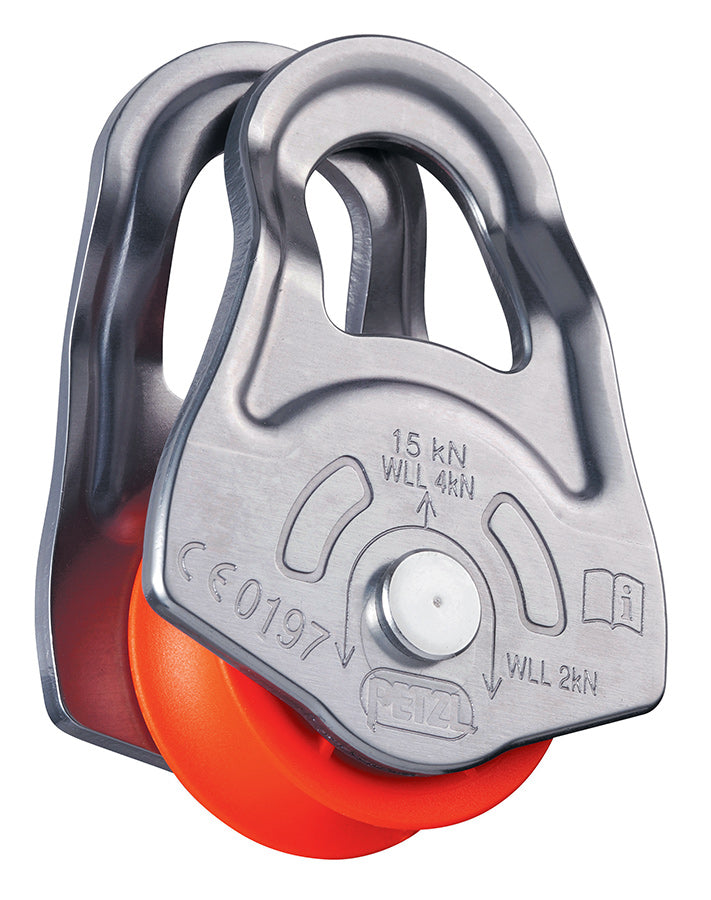
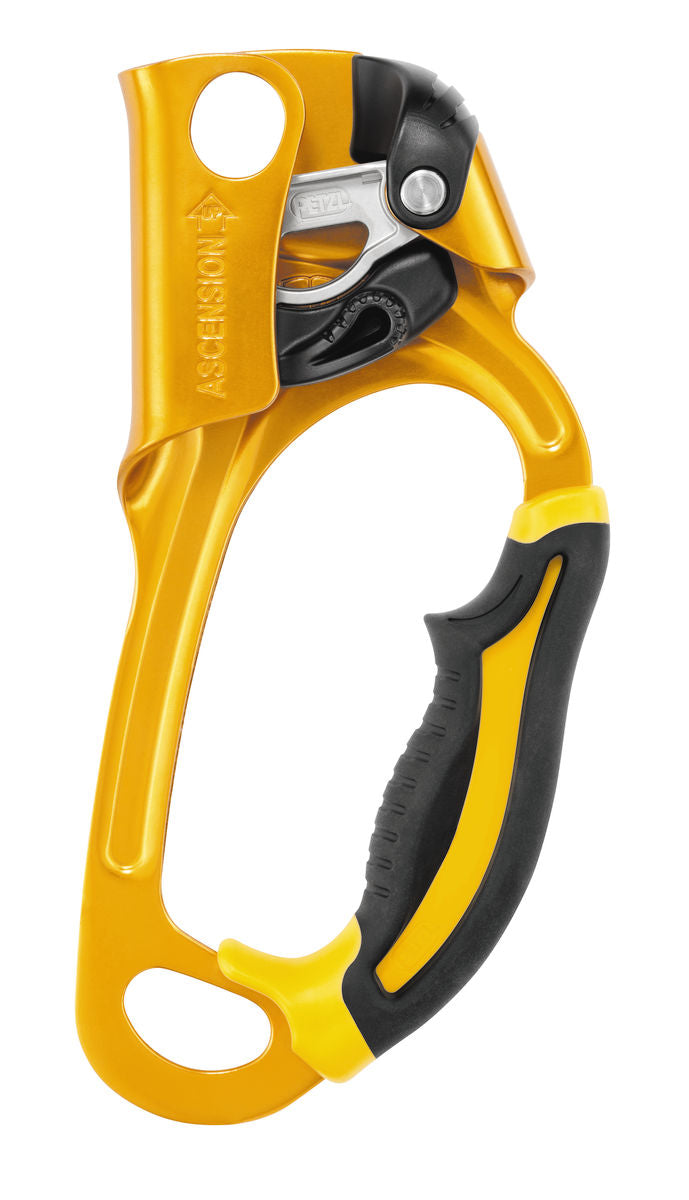
We ascend to our training area just above Paradise on the lower slopes of Mt. Rainier between 6,000' and 6,600'. We focus on snow anchors (pickets, bollard construction, "dead-man" anchors, etc.), anchor equalization, belays, use of Prusik slings, mechanical ascenders, and the "C" and "Z" pulley systems. Various problems and considerations of team rescue are also discussed and practiced.
Following the day of training, we drive back to Rainier BaseCamp.
%202.jpg)

Participants should be comfortable hiking for several hours with a 20–25 lb pack and standing or working on snow for extended periods.

Prior experience with basic mountaineering systems is recommended — comfort with rope travel, crampons, and ice axe arrest will let you get more from the day — but it is not required.

Training takes place on the lower slopes of Mount Rainier, where altitude is moderate and appropriate for a one-day instructional course.
The Crevasse Rescue School is designed for climbers who already have a basic foundation in mountaineering and are beginning to travel on glaciated terrain. Participants should arrive comfortable moving on snow in crampons, using an ice axe for balance and arrest, and traveling as part of a roped team.
While the course is not physically extreme, participants should be prepared for a full day of focused instruction outdoors. Time is spent building anchors, constructing hauling systems, and working through full rescue scenarios, which requires sustained attention, movement on uneven snow, and the ability to remain engaged while standing or working in one place.
This course pairs well with the Mount Rainier Mountaineering Day School and is often taken as a next step for climbers preparing to move more confidently and responsibly in glaciated alpine environments.
Recommended climbing experiences include:
.png)
Skills Covered:
Foundational mountaineering techniques including efficient movement, crampon use, ice axe arrest, and basic rope travel.
Your climbing resumé should include:

Prior participation in a mountaineering skills course or equivalent experience
Comfort traveling roped on snow and ice
Confident crampon use on moderate snow slopes
Ice axe arrest proficiency
Ability to carry a 20–25 lb pack
Willingness to practice technical systems in a focused, instructional setting
Items marked with an Asterix (*) are considered mandatory prerequisites for this program.
Total Hiking Time
Elevation Gain / Loss
Total Distance
Pack Weight
DAY 1
2 - 2 ½ Hours Round Trip
Gain = 1,000' | Loss = 1,000'
4 MilesRound Trip
20 - 25 lbs
Our guides have decades of experience training for alpine objectives, and we've done our best to put together relevant resources to help you with your expedition preparation.
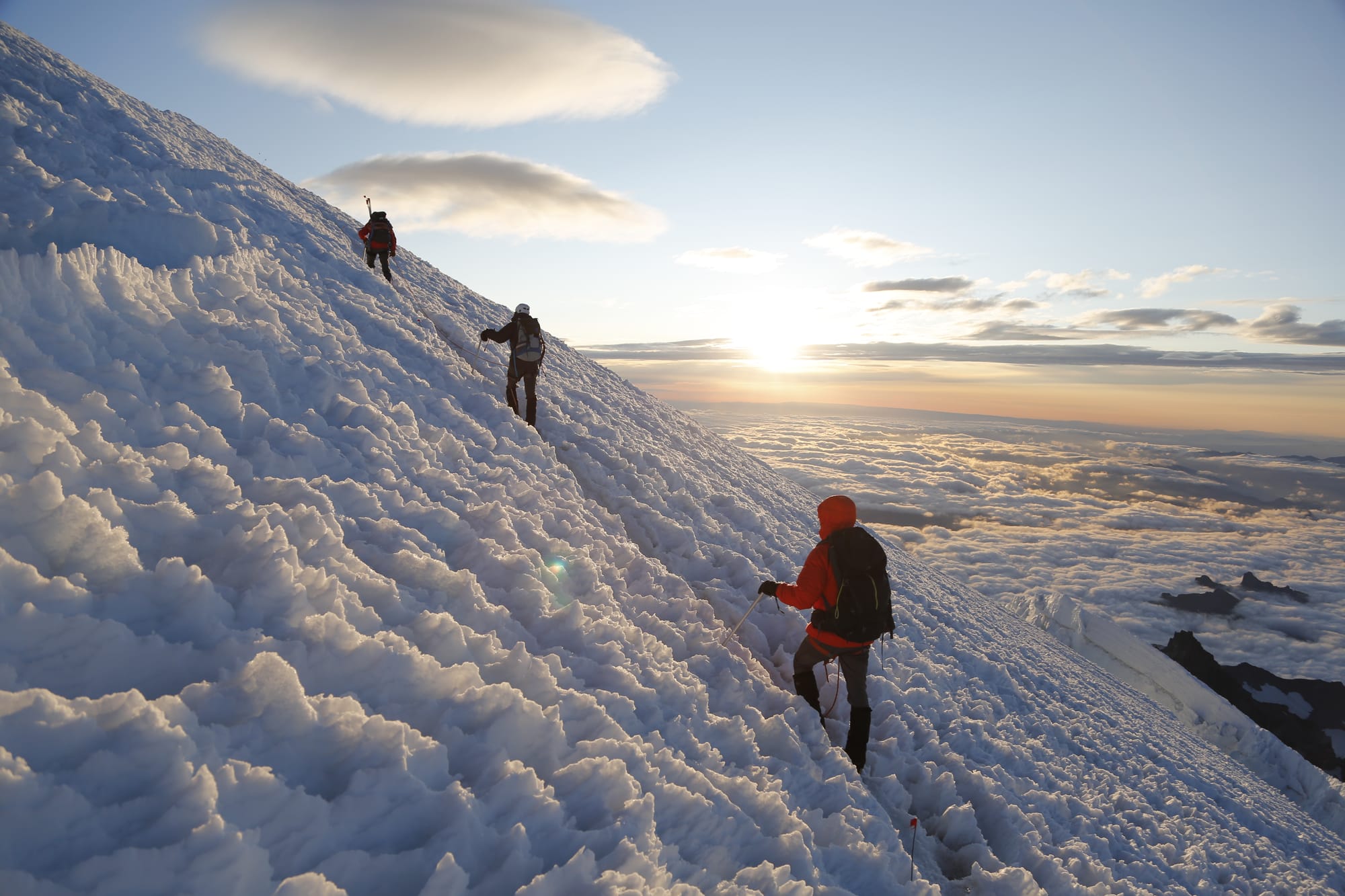
A Comprehensive Guide to Crafting Your Own Progressive, Goal-Oriented Program
Fitness & Training
Mountaineering is both an individual challenge and a team endeavor. Before any program begins, RMI works directly with prospective climbers to confirm that everyone joining a team is genuinely prepared for the demands ahead. Depending on the program, this may involve conversations with our office staff, a review of your climbing history, or feedback from guides and other climbers who know your abilities. The goal is straightforward: to ensure that every person on the rope belongs there. We ask that each climber hold themselves to the same standard:
The standards we set exist to protect everyone on the team. RMI holds all climbers accountable to them, and we take seriously our responsibility to build teams of people who are ready to be in the mountains together. RMI reserves the right to remove a participant from a program or send them to a lower altitude if our guide staff determines, in their sole discretion, that the participant is not physically, technically, or psychologically prepared or capable of participating, or for any other reason that may compromise the safety, health, or well-being of the participant or the group. In such cases, no refunds or credits will be issued, and the participant will be financially responsible for any additional costs associated with an early departure, including evacuation, transportation, lodging, and meals.
The Crevasse Rescue School takes place on snow and focuses on hands-on practice of rescue systems. Participants should be prepared for a full day outdoors that includes moving on snow, standing for extended periods, and repeatedly building and testing rope systems in variable mountain conditions.
This equipment list reflects what is needed to practice crevasse rescue safely and effectively. All required gear must be brought and available, even if not in constant use throughout the day. Arriving properly equipped allows participants to focus on learning, repetition, and system efficiency rather than managing missing or inadequate equipment.
Each RMI program includes a required personal equipment list built around the specific terrain, conditions, and objectives of the climb. Every item serves a purpose and supports safety, efficiency, and comfort in the mountains.
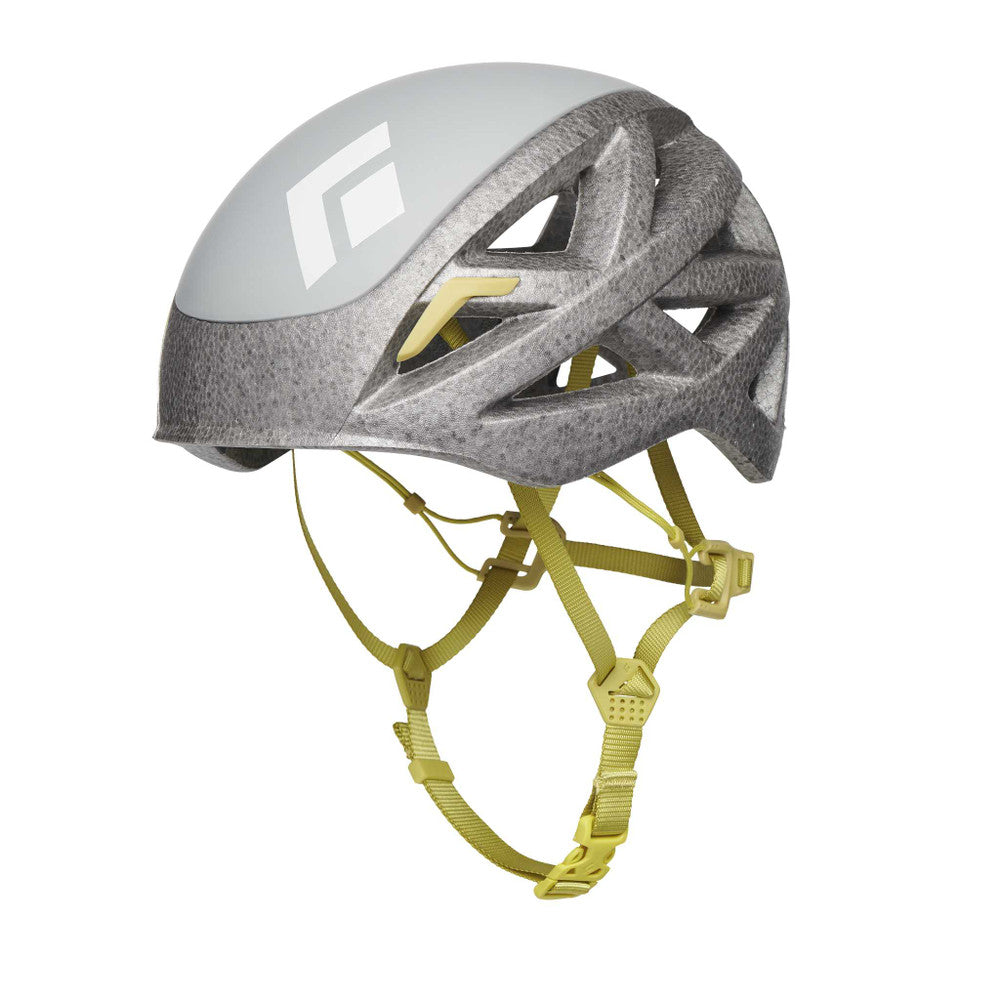
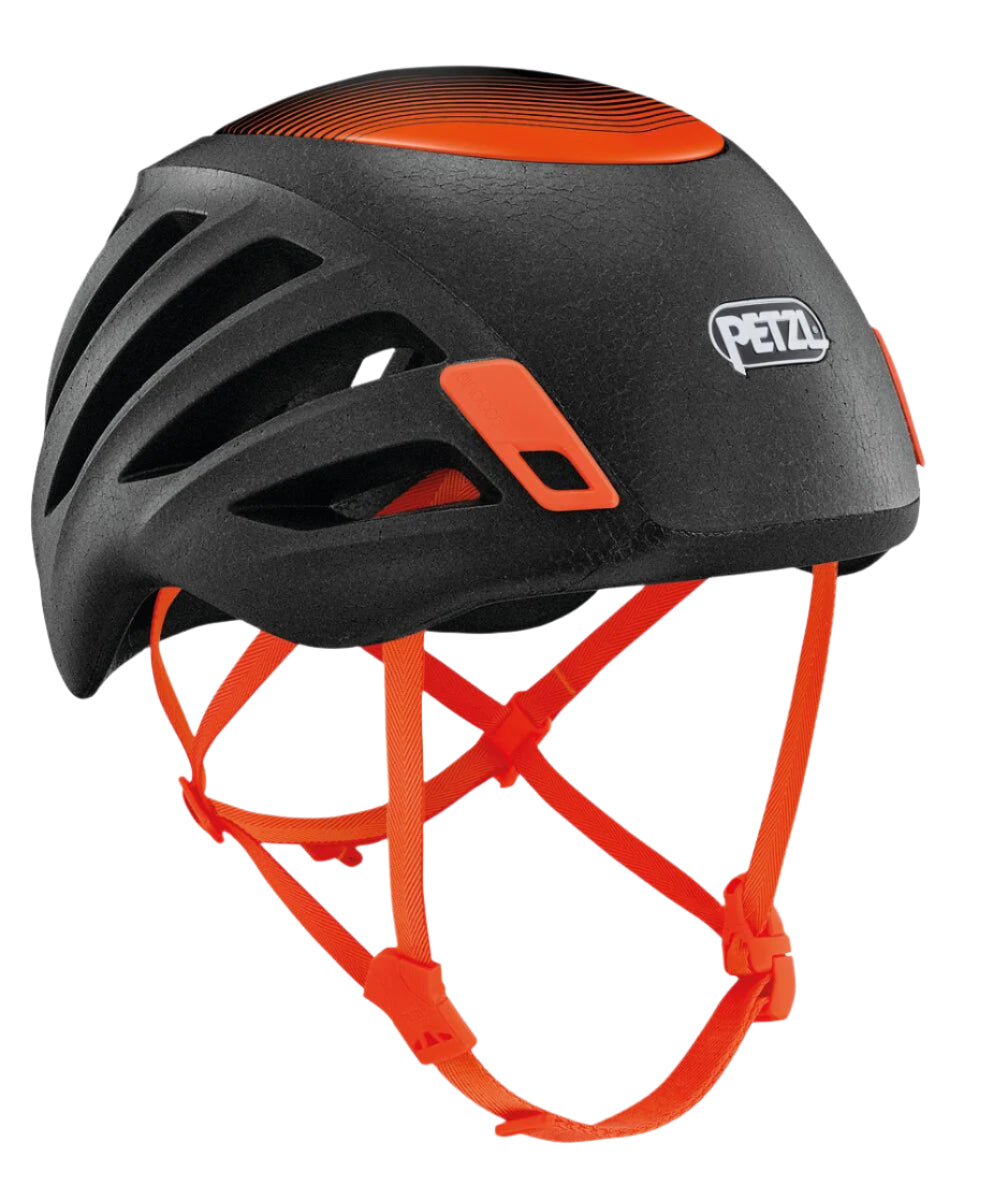
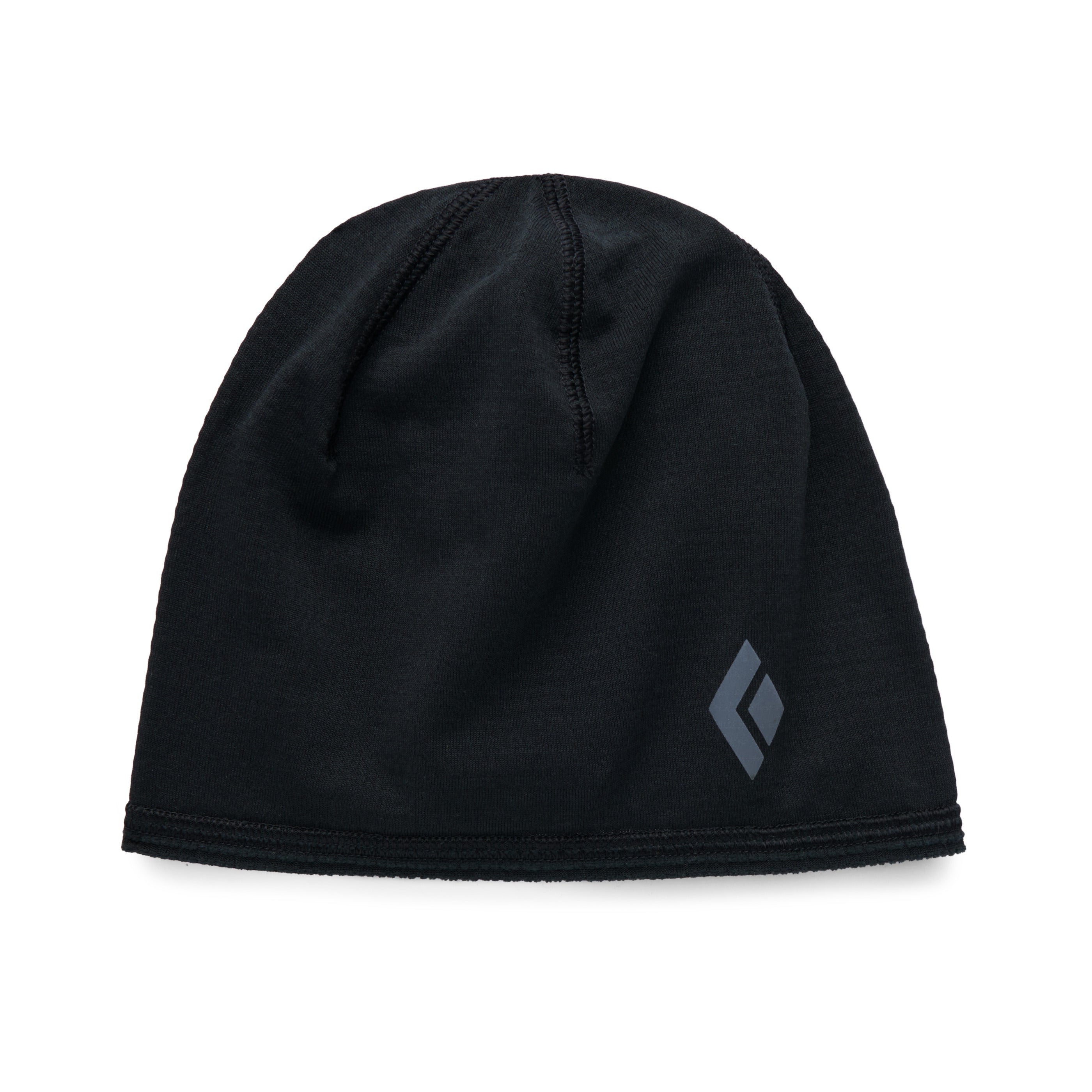
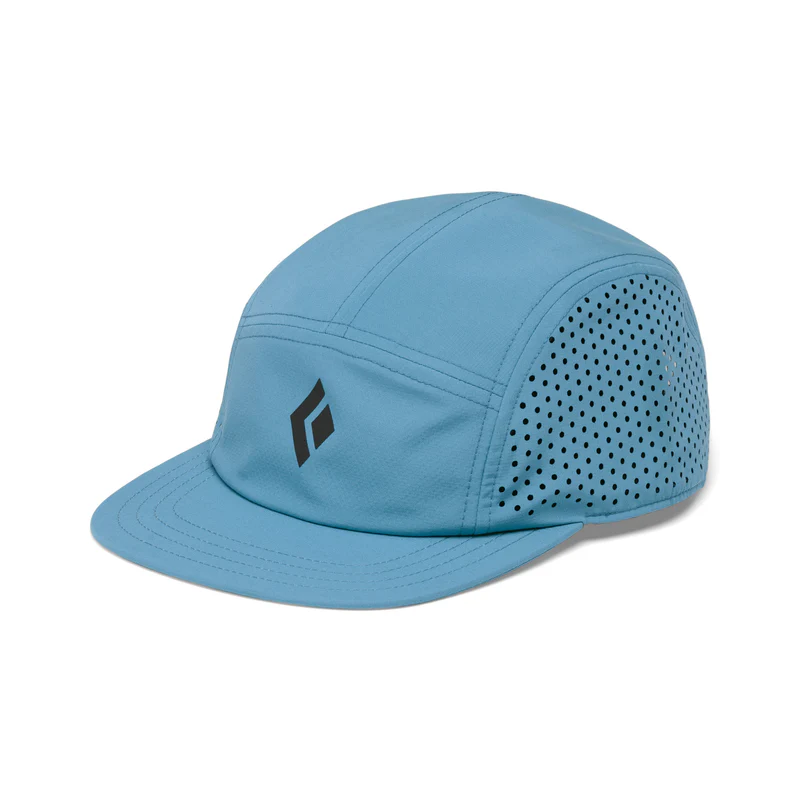
Guide Picks™ are examples that meet our performance standards and illustrate the type of gear we recommend. Each year, our partners at Whittaker Mountaineering survey our staff of 70+ guides to get a consensus on the best gear for the job. You do not need to purchase the exact item shown, but any alternative must offer comparable function and durability.
All listed items are required for the gear check. Final adjustments may be recommended by your guide based on conditions and team needs once the expedition begins.
Most of the required equipment is available for rent or purchase from our affiliate Whittaker Mountaineering. RMI climbers receive a 10% discount on new clothing and equipment items ordered from Whittaker Mountaineering.

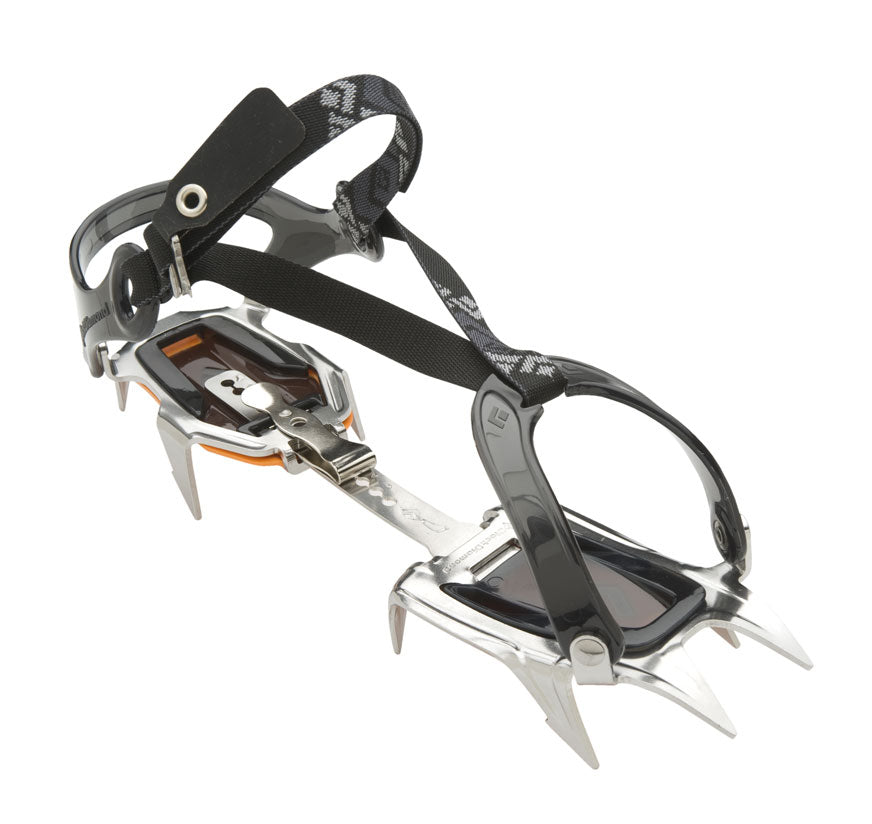
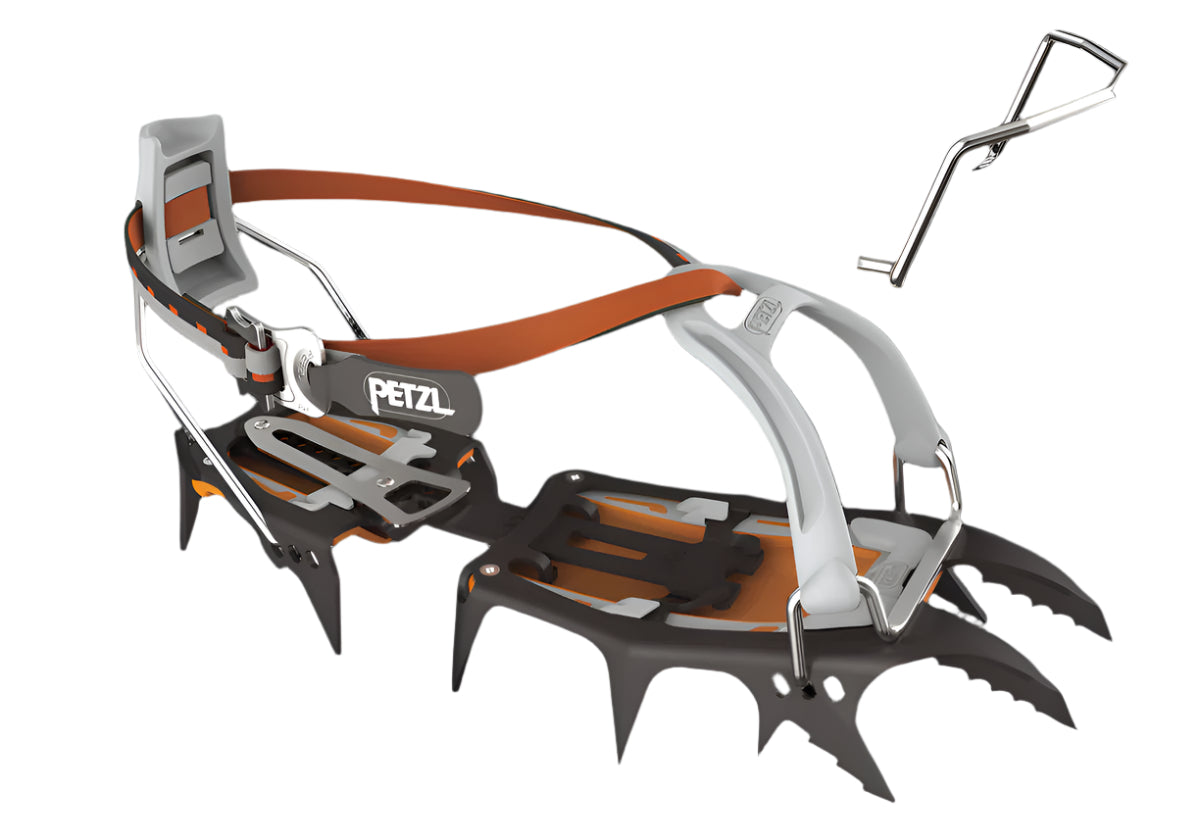
10- or 12-point adjustable steel crampons with anti-balling plates for general mountaineering and glacier travel. Automatic, semi-automatic, or strap-on attachment depending on boot compatibility. Ensure crampons are compatible with your specific boots before your program.
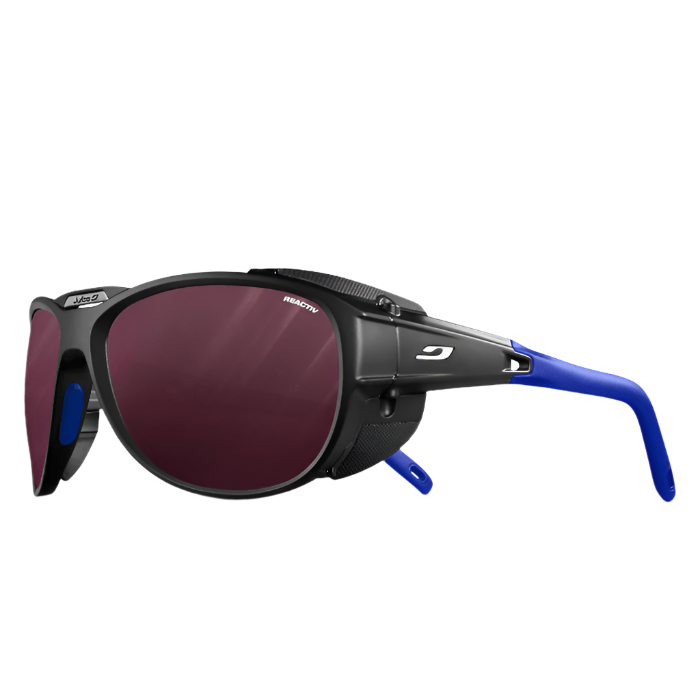
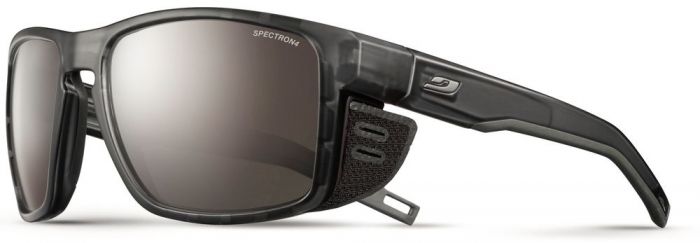
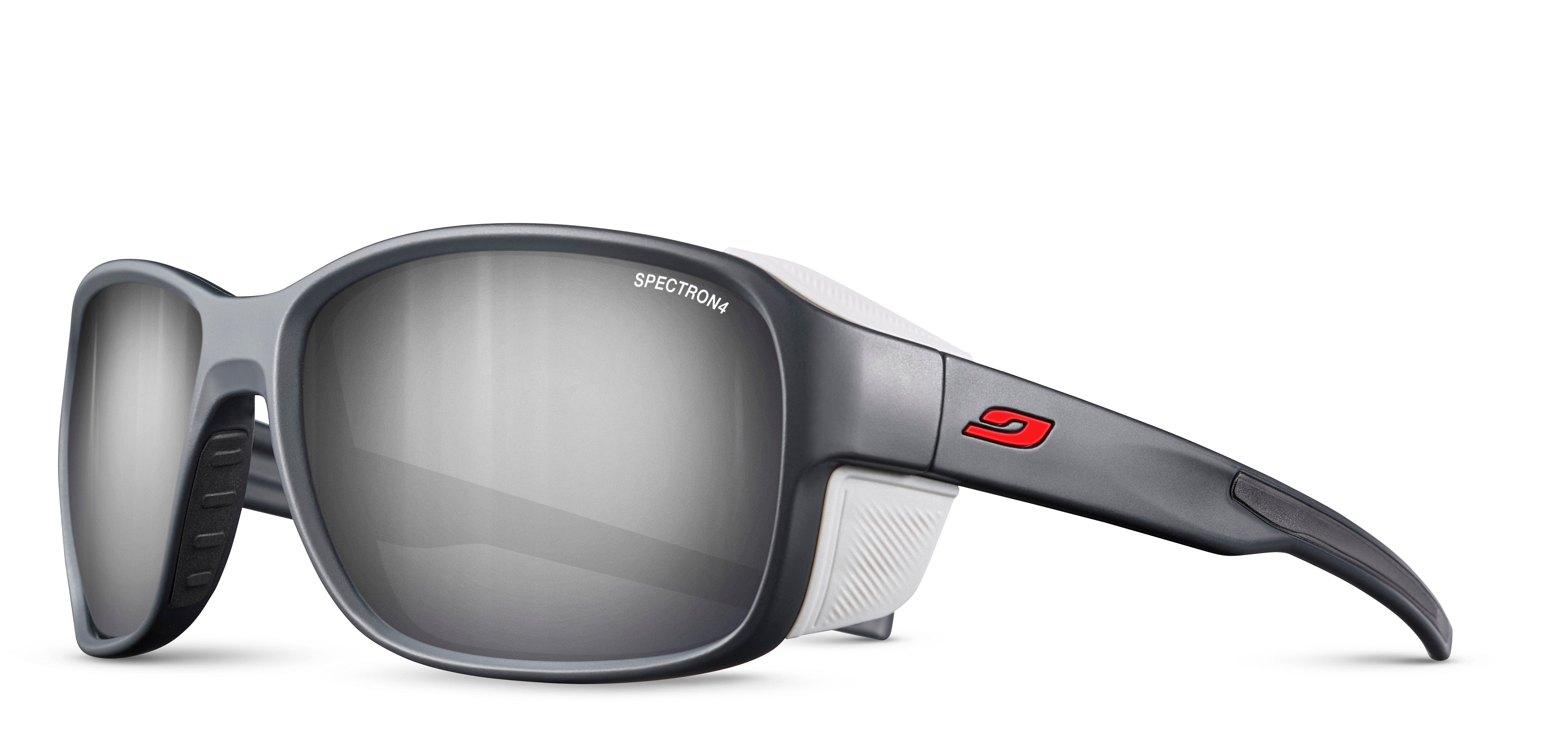
Glacier glasses are protective sunglasses that provide close to 100% frame coverage (wrap-around frames and side shields ensure no light can enter from the top, bottom, and sides of the glasses) and transmit less than 10% of visual light.
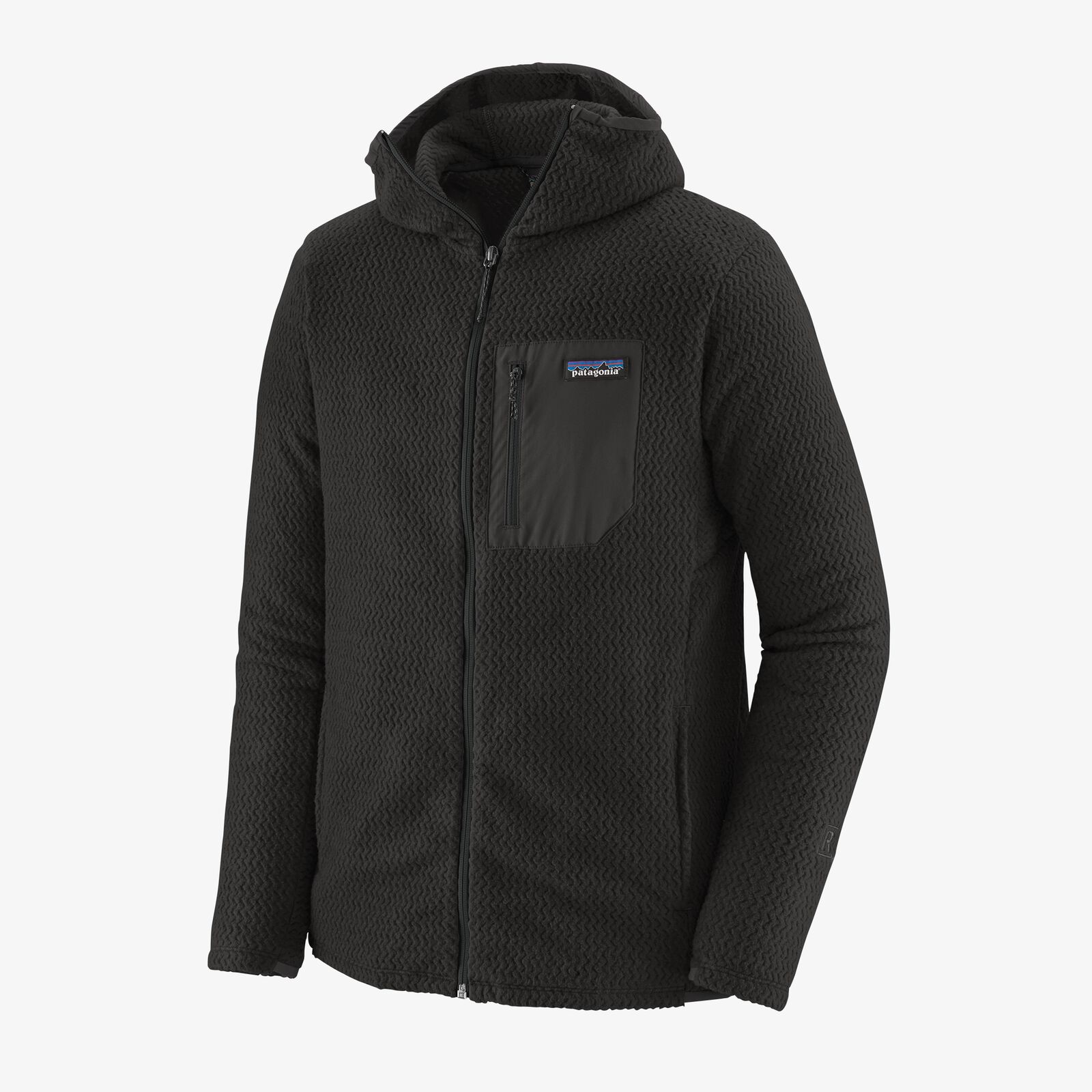
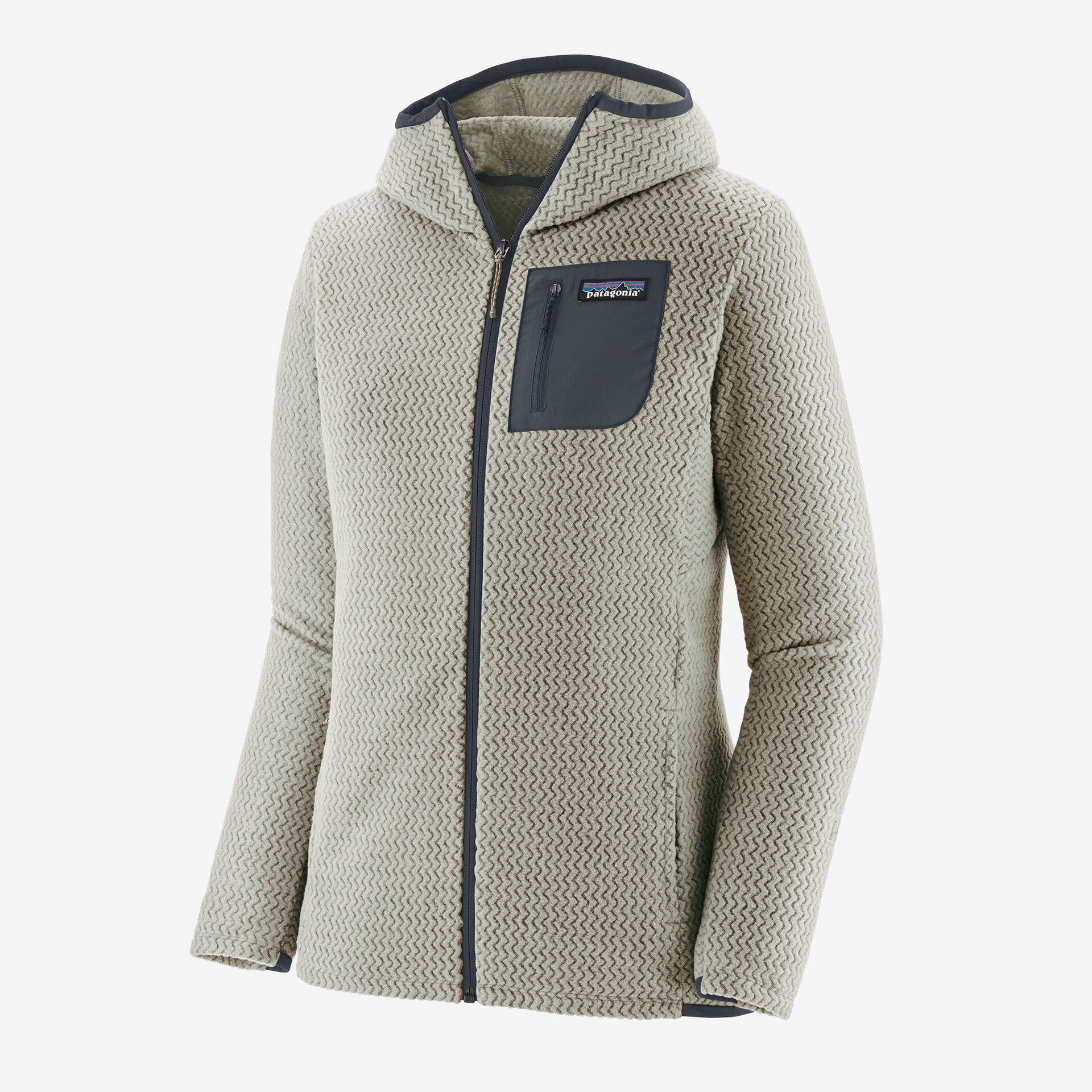
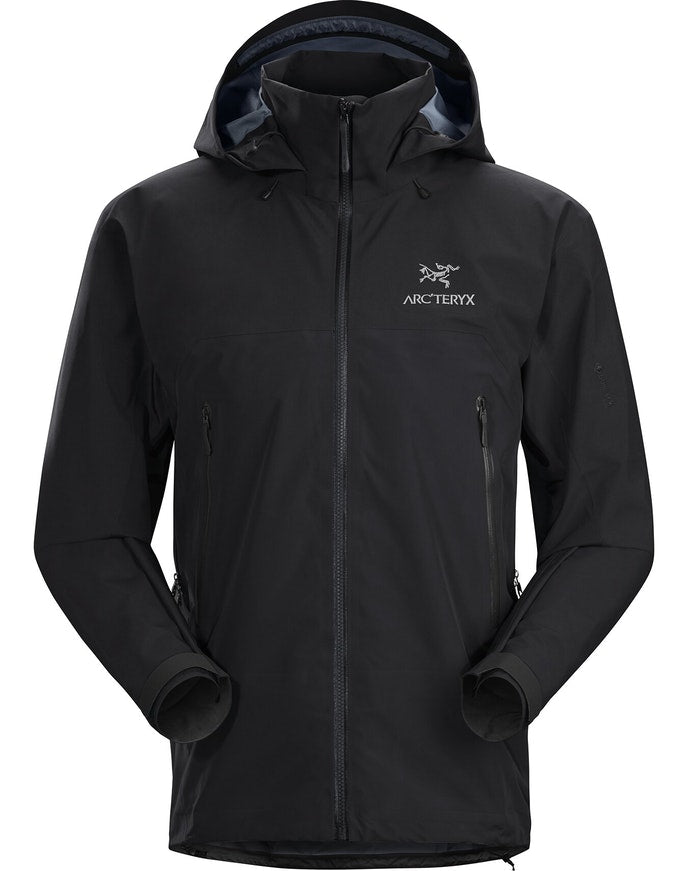
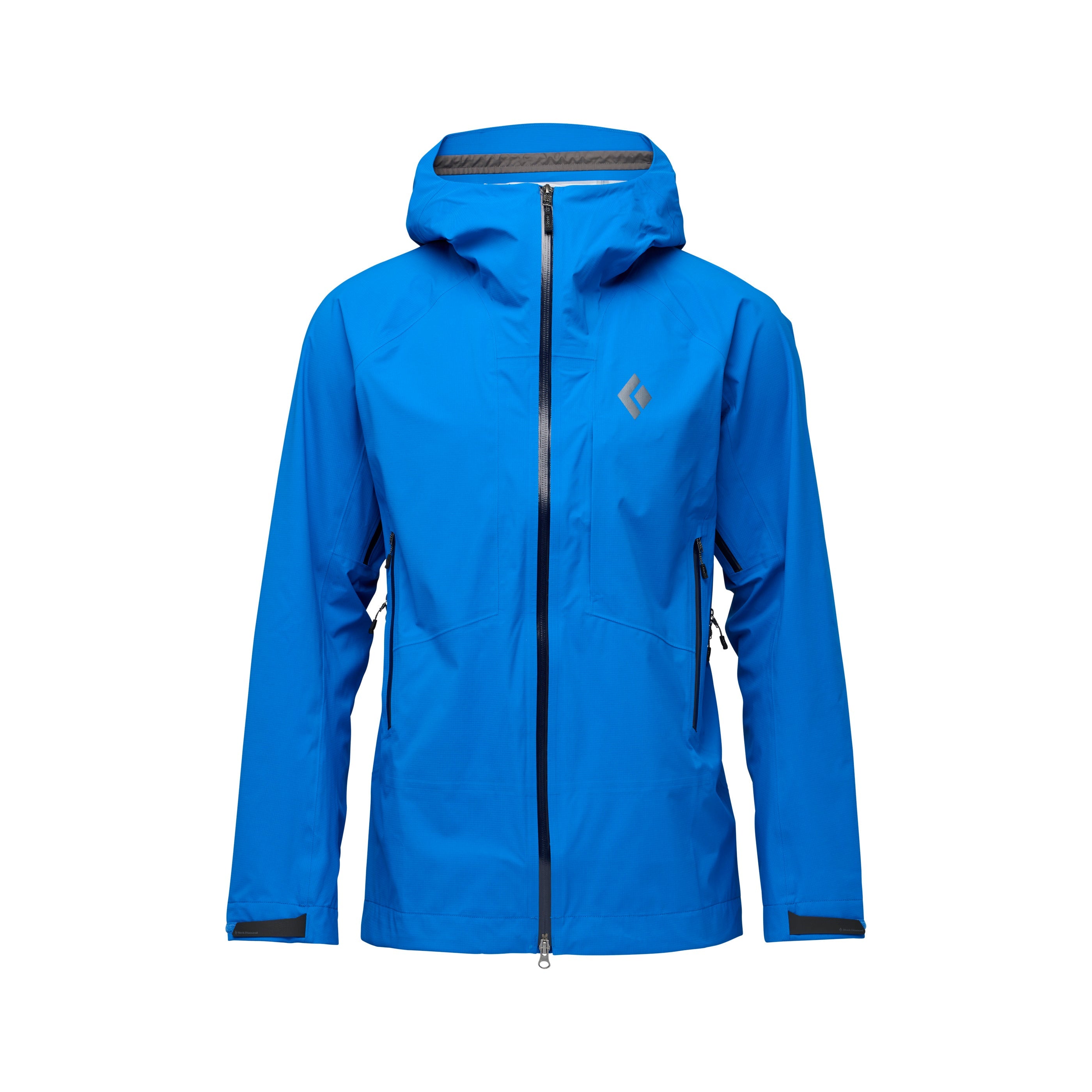
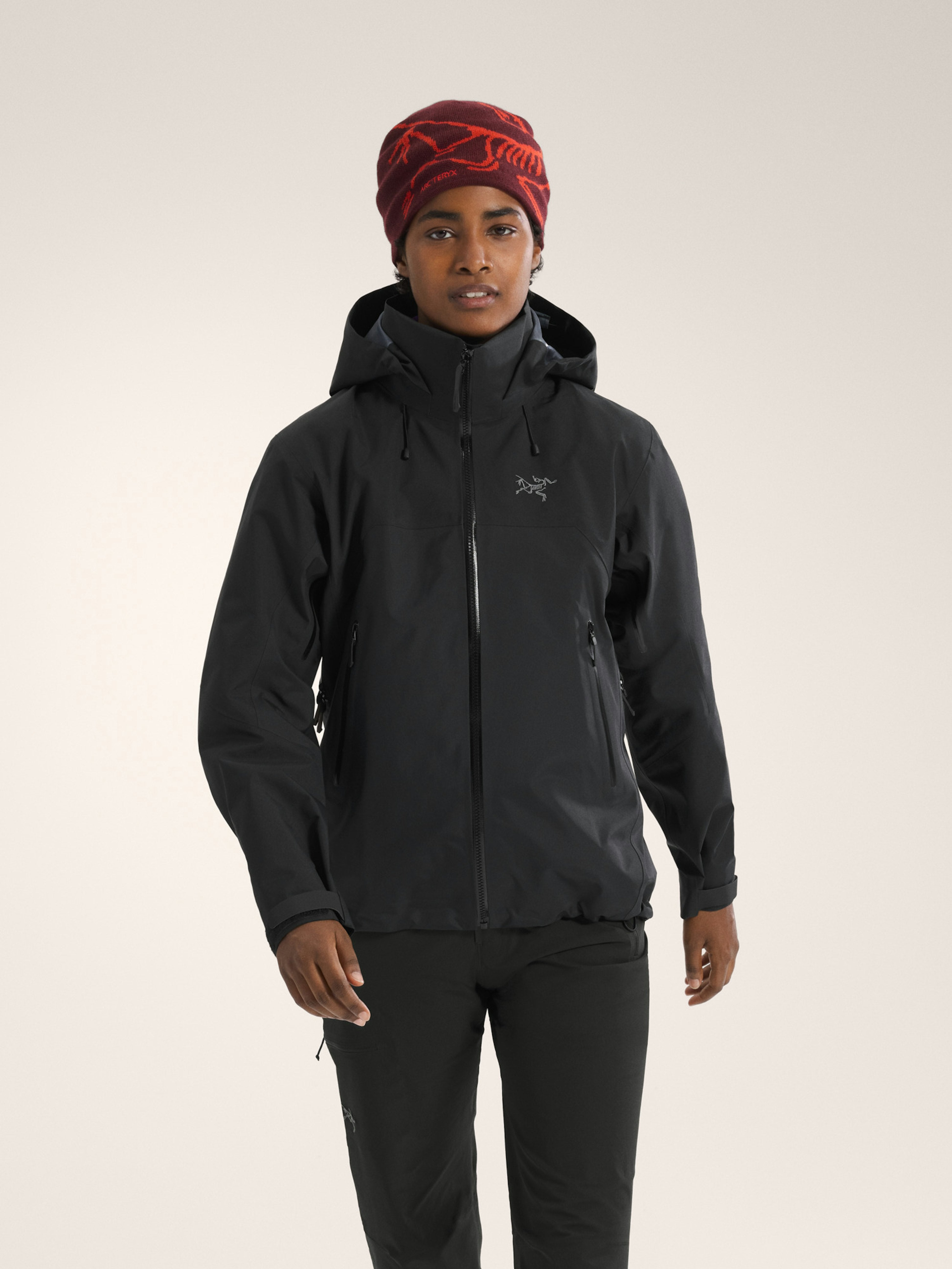
We recommend a minimum of five upper body layers, all of which can be used in conjunction with each other. Two of these should be insulating layers, one light, and one medium, that fit well together. Today there are many different layering systems to choose from, including fleece, softshell, down, and synthetic options.
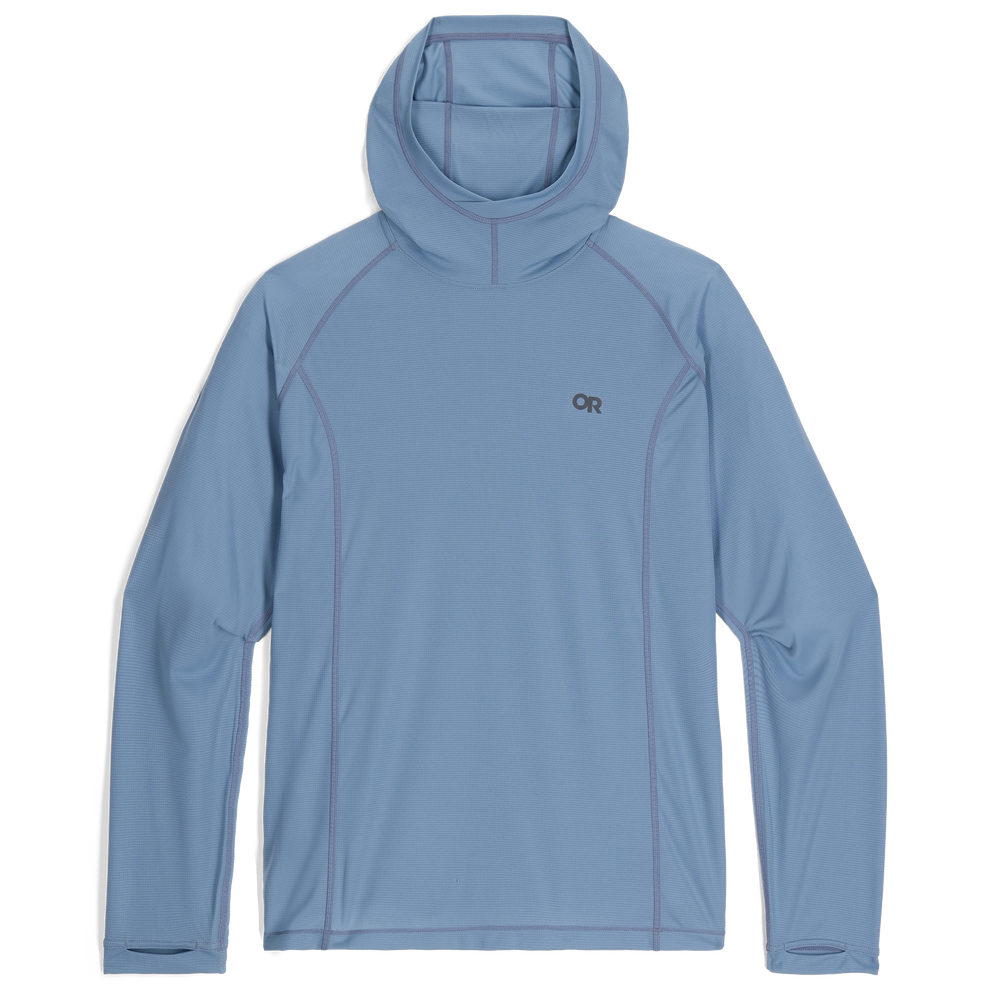
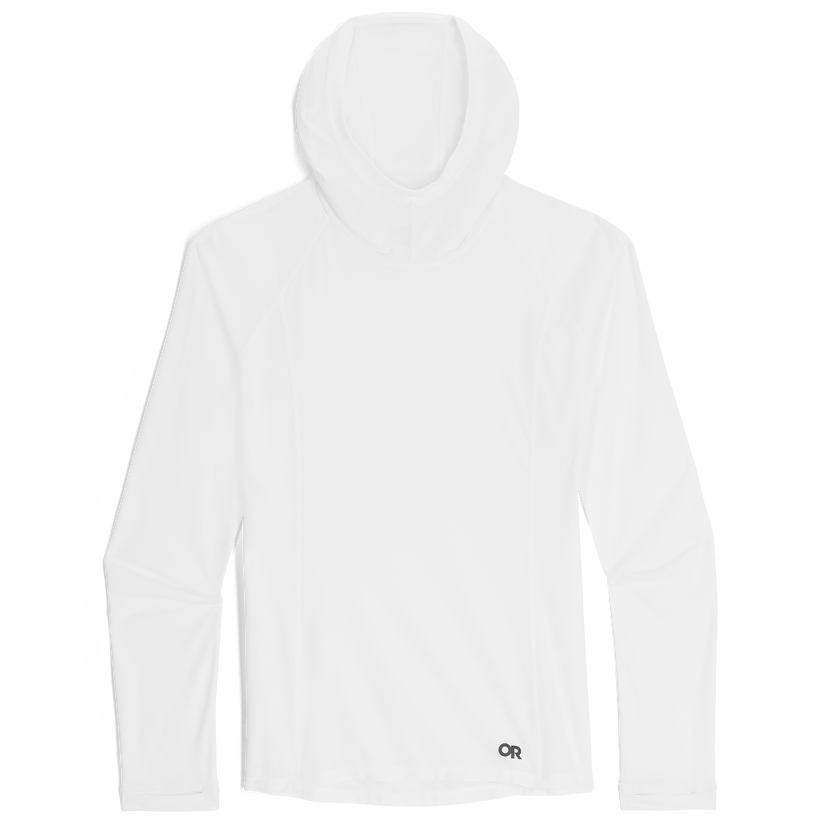
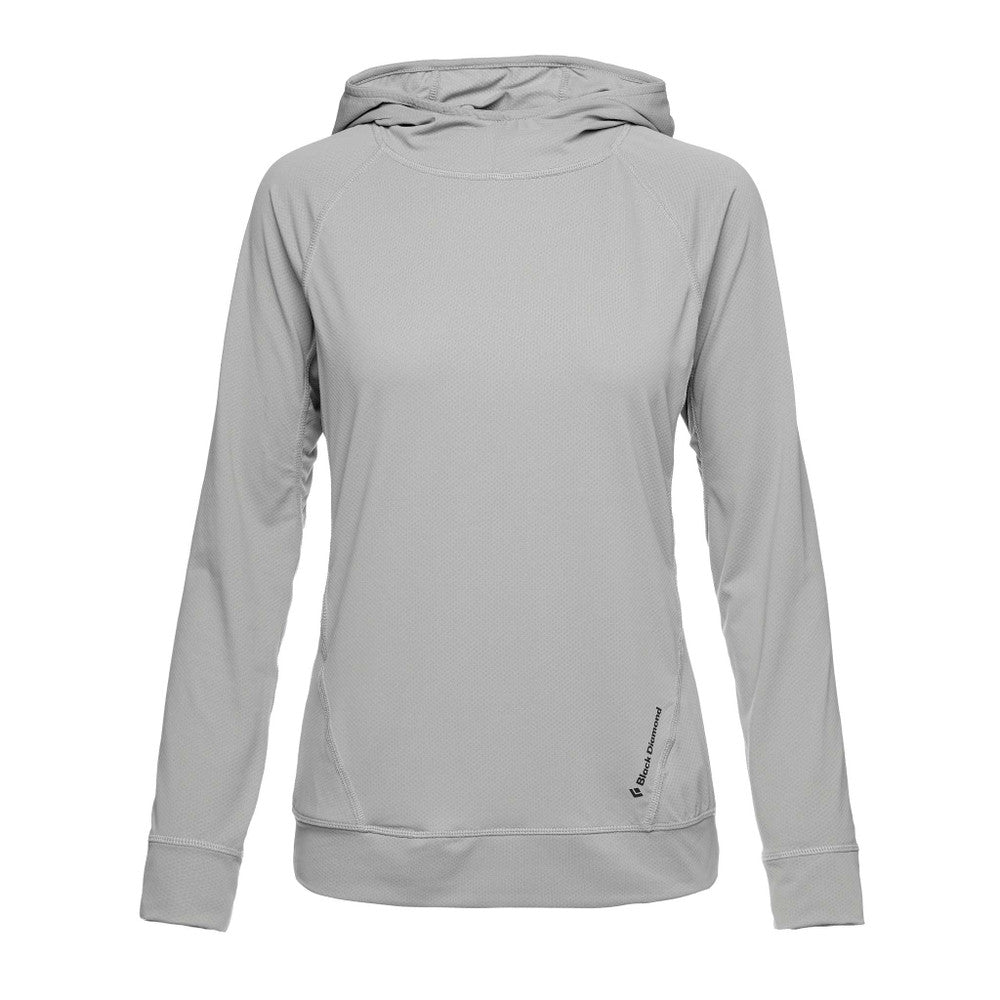
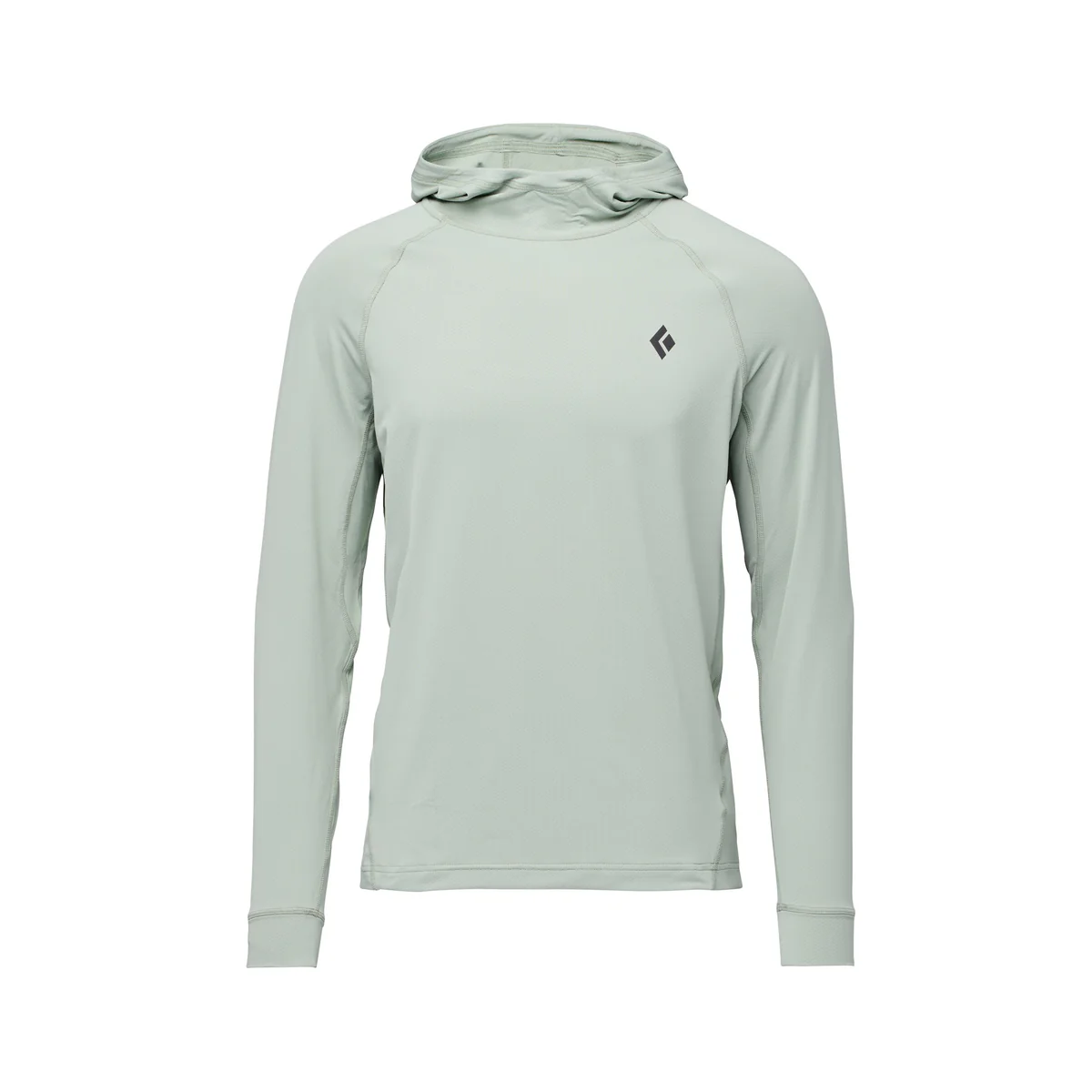
A lightweight, breathable long-sleeve shirt in synthetic or merino wool for sun protection and moisture management during active climbing.
One step up in warmth and bulk from a baselayer. A technical fleece makes an ideal light weight insulating layer.
We recommend a system of four layers, all of which can be used in conjunction with each other. Products which combine several layers into one garment, such as traditional ski pants, don’t work well as they don’t offer the versatility of a layering system.
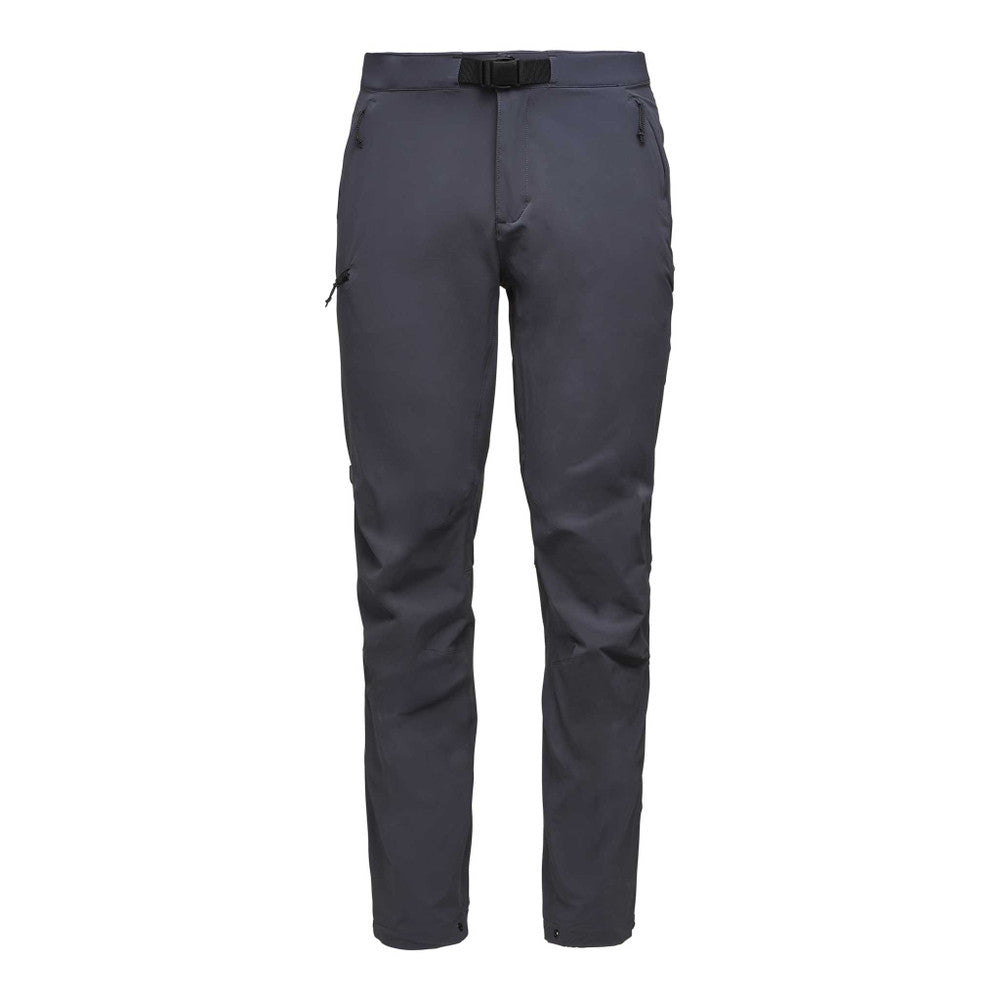
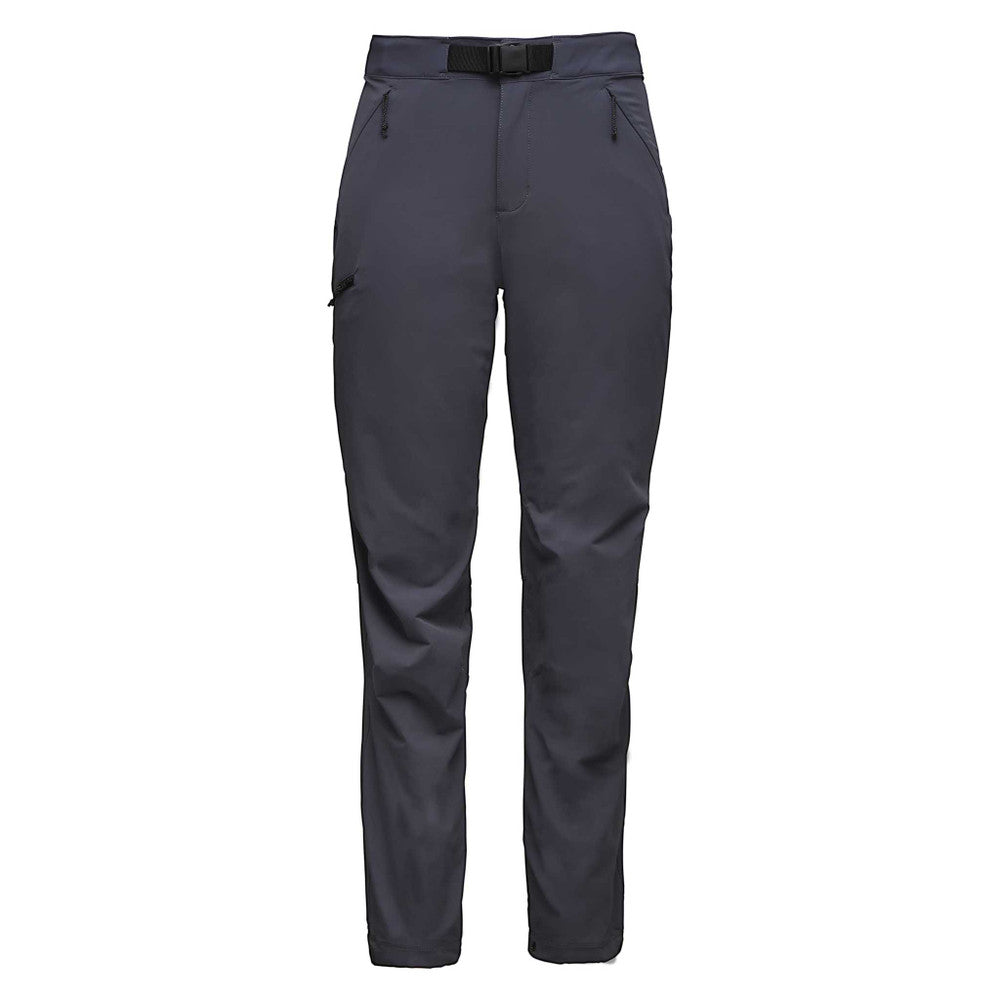
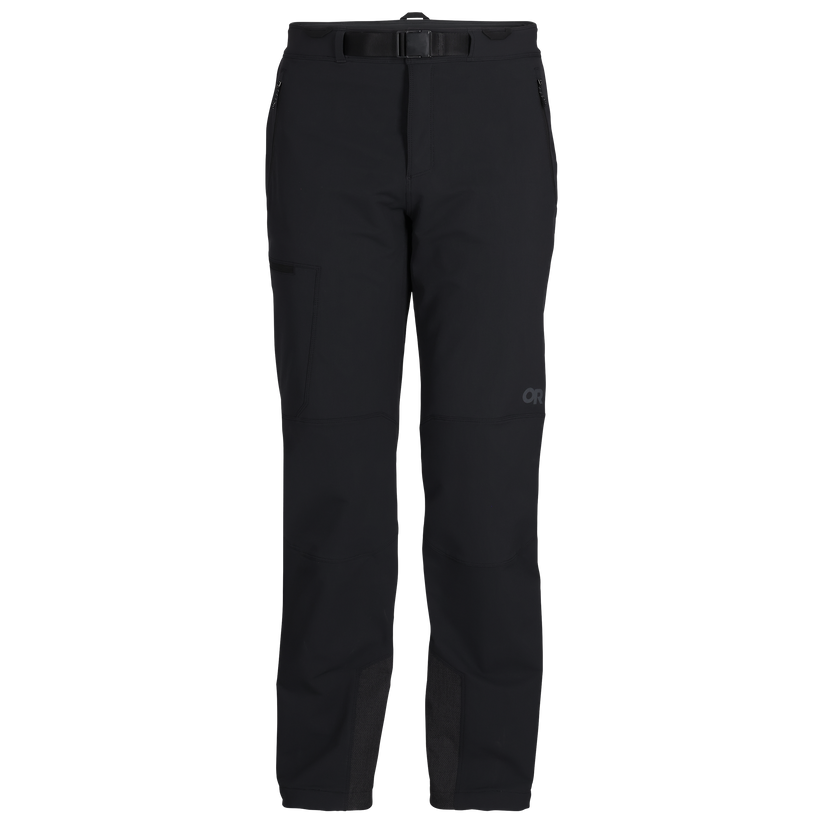
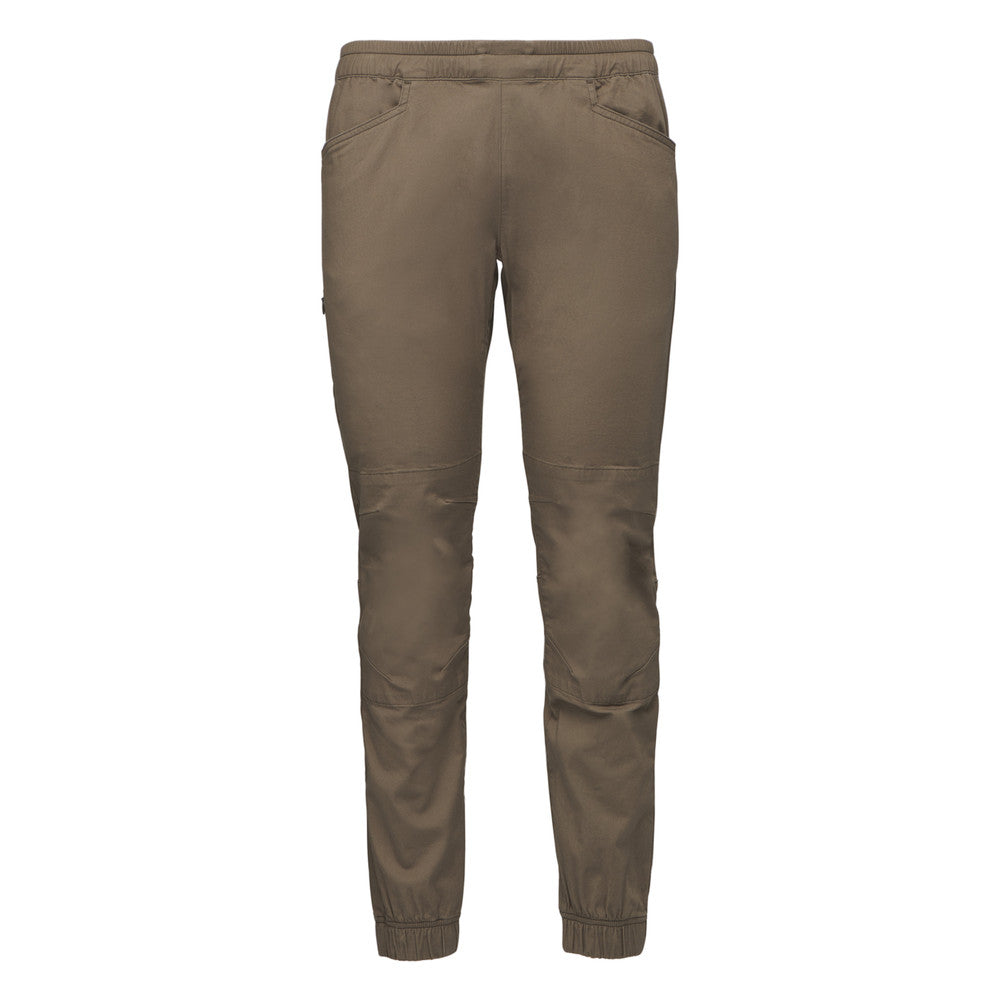
Softshell climbing pants can be worn in combination with a base layer on colder days, or alone on warmer days.
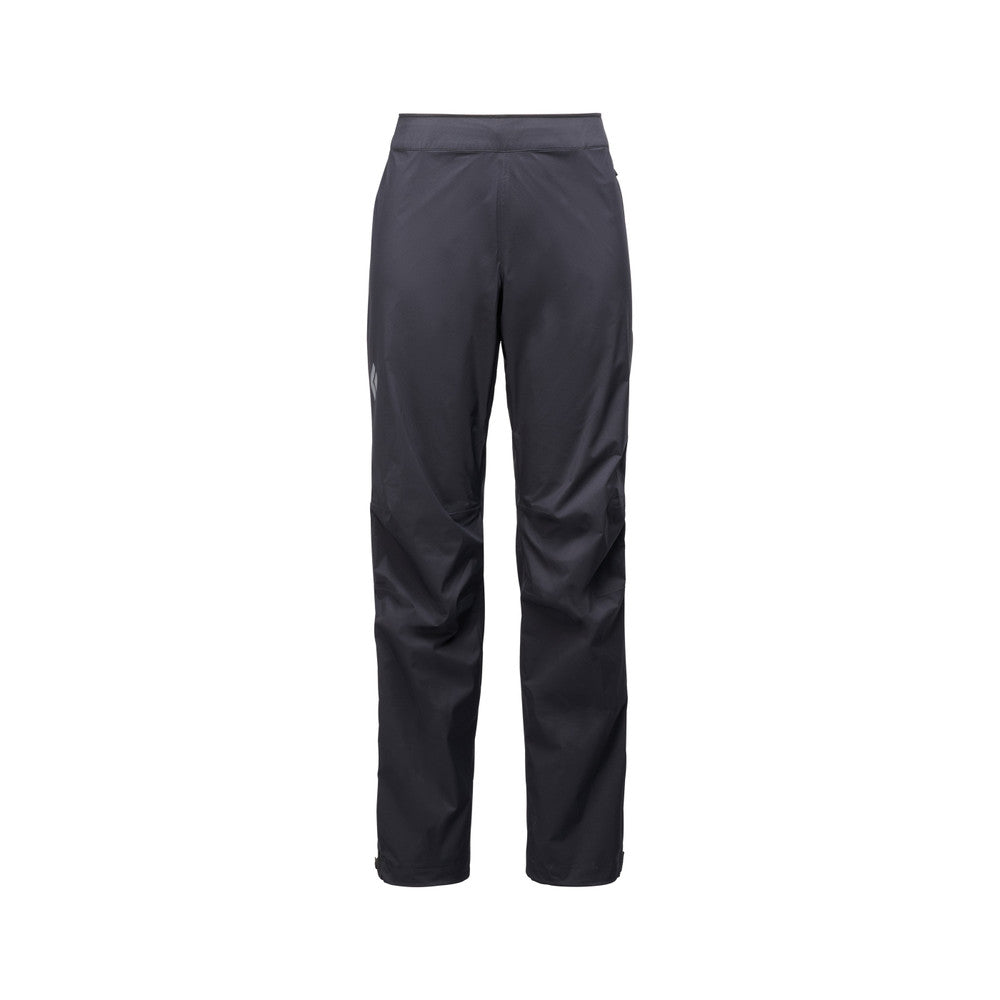
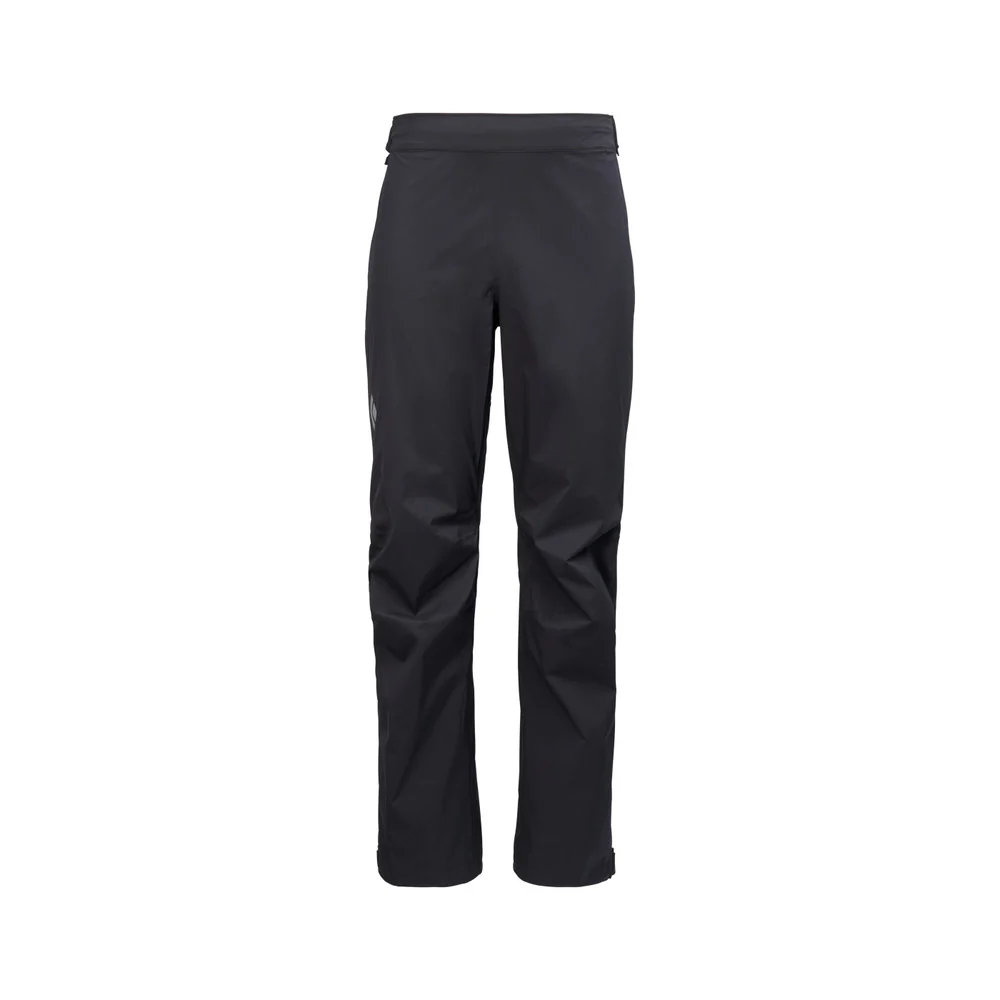
Non-insulated, waterproof shell pants must be able to fit comfortable over your baselayer bottoms and softshell climbing pants. Full side zippers or 7/8 side zippers are required so that shell pants can be put on while wearing boots and crampons.
Insulated, full-shank, crampon-compatible leather or synthetic boots designed for general mountaineering. Lighter and more comfortable than double boots but with less insulation for extreme cold.
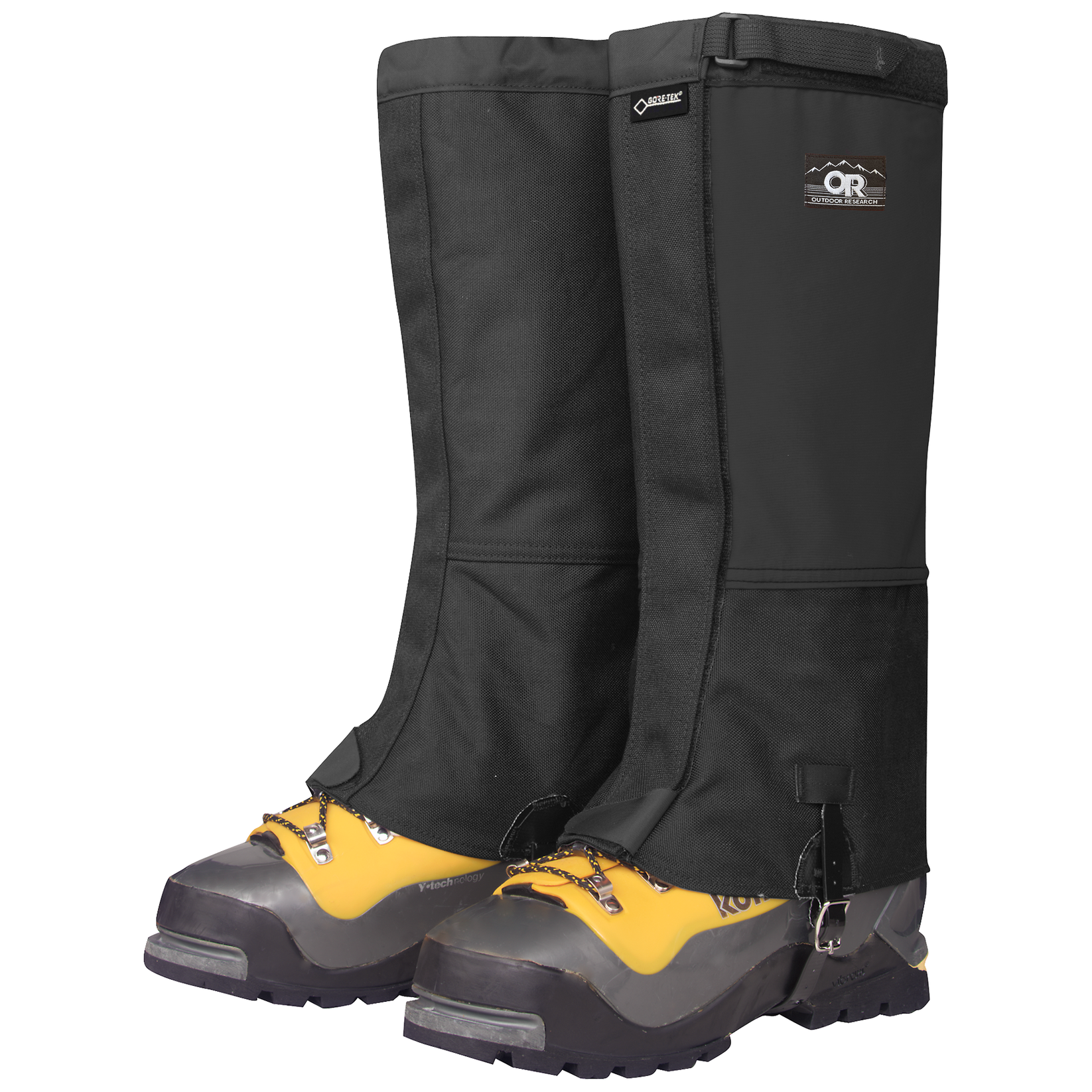
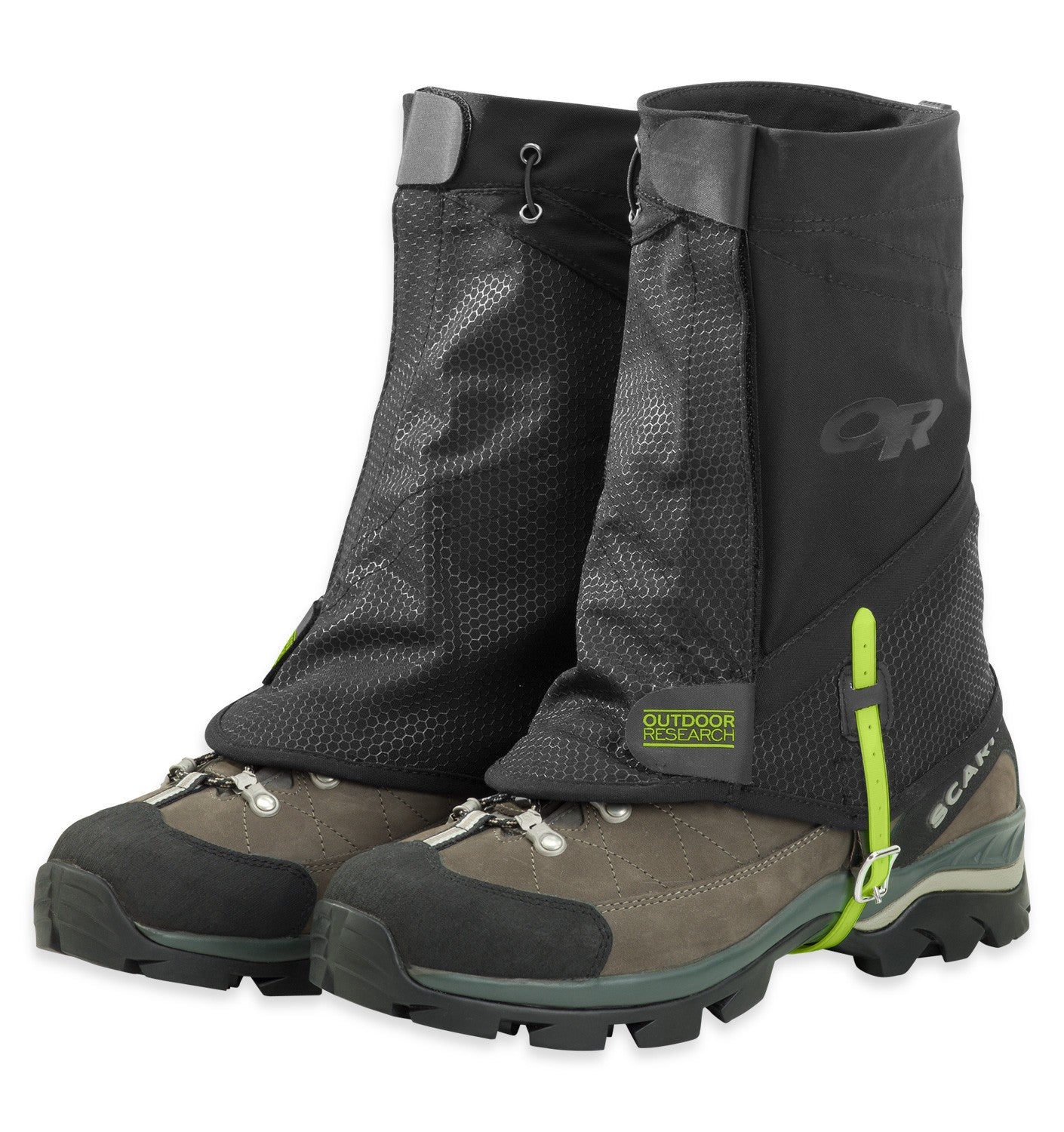
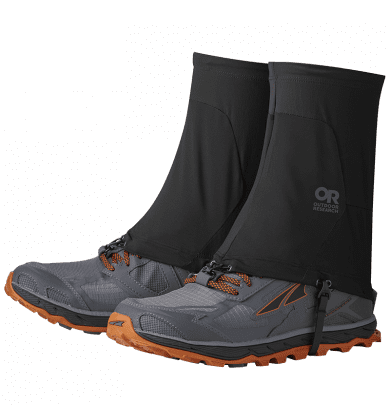
A knee-length pair of gaiters, large enough to fit over your mountaineering boots. This will protect you from catching your crampon spikes on loose clothing. Not needed if using a boot with an integrated gaiter.
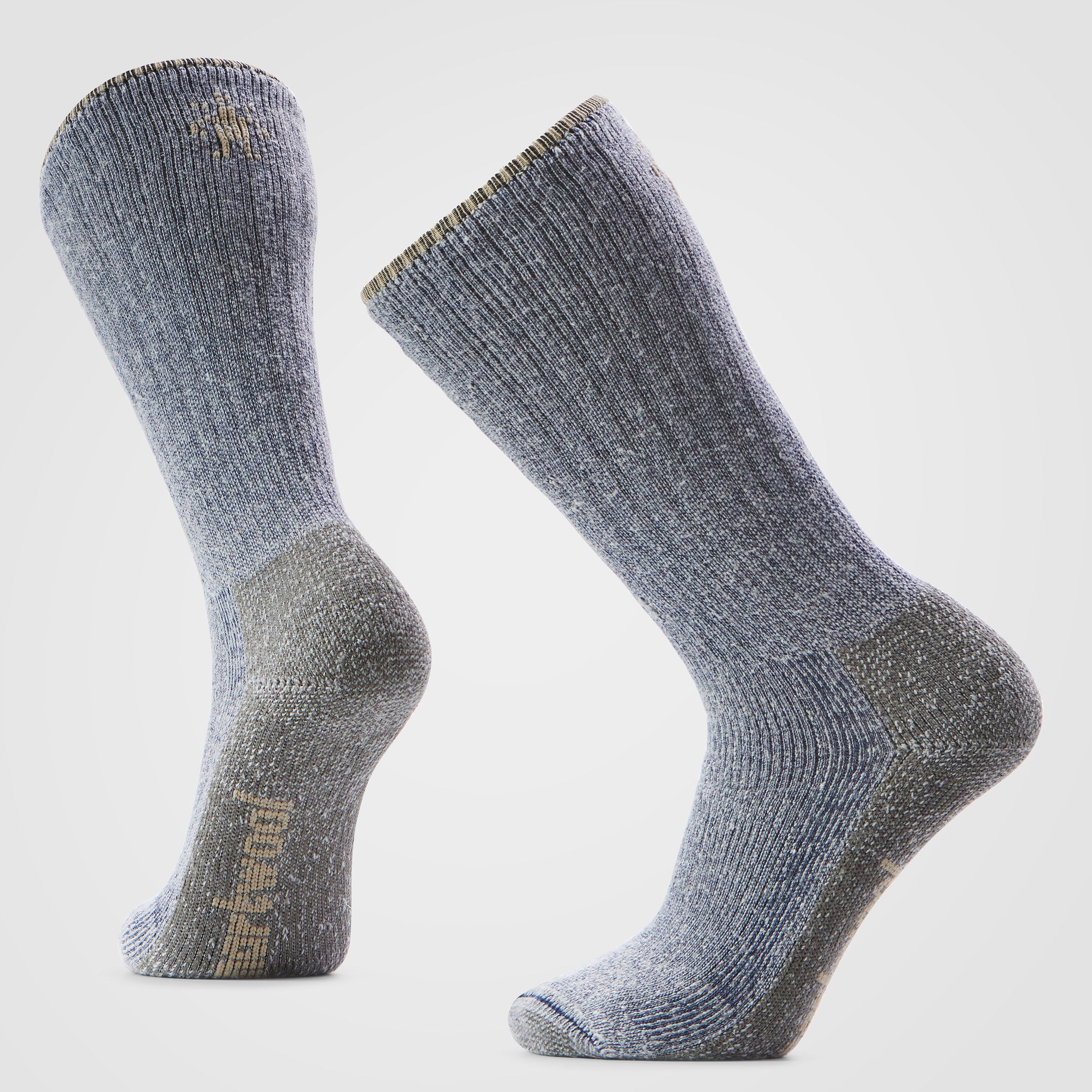
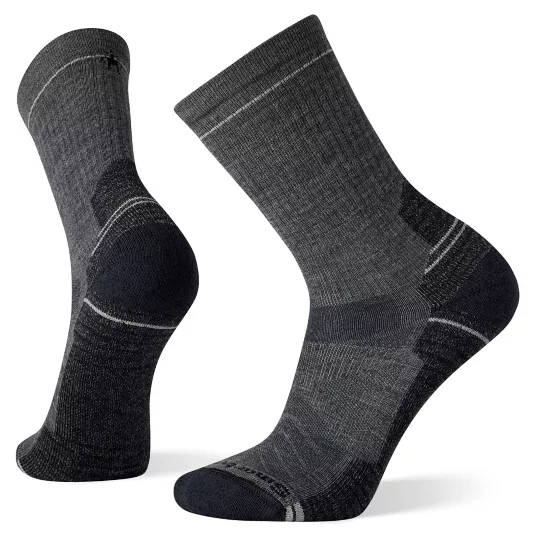
Either wool or synthetic. Whatever sock combination you are accustomed to wearing during your training or previous adventures (whether single medium weight socks, a medium weight with a liner sock, two medium weight socks together, etc.), should work just fine for this climb.
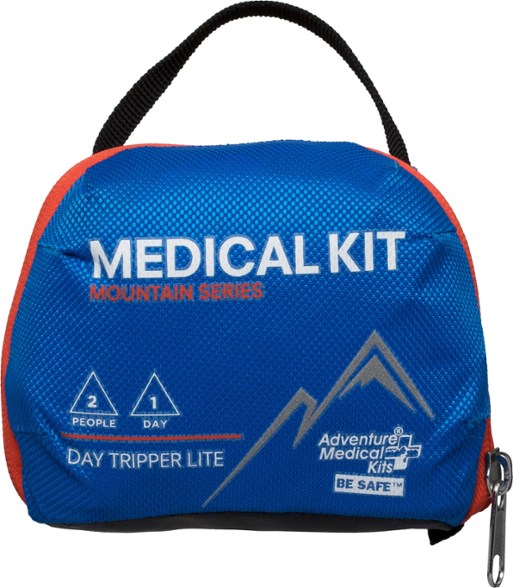
Our guides carry comprehensive medical kits, so keep yours small and light. We recommend a selection of adhesive bandages, antibiotic ointment, Moleskin and blister care, medical tape and/or duct tape, basic pain reliever, and personal medications.
You are responsible for providing your own meals and snack food in town and while on your program. See the Food tab for suggestions and quantities.
This will be your personal trash bag.
Heavy-duty trash compacter bags for use as waterproof pack/stuff sack liners. You can also use a waterproof pack liner.
Many smartphones have excellent cameras. Action cameras, small point-and-shoots, and compact dSLRs are lightweight and work well at altitude.
We recommend bringing a selection of clothing to wear while traveling, sightseeing and dining.
Purchase travel insurance.
Arrange transportation and lodging - see more on the Travel tab.
Reserve rental equipment.
Be in the best shape of your life!
RMI provides the following equipment for your program: climbing ropes and blue bags (for solid waste disposal). Every guide will carry a first aid kit and two-way radios.
On the Crevasse Rescue School, you will need one mountain lunch.
Nutrition while training and nutrition while climbing are two very different things. You may follow a specific nutrition regimen while you are training to aid your desired outcomes, but once you are on the mountain, calories are what count the most. You are trying to maximize energy and performance over a single long day.
Our food priorities in the mountains are:
Caloric requirements will vary widely from person to person based on physical size and metabolism. It is important for you to know what your body requires. Bring food you enjoy. If you don't love a food at home, you certainly won't like it on the mountain!
This is a single-day program, so there is no camp and no cooking. Everything you bring should be ready to eat straight out of your pack — don't bring any items that require preparation, hot water, or simmering. Plan to carry all the water you need for the day.
Things to keep in mind as you plan your food:
Consider repacking items into smaller Ziploc bags to minimize the space in your pack. Your food will get crammed into your backpack, jostled around, exposed to extreme temperatures, and even sat on (by you, of course!). What holds up better in these conditions, two slices of bread or a bagel? Repacking also cuts down on waste — and everything you bring onto the mountain, you carry back off it.
Mountain lunches, aka snacks, are eaten during short breaks throughout the day. We continually snack to keep our energy levels up while we climb. We typically take rest breaks every hour or so to adjust our clothing layers, eat, and hydrate. Avoid packing any items that require preparation or hot water at each break. In terms of quantity, aim to bring approximately 1 lb. of climbing food for the day. We suggest using snack or sandwich size Ziploc bags to portion out snack food.
The importance of having foods that you genuinely enjoy cannot be overstated. Eating properly is the key to maintaining strength while in the mountains. We aim to have a variety of foods that stimulate the whole palate, from sweet to sour to salty. Here are some ideas but be sure to see the sample menu and packing list below for more ideas!
PRO TIP: Feel fancy! Charcuterie (cured meat, cheese, and crackers) makes a great mountain lunch!
(One mountain lunch, approximately 1/2 lb.)
These are options of what you might pack for a mountain lunch:
This page covers the practical details you’ll want to review before your trip, including travel logistics, entry requirements, local considerations, and required policies. Taking time to understand these details ahead of departure helps ensure a smoother experience once you’re on the ground and focused on the climb.
RMI has partnered with Erin Rountree to provide comprehensive travel support. We have been working with Erin for many years. As an independent agent of the Travel Society, she has booked countless miles for adventure travelers across the globe and is extremely knowledgeable about the travel needs of our programs. Please call (208) 788-2870 or send email to [email protected].
Rainier BaseCamp is located in Ashford, WA, and is the home of RMI Expeditions, Whittaker Mountaineering, Whittaker's Bunkhouse, and BaseCamp Bar and Grill. Ashford is located 75 miles from the Sea-Tac Airport.
Note: Every air traveler 18 years of age and older needs a REAL ID compliant driver’s license, state-issued enhanced driver’s license, or another acceptable form of ID to fly within the United States.
Most climbers traveling to Ashford will want to rent a car from the airport. This is the most convenient and reliable way to get here.
Ride Share: If you are interested in sharing a ride, please go to your RMI Account, then to "Discussion Board" and "Ride Share" to post your information.
All our Mt. Rainier programs begin at Rainier BaseCamp in Ashford. All Mt. Rainier climbs, seminars, and schools include transportation and park entry for our climbers from Rainier BaseCamp to Paradise or to the White River Entrance.
You may also go to VisitRainier.com to search for accommodations in the Ashford Area.
Your travel insurance policy should include trip cancellation, trip interruption, travel delay, baggage loss or delay, medical expenses, and evacuation.
Navigating through the different options for travel insurance can be challenging. When purchasing Travel Insurance, here are a few items to consider:

In today’s changing travel environment, it’s important to protect your travel investment. Unforeseen events such as flight delays, baggage loss or even a sudden sickness or injury could impact your travel plans. For your convenience, we offer Travelex Insurance protection plans to help protect you and your travel investment against the unexpected.
For more information on the available plans visit Travelex Insurance Services or contact Travelex Insurance (800) 228-9792 and reference location number 47-0370.
The product descriptions provided here are only brief summaries and may be changed without notice. The full coverage terms and details, including limitations and exclusions, are contained in the insurance policy. Travelex Insurance Services, Inc. CA Agency License #0D10209. Insurance coverages underwritten by individual member companies of Zurich in North America, including Zurich American Insurance Company (NAIC #16535, state of domicile: New York). RETWEB

Harbor Travel Insurance covers the following critical benefits:
Harbor Travel Insurance is powered by Redpoint Resolutions, a medical and travel security risk company. Their team is comprised of special operations veterans, paramedics, Stanford Medicine affiliated physicians, former intelligence officers, insurance actuaries, and global security experts with dozens of years of experience in theaters around the world. The Redpoint network covers the globe, making them uniquely equipped to provide elite rescue travel insurance – in every sense of the word.
RMI has partnered with Erin Rountree to provide travel planning support. Erin is an independent agent with extensive experience booking travel for adventure programs worldwide and understands the specific needs of RMI expeditions.
Phone: (208) 788-2870
Email: [email protected]
It is your responsibility to ensure that your travel insurance policy provides appropriate coverage for your specific program and activities. Review policy details carefully before purchasing, and confirm coverage well in advance of your departure.
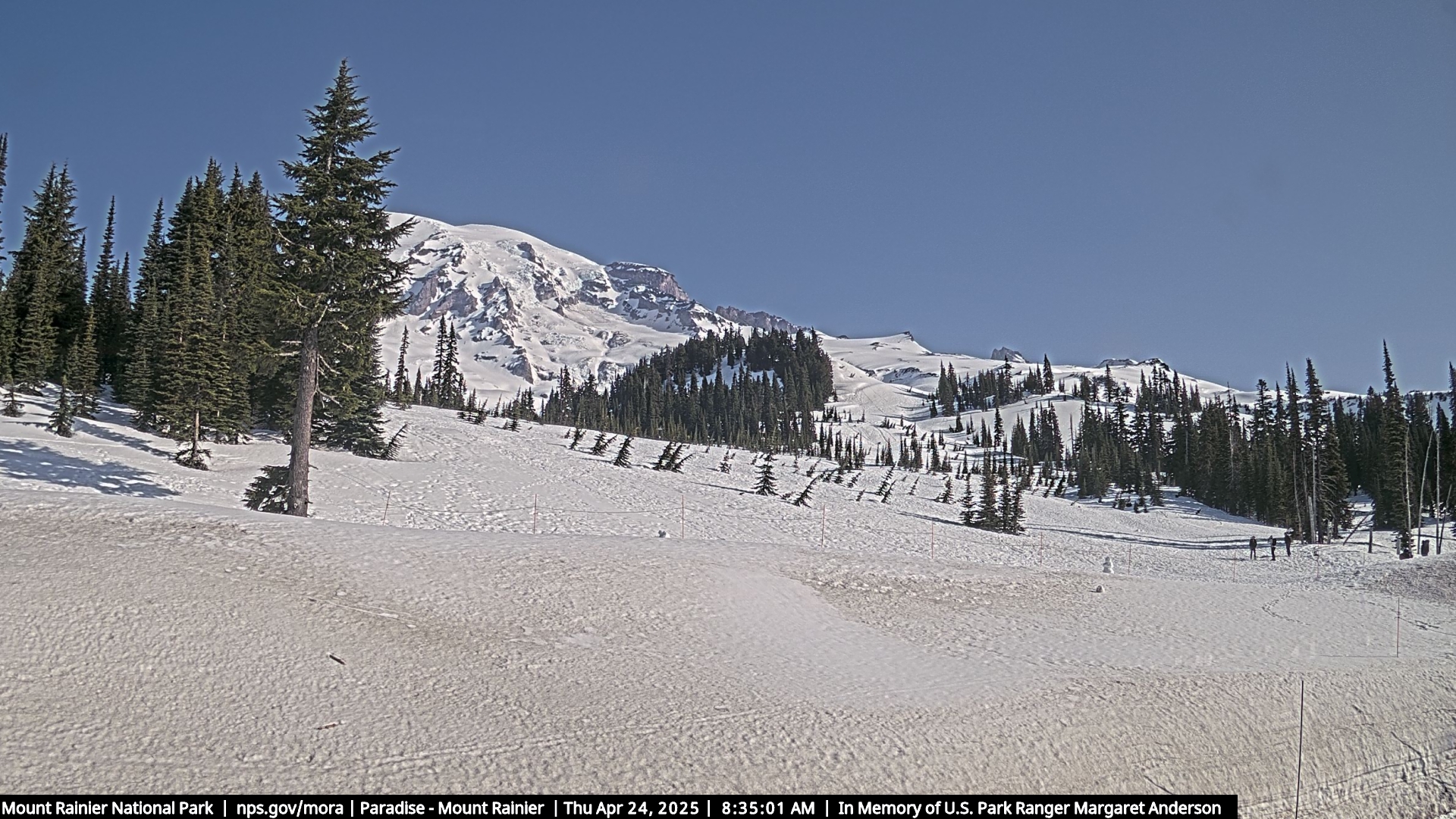
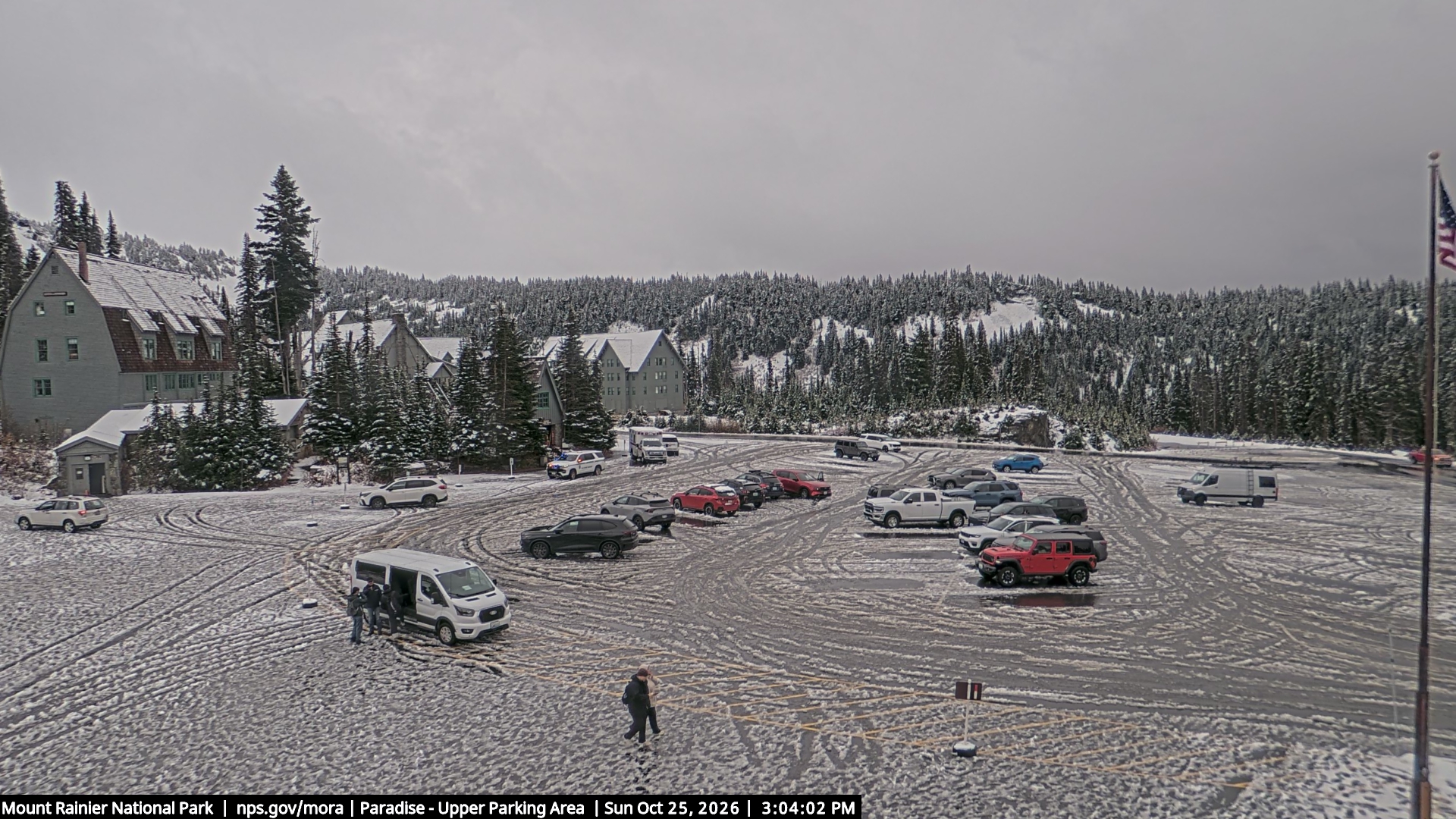
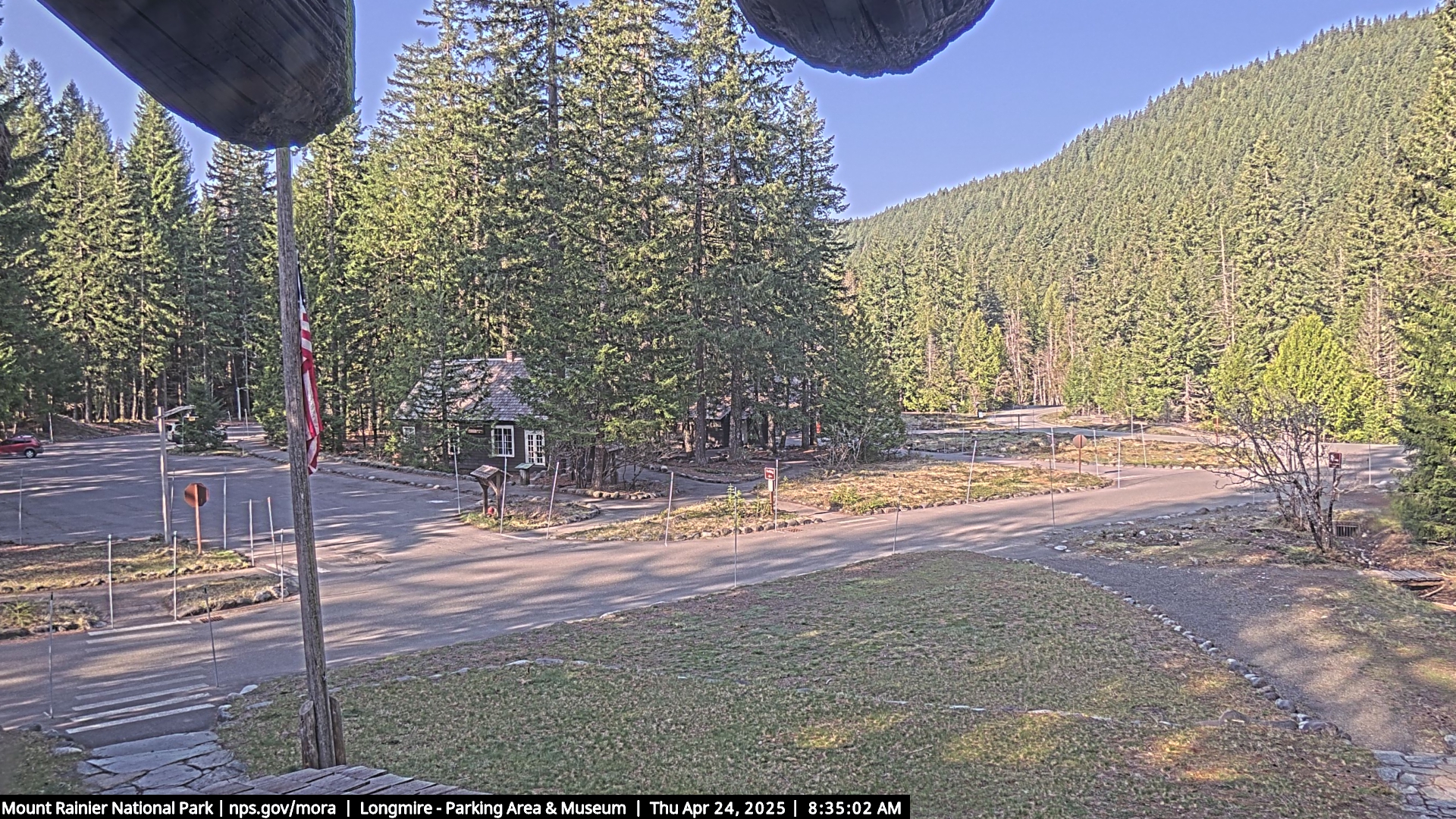
For updated Mt. Rainier weather forecasts, click here. Please click on the links below to see the Mt. Rainier webcams:
Our guides put considerable effort into ensuring your safety and success on the mountain. If you had a positive experience, leaving a gratuity is a wonderful gesture to show your appreciation. The amount is up to you and should reflect how much you enjoyed the service. Typically, tips for excellent service range from 10% to 15% of the program cost. Guides can accept gratuities in cash, Venmo, or by check. If you prefer, you can also pay tips using a credit card through the RMI Office.
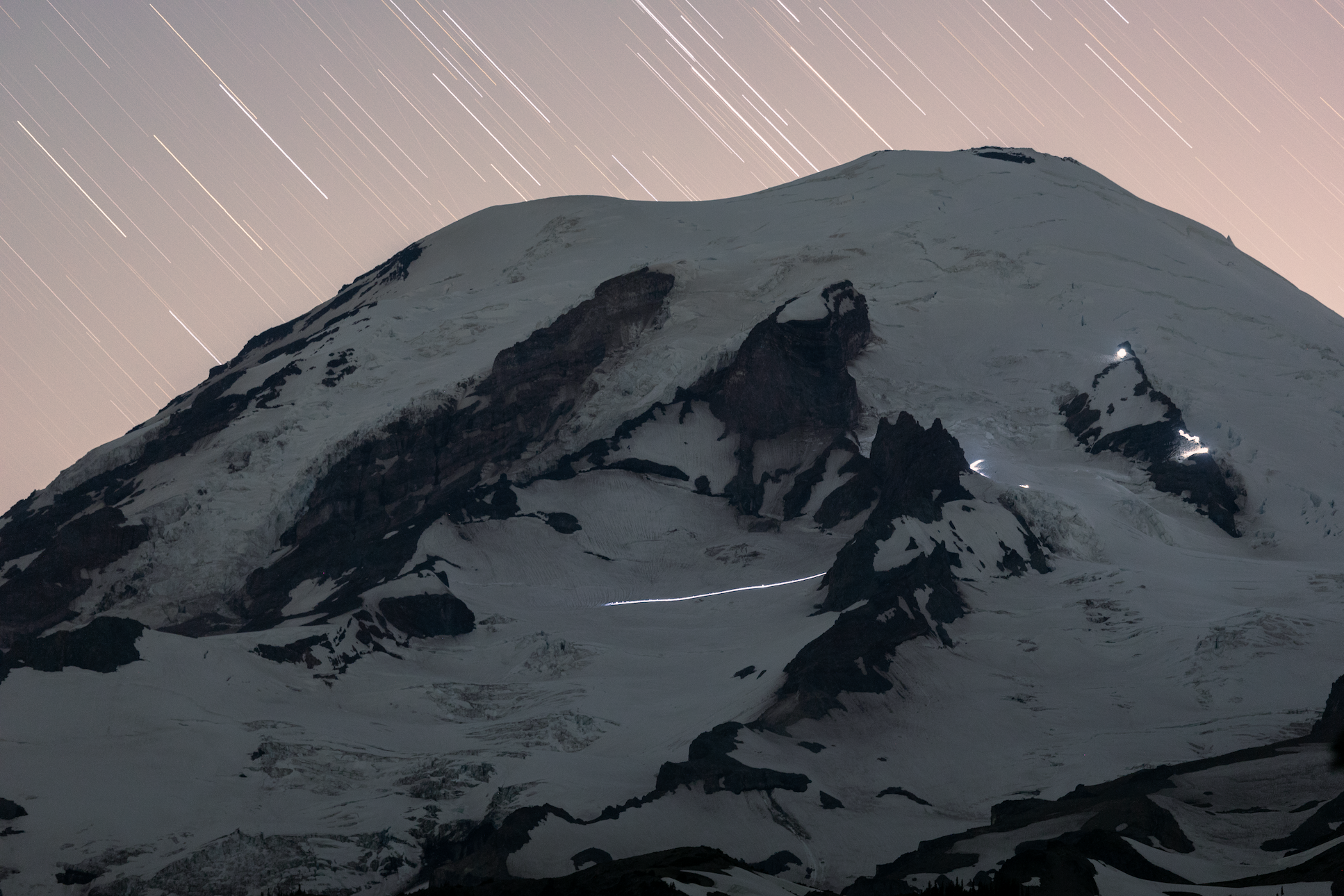
Mt Rainier became the nation's fifth National Park in 1899, some twenty-nine years after it was first climbed. Mt. Rainier National Park encompasses 235,625 acres and is 97% wilderness and 3% National Historic Landmark District. At 14,410', Mt. Rainier is the most prominent peak in the Cascade Range. It is an active volcano; its most recent confirmed eruptive activity was in the 1890s.
Guided mountaineering activity has taken place since the late 1800s, and The Mountain is still considered a prime training ground for climbing in Alaska, South America, and the Himalayas. With more than 20 active glaciers encompassing some 36 square miles of ice, Rainier boasts the largest ice cover of any peak in the lower 48 United States. Its weather can be deceptively gentle or as fierce as encountered on any high mountain anywhere in the world. There is a wealth of information on the Mt. Rainier National Park website. We encourage you to enhance your enjoyment of the climb with some fun facts about the Park and the history of climbing there.
The following policies are applicable for this expedition.
Rainier Mountaineering, Inc. reserves the right to modify the land cost of a trip at any time before departure.
Payment in full is due at time of reservation.
*Note: A 3% surcharge applies to all credit/debit card transactions.
**Wire transfers must include all fees charged by your bank. The amount received by our bank must match the deposit amount.
Of your program fee, $75 is non-refundable and non-transferable.
Due to the time-sensitive nature of these programs, and the amount of preparation time required for this program, we strictly adhere to our policy and cannot make exceptions for any reason.
We highly recommend travel insurance for this trip. Please see our Travel Tab for details.
Date changes are subject to availability and apply only to the current climbing season. Date changes may be requested at anytime up to 60 days prior to your departure date for a $50 fee per person. No date changes allowed less than 60 days before departure.
Please clearly understand that mountaineering is inherently hazardous. Managing risk is RMI’s number one priority. Our guides manage significant hazards inherent in mountaineering, but they cannot eliminate them. Objective hazards include rockfall, icefall, avalanches, slides or falls by individuals and rope teams on steeper slopes, weather-related problems including cold, heat, high winds, and other unnamed dangers that can occur while climbing.
You are choosing to engage in an activity in which guided and non-guided climbers have been injured or killed. While those accidents are indeed infrequent, they may occur at any time and be out of our control. We ask that participants acknowledge the risks and hazards of mountaineering and make their own choices about whether or not to engage in this activity.
Mountaineering is both an individual challenge and a team endeavor. Each Participant is required to share in the responsibility of the safety and success of the team. For this reason, we ask that each Participant:
RMI reserves the right to dismiss the Participant from a program or to send the Participant to a lower altitude at any time if the RMI Guide Staff determines, in its sole discretion, that the Participant is not physically, technically, or psychologically prepared for, or capable of participating in the program, or for any other reason that may compromise the safety, health, or well-being of the Participant or the entire group. If this decision is made, the Participant will not receive any refunds or credits and will be financially responsible for all additional costs associated with an early departure, including but not limited to, evacuation, transportation, hotel reservations, meals, etc.
Rainier Mountaineering, Inc. (RMI) does not tolerate harassment or mistreatment of our participants or employees. Inappropriate conduct under this policy may include conduct that creates a disrespectful, intimidating, hostile, degrading, humiliating, or offensive environment for a participant or employee. Engaging in such conduct is a violation of this policy.
RMI may consider conduct to violate the policy even if it falls short of unlawful harassment under applicable law. When determining whether conduct violates this policy, we will consider whether a reasonable person could conclude that the conduct created an intimidating, hostile, degrading, or demeaning environment.
Violation of this policy may result in removal from a program, as well as refusal to provide services indefinitely. We place the utmost value on the safety of our participants and employees. Please report any incidents to RMI management.
All participants must be 18 years old at the time of registration.
RMI’s Photo Release outlines the terms and conditions for using your likeness in photographs, videos, or other digital media.
I hereby grant Rainier Mountaineering, Inc. (RMI) or its affiliates permission to use my likeness in a photograph, video, or other digital media (“photo”) in any and all of its publications, including web-based publications. By granting permission, you allow RMI to utilize these media for lawful purposes.
Here are the key points:
RMI’s program schedule and itineraries are subject to change or adjustment based on a number of factors. These include, but are not limited to, route conditions, weather, group strength, terrain, or other environmental factors, and many other factors. RMI has complete discretion to change plans to accommodate any of these or other factors, including but not limited to, increases in program fees, changes to program schedule or itinerary, and changes to guides or staff, as necessary for the proper and safe conduct of the program. Once the program has started, the Lead Guide will decide on any changes to the itinerary, including ending the program early if the continuation of the program may compromise the safety, health, or well-being of the group.
We reserve the right to cancel any program due to inadequate signups, weather, route conditions, or for any other reason. In such a case, we will make every effort to reschedule the Participant on a different program date. If rescheduling is not possible, we will issue the Participant a refund for all program fees paid to RMI, less any non-refundable payments made on behalf of the Participant to secure any of the included land costs provided for this program, including but not limited to, hotel accommodations, transportation, transfers, tours, group equipment and food, permits, and local outfitter services, prior to the cancellation of the program. Additionally, RMI cannot be responsible for any non-refundable expenses the Participant incurred in preparation for the program (i.e., airline tickets, hotel reservations, rental cars, equipment purchases or rentals, etc.).
Once a program begins, there are no refunds or credits for weather-related cancellations or for a program that may end early due to weather, route conditions, or any other circumstances that may compromise the health, safety, or well-being of the group. Furthermore, if the Participant decides for any reason not to begin a program or discontinue a program at any time, no refunds or credits will be issued. The Participant will be responsible for all additional costs associated with an early departure, including but not limited to evacuation, transportation, hotel reservations, meals, etc.
Land Costs are provided as a package, and refunds or credits will not be issued for any unused meals, accommodations, group transportation, or other unused costs. Accommodations are based on double occupancy. A Single Supplement Fee will be charged to those Participants occupying single accommodations either by choice or circumstance. If you are willing to share a room, we will make every effort to pair you with another same-gender team member. We will match willing same-gender team members based on the order of registration date. If we are unable to match you with another same- gender team member, a single supplement fee will be charged. The availability of single accommodations is limited in most of the hotels where we stay, and single accommodations are not available while in the mountains.
The Participant understands and agrees that RMI assumes no responsibility or liability in connection with any travel and hospitality services provided to the Participant by other companies in connection with the program, including but not limited to, the services provided by airlines, hotels, rental cars, and transportation companies. In addition, RMI is not responsible for any act, error, omission, or any injury, loss, accident, delay, irregularity, or danger by a supplier of travel or hospitality services to the Participant in connection with the RMI program. The Participant will be responsible for all costs associated with any travel delays, missed connections, or missing baggage that requires additional arrangements (separate transportation, hotel accommodations, meals, etc.) to be made on your behalf for you or your baggage to rejoin the program.
The Crevasse Rescue School often raises practical questions about readiness, instruction style, and how this course fits into a broader mountaineering progression. The answers below are intended to clarify what the course covers, who it is designed for, and what to expect from a focused, skills-critical day of training on the mountain.
The goal of the Crevasse Rescue School is to teach the core systems used to manage crevasse hazards during glacier travel. The course focuses on building, understanding, and practicing rescue systems through hands-on scenarios rather than pursuing a specific objective on the mountain.
No. This is a one-day, skills-focused instructional course. There is no summit attempt, and success is measured by understanding and practicing crevasse rescue systems in realistic terrain.
The day combines short approaches with extensive hands-on instruction. Participants spend the majority of the day building anchors, constructing hauling systems, and working through complete rescue scenarios under the guidance of RMI instructors.
Participants should be comfortable hiking for several hours with a 20–25 lb pack and spending a full day working on snow. While the course is not physically extreme, it does require sustained focus and the ability to remain active and engaged throughout the day.
It is recommended but not required. The course is well suited to climbers who are beginning to travel on glaciers. Arriving comfortable with crampons, ice axe use and rope travel will let you spend the day on rescue systems rather than on fundamentals, and your guides will bring you up to speed where needed.
Participants learn commonly used crevasse rescue systems, including anchor construction, hauling systems such as Z-pulleys and C-pulleys, and techniques for managing a rescue scene safely and efficiently.
Yes. The course emphasizes realistic, full-sequence rescue scenarios that allow participants to apply systems from initial response through extraction and team management.
Conditions on Mount Rainier can vary. Participants should be prepared for cold temperatures, snow, wind, and variable visibility, even during the summer season.
Guides continuously assess weather, terrain, and group dynamics. Instruction and training locations are adjusted as needed to maintain a productive and safe learning environment.
The Crevasse Rescue School is a foundational component of safe glacier travel and pairs well with the Mountaineering School. The systems taught here are part of what RMI expects climbers to understand on advanced glaciated objectives such as Mt. McKinley.
Completing this course is not a booking requirement for any RMI program. The rescue systems it teaches are, however, part of what is expected of climbers on advanced glaciated objectives such as Mt. McKinley, and this course is one way to build them. More advanced programs also call for climbing experience beyond these systems.
Guides are trained in remote medicine and carry appropriate medical and communication equipment. Responses depend on the situation and conditions and may include descent or evacuation if necessary.
When you've been in business since 1969, you pick up a thing or two about mountains you guide. Below are the resources relevant to this program, but you can check out our full Resources section for all of our hard earned knowledge.
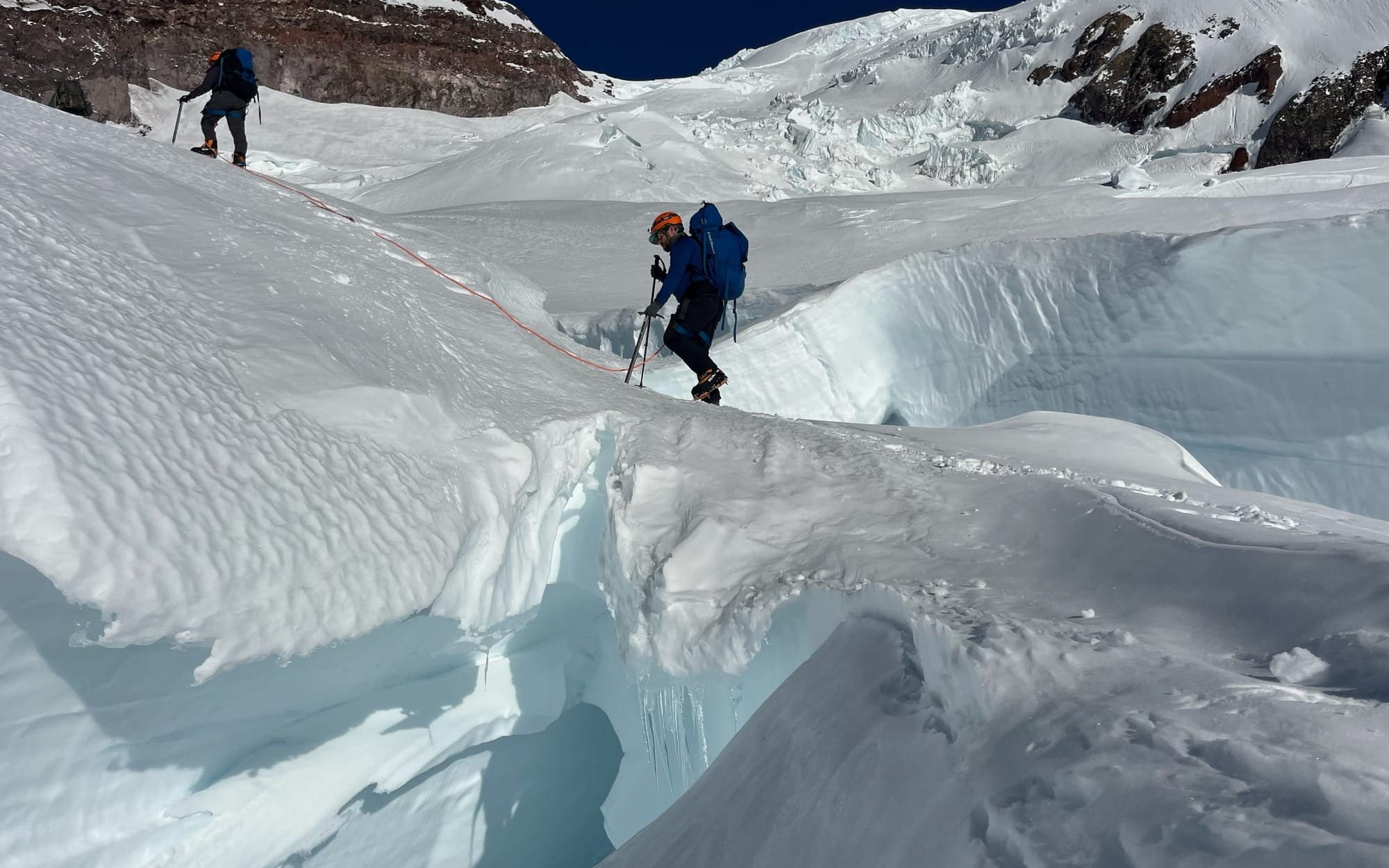
Get to know the key safety concerns of Mt. Rainier climbs and how to prepare for them effectively. Learn more today.
Rainier
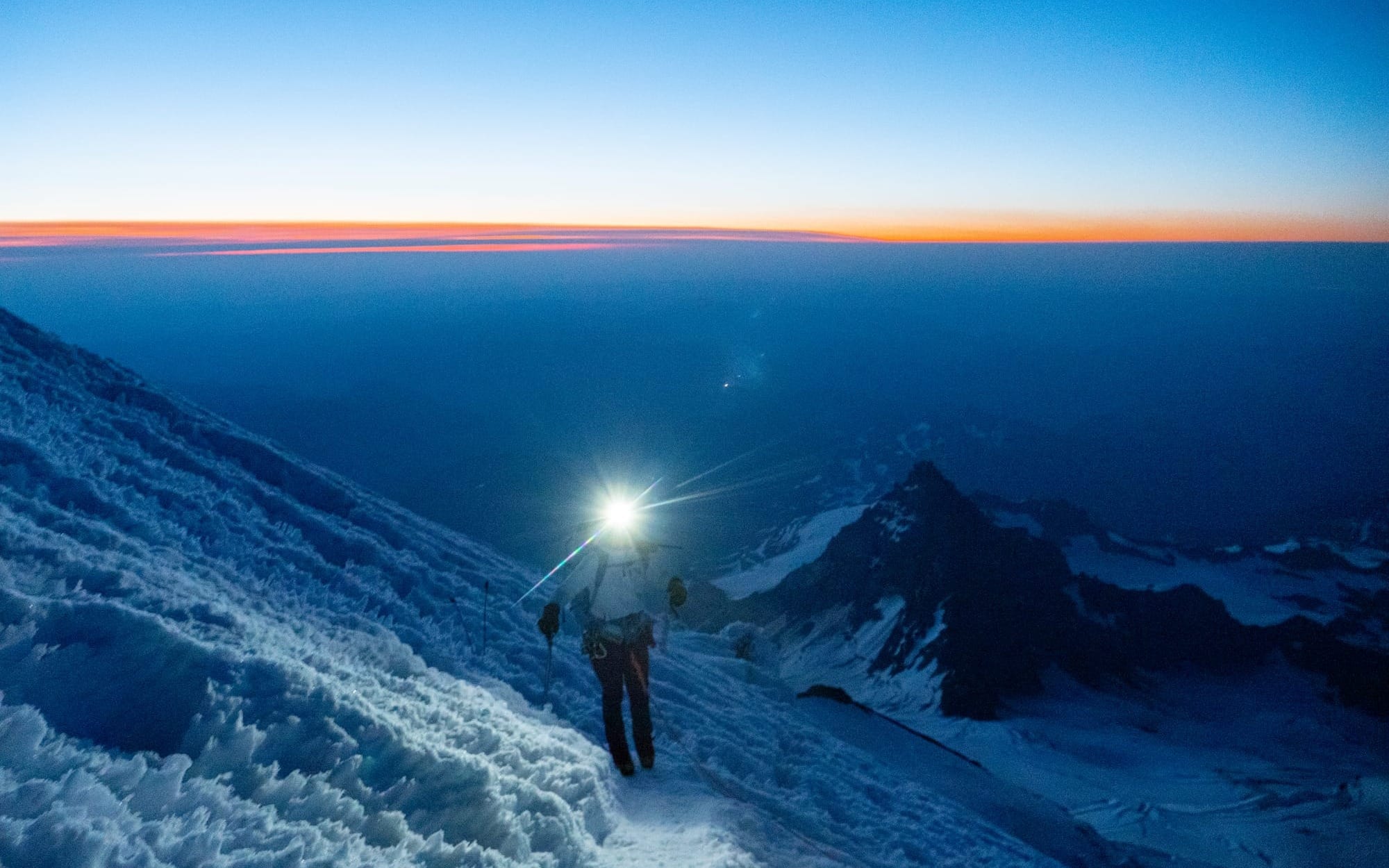
Learn what it takes to climb Mount Rainier, from crampon skills to glacier travel. Explore route options, training tips, and expert advice.
Rainier
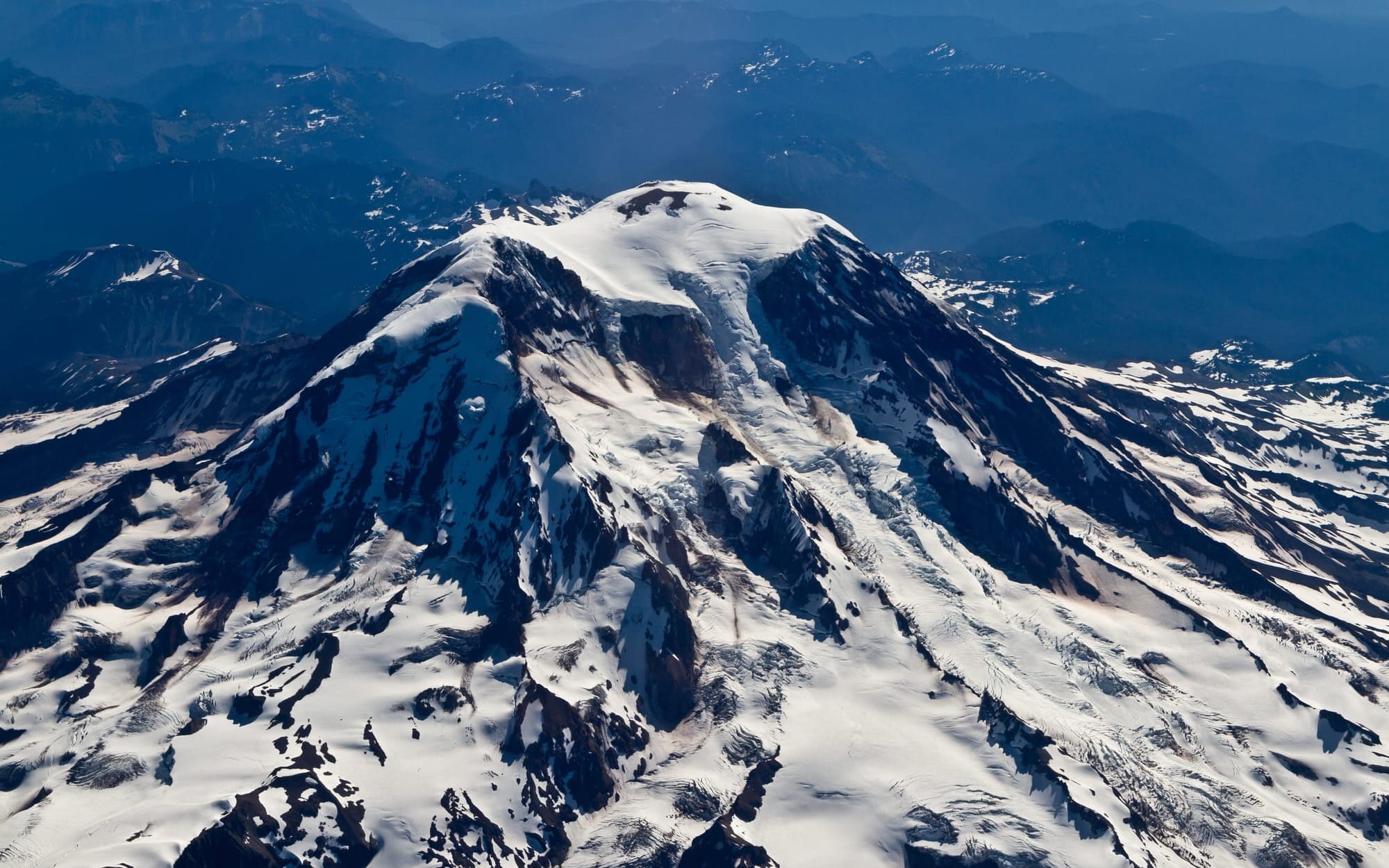
Mount Rainier’s diverse routes vary significantly in technical difficulty, exposure, and popularity. Choosing the right route depends on experience level, climbing goals, and seasonal conditions.
Rainier
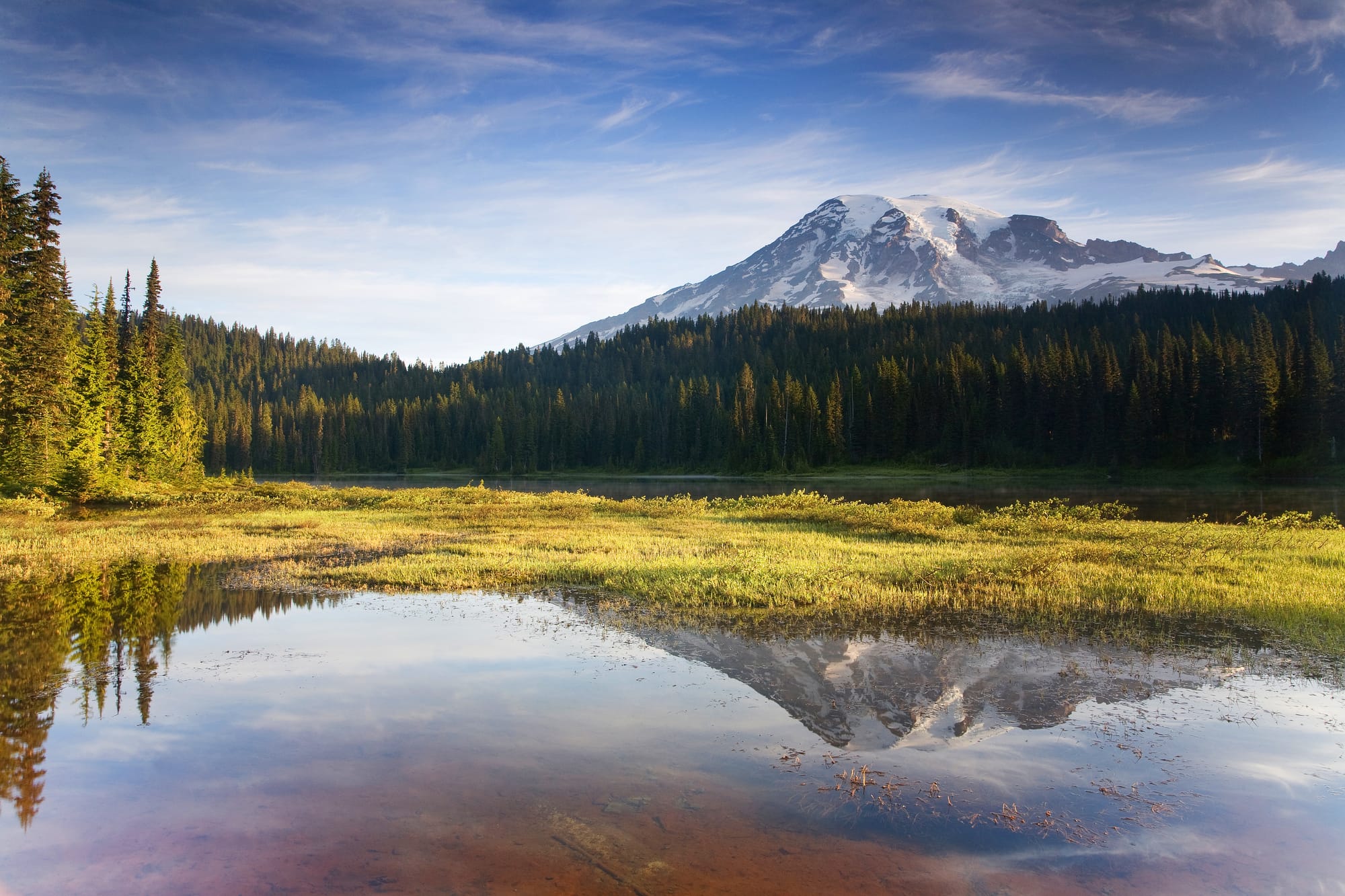
Early, peak, or late season, learn what to expect when climbing Mount Rainier at different times of year and how to prepare for changing conditions.
Rainier

Climbers rated RMI with an average of 5 stars across 0 ratings
Climber reviews of the Mt. Rainier Crevasse Rescue School consistently reflect the value of focused, hands-on instruction in a real mountain environment. Participants frequently highlight the expertise and patience of the RMI guides, the practical repetition of rescue systems until they become second nature, and the confidence they gain in managing crevasse hazards. For many climbers, the school is a foundational step toward larger glaciated objectives.
May 27, 2026
Mt. Rainier Crevasse Rescue School
The guides were both very friendly and approachable.
Gretchen S

May 27, 2026
The guides were both very friendly and approachable.
What did you enjoy most?
The guides were both very friendly and approachable.
What needs improvement?
I wish they would have made us practice making an anchor while holding a fall instead of asking if we wanted to and bring that in earlier. This was an option at the end but I was pretty tired by then.
May 26, 2026
Mt. Rainier Crevasse Rescue School
With RMI I trust 110% that I’m getting the best quality instruction from the best guides I can access.
Jacob C
May 26, 2026
With RMI I trust 110% that I’m getting the best quality instruction from the best guides I can access.
Additional Comments
Avery demonstrated sound knowledge and care when covering all aspects of the course topic. She answered questions thoughtfully. Sounds like she’s got extensive knowledge on South American peaks and an impressive resume! I trust that sound judgement would be her highest priority on a real expedition. Avery led and lead demoed all instruction.
Additional Comments
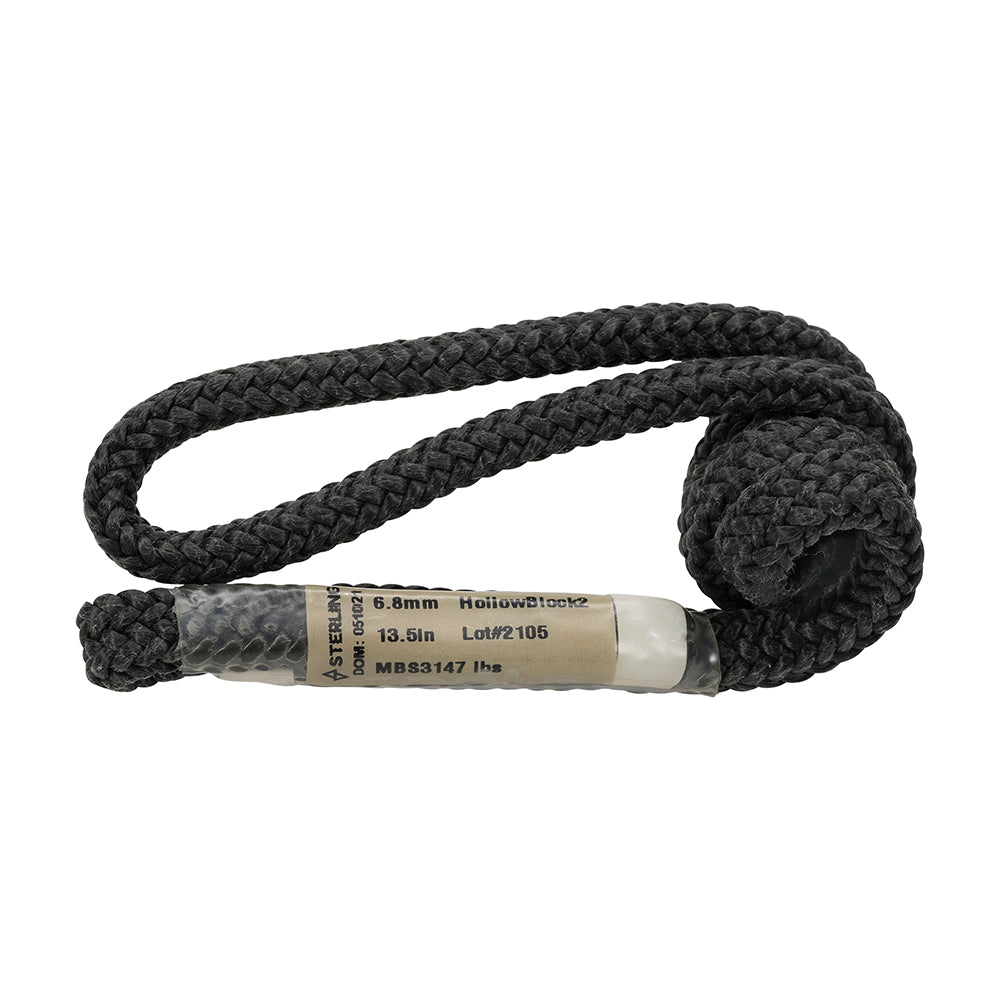
RMI equipment lists are always excellent, however the few soft gear items on this particular course were a bit confusing for me to understand exactly what they were.. and I trad climb. “12/15 Accessory Cord” the description is pretty clear but title hung me up. After having taken the course, I totally get it now. Probably could have folks bring 2-3 lockers instead of one IMO.
Additional Comments
One additional thought: course should cover what happens if a middle climber falls in, of a 3 person rope team!
What did you enjoy most?
With RMI I trust 110% that I’m getting the best quality instruction from the best guides I can access.
May 26, 2026
Mt. Rainier Crevasse Rescue School
The experience! I knew a lot of the technical details, but spending an entire day to work it out on the mountain really hammered it home. Having such awesome guides walk us through it made everything stick.
Alexander A
May 26, 2026
The experience! I knew a lot of the technical details, but spending an entire day to work it out on the mountain really hammered it home. Having such awesome guides walk us through it made everything stick.
Additional Comments
Excellent teaching from Avery. She did a great job of walking us through the details, and laying out the pros and cons of different knots, setups, and methods throughout the training, which was very helpful for me. She stayed late to help us with self-ascending skills after the course, which was much appreciated.
Additional Comments
Great as always! I knew exactly what was going on. The office was able to accommodate my wife last minute on the waitlist, and the communication for that took a lot of the stress off of us. Thanks for all the help!
What did you enjoy most?
The experience! I knew a lot of the technical details, but spending an entire day to work it out on the mountain really hammered it home. Having such awesome guides walk us through it made everything stick.
What needs improvement?
Not a thing, the course was exactly what I was hoping for.
May 26, 2025
Mt. Rainier Crevasse Rescue School
Dustin and Margo were patient and willing to help everyone
Christopher B
May 26, 2025
Dustin and Margo were patient and willing to help everyone
What did you enjoy most?
Dustin and Margo were patient and willing to help everyone
May 26, 2025
Mt. Rainier Crevasse Rescue School
I came away with the knowledge needed to get out of a sketchy situation on a mountain if is should arise.
Brandon G
May 26, 2025
I came away with the knowledge needed to get out of a sketchy situation on a mountain if is should arise.
Additional Comments
This man is incredibly knowledgeable and very good at conveying information in an understandable manner.
What did you enjoy most?
I came away with the knowledge needed to get out of a sketchy situation on a mountain if is should arise.
What needs improvement?
My experience could not have needed better.
May 25, 2025
Mt. Rainier Crevasse Rescue School
Dustin and Margo were both effective communicators. I came in with some technical knowledge/experience and really appreciated that Dustin was able to recognize my growth edge(s) and provide more tailored instruction.
Bryan T
May 25, 2025
Dustin and Margo were both effective communicators. I came in with some technical knowledge/experience and really appreciated that Dustin was able to recognize my growth edge(s) and provide more tailored instruction.
What did you enjoy most?
Dustin and Margo were both effective communicators. I came in with some technical knowledge/experience and really appreciated that Dustin was able to recognize my growth edge(s) and provide more tailored instruction.
What needs improvement?
It would be great if you would offer a more advanced crevasse skills, since I feel like we spent a lot of times covering mountaineering basics.
June 12, 2023
Mt. Rainier Crevasse Rescue School
The guides at RMI are the best!
Sarah S
June 12, 2023
The guides at RMI are the best!
Additional Comments
Sam was a great teacher! Patient and good at explaining skills.
Additional Comments
I own most of my gear so personally the equipment list didn't bother me. But for people renting there was gear listed that was not used (crampons). And there was additional gear I would have liked to pack (micro traction). I think an updated email a couple days before the trip with current conditions would be nice to solidify what is needed and not needed, same day info doesn't give much flexibility. Also letting us know beforehand where on the mountain will be doing this class would be good. I was expecting a long hike and we ended up only going 5 min from the parking lot. It wasn't a major issue, but definitely affected what I packed.
What did you enjoy most?
The guides at RMI are the best!
What needs improvement?
Send updated email with current conditions (could be weather, snow conditions, changes in packing list, route plan) before trip so we know what to expect. I am a planner so same day changes aren't easy for me.
June 11, 2023
Mt. Rainier Crevasse Rescue School
Super pleased with the entire experience. From the emails preparing for the trip, to the facilities, transportation, instructors and class—it was all fantastic! RMI definitely exceeded my expectations and I look forward to doing more with them in the future. Thank you RMI for the great experience. Definitely money well spent.
John S
June 11, 2023
Super pleased with the entire experience. From the emails preparing for the trip, to the facilities, transportation, instructors and class—it was all fantastic! RMI definitely exceeded my expectations and I look forward to doing more with them in the future. Thank you RMI for the great experience. Definitely money well spent.
Additional Comments
Sam did an excellent job! He was an excellent instructor and packed the day full with hands on training. Sam really helped this crevasse rescue class be 5 star. Could not be more pleased with the class. Thanks again Sam!
What did you enjoy most?
Super pleased with the entire experience. From the emails preparing for the trip, to the facilities, transportation, instructors and class—it was all fantastic! RMI definitely exceeded my expectations and I look forward to doing more with them in the future. Thank you RMI for the great experience. Definitely money well spent.
June 5, 2023
Mt. Rainier Crevasse Rescue School
Guides were great and lots of thorough info
Robert B
June 5, 2023
Guides were great and lots of thorough info
What did you enjoy most?
Guides were great and lots of thorough info
What needs improvement?
It would be great to have follow up resources that were shared after the course. Something like a link to a youtube video of the material we covered for each section. For example, a video of how to set up the anchors, another on how to rig the haul system taught, etc.
May 30, 2023
Mt. Rainier Crevasse Rescue School
I was honestly surprised about how well the course was run. Whatever you're doing to train your guides not only technically, but in client/customer service, keep that up.
Matthew F
May 30, 2023
I was honestly surprised about how well the course was run. Whatever you're doing to train your guides not only technically, but in client/customer service, keep that up.
Additional Comments
During introductions Lacie stated how much she enjoyed teaching, and it shows. On more than one occasion I noticed how she altered her instruction and gave tips to individual students, intuitively adjusting to their learning style to ensure they got it before she moved on to whatever was next. Lacie was all around impressive.
What did you enjoy most?
Lacie and Calvin were awesome. They were solid instructors and they were able to effectively squeeze a lot of information into a relatively short period of time.
What needs improvement?
Possibly shorten the equipment list to what you really need??
May 21, 2023
Mt. Rainier Crevasse Rescue School
The guides and the knowledge they provided. They went over the top with info and scenarios.
Andrew S
May 21, 2023
The guides and the knowledge they provided. They went over the top with info and scenarios.
Additional Comments
Top notch!
What did you enjoy most?
The guides and the knowledge they provided. They went over the top with info and scenarios.
What needs improvement?
Refer a friend program? Avalanche school!!
May 25, 2022
Mt. Rainier Crevasse Rescue School
I most enjoyed learning skills I didn't even know I was missing. This course filled in a gap in my mountaineering skillset.
Steve A
May 25, 2022
I most enjoyed learning skills I didn't even know I was missing. This course filled in a gap in my mountaineering skillset.
Additional Comments
Jack is very knowledgeable, makes class fun, and provided many tips that I didn't known I was missing. He was very easy to talk to and provided very in depth answers.
Additional Comments
RMI does an amazing job at making customers feel prepared prior to arrive for the course or climb. I love the RMI emails. Keep the info coming.
Additional Comments
The hybrid van was really nice on the outside and inside. It was quiet and the perfect vehicle for transporting a team to Paradise.
What did you enjoy most?
I most enjoyed learning skills I didn't even know I was missing. This course filled in a gap in my mountaineering skillset.
What needs improvement?
Nothing. RMI is amazing and I'm a fan. Keep up the great work.
May 24, 2022
Mt. Rainier Crevasse Rescue School
The entire experience was so informative. There were 4 of us (including me) from a group I often adventure to the mountains with, so learning to work together and communicate in a new circumstance that could potentially save ours or another's life, was such a great exercise from start to finish. From the beginning, learning about equipment and knots, to digging trenches and building anchors and hauling systems, all the way to the end of the class and recapping the experience back at Basecamp.
Alissa T
May 24, 2022
The entire experience was so informative. There were 4 of us (including me) from a group I often adventure to the mountains with, so learning to work together and communicate in a new circumstance that could potentially save ours or another's life, was such a great exercise from start to finish. From the beginning, learning about equipment and knots, to digging trenches and building anchors and hauling systems, all the way to the end of the class and recapping the experience back at Basecamp.
Additional Comments
James is pretty amazing!! He was one of 3 guides on my Mount Baker Climb last August 2021 and I truly enjoyed learning from him. I was so stoked to learn it was James who would be one of the guides/instructors for the Crevasse Rescue School. I'm still pretty new to mountaineering and climbing, so I have a million questions and James is always responsive in educating me.
What did you enjoy most?
The entire experience was so informative. There were 4 of us (including me) from a group I often adventure to the mountains with, so learning to work together and communicate in a new circumstance that could potentially save ours or another's life, was such a great exercise from start to finish. From the beginning, learning about equipment and knots, to digging trenches and building anchors and hauling systems, all the way to the end of the class and recapping the experience back at Basecamp.
June 16, 2021
Mt. Rainier Crevasse Rescue School
We were expecting a large class size of roughly 30 students, and were shocked when we had such personal attention in a smaller group size. The guide to student ratio was fantastic.
Courtney J
June 16, 2021
We were expecting a large class size of roughly 30 students, and were shocked when we had such personal attention in a smaller group size. The guide to student ratio was fantastic.
Additional Comments
Nikki was absolutely incredible and made us feel right at home. She was laid back and extremely informative, making this a low-pressure class with a high amount of take-away skills. Couldn’t be happier with our trip!
What did you enjoy most?
We were expecting a large class size of roughly 30 students, and were shocked when we had such personal attention in a smaller group size. The guide to student ratio was fantastic.
July 27, 2019
Mt. Rainier Crevasse Rescue School
Hannah and David did a great job with a very confusing topic. I have so much more clarity of knots and rope systems. Thank you!
Annette B
July 27, 2019
Hannah and David did a great job with a very confusing topic. I have so much more clarity of knots and rope systems. Thank you!
What did you enjoy most?
Hannah and David did a great job with a very confusing topic. I have so much more clarity of knots and rope systems. Thank you!
May 30, 2019
Mt. Rainier Crevasse Rescue School
Thank you Bryan, Grayson, and RMI for making this level of instruction available!!!
Curtis B
May 30, 2019
Thank you Bryan, Grayson, and RMI for making this level of instruction available!!!
Additional Comments
Bryan was fantastic. I expect RMI guides to be knowledgeable but what was really great was how cool he and Grayson were with the group. They were both very patient with us, made sure to proceed at a pace everyone could follow, and were very understanding of the various experience levels of the participants. They were patient and good-humored beyond any reasonable expectation, making it a really positive experience for all. Strongest possible recommendation!
Additional Comments
Plenty of great-quality communication about the class, what would be required, etc.
What did you enjoy most?
Top features: simplicity and high quality of information shared, and overall good-natured and patient instructors.
What needs improvement?
Honestly this class exceeded expectations by so far, I can't think of anything to improve.
May 28, 2019
Mt. Rainier Crevasse Rescue School
I loved being up in Mt. Rainier, the views, learning how to build crevasse rescue systems, and being "rescued" from the edge of the cornice.
Christine L
May 28, 2019
I loved being up in Mt. Rainier, the views, learning how to build crevasse rescue systems, and being "rescued" from the edge of the cornice.
Additional Comments
My big suggestion is making it clearer what equipment we actually need. Based on the equipment list, it sounded as though we really needed double mountaineering boots, but for these classes we definitely didn't. This made a big difference for me because I struggled to find double mountaineering boots in my size, ended up renting, and if I'd known single ones would work, I would have invested in those instead. I'd clarify that for the class you only need single mountaineering boots, but if you plan to summit Rainier outside of the Summer months, you should consider investing in double boots.
What did you enjoy most?
I loved being up in Mt. Rainier, the views, learning how to build crevasse rescue systems, and being "rescued" from the edge of the cornice.
What needs improvement?
Better equipment list!
June 26, 2018
Mt. Rainier Crevasse Rescue School
The class I took was very informative, hands on and memorable. The guides were clearly very experienced, and they were also patient and kind. A+++
Rebecca A
June 26, 2018
The class I took was very informative, hands on and memorable. The guides were clearly very experienced, and they were also patient and kind. A+++
What did you enjoy most?
The class I took was very informative, hands on and memorable. The guides were clearly very experienced, and they were also patient and kind. A+++
June 1, 2018
Mt. Rainier Crevasse Rescue School
I really felt like I got way more out of the class than I paid for. The skills I learned and were able to practice are priceless and invaluable. The class was equal parts fun and informative.
Jessica V
June 1, 2018
I really felt like I got way more out of the class than I paid for. The skills I learned and were able to practice are priceless and invaluable. The class was equal parts fun and informative.
What did you enjoy most?
I really felt like I got way more out of the class than I paid for. The skills I learned and were able to practice are priceless and invaluable. The class was equal parts fun and informative.
May 29, 2018
Mt. Rainier Crevasse Rescue School
Both guides did a great job explaining all aspects of crevasse rescue with detailed reasoning behind each. They made the whole process fun and entertaining while demonstrating and providing useful skills in the real world.
Paul K
May 29, 2018
Both guides did a great job explaining all aspects of crevasse rescue with detailed reasoning behind each. They made the whole process fun and entertaining while demonstrating and providing useful skills in the real world.
What did you enjoy most?
Both guides did a great job explaining all aspects of crevasse rescue with detailed reasoning behind each. They made the whole process fun and entertaining while demonstrating and providing useful skills in the real world.
June 5, 2017
Mt. Rainier Crevasse Rescue School
I enjoyed the wealth of experience that both guides brought to play, as well as, their ability to seamlessly compliment each other's instruction. The progression of skills taught was well thought out and each of us had the chance to demonstrate what we learnt. When we needed coaching, the guides took their time to ensure we knew the information correctly, challenging us when appropriate, too.
Josh B
June 5, 2017
I enjoyed the wealth of experience that both guides brought to play, as well as, their ability to seamlessly compliment each other's instruction. The progression of skills taught was well thought out and each of us had the chance to demonstrate what we learnt. When we needed coaching, the guides took their time to ensure we knew the information correctly, challenging us when appropriate, too.
Additional Comments
We did not use the avy beacons.
What did you enjoy most?
I enjoyed the wealth of experience that both guides brought to play, as well as, their ability to seamlessly compliment each other's instruction. The progression of skills taught was well thought out and each of us had the chance to demonstrate what we learnt. When we needed coaching, the guides took their time to ensure we knew the information correctly, challenging us when appropriate, too.
What needs improvement?
If the course could start 15 - 30 minutes later, allowing for rental equipment pick up in the morning and/or the ability to grab a bite/drink from the local establishments, that would be wonderful!
June 7, 2016
Mt. Rainier Crevasse Rescue School
What I enjoyed most was their ability to explain each feature taught in multiple ways so that all of us were able to digest the material.
Jeffrey L
June 7, 2016
What I enjoyed most was their ability to explain each feature taught in multiple ways so that all of us were able to digest the material.
Additional Comments
As I am new to alpine climbing this class was much needed. Mike was wonderful to work with and extremely patient with my questions.
What did you enjoy most?
What I enjoyed most was their ability to explain each feature taught in multiple ways so that all of us were able to digest the material.
What needs improvement?
I have not yet seen any additional or add on courses for craves rescue or advanced techniques. Additional class would be awesome.
June 4, 2016
Mt. Rainier Crevasse Rescue School
guides handled themselves very professionally, friendly, and overall were great to be with and learn from.both were very informative, and helpful in explaining and showing what we were doing and how to do it, but not only that but put it into perspective with why would you do this or why not. loved the class, learned a lot about what i was unsure of before, look forward to being on the mountain practicing my newly acquired skills. THANK YOU MUCH!!!!
Amos S
June 4, 2016
guides handled themselves very professionally, friendly, and overall were great to be with and learn from.both were very informative, and helpful in explaining and showing what we were doing and how to do it, but not only that but put it into perspective with why would you do this or why not. loved the class, learned a lot about what i was unsure of before, look forward to being on the mountain practicing my newly acquired skills. THANK YOU MUCH!!!!
What did you enjoy most?
guides handled themselves very professionally, friendly, and overall were great to be with and learn from.both were very informative, and helpful in explaining and showing what we were doing and how to do it, but not only that but put it into perspective with why would you do this or why not. loved the class, learned a lot about what i was unsure of before, look forward to being on the mountain practicing my newly acquired skills. THANK YOU MUCH!!!!
May 20, 2016
Mt. Rainier Crevasse Rescue School
I've attended several courses specific to belaying, ice climbing, and mountaineering. I enjoyed the fact that I still learned more- excellent execution and venue for just a single day's class.
James E
May 20, 2016
I've attended several courses specific to belaying, ice climbing, and mountaineering. I enjoyed the fact that I still learned more- excellent execution and venue for just a single day's class.
Additional Comments
Course was a blast. I like that it was kept simple so fundamentals were retained, which is always important for a one day course. Both Ben and Hanna made sure it was fun too!
What did you enjoy most?
I've attended several courses specific to belaying, ice climbing, and mountaineering. I enjoyed the fact that I still learned more- excellent execution and venue for just a single day's class.
June 11, 2015
Mt. Rainier Crevasse Rescue School
As with any formal course, learning from subject matter experts is what one comes to expect while in attendance. The course staff provided that, and then some by inserting relevant real-world experiences into our simple problem solving exercises. I enjoyed the hands on approach and the systematic approach to the curriculum.
Caylen W
June 11, 2015
As with any formal course, learning from subject matter experts is what one comes to expect while in attendance. The course staff provided that, and then some by inserting relevant real-world experiences into our simple problem solving exercises. I enjoyed the hands on approach and the systematic approach to the curriculum.
Additional Comments
The website made registration extremely easy. Email updates were nice to have, and spaced at just the right intervals up to the course convene date. The equipment list is very intuitive and having Whittaker linked to the list was a very nice touch.
What did you enjoy most?
As with any formal course, learning from subject matter experts is what one comes to expect while in attendance. The course staff provided that, and then some by inserting relevant real-world experiences into our simple problem solving exercises. I enjoyed the hands on approach and the systematic approach to the curriculum.
July 8, 2014
Mt. Rainier Crevasse Rescue School
Our instructors were very knowledgeable and attentive.
Carl C
July 8, 2014
Our instructors were very knowledgeable and attentive.
Additional Comments
I was advised to bring equipment that I didn't need - which I rented. Specifically I didn't need crampons and all the clothing they suggested. Based upon the equipment we brought I thought we'd climb up the mountain for our training but it was conducted at the parking lot.
What did you enjoy most?
Our instructors were very knowledgeable and attentive.
What needs improvement?
1. Provide a pamphlet of the knots and strategies. There was a lot covered that will be difficult to remember unless we use it immediately. Strategies, rescue techniques etc should all be provided in written form in advance for us to study and have a better understanding for application; and as a reference to use prior to a subsequent climb.2. Some discussion of "crevasse avoidance" - what to look for, how to circumnavigate, etc. I understand that this was not a mountaineering class, however, some brief discussion would have been helpful.
Sorry! there are no available dates that meet your current criteria
You might consdier one of these trips instead:
Mt. Rainier - Four Day Climb
May 5, 2026
Guides: Jack Delaney, Jess Wedel, Calvin Jiricko
Mt McKinley - West Buttress Expedition
May 5, 2026
Mt. Rainier - Four Day Climb
May 5, 2026














Additional Comments
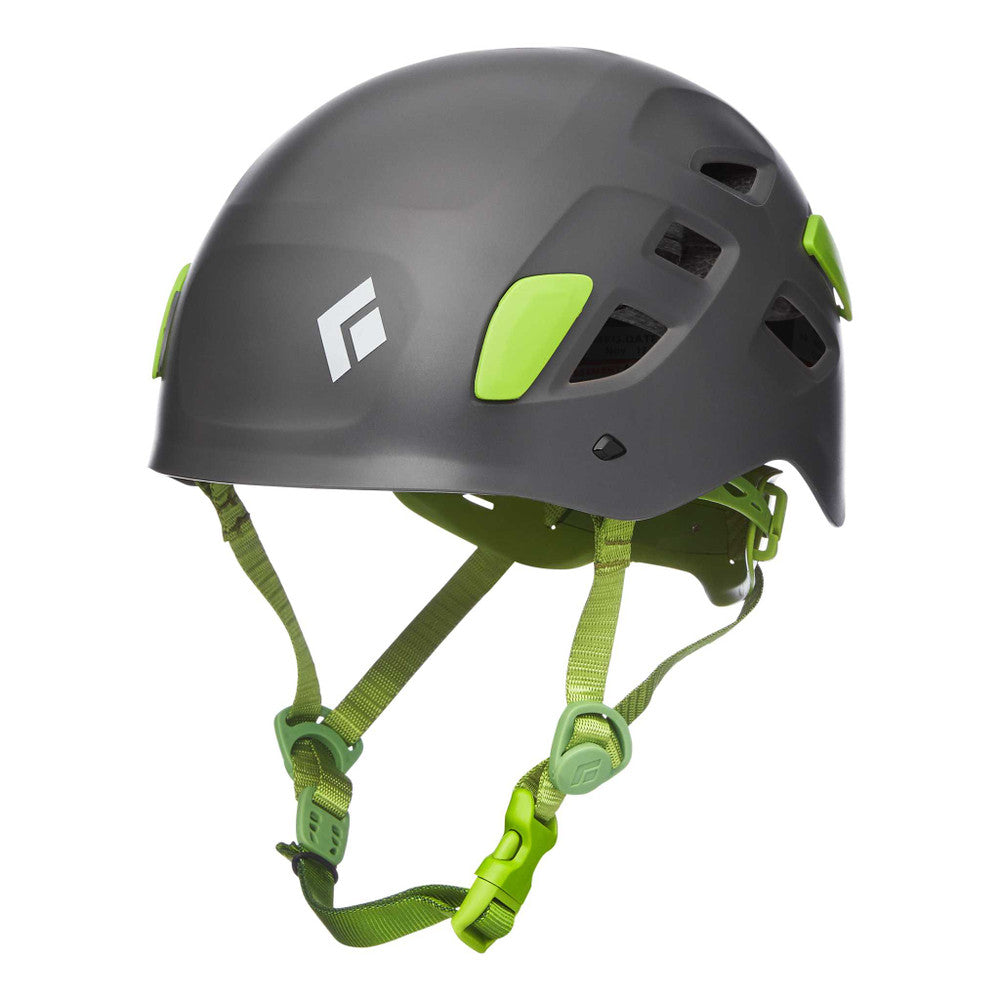
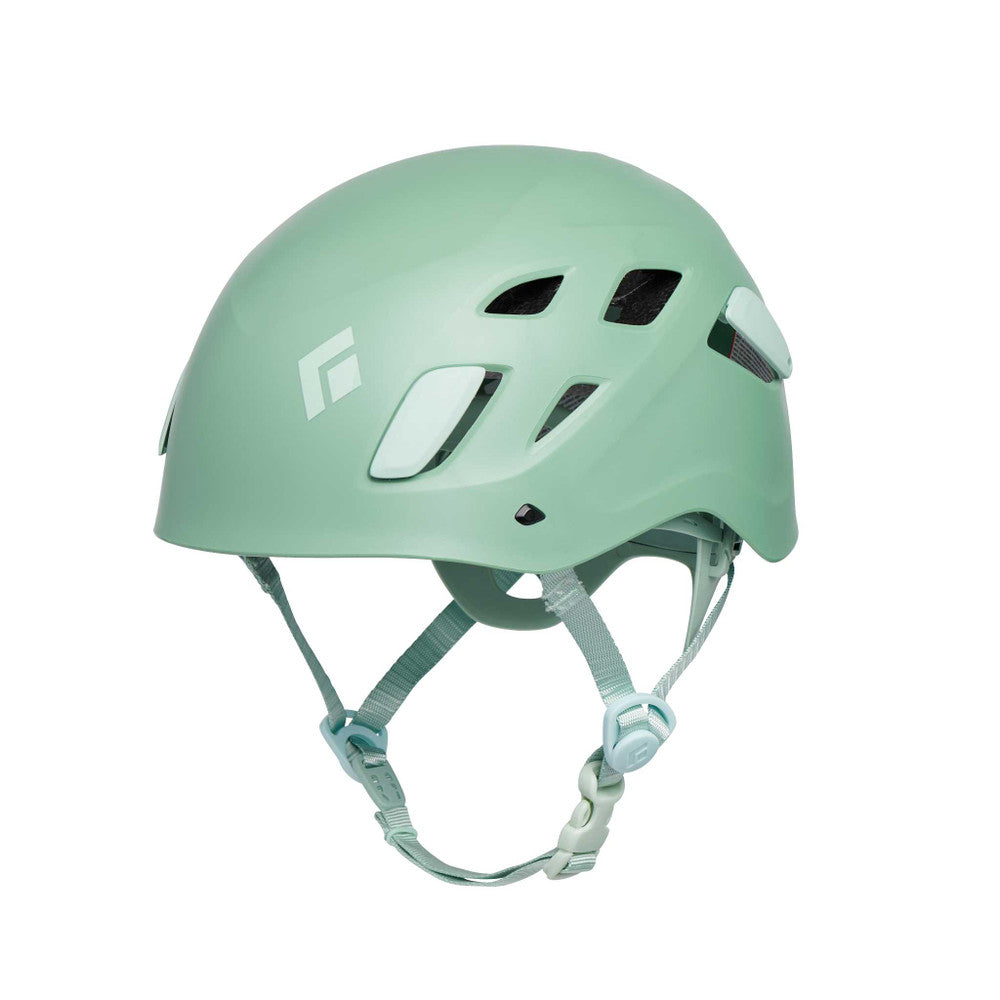
The equipment list for the slings/cord/hat wear we need was confusing and inaccurate.