The Seminar
Do I need prior experience?
No. This is an instructional course that builds skills from the fundamentals, beginning with rock basics at Mt. Erie and progressing to glacier travel and crevasse rescue on Mt. Baker. Good fitness and a willingness to learn matter most.
What will I learn during the seminar?
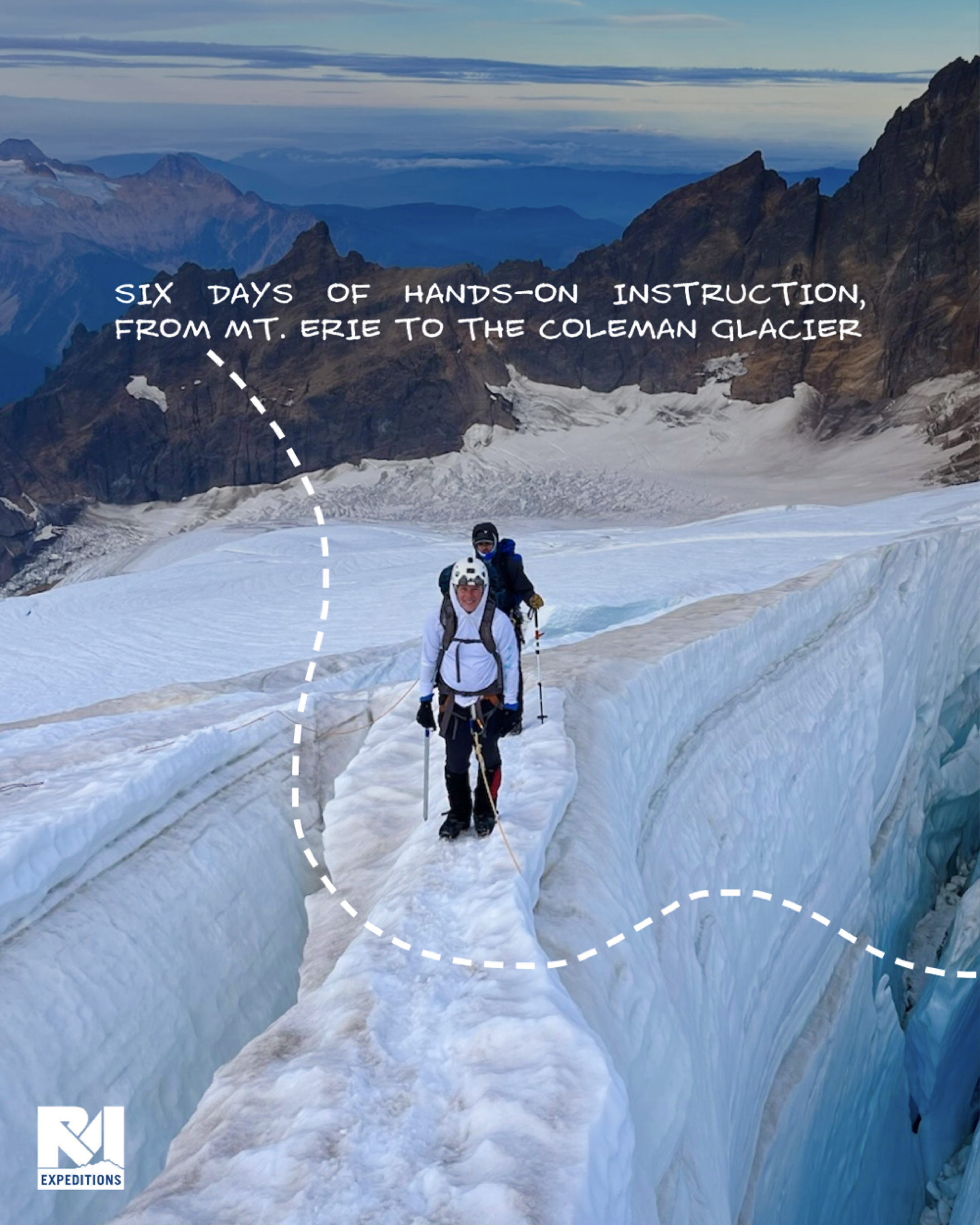
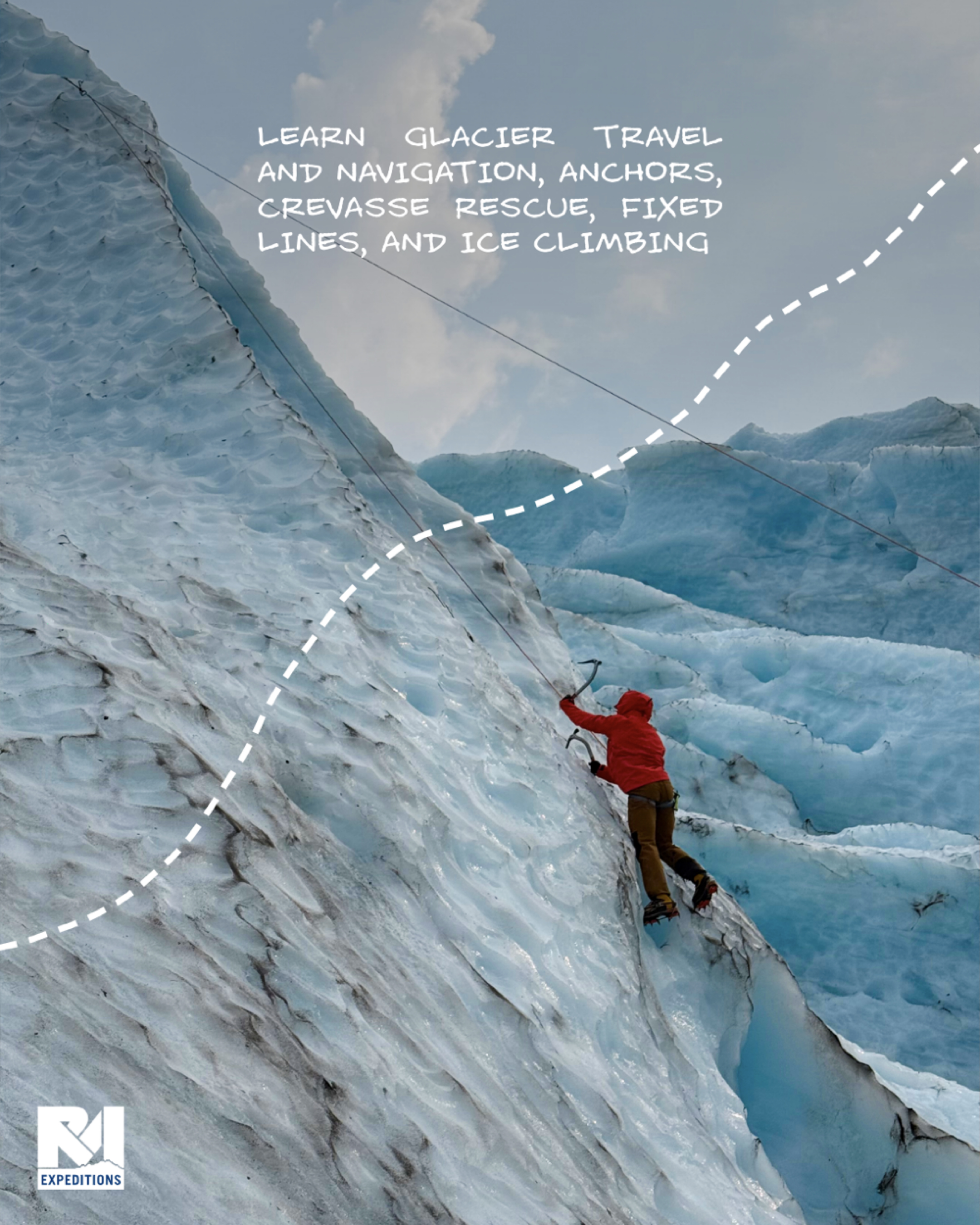
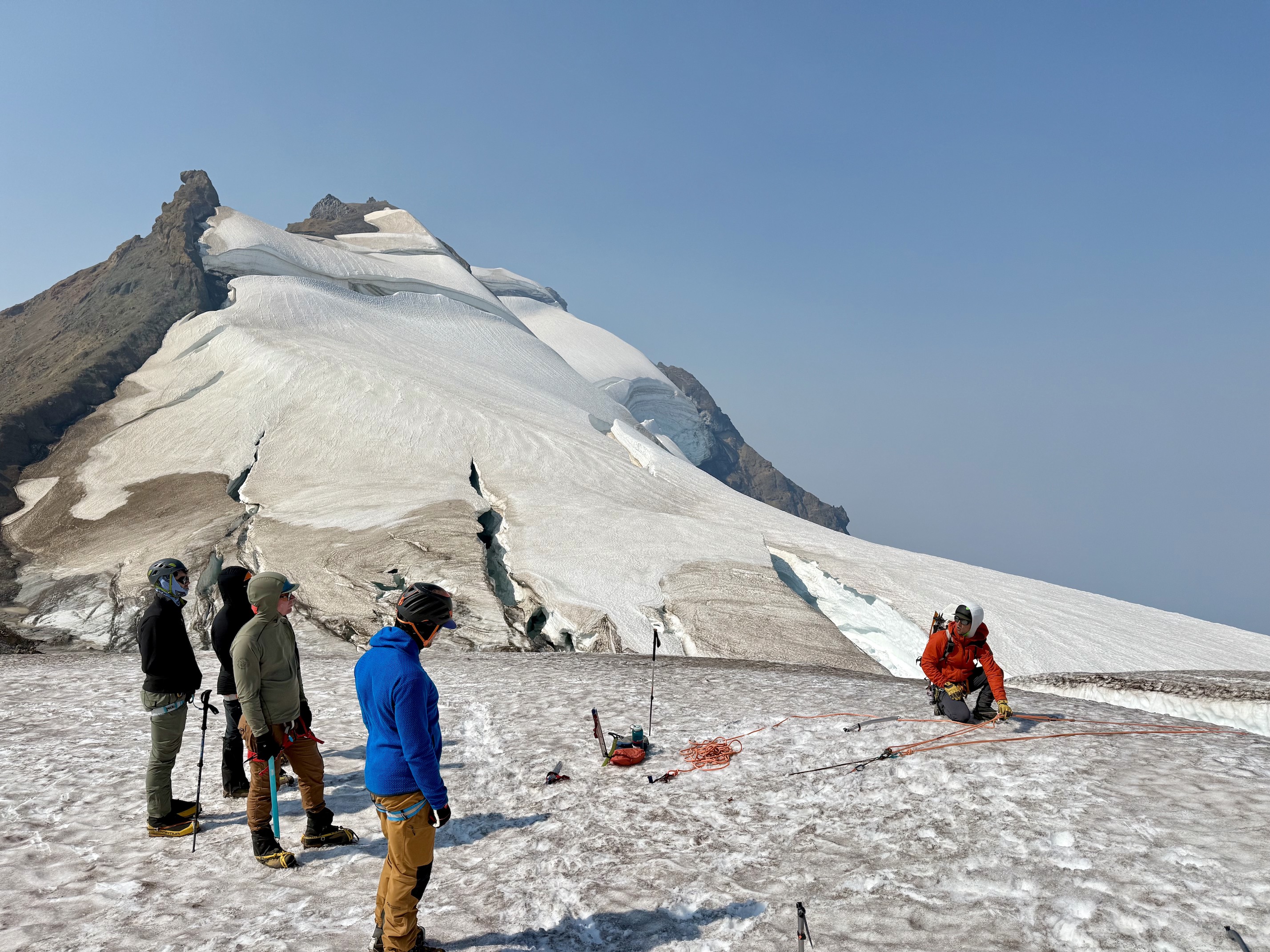
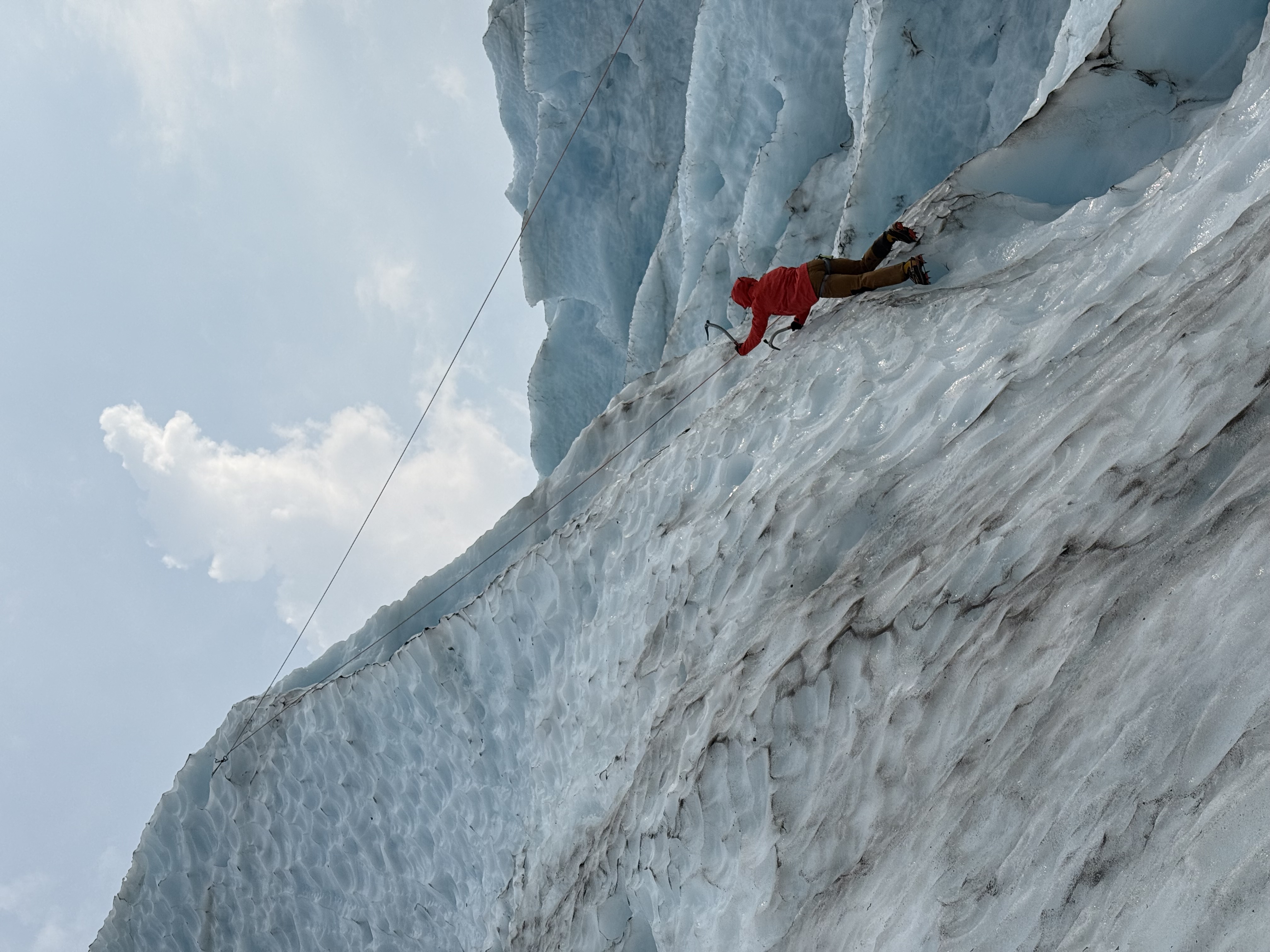
The seminar covers the core toolkit of glaciated mountaineering: rock fundamentals (knots, belaying, rappelling, and movement) at Mt. Erie, then roped glacier travel, cramponing and ice-axe technique, snow and ice anchors, crevasse rescue, and expedition camp craft on Mt. Baker — all applied on a summit attempt via the Coleman-Deming route.
Is this program instructional or goal-oriented?
It's primarily instructional. The focus is on learning and practicing expedition skills across the course, with a summit attempt of Mt. Baker as the capstone rather than the sole objective.
What is the climber-to-guide ratio?
We run the seminar at a 3:1 climber-to-guide ratio, ensuring a high degree of hands-on instruction and small, efficient rope teams on the glacier.
What will this prepare me for?
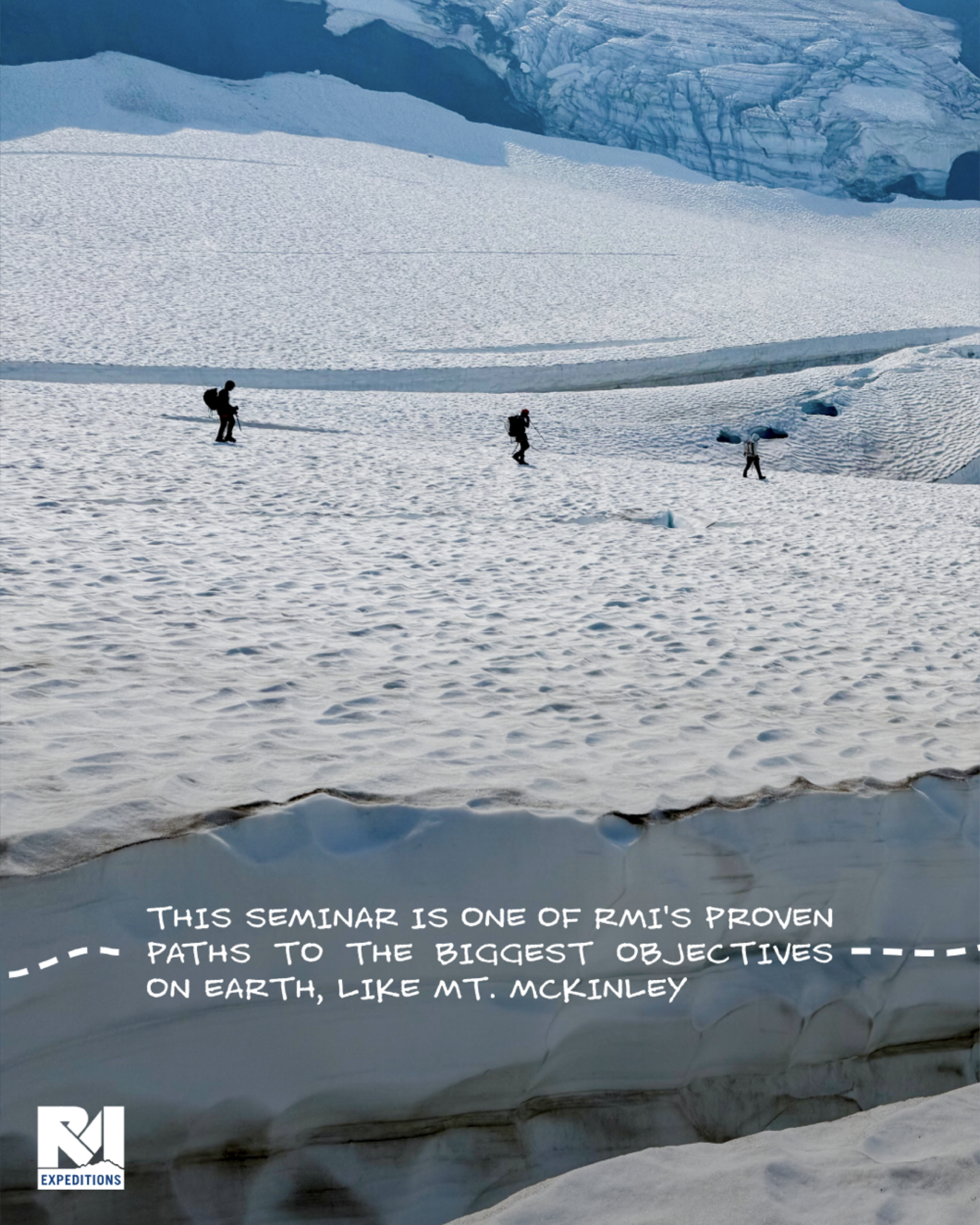
Successful completion prepares you for many RMI expeditions worldwide, including Mt. McKinley, and gives you a solid foundation for other major glaciated peaks.
Travel, Logistics & Meeting
Where do we meet?
Day 1 begins at the top parking lot of Mt. Erie in Anacortes at 8:00 a.m.; Day 2 meets at the Glacier Public Service Center in Glacier, WA at 7:30 a.m. before we head to the trailhead.
What airport should I fly into?
Most participants fly into Seattle-Tacoma International Airport (SEA) and rent a car for the drive north to the Mt. Baker area.
Where do most climbers stay the night before, and can I camp?
Many climbers stay in or around Anacortes near Mt. Erie, then Bellingham or Glacier as the course moves north. Camping is fine as long as you arrive rested and ready for early starts.
How do we get to the trailhead, and is carpooling available?
After the Day 2 team meeting we drive to the trailhead. You are responsible for getting yourself to the meeting locations; carpooling with teammates is often possible, and RMI provides a forum to coordinate rides in advance.
Do I need a parking pass?
Yes — a Northwest Forest Service parking pass is required to leave a vehicle at the trailhead. Passes are valid for one year and available locally.
Fitness & Readiness
How fit do I need to be?
Arrive in strong physical condition, prepared for multiple days of uphill travel with a pack and long, active days on the glacier. Fitness directly affects your pacing, energy, and how much you get out of the instruction.
How long and demanding is summit day?
Summit day is a long, pre-dawn alpine start — a sustained effort of 12 or more hours round trip, with glacier travel, steady uphill movement, and a long descent back to camp.
What pack weights should I expect to carry?
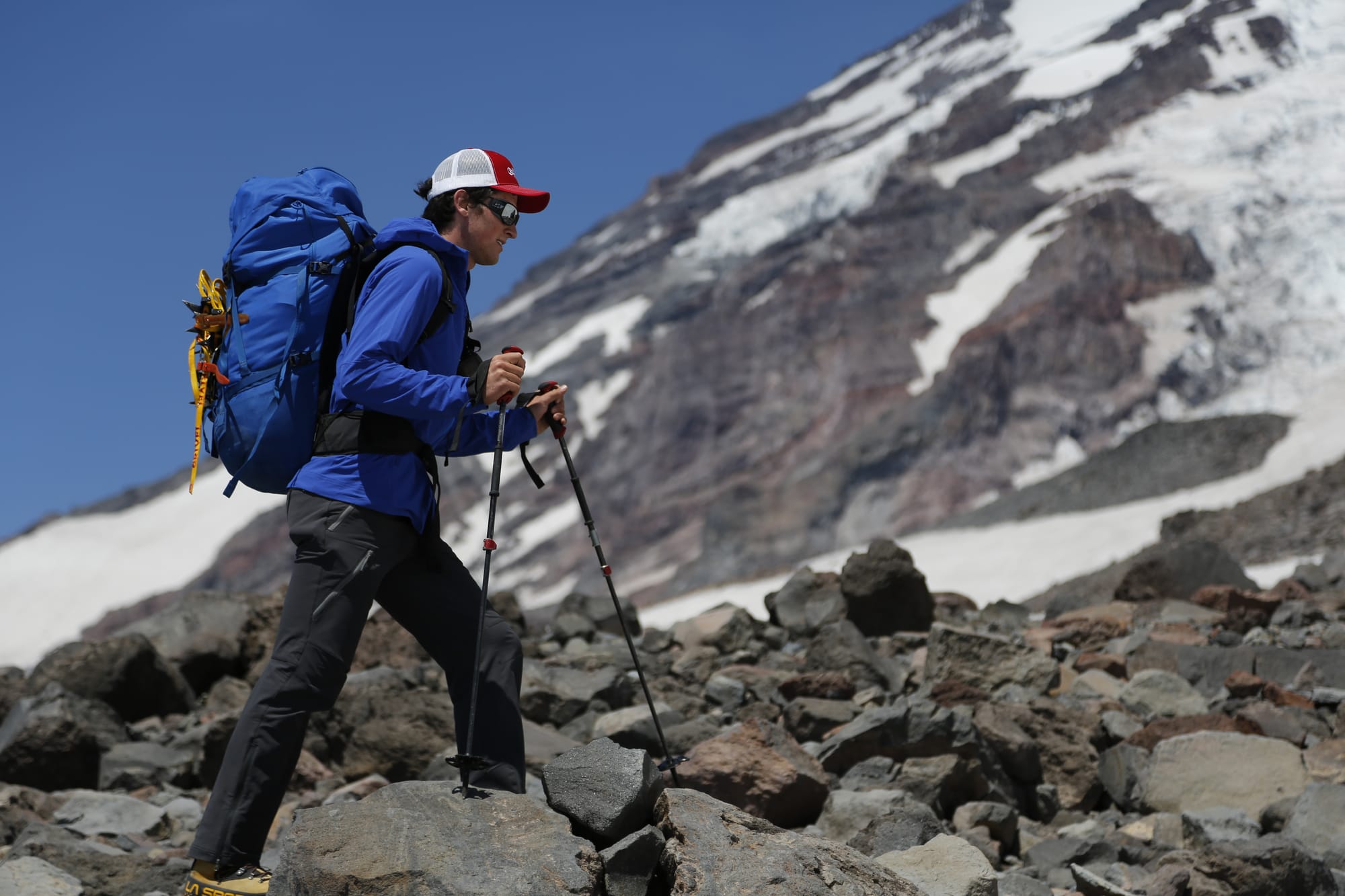
Expect packs in the 50–60 lb range on the approach and descent as you carry your share of personal and group gear, with a lighter pack on summit day.
What happens if I'm struggling physically?
Guides monitor the team closely and can adjust pacing or objectives to keep appropriate margins and support you — the instructional format gives real flexibility to meet climbers where they are.
The Climb & Terrain
How hard is the summit climb?
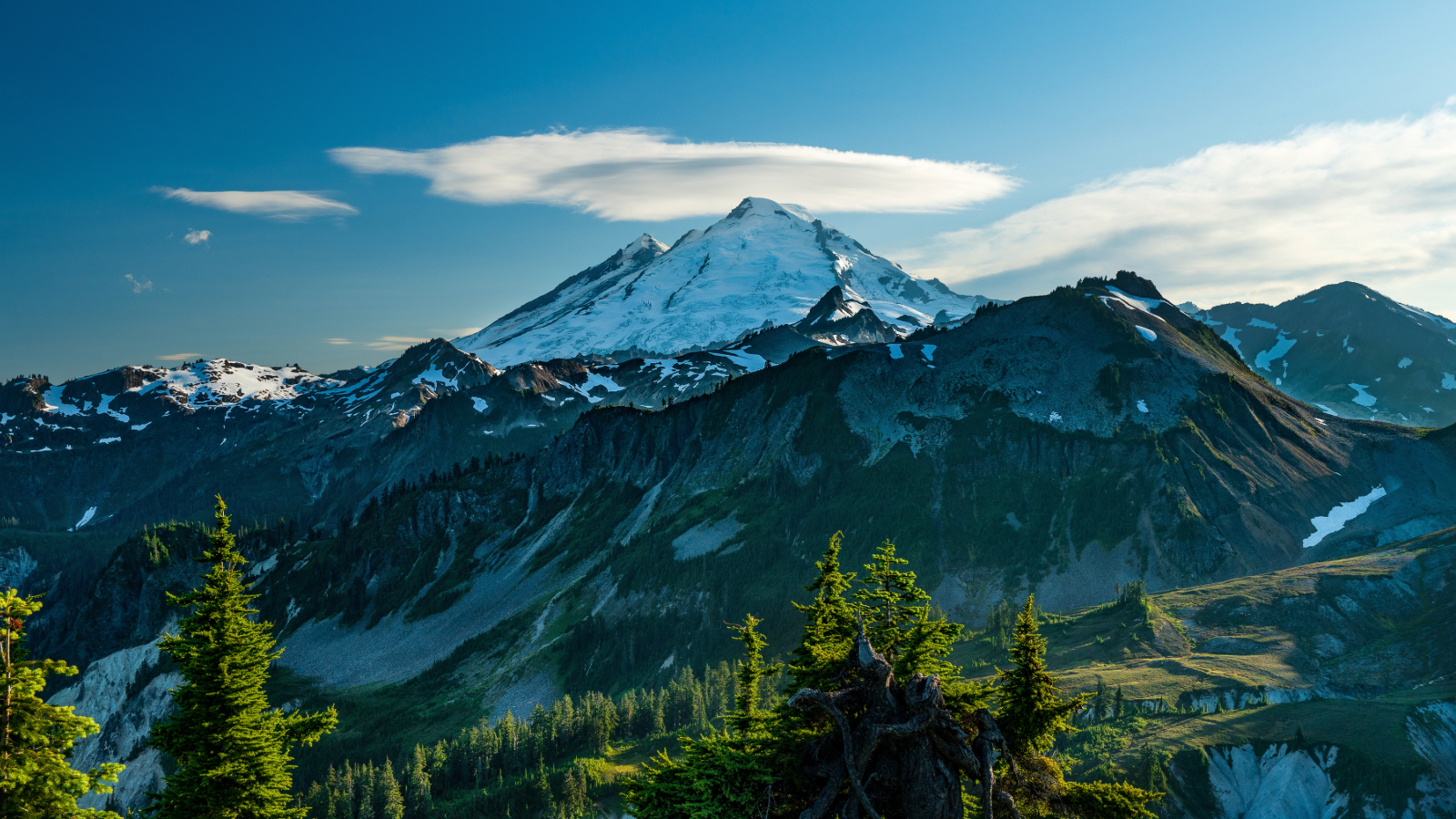
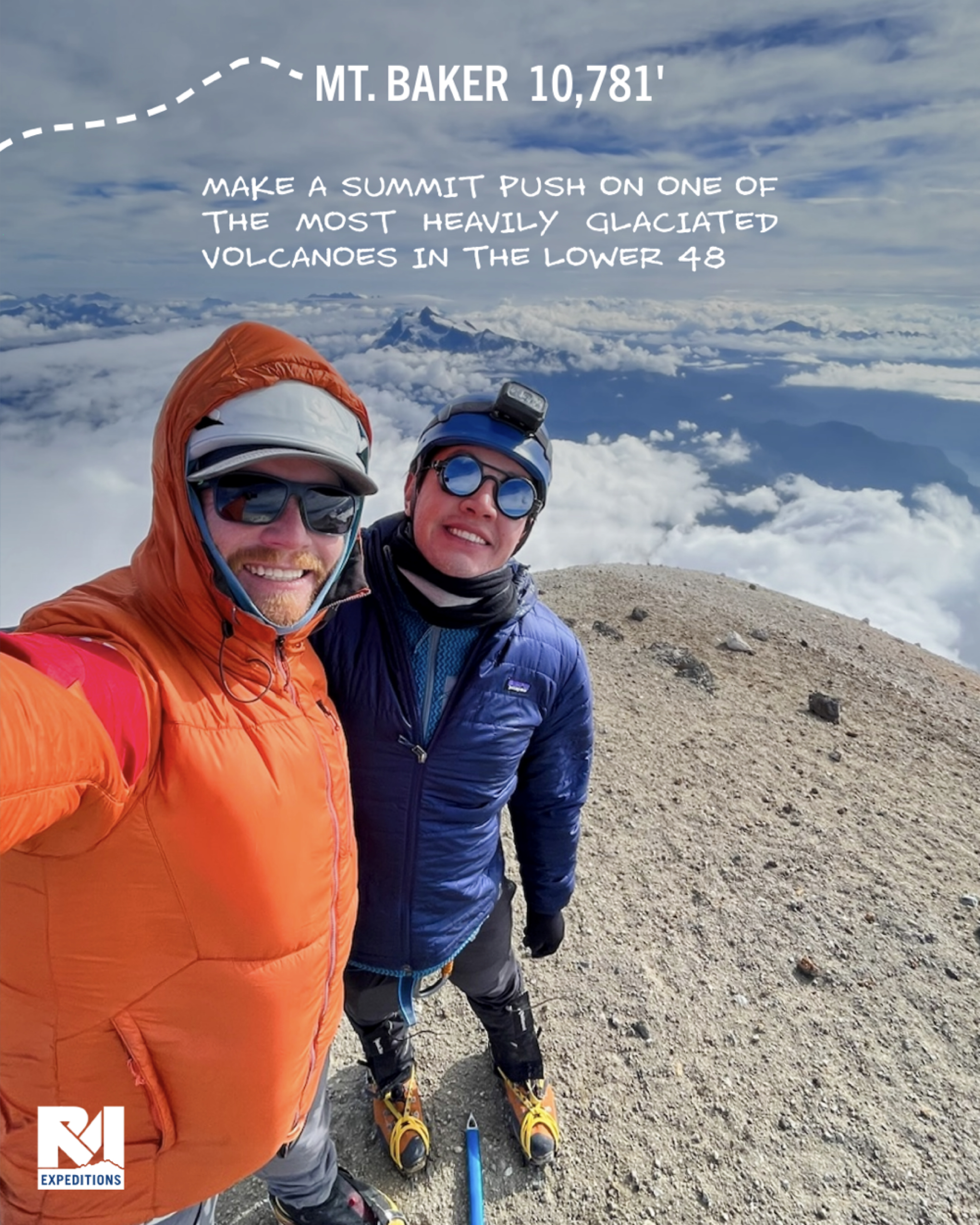
Mt. Baker via the Coleman-Deming is a moderate glaciated route. Summit day involves cramponing and route finding past crevasses, finishing with the Roman Wall — about 1,000' of 35–40° snow — to the to the 10,781' summit.
What kind of terrain does the route involve?
Primarily moderately angled glacier travel with sections of snow and a short, easy alpine finish near the summit — ideal terrain for putting newly learned skills into practice.
Where do we camp on the mountain?
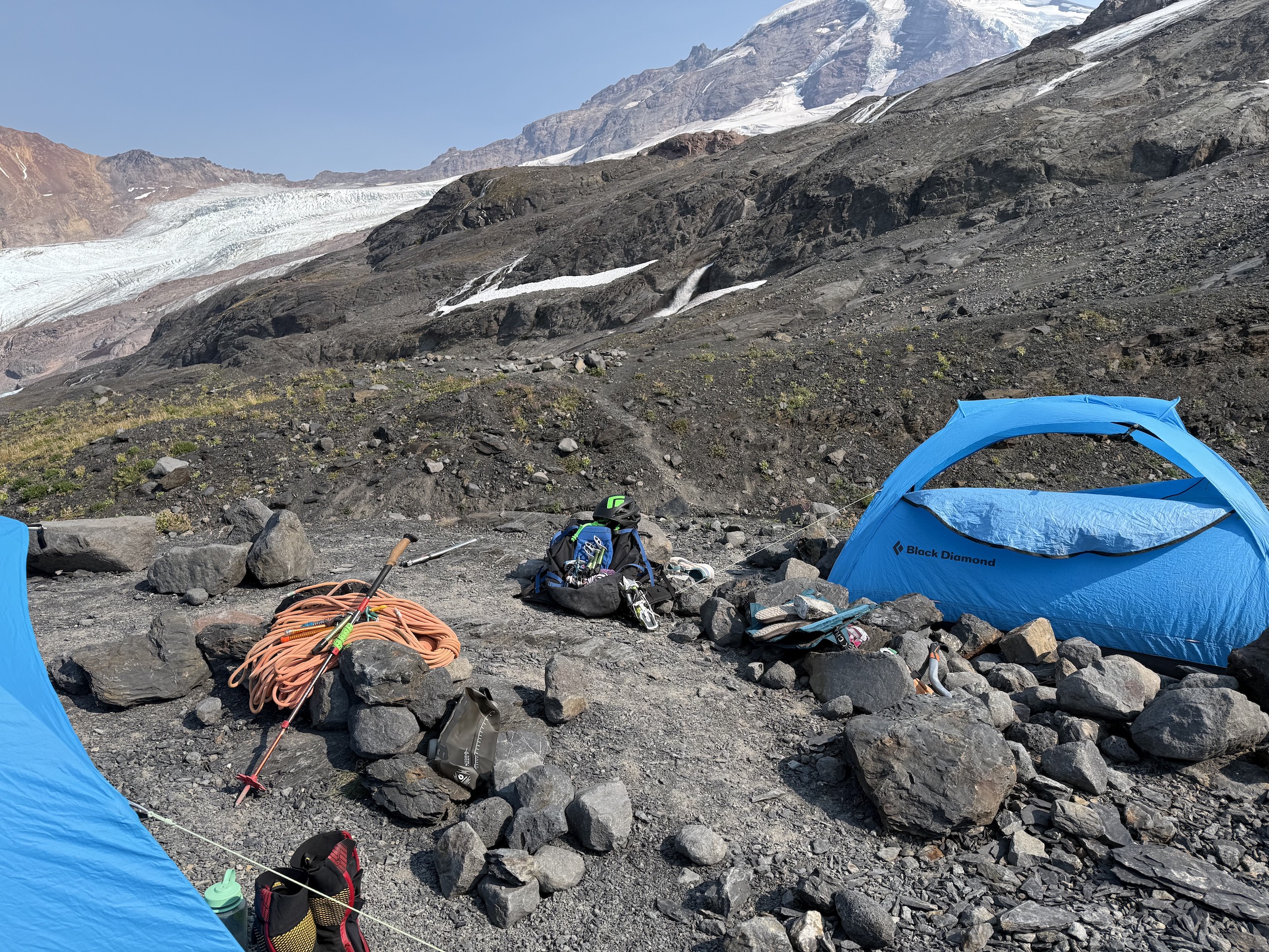
After the Mt. Erie rock day, the team establishes camp on Mt. Baker and uses it as a base for skills instruction, crevasse-rescue practice, and the summit attempt, practicing expedition camp craft throughout.
Weather, Conditions & Safety
What kind of weather should I expect on Mt. Baker?
Mt. Baker is known for rapidly changing weather. Be prepared for cold, wind, sun exposure, and precipitation even during the summer season.
How do guides make decisions when conditions change?
Guides continuously assess weather, snow and glacier conditions, and team performance, making decisions based on disciplined risk management and appropriate margins for the group.
Who makes the final decision to continue or turn around?
The guide team makes all final decisions on the mountain, prioritizing your security and the team's long-term success over reaching the summit.
What happens if someone is injured or becomes ill?
Guides are trained in remote medicine and rescue techniques and are equipped to manage injuries or illness in the field. Responses depend on severity and conditions and may include descent or evacuation if necessary.
What medical and communication systems do guides carry?
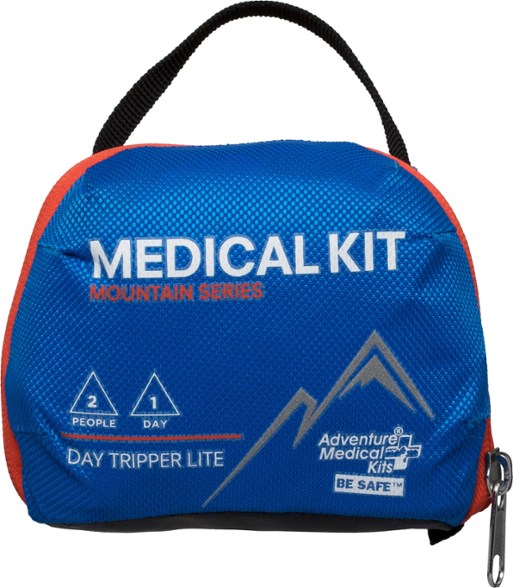
Guides carry comprehensive medical kits, rescue equipment, and communication devices to support coordination and decision-making in an emergency.
Food & Gear
Do I provide my own food?
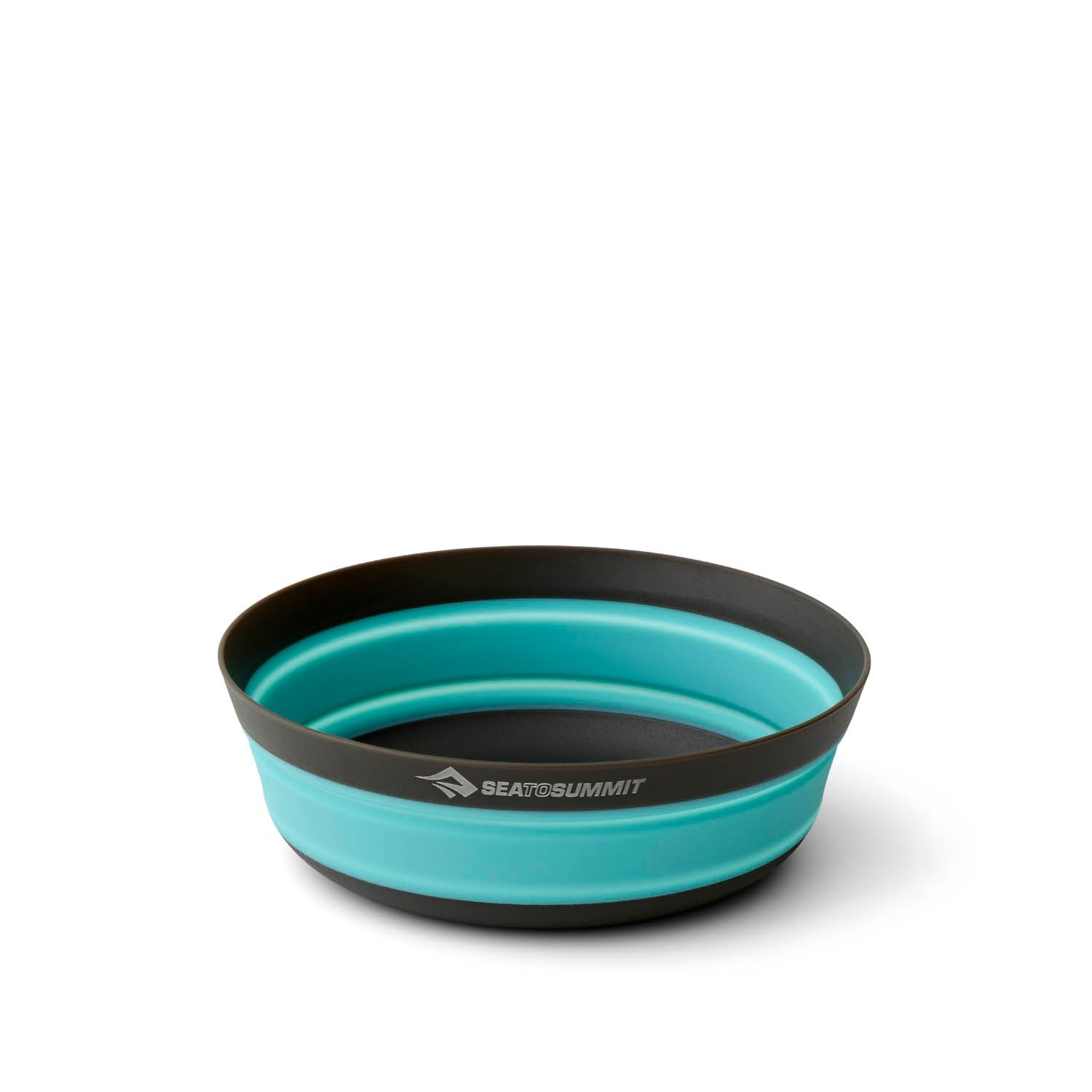
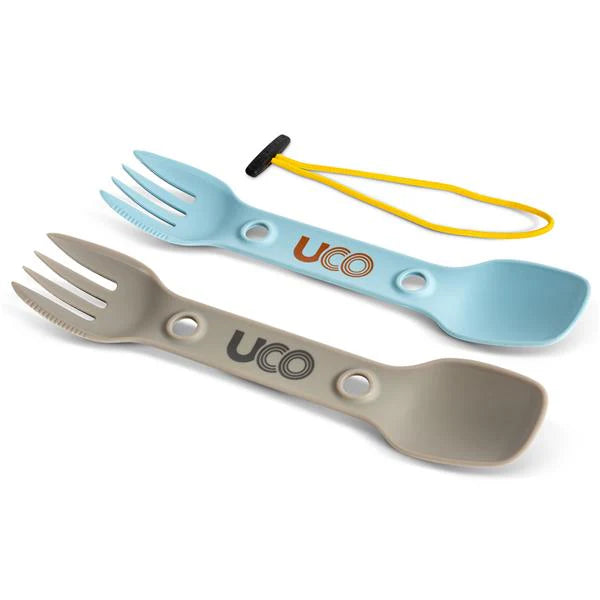
Yes. You bring your own 6 mountain lunches, 4 breakfasts, and 4 dinners. Hot and cold water is provided, but there is no cooking — pack foods that need only boiling water at most.
Can I rent gear, and is there a gear check?
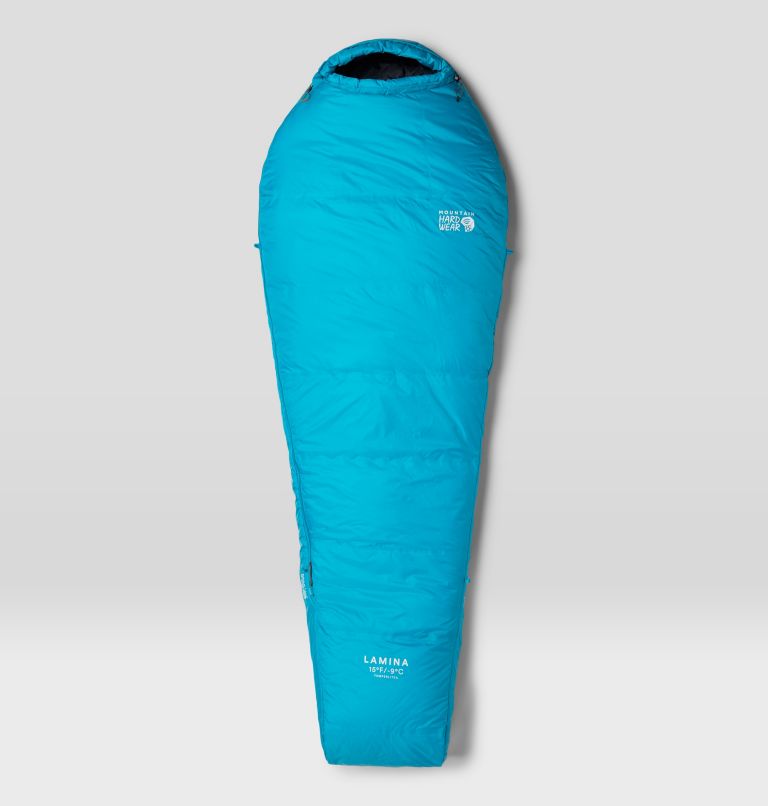
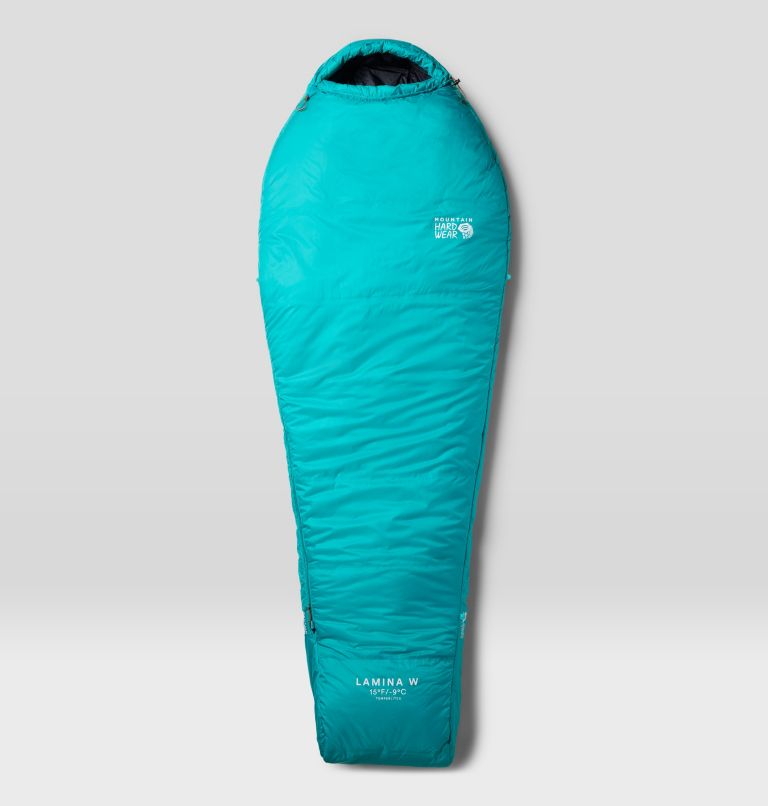
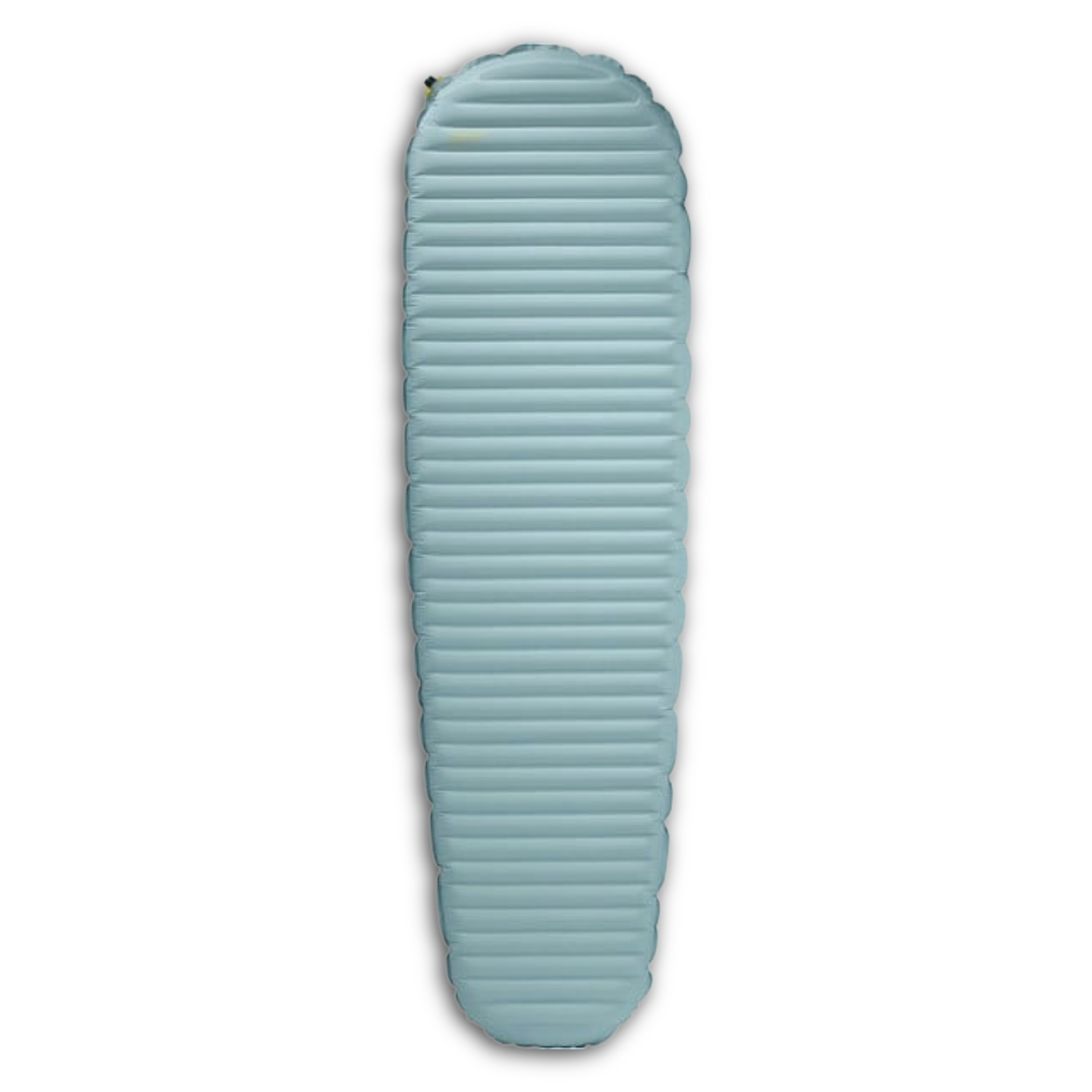
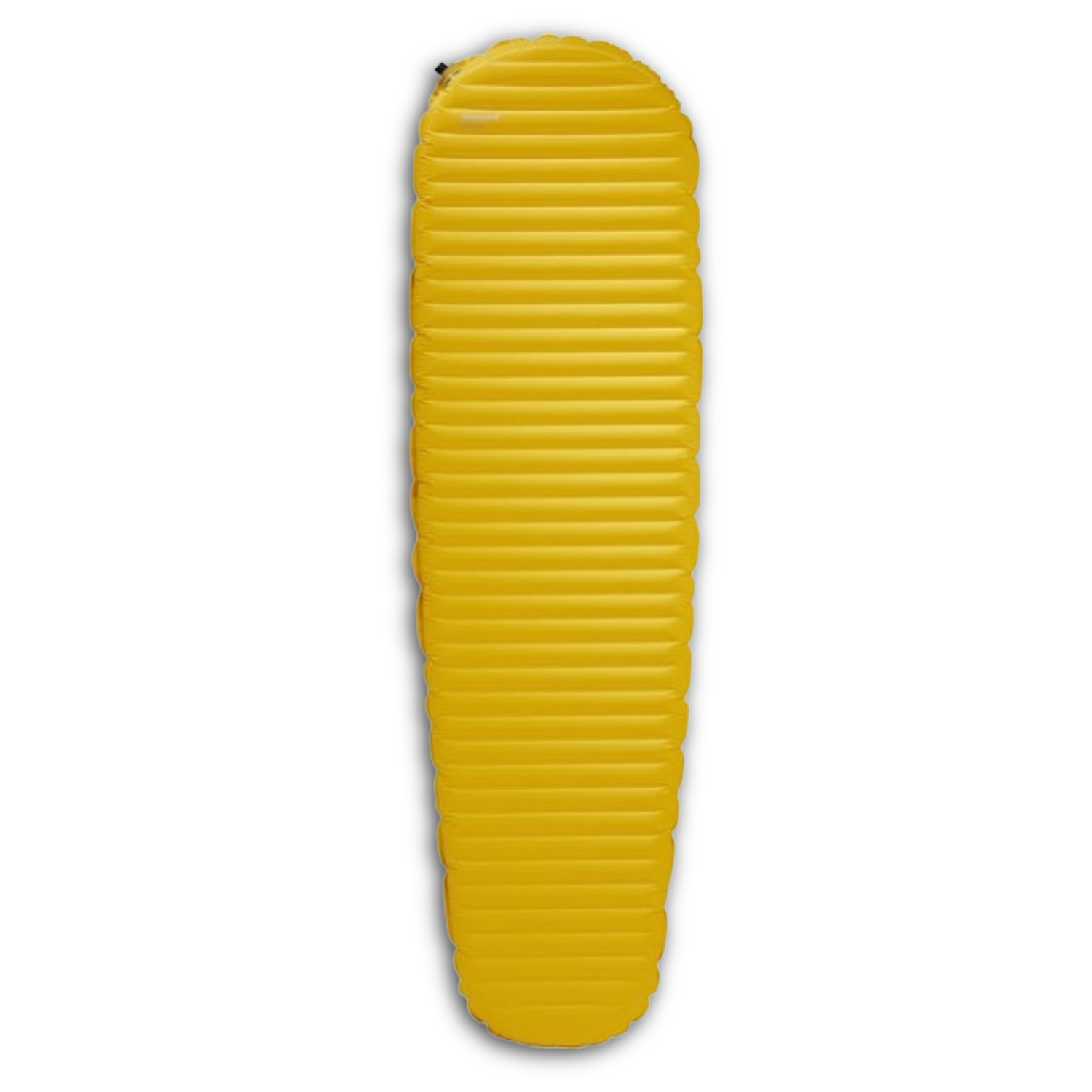
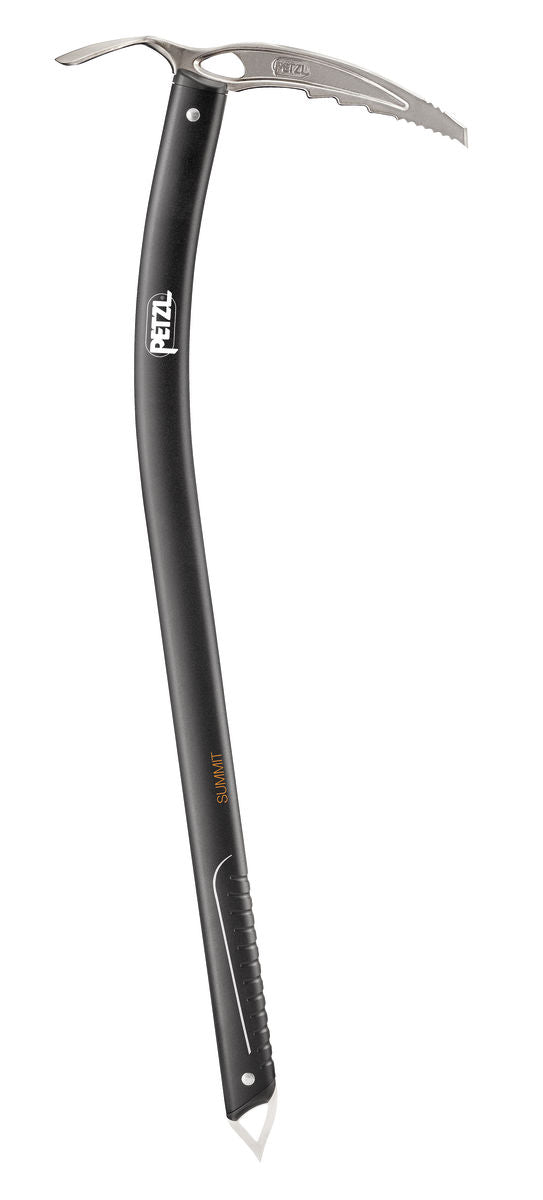
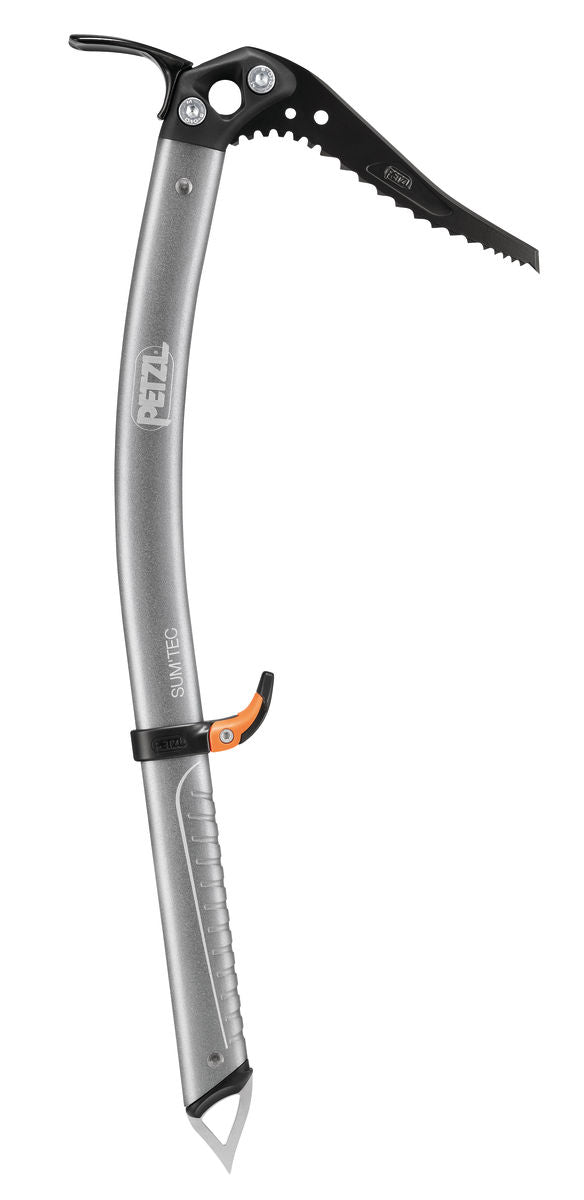
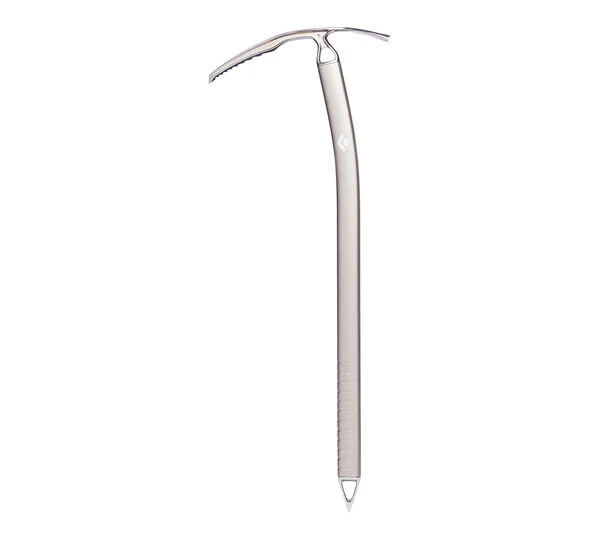
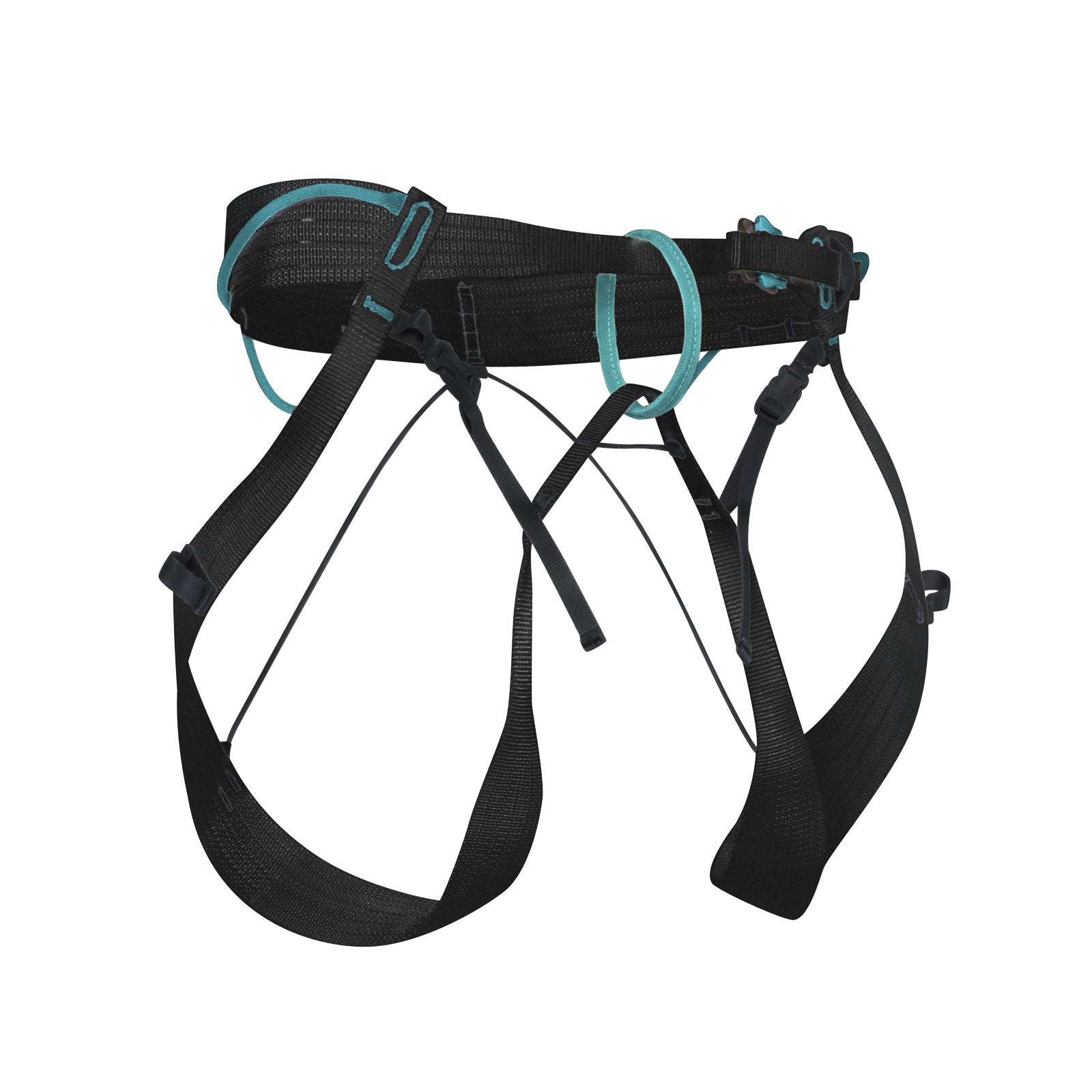
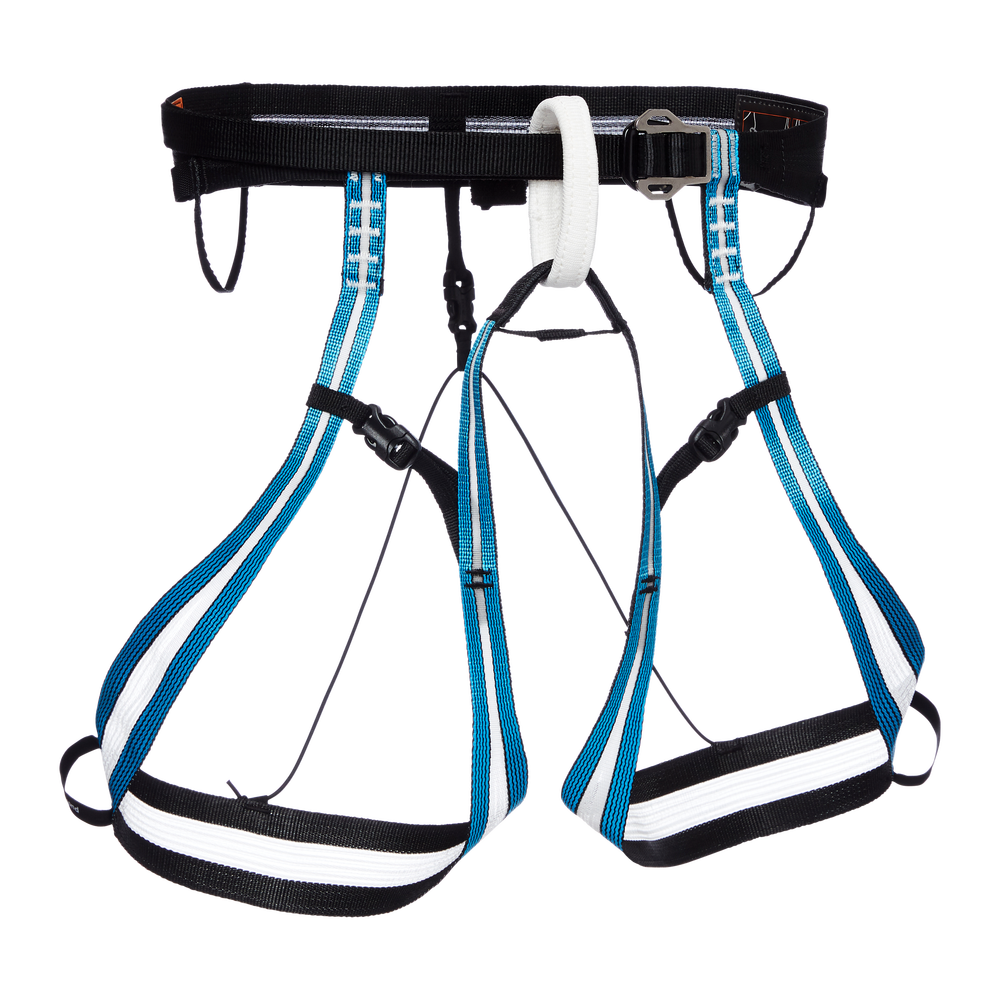
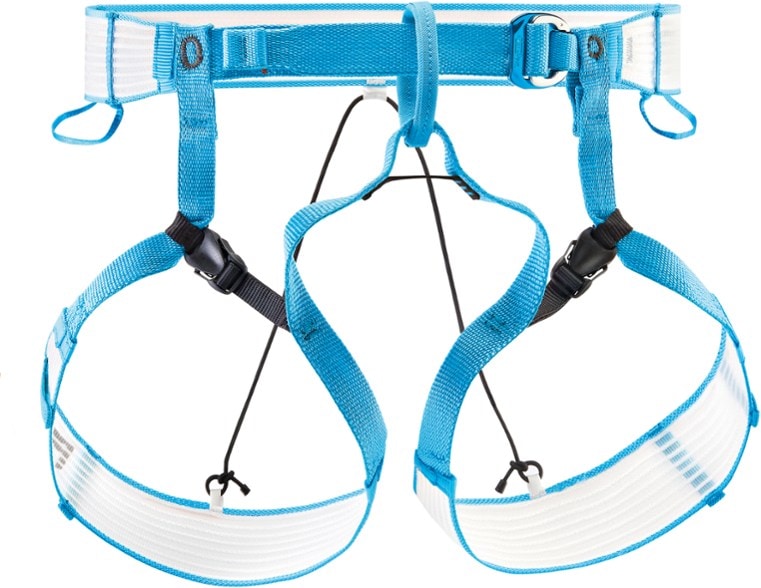
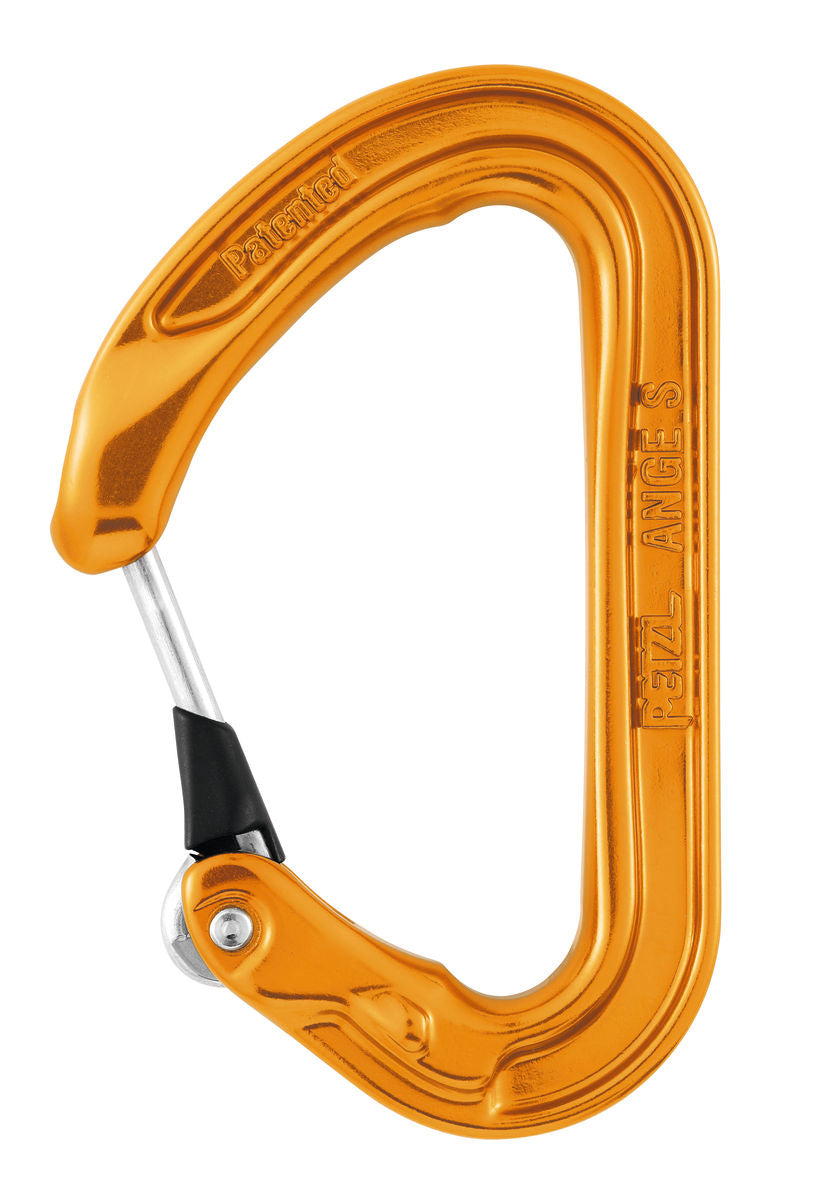
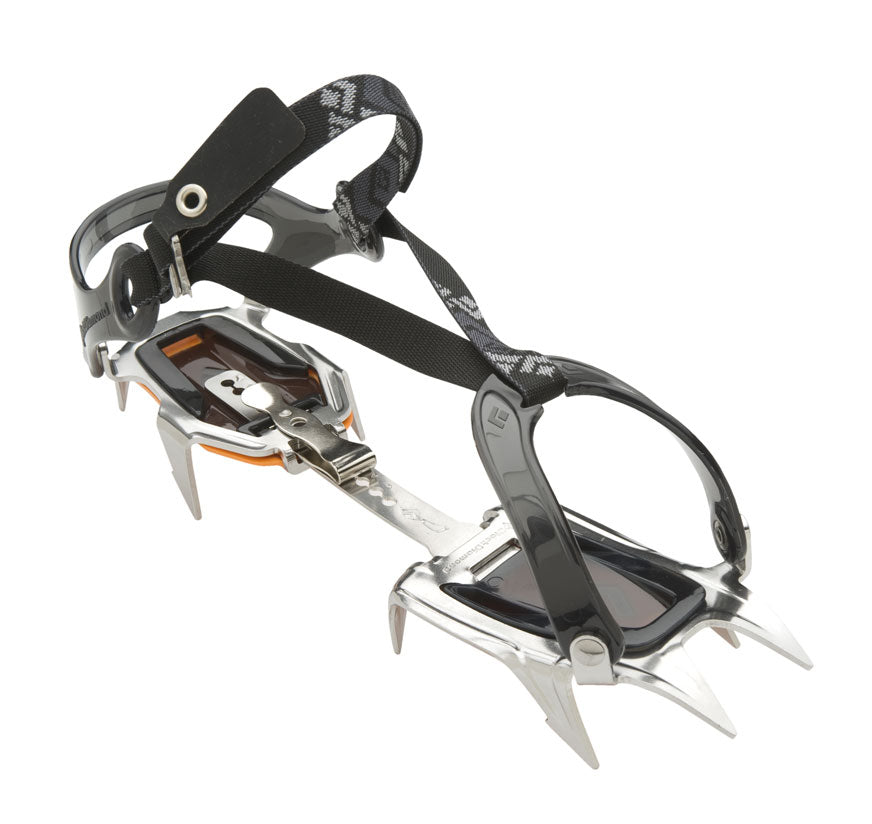
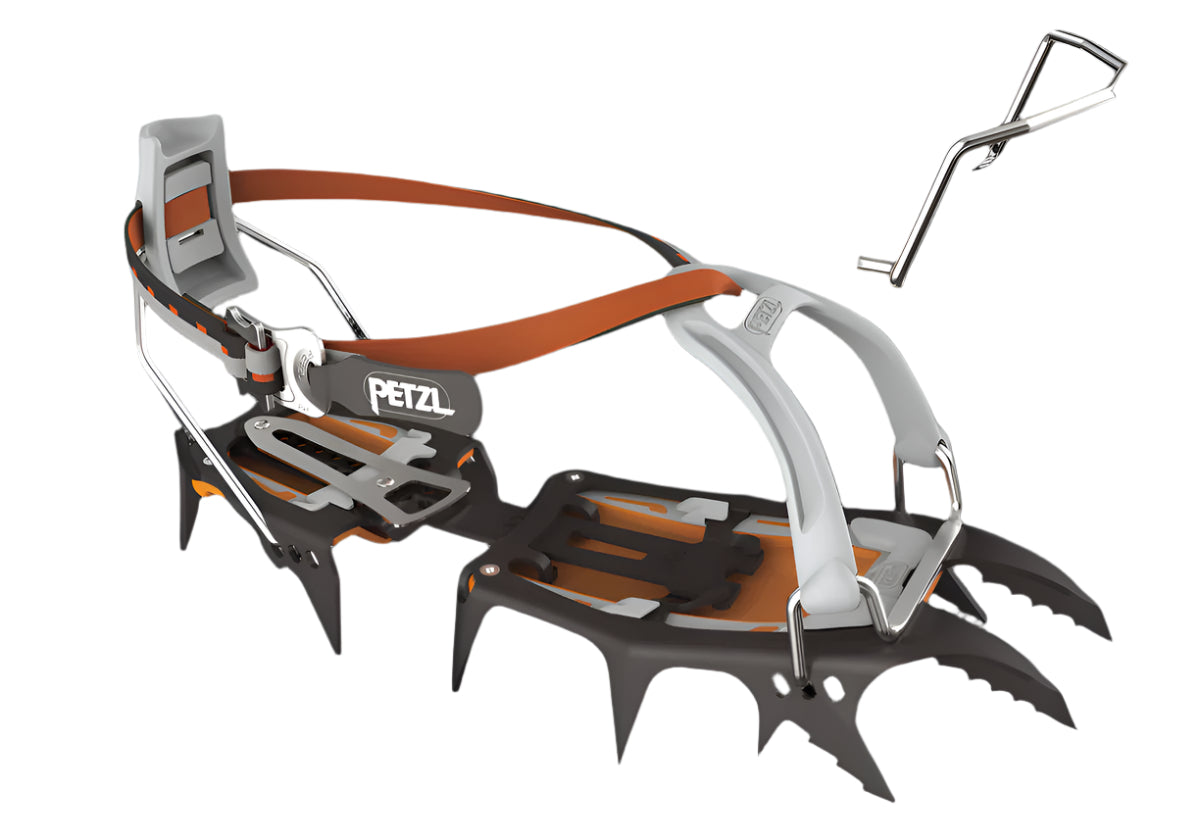
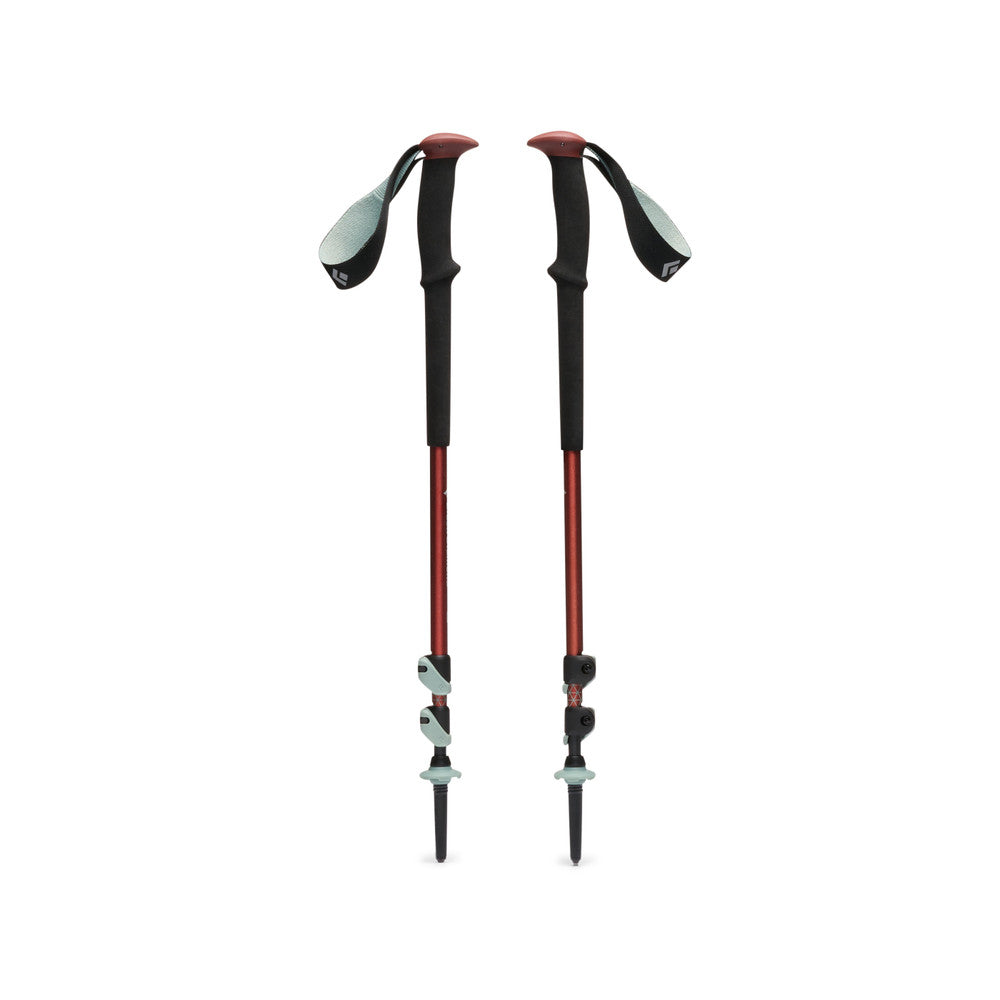
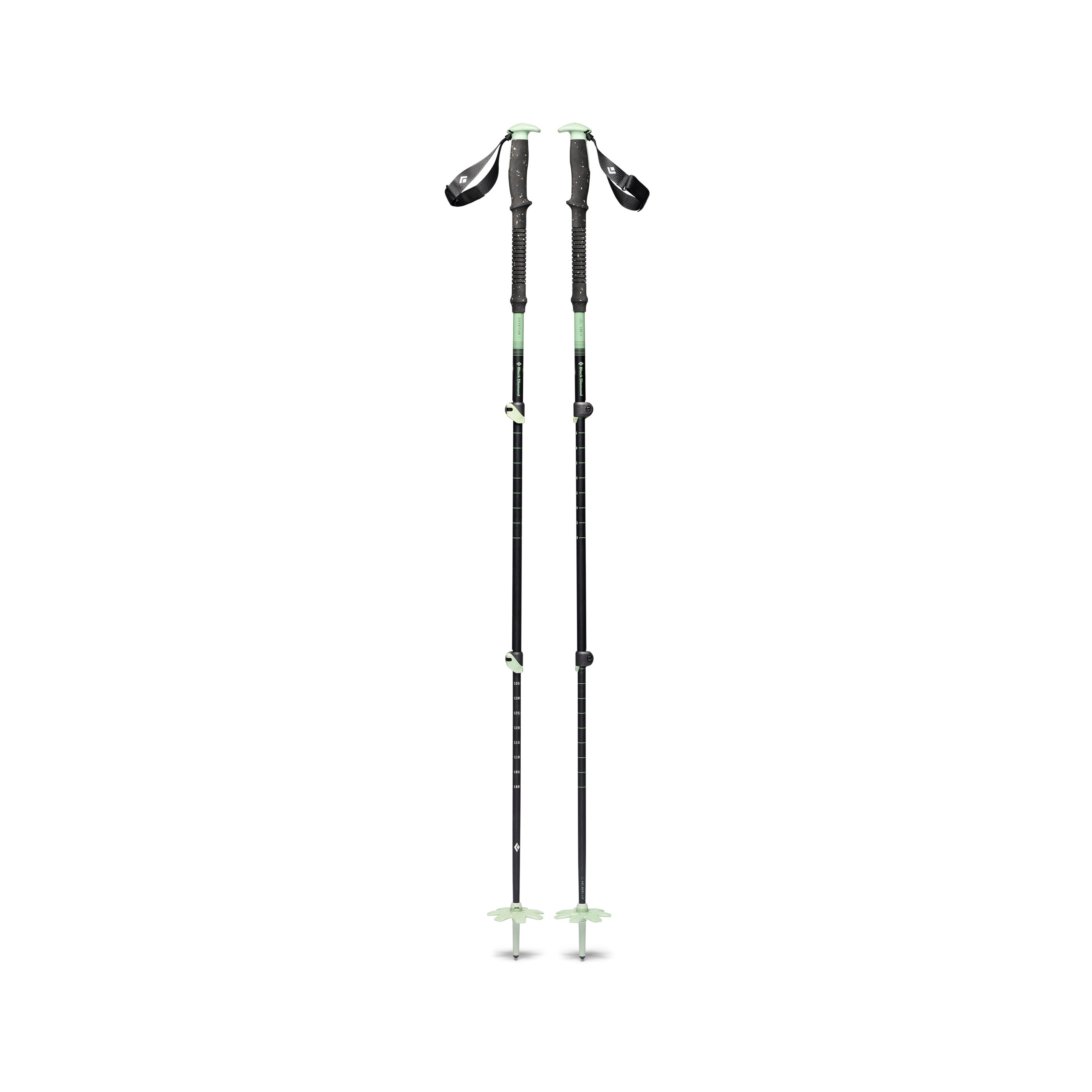
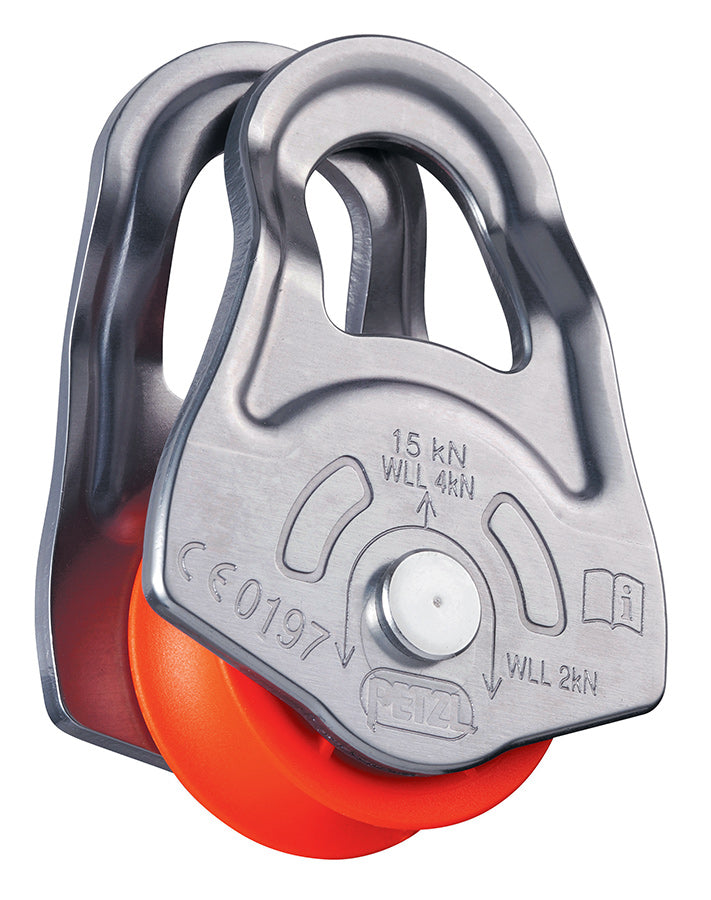
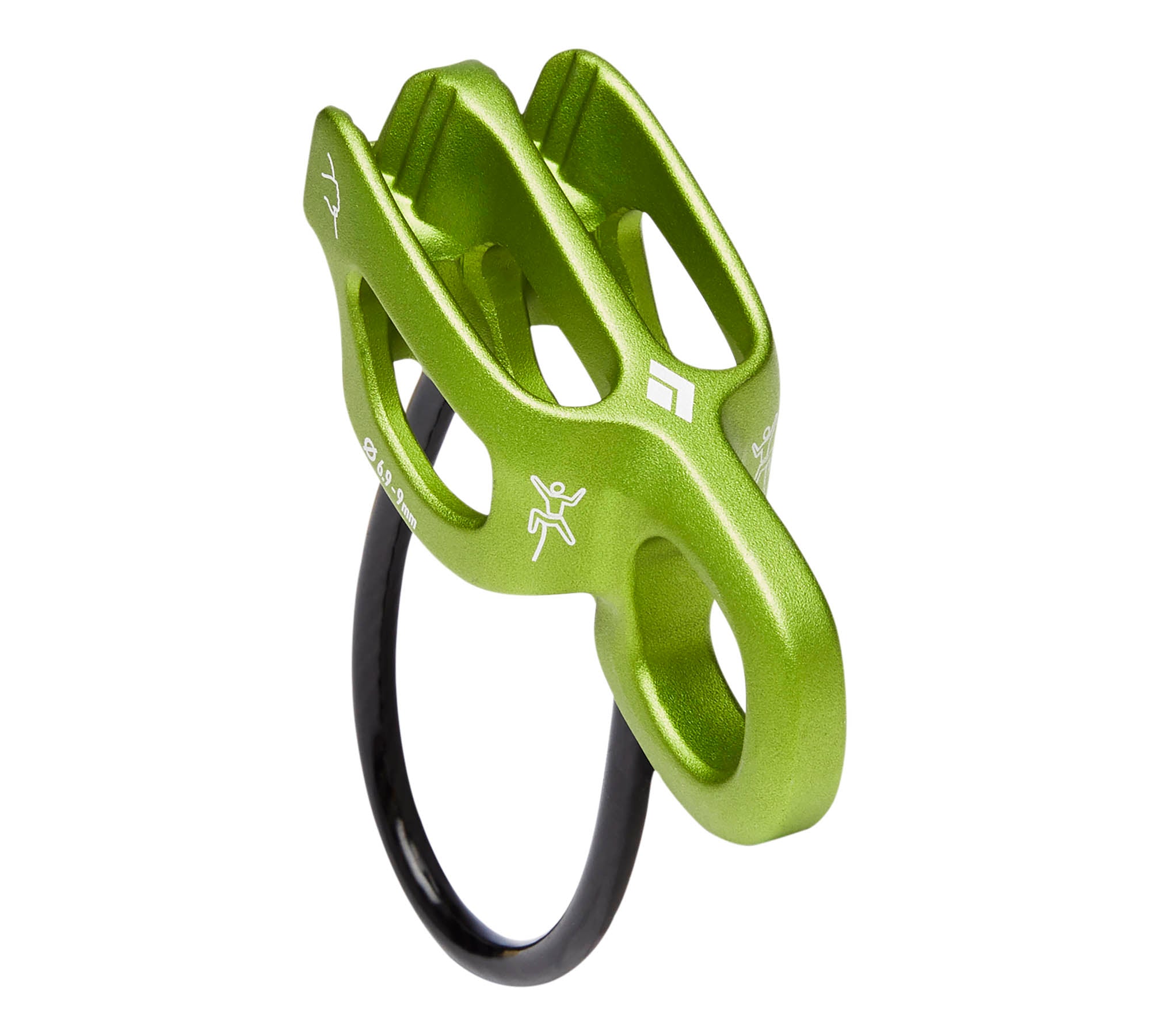
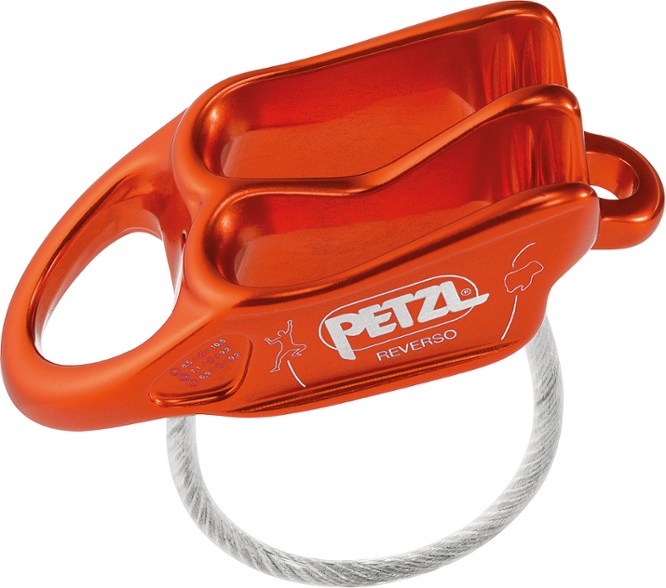
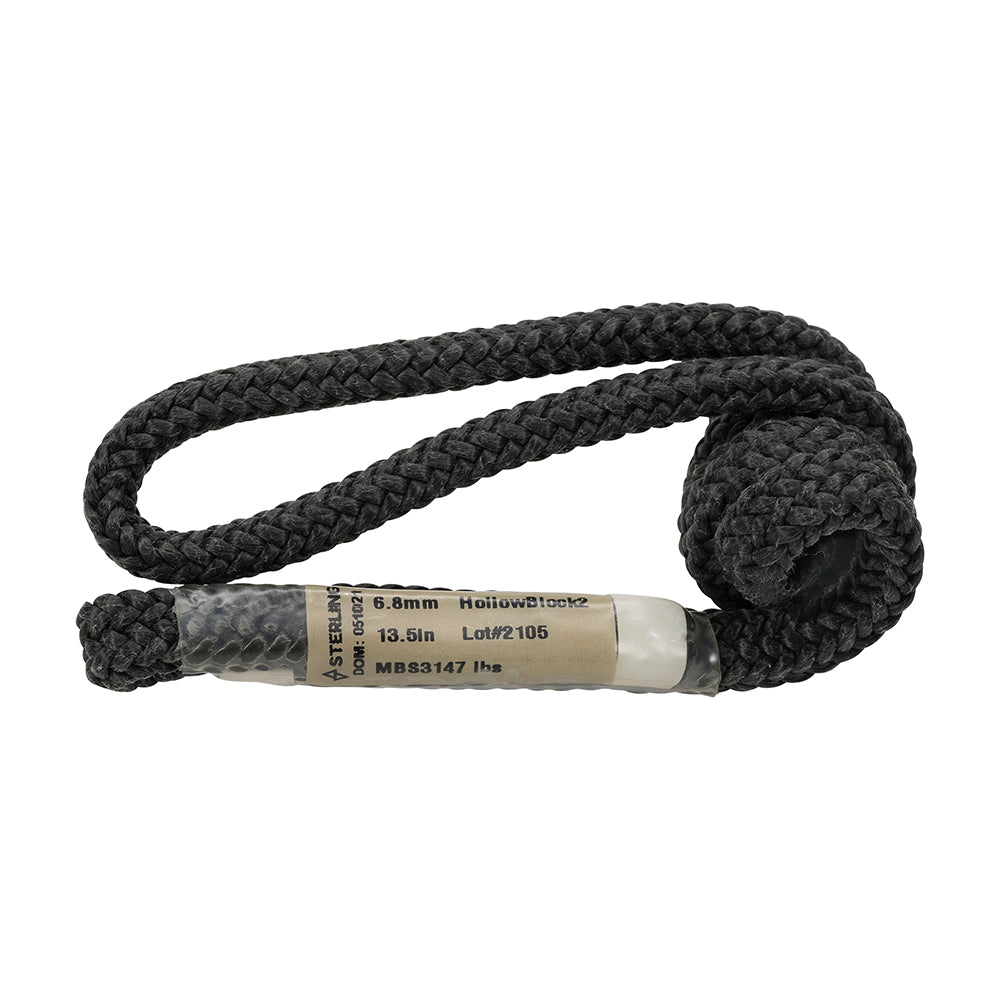
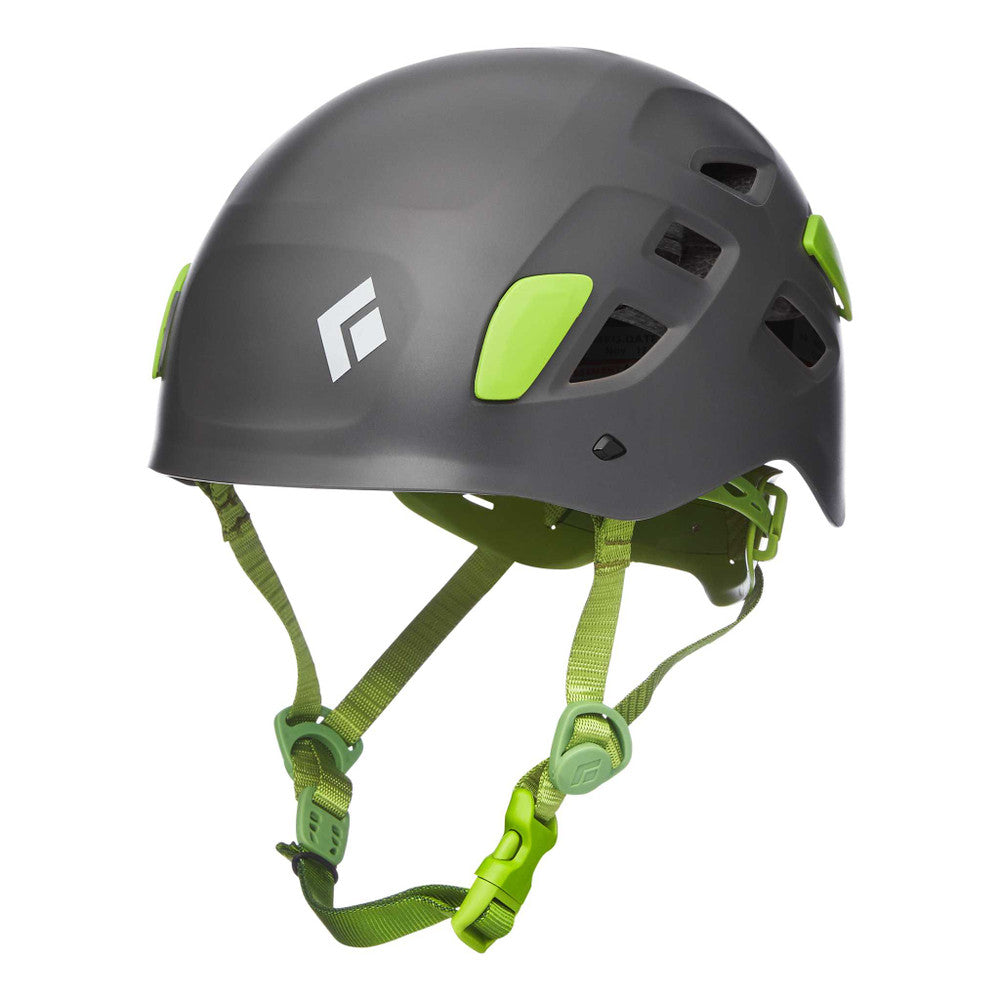
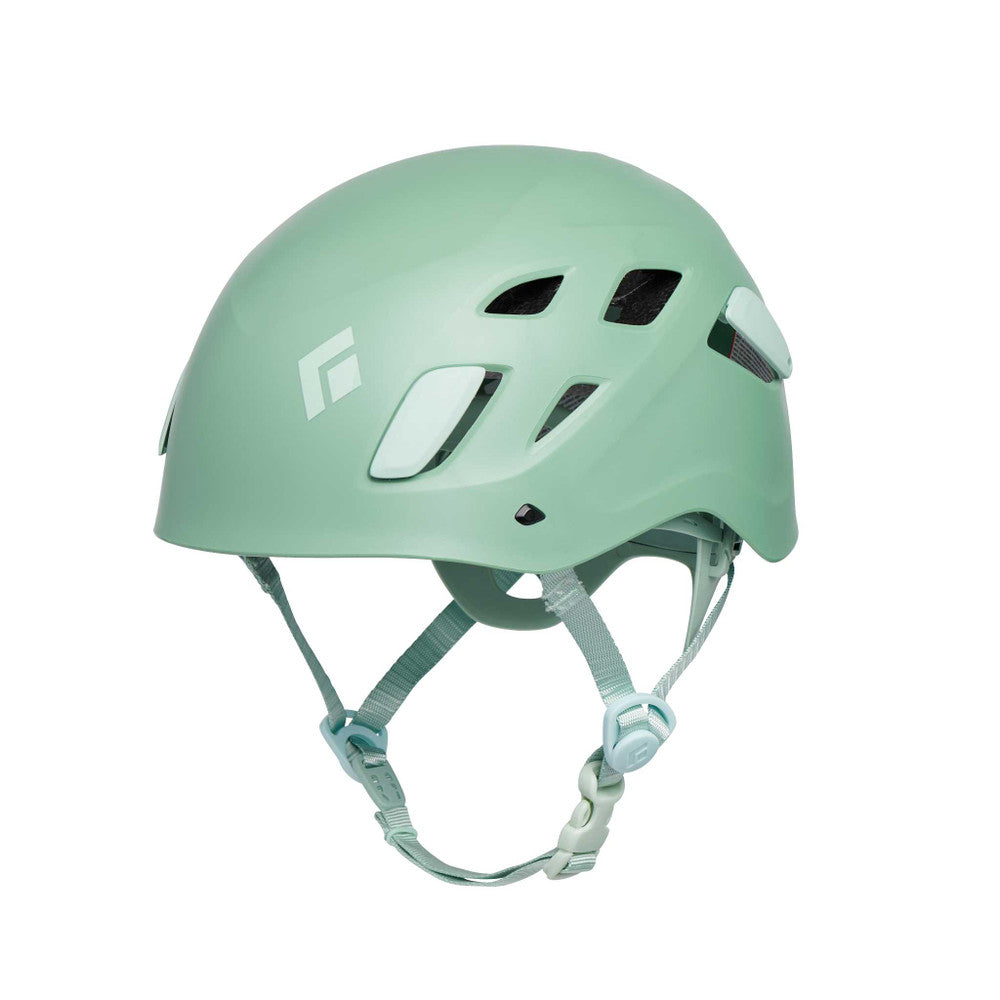
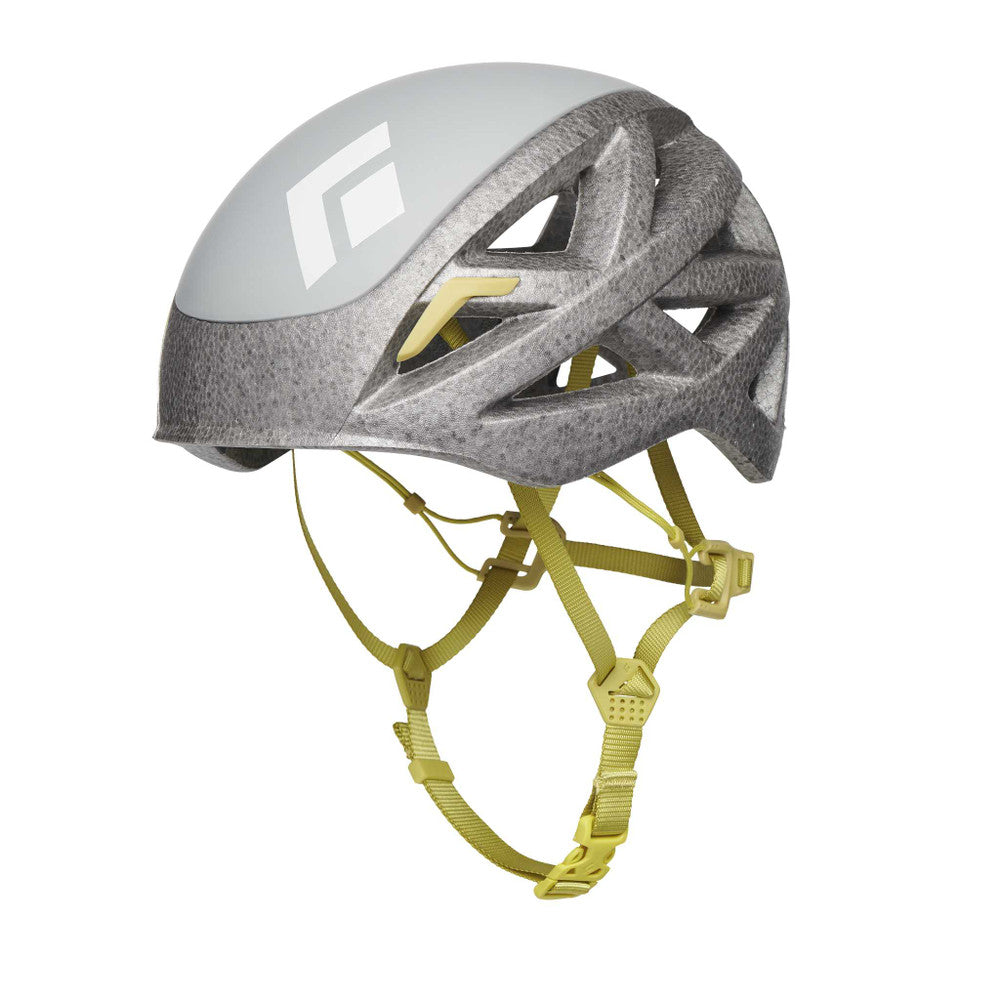
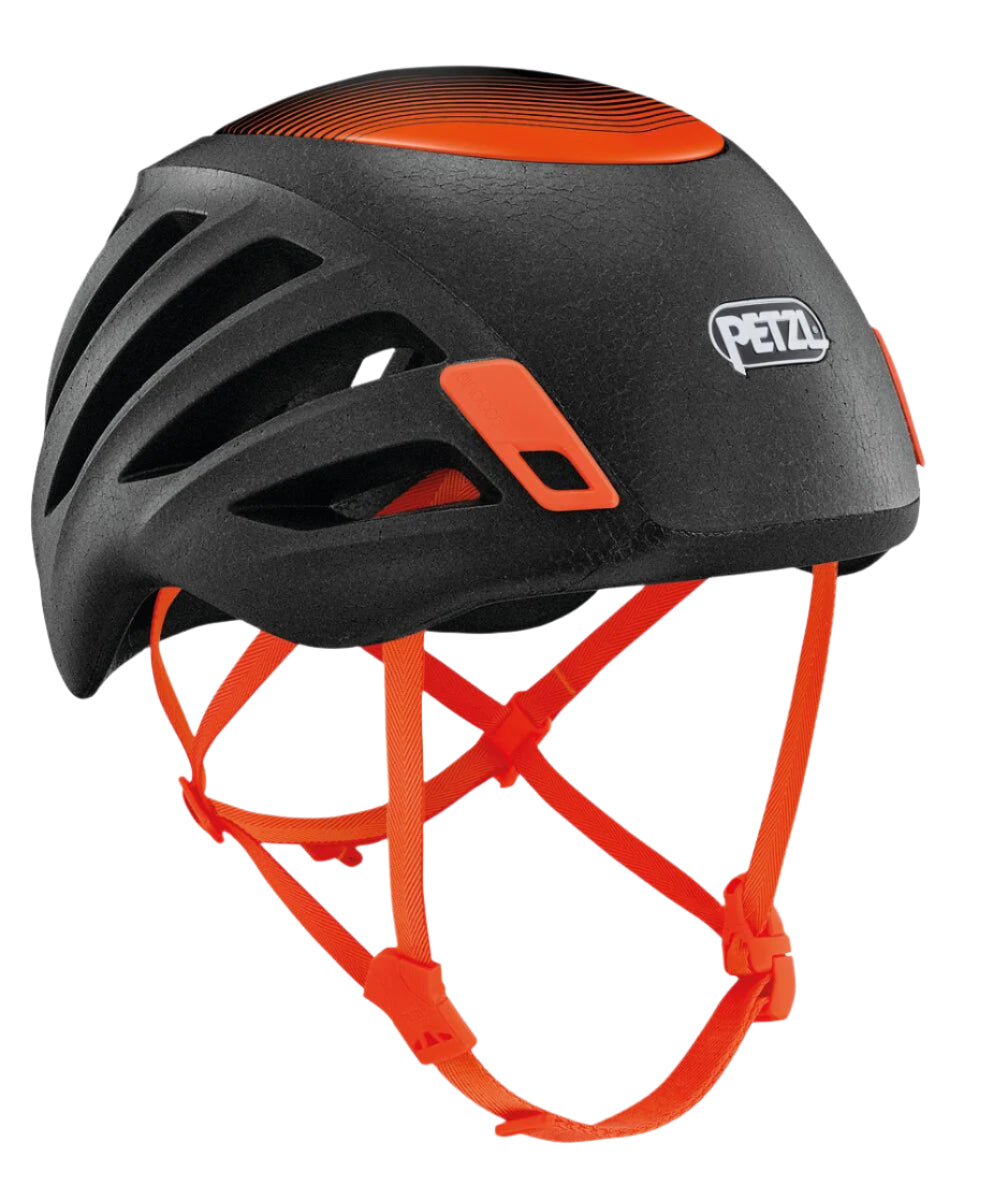
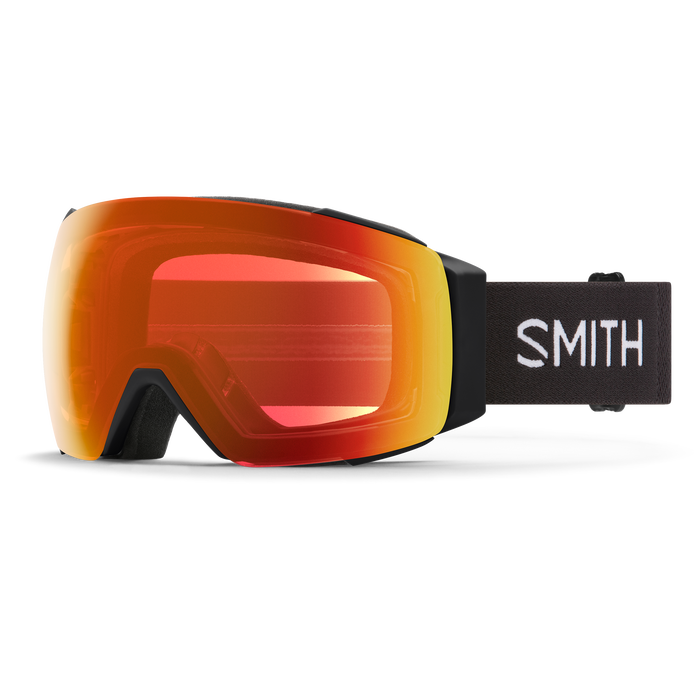
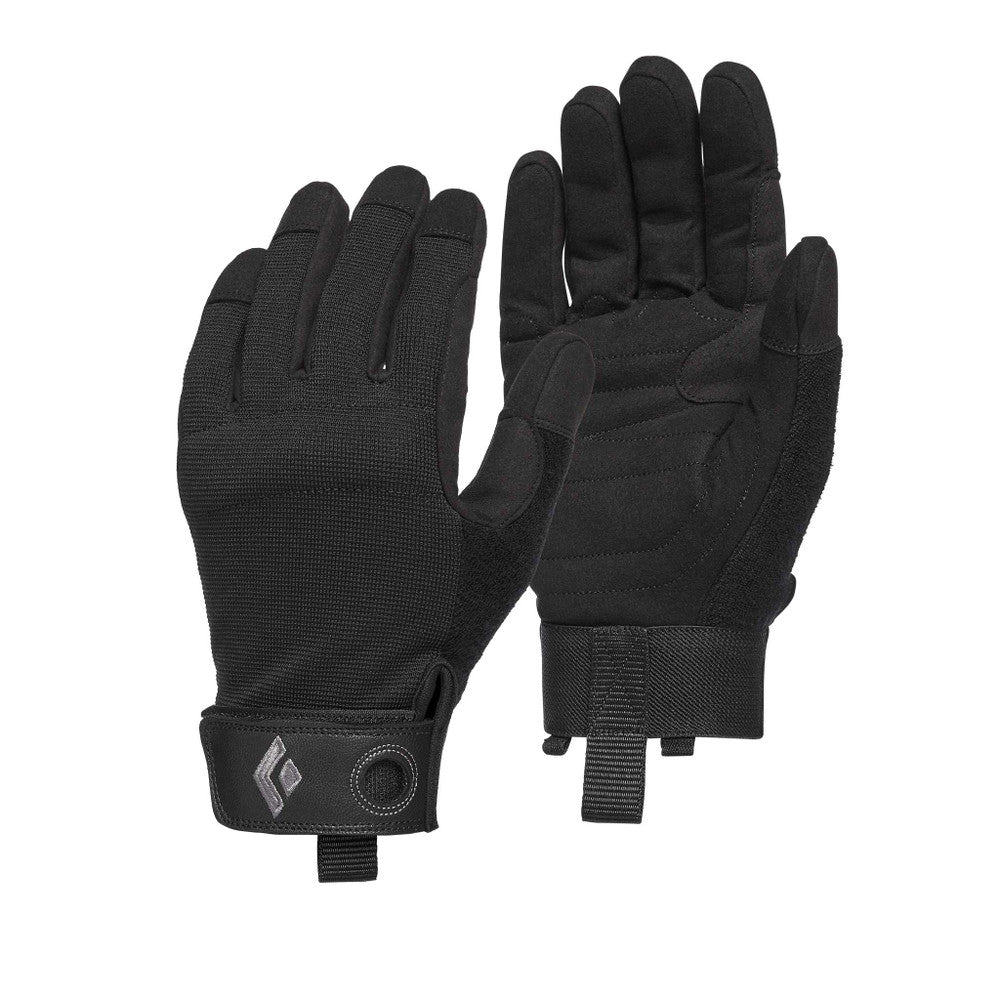
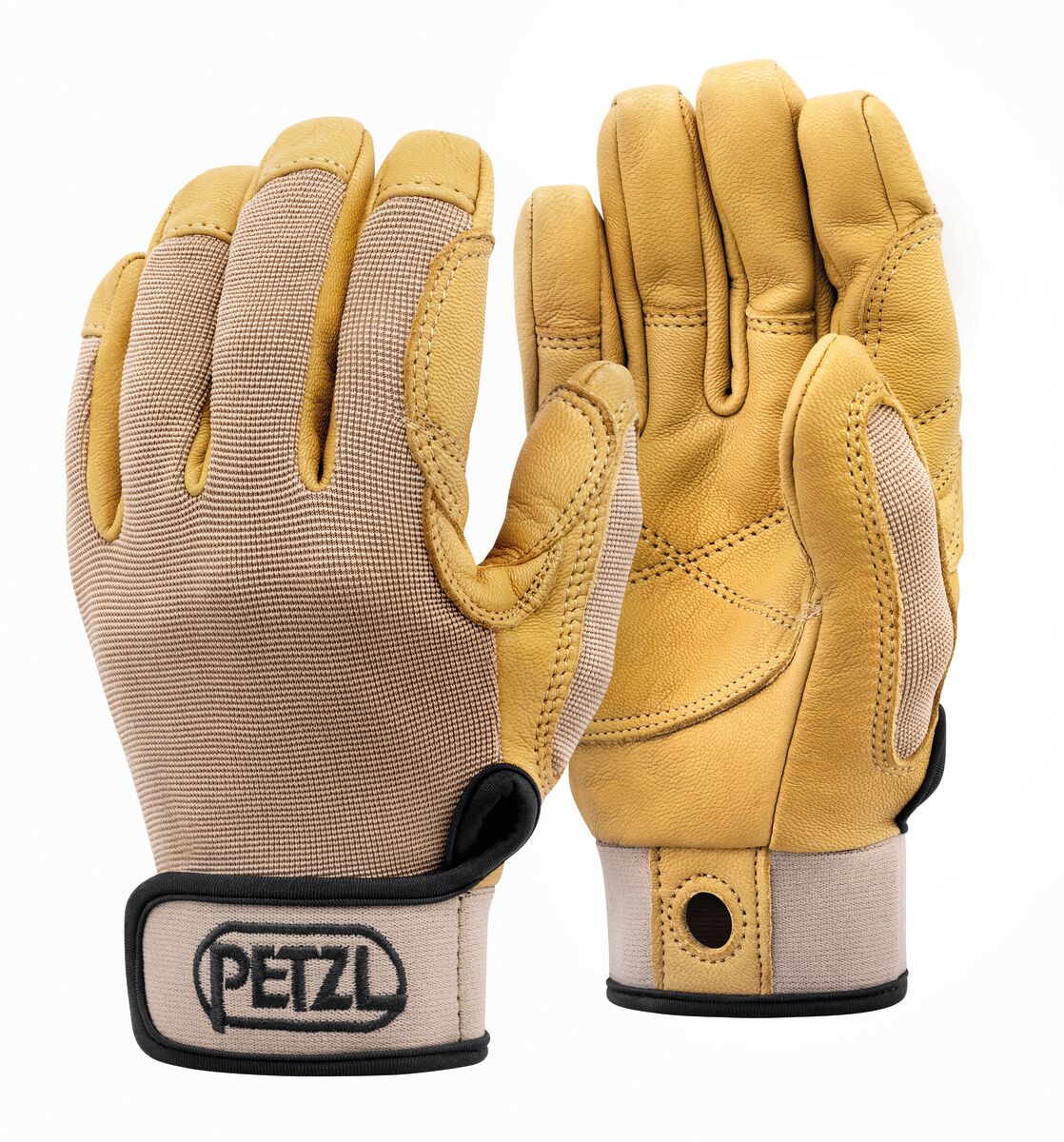
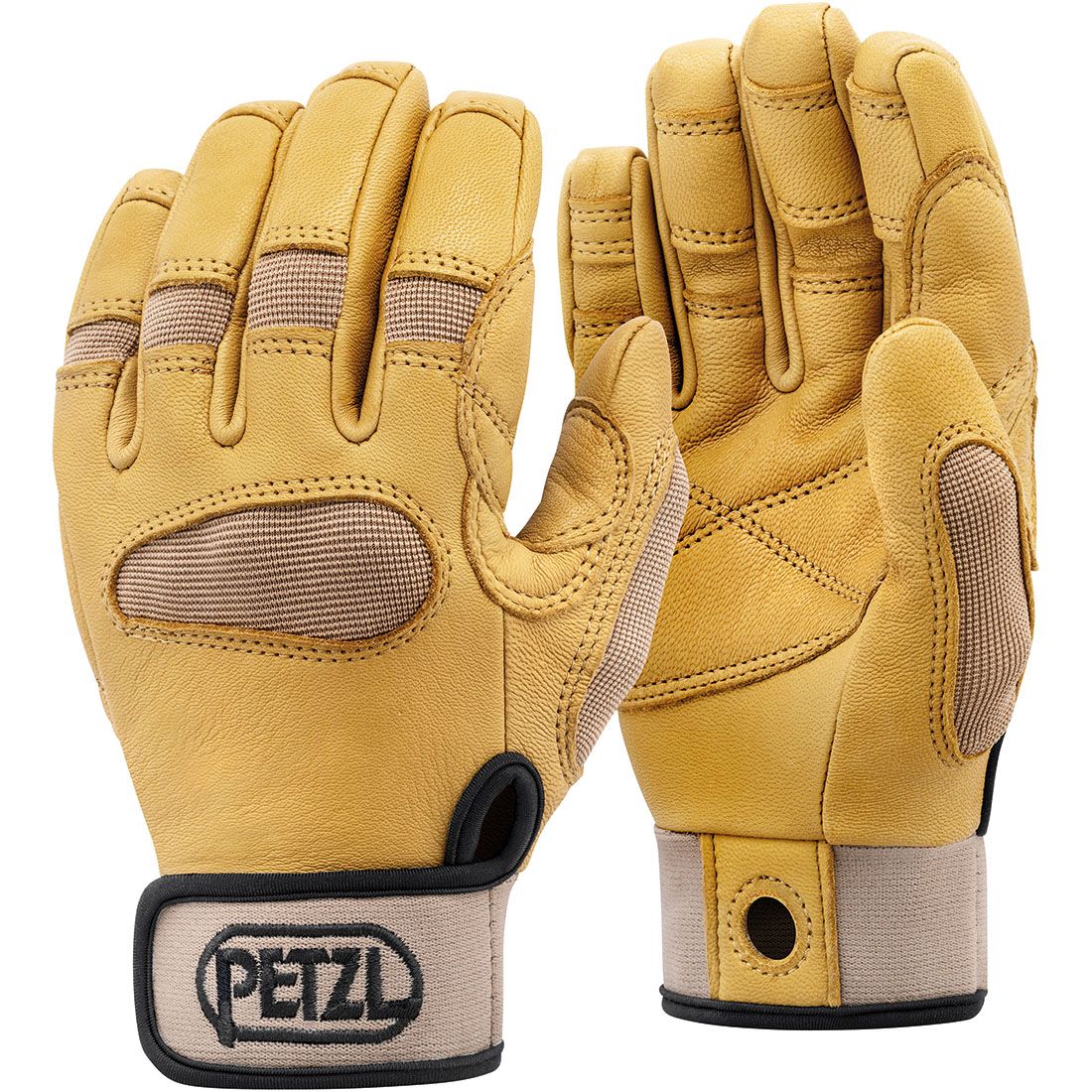
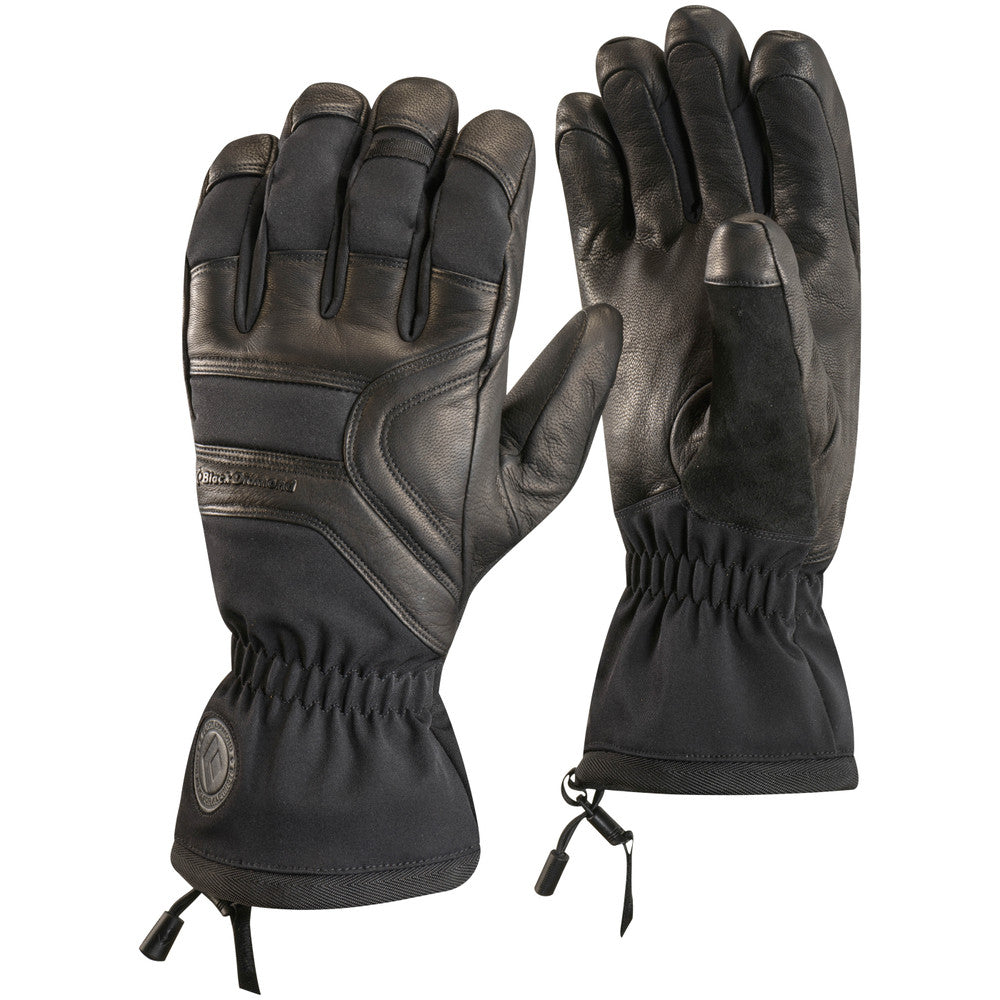
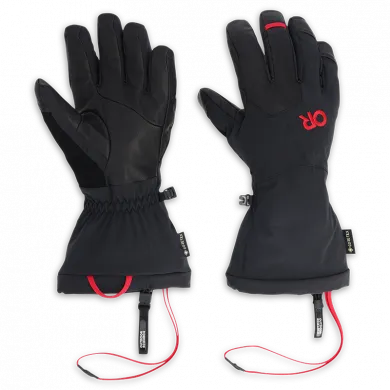
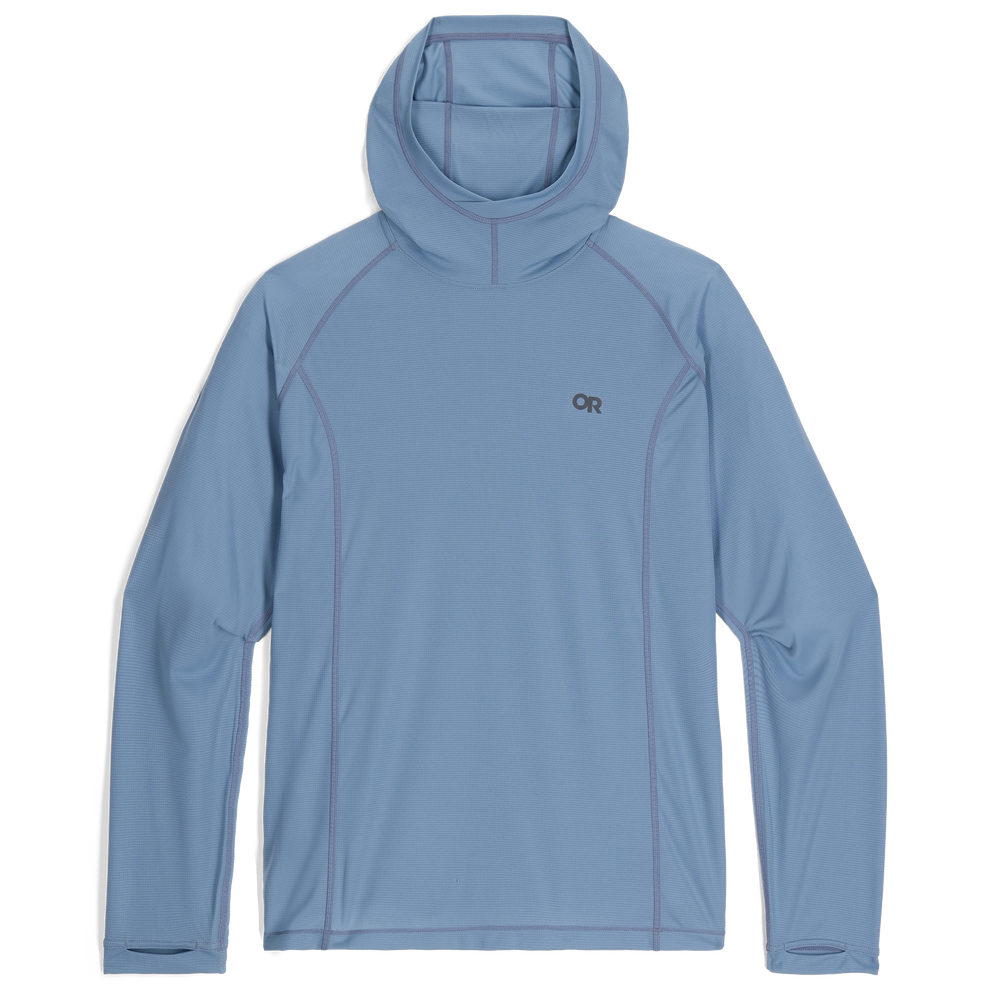
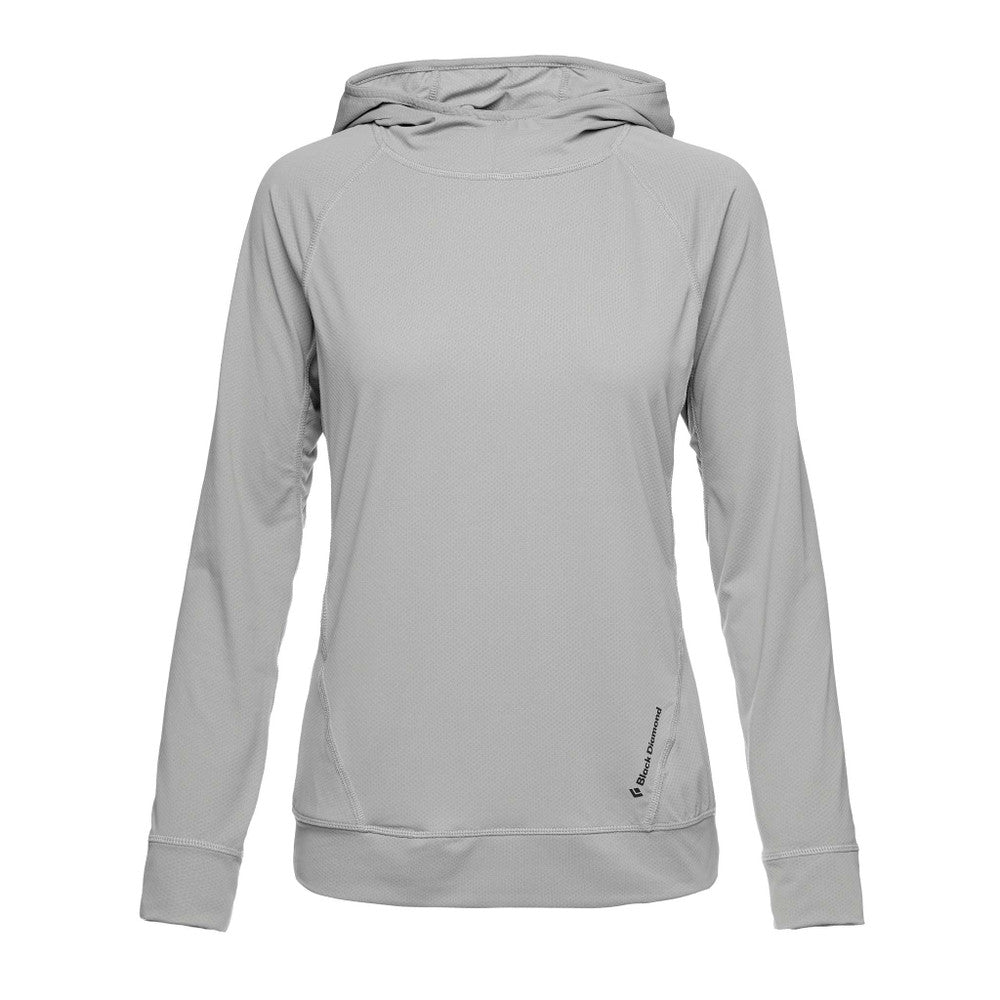
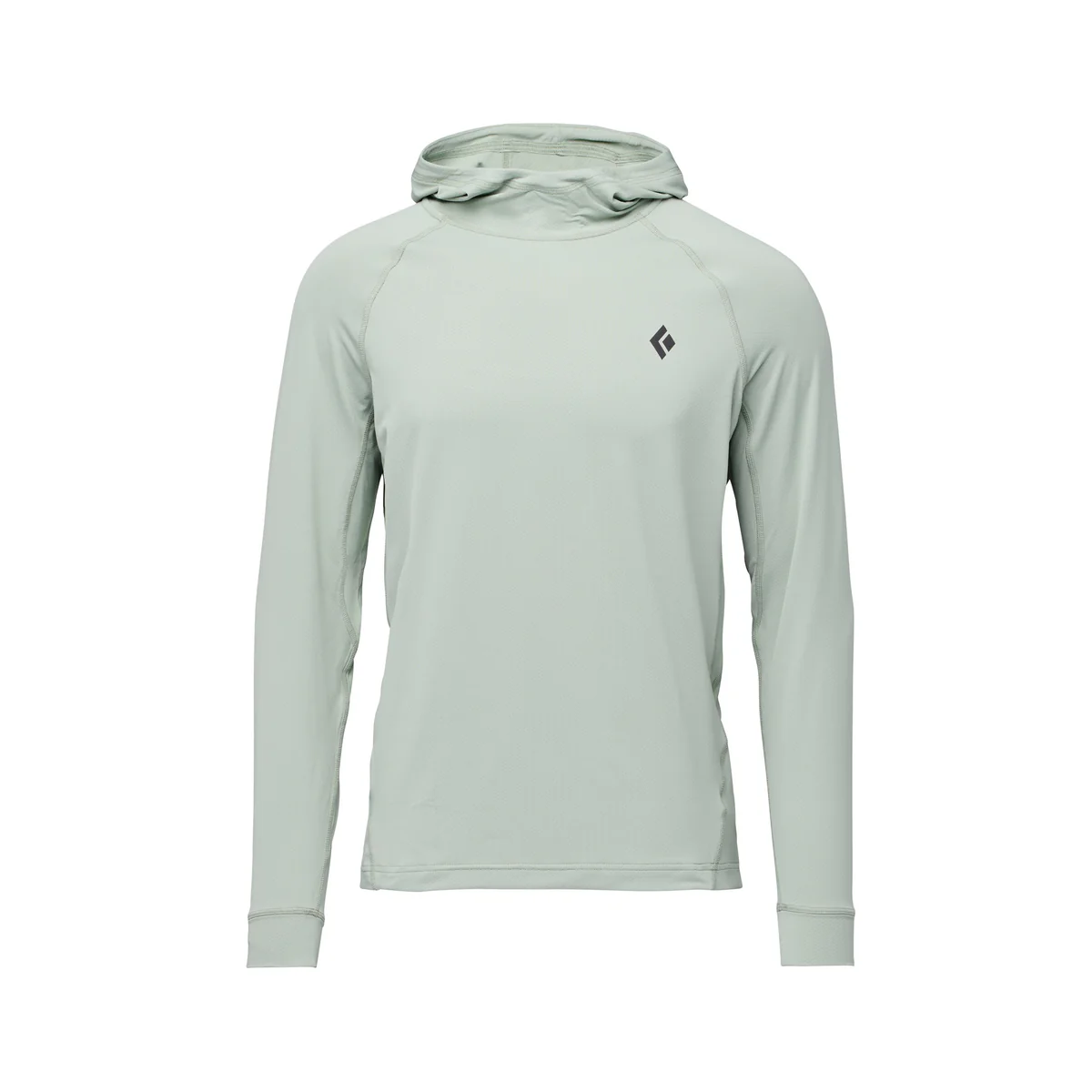
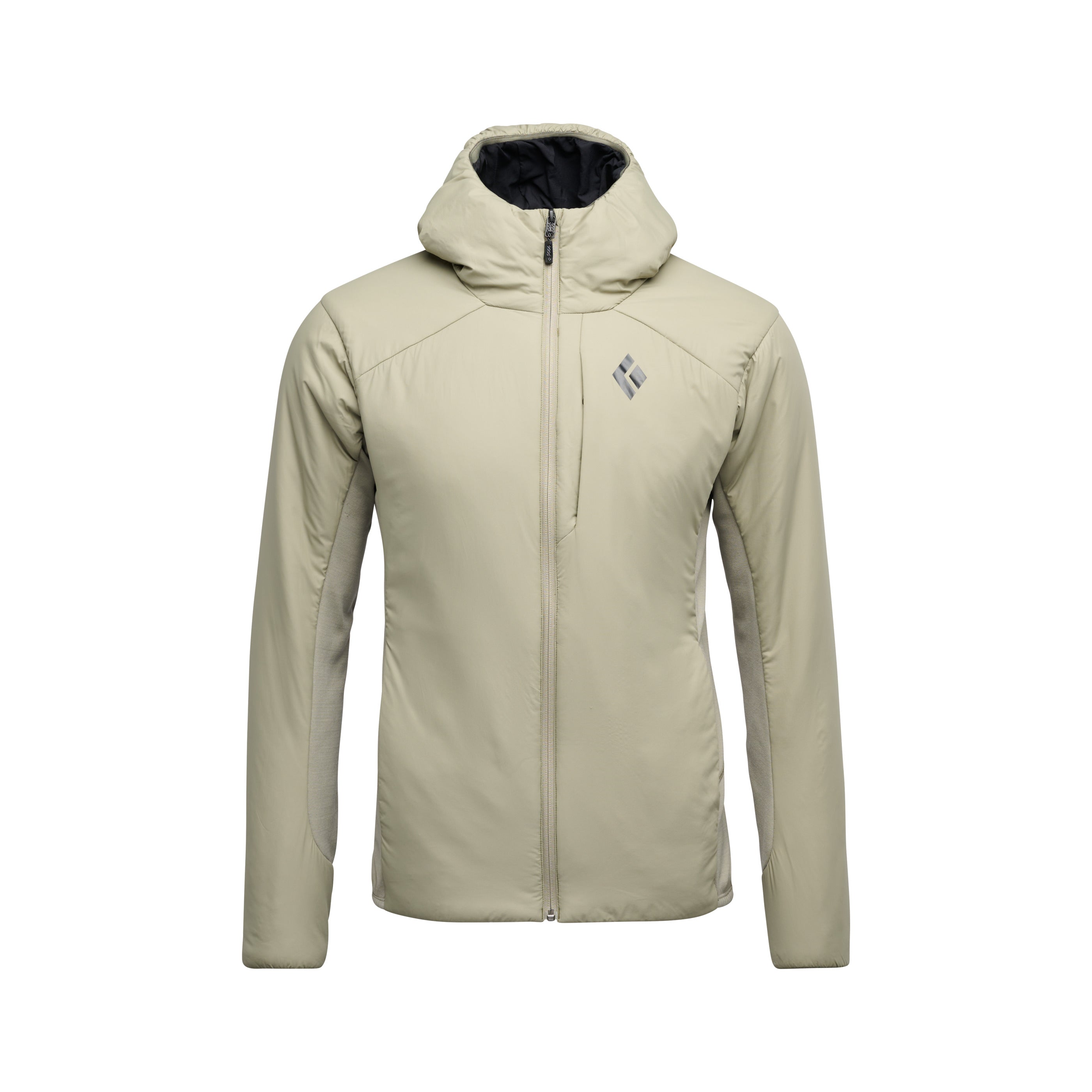
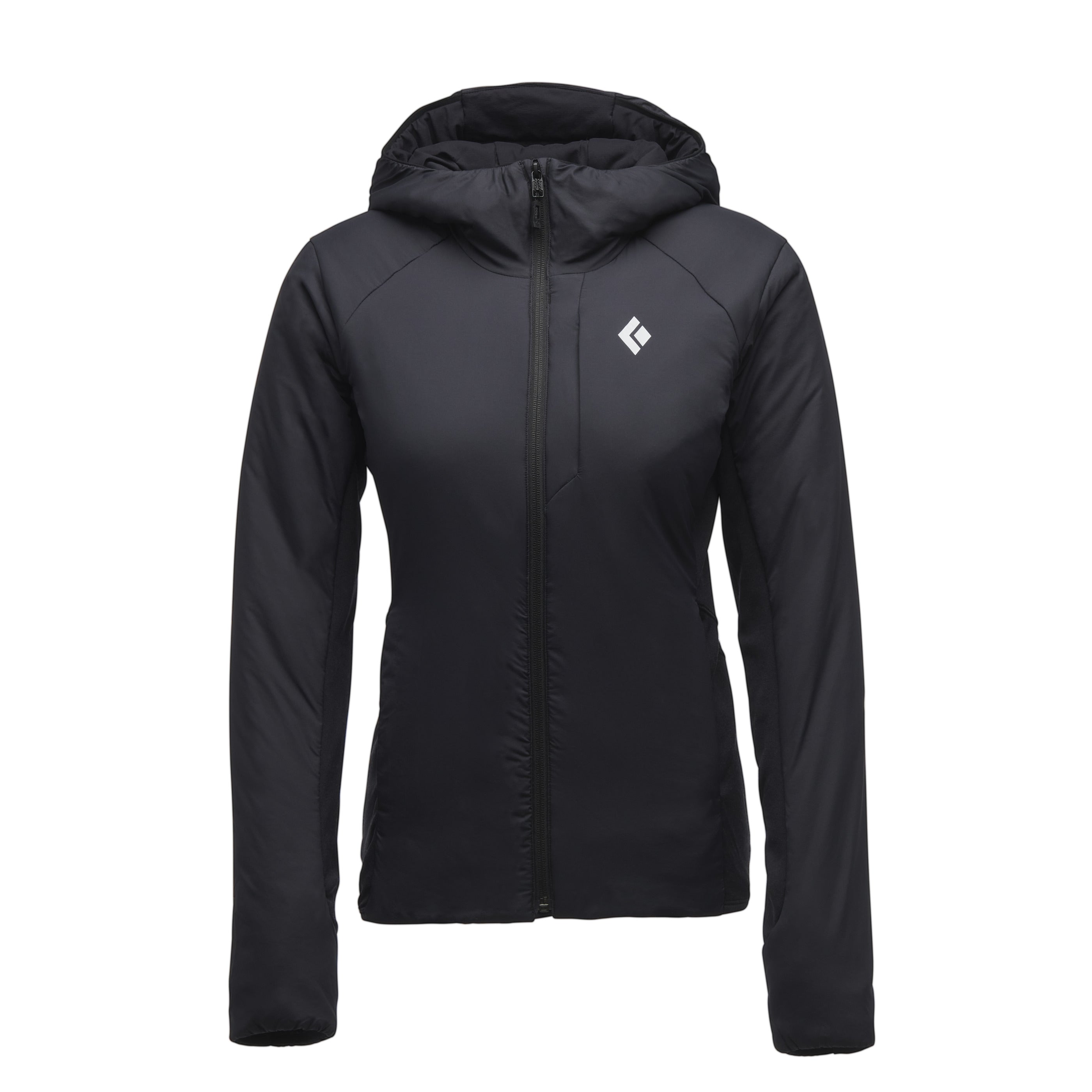
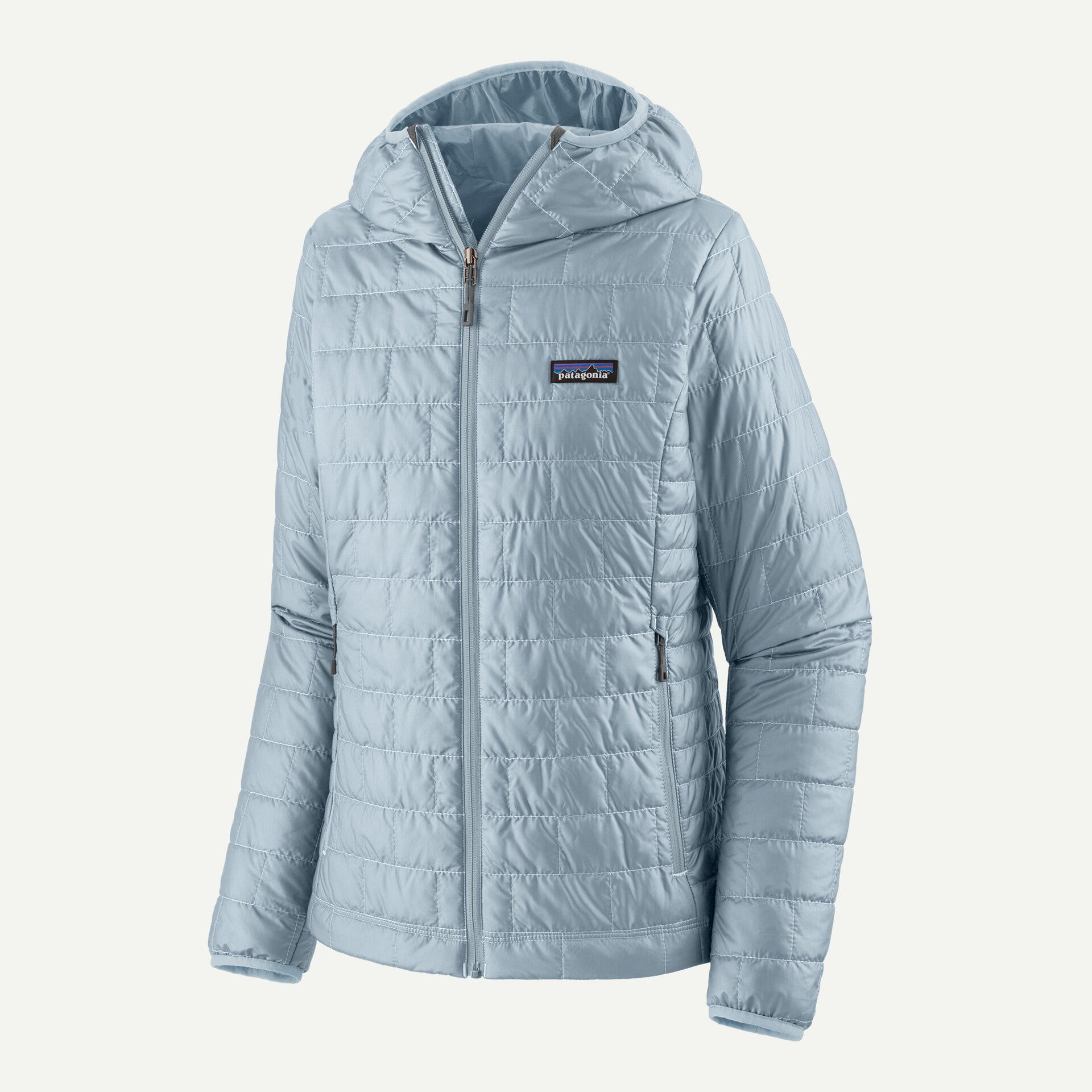
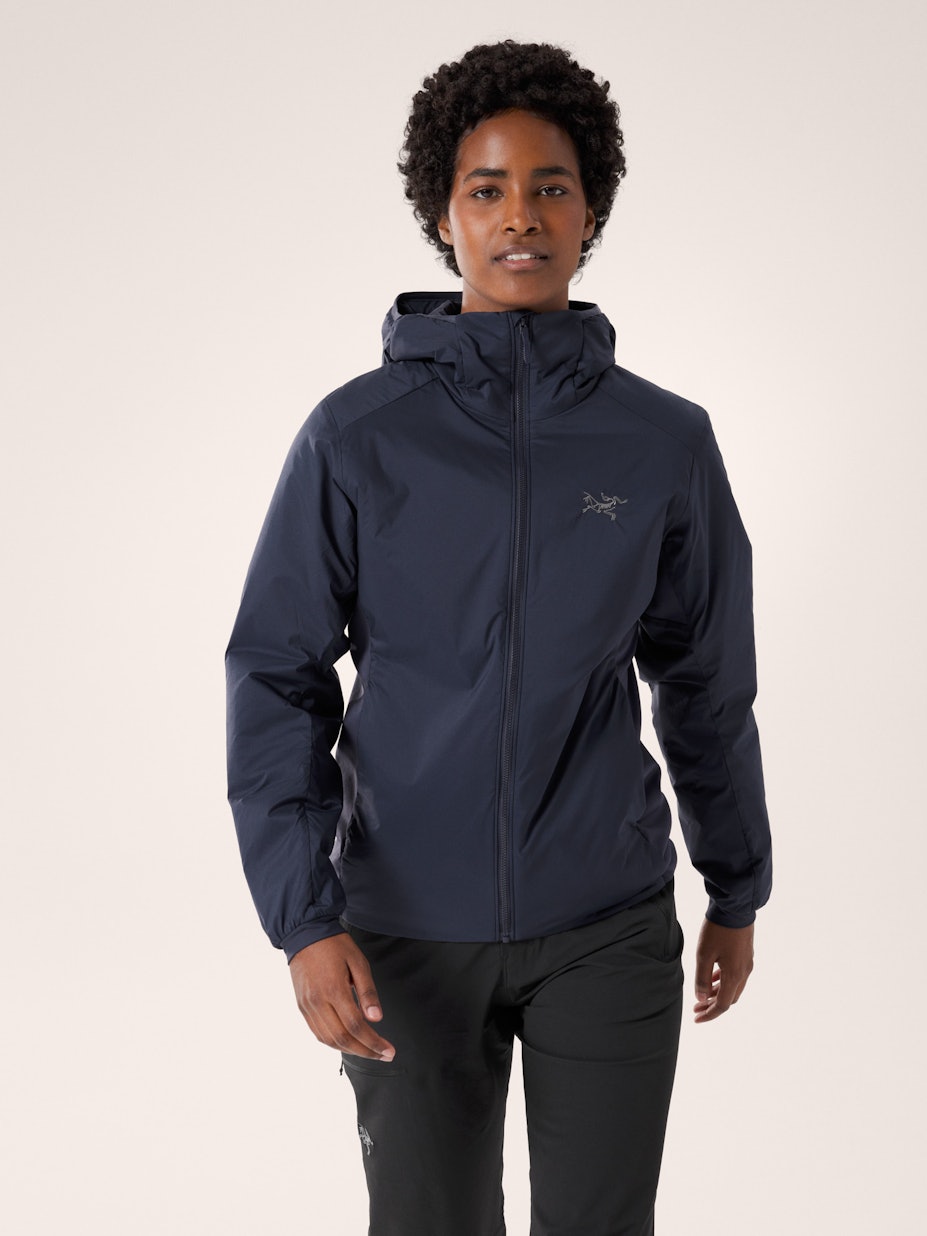
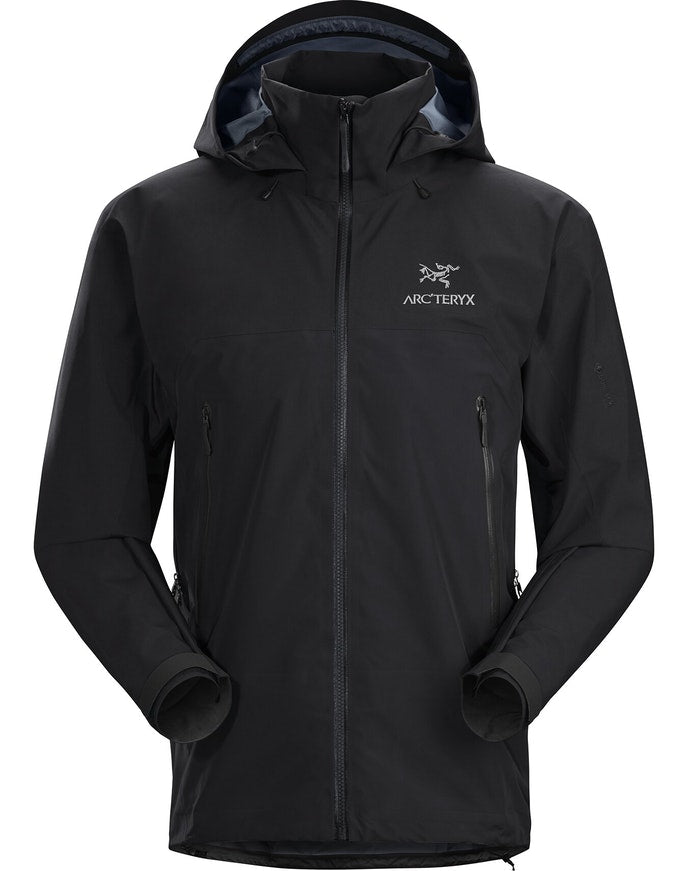
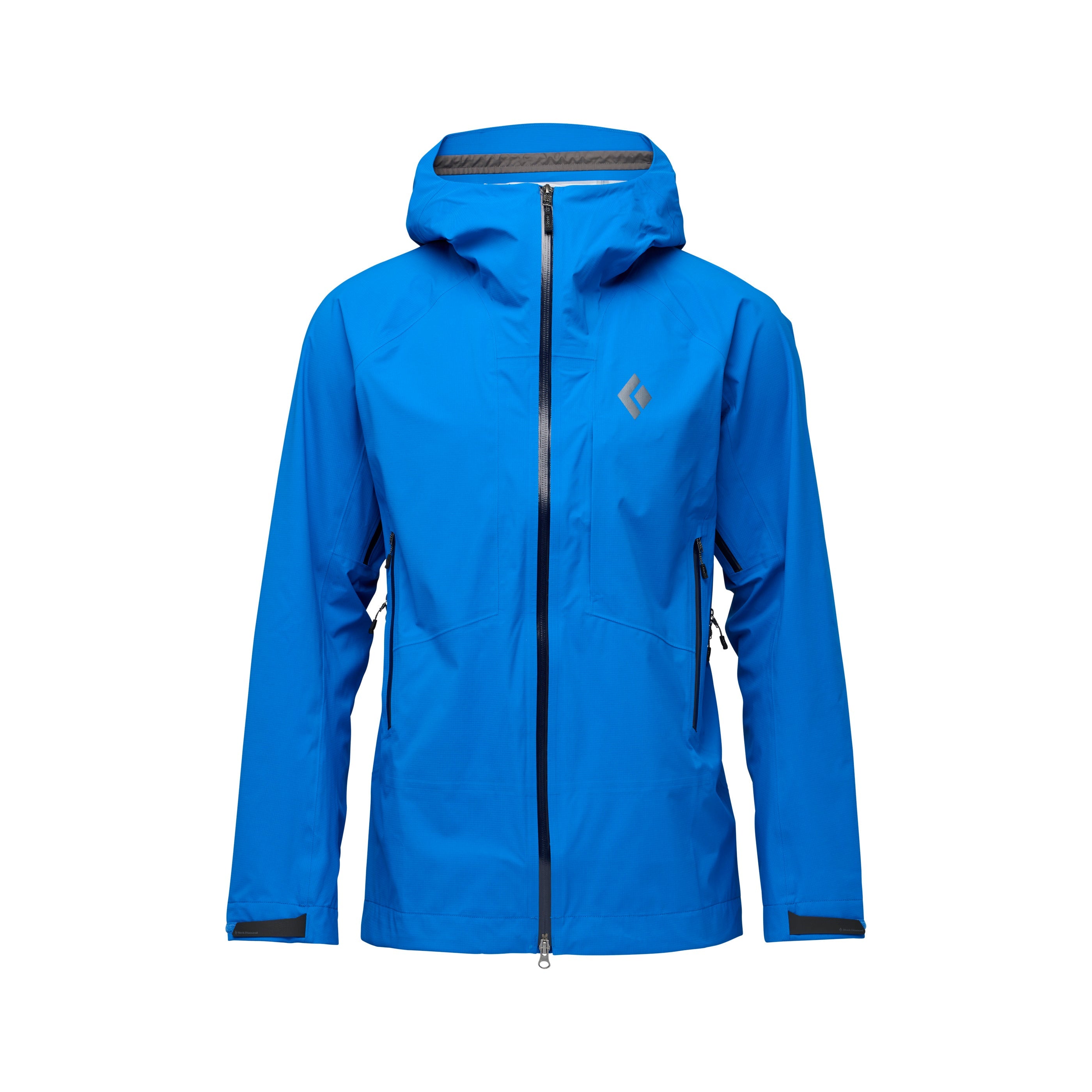
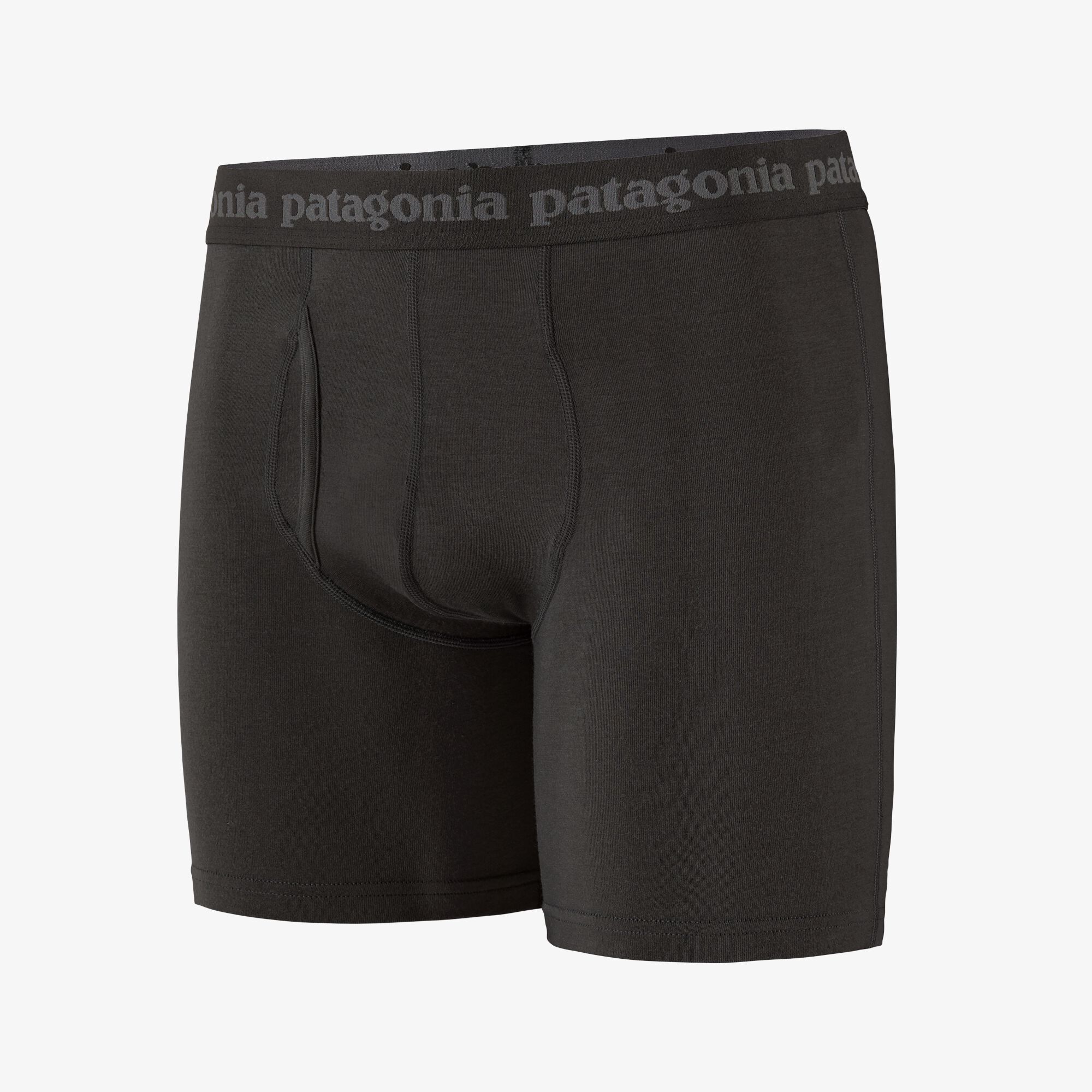
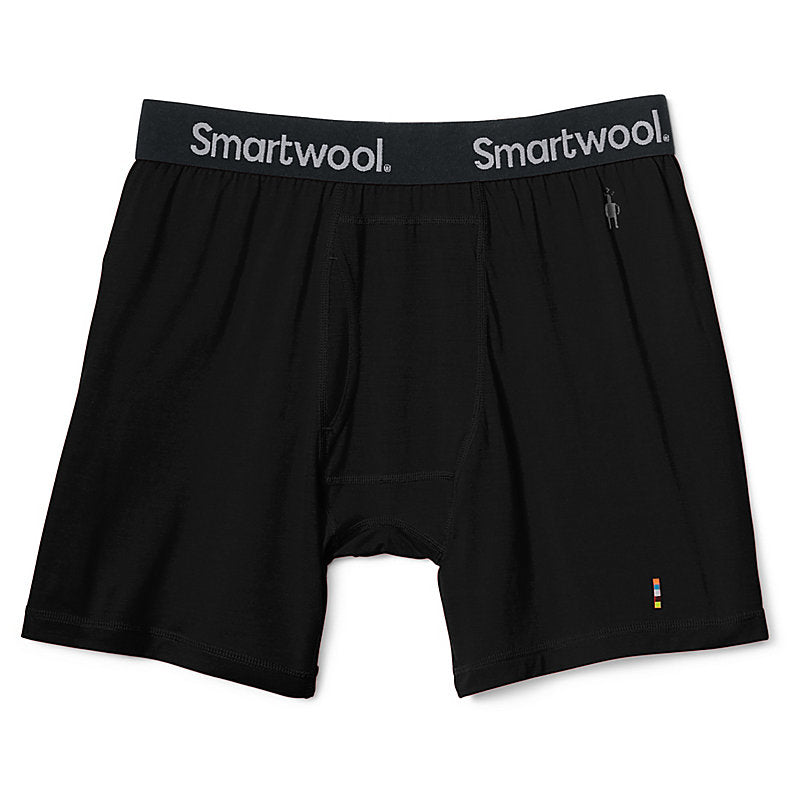
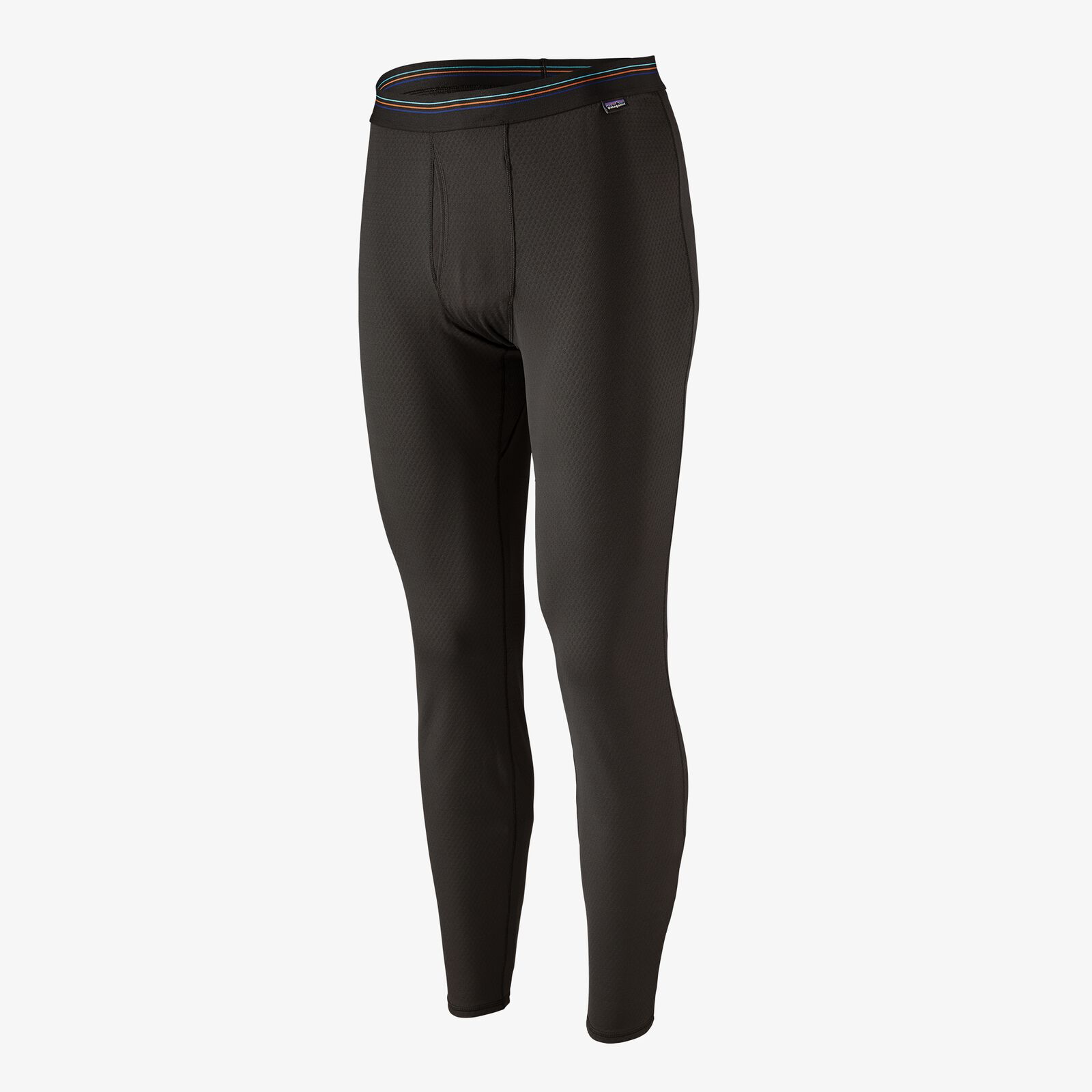
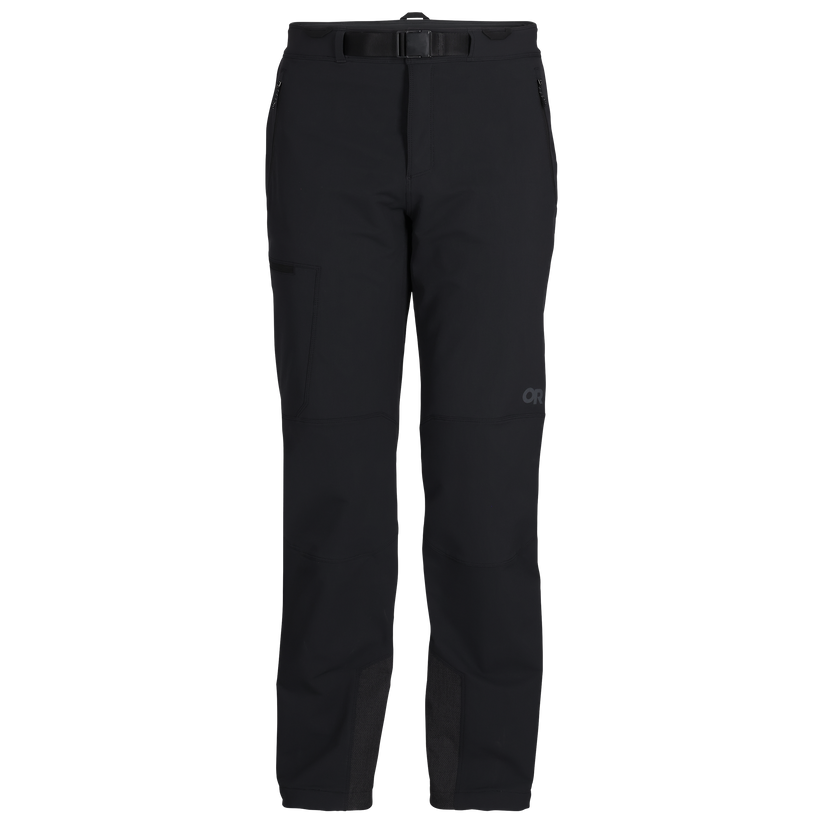
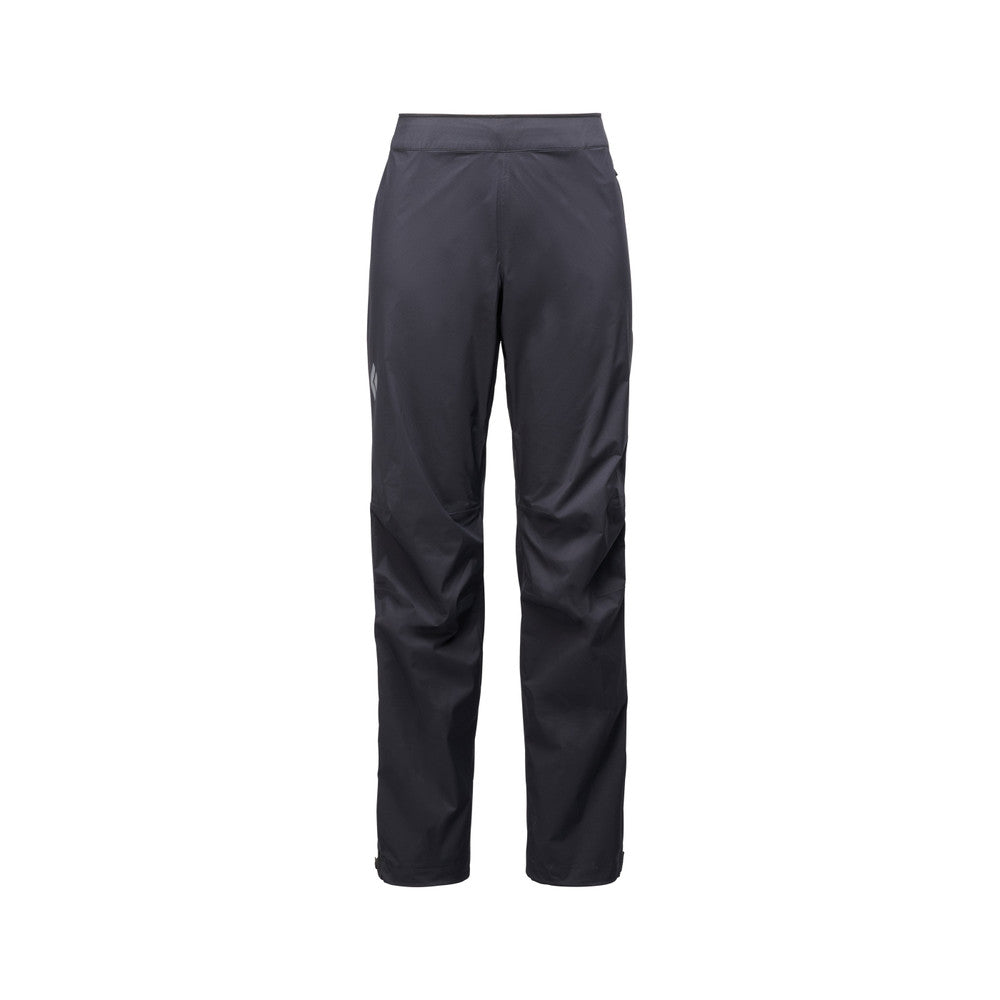
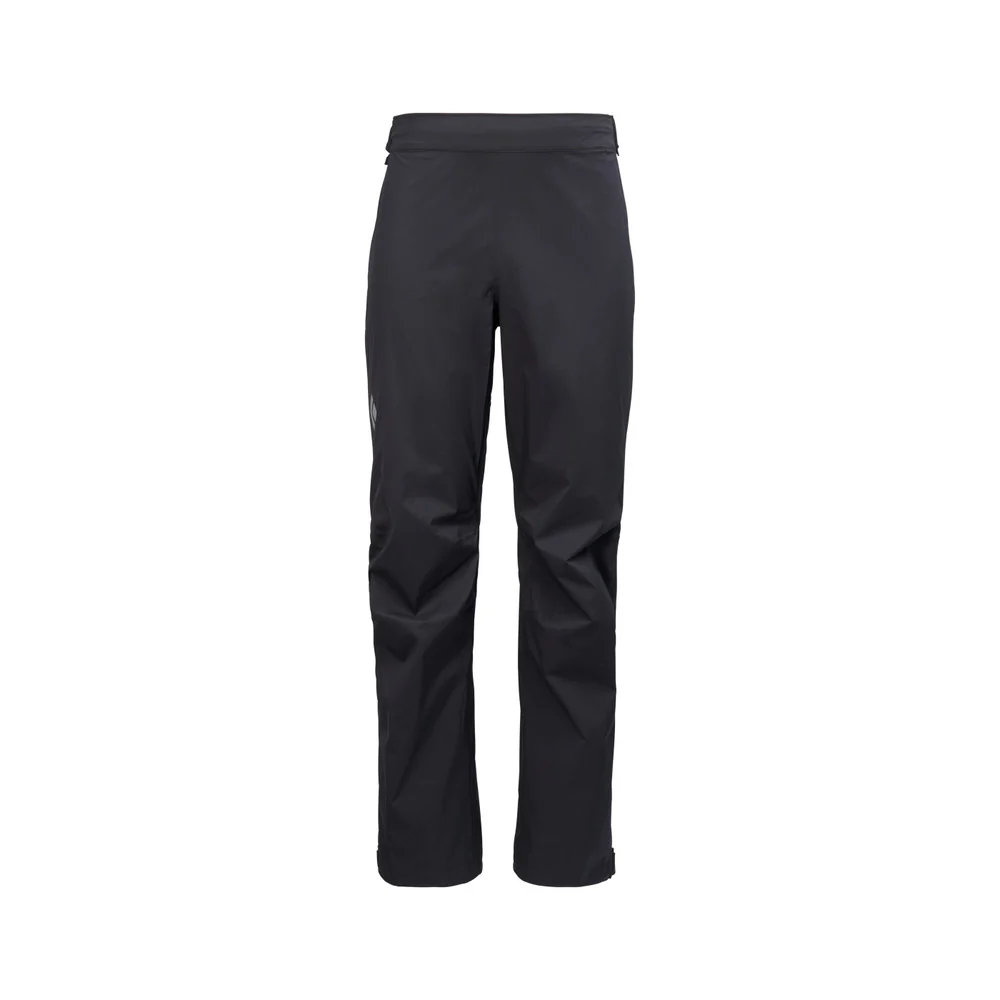
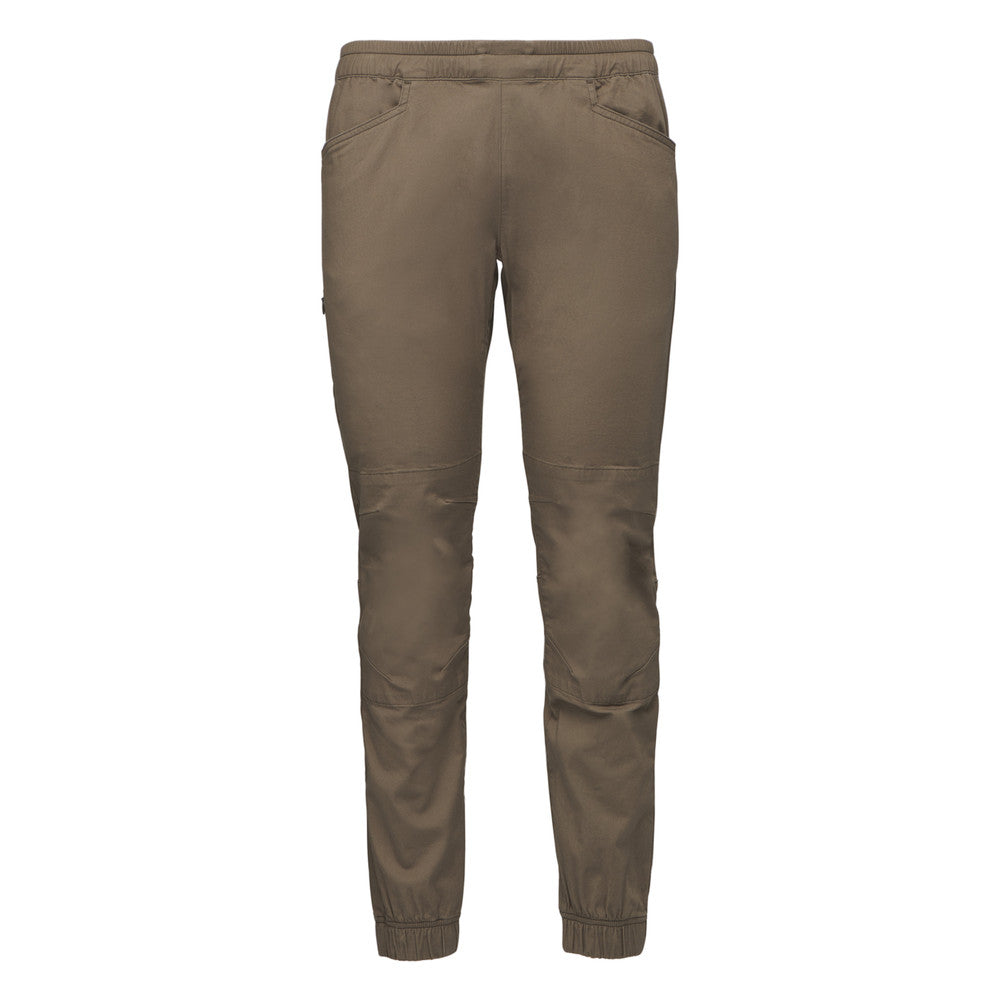
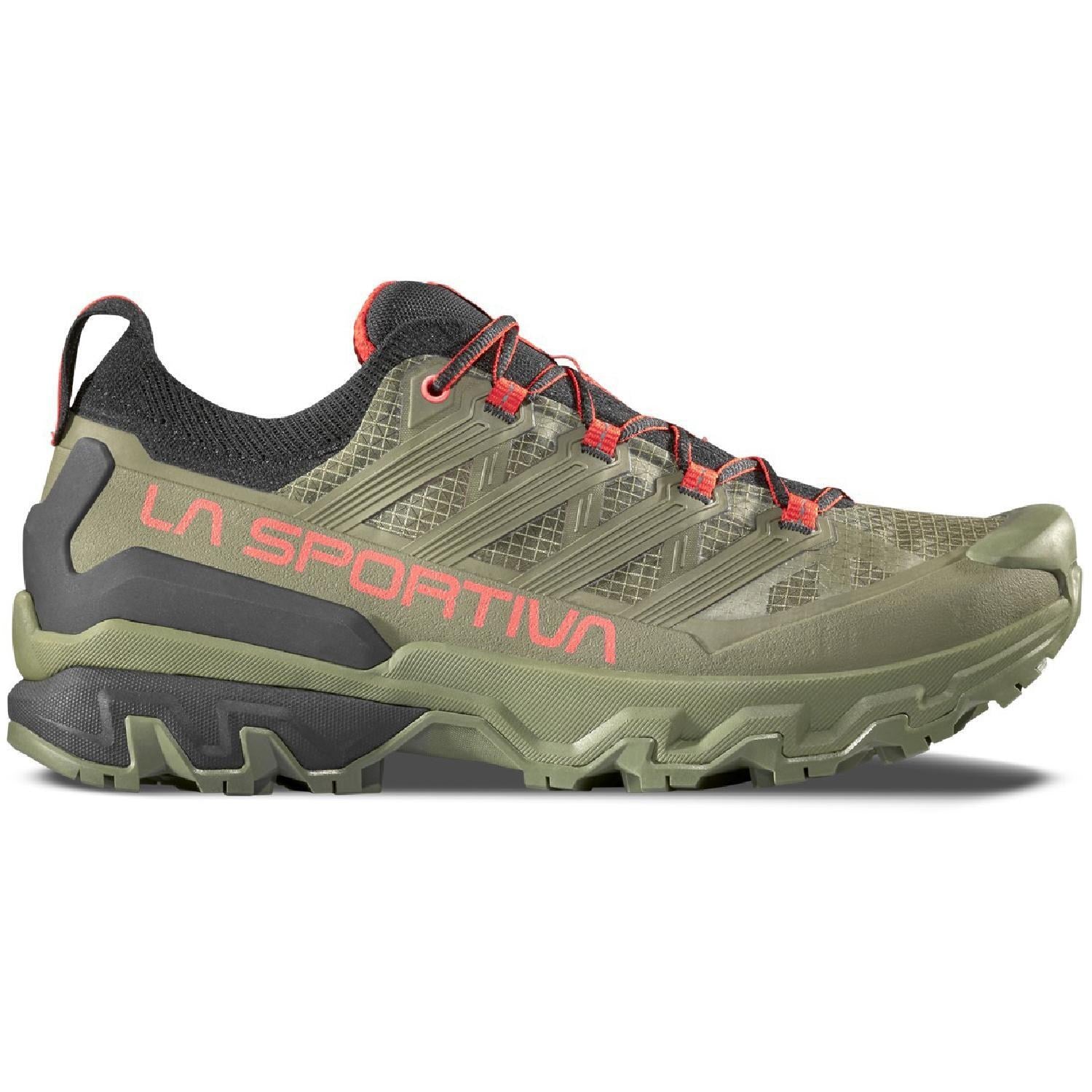
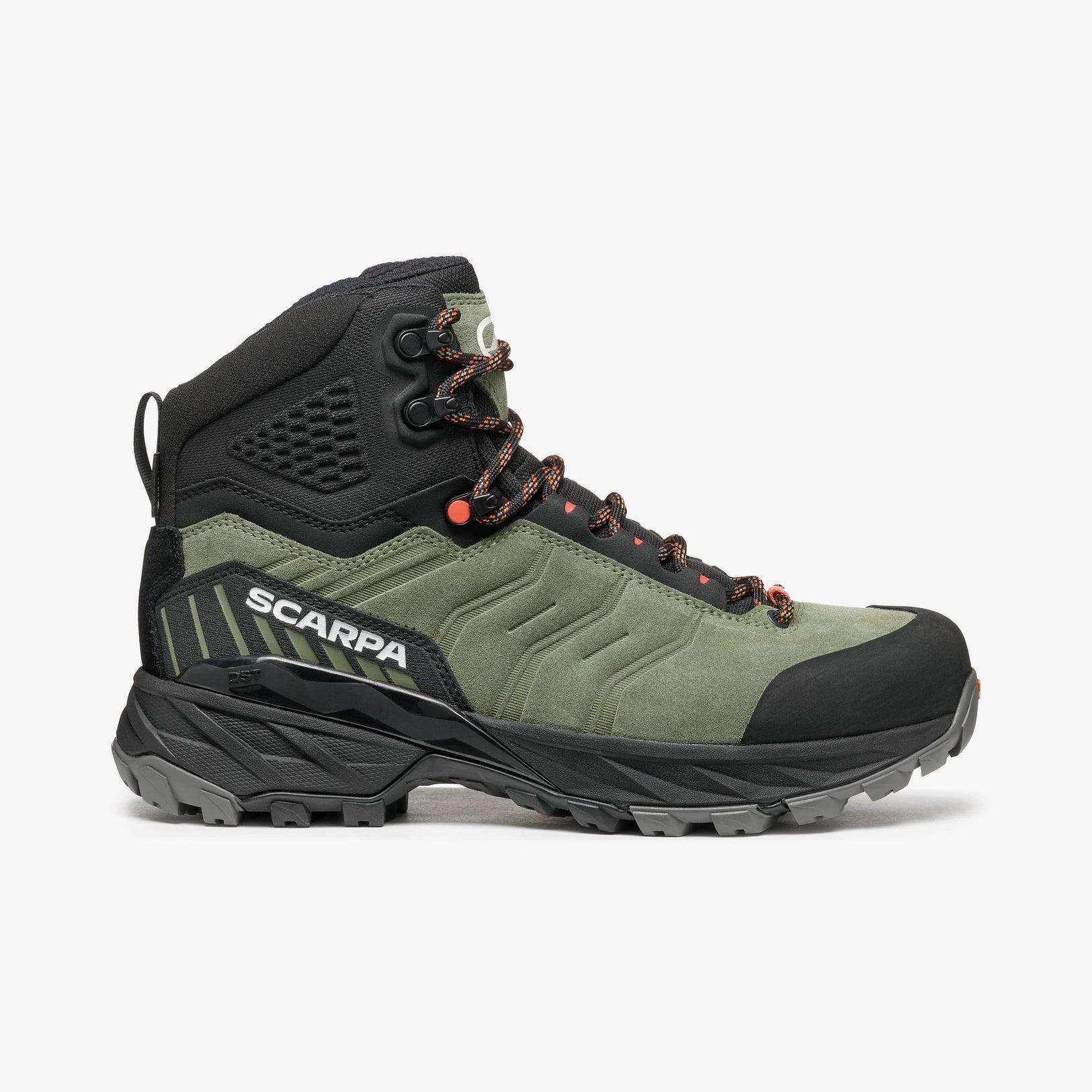
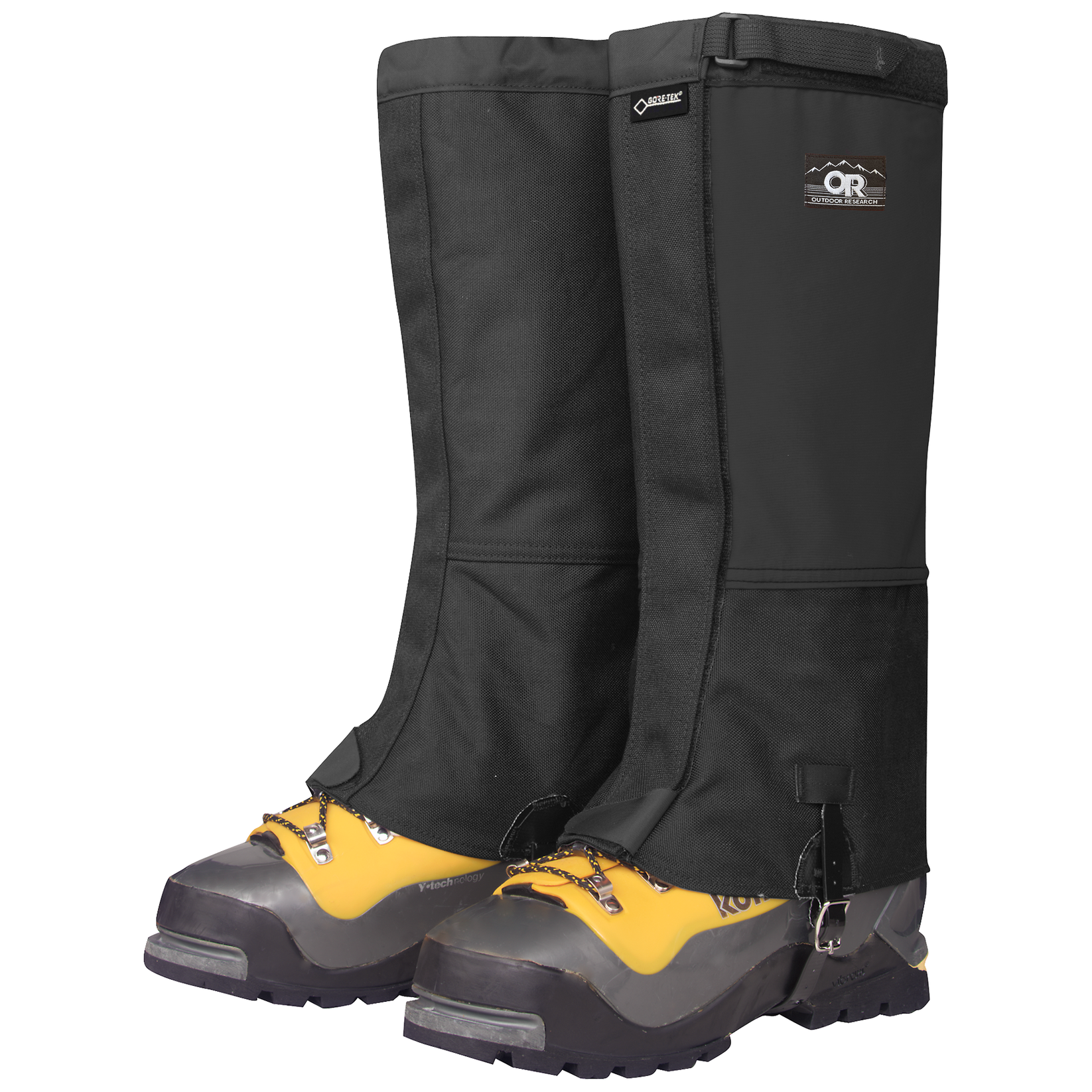
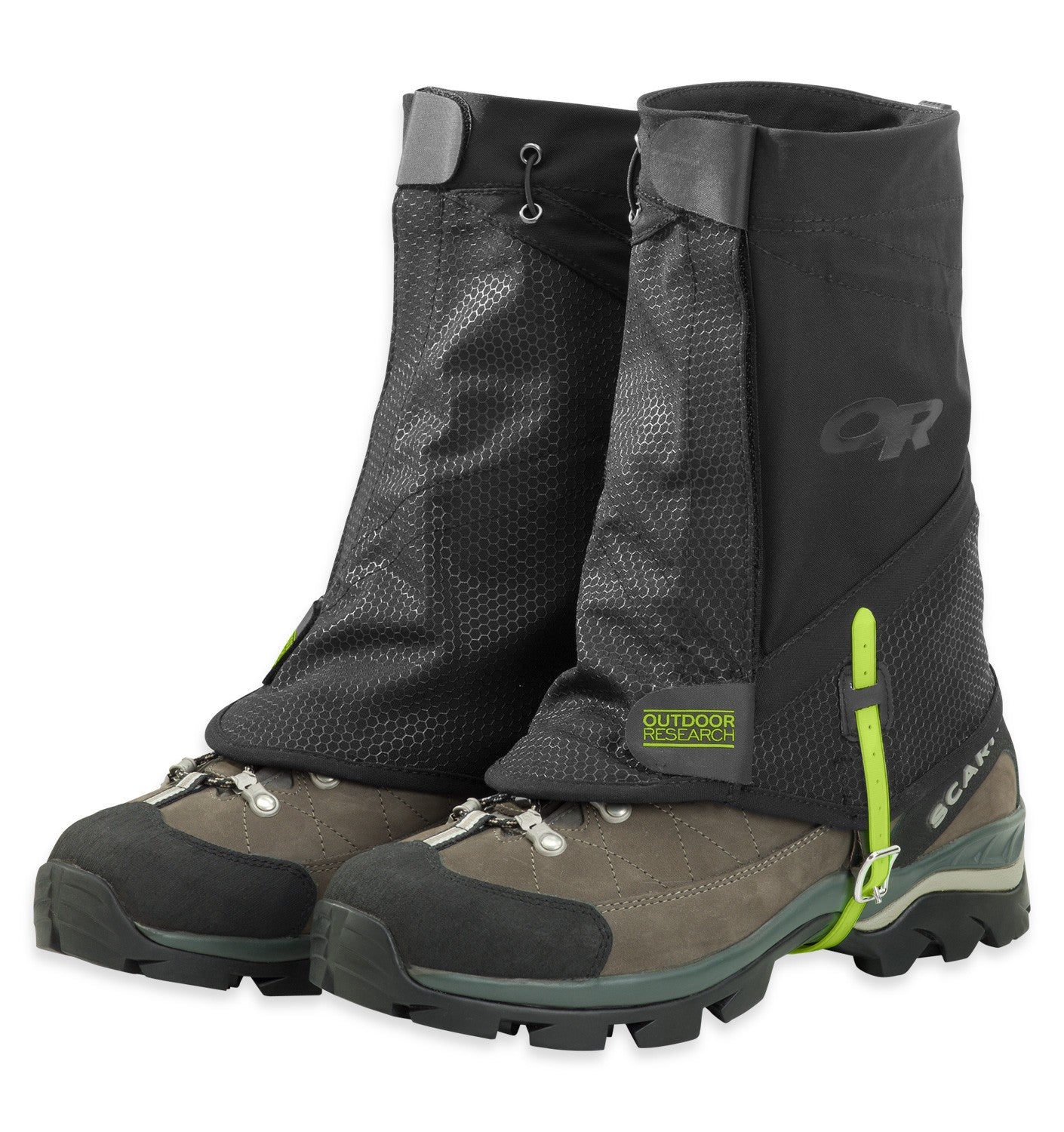
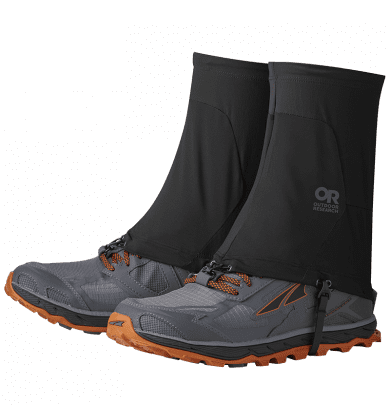
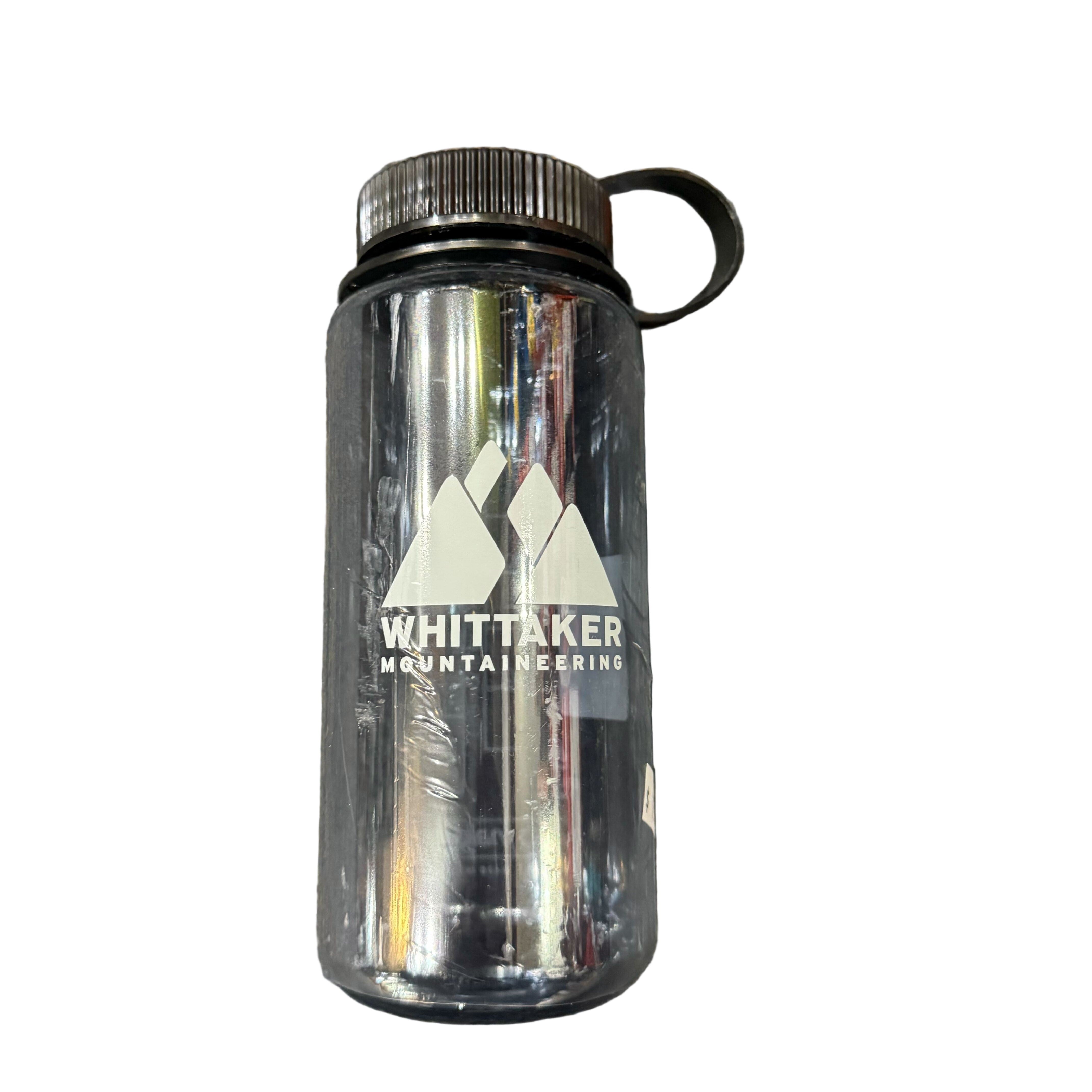
Yes. Required equipment is available to rent or buy from our affiliate Whittaker Mountaineering (RMI climbers receive 10% off new items), and your guides conduct a thorough gear check before heading onto the mountain.






.jpeg)
.JPG)
.JPG)
.jpg)
.jpg)
.JPG)
.jpeg)



















Additional Comments
Clear demonstration of expertise. Wasn't afraid to say he didn't know the answer and seek it out from other guides or participants. Very high level of concern when it came to safety, and wasn't afraid to put in extra hours and effort when he thought it was beneficial. Good guy who encouraged participation and social interaction.