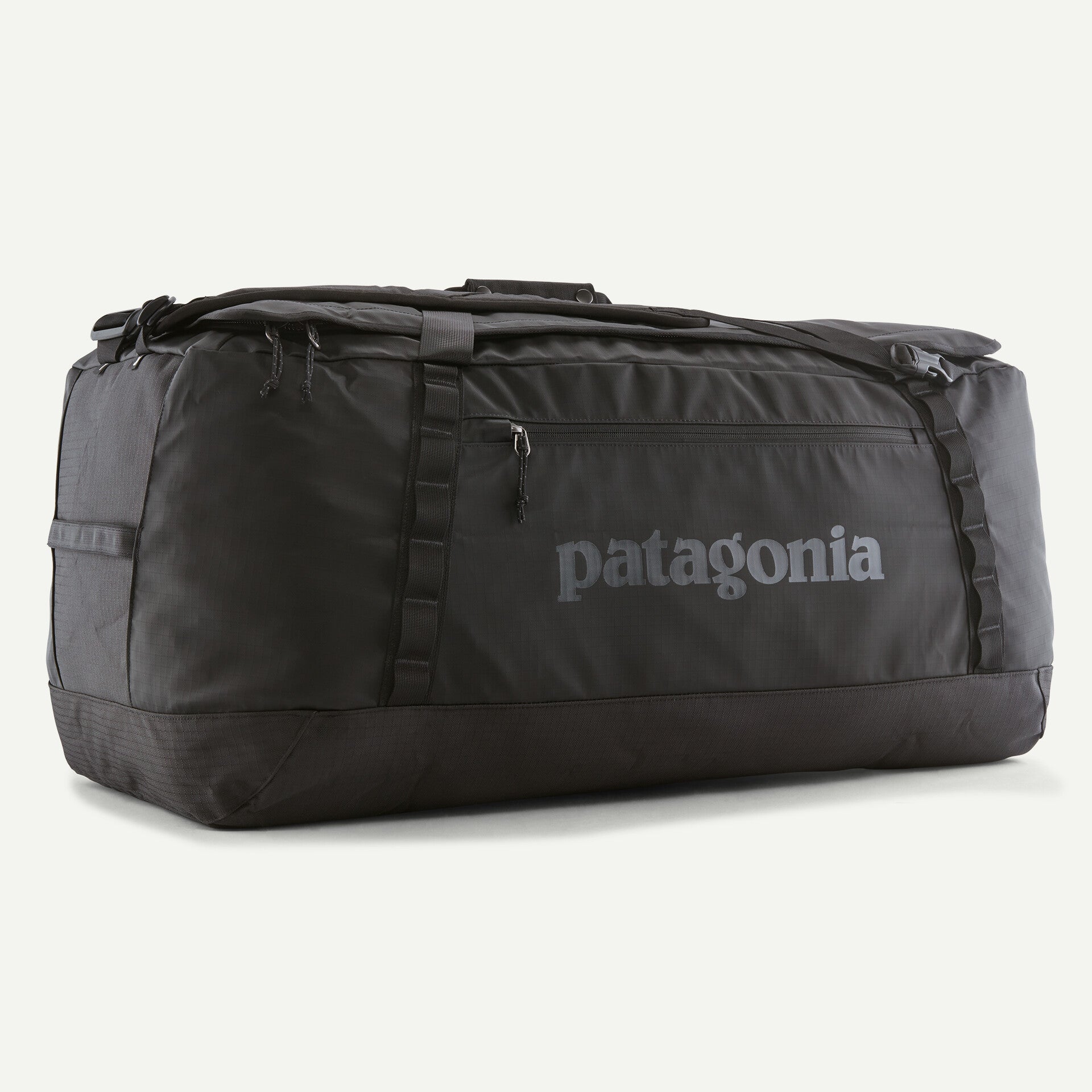
100+ Duffel Bag(s)
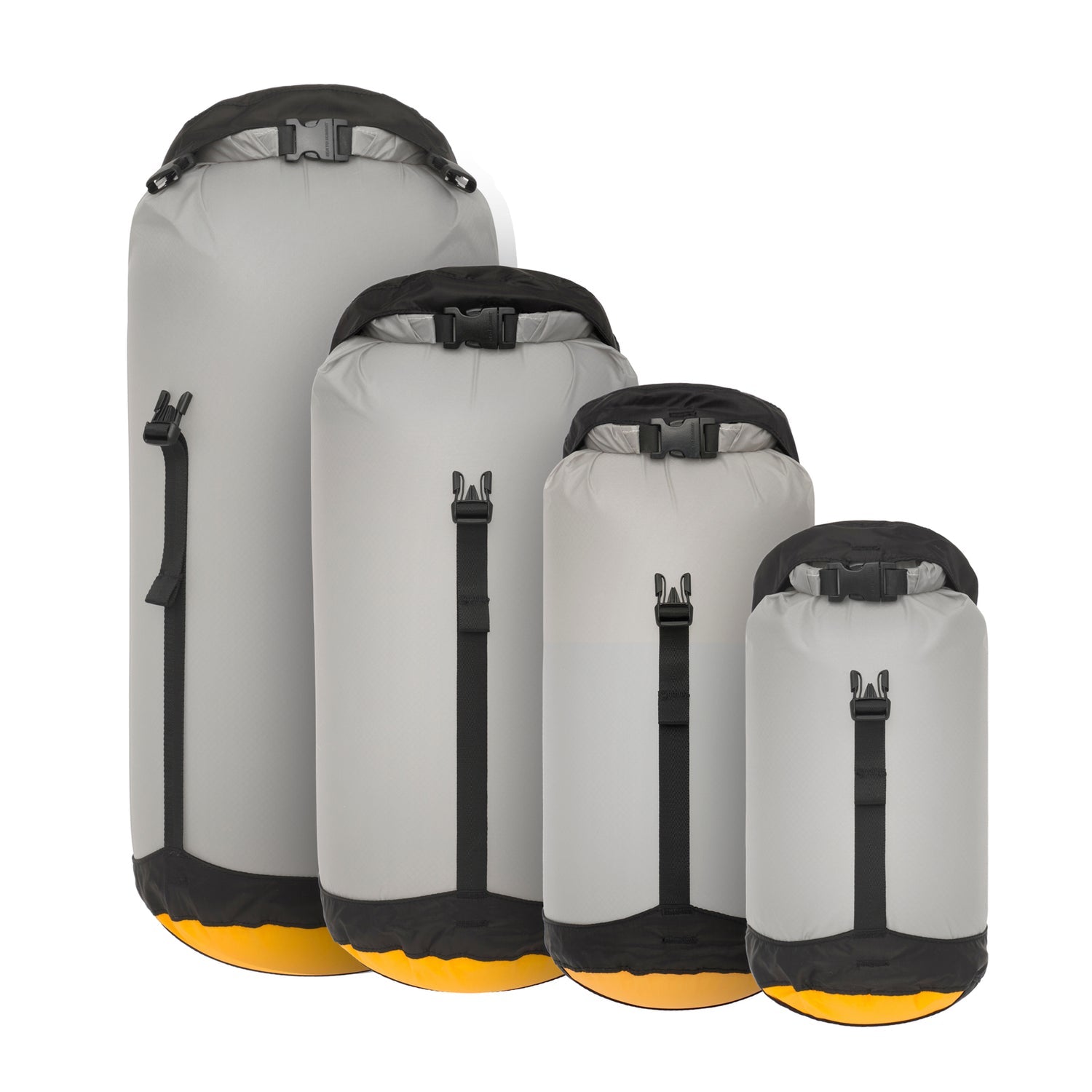
A durable duffel bag (100-120L) made of tough material with rugged zippers for gear transport and storage. Can be used as checked luggage and for organizing gear at base locations.

20 Days
|
Mountaineering
|
7500.00
|
$1,500
Deposit
|
Intermediate


RMI's Everest Base Camp Trek - Lobuche is a twenty-three-day trip through Nepal's Khumbu Valley that pairs the trek to Everest Base Camp with the climb of Lobuche Peak, a glaciated 20,075-foot Himalayan summit.
Day-by-day program overview.
Fitness, experience, and preparation.
Gear requirements for this program.
Meals and nutrition on the mountain.
Getting there and local logistics.
Booking, cancellations, and requirements.
Common questions, direct answers.
What climbers are saying.

Trek the length of the Sherpa homeland to Everest Base Camp, past monasteries, prayer flags, and the high peaks of the Khumbu.
Trade trekking boots for climbing boots and climb Lobuche Peak, a glaciated 20,075-foot Himalayan summit on fixed lines.

Combine a complete Everest Base Camp trek with a real Himalayan peak climb in a single expedition.
Hard to narrow down to just one thing. The cultural experience is amazing. 2 nights at EBC is a definite plus in my opinion. The climb of Lobuche wonderful also, of course, we had great conditions.
Rick H.
RMI's Everest Base Camp Trek - Lobuche pairs the classic trek through Nepal's Khumbu Valley with the climb of a real Himalayan peak. The first two weeks are the full Everest Base Camp experience: the Sherpa homeland, the teahouses, Namche Bazaar, and a night living at Base Camp during the spring climbing season. Then the trip turns from trekking to climbing.
Lobuche Peak rises to 20,075 feet directly above the valley the team has just walked. After acclimatizing on the trek in, climbers move up to a high camp and make an alpine-start summit day on glaciated terrain and steep alpine ice, using fixed lines on the final ridge. From the top, the view takes in Everest, Lhotse, Nuptse, and Pumori. It is an approachable but genuine Himalayan summit, and reaching it is the payoff for everything that came before.
This trip is for climbers who want more than a trek: the culture and scale of the Khumbu, and a 6,000-meter summit to show for it. It asks for good fitness and some climbing background, but the long acclimatization built into the trek gives most prepared climbers a real shot at the top. For many it is a first Himalayan summit and a stepping stone toward bigger glaciated peaks.
RMI is one of the oldest guide services in the United States and runs its own Mt. Everest expedition each spring. For a trip that combines a Khumbu trek with a Himalayan peak climb, that depth matters: the team is folded into a real Everest operation rather than handed off to a generic tour company.
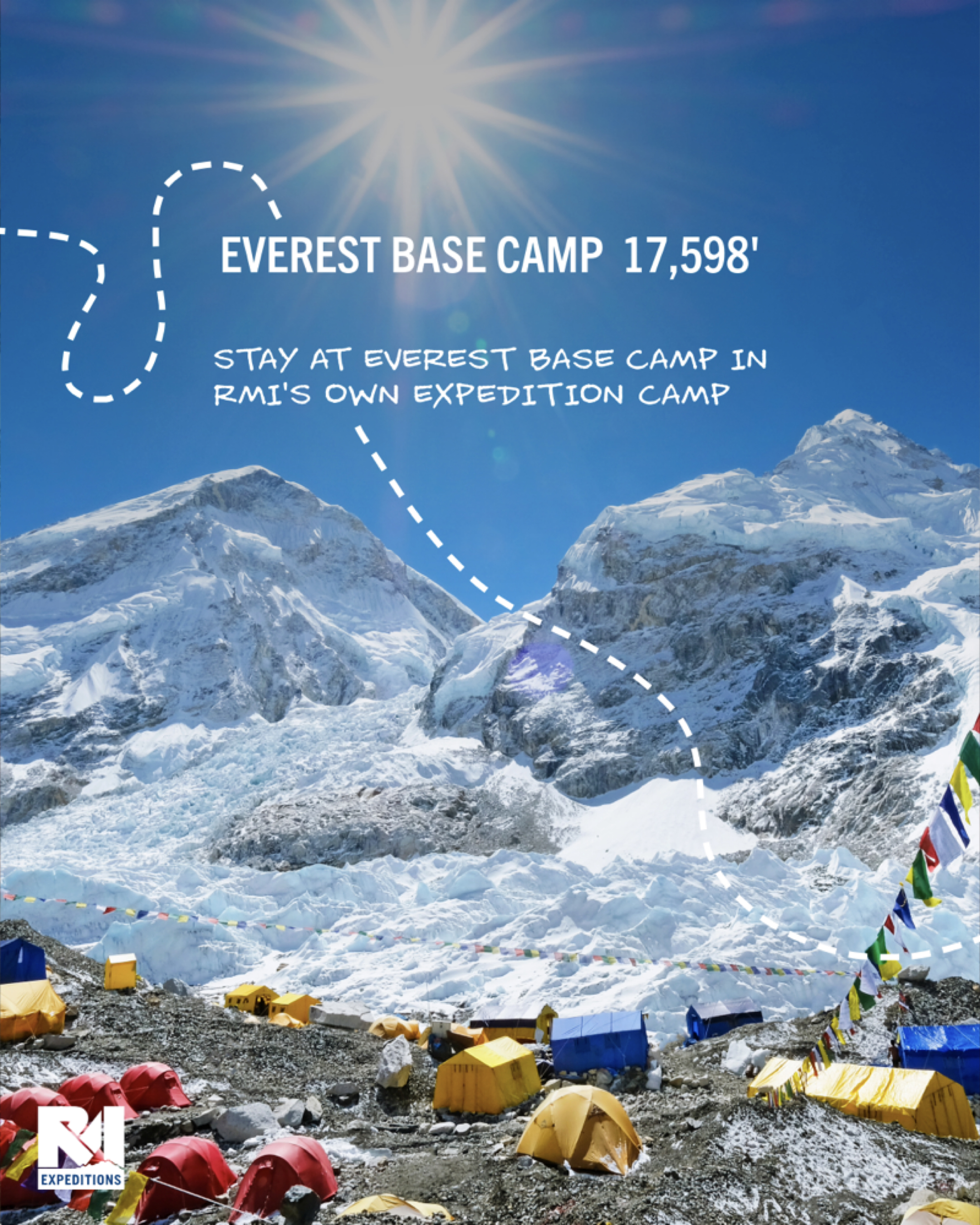
RMI trekkers and climbers stay at Everest Base Camp in RMI's own expedition camp, with the same cooks and facilities the Everest climbers use. A U.S. guide with Himalayan experience leads the trip from start to finish, working alongside one of the most experienced Sherpa teams in the Khumbu, and the climb of Lobuche is run with the same systems and standards RMI brings to the world's biggest peaks.
Risk management carries through the whole trip, from a careful acclimatization schedule to comprehensive medical kits, supplemental oxygen, and satellite phones carried with the group. The result is a Himalayan climb with the depth of a full expedition behind it. To learn more about who we are and how we guide, visit our About RMI page.
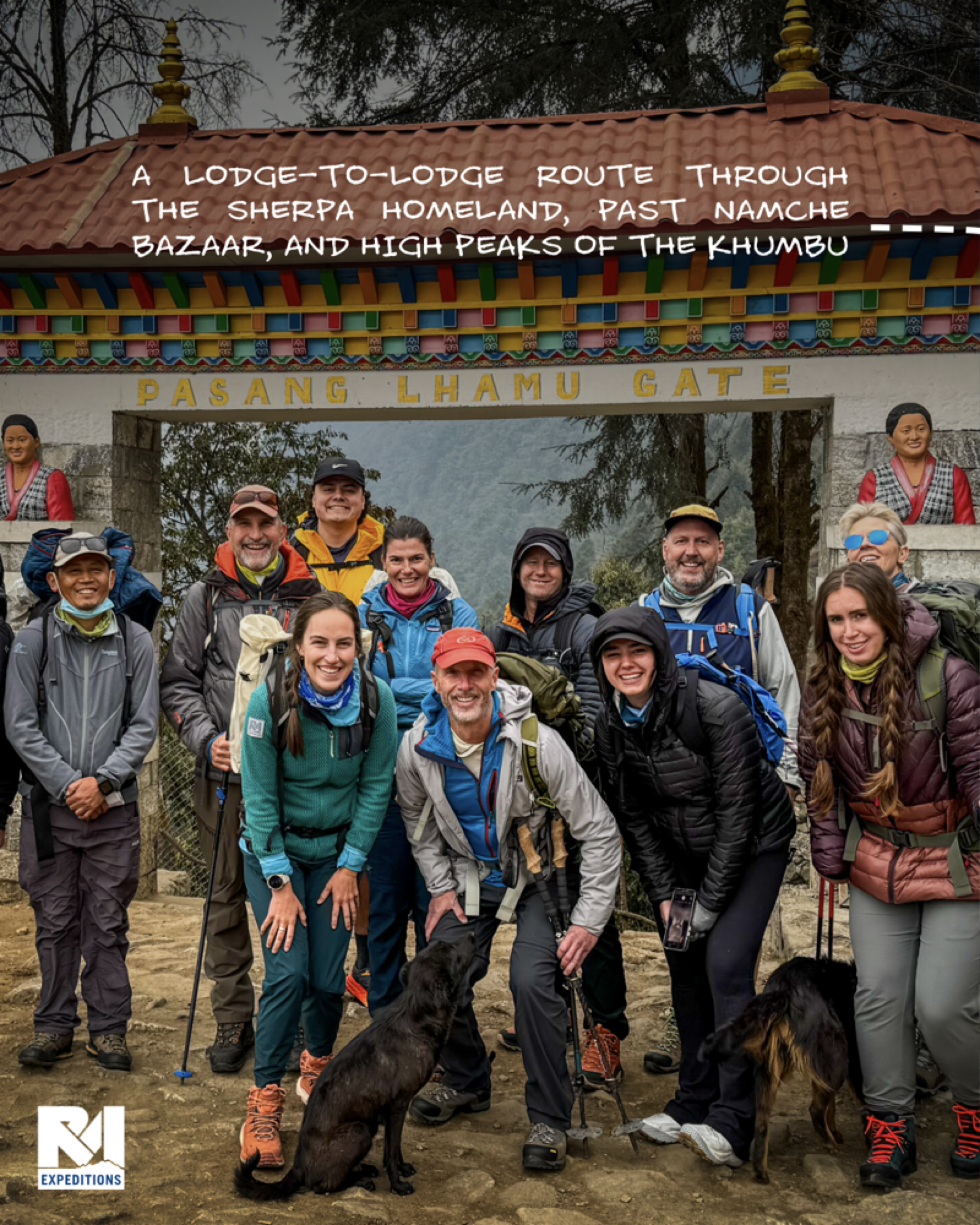
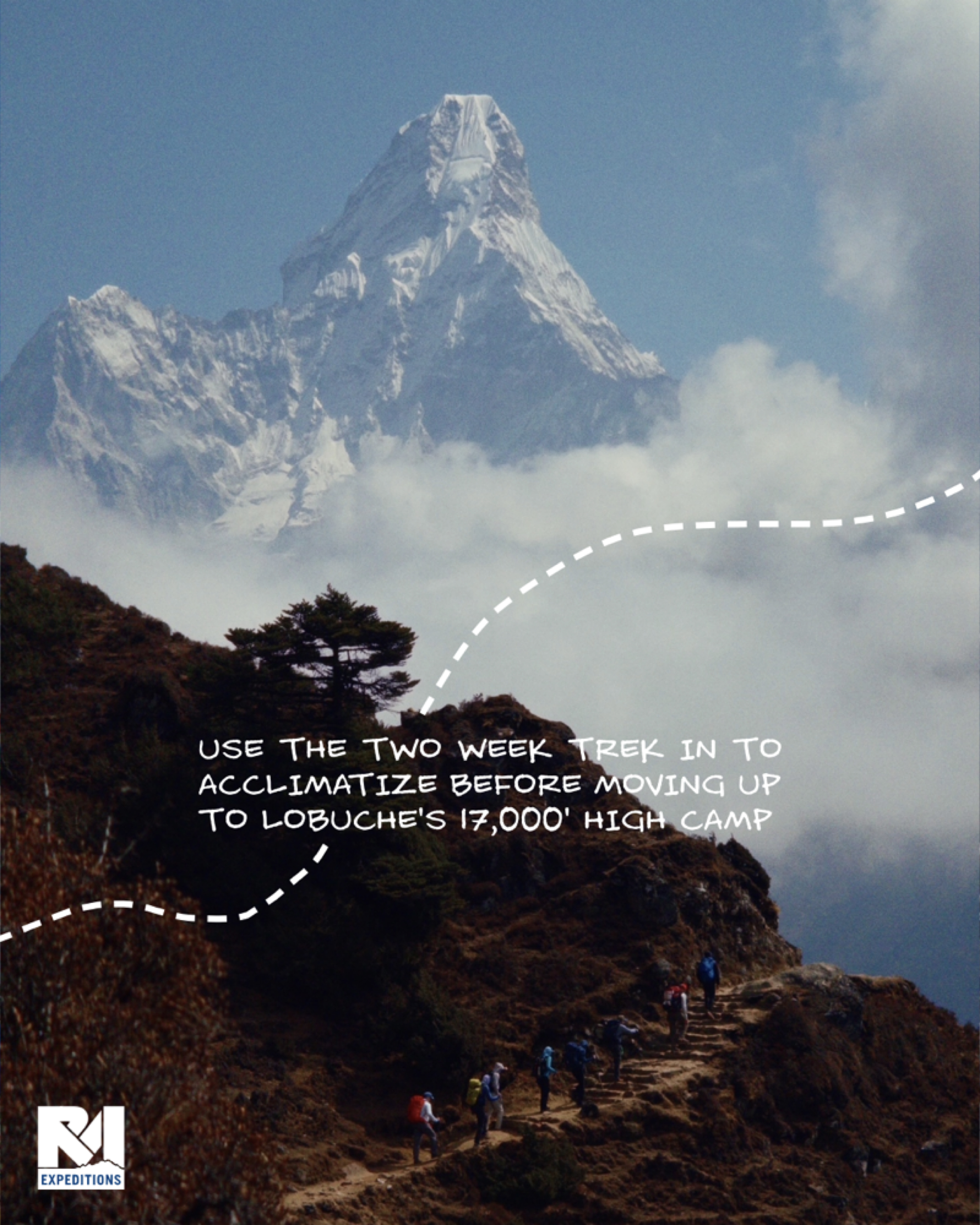
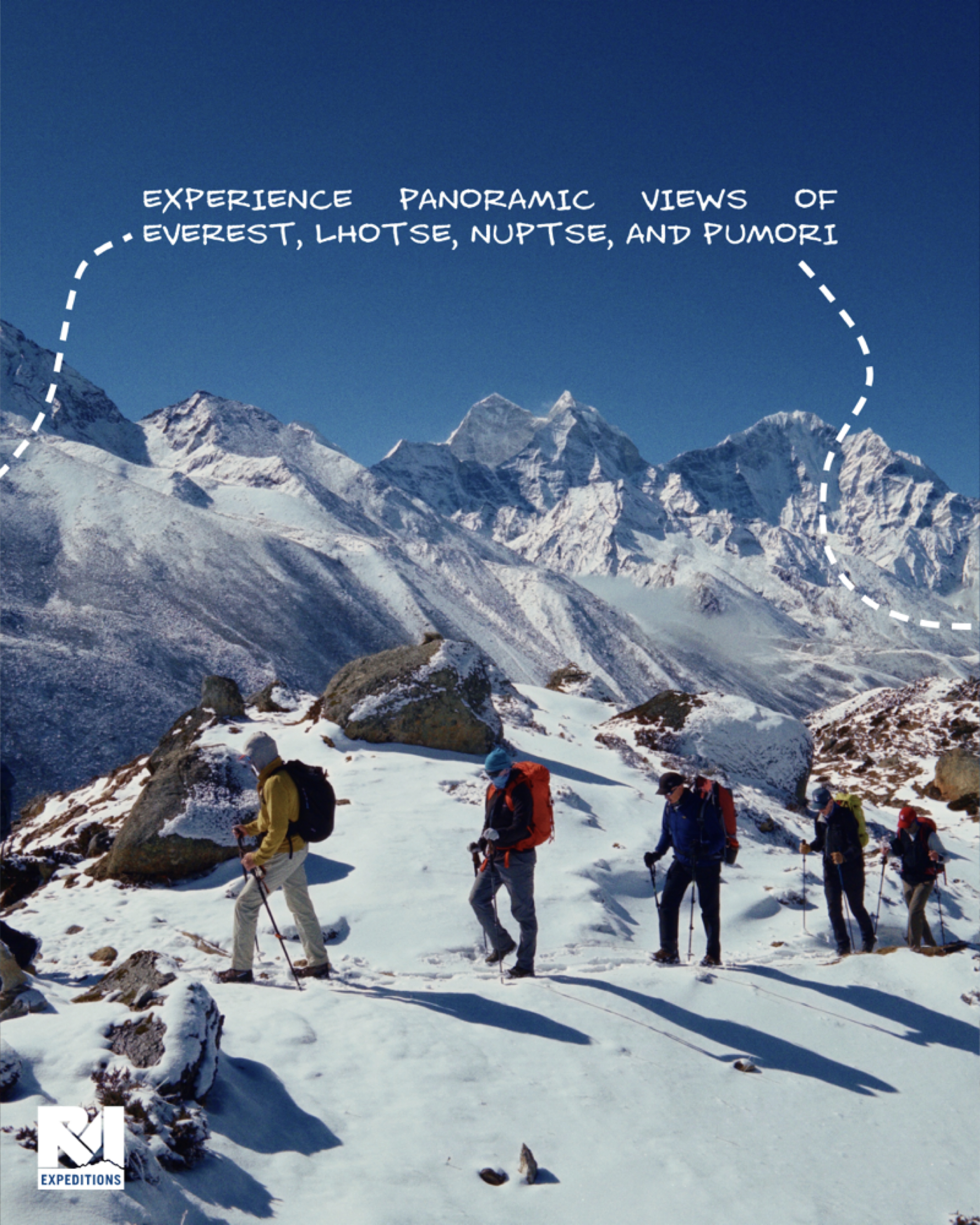
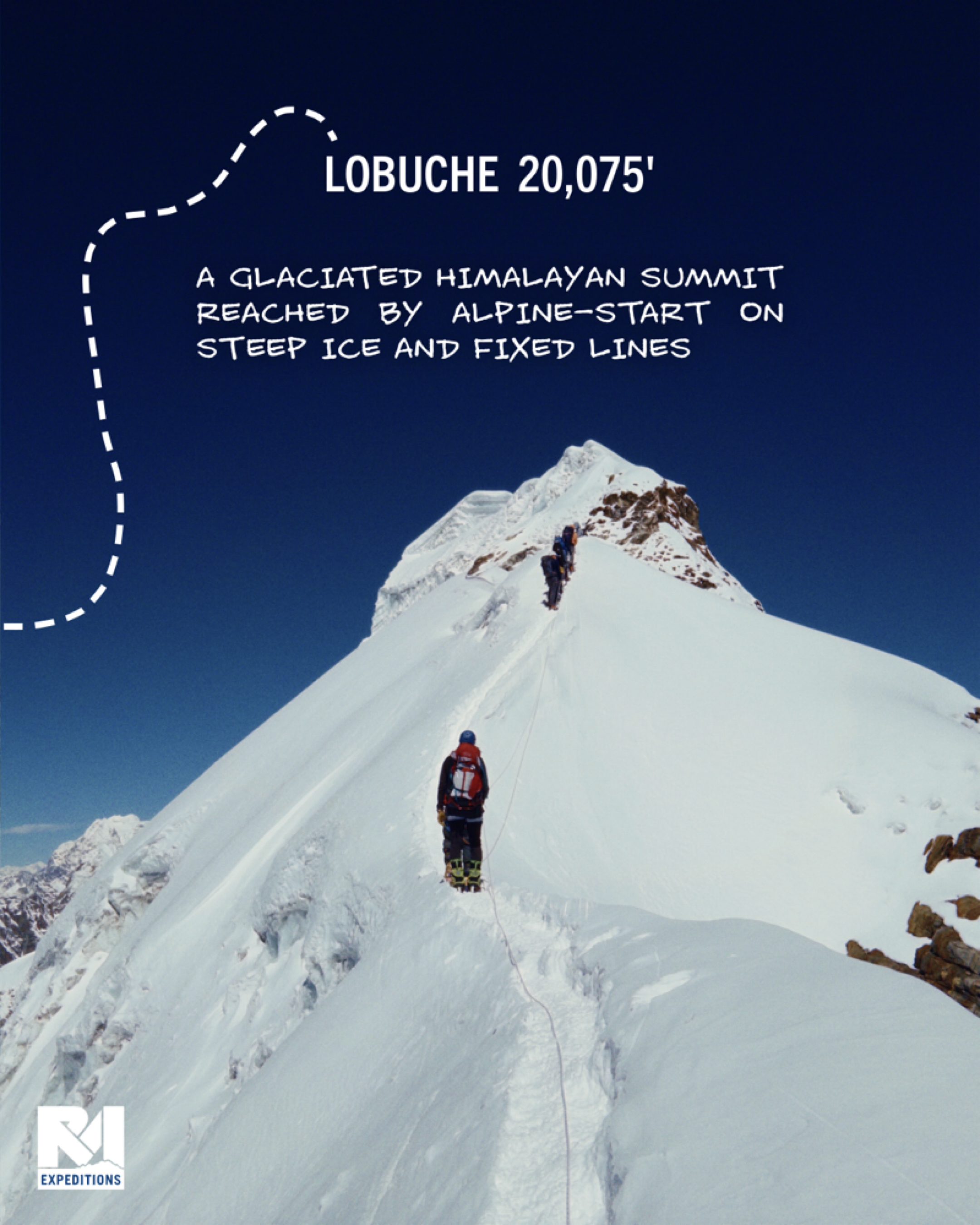
From Kathmandu the team flies to Lukla and treks up the Khumbu past Namche Bazaar to Everest Base Camp, with time built in to acclimatize along the way. After a night at Base Camp the trip shifts to climbing, moving up to a high camp on Lobuche Peak for an alpine-start summit day before descending back down the valley.
Kathmandu, Nepal
20,075' / 6,120 m
20 Days
1
3
10–13 Hours
Depart the US for Kathmandu, Nepal. During your flight you will cross the International Date Line and travel time is approximately two - three days.
*If your connections/routing take less than three days, adjust your departure from the US to Day 2.
Arrive in Kathmandu. We are transferred to our hotel for some rest and recovery before our evening reception and welcome dinner. Overnight in Kathmandu.
Situated in a bowl shaped valley in central Nepal, Kathmandu is the largest city in Nepal and the cosmopolitan heart of the Himalayan Region. Today is our first chance to explore Kathmandu's rich and diverse culture with a city tour including the Boudhanath Stupa, Pashupatinath, and Swayambunath - the Monkey Temple. The rest of the day is spent enjoying the city and local cuisine. Overnight in Kathmandu. (B)
Lukla (9,350') to Phakding (8,700'). Trekking time is approximately 2 1/2 to 3 hours.
Today we fly to Lukla, the village where our trek to Everest Base Camp begins. It is usually very busy in Lukla as different expeditions are getting everything organized for the trek. From here, there are no more vehicles or roads, just a network of villages connected by footpaths. After we meet our Sherpa team we start trekking along the Dudh Kosi River as we travel to Phakding. We spend the night at a small teahouse on the bank of the milky-blue Dudh Kosi. Overnight in lodge. (B, L, D)
Phakding (8,700') to Namche Bazaar (11,300'). Trekking time is 4 1/2 to 5 hours.
Hike to historic Namche Bazaar, the gateway to the high Himalayas and the Sherpa community's central meeting place. Namche is where lowland porters bearing supplies meet the highland Sherpa and Tibetan people who have journeyed over high passes from many miles away to trade food and supplies for their home or village. Namche's busy shops, delicious bakeries, and jovial feel are a welcome sight after making the long climb up from the valley floor below. Overnight in lodge. (B, L, D)
We build upon our acclimatization by going for a short hike to the Everest View Hotel for some tea, coffee and a bite to eat. Our hike takes us along the more remote paths between the villages, offering glimpses of the peaks higher up the valley, before returning us to Namche for the evening. Overnight in lodge. (B, L, D)
Namche Bazaar (11,300') to Deboche (12,325'). Trekking time is approximately 4 to 5 hours.
We leave Namche and climb up the valley to Tengboche, the largest Sherpa monastery in the Khumbu area. From the monastery's front steps we have excellent views of Everest, Lhotse, Nuptse, and Ama Dablam. We descend from the ridge where the monastery is located into the quiet forest of fir and rhododendron below that surround our teahouse at Deboche. Overnight in lodge. (B, L, D)
Deboche (12,325') to Dingboche (14,200'). Trekking time is approximately 3 1/2 to 4 hours.
We hike to Dingboche via Pangboche, a large Sherpa village at the foot of Ama Dablam, following the Imja Khola up the valley. Overnight in lodge. (B, L, D)
We stay another night in Dingboche to continue our acclimatization. We will visit the clinic of the Himalayan Rescue Association and take a day hike up the Imja Khola valley toward Chukkung, offering spectacular views of Ama Dablam's seldom seen north side. Overnight in lodge. (B, L, D)
Dingboche (14,200') to Lobuche (16,175'). Trekking time is approximately 4 to 5 hours.
We ascend to the village of Lobuche, tucked below Lobuche Peak. Our trail takes us past the memorials for climbers made up of dozens of large rock stupas and strings of prayer flags at the top of Thokla Pass. Along the way we leave the last of the large vegetation and enter into the alpine zone and our trail may have a covering of snow from here. Overnight in lodge. (B, L, D)
Lobuche (16,175') to Everest Base Camp (17,575'). Trekking time is approximately 6 hours.
Leaving Lobuche we walk parallel to the lower reaches of the Khumbu Glacier until we cross over the rocky moraine of the Khangri Glacier into Gorak Shep the final outpost before Everest Base Camp. We stop there for a bite to eat then complete the last stretch of our trek, leaving the dirt and grasses of the mountainous valley and setting out across the ice and rock of the Khumbu Glacier into Everest Base Camp. We move into our tents admiring the stunning panorama of peaks surrounding us. Overnight in tents. (B, L, D)
Everest Base Camp (17,575') to Lobuche High Camp (17,716'). Trekking time is approximately 6 hours.
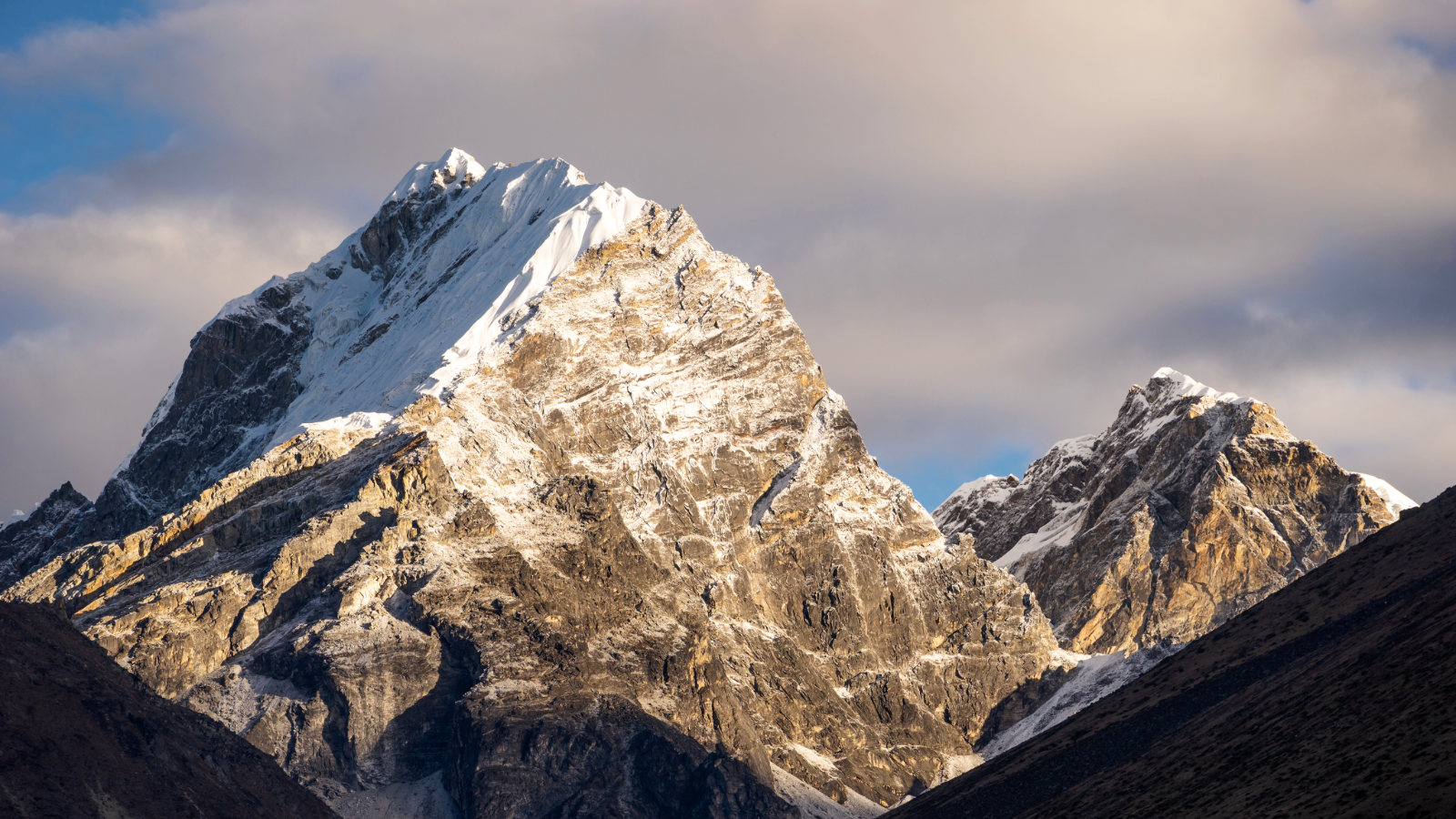
We depart Everest Base Camp, leaving the Khumbu Glacier and descending to Lobuche. The trekking trail is straightforward, starting out flat and getting progressively steeper and rockier. At Lobuche Base Camp, we are rewarded with beautiful views of Ama Dablam, Cholatse, Pokalde, Thamserku, Kantega, and other Himalayan peaks. We continue on the trail as it zigs and zags up a rocky moraine path to a section of fixed rope until we reach High Camp. We will have time to train on fixed lines, crampons, and ice axe arrest. Training, packing for the summit, and discussing the climb will bring us into an early night to get some rest for the climb. Overnight in tents. (B, L, D).
Summit Day! Trekking time is approximately 10 - 13 hours.
With an alpine start, we leave High Camp and travel through rocky glacier moraine until we get to "crampon point". We add our crampons and ice axes for the steep snow gullies utilizing the fixed lines for our ascent. The challenging climbing on steep granite covered in snow is aided by fixed lines on the way up and rappelling on the descent.
From the summit, we have unparalleled views of the Khumbu Valley including the famous peaks of Everest, Lhotse, Nuptse, and Pumori. We descend to our High Camp for overnight. (B, L, D)
Lobuche High Camp (17,716') to Dingboche (14,200'). Trekking time is approximately 7 hours.
We pack up camp and descend down the valley to Dingboche for some "thick" air and a good night's sleep. Overnight in lodge. (B, L, D)
Dingboche (14,200') to Namche Bazaar (11,300'). Trekking time is approximately 6 to 8 hours.
The downhill trek along the river allows for breathtaking photos of Ama Dablam as it towers ominously above us. As we descend the smells of the pine forests and blooming rhododendrons overwhelm the senses after so many days up high. In Namche we treat ourselves to much deserved yak steaks, beer, and pastries. Overnight in lodge. (B, L, D)
Our trip skips the taxing hike back from Namche to Lukla and opts to fly directly from Namche to Kathmandu. The scenic morning flight back to Kathmandu gives us one last chance to say farewell to the mountains. The afternoon in Kathmandu is open for exploring or just relaxing. (B)
This day is available in case of delayed flights in or out of Lukla or if weather postpones our trip at any point.
Depart Kathmandu.
Arrive home.
>
>
Key: B, L, D = Breakfast, Lunch, Dinner included.
RMI's Everest Base Camp Trek - Lobuche Climb spends a full night at Everest Base Camp, experiencing the vitality of expedition life at the foot of Mt. Everest, before climbing Lobuche - a rewarding and challenging 6,000 meter Himalayan peak.

Arrive in excellent physical condition, ready for consecutive days of trekking and a summit day of ten to thirteen hours or more while carrying a light pack.

Previous climbing experience is required, including comfort with roped travel, crampons, and ice axe arrest before the trip begins.

The climb tops out above 20,000 feet on Lobuche Peak, with many days spent at high elevation first.
The Everest Base Camp Trek - Lobuche is open to climbers in excellent physical condition who already have some mountaineering experience; you should arrive comfortable with roped travel, crampons, and ice axe arrest. It is more demanding than a standard Base Camp trek: after two weeks of trekking at altitude comes a high-camp move and an alpine-start summit day on glaciated terrain and steep ice with fixed lines. That long approach is also the program's biggest advantage, giving climbers an unusual amount of acclimatization before summit day. The fitter and more current you arrive, the more you will enjoy both the trek and the climb. Climbers still building basic mountaineering skills should gain that foundation first.
Recommended climbing experiences include:
Your climbing resumé should include:

Roped glacier travel*
Cramponing on snow and ice*
Ice axe self-arrest*
Comfort on steep snow and fixed lines
Previous experience on a glaciated peak
Multi-day trekking at high altitude
Items marked with an Asterix (*) are considered mandatory prerequisites for this program.
Our guides have decades of experience training for alpine objectives, and we've done our best to put together relevant resources to help you with your expedition preparation.
Mountaineering is both an individual challenge and a team endeavor. Before any program begins, RMI works directly with prospective climbers to confirm that everyone joining a team is genuinely prepared for the demands ahead. Depending on the program, this may involve conversations with our office staff, a review of your climbing history, or feedback from guides and other climbers who know your abilities. The goal is straightforward: to ensure that every person on the rope belongs there. We ask that each climber hold themselves to the same standard:
The standards we set exist to protect everyone on the team. RMI holds all climbers accountable to them, and we take seriously our responsibility to build teams of people who are ready to be in the mountains together. RMI reserves the right to remove a participant from a program or send them to a lower altitude if our guide staff determines, in their sole discretion, that the participant is not physically, technically, or psychologically prepared or capable of participating, or for any other reason that may compromise the safety, health, or well-being of the participant or the group. In such cases, no refunds or credits will be issued, and the participant will be financially responsible for any additional costs associated with an early departure, including evacuation, transportation, lodging, and meals.
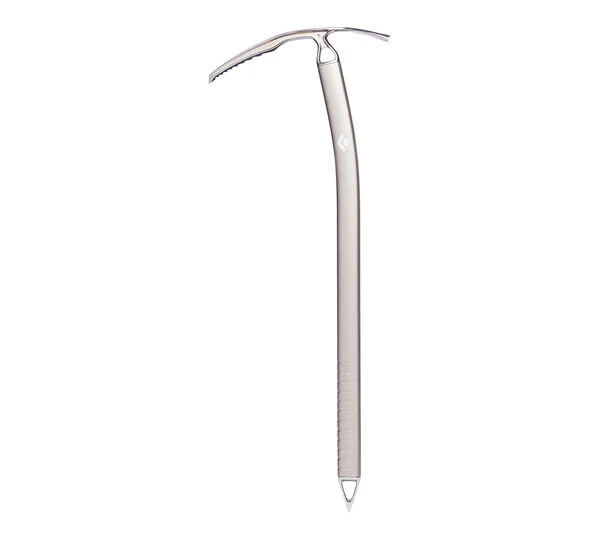
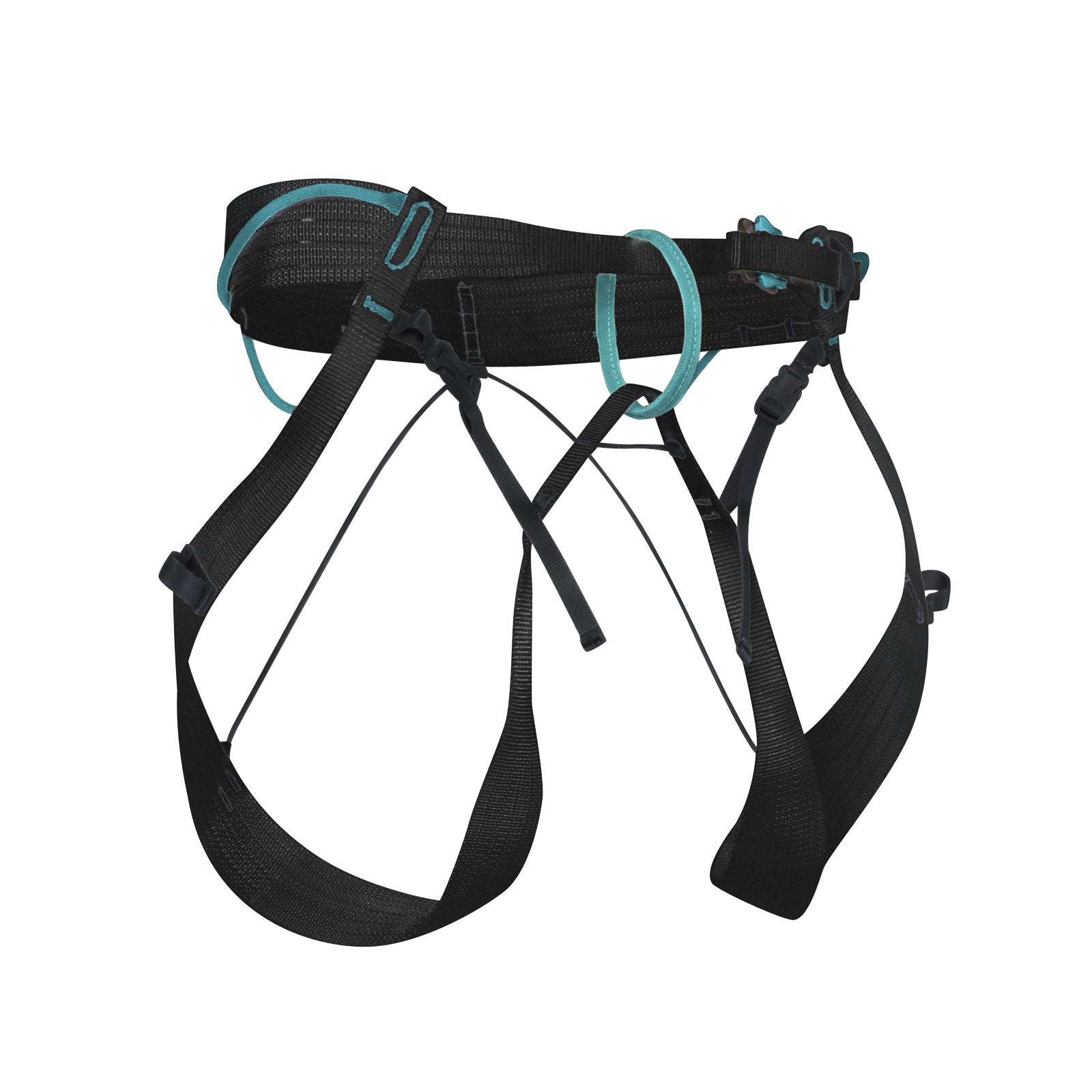
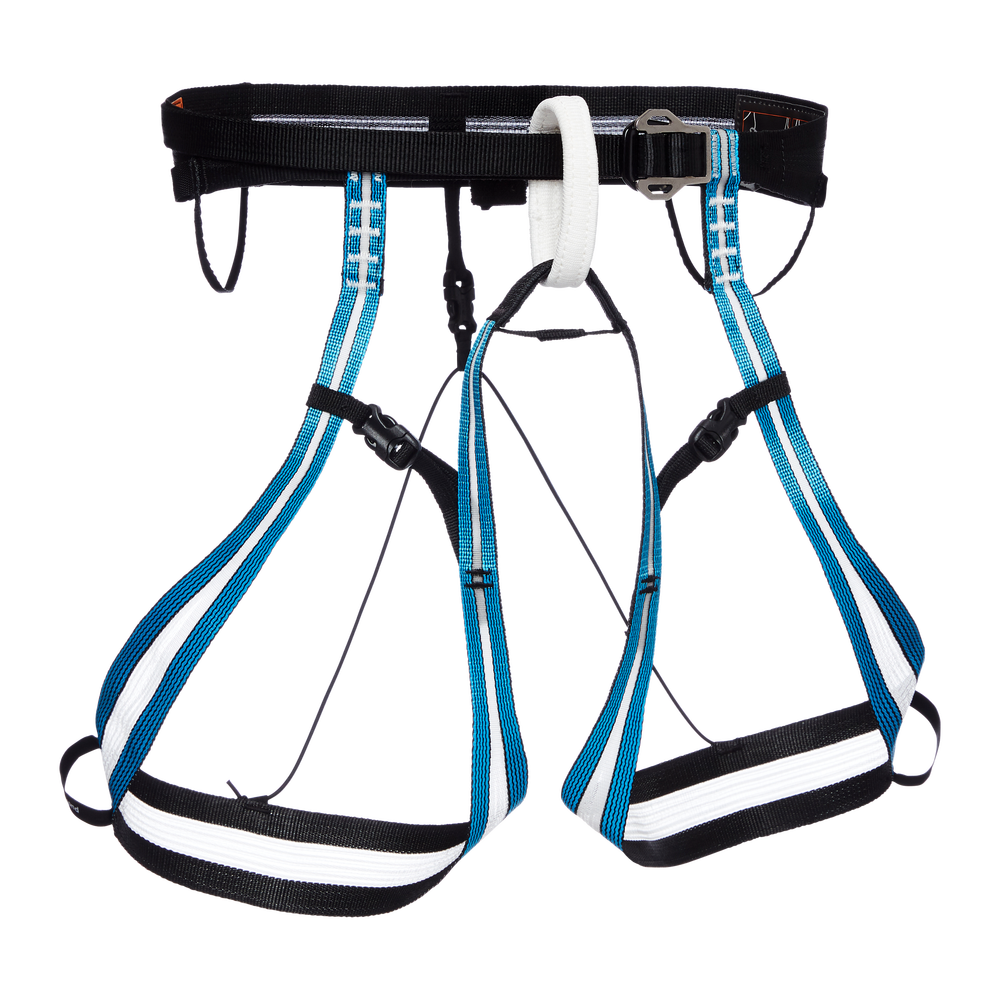
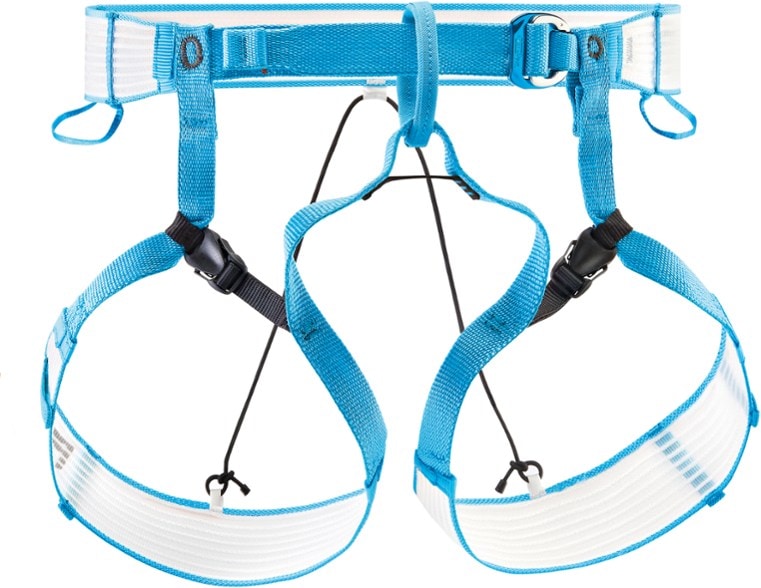
The Everest Base Camp Trek - Lobuche needs both a trekking kit and a mountaineering kit: trekking layers and a warm sleeping bag for the lodge-to-lodge approach, plus boots, crampons, an ice axe, and a harness for the climb of Lobuche Peak. This list reflects decades of RMI guiding experience and is built to keep you warm and ready from the lowland trails to a summit day above 20,000 feet. Porters carry the bulk of your gear between lodges, so on the trail you carry only a light daypack.
Every experienced climber refines their kit over time, and not every item will be used on a given day. Even so, this list represents what RMI expects you to bring, and all required equipment should be available at the gear check before the climb.
Each RMI program includes a required personal equipment list built around the specific terrain, conditions, and objectives of the climb. Every item serves a purpose and supports safety, efficiency, and comfort in the mountains.
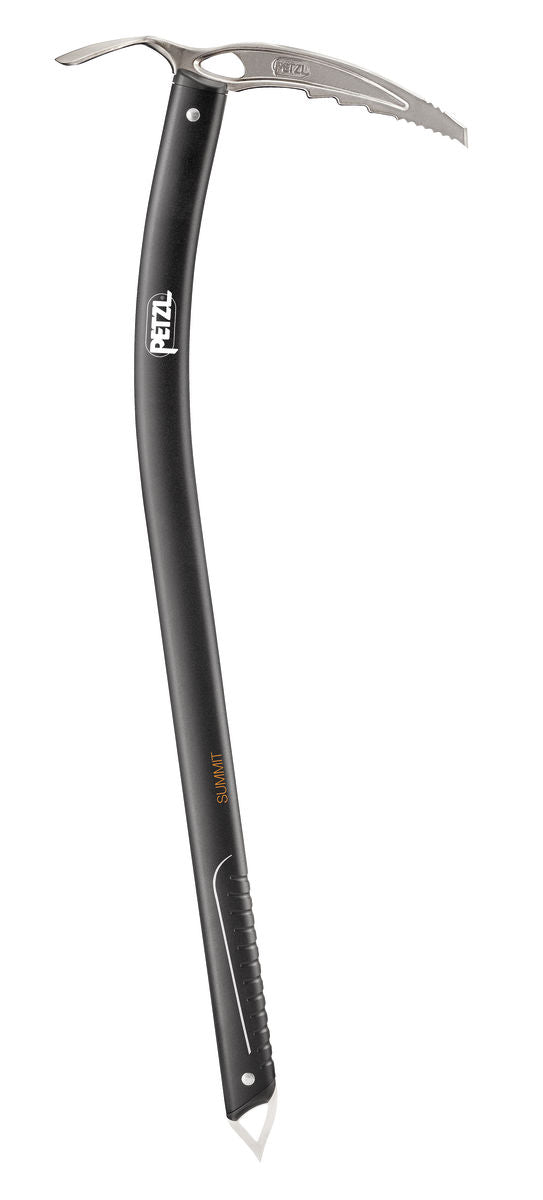
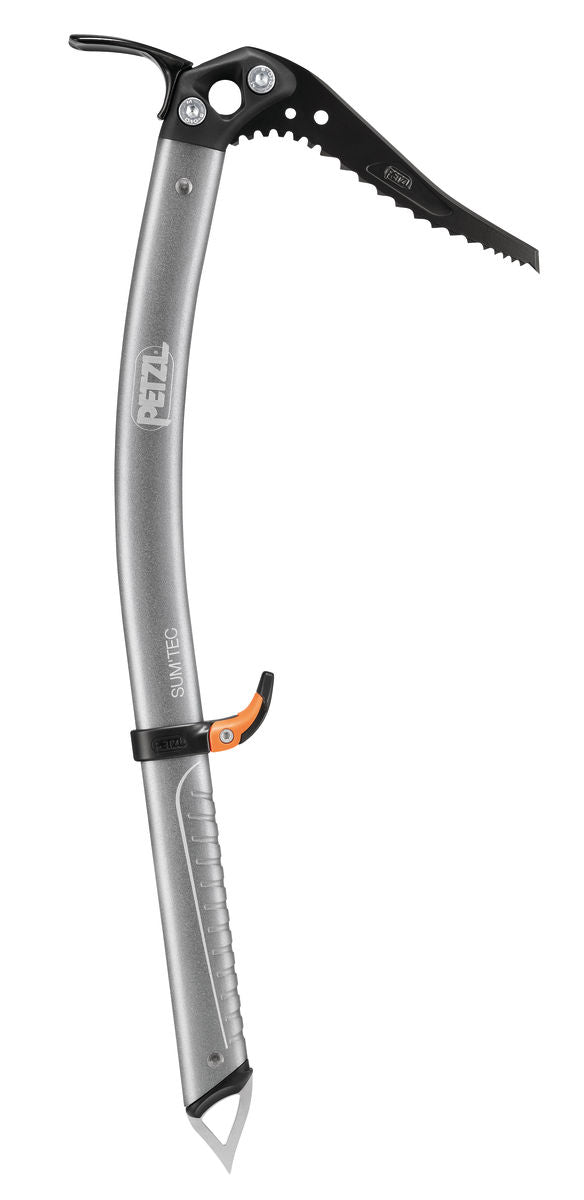
Guide Picks™ are examples that meet our performance standards and illustrate the type of gear we recommend. Each year, our partners at Whittaker Mountaineering survey our staff of 70+ guides to get a consensus on the best gear for the job. You do not need to purchase the exact item shown, but any alternative must offer comparable function and durability.
All listed items are required for the gear check. Final adjustments may be recommended by your guide based on conditions and team needs once the expedition begins.
Most of the required equipment is available for rent or purchase from our affiliate Whittaker Mountaineering. RMI climbers receive a 10% discount on new clothing and equipment items ordered from Whittaker Mountaineering.
Bring as needed. Make sure these are TSA-compliant.
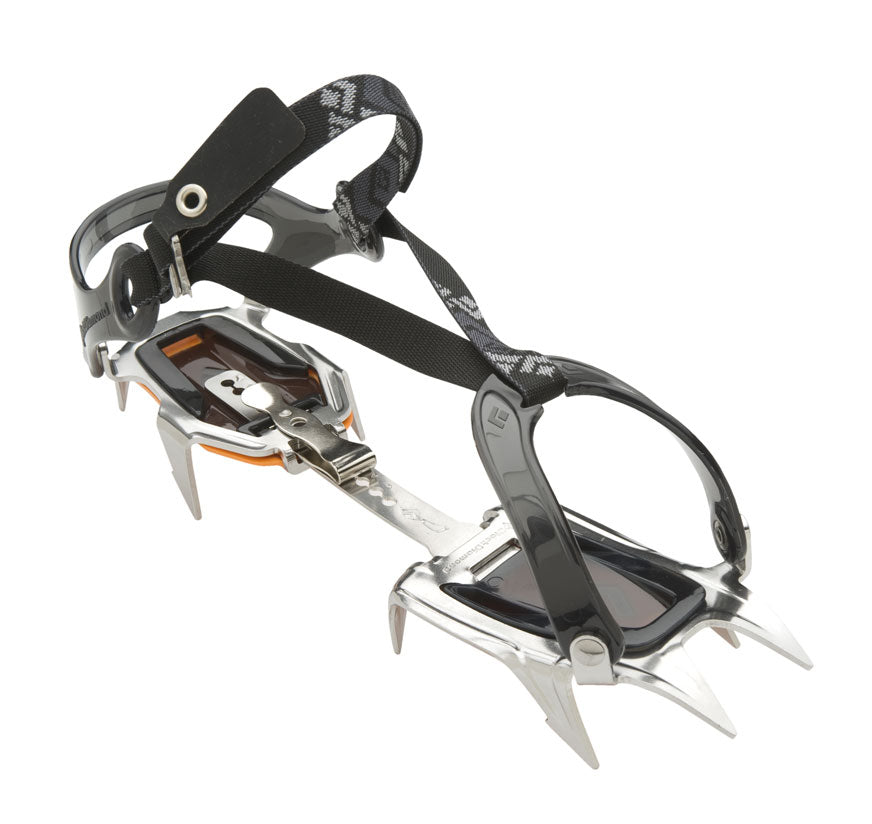
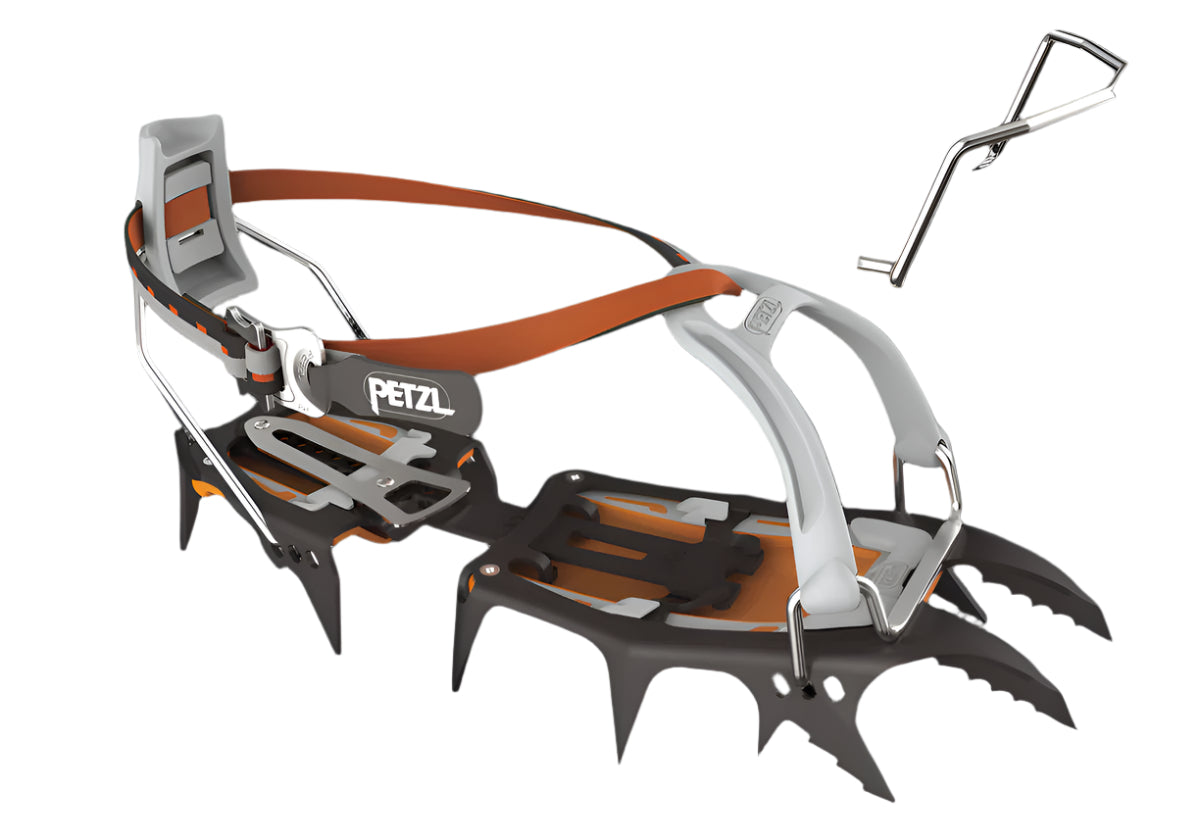
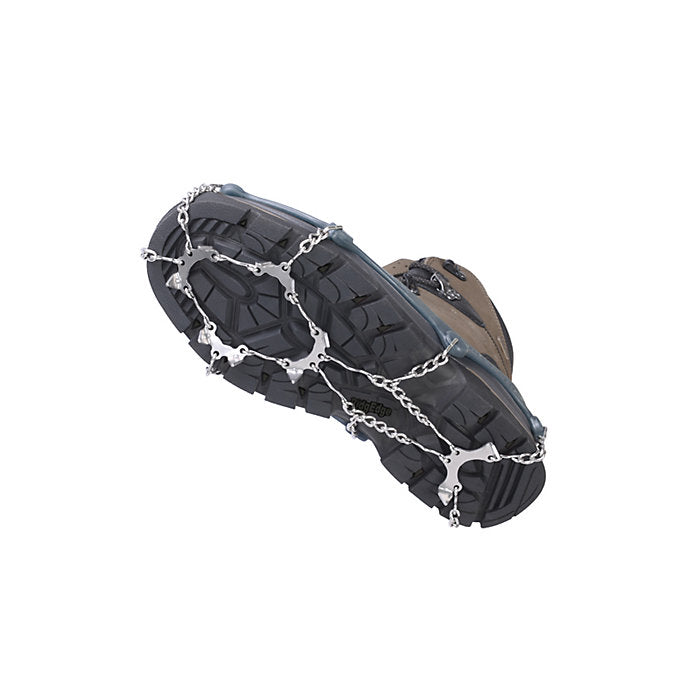
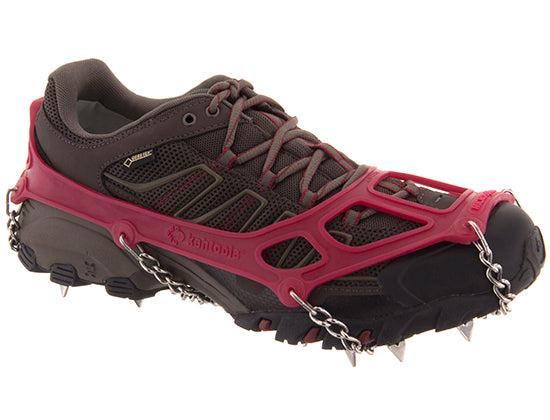
10- or 12-point adjustable steel crampons with anti-balling plates for general mountaineering and glacier travel. Automatic, semi-automatic, or strap-on attachment depending on boot compatibility. Ensure crampons are compatible with your specific boots before your program.
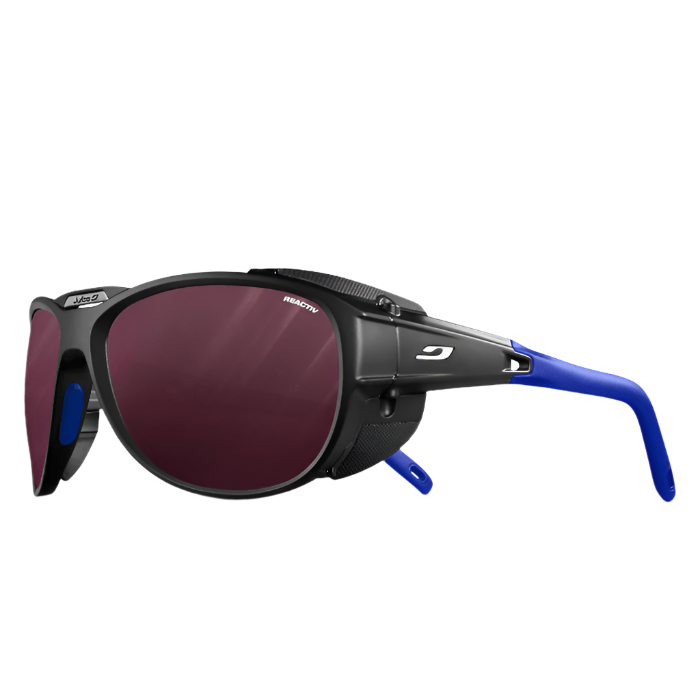
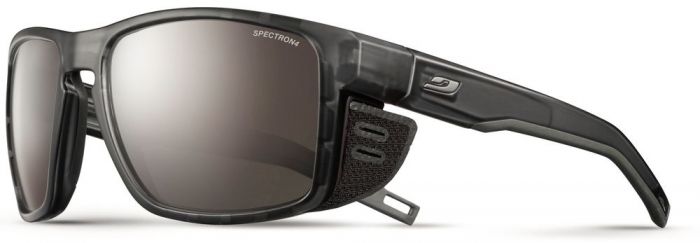
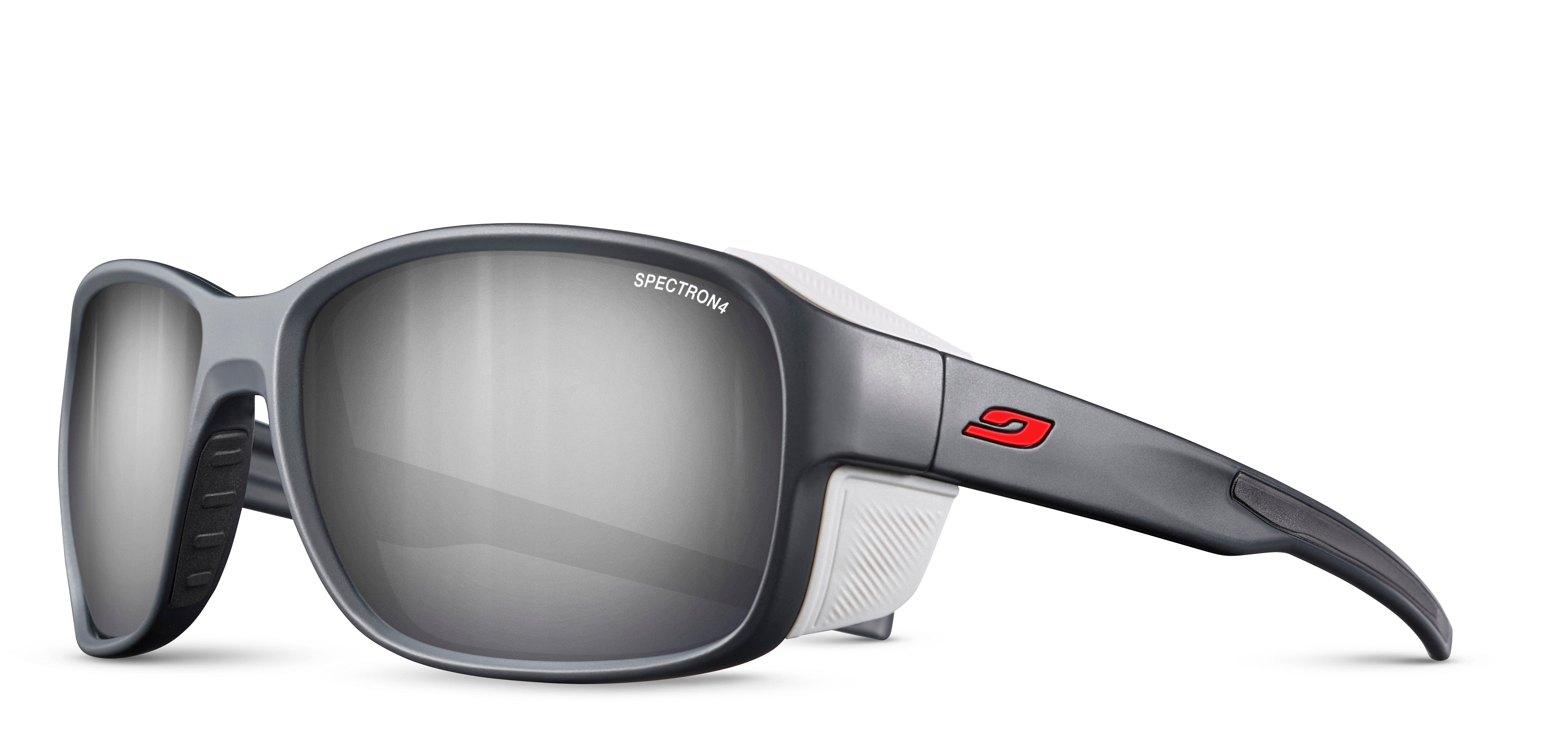
Glacier glasses are protective sunglasses that provide close to 100% frame coverage (wrap-around frames and side shields ensure no light can enter from the top, bottom, and sides of the glasses) and transmit less than 10% of visual light.
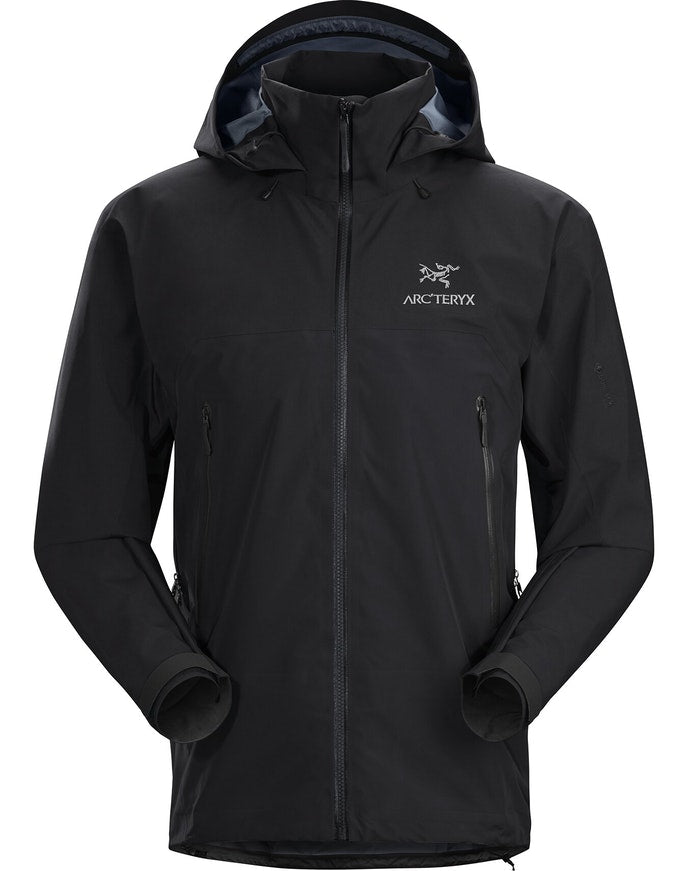
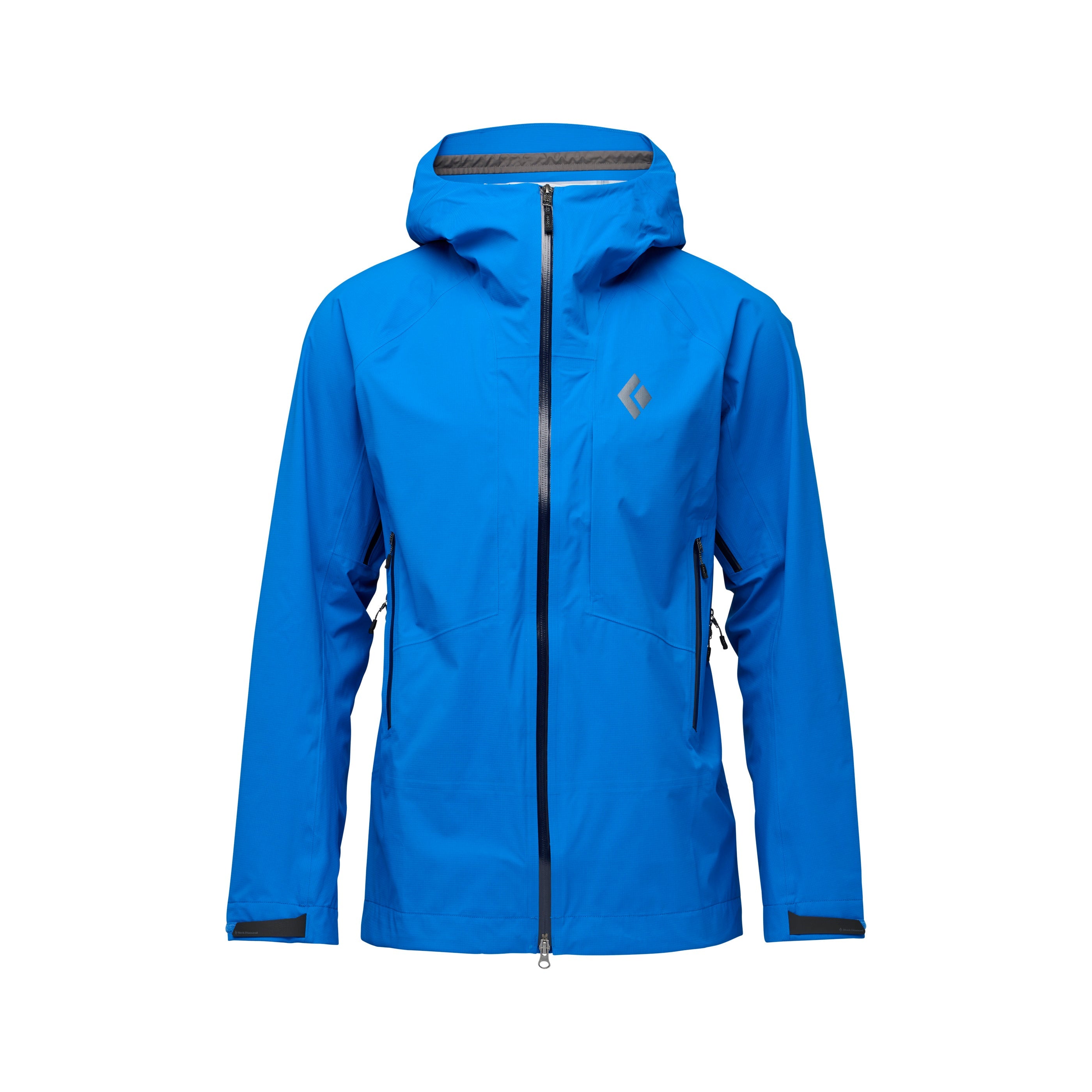
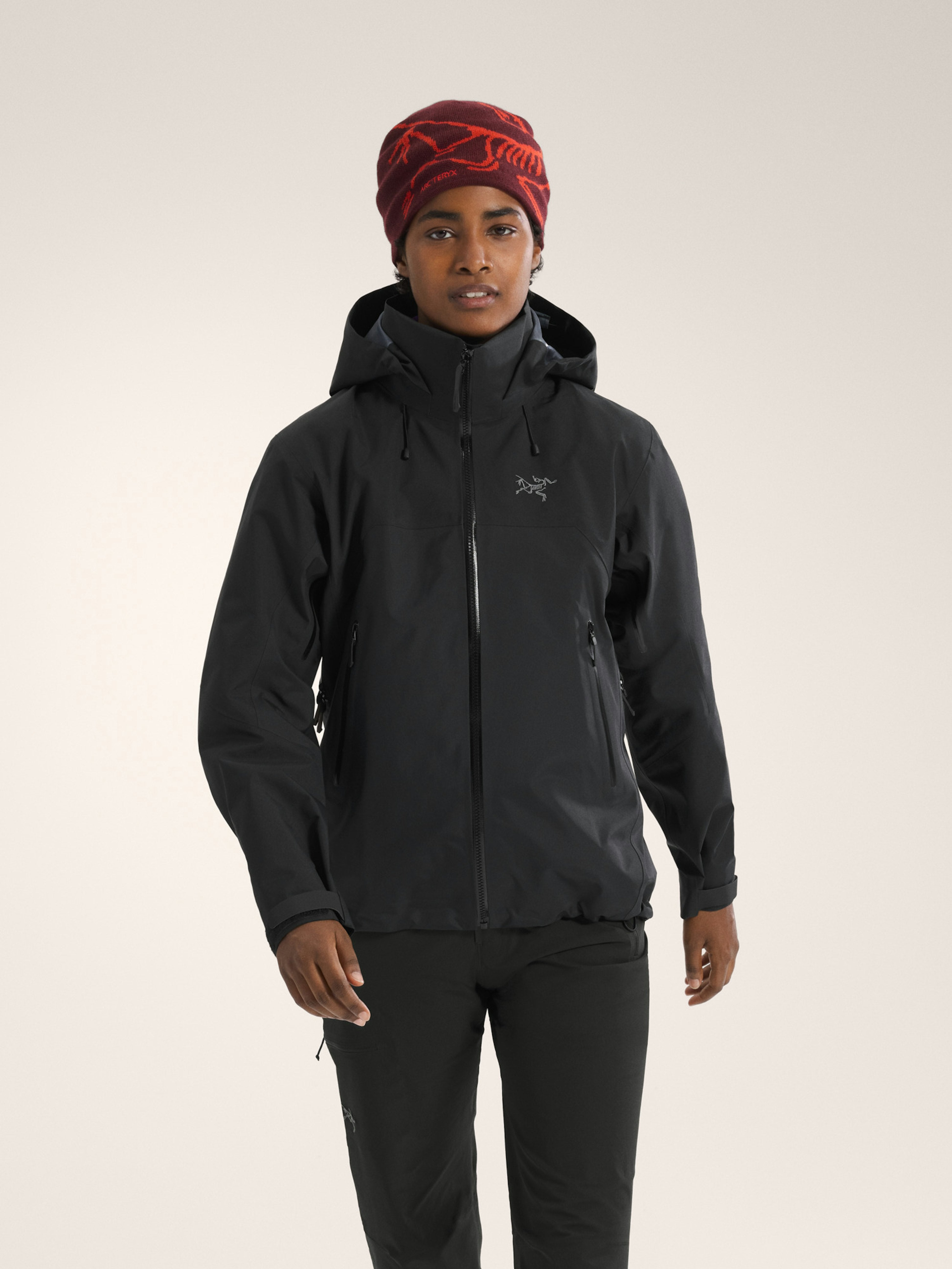
We recommend a minimum of five upper body layers, all of which can be used in conjunction with each other. Two of these should be insulating layers, one light, and one medium, that fit well together. Today there are many different layering systems to choose from, including fleece, softshell, down, and synthetic options.
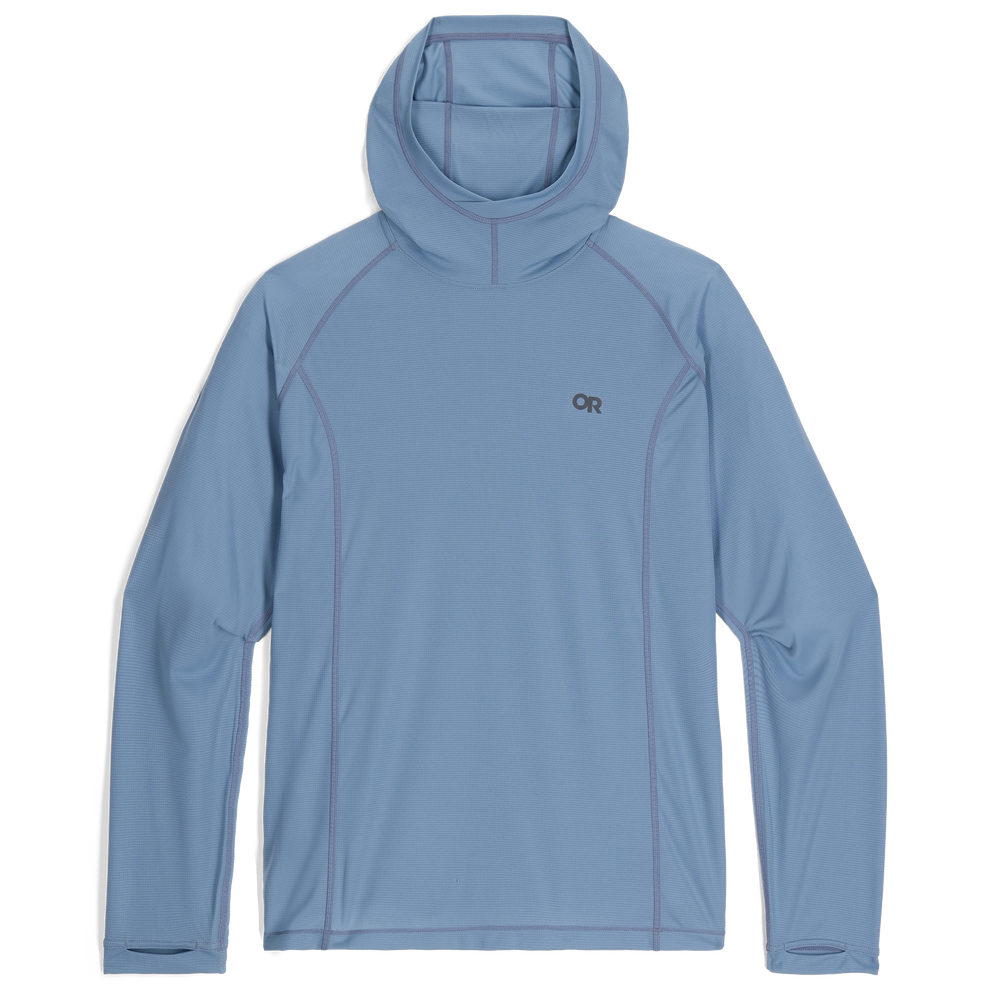
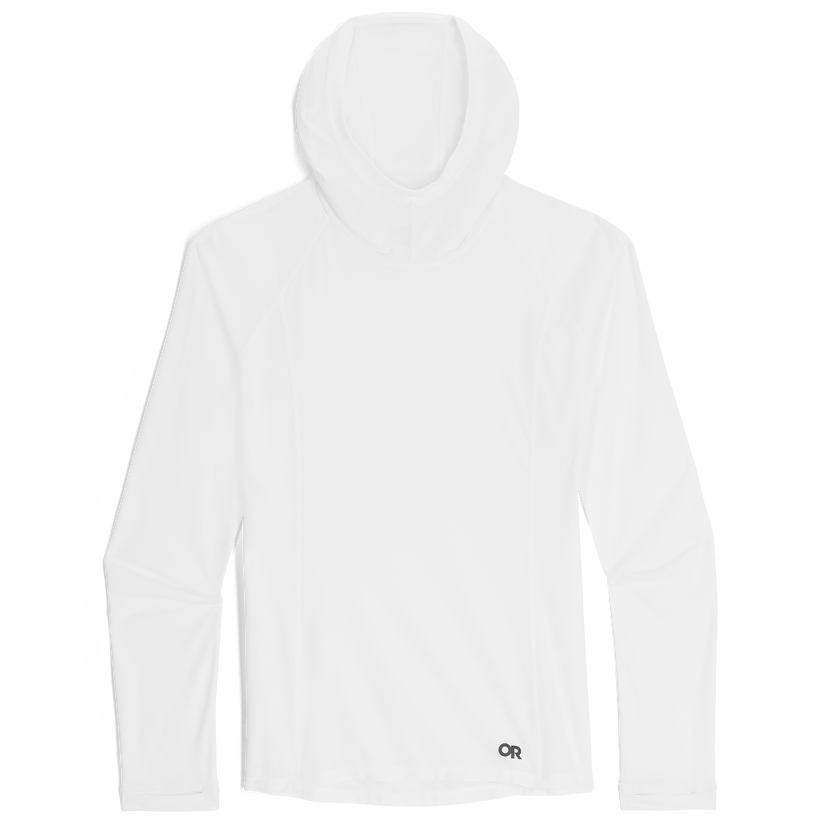
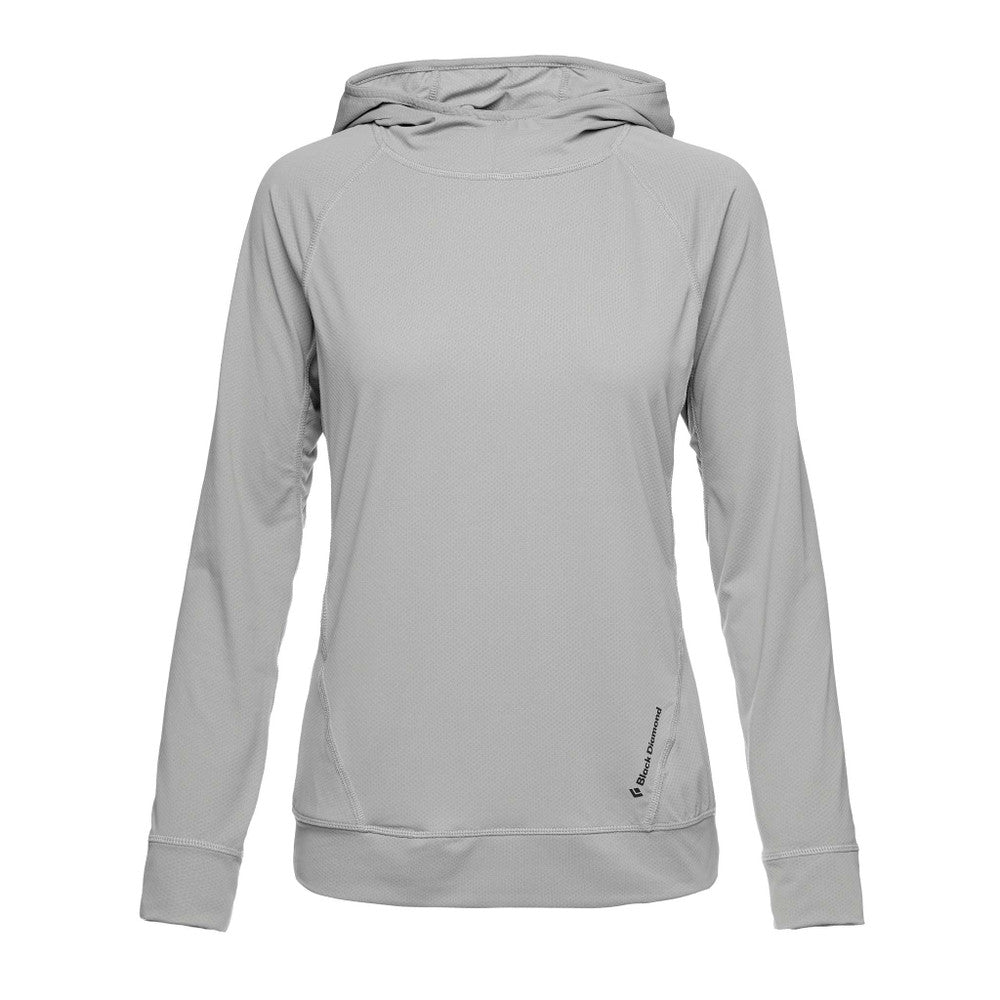
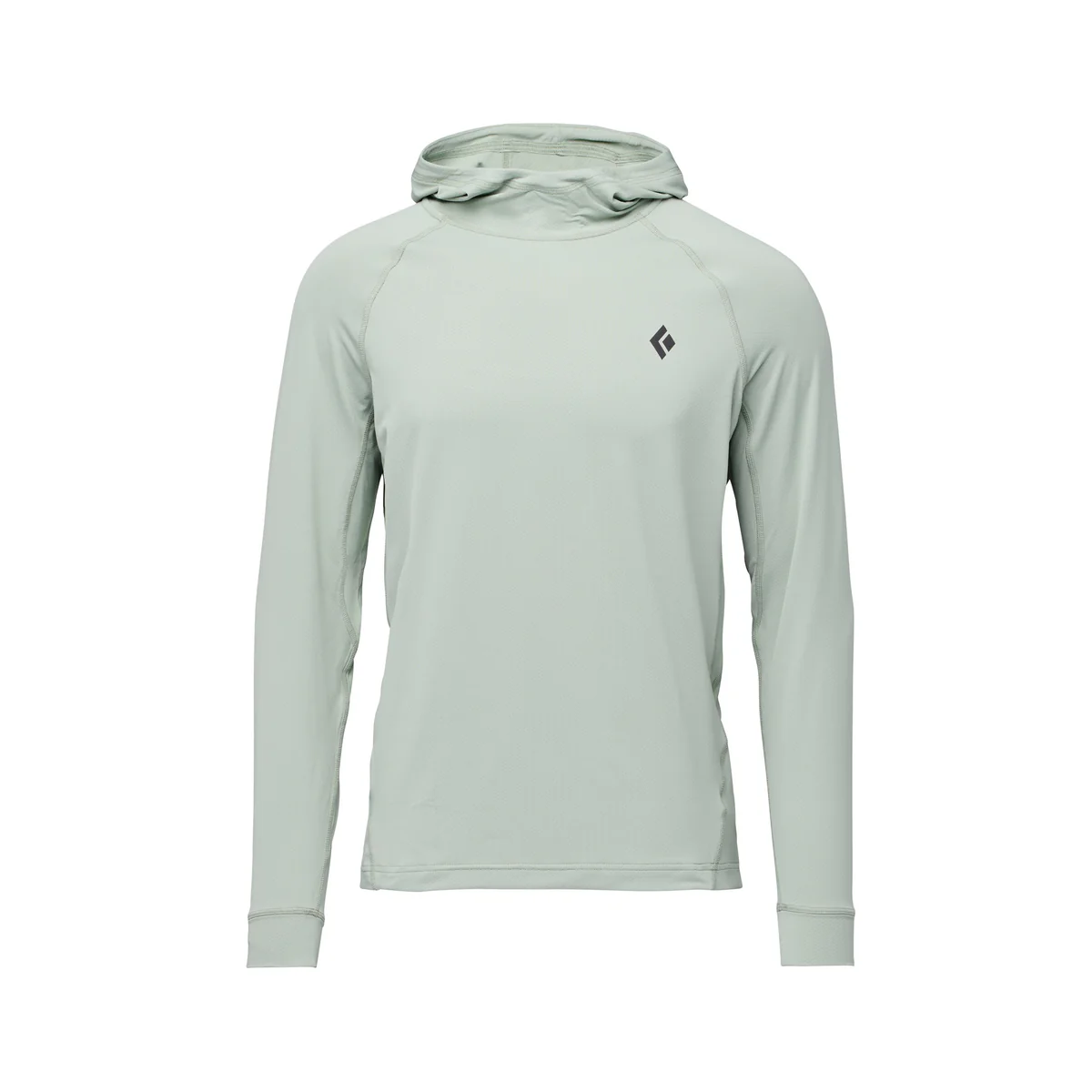
A lightweight, breathable long-sleeve shirt in synthetic or merino wool for sun protection and moisture management during active climbing.
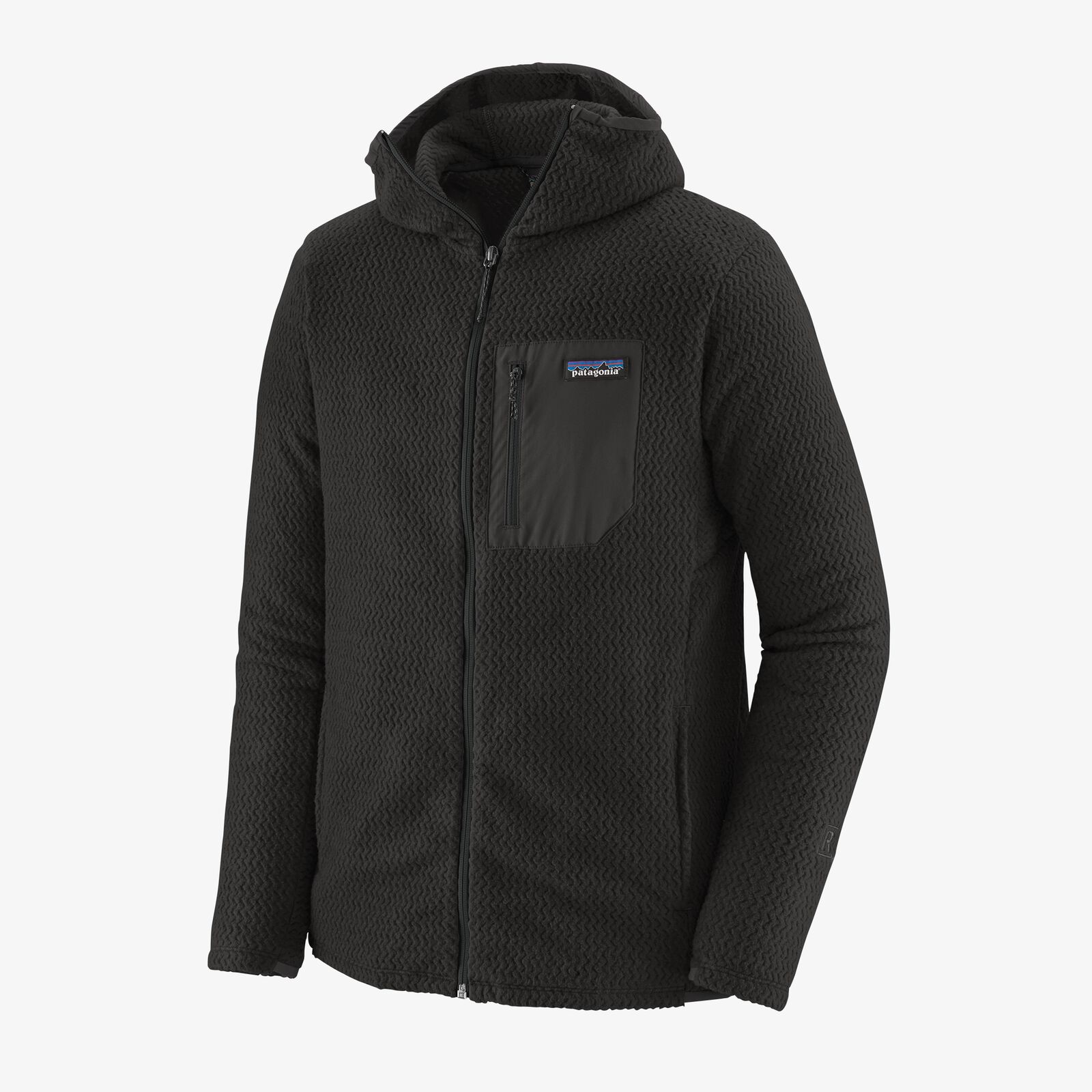
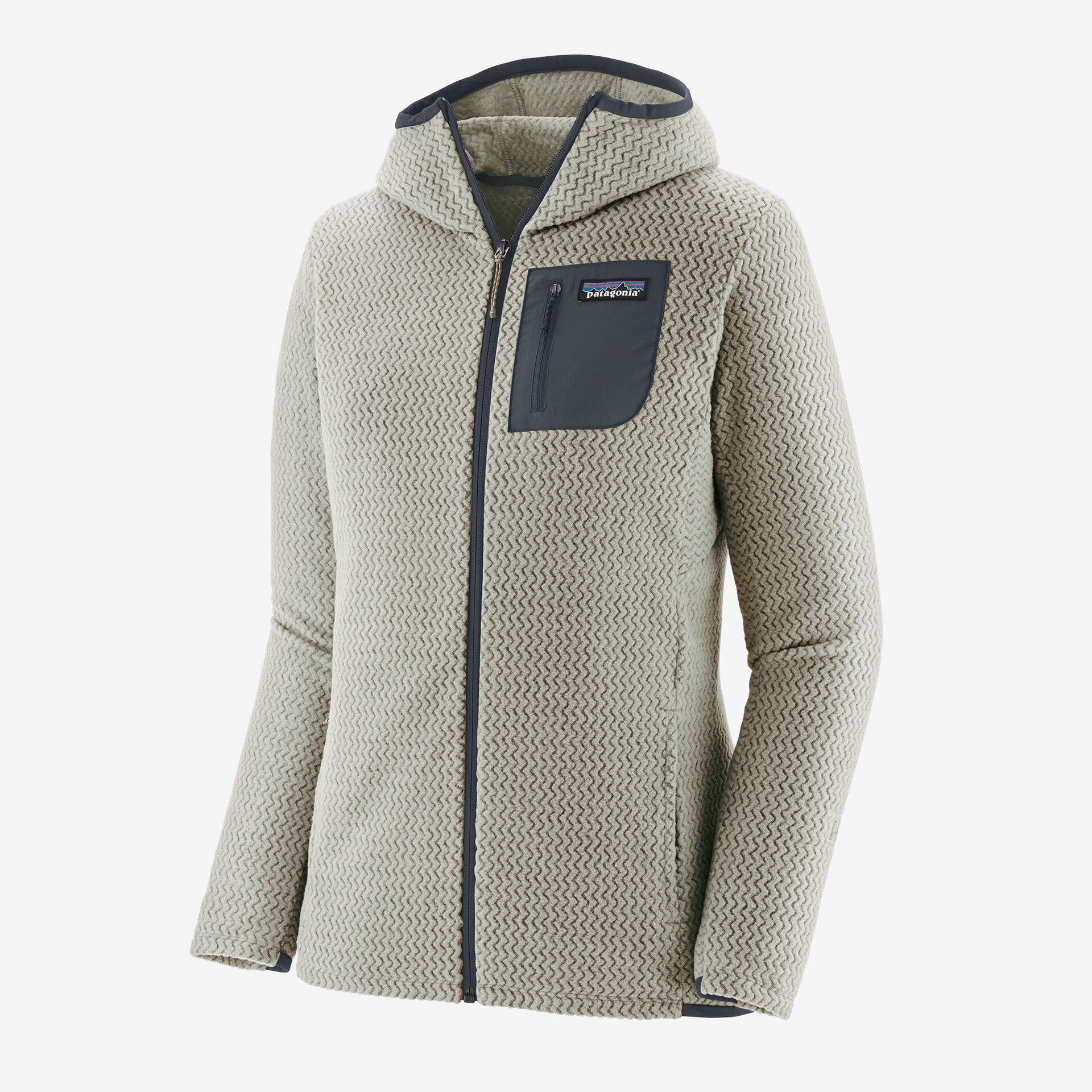
One step up in warmth and bulk from a baselayer. A technical fleece makes an ideal light weight insulating layer.
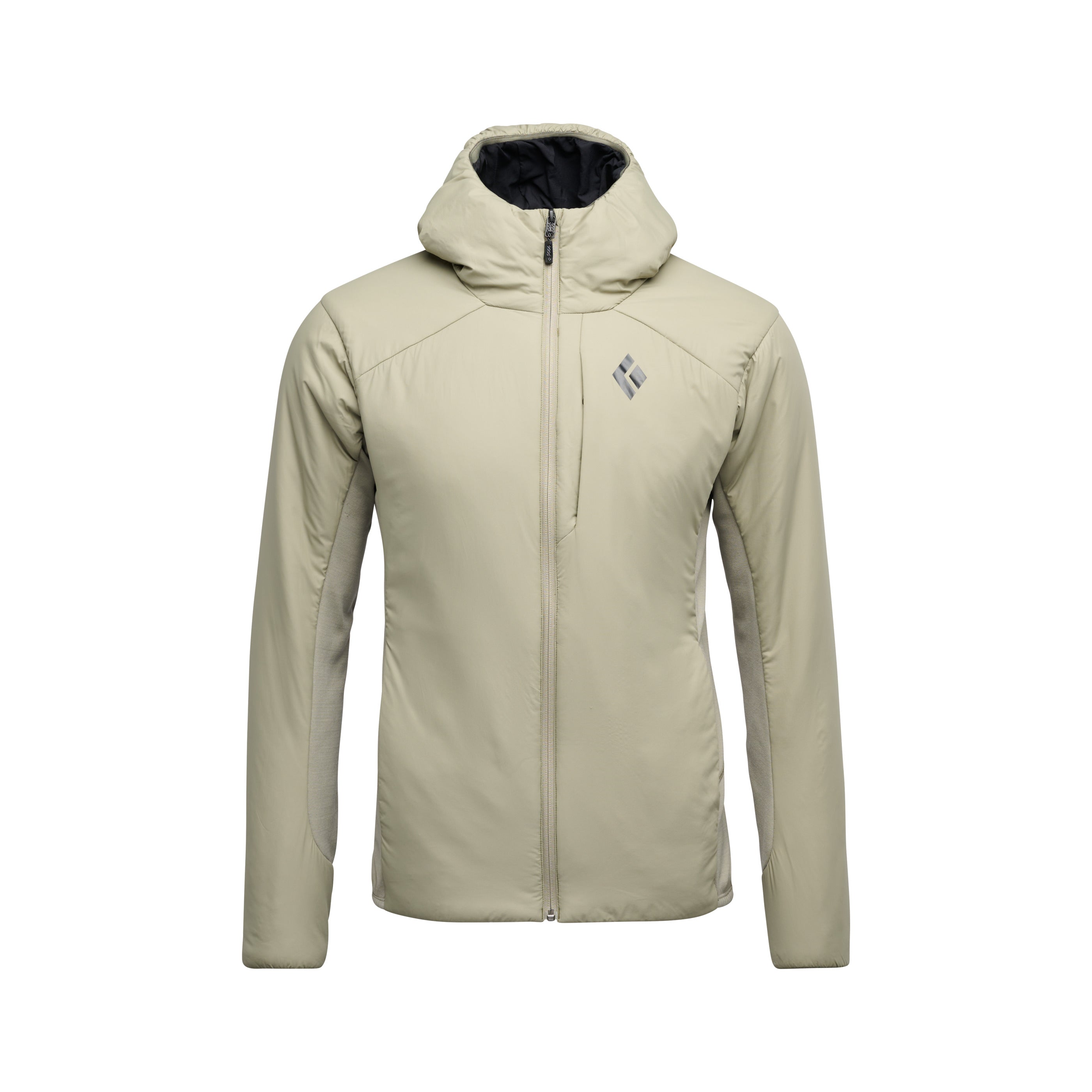
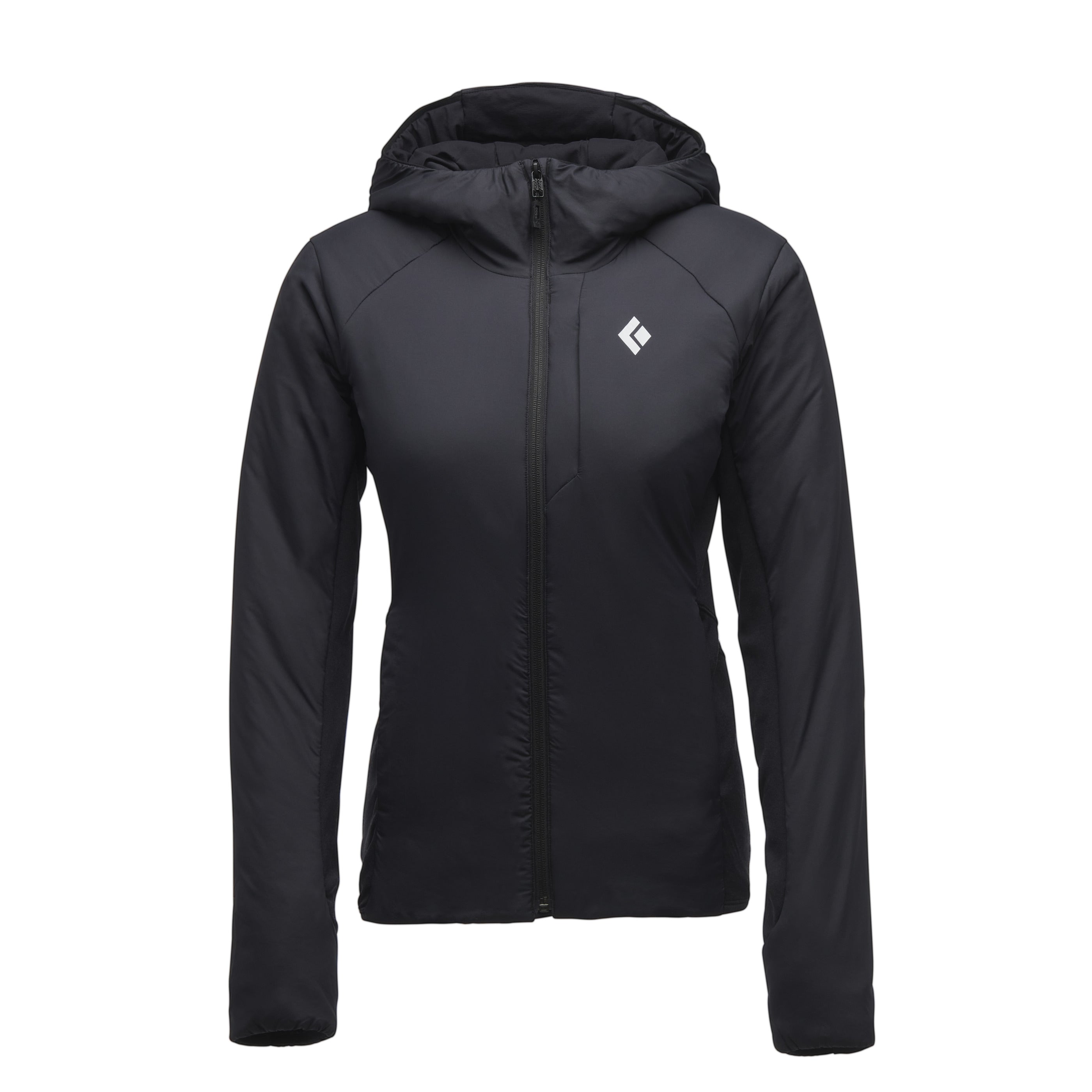
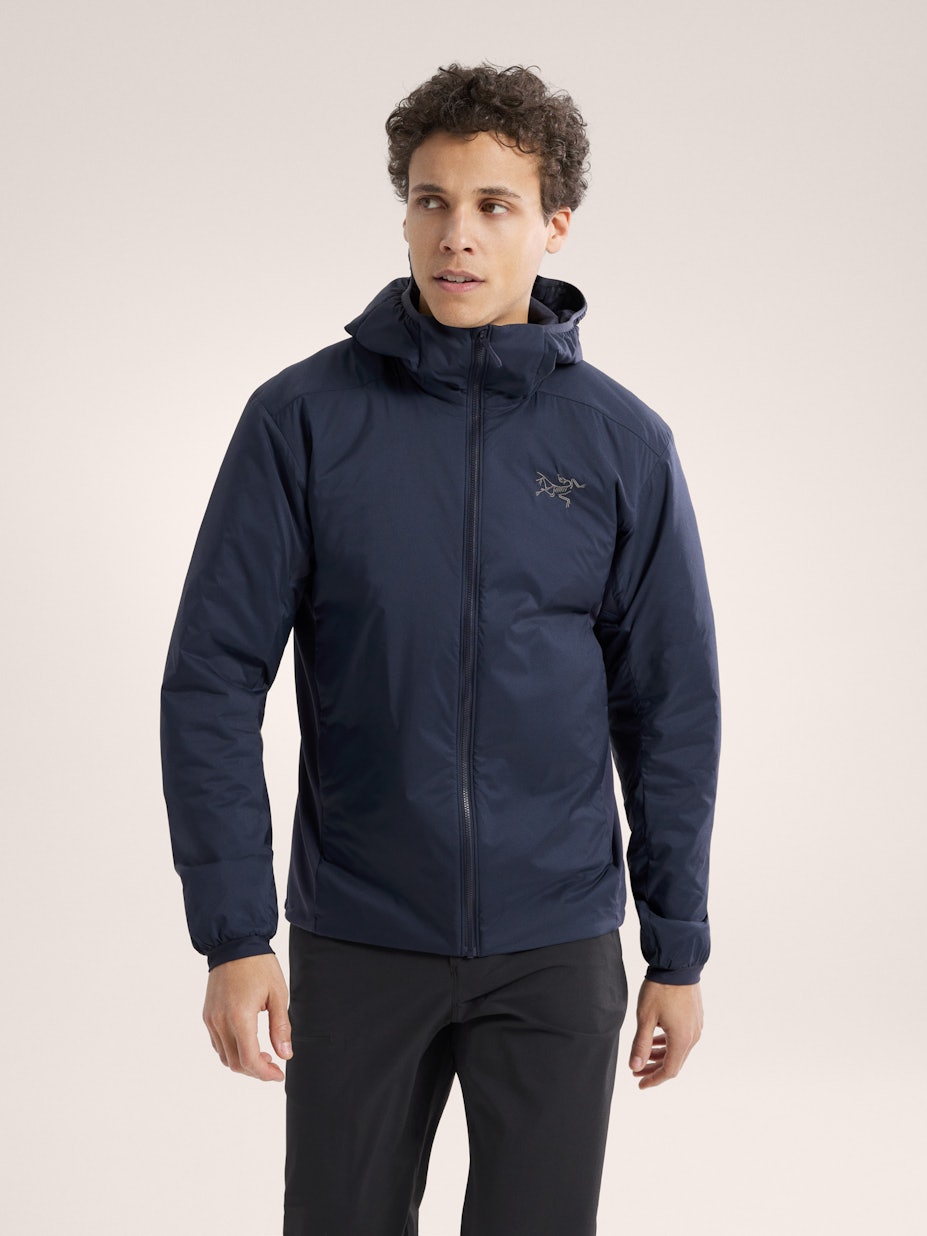
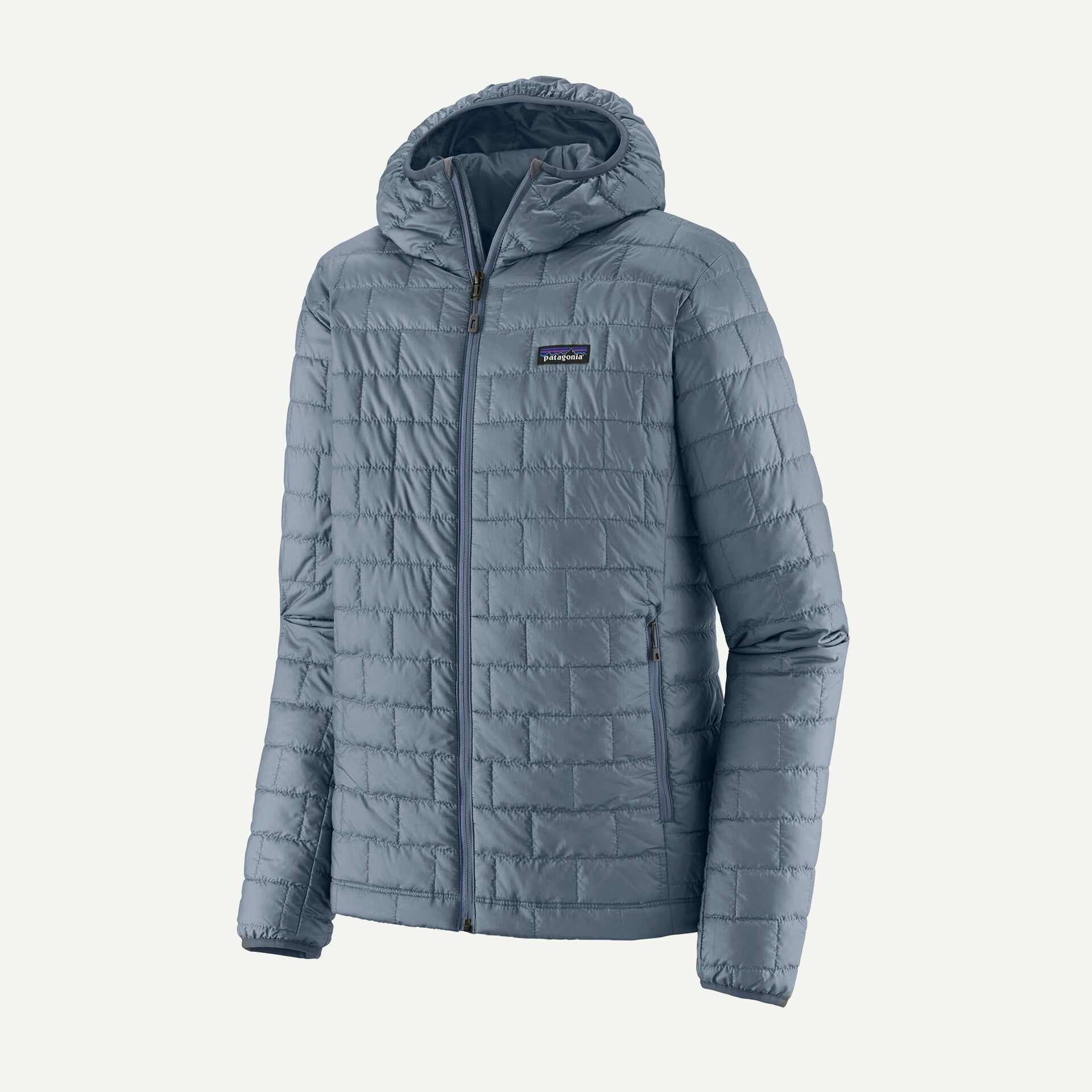
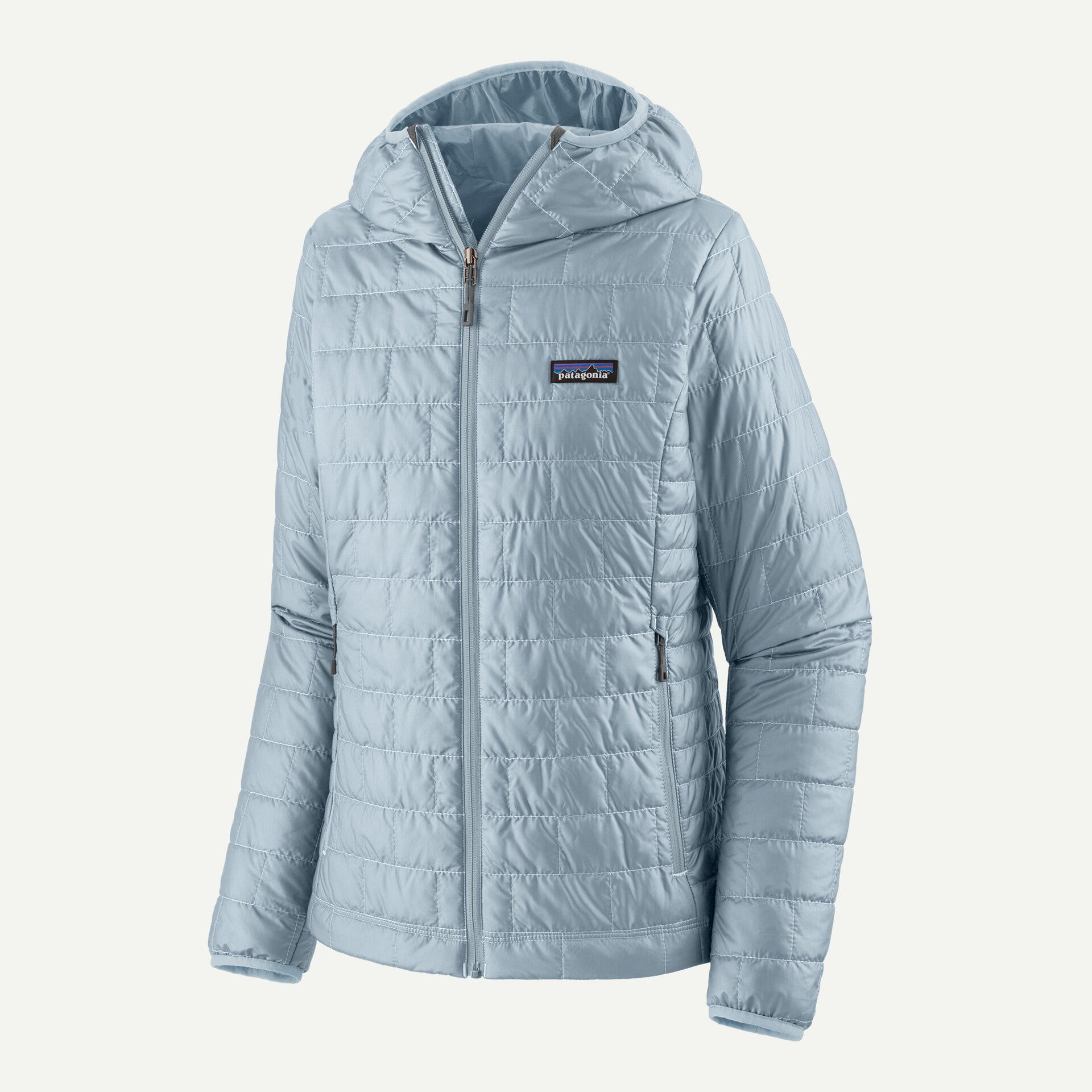
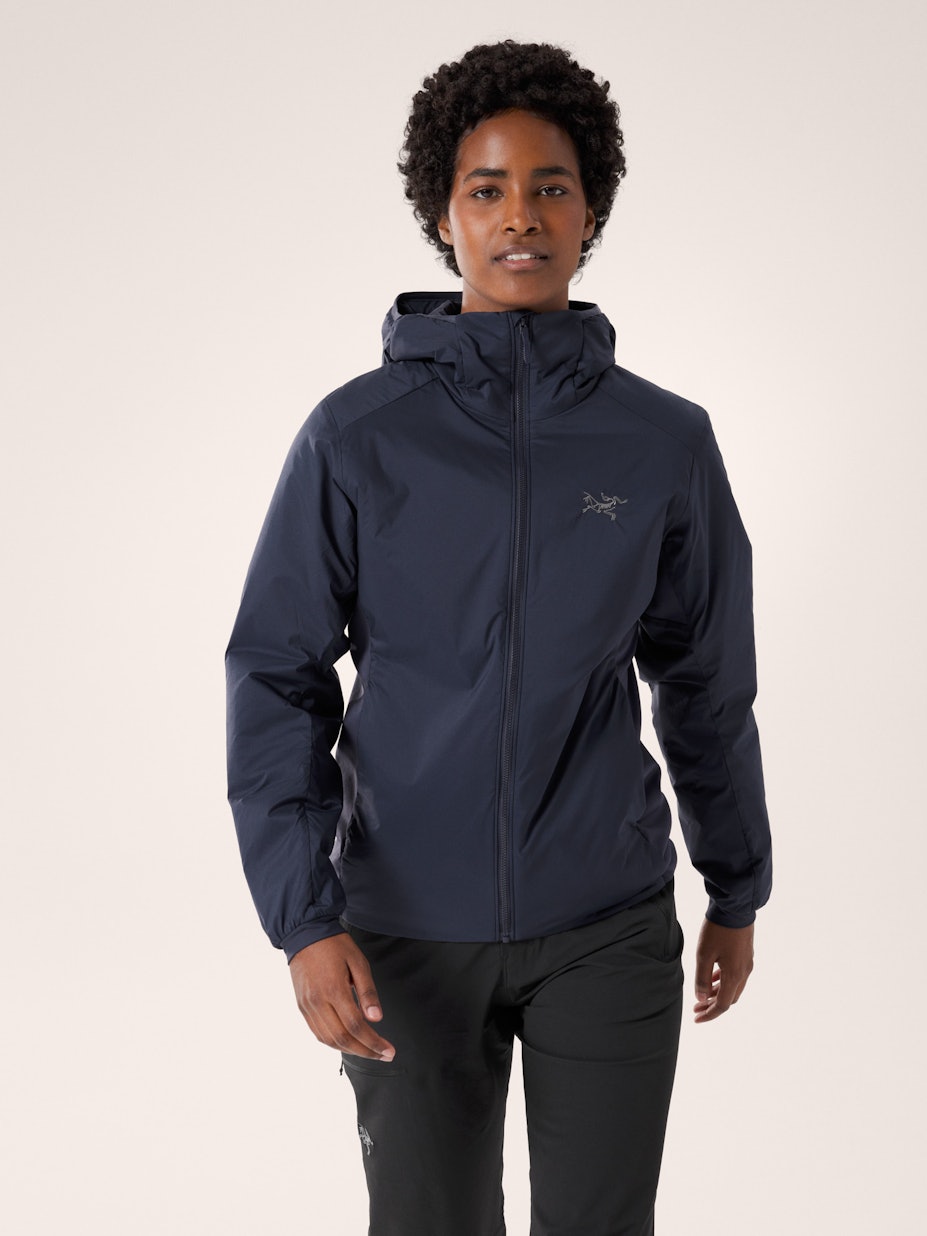
An insulated jacket or softshell for warmth during low-output activity and extended rest breaks. Should fit over baselayers and midlayers, and under a shell.
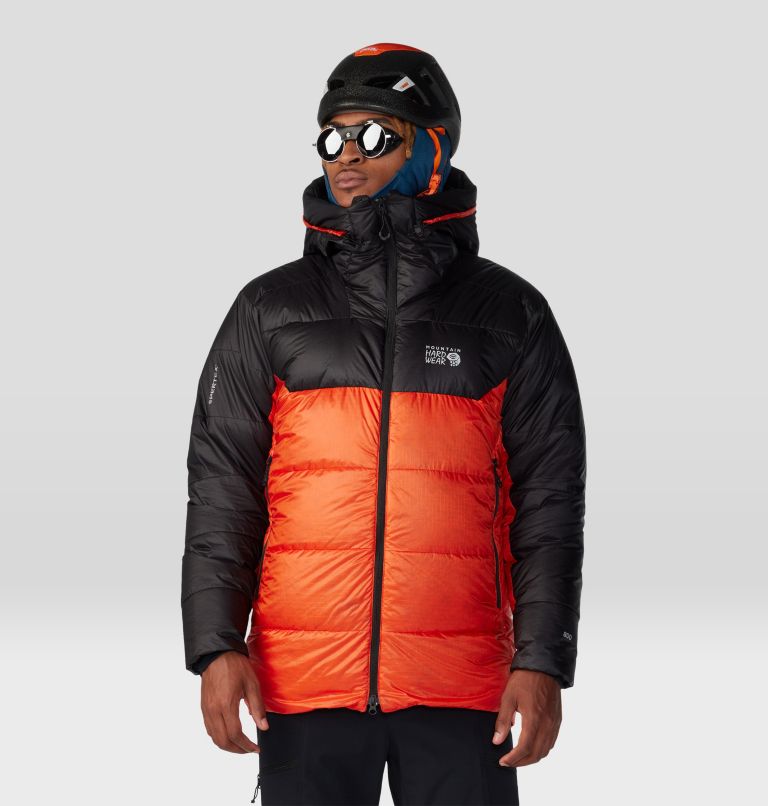
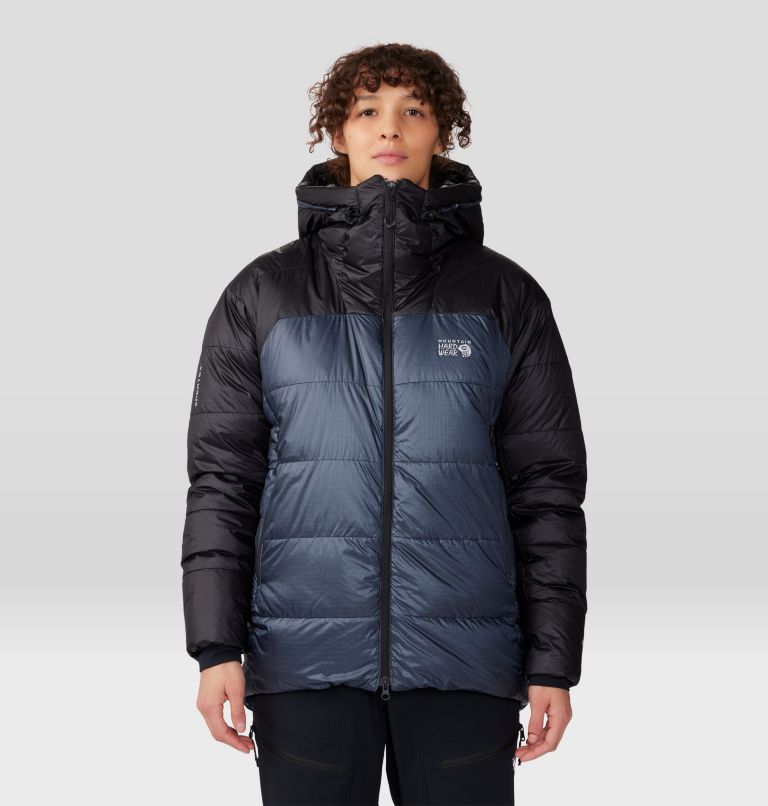
An expedition-style down parka that extends below the waist with an insulated hood, designed to fit over all other layers. Worn primarily in camp, during rest breaks, and on summit day. Down fill recommended over synthetic.
We recommend a system of four layers, all of which can be used in conjunction with each other. Products which combine several layers into one garment, such as traditional ski pants, don’t work well as they don’t offer the versatility of a layering system.
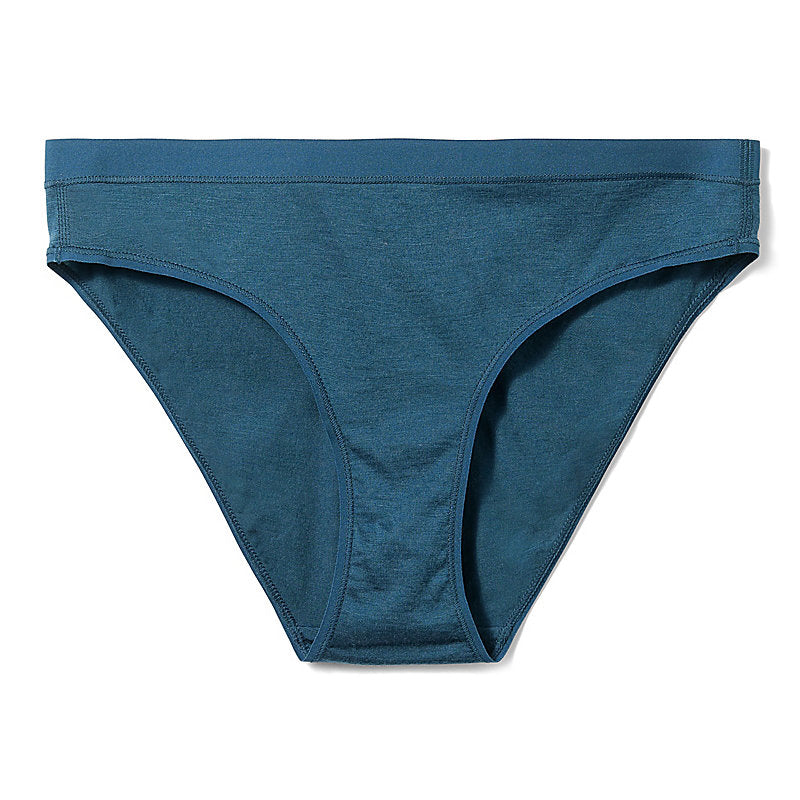
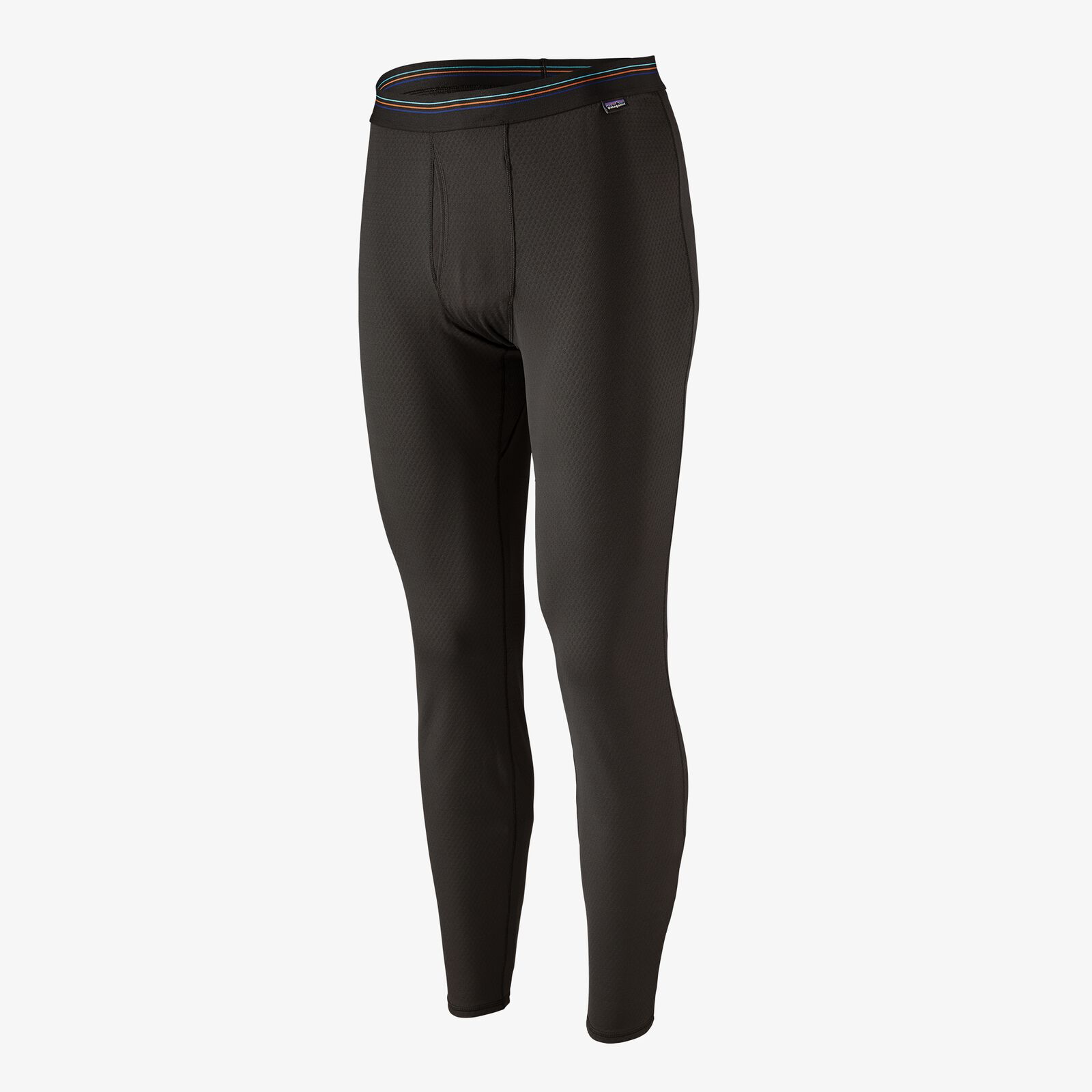
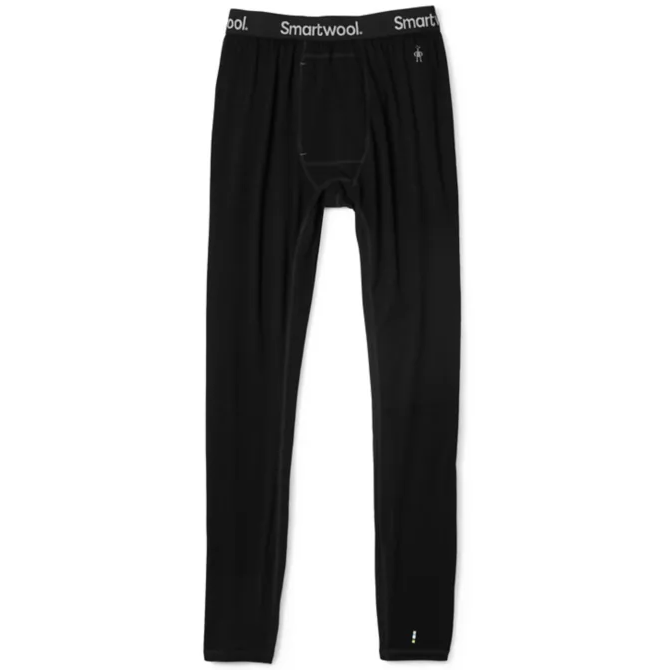
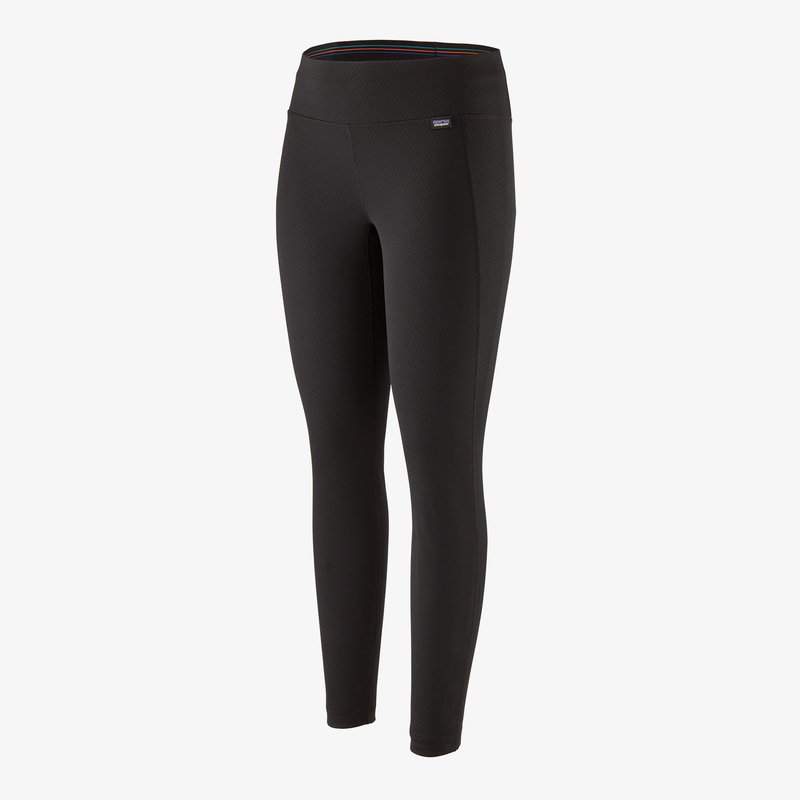
Lightweight synthetic or merino wool baselayer bottoms for moisture management and temperature regulation during active climbing.
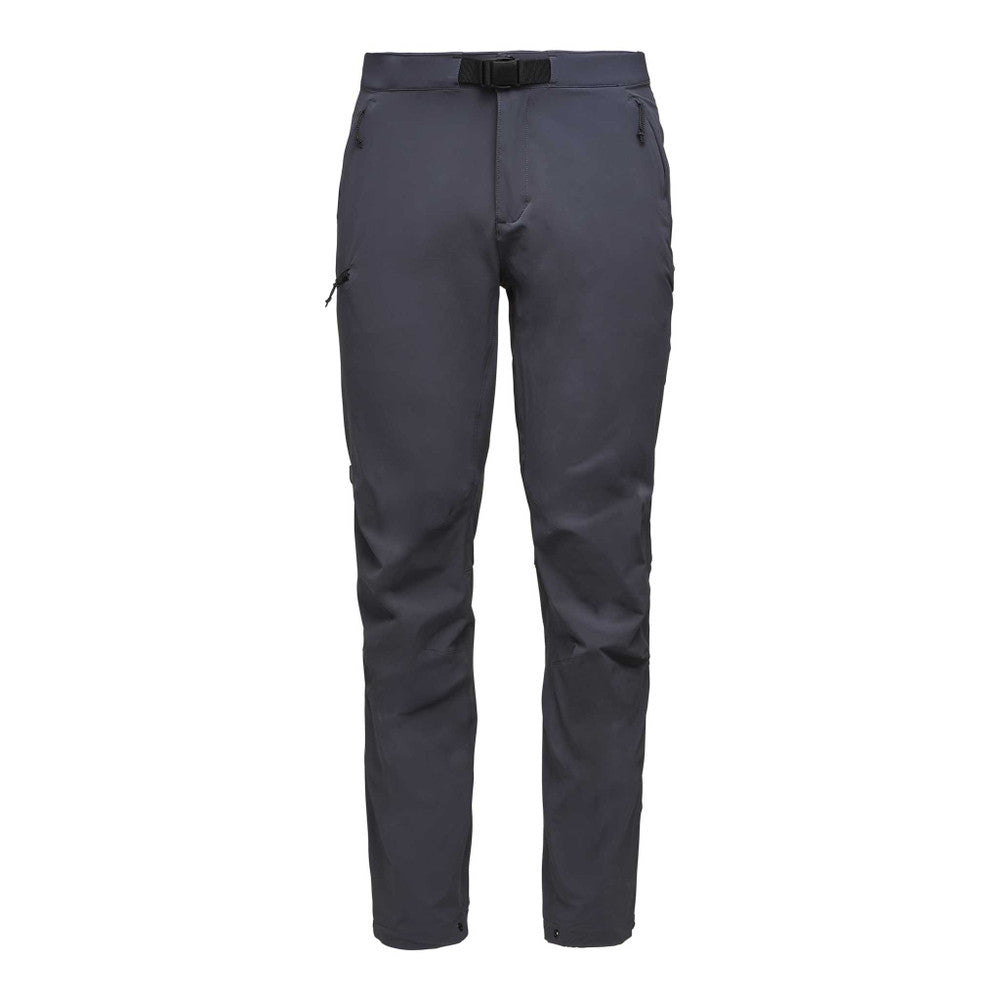
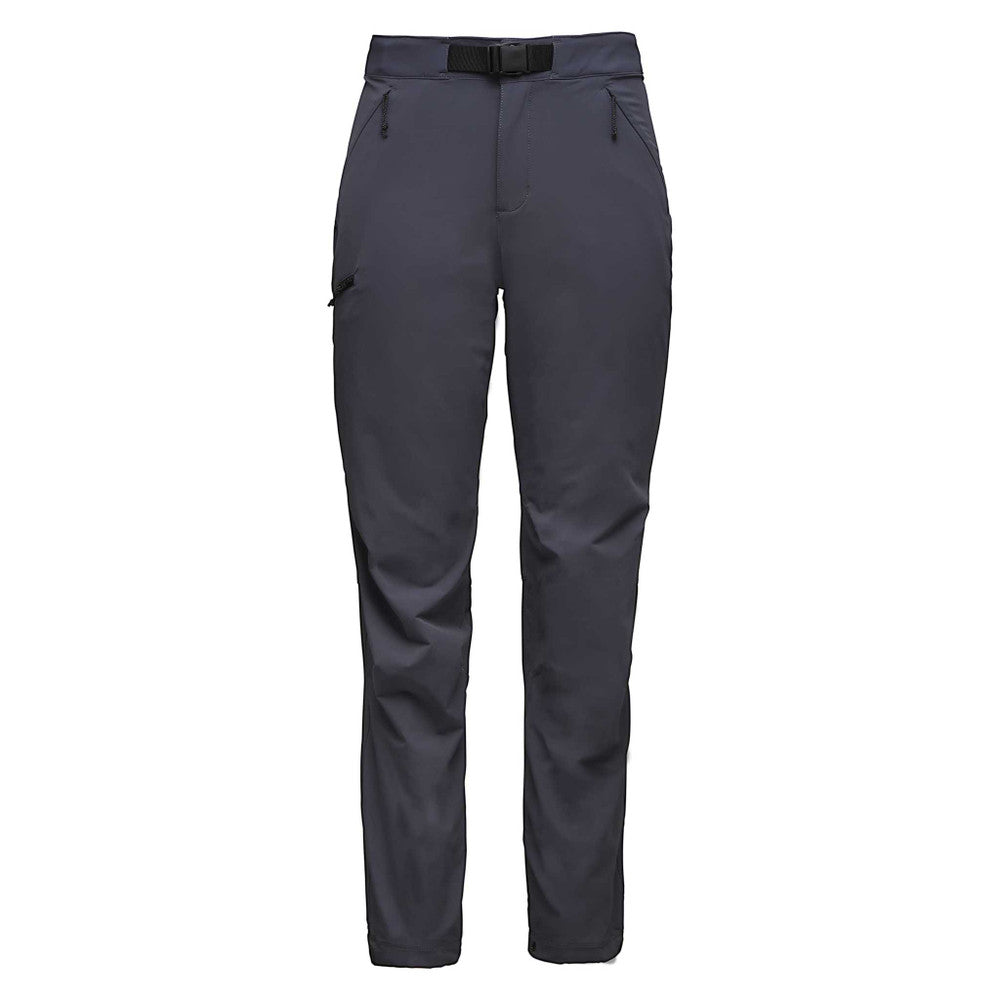
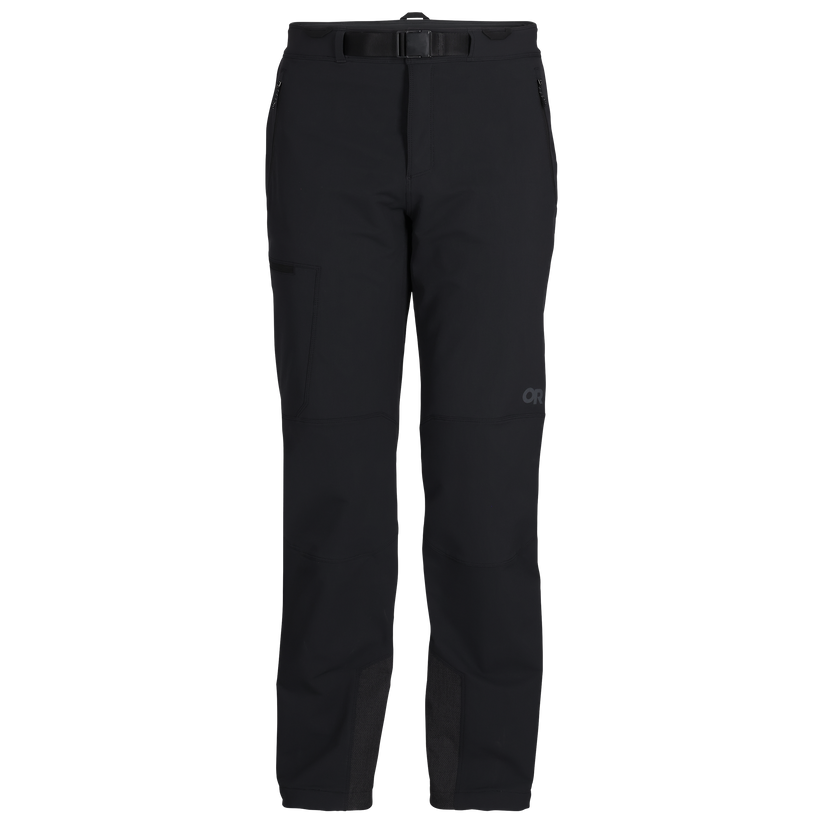
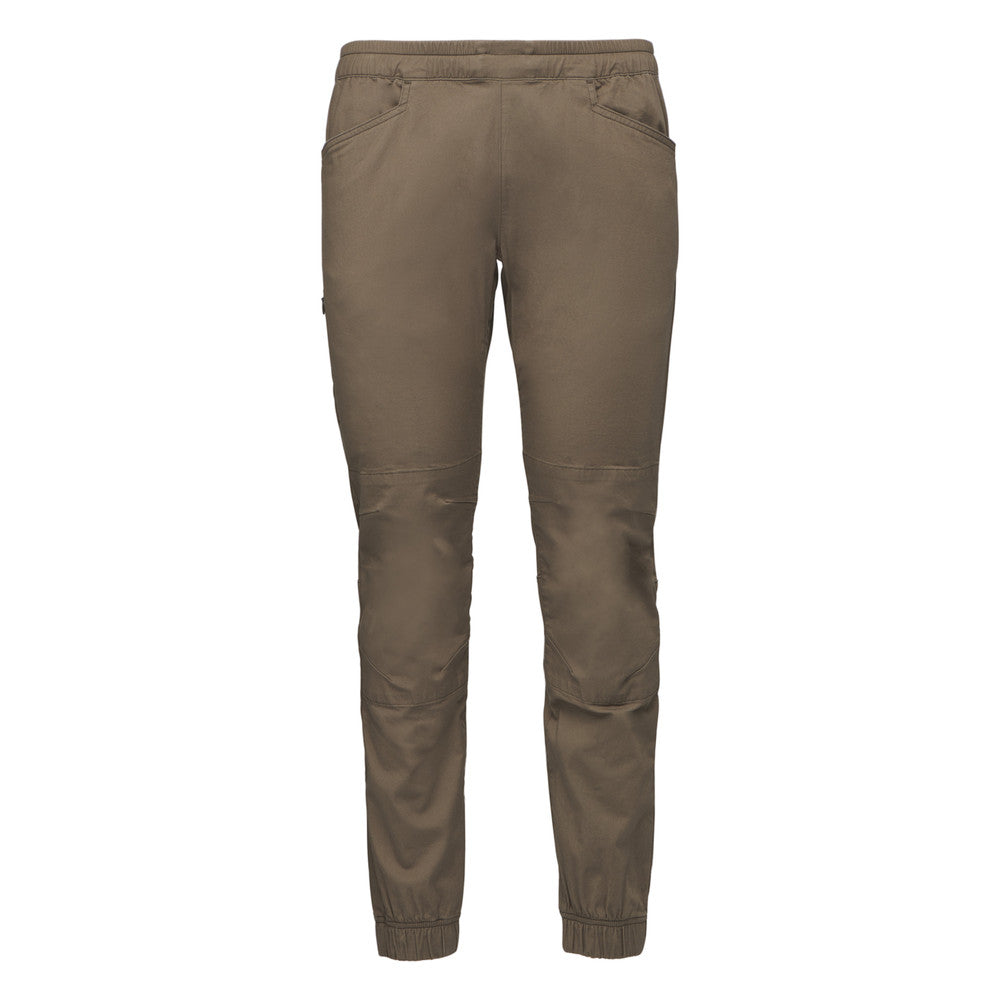
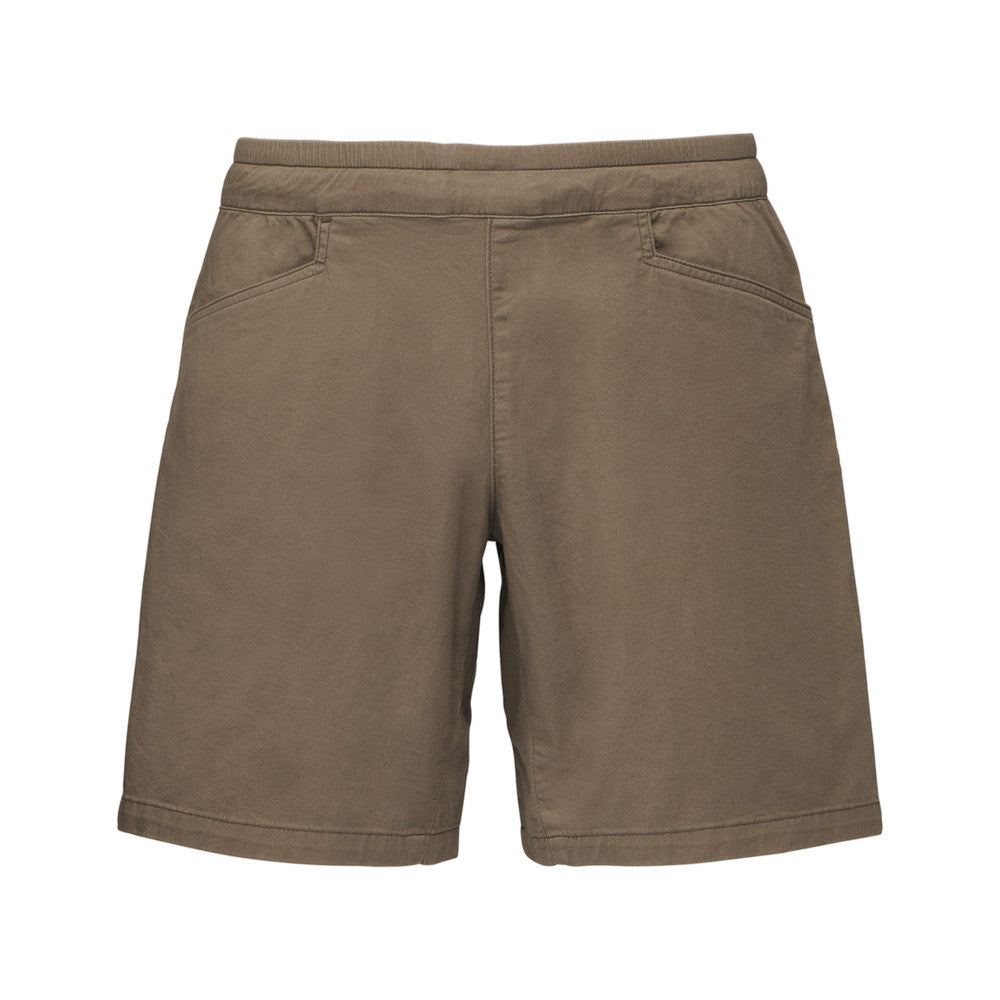
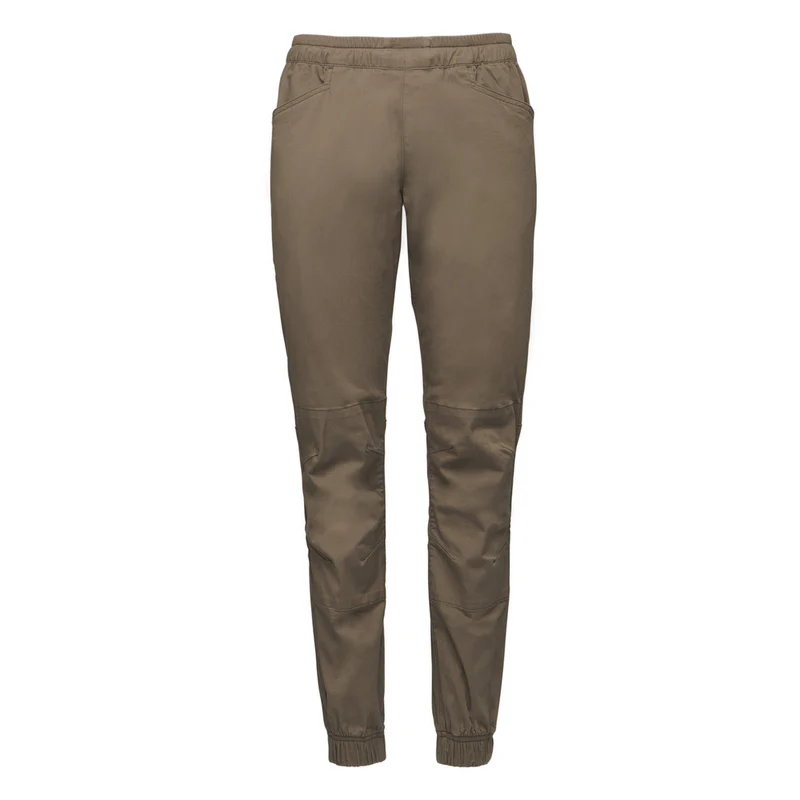
Softshell climbing pants can be worn in combination with a base layer on colder days, or alone on warmer days.
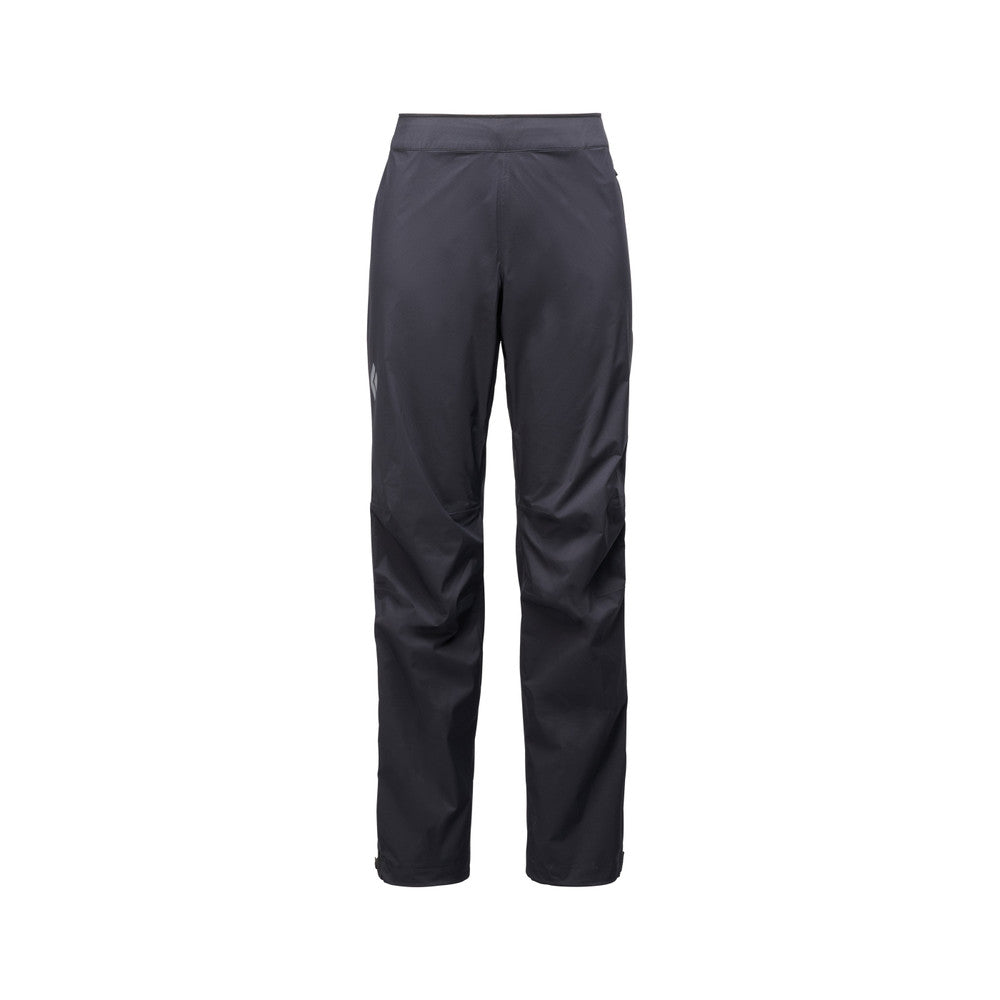
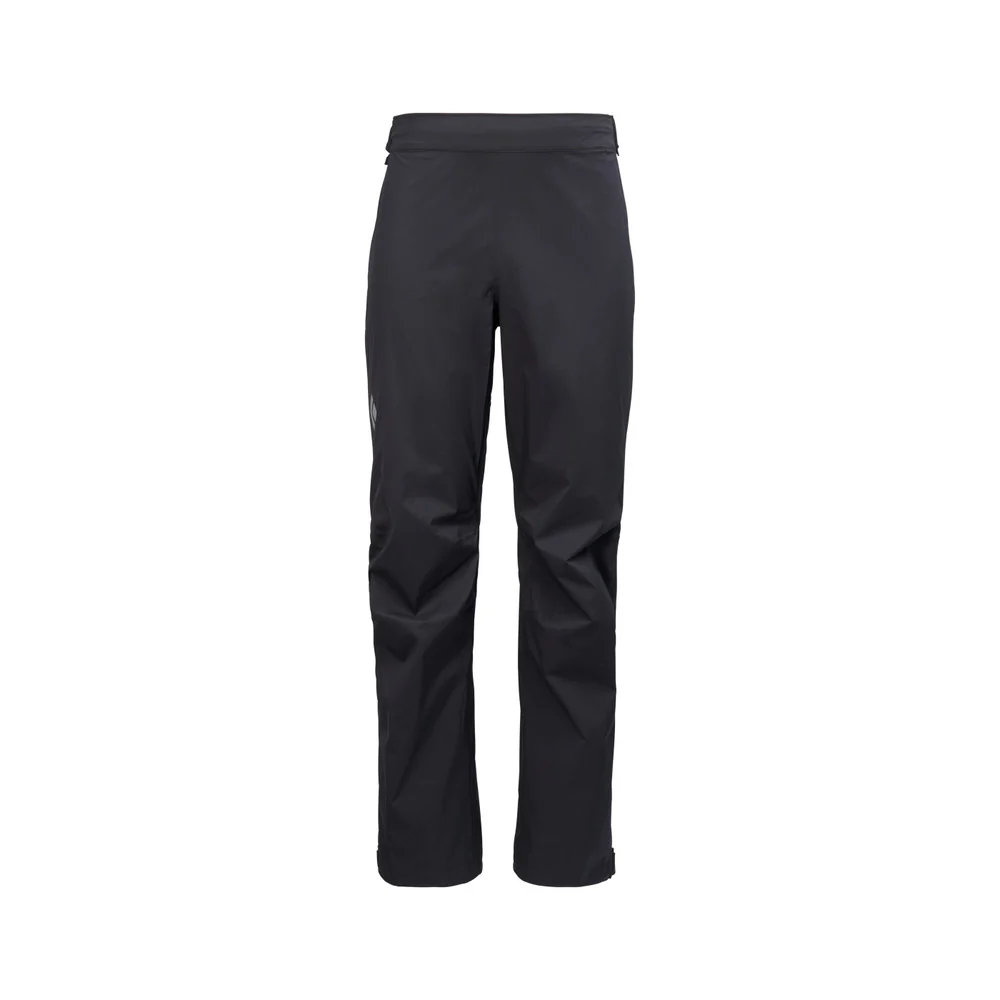
Non-insulated, waterproof shell pants must be able to fit comfortable over your baselayer bottoms and softshell climbing pants. Full side zippers or 7/8 side zippers are required so that shell pants can be put on while wearing boots and crampons.
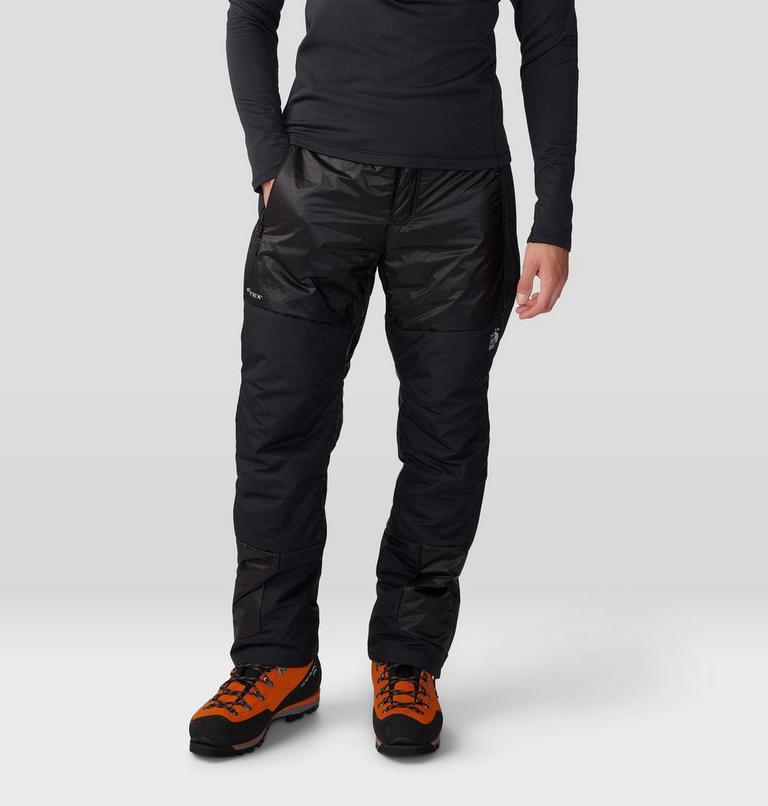
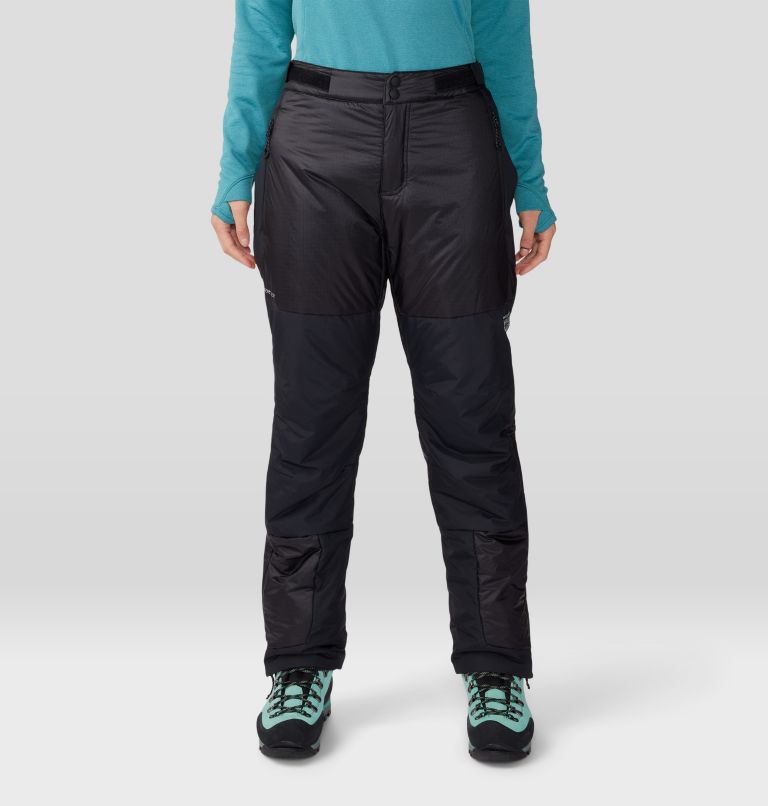
A pair of lightweight, insulated pants are ideal for extra warmth on summit day and cold days at camps. Full-length side zippers are required for facilitating quick clothing adjustments over boots.
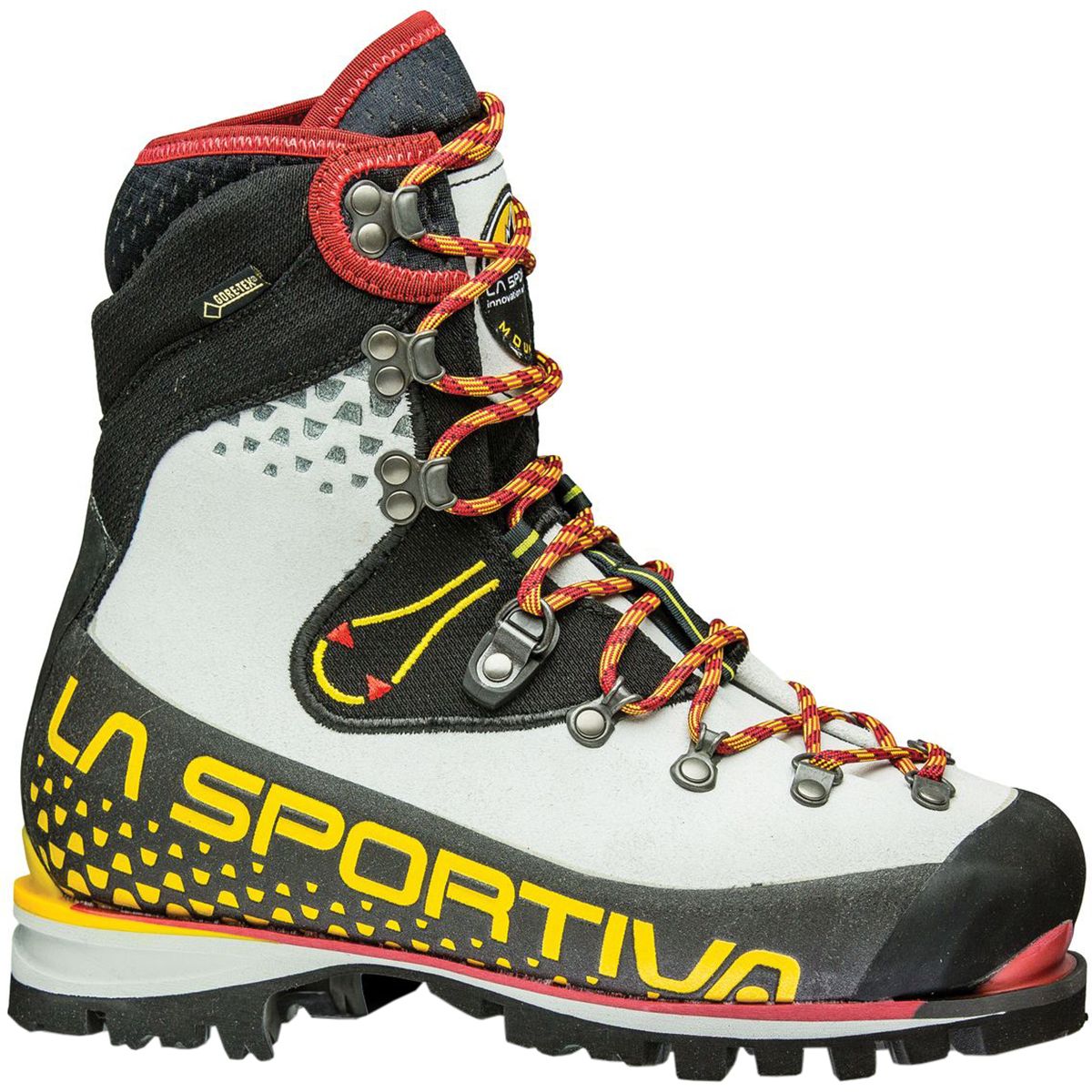
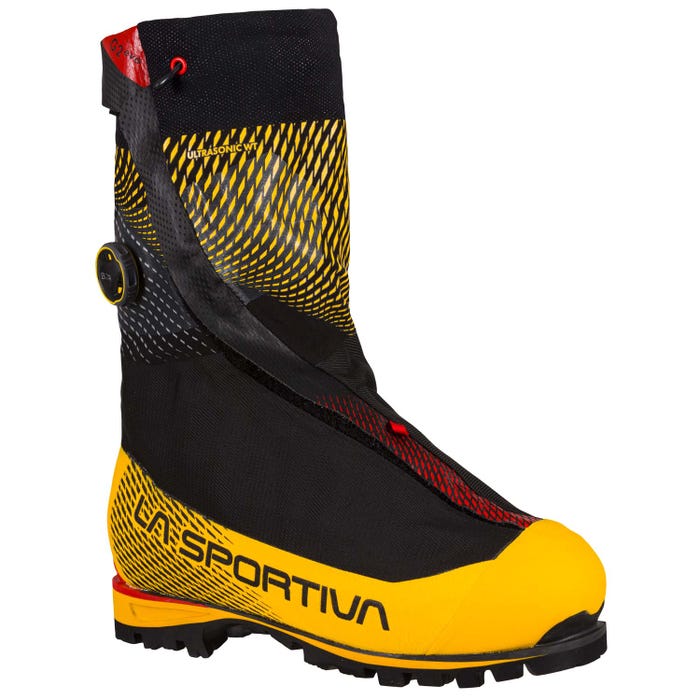
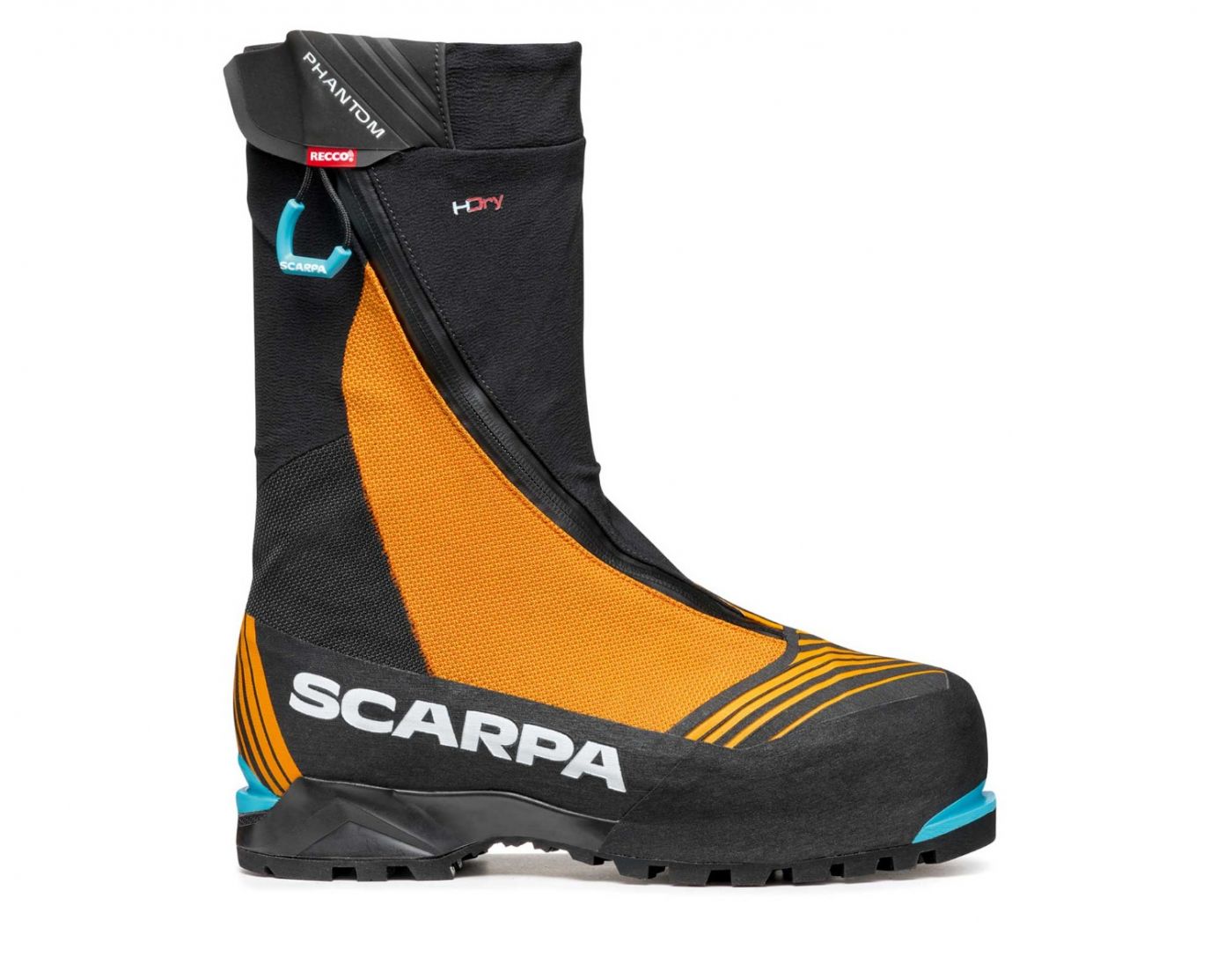
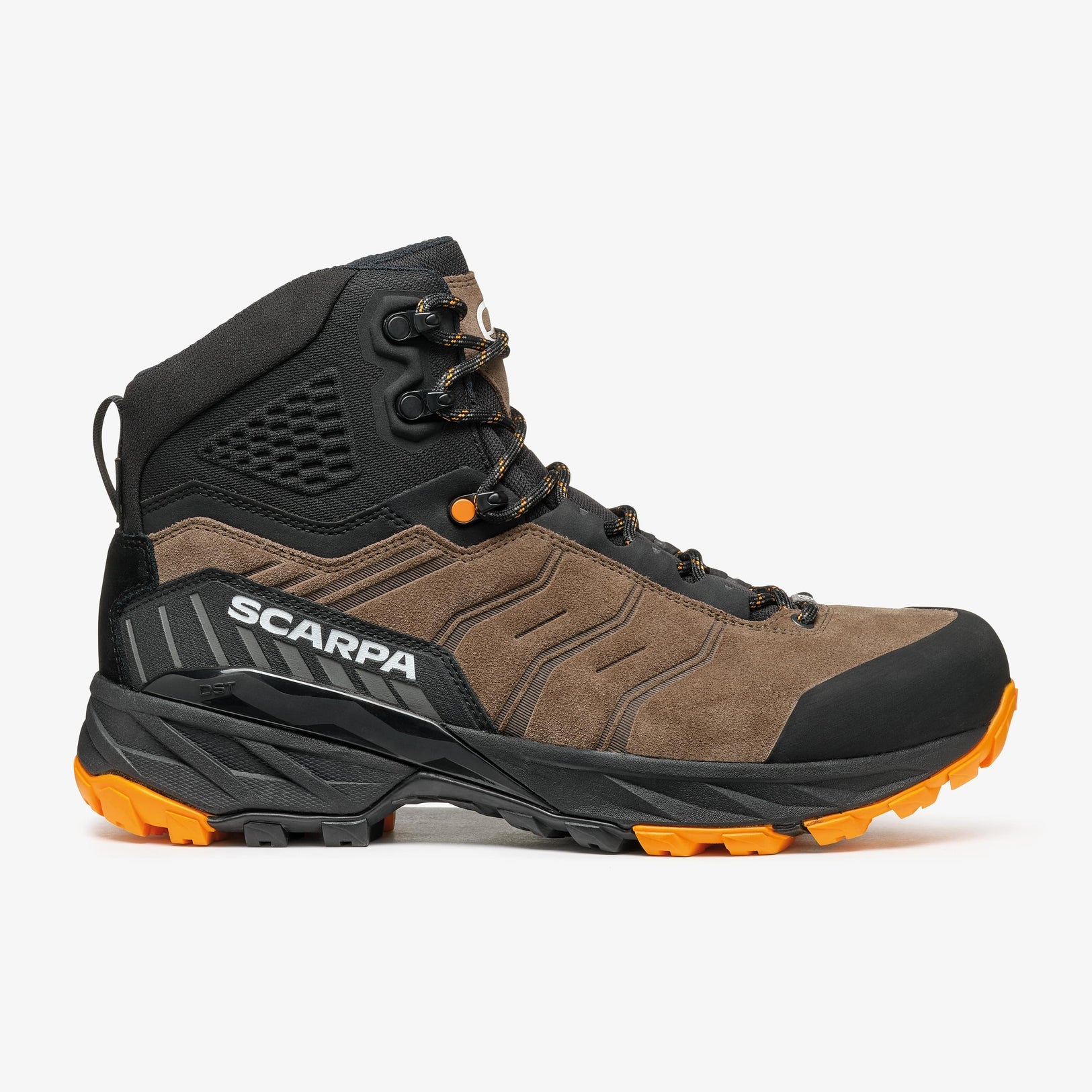
Boots are one of the most important pieces of mountaineering gear, and bringing the right pair is critical to your safety and success on Mt. Rainier. You will need one pair of boots for this climb, and the type of boot you wear will be dictated by freezing level. If the freezing level is below 10,000 feet, your guide will require the use of double boots. If the freezing level is above 10,000 feet, you may use either single or double boots. We consistently see freezing levels below 10,000 feet in April, May, June, and September, though periods of cold weather are not uncommon in July and August.
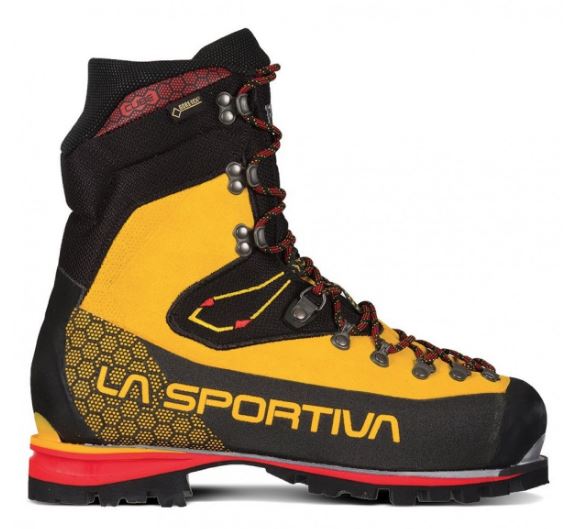
Insulated, full-shank, crampon-compatible leather or synthetic boots designed for general mountaineering. Lighter and more comfortable than double boots but with less insulation for extreme cold.
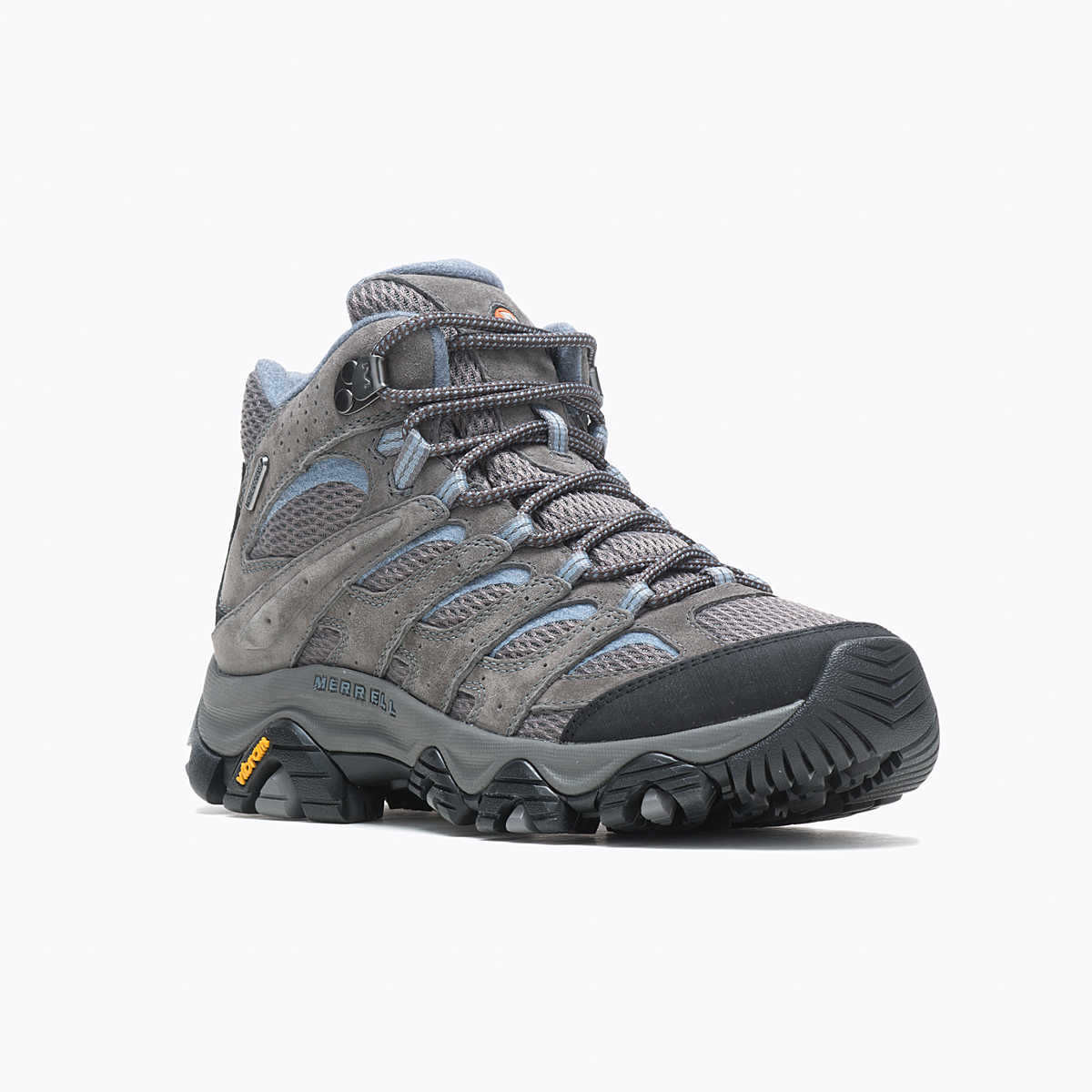
Great for traveling and wearing around town or camp. A pair of tennis shoes or light hikers works well.
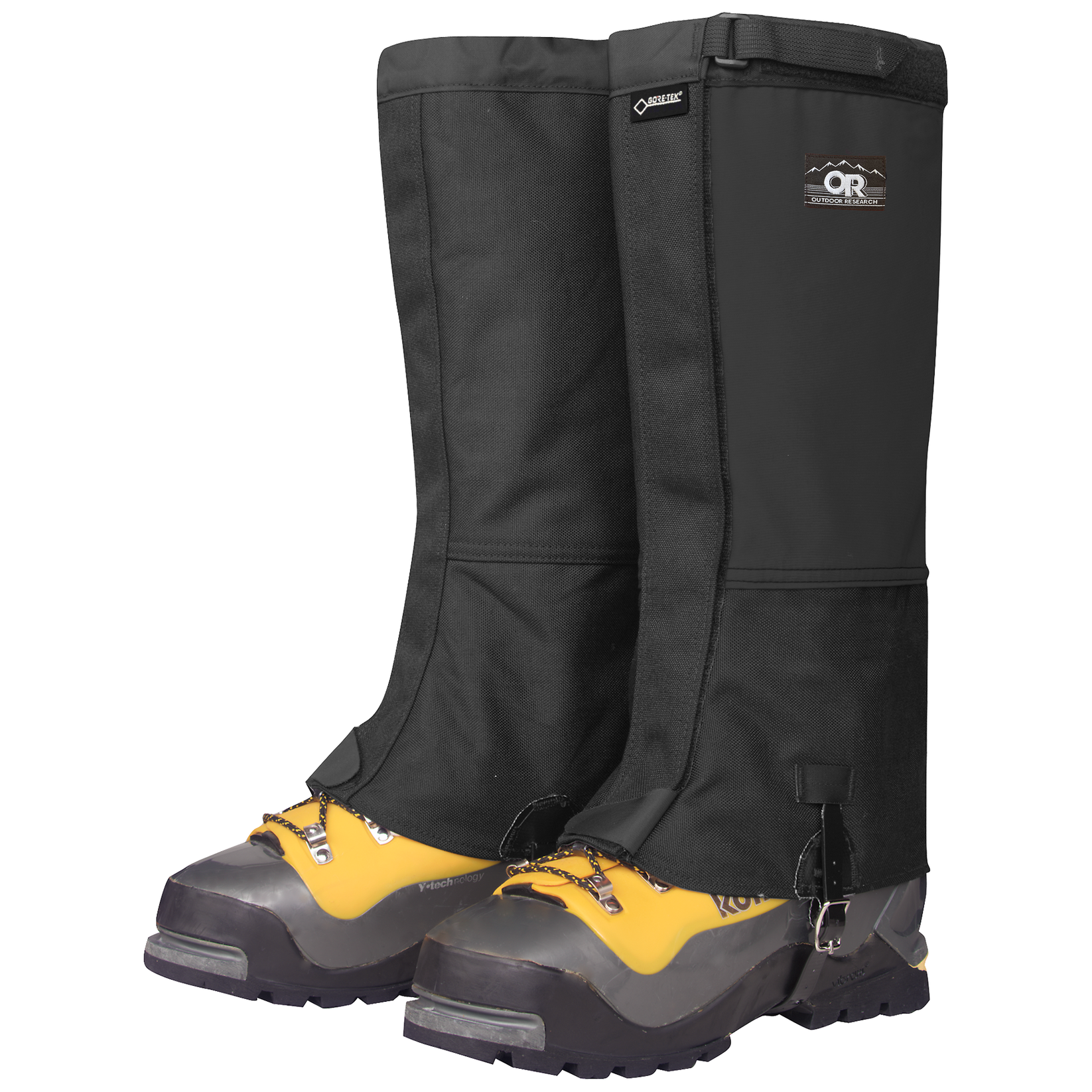
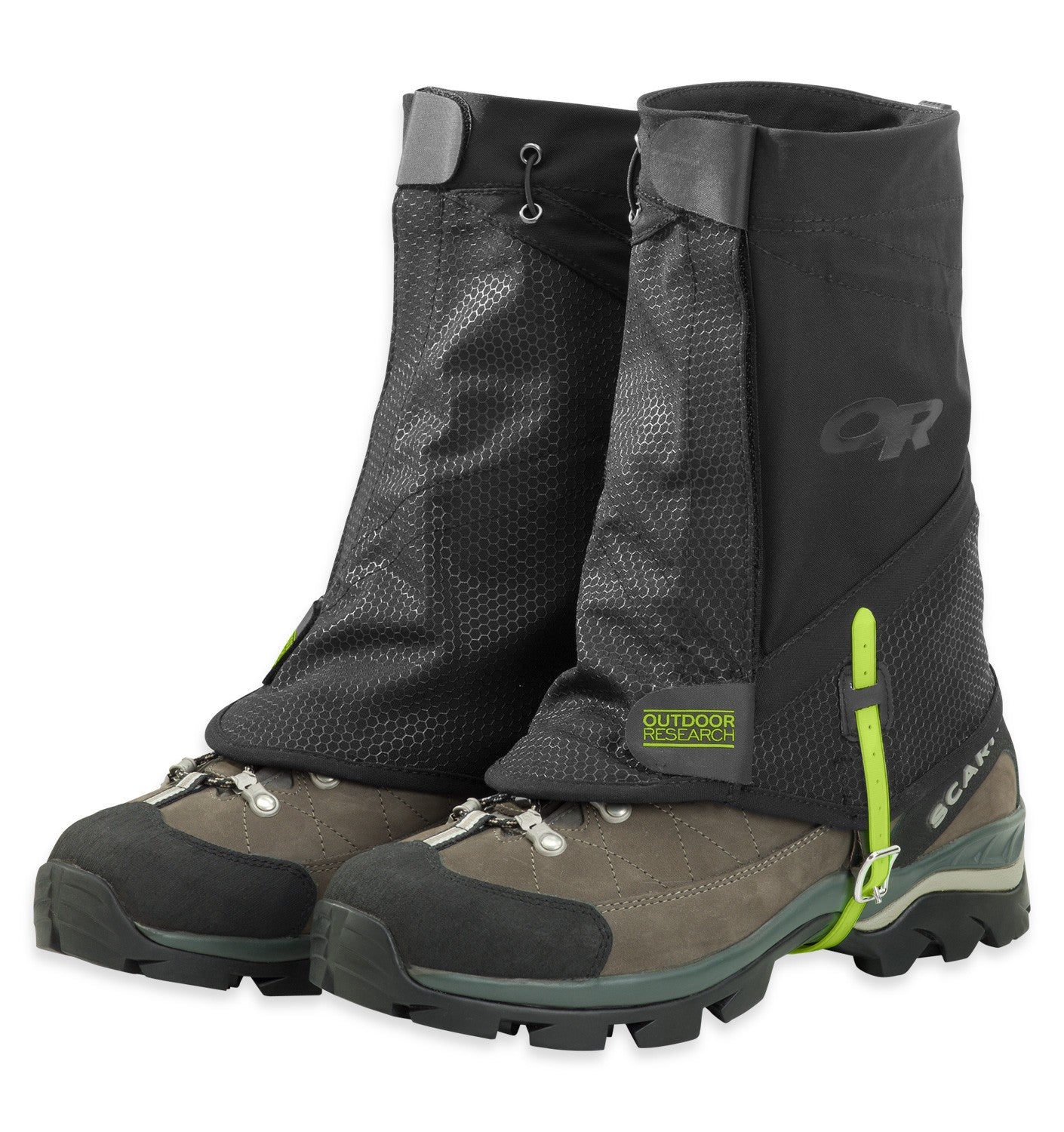
A knee-length pair of gaiters, large enough to fit over your mountaineering boots. This will protect you from catching your crampon spikes on loose clothing. Not needed if using a boot with an integrated gaiter.
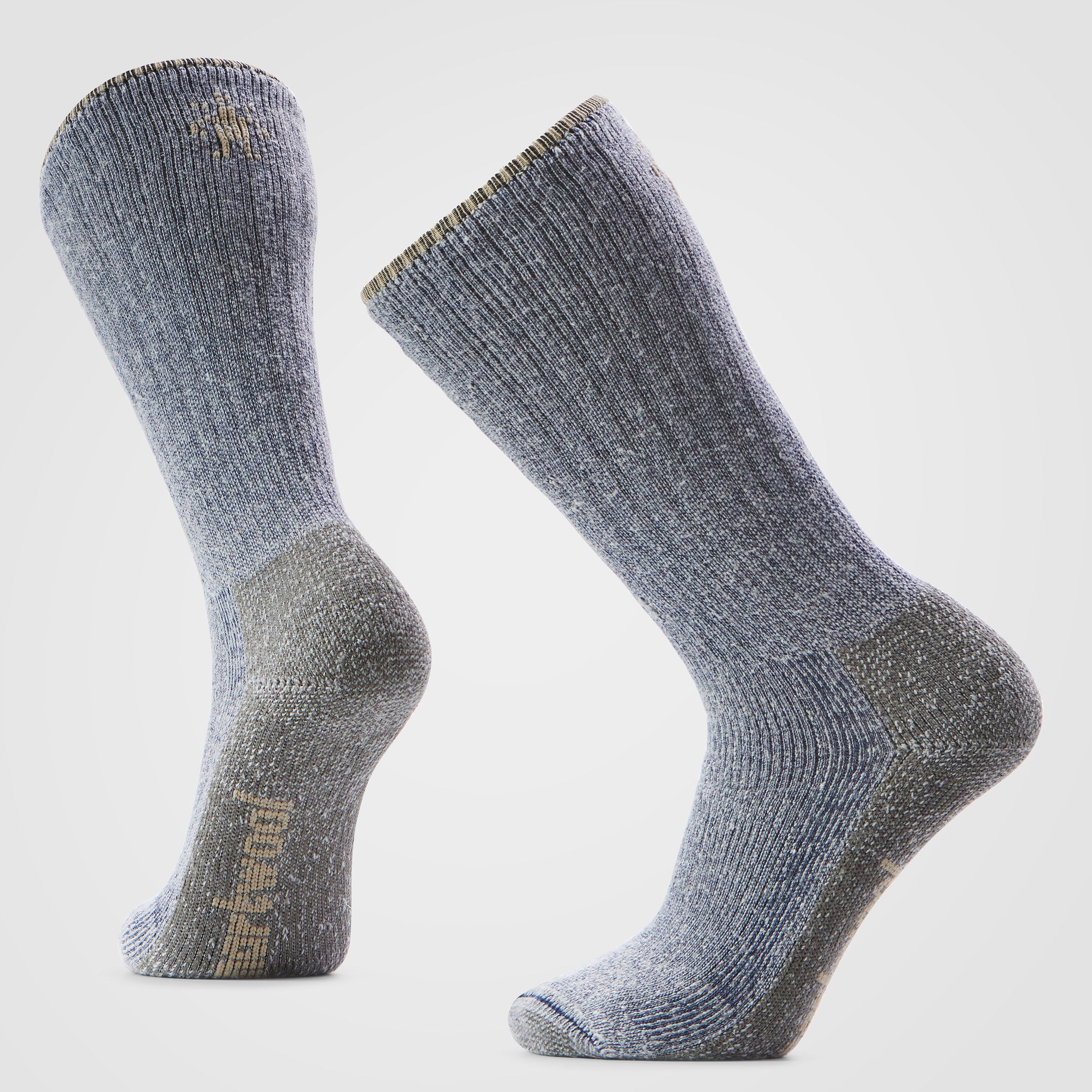
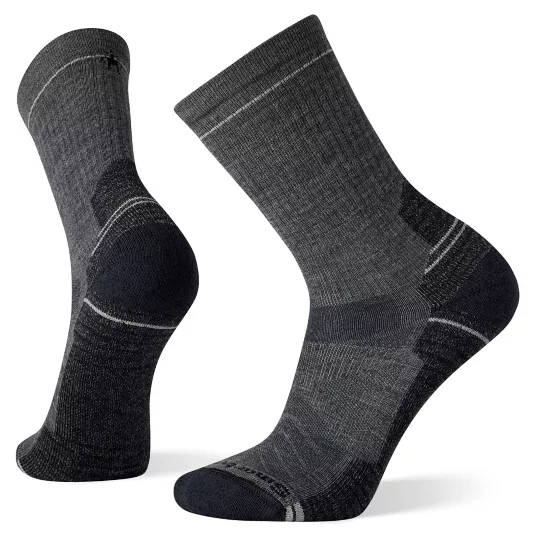
Either wool or synthetic. Whatever sock combination you are accustomed to wearing during your training or previous adventures (whether single medium weight socks, a medium weight with a liner sock, two medium weight socks together, etc.), should work just fine for this climb.
We recommend you speak with your physician about which medications you should have for high-altitude climbing. These medications are only used in emergency situations, and if someone is showing symptoms of HAPE or HACE, our standard protocol is for immediate descent. We do not take any of these medications prophylactically, and please talk with your guide before taking medications.
We require each climber to have the following medications:
Broad spectrum antibiotics for respiratory and gastrointestinal problems like Azithromycin (250mg tablets).
125mg tablets for the prevention or treatment of Acute Mountain Sickness. A normal prescription is 125mg tablets, twice a day. Recommend 15 - 20 tablets.
4mg tablets for the treatment of altitude illness. Recommend 12 tablets.
30mg slow-release tablets for the prevention or treatment of high-altitude pulmonary edema (HAPE). Recommend 8 - 10 tablets.
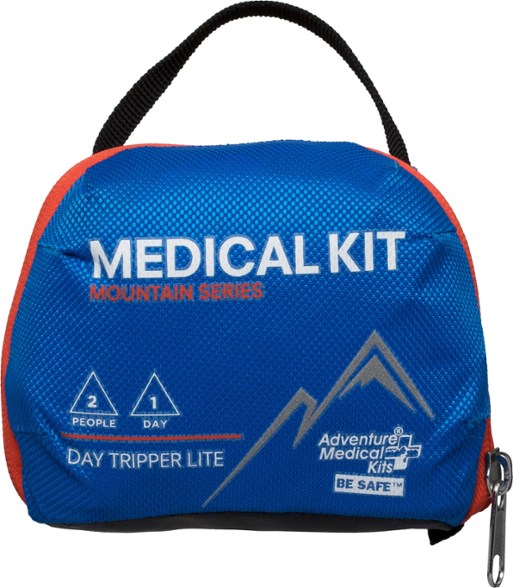
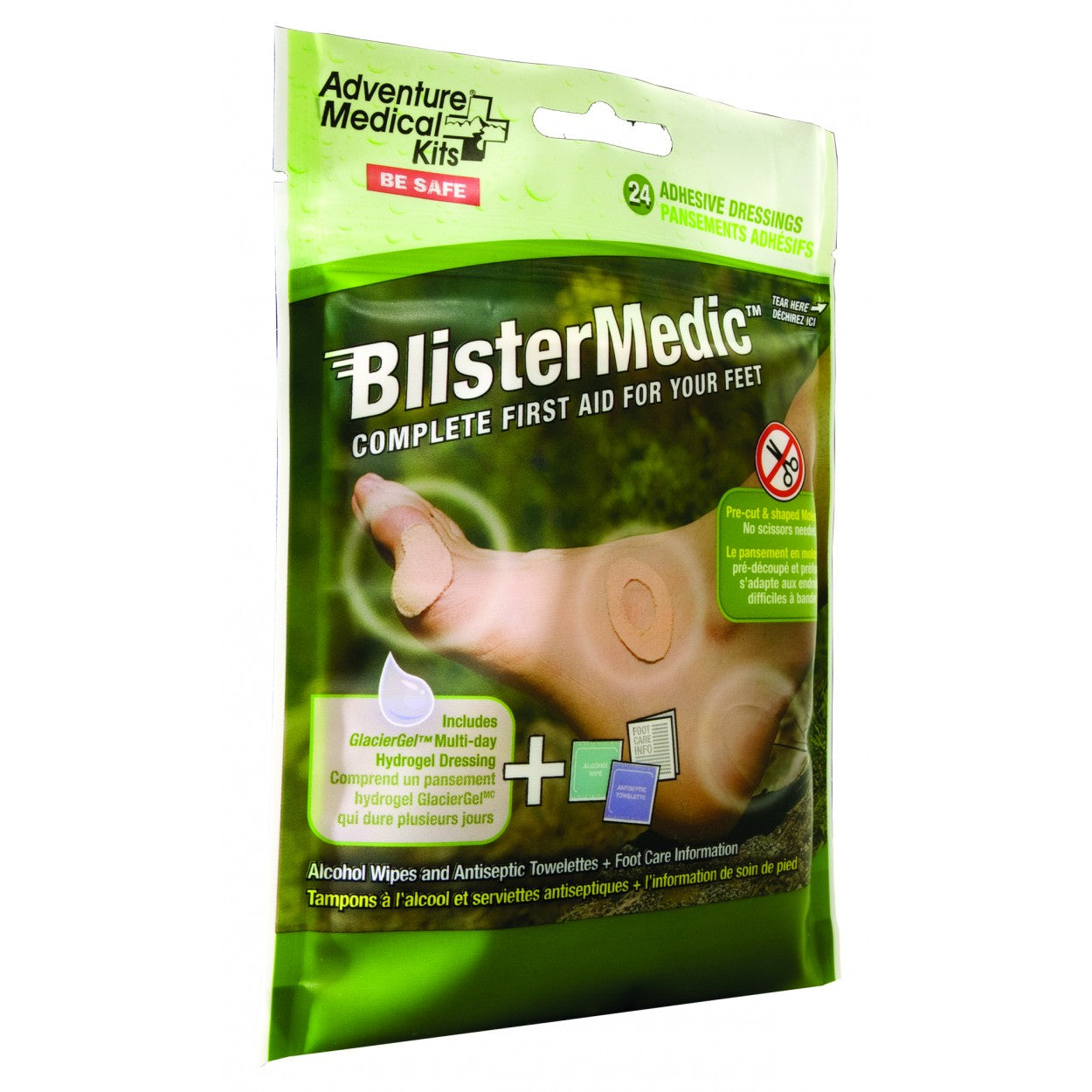
Our guides carry comprehensive medical kits, so keep yours small and light. We recommend a selection of adhesive bandages, antibiotic ointment, Moleskin and blister care, medical tape and/or duct tape, basic pain reliever, and personal medications.
You are responsible for providing your own meals and snack food in town and while on your program. See the Food tab for suggestions and quantities.
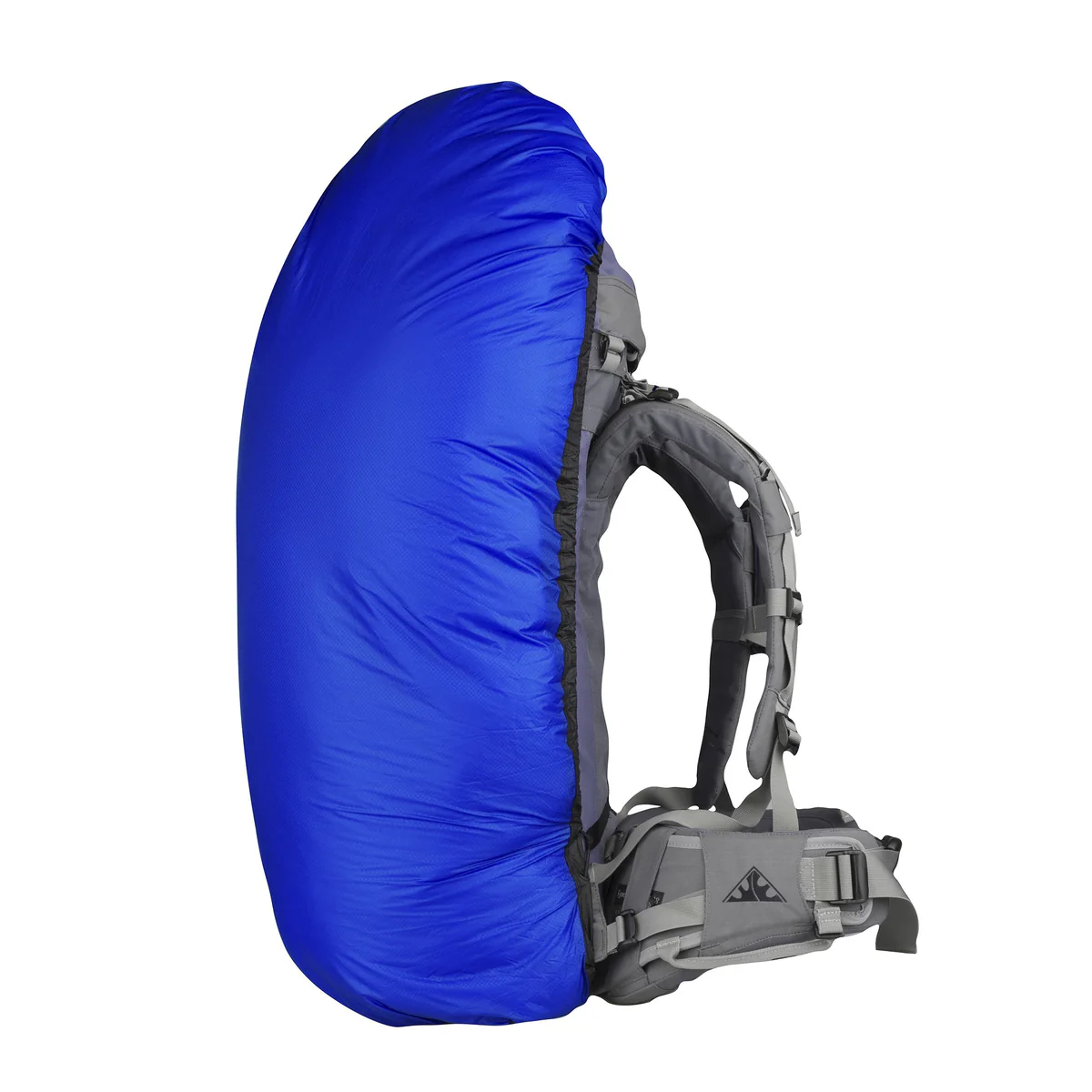
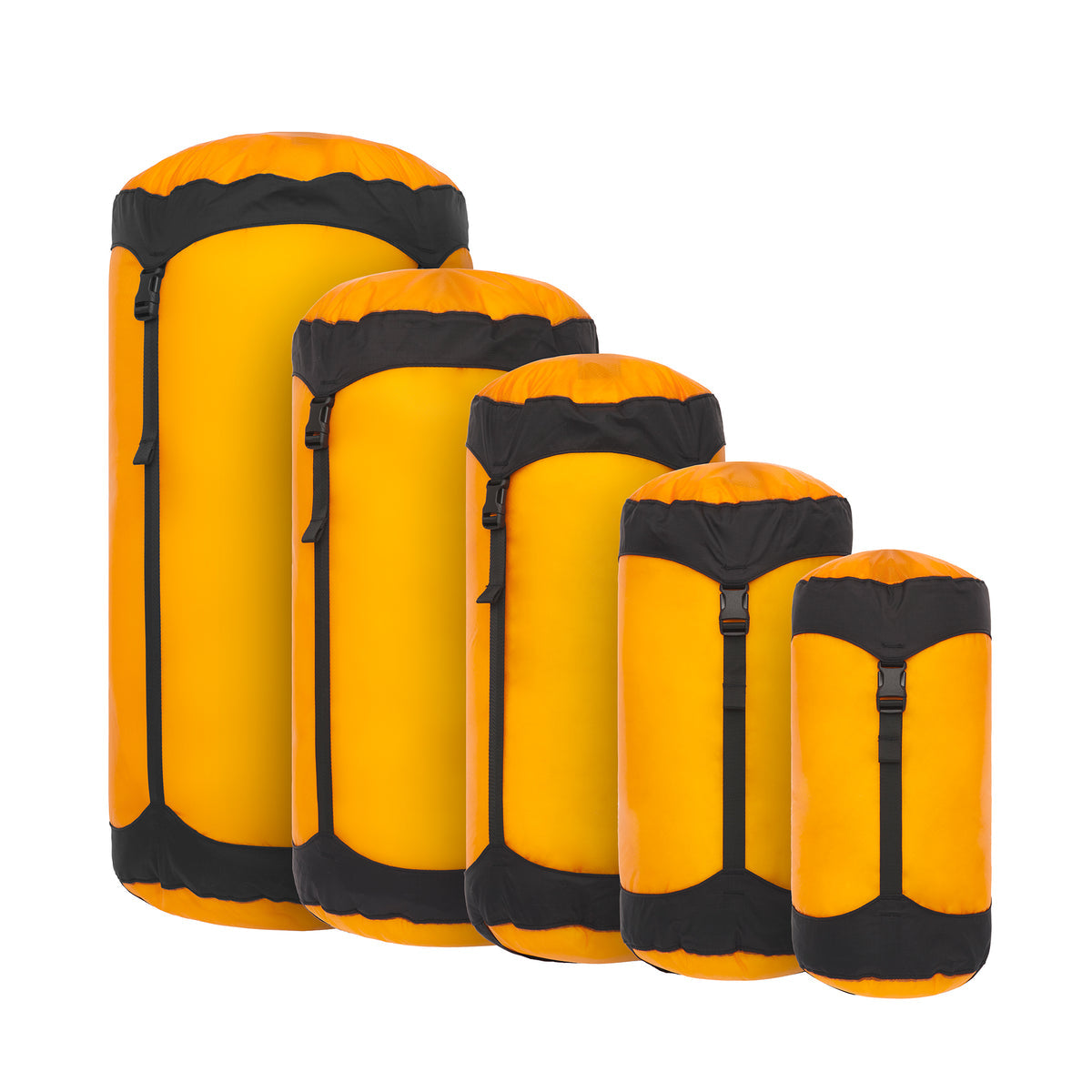
Heavy-duty trash compacter bags for use as waterproof pack/stuff sack liners. You can also use a waterproof pack liner.
Books, magazines, or a journal for downtime at camp; a Kindle or similar e-reader is a practical alternative for longer expeditions where weight and bulk matter. Choose based on program length and personal preference.
Disposable or reusable ear plugs for sleeping in shared tent or hut accommodations.
Spare prescription glasses if you wear contact lenses/eyeglasses.
For use in tea houses that provide showers during trek.
Many smartphones have excellent cameras. Action cameras, small point-and-shoots, and compact dSLRs are lightweight and work well at altitude.
A small power bank, enough to charge a phone or e-reader several times.
For charging personal electronics while traveling internationally.
We recommend bringing a selection of clothing to wear while traveling, sightseeing and dining.
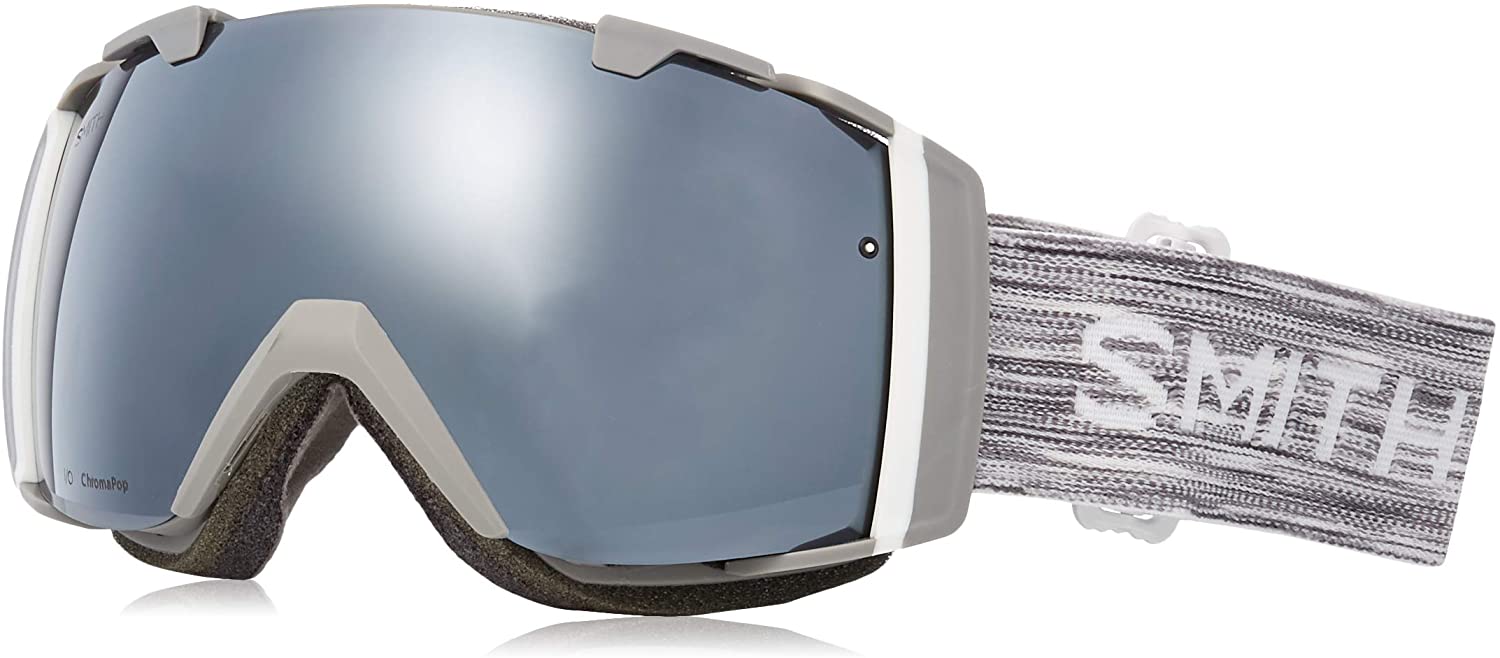
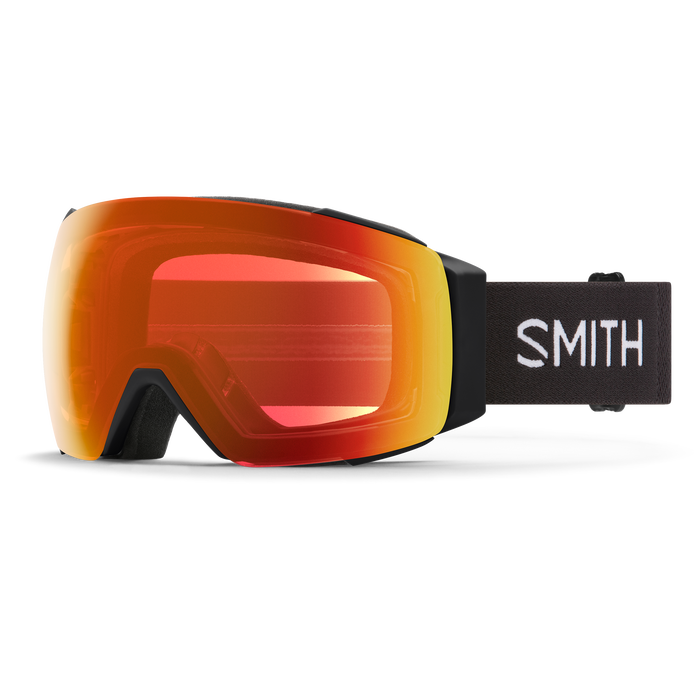
If Glacier Glasses are not required, regular sunglasses will suffice on this program.
For, you know, swimming.
Valid for six months beyond your return date.
The first two pages of your passport.
A printed or digital copy of your complete flight itinerary, including confirmation numbers and times, for reference during travel and check-in. Keep this easily accessible throughout your journey.
Additional passport-sized photographs beyond those required for your visa application, useful for visa extensions, permits, or emergency document replacement during international travel. Bring 4-6 extra photos.
Purchase travel insurance.
Purchase airplane tickets.
Reserve rental equipment.
Be in the best shape of your life!
RMI provides the following equipment for your program: group and personal tents, stoves, group cooking equipment, fuel, radios for on-mountain communication, and comprehensive first aid and repair kits.
On the Everest Base Camp Trek we recommend you bring 2 - 3 pounds of your favorite snacks to supplement the provided meals.
While in Kathmandu most restaurant meals are on your own, with the exception of hotel breakfasts. Breakfast, lunch, and dinner meals during the trek are included. As indicated in our Trip Itinerary, all meals are included beginning with breakfast on Day 5 through breakfast on Day 20.
You are responsible for your own bottled water and drinks throughout the trip (at hotels, restaurants and while traveling). Bottled water is available throughout the Khumbu Valley.
Mountain snacks are eaten during short breaks throughout the day. We continually snack to keep our energy levels up while we climb - lunch begins just after breakfast and ends just before dinner! Avoid packing any items that require preparation or hot water.
The importance of having foods that are genuinely enjoyed cannot be overstated. Eating properly is the key to maintaining strength while in the mountains. In order to combat the loss of appetite at altitude we aim to have a variety of foods that stimulate the whole palate, from sweet to sour to salty.
Recommended mountain snack items: candy bars, energy bars, GORP mixes, dried fruit, nuts, cookies, hard candies (Jolly Ranchers, toffees, Life Savers), gummy bears, sour candies (Sweet Tarts), and drink mixes (Gatorade/Kool-Aid).
Breakfast during the trek consists of: eggs, toast, hash browns, corn flakes, muesli, oatmeal, pancakes and the local specialties of chapatti and Tibetan bread are all common menu items. Breakfast is accompanied by juice, coffee, tea, cocoa and other hot drinks.
Lunch and dinner options in the teahouses include a variety of choices. Soups (commonly tomato, vegetable, noodle, or hearty "sherpa stew") and momos (Nepali dumplings) are excellent starters. Main courses like chicken and yak dishes, pastas, pizzas, and even fries are served alongside vegetable fried rice or noodles and Nepali specialties such as dal bhat (rice and lentils). Be sure to save room for a dessert such as apple pie, chocolate cake, or "snickers pie!" Soft drinks, beer, and wine are also widely available, although they are priced at a premium the higher you trek.
This page covers the practical details you’ll want to review before your trip, including travel logistics, entry requirements, local considerations, and required policies. Taking time to understand these details ahead of departure helps ensure a smoother experience once you’re on the ground and focused on the climb.
Please confirm any current travel advisories/warnings as well as passport and visa requirements with the U.S. Department of State.
During your flight to Kathmandu (KTM) you will cross the International Date Line. Travel time is approximately three days. If you want to see the mountains as you fly into Kathmandu, make sure you sit on the right-hand side of the plane.
A valid passport is required for entering Nepal. Your passport must be valid for 6 months beyond the expected date of return. U.S. passport holders can stay up to 90 days without special visas.
We suggest making a copy of the first two pages of your passport and keeping them in a separate bag as a back up. A copy should also be left with your emergency contact.
Nepal: All foreigners (except Indian Nationals) require visas, which can be obtained in advance or upon arrival with one passport photo and payment in cash (U.S. Dollars).
Upon arrival at the Kathmandu Tribhuvan Airport (KTM), follow signs to the Arrivals Building. Proceed to the visa counter for Visitors without a Visa. The debarkation and visa application forms you need are available both on your incoming flight as well as in the arrivals building. You will need one passport photo for your visa application.
Once you receive your bags from Baggage Claim, you will proceed to Customs. Be sure to keep all your bags together.
Outside the arrivals hall there will be a large group of taxi drivers and agents from many hotels and travel companies. Look for a sign with the name Rainier Mountaineering, Inc. A private vehicle will take us to our hotel.
The provided transportation in Nepal as stated in the itinerary is via authorized taxi or private vehicle.
For the most current information on inoculation requirements and recommendations, please refer to the Centers for Diseases Control and Prevention.
Travelers may suffer from upset stomachs when in foreign countries. There are some basic rules, however, that can help keep you healthy.
Excellent care for minor illnesses and injuries is readily available. In the event of more serious illnesses or injuries, we recommend transport to any of the Level 1 care centers in Kathmandu.
Your travel insurance policy should include trip cancellation, trip interruption, travel delay, baggage loss or delay, medical expenses, and evacuation.
Navigating through the different options for travel insurance can be challenging. When purchasing Travel Insurance, here are a few items to consider:

In today’s changing travel environment, it’s important to protect your travel investment. Unforeseen events such as flight delays, baggage loss or even a sudden sickness or injury could impact your travel plans. For your convenience, we offer Travelex Insurance protection plans to help protect you and your travel investment against the unexpected.
For more information on the available plans visit Travelex Insurance Services or contact Travelex Insurance (800) 228-9792 and reference location number 47-0370.
The product descriptions provided here are only brief summaries and may be changed without notice. The full coverage terms and details, including limitations and exclusions, are contained in the insurance policy. Travelex Insurance Services, Inc. CA Agency License #0D10209. Insurance coverages underwritten by individual member companies of Zurich in North America, including Zurich American Insurance Company (NAIC #16535, state of domicile: New York). RETWEB
Ripcord Rescue Travel Insurance is travel insurance designed for adventurers, including the best evacuation and rescue services available.
Benefits are tailored for adventurers and include:
Ripcord Rescue Travel Insurance is powered by Redpoint Resolutions, a medical and travel security risk company. Their team is comprised of special operations veterans, paramedics, Stanford Medicine affiliated physicians, former intelligence officers, insurance actuaries and global security experts with dozens of years of experience in theaters around the world. The Redpoint network covers the globe, making them uniquely equipped to provide elite rescue travel insurance – in every sense of the word. Whether it’s reimbursing you for a cancelled trip, paying your travel medical bills or evacuating you home in an emergency, Ripcord takes the worry out of your travel.
RMI has partnered with Erin Rountree to provide travel planning support. Erin is an independent agent with extensive experience booking travel for adventure programs worldwide and understands the specific needs of RMI expeditions.
Phone: (208) 788-2870
Email: [email protected]
It is your responsibility to ensure that your travel insurance policy provides appropriate coverage for your specific program and activities. Review policy details carefully before purchasing, and confirm coverage well in advance of your departure.
Nepal is one of the world's richest countries in terms of bio-diversity due to its unique geographical position and altitudinal variation. The country is roughly 497 miles long and 124 miles wide, with an area of 56,827 square miles. The collision between the Indian subcontinent and the Eurasian continent produced the Himalaya and the Tibetan Plateau. Nepal lies completely within this collision zone, occupying the central sector of the Himalayan arc, nearly one third of the 1,500 mile-long Himalayan Mountains.
The first civilizations in Nepal, which flourished around the 6th century B.C., were confined to the fertile Kathmandu Valley where the present-day capital is located. It was in this region that Prince Siddhartha Gautama, the founder of Buddhism, was born c. 563 B.C.
Nepali rulers' early patronage of Buddhism largely gave way to Hinduism, reflecting the increased influence of India, around the 12th century. Nepal is now primarily a Hindu country, with more than 80% of the population adhering to that faith.
Until the Kingdom of Nepal became the Federal Democratic Republic of Nepal in May 2008, it had been ruled in relative isolation by monarchs or a ruling family for most of its modern history. Nepal is now home to nearly 29,000,000 people. The population is primarily rural. Kathmandu, the largest city, has less than 1 million inhabitants.
Nepal's lowlands have two seasons: the dry season and the monsoon. The higher mountains have a cold winter as well. The dry season runs from October to May and the wet (monsoon) season from June to September. Spring (March to May) and fall (September to November) ring nearly perfect weather and are definitely the best times for trekking and climbing.
Although it is not expected that we dress formally, we should dress modestly. Casual and comfortable clothing is suggested along with comfortable shoes. Except at swimming areas, it is generally considered offensive for a man to take off his shirt in public and, equally, women should be conservatively covered.
"Namaste" is perhaps the most important phrase you should learn when visiting Nepal. It is a greeting that means "salutations to you" or "I bless the divine in you." It is said while at the same time pressing your two hands together in front of you as if in Christian prayer.
When eating, you should only use your right hand. This practice extends to passing food containers and plates with your right hand only.
Nepal has a huge population of beggars. Some are professionals. Others are genuine. The number of street children in Kathmandu can be heartbreaking. Giving money or sealed food to them, however, is also not recommended. To keep from being hassled, a polite but firm "No" is generally sufficient.
A person's head is considered the most revered/spiritual part of the body and therefore it is important that you do not make any kind of physical contact with it. This means that it is unacceptable for you to pat a child on the head.
Nepal is very photogenic and the photos you take will be priceless. Ask for permission before photographing individuals, particularly indigenous people. Many of the locals are used to posing for photographs. If in doubt, either ask or refrain. Don't photograph any government or military property or persons; this includes the airport.
Electricity in Kathmandu normally comes as 220 Volts/50 cycles. It is advisable to carry voltage converters and plug adaptors with you while traveling. Voltage converters and plug adaptors are easily accessible at shopping malls in the cities of Nepal and the U.S. Most teahouses and lodges will charge your electronics for a small fee.
The official currency of Nepal is the Nepalese Rupee (NPR). In Nepal you are almost always required to pay for goods or services with the Nepalese Rupee. It is recommended that you change only as much money as you think you may spend as local currencies cannot be removed from the country or reconverted easily. Check a financial newspaper or www.xe.com for the current exchange rate prior to departure.
We suggest bringing $900 - $1,100 total for personal spending money including restaurant meals, drinks, pocket money, and the Support Staff Tip Pool.
American Express, MasterCard and Visa are accepted in tourist shops, hotels, restaurants and agencies in Kathmandu. You will find a large number of ATMs in Kathmandu and using ATMs is the common method of obtaining cash. Plan on bringing cash for any purchases you will make while on the trek. While a few teahouses and bakeries in the Khumbu do accept credit cards, they charge a very high commission.
Everyone has a preferred way to carry money. Some use money belts, others have hidden pockets. Whatever you do, be aware of pickpockets and thieves in any area which caters to tourists.
Everyone approaches tipping a little differently. Whether or not a person tips, and how much, is completely dependent upon the individual; here are some suggested tipping guidelines for your trip.
Local waiters, drivers, and other service personnel expect to be tipped. Ten to fifteen percent is standard. Some restaurants and hotels add a 10% service fee to bills in which case, no further tip is required.
Support Staff Tip Pool: We recommend that each climber contribute $400 to the Tip Pool. This is collected at the beginning of the trip and will cover group tips for all our support and mountain staff throughout the program.
Our guides work hard to ensure your well-being and success on the mountain. If you have a positive experience, gratuities are an excellent way to show your appreciation. Amounts are at your discretion and should be based on your level of enjoyment. Tips for excellent service normally average 10 – 15% of the cost of the program. If you would rather not bring the guide gratuity with you on the trip, you can send a check or call the RMI office to pay with a credit card upon your return.
The following policies are applicable for this expedition.
* Accommodations are based on double occupancy. A Single Supplement Fee will be charged to those occupying single accommodations by choice or circumstance. The single supplement is not available in huts, tents, or in all hotels.
Rainier Mountaineering, Inc. reserves the right to modify the land cost of a trip at any time before departure.
Deposit Payments: A non-refundable deposit payment of $1,500 per person secures your reservation.
Balance Payments: The balance payment is due 120 days before the start of your program.
*There is a 3% surcharge on all credit/debit card transactions.
The deposit is non-refundable and non-transferable.
We do not offer refunds. Please remember this before registering for this program. Due to the time-sensitive nature of this program, no exceptions will be made to the cancellation policy.
Please clearly understand that mountaineering is inherently hazardous. Managing risk is RMI’s number one priority. Our guides manage significant hazards inherent in mountaineering, but they cannot eliminate them. Objective hazards include rockfall, icefall, avalanches, slides or falls by individuals and rope teams on steeper slopes, weather-related problems including cold, heat, high winds, and other unnamed dangers that can occur while climbing.
You are choosing to engage in an activity in which guided and non-guided climbers have been injured or killed. While those accidents are indeed infrequent, they may occur at any time and be out of our control. We ask that participants acknowledge the risks and hazards of mountaineering and make their own choices about whether or not to engage in this activity.
Mountaineering is both an individual challenge and a team endeavor. Each Participant is required to share in the responsibility of the safety and success of the team. For this reason, we ask that each Participant:
RMI reserves the right to dismiss the Participant from a program or to send the Participant to a lower altitude at any time if the RMI Guide Staff determines, in its sole discretion, that the Participant is not physically, technically, or psychologically prepared for or capable of participating in the program or for any other reason that may compromise the safety, health or well-being of the Participant or the entire group. If this decision is made, the Participant will not receive any refunds or credits and will be financially responsible for any additional costs associated with an early departure, including but not limited to, evacuation, transportation, hotels, meals, etc.
Rainier Mountaineering, Inc. (RMI) does not tolerate harassment or mistreatment of our participants or employees. Inappropriate conduct under this policy may include conduct that creates a disrespectful, intimidating, hostile, degrading, humiliating, or offensive environment for a participant or employee. Engaging in such conduct is a violation of this policy.
RMI may consider conduct to violate the policy even if it falls short of unlawful harassment under applicable law. When determining whether conduct violates this policy, we will consider whether a reasonable person could conclude that the conduct created an intimidating, hostile, degrading, or demeaning environment.
Violation of this policy may result in removal from a program, as well as refusal to provide services indefinitely. We place the utmost value on the safety of our participants and employees. Please report any incidents to RMI management.
All participants must be 18 years old at the time of registration.
RMI’s Photo Release outlines the terms and conditions for using your likeness in photographs, videos, or other digital media.
I hereby grant Rainier Mountaineering, Inc. (RMI) or its affiliates permission to use my likeness in a photograph, video, or other digital media (“photo”) in any and all of its publications, including web-based publications. By granting permission, you allow RMI to utilize these media for lawful purposes.
Here are the key points:
RMI cannot guarantee that you will reach the summit. Weather, route conditions, your own abilities, or the abilities of other climbers may create circumstances that make an ascent unsafe, and you or your entire group may have to turnaround without reaching the summit.
Failure to reach the summit due to a person’s own lack of fitness or to any of the events associated with mountaineering (such as weather, route conditions, avalanche hazard, team dynamics, etc.), are not Rainier Mountaineering, Inc.’s responsibility and will not result in a refund, credit, or reschedule.
RMI’s program schedule and itineraries are subject to change or adjustment based on a number of factors. These include, but are not limited to, route conditions, weather, group strength, terrain, or other environmental factors, and many other factors. RMI has complete discretion to change plans to accommodate any of these or other factors, including but not limited to, increases in program fees, changes to program schedule or itinerary, and changes to guides or staff, as necessary for the proper and safe conduct of the program. Once the program has started, the Lead Guide will decide on any changes to the itinerary, including ending the program early if the continuation of the program may compromise the safety, health, or well-being of the group.
We reserve the right to cancel any program due to inadequate signups, weather, route conditions, or for any other reason. In such a case, we will make every effort to reschedule the Participant on a different program date. If rescheduling is not possible, we will issue the Participant a refund for all program fees paid to RMI, less any non-refundable payments made on behalf of the Participant to secure any of the included land costs provided for this program, including but not limited to, hotel accommodations, transportation, transfers, tours, group equipment and food, permits, and local outfitter services, prior to the cancellation of the program. Additionally, RMI cannot be responsible for any non-refundable expenses the Participant incurred in preparation for the program (i.e., airline tickets, hotel reservations, rental cars, equipment purchases or rentals, etc.).
Once a program begins, there are no refunds or credits for weather-related cancellations or for a program that may end early due to weather, route conditions, or any other circumstances that may compromise the health, safety, or well-being of the group. Furthermore, if the Participant decides for any reason not to begin a program or discontinue a program at any time, no refunds or credits will be issued. The Participant will be responsible for all additional costs associated with an early departure, including but not limited to evacuation, transportation, hotel reservations, meals, etc.
Land Costs are provided as a package, and refunds or credits will not be issued for any unused meals, accommodations, group transportation, or other unused costs. Accommodations are based on double occupancy. A Single Supplement Fee will be charged to those Participants occupying single accommodations either by choice or circumstance. If you are willing to share a room, we will make every effort to pair you with another same-gender team member. We will match willing same-gender team members based on the order of registration date. If we are unable to match you with another same- gender team member, a single supplement fee will be charged. The availability of single accommodations is limited in most of the hotels where we stay, and single accommodations are not available while in the mountains.
The Participant understands and agrees that RMI assumes no responsibility or liability in connection with any travel and hospitality services provided to the Participant by other companies in connection with the program, including but not limited to, the services provided by airlines, hotels, rental cars, and transportation companies. In addition, RMI is not responsible for any act, error, omission, or any injury, loss, accident, delay, irregularity, or danger by a supplier of travel or hospitality services to the Participant in connection with the RMI program. The Participant will be responsible for all costs associated with any travel delays, missed connections, or missing baggage that requires additional arrangements (separate transportation, hotel accommodations, meals, etc.) to be made on your behalf for you or your baggage to rejoin the program.
This trip pairs a Khumbu trek with a Himalayan peak climb, so it raises questions about both: daily life on the trail, what the Lobuche climb involves, how the altitude affects you, and the logistics of travel in Nepal. The answers below cover the trip from Kathmandu to the summit and back.
A typical day on the trail begins around 7:00 a.m. when we meet for breakfast in the teahouse dining room. We begin trekking shortly thereafter and walk for approximately 4 to 7 hours on any given day. The trail is not a difficult hike but the altitude does make it a physical challenge. Depending on the length of the day's hike, we either stop for lunch at a teahouse along the trail or continue to our destination and have lunch there.
After reaching our teahouse for the day, we have the afternoon to relax, read, or visit the local village before meeting for dinner. There is plenty of down time during the trek to facilitate the acclimatization process, so be sure to bring along a good book and a deck of cards.
Lobuche Peak is a glaciated 20,075-foot summit. After acclimatizing on the trek, climbers move from the village of Lobuche up to a high camp, then make an alpine-start summit day on glacier and steep alpine ice, using fixed lines on the final ridge. From the summit there are views of Everest, Lhotse, Nuptse, and Pumori before the team descends back down the valley.
Our goal is to get everyone to Base Camp and up the climb while having an enjoyable time. We walk at the appropriate speed to cover the distance we need to do that day without going too quickly or too slowly. The distances we cover on a daily basis are relatively short compared to a typical day spent hiking at home; however, the altitudes to which we travel are very high and the days are still challenging.
At Everest Base Camp we stay in tents, but it is a very different experience than a typical night camping. We use the same camp as our Mt. Everest Expedition, set up to live comfortably in for the duration of a long expedition, with roomy sleeping tents, separate cooking tents, a large heated dining tent with chairs and carpeting, and private toilet tents. We can also hike toward the base of the Khumbu Icefall to get a closer view of the climbing route.
Spring and fall are the traditional good-weather seasons in the Khumbu Valley, falling between the cold winter months and the wet summer monsoon. Temperatures in the upper Khumbu Valley (above Namche Bazaar) average in the mid 50s (°F) during the days and around freezing at night, and it is colder still high on Lobuche.
RMI runs the trip in the spring and fall, the traditional good-weather seasons in the Khumbu. Spring runs roughly late March through May, and fall from September through November.
Fly to Kathmandu (KTM); travel time from the U.S. is about three days with the International Date Line. A private vehicle meets the group at the airport. From Kathmandu the team takes a short round-trip flight to Lukla, where the trek begins.
A valid passport is required and must be valid for at least six months beyond your return date. Nepal also requires a visa, which U.S. passport holders can obtain on arrival with one passport photo and payment in U.S. dollars.
For the occasional text or email we suggest bringing a smart phone or a WIFI-enabled device and using it at teahouses where WIFI is available. Where WIFI is not available there is usually internet and computer access, charged by the minute. RMI also carries a satellite phone with the group through the entire trip for emergency use.
Cell phone coverage is generally available in the Khumbu Valley with the exception of a few villages. Check with your carrier about international coverage in Nepal and the associated rates, or buy a Nepali SIM card on arrival if your phone accepts different SIM cards.
Yes, though the cold can shorten battery life, so plan to recharge a few times on the trip. Most teahouses will charge your electronics for a small fee. Download any books before arriving in Nepal.
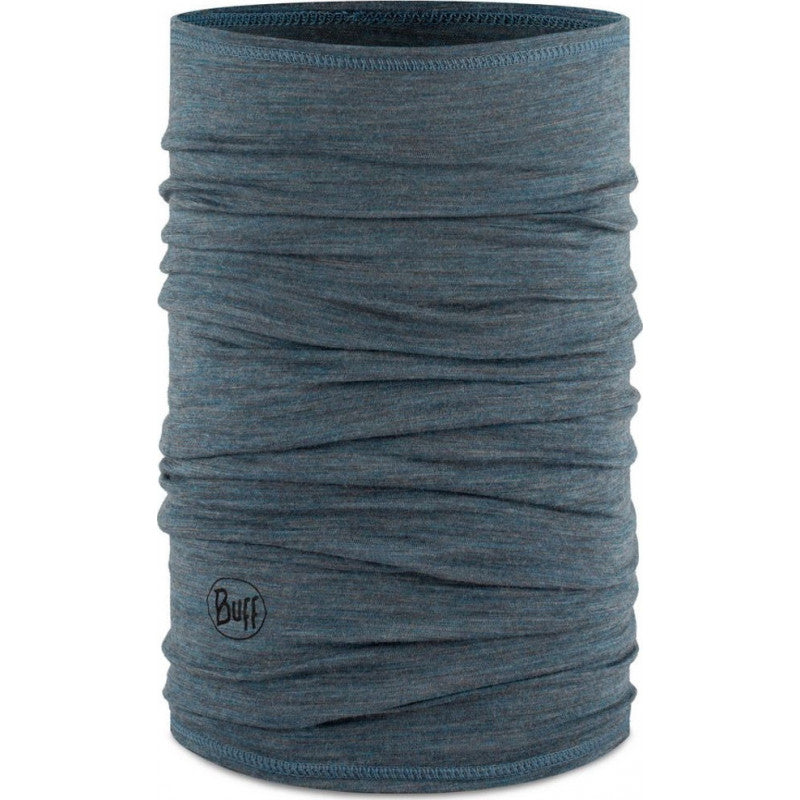
The trail can get quite dusty when we encounter yak trains or on certain portions of the trek, such as the climb up to Namche Bazaar. A Buff works well to protect yourself during those moments. While unpleasant, the dust is not a major nuisance on the trail.
Included: airport transfers, hotel nights in Kathmandu (double occupancy) with breakfast, the welcome dinner, the round-trip flight to Lukla, all lodging and meals while trekking, group trekking and climbing supplies, park and permit fees, Sherpas, camp staff, yaks and porters, and base camp power, a hyperbaric bag, and emergency oxygen. Not included: international airfare, meals in Kathmandu, insurance, personal gear, gratuities, the Support Staff Tip Pool, satellite phone and internet use, and the Nepal entry visa.
Plan on roughly $900 to $1,100 for personal expenses such as meals in Kathmandu, drinks, and incidentals, plus the Support Staff Tip Pool. ATMs are common in Kathmandu; bring cash for purchases on the trek, where credit cards are rarely practical.
RMI suggests each climber contribute $400 to the Support Staff Tip Pool, collected at the start of the trip to cover the Sherpa, porter, and support staff. Guide gratuities are separate and at your discretion, typically around 10 to 15 percent of the program cost.
Travel insurance is not included and RMI strongly recommends it, including medical, evacuation, and trip-cancellation coverage. RMI partners with Ripcord Rescue Travel Insurance, which is built for adventure travel.
The long trek in is the program's biggest acclimatization advantage: a measured ascent profile and rest days at Namche Bazaar and Pheriche mean climbers reach high camp on Lobuche already well adapted to altitude.
Stomach upset is the most common travel issue. Wash your hands well before meals, drink only bottled or treated water (including for brushing your teeth), and stick to food that is cooked, boiled, or peeled. Bottled water is available throughout the Khumbu.
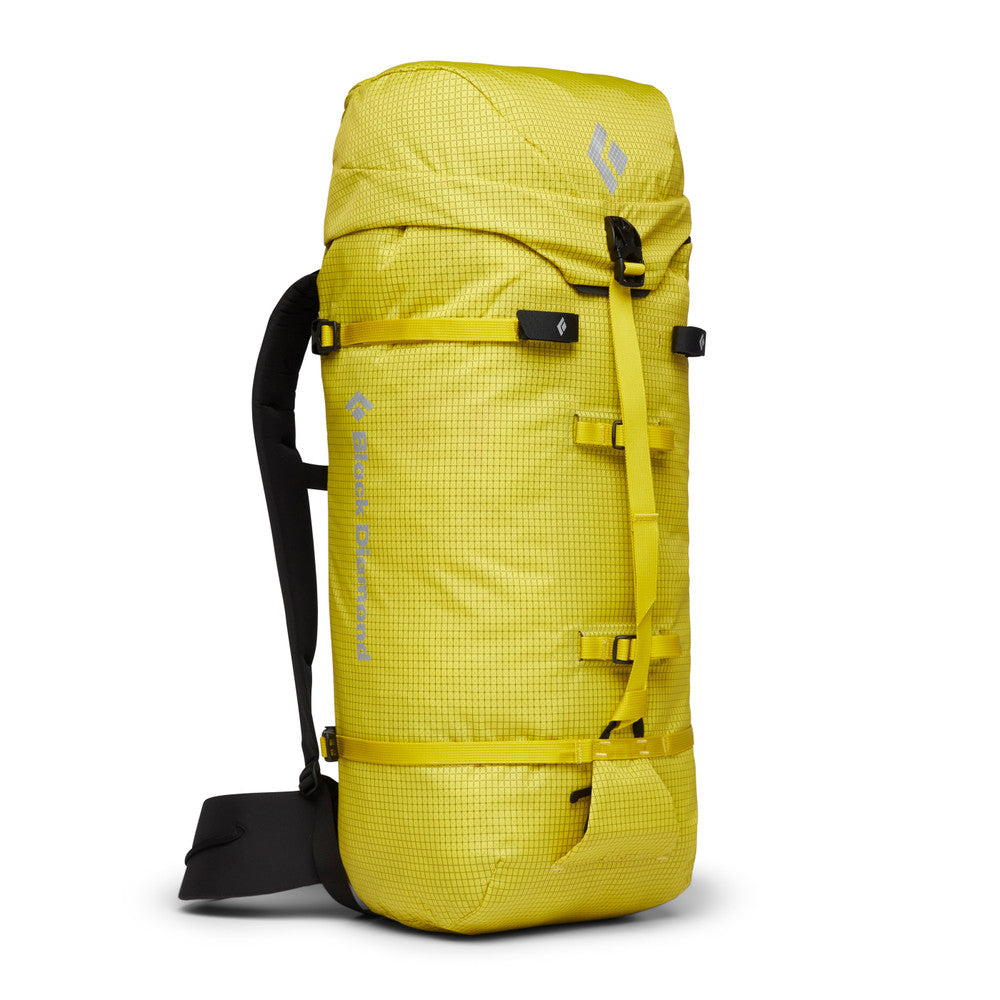
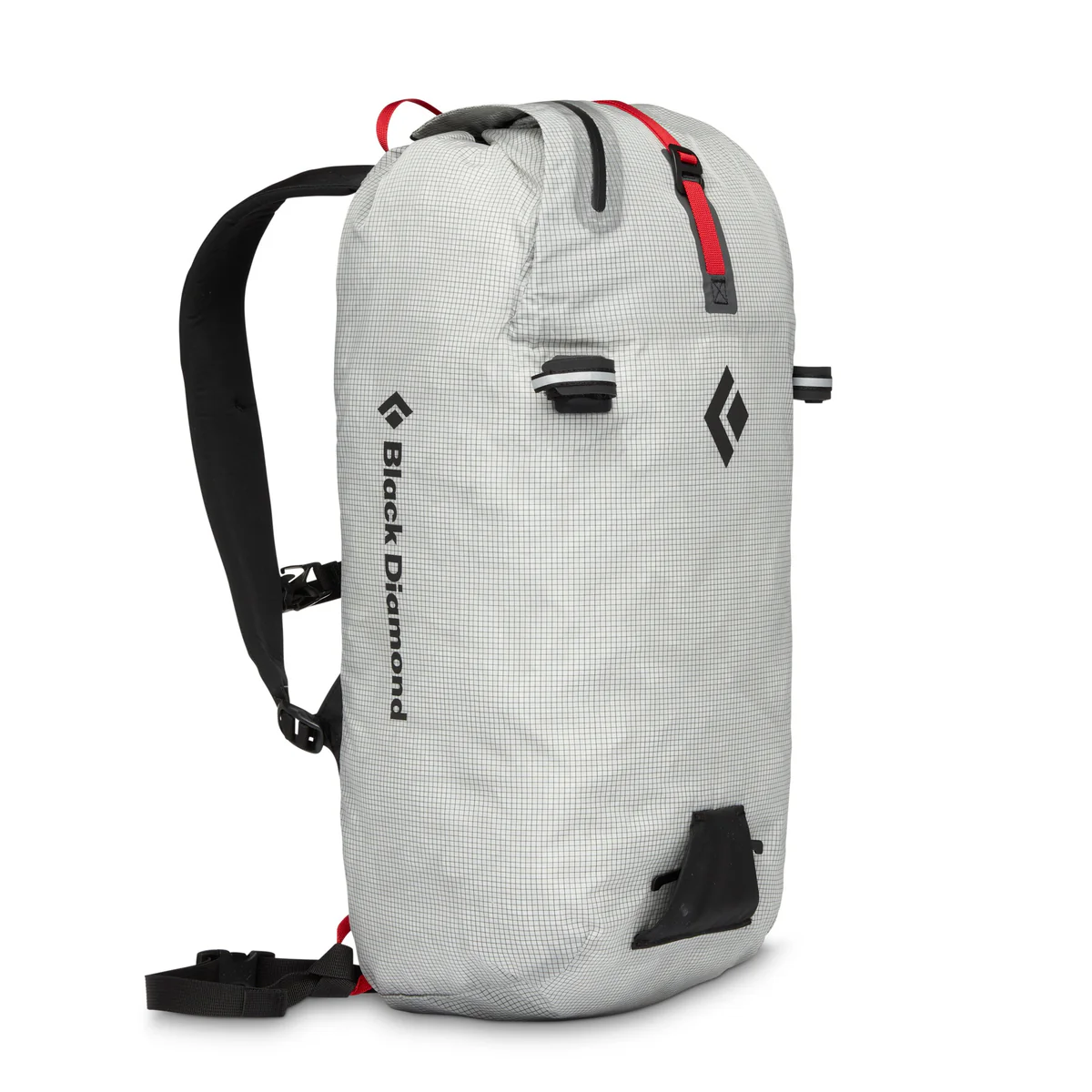
Backpacks should weigh approximately 15 to 20 lbs, as we only carry the day's snacks, water, camera, and a few extra layers in case of rain or cold. Porters and yaks carry the bulk of our gear between teahouses. On summit day you carry your climbing layers, food, and water.
The teahouses are comfortable and surprisingly cozy, hand-selected by RMI for their interiors, facilities, and cooking practices. The standard layout is a large insulated dining area heated by a wood stove, with simple, clean sleeping rooms off of it. The rooms are not directly heated, so a warm sleeping bag is still needed.
Bathrooms lower in the valley are flush toilets; higher up an outhouse-style or hand-flushed toilet is common, and at Base Camp and high camp we use private toilet tents. Showers and laundry are available for a small fee at many of the lower teahouses.
All meals are included during the trek, from breakfast on the first trekking day through the end of the trek; in Kathmandu most meals are on your own aside from hotel breakfasts. Teahouse kitchens offer a varied menu, and RMI recommends bringing 2 to 3 pounds of your favorite snacks to supplement the provided meals.
Accommodations are based on double occupancy. A single supplement is available for the Kathmandu hotel nights, though single rooms are not offered in teahouses or in tents.

Climbers rated RMI with an average of 5 stars across 0 ratings
Climbers who have done RMI's Everest Base Camp Trek - Lobuche tend to talk about the combination: the depth of the Khumbu trek and the reward of a real Himalayan summit at the end. Many also note that it is a demanding trip, with a serious summit day at altitude on top of two weeks of trekking. The reviews below give a sense of what to expect.
April 22, 2026
Everest Base Camp Trek - Lobuche
Hard to narrow down to just one thing. The cultural experience is amazing. 2 nights at EBC is a definite plus in my opinion. The climb of Lobuche wonderful also, of course, we had great conditions.
Rick H

April 22, 2026
Hard to narrow down to just one thing. The cultural experience is amazing. 2 nights at EBC is a definite plus in my opinion. The climb of Lobuche wonderful also, of course, we had great conditions.
Additional Comments
Its amazing the accomodations and food can be so good. Getting 2 nights at Basecamp is definitely a plus over other outfitters.
What did you enjoy most?
Hard to narrow down to just one thing. The cultural experience is amazing. 2 nights at EBC is a definite plus in my opinion. The climb of Lobuche wonderful also, of course, we had great conditions.
What needs improvement?
Only thing I can think of is the swag bag that we usually get before a trip. Its not a deal breaker but its nice to represent the company out there. I'm not sure what the story is on that, but it is liked by participants. RMI is top level, IMO, and it would be nice to see the representation when you are over there. You see everyone else's. Maybe there is a reason for that, idk.
April 18, 2026
Everest Base Camp Trek - Lobuche
A memory - still warm with lasting feelings from a shared adventure. While the destination and associated challenges accomplished were the individual focus of the trip… for me it was the stories exchanged, uplifting banter, laughter, and genuine camaraderie that framed each steep step, crystallized timeless moments, and enhanced every breathtaking view. With that collective sense of team came a level of trust that enabled a release of emotions long cloistered in pain and grief - which for me was both welcome and uplifting. For that I thank the RMI team dearly - so here’s to future adventures, brilliant landscapes, crisp days, hearty walks, cold showers, and shared pancakes! With the utmost respect, Fred
Fred H
April 18, 2026
A memory - still warm with lasting feelings from a shared adventure. While the destination and associated challenges accomplished were the individual focus of the trip… for me it was the stories exchanged, uplifting banter, laughter, and genuine camaraderie that framed each steep step, crystallized timeless moments, and enhanced every breathtaking view. With that collective sense of team came a level of trust that enabled a release of emotions long cloistered in pain and grief - which for me was both welcome and uplifting. For that I thank the RMI team dearly - so here’s to future adventures, brilliant landscapes, crisp days, hearty walks, cold showers, and shared pancakes! With the utmost respect, Fred
Additional Comments
Jess Wedel seamlessly combined the positivity and excitement of a first time EBC trekker with the sage guidance and lessons learned of a humble but supremely experienced leader - the results of which, in very short order, galvanized individuals into an effective team. While her good humor, genuine laugh, and enjoyment for the time and effort with each day was uplifting, her ever watchful oversight provided an invaluable sense of security. For me THIS is the RMI difference and one that can’t be invested in enough!
What did you enjoy most?
The trip requirements, preparations, itinerary (and contingencies), and experience were as described - the challenge beyond that is on each individual.
What needs improvement?
Haha… make me 20 years younger so that I could further enjoy the ‘experience’ with different RMI ventures. Well done RMI!
April 13, 2026
Everest Base Camp Trek - Lobuche
This was truly an indescribable experience that I will cherish for my life.
Tim C
April 13, 2026
This was truly an indescribable experience that I will cherish for my life.
Additional Comments
Jess is an amazing guide, she pays attention to the details that insure a smooth and safe trip, as well as is very personable, making each team member feel important.
What did you enjoy most?
The unique culture and immense beauty of the region
April 6, 2026
Everest Base Camp Trek - Lobuche
No doubt having Jess Wedel as our guide was what I most enjoyed most about the trip. Having diverse experiences in Nepal such as seeing the "monkey" Stupa, visit to an art shop, going through the Hillary Climbing Museum, lectures from doctors at the Himalayan Rescue Association, and receiving the rites for safe passage and a good life by a monk at an ancient and historically significant monastery were all wonderful and contributed to a rich experience.
Jack D
April 6, 2026
No doubt having Jess Wedel as our guide was what I most enjoyed most about the trip. Having diverse experiences in Nepal such as seeing the "monkey" Stupa, visit to an art shop, going through the Hillary Climbing Museum, lectures from doctors at the Himalayan Rescue Association, and receiving the rites for safe passage and a good life by a monk at an ancient and historically significant monastery were all wonderful and contributed to a rich experience.
Additional Comments
Jess is a rare gift. She is an exceptional guide in every measurable dimension. I owe my personal success to Jess' commitment to supporting our climbing goals while not sacrificing safety. The trip was incredibly enjoyable from start to finish partly due to a cohesive team, but especially from to Jess' blend of humor and professionalism.
Additional Comments
Website needs to further clarify the use of duffels. As currently written, it is confusing.
What did you enjoy most?
No doubt having Jess Wedel as our guide was what I most enjoyed most about the trip. Having diverse experiences in Nepal such as seeing the "monkey" Stupa, visit to an art shop, going through the Hillary Climbing Museum, lectures from doctors at the Himalayan Rescue Association, and receiving the rites for safe passage and a good life by a monk at an ancient and historically significant monastery were all wonderful and contributed to a rich experience.
What needs improvement?
Improve the website in relation to understanding the use of duffels for trekking and climbing. Part of the issue was the weight of the duffels depending on whether the trip to Lukla is by fixed wing or helicopter. Rewriting that portion of the website might help reduce pre-trip and early trip planning confusion.
April 9, 2025
Everest Base Camp Trek - Lobuche
Feeling completely relaxed and supported in a new area. Never once worried for my safety, food, care....enabled me to connect to the awe of the territory and the warm hearts and smiles of the local people. Also, our team was a wonderful group of humans--supported by Jess!
Shannon S
April 9, 2025
Feeling completely relaxed and supported in a new area. Never once worried for my safety, food, care....enabled me to connect to the awe of the territory and the warm hearts and smiles of the local people. Also, our team was a wonderful group of humans--supported by Jess!
Additional Comments
Jess was exceptional. Her positive energy, enthusiasm, knowledge, skill, courage and compassion set her a notch above most guides I've experienced. I watched her artfully navigate different personalities, challenges and positive moments with joy, ease and confidence. Each member of our group felt loved and cared for and able to have their best trip!
Additional Comments
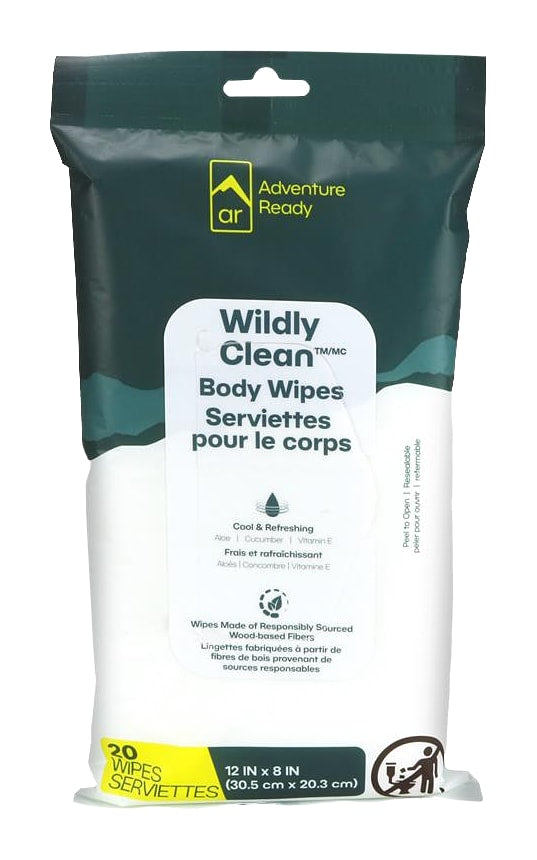
Tiny adjustments: No camp mug was needed. Also, setting expectations for need for toilet paper and showers as accurately as possible. I brought many extra wipes than were necessary :-)
Additional Comments
Amazing trip. Pre-arranged vehicles were roomy and safe, appreciated the thoughtfulness put into location, walkability and quality.
What did you enjoy most?
Feeling completely relaxed and supported in a new area. Never once worried for my safety, food, care....enabled me to connect to the awe of the territory and the warm hearts and smiles of the local people. Also, our team was a wonderful group of humans--supported by Jess!
What needs improvement?
Consistently exceeds expectations and warrants the investment.
April 9, 2025
Everest Base Camp Trek - Lobuche
Beyond the adventure itself, the guide team was exceptional.
David G
April 9, 2025
Beyond the adventure itself, the guide team was exceptional.
Additional Comments
I signed up for an adventure and that is what I had. Your attention to detail and client care are the best I have every received.
What did you enjoy most?
Beyond the adventure itself, the guide team was exceptional.
What needs improvement?
Don't change anything.
May 2, 2024
Everest Base Camp Trek - Lobuche
RMI had deep logistical resources both before the trip, during transportation, and on the mountain. I never felt like I had to second-guess the program.
Phil O
May 2, 2024
RMI had deep logistical resources both before the trip, during transportation, and on the mountain. I never felt like I had to second-guess the program.
Additional Comments
Jess did an excellent job of keeping the team focused and moving forward while still having fun.
Additional Comments
The equipment list was very helpful. The duffel bag requirements were confusing.
Additional Comments
My experience had some "lost in translation" confusion about taking a helicopter back to Kathmandu. What started out as hitching a ride for a few hundred dollars turned into an expensive chartered helicopter without me realizing what happened until the bill came.
What did you enjoy most?
RMI had deep logistical resources both before the trip, during transportation, and on the mountain. I never felt like I had to second-guess the program.
What needs improvement?
The entire trip was fantastic. No suggestions for improvement.
May 2, 2024
Everest Base Camp Trek - Lobuche
Just being in the valley -- the Nepali people, their customs, and the awesome scenery. I found the most enjoyable times to be those periods where we pretty much trekked in silence, just hearing the birds, flowing water and taking in the beautiful vistas was a truly serene experience!
Steve D
May 2, 2024
Just being in the valley -- the Nepali people, their customs, and the awesome scenery. I found the most enjoyable times to be those periods where we pretty much trekked in silence, just hearing the birds, flowing water and taking in the beautiful vistas was a truly serene experience!
Additional Comments
I did the RMI Everest Base Camp Trek / Lobuche Climb with guides Jess Wedel and Sam Marjerison -- their dedication and efforts made the whole Nepali experience one of the most rewarding and fulfilling adventures that I have participated in. This was my 10th trip with RMI and all of those experiences were truly exceptional, with the key being the tremendous character and expertise of your guide cadre. I have climbed with over twenty different RMI guides – some more than once – they are the best and Jess and Sam fit that mold.
Additional Comments
The RMI support / management staff is outstanding. Responsive, knowledgeable, and incredibly patient and considerate in addressing questions and technical details. I usually bring a lightweight windbreaker (hard shell doesn't really "breath", gets too hot on these trips) but I forgot this time (left back in the hotel) and there were several times that I really wish I had it. Minor point, may want to consider adding that to the equipment list.
Additional Comments
Food was outstanding!
What did you enjoy most?
Just being in the valley -- the Nepali people, their customs, and the awesome scenery. I found the most enjoyable times to be those periods where we pretty much trekked in silence, just hearing the birds, flowing water and taking in the beautiful vistas was a truly serene experience!
What needs improvement?
Nothing really comes to mind.....
April 10, 2024
Everest Base Camp Trek - Lobuche
This trip was an amazing cultural and trekking experience. I really appreciated the blessing we received from the lama at the Tengboche Monastery.
Dylan R
April 10, 2024
This trip was an amazing cultural and trekking experience. I really appreciated the blessing we received from the lama at the Tengboche Monastery.
Additional Comments
Jess was absolutely amazing! She did a great job managing the trek and keeping us well informed during our adventure. I highly recommend any RMI trip with her. I will also add that Sam was a tremendous addition to the guide team. He added great energy to the group.
Additional Comments
There appeared to be a couple things were not needed on this trek but still on the list.
What did you enjoy most?
This trip was an amazing cultural and trekking experience. I really appreciated the blessing we received from the lama at the Tengboche Monastery.
What needs improvement?
This was a fantastic experience.
April 8, 2023
Everest Base Camp Trek - Lobuche
The best part of the trip was gaining and testing new alpine climbing skills - using fixed lines, ascenders, and arm holds - and being in the shadow of the some of the mightiest mountains on the planet.
Robyn S
April 8, 2023
The best part of the trip was gaining and testing new alpine climbing skills - using fixed lines, ascenders, and arm holds - and being in the shadow of the some of the mightiest mountains on the planet.
Additional Comments
I think the equipment list can be updated - for example we don’t need insulated mugs, but we could have used micro spikes.
Additional Comments
I loved having 2 nights at EBC! We also planned on 2 nights at Lobuche in order to facilitate a shorter summit day. Unfortunately Lobuche High Camp was not yet fully set up and with no heat available combined with not summiting we decided to sleep there one night and descend back to the valley. Going forward I would advocate for two nights each at EBC and Lobuche High Camp.
What did you enjoy most?
The best part of the trip was gaining and testing new alpine climbing skills - using fixed lines, ascenders, and arm holds - and being in the shadow of the some of the mightiest mountains on the planet.
What needs improvement?
Something great would be having small group or one-on-one pre trip Zoom meetings with the guide or representative to answer any questions. We use these consultations at my work and they alleviate a lot of stress and provide clarifying answers and can replace a lot of email correspondence. (All my questions were answered swiftly by email - this is a suggestion for enhancing your already good service.)
Sorry! there are no available dates that meet your current criteria
You might consdier one of these trips instead:
Mt. Rainier - Four Day Climb
May 5, 2026
Guides: Jack Delaney, Jess Wedel, Calvin Jiricko
Mt McKinley - West Buttress Expedition
May 5, 2026
Mt. Rainier - Four Day Climb
May 5, 2026
















Additional Comments
I've never had a guide I didn't like, but Jess may be the best one. She knows when to have fun, and then knows when its time to be professional. Very attentive to client's needs, physically capable, and displays incredible patience. And manages the logistics you know are going on behind the scenes to a T.