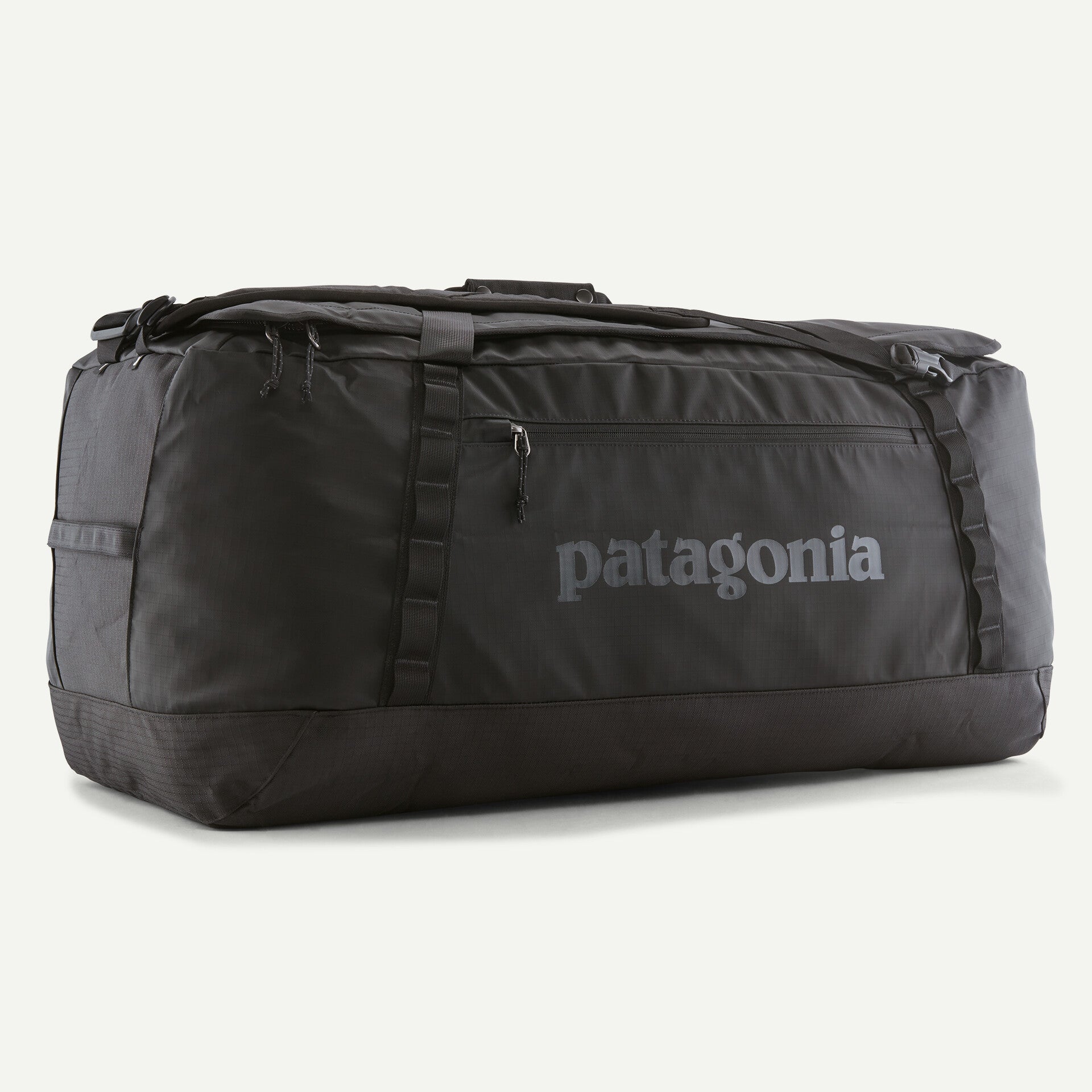
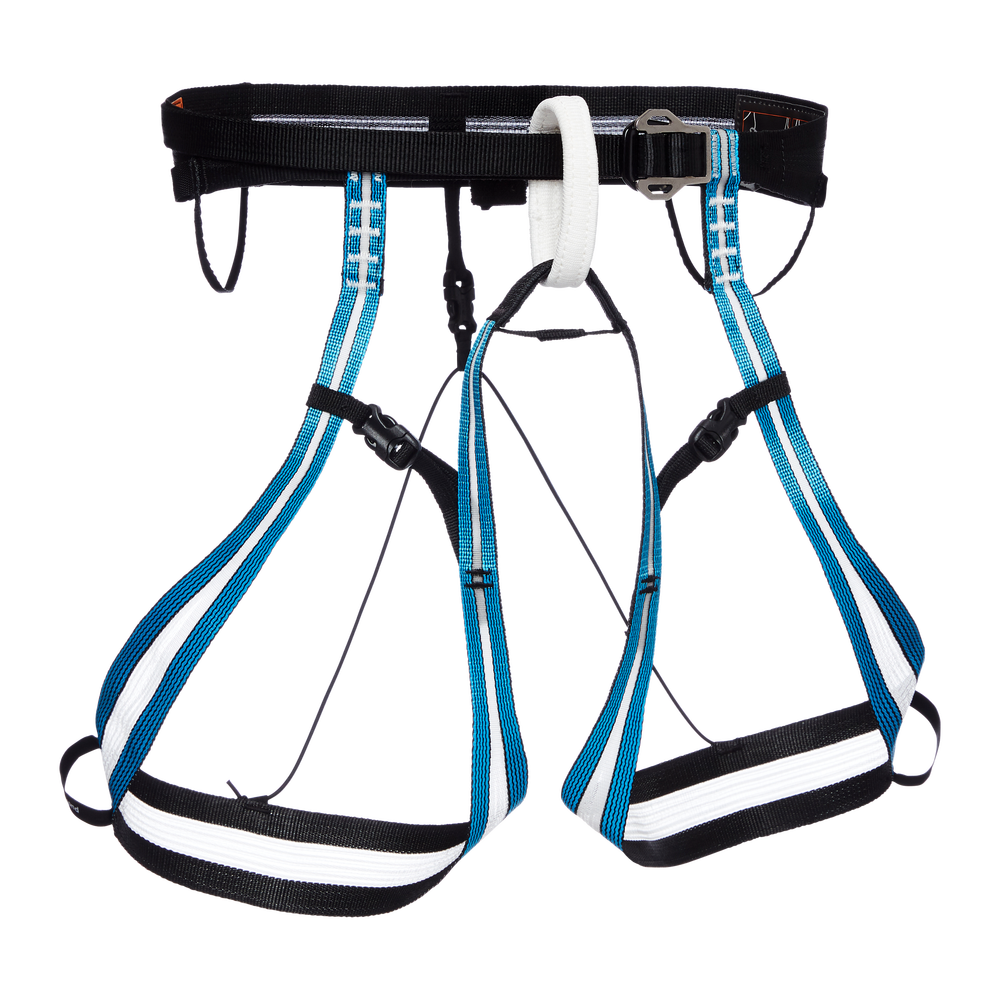
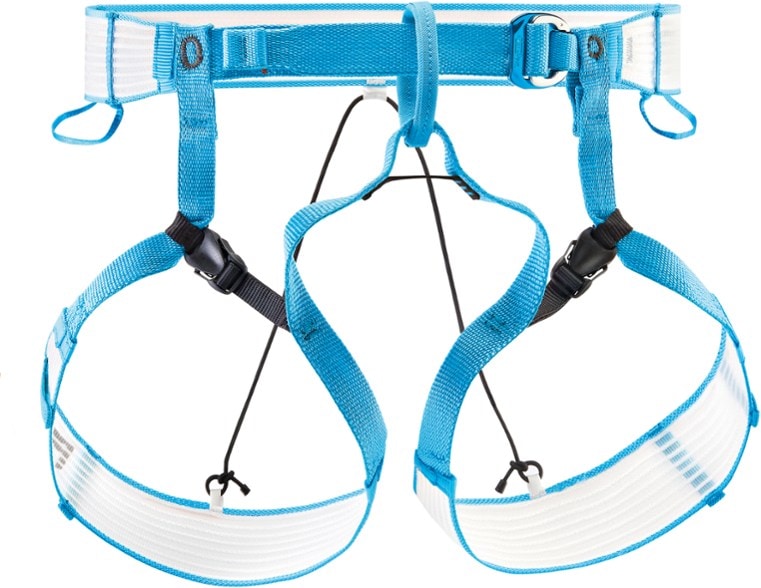
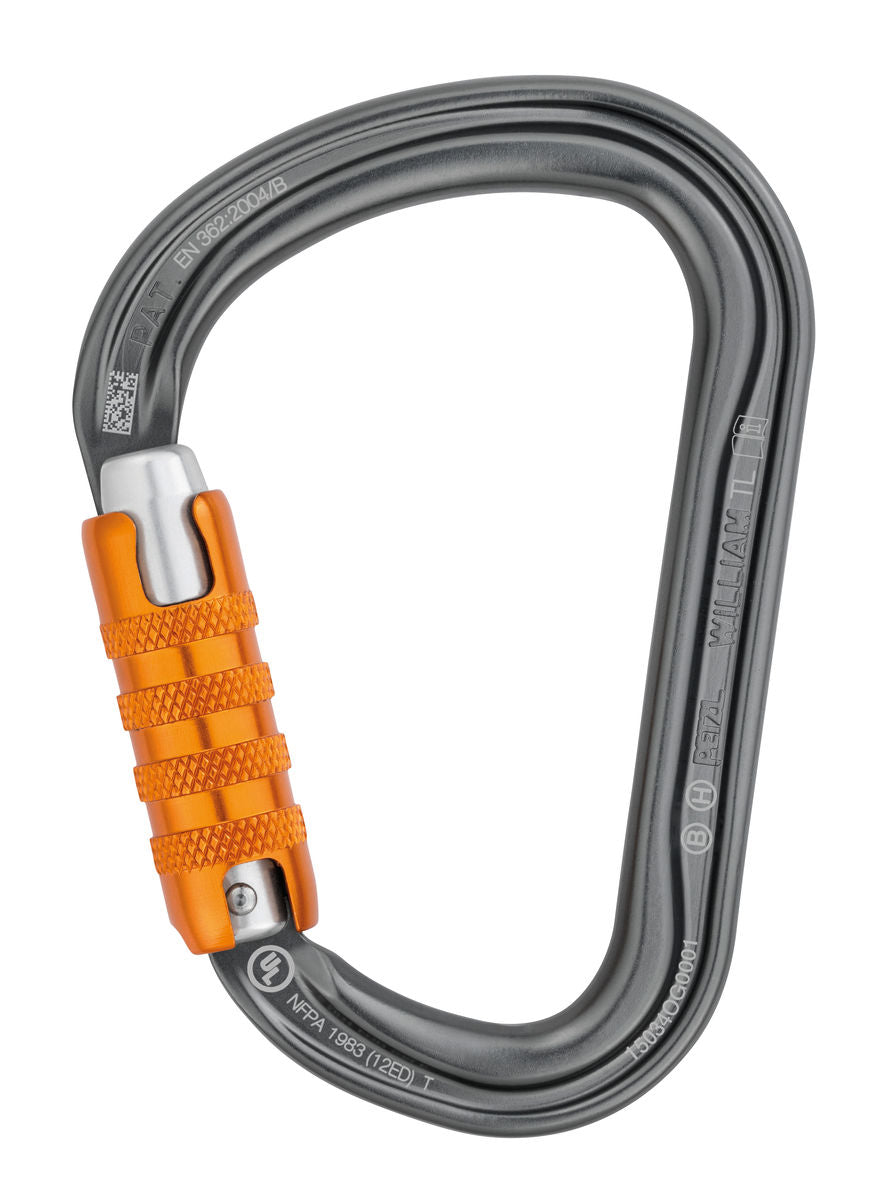
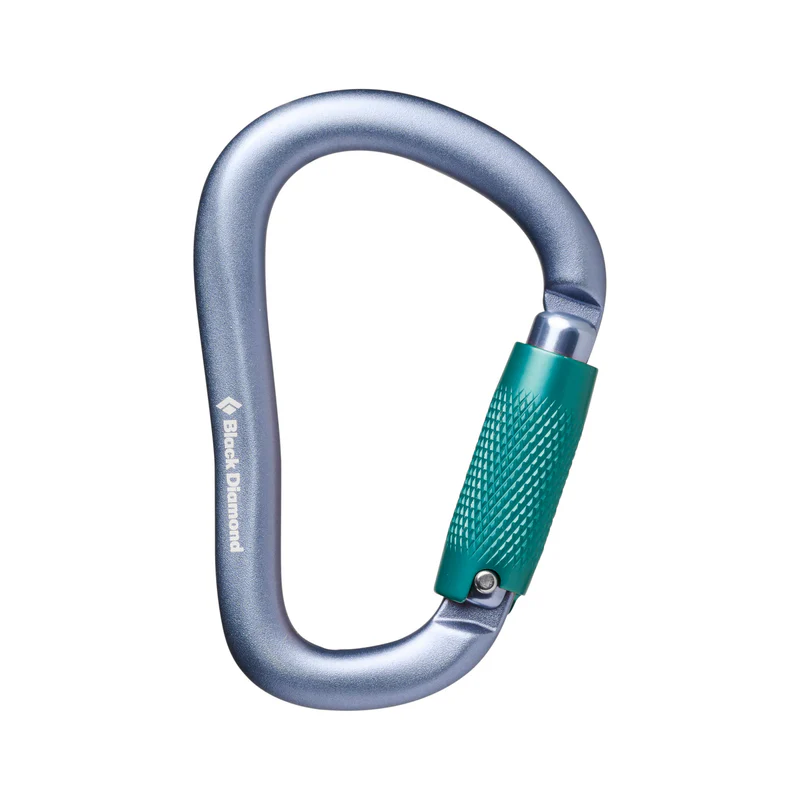
100+ Duffel Bag(s)
A durable duffel bag (100-120L) made of tough material with rugged zippers for gear transport and storage. Can be used as checked luggage and for organizing gear at base locations.

74 Days
|
Mountaineering
|
74000.00
|
Expert


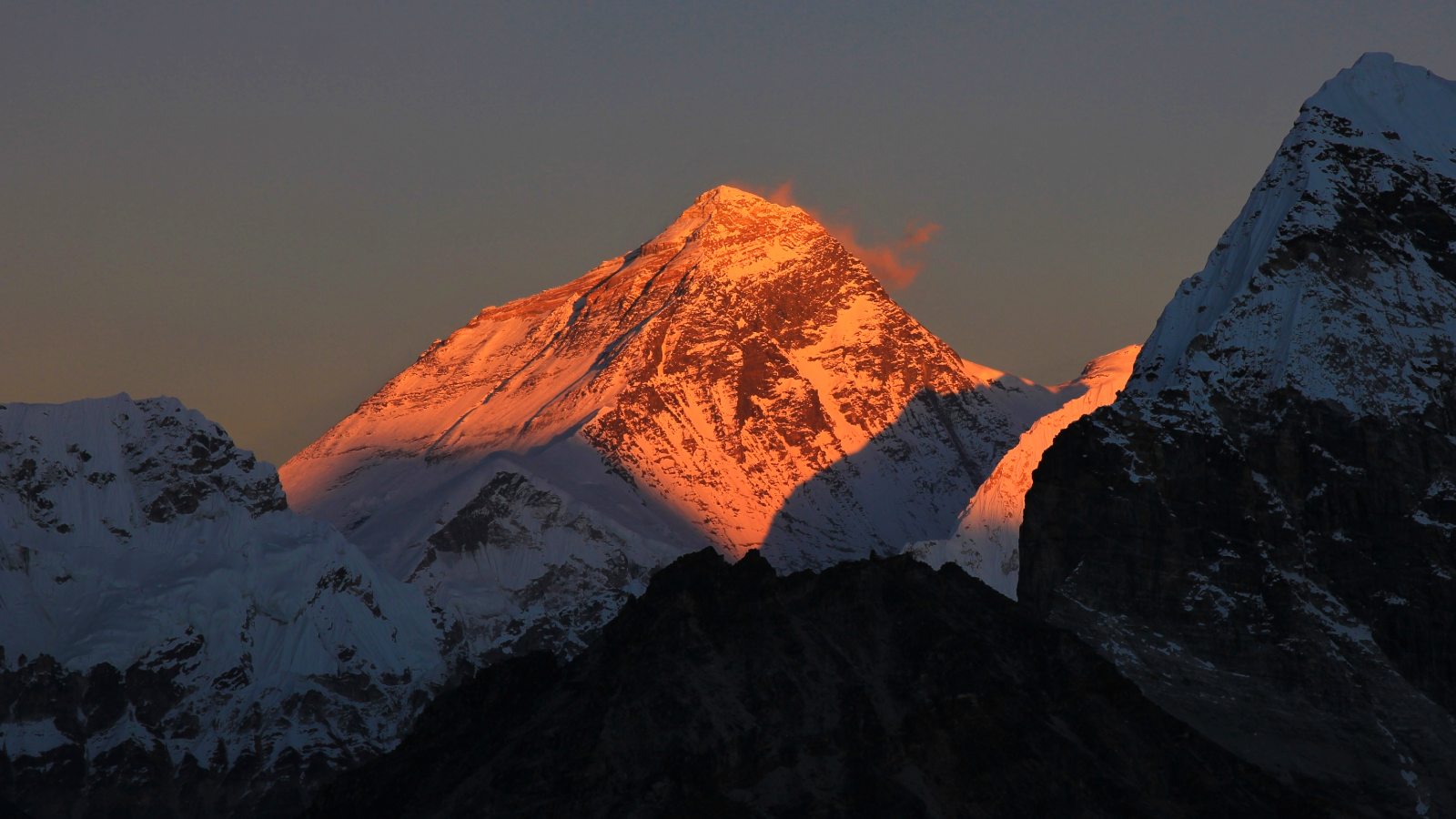
RMI's Mt. Everest expedition is a roughly two-month guided climb of the 29,032-foot south side of Everest, run with a small team and low climber-to-guide and climber-to-Sherpa ratios.
Day-by-day program overview.
Fitness, experience, and preparation.
Gear requirements for this program.
Meals and nutrition on the mountain.
Getting there and local logistics.
Booking, cancellations, and requirements.
Common questions, direct answers.
What climbers are saying.

Climb the 29,032-foot south side of Everest, the highest point on earth, with RMI's veteran Everest guides.

Join a deliberately small expedition with a 3:1 climber-to-guide ratio and 1:1 Sherpa support on the mountain.

Climb with stocked oxygen, comprehensive medical resources, and access to the Base Camp clinic throughout the expedition.
Mt. Everest is the top of the world: a 29,032-foot summit that pierces the jet stream and stands at the pinnacle of most climbers' ambitions. An RMI Everest expedition is built for climbers ready to take it on, with the experience, support, and individual attention that a mountain this serious demands.
RMI runs Everest differently from most. Instead of a large expedition, the team is deliberately small, led by tenured RMI guides who are Everest veterans, with a 3:1 climber-to-guide ratio and a 1:1 climber-to-Sherpa ratio, among the best support on the mountain. That structure lets the guides tailor acclimatization and summit plans to each climber and keep the team close, planning the route, weather, and rotations together around one table.
Over about eleven weeks the team works up the mountain through the Khumbu Icefall and Western Cwm, up the Lhotse Face and across the Yellow Band to the South Col, then via the Balcony and South Summit, supported by well-stocked oxygen, comprehensive medical resources, and one of the best-equipped base camps on Everest. It is the hardest thing most climbers will ever attempt, and RMI's job is to give each one the best possible chance to climb it well and return healthy.
RMI is one of the oldest guide services in the United States and has guided in the Himalaya for decades. On Everest that experience shows in the team RMI fields: tenured guides who are Everest veterans and some of the most experienced Sherpa staff on the mountain.
RMI's approach is deliberately different from the big commercial expeditions. The team is small, the ratios are low (3:1 climber-to-guide and 1:1 climber-to-Sherpa), and resources are concentrated on each climber rather than spread across a crowd. Climbers get consistent guidance from the same Western guides throughout, acclimatization tailored to them, and a close team that plans the climb together.
Risk management is the foundation of the whole expedition: strict protocols, well-stocked oxygen, multiple Gamow bags, comprehensive medical kits, access to the HRA clinic at Base Camp, and a dedicated weather forecasting service informing every decision. To learn more about who we are and how we guide, visit our About RMI page.
The expedition begins in Kathmandu and treks up the Khumbu to Everest Base Camp, where the team spends weeks acclimatizing through a series of rotations higher on the mountain. When the weather aligns, the team makes its summit push from high camp, climbing through the night to reach the top of the world before descending back down the mountain.
Depart the US for Kathmandu, Nepal. During your flight you will cross the International Date Line and travel time is approximately two - three days.
*If your connections/routing take less than three days, adjust your departure from the US to Day 2.
Arrive in Kathmandu. We are transferred to our hotel for some rest and recovery before our evening reception and welcome dinner. Overnight in Kathmandu.
Situated in a bowl shaped valley in central Nepal, Kathmandu is the largest city in Nepal and the cosmopolitan heart of the Himalayan Region. Today the itinerary focuses on a thorough team meeting / orientation and equipment check, fitting for oxygen masks, and any other last minute preparations.The rest of the day is spent enjoying the city and local cuisine. Overnight in Kathmandu. (B)
Lukla (9,350') to Phakding (8,700'). Trekking time is approximately 2 1/2 to 3 hours.
Today we fly to Lukla, the village where our trek to Everest Base Camp begins. The airport in Lukla is the Tenzing Norgay Airport, and landing on the STOL (Short Takeoff and Landing) runway is an experience in itself. It is usually very busy in Lukla as different expeditions are getting everything organized for the trek. From here on out, there are no more vehicles or roads, just a network of villages connected by footpaths. After we meet our Sherpa team we start trekking along the Dudh Kosi River as we travel to Phakding. We spend the night at a small teahouse on the bank of the milky-blue Dudh Kosi. Overnight in lodge. (B, L, D)
Phakding (8,700') to Namche Bazaar (11,300'). Trekking time is 4 1/2 to 5 hours.
Hike to historic Namche Bazaar, the gateway to the high Himalayas and the Sherpa community's central meeting place. Namche is where lowland porters bearing supplies meet the highland Sherpa and Tibetan people who have journeyed over high passes from many miles away to trade food and supplies for their home or village. Namche's busy shops, delicious bakeries, and jovial feel are a welcome sight after making the long climb up from the valley floor below. Overnight in lodge. (B, L, D)
Today is an acclimatization day in Namche. We wander the narrow, stone-lined streets of Namche, visiting the village's small museums, monastery, stupas, and stop in for a treat at one of the cafes (known locally as bakeries). There are also well-stocked shops to meet any last minute needs. Overnight in lodge. (B, L, D)
We build upon our acclimatization by going for a short hike to the surrounding villages of Khunde and Khumjung to visit the historic Hillary School and Hillary Hospital. Our hike takes us along the more remote paths between the villages, offering glimpses of the peaks higher up the valley, before returning us to Namche for the evening. Overnight in lodge. (B, L, D)
Namche Bazaar (11,300') to Deboche (12,325'). Trekking time is approximately 4 to 5 hours.
We leave Namche and climb up the valley to Tengboche, the largest Sherpa monastery in the Khumbu area. From the monastery's front steps we have excellent views of Everest, Lhotse, Nuptse, and Ama Dablam. We descend from the ridge where the monastery is located into the quiet forest of fir and rhododendron forests below that surround our teahouse at Deboche. Overnight in lodge. (B, L, D)
This is an acclimatization day and an opportunity to explore the Deboche area. We make the short walk back to the Tengboche Monastery to wander its grounds and sit in on the monks' daily prayers. There are many cozy spots amongst the trees to relax in the sun and read, making Deboche a favorite resting place for climbers preparing for their summit bids later in the spring. Overnight in lodge. (B, L, D)
We hike to Pheriche via Pangboche, a large Sherpa village at the foot of Ama Dablam, following the Imja Khola up the valley. Overnight in lodge. (B, L, D)
We stay another night in Pheriche to continue our acclimatization. We will visit the clinic of the Himalayan Rescue Association and take a day hike up the Imja Khola valley toward Chukkung, offering spectacular views of Ama Dablam's seldom seen north side. Overnight in lodge. (B, L, D)
Pheriche (13,950') to Lobuche (16,175'). Trekking time is approximately 4 to 5 hours.
We ascend to the village of Lobuche, tucked below Lobuche Peak. Our trail takes us past the memorials for climbers made up of dozens of large rock stupas and strings of prayer flags at the top of Thokla Pass. Along the way we leave the last of the large vegetation and enter into the alpine zone and our trail may have a covering of snow from here. Overnight in lodge. (B, L, D)
During our acclimatization day we take a short walk to visit the Italian Research Pyramid that conducts altitude research and helps track the current weather conditions on Mt. Everest. There is ample time to play cards, read, and take it easy - a little rest and relaxation before moving up to 17,000'. Overnight in lodge. (B, L, D)
Lobuche (16,175') to Everest BC (17,575'). Trekking time is approximately 5 to 6 hours.
We complete the last stretch of our trek, leaving the dirt and grasses of the mountainous valley and setting out across the ice and rock of the Khumbu Glacier into Everest Base Camp. We move into our tents and home fore the upcoming weeks at the RMI Everest Expedition's Camp, admiring the stunning panorama of peaks surrounding us. Overnight in tents. (B, L, D)
>
THE CLIMB
Once at Everest Base Camp the itinerary can vary greatly, this is only an outline of the expedition's movements. If weather and conditions allow for all team members to summit earlier, then the program schedule will be moved accordingly. Similarly, if the summit attempt is delayed we will arrange for extra days.
Upon arriving at Base Camp several days will be spent resting and acclimatizing with short day hikes to several spectacular viewpoints around the area such as Kala Patar and Pumori Camp 1. We will use the giant pressure ridges of ice around Base Camp to practice our climbing techniques - becoming comfortable on fixed lines, steep, icy slopes, and ladder crossings. Within a few days of our arrival at Base Camp we will also have our Puja Ceremony, a deeply meaningful and very exciting Buddhist ceremony led by a local lama before the start of any climbing expedition.
With our bodies acclimating to Base Camp, our Puja ceremony completed, and our training accomplished, we begin our acclimatization rounds on the mountain. Over the next weeks we will slowly work our way up the mountain, acclimatizing to higher and higher elevations and becoming familiar and comfortable with the terrain. Our first efforts will be short trips into the Khumbu Icefall, reaching Camp 1 at almost 20,000' where we will spend a few nights. We will then push up to Camp 2, at the head of the Western Cwm at over 21,000' where additional nights make our bodies stronger in the thin air. On our next round our goal is Camp 3, perched at 23,750' on the Lhotse Face. There, we will perfect our climbing with fixed lines and familiarize ourselves with our oxygen systems. Finally, after resting back in Base Camp we will embark on our summit push, climbing to Camp 4 at 26,000' on the South Col. From the South Col we will climb up the Triangular Face to the Balcony, over the South Summit, up the Hillary Step, and to the top of the world!
The number of days this will take our team will vary due to weather, acclimatization, team strength, the number of acclimatization rounds we make, and other circumstances that will affect our progress. Our guides will use their vast mountain experience, knowledge, and decision-making abilities to maximize each climber's chance of reaching the summit of Mt. Everest.
Key: B, L, D = Breakfast, Lunch, Dinner included.
Everest Base Camp (17,775') to Pheriche (13,950'). Trekking time is approximately 5 to 6 hours.
We leave Base Camp and trek back along the Khumbu Glacier down to our lodge in Pheriche for some "thick" air and a good night's sleep. Overnight in lodge. (B, L, D)
Pheriche (13,950') to Namche Bazaar (11,300'). Trekking time is approximately 6 to 8 hours.
The downhill trek along the river allows for breathtaking photos of Ama Dablam as it towers ominously above us. As we descend the smells of the pine forests and blooming rhododendrons overwhelm the senses after so many days up high. In Namche we treat ourselves to much deserved yak steaks, beer, and pastries. After Everest Base Camp, the narrow streets of Namche feel like a big city! Overnight in lodge. (B, L, D)
Namche Bazaar (11,300') to Lukla (9,350'). Trekking time is approximately 5 - 7 hours.
Our last day on the trail. We hike down from Namche to Lukla, crossing the eleven swaying suspension bridges over the Dudh Kosi and re-entering the fertile valleys of the lower Khumbu. Overnight in lodge. (B, L, D)
The scenic morning flight back to Kathmandu gives us one last chance to say farewell to the mountains. The afternoon in Kathmandu is open for exploring or just relaxing. (B)
This day is available in case of delayed flights in or out of Lukla or if weather postpones our trip at any point.
Depart Kathmandu.
Arrive home.
Once at Everest Base Camp the itinerary can vary greatly, this is only an outline of the expedition's movements. If weather and conditions allow for all team members to summit earlier, then the program schedule will be moved accordingly. Similarly, if the summit attempt is delayed we will arrange for extra days.

Arrive in peak physical condition for a two-month expedition, with the endurance for repeated rotations and a summit push on supplemental oxygen above 26,000 feet.

Significant prior mountaineering experience is required, including a previous major glaciated peak of 6,000 m or higher and an expedition skills seminar; every climber is screened individually.

The expedition climbs to the 29,032-foot summit of Everest, the highest point on earth, using supplemental oxygen high on the mountain.
An Everest expedition sits at the top of the mountaineering progression, and the team is selected accordingly. Every climber must already have a solid foundation of mountaineering skills and previous experience high on a major glaciated peak, typically a major glaciated peak of 6,000 m or higher such as Mt. McKinley, Aconcagua, or Cho Oyu, along with an expedition skills seminar or equivalent. RMI screens each applicant individually, reviewing your climbing resume and speaking with you directly, because the right preparation is what makes a strong, successful climb possible. Beyond the technical resume, the expedition asks for the fitness and mental resilience to live and climb at extreme altitude for weeks at a time. Climbers still building toward this level should talk with us about the steps that lead here.
Recommended climbing experiences include:
Your climbing resumé should include:

Previous high-altitude experience on a major glaciated peak of 6,000 m or higher such as Mt. McKinley, Aconcagua, or Cho Oyu*
Completion of an RMI Expedition Skills Seminar or equivalent*
Roped glacier travel and team rope skills*
Cramponing on 30 to 50 degree slopes*
Building and equalizing snow and ice anchors*
Ice climbing experience (Colorado Ice Intro and Intermediate or equivalent)
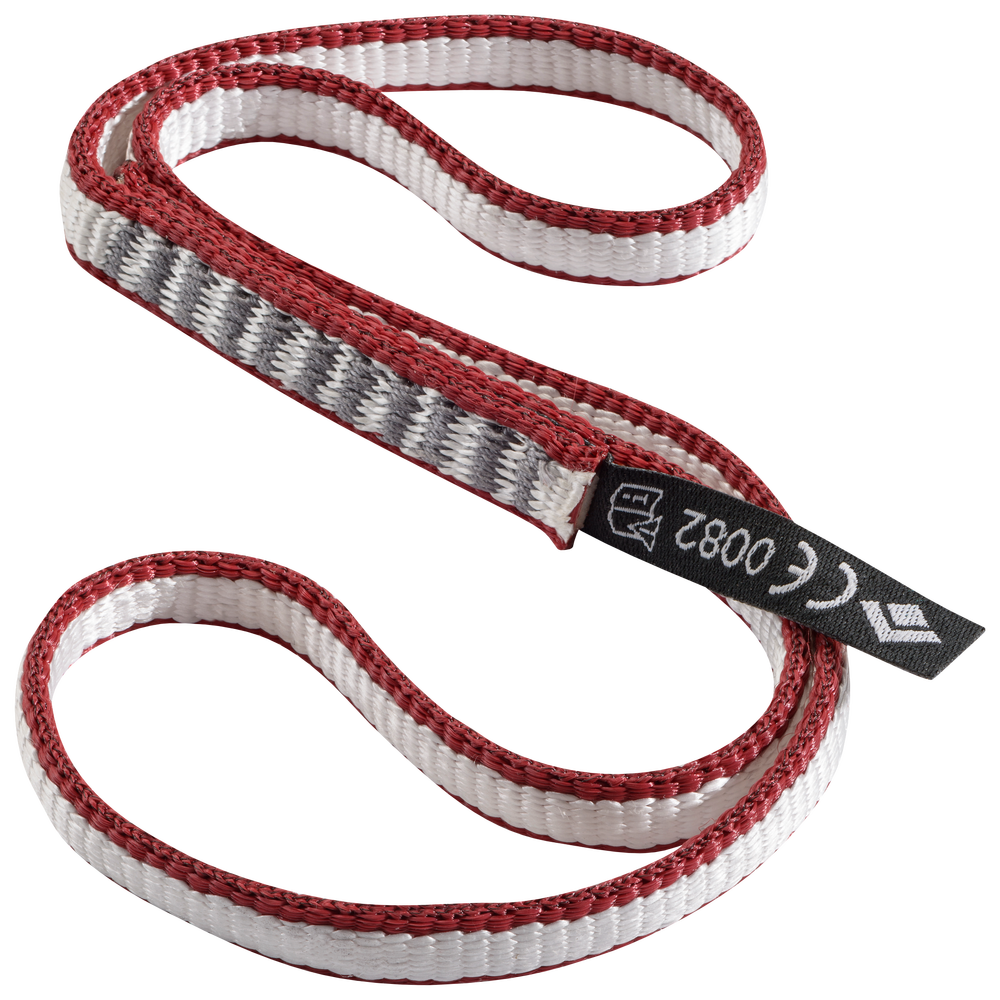
Core knots and slings (Prusik, butterfly, Münter)
Items marked with an Asterix (*) are considered mandatory prerequisites for this program.
Our guides have decades of experience training for alpine objectives, and we've done our best to put together relevant resources to help you with your expedition preparation.
Mountaineering is both an individual challenge and a team endeavor. Before any program begins, RMI works directly with prospective climbers to confirm that everyone joining a team is genuinely prepared for the demands ahead. Depending on the program, this may involve conversations with our office staff, a review of your climbing history, or feedback from guides and other climbers who know your abilities. The goal is straightforward: to ensure that every person on the rope belongs there. We ask that each climber hold themselves to the same standard:
The standards we set exist to protect everyone on the team. RMI holds all climbers accountable to them, and we take seriously our responsibility to build teams of people who are ready to be in the mountains together. RMI reserves the right to remove a participant from a program or send them to a lower altitude if our guide staff determines, in their sole discretion, that the participant is not physically, technically, or psychologically prepared or capable of participating, or for any other reason that may compromise the safety, health, or well-being of the participant or the group. In such cases, no refunds or credits will be issued, and the participant will be financially responsible for any additional costs associated with an early departure, including evacuation, transportation, lodging, and meals.
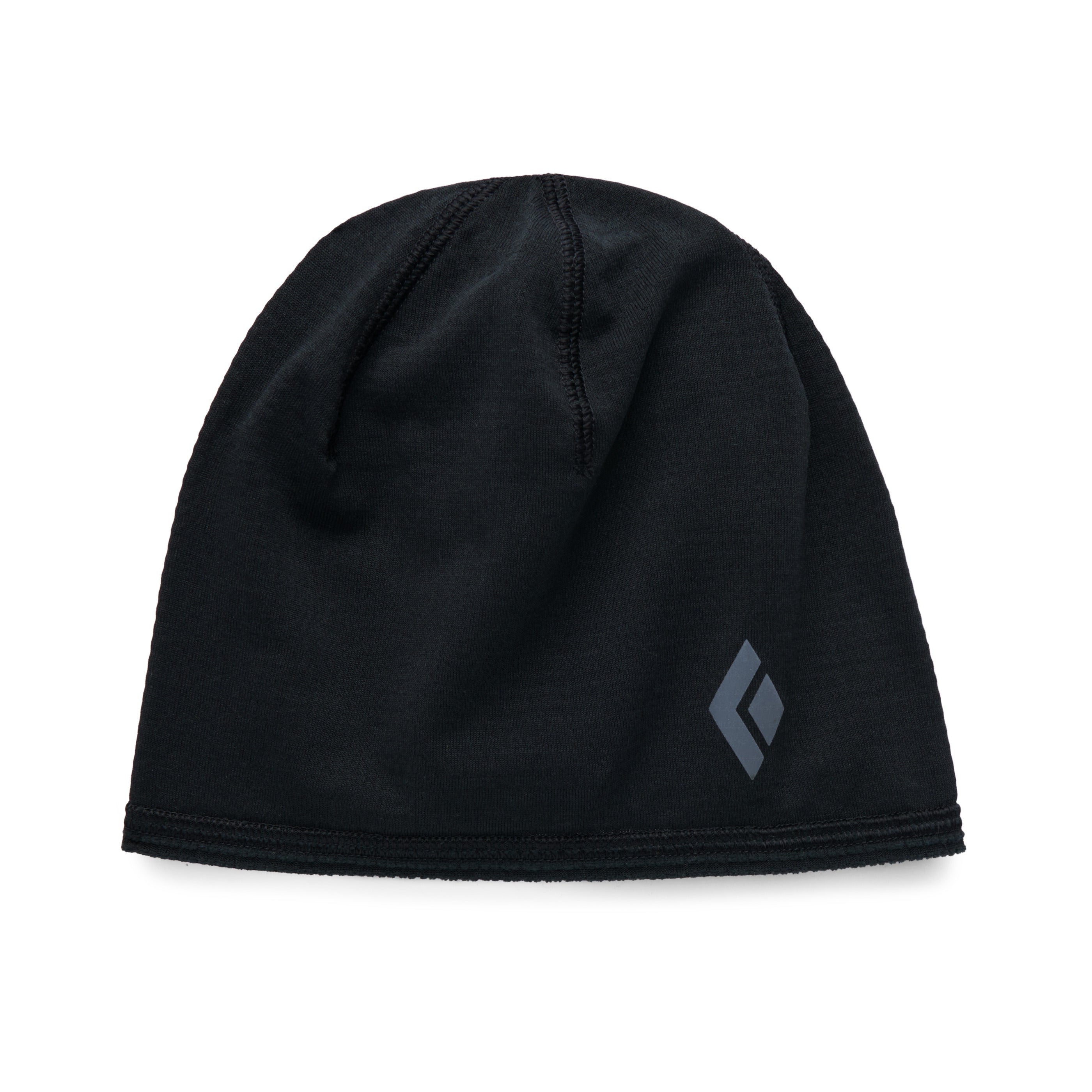
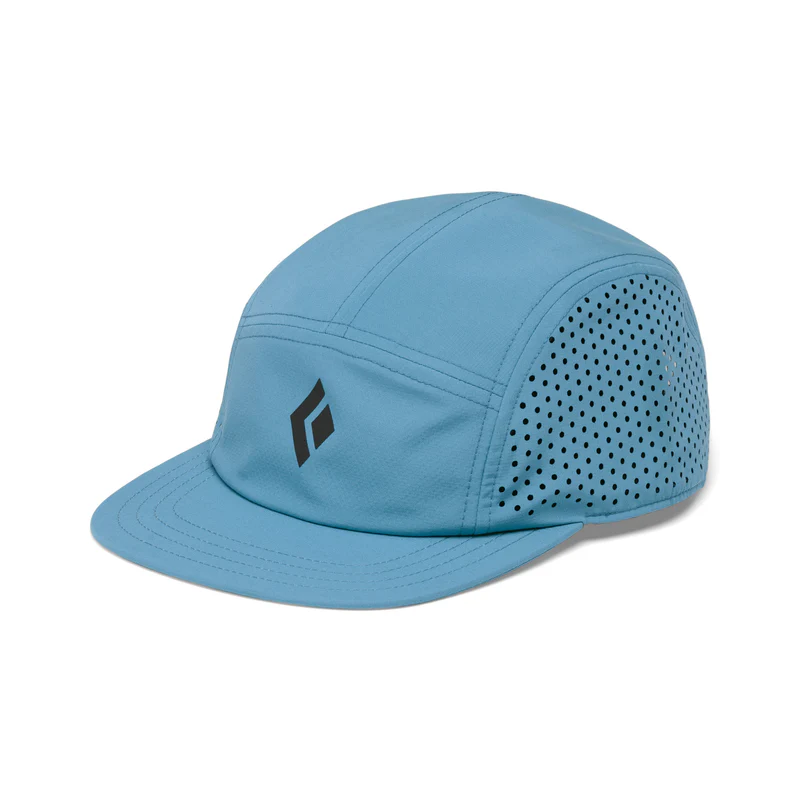
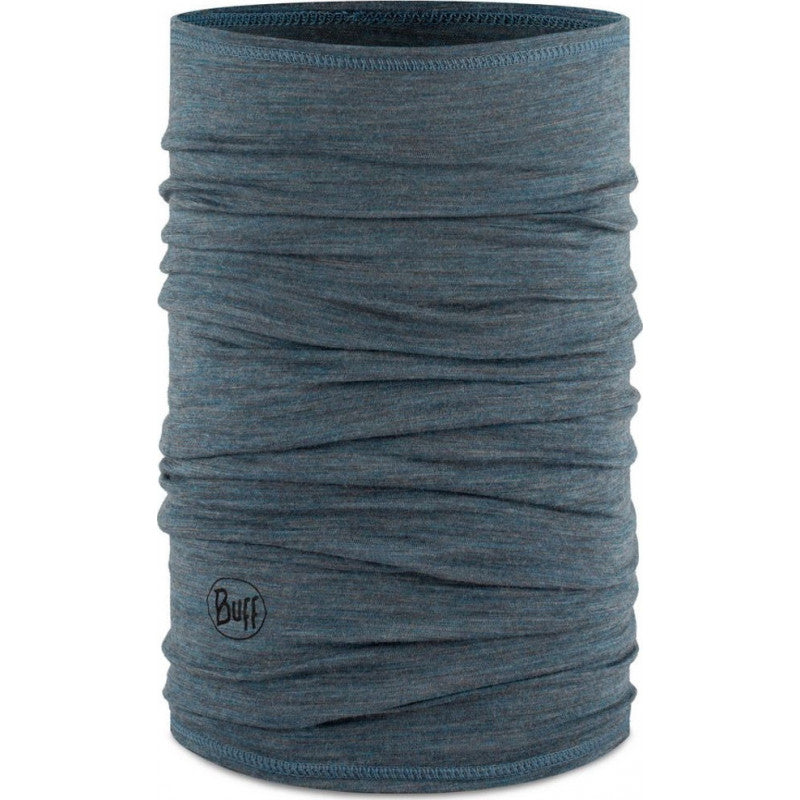
An Everest expedition requires the most comprehensive kit RMI works with: a full high-altitude system that runs from trekking clothes for the approach to a down suit, 8,000-meter boots, and the technical climbing gear for the Icefall and the upper mountain. This list reflects decades of RMI guiding experience and is built for performance and survival in some of the most extreme conditions on earth, from Base Camp to the summit. Much of the group equipment and the climbing oxygen is provided and staged on the mountain; your personal kit is what you live and climb in.
Every experienced climber refines their kit over time, and not every item will be used on a given day. Even so, this list represents what RMI expects you to bring, and all required equipment should be available at the gear check before the expedition.
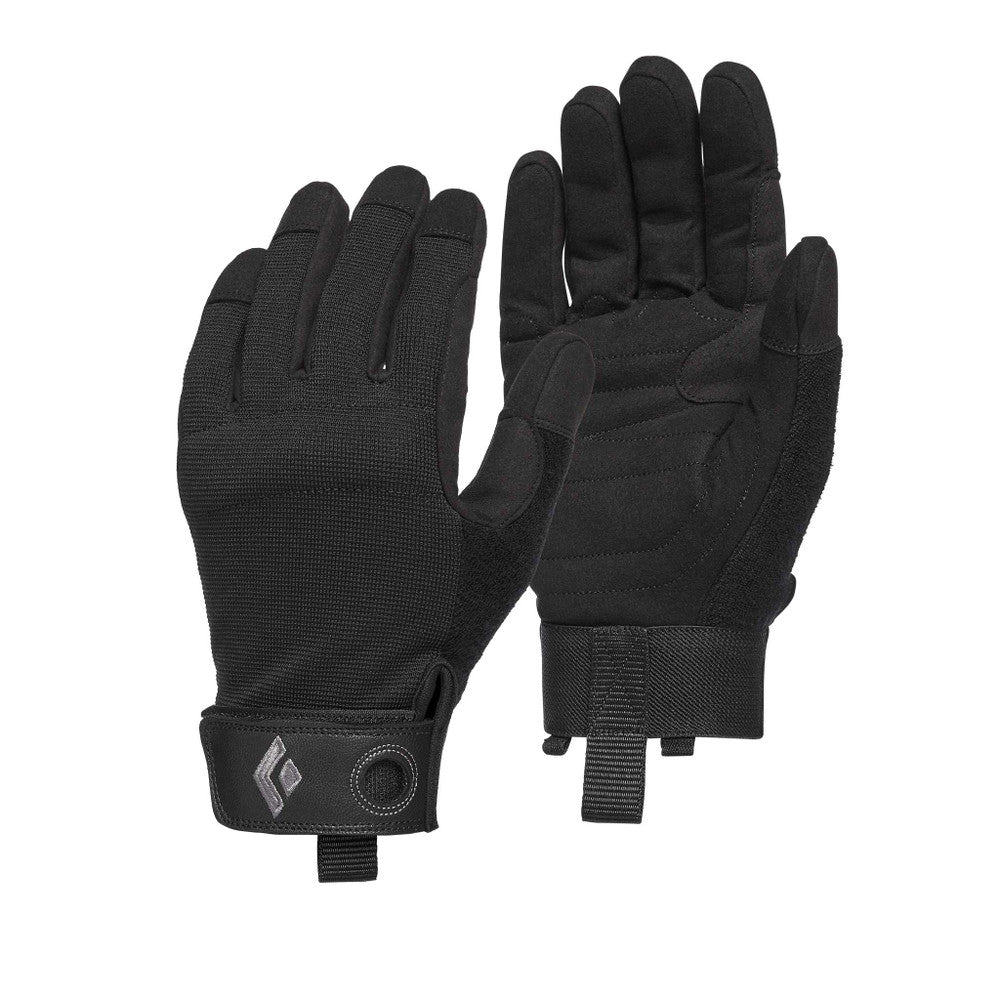
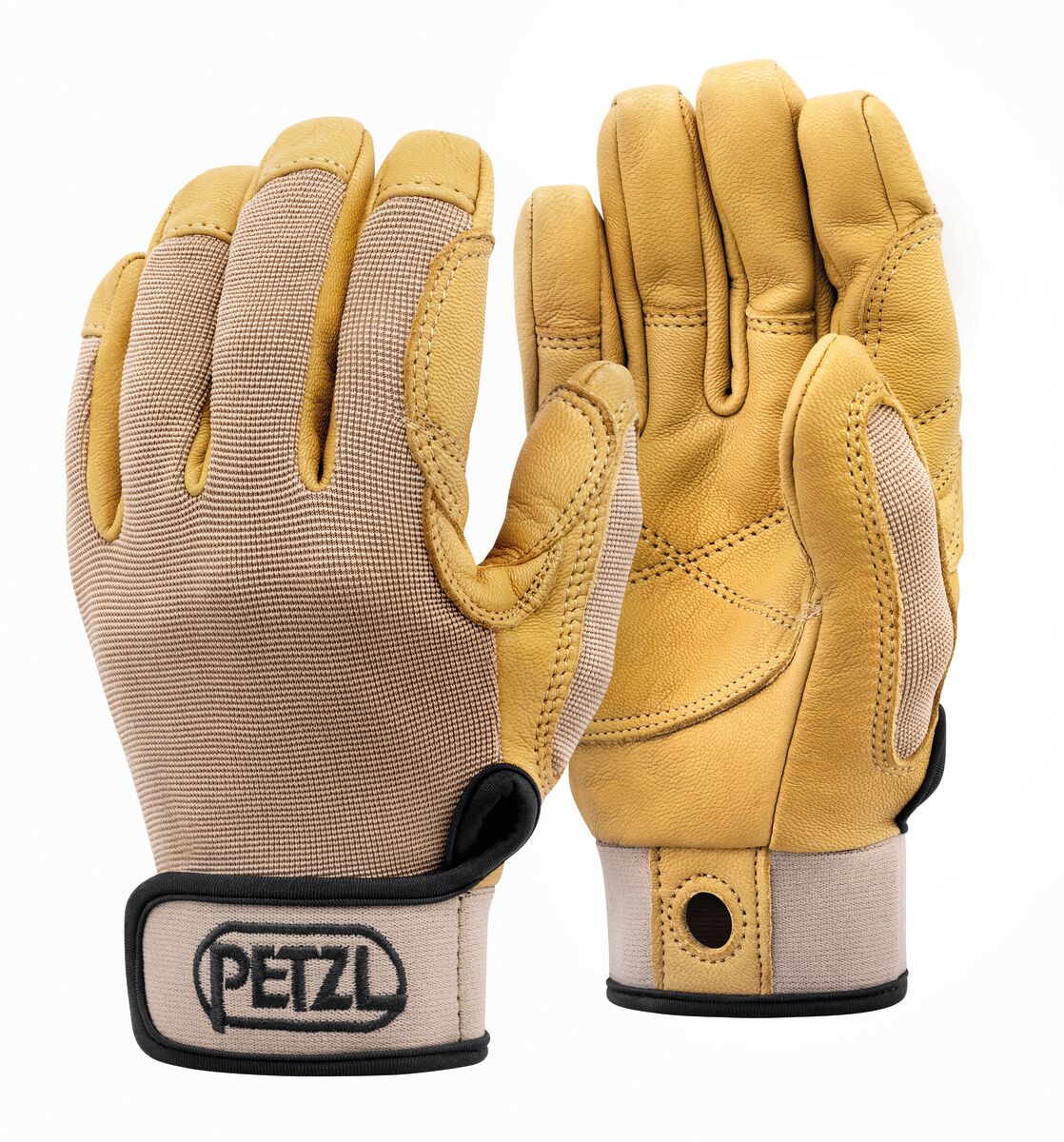
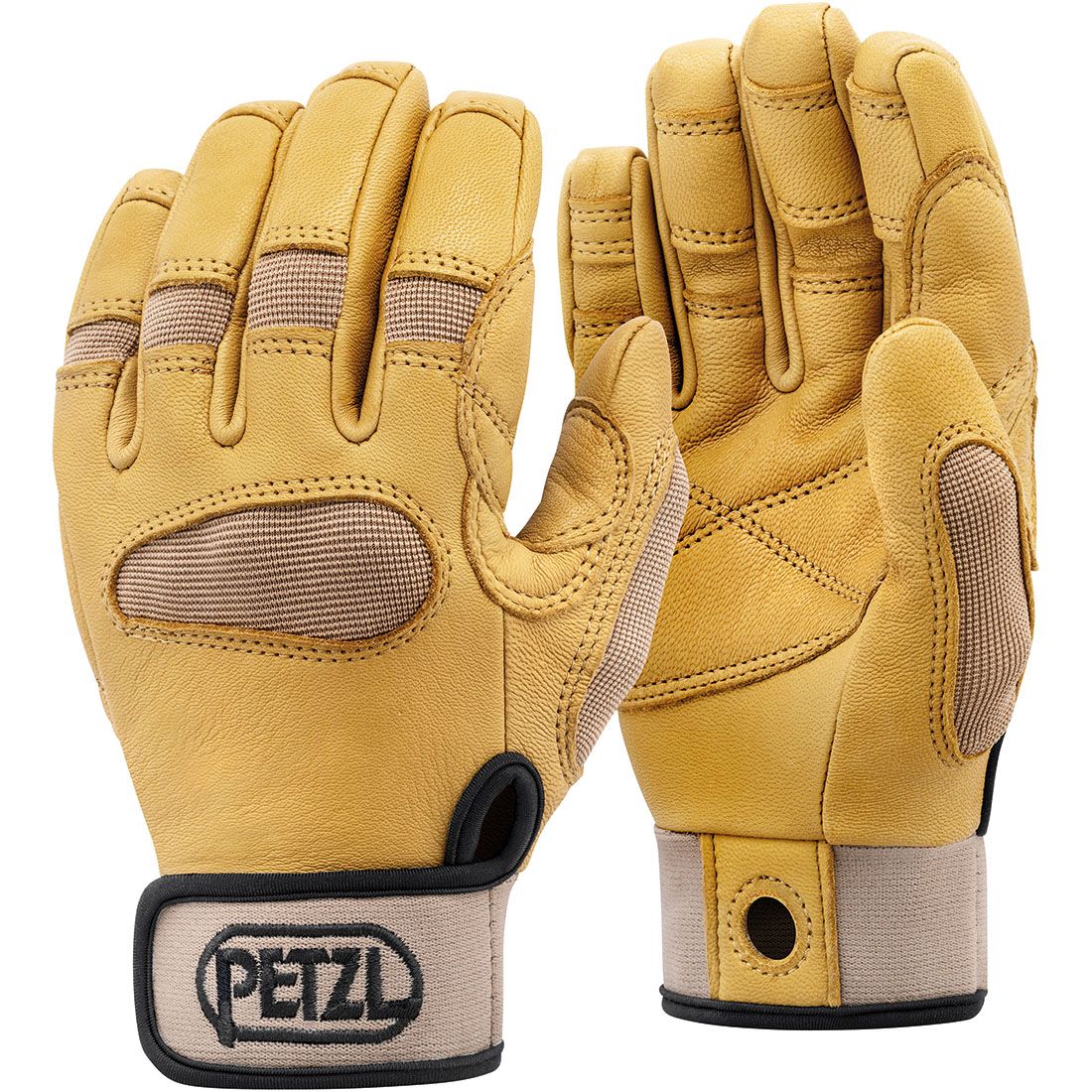
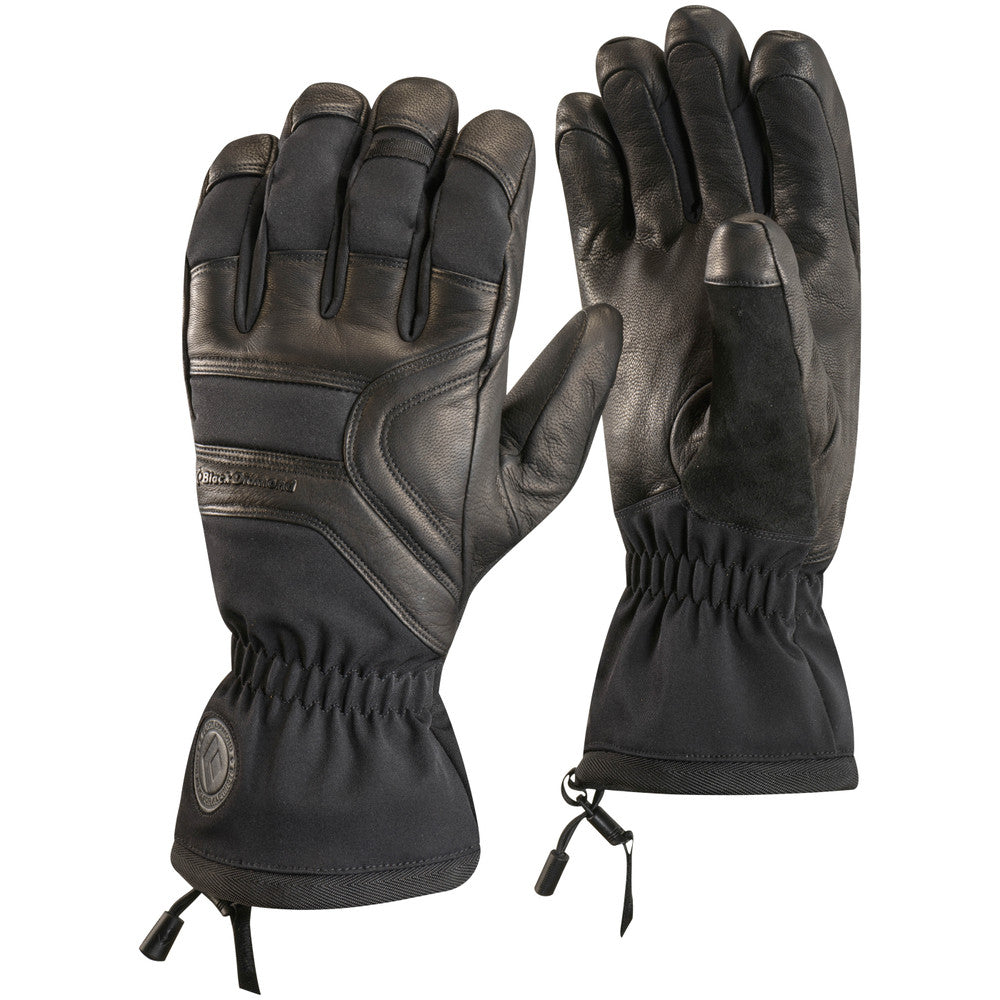
Each RMI program includes a required personal equipment list built around the specific terrain, conditions, and objectives of the climb. Every item serves a purpose and supports safety, efficiency, and comfort in the mountains.
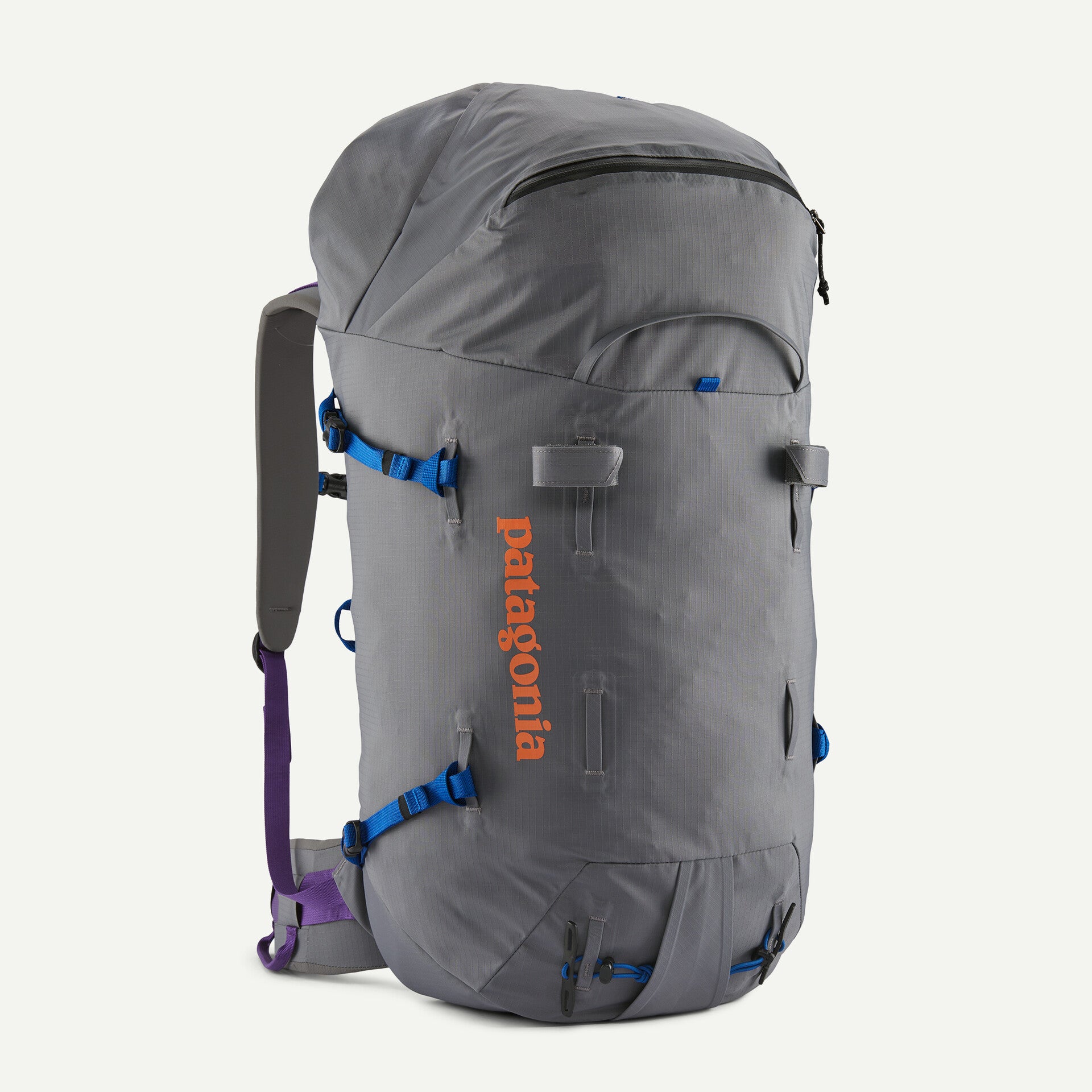
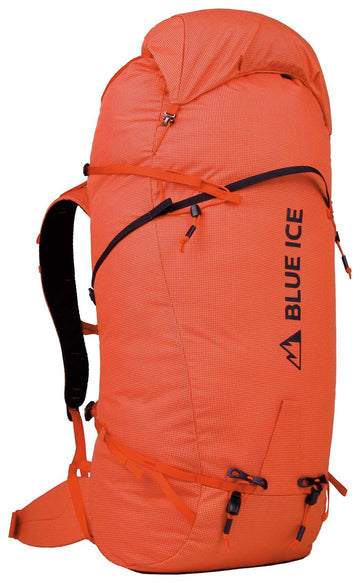
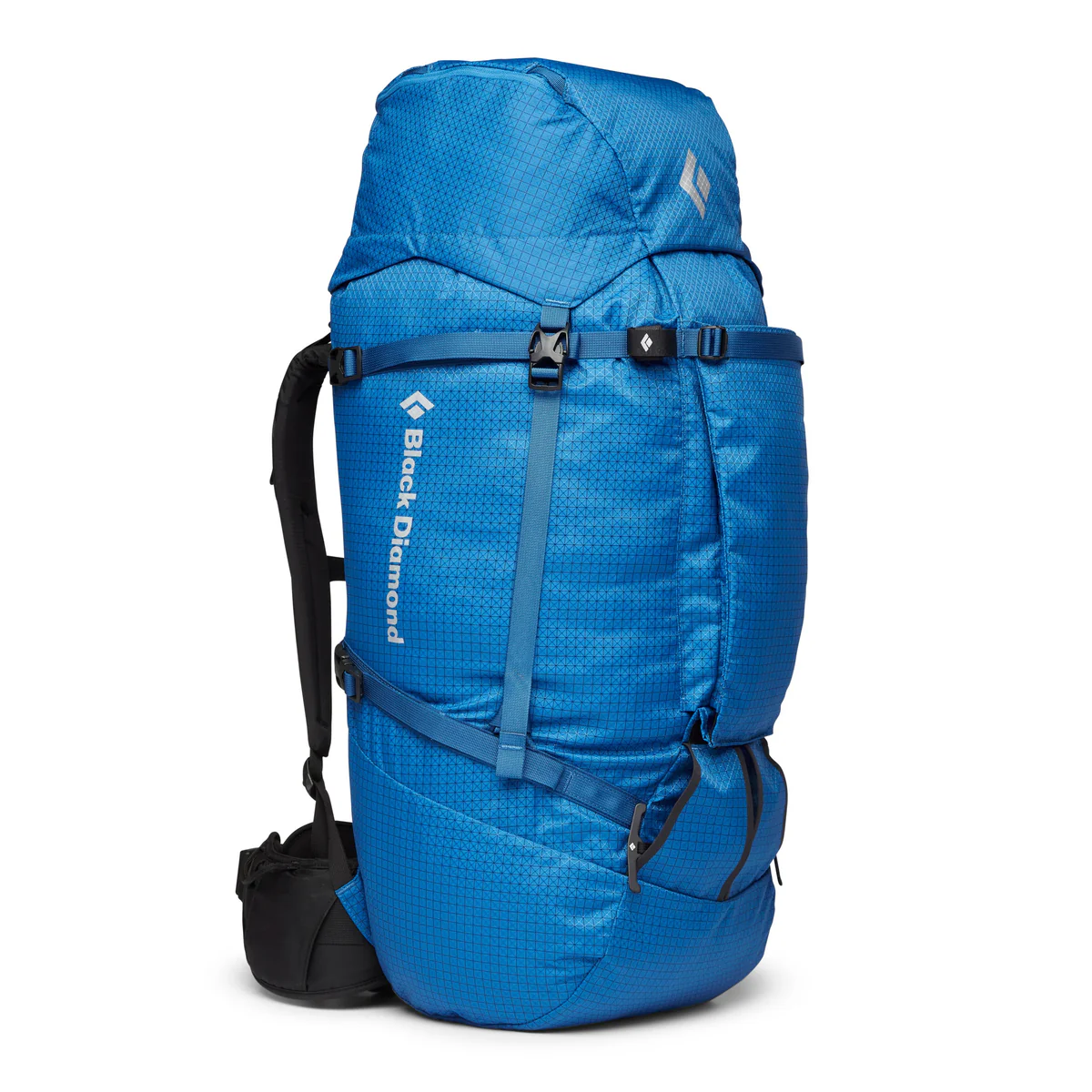
Guide Picks™ are examples that meet our performance standards and illustrate the type of gear we recommend. Each year, our partners at Whittaker Mountaineering survey our staff of 70+ guides to get a consensus on the best gear for the job. You do not need to purchase the exact item shown, but any alternative must offer comparable function and durability.
All listed items are required for the gear check. Final adjustments may be recommended by your guide based on conditions and team needs once the expedition begins.
Most of the required equipment is available for rent or purchase from our affiliate Whittaker Mountaineering. RMI climbers receive a 10% discount on new clothing and equipment items ordered from Whittaker Mountaineering.
Bring as needed. Make sure these are TSA-compliant.
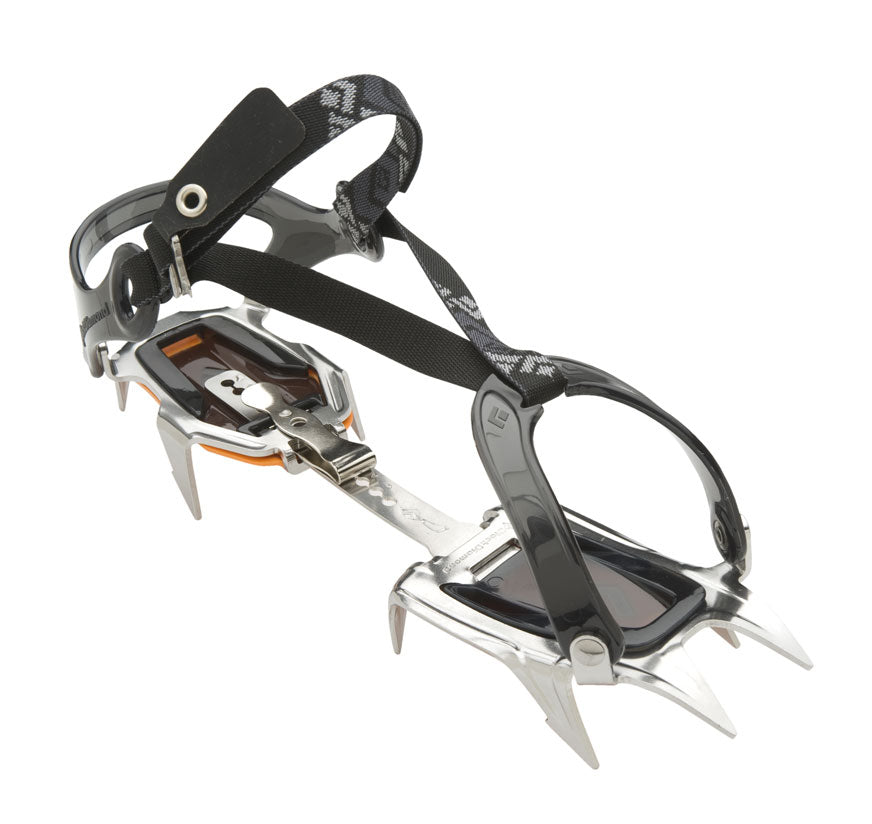
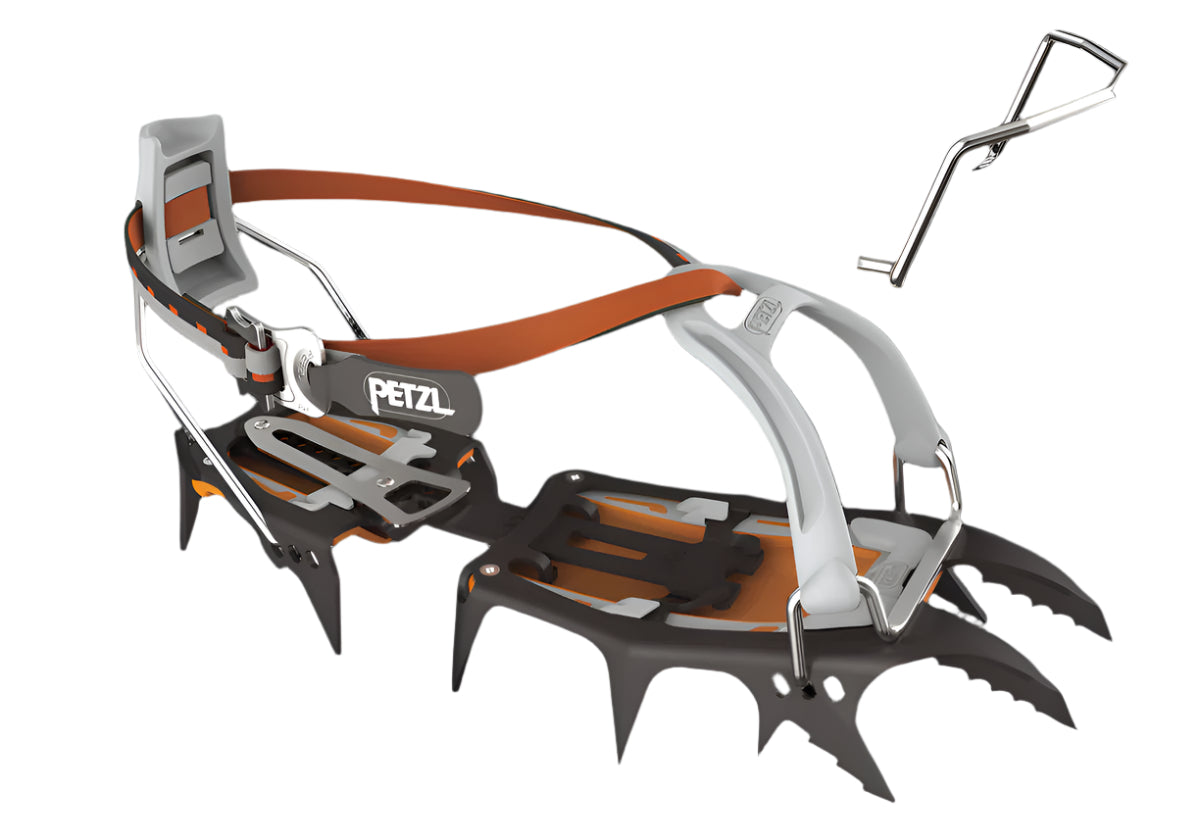
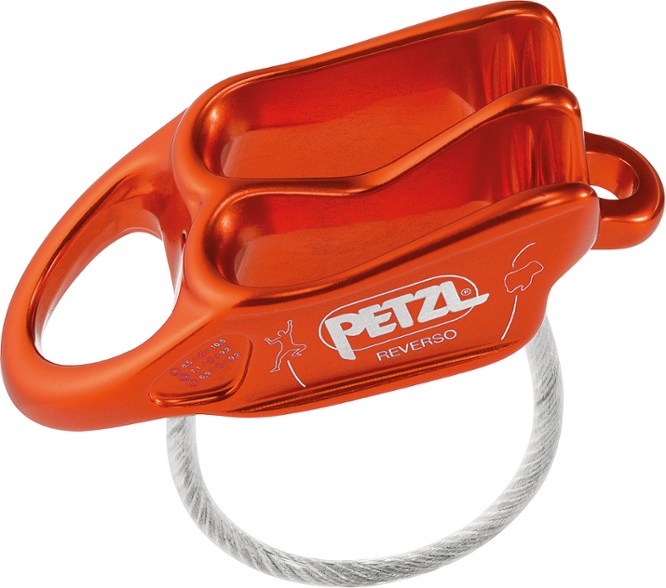
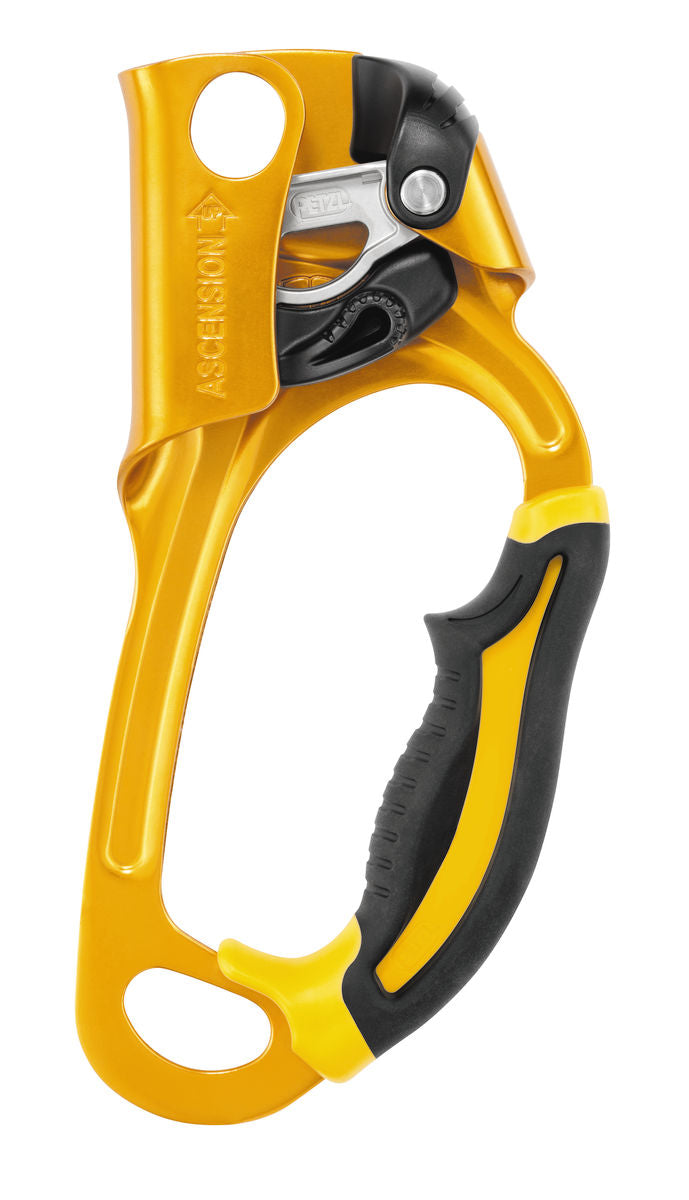
10- or 12-point adjustable steel crampons with anti-balling plates for general mountaineering and glacier travel. Automatic, semi-automatic, or strap-on attachment depending on boot compatibility. Ensure crampons are compatible with your specific boots before your program.
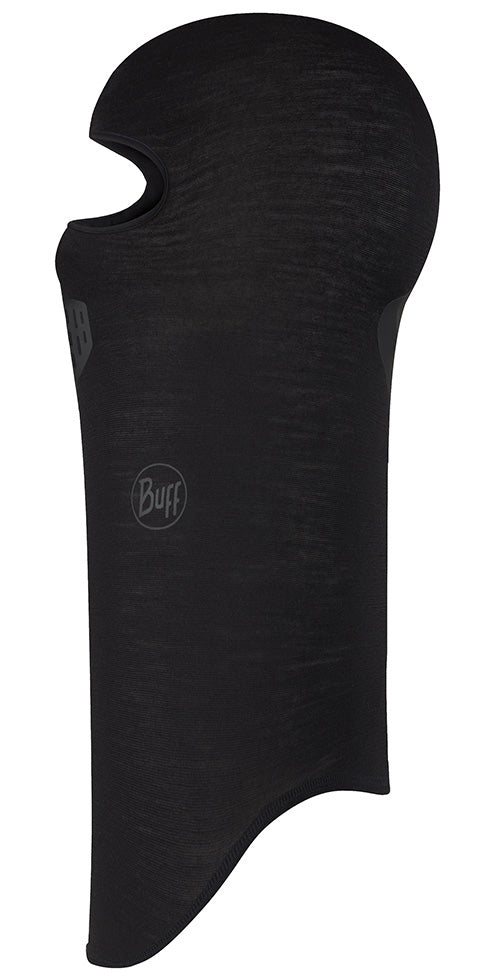
A neoprene or insulated facemask for additional face protection in severe cold and wind.
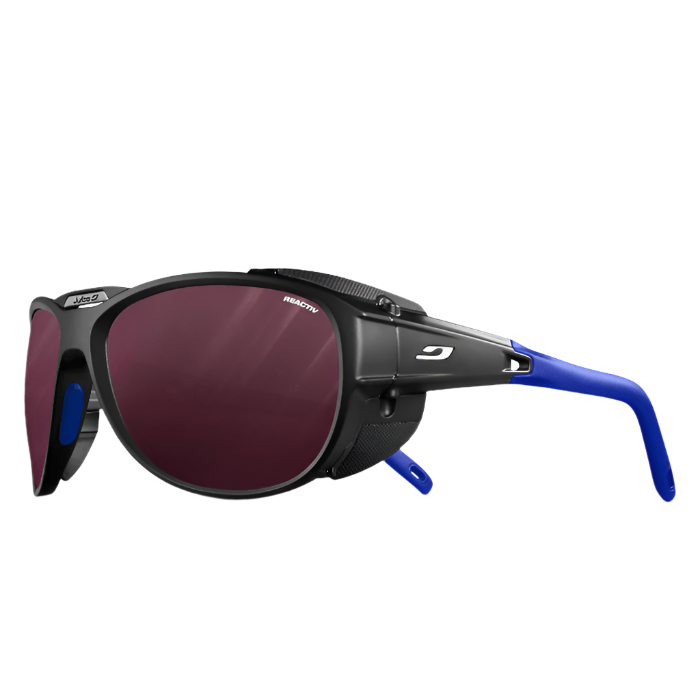
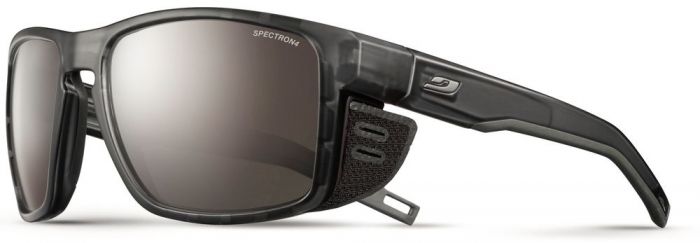
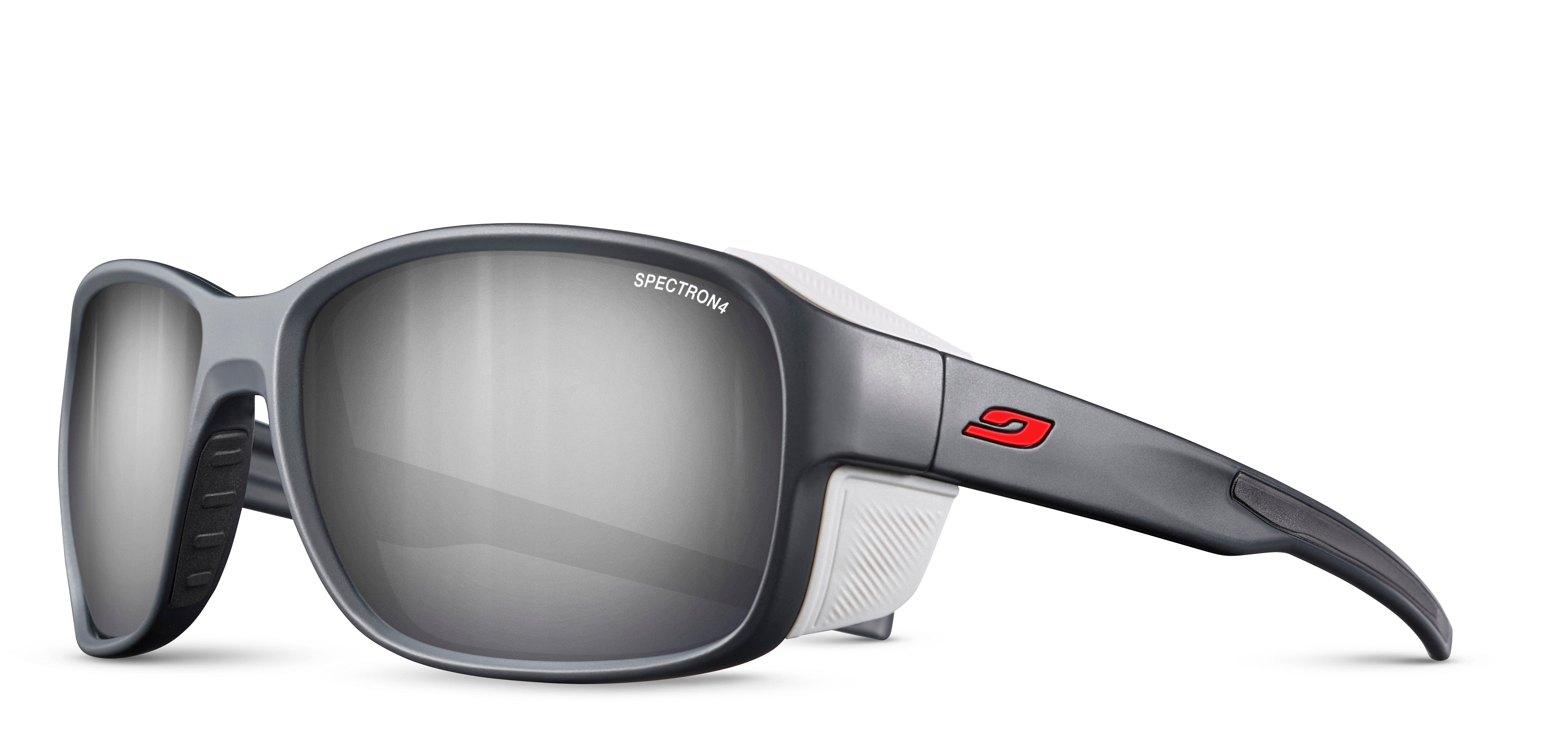
Glacier glasses are protective sunglasses that provide close to 100% frame coverage (wrap-around frames and side shields ensure no light can enter from the top, bottom, and sides of the glasses) and transmit less than 10% of visual light.
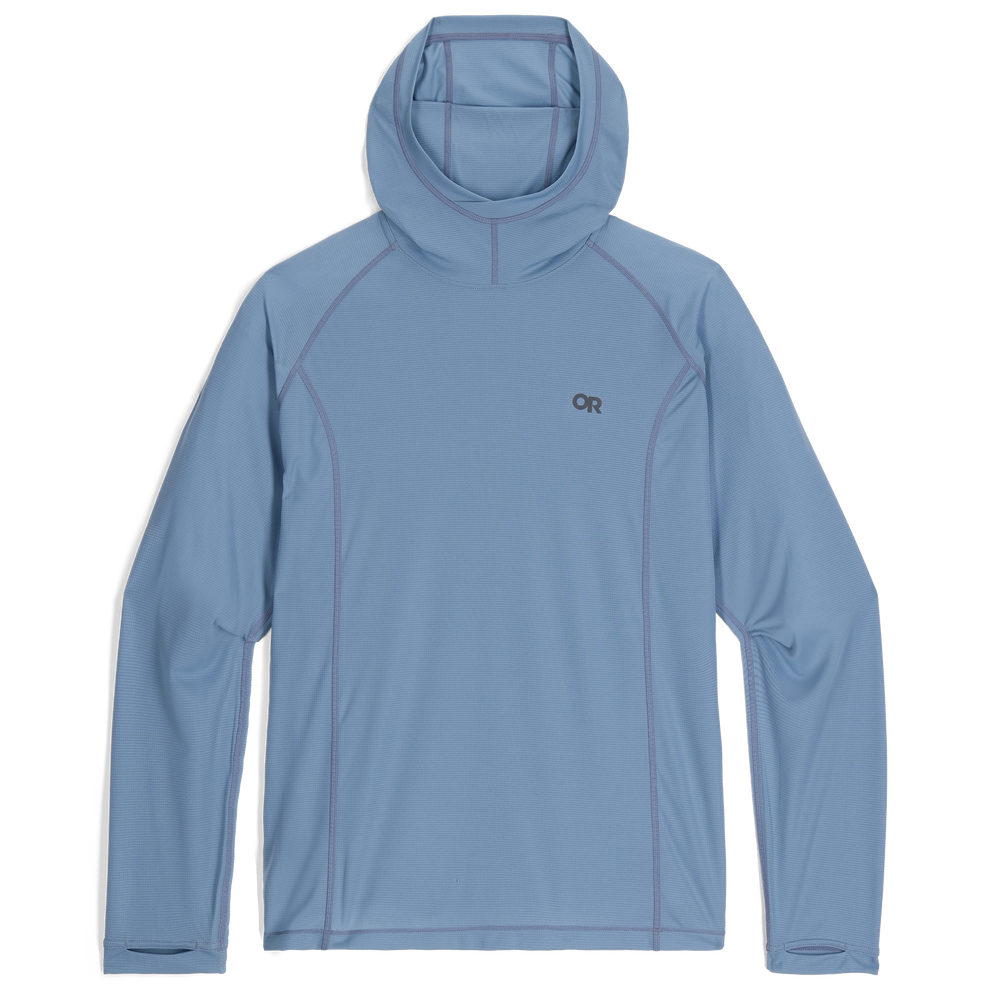
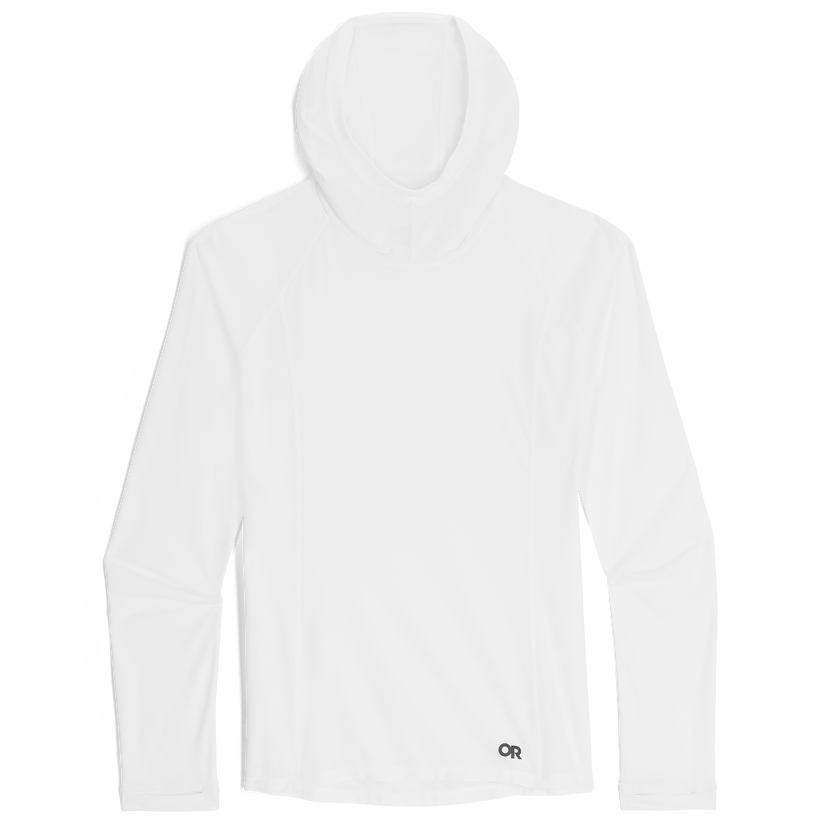
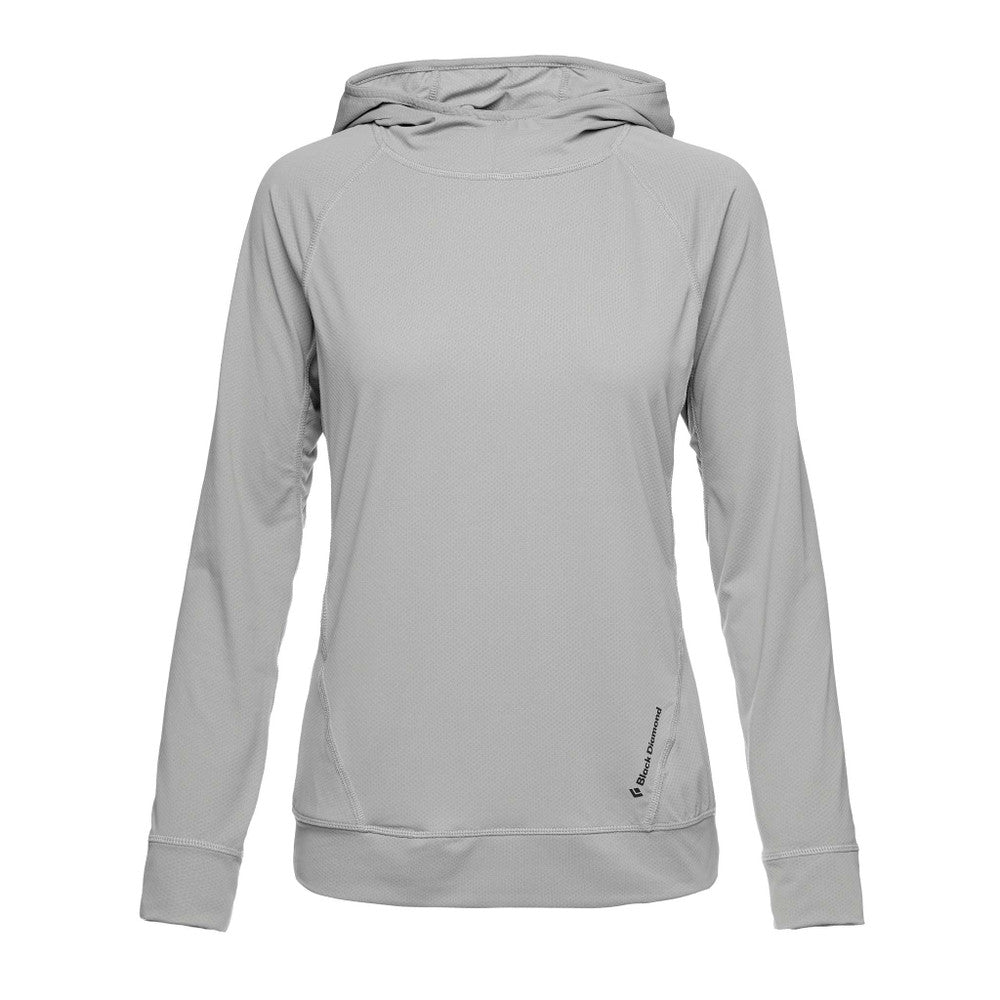
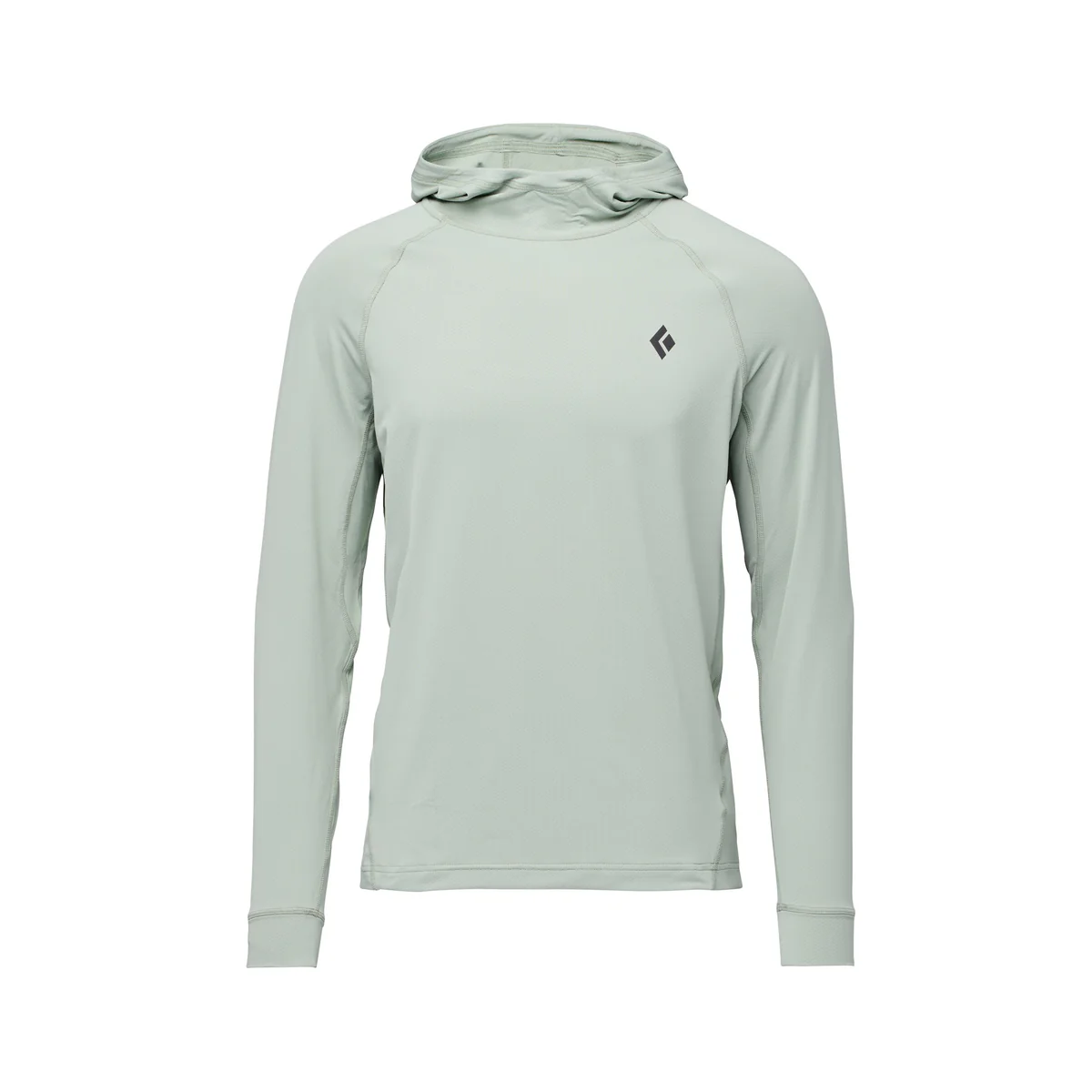
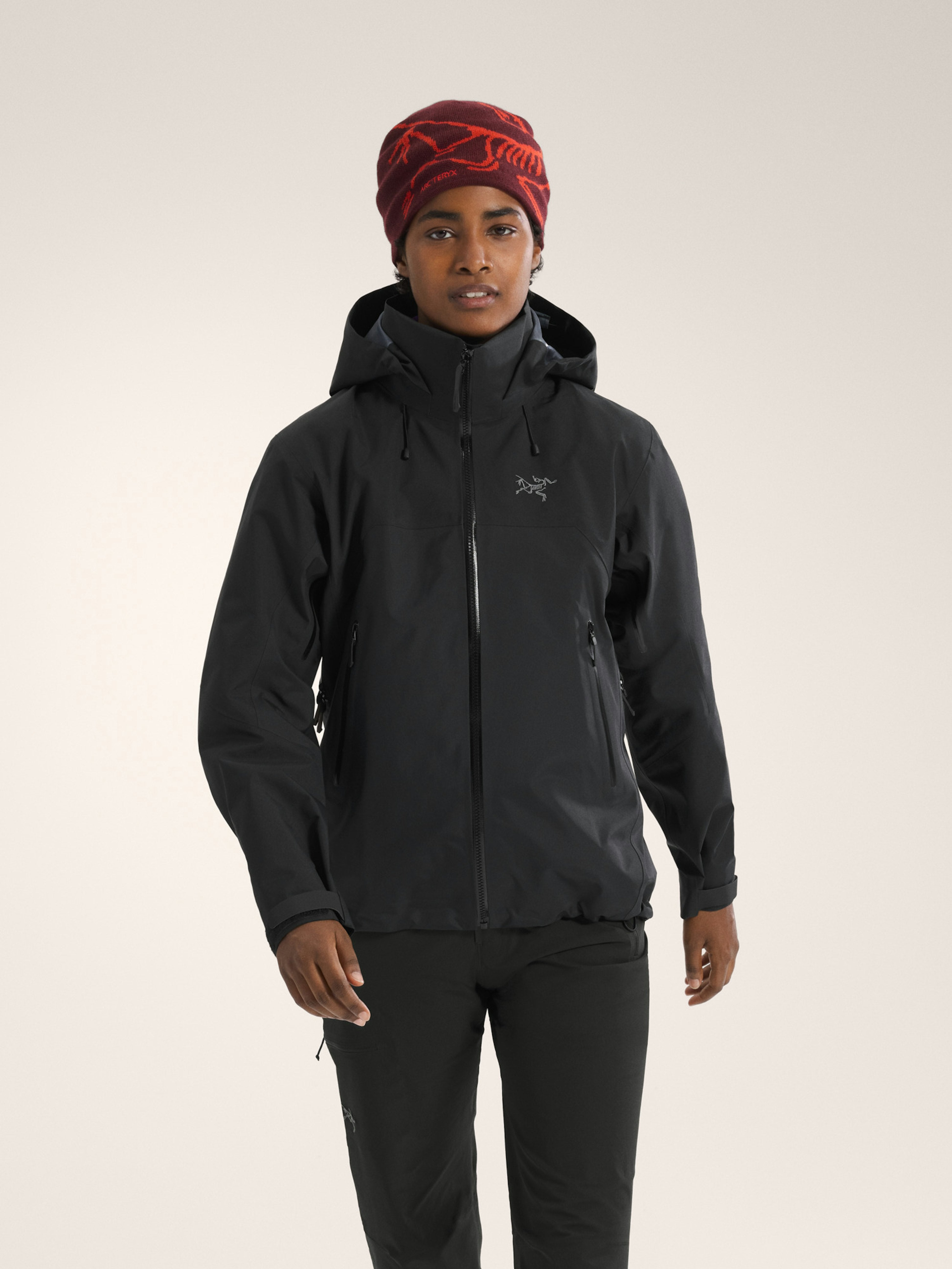
A lightweight, breathable long-sleeve shirt in synthetic or merino wool for sun protection and moisture management during active climbing.
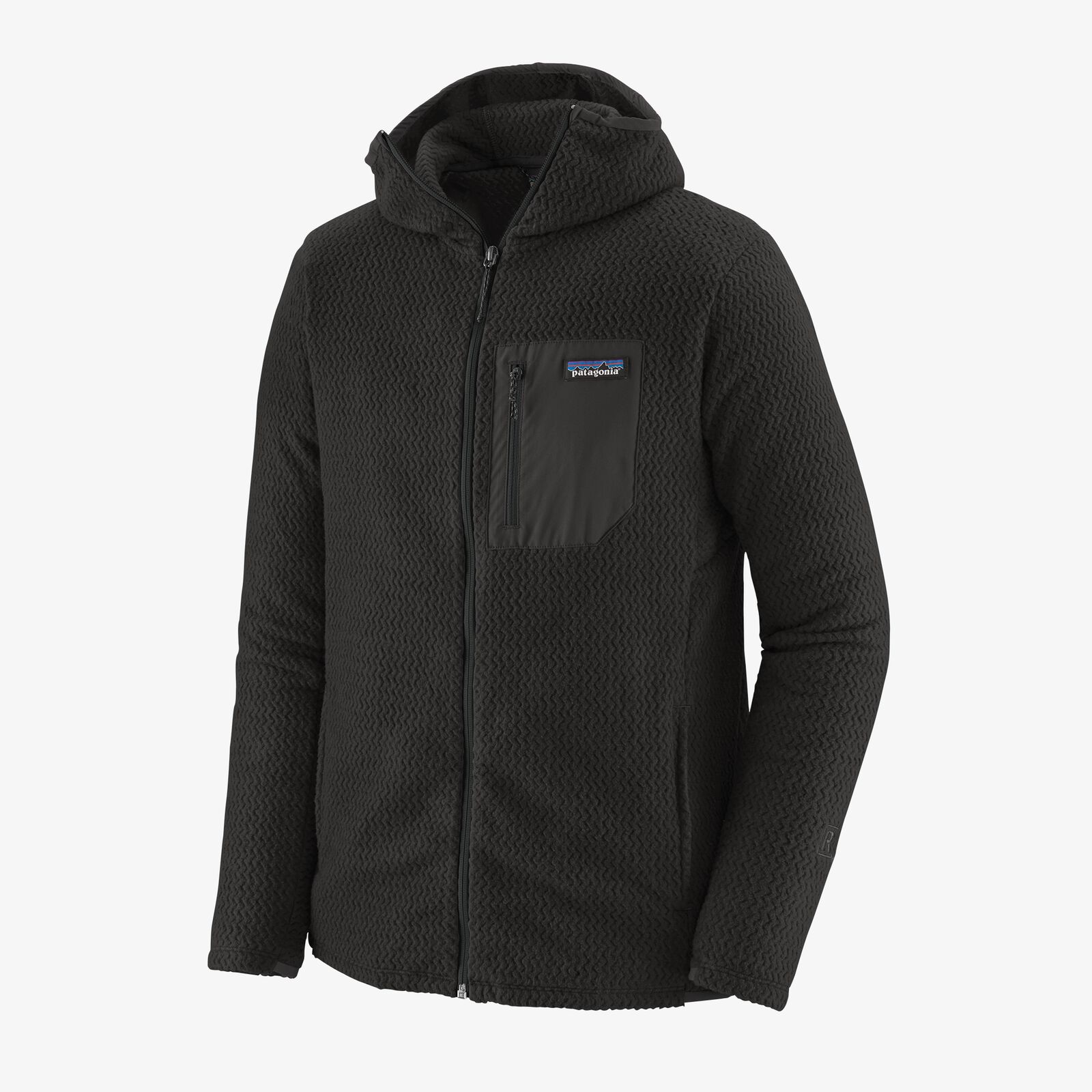
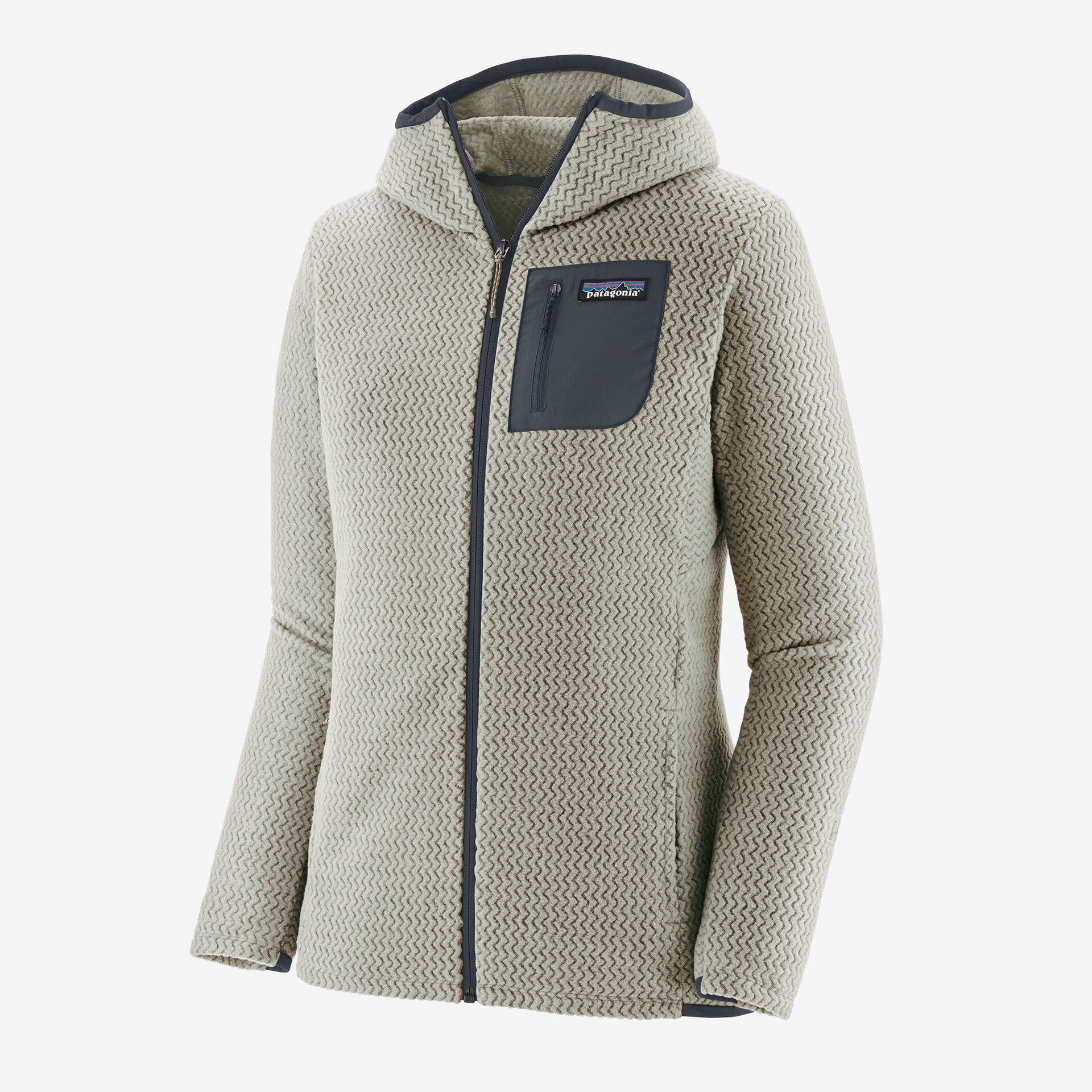
One step up in warmth and bulk from a baselayer. A technical fleece makes an ideal light weight insulating layer.
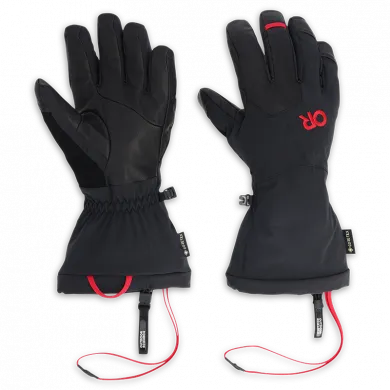
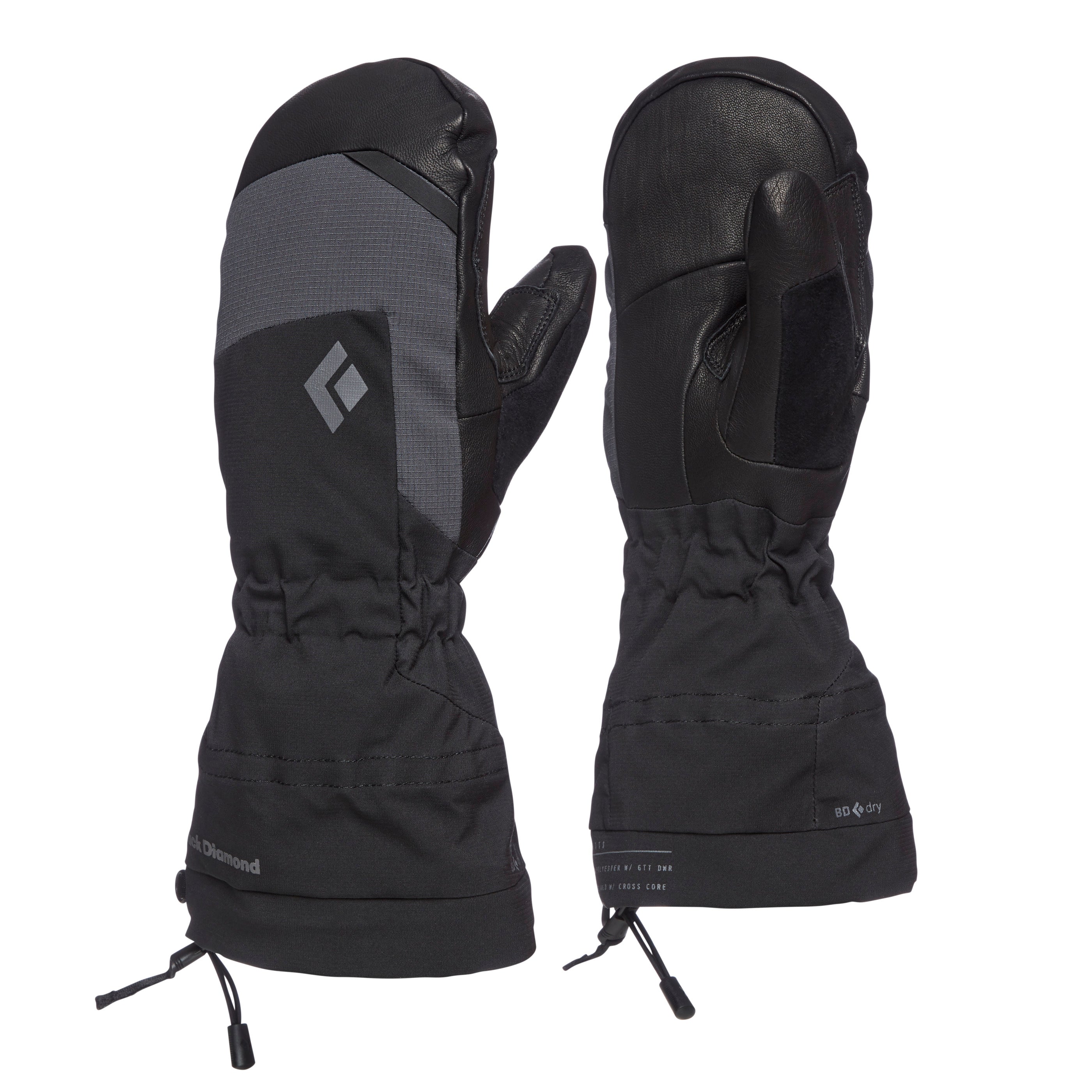
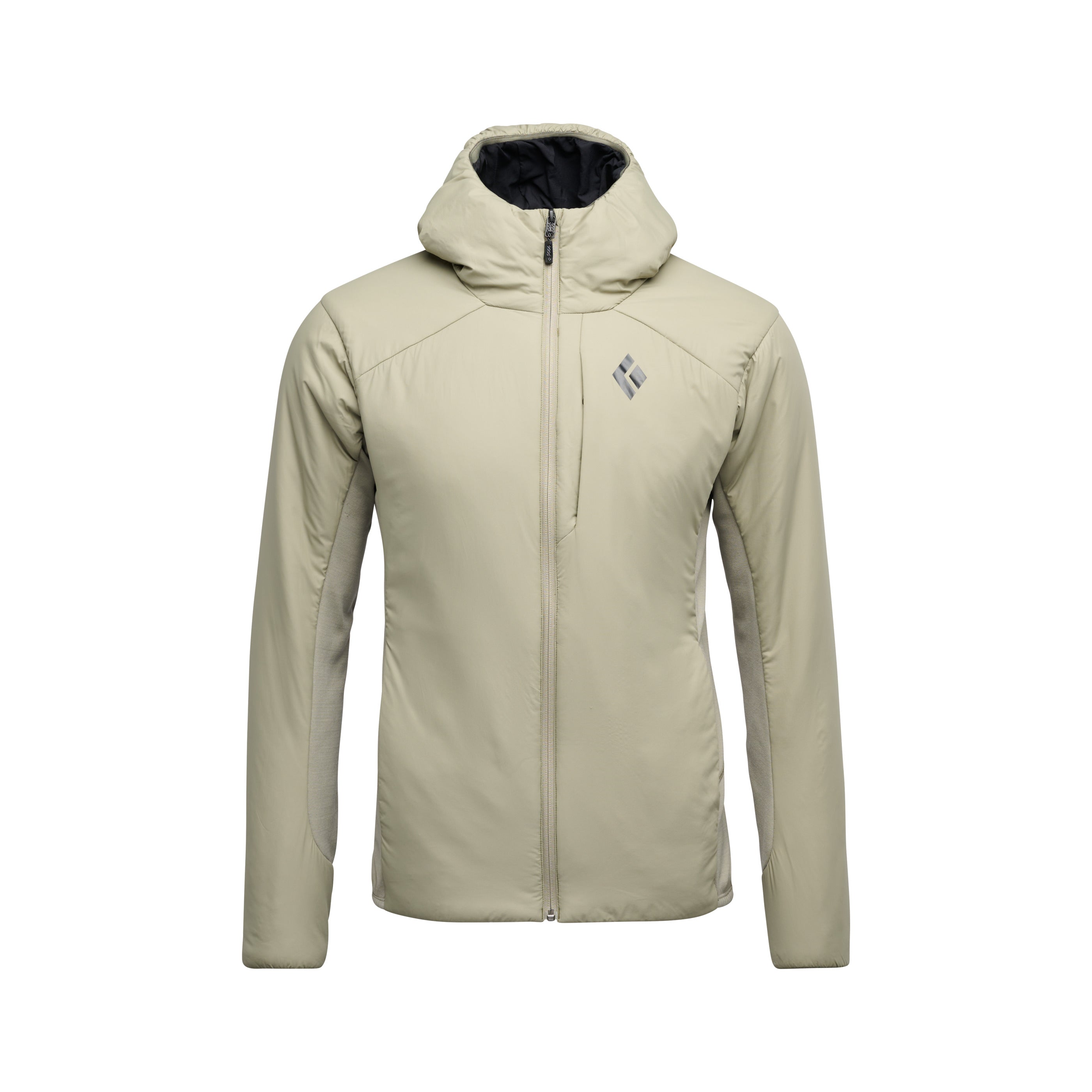
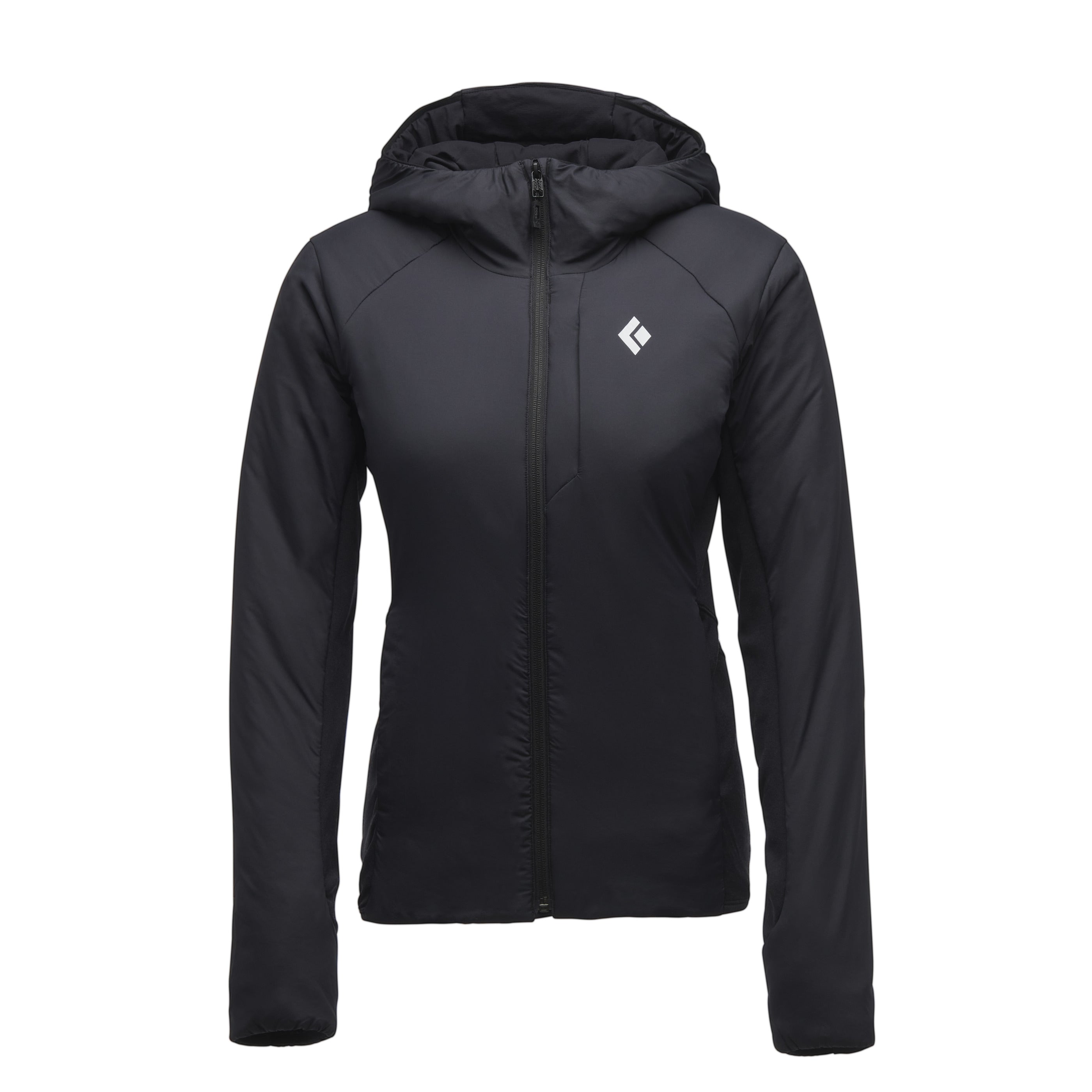
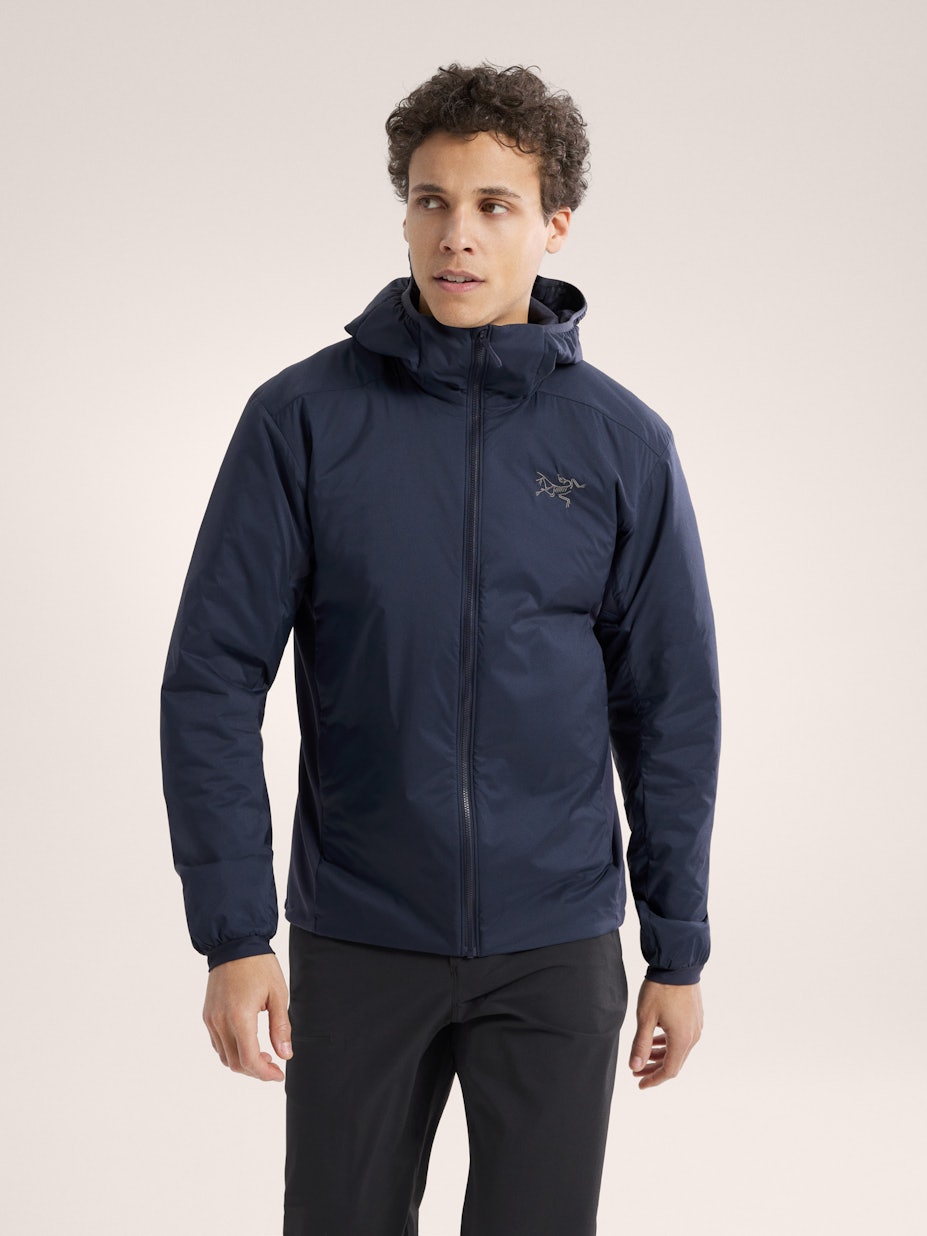
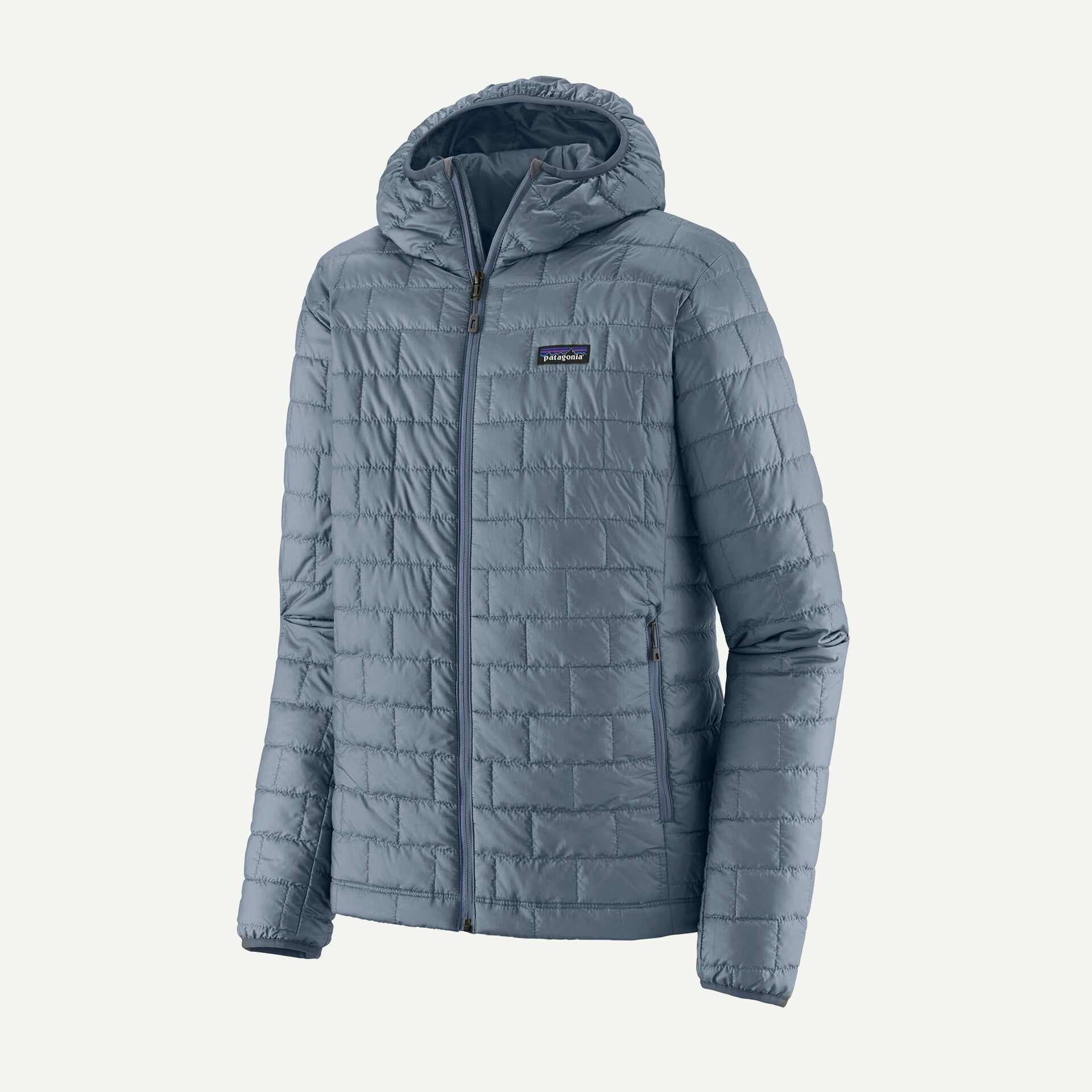
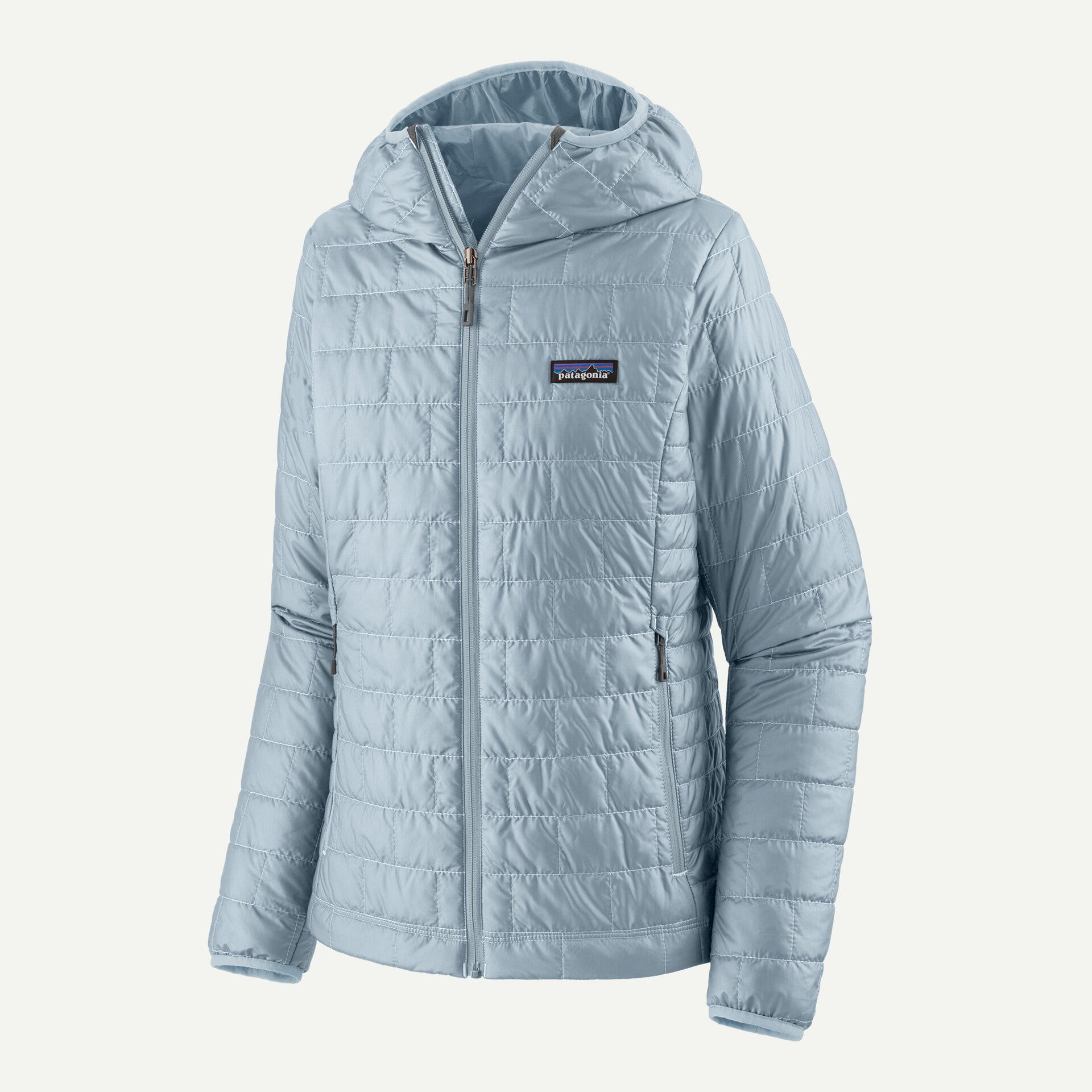
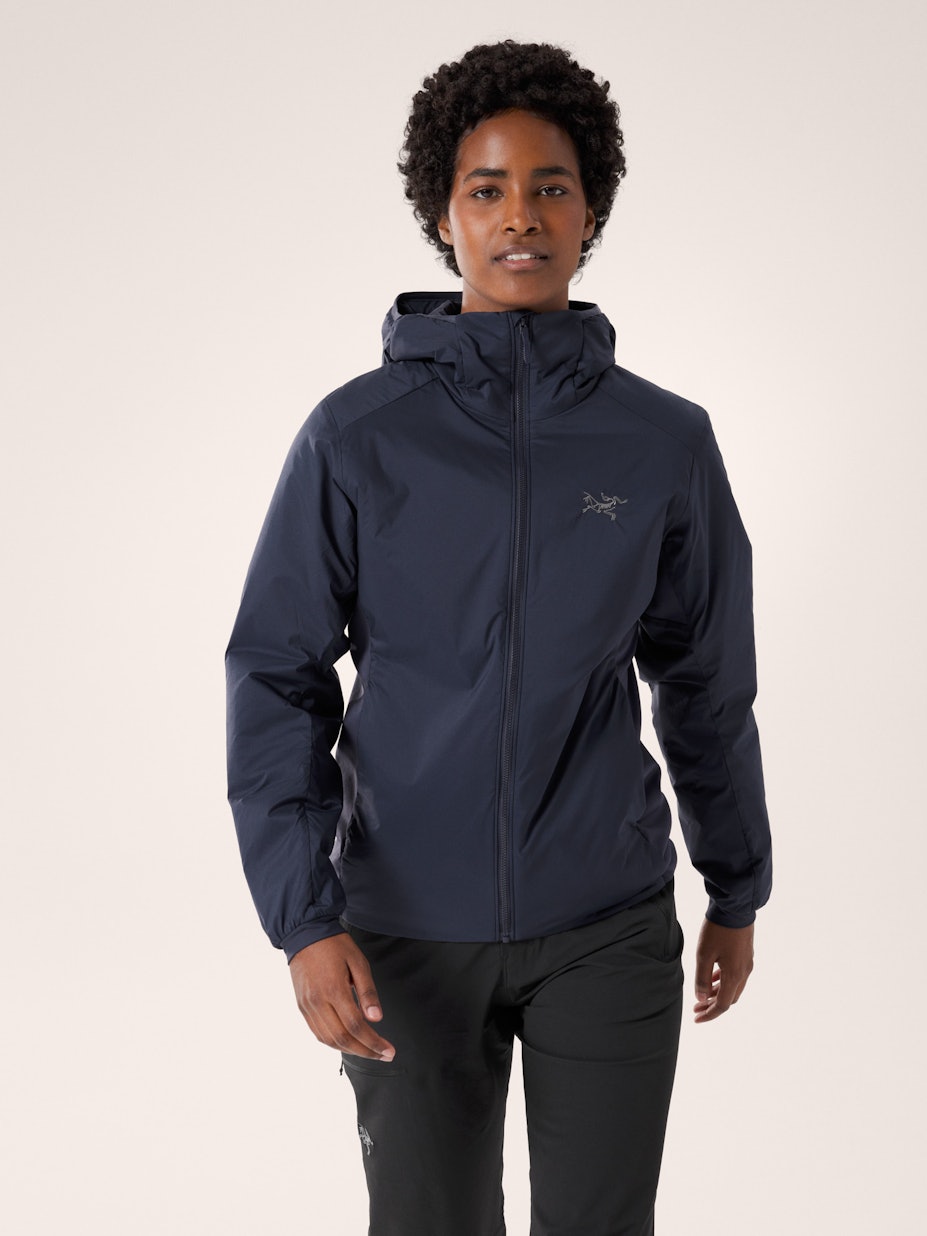
An insulated jacket or softshell for warmth during low-output activity and extended rest breaks. Should fit over baselayers and midlayers, and under a shell.
Your expedition-style heavy parka must extend below the waist, have an insulated hood, and be able to fit over the rest of your upper body layers. While the parka is worn primarily at rest breaks on summit day, it also serves as an emergency garment if needed. We recommend down rather than synthetic fill.
An 8,000 meter down suit.
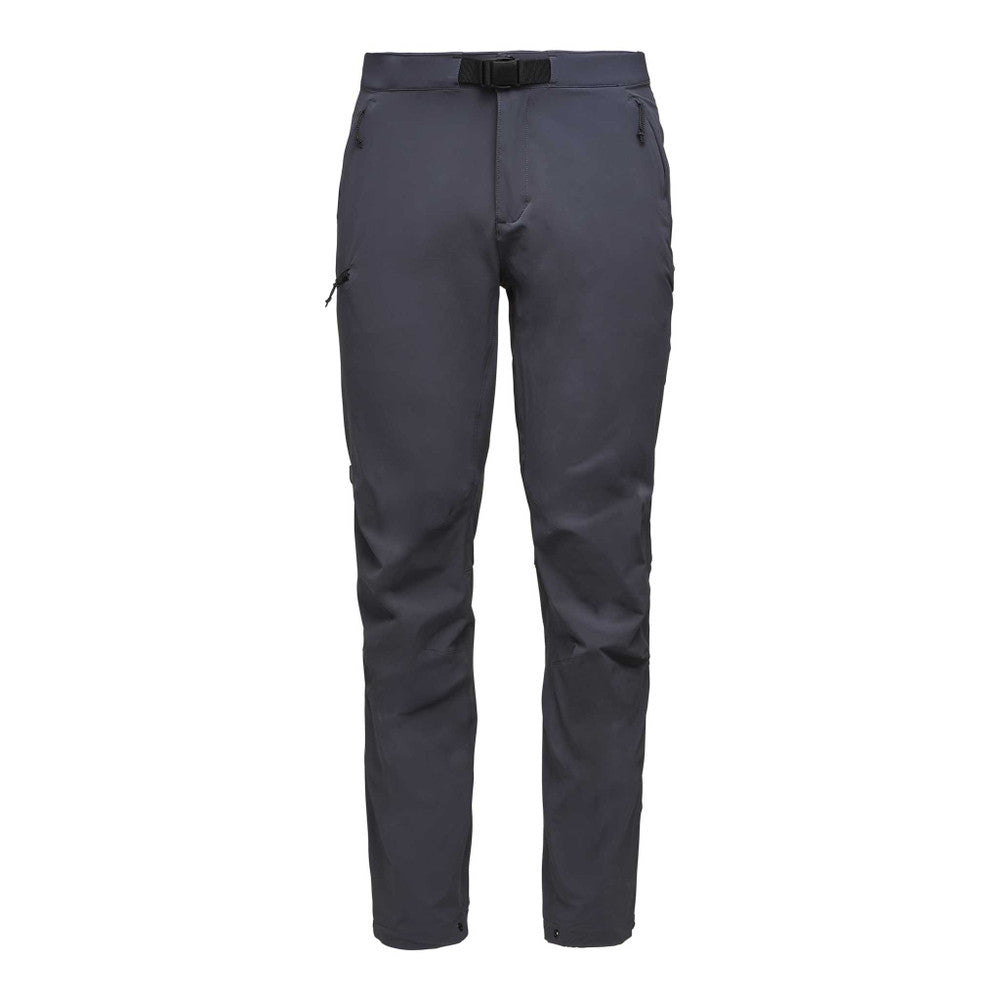
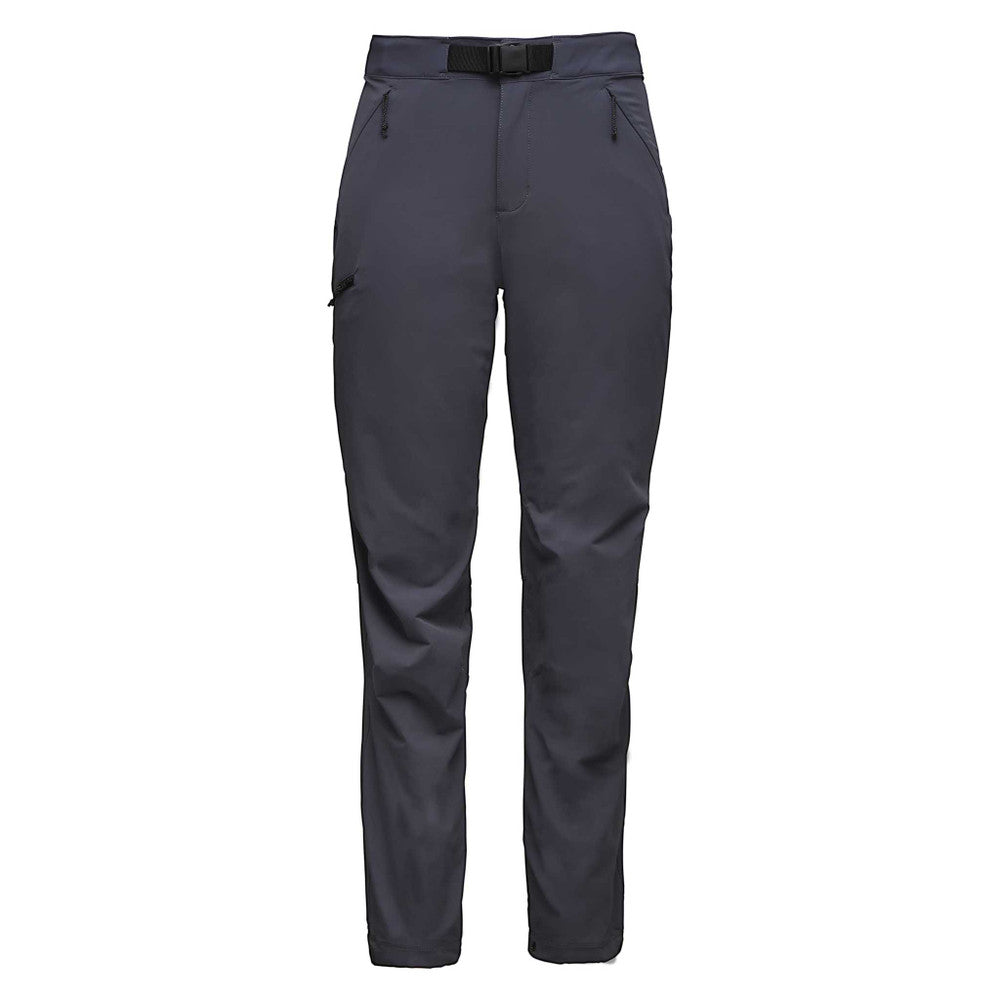
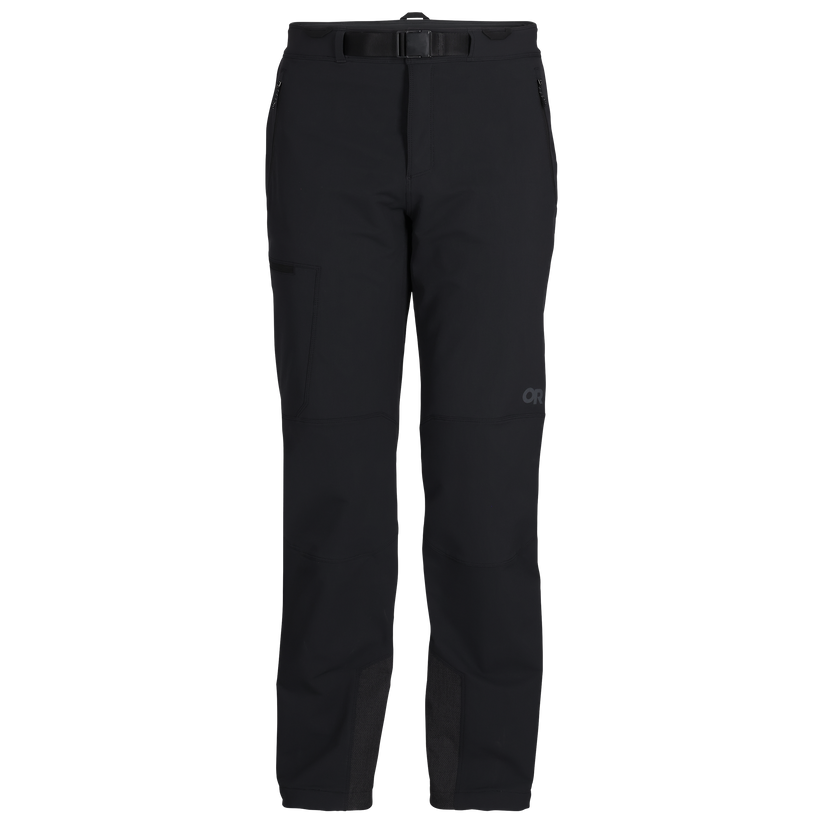
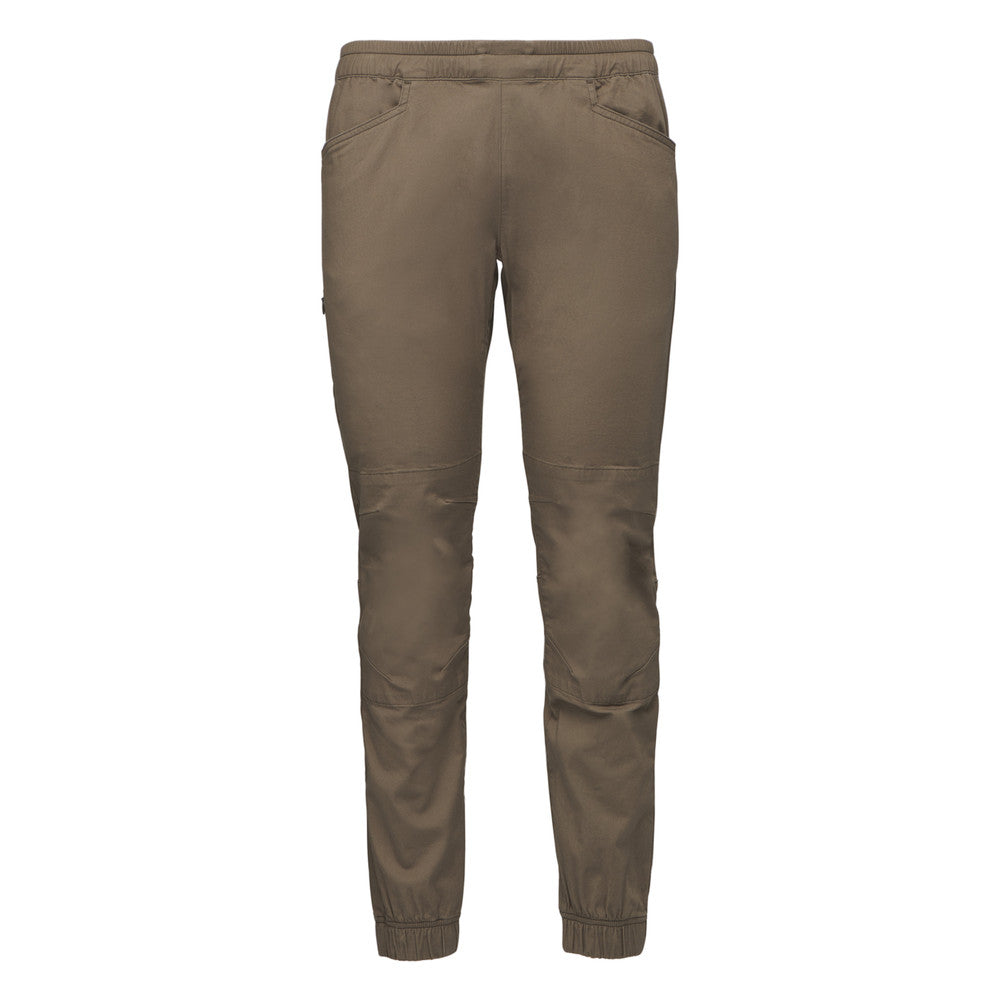
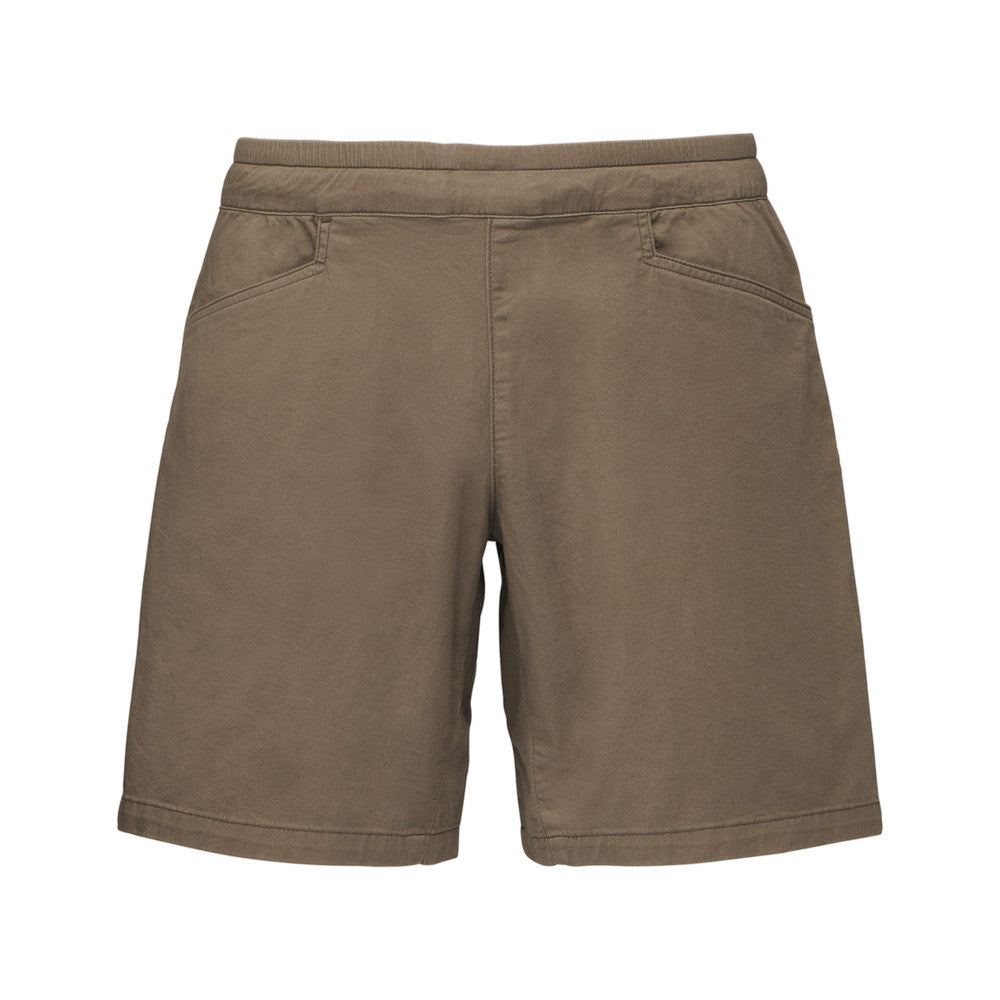
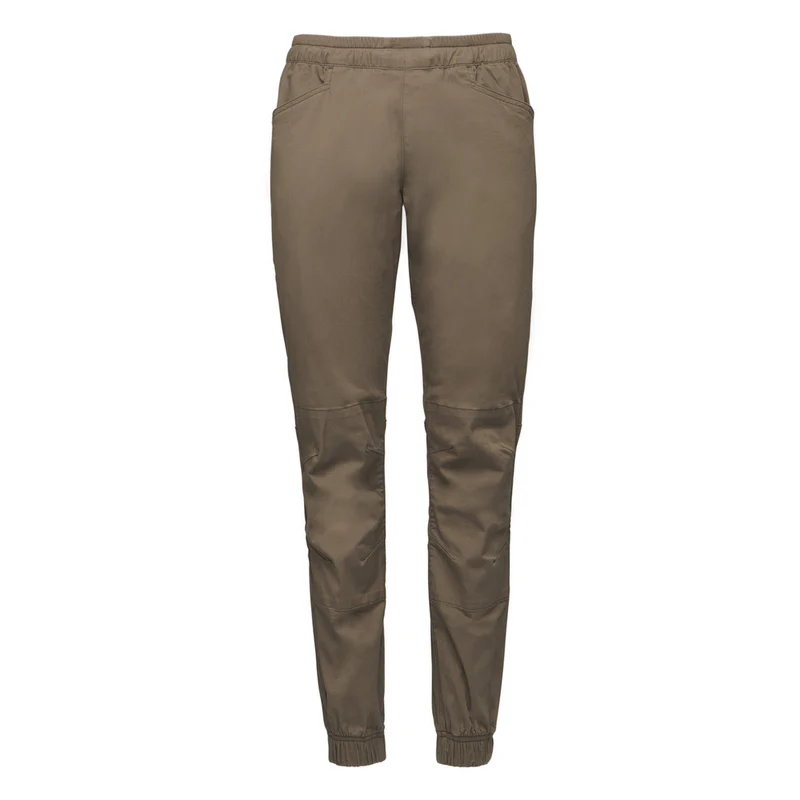
Softshell climbing pants can be worn in combination with a base layer on colder days, or alone on warmer days.
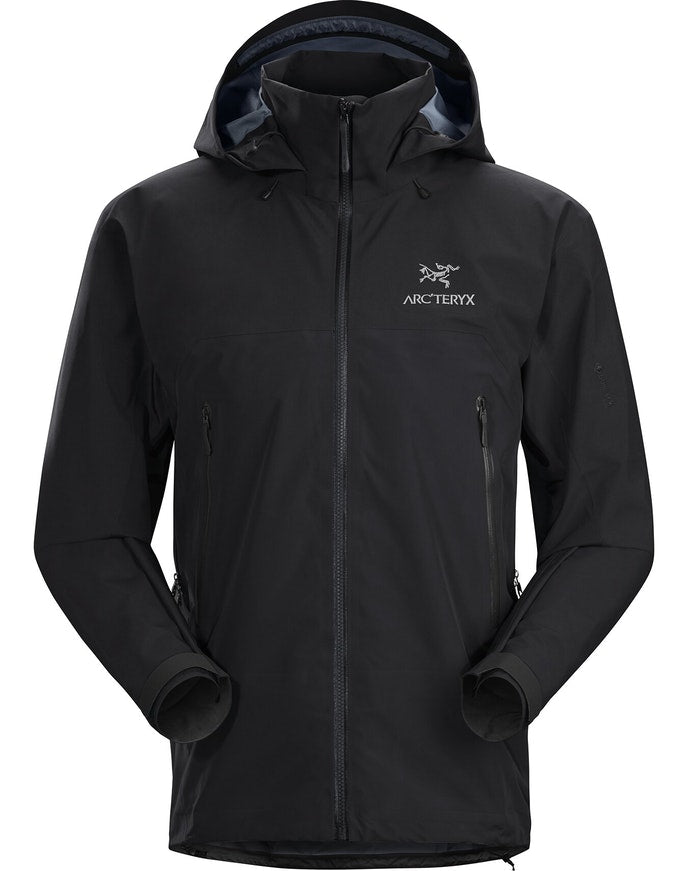
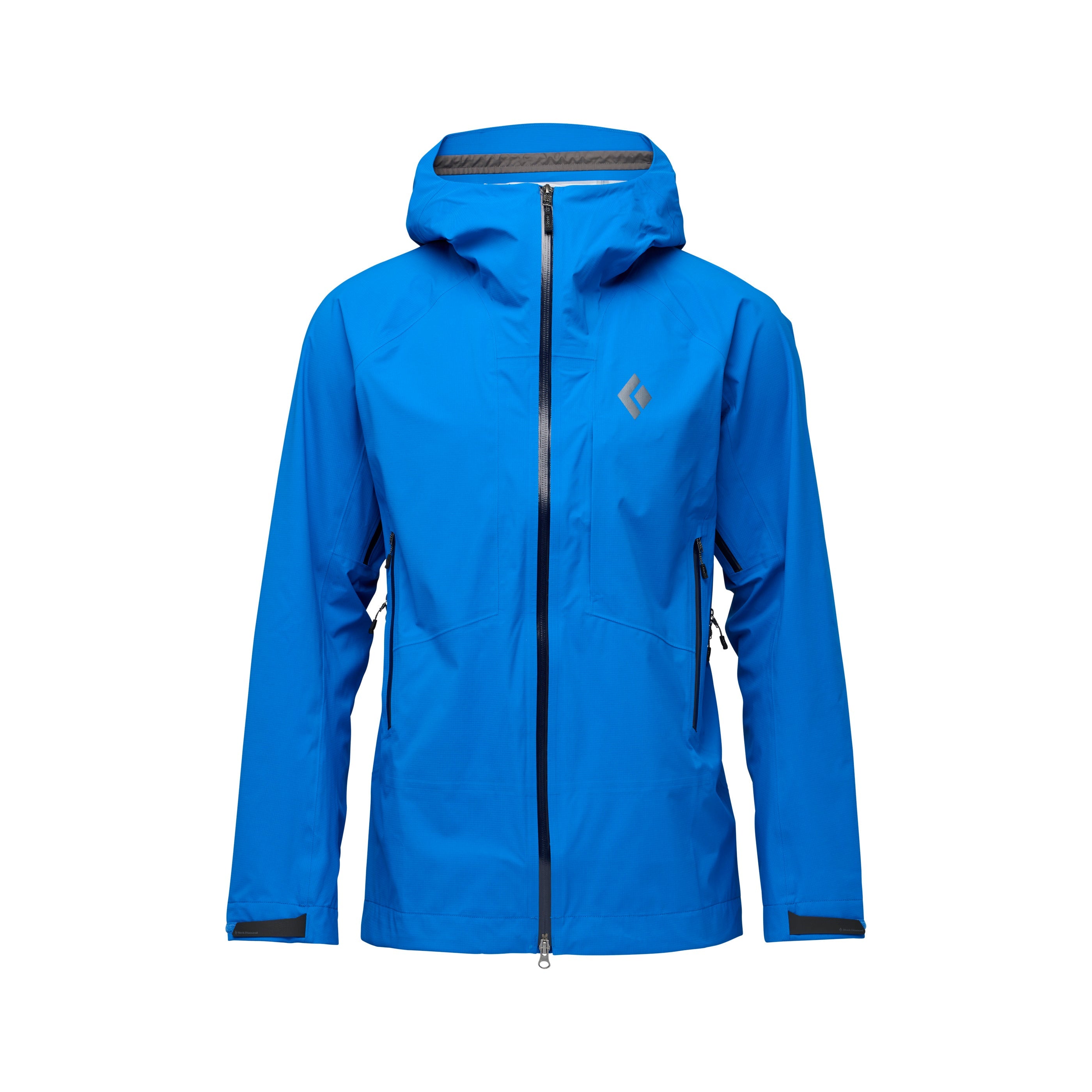
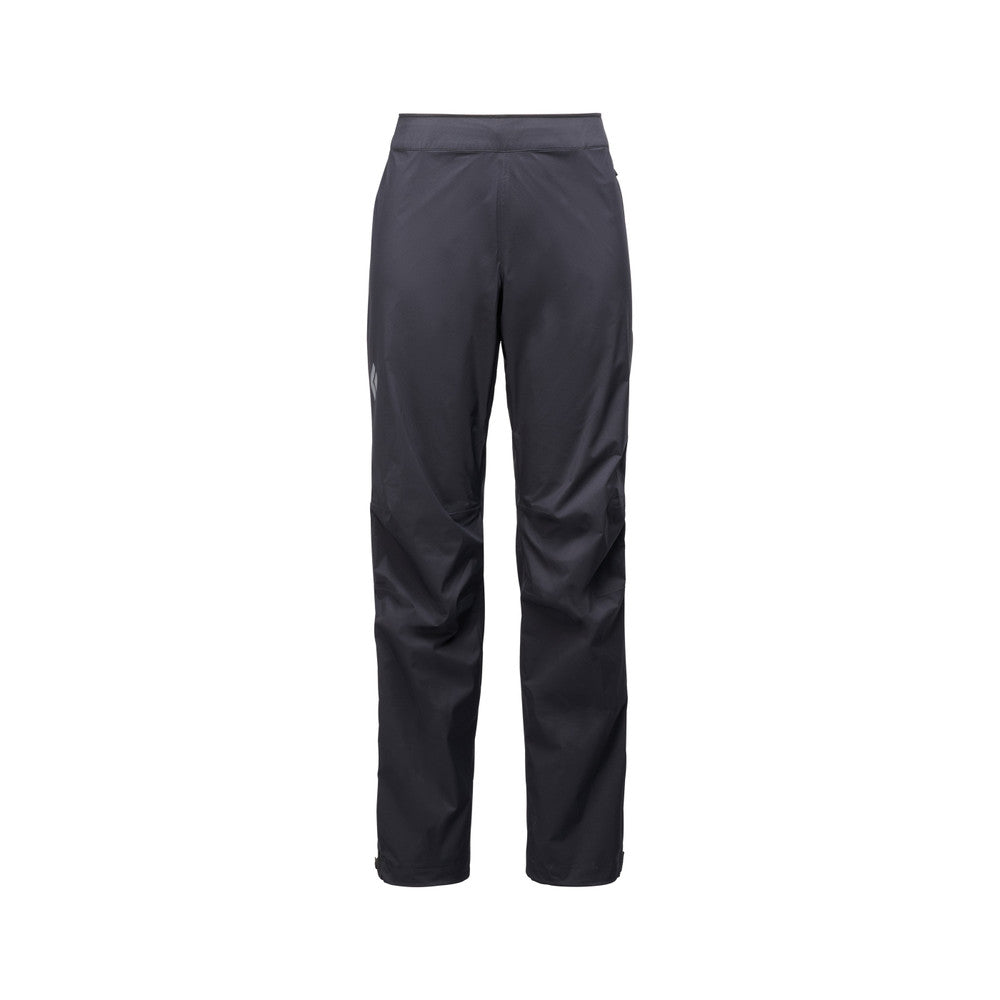
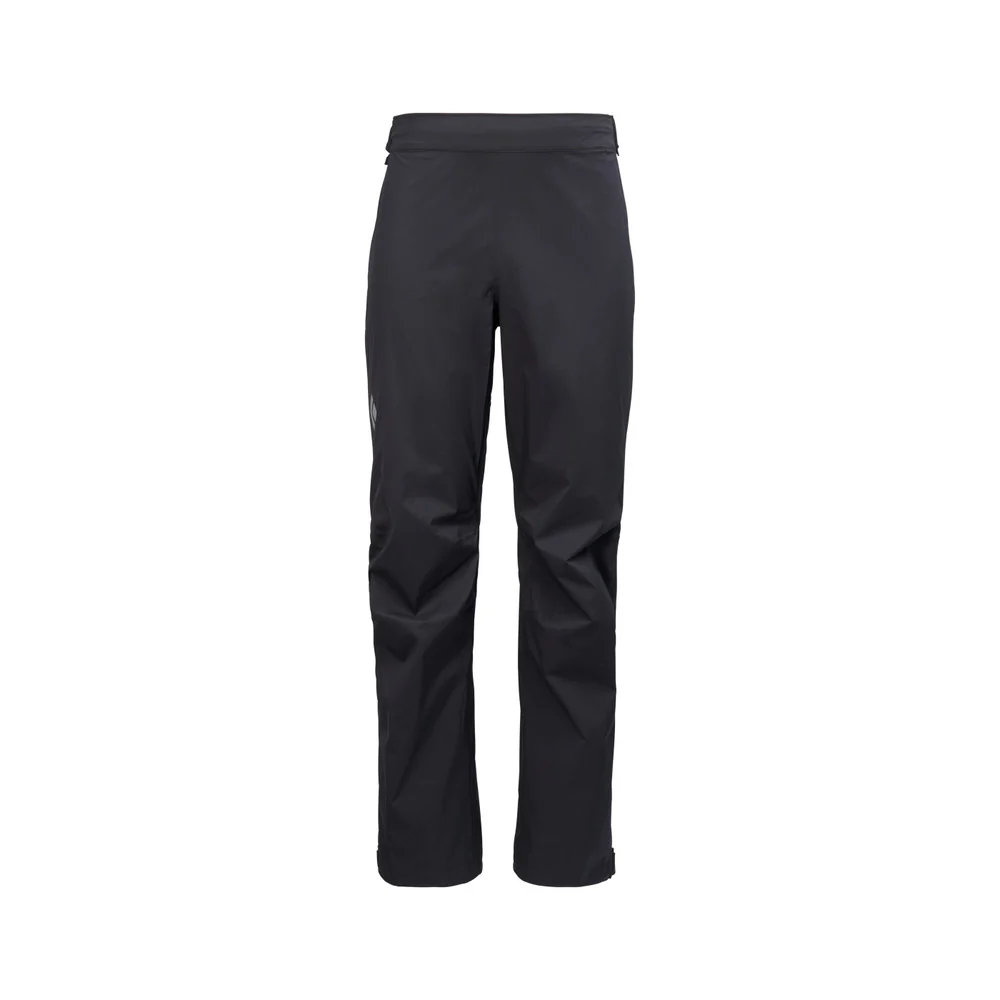
Non-insulated, waterproof shell pants must be able to fit comfortable over your baselayer bottoms and softshell climbing pants. Full side zippers or 7/8 side zippers are required so that shell pants can be put on while wearing boots and crampons.
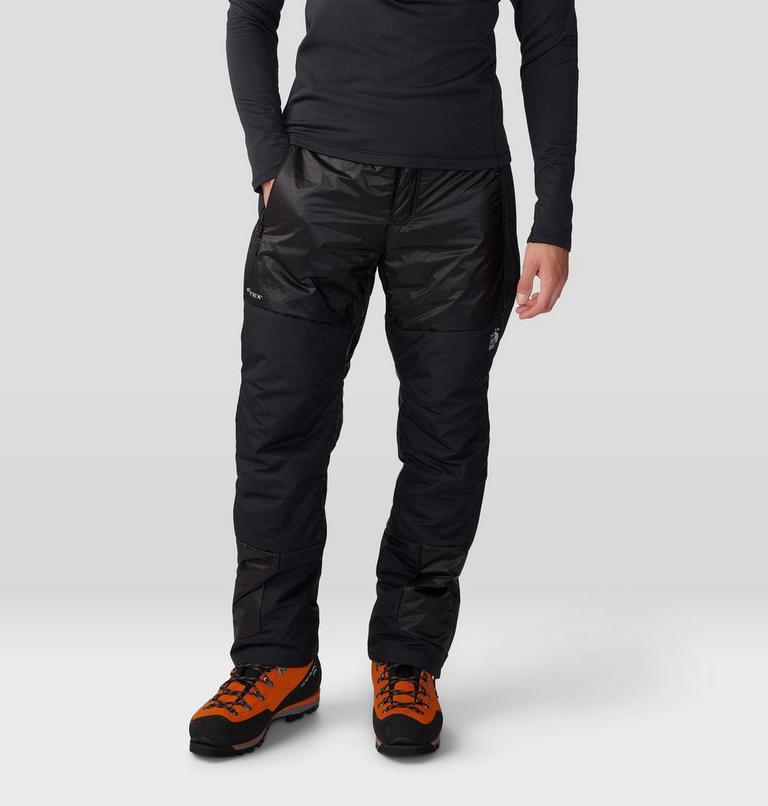
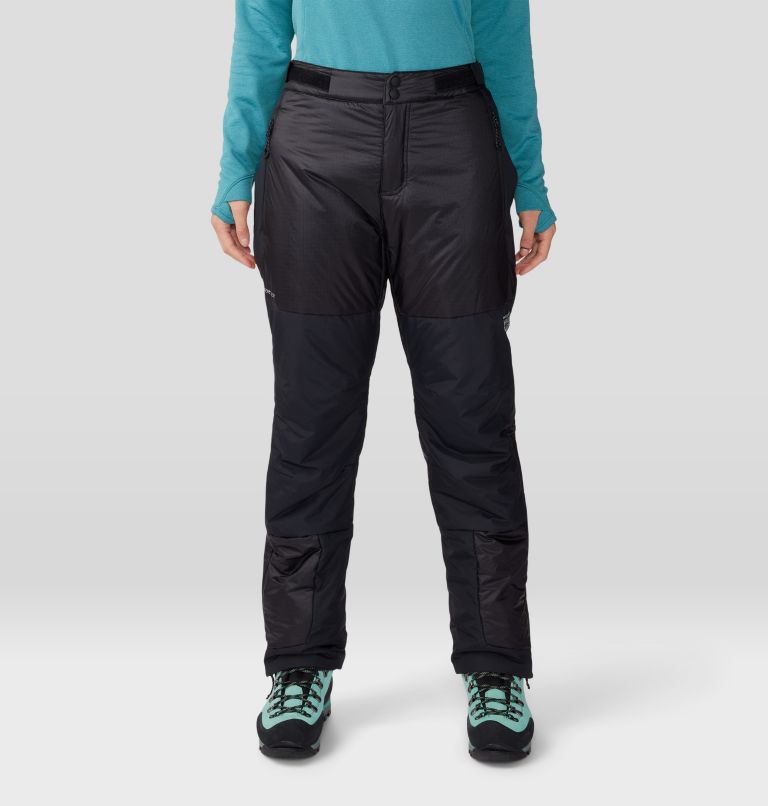
A pair of lightweight, insulated pants are ideal for extra warmth on summit day and cold days at camps. Full-length side zippers are required for facilitating quick clothing adjustments over boots.
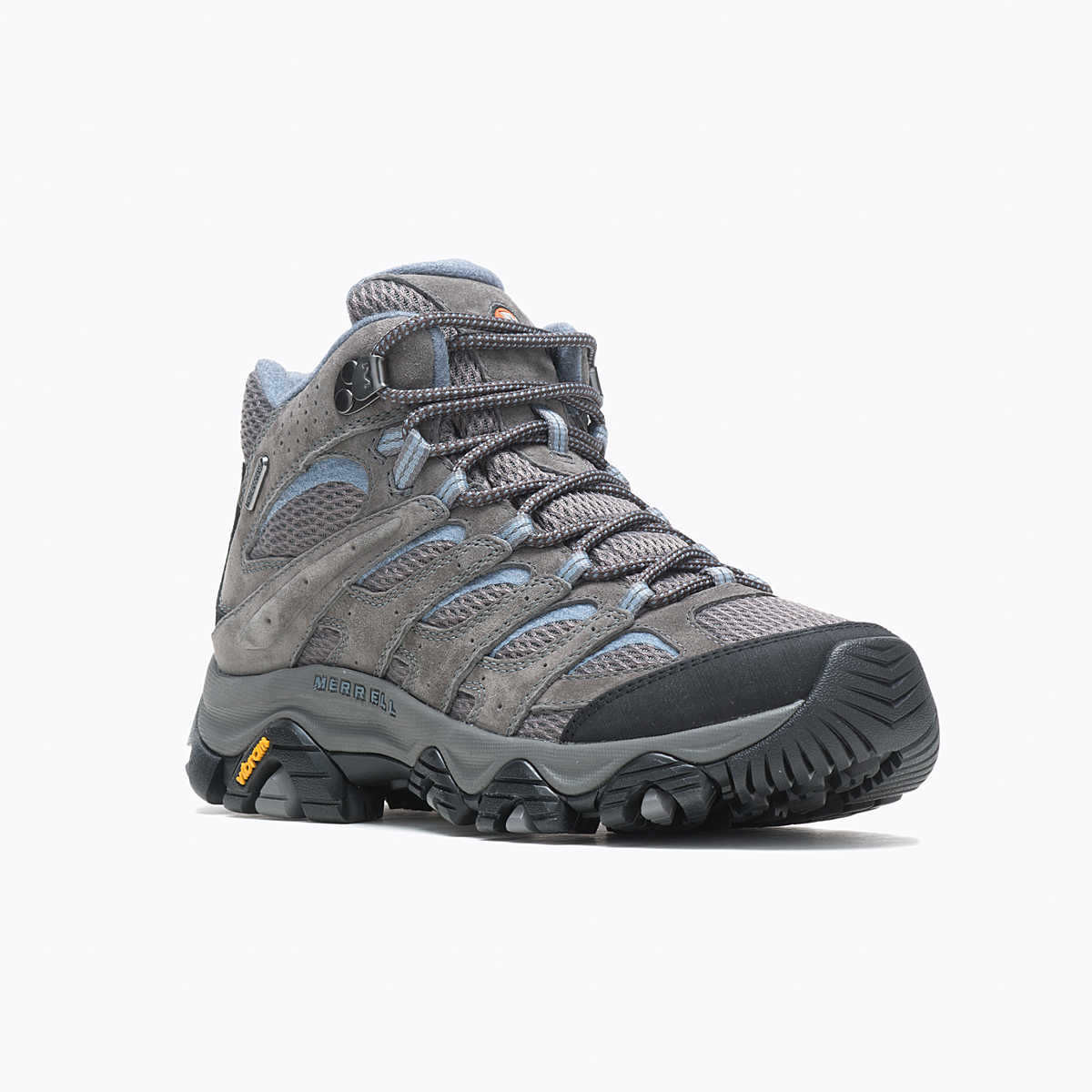
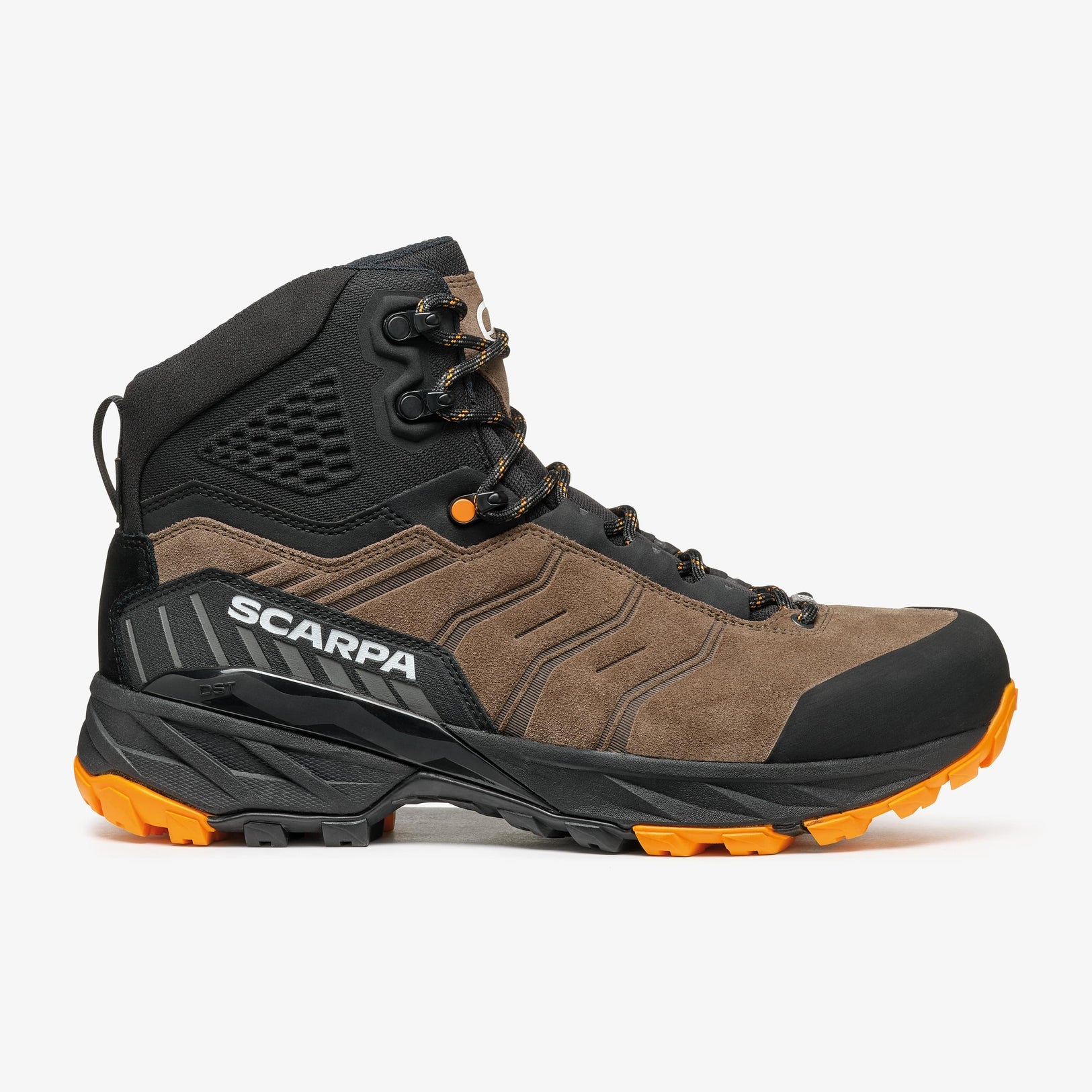
A modern, all-in-one boot is required. The boot needs to be roomy enough to allow for good circulation. Anticipate a sock combination when sizing them (single sock, liner and sock, or two heavy socks on each foot). Wear the boots as often as possible before the climb, to determine proper fit, comfort and performance.
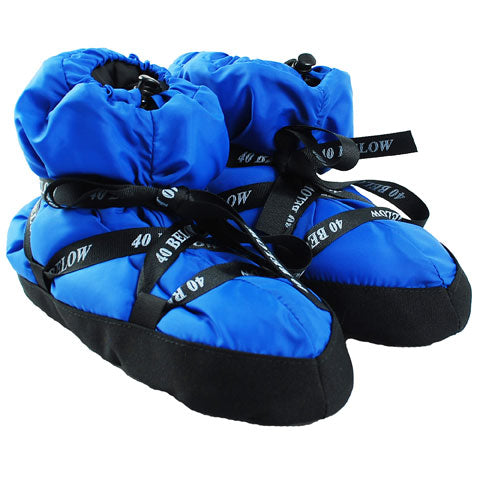
Great for traveling and wearing around town or camp. A pair of tennis shoes or light hikers works well.
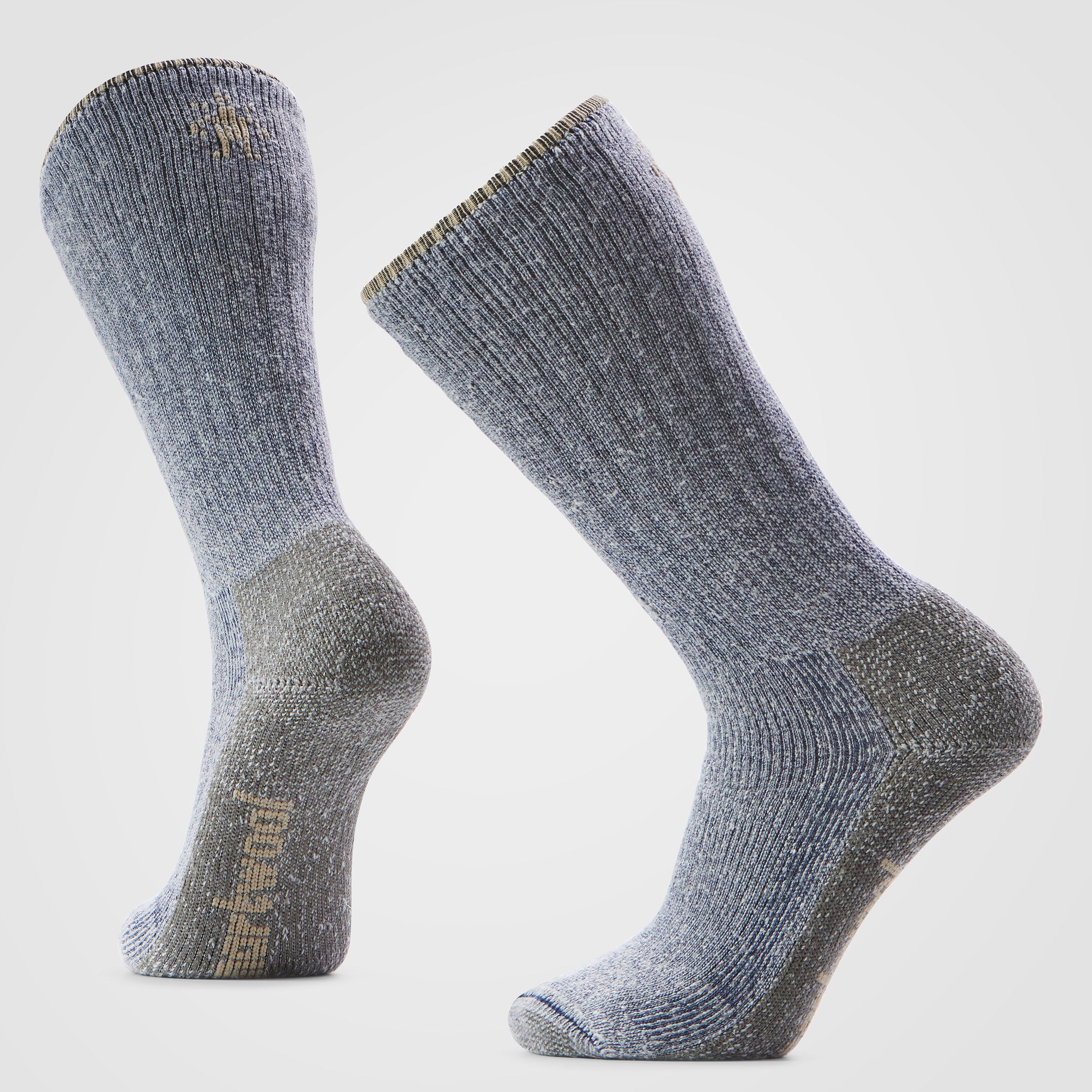
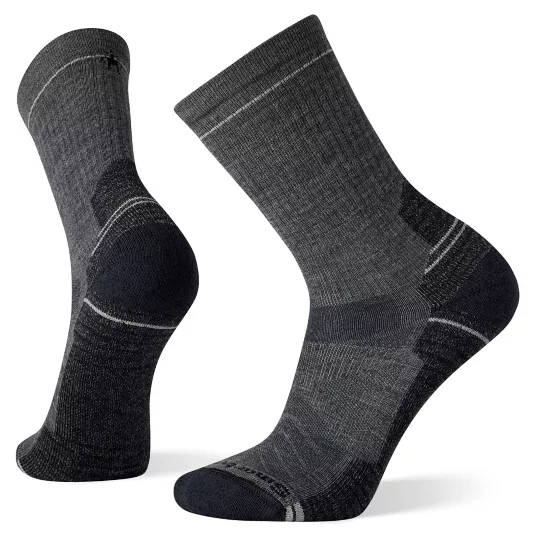
Either wool or synthetic. Whatever sock combination you are accustomed to wearing during your training or previous adventures (whether single medium weight socks, a medium weight with a liner sock, two medium weight socks together, etc.), should work just fine for this climb.
We recommend you speak with your physician about which medications you should have for high-altitude climbing. These medications are only used in emergency situations, and if someone is showing symptoms of HAPE or HACE, our standard protocol is for immediate descent. We do not take any of these medications prophylactically, and please talk with your guide before taking medications.
We require each climber to have the following medications:
Broad spectrum antibiotics for respiratory and gastrointestinal problems like Azithromycin (250mg tablets).
125mg tablets for the prevention or treatment of Acute Mountain Sickness. A normal prescription is 125mg tablets, twice a day. Recommend 15 - 20 tablets.
4mg tablets for the treatment of altitude illness. Recommend 12 tablets.
30mg slow-release tablets for the prevention or treatment of high-altitude pulmonary edema (HAPE). Recommend 8 - 10 tablets.
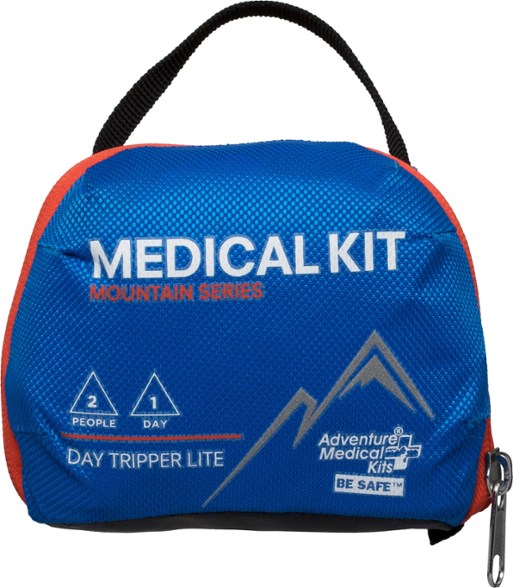
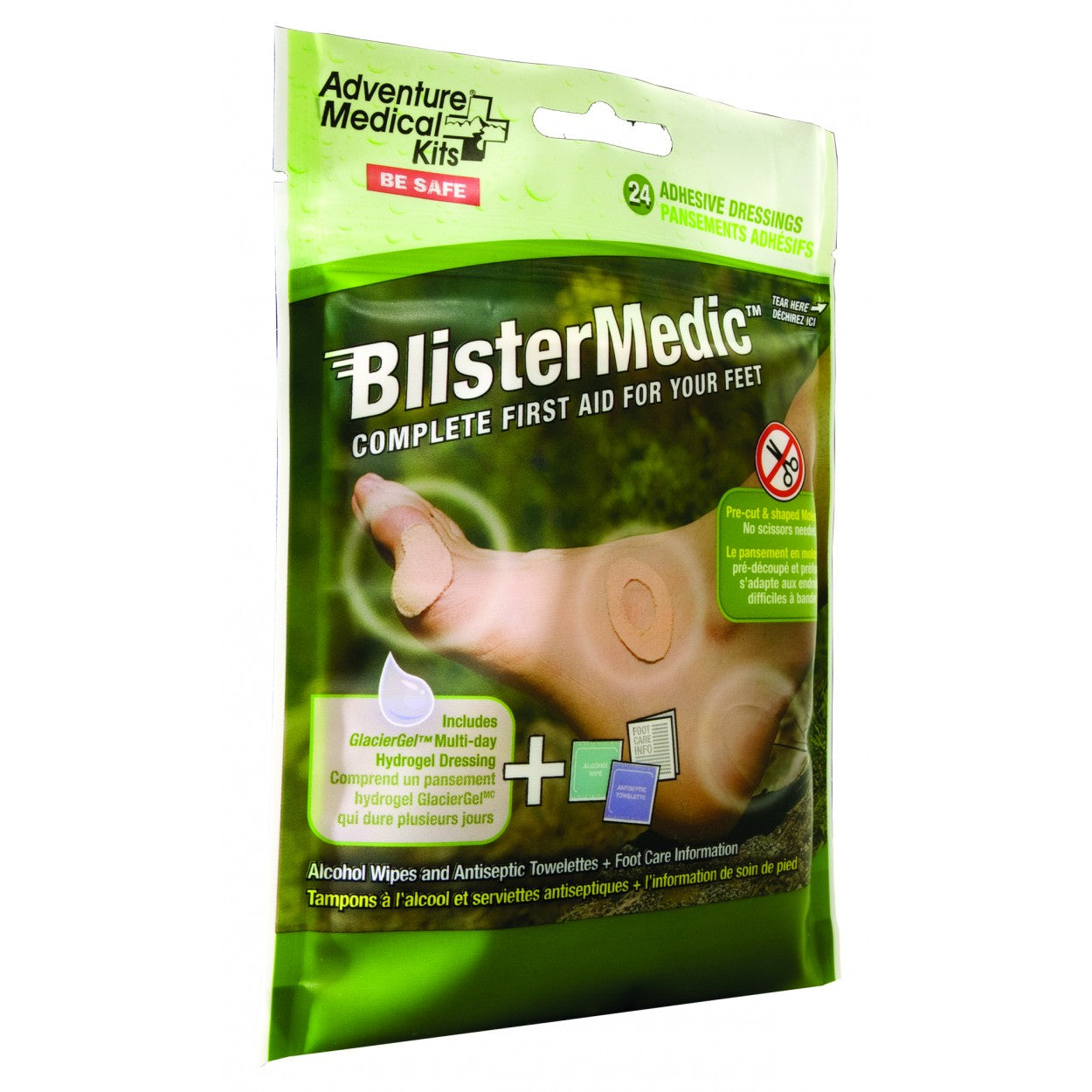
Our guides carry comprehensive medical kits, so keep yours small and light. We recommend a selection of adhesive bandages, antibiotic ointment, Moleskin and blister care, medical tape and/or duct tape, basic pain reliever, and personal medications.
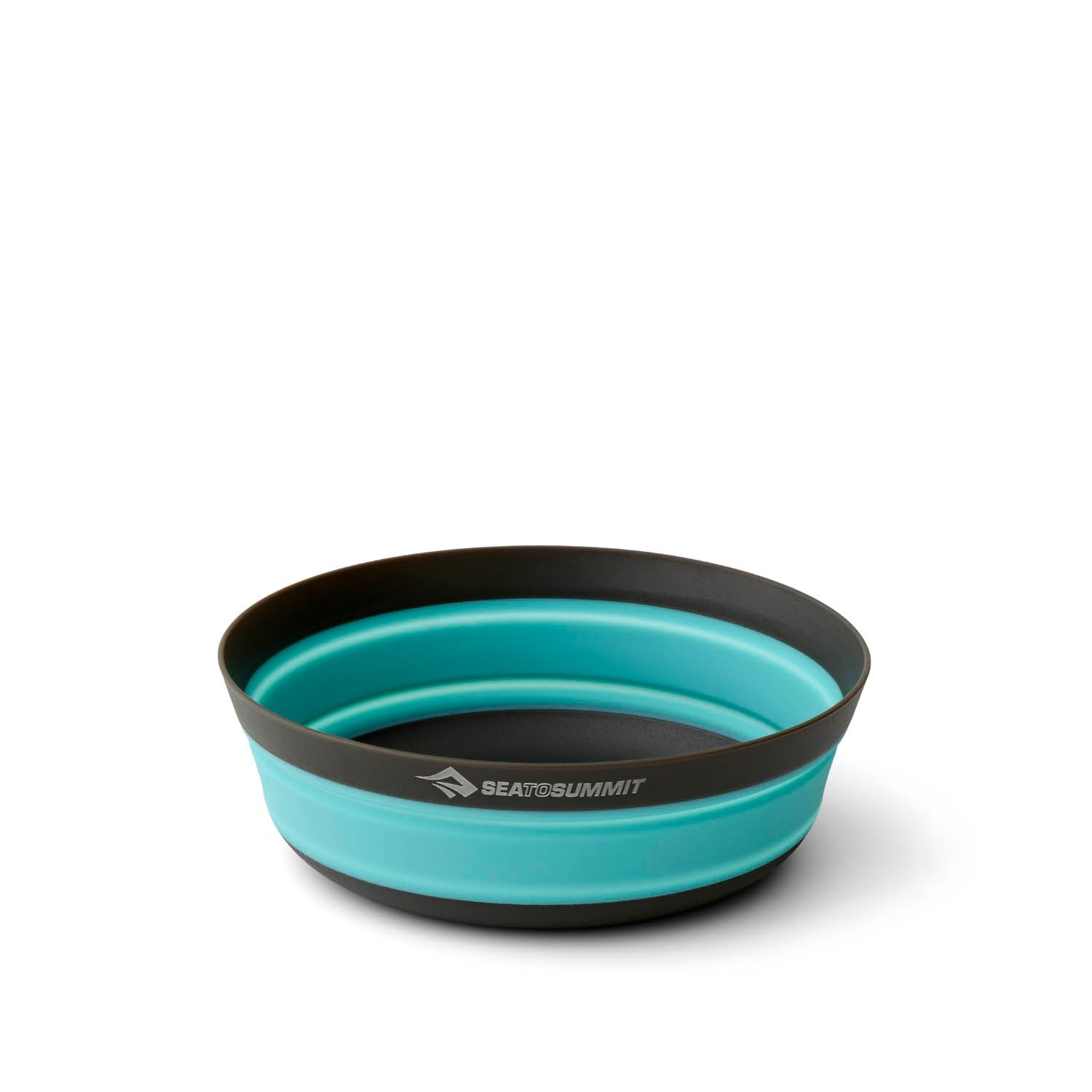
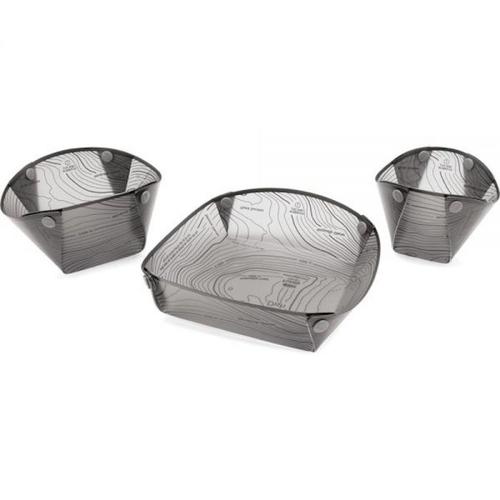
You are responsible for providing your own meals and snack food in town and while on your program. See the Food tab for suggestions and quantities.
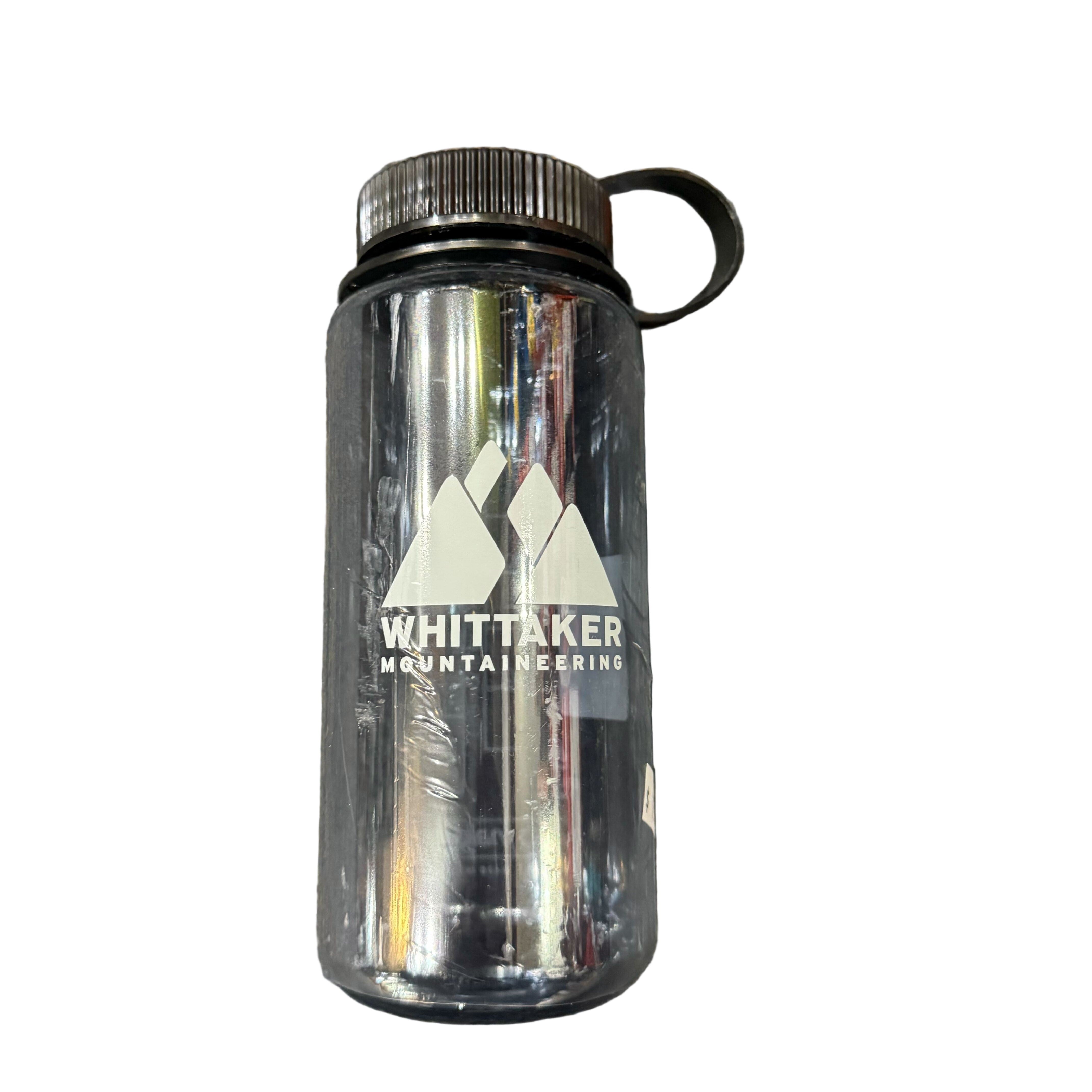
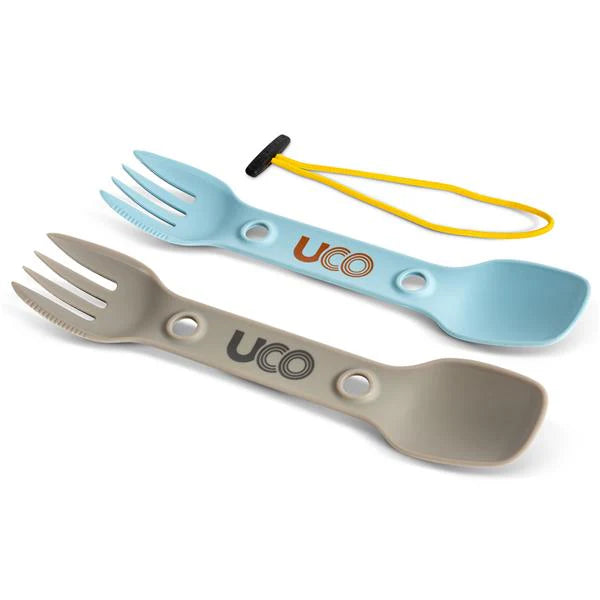
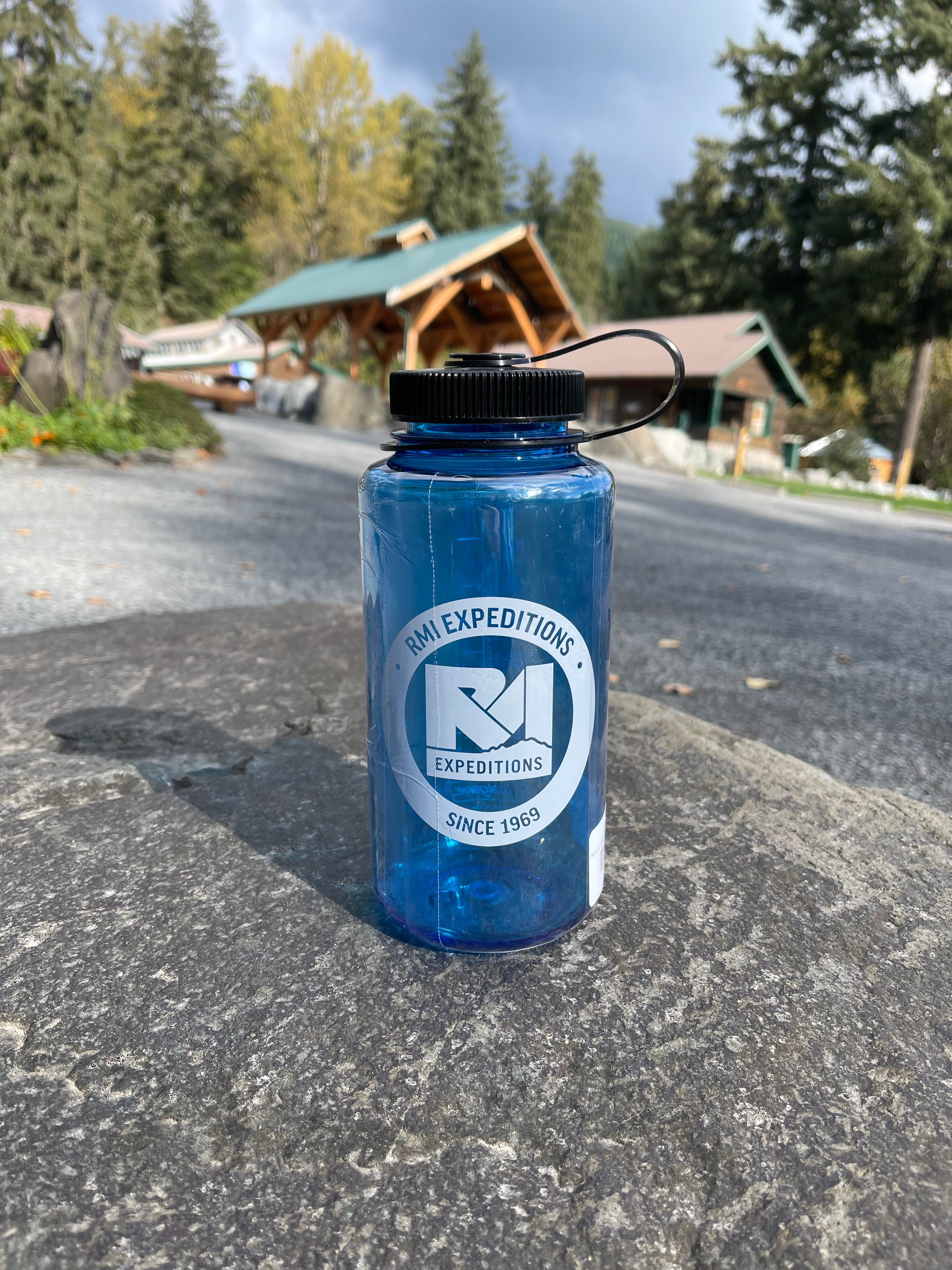
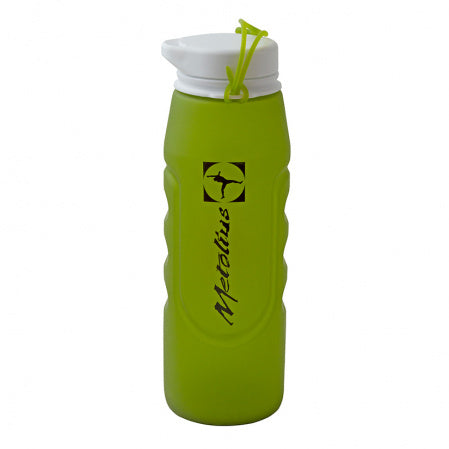
High quality, durable vacuum bottle with a volume of 1/2 liter or 1 liter.
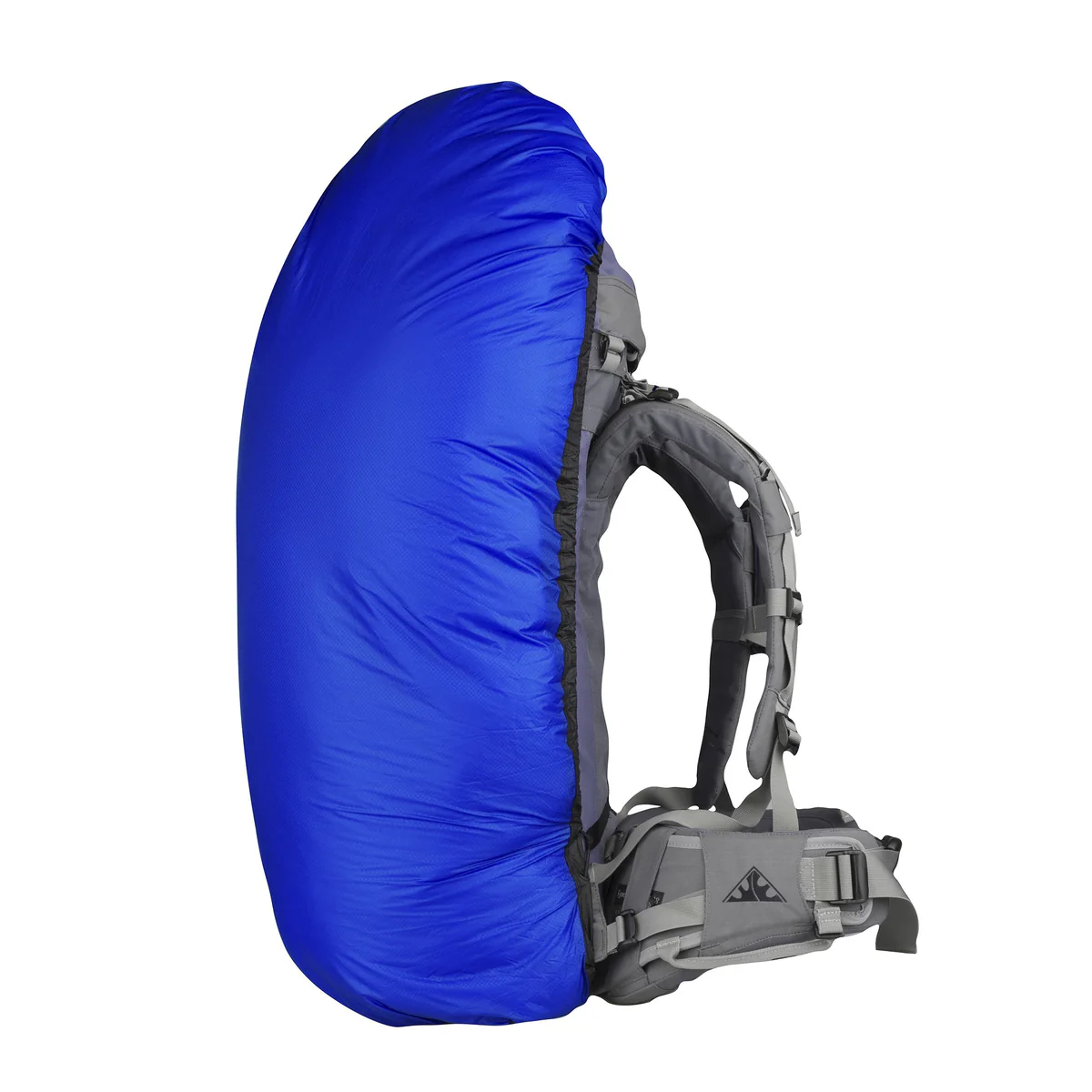
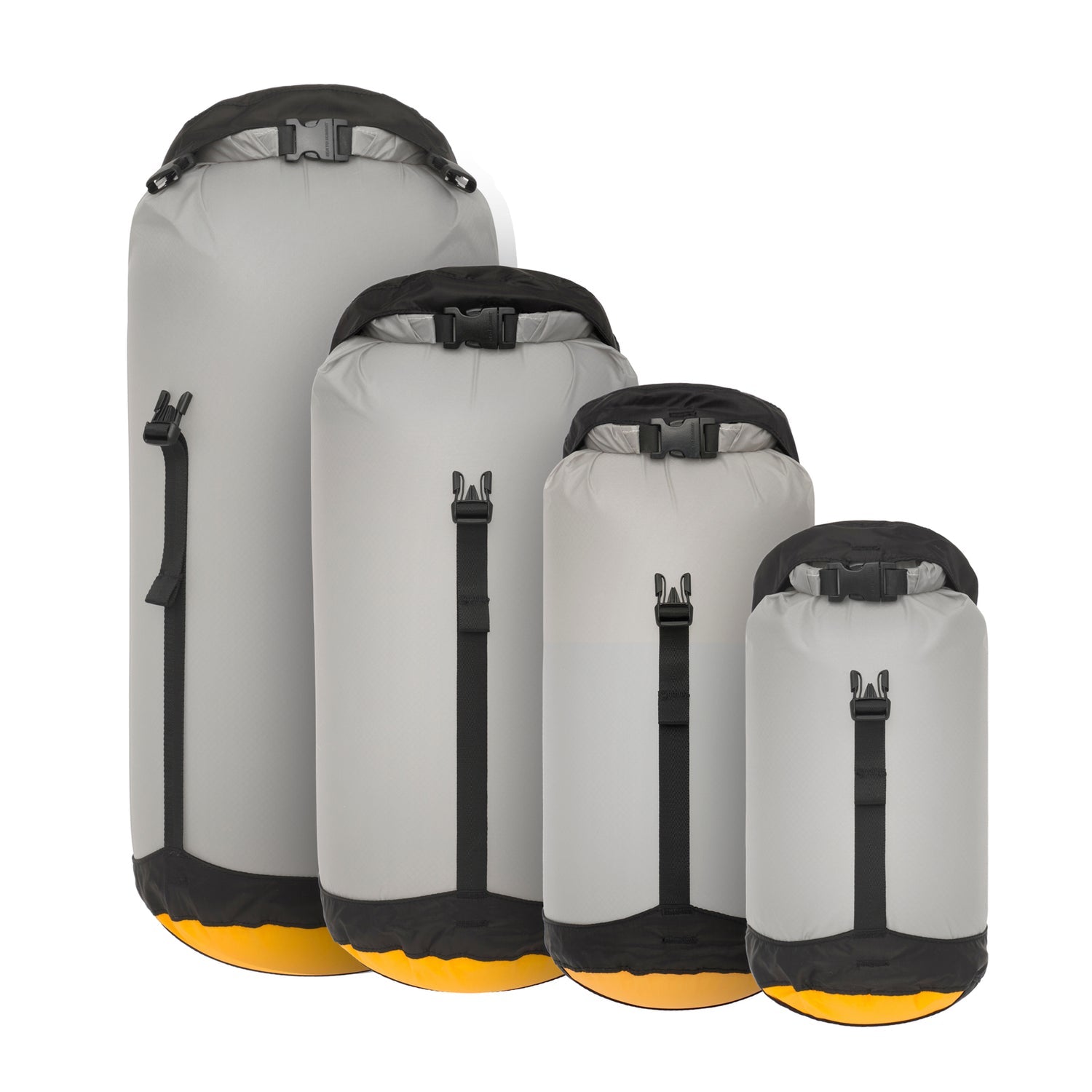
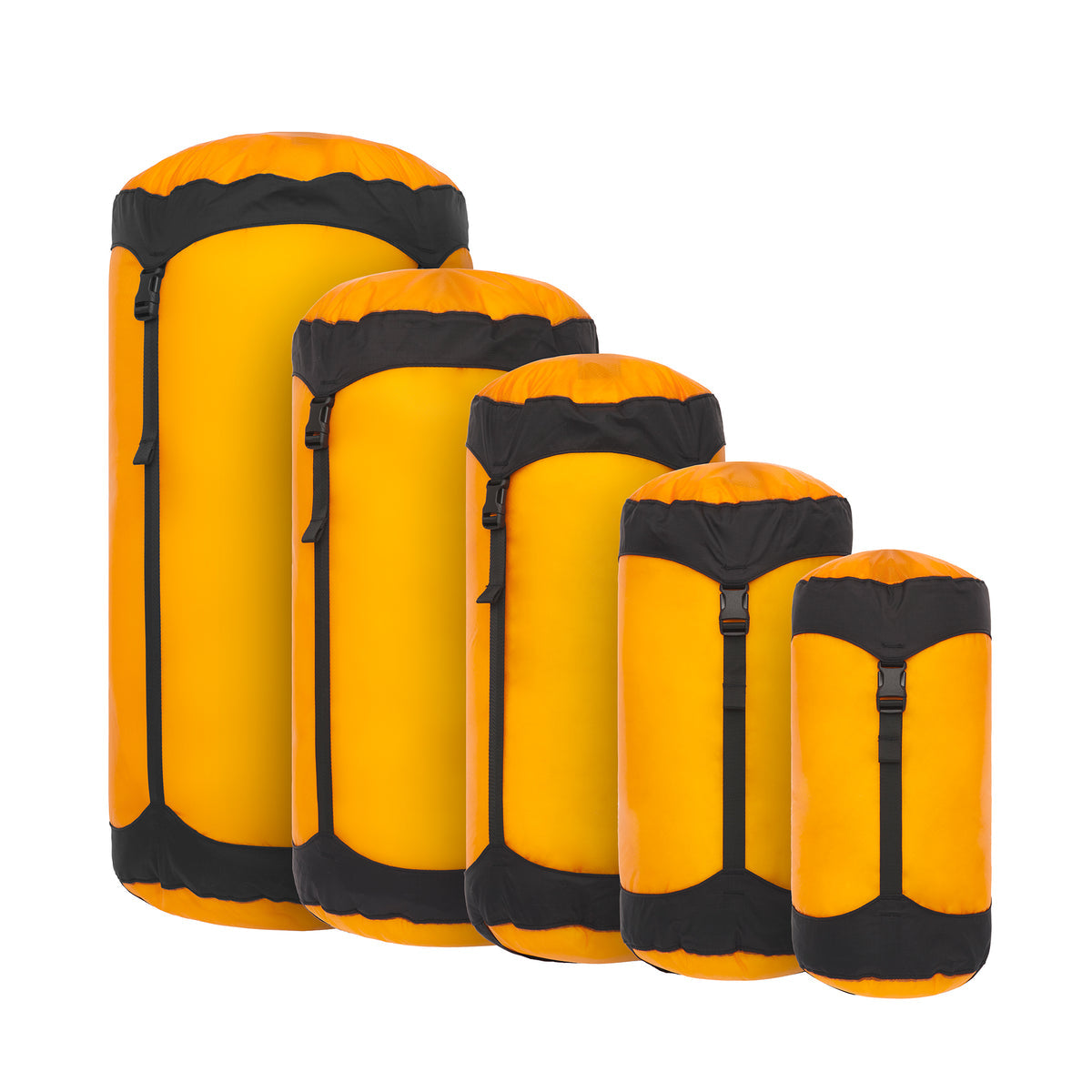
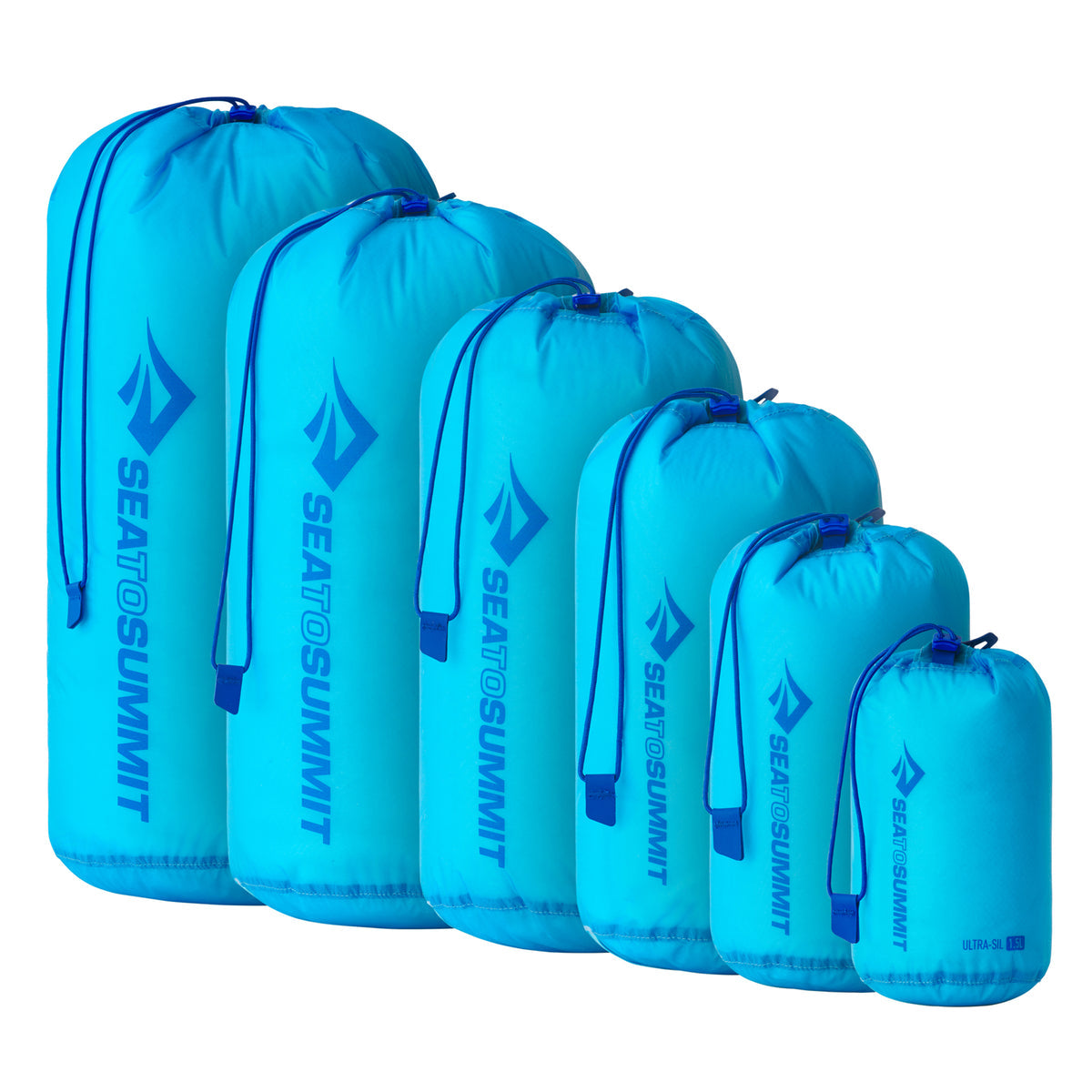
Heavy-duty trash compacter bags for use as waterproof pack/stuff sack liners. You can also use a waterproof pack liner.
Books, magazines, or a journal for downtime at camp; a Kindle or similar e-reader is a practical alternative for longer expeditions where weight and bulk matter. Choose based on program length and personal preference.
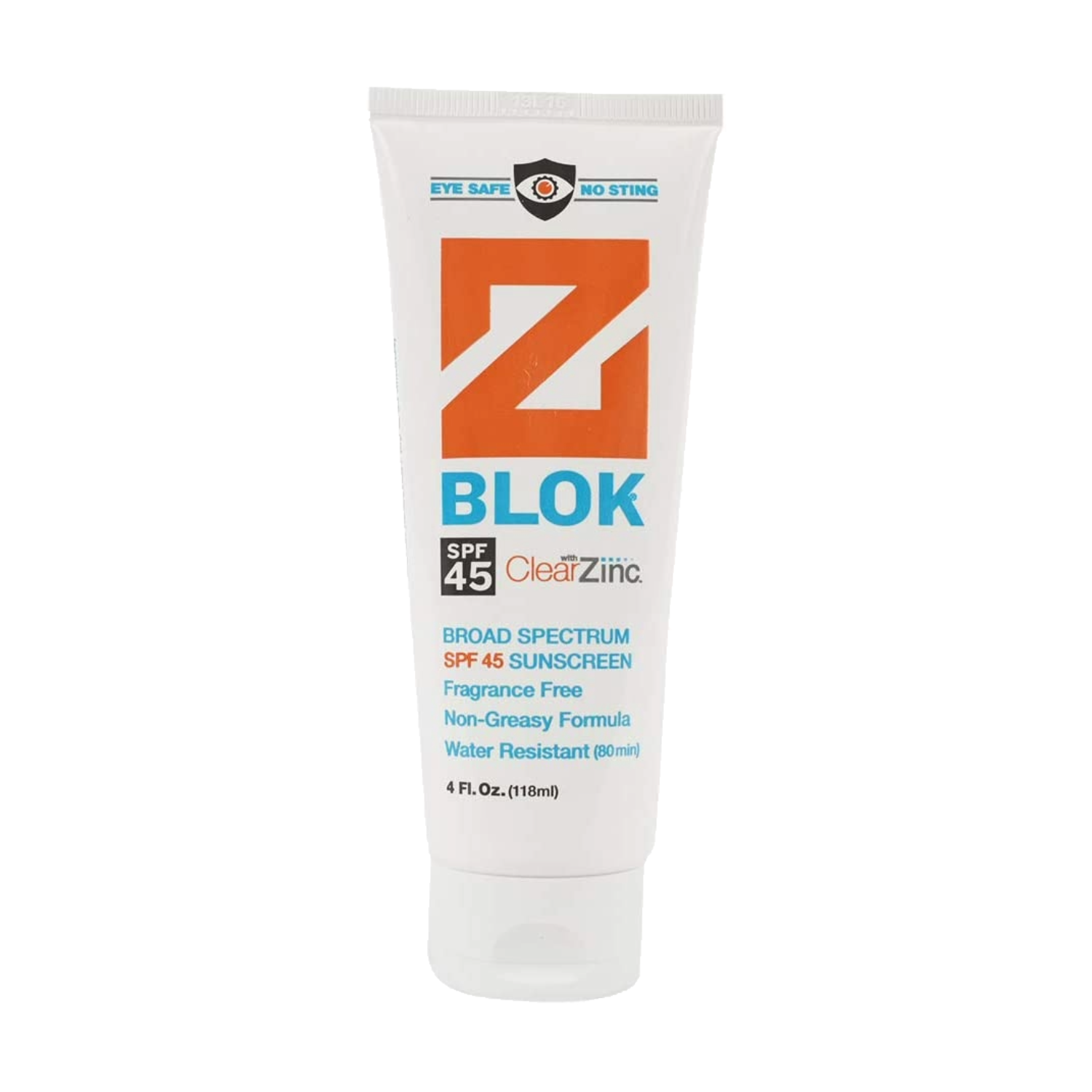
A small container of moisturizer to prevent skin dryness at altitude and in cold, low-humidity environments. Bring a travel-size bottle that fits easily in your pack.
Disposable or reusable ear plugs for sleeping in shared tent or hut accommodations.
Spare prescription glasses if you wear contact lenses/eyeglasses.
Many smartphones have excellent cameras. Action cameras, small point-and-shoots, and compact dSLRs are lightweight and work well at altitude.
A small power bank, enough to charge a phone or e-reader several times.
A small solar panel to charge personal electronics.
For charging personal electronics while traveling internationally.
We recommend bringing a selection of clothing to wear while traveling, sightseeing and dining.
If Glacier Glasses are not required, regular sunglasses will suffice on this program.
For, you know, swimming.
Valid for six months beyond your return date.
The first two pages of your passport.
A printed or digital copy of your complete flight itinerary, including confirmation numbers and times, for reference during travel and check-in. Keep this easily accessible throughout your journey.
Additional passport-sized photographs beyond those required for your visa application, useful for visa extensions, permits, or emergency document replacement during international travel. Bring 4-6 extra photos.
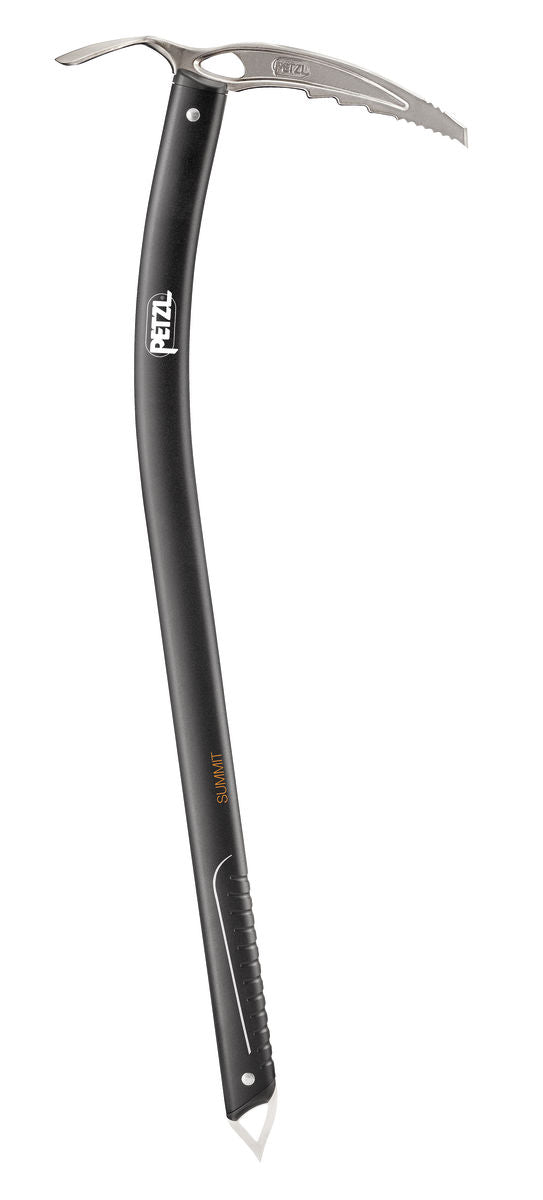
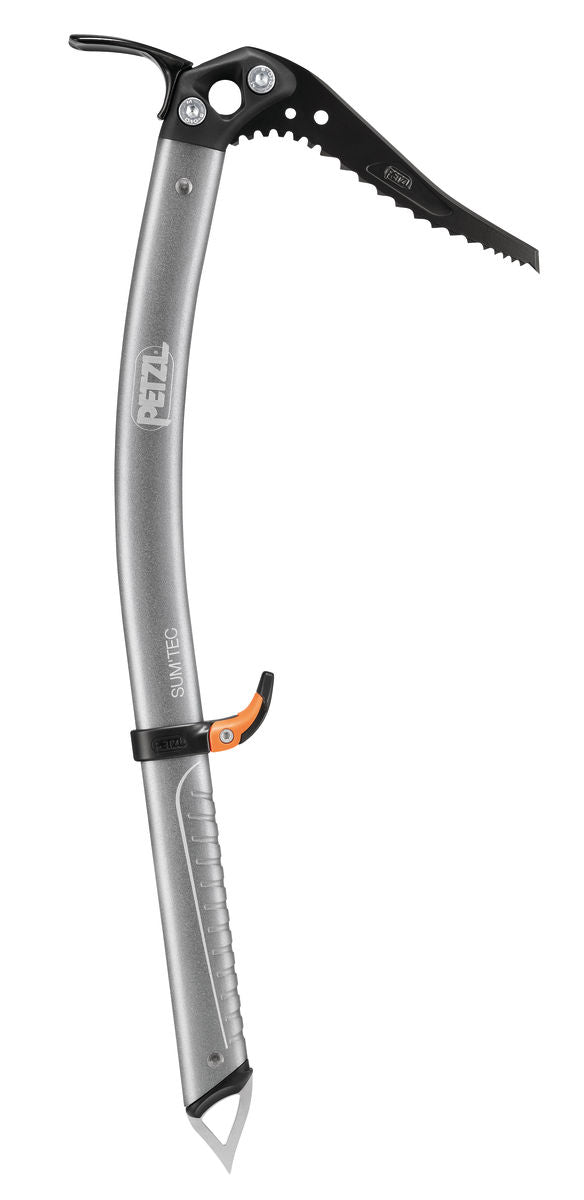
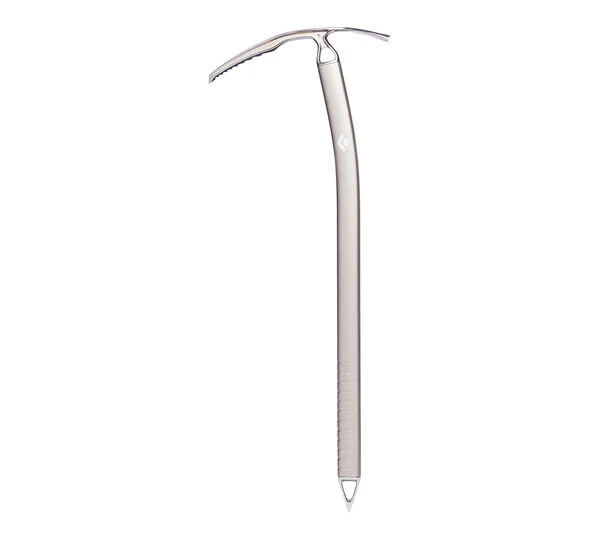
A holster to carry the ice axe on the pack or harness when not in use.
This page covers the practical details you’ll want to review before your trip, including travel logistics, entry requirements, local considerations, and required policies. Taking time to understand these details ahead of departure helps ensure a smoother experience once you’re on the ground and focused on the climb.
Your travel insurance policy should include trip cancellation, trip interruption, travel delay, baggage loss or delay, medical expenses, and evacuation.
Navigating through the different options for travel insurance can be challenging. When purchasing Travel Insurance, here are a few items to consider:

In today’s changing travel environment, it’s important to protect your travel investment. Unforeseen events such as flight delays, baggage loss or even a sudden sickness or injury could impact your travel plans. For your convenience, we offer Travelex Insurance protection plans to help protect you and your travel investment against the unexpected.
For more information on the available plans visit Travelex Insurance Services or contact Travelex Insurance (800) 228-9792 and reference location number 47-0370.
The product descriptions provided here are only brief summaries and may be changed without notice. The full coverage terms and details, including limitations and exclusions, are contained in the insurance policy. Travelex Insurance Services, Inc. CA Agency License #0D10209. Insurance coverages underwritten by individual member companies of Zurich in North America, including Zurich American Insurance Company (NAIC #16535, state of domicile: New York). RETWEB
RMI has partnered with Erin Rountree to provide travel planning support. Erin is an independent agent with extensive experience booking travel for adventure programs worldwide and understands the specific needs of RMI expeditions.
Phone: (208) 788-2870
Email: [email protected]
It is your responsibility to ensure that your travel insurance policy provides appropriate coverage for your specific program and activities. Review policy details carefully before purchasing, and confirm coverage well in advance of your departure.
The following policies are applicable for this expedition.
An Everest expedition is a major undertaking, and most questions are about how RMI runs the climb, what it takes to join, and the support on the mountain. The answers below cover the team, the route, and the experience required.
RMI intentionally keeps its team small. Rather than running a large expedition with many climbers, RMI concentrates its resources on a small group, which allows the guides to tailor acclimatization and summit plans to each climber and keep the team close-knit, planning the route, weather, and rotations together. The result is stronger team dynamics, better communication, and individualized attention.
RMI runs the expedition at a 3:1 climber-to-guide ratio and a 1:1 climber-to-Sherpa ratio, among the best support on the mountain. These low ratios concentrate resources on each climber and improve the chances of success.
The expedition runs about eleven weeks from start to finish, spanning the trek to Base Camp, weeks of acclimatization rotations on the mountain, and the summit push during the spring climbing season.
The climb follows the south side of Everest, working up through the Khumbu Icefall and Western Cwm, up the Lhotse Face and across the Yellow Band and Geneva Spur to the South Col, then via the Balcony and South Summit to the summit.
Climbers must have a solid foundation of mountaineering skills and previous high-altitude experience, typically a major glaciated peak of 6,000 m or higher such as Mt. McKinley, Aconcagua, or Cho Oyu, along with an RMI Expedition Skills Seminar or an equivalent multi-day mountaineering course.
Screening and final selection are done individually. RMI reviews your climbing resume, and our veteran Everest guides speak with you directly before confirming a place on the team.
Camps are stocked with comprehensive medical kits, the expedition carries multiple Gamow (hyperbaric) bags, and RMI's guides and staff are highly trained in emergency mountain medicine. As partners with the Himalayan Rescue Association, the team has access to their doctors and clinic at Base Camp.
RMI's oxygen supply is well stocked and planned to meet each climber's anticipated and unanticipated needs. Careful, well-planned use of climbing oxygen significantly improves a climber's chance of success high on Everest.
Base Camp has personal sleeping tents, storage, shower facilities, private toilets, and a heated dining tent, with solar power for internet and charging. Professional cooks maintain high standards of hygiene and serve a varied menu with fresh vegetables and comfort foods brought from the United States.

Climbers rated RMI with an average of 5 stars across 0 ratings
Climbers who have summited Everest with RMI tend to point to the things that are easy to overlook from the outside: the small team, the individual attention, and the depth of guide and Sherpa support. Many also speak to the scale of the commitment, physically and mentally, over eleven weeks on the mountain. The reviews below give a sense of what the experience is like.

Sorry! there are no available dates that meet your current criteria
You might consdier one of these trips instead:
Mt. Rainier - Four Day Climb
May 5, 2026
Guides: Jack Delaney, Jess Wedel, Calvin Jiricko
Mt McKinley - West Buttress Expedition
May 5, 2026
Mt. Rainier - Four Day Climb
May 5, 2026