
Mountain Manager
With RMI

Ashford, WA & Las Vegas, NV

Mount Adams (Washington)

Rock Climbing, Alpine Climbing, Ice Climbing
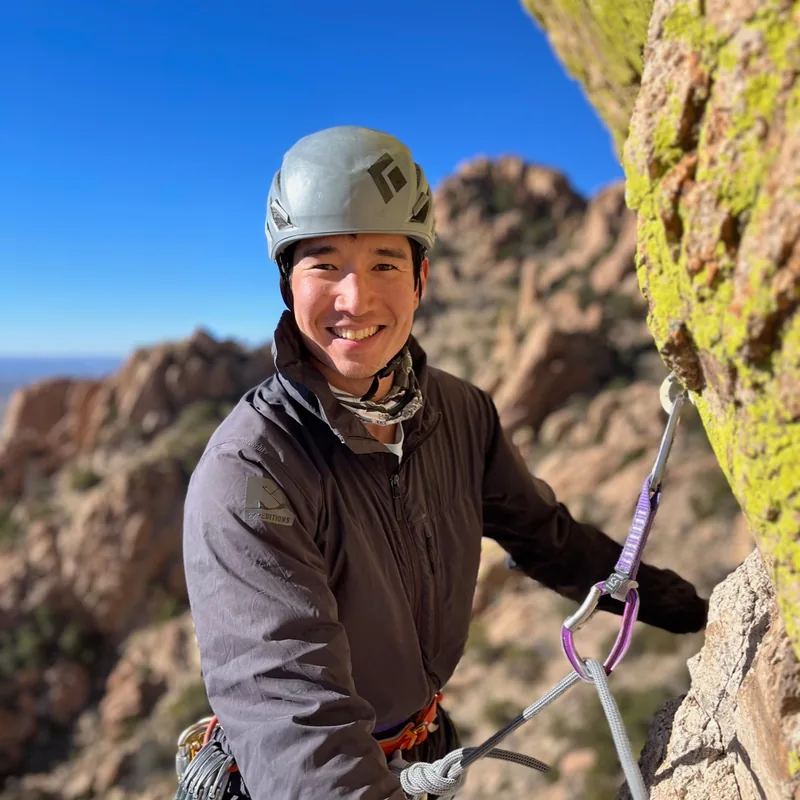
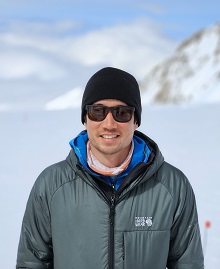
Dustin grew up in the Cascade foothills, just north of Mount Rainier in Issaquah, Washington. As a child he was always attracted to the outdoors. Many favorite childhood memories revolved around playing in the dark forests of Western Washington. Nature was always important to Dustin, but in 2012 he found a passion for mountain climbing, ruining any remaining chance he had at a well-rounded life. During the summer of 2015 he left his desk job in order to spend more time skiing and climbing. Since making that change, Dustin has lived in various cities throughout the United States, pursuing life as a full-time climber. Working for RMI has allowed him to travel the world guiding high mountains and provides the flexibility to spend the shoulder seasons chasing dry rocks to climb. While he loves spending winters in the desert, he yearns for the smell of the damp forest floor and is glad to return to the long summer nights back home in the Pacific Northwest.
Spending time in the mountains with my fellow guides and organizing a day of rock climbing on our next days off
Rock Climbing, Ice Climbing, Trail Running (barely)
The summit is the goal, but it’s optional. What’s more important is that we learn from our experiences in the mountains and through the preparations we made to get there.
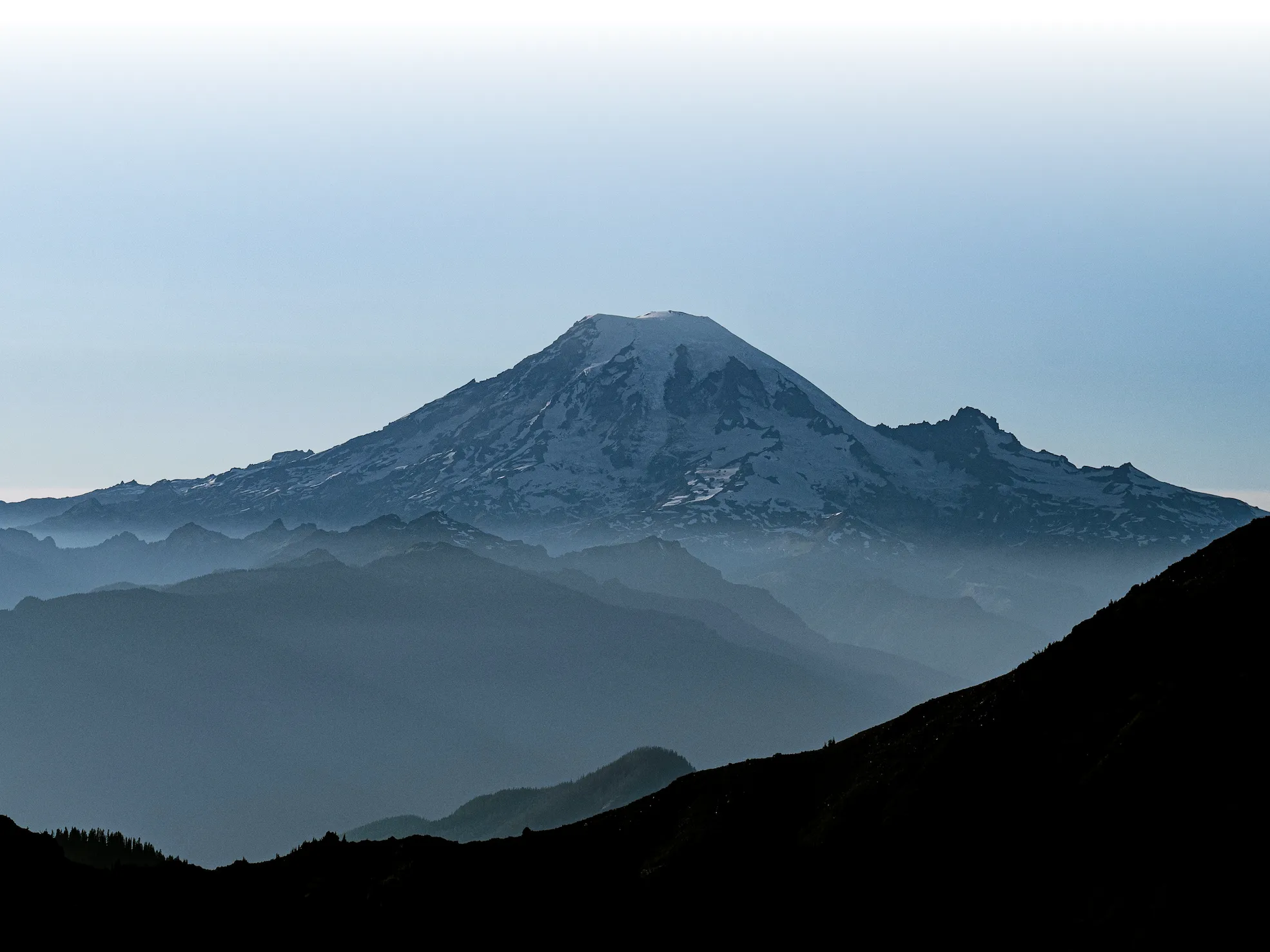
90+ | Mt. Rainier, Washington, USA | 14,410' (multiple ski descents)
5 | Mt. McKinley, Alaska, USA | 20,310' (West Buttress expeditions)
Multiple | Ixtaccihuatl, Mexico | 17,343'
Multiple | Pico de Orizaba, Mexico | 18,491'
Multiple | Chimborazo, Ecuador | 20,549' (expeditions & summits)
Multiple | Cotopaxi, Ecuador | 19,347' (expeditions & summits)
Multiple | Cayambe, Ecuador | 18,996' (expeditions & summits)
Multiple | Antisana, Ecuador | 18,875' (expeditions & summits)
Multiple | Illiniza Norte, Ecuador | 17,218' (expeditions & summits)
1 | Tungurahua, Ecuador | 16,480'
100 | Colorado 13ers/14ers (highest peaks), Colorado, USA | summer 2016
19 | Cascade Volcanoes, Washington & Oregon, USA
Multiple | Rock Climbing
RMI Expeditions Guides are required to hold a number of certifications, but many go above and beyond with their technical and outdoor training. We actively encourage (and provide funding for) our guides' continuing education.
November 2, 2025

Program Name
Lorem ipsum dolor sit amet, consectetur adipiscing elit. Suspendisse varius enim in eros elementum tristique. Duis cursus, mi quis viverra ornare, eros dolor interdum nulla, ut commodo diam libero vitae erat. Aenean faucibus nibh et justo cursus id rutrum lorem imperdiet. Nunc ut sem vitae risus tristique posuere.
- Name
Skill Development
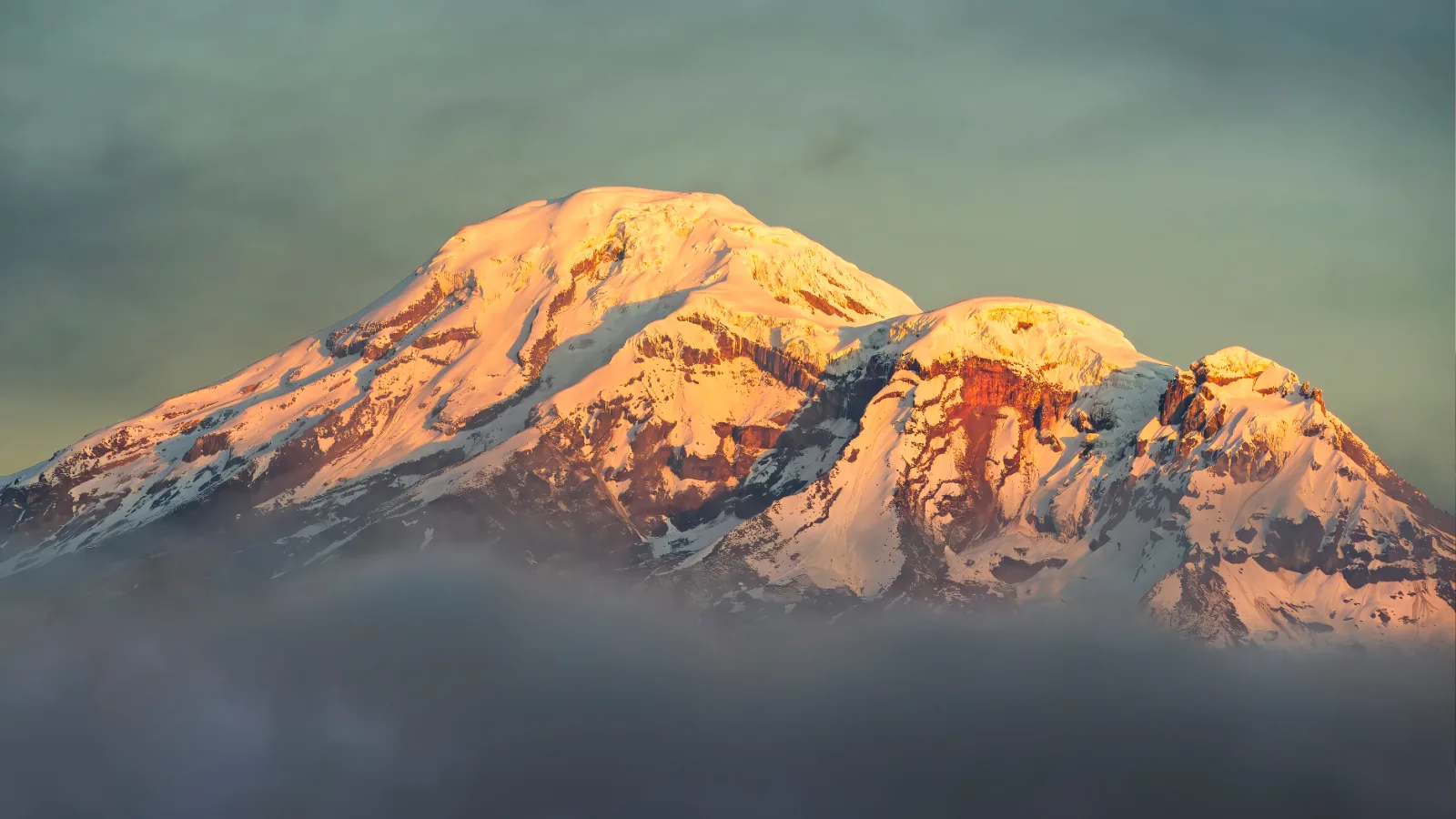
Ecuador's Avenue of the Volcanoes is one of the great mountaineering environments on earth, a chain of glaciated peaks rising above highland valleys that offers more high-altitude climbing variety per square mile than almost anywhere else in the world. This fifteen-day seminar takes full advantage of it, moving progressively through five volcanoes in a sequence designed to build skills, confidence, and altitude experience from the first acclimatization climb to the summit of Chimborazo at 20,703 feet, the highest point in Ecuador and, due to the equatorial bulge of the earth, the point on the planet's surface farthest from its center.
The program is built around progression. The early acclimatization climbs introduce rock scrambling and high-altitude movement before the team moves to Cayambe, where glacier-based skills training prepares climbers for the technical demands ahead. Cotopaxi applies those glacier skills on a bigger, more crevassed objective, and Chimborazo is where all of it comes together on a serious high-altitude climb with a summit that rewards everything the program has built toward.
What sets this seminar apart from a standard Ecuador climbing trip is the deliberate arc from acclimatization to technical proficiency to summit achievement. Climbers leave with a skill set that translates directly to bigger objectives, and the experience of having applied those skills on three of the Andes' most celebrated peaks. The cultural richness of Ecuador, from Quito's colonial streets to the Otavalo Market, is woven into the program throughout.
Trekking
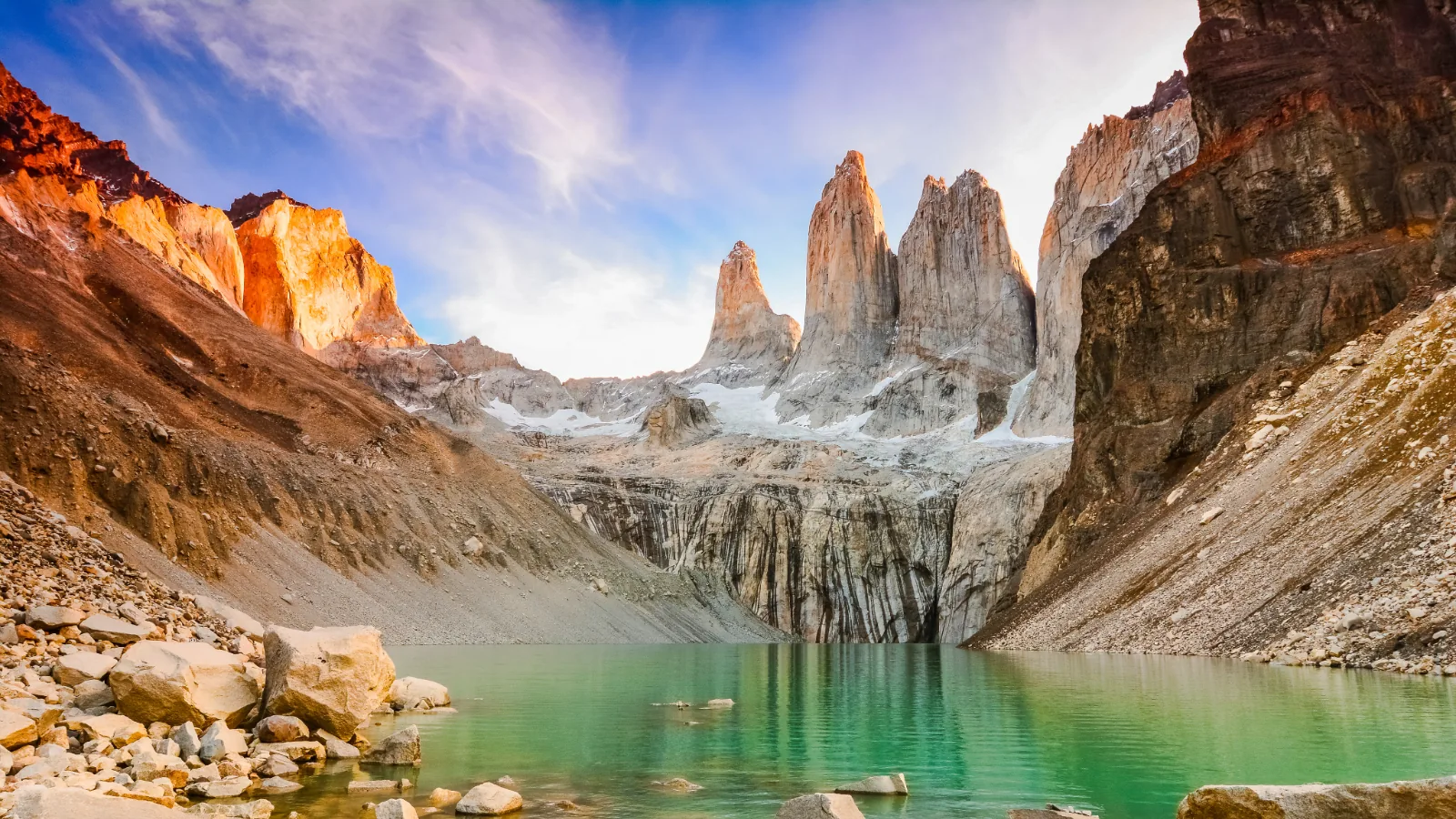
Torres del Paine is one of the last great wild places on earth, a landscape at the southern tip of Patagonia where granite towers pierce the sky, glaciers calve into turquoise lakes, and the wind has been shaping the land since long before anyone thought to name it. The O Circuit, an 80-mile loop around the Paine Massif, is the full experience of the park. It encompasses the famous W route but pushes beyond it into the quieter northern reaches where wild horses graze in open valleys, pumas move through the hills above the trail, and the landscape shifts from dense old-growth lenga forest to open glacial moraine with each day of walking.
The program is designed around the best of Patagonia, not just the park. It begins with a boat crossing of the legendary Strait of Magellan to Magdalena Island, where more than 60,000 breeding pairs of Magellanic penguins nest each season, before arriving in Puerto Natales, the historic port town that serves as the gateway to Torres del Paine. Puerto Natales was built on the sheep industry of the early twentieth century and has grown into one of Patagonia's most characterful towns, with warmth and hospitality that sets the tone for everything that follows.
On the trail, the highlights come in sequence: the remote northern valleys where few trekkers venture, the crossing of John Gardner Pass with its views of Grey Glacier stretching to the horizon, the Valle Francés with its 360-degree panorama of the Paine Massif, and the iconic granite towers that give the park its name. The trek finishes back through the W route in reverse, sharing the trail with baqueanos, the Chilean cowboys who still supply the lodges and camps of the park on horseback. It is a program that earns its ending.


November 2, 2025
tempor incididunt ut labore et dolore magna aliqua. Ut enim ad minim veniam, quis nostrud exercitation ullamco laboris nisi ut aliquip ex ea commodo consequat. Duis aute irure dolor in reprehenderit in voluptate velit esse cillum dolore eu fugiat nulla pariatur.
-Name
Leadership
tempor incididunt ut labore et dolore magna aliqua. Ut enim ad minim veniam, quis nostrud exercitation ullamco laboris nisi ut aliquip ex ea commodo consequat. Duis aute irure dolor in reprehenderit in voluptate velit esse cillum dolore eu fugiat nulla pariatur.