
.jpg)
Ski mountaineering sits at the intersection of two demanding disciplines. Getting to the top requires the same technical skills and commitment as any glacier climb. Getting down adds a layer of challenge and reward that no lift-served terrain can replicate. RMI's skiing programs are built for people who want both.
From the glaciers of Mount Baker to the volcanoes of the Chilean Andes, RMI's ski programs operate in terrain that sets a different standard than anything lift-served.
Every RMI skiing program demands real mountaineering competency alongside skiing ability. Route-finding on glaciated terrain, managing weather windows, and moving efficiently above the snowline matter as much as what happens on the descent. RMI guides bring the same mountain judgment to ski programs that they apply across every other program in the lineup. Programs range from single-day ski descents to multi-day ski mountaineering objectives — browse by location and terrain below to find the right fit.
.png)
.jpeg)
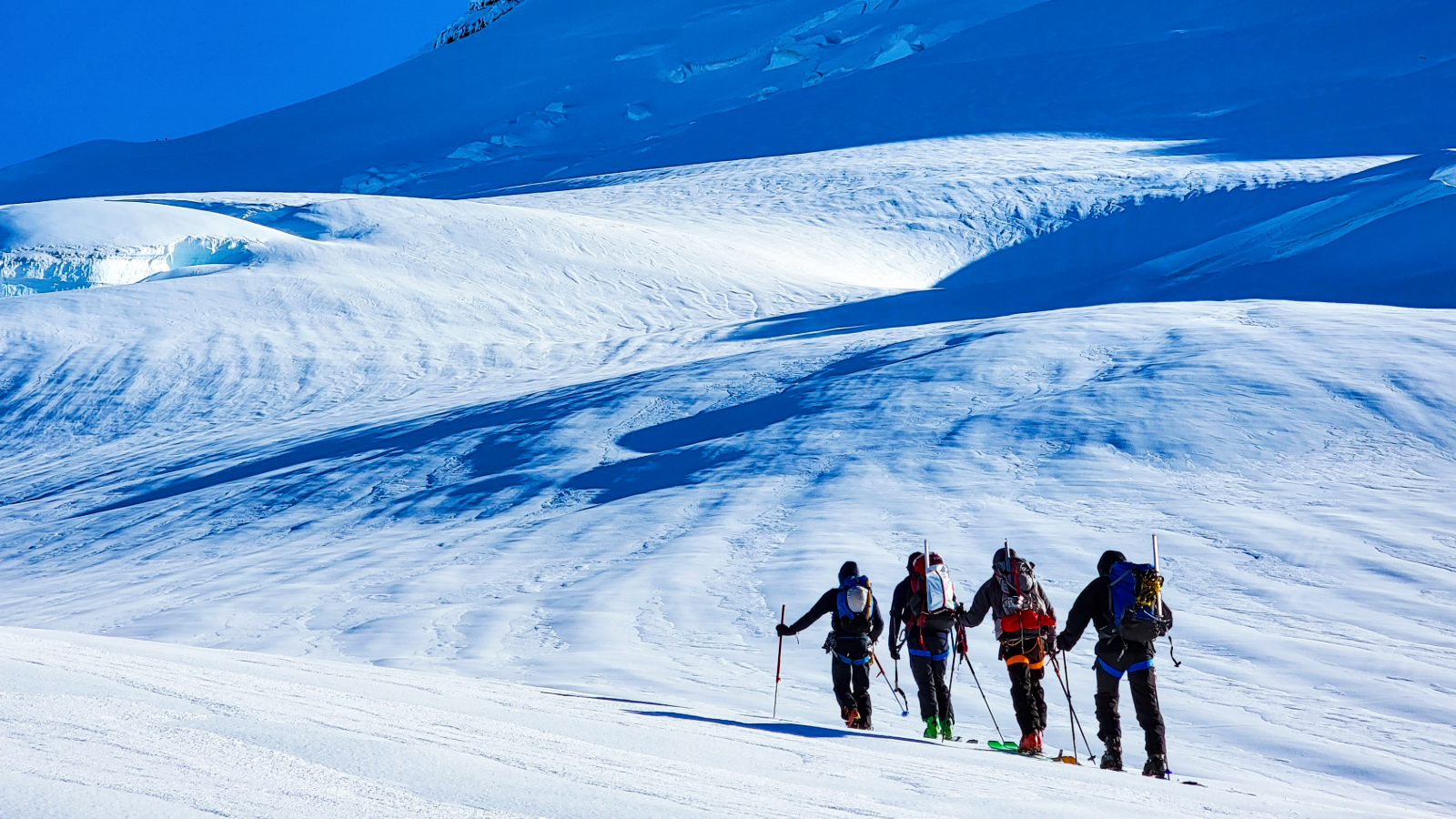
Skiing
Foundational backcountry touring systems, group travel techniques, and applied decision-making.
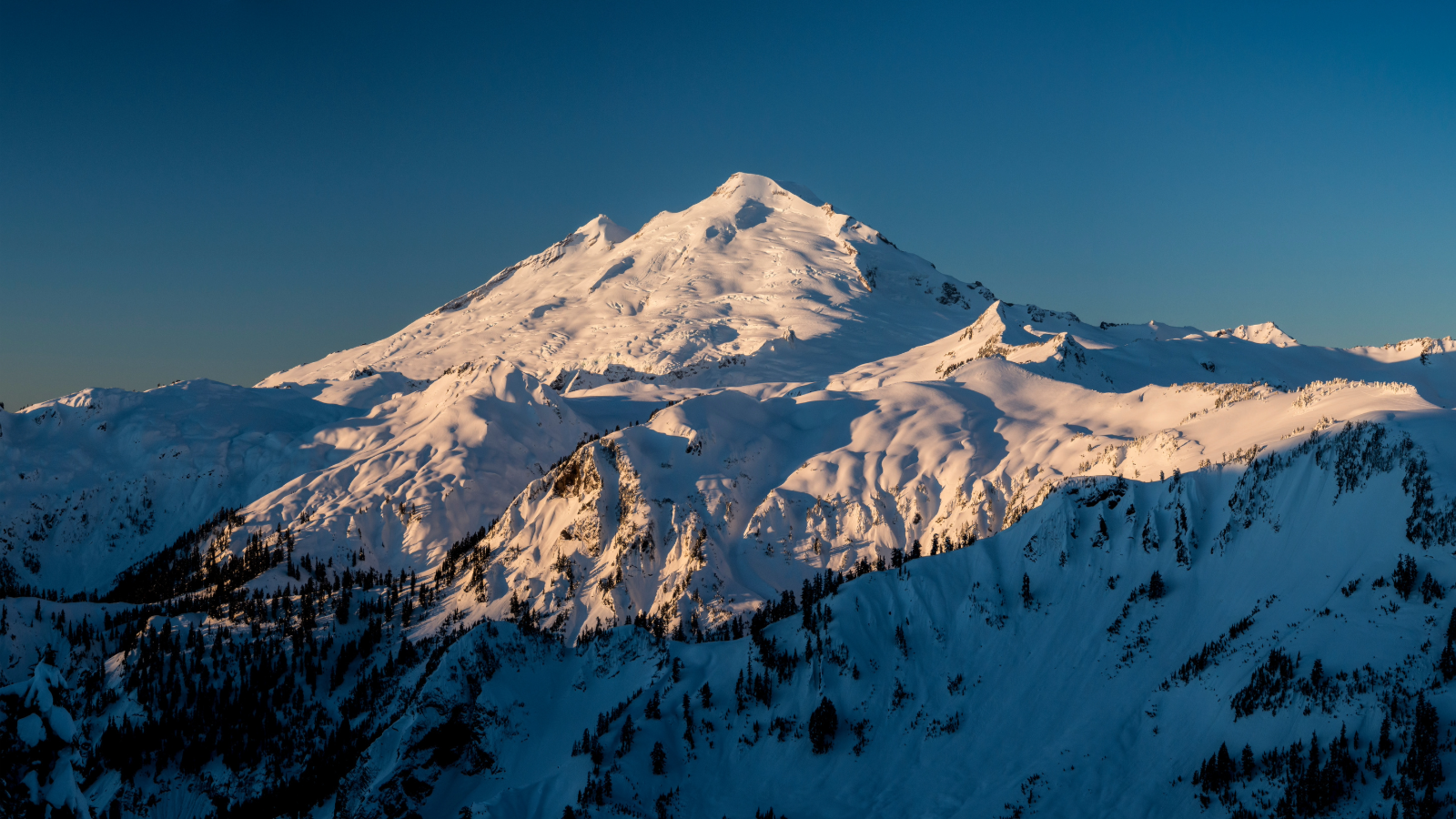
Skiing
A classic summit ski descent offering big vertical and extended spring conditions on Mount Baker.
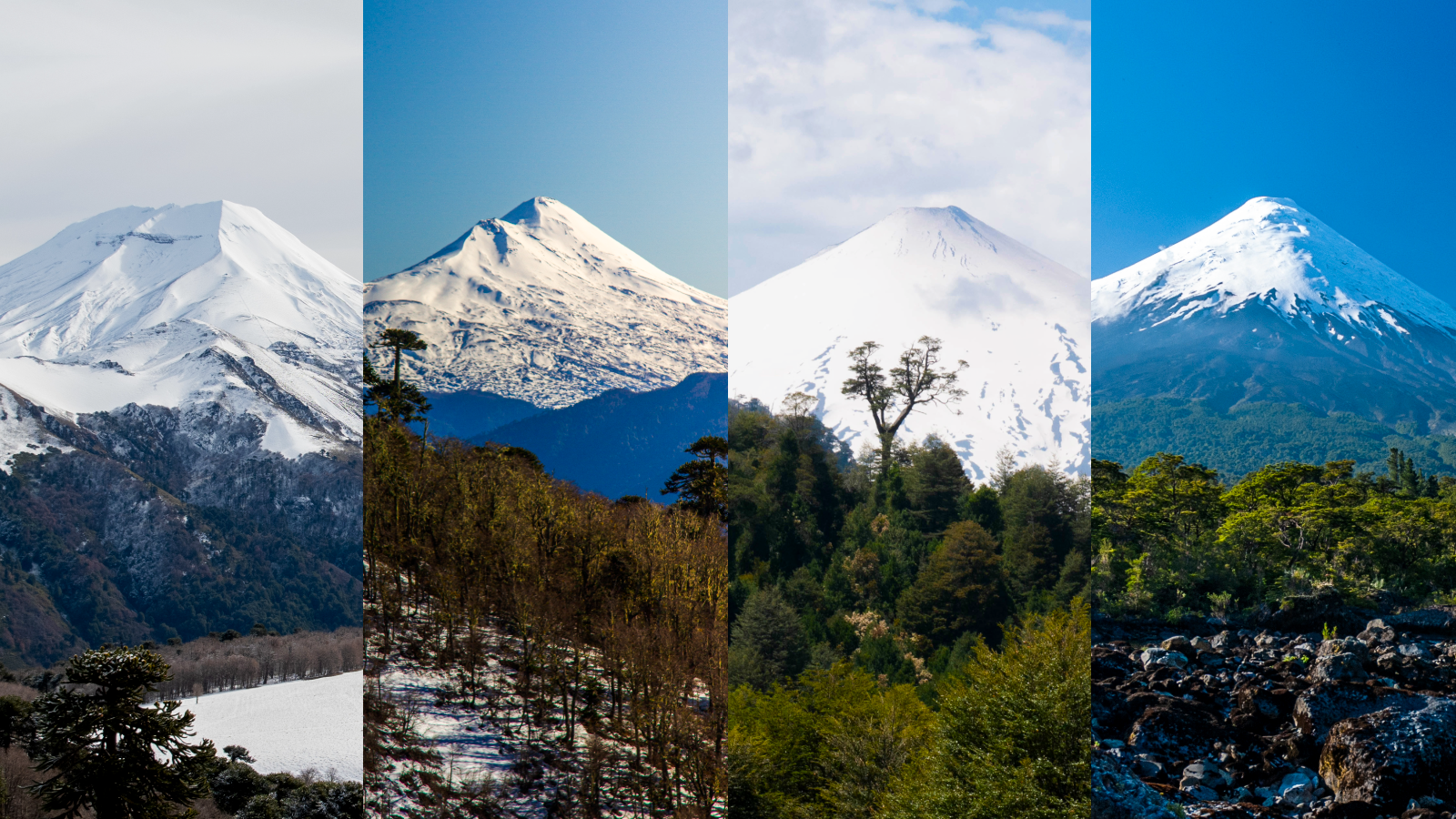
Skiing
A thirteen-day ski mountaineering expedition through Southern Chile's Araucania Region, climbing and skiing five Andean volcanoes with lodge accommodation throughout.
.JPG)
Have a specific descent in mind? RMI guides glaciated terrain across the Pacific Northwest, Alaska, and beyond. If the objective is serious, we can build a program around it.
You need solid all-mountain skiing ability and comfort on variable, ungroomed terrain. RMI's ski programs range from beginner-friendly descents like the Mt. Baker Summit & Ski Descent to more demanding objectives like ski mountaineering in Chile, so the bar varies by program.
Ski mountaineering means climbing to an objective under your own power — often on skins, with crampons and an ice axe for the ascent — then skiing the descent. It combines glacier travel and technical mountaineering skill with the descent itself.
Alpine touring or splitboard setup with skins, plus standard glacier travel equipment (harness, crampons, ice axe) for routes that require it. Each program page lists its specific equipment requirements.
Late winter through spring — typically February through May in the Cascades — offers the most consistent snowpack and stability for ski mountaineering objectives.
RMI guides carry avalanche and technical rescue training on every program, and manage terrain selection accordingly. Climbers aren't required to hold their own avalanche certification to join a guided ski program.
Some RMI ski programs, like the Mt. Baker Summit & Ski Descent, are built exactly this way — climbing a standard glaciated route and skiing the descent rather than hiking down.
Planning guides from RMI's guide team on training, technique, and getting ready for ski mountaineering.
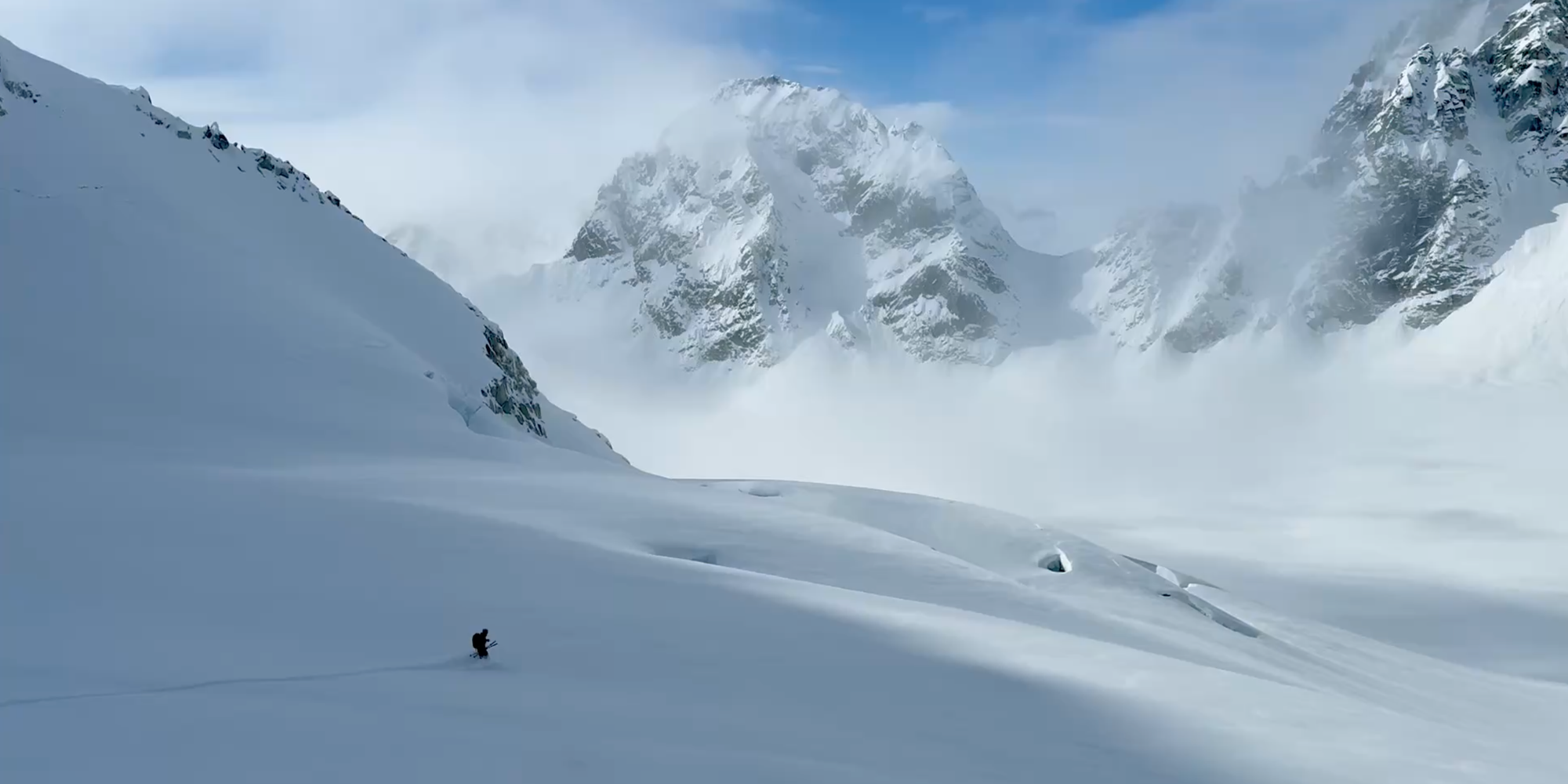
"The combination of stable snow, bottomless powder, and flawless visibility made the whole pitch feel improbably composed"
Boost your endurance and stamina with interval workouts designed specifically for mountaineering preparation. Boost your skills—start here.
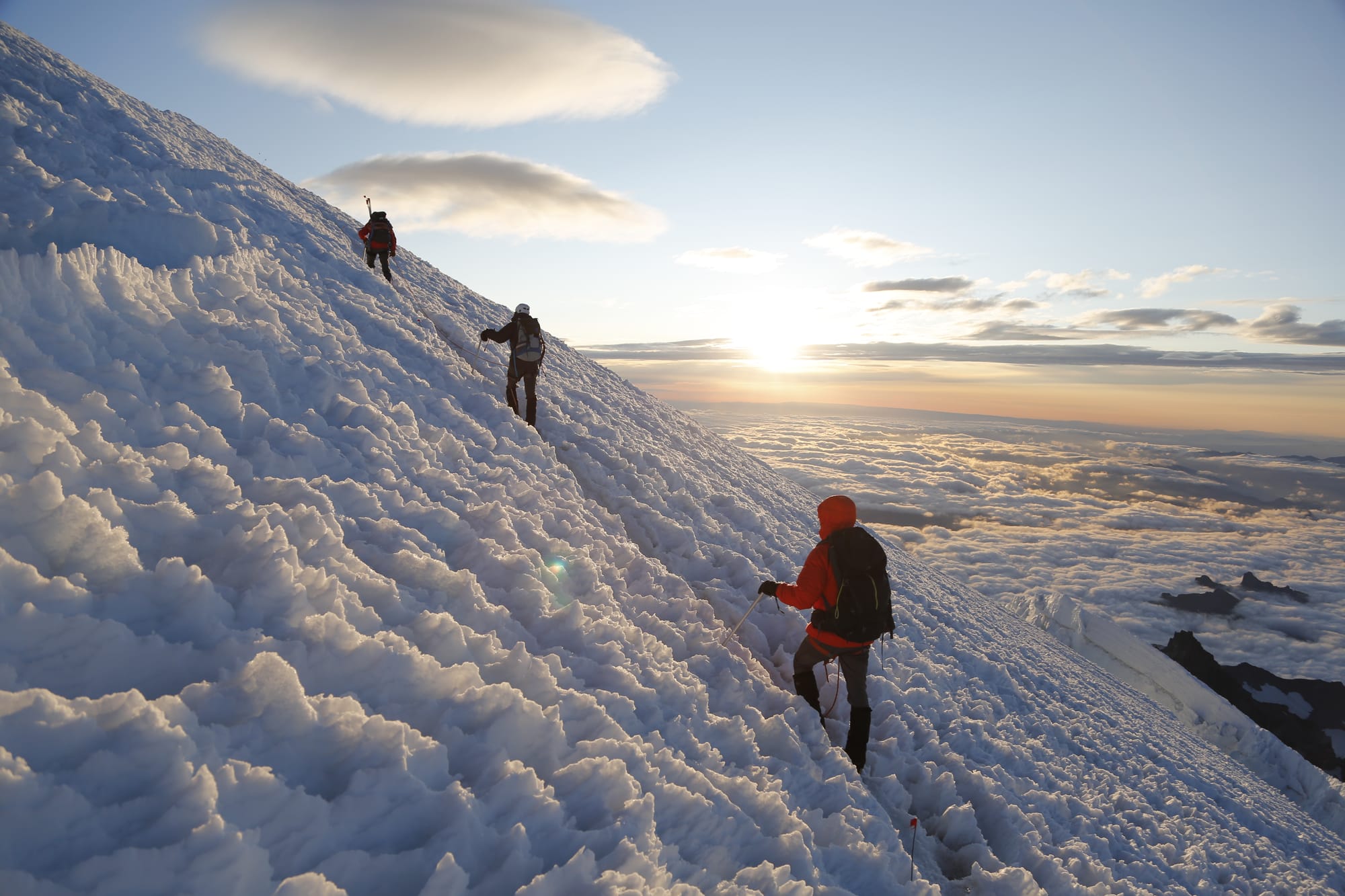
A Comprehensive Guide to Crafting Your Own Progressive, Goal-Oriented Program

How Periodic Tests Can Validate Your Progress and Refine Your Plan


