Logistics and Guide Ratios
What is the climber-to-guide ratio on this program?
The climber-to-guide ratio for the Expedition Skills Seminar – Muir is 2:1. This low ratio supports hands-on instruction, close supervision during training blocks, and effective rope team management throughout the seminar.
Fitness and Readiness
How fit do I really need to be for the Expedition Skills Seminar – Muir?
You should arrive in excellent physical condition and prepared for multiple long days at altitude. While pack weights are lighter than expedition-style routes like the Emmons, the seminar involves sustained uphill travel, glacier movement, and long training days at 10,000 feet. Fitness directly impacts learning, performance, and overall experience.
How much weight will I carry on the climb?
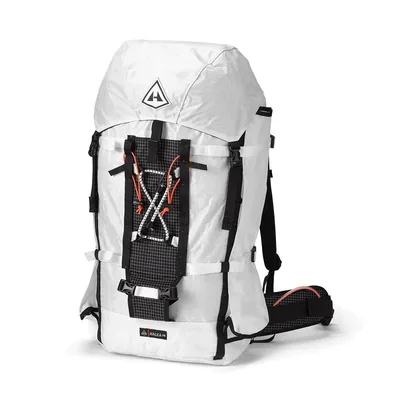
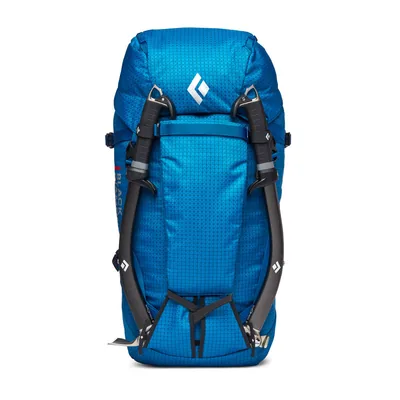
Pack weights are moderate compared to other seminars. Climbers typically carry 35 to 45 lb loads when hiking to and from Camp Muir, with lighter packs used during glacier training and summit day. Being comfortable moving uphill with a pack for extended periods is essential.
What happens if I am struggling physically during the seminar?
Guides monitor climbers continuously. If someone is struggling, guides may adjust pacing, provide coaching, or modify daily objectives to maintain appropriate risk management for the team. The seminar format allows flexibility, but climbers must be capable of meeting the baseline physical demands.
Seminar Structure and On-Mountain Experience
How does an Expedition Skills Seminar differ from a standard Rainier climb?
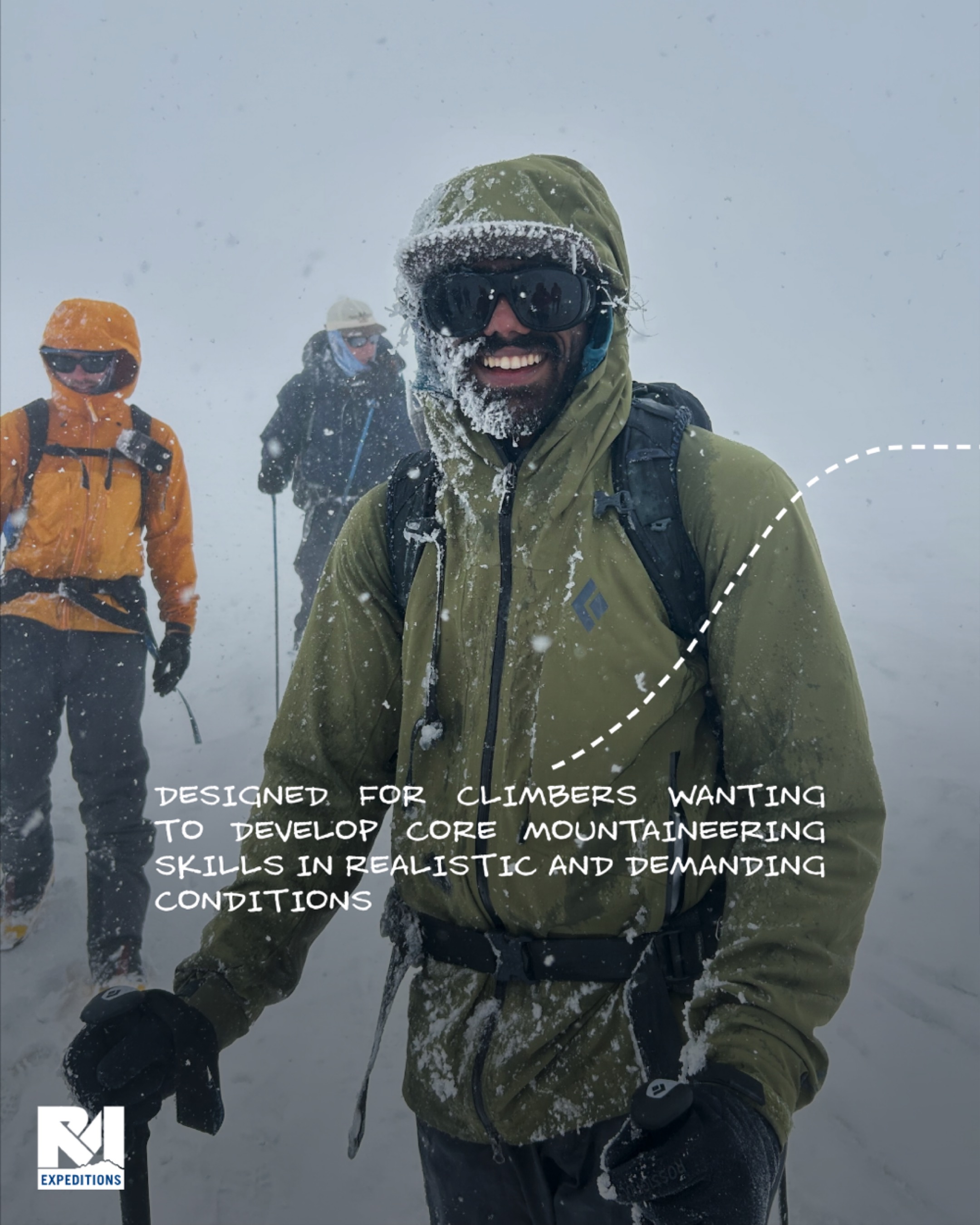
An Expedition Skills Seminar is instructional by design. Time is intentionally built into each day for learning and practicing mountaineering skills rather than focusing solely on reaching the summit. Instruction is integrated throughout the program, allowing climbers to apply techniques repeatedly in real terrain.
How much time is spent on instruction versus climbing?
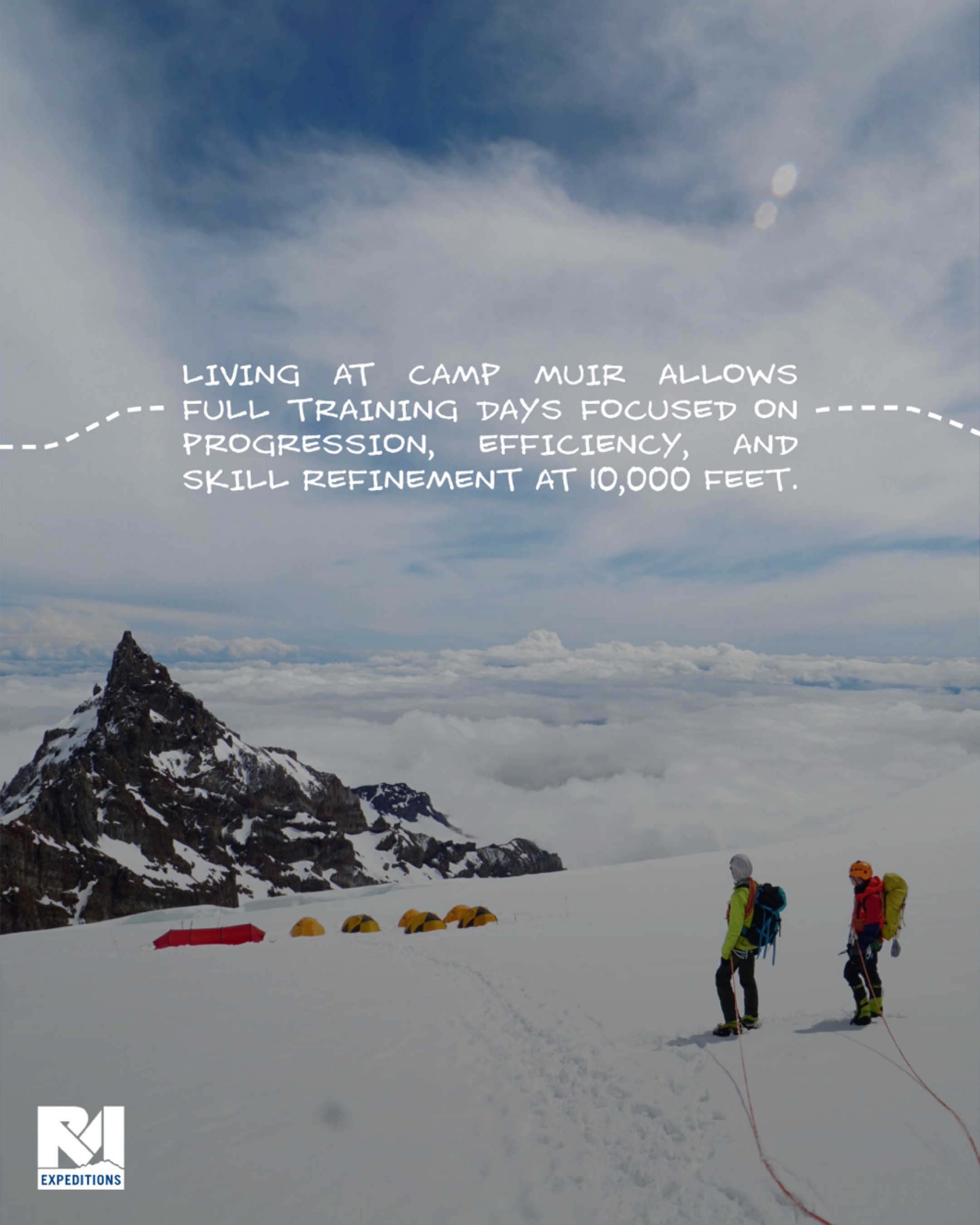
Instruction is woven into the entire program. Training sessions occur both during designated skill blocks and while moving on snow and glaciers. The Camp Muir base allows for longer daily training windows than standard climbs.
What skills will I actively practice during this seminar?
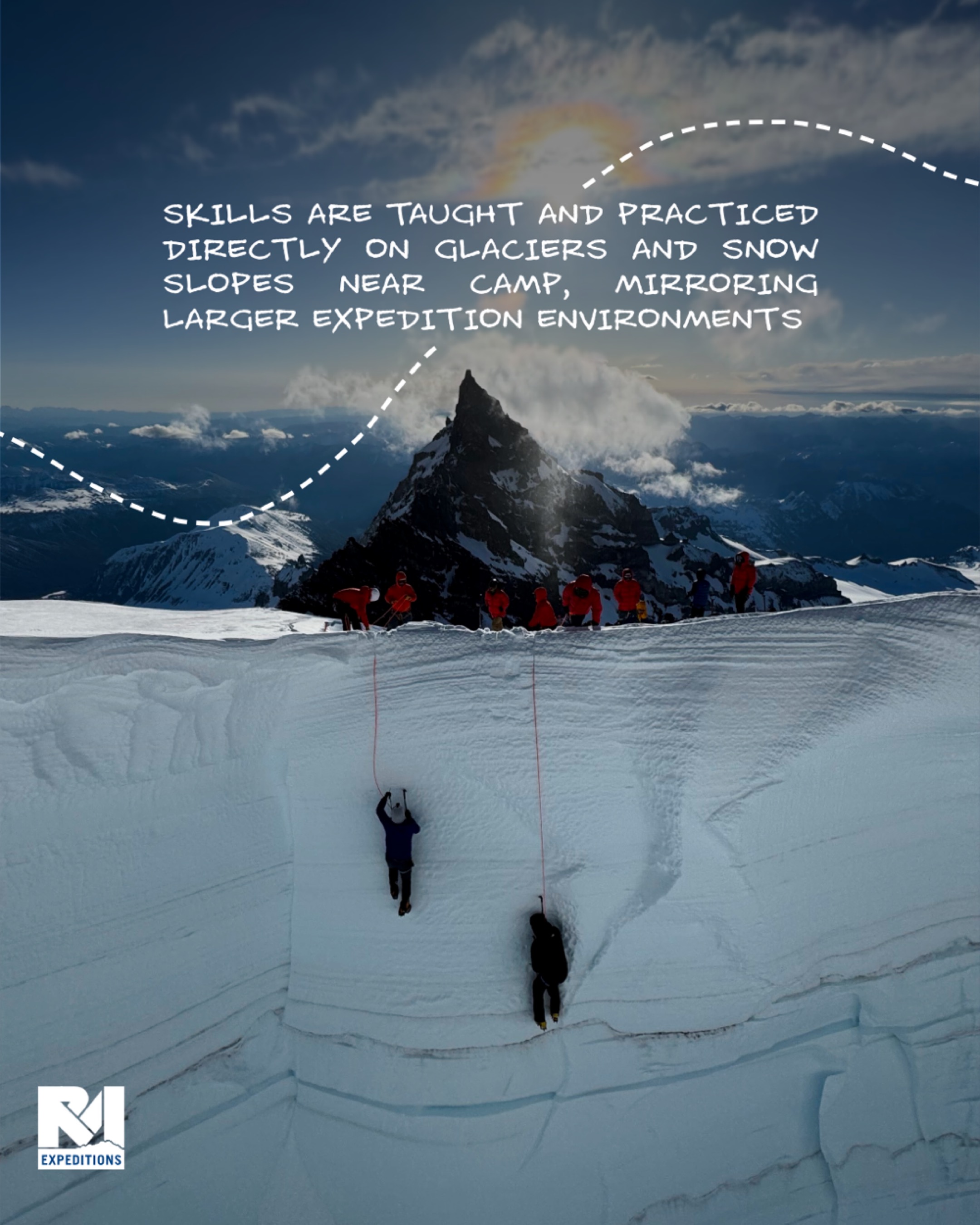
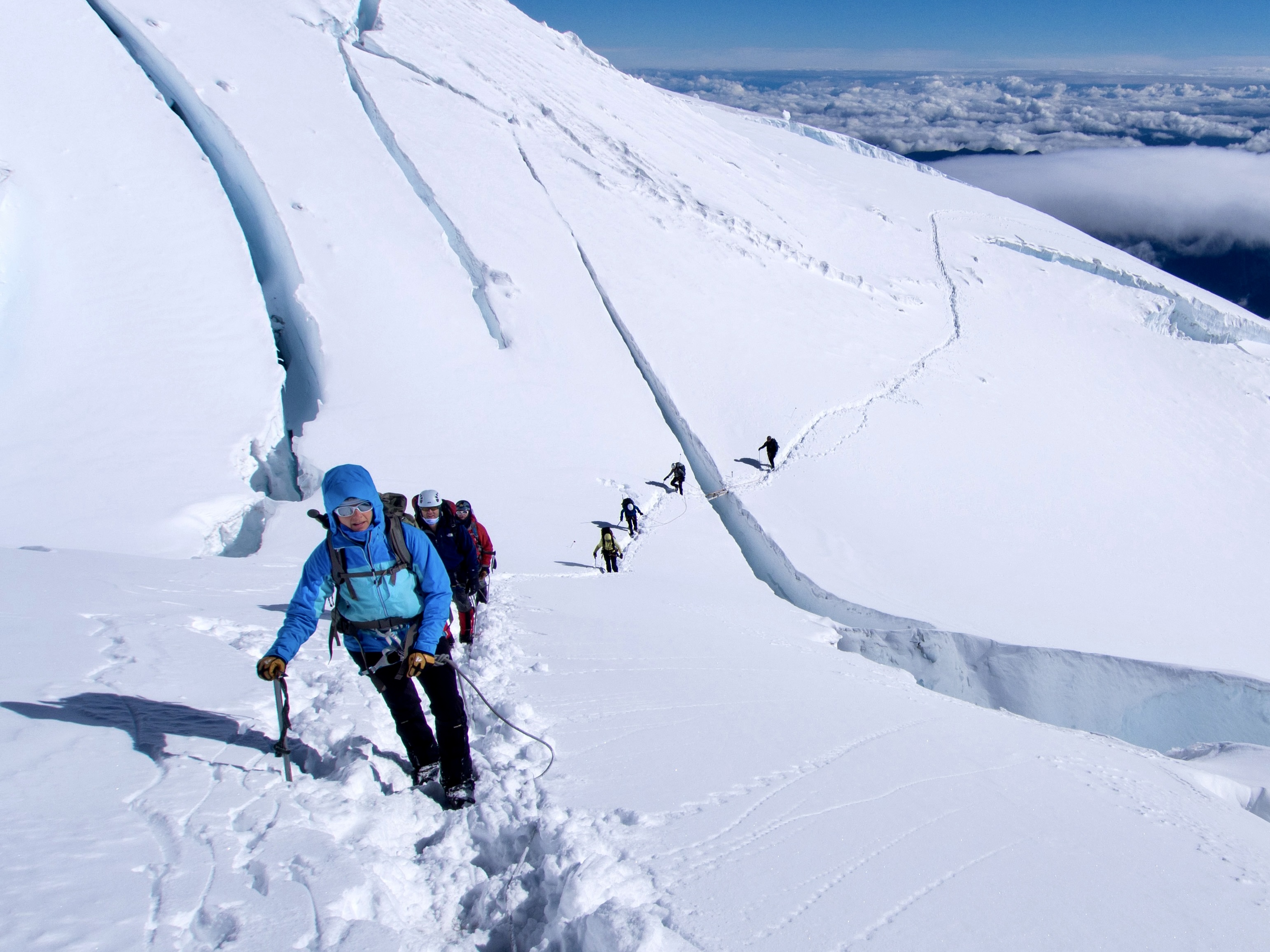
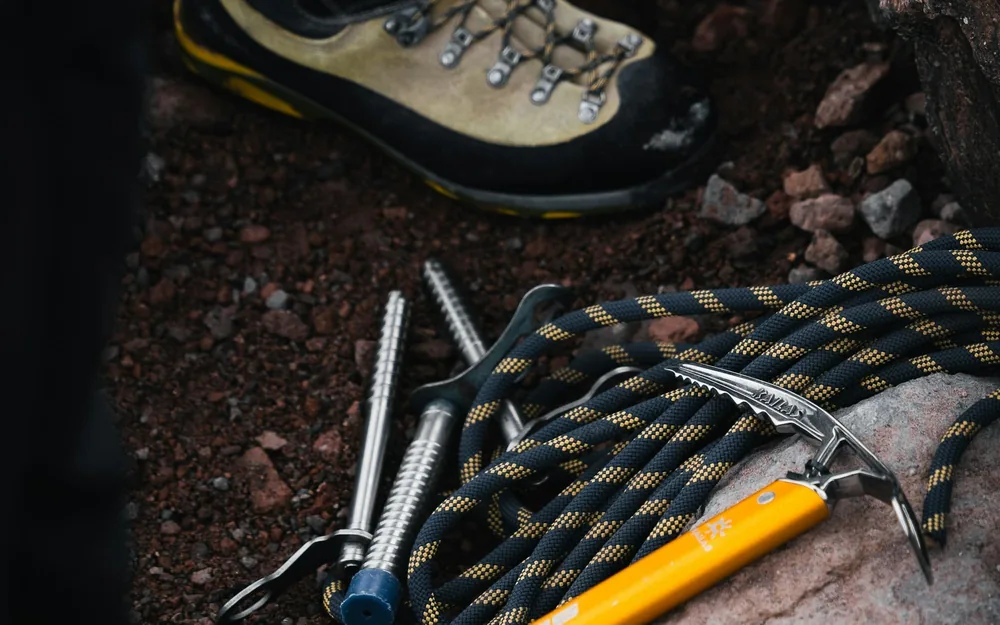
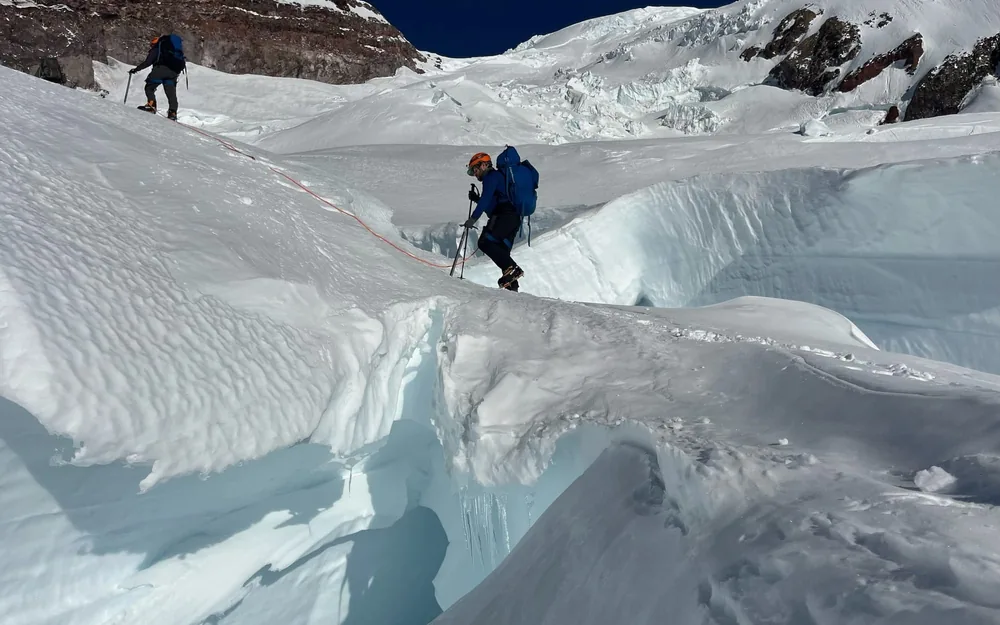
Climbers practice glacier travel, rope team management, snow and ice anchors, crevasse rescue systems, belaying, fixed line travel, and movement on steeper snow and ice. Skills are reinforced daily through repetition and application in changing conditions.
What is a typical summit day like on this program?
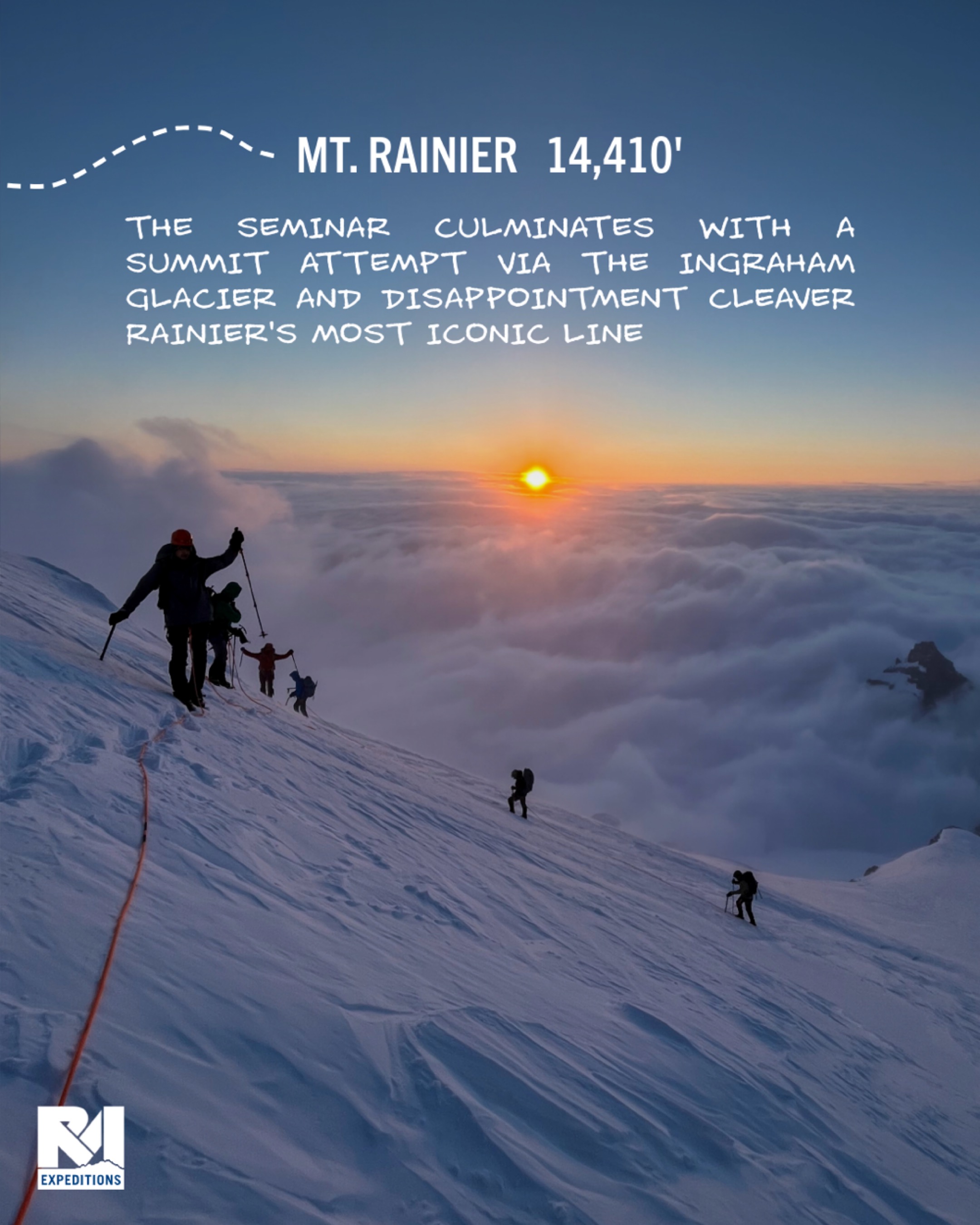
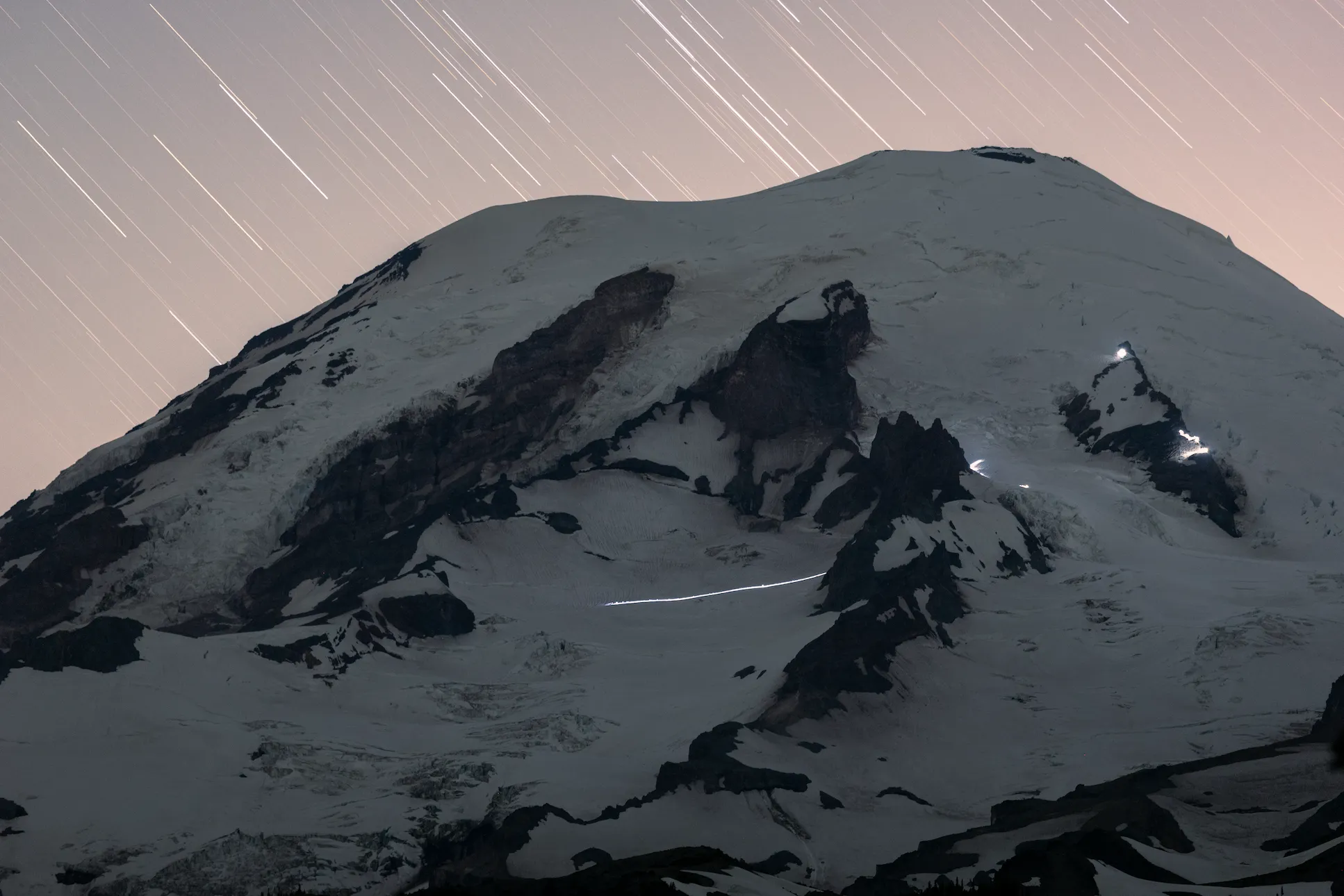
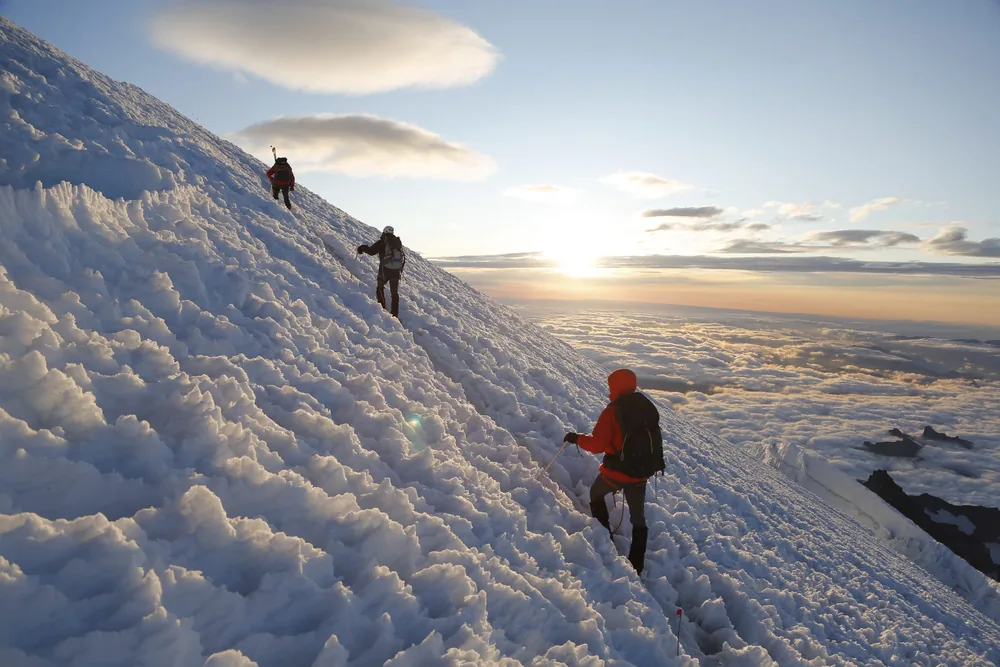
Summit day begins from Camp Muir and involves roped glacier travel, sustained uphill climbing, and long hours of movement as a team. Conditions and timing vary, but the day requires endurance, focus, and efficient rope team travel.
How early do we start on summit day?
Summit day typically begins very early in the morning to take advantage of firmer snow conditions and more stable weather.
Weather, Conditions, and Decision-Making
What kind of weather should I expect on Mount Rainier?
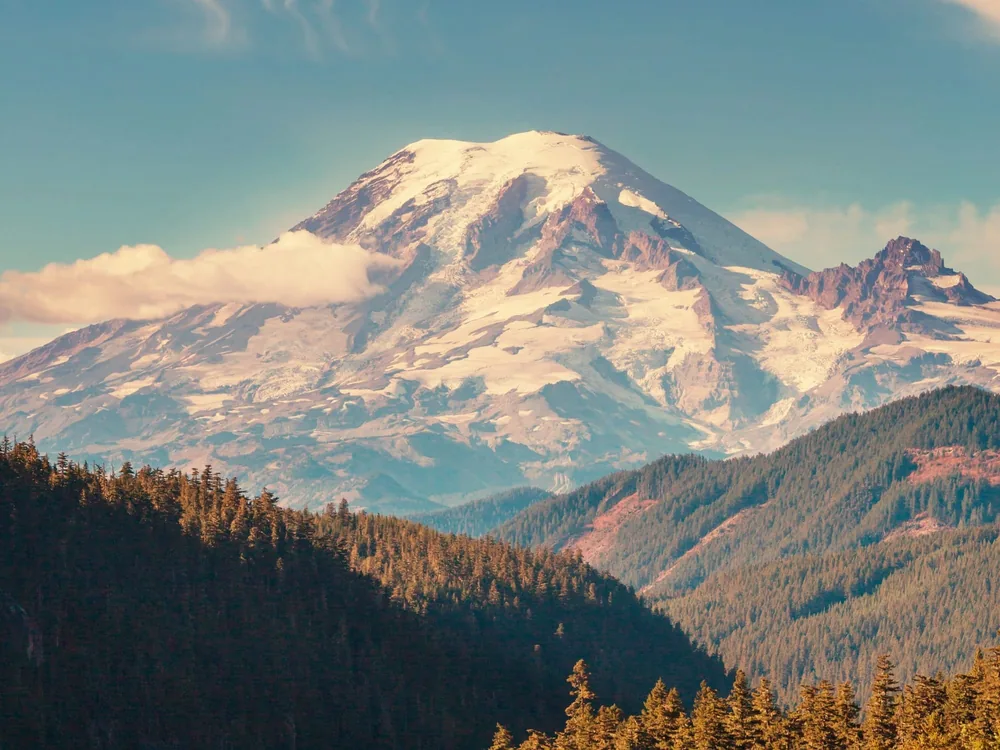
Mount Rainier creates its own weather. Climbers should be prepared for wind, cold temperatures, precipitation, and rapid changes in visibility, even during the height of summer.
What are my chances of reaching the summit of Mt. Rainier?
Three main factors generally prevent climbers from reaching the summit: weather, route conditions, and individual fitness.
Weather
Avalanche hazard, wind, precipitation, and poor visibility can impact the ability to climb while maintaining an appropriate margin of safety. If conditions deteriorate, guides may turn the team around or adjust objectives.
The Route
Guides continuously assess and manage route conditions. This may involve rerouting around crevasses, managing steeper snow, or adjusting plans as conditions change. While there is often a way to the top, it may not always be appropriate for guided climbers.
Fitness
Fitness is the factor climbers have the most control over. Rope teams move at a steady pace based on route length and complexity. Improving fitness is the most effective way to increase your chances of a successful summit attempt.
How do guides make decisions when conditions change?
Guides continuously assess weather, route conditions, and team performance. Decisions are based on maintaining appropriate risk management for the entire group.
Who makes the final decision to continue or turn around?
The guide team makes all final decisions on the mountain, with team security and long-term success as the priority.
What happens in the event of an injury or illness on the mountain?
Guides are trained in remote medicine and rescue techniques and carry medical and communication equipment. Responses vary based on severity and conditions and may include descent or evacuation if necessary.
Progression and Future Objectives
Is this seminar appropriate if I plan to pursue bigger objectives later?
Yes. The Expedition Skills Seminar – Muir provides a strong technical foundation and real glacier experience that supports progression to more complex routes and international expeditions.
What is a natural next step after completing this seminar?
After completing the Expedition Skills Seminar – Muir, many climbers move on to more technical Rainier routes, expedition-style programs, or international objectives where advanced glacier and rope team skills are required.
How does this seminar differ from RMI's other Rainier seminars?
We run four Expedition Skills Seminars on Mount Rainier, and they are built for different climbers. Paradise is the foundational course — start here if you are new to glaciated mountaineering, with no prior technical experience required. Camp Muir is the immersion course, with four nights at 10,080 feet in the hut RMI has to itself, living at altitude rather than commuting to it. Emmons is the expedition course — the big remote glacier, successive camps, and the closest thing on Rainier to how a Mt. McKinley expedition actually runs. Kautz is the technical course, on steep snow and ice through the Kautz Ice Chute, for climbers ready for the next skill tier. If you are unsure which fits, call us — we would rather place you correctly than sell you the wrong week.








.jpg)
.jpg)
.jpeg)
.jpg)
.jpg)
.jpg)
.jpg)






































Additional Comments
Overall outstanding educational experience. You can not get so many of the practical, small hands on details from Freedom of the hills. After a full day of alpine education, the evening lectures were also outstanding. Steve and Stoney were also good guides, but you could tell they are a few trips out before they will be ready to lead and articulate all of there knowledge to us. . .