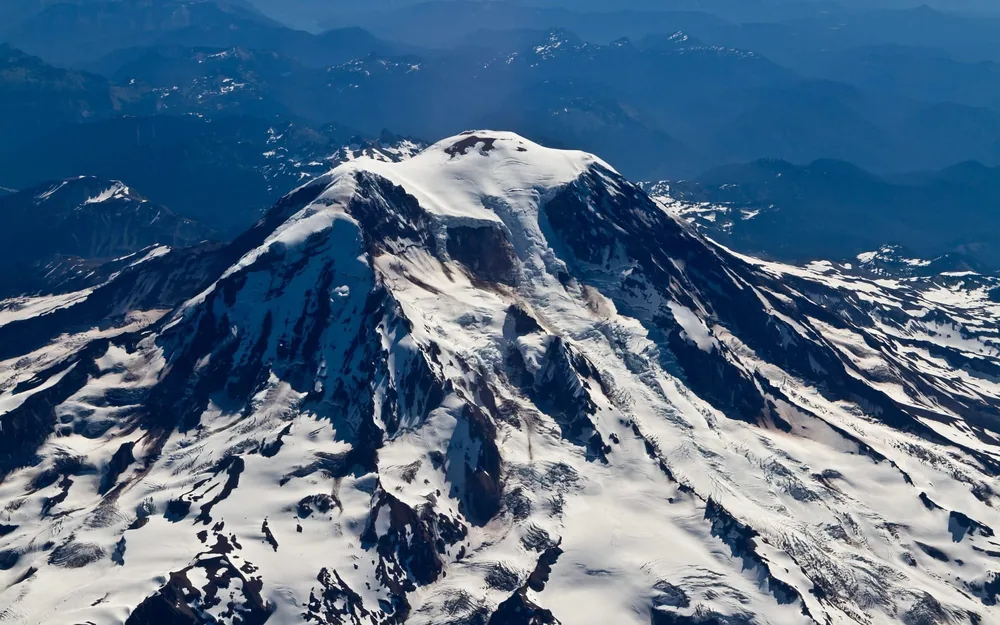
Mt. Rainier Five Day Climb

5 Days

|

Mountaineering

|

$3,095

|

$450

Deposit

|

Beginner

Overview

2:1 Ratio

Climb in small teams with one guide for every two clients - closer instruction and more attention when it counts.

Immersion

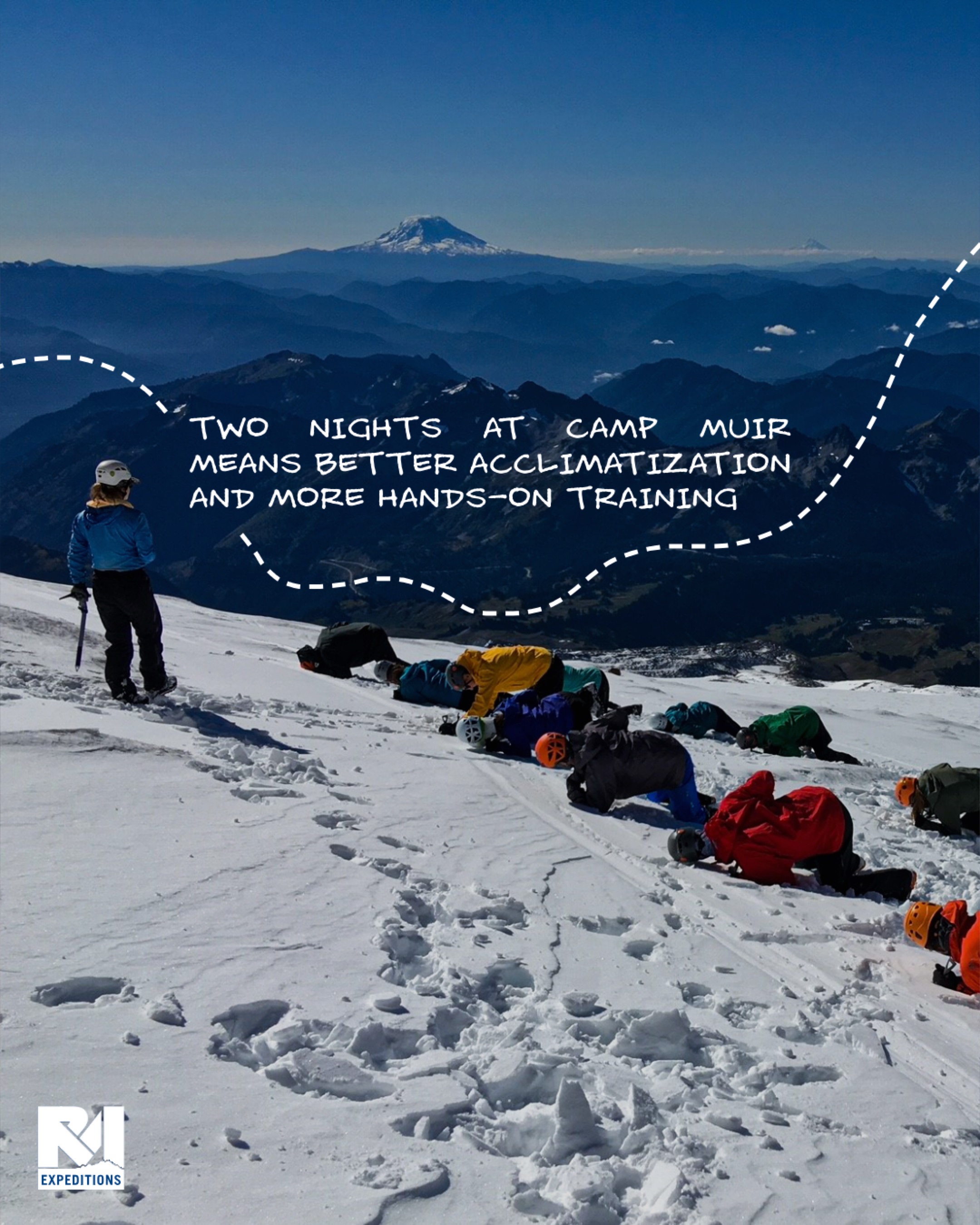
Two nights at Camp Muir in RMI’s private hut — more time to acclimatize and go deeper.

Flexibility

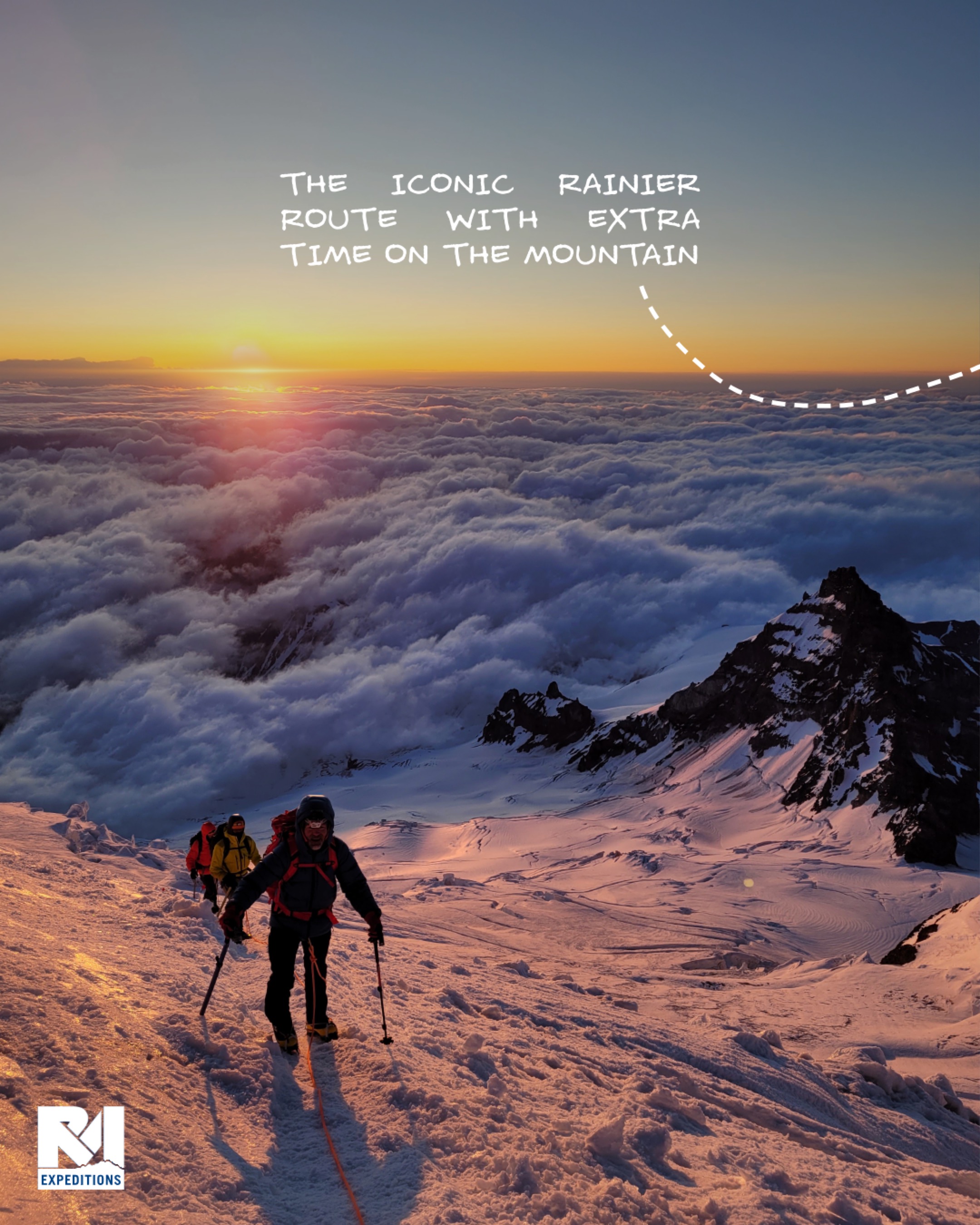
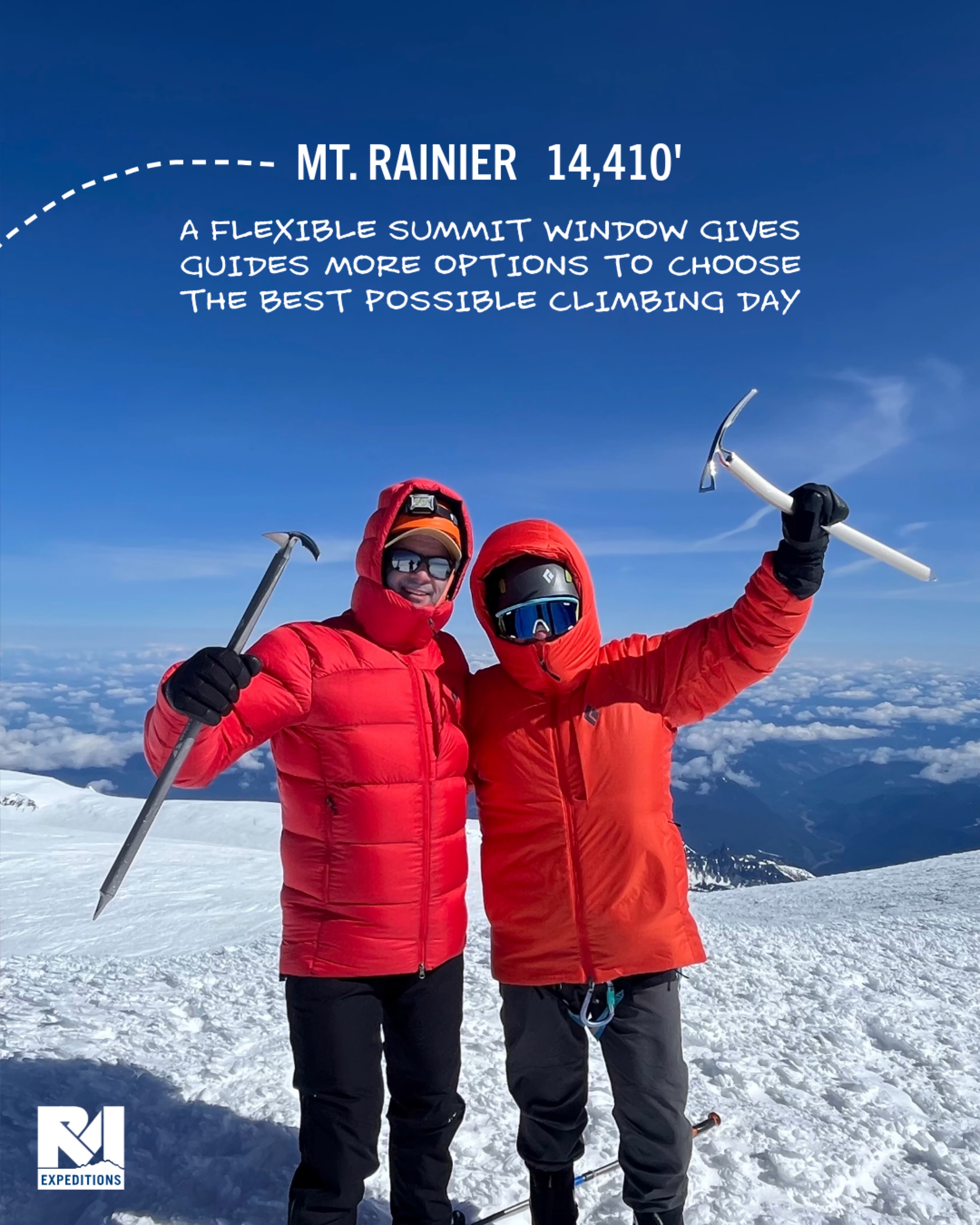
An extra day on the mountain creates flexibility to move with conditions and aim for the best possible summit window.

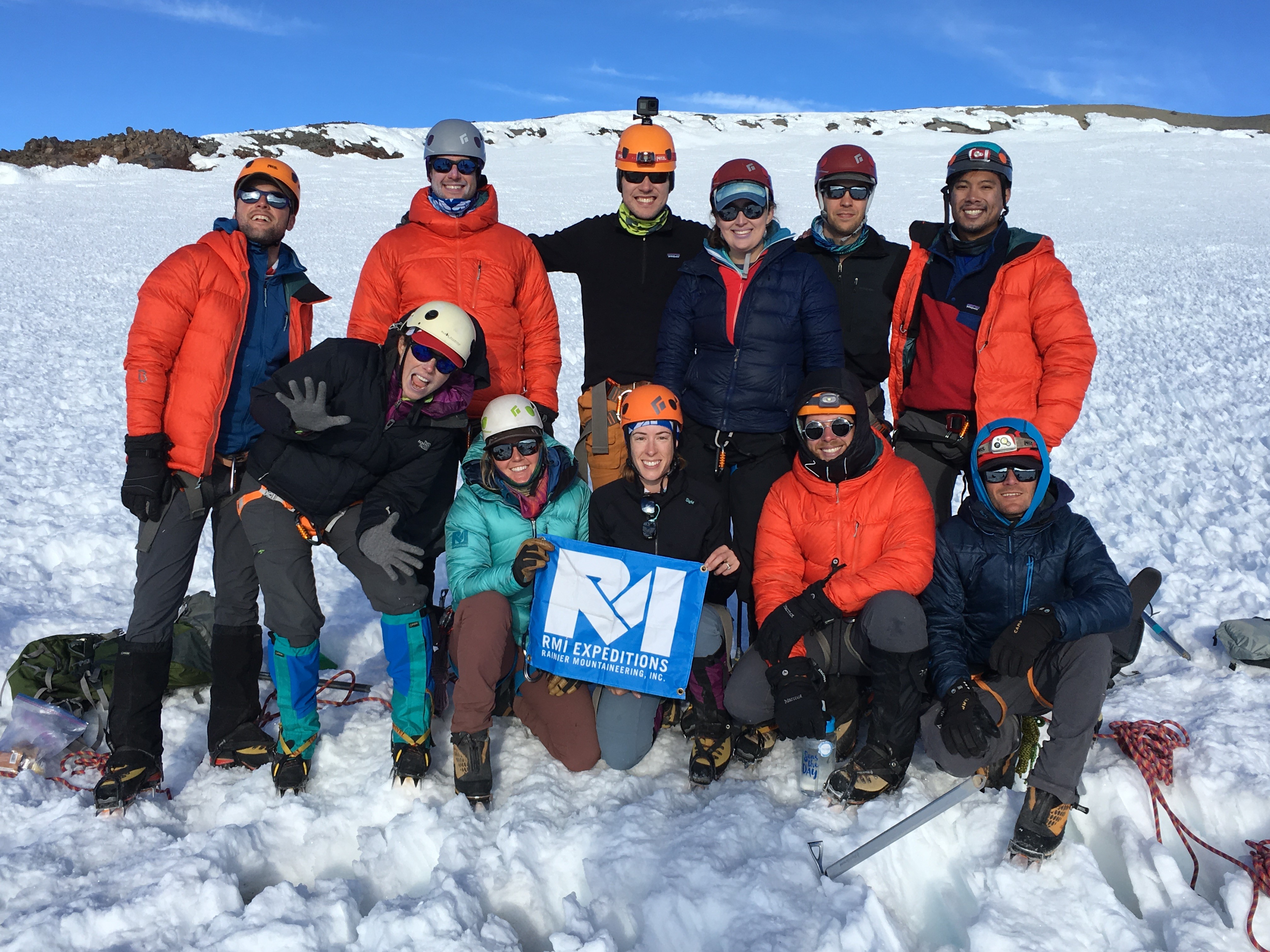
This trip was phenomenal from start to finish: organization, planning, contact and recommendations in the months beforehand, meeting the guides, orientation and Snow School, the climb itself, post-trip celebration and follow-up. It's a little embarrassing to be so effusive in a review -- and it's rare for me -- but all of this feedback is honest and accurate. I could not be happier with experience, and I can't wait to come back. Thank you.

Seth W.

The Five Day Rainier Climb offers the classic Mount Rainier experience with added time, margin, and flexibility built into the schedule, allowing teams to move deliberately, adapt to conditions, and fully engage with the mountain rather than rushing to meet a narrow summit window. That extra day provides the flexibility to choose the best timing for summit day (especially valuable when weather is less predictable) making it ideal for first-time Rainier climbers and anyone seeking a deeper immersion in one of North America's most iconic glaciated peaks.

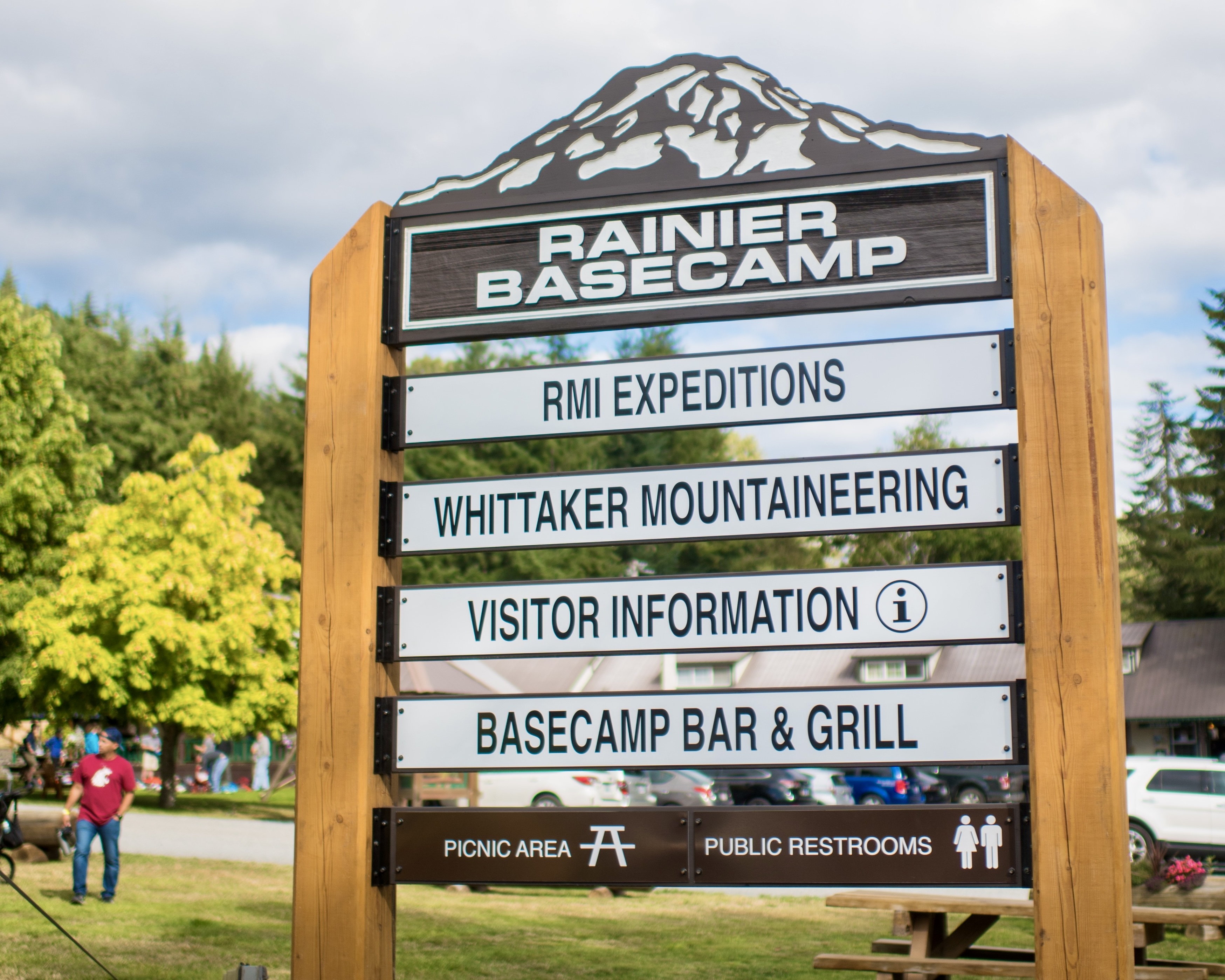
The climb begins with a half day orientation at BaseCamp, then a full day of mountaineering school on the mountain, then spends two nights at Camp Muir in the private hut RMI uses — the only guide service with its own shelter there, giving climbers time to acclimatize, refine movement skills, and recover between efforts. Throughout, you climb in small rope teams at a 2:1 climber-to-guide ratio for closer instruction and more individual attention. Before and after the climb, your team is based at Rainier BaseCamp in Ashford, home to the BaseCamp Bar & Grill, Whittaker Mountaineering, and Whittaker's Bunkhouse.

Why RMI

Setting the Standard Since 1969

Mount Rainier is where RMI was founded, and guiding here remains central to who we are. Since 1969, RMI has built its reputation on consistent presence, deep familiarity with the mountain, and systems refined through decades of guiding in variable alpine conditions. Our guides climb Rainier every day the mountain allows, while most other services run the route every other day — so our teams carry the most current read on conditions, snow, and weather, one of the clearest reasons climbers choose RMI.

RMI guides are professional educators as much as climbers, focused on clear communication, steady pacing, and helping you understand what is happening and why — and at a 2:1 ratio, they have the bandwidth to coach each climber individually. The Five Day format reflects how RMI approaches risk management and client care: the extra time allows for better acclimatization, flexibility in route and timing, and the ability to adapt as conditions change, all drawing on established systems while maintaining appropriate margins of safety.

“The guides were an absolute pleasure. I felt cared for, safe, and encouraged by the guides. They were knowledgeable, and firm when they needed to be, but were gentle at the same time.” — Cole H.

RMI is the only guide service with its own shelter at Camp Muir — a private hut at 10,080 feet that RMI maintains, where teams rest and prepare across both nights on the mountain. That experience shows in the results: in 2025 alone, RMI guided 693 climbers to the summit of Mount Rainier. Our goal is not just to reach the summit, but to create an environment where climbers feel supported, informed, and capable throughout the climb. To learn more about our history and guiding philosophy, visit our About page.

Expedition Highlights

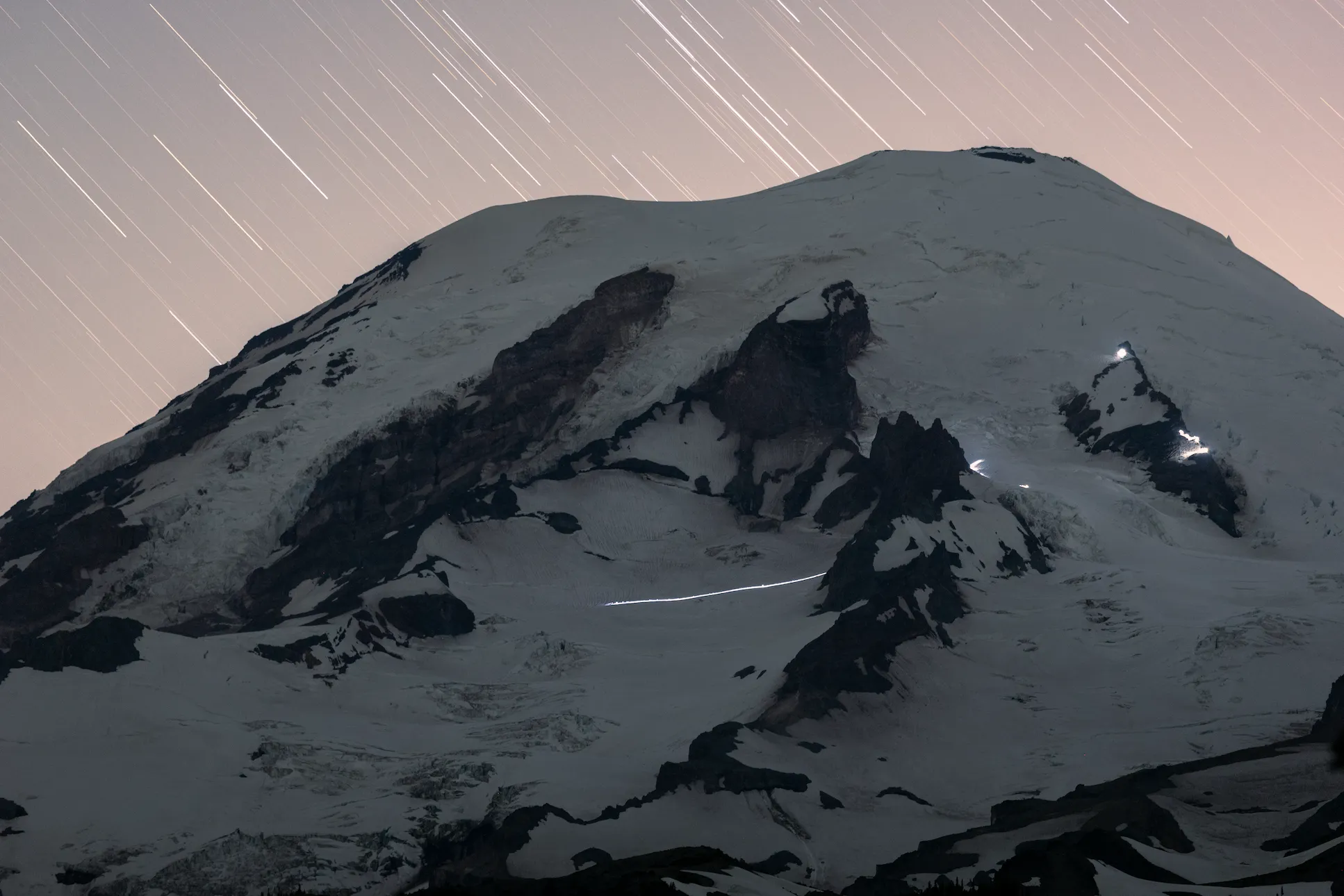
Snow-covered mountain under night sky with star trails and climbers' headlamps lighting the slope.
National Park Service emblem with tree, mountain, bison, and text 'Authorized Concessioner' below.

Authorized Concessioner

Rainier Mountaineering, Inc. is an authorized Concessioner of the National Park Service, Department of the Interior. Rainier Mountaineering, Inc. is authorized to provide guided mountaineering services, mountaineering day school, alpine training, and guided winter activities within Mount Rainier National Park.

Address comments to:
Superintendent | Mount Rainier National Park
55210 238th Avenue East
Ashford, WA 98304

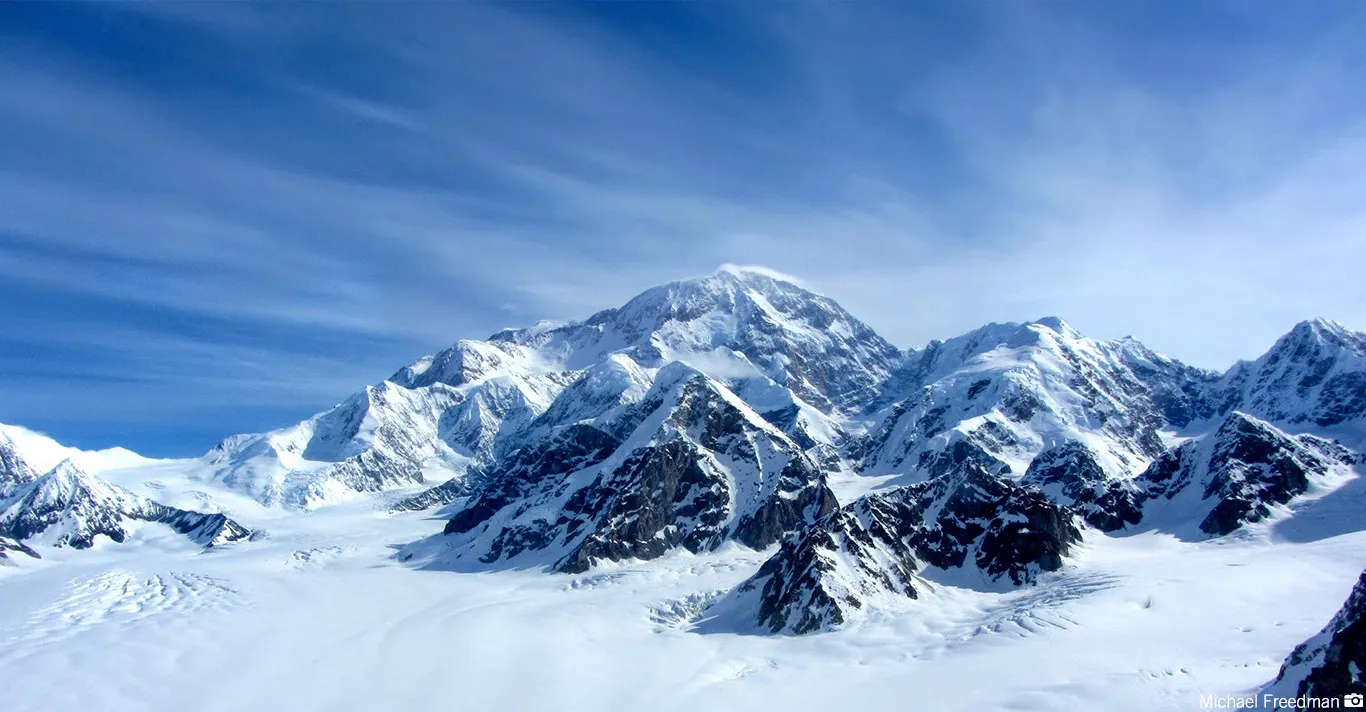
Snow-covered mountain peaks under a partly cloudy blue sky.
Logo with 2025 inside a circle of grey and blue dots and text offsetters carbon neutral climbs and expeditions.

Carbon Neutral Climbs

All our climbs in Mt. Rainier & Denali National Parks are 100% carbon neutral. We have acquired offsets for greenhouse gas emissions through our partnership with Ostrom Climate, Canada's top carbon management solutions provider. Their carbon offset projects undergo rigorous verification by third parties to validate that emission reductions are genuine and permanent, ensuring that our contribution is making a tangible impact.

Itinerary

Overview

Take a more measured approach to Mount Rainier’s classic Disappointment Cleaver route with additional time for acclimatization and rest. This itinerary balances efficiency with recovery, supporting a smoother summit day and a more sustainable overall experience on the upper mountain.

Point of Origin

Ashford, WA

Total Program Duration

5 Days

Days Above 14,000'

1

Climbing Days

3

Highest Point

14,410' / 4,392 m

Accommodation

Private Hut

Longest Day

10 - 14 Hours

Day 1

PRE-TRIP ORIENTATION

3:00 - 6:00 p.m.: We will meet at 3:00 p.m. at Rainier BaseCamp in Ashford, WA. Please dress casually and bring your climbing equipment and clothing.

*Note: Whittaker Mountaineering Rental Equipment is available for pickup after 12 p.m.

We begin our Pre-Trip Orientation with a welcome and introduction of team members and guides. The afternoon is spent providing a focused introduction to a variety of topics and preparing climbers for the ascent. This includes a detailed personal equipment discussion and gear check; an introduction to safety practices including use of helmets, harnesses, and avalanche transceivers; and instruction regarding Leave No Trace practices and environmental considerations.

Please make your own arrangements to stay in the Ashford area this evening.

No items found.

Day 2

MOUNTAINEERING DAY SCHOOL

8:15 a.m. - 5:00 p.m.: Meet at 8:15 a.m. at Rainier BaseCamp. Please arrive dressed for hiking, packed with your Mountaineering Day School gear.

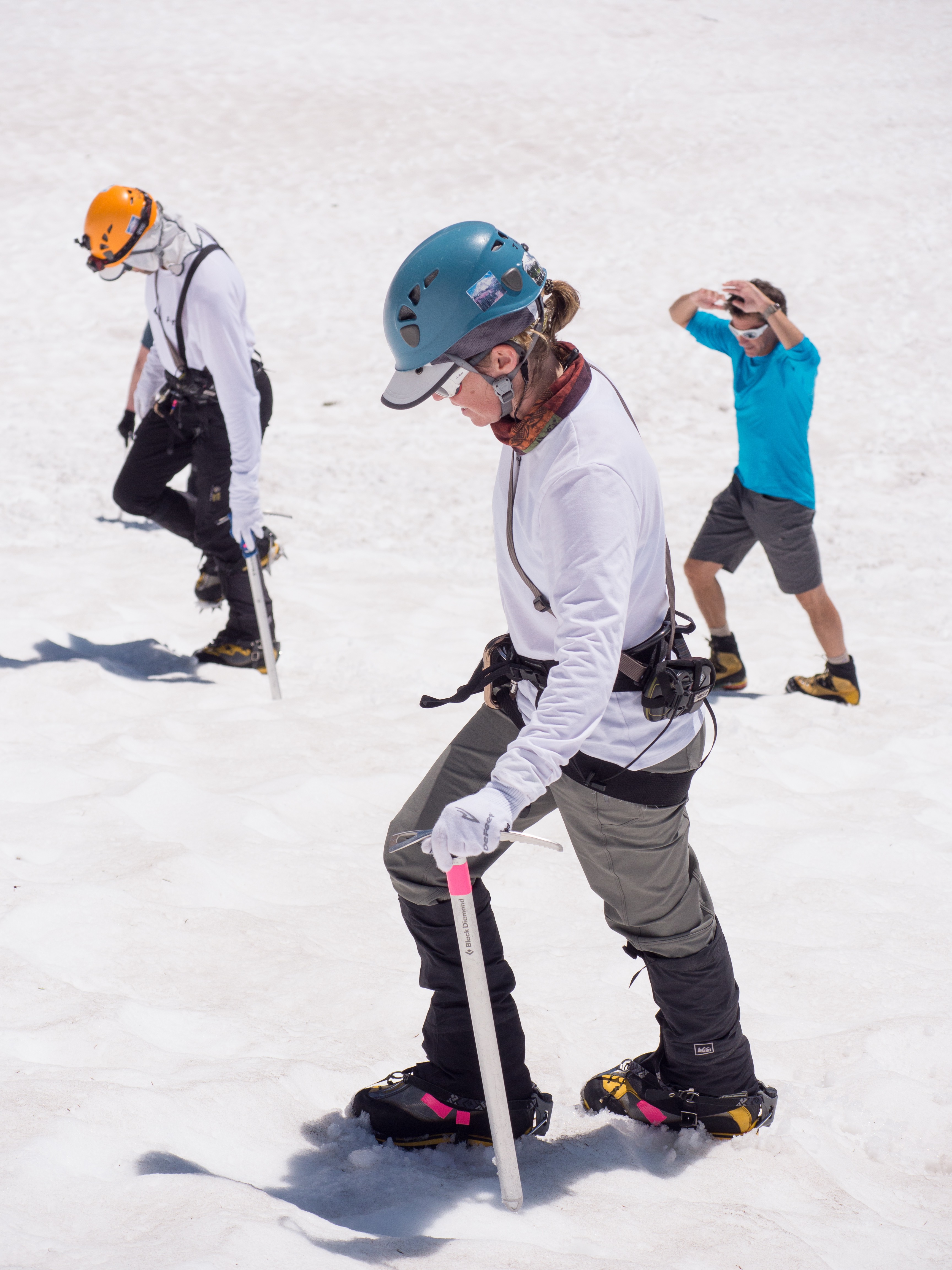
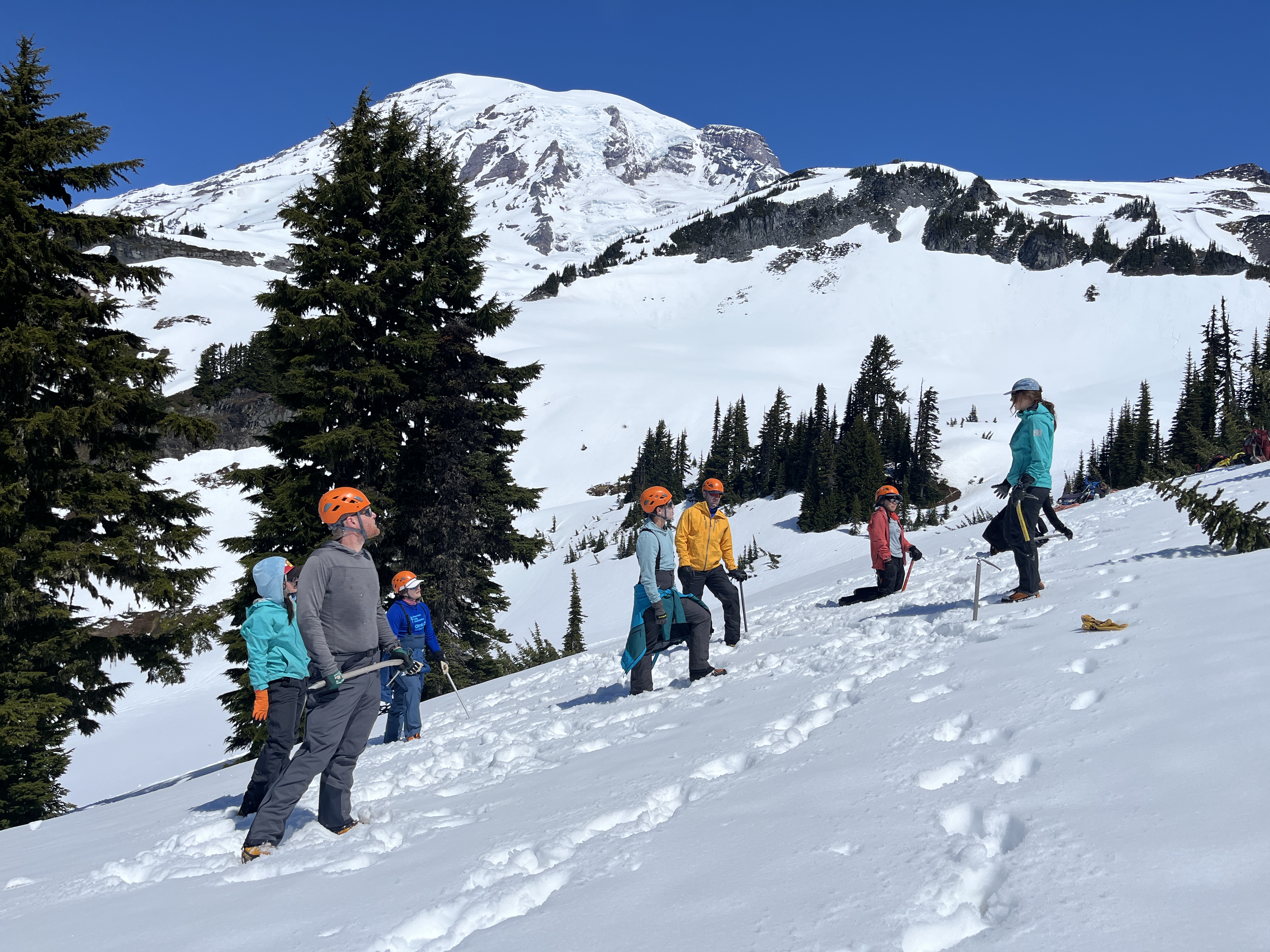
The Mountaineering Day School is spent training on the lower slopes of Mt. Rainier. Climbers are introduced to a number of skills, from the foundational techniques of efficient mountain travel (rest-stepping and pressure breathing) through cramponing, roped travel, and ice axe arrest practices. The training is a great introduction to mountaineering for novice climbers as well as refresher for those with previous experience, ensuring that all climbers have the basic skills to climb safely and comfortably together on the mountain.

Please make your own arrangements for the day’s meals and a place to stay in the Ashford area this evening.

No items found.

Days 3 - 5: THE CLIMB

The Climb takes place on Days 3, 4 & 5. On Day 3 we hike to Camp Muir. We have the option to make our summit attempt on the morning of Day 4 or Day 5 to utilize the best window for weather and conditions. The decision of when to make our summit attempt is left to the discretion of the guides to ensure the best overall chance of success for the team. We return to Rainier BaseCamp on the afternoon of Day 5. This itinerary is meant to highlight route details and a summit bid outline, but due to the intended flexibility of the program, timing may vary.

No items found.

Day 3

CLIMB TO CAMP MUIR

Meet at 8:15 a.m. at Rainier BaseCamp. After a short team meeting, a shuttle takes our group to the trailhead at Paradise.

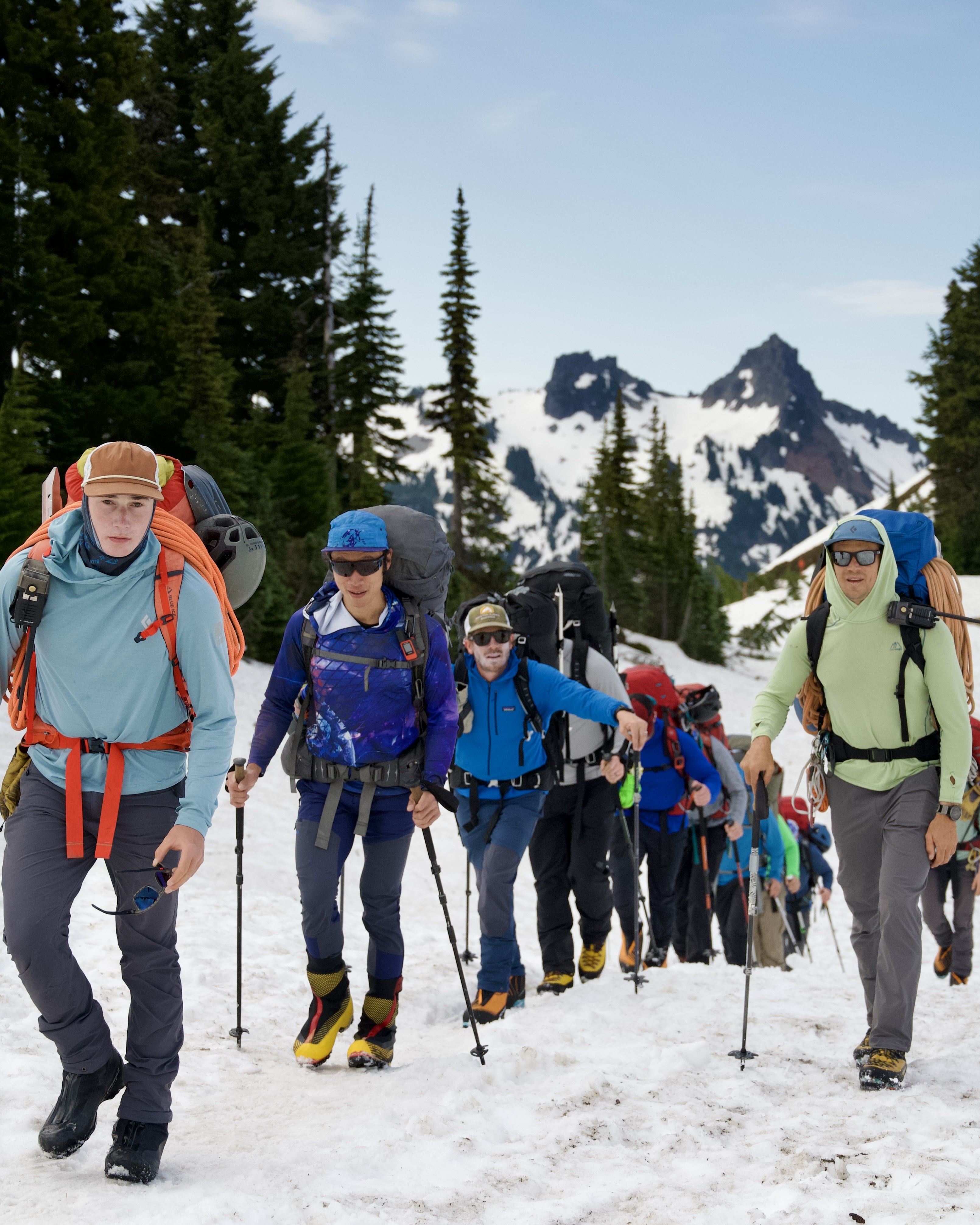
The hike from Paradise (5,400') to Camp Muir (10,080') is nearly 4.5 miles and takes most of the day. Once at Camp Muir, the guides will address specifics regarding the climb, including route conditions, food, equipment, clothing recommendations, and any further questions you might have. Accommodations at Camp Muir consist of a small mountain hut or tents and sleeping pads. After dinner we settle in for our first night on the mountain.

No items found.

Day 4

ADDITIONAL TRAINING

We wake with the sun to enjoy sunrise and breakfast. We will use the day to preview the first section of the climbing route, climbing to Ingraham Flats, which also gives us the chance for further practice and refinement of the climbing skills we covered on the Mountaineering Day School. At the Flats, we have the benefit of being able to lay eyes on subsequent sections of the route above to prepare for the upcoming summit bid. We descend the route to Camp Muir and spend the afternoon preparing for our summit bid.

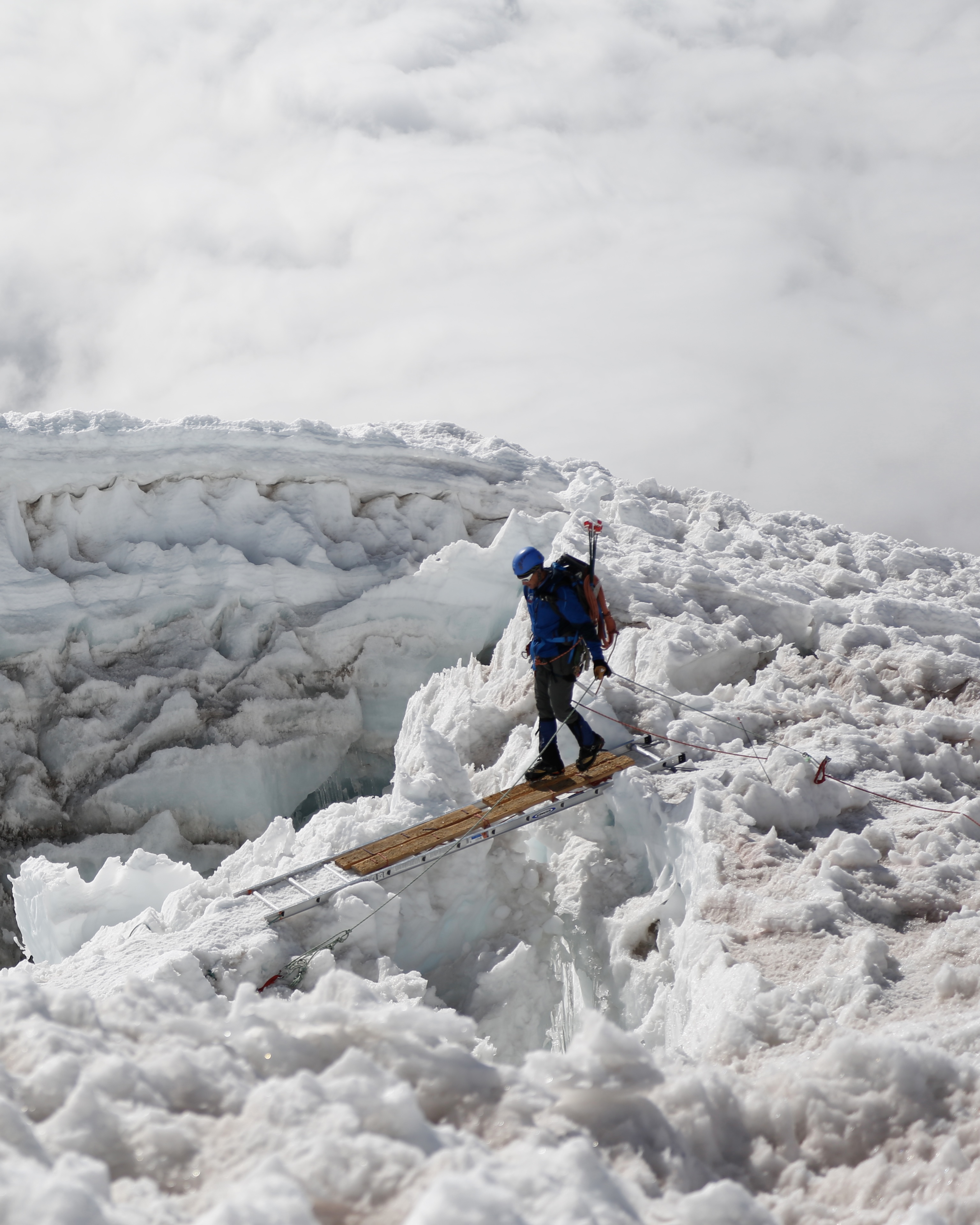
“The summit was great, but what I really liked was the team’s ability to be flexible. Having an extra day at base camp due to the route needing to be fixed allowed us to go drop into some crevasses and get some training there. That was an unforgettable experience, and I really appreciates how the team still made a somewhat “boring” day super fun and enjoyable.” — Derek M.
No items found.

Day 5

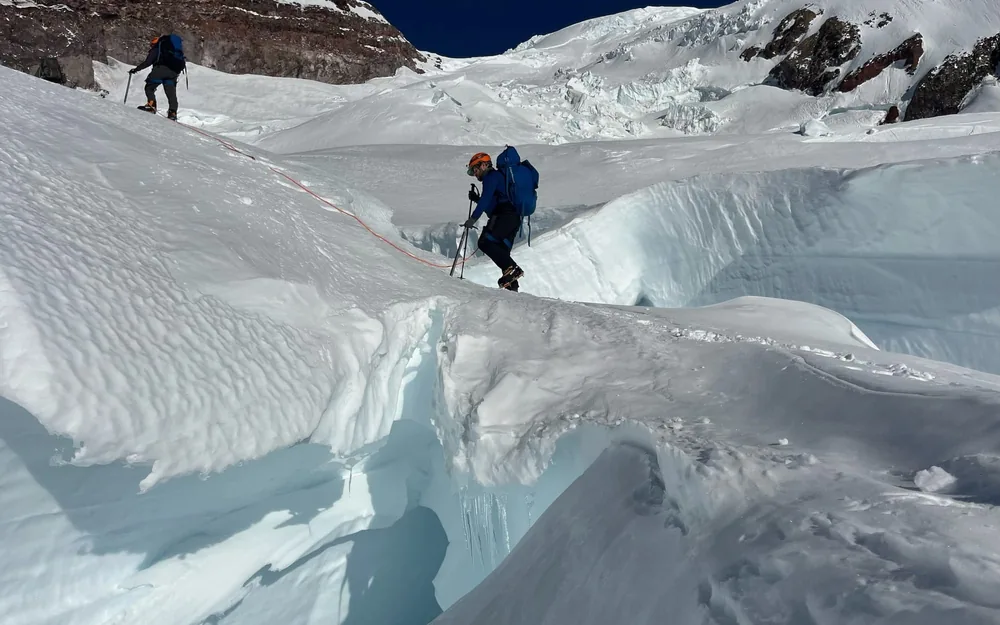
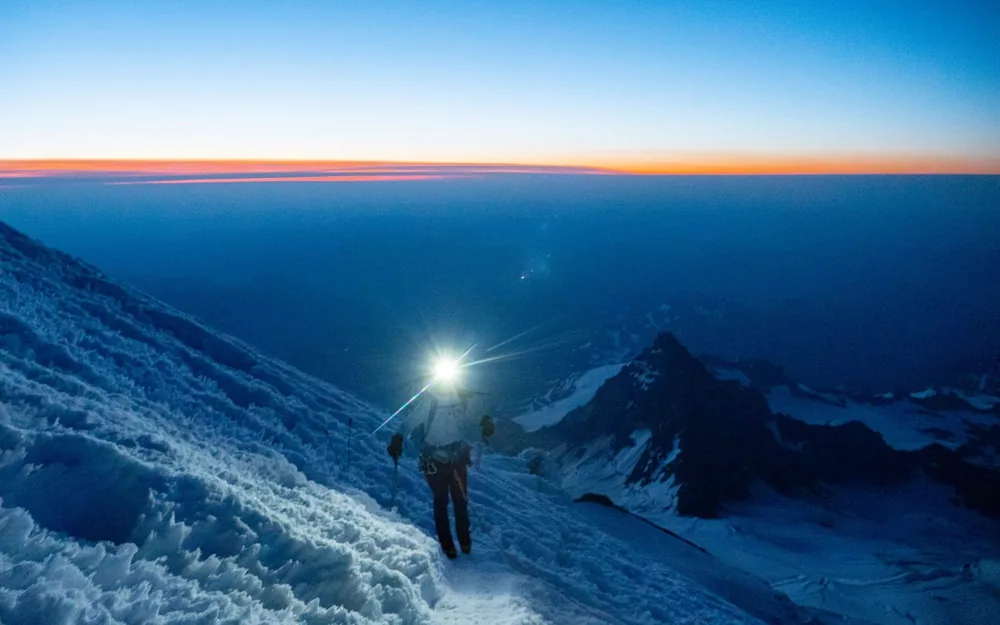
SUMMIT BID

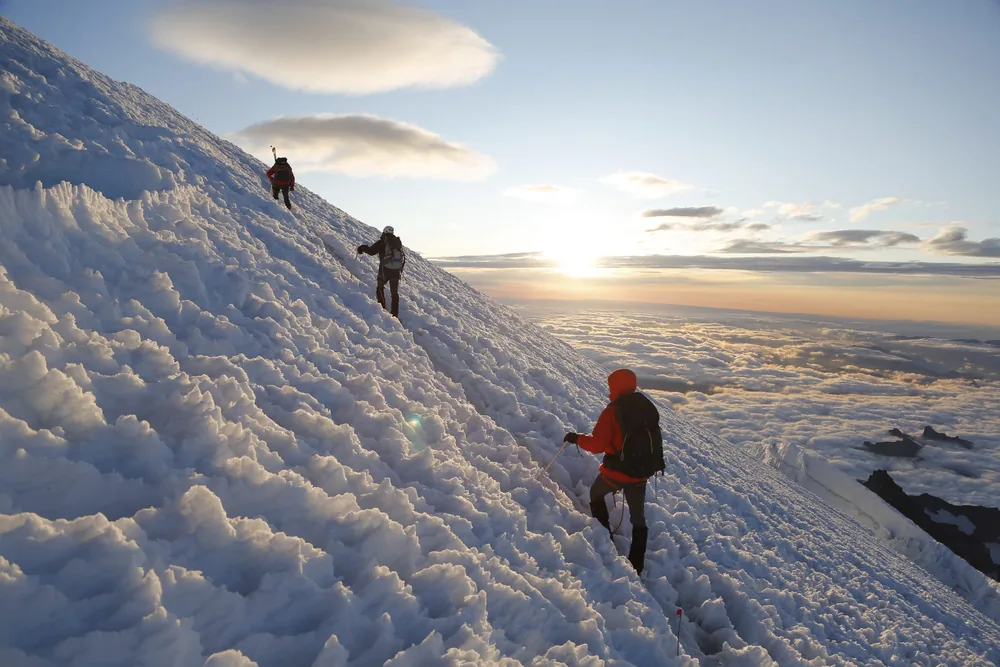
We make an alpine start for our summit attempt, beginning in the early hours of morning. We don ropes, crampons, helmets, and grab our ice axes, leaving Camp Muir by the light of our headlamps. The route begins with a rising traverse across the Cowlitz Glacier and ascends the pumiced switchbacks of Cathedral Gap. From here, we gain the Ingraham Glacier and ascend either the Ingraham Direct or Disappointment Cleaver routes, small variations to a similar line of ascent with the actual route choice being determined by many factors that vary throughout the season. Once above the Disappointment Cleaver, we ascend the upper slopes of Mt. Rainier, navigating the crevassed glaciers to gain the summit crater. If the weather and timing cooperate, we take a short hike across the crater floor to Register Rock, and then to Columbia Crest (14,410'). This is the highest point in Washington, and when the weather is clear, the view from the summit is spectacular. Panoramic views stretch for miles in all directions, from the Pacific to the eastern side of the Cascades. The summit crater is a wildly unique environment, capped in perennial snow, with steam rising out of the cavernous vents.

From our high point, we descend back to Camp Muir. The descent typically takes approximately half the amount of time that it takes for the ascent, but requires significant effort as we retrace our route down the mountain. The duration of the climb depends on many variables including snow conditions, the time of the year, the route conditions, and the weather.

After arriving back at Camp Muir, we pack up our gear and descend to Paradise in the early afternoon. At Paradise, our shuttle takes the team to Rainier BaseCamp. With our gear unloaded in Ashford, it is time to gather as a team to celebrate our adventure.

*We do not recommend scheduling an airline flight before midnight on the last day of your program.

No items found.

Qualifications

Fitness

You should arrive prepared for long days of uphill travel with a pack, moving steadily for several hours at a time.

Experience

This climb is appropriate for motivated beginners with strong hiking backgrounds.

Altitude

Climbers spend multiple days above 10,000 feet, including a summit day reaching 14,410 feet.

The Five Day Rainier Climb is designed for climbers who are new to high-altitude mountaineering but prepared for a sustained physical challenge. While no prior technical climbing experience is required, this program demands strong fitness, a positive attitude, and the ability to stay engaged during long days in an alpine environment.

“I appreciated the team dynamics and how the entire trip helped build my confidence as a mountaineer while also supporting me in summiting Rainier. I appreciated how they kept the teams smaller so as not to have a huge line up of people on the trail. I feel like the leaders had a good balance of supporting but also encouraging personal responsibility.” — Helen S.

Climbers should be comfortable hiking uphill for several hours with a pack and managing variable mountain conditions, including cold temperatures, wind, and changing weather. Movement on snow and basic mountaineering skills are introduced and reinforced during the climb, but success depends on your ability to apply instruction while continuing to move efficiently.

The five-day format allows additional time for acclimatization, skill reinforcement, and recovery between efforts. This added margin supports learning and decision-making, but it does not reduce the physical demands of the climb. Arriving well prepared will significantly improve your experience and enjoyment on the mountain.

Recommended Climbing Resumé

Your climbing resumé should include:

Strong uphill hiking endurance with a loaded pack

Ability to carry 35 to 45 lb loads for sustained climbs

Comfort with long summit days lasting 10 to 14 hours

Willingness to learn and apply glacier travel and rope team skills

Ability to maintain focus and movement in cold, alpine environments

Items marked with an Asterix (*) are considered mandatory prerequisites for this program.

Physical Fitness Training

Mountaineering places sustained demands on your body and your ability to stay composed under effort. Even very fit people find that moving uphill with weight, for long hours, in variable weather is a different kind of challenge than most everyday training.

Preparation matters. Fitness directly affects how well you move, how much you learn, how the team functions, and how enjoyable the experience is overall.

Start early. Begin training well in advance of your program with the goal of arriving rested, resilient, and confident in your capacity for sustained effort.

Train intentionally. Emphasize aerobic endurance, uphill movement, and strength that supports long days on your feet. Core stability, balance, and mobility all play an important role in efficiency and injury prevention.

Train specifically. The closer you get to your program date, the more your training should resemble the demands of mountaineering: hiking uphill with weight, moving steadily for hours, and recovering well enough to do it again the next day.

Across RMI programs, strong preparation typically means being comfortable with long days of continuous movement, carrying a pack appropriate to the objective, and maintaining focus and decision-making when tired. Technical skills are taught or reviewed as appropriate to each program, but fitness is something you bring with you.

Nothing contributes more to a successful and rewarding experience than arriving well prepared. Plan to be in excellent physical condition and ready for a demanding day in the mountains.

Total Climbing Time

Elevation Gain / Loss

Total Distance

Pack Weight

DAY 1 - Pre-Trip Orientation in Ashford

n/a

n/a

n/a

n/a

DAY 2 - Mountaineering Day School

2 - 2 ½ hours Round Trip

Gain = 1,000' | Loss = 1,000'

4 miles Round Trip

20 - 25 lbs

DAY 3 - Hike from Paradise to Muir

4 - 6 hours

Gain = 4,680'

4.5 miles

40 - 45 lbs

DAY 4 - Training day at Muir: the possibility for light activity or a short hike

n/a

n/a

n/a

n/a

DAY 5 - Summit attempt and descent to Paradise

10 - 14 hours (summit attempt) + 2 ½ hours (Muir to Paradise)

Gain = 4,330' | Loss = 9,010'

12.5 miles Round Trip

20 - 25 lbs | 40 - 45 lbs

Fitness And Training Resources

Our guides have decades of experience training for alpine objectives, and we've done our best to put together relevant resources to help you with your expedition preparation.

Acclimatization

Acclimatization is the process by which your body adjusts to lower oxygen levels at altitude. How well this happens has a direct impact on how you feel, how you perform, and how much margin you have as the climb progresses.

Program length and structure matter. Longer expeditions are designed with ascent profiles that allow your body more time to adapt. Shorter programs often move through altitude faster than the body can fully adjust. In these cases, climbers typically experience mild but normal symptoms associated with early acclimatization rather than full adaptation. This is expected and accounted for in program design.

Physical conditioning plays a major role. Well-conditioned climbers generally have more energy available to support the acclimatization process over consecutive days. Fitness does not prevent altitude exposure, but it improves resilience, recovery, and the ability to function well while your body is adapting.

How you take care of yourself matters just as much as the itinerary. Arriving healthy and rested, staying well hydrated, eating consistently, and managing heat loss all support acclimatization and performance. These factors become increasingly important as altitude, duration, and cumulative fatigue increase.

RMI programs are structured to balance objective goals with appropriate acclimatization strategies for the terrain and timeframe involved. Individual responses to altitude vary, but strong preparation and good self-care remain the most reliable ways to support a positive experience at elevation.

Your Role as a Climber

Mountaineering is both an individual challenge and a team endeavor. Before any program begins, RMI works directly with prospective climbers to confirm that everyone joining a team is genuinely prepared for the demands ahead. Depending on the program, this may involve conversations with our office staff, a review of your climbing history, or feedback from guides and other climbers who know your abilities. The goal is straightforward: to ensure that every person on the rope belongs there. We ask that each climber hold themselves to the same standard:

  • Meet Program Prerequisites: Arrive with the climbing experience, qualifications, and gear outlined for your program.
  • Arrive Prepared: Come in top physical and mental condition. Strong preparation directly affects your performance, your teammates' experience, and the team's overall safety.
  • Be Informed: Review all pre-departure materials and communicate any questions to the RMI office before your start date.
  • Medical Clearance: Provide any required medical documentation and inform the RMI office of any changes to your health before departure.
  • Team Consideration: Act considerately toward all team members and respect the customs and values of the areas you travel through.
  • Environmental Respect: Follow Leave No Trace practices throughout the program.
  • Communicate Honestly: Accurately represent your fitness, health, skills, and equipment to your guide staff, and keep them informed of any changes during the program.
  • Stay Accountable: Attend all briefings and gear checks, follow guide instructions, and take personal responsibility for your equipment, hygiene, and readiness for changing conditions.
  • Self-Assess Continuously: Evaluate your fitness and readiness honestly against the demands of the program. Your willingness to do so contributes directly to the safety of the entire team.

The standards we set exist to protect everyone on the team. RMI holds all climbers accountable to them, and we take seriously our responsibility to build teams of people who are ready to be in the mountains together. RMI reserves the right to remove a participant from a program or send them to a lower altitude if our guide staff determines, in their sole discretion, that the participant is not physically, technically, or psychologically prepared or capable of participating, or for any other reason that may compromise the safety, health, or well-being of the participant or the group. In such cases, no refunds or credits will be issued, and the participant will be financially responsible for any additional costs associated with an early departure, including evacuation, transportation, lodging, and meals.

Equipment

What You'll Need

The Five Day Rainier Climb requires a complete mountaineering equipment kit designed for glacier travel, variable alpine weather, and long days on snow and ice. Conditions on Mount Rainier can change quickly, and proper equipment is essential for safety, comfort, and performance throughout the climb.

While every experienced mountaineer may carry slight variations of this list, the required equipment for the Five Day Rainier Climb reflects decades of guiding experience on Mount Rainier. Each item accounts for seasonality, route conditions, weather exposure, elevation, and risk management. Not every item may be needed on a given climb, but all required equipment must be brought to the mountain for gear check.

Guide pick™

Each RMI program includes a required personal equipment list built around the specific terrain, conditions, and objectives of the climb. Every item serves a purpose and supports safety, efficiency, and comfort in the mountains.

Guide Picks™ are examples that meet our performance standards and illustrate the type of gear we recommend. Each year, our partners at Whittaker Mountaineering survey our staff of 70+ guides to get a consensus on the best gear for the job. You do not need to purchase the exact item shown, but any alternative must offer comparable function and durability.

All listed items are required for the gear check. Final adjustments may be recommended by your guide based on conditions and team needs once the expedition begins.

Gear Up

Most of the required equipment is available for rent or purchase from our affiliate Whittaker Mountaineering. RMI climbers receive a 10% discount on new clothing and equipment items ordered from Whittaker Mountaineering.

Equipment List

Download PDF
Thank you! Your submission has been received!
Oops! Something went wrong while submitting the form.

Pack & Travel

Sleeping Bag & Pad

Technical Gear

Head

Hands

Upper Body

Lower Body

Feet

First Aid & Medications

Personal Items

Travel Clothes

Travel Documents

Pre-Trip Checklist

Provided Equipment

Pack & Travel

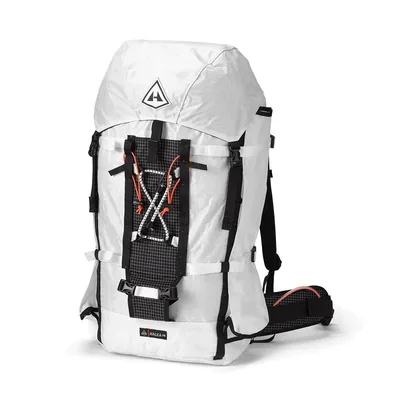
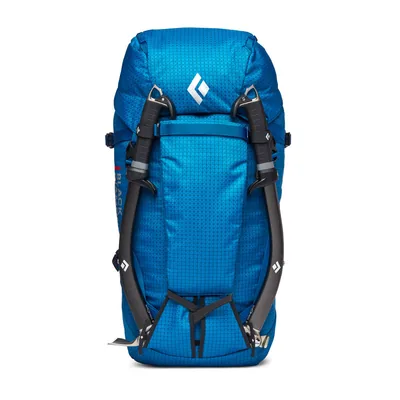
65+ Liter Backpack

A technical climbing pack large enough to carry personal gear, layers, food, water, and a share of group equipment including tent portions. You will not need a separate summit pack. For ski programs, a pack with ski-carrying capability is recommended.

Guide Pick™
Sleeping Bag & Pad

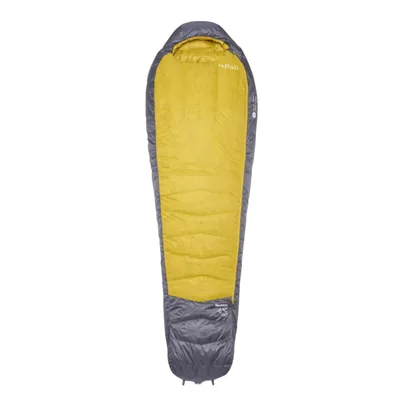
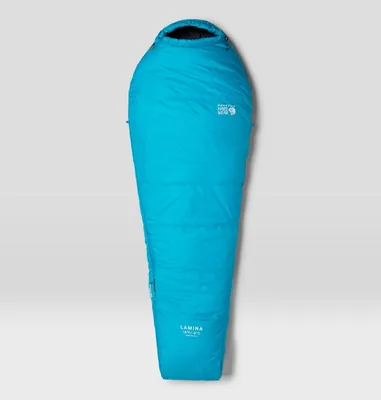
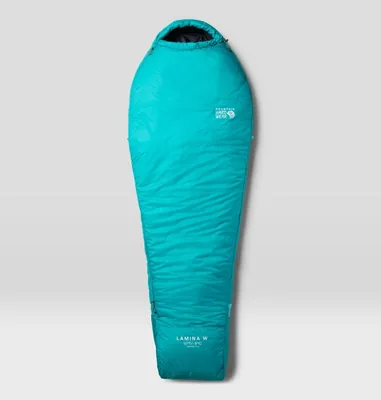
0° - 20°F Sleeping Bag

We recommend a bag rated between 20° and 0° F. Allow ample room for movement. We recommend down over synthetic for its light weight, warmth, and packability. If you know you sleep cold, consider a 0° F bag.

Guide Pick™
Sleeping Bag & Pad

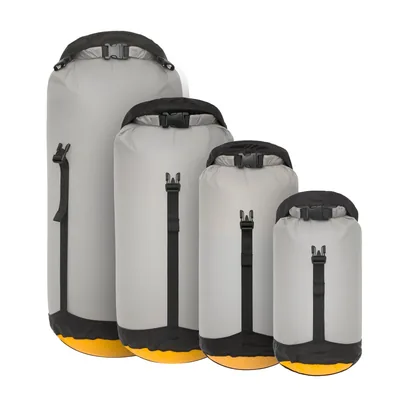
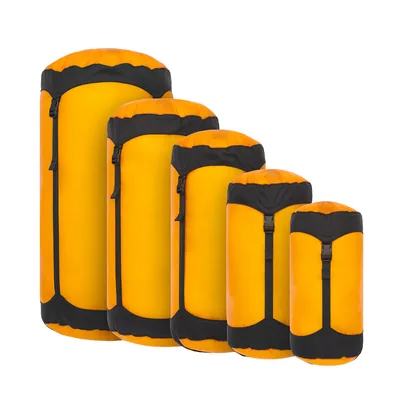
Compression Stuff Sack For Sleeping Bag

A compression stuff sack to reduce sleeping bag volume and protect it from moisture during transport and on the mountain.

Guide Pick™
Technical Gear

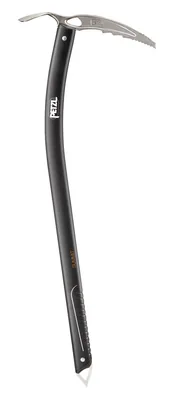
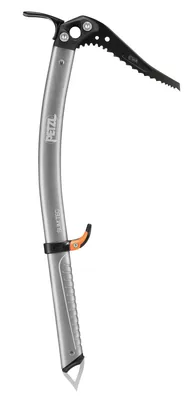
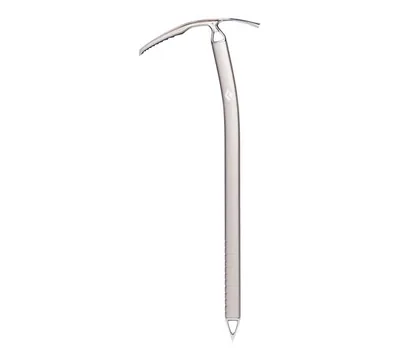
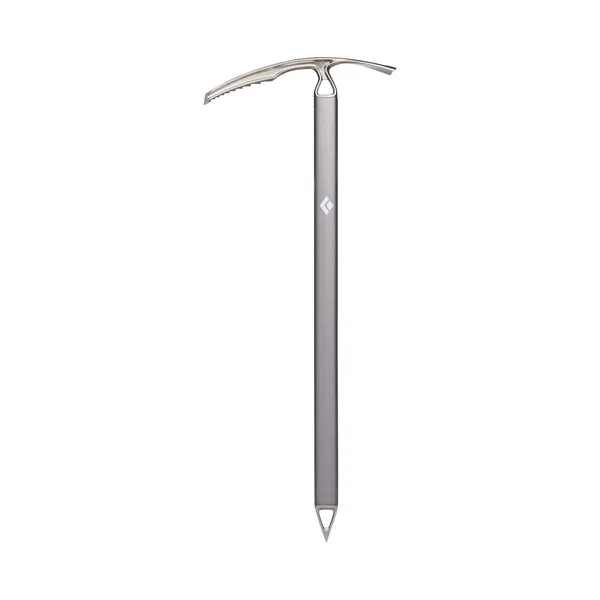
Ice Axe

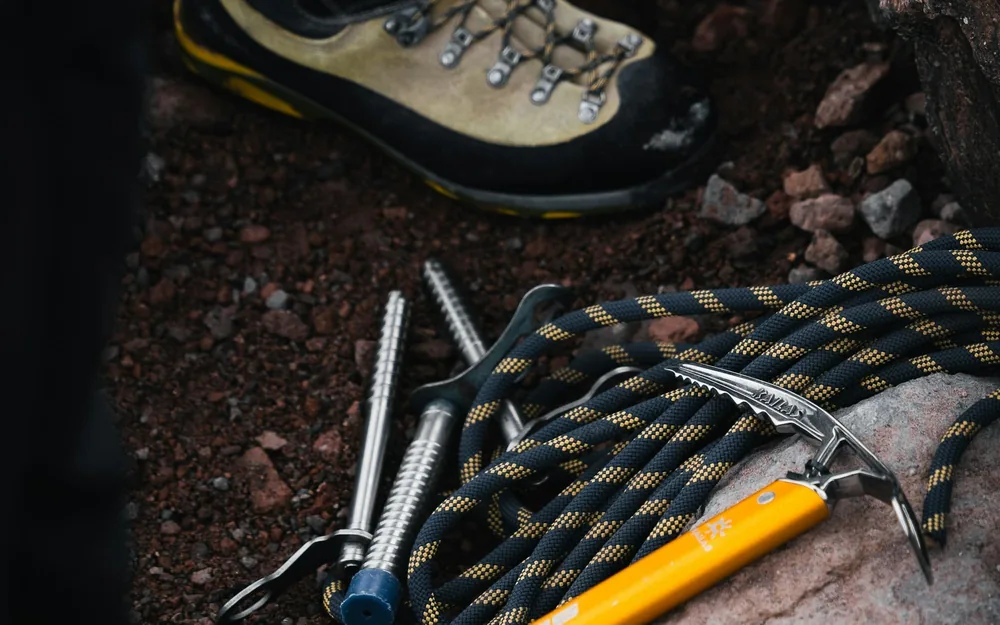
A straight-shaft ice axe with a classic pick and adze designed for glacier travel, self-arrest, and general snow climbing. Should be appropriately sized for your height.

Guide Pick™
Technical Gear

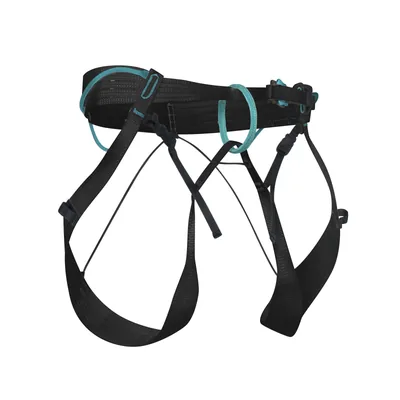
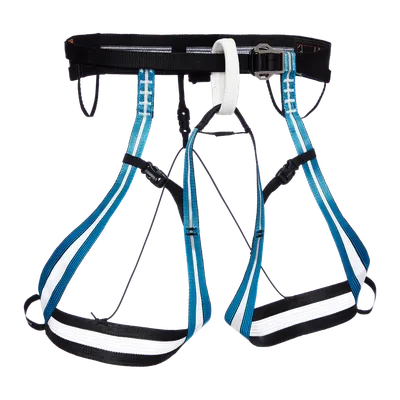
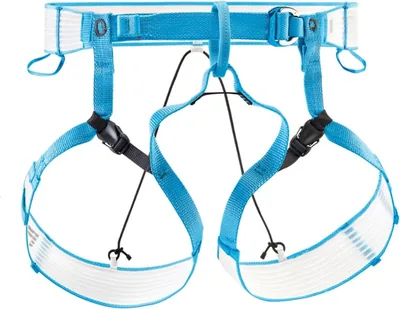
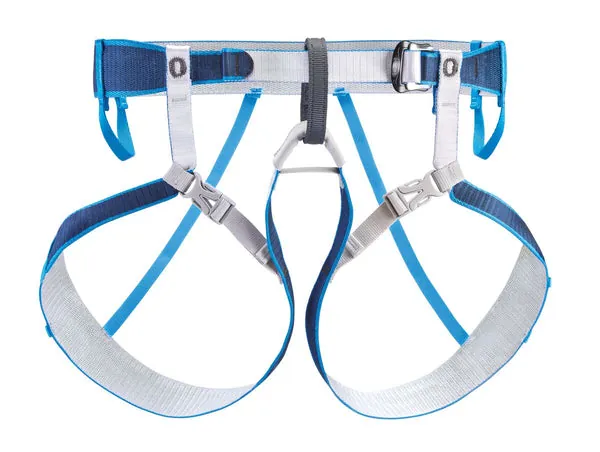
Climbing Harness

A comfortable, adjustable alpine climbing harness. Removable, drop-seat, or adjustable leg loops are recommended for managing layers and bathroom breaks in the mountains.

Guide Pick™
Technical Gear

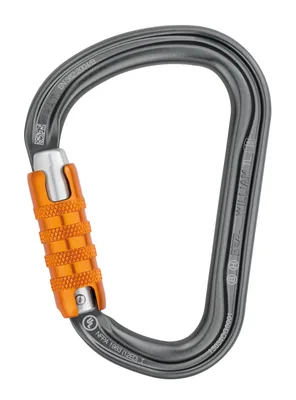
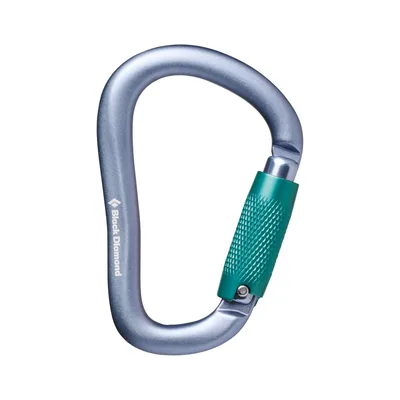
Triple-action Locking Carabiner

Used for clipping into the climbing rope.

Guide Pick™
Technical Gear

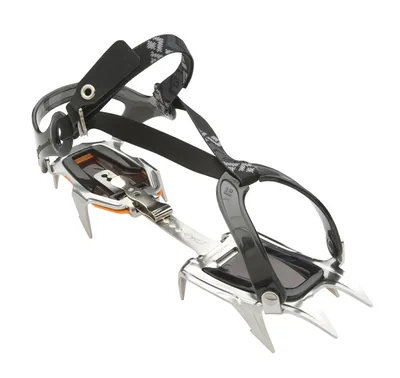
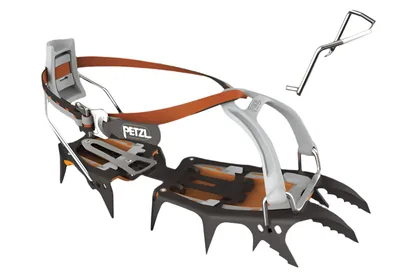
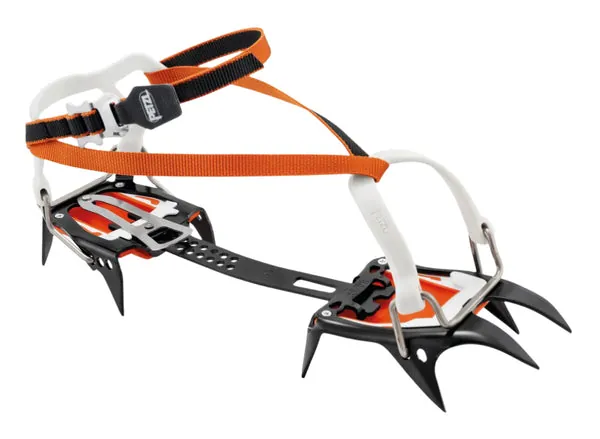
General Mountaineering Crampons

10- or 12-point adjustable steel crampons with anti-balling plates for general mountaineering and glacier travel. Automatic, semi-automatic, or strap-on attachment depending on boot compatibility. Ensure crampons are compatible with your specific boots before your program.

Guide Pick™
Technical Gear

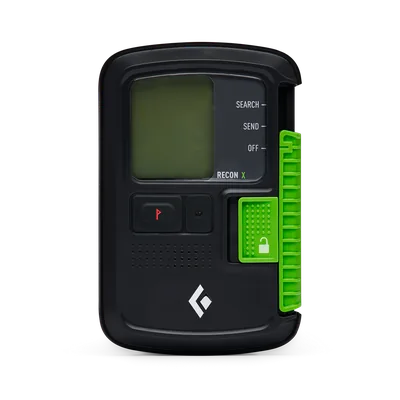
Avalanche Transceiver With Fresh Batteries

A three-antenna avalanche transceiver with fresh batteries for travel in avalanche terrain. Bring extra batteries appropriate to the program duration.

Guide Pick™
Technical Gear

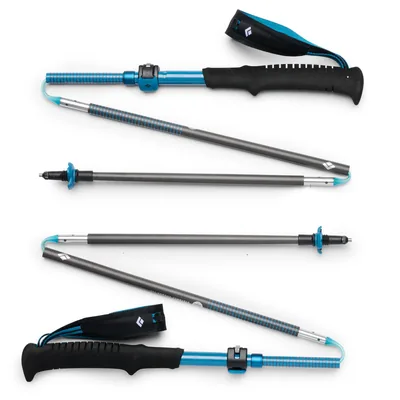
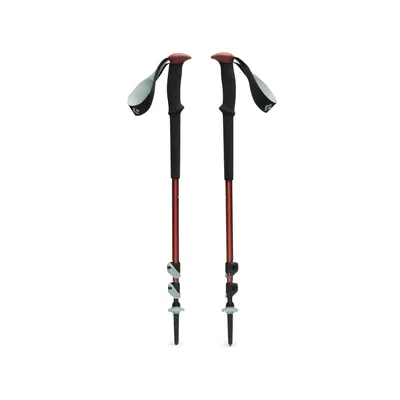
Trekking Poles

We recommend lightweight and collapsible poles with snow baskets.

Guide Pick™
Head

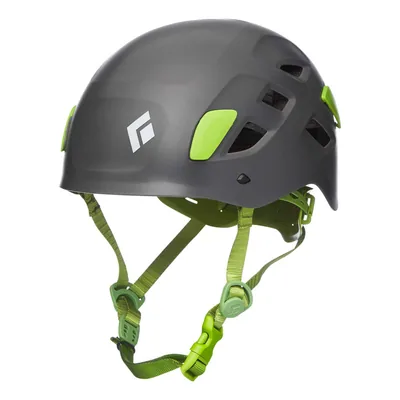
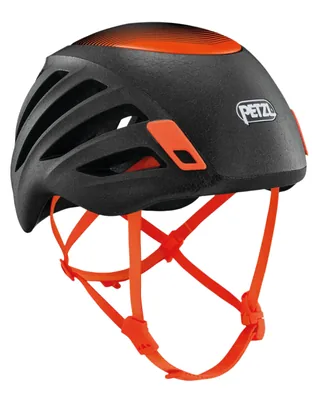
Helmet

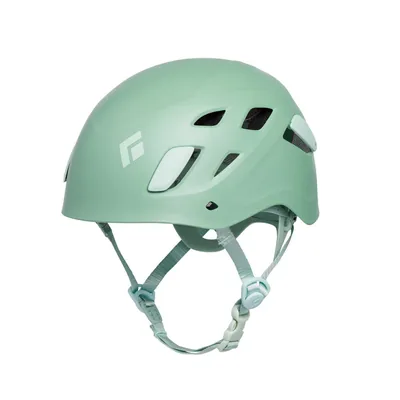
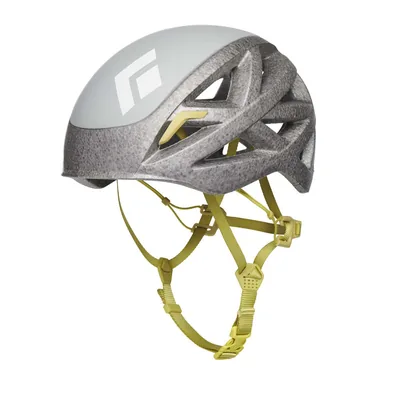
A UIAA (Union Internationale des Associations d’Alpinisme) or CE (European Committee for Standardization) certified climbing helmet.

Guide Pick™
Head

Beanie

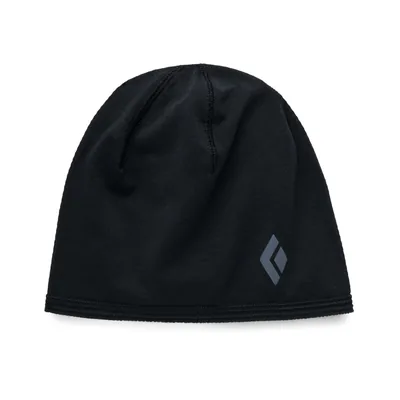
Wool or synthetic. It should provide warmth but also be thin enough to fit underneath a climbing helmet.

Guide Pick™
Head

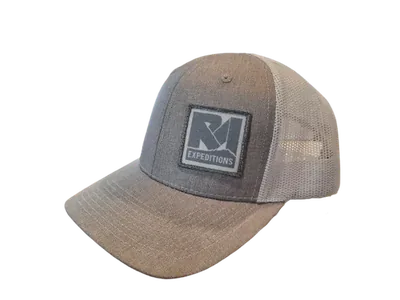
Ball Cap Or Sun Hat

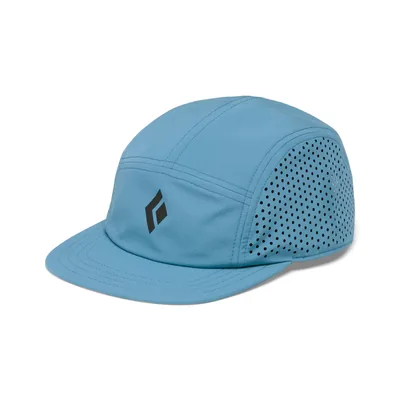
A hat without a button on top will fit better and be more comfortable under a helmet.

Guide Pick™
Head

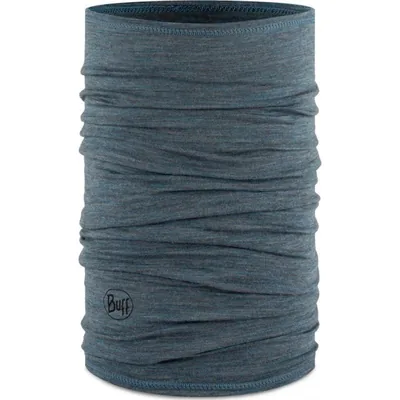
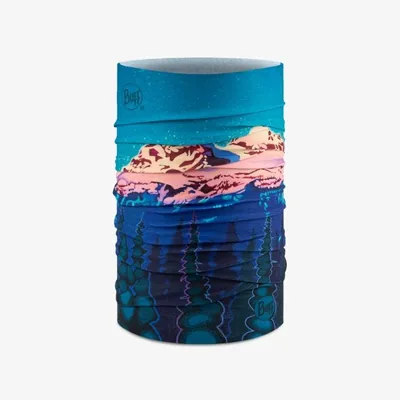
Buff or Neck Gaiter

A versatile neck gaiter or buff for head and neck protection in variable conditions.

Guide Pick™
Head

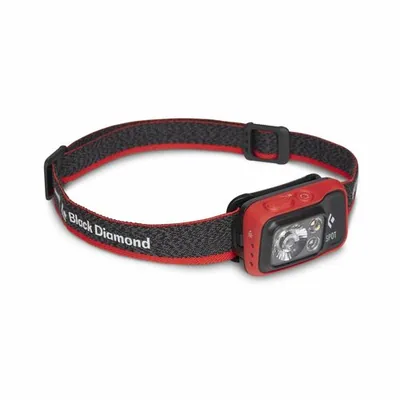
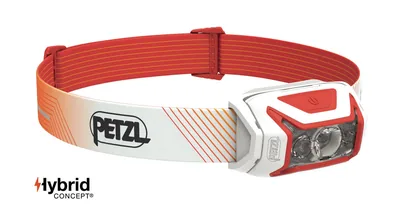
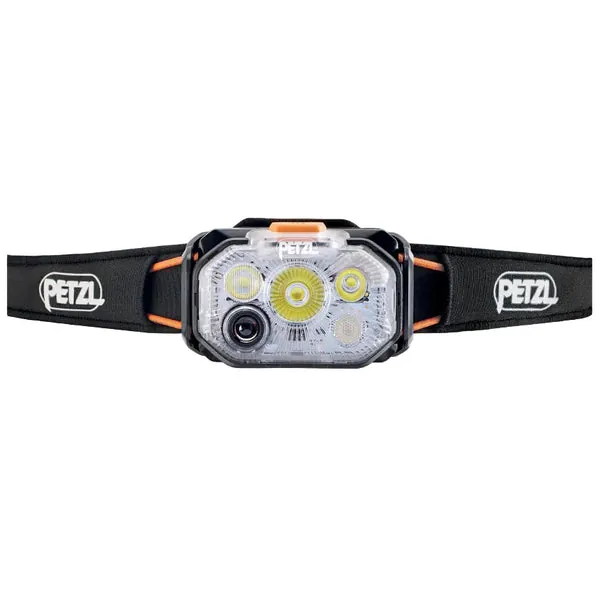
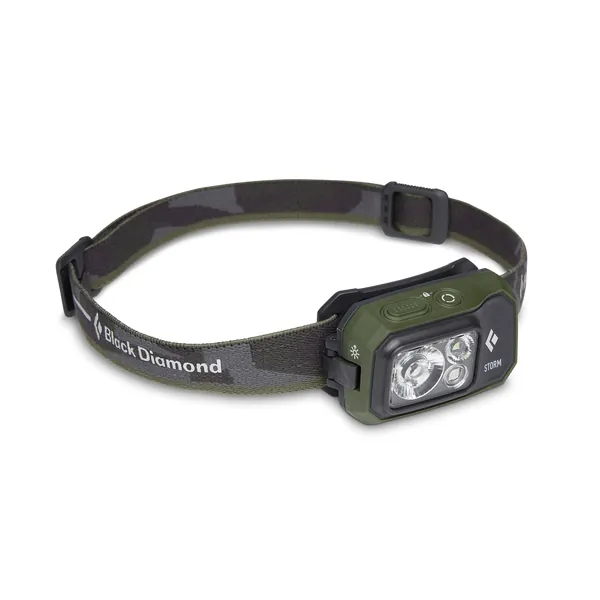
Headlamp

Start with fresh batteries and bring extra set(s) of batteries appropriate to the duration of the trip.

Guide Pick™
Head

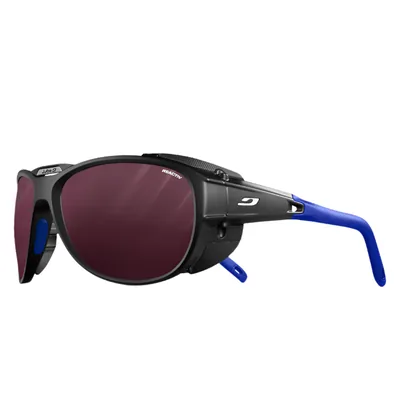
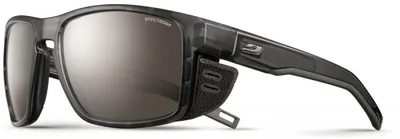
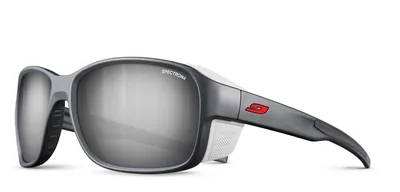
Glacier Glasses

Glacier glasses are protective sunglasses that provide close to 100% frame coverage (wrap-around frames and side shields ensure no light can enter from the top, bottom, and sides of the glasses) and transmit less than 10% of visual light.

Guide Pick™
Head

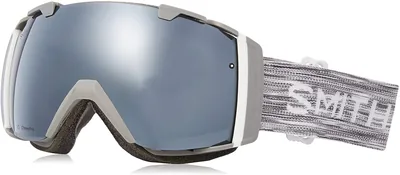
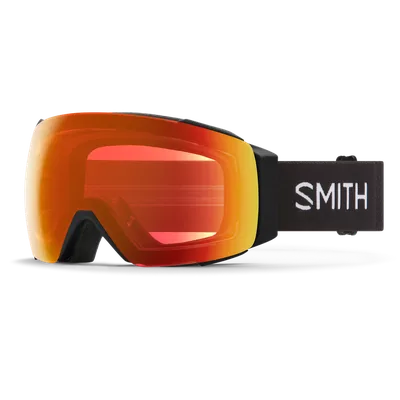
Goggles

Amber or rose-tinted goggles for adverse weather. On windy days, climbers, especially contact lens wearers, may find photochromatic lenses the most versatile in a variety of light conditions.

Guide Pick™
Head

Safety Glasses

Helpful in keeping blowing dust out of the eyes at night. If you wear prescription glasses, make sure they can fit over.

Guide Pick™
No items found.
Hands

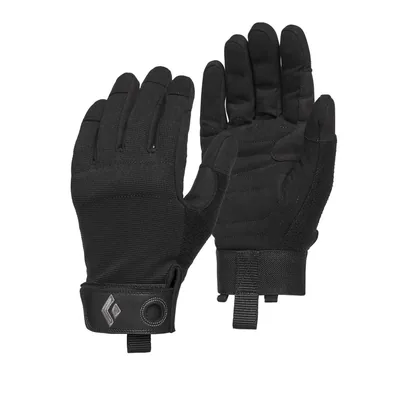
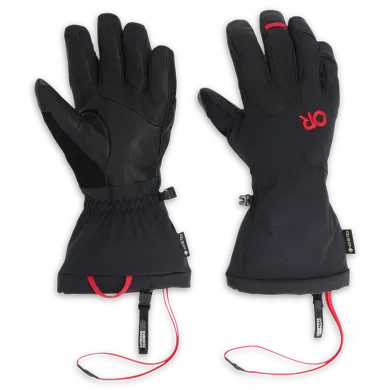
Lightweight Gloves

Light weight liner or softshell gloves. Lighter colors absorb less sunlight while still offering UV protection.

Guide Pick™
Hands

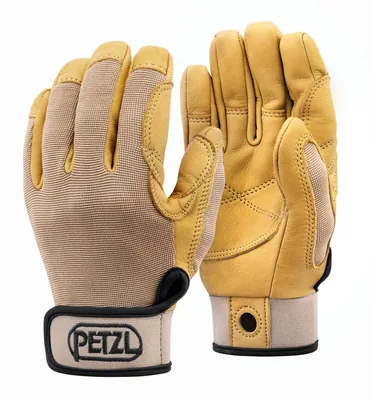
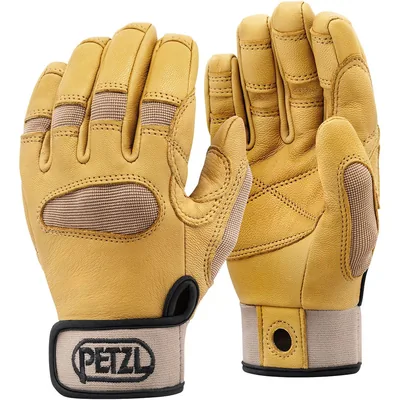
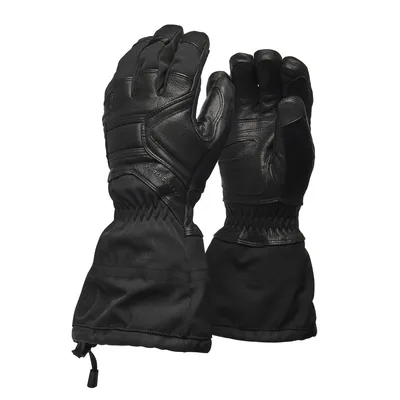
Medium Weight Gloves

Insulated gloves for active climbing and moderate cold conditions. Should allow adequate dexterity for handling gear while providing warmth.

Guide Pick™
Hands

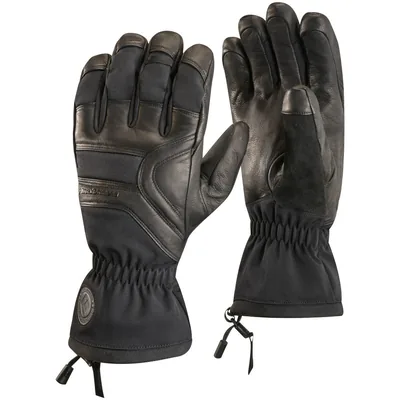
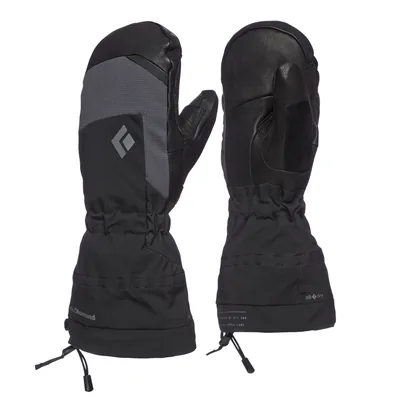
Heavy Weight Gloves Or Mittens

Wind- and water-resistant, insulated gloves or mittens. These also serve as emergency backups if you drop or lose a lighter-weight glove.

Guide Pick™
Upper Body

Upper Body Layering

We recommend a minimum of five upper body layers, all of which can be used in conjunction with each other. Two of these should be insulating layers, one light, and one medium, that fit well together. Today there are many different layering systems to choose from, including fleece, softshell, down, and synthetic options.

Guide Pick™
No items found.
Upper Body

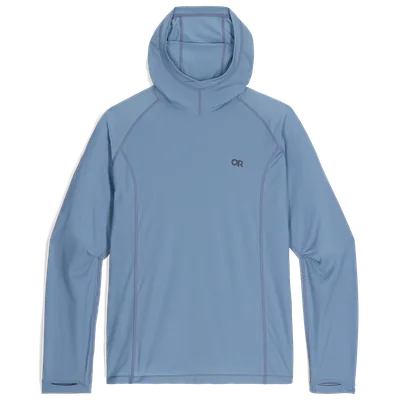
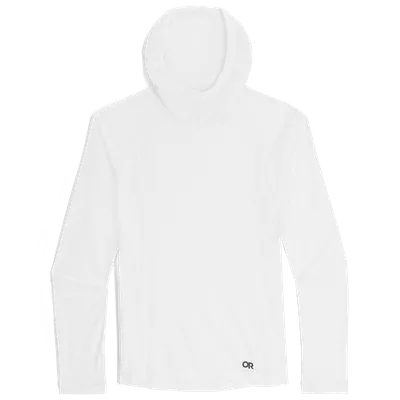
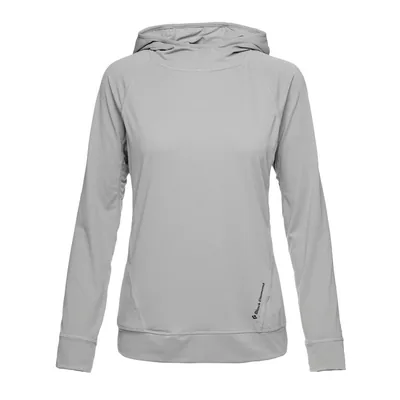
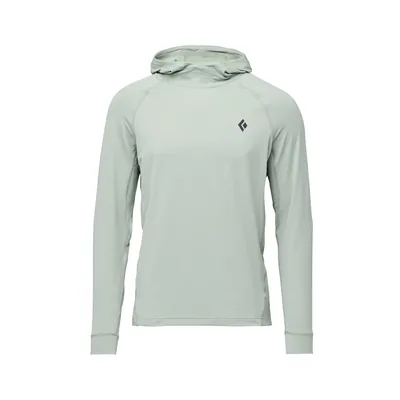
Lightweight Baselayer or Sun Hoody

A lightweight, breathable long-sleeve shirt in synthetic or merino wool for sun protection and moisture management during active climbing.

Guide Pick™
Upper Body

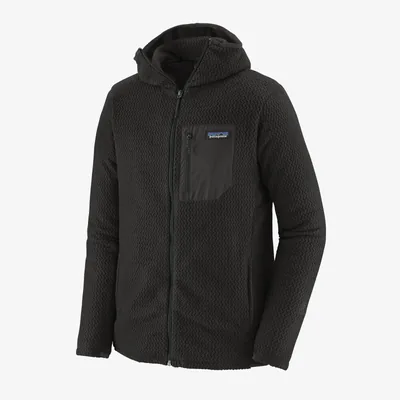
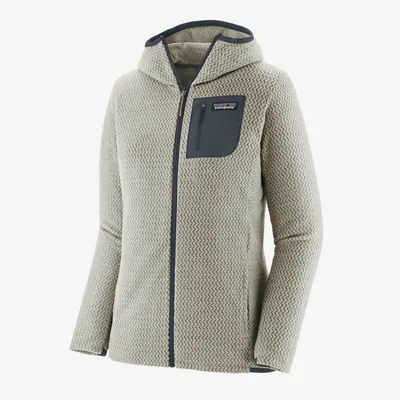
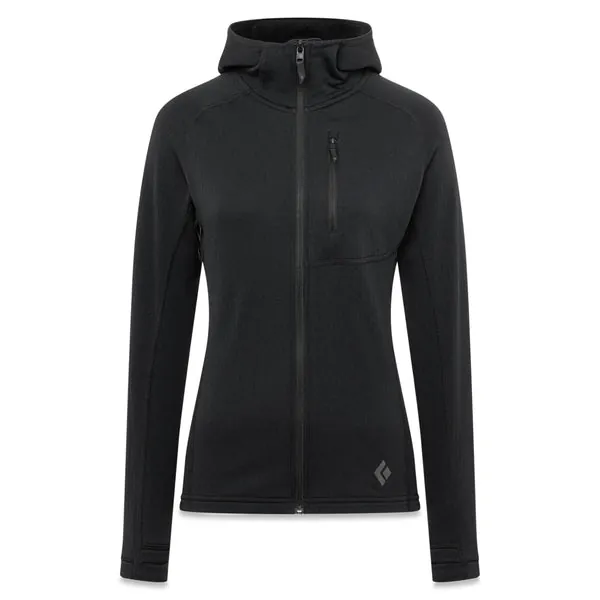
Lightweight Insulating Layer

One step up in warmth and bulk from a baselayer. A technical fleece makes an ideal light weight insulating layer.

Guide Pick™
Upper Body

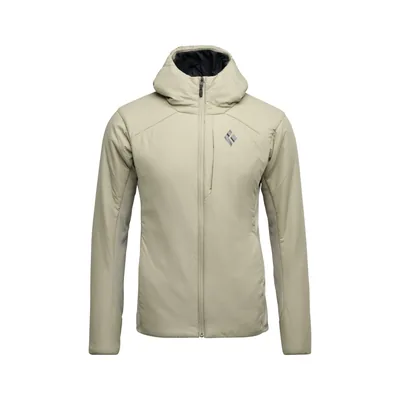
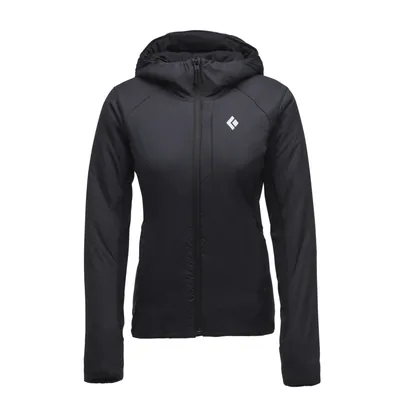
Medium Weight Insulating Layer

An insulated jacket or softshell for warmth during low-output activity and extended rest breaks. Should fit over baselayers and midlayers, and under a shell.

Guide Pick™
Upper Body

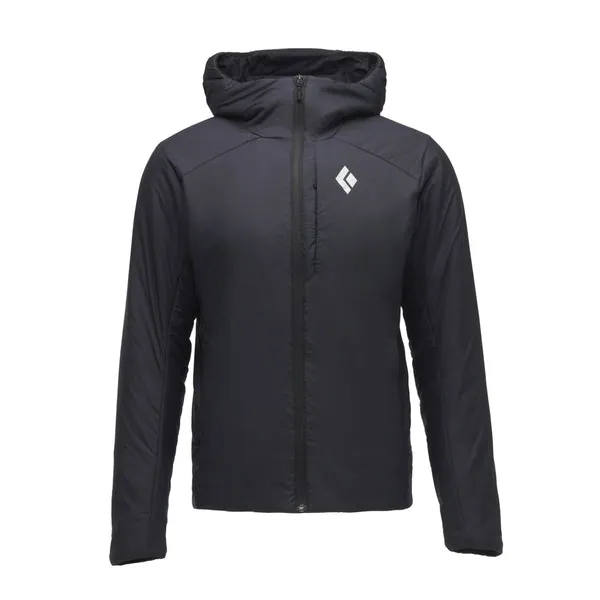
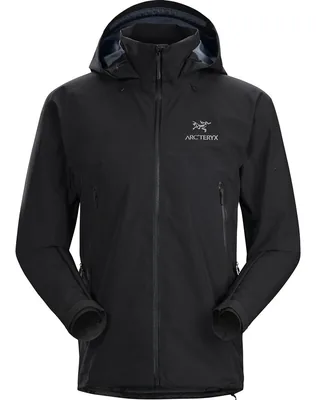
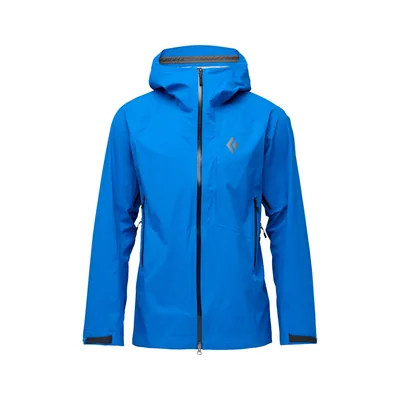
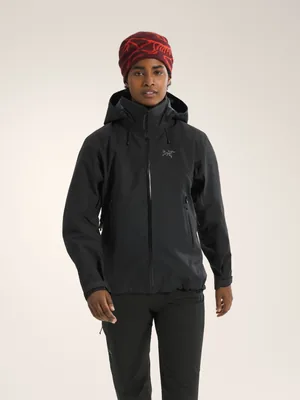
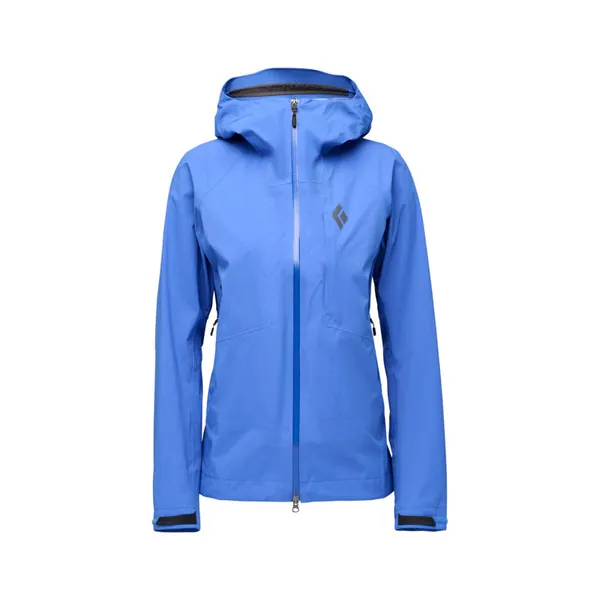
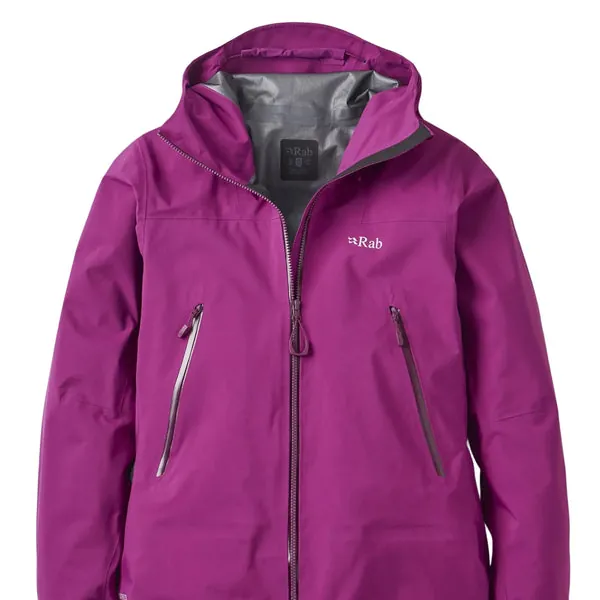
Hardshell Jacket

A waterproof jacket with a hood for protection against wind, rain, and snow. Should fit comfortably over all insulating layers.

Guide Pick™
Upper Body

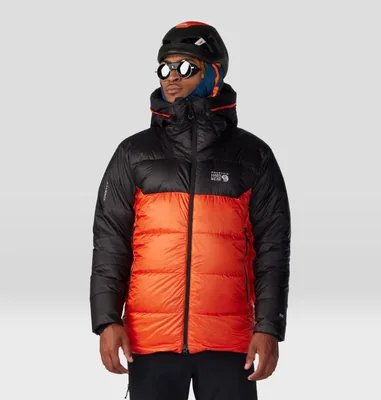
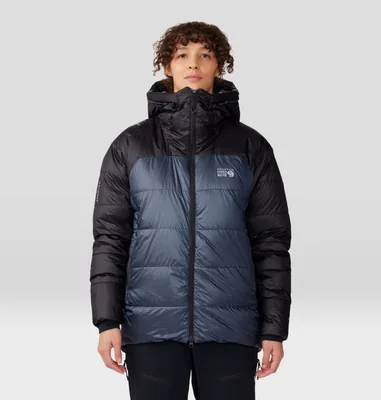
Down Parka With Attached Hood

An expedition-style down parka that extends below the waist with an insulated hood, designed to fit over all other layers. Worn primarily in camp, during rest breaks, and on summit day. Down fill recommended over synthetic.

Guide Pick™
Upper Body

Sports Bra

We recommend a moisture-wicking, active-wear bra.

Guide Pick™
Lower Body

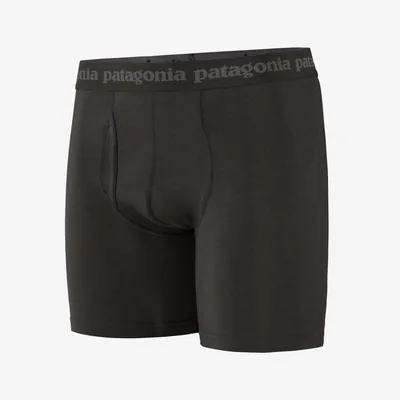
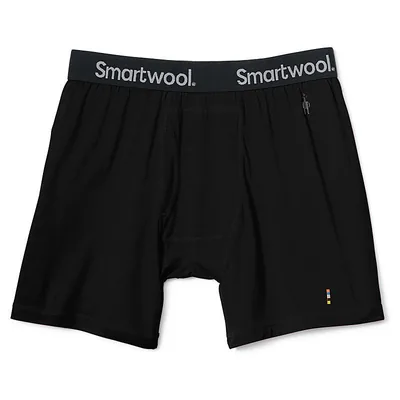
Pairs Of Underwear

Non-cotton briefs or boxers.

Guide Pick™
Lower Body

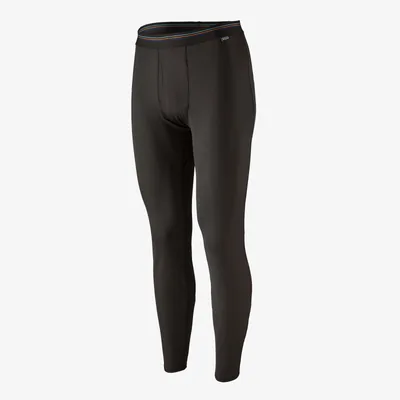
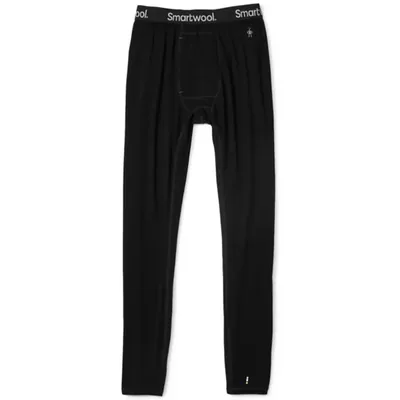
Lightweight Baselayer Bottoms

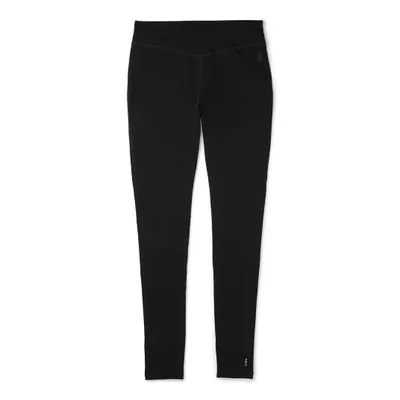
Lightweight synthetic or merino wool baselayer bottoms for moisture management and temperature regulation during active climbing.

Guide Pick™
Lower Body

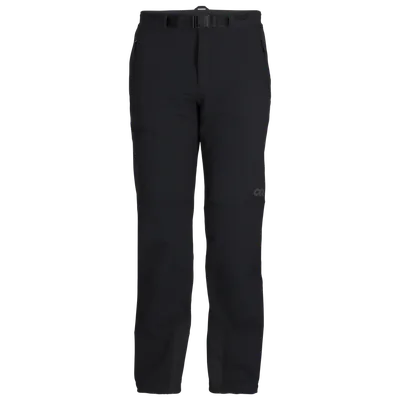
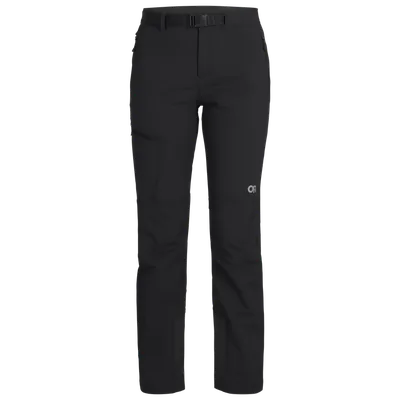
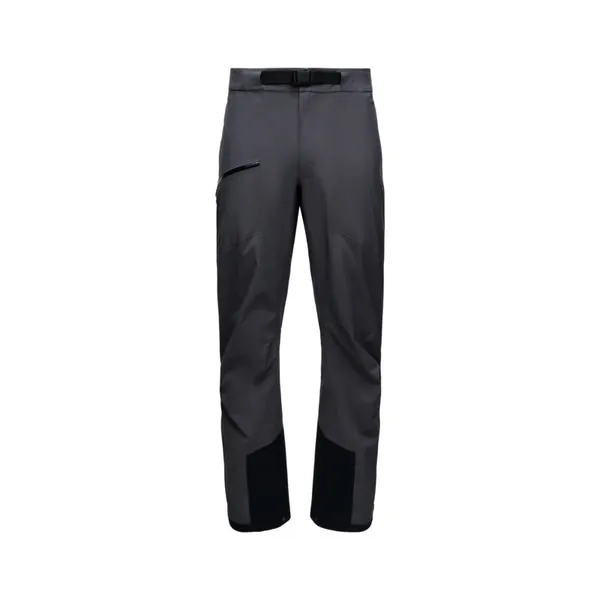
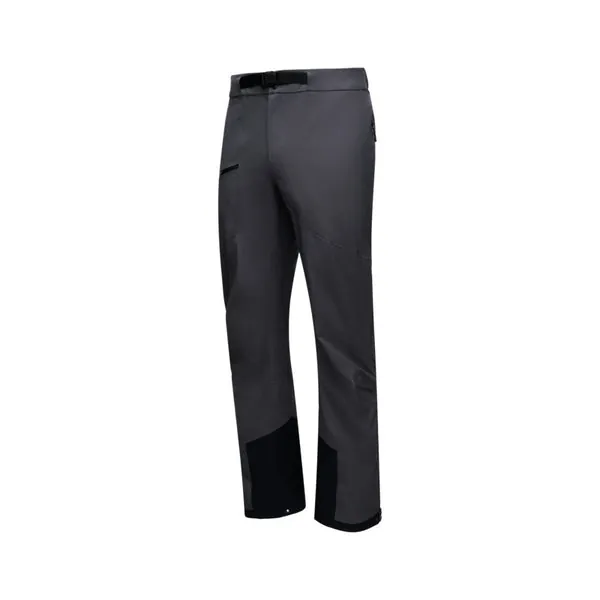
Climbing Pants

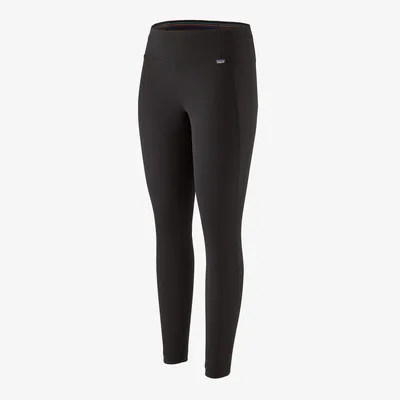
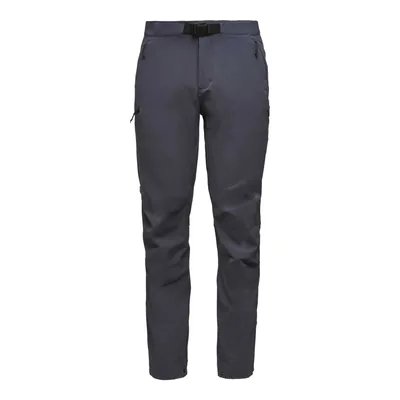
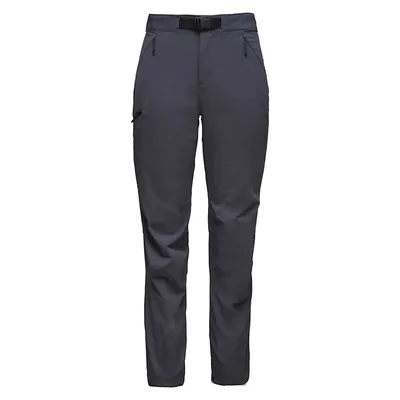
Softshell climbing pants can be worn in combination with a base layer on colder days, or alone on warmer days.

Guide Pick™
Lower Body

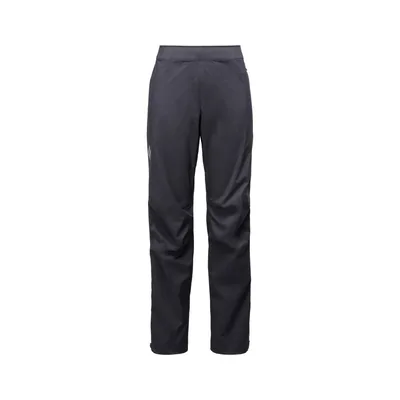
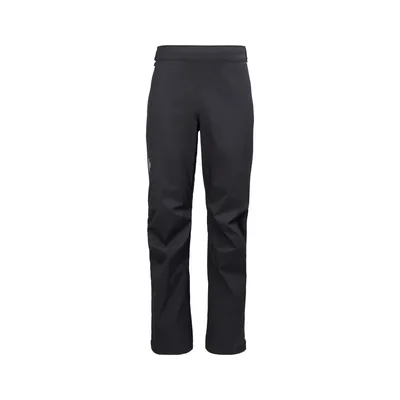
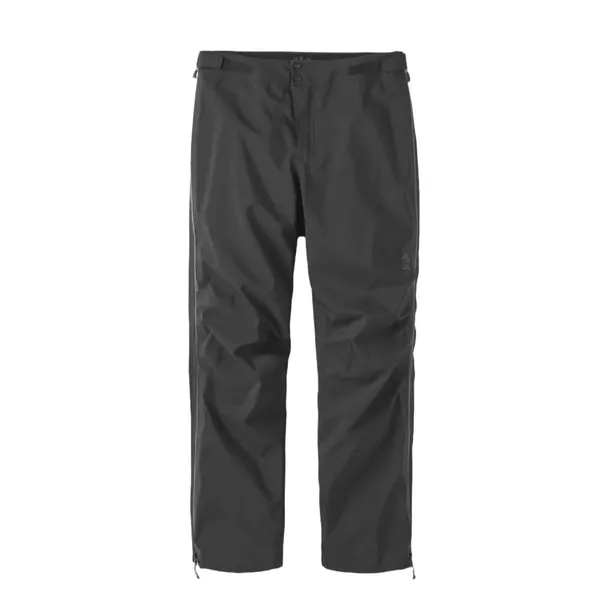
Hardshell Pants

Non-insulated, waterproof shell pants must be able to fit comfortable over your baselayer bottoms and softshell climbing pants. Full side zippers or 7/8 side zippers are required so that shell pants can be put on while wearing boots and crampons.

Guide Pick™
Lower Body

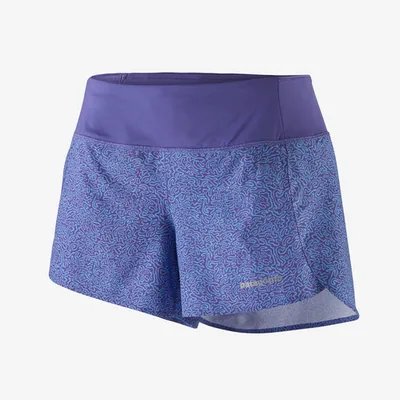
Light Weight Trekking Pants Or Shorts

A light weight, synthetic pair of pants is a good option for the approach trek when hiking at lower altitudes and in warm conditions.

Guide Pick™
Feet

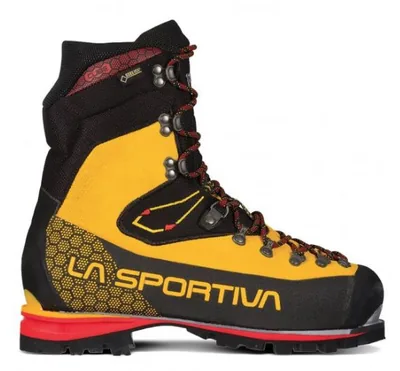
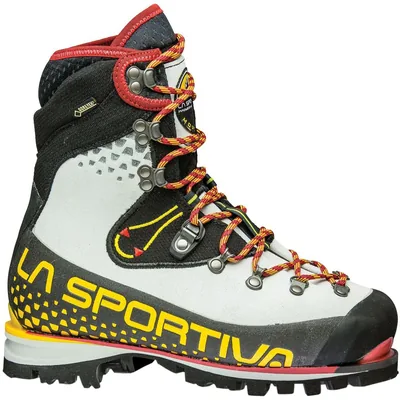
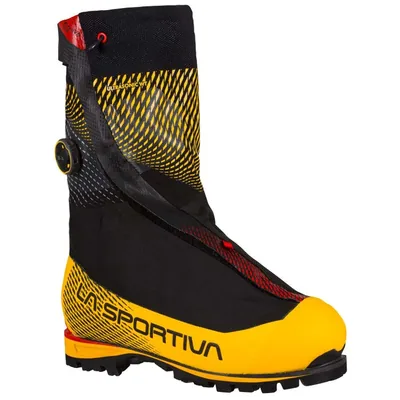
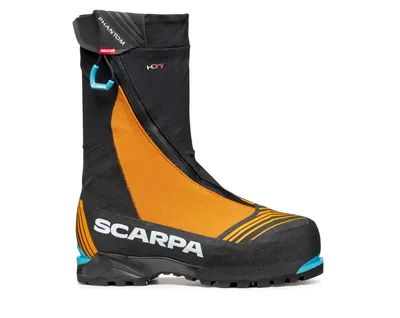
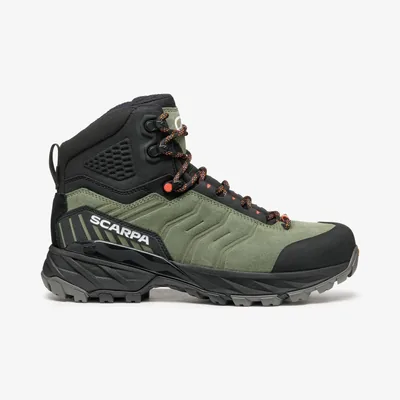
Single Or Double Mountaineering Boots

Boots are one of the most important pieces of mountaineering gear, and bringing the right pair is critical to your safety and success on Mt. Rainier. You will need one pair of boots for this climb, and the type of boot you wear will be dictated by freezing level. If the freezing level is below 10,000 feet, your guide will require the use of double boots. If the freezing level is above 10,000 feet, you may use either single or double boots. We consistently see freezing levels below 10,000 feet in April, May, June, and September, though periods of cold weather are not uncommon in July and August.

Guide Pick™
Feet

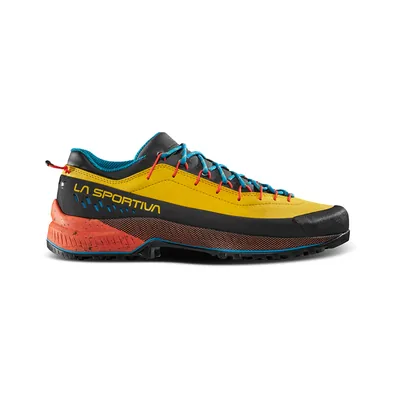
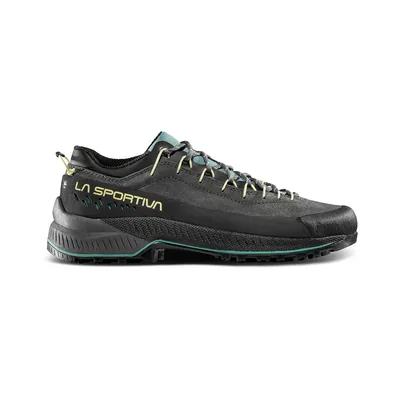
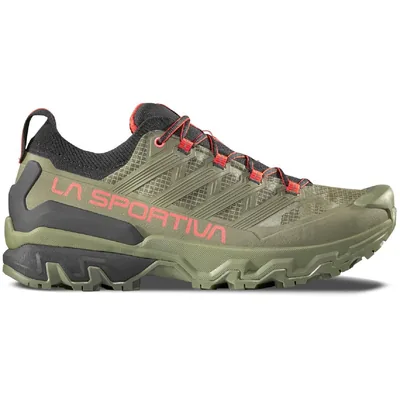
Approach Shoes (recommended)

Lightweight approach shoes or trail runners for hiking on rugged terrain and use as camp shoes. Particularly useful after snowmelt on lower-elevation approaches.

Guide Pick™
Feet

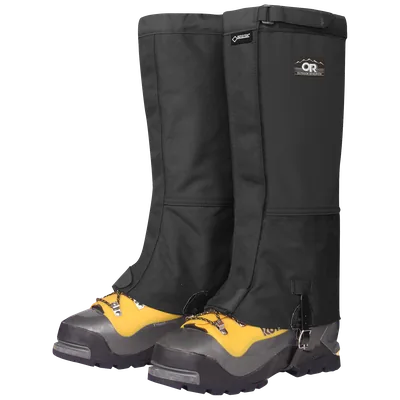
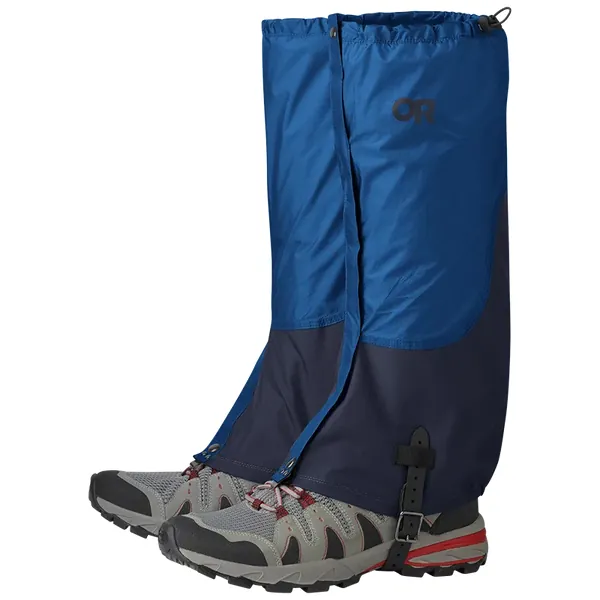
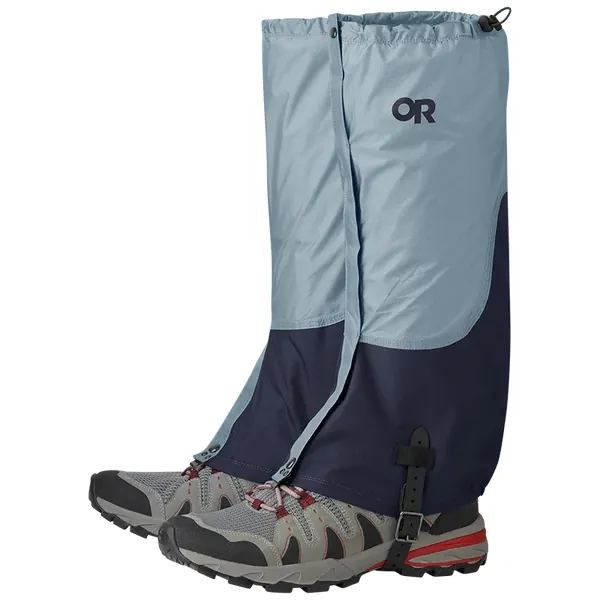
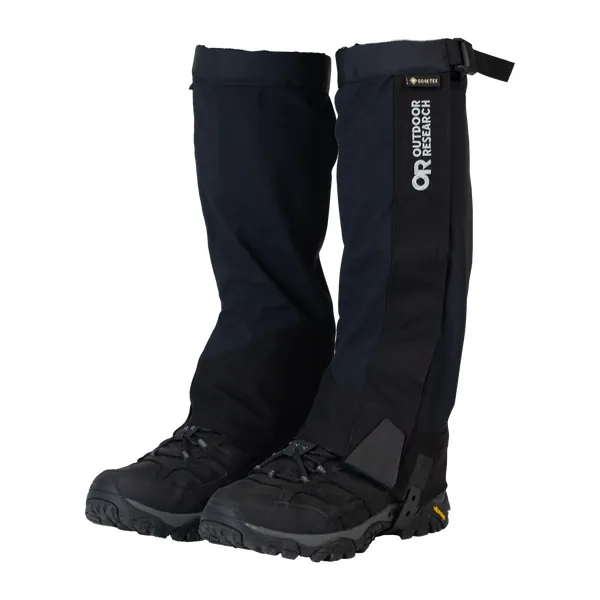
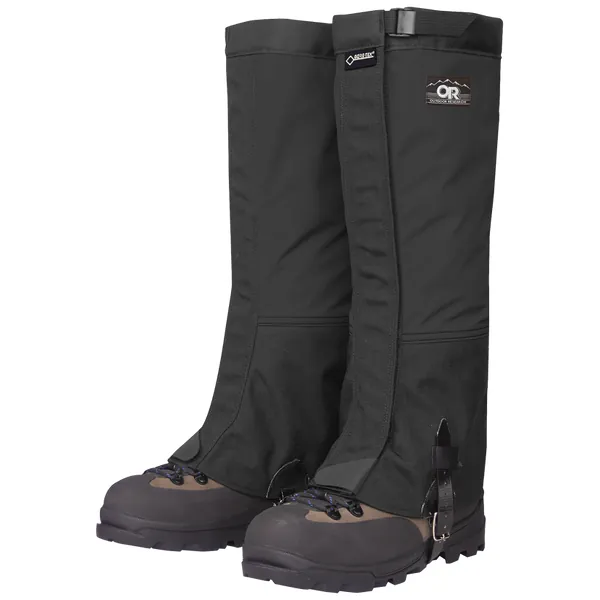
Gaiters

A knee-length pair of gaiters, large enough to fit over your mountaineering boots. This will protect you from catching your crampon spikes on loose clothing. Not needed if using a boot with an integrated gaiter.

Guide Pick™
Feet

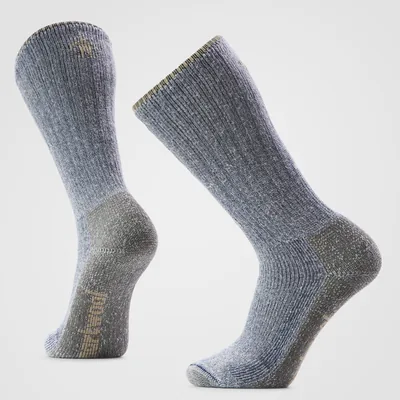
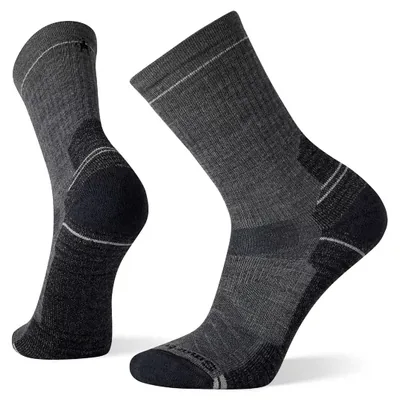
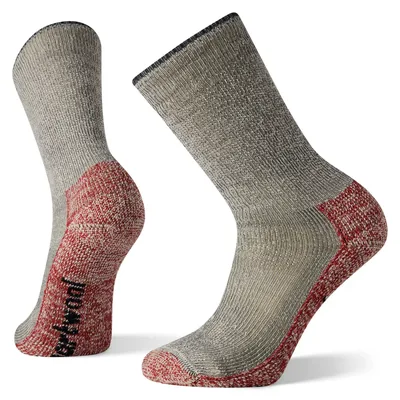
Pairs Of Socks

Either wool or synthetic. Whatever sock combination you are accustomed to wearing during your training or previous adventures (whether single medium weight socks, a medium weight with a liner sock, two medium weight socks together, etc.), should work just fine for this climb.

Guide Pick™
First Aid & Medications

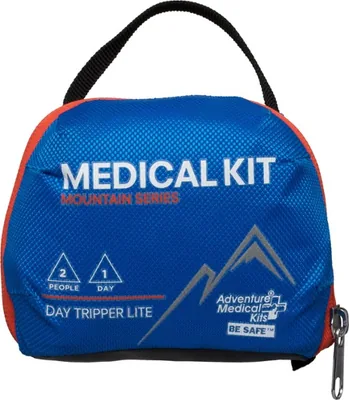
Small Personal First Aid Kit

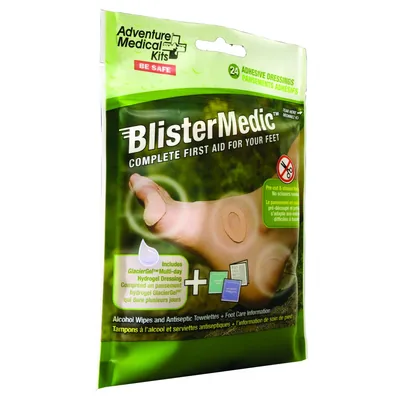
Our guides carry comprehensive medical kits, so keep yours small and light. We recommend a selection of adhesive bandages, antibiotic ointment, Moleskin and blister care, medical tape and/or duct tape, basic pain reliever, and personal medications.

Guide Pick™
Personal Items

Meals & Snacks

You are responsible for providing your own meals and snack food in town and while on your program. See the Food tab for suggestions and quantities.

Guide Pick™
No items found.
Personal Items

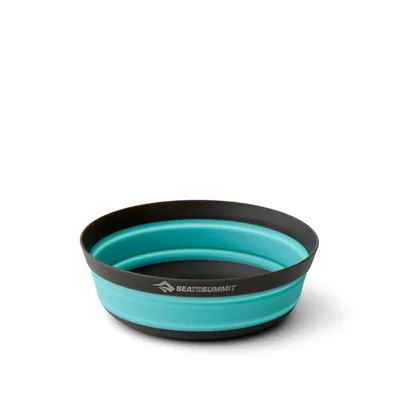
Bowl

Packable plastic bowl. Collapsable models can work but must be handled carefully to avoid unintended collapsing. A lid is a great feature.

Guide Pick™
Personal Items

Insulated Mug or Bottle

Insulated outdoor-style mug. We recommend a model with a removable lid, which helps retain heat and prevent spills. You may also choose to use 0.5L insulated bottle or a 0.5L Nalgene.

Guide Pick™
Personal Items

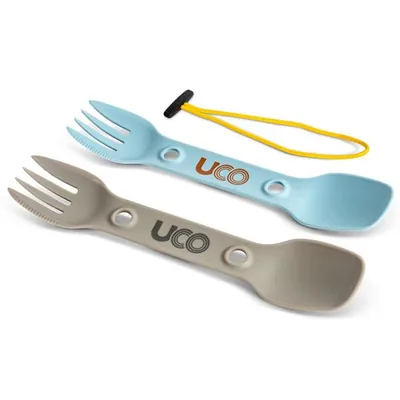
Utensils

A spoon or spork made of durable plastic or anodized metal. A long-handled spoon can be nice, especially if eating from a freeze-dried meal pouch.

Guide Pick™
Personal Items

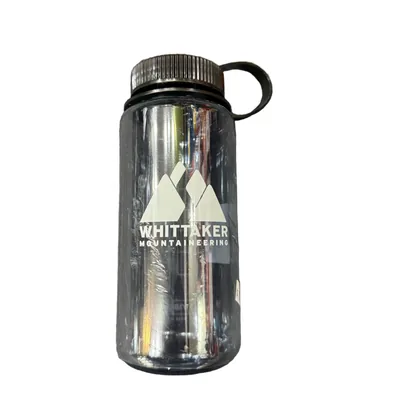
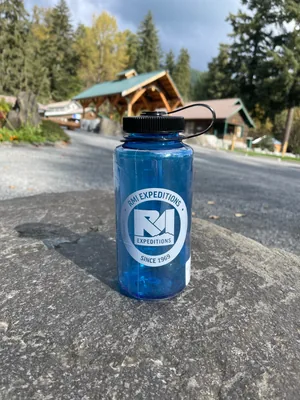
Water Bottles

One-liter water bottles with wide mouths made of co-polyester (BPA-free plastic).

Guide Pick™
Personal Items

Gallon Zip-lock Bag

This will be your personal trash bag.

Guide Pick™
No items found.
Personal Items

Large Garbage Bags

Heavy-duty trash compacter bags for use as waterproof pack/stuff sack liners. You can also use a waterproof pack liner.

Guide Pick™
No items found.
Personal Items

Personal Toiletries & Bag

Include toilet paper, hand sanitizer, toothbrush and toothpaste, and wet wipes. Bring a quantity appropriate to the duration of your trip.

Guide Pick™
Personal Items

Sunscreen

We recommend small tubes of SPF 30 or higher, which can be carried in pockets for easy access and to prevent freezing.

Guide Pick™
Personal Items

Travel Size Hand Sanitizer

A compact hand sanitizer for use when soap and water aren't available during approach and camp periods. Bring a bottle small enough to fit in a pack pocket.

Guide Pick™
Personal Items

Lip Balm

We recommend SPF 15 or higher.

Guide Pick™
Personal Items

Ear Plugs

Disposable or reusable ear plugs for sleeping in shared tent or hut accommodations.

Guide Pick™
No items found.
Personal Items

Spare Contact Lenses/ Eyeglasses

Spare prescription glasses if you wear contact lenses/eyeglasses.

Guide Pick™
No items found.
Personal Items

Camera

Many smartphones have excellent cameras. Action cameras, small point-and-shoots, and compact dSLRs are lightweight and work well at altitude.

Guide Pick™
No items found.
Travel Clothes

Travel Clothes

We recommend bringing a selection of clothing to wear while traveling, sightseeing and dining.  

Guide Pick™
No items found.
Pre-Trip Checklist

Insurance

Purchase travel insurance.

Guide Pick™
No items found.
Pre-Trip Checklist

Transportation & Lodging

Arrange transportation and lodging - see more on the Travel tab.

Guide Pick™
No items found.
Pre-Trip Checklist

Equipment

Reserve rental equipment.

Guide Pick™
No items found.
Pre-Trip Checklist

Fitness

Be in the best shape of your life!

Guide Pick™
No items found.
Provided Equipment

Provided Equipment

RMI provides the following equipment for your program: shelter, climbing ropes, and blue bags (for solid waste disposal).

Every guide on your climb will carry rescue equipment and a first aid kit. Each climb has two-way radios and a cell phone for emergency contact.

Guide Pick™
No items found.
Personal Items

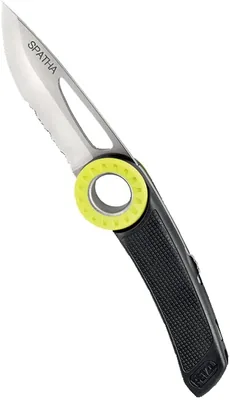
Pocket Knife

A small folding knife or multi-tool for general utility and gear repairs in the field.

Guide Pick™
Personal Items

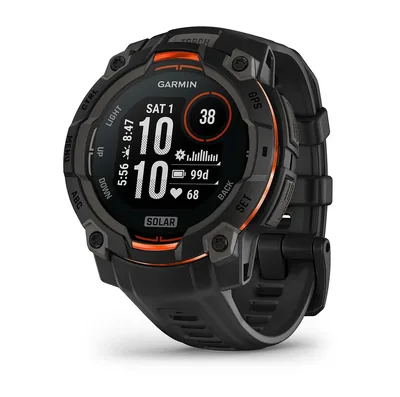
GPS Watch

A GPS-enabled watch with altimeter, barometer, and compass for navigation and weather monitoring. Many modern smart watches and dedicated outdoor watches offer this functionality.

Guide Pick™

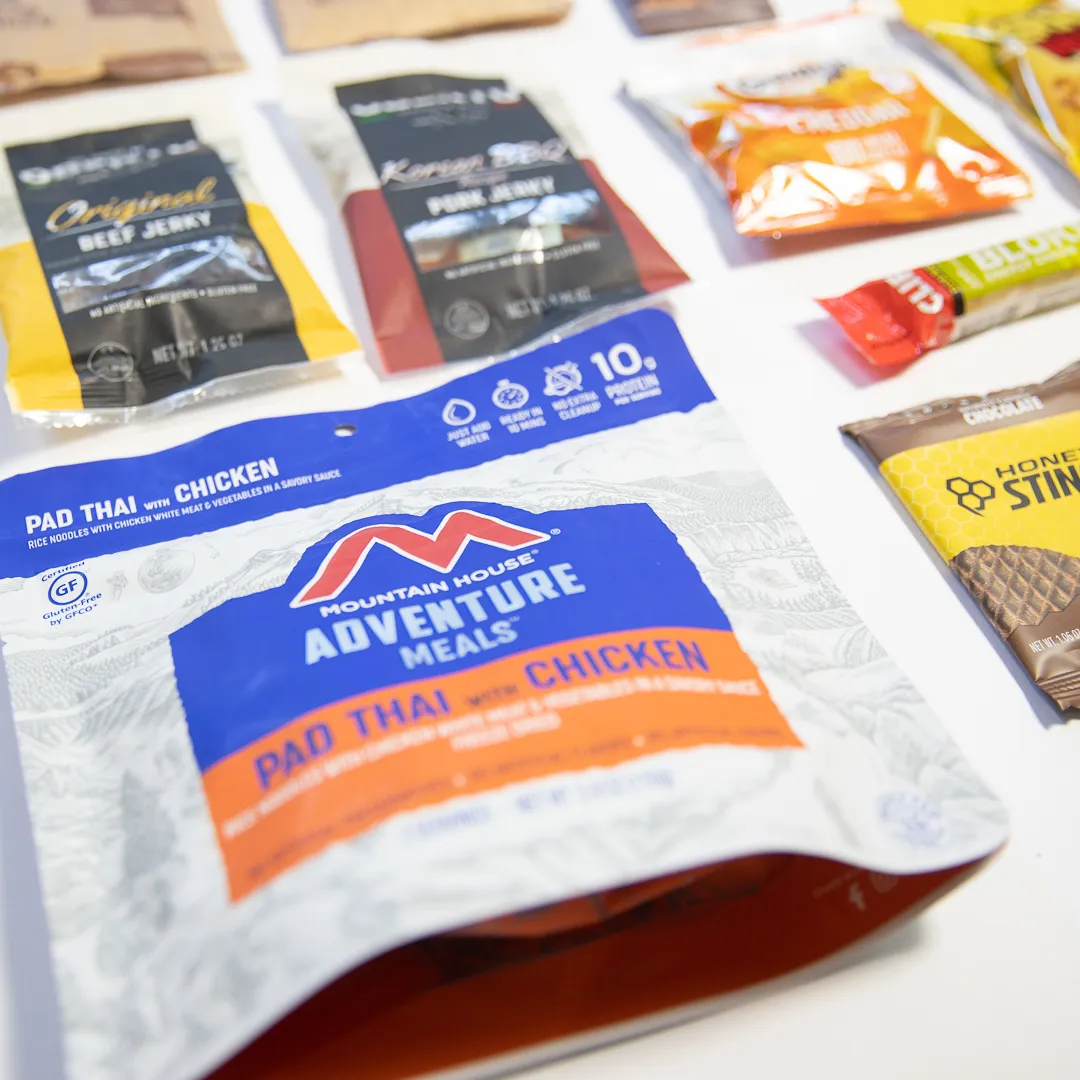
fuel for the mountain

On the Mt. Rainier Five Day Climb, you will need four days of climbing food, including four mountain lunches, two dinners, and two breakfasts while on the mountain.

Mountain House Adventure Meals Pad Thai with chicken package among various snack packets on white surface.

Mountain Meal Packages

Don't want to plan out your food for your RMI climb? Whittaker Mountaineering has optimized Meal Packages that include everything you need for your Rainier summit attempt.

ABOUT YOUR MOUNTAIN MEALS

OVERVIEW

Nutrition while training and nutrition while climbing are two very different things. You may follow a pretty specific nutrition regimen while you are training to aid your desired outcomes, but once it comes to the climb, calories are what count the most. While climbing, you are trying to maximize energy and performance over a short period of time.

Our food priorities when climbing are:

  • a high-calorie intake
  • a variety of flavor profiles (sweet, salty, sour, etc.)
  • durability/packability
  • enjoyment

Caloric requirements will vary widely from climber to climber based on physical size and metabolism. It is important for you to know what your body requires. One of the normal, albeit disconcerting, adjustments to altitude is a slight loss of appetite. Bring food you enjoy. If you don't love a food at home, you certainly won't like it on the mountain!

At camp, hot and cold water will be provided for your meals, drinks, and refilling water bottles. When planning your menu, don't bring any items that require extensive preparation, cooking, or simmering. We are able to provide you with boiling water but do not have the ability to actually cook food items.

Things to keep in mind as you plan your meals:

  • How much space the food will take in your backpack
  • How well the food will hold up throughout the trip in your backpack
  • How much waste does the food produce

Consider repacking items into smaller Ziploc bags to minimize the space in your pack. Your food will get crammed into your backpack, jostled around, exposed to extreme temperatures, and even sat on (by you, of course!). What holds up better in these conditions, two slices of bread or a bagel? When packing, it is essential to consider the waste you will produce on the climb; after all, you have to carry it off the mountain. We've already mentioned repacking items to minimize space. Repacking items can also eliminate waste!

MOUNTAIN LUNCHES

Mountain lunches, aka snacks, are eaten during short breaks throughout the day. We continually snack to keep our energy levels up while we climb. We typically take rest breaks every hour or so to adjust our clothing layers, eat, and hydrate. Avoid packing any items that require preparation or hot water at each break. In terms of quantity, aim to bring 1 lb. of climbing food per day. We suggest using snack or sandwich size Ziploc bags to portion out snack food.

The importance of having foods that you genuinely enjoy cannot be overstated. Eating properly is the key to maintaining strength while in the mountains. To combat the loss of appetite at altitude, we aim to have a variety of foods that stimulate the whole palate, from sweet to sour to salty. Here are some ideas but be sure to see the sample menu and packing list below for more ideas!

  • Cold pizza
  • Trail mix
  • Crackers
  • Bagel sandwich
  • Peanut butter pretzels
  • Cookies
  • Chewy candy
  • Tortilla wraps
  • Chocolate covered pretzels
  • Candy bars
  • Veggies and hummus
  • Chips
  • Apple slices
  • Protein bars

PRO TIP: Feel fancy! Charcuterie (cured meat, cheese, and crackers) makes a great mountain lunch!

BREAKFAST

Single-serving instant oatmeal, Cream-of-Wheat, or granola make a good main course fare. A variety of granola bars, pastries, fruit, and a hot drink mix of coffee, tea, cocoa, or cider are suggested. Plan on eating a breakfast that tastes good, and you find filling. Here are some ideas but be sure to see the sample menu and packing list below for more ideas!

  • Instant hot cereal (Oatmeal, Cream-of-Wheat, Cream-of-Rice, etc)
  • Granola or cereal
  • Freeze-dried breakfast (Mountain House, Peak Refuel, Mountain Zora, and Katadyn's Alpine Aire all have breakfast options)
  • Add-ins such as individual servings of peanut butter or honey, raisins or craisins, or a few tablespoons of powdered milk can put your mountain cereal game over the top.

PRO TIP: Think outside the box. Peanut butter and jelly sandwiches (on bagels) or ramen make great breakfast options!

DINNER

This meal will give your body the initial fuel it needs during your summit attempt. Spend time considering your options so that you go to bed nourished and ready for the climb ahead of you. Freeze-dried entrees are very convenient mountain dinners. Pay attention to the caloric quantity – it varies from meal to meal. Here are some ideas but be sure to see the sample menu and packing list below for more ideas!

  • Freeze-dried entrée (Mountain House, Peak Refuel, Mountain Zora, and Katadyn's Alpine Aire have a wide variety of options)
  • Instant soups (including Cup-o'Noodles and ramen)
  • Cold pizza
  • Cold fried chicken
  • Pasta salad
  • Bagel sandwich

PRO TIP: Have a tasting party of freeze-dried entrees to test them out before your climb.

BEVERAGES

Staying hydrated on the climb is crucial. You will have access to ample cold water while at camp for drinking and replenishing water bottles. When you are climbing, you will want to ration how much water you drink at each rest break to ensure you have water throughout the entirety of your climb. You can expect breaks to occur approximately every hour or so of climbing.

Just as with food, it is important to have a variety of things to drink that excite your taste buds. You may love water, but it may not sound good at 10,000'! Drink mixes such as Gatorade, Kool-Aid, Liquid IV, Nuun, etc., are great for flavor. Hot beverage options are also an important component to consider while at camp. Instant coffee, tea, cocoa, and cider are great ways to warm up in the evening before bed, when you wake up for your alpine start on summit day, and to recharge once back at camp.

PRO TIP: Skip the water bladder and practice rationing your water while training.

SAMPLE MENU

This is an example of what someone may eat for each meal on the Mt. Rainier Five Day Climb. Use this to guide and inspire your own meal planning.

DAY 1 | NO MOUNTAIN MEALS NEEDED

Rainier BaseCamp Bar and Grill will be open for dinner after your orientation.

DAY 2 | 1 MOUNTAIN LUNCH

MOUNTAIN LUNCH
  • Salami, cheese, crackers
  • Sour Patch Kids
  • Hummus & crackers
  • Trail mix
  • Peanut butter pretzels
  • Candy bar
  • Goldfish
  • Chips

DAY 3 | 1 MOUNTAIN LUNCH, 1 DINNER

MOUNTAIN LUNCH
  • Cold pizza
  • Sour Patch Kids
  • Hummus & crackers
  • Trail mix
  • Peanut butter pretzels
  • Candy bar
  • Goldfish
  • Chips
DINNER
  • Peak Refuel Chicken Coconut Curry
  • Veggies & hummus
  • Hot tea

DAY 4 | 1 BREAKFAST, 1 MOUNTAIN LUNCH, 1 DINNER

BREAKFAST
  • Instant oatmeal with one packet of honey, one packet of peanut butter, and some raisins
  • Coffee
MOUNTAIN LUNCH
  • Cold pizza
  • Sour Patch Kids
  • Hummus & crackers
  • Trail mix
  • Peanut butter pretzels
  • Candy bar
  • Goldfish
  • Chips
DINNER
  • Peak Refuel Chicken Coconut Curry
  • Veggies & hummus
  • Hot tea

DAY 5 | 1 BREAKFAST, 1 MOUNTAIN LUNCH

BREAKFAST
  • Instant cereal with one packet of honey, one packet of peanut butter, and some raisins
  • Coffee
MOUNTAIN LUNCH
  • Salami, cheese, crackers, or bagel (sandwich)
  • Protein bar
  • Granola Bar
  • Energy gel or chews
  • Chips
  • M&Ms
  • Small cookies
  • Peanut butter cups
  • Chocolate covered pretzels
  • Candy bar
  • Cliff Bar
  • Granola Bar

SAMPLE BEVERAGE MENU

  • Drink Mixes (Gatorade, Kool-Aid, Liquid IV, and Nuun are great options for flavor variety)
  • Instant Coffee (Starbucks Via is a great option for being pre-portioned)
  • Instant cider, cocoa, tea

FINAL NOTES

Altitude often changes appetite. Bring food you know you can eat when tired, cold, or not very hungry. Variety helps, but simplicity wins. If you are unsure about food choices or quantities, this is an excellent topic to review during your gear check.

Travel, culture, & logistics

This page covers the practical details you’ll want to review before your trip, including travel logistics, entry requirements, local considerations, and required policies. Taking time to understand these details ahead of departure helps ensure a smoother experience once you’re on the ground and focused on the climb.

TRAVEL INFORMATION

TRAVEL CONSULTANT

RMI has partnered with Erin Rountree to provide comprehensive travel support. We have been working with Erin for many years. As an independent agent of the Travel Society, she has booked countless miles for adventure travelers across the globe and is extremely knowledgeable about the travel needs of our programs. Please call (208) 788-2870 or send email to [email protected].

GETTING THERE

Rainier BaseCamp is located in Ashford, WA, and is the home of RMI Expeditions, Whittaker Mountaineering, Whittaker's Bunkhouse, and BaseCamp Bar and Grill. Ashford is located 75 miles from the Sea-Tac Airport.

Note: Every air traveler 18 years of age and older needs a REAL ID compliant driver’s license, state-issued enhanced driver’s license, or another acceptable form of ID to fly within the United States.

Most climbers traveling to Ashford will want to rent a car from the airport. This is the most convenient and reliable way to get here.

Ride Share: If you are interested in sharing a ride, please go to your RMI Account, then to "Discussion Board" and "Ride Share" to post your information.

Seattle Airport Car Service

ENTRY INTO MT. RAINIER NATIONAL PARK

All our Mt. Rainier programs begin at Rainier BaseCamp in Ashford. All Mt. Rainier climbs, seminars, and schools include transportation and park entry for our climbers from Rainier BaseCamp to Paradise or to the White River Entrance.

ASHFORD AREA ACCOMMODATIONS

You may also go to VisitRainier.com to search for accommodations in the Ashford Area.

ADDITIONAL TRAVEL INFORMATION

WEATHER

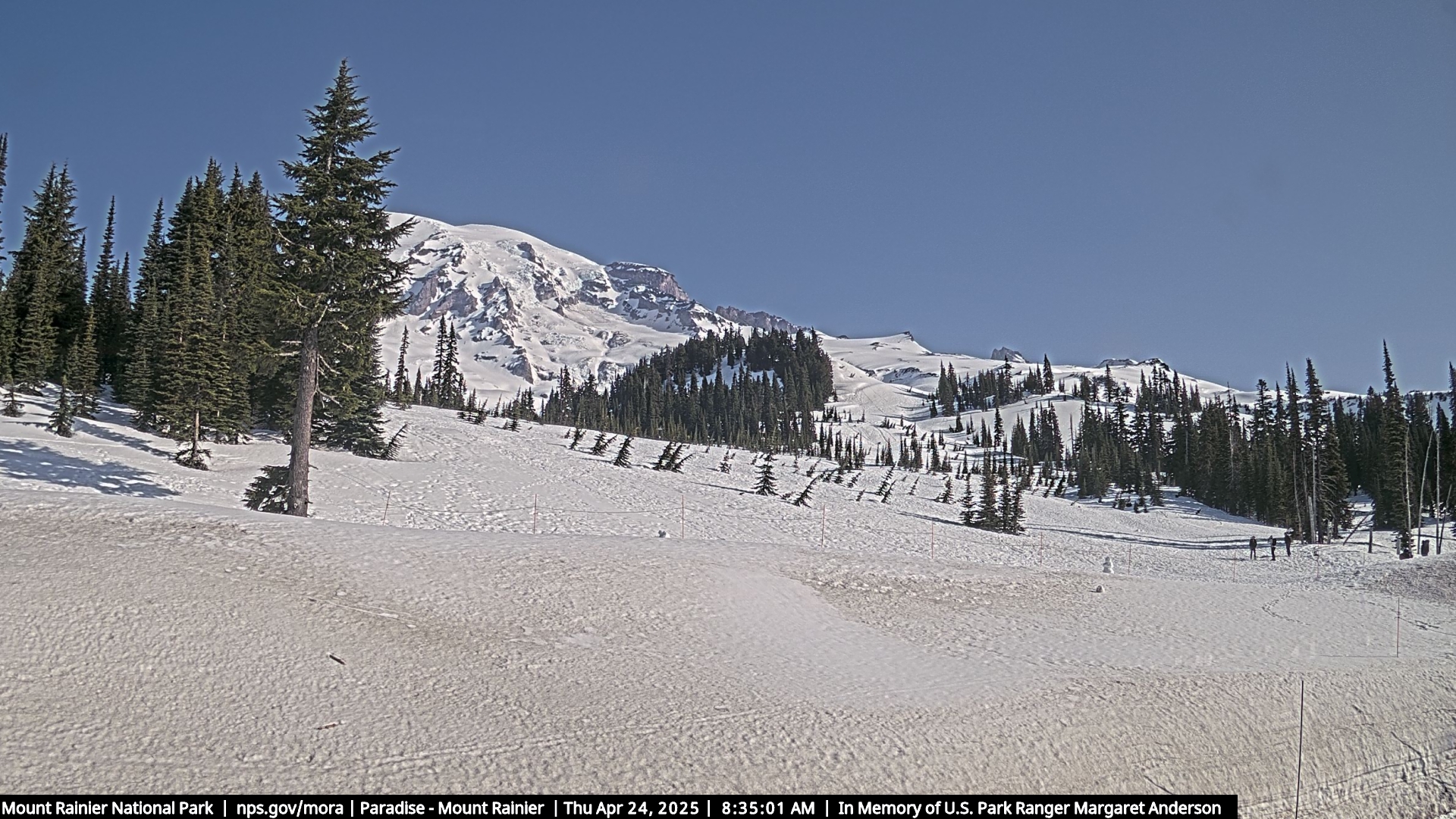
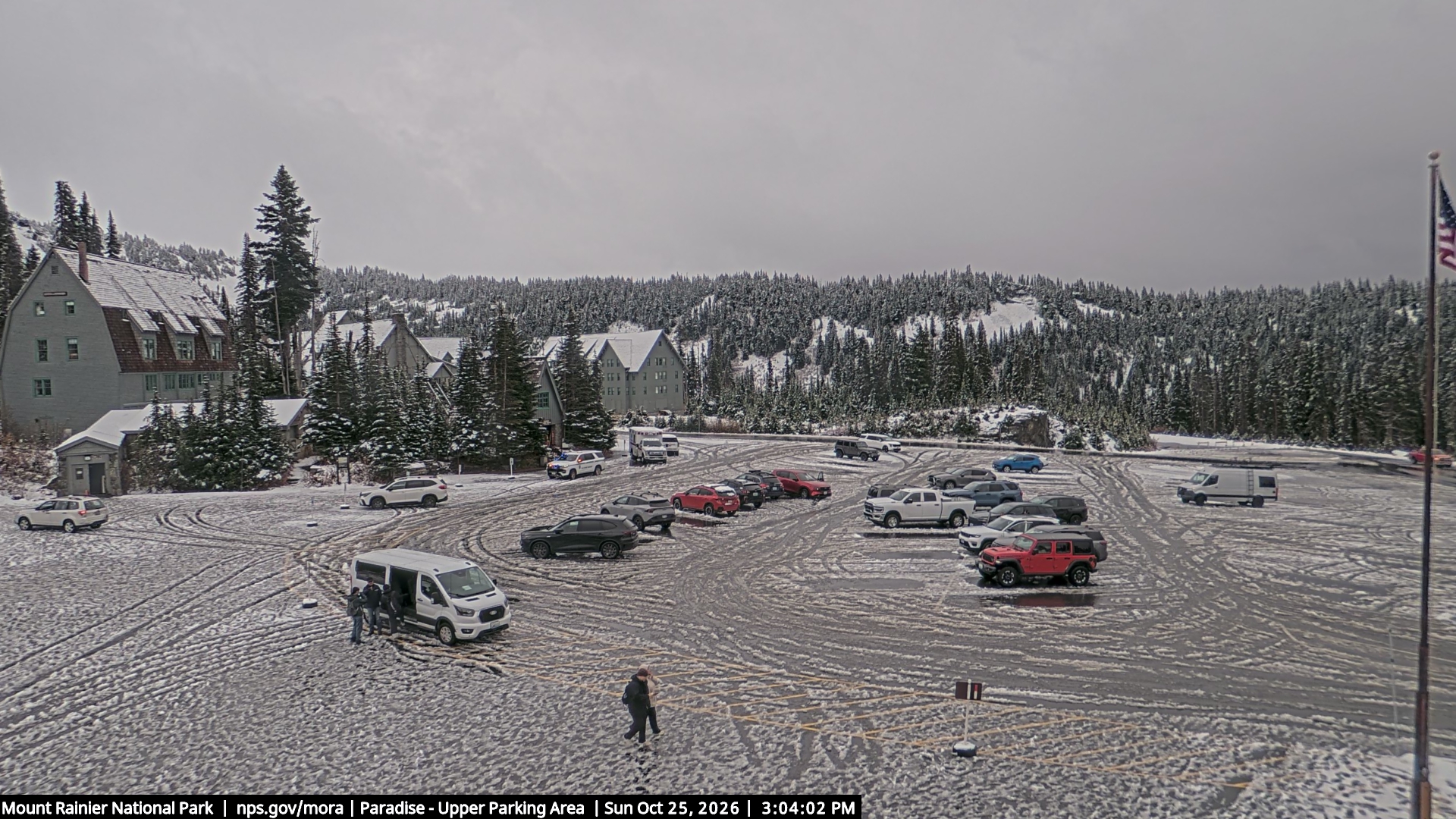
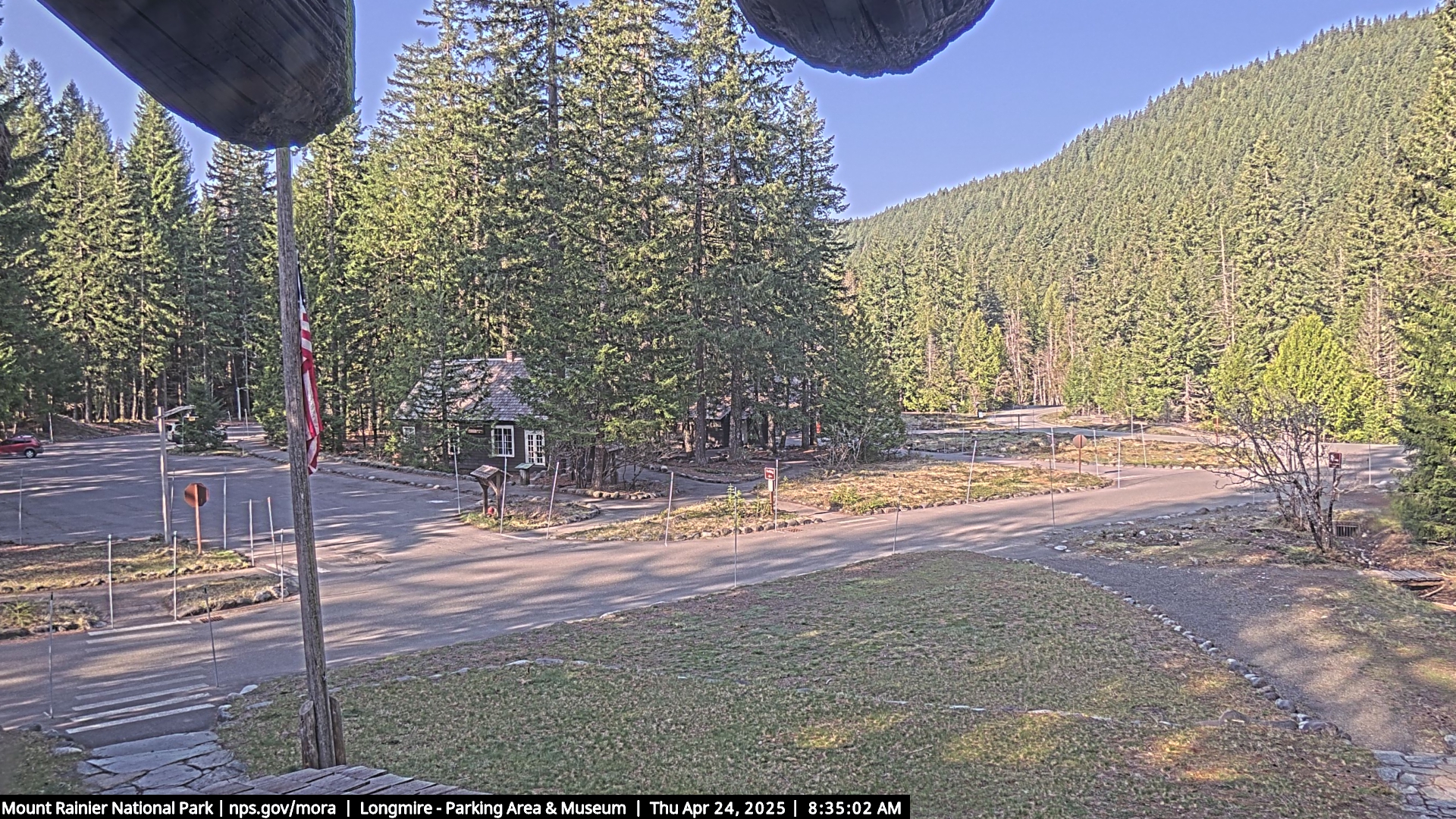
For updated Mt. Rainier weather forecasts, click here. Please click on the links below to see the Mt. Rainier webcams:

TIPPING

Our guides put considerable effort into ensuring your safety and success on the mountain. If you had a positive experience, leaving a gratuity is a wonderful gesture to show your appreciation. The amount is up to you and should reflect how much you enjoyed the service. Typically, tips for excellent service range from 10% to 15% of the program cost. Guides can accept gratuities in cash, Venmo, or by check. If you prefer, you can also pay tips using a credit card through the RMI Office.

FACTS

Mt Rainier became the nation's fifth National Park in 1899, some twenty-nine years after it was first climbed. Mt. Rainier National Park encompasses 235,625 acres and is 97% wilderness and 3% National Historic Landmark District. At 14,410', Mt. Rainier is the most prominent peak in the Cascade Range. It is an active volcano; its most recent confirmed eruptive activity was in the 1890s.

Guided mountaineering activity has taken place since the late 1800s, and The Mountain is still considered a prime training ground for climbing in Alaska, South America, and the Himalayas.  With more than 20 active glaciers encompassing some 36 square miles of ice, Rainier boasts the largest ice cover of any peak in the lower 48 United States.  Its weather can be deceptively gentle or as fierce as encountered on any high mountain anywhere in the world.  There is a wealth of information on the Mt. Rainier National Park website. We encourage you to enhance your enjoyment of the climb with some fun facts about the Park and the history of climbing there.

RESOURCES

RECOMMENDED READING

  • The Challenge of Rainier, by Dee Molenaar
  • Mt. Rainier - A Climbing Guide, by Mike Gauthier
  • Mt. Rainier: The Story Behind the Scenery, by Ray Snow
  • National Geographic Trails Illustrated MRNP topo map

Expedition Policies

The following policies are applicable for this expedition.

Included

  • RMI guide leadership from experienced guides responsible for planning, decision-making, and on-mountain execution
  • Mountaineering Day School instruction
  • All Mt. Rainier National Park climbing permits and fees
  • Transportation from Rainier BaseCamp to Paradise
  • Group climbing equipment used during the program
  • Shelter at Camp Muir
  • Sleeping pads
  • Blue bags (for solid waste disposal)

Rainier Mountaineering, Inc. reserves the right to modify the land cost of a trip at any time before departure.

Not Included

  • Travel to and from Ashford, WA
  • Travel insurance and medical evacuation insurance
  • Accommodations before and after the program
  • All meals
  • Personal gear and equipment
  • Customary guide gratuities (10–15% of program cost recommended)
  • Personal expenses

PAYMENTS

Deposit Payments: A non-refundable deposit of $450 per person is required to secure your reservation.

  • Deposits can be paid using MasterCard*, Visa*, American Express*, e-check/ACH, U.S. bank check, or wire transfer**.

Balance Payments: The remaining balance is due 120 days before your program's start date.

  • Balance payments can be made via MasterCard*, Visa*, American Express*, e-check/ACH, U.S. bank check, or wire transfer**.
  • A payment reminder is emailed approximately three weeks before your payment due date. If your balance payment is not received 120 days before the start of your program, your reservation will be canceled, and all program fees will be forfeited.
  • Full payment is required when registering within 120 days of the program start date.

*Note: A 3% surcharge applies to all credit/debit card transactions. 

**Wire transfers must include all fees charged by your bank. The amount received by our bank must match the deposit amount.

CANCELLATION

The $450 deposit is non-refundable and non-transferable.

  • Cancellations must be submitted in writing. Once received, the following policy applies:
    • Cancellations made 120 or more days before the program start date will forfeit the $450 deposit.
    • Cancellations made less than 120 days before the program start date will not receive refunds or credits.

We do not offer refunds. Please remember this before registering for this program. Due to the time-sensitive nature of this program, no exceptions will be made to the cancellation policy.

CANCELLATION INSURANCE

We highly recommend travel insurance for this trip. Please see our Travel Tab for details.

CHANGE OF DATE

Date changes are subject to availability and can only be applied to the current climbing season. Changes must be requested at least 90 days before the departure date and will incur a $200 fee per person. No date changes are allowed within 90 days of departure.

Risk Management Policy

Please clearly understand that mountaineering is inherently hazardous. Managing risk is RMI’s number one priority. Our guides manage significant hazards inherent in mountaineering, but they cannot eliminate them. Objective hazards include rockfall, icefall, avalanches, slides or falls by individuals and rope teams on steeper slopes, weather-related problems including cold, heat, high winds, and other unnamed dangers that can occur while climbing.

You are choosing to engage in an activity in which guided and non-guided climbers have been injured or killed. While those accidents are indeed infrequent, they may occur at any time and be out of our control. We ask that participants acknowledge the risks and hazards of mountaineering and make their own choices about whether or not to engage in this activity.

PARTICIPANT RESPONSIBILITIES

Mountaineering is both an individual challenge and a team effort. Each participant shares responsibility for the safety and success of the group. Therefore, we ask that each participant:

  • Be physically and mentally fit for the program.
  • Review and understand all provided program information.
  • Notify the RMI Office of any changes to your health or medical information before departure.
  • Be properly attired and equipped according to the Equipment List.
  • Act considerately towards all team members.
  • Minimize environmental impact by following Leave No Trace practices.
  • Honestly and accurately describe your fitness, health, skills, abilities, and equipment to the guide staff.
  • Communicate any changes in medications or health to the guide staff during the program.
  • Follow the advice of your guide staff.
  • Continuously assess your fitness, health, skills, and abilities in relation to the program’s demands.

RMI reserves the right to remove a participant from the program or to send them to a lower altitude if the guide staff determines, at their discretion, that the participant is not adequately prepared or capable of participating safely. This decision may be based on physical, technical, or psychological factors, or any other reason that might affect the safety, health, or well-being of the participant or the group. If removed, the participant will not receive refunds or credits and will be responsible for all additional costs associated with early departure, including evacuation, transportation, hotel reservations, and meals.

Summit Attempt Policy

RMI cannot guarantee that you will reach the summit. Weather, route conditions, your own abilities, or the abilities of other climbers may create circumstances that make an ascent unsafe, and you or your entire group may have to turnaround without reaching the summit.

Failure to reach the summit due to a person’s own lack of fitness or to any of the events associated with mountaineering (such as weather, route conditions, avalanche hazard, team dynamics, etc.), are not Rainier Mountaineering, Inc.’s responsibility and will not result in a refund, credit, or reschedule.

Zero Tolerance Harassment Policy

Rainier Mountaineering, Inc. (RMI) does not tolerate harassment or mistreatment of our participants or employees. Inappropriate conduct under this policy may include conduct that creates a disrespectful, intimidating, hostile, degrading, humiliating, or offensive environment for a participant or employee. Engaging in such conduct is a violation of this policy.

RMI may consider conduct to violate the policy even if it falls short of unlawful harassment under applicable law. When determining whether conduct violates this policy, we will consider whether a reasonable person could conclude that the conduct created an intimidating, hostile, degrading, or demeaning environment.

Violation of this policy may result in removal from a program, as well as refusal to provide services indefinitely. We place the utmost value on the safety of our participants and employees. Please report any incidents to RMI management.

Age Requirements

All participants must be 18 years old at the time of registration.

Photo Release

RMI’s Photo Release outlines the terms and conditions for using your likeness in photographs, videos, or other digital media.

I hereby grant Rainier Mountaineering, Inc. (RMI) or its affiliates permission to use my likeness in a photograph, video, or other digital media (“photo”) in any and all of its publications, including web-based publications. By granting permission, you allow RMI to utilize these media for lawful purposes.

Here are the key points:

  1. Authorization: You authorize RMI to edit, alter, copy, exhibit, publish, or distribute the photos.
  2. Ownership: All photos become the property of RMI and will not be returned.
  3. Compensation: You will not be compensated for these uses.
  4. Rights: RMI exclusively owns all rights to the images, videos, and recordings and to any derivative works created from them.
  5. Waiver: You waive the right to inspect or approve printed or electronic copies.
  6. Release: You release Rainier Mountaineering, Inc. and its assigns and licensees from any claims arising from these uses, including defamation, invasion of privacy, rights of publicity, or copyright.
  7. Hold Harmless: You hold harmless, release, and forever discharge RMI or its affiliates from any and all claims, demands, and causes of action which I, my heirs, representatives, executors, administrators, or any other persons acting on my behalf or on behalf of my estate have or may have by reason of this authorization.

GENERAL POLICIES

RMI’s program schedule and itineraries are subject to change or adjustment based on a number of factors. These include, but are not limited to, route conditions, weather, group strength, terrain, or other environmental factors, and many other factors. RMI has complete discretion to change plans to accommodate any of these or other factors, including but not limited to, increases in program fees, changes to program schedule or itinerary, and changes to guides or staff, as necessary for the proper and safe conduct of the program. Once the program has started, the Lead Guide will decide on any changes to the itinerary, including ending the program early if the continuation of the program may compromise the safety, health, or well-being of the group.

We reserve the right to cancel any program due to inadequate signups, weather, route conditions, or for any other reason. In such a case, we will make every effort to reschedule the Participant on a different program date. If rescheduling is not possible, we will issue the Participant a refund for all program fees paid to RMI, less any non-refundable payments made on behalf of the Participant to secure any of the included land costs provided for this program, including but not limited to, hotel accommodations, transportation, transfers, tours, group equipment and food, permits, and local outfitter services, prior to the cancellation of the program. Additionally, RMI cannot be responsible for any non-refundable expenses the Participant incurred in preparation for the program (i.e., airline tickets, hotel reservations, rental cars, equipment purchases or rentals, etc.).

Once a program begins, there are no refunds or credits for weather-related cancellations or for a program that may end early due to weather, route conditions, or any other circumstances that may compromise the health, safety, or well-being of the group. Furthermore, if the Participant decides for any reason not to begin a program or discontinue a program at any time, no refunds or credits will be issued. The Participant will be responsible for all additional costs associated with an early departure, including but not limited to evacuation, transportation, hotel reservations, meals, etc.

Land Costs are provided as a package, and refunds or credits will not be issued for any unused meals, accommodations, group transportation, or other unused costs. Accommodations are based on double occupancy. A Single Supplement Fee will be charged to those Participants occupying single accommodations either by choice or circumstance. If you are willing to share a room, we will make every effort to pair you with another same-gender team member. We will match willing same-gender team members based on the order of registration date. If we are unable to match you with another same- gender team member, a single supplement fee will be charged. The availability of single accommodations is limited in most of the hotels where we stay, and single accommodations are not available while in the mountains.

The Participant understands and agrees that RMI assumes no responsibility or liability in connection with any travel and hospitality services provided to the Participant by other companies in connection with the program, including but not limited to, the services provided by airlines, hotels, rental cars, and transportation companies. In addition, RMI is not responsible for any act, error, omission, or any injury, loss, accident, delay, irregularity, or danger by a supplier of travel or hospitality services to the Participant in connection with the RMI program. The Participant will be responsible for all costs associated with any travel delays, missed connections, or missing baggage that requires additional arrangements (separate transportation, hotel accommodations, meals, etc.) to be made on your behalf for you or your baggage to rejoin the program.

Frequently Asked Questions

This section covers common questions about the Five Day Rainier Climb, including logistics, fitness expectations, on-mountain conditions, and how decisions are made on the mountain. If you’re evaluating whether this climb is the right fit, these answers are designed to help you prepare and set clear expectations before arriving on Rainier.

“RMI has it dialed! Everything was easy to understand and follow to get things set up for the program.” — Alexander G.

Logistics and Guiding

What is the climber-to-guide ratio on this program?

Our climber-to-guide ratio is 2:1 on the Disappointment Cleaver and Ingraham Direct routes.

Entry into Mt. Rainier National Park

If you plan to enter Mt. Rainier National Park in a personal vehicle, please visit the NPS website for information on entrance fees and timed reservations.

Fitness and Readiness

How fit do I really need to be for the Five Day Rainier Climb?

You should arrive in excellent physical condition and prepared for long days of sustained uphill travel with a pack. Fitness has a direct impact on your safety, enjoyment, and ability to perform well throughout the climb.

How much weight will I carry on the climb?

Pack weights vary by day, but you should expect to carry heavier loads when hiking to Camp Muir and lighter loads on summit day. Being comfortable carrying a pack uphill for extended periods is essential.

What happens if I am struggling physically during the climb?

Guides closely monitor climbers throughout the program. If someone is struggling, guides may adjust pacing, provide coaching, or make decisions that prioritize safety and the overall well-being of the team.

Summit Day and On-Mountain Experience

What is a typical summit day like on this program?

Summit day is a long and demanding effort that begins with an alpine start and involves traveling on snow and glaciers as part of a rope team. The day requires steady movement, focus, and endurance.

How early do we start on summit day?

Summit day typically begins very early in the morning (or late at night) to take advantage of firmer snow conditions.

What are conditions typically like at Camp Muir?

Camp Muir sits at 10,080 feet and marks the transition into true alpine terrain. RMI guided climbs stay in a bunkhouse style hut, which means you don't need to carry up a tent or sleeping pad, and are protected from weather. In the rare event the hut is unavailable, RMI provides tents and sleeping pads.

Weather, Conditions, and Decision-Making

What kind of weather should I expect on Mount Rainier?

Mount Rainier creates its own weather. Climbers should be prepared for a wide range of conditions, including wind, cold temperatures, precipitation, and rapid changes in visibility.

What are my chances of reaching the summit of Mt. Rainier?

There are three main categories that generally prevent climbers from reaching the summit: weather, route conditions, and individual fitness.

Weather

Avalanche hazards, high winds, poor visibility, rain, and snow can singly or in conjunction with other elements impact our ability to safely climb. Your guides are charged with managing the risks encountered on the climb and maintaining a reasonable margin of safety.

If weather conditions reduce our margin of safety to an unacceptable level, we will no longer be able to climb. This may mean we turn around, or we may not even ascend above camp.

The Route
On Mt. Rainier, guides work on the route continually throughout the climbing season. Route work involves rerouting to avoid hazards, including overhead hazards such as icefall and rockfall and underfoot hazards such as crevasses and steep slopes.

As the route becomes more complex and steeper throughout the season, route work can include kicking steps, chopping, shoveling, setting running belays, fixed lines, and ladders. Some changes occur daily and may require quick adjustments by the guide team during a climb. Larger reroutes can take multiple days to establish and often involve coordination among guide services on the mountain.

Generally speaking, the route is rarely closed, and there is often a way to the top. However, it may not offer an appropriate margin of safety for guided climbers. When this happens, guide services coordinate efforts to establish a safer route. While route work is underway, we will ascend with climbers as high as is safely possible on the existing route.

Fitness
Fitness is the factor climbers have the most control over and the one with the greatest impact on success, safety, and enjoyment. Mountaineering requires physical stamina and mental toughness, even for very fit individuals.

Rope teams move at a steady pace determined by the route’s length and complexity. We do not operate fast or slow rope teams. Improving fitness is the most effective way to increase your chances of a successful summit attempt.

How do guides make decisions when conditions change?

Guides continuously assess weather, route conditions, and team performance. Decisions are based on maintaining a reasonable margin of safety for the entire group.

Who makes the final decision to continue or turn around?

The guide team makes final decisions on the mountain. These decisions are made with climber safety as the top priority.

What happens in the event of an injury or illness on the mountain?

Guides are trained in remote medicine and rescue techniques and carry appropriate medical and communication equipment. In the event of illness or injury, guides manage the situation based on severity and conditions, which may include descent or evacuation if necessary.

Progression and Comparison

How does the Five Day Rainier Climb differ from the Four Day Rainier Climb?

Both climbs follow Mount Rainier’s classic route and are appropriate for first-time Rainier climbers. The Five Day Rainier Climb includes an additional day on the mountain, allowing for two nights at Camp Muir and flexibility to choose the best summit window. This added margin can be especially valuable when weather or route conditions require patience, and it provides more time in alpine terrain without changing the objective or route.

Mount Baker or Mount Rainier?

Mount Baker and Mount Rainier both present excellent options for beginners, with Mount Rainier posing the greater physical and technical challenges of the two. Read more about the key highlights and differences to help you determine what suits you best.

Is this climb appropriate if I plan to pursue bigger objectives later?

Yes. The Five Day Rainier Climb provides a strong foundation for climbers interested in progressing to more advanced mountaineering objectives.

What is a natural next step after completing this climb?

After completing a Five Day Rainier Climb, you may want to expand your skills with a Seminar, or tackle an international objective like Cotopaxi or Mexico's Volcanoes.


Relevant Resources

When you've been in business since 1969, you pick up a thing or two about mountains you guide. Below are the resources relevant to this program, but you can check out our full Resources section for all of our hard earned knowledge.

Reviews

Climbers rated RMI with an average of 5 stars across 0 ratings

Read firsthand accounts from climbers who have completed the Five Day Rainier Climb with RMI. These reviews reflect real experiences on Mount Rainier, from preparation and guiding to time spent at Camp Muir and summit day conditions, offering insight into what it’s like to climb this iconic peak with our team.

September 4, 2024

Mt. Rainier Five Day Climb

The challenge, the preparation, the teamwork, the expansion and growth and preparation it took to do this were infinitely rewarding

Matthew H

September 3, 2024

Mt. Rainier Five Day Climb

It was such an amazing experience. Very beautiful and we made it to the top of Rainier!

Taylor G

August 31, 2024

Mt. Rainier Five Day Climb

I loved observing and learning from the guides. My expectations were entirely surpassed. All 3 were incredible people inside and out.

Patrick R

August 27, 2024

Mt. Rainier Five Day Climb

The RMI guides were incredible. I have some previous experience with outdoor education, and was really impressed to see a uniformly high quality of effective guiding in terms of both providing a positive experience and maintaining the highest possible safety. I also really appreciated that the guides respected us, i.e. using clear communication and setting expectations while providing context.

Peter N

August 27, 2024

Mt. Rainier Five Day Climb

Very well organized, superb guides! The whole team was very friendly and fun to spend time with. I knew exactly what to expect which made the whole thing hustle free.

Dmitrii K

August 26, 2024

Mt. Rainier Five Day Climb

I learned so much about mountaineering and how to use the equipment.

Sumiko T

August 26, 2024

Mt. Rainier Five Day Climb

RMI staff was awesome and engaging

Jeff M

August 25, 2024

Mt. Rainier Five Day Climb

Being pared with the amazing RMI staff on what was the most challenging yet more enjoyable mountain trip I've had yet.

Alex L

August 23, 2024

Mt. Rainier Five Day Climb

I feel RMI is dialed in. If I were to consider another mountaineering trip, I would reevaluate my workout routine (more stairs) and nutrition.
Denise M

August 20, 2024

Mt. Rainier Five Day Climb

Top to bottom, it was first class. Even the bunkhouse, which was nothing fancy, was a real treat on this trip. All staff and facilities were better than I had hoped for.

Gregory E

August 20, 2024

Mt. Rainier Five Day Climb

The climbing and descending between Cleaver and High Peaks were most challenging and exciting that I liked a lot.

Lucy L

August 15, 2024

Mt. Rainier Five Day Climb

RMI does an incredible job with guide recruiting and selection. I don't know how you do it, but don't change a thing. I've been so lucky on both of my RMI trips to have guides I would 100% climb with again. Oh right, it was great to summit too!

David K

August 13, 2024

Mt. Rainier Five Day Climb

Being able to experience and learn at least a little bit about (slightly) technical mountaineering, especially on a route with ladders and running belays, in an environment where I had experienced guides to rely on for safety.
Ben M

August 13, 2024

Mt. Rainier Five Day Climb

Everything. Hard work hiking up, the long trip down. The cleaver, the glacier ladders. Great time.

Coy V

August 12, 2024

Mt. Rainier Five Day Climb

Achieving the summit with my twins was one of the best experiences. That we all made it is amazing! We did the training, and were prepared, but the magic ingredient that led to all three of us getting to the top was the excellent guide support. Your guides are amazing people, and that was really the most rewarding experience - seeing true top-of-their game professional athletes that had the people skills to help others push through.

Gavin M

August 2, 2024

Mt. Rainier Five Day Climb

Hard to pick one thing, but the experience and knowledge of the guides and their skill in sharing it and setting expectation really made the trip better.

Peter N

August 2, 2024

Mt. Rainier Five Day Climb

I loved learning all the tips and tricks from the guides, and feeling confident that we were in good hands. I felt like I could fully trust the guides to make the right decisions as well as react to any questions or concerns anyone had.

Sam F

July 30, 2024

Mt. Rainier Five Day Climb

All of it was amazing. I really enjoyed having dinner the last night with all the guides. My favorite was listening to Dave’s stories. What a legend.

Jenipher A

July 26, 2024

Mt. Rainier Five Day Climb

I enjoyed the alternate route and our ability to summit the most. Could not have done that without the super-human efforts of Casey and the other guides to put a route in place, climb down, and then lead us up the mountain the next day. Unbelievable.

Isaac D

July 20, 2024

Mt. Rainier Five Day Climb

An absolutely incredible trip. I cannot say enough about the trip itself, and all of the guides and staff from RMI. We were able to summit, which has been a goal of mine for a long time, so that automatically makes this a trip I will never forget. It was a joy to share this trip with so many great people on our team, as well as the RMI guides themselves. I learned a ton from them, and will take this to other outdoor adventures. Though not mentioned above, Lacie Smith also helped me tape up some bad blisters on my feet, and saved me a very painful day of walking down the mountain. They were all like this: inspiring, fun and knowledgeable people, ready to help and put in a ton of work to make our trip extra special.

Ryan F

July 20, 2024

Mt. Rainier Five Day Climb

The whole trip was amazing and I have no complaints, I already want to climb with y'all again!

Katie F

July 18, 2024

Mt. Rainier Five Day Climb

At every step we felt secure that our guides, while helping us to traverse through challenging conditions, had zero tolerance for risks for injury.

Elaine N

July 17, 2024

Mt. Rainier Five Day Climb

A great team environment that helped motivate all of us to accomplish the goal

Victor M

July 16, 2024

Mt. Rainier Five Day Climb

The whole journey from the parking lot to the summit

Leo K

July 15, 2024

Mt. Rainier Five Day Climb

Great job building cohesion across the team and creating a supportive environment which was established in the meeting in the conference room the first day. Guides were also committed and did a great job of explaining why things were as planned to support the full group.

Laurie P

July 11, 2024

Mt. Rainier Five Day Climb

The five-day climb up Mount Rainier was amazing. I loved seeing the different landscapes, from green forests to icy peaks. The best part was the friendship and support from our group, which made the trip even more special. Climbing the ladder over the crevasses was thrilling and added to the adventure. Reaching the summit was an exciting and proud moment. The mix of challenge and beauty made this journey truly unforgettable.

Shahab F

July 9, 2024

Mt. Rainier Five Day Climb

Reached the true summit and safely back.

Xinhai (Scott) C

July 5, 2024

Mt. Rainier Five Day Climb

learning mountaineering skills and applying them to summit!

Takahiro S

July 5, 2024

Mt. Rainier Five Day Climb

The mountain and climb: a great challenge and the amazing beauty and summit made it all worth it. The guides were great. They all went the extra mile, especially Ben, who would sit with the group and tell stories and (not-so-funny) jokes. Haha.

Joshua E

July 4, 2024

Mt. Rainier Five Day Climb

Ben and Rob made the trip so much fun! Loved Ben’s corny jokes and the fact that they got us to the summit!

Spencer W