Logistics and Guiding
What is the climber-to-guide ratio on this program?
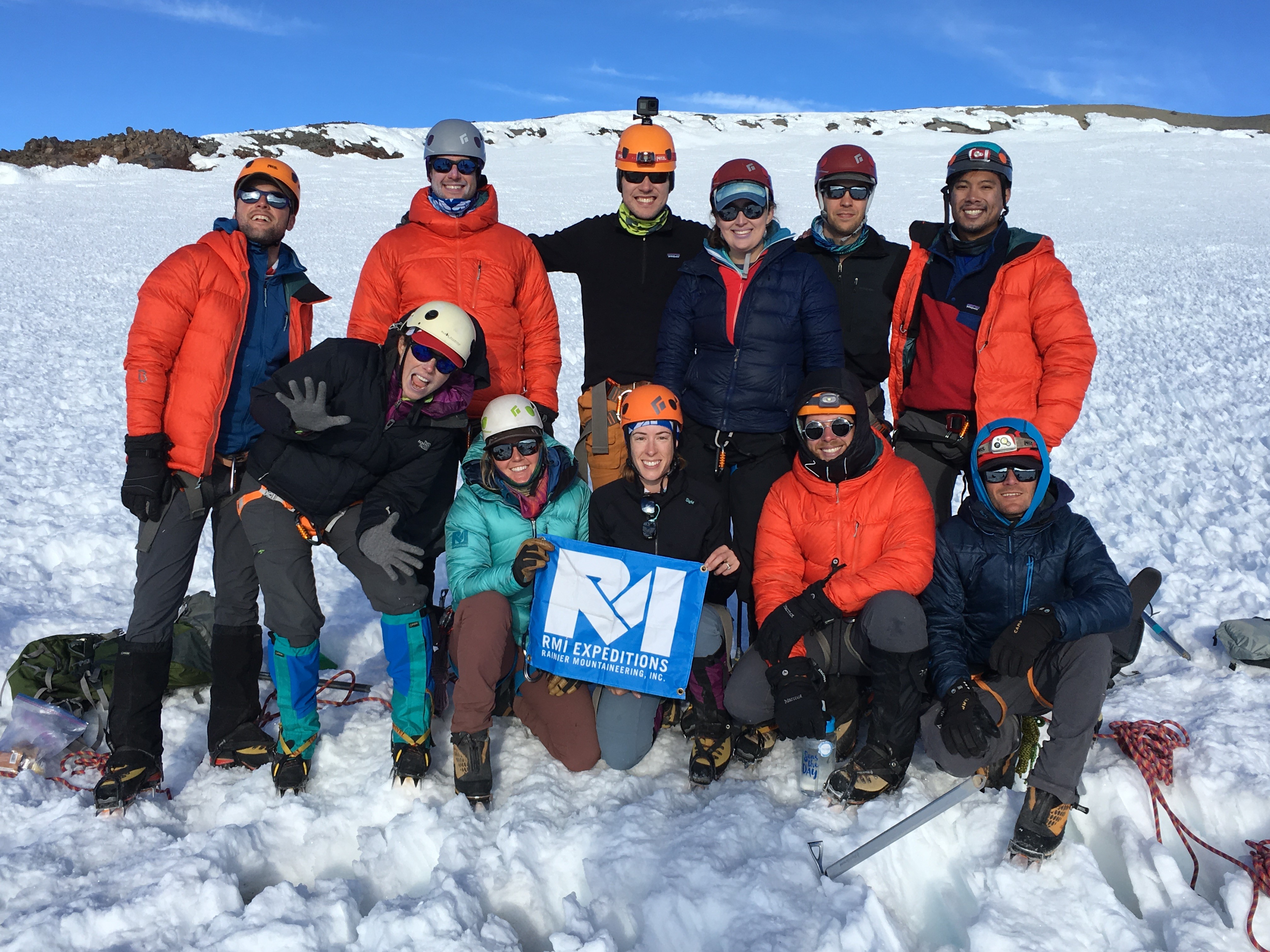
Our climber-to-guide ratio is 2:1 on the Disappointment Cleaver and Ingraham Direct routes.
Entry into Mt. Rainier National Park
If you plan to enter Mt. Rainier National Park in a personal vehicle, please visit the NPS website for information on entrance fees and timed reservations.
Fitness and Readiness
How fit do I really need to be for the Five Day Rainier Climb?
You should arrive in excellent physical condition and prepared for long days of sustained uphill travel with a pack. Fitness has a direct impact on your safety, enjoyment, and ability to perform well throughout the climb.
How much weight will I carry on the climb?
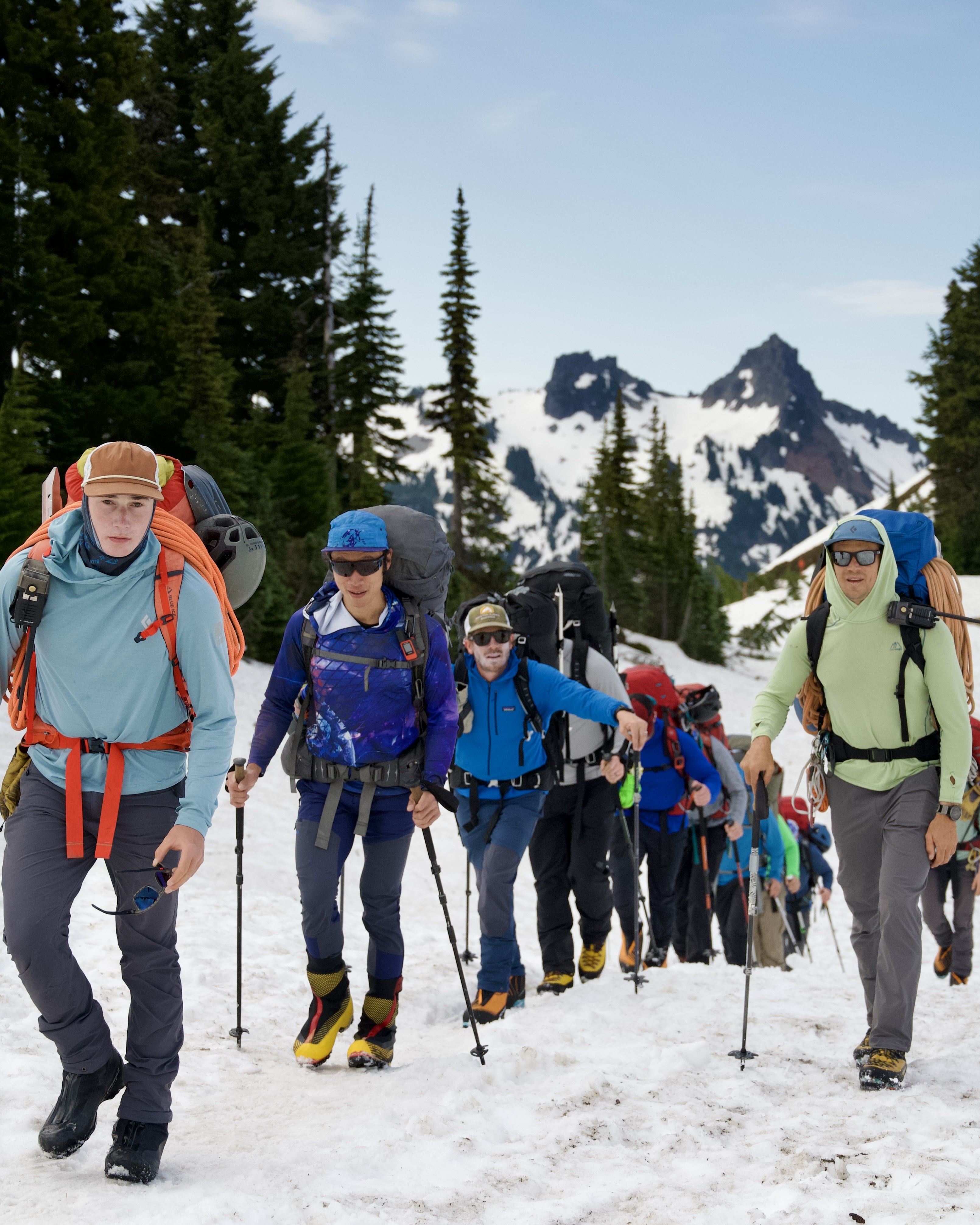
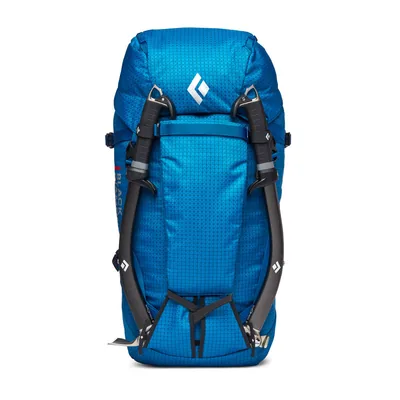
Pack weights vary by day, but you should expect to carry heavier loads when hiking to Camp Muir and lighter loads on summit day. Being comfortable carrying a pack uphill for extended periods is essential.
What happens if I am struggling physically during the climb?
Guides closely monitor climbers throughout the program. If someone is struggling, guides may adjust pacing, provide coaching, or make decisions that prioritize safety and the overall well-being of the team.
Summit Day and On-Mountain Experience
What is a typical summit day like on this program?
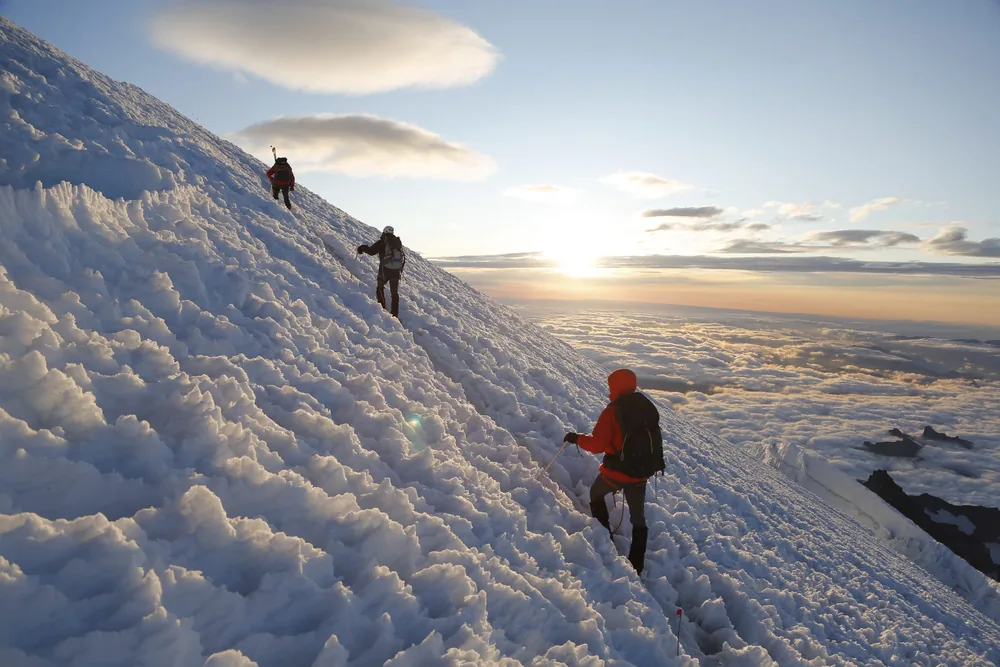
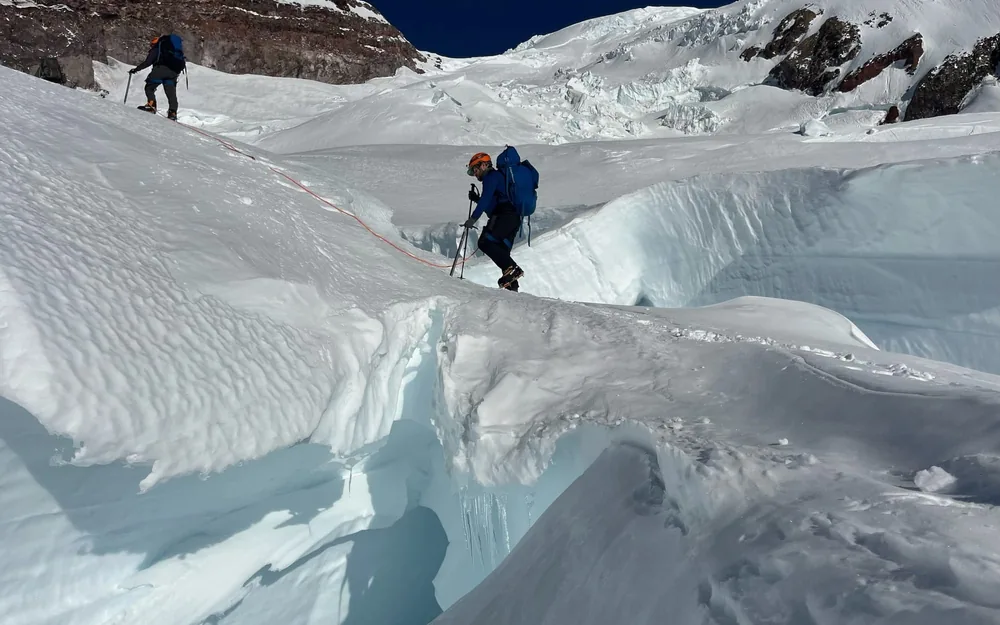
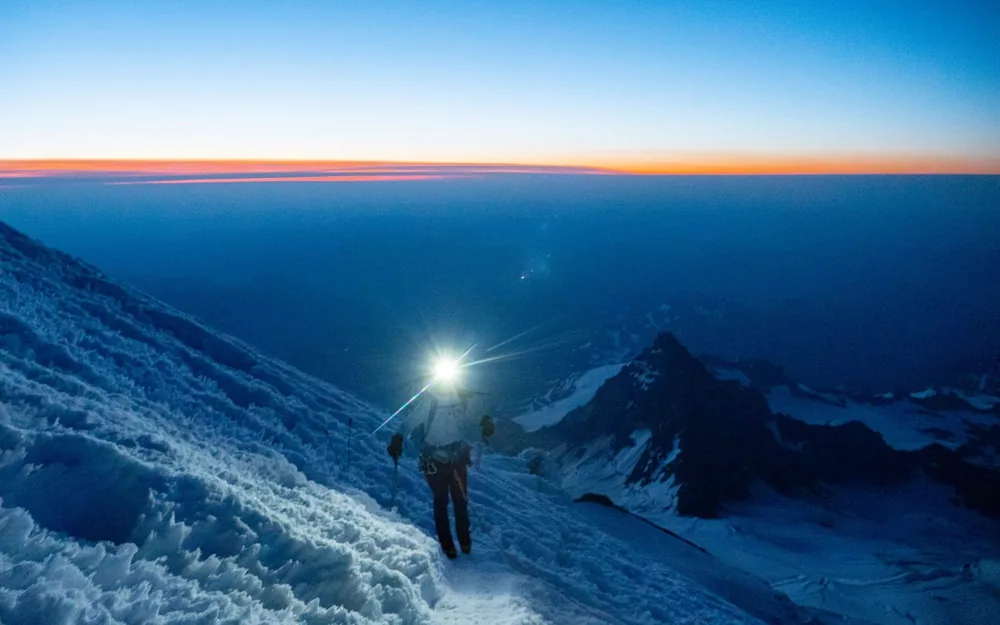
Summit day is a long and demanding effort that begins with an alpine start and involves traveling on snow and glaciers as part of a rope team. The day requires steady movement, focus, and endurance.
How early do we start on summit day?
Summit day typically begins very early in the morning (or late at night) to take advantage of firmer snow conditions.
What are conditions typically like at Camp Muir?
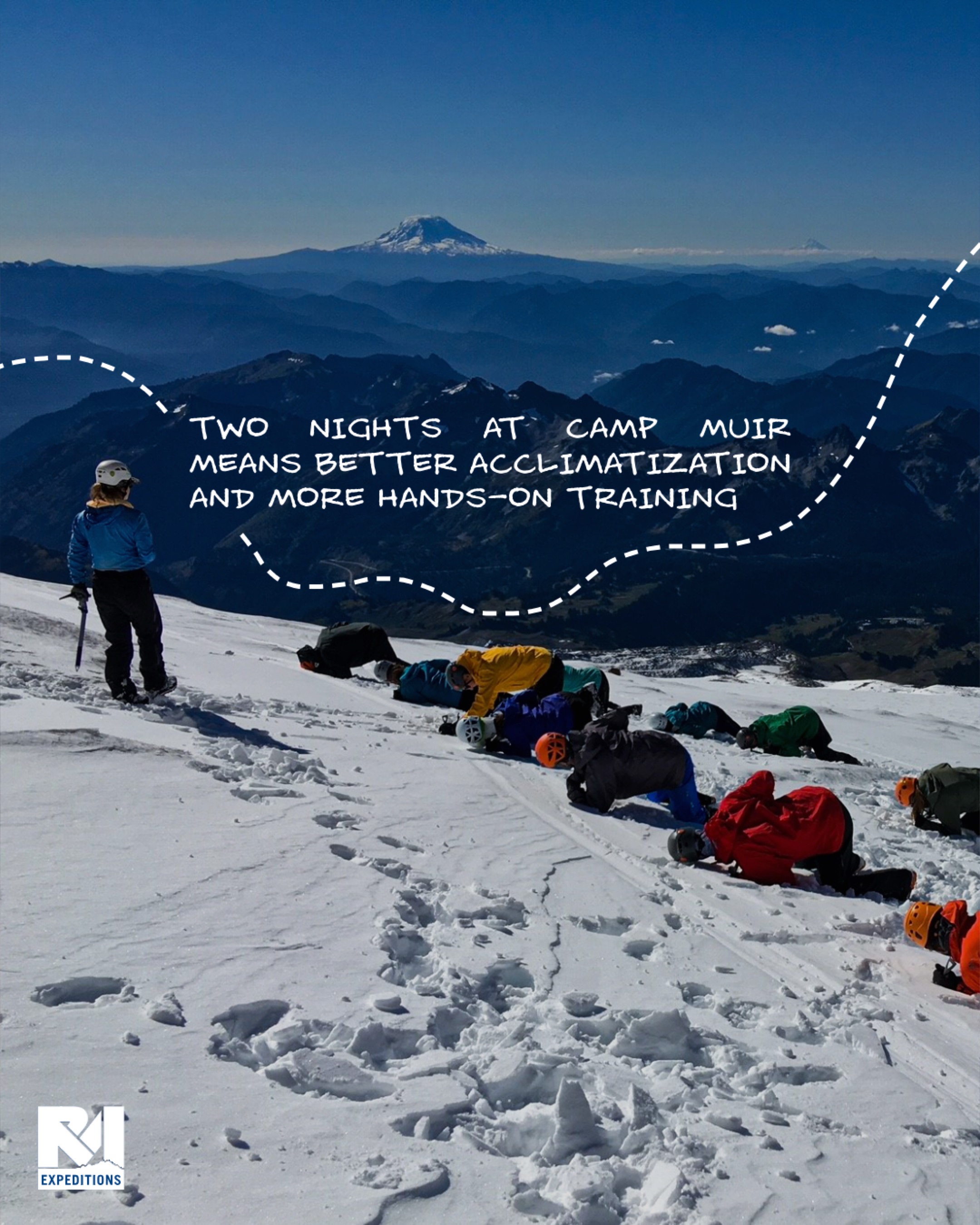
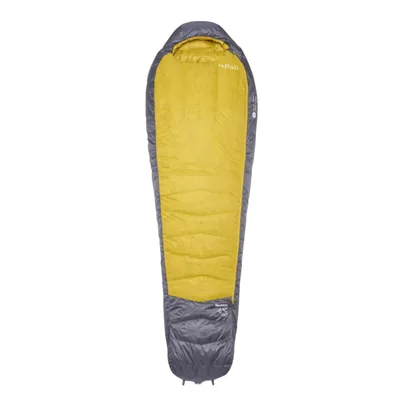
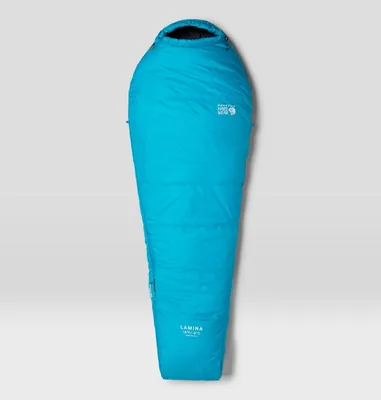
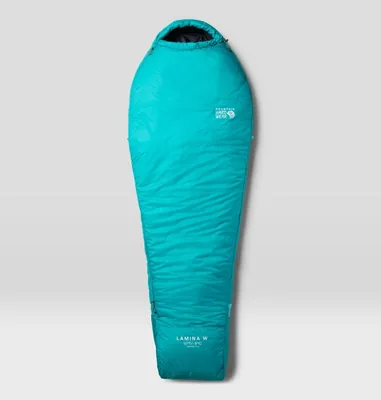
Camp Muir sits at 10,080 feet and marks the transition into true alpine terrain. RMI guided climbs stay in a bunkhouse style hut, which means you don't need to carry up a tent or sleeping pad, and are protected from weather. In the rare event the hut is unavailable, RMI provides tents and sleeping pads.
Weather, Conditions, and Decision-Making
What kind of weather should I expect on Mount Rainier?
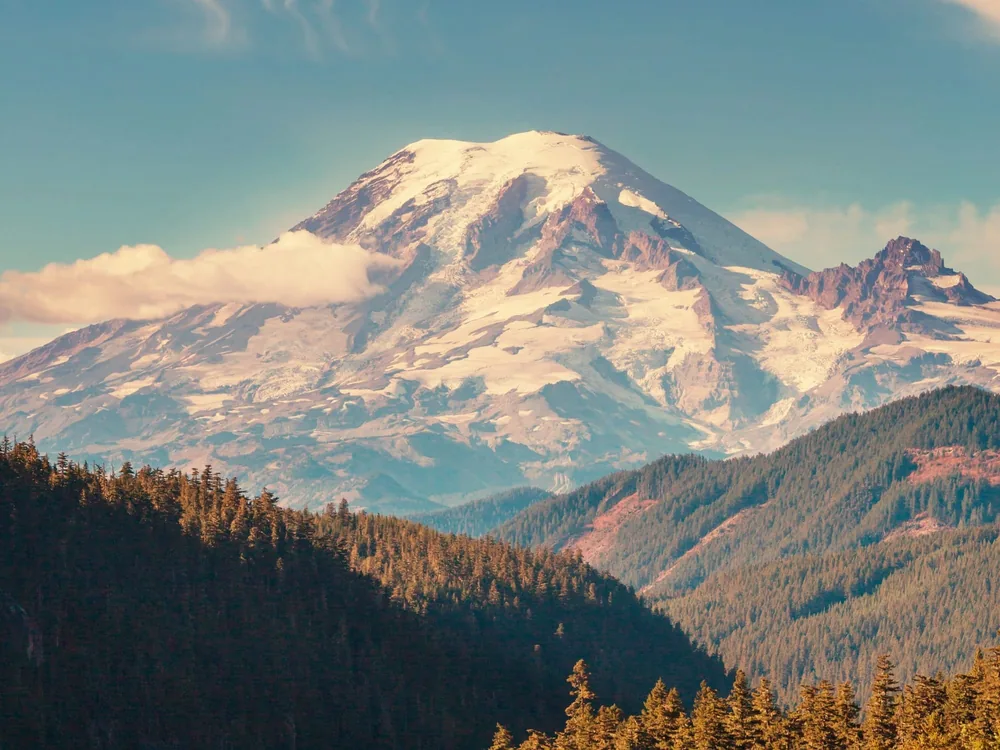
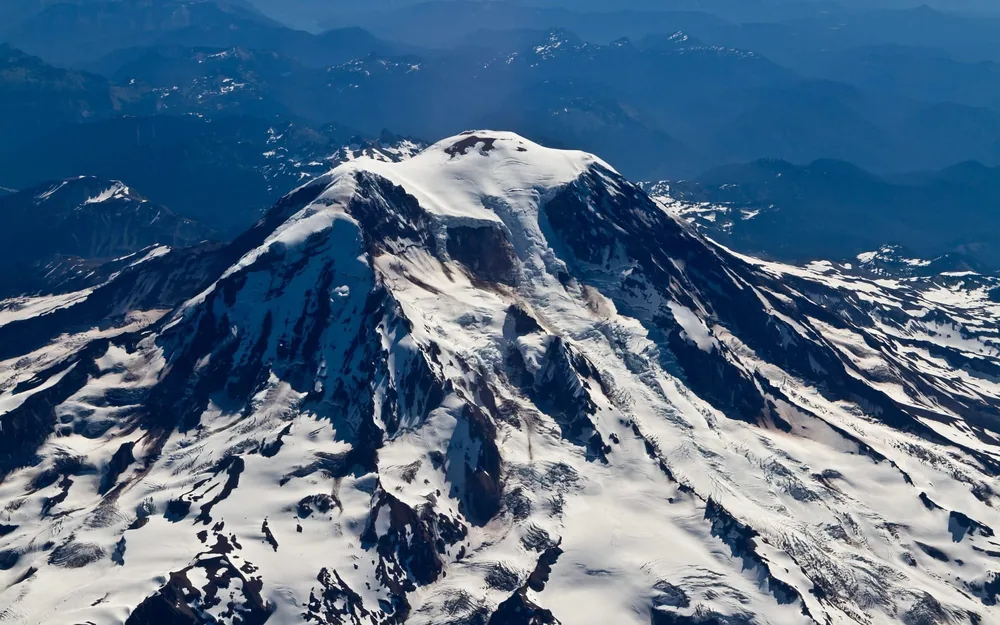
Mount Rainier creates its own weather. Climbers should be prepared for a wide range of conditions, including wind, cold temperatures, precipitation, and rapid changes in visibility.
What are my chances of reaching the summit of Mt. Rainier?
There are three main categories that generally prevent climbers from reaching the summit: weather, route conditions, and individual fitness.
Weather
Avalanche hazards, high winds, poor visibility, rain, and snow can singly or in conjunction with other elements impact our ability to safely climb. Your guides are charged with managing the risks encountered on the climb and maintaining a reasonable margin of safety.
If weather conditions reduce our margin of safety to an unacceptable level, we will no longer be able to climb. This may mean we turn around, or we may not even ascend above camp.
The Route
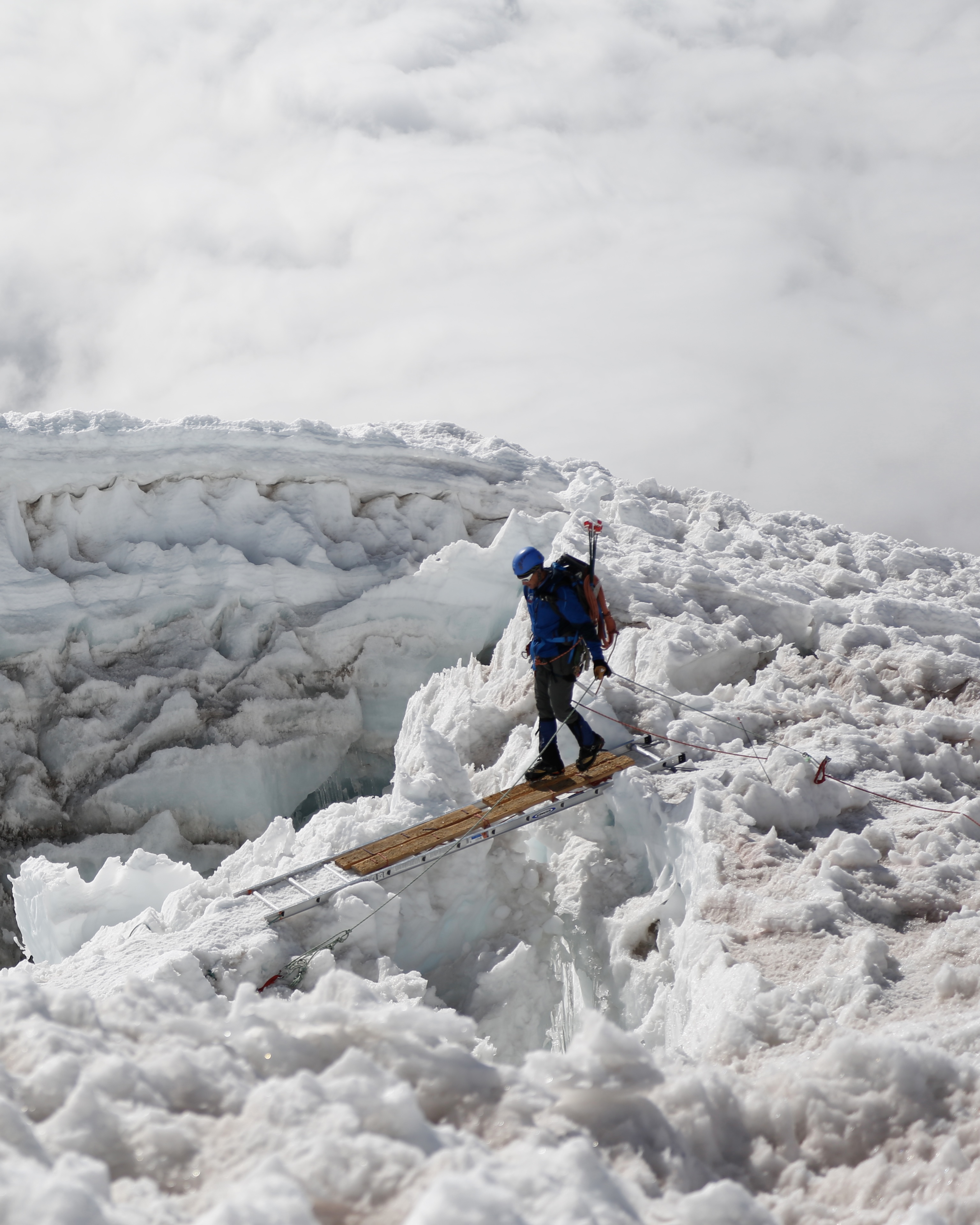
On Mt. Rainier, guides work on the route continually throughout the climbing season. Route work involves rerouting to avoid hazards, including overhead hazards such as icefall and rockfall and underfoot hazards such as crevasses and steep slopes.
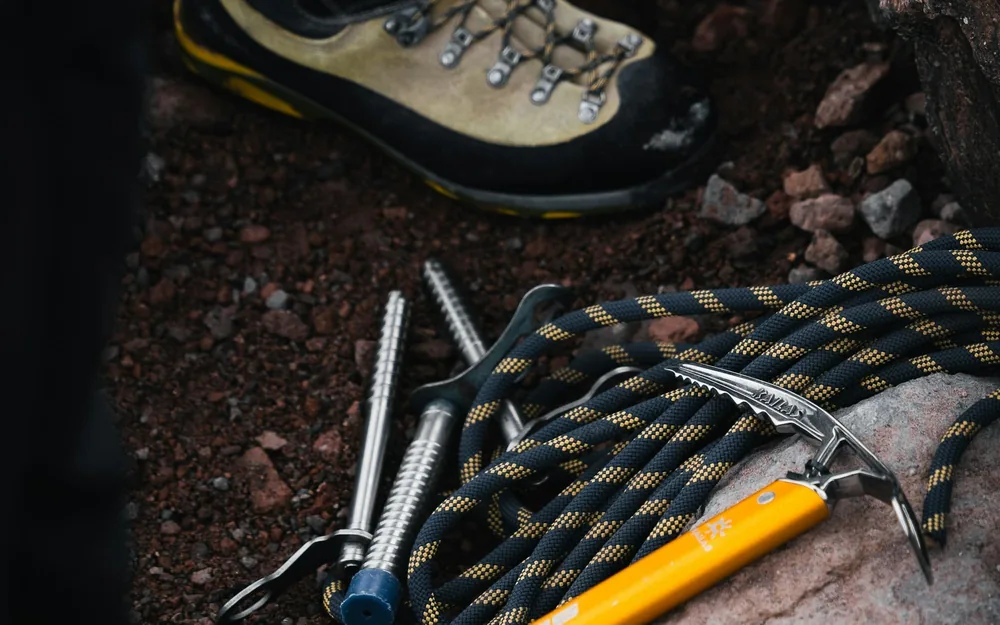
As the route becomes more complex and steeper throughout the season, route work can include kicking steps, chopping, shoveling, setting running belays, fixed lines, and ladders. Some changes occur daily and may require quick adjustments by the guide team during a climb. Larger reroutes can take multiple days to establish and often involve coordination among guide services on the mountain.
Generally speaking, the route is rarely closed, and there is often a way to the top. However, it may not offer an appropriate margin of safety for guided climbers. When this happens, guide services coordinate efforts to establish a safer route. While route work is underway, we will ascend with climbers as high as is safely possible on the existing route.
Fitness
Fitness is the factor climbers have the most control over and the one with the greatest impact on success, safety, and enjoyment. Mountaineering requires physical stamina and mental toughness, even for very fit individuals.
Rope teams move at a steady pace determined by the route’s length and complexity. We do not operate fast or slow rope teams. Improving fitness is the most effective way to increase your chances of a successful summit attempt.
How do guides make decisions when conditions change?
Guides continuously assess weather, route conditions, and team performance. Decisions are based on maintaining a reasonable margin of safety for the entire group.
Who makes the final decision to continue or turn around?
The guide team makes final decisions on the mountain. These decisions are made with climber safety as the top priority.
What happens in the event of an injury or illness on the mountain?
Guides are trained in remote medicine and rescue techniques and carry appropriate medical and communication equipment. In the event of illness or injury, guides manage the situation based on severity and conditions, which may include descent or evacuation if necessary.
Progression and Comparison
How does the Five Day Rainier Climb differ from the Four Day Rainier Climb?
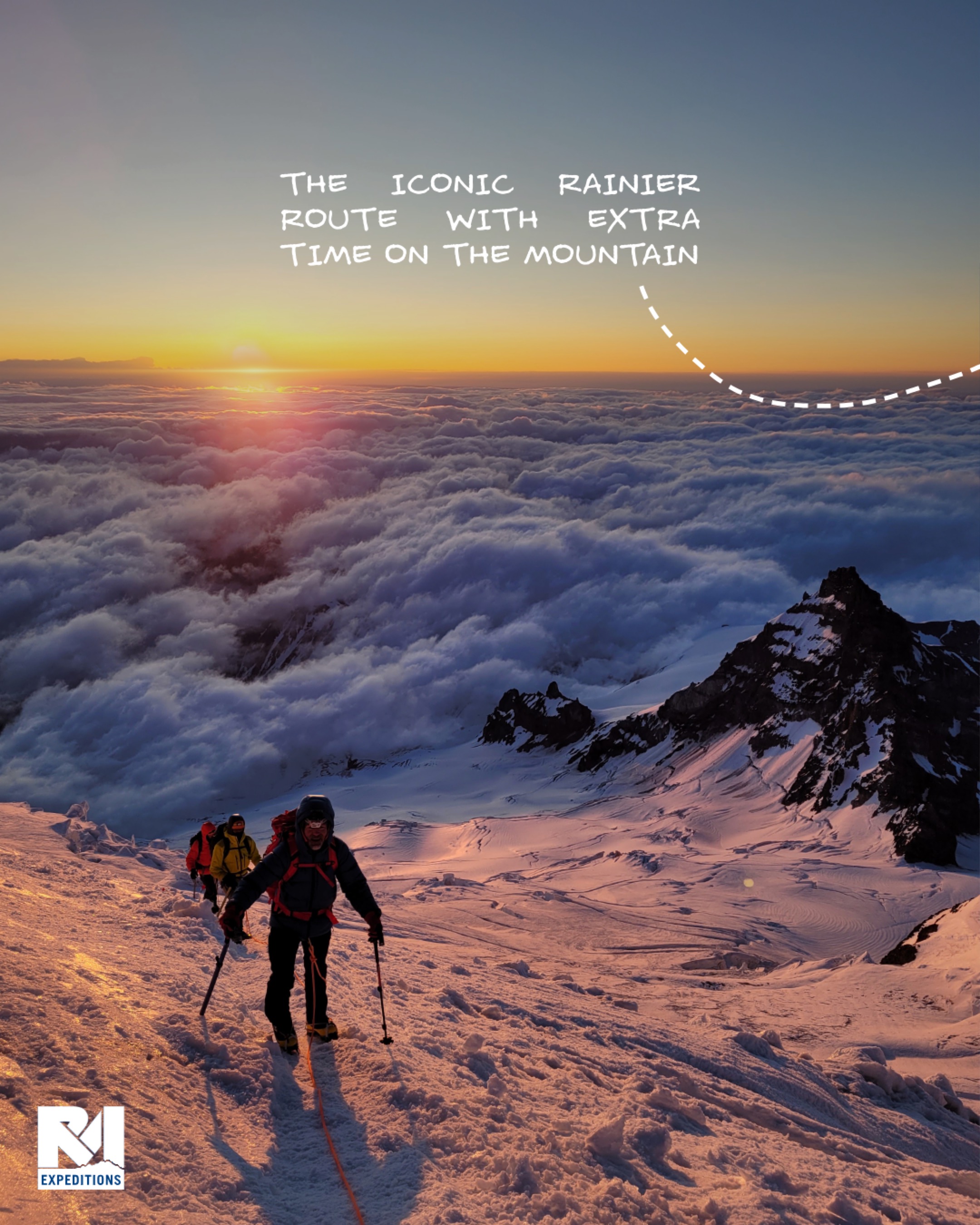
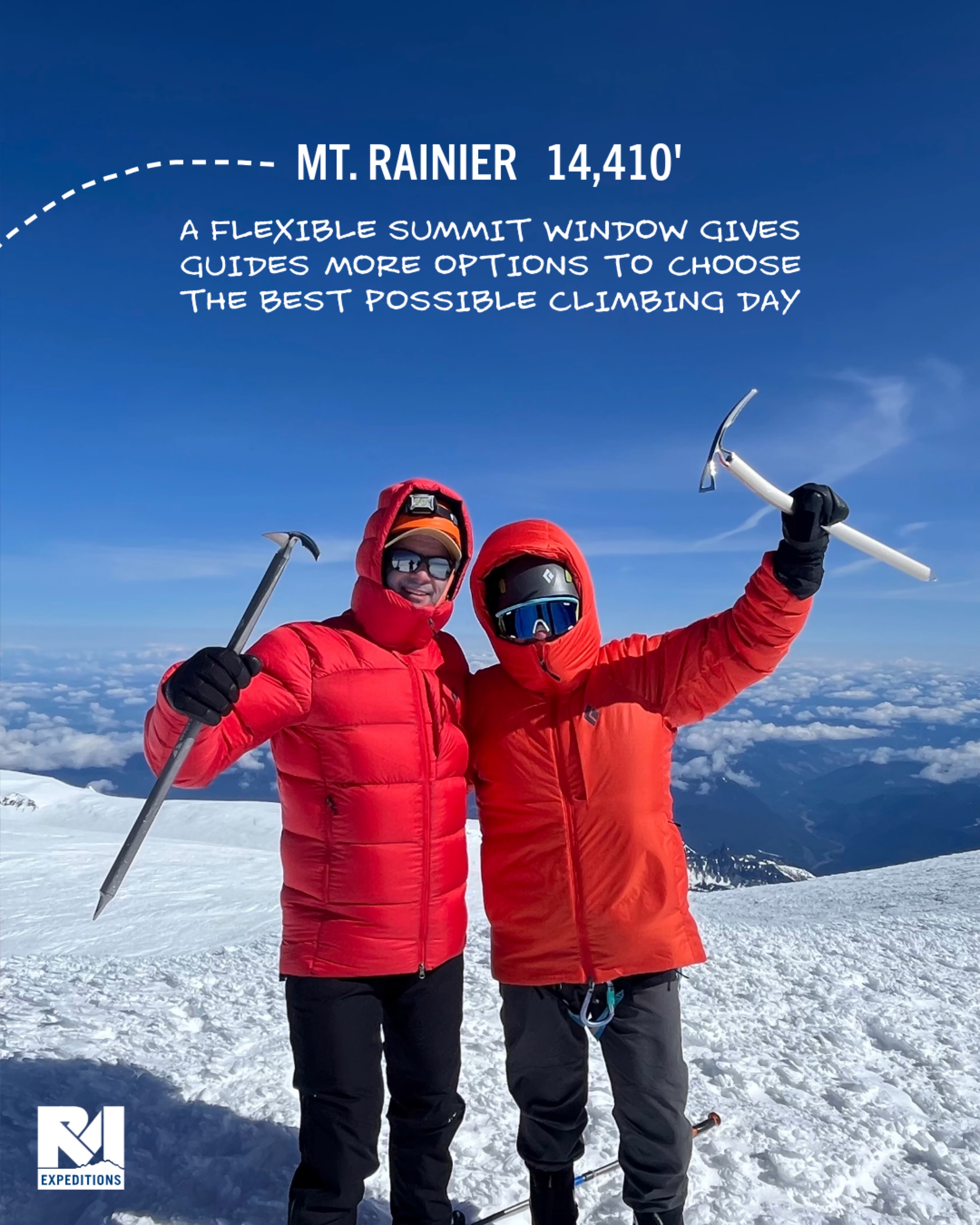
Both climbs follow Mount Rainier’s classic route and are appropriate for first-time Rainier climbers. The Five Day Rainier Climb includes an additional day on the mountain, allowing for two nights at Camp Muir and flexibility to choose the best summit window. This added margin can be especially valuable when weather or route conditions require patience, and it provides more time in alpine terrain without changing the objective or route.
Mount Baker or Mount Rainier?
Mount Baker and Mount Rainier both present excellent options for beginners, with Mount Rainier posing the greater physical and technical challenges of the two. Read more about the key highlights and differences to help you determine what suits you best.
Is this climb appropriate if I plan to pursue bigger objectives later?
Yes. The Five Day Rainier Climb provides a strong foundation for climbers interested in progressing to more advanced mountaineering objectives.
What is a natural next step after completing this climb?
After completing a Five Day Rainier Climb, you may want to expand your skills with a Seminar, or tackle an international objective like Cotopaxi or Mexico's Volcanoes.







.jpg)
.jpeg)
.jpeg)
.jpg)
























































Additional Comments
Ben was awesome. I have nothing but positive things to say about him and I hope I get the opportunity to climb with him again. He was an excellent leader, had an incredibly positive attitude, and was very professional.